The Great American Drive
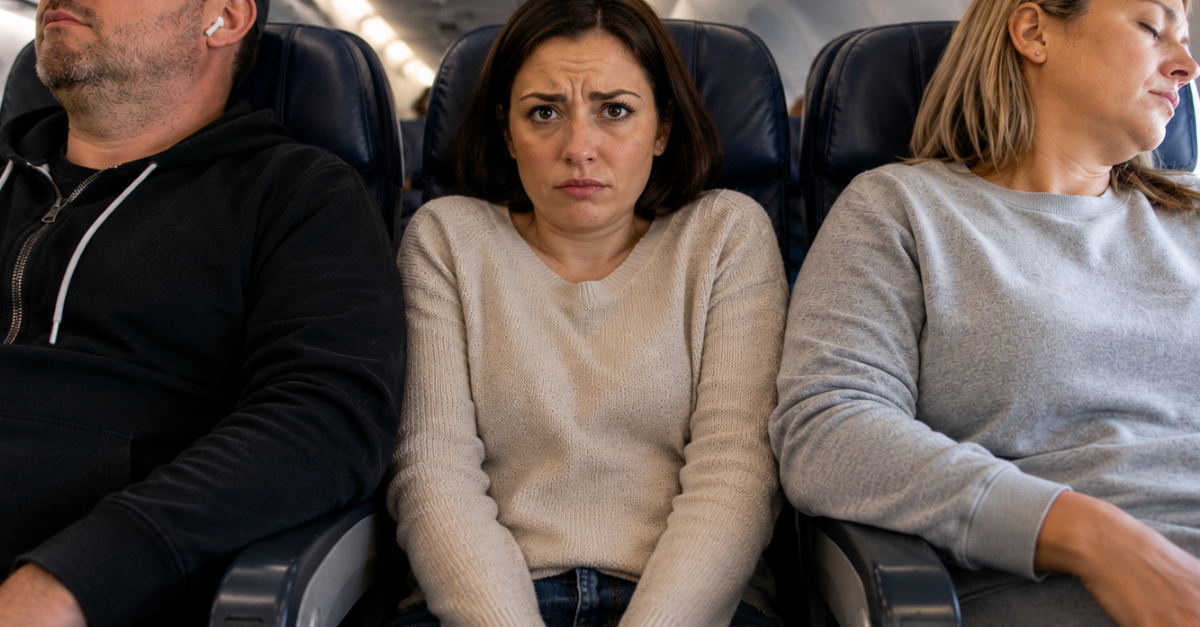
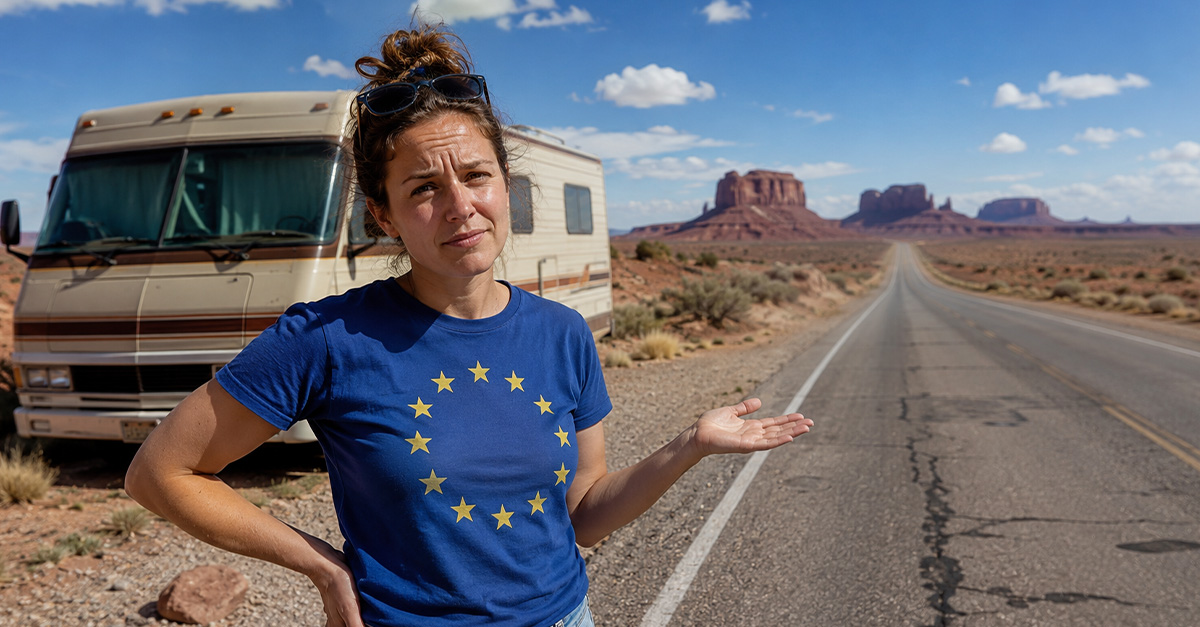
For many Europeans, an American road trip sounds simple: rent a car, choose a few cities, and start driving. Then they discover the United States is enormous, the highways can feel endless, and “just down the road” may mean another three hours behind the wheel.
The Distances Are Seriously Huge
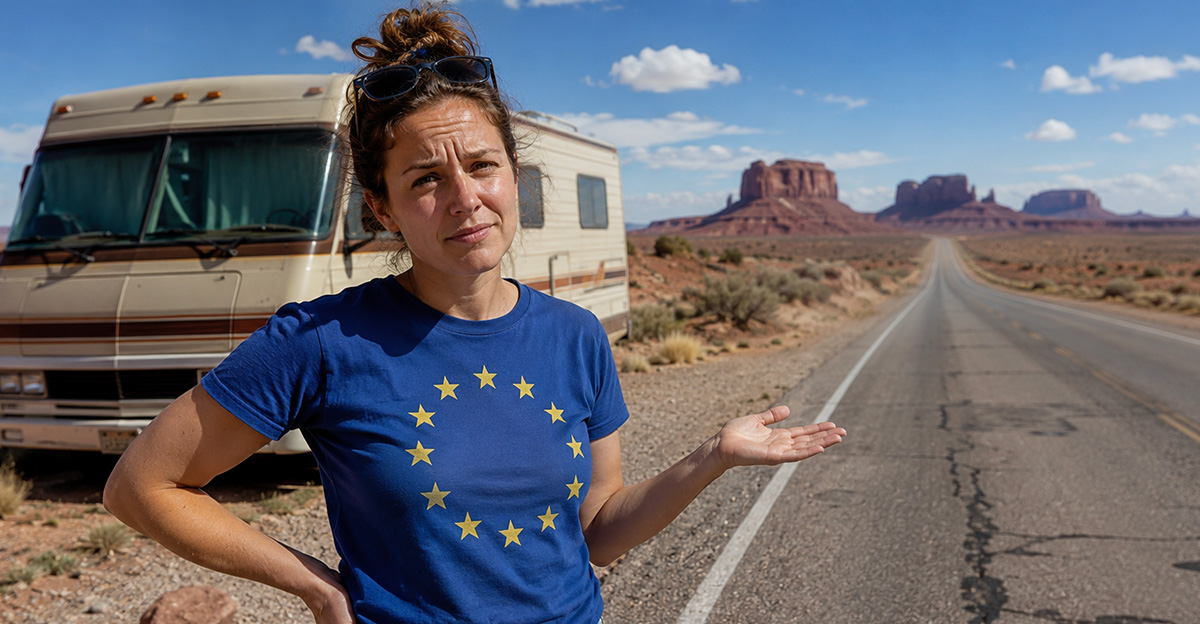
European countries can often be crossed in a single day. In the United States, you might drive all day and still be in the same state. Texas alone is wider than several European countries combined, so planning routes based on European expectations can quickly become exhausting.
The Map Makes Everything Look Closer
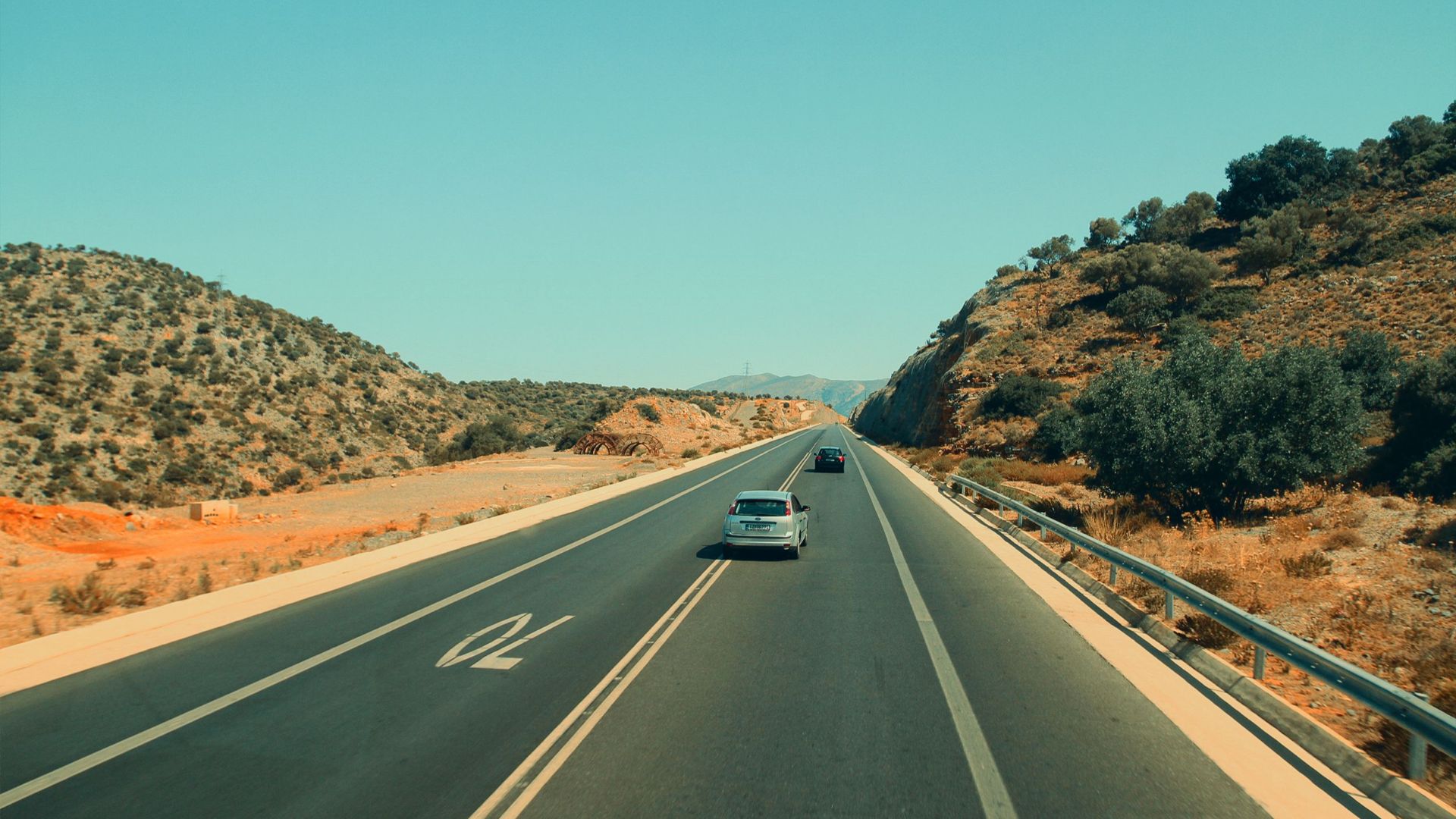
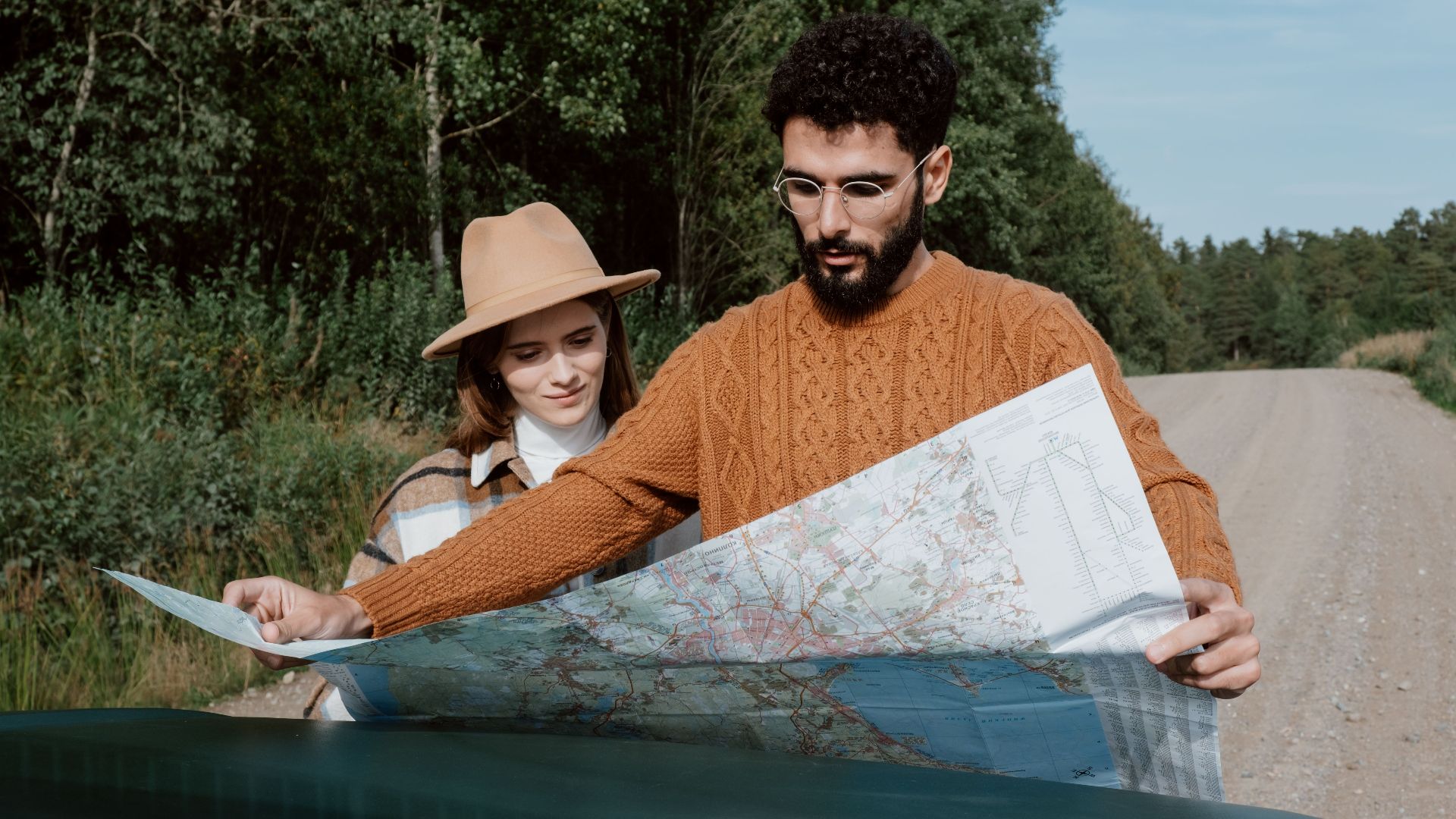
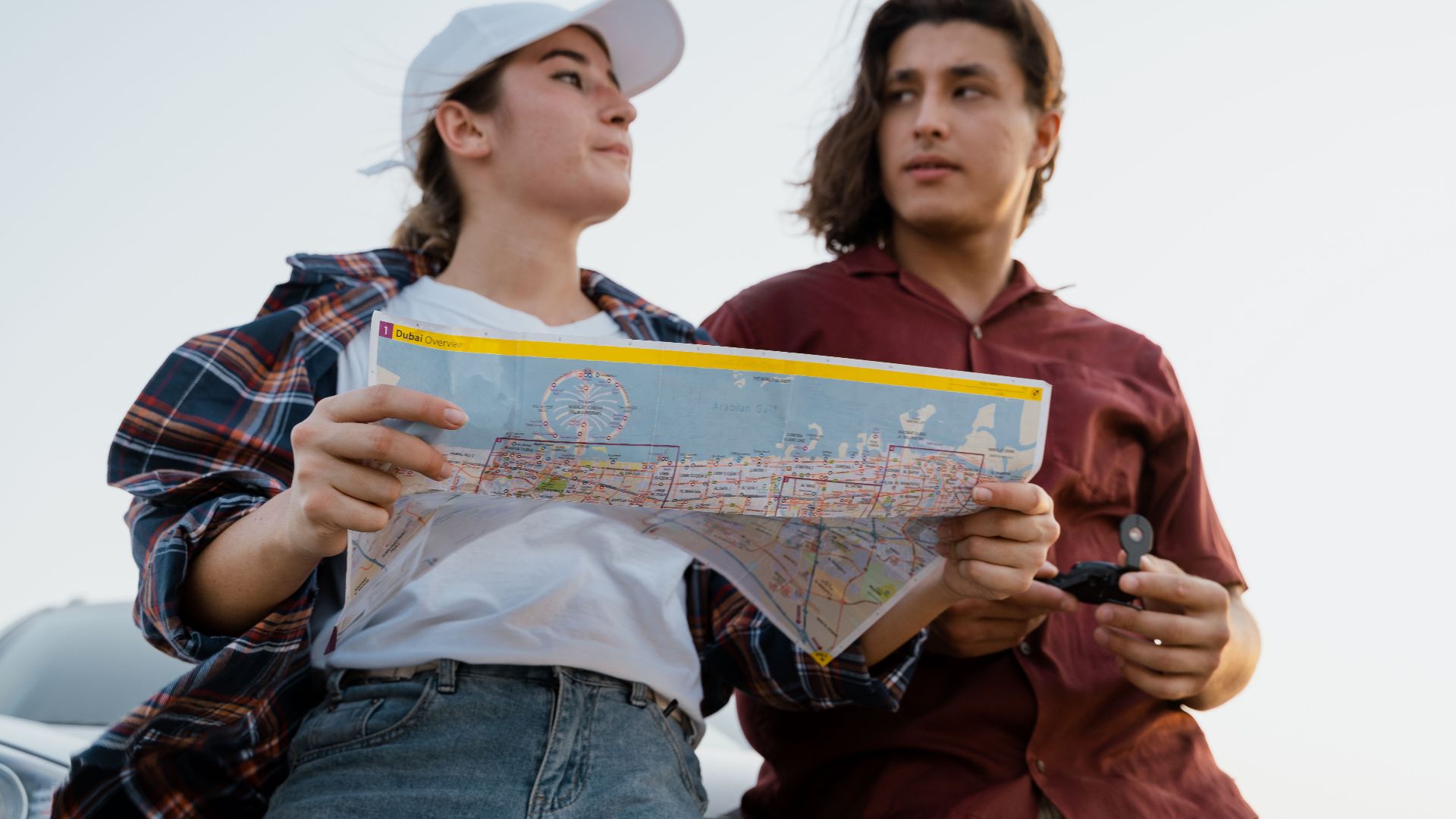
On a small screen, Los Angeles, Las Vegas, and the Grand Canyon may appear conveniently grouped together. In reality, they are separated by long desert highways. American road-trip maps have a sneaky way of turning tiny-looking gaps into half-day drives.
Coast To Coast Is Not A Weekend Trip
Driving from New York to Los Angeles is not a casual long weekend. Without meaningful stops, it can take around 40 hours of driving. Add sightseeing, meals, rest, traffic, and unexpected delays, and a proper coast-to-coast adventure can easily fill several weeks.
Driving Is Part Of The Experience
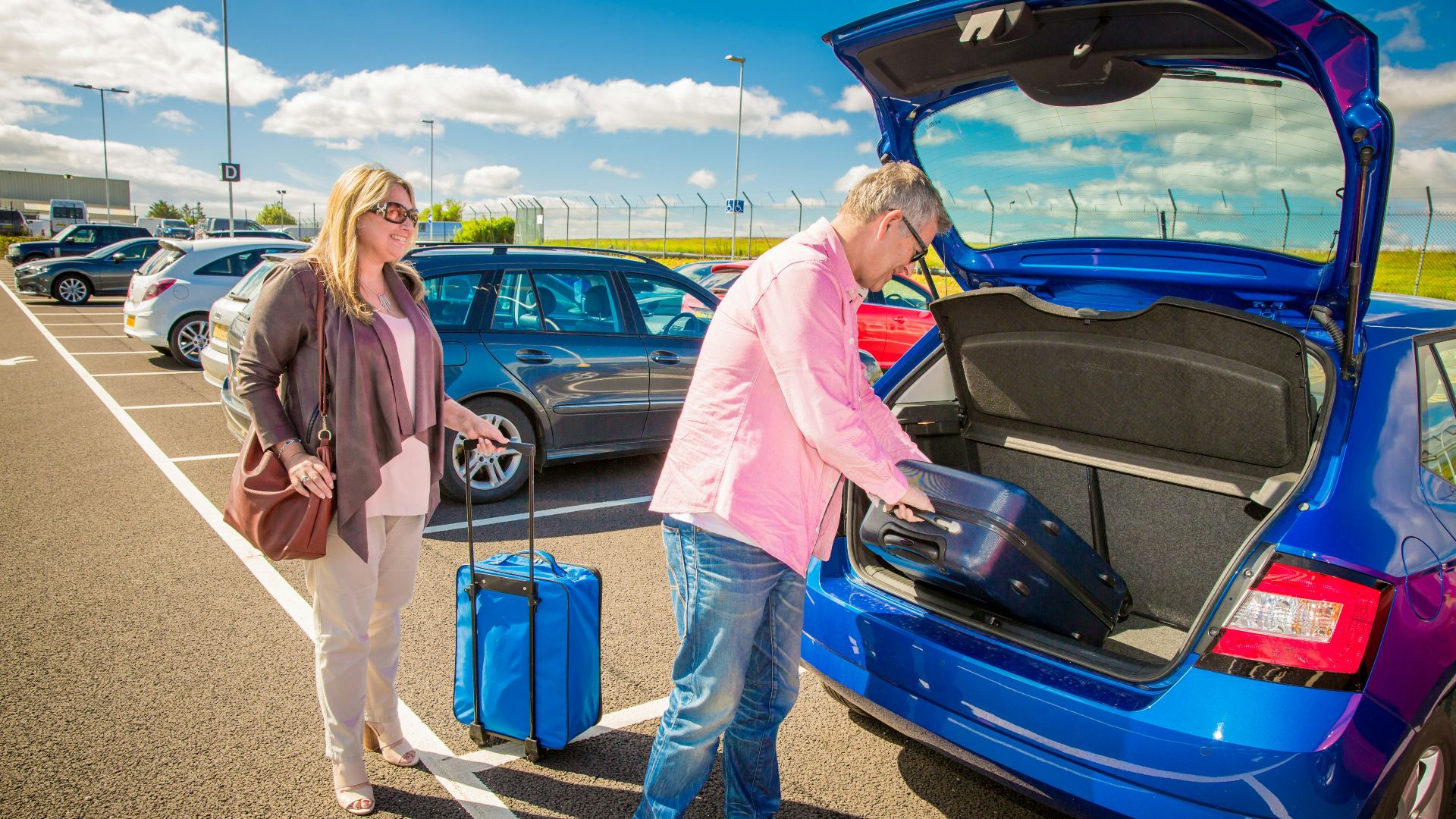
Many European travelers view driving as the boring section between destinations. On an American road trip, the drive is often the main attraction. Mountain passes, desert highways, coastal roads, roadside oddities, and tiny towns can be just as memorable as the famous cities.

A Car Is Often Essential
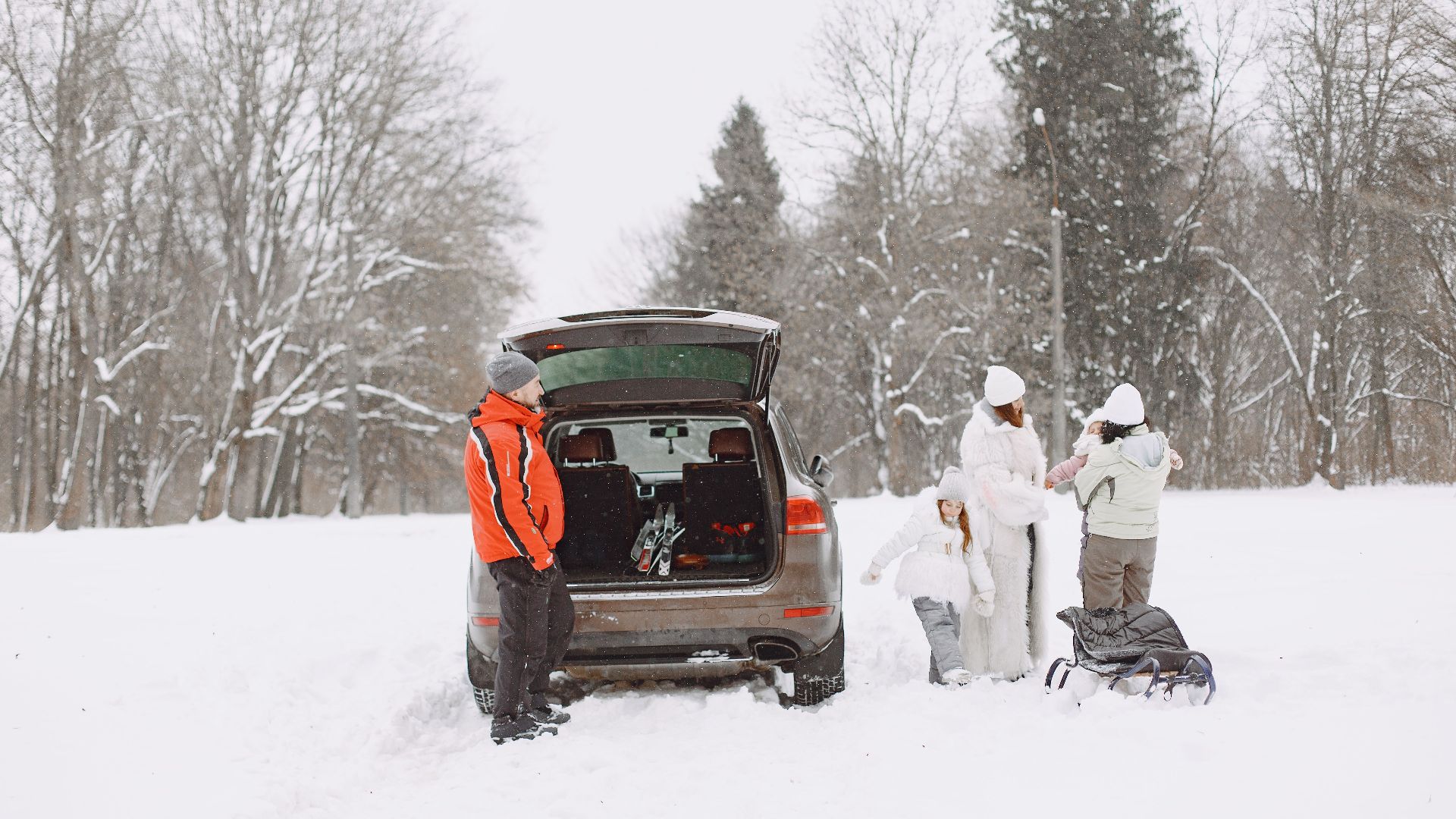
In many European destinations, trains and buses make car travel optional. Much of the United States works differently. Outside major cities, public transportation may be limited or nonexistent. Reaching national parks, small towns, beaches, and rural attractions usually requires your own vehicle.
Interstate Highways Are Built For Speed
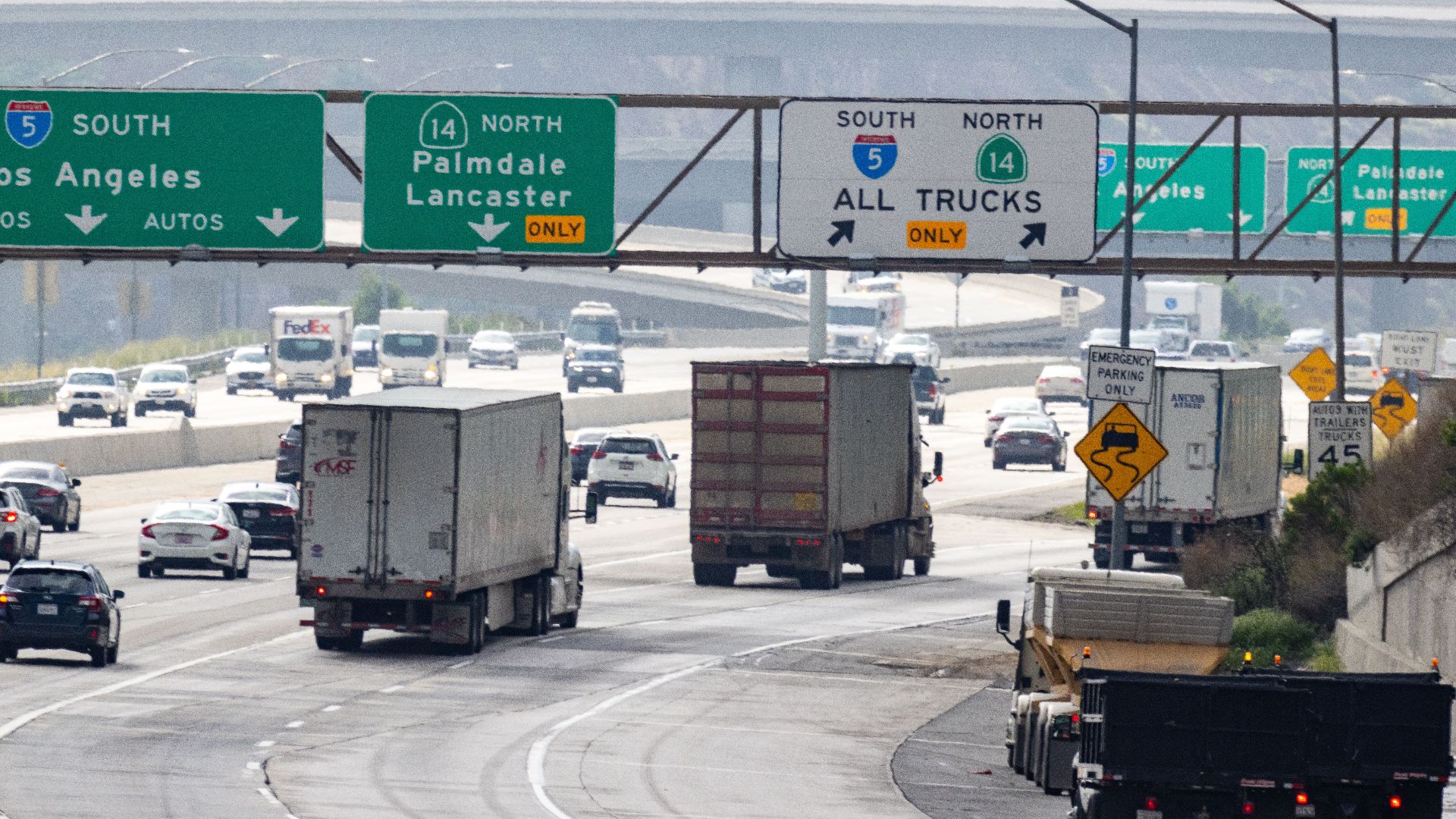
America’s interstate system is excellent for covering long distances, but it is not always beautiful. These roads are designed to move traffic efficiently. You may spend hours passing exits, service stations, billboards, and familiar chain restaurants rather than charming historic villages.
The Scenic Route Takes Much Longer
Leaving the interstate often produces the best memories, but it also adds time. Smaller highways pass through mountains, forests, farmland, and communities worth exploring. A trip that takes four hours on the interstate might take seven on the prettier route—and that is before photo stops.

Fuel Stops Require Some Planning
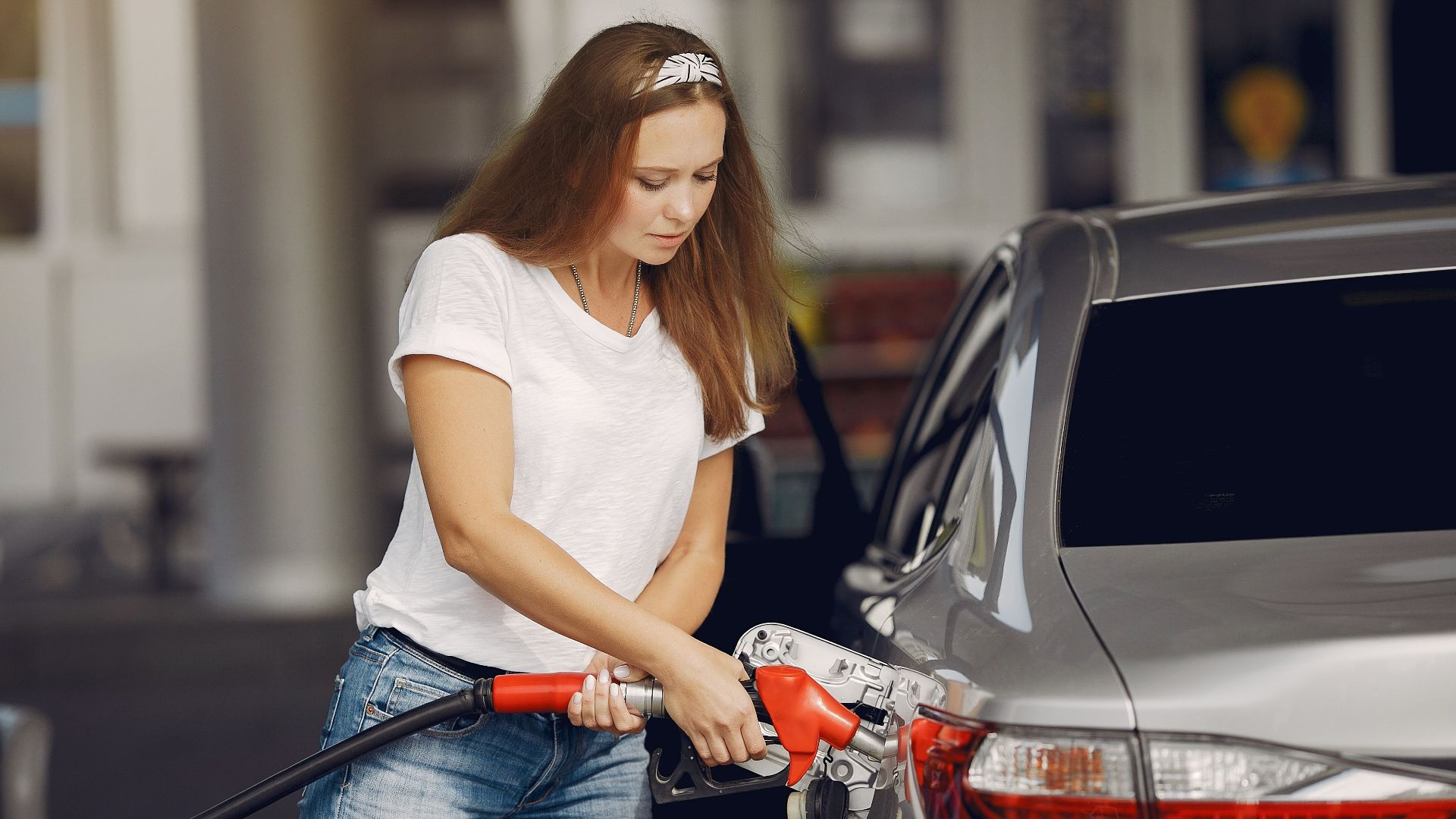
In populated areas, gas stations are everywhere. In remote parts of the West, they can be surprisingly far apart. Waiting until the fuel warning appears is not a clever strategy in Nevada, Utah, Wyoming, or rural Arizona. Fill up when you have the chance.
Restrooms Are Not Always Nearby
Europeans may expect another service area to appear shortly. On isolated American roads, the next restroom could be many miles away. Travelers quickly learn to use facilities whenever they stop for food or fuel, even when nobody believes they need one yet.
National Parks Are Enormous
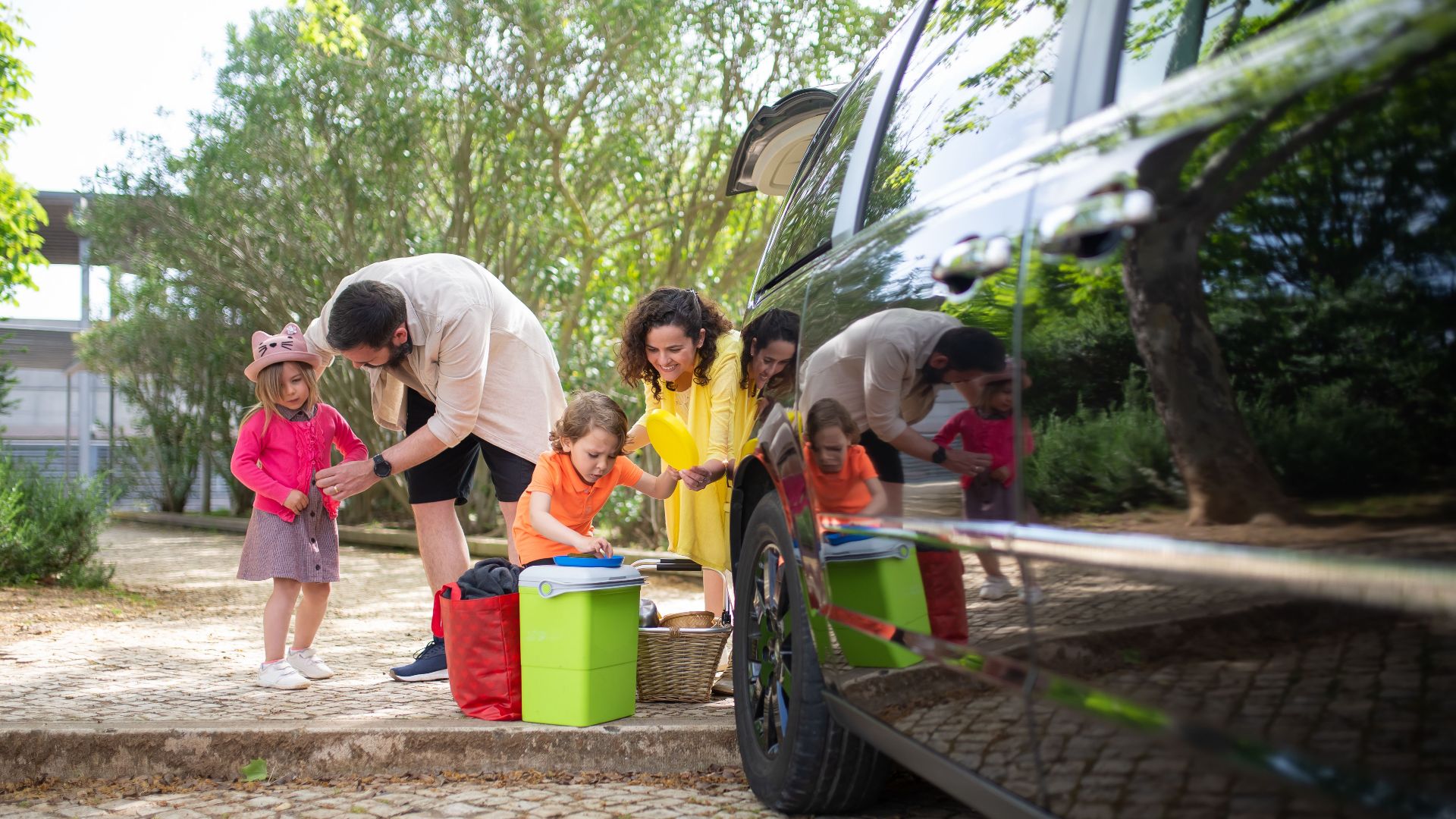
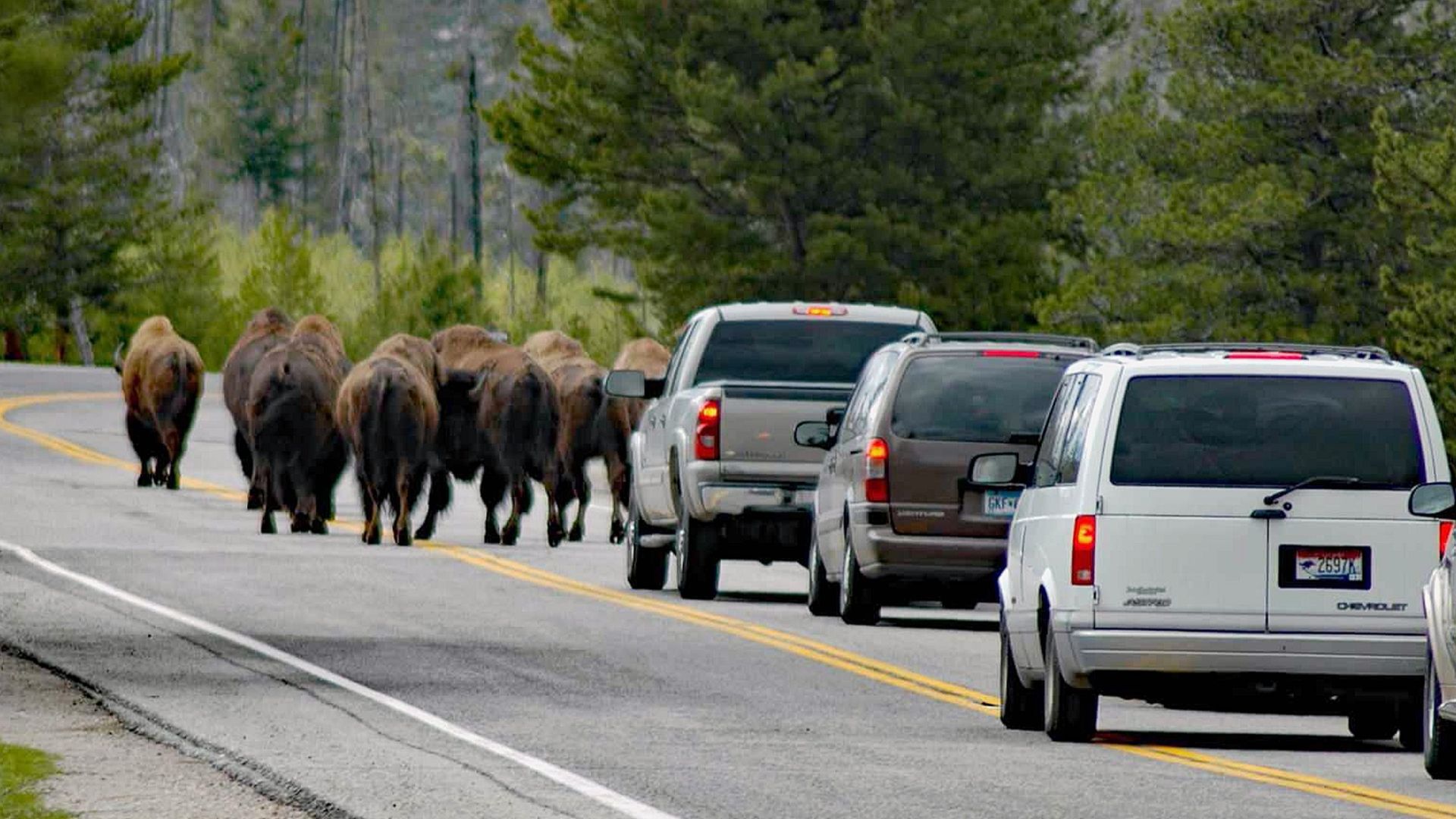
Arriving at a national park does not mean you have arrived at everything inside it. Yellowstone, Yosemite, and the Grand Canyon cover vast areas. Driving from one viewpoint or trailhead to another may take hours, especially when traffic, wildlife, and limited parking slow things down.

One Day May Bring Several Climates
American road trips can pass through completely different weather systems. You might leave a warm desert, cross a cold mountain pass, and reach a rainy coast by evening. Packing only for the weather at your starting point can lead to some uncomfortable surprises.
Time Zones Quietly Change Your Plans
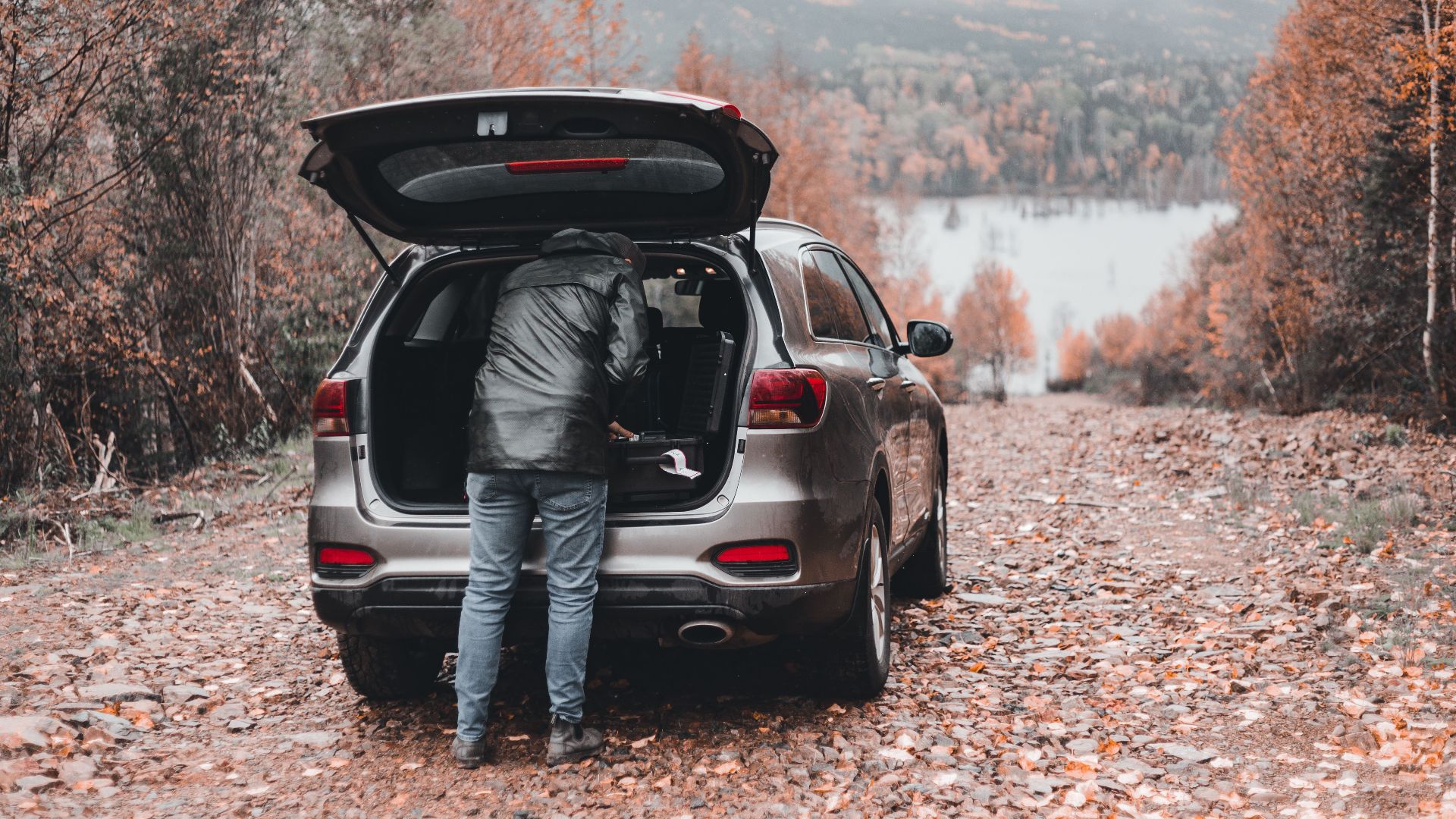
The continental United States has four major time zones, and some state borders bring an immediate clock change. That can affect hotel check-ins, dinner reservations, tours, and sunset times. Your phone usually adjusts automatically, but your tired brain may take longer.

Speed Limits Are Not Suggestions
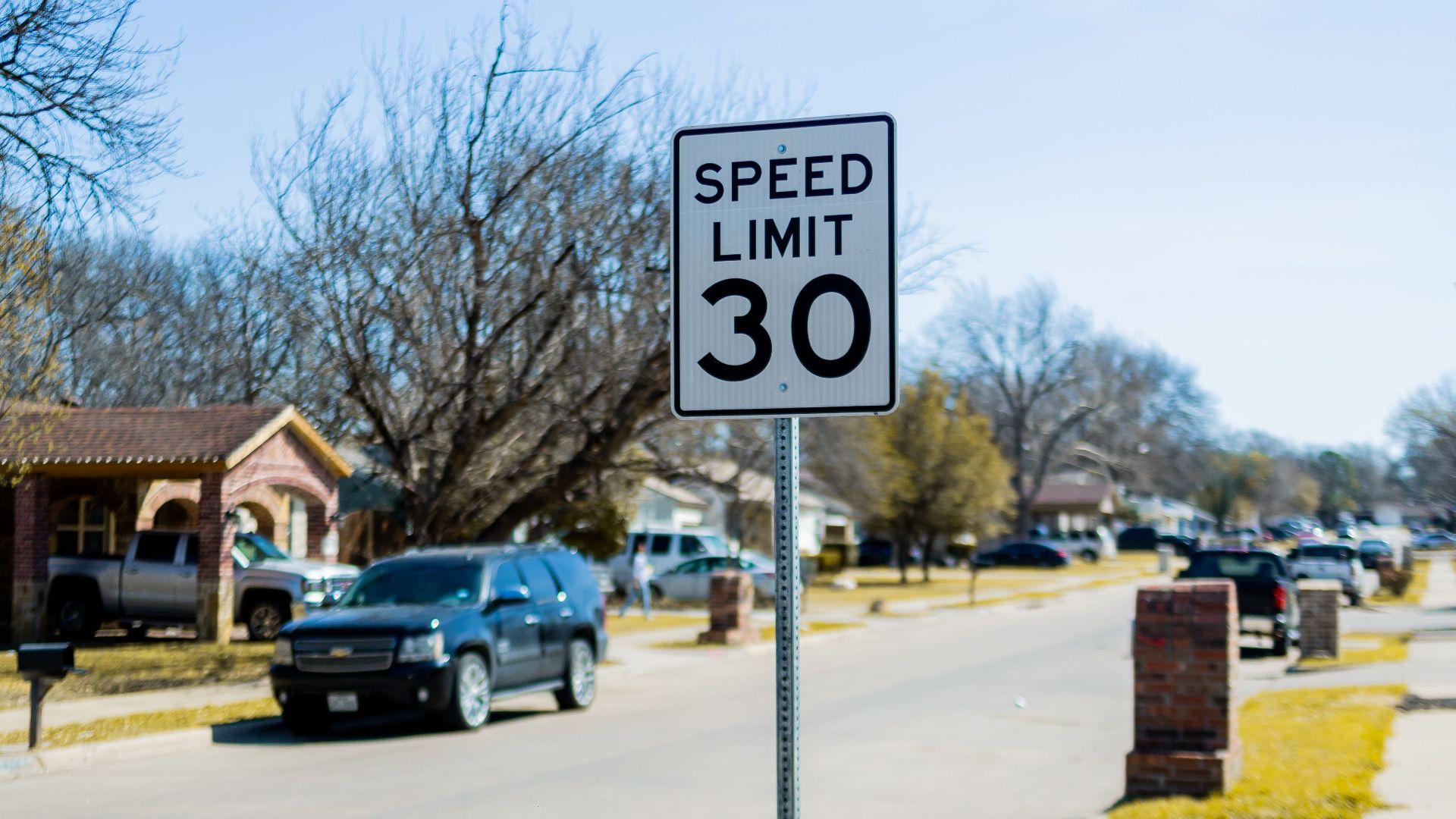
Visitors sometimes assume American drivers casually ignore posted limits. Many do drive slightly faster, but enforcement varies widely. Small-town police, state troopers, construction zones, and school areas deserve particular attention. A speeding ticket is an expensive souvenir that nobody wants to bring home.
Right Turns On Red Feel Strange
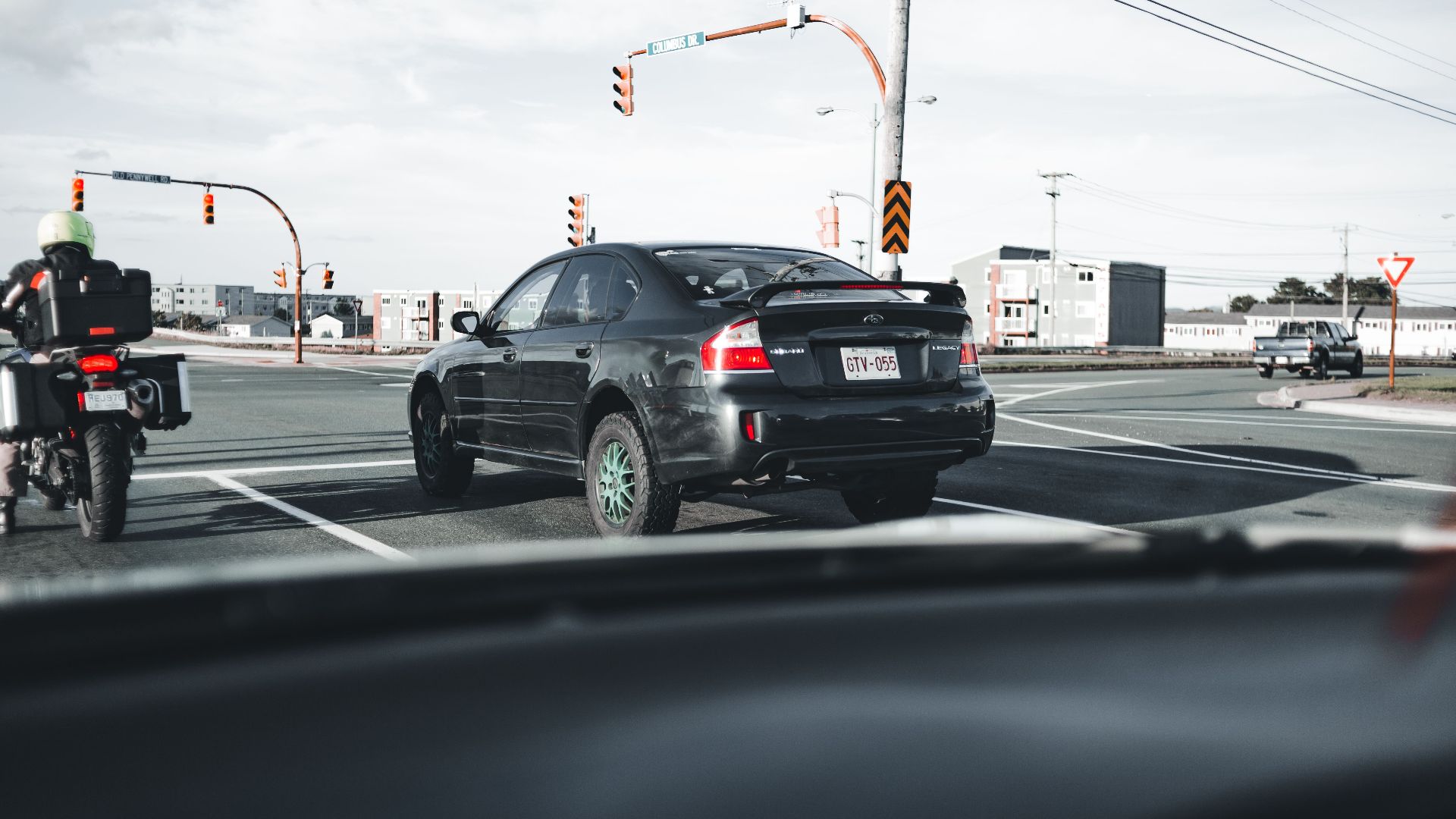
In much of the United States, drivers may turn right at a red light after stopping, unless a sign prohibits it. This can feel completely wrong to first-time visitors. The key is to stop fully, check for pedestrians and traffic, and proceed only when safe.
Automatic Cars Are The Default
European drivers accustomed to manual transmissions may be surprised that most American rental cars are automatic. That usually makes long drives easier. The bigger adjustment may be the vehicle itself, since rental fleets often include larger sedans, SUVs, and pickup trucks than Europeans commonly drive.
Parking Is Easy Until It Is Not
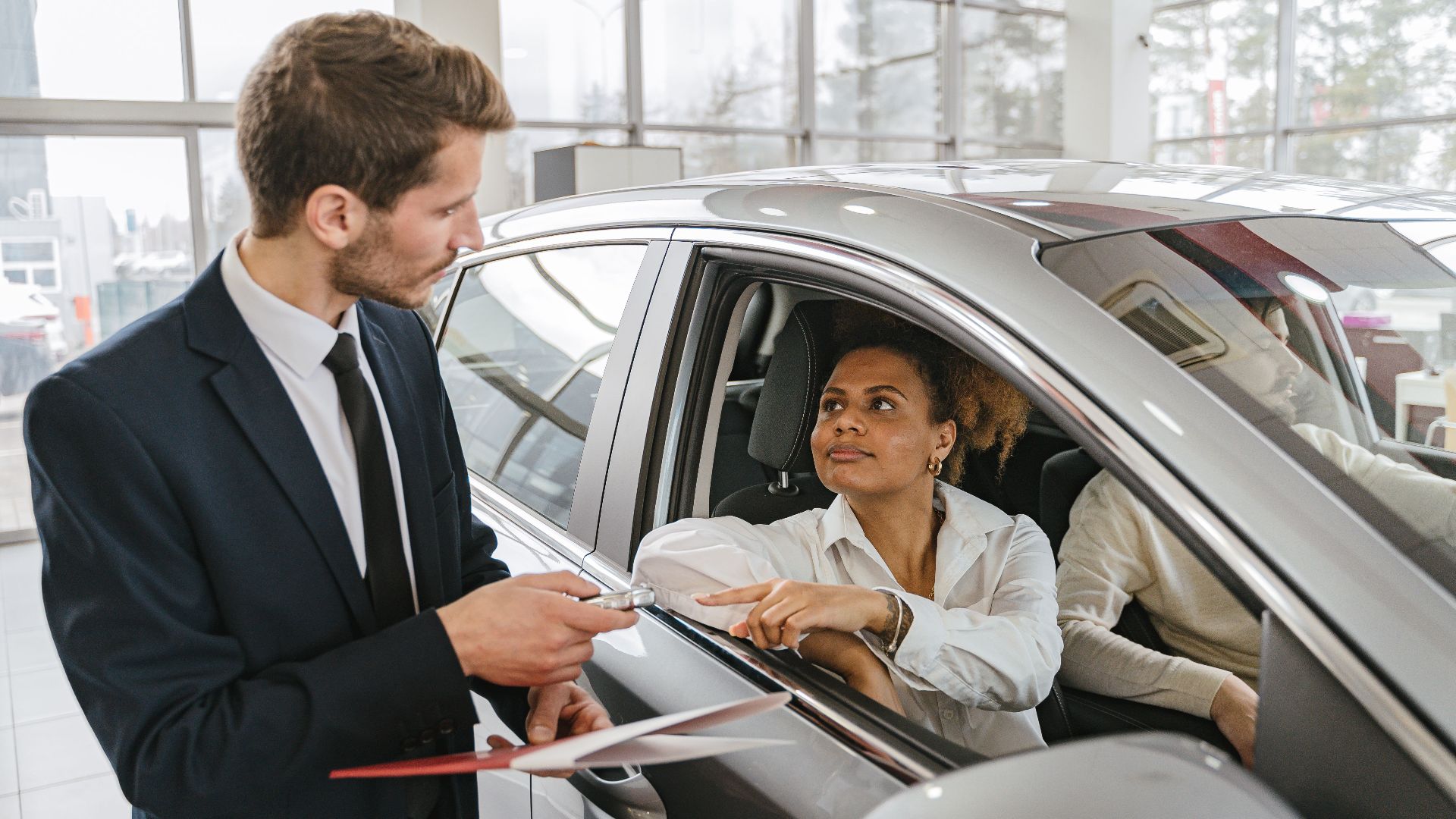
Small towns, roadside attractions, shopping centres, and suburban hotels usually have enormous parking lots. Major cities are another story. In New York, Boston, Chicago, or San Francisco, parking can be scarce, complicated, and astonishingly expensive. Sometimes the hotel parking costs nearly as much as the room.
American Drivers Love Their Cup Holders
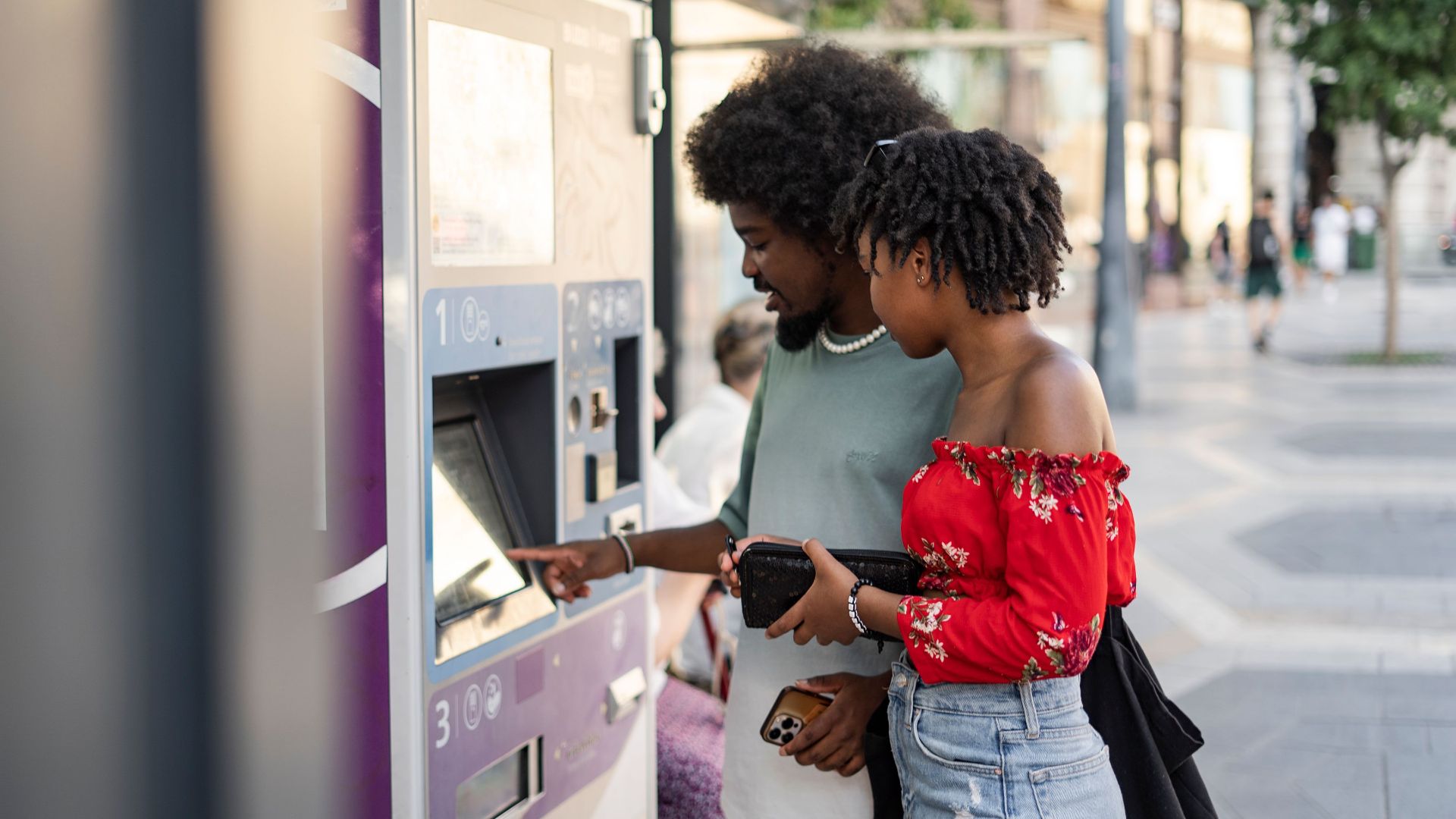
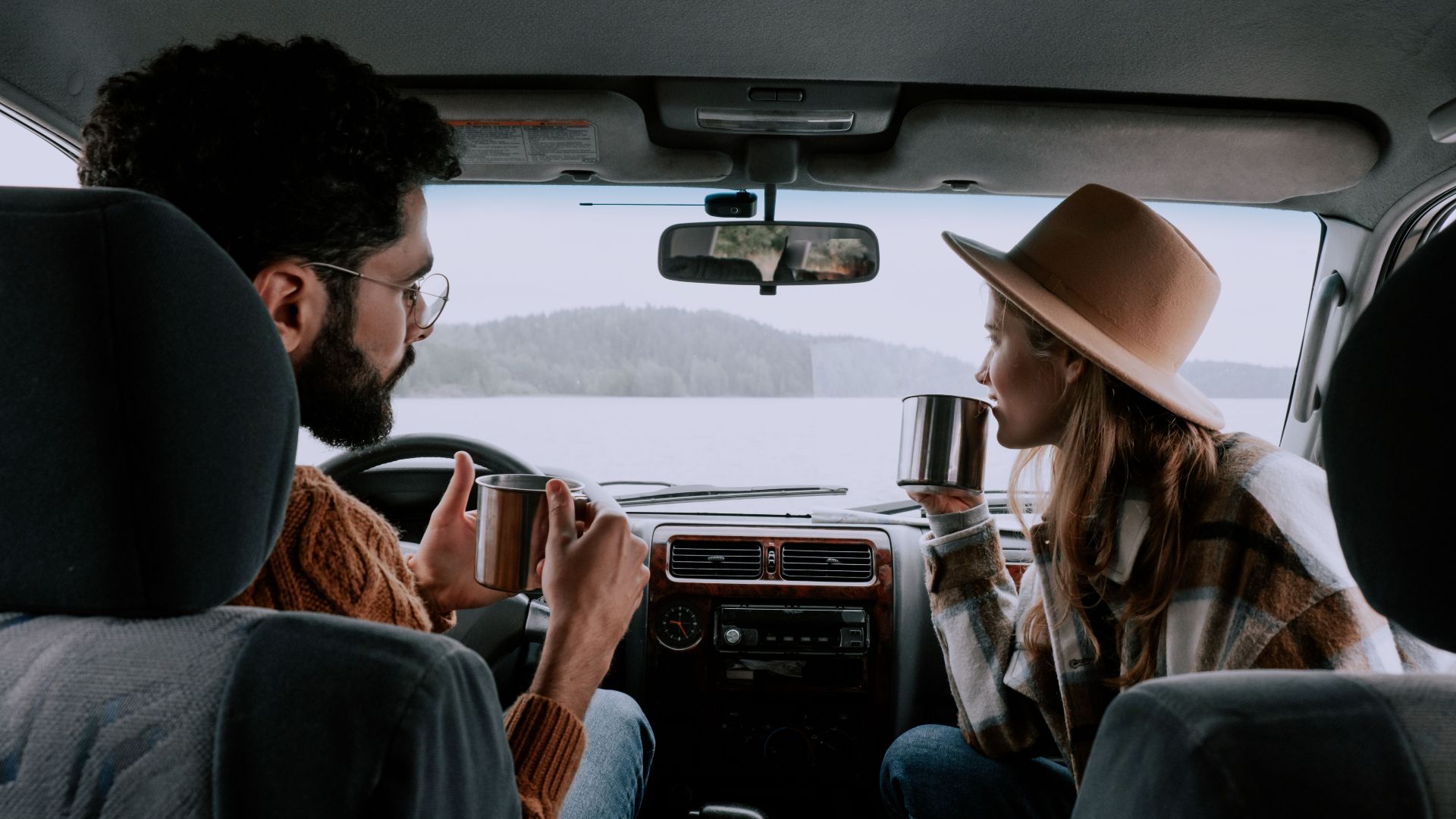
Long distances have shaped American cars. Cup holders, large storage spaces, air conditioning, cruise control, and comfortable seats matter when you are driving for eight hours. The vehicle becomes a temporary living room, complete with drinks, snacks, chargers, jackets, and an expanding collection of receipts.
Roadside Food Is Its Own Culture
American road-trip dining is not limited to fast-food chains. Highways lead to diners, barbecue stands, taco trucks, pie shops, seafood shacks, and regional specialties. Some of the best meals come from places with faded signs, crowded parking lots, and menus that have barely changed in decades.

Chain Restaurants Can Be Useful
European visitors sometimes dismiss familiar chains as boring. On a long drive, however, predictability can be comforting. You know what is available, where the restroom is, and roughly how long the meal will take. Save the adventurous dining for stops where you have more time.

Motels Are Not Automatically Terrifying
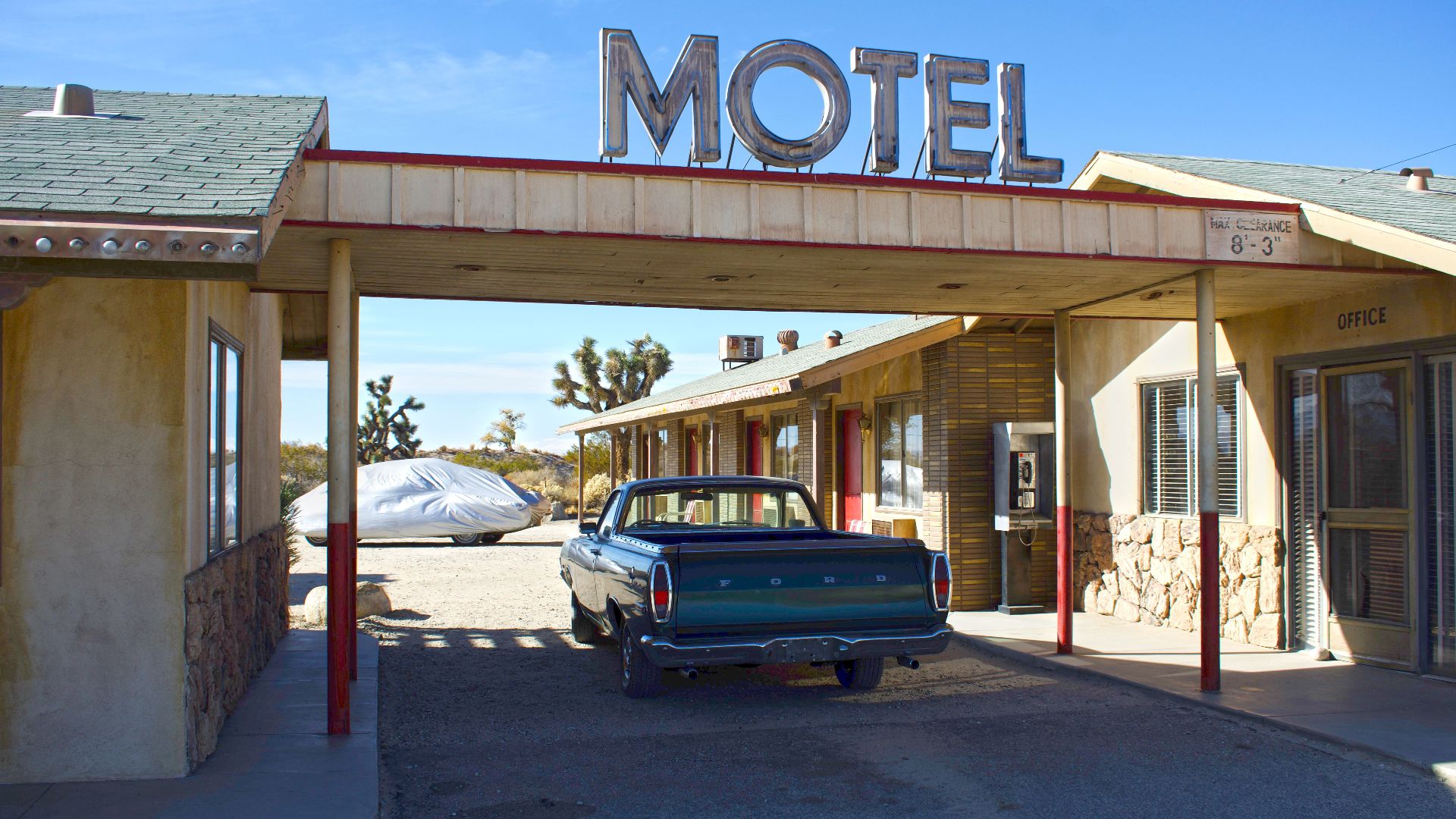
Movies have given American motels a questionable reputation. In reality, many are simple, clean, affordable places designed for drivers. Rooms often open directly onto the parking lot, making it easy to unload luggage. Reading recent reviews is still wise, especially in unfamiliar areas.
Tipping Still Applies On The Road
Tipping does not disappear because you are travelling by car. Restaurant servers, hotel staff, taxi drivers, and tour guides may expect gratuities. The system can be confusing for visitors, but keeping small bills available makes those moments much easier and avoids awkward calculations at the roadside diner.
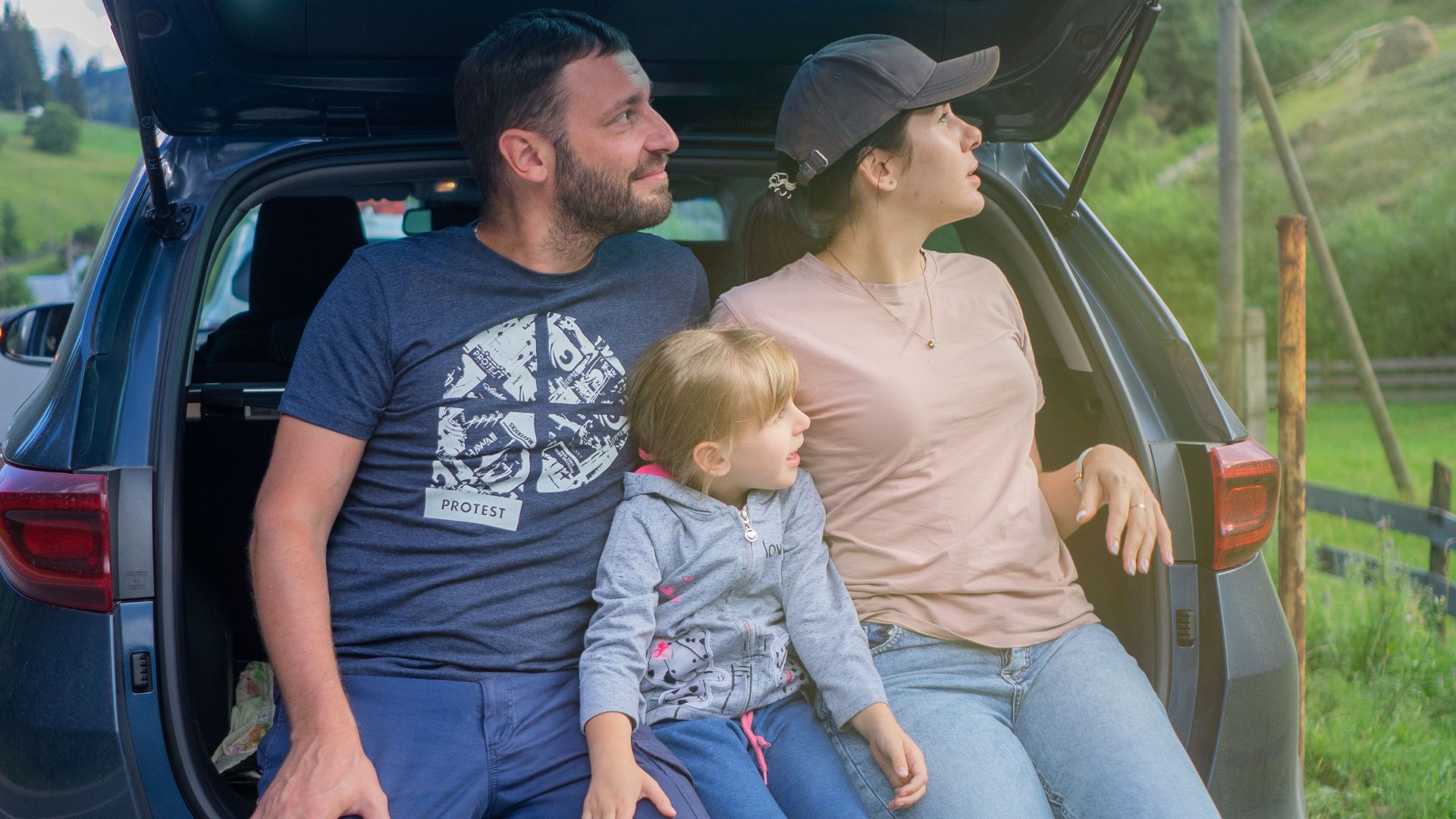
 Photo By: Kaboompics.com, Pexels
Mobile Service Can Vanish Completely
A phone signal may feel guaranteed in modern life, but remote American highways disagree. Mountains, deserts, forests, and national parks often contain dead zones. Download maps before leaving, save important addresses, and avoid depending entirely on live navigation to find your next stop.

Wildlife Is A Real Driving Hazard
Deer, elk, moose, bears, alligators, and smaller animals can appear near roads depending on the region. Dawn and dusk are especially risky. Warning signs are not decorative, and a collision with a large animal can be dangerous for both the wildlife and everyone in the vehicle.
Weather Can Close The Road
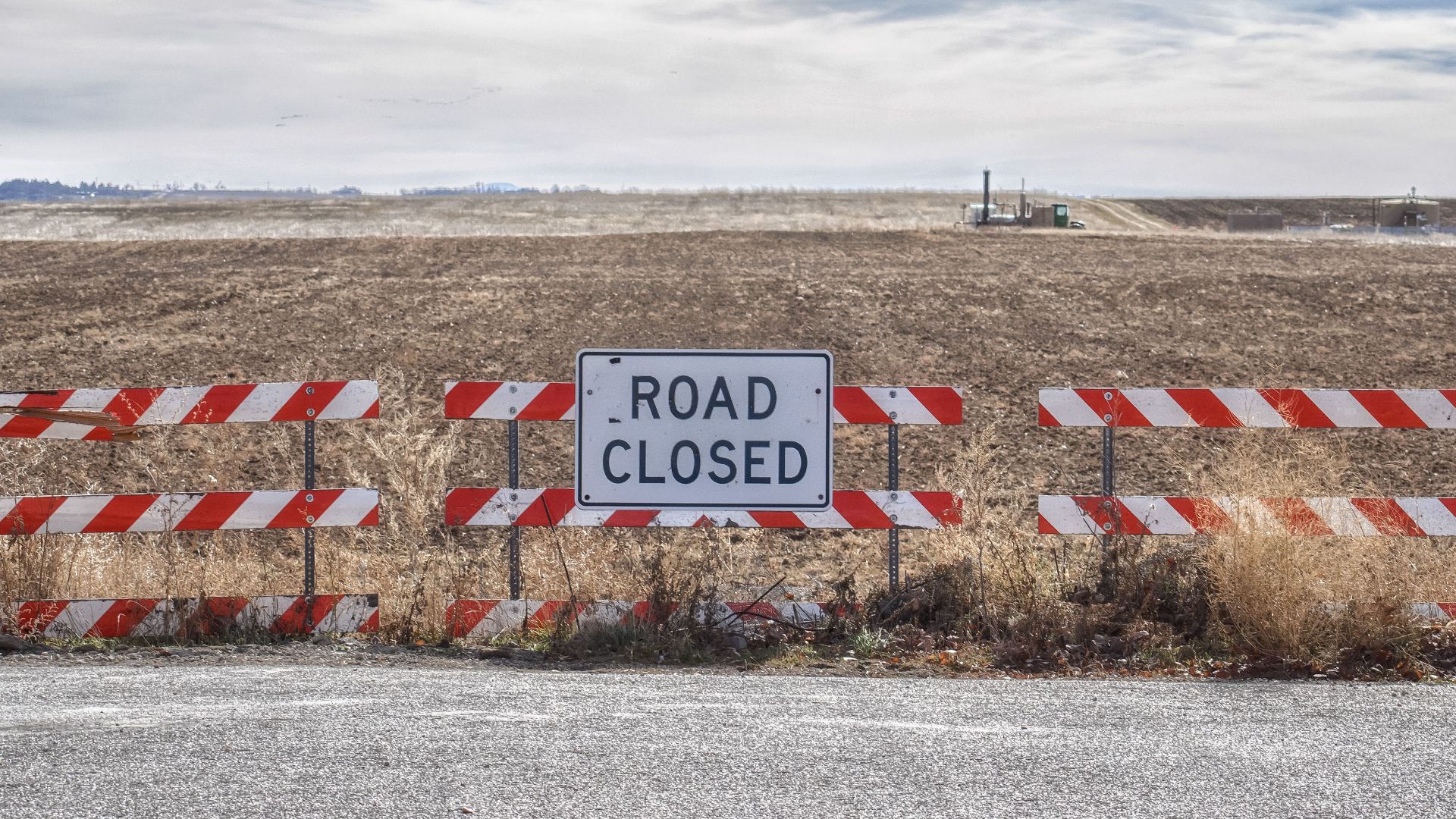
Snowstorms, wildfires, flash floods, hurricanes, dust storms, and landslides can disrupt American road trips with little warning. A road that looks open on a printed map may be closed in real life. Check local conditions regularly, especially when travelling through mountains or remote regions.
Spontaneity Still Requires Preparation
The classic road trip celebrates freedom, but complete improvisation can backfire. Popular parks, campgrounds, hotels, and attractions may sell out months ahead. The best approach combines a few firm reservations with enough open time for unexpected diners, viewpoints, and roadside discoveries.
The Journey Is Bigger Than Expected
American road trips are longer, less predictable, and more car-dependent than many Europeans imagine. That is exactly what makes them memorable. Accept the distances, leave room for delays, keep the fuel tank healthy, and remember that the strange little stop between destinations may become your favourite part.
You May Also Like: