The Little Clues That Say American
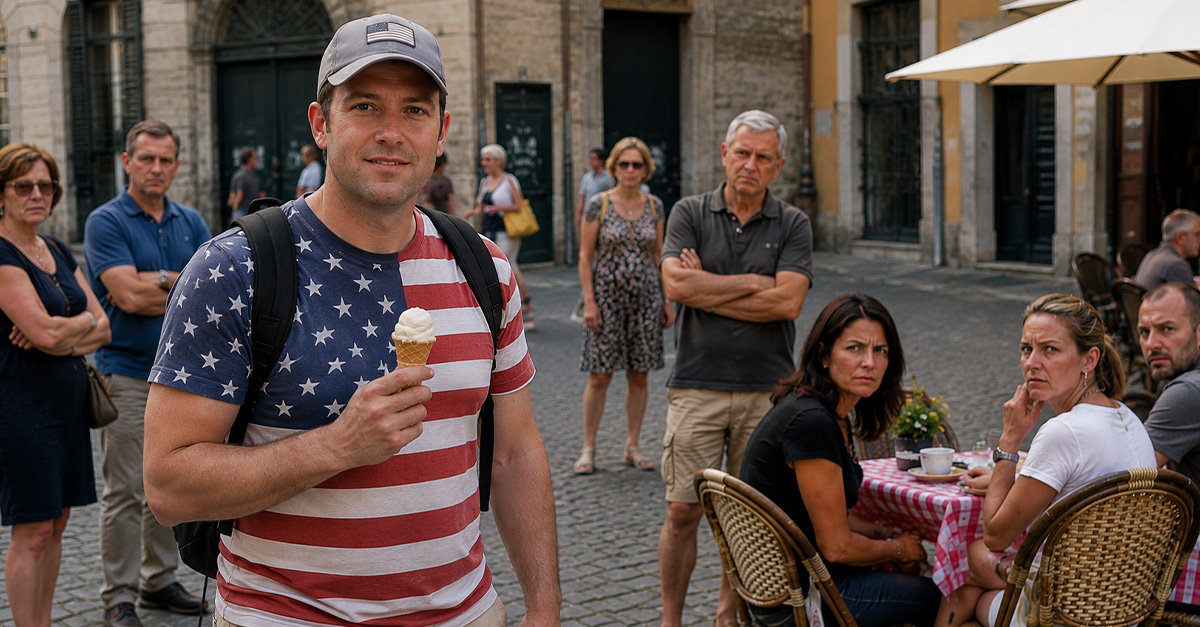
Americans do not need to wave a flag to announce themselves in Europe. A cheerful greeting, a practical outfit, or one innocent question about ice can do the job. These habits are not bad—just charming cultural fingerprints that locals often spot from across the square.
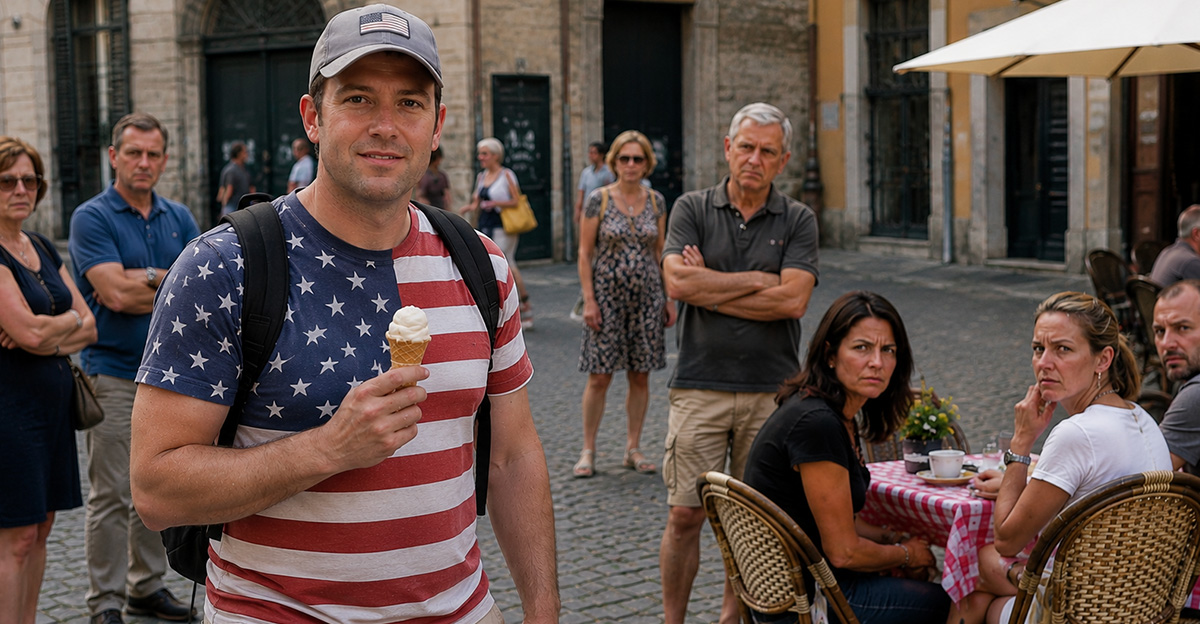
Dressing Like Every Day Is a Hike
Many American travelers arrive ready for action: performance fabric, zippered pockets, supportive shoes, and a backpack prepared for changing weather. Meanwhile, locals cross the same cobblestones in loafers and wool coats, looking as though they wandered out of a fashion campaign.

Wearing A Baseball Cap Everywhere
The baseball cap is practically an American travel passport. It appears at cafés, museums, cathedrals, and even dinner. Europeans wear caps too, but Americans have a special talent for pairing one with khaki shorts, sunglasses, and a determined sightseeing expression.
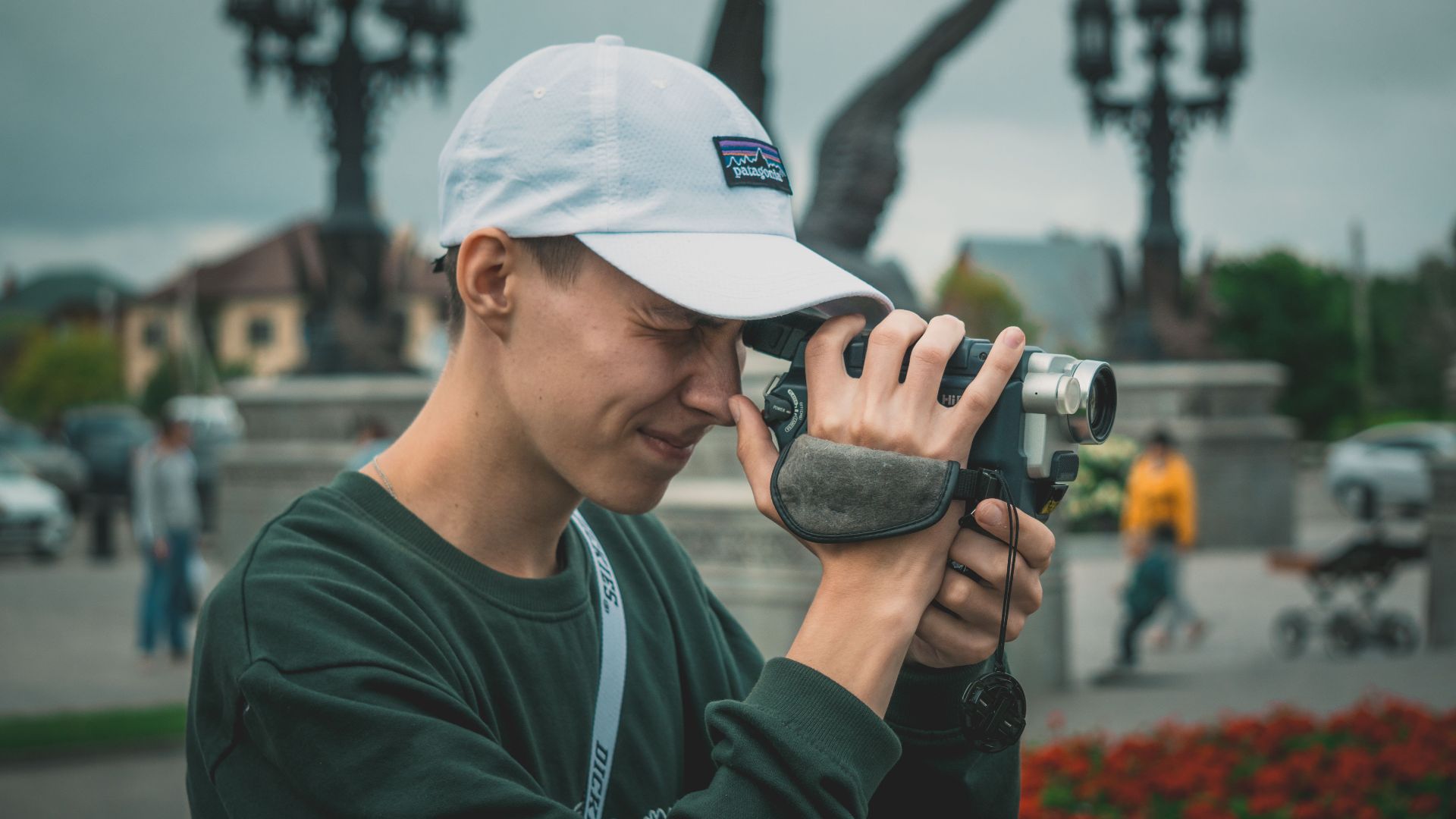
Turning The Volume Up
Americans are often enthusiastic talkers, and enthusiasm comes with excellent projection. A conversation that feels normal in Chicago may carry across an entire Swiss train carriage. Nobody means to be loud; Americans simply communicate as though the table were the size of a football field.

Treating Ice Like A Human Right
Order a soft drink in Europe and you may receive three elegant ice cubes. Americans, raised on cups packed like miniature glaciers, often stare in disbelief. Asking for “extra ice” is one of the quickest ways to reveal which side of the Atlantic someone calls home.
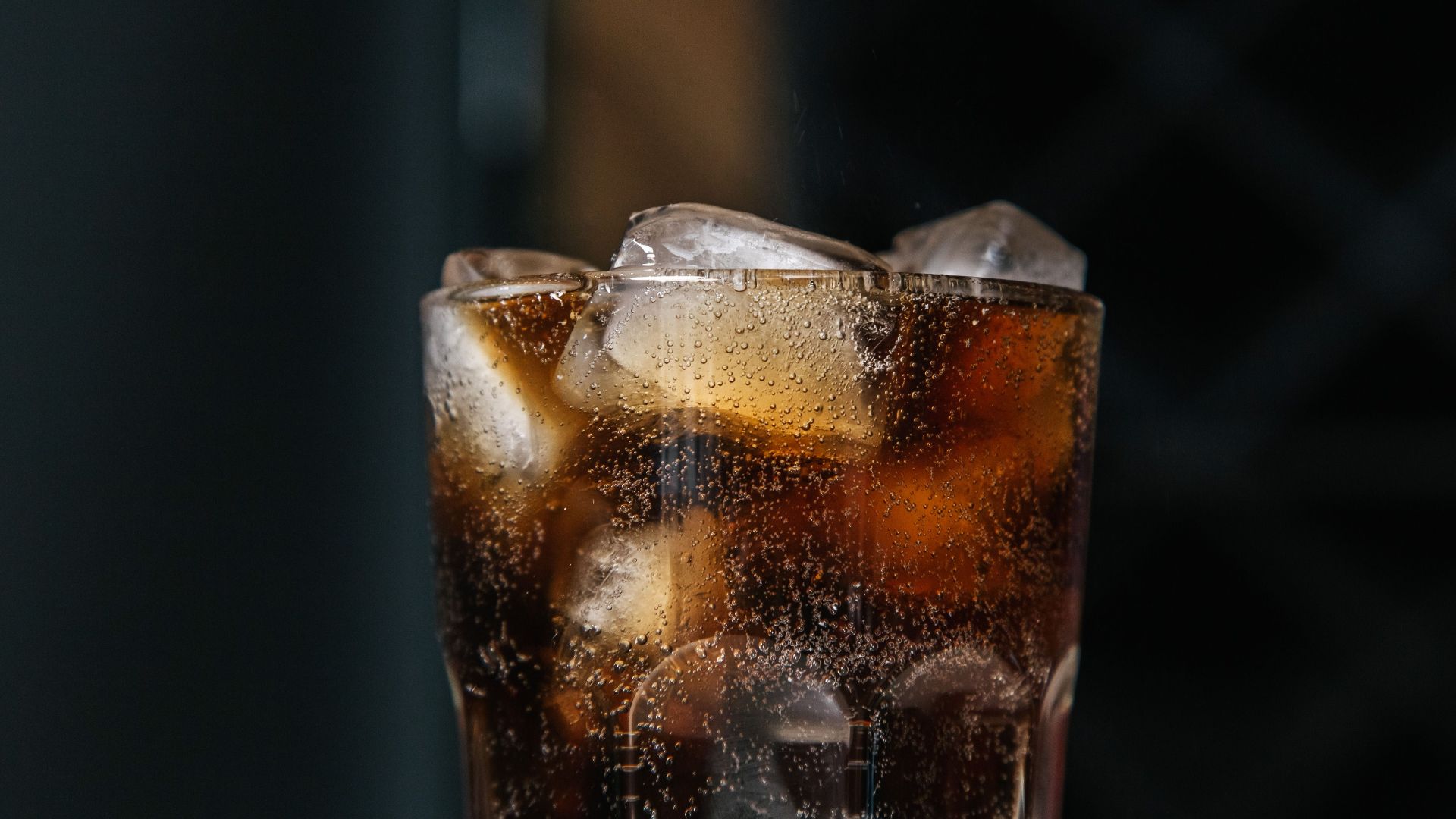
Waiting For Free Refills
In many American restaurants, a soda glass seems to refill itself by magic. In Europe, another drink usually means another charge. Watching an American pause, look hopefully at the server, and wonder whether more cola is coming can become a tiny cultural comedy.
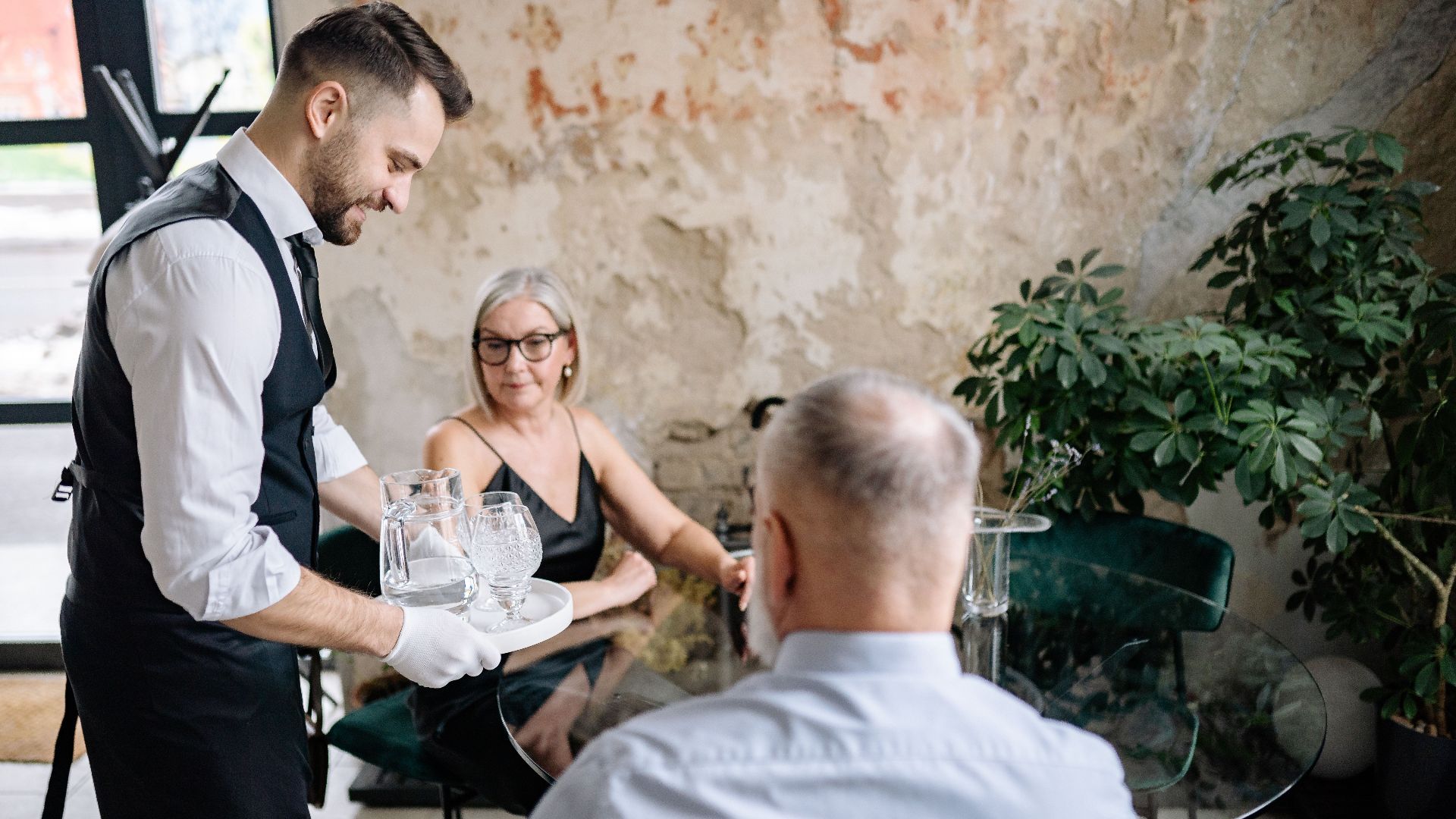
Taking Coffee To Go
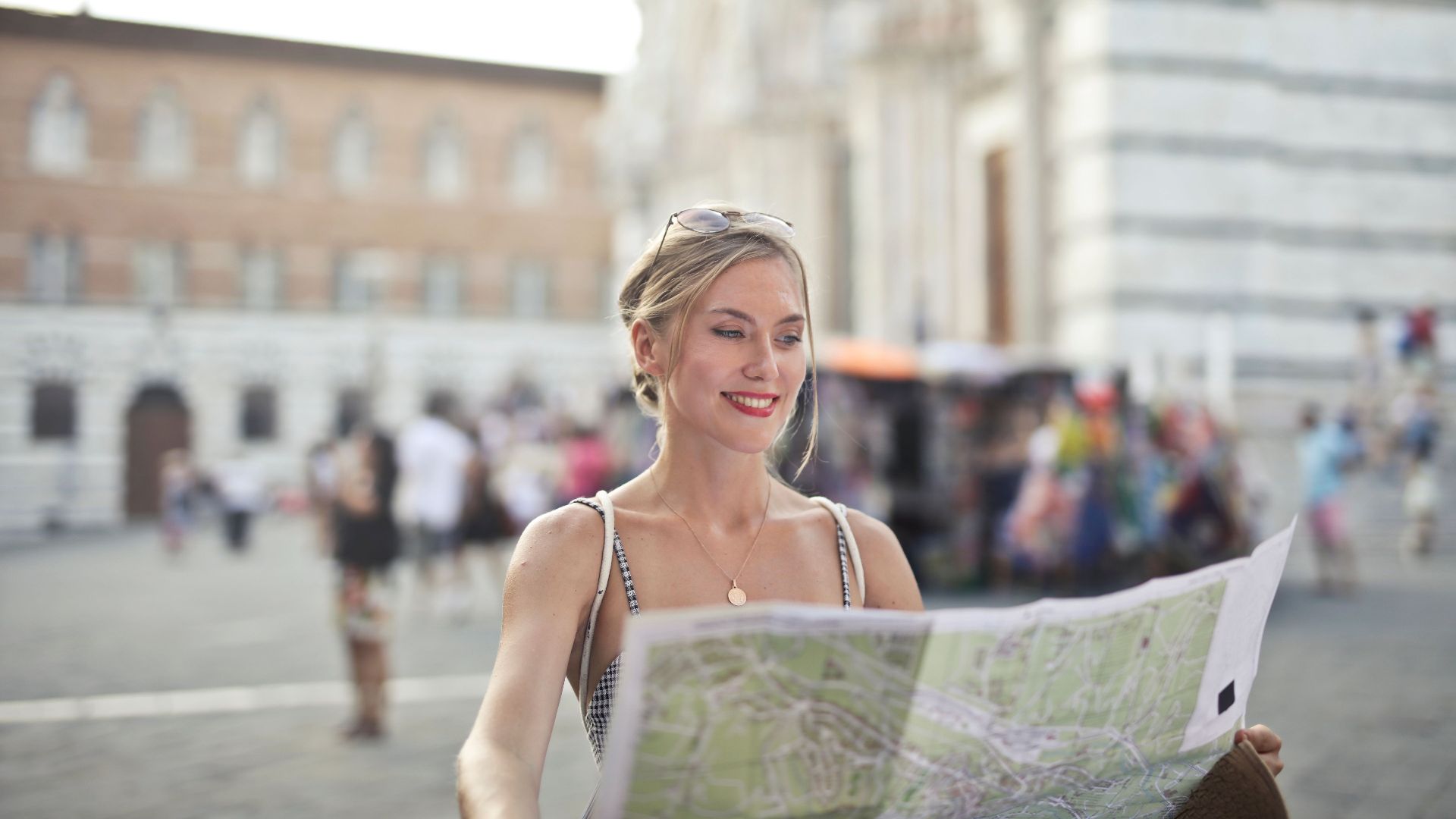
Europe has plenty of takeaway coffee, especially in big cities, but many locals still treat coffee as a reason to stop. Americans often treat it as fuel, grabbing a large cup and somehow drinking it while walking, sightseeing, and studying a map.

Tipping On Autopilot
American travelers sometimes tip as though they are still back home, adding twenty percent before anyone explains the local custom. In some places this is generous; elsewhere it is unnecessary. Either way, the quick calculation, nervous glance, and pile of coins can be revealing.
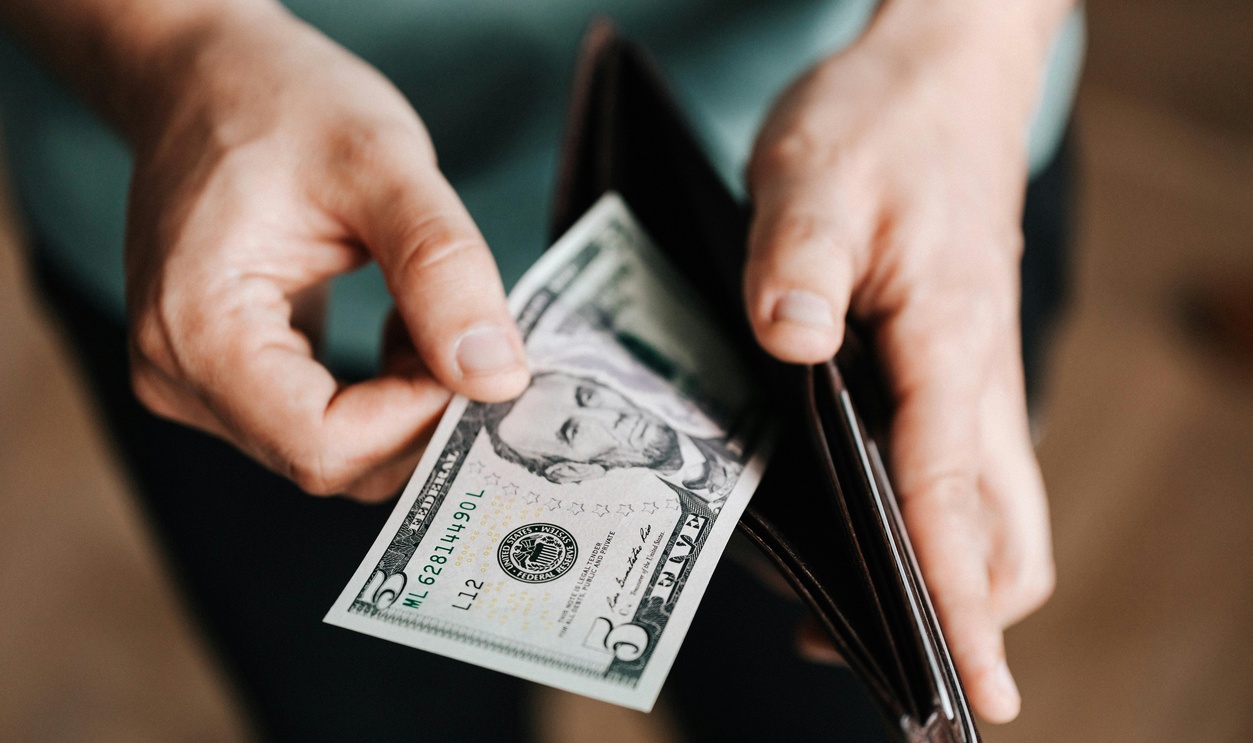 Photo By: Kaboompics.com, Pexels
Eating Dinner Before The Restaurant Is Ready
An American asking for dinner at 6:00 p.m. may find an empty dining room, staff setting tables, and a chef emotionally unprepared. In parts of Europe, dinner starts much later. Americans call it being hungry; locals call it an impressively early reservation.
Asking For The Check Too Soon
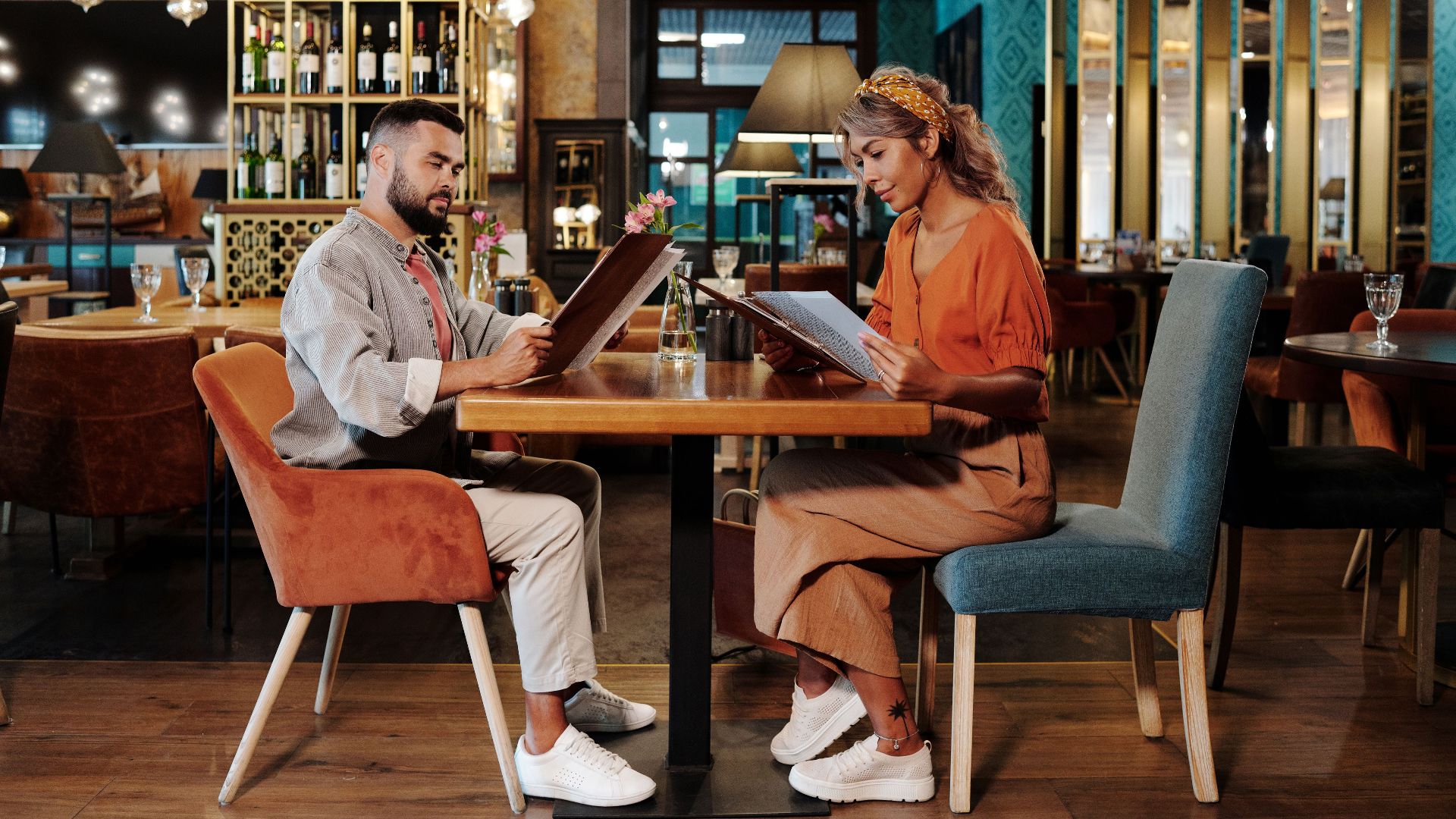
American dining has a clear finish line: eat, pay, leave. In many European countries, the table remains yours until you request the bill. An American may spend several minutes catching the server’s eye, wondering why nobody is gently rushing them toward the door.
Smiling At Absolutely Everyone
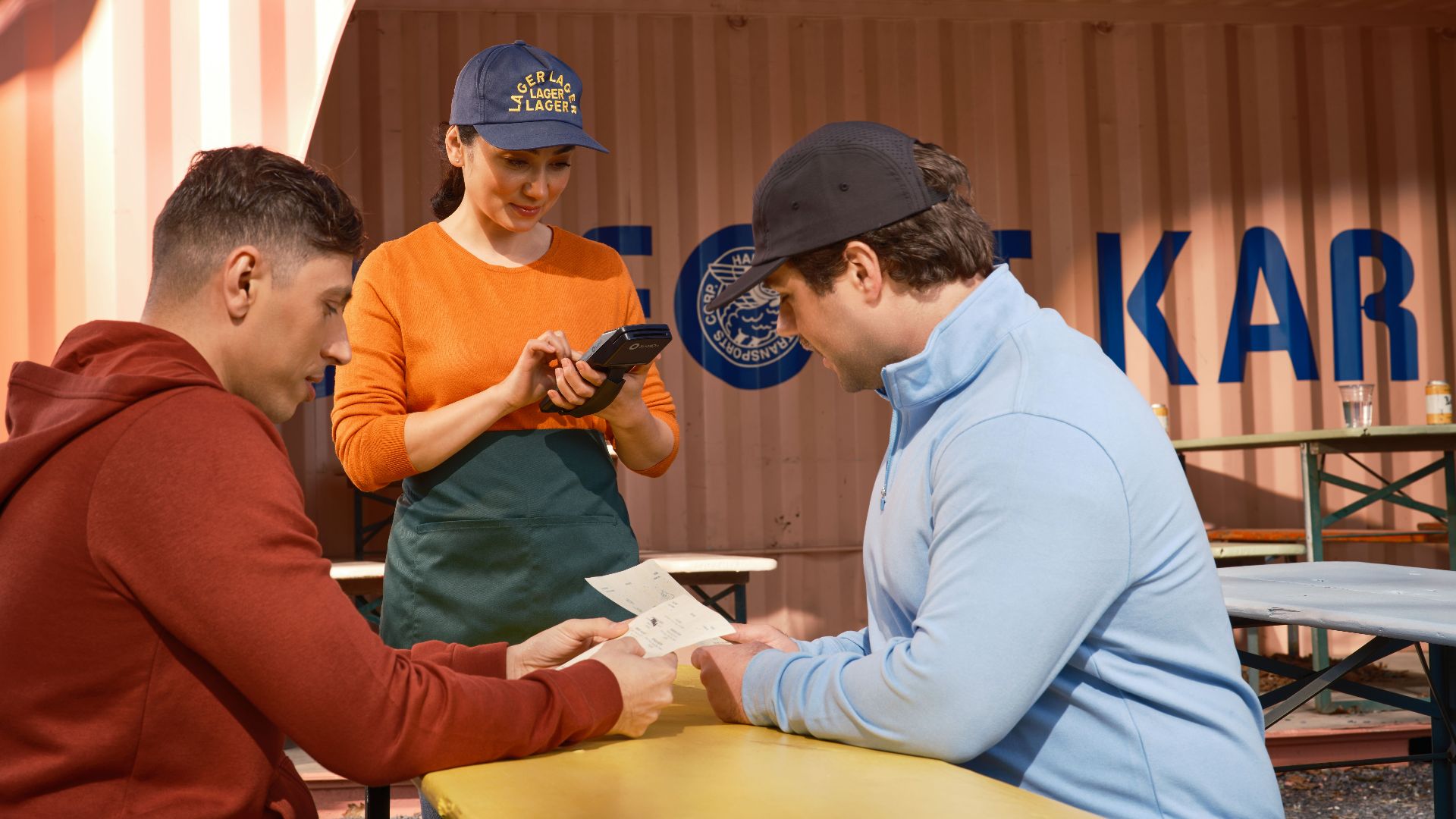
Americans often smile at hotel clerks, bus drivers, shopkeepers, strangers, dogs, and possibly statues. In cultures where public expressions are more reserved, this friendliness stands out. It is warmly meant, even when the recipient briefly wonders whether they have met before.

Starting Conversations With Strangers
A delayed train can become a temporary social club when an American is nearby. Where are you from? Do you live here? What should we order? This easy curiosity is welcoming, but it can surprise Europeans who consider silence a perfectly successful interaction.
Calling Everything Awesome
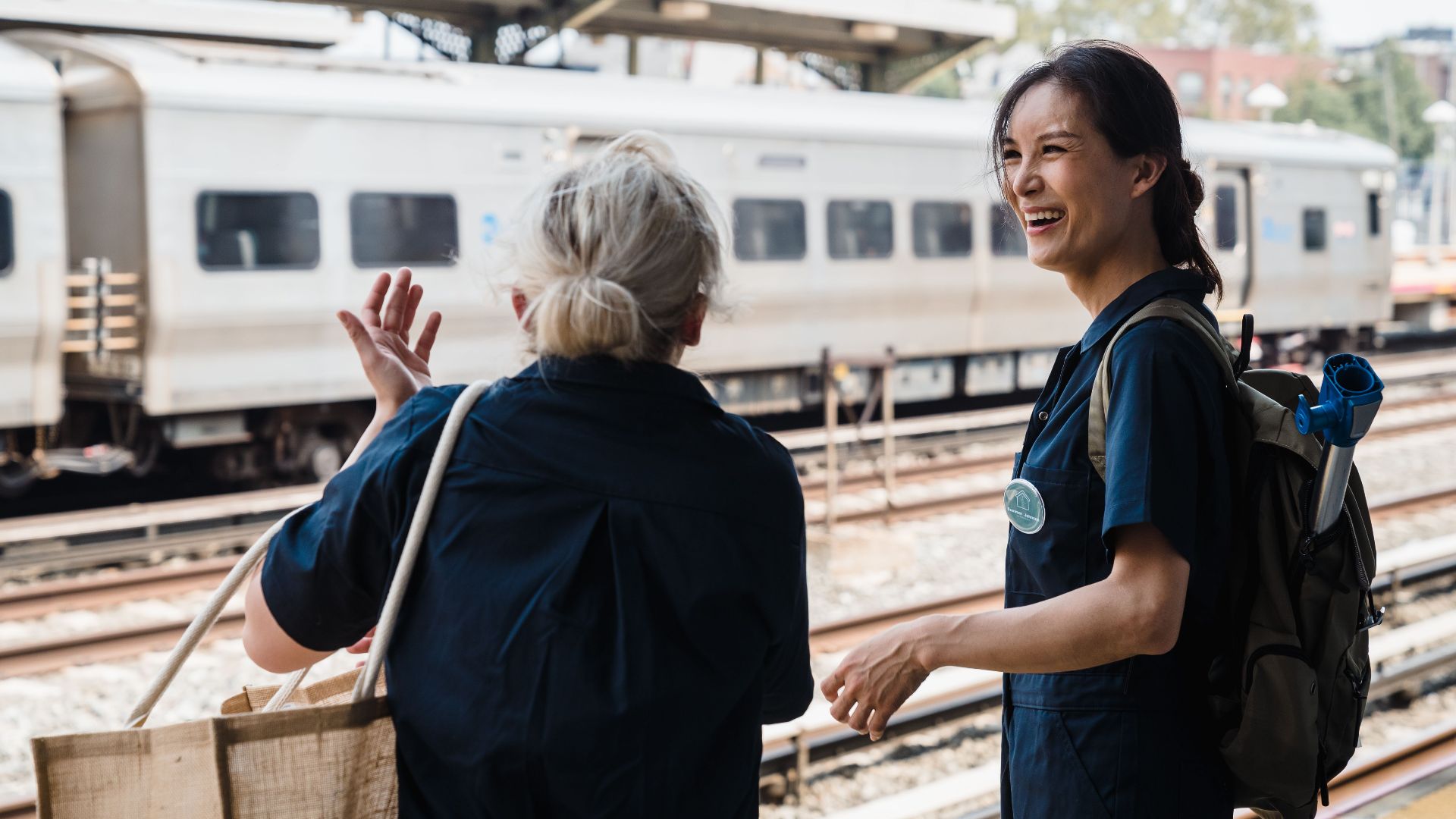
A medieval cathedral is awesome. The cheese is awesome. The tiny hotel elevator is somehow also awesome. Americans reach for big, sunny adjectives, and their excitement can be contagious. Locals may use fewer superlatives, but the message is clear: this traveler is delighted.

Thinking In Driving Time
Ask an American how far away something is and the answer may be, “About twenty minutes.” Distance becomes time, even where nobody is driving. Europeans may mention kilometers, train stops, or walking distance, leaving Americans to perform mental geography on the spot.
Fighting The Metric System
Temperatures in Celsius, distances in kilometers, and weights in kilograms can make an American feel as though Europe assigned surprise homework. A forecast of 28 degrees sounds chilly until reality arrives. The phone conversion is often followed by a relieved, “Oh, okay!”

Searching Desperately For A Restroom
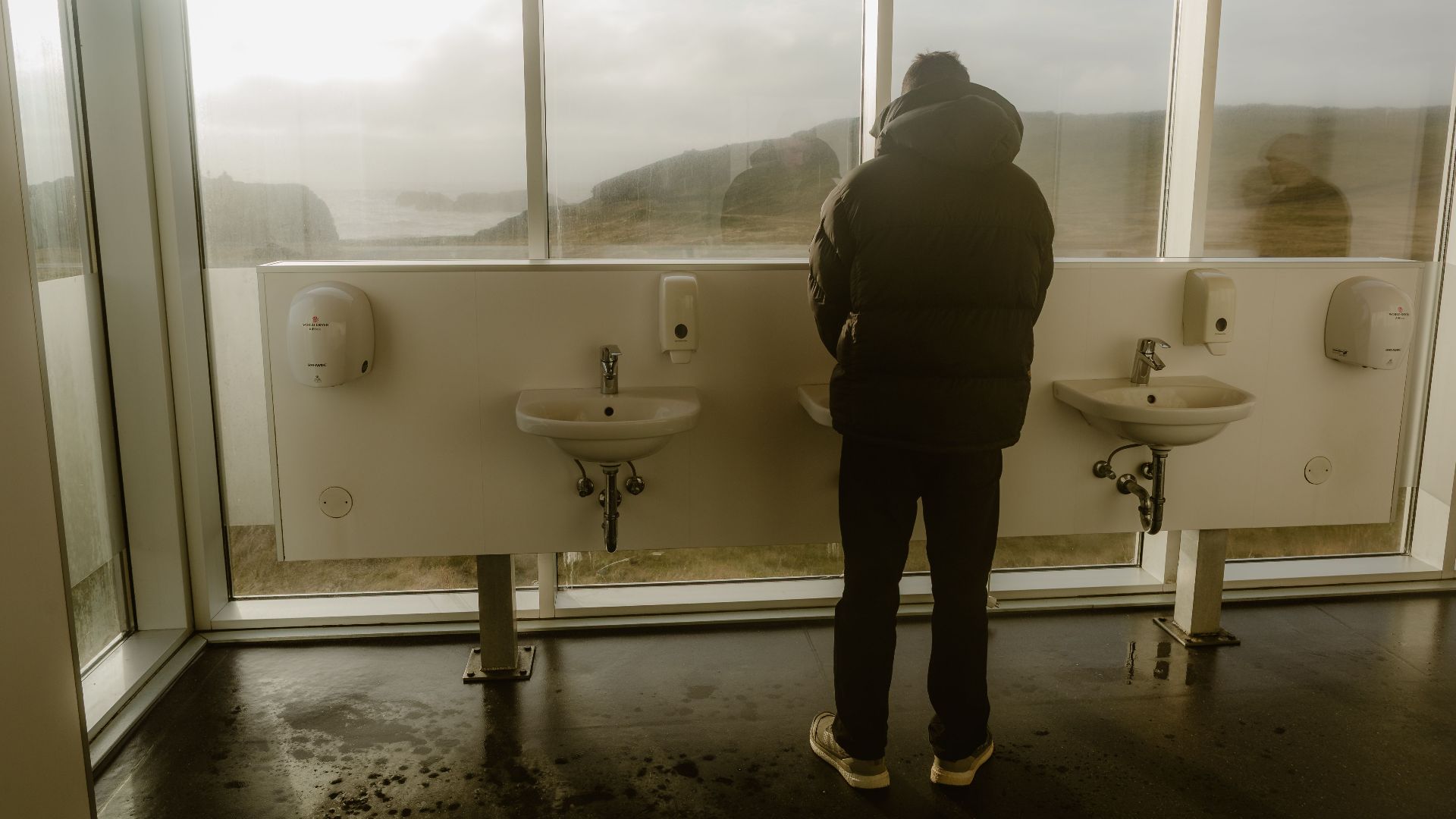
Public restrooms can be less obvious, less plentiful, or not free in many European cities. Americans accustomed to slipping into a store restroom may find themselves buying coffee for access. The hunt quickly becomes urgent, strategic, and discussed with remarkable openness.
Expecting Portions To Be Enormous
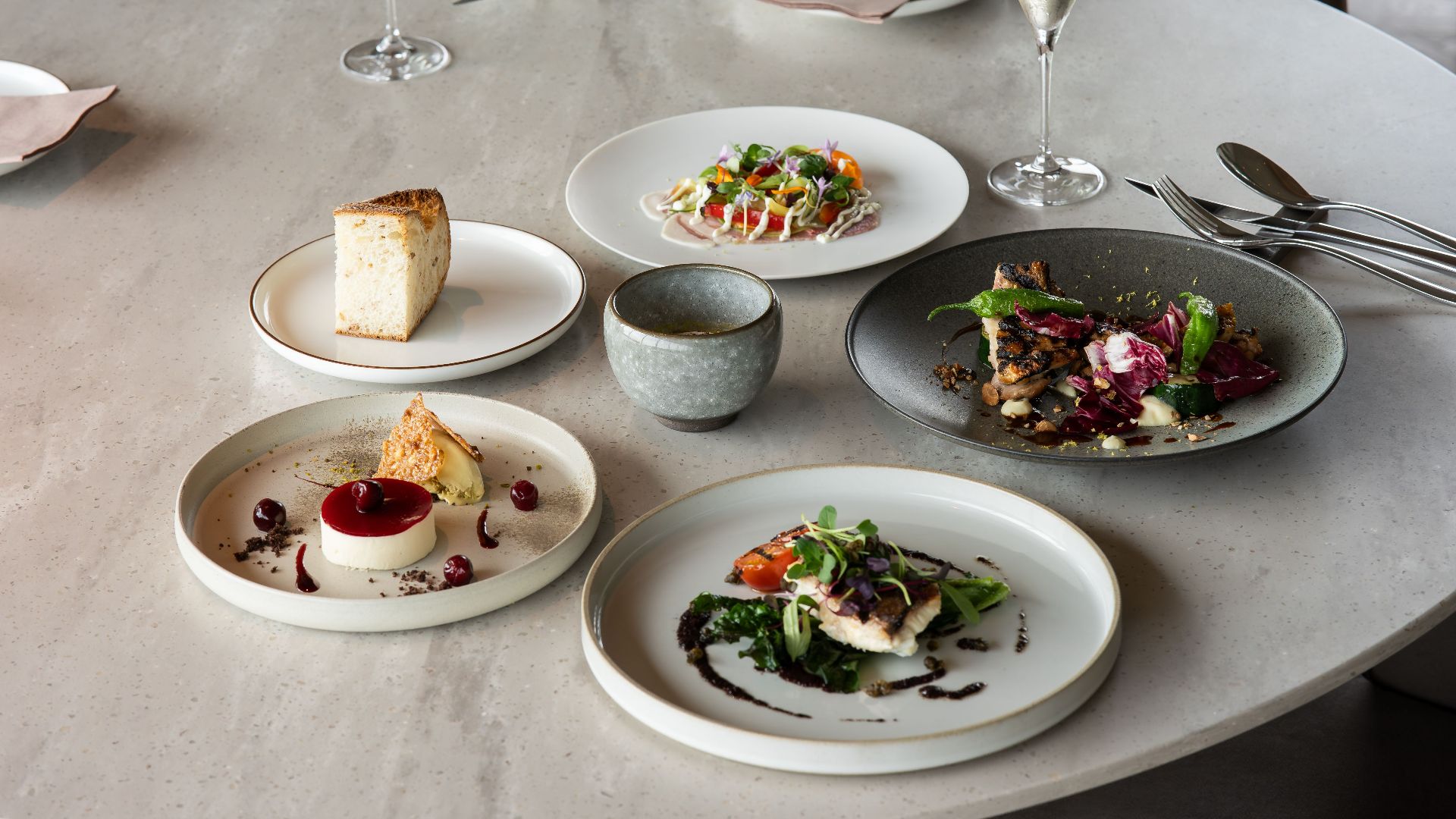
A beautifully arranged European entrée may look modest to an American used to plates the size of satellite dishes. Then come bread, cheese, dessert, and conversation. The traveler eventually realizes the meal was not small; it simply unfolded at a calmer pace.
Carrying A Giant Water Bottle
Hydration is serious business in the United States. American tourists often carry reusable bottles clipped to backpacks like expedition gear. Europeans certainly drink water, but fewer roam historic centers holding enough of it to survive several days in the wilderness.

Trusting Bright White Sneakers
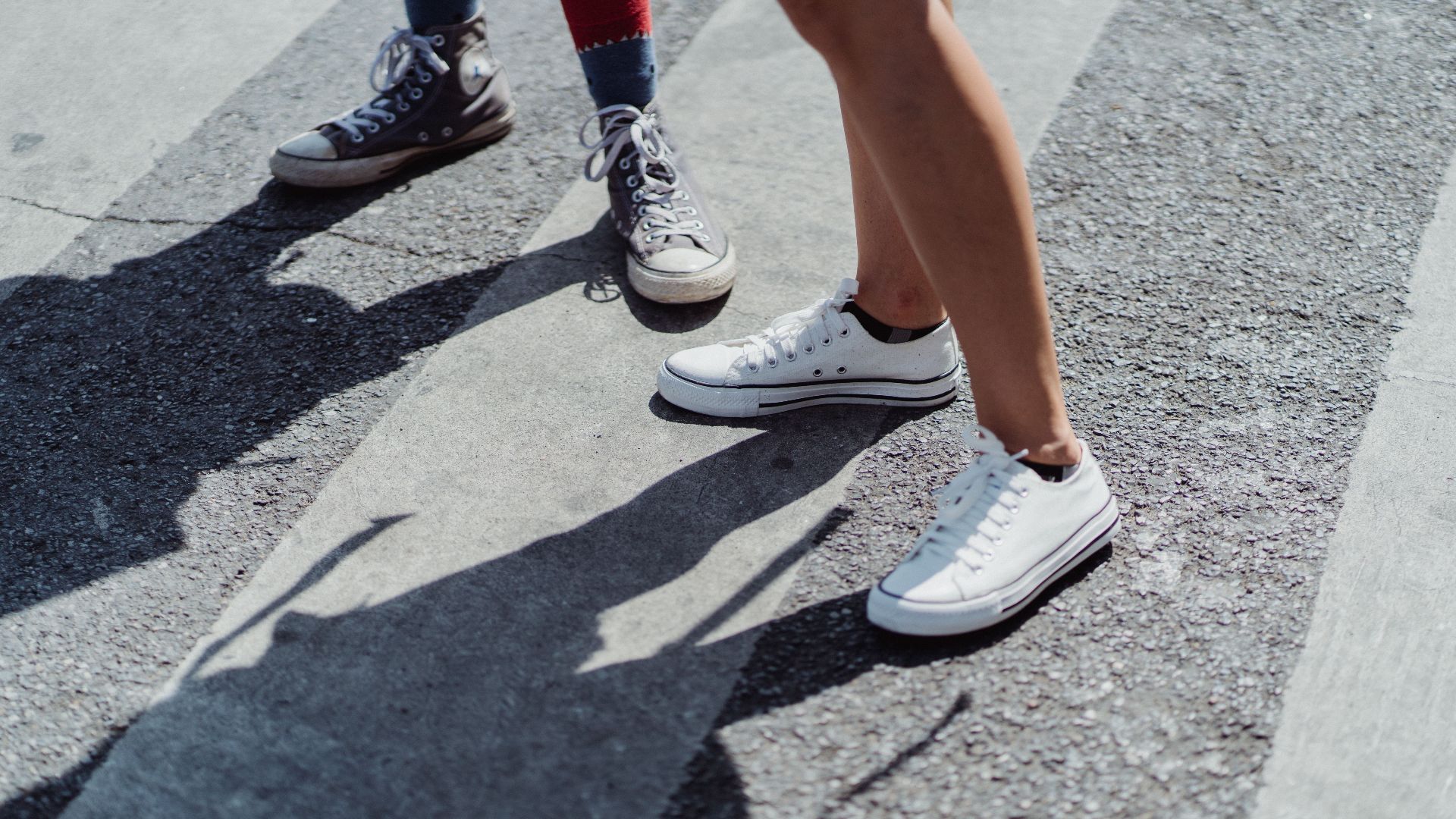
Comfortable white sneakers are global, yet Americans wear them with particular confidence. They pair them with shorts, dresses, rain jackets, and museum audio guides. After ten miles of sightseeing, those spotless shoes turn gray, but the commitment to supportive footwear remains beautifully intact.
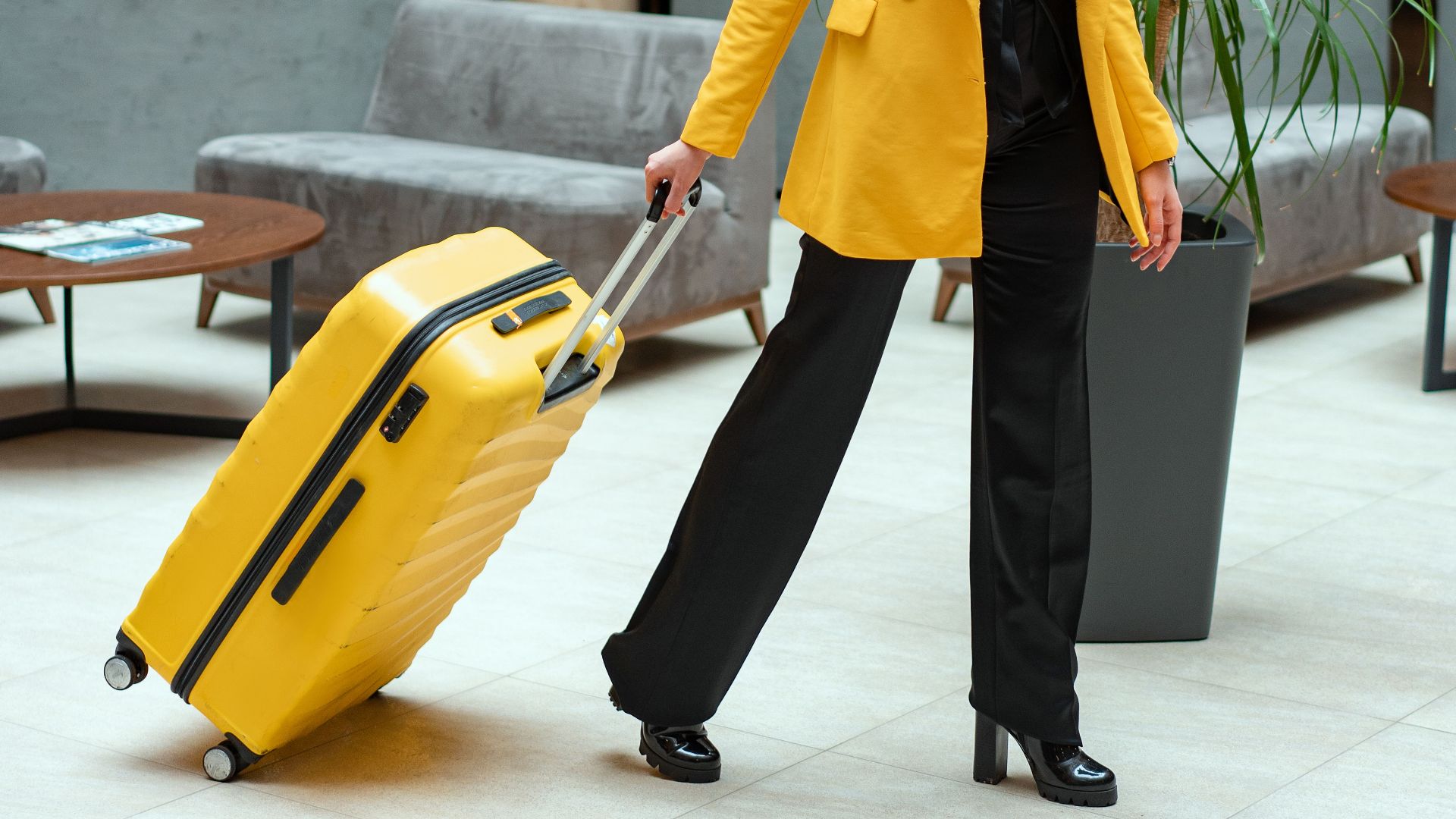
Bringing Enough Luggage For A Small Move
Cobblestones, narrow staircases, and compact hotel rooms teach one lesson quickly: Europe rewards light packing. Americans sometimes arrive with a large suitcase, carry-on, personal item, and several “just in case” outfits. By day three, they understand why locals travel with less.
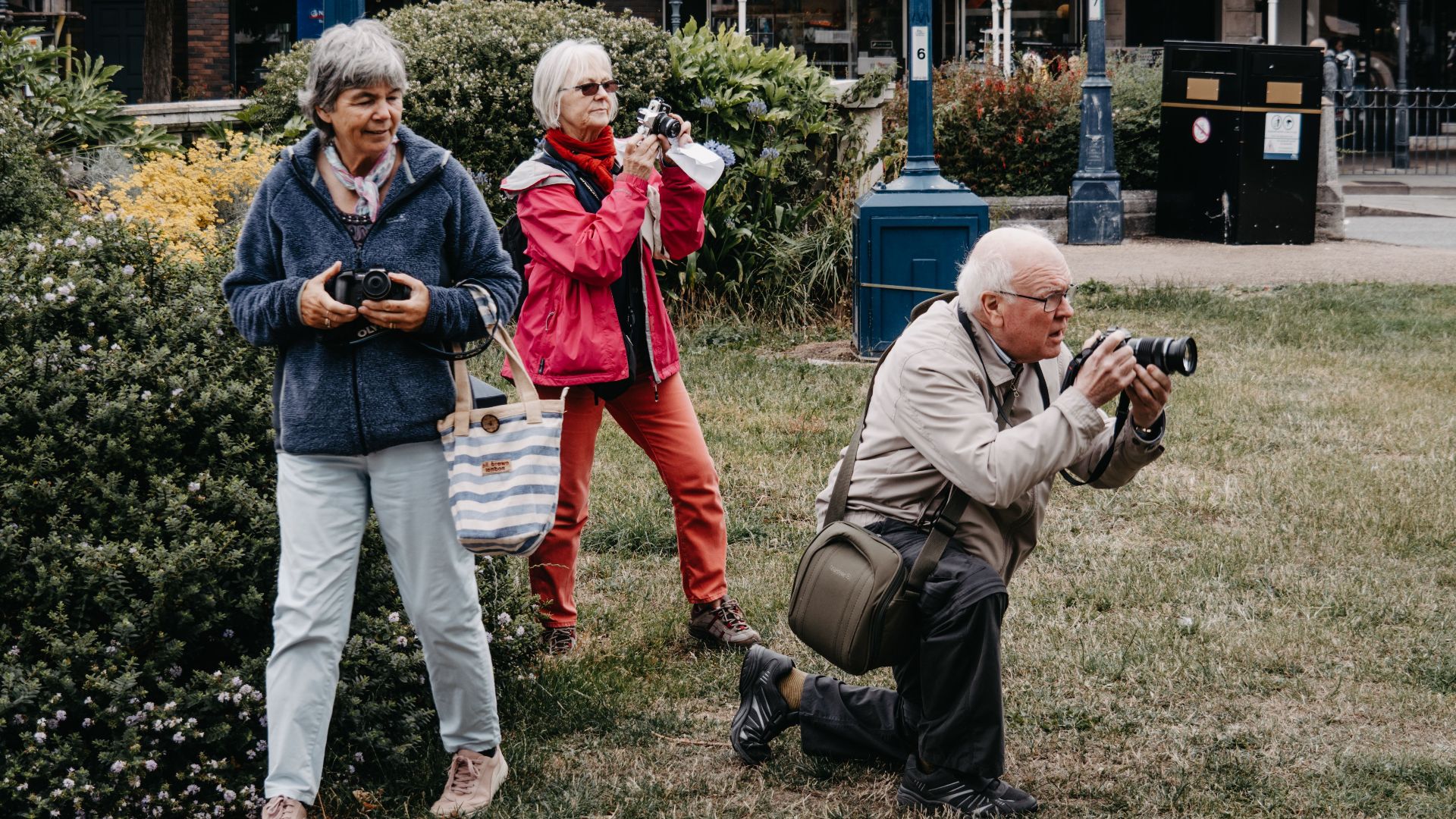
Photographing Every Doorway & Pastry
American travelers find wonder in things locals pass every day: painted shutters, old signs, tiny balconies, and croissants with excellent lighting. Phones come out constantly. It may look excessive, but there is something sweet about treating an ordinary street like a collection of treasures.
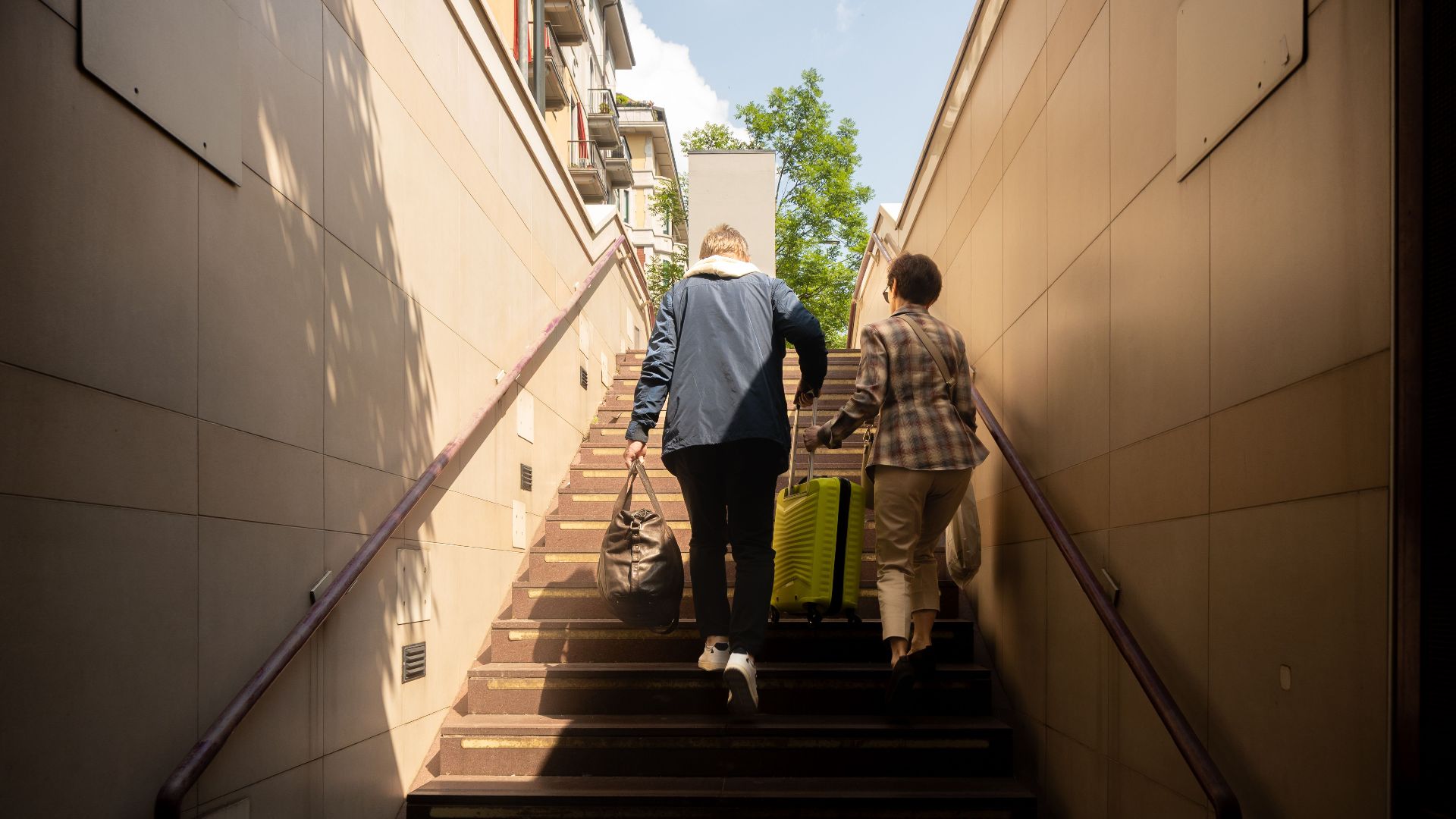
Looking For An Elevator
Americans often assume that a multi-story building will have a roomy elevator. Europe answers with a staircase, or perhaps a lift the size of a telephone booth. Watching two travelers negotiate entry with suitcases feels like a puzzle show designed by an architect.
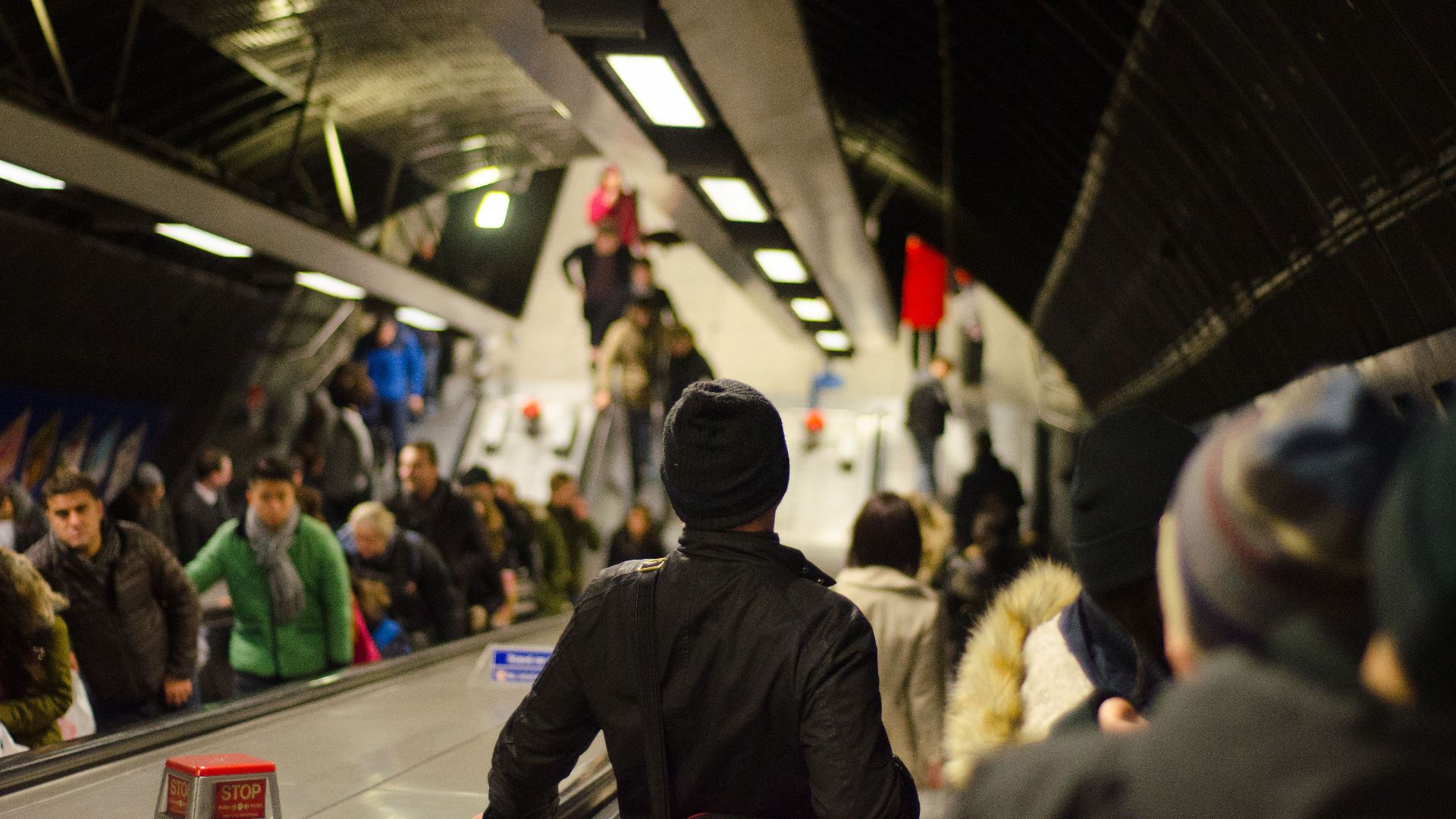
Missing The Local Escalator Rules
Stand right, walk left—or follow a different local rhythm. Escalator etiquette changes between cities, and Americans may block the fast lane while reading directions. The irritated commuter behind them provides a quick, silent lesson in regional transportation customs.
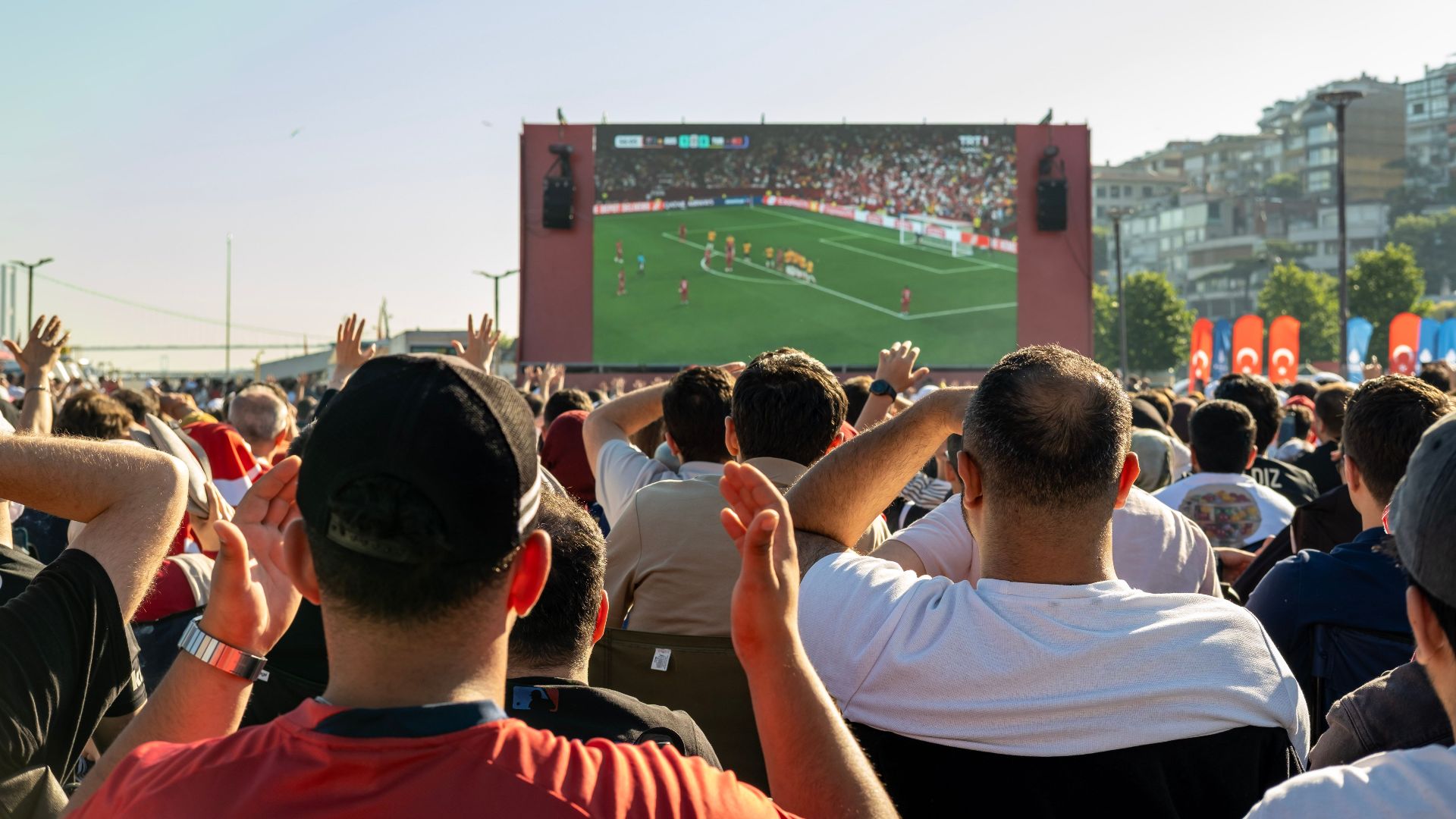
Calling Football Soccer
The word “soccer” can identify an American before the sentence is finished. Across most of Europe, football means the sport played with a round ball and little hand contact. Explaining American football only complicates matters, especially when someone asks why it is called football.
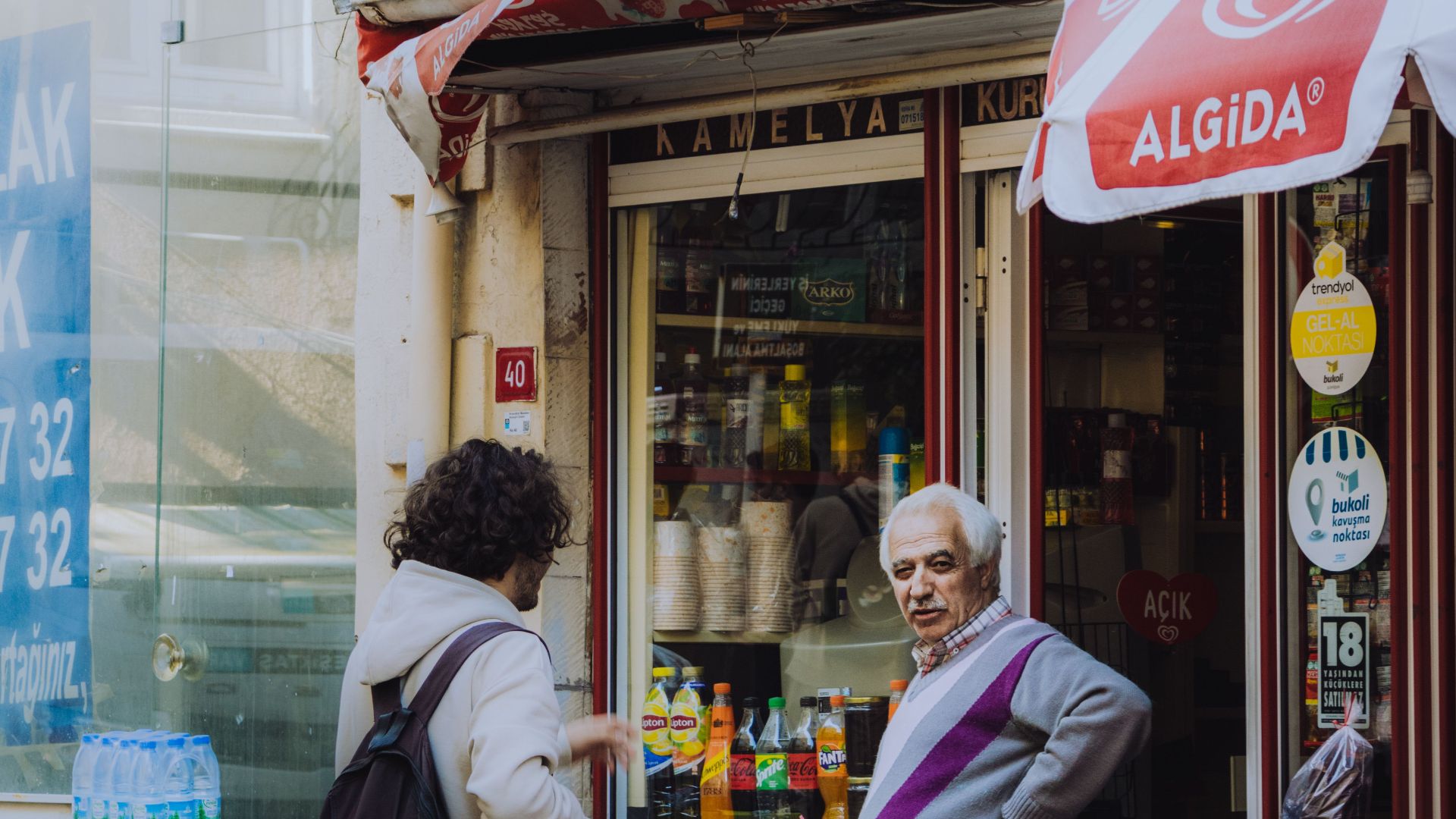
Expecting Shops To Stay Open Late
American travelers used to long retail hours can be surprised by midday closures, quiet Sundays, or shops closing before dinner. Schedules vary widely across Europe, but a locked door and handwritten sign still catch visitors off guard. Suddenly, buying toothpaste becomes tomorrow’s planned activity.
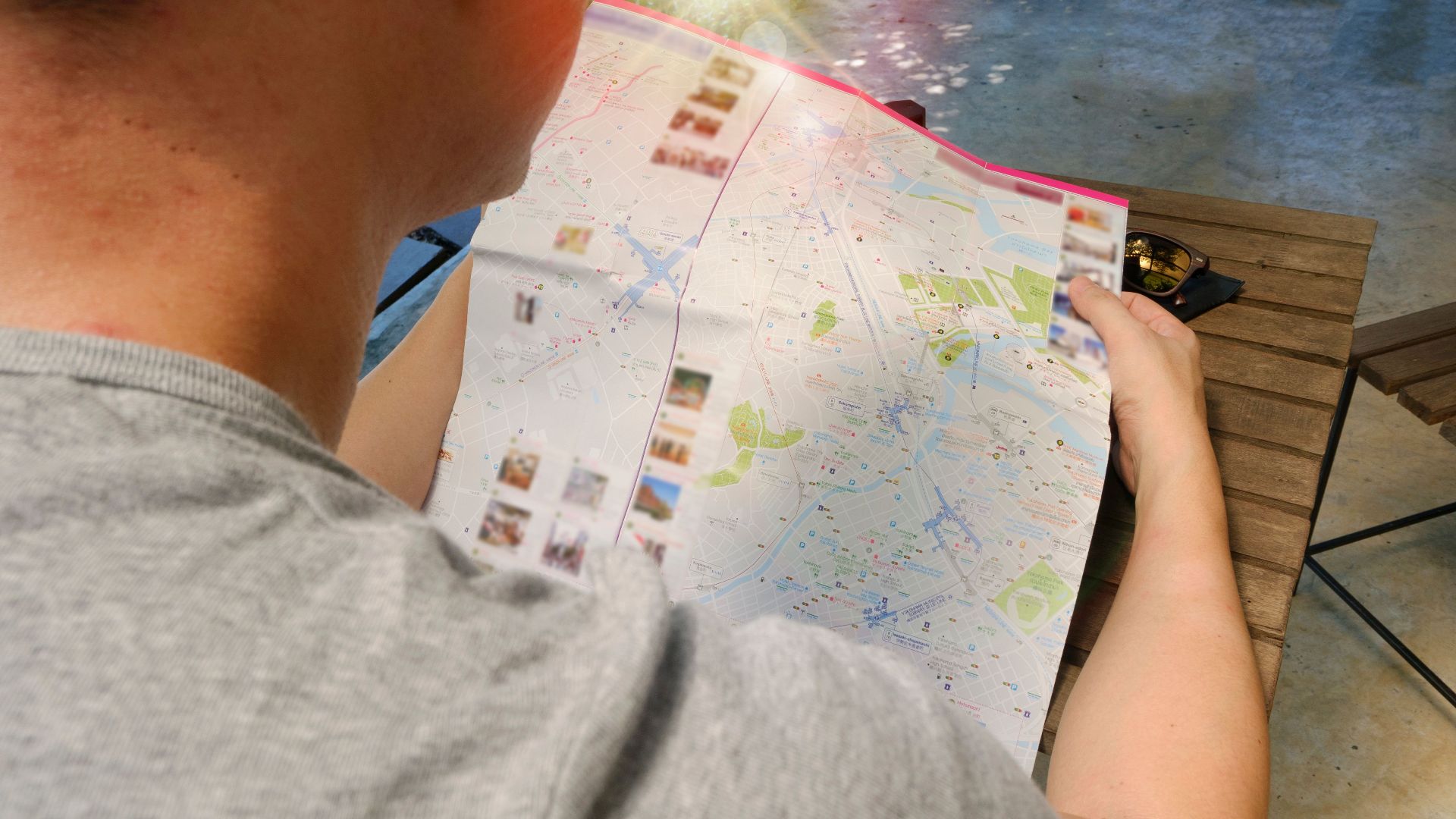
Planning Five Countries In Five Days
Europe looks compact on a map, inspiring ambitious American itineraries. Breakfast in Paris, lunch in Brussels, dinner in Amsterdam—what could go wrong? Usually, train delays and exhaustion. The giveaway is the cheerful belief that every border is merely a quick side trip.
Being Delightfully Easy To Spot
Americans can be easy to recognize in Europe, often because they travel with visible excitement. They ask questions, photograph everything, praise the food, and marvel at old streets. Their habits may give them away, but their wide-eyed enthusiasm usually wins people over.

You May Also Like:
Travel Essentials Baby Boomers Couldn't Travel Without—That No One Born After 2000 Has Ever Used