When Road Trips Required A Little More Planning
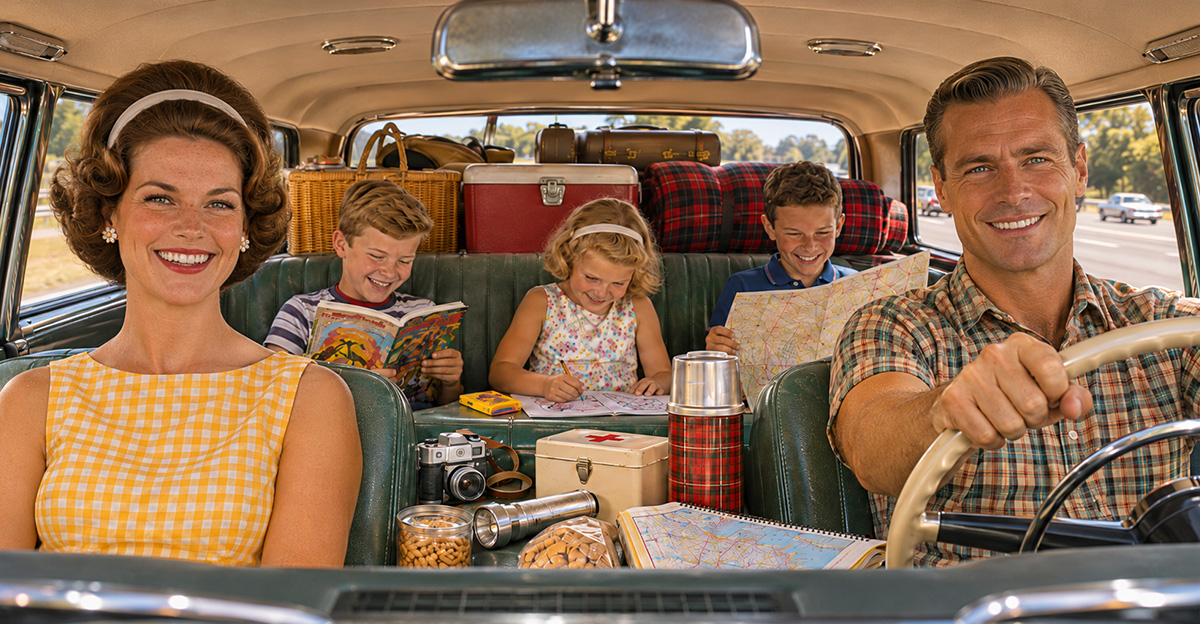
Remember piling into the family station wagon for a summer vacation? Back in the 1960s, there was no GPS, no streaming music, and certainly no smartphone to rescue you when things went wrong. Instead, American families packed their cars with all sorts of essentials that younger generations might find downright peculiar today.
A Giant Fold-Out Road Map
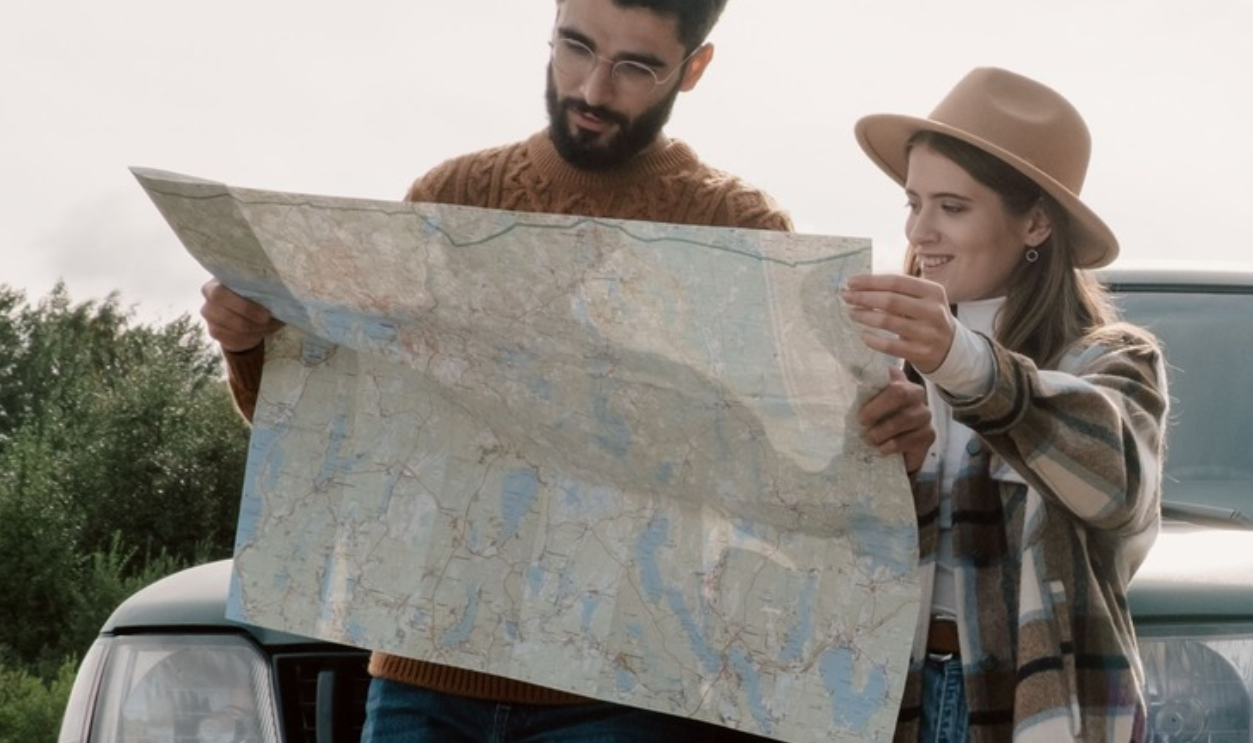
Before GPS told you where to turn, Dad had a giant paper map spread across the dashboard. Folding it back together was practically an Olympic event, and missing an exit could mean an unexpected adventure through the countryside.
The Trusty Road Atlas
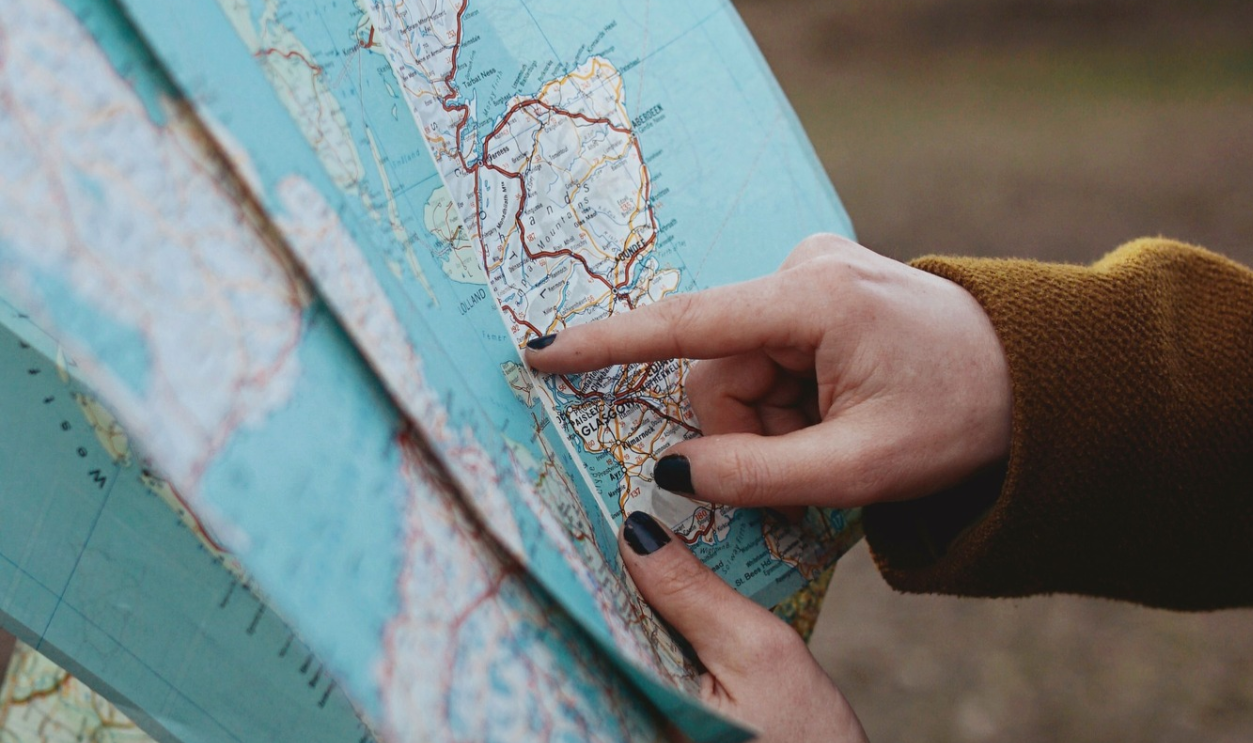
One map wasn't enough for a cross-country vacation. Families often carried a thick Rand McNally road atlas covering the entire United States. It was particularly handy when a wrong turn carried you into another state.
A Notebook Full Of Directions
Some families came prepared with handwritten directions from relatives or friends. These included memorable landmarks like "turn left after the red barn." Unfortunately, nobody could guarantee that the barn would still be red when you arrived.

A List Of Important Phone Numbers
Before smartphones stored everyone's contact information, families carried handwritten lists of telephone numbers. Grandma's house, the hotel, and relatives along the route all made the list. Losing that little piece of paper could create quite a headache.

A Pocketful Of Change For Payphones
Keeping a supply of coins handy was essential when traveling. If you needed to call home, confirm a reservation, or summon help, a roadside payphone was often your best option. Hopefully, you had enough change for the call.
 Unknown authorUnknown author, Wikimedia Commons
A Cooler Packed With Sandwiches
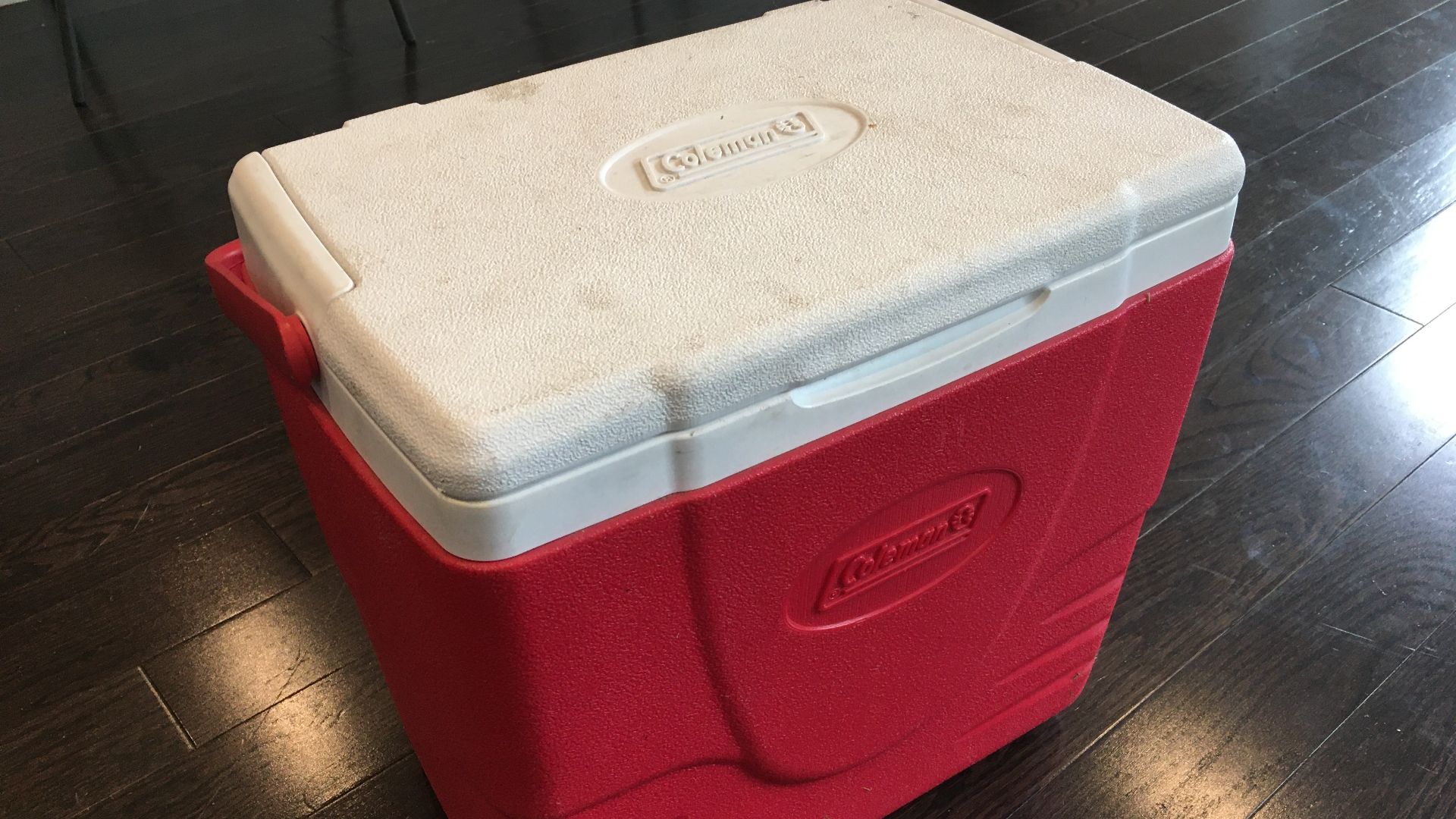
Stopping at restaurants for every meal wasn't always practical or affordable. Families packed coolers with homemade sandwiches, fruit, and cold drinks. A roadside picnic table could easily become the family's favorite lunch spot.
 Victor Grigas, Wikimedia Commons
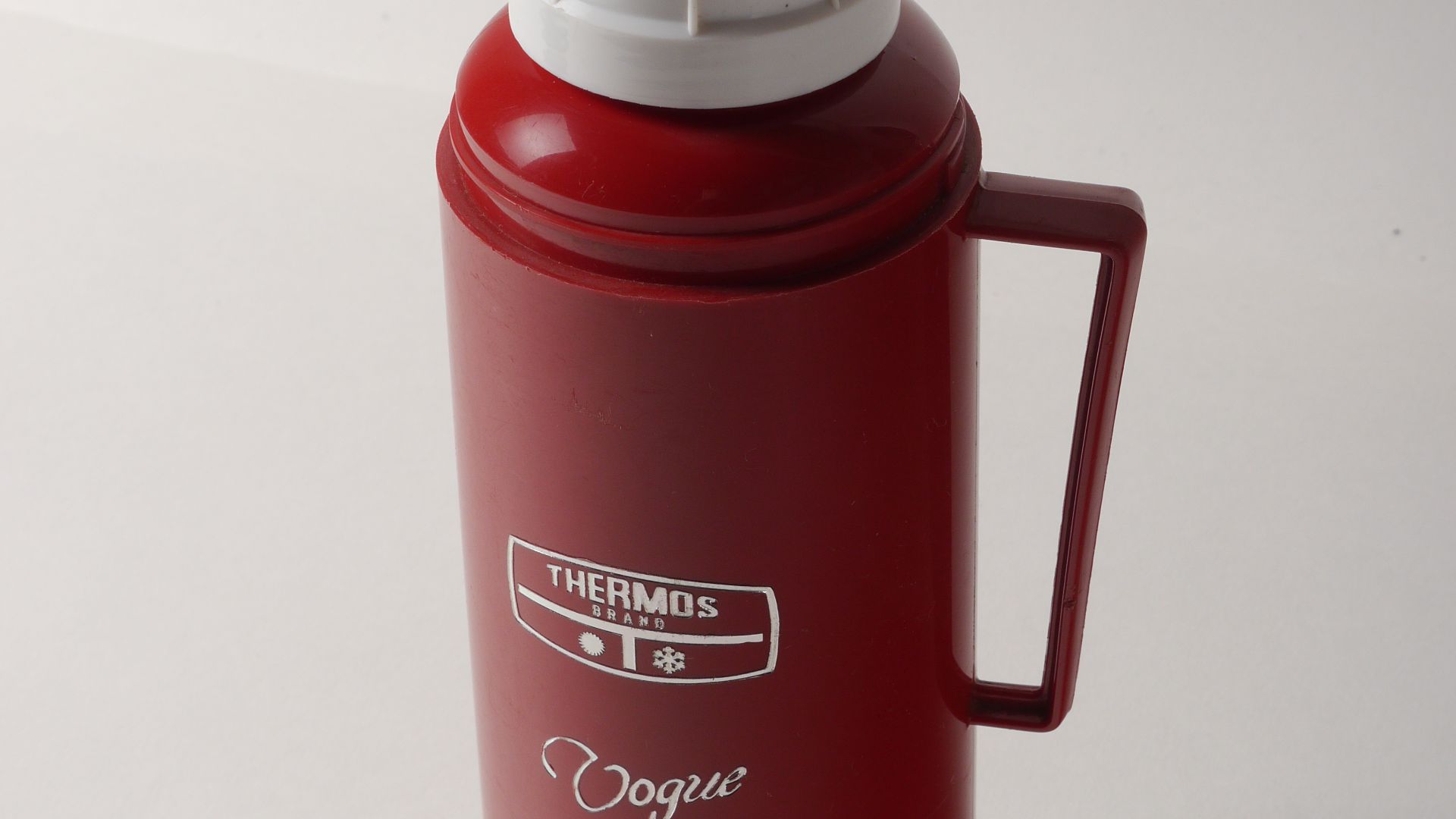
A Thermos Full Of Coffee
For parents facing hundreds of miles of highway, a sturdy coffee thermos was practically standard equipment. You filled it before leaving home and hoped the coffee stayed hot until the next rest stop.
A Big Jug Of Drinking Water
Long stretches of highway didn't always offer convenient places to buy refreshments. Families often packed large water jugs for drinking and refilling cups. On a sweltering summer afternoon, that water was worth its weight in gold.
 Adam Jones from Kelowna, BC, Canada, Wikimedia Commons
A Box Of Homemade Snacks
Before convenience stores appeared at seemingly every highway exit, families brought their favorite snacks from home. Cookies, crackers, popcorn, and homemade treats helped keep everyone satisfied between stops. Naturally, the good stuff always disappeared first.

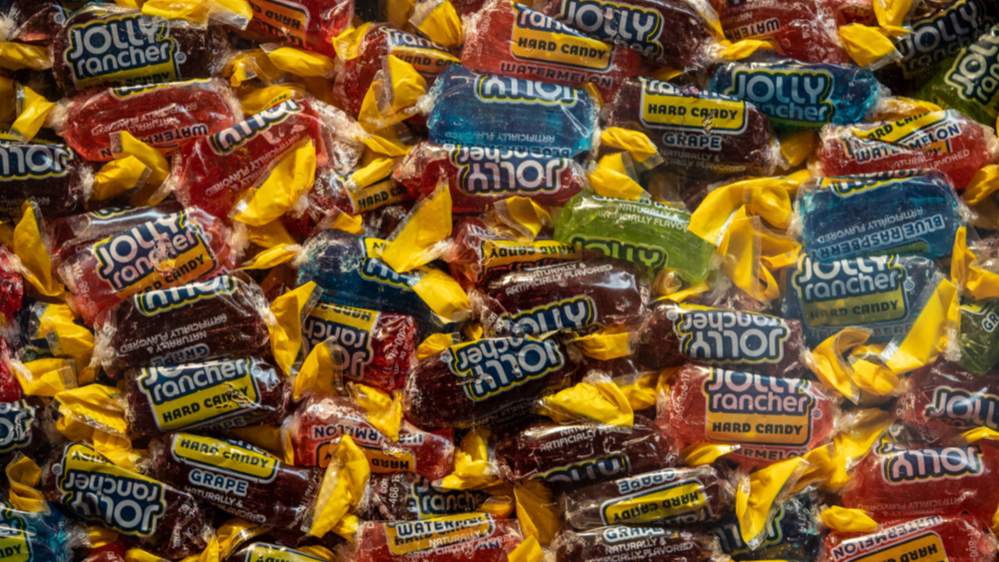
A Bag Of Hard Candy
Hard candy was a road-trip staple, especially when children started complaining about the journey. Parents could distribute a few pieces without stopping the car. It didn't guarantee peace and quiet, but it certainly helped.
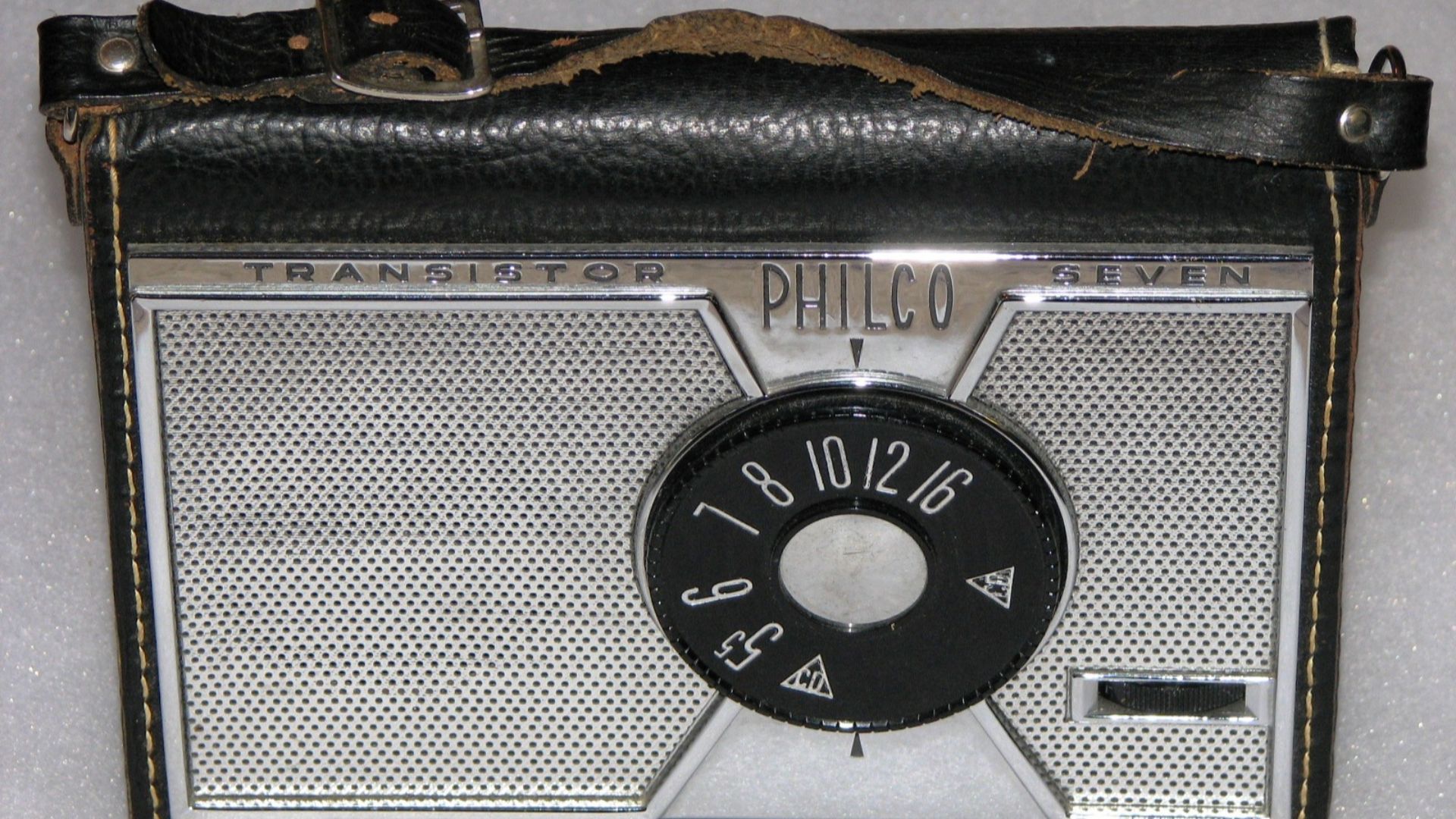
A Portable Transistor Radio
Cars usually had radios, but portable transistor sets were useful outside the vehicle. Families could listen to baseball games, news, or music during picnic stops. Finding a decent station was sometimes an adventure in itself.
 Joe Haupt from USA, Wikimedia Commons
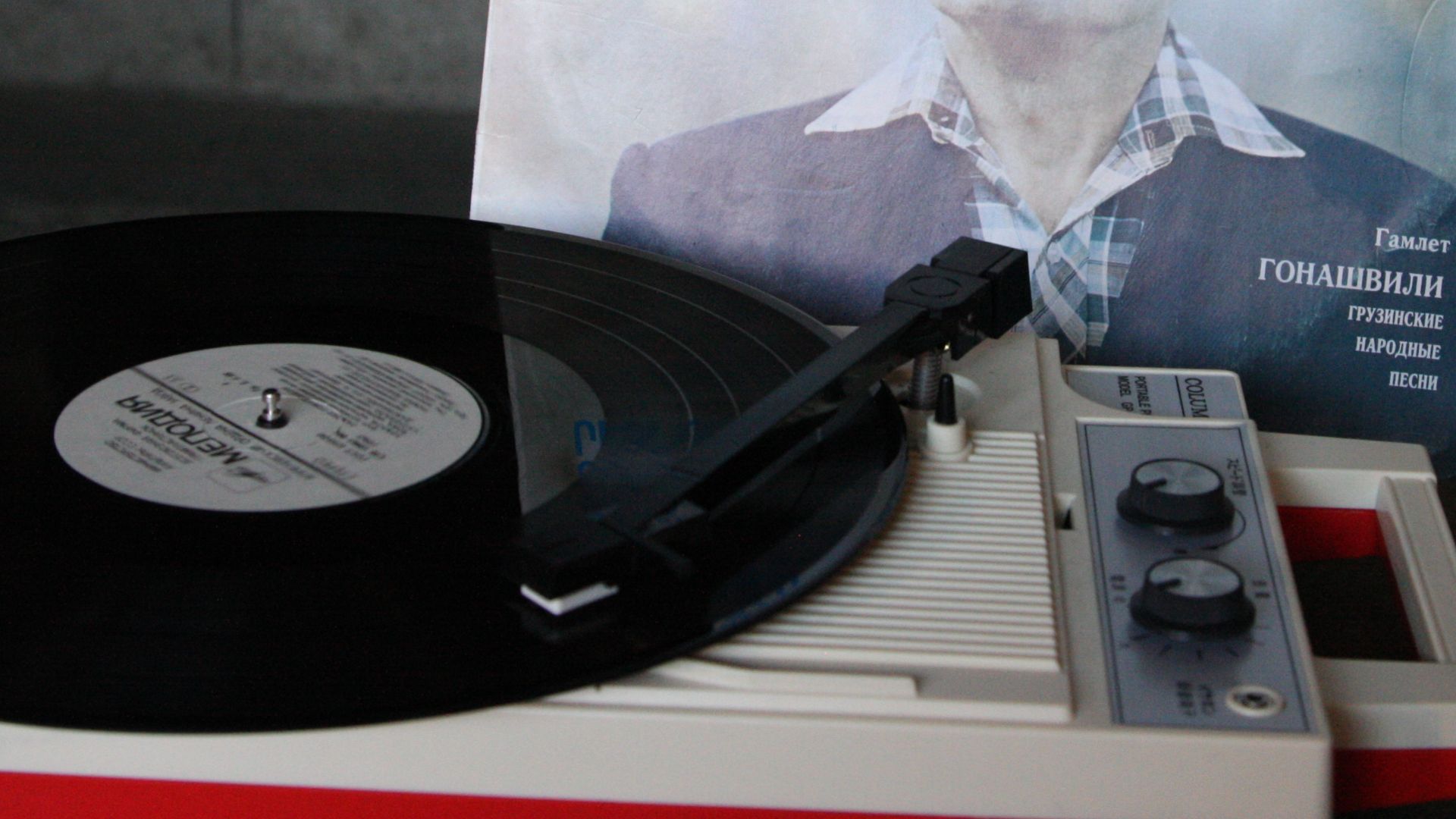
A Collection Of Favorite Records
Families couldn't play their favorite albums on demand, and 8-track players were only beginning to appear in cars during the late 1960s. Some travelers brought records for portable players at their destinations. Otherwise, the car radio decided the soundtrack.
 Corners of Europe, Wikimedia Commons
A Book Of Road Trip Games
Long before tablets entertained restless passengers, families relied on books filled with puzzles, riddles, and travel games. License plate spotting and alphabet games could occupy children for hours, although disagreements over the rules were practically guaranteed.

A Deck Of Playing Cards
A simple deck of cards could rescue an otherwise dull evening at a motel or campground. Families played everything from Go Fish to Rummy. Best of all, nobody had to worry about charging the batteries.

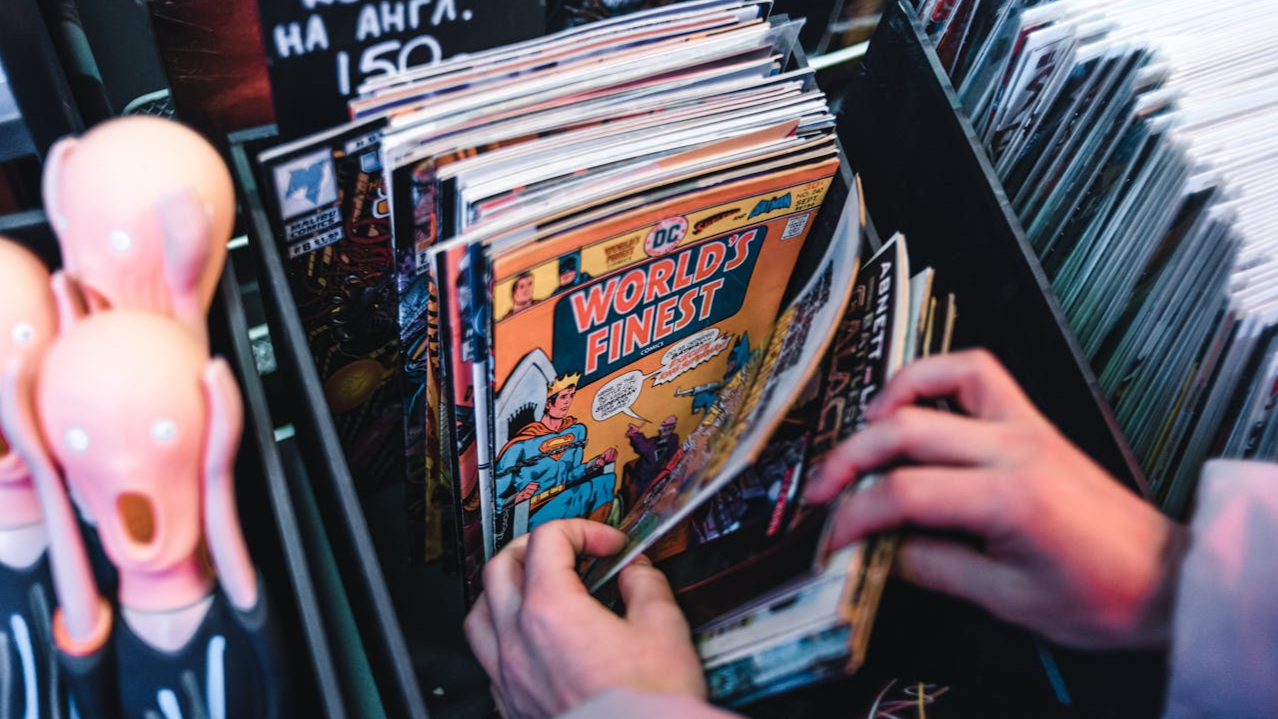
A Stack Of Comic Books
For children in the back seat, comic books were valuable entertainment. Superman, Archie, and other familiar characters helped make those endless highway miles disappear. Of course, reading while the car bounced along wasn't for everyone.
Coloring Books And Crayons
Parents often packed coloring books and crayons to keep younger children occupied. Unfortunately, crayons had an unfortunate habit of rolling beneath the seats. Leave them in a hot car, and you might return to a colorful surprise.
 Lauren Gardenbelle Fritts, Wikimedia Commons
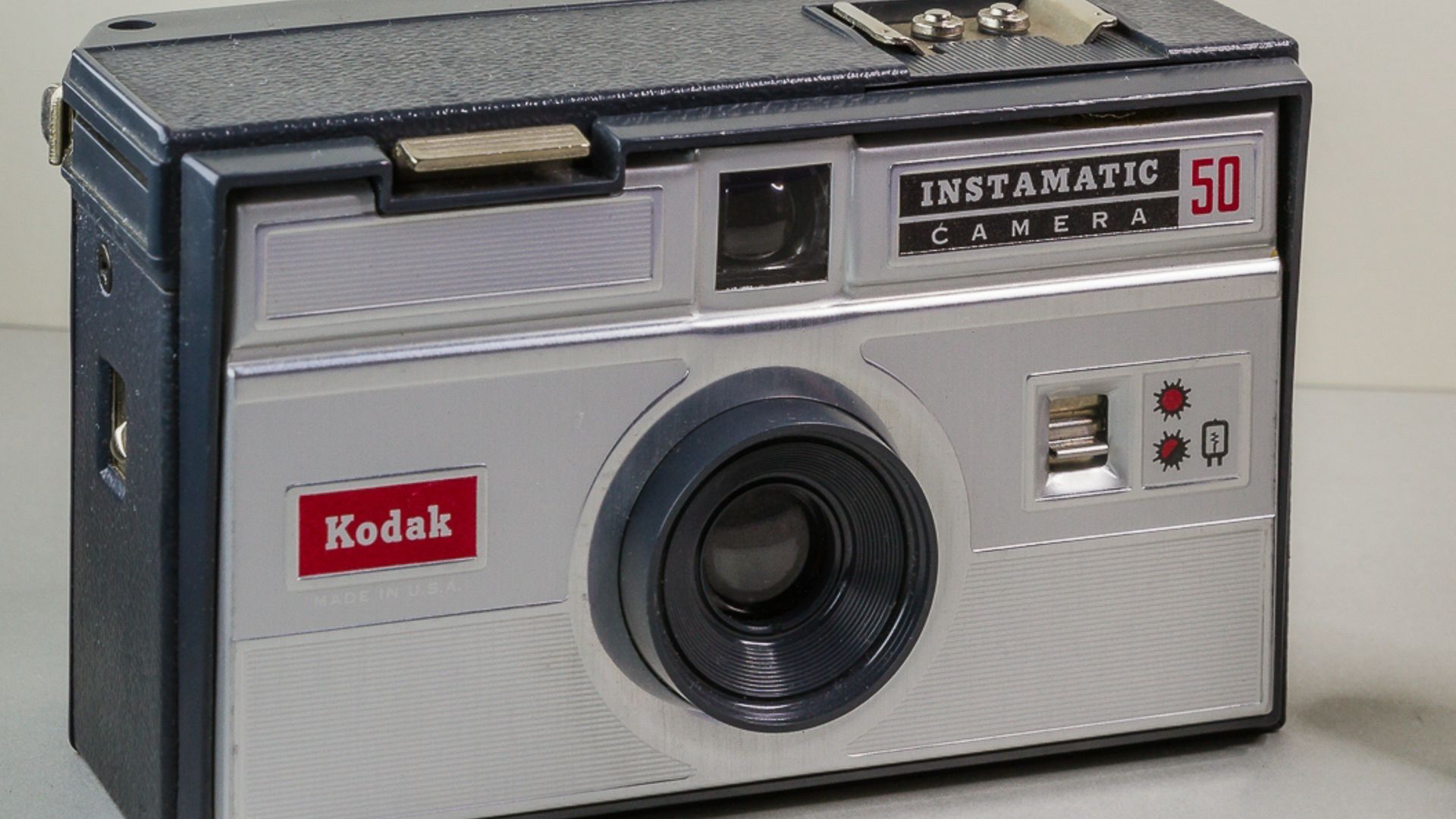
A Disposable Or Film Camera
Capturing vacation memories required more effort than tapping a smartphone screen. Families packed Kodak Instamatics and other film cameras, carefully choosing their photographs. Every picture counted when a roll contained only a limited number of exposures.
 Friedrich Haag, Wikimedia Commons
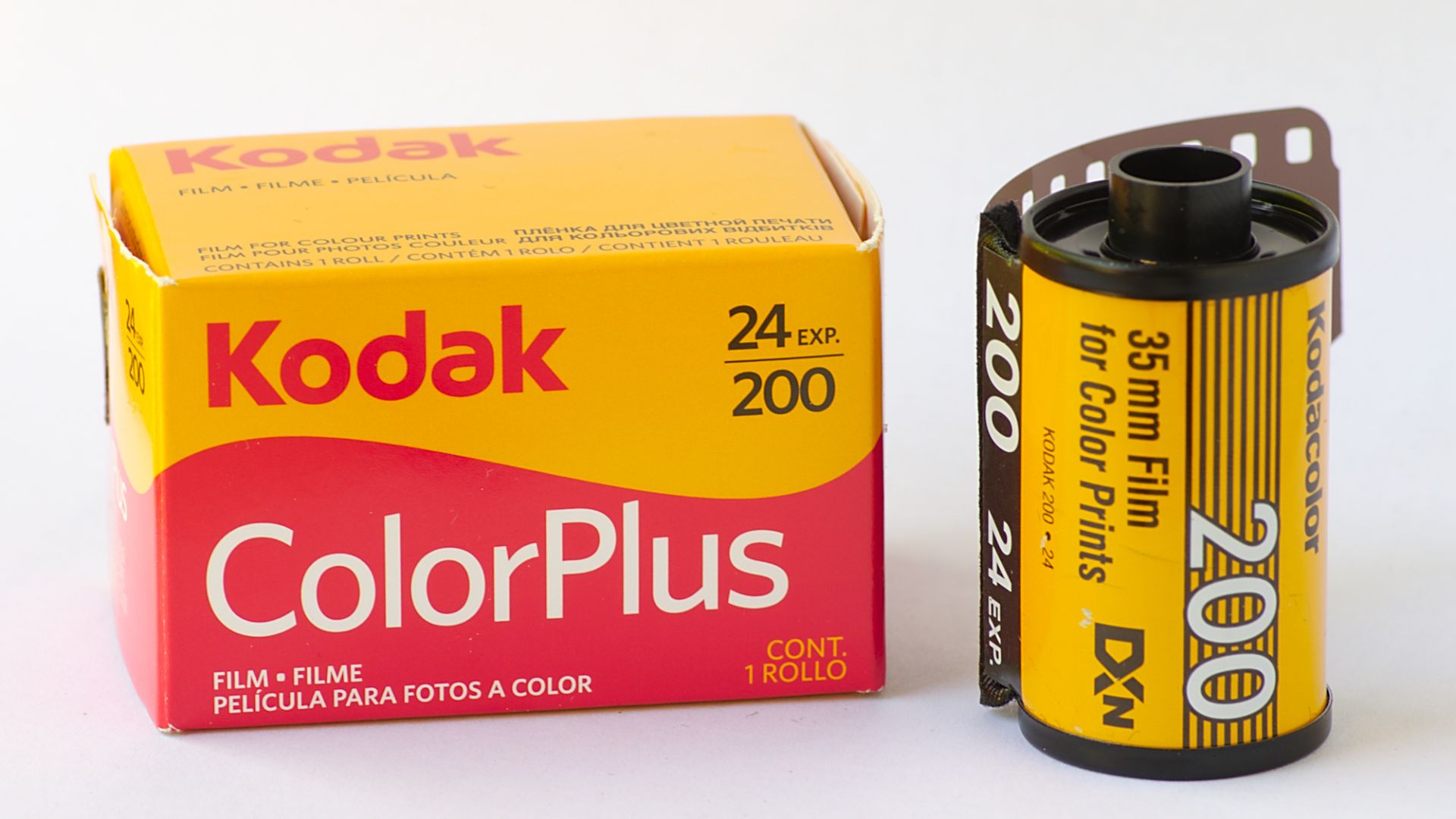
Extra Rolls Of Camera Film
Running out of film halfway through a vacation was a genuine disappointment. Many families packed extra rolls to capture everything from roadside attractions to national parks. The photographs themselves wouldn't appear until the film was developed.
A Flashlight With Spare Batteries
When darkness fell at a campground or the family car developed trouble, a flashlight became essential. Families often packed extra batteries, too. Discovering the flashlight was dead during a nighttime emergency wasn't anybody's idea of fun.
 Connie Posites, Wikimedia Commons
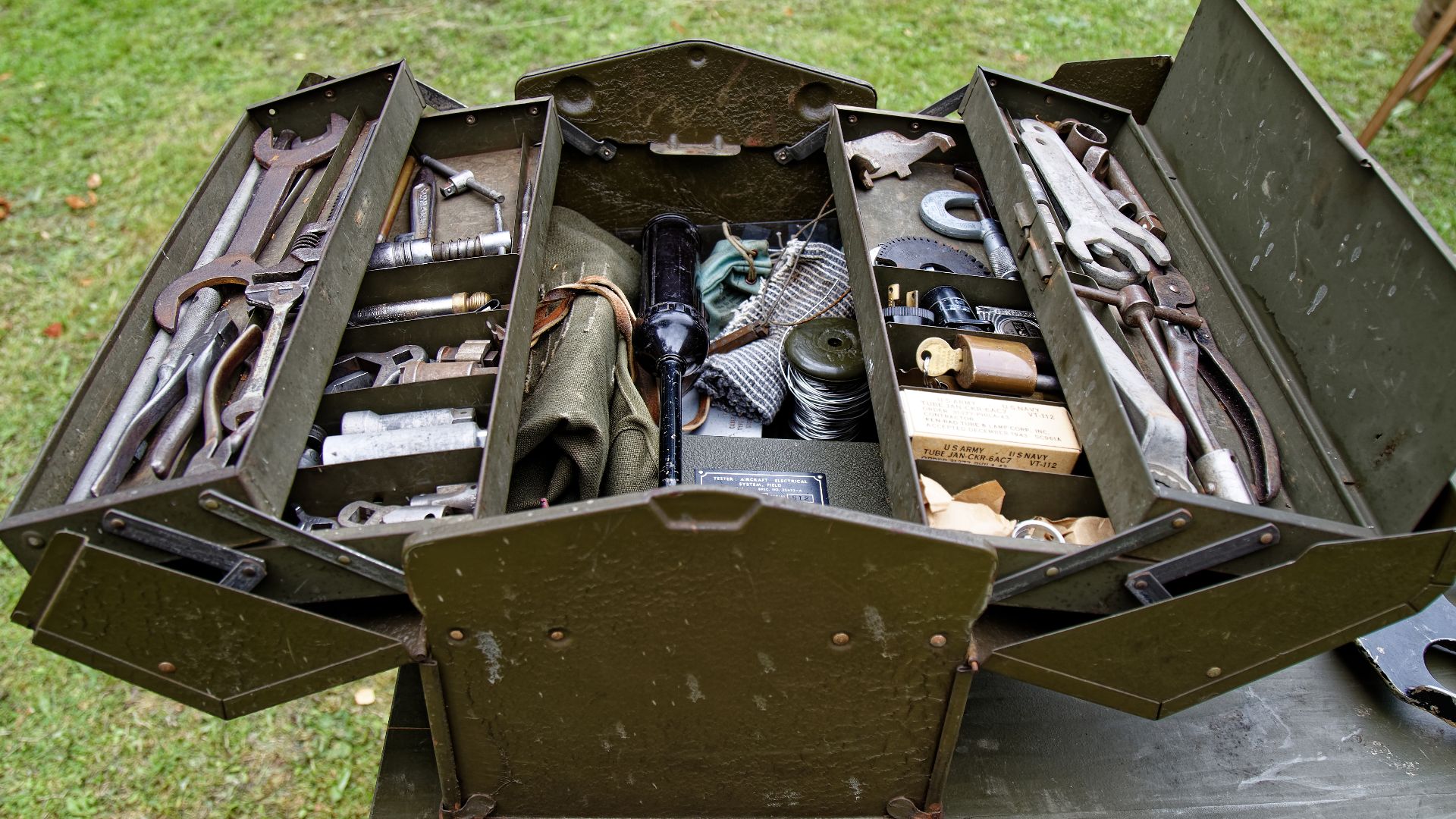
A Basic Roadside Tool Kit
Cars in the 1960s were generally simpler mechanically than today's vehicles, but breakdowns still happened. Drivers often carried screwdrivers, wrenches, and other tools for minor roadside repairs. Knowing how to use them was another matter.
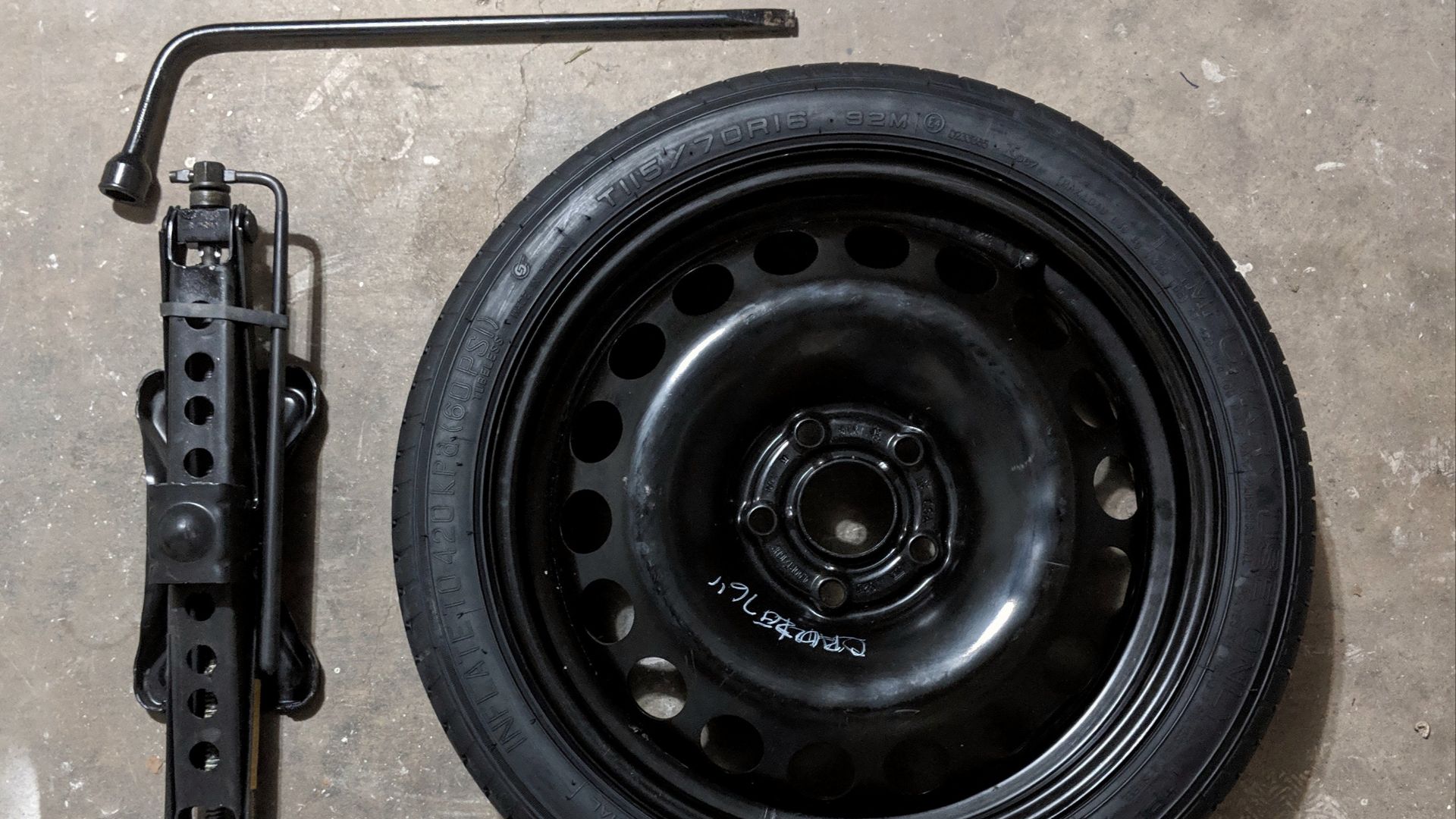
A Spare Tire And Tire-Changing Tools
A flat tire could turn a pleasant vacation into an unexpected roadside project. Families depended on their spare tire, jack, and lug wrench to get moving again. There was no smartphone app to conveniently request roadside assistance.
 Steve Rainwater from Irving, US, Wikimedia Commons
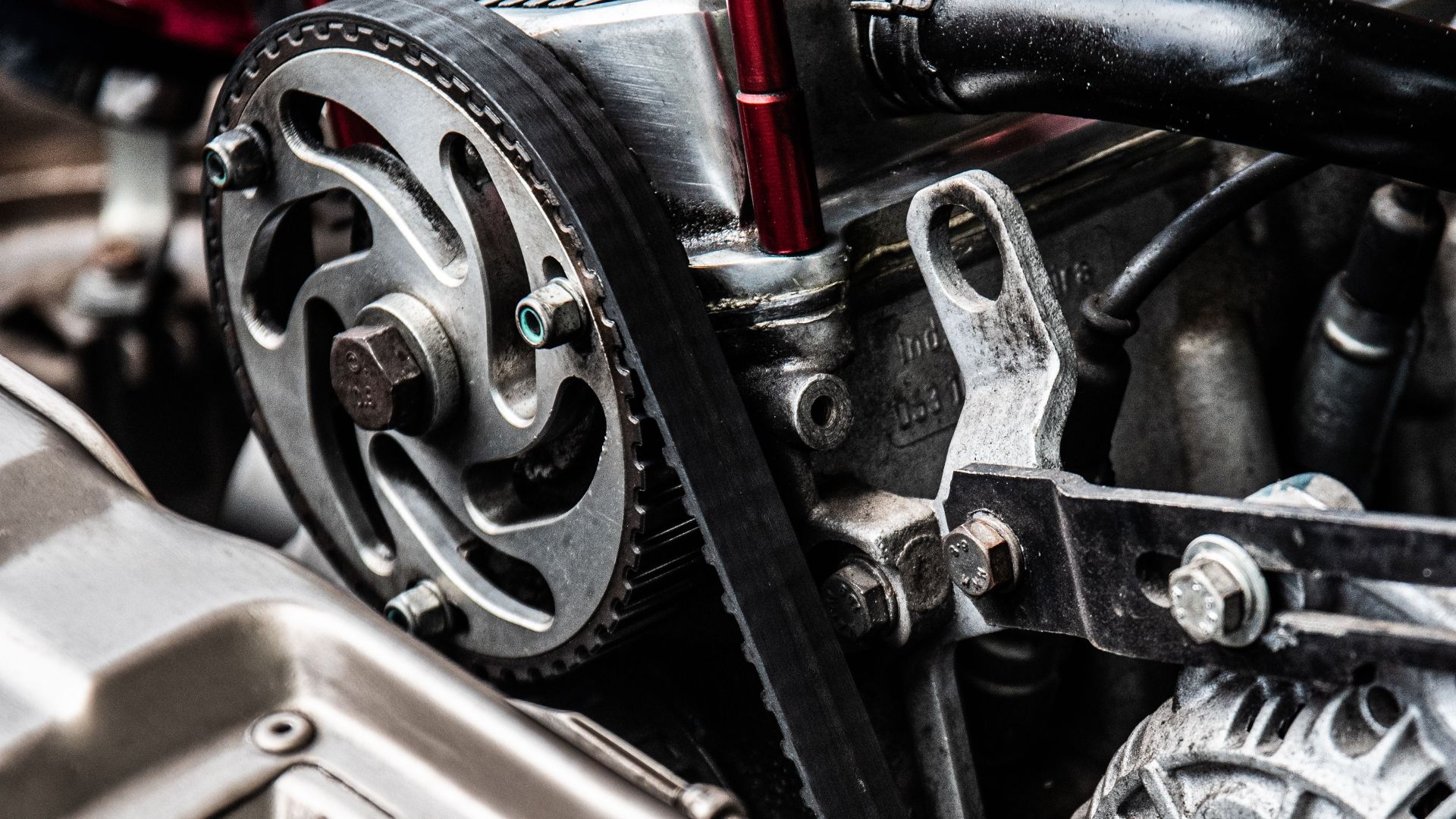
An Emergency Fan Belt
Some drivers packed spare fan belts, especially when heading into remote areas. A broken belt could leave a car stranded, and finding replacement parts wasn't always easy. Having a spare offered reassurance, even if installing it required some mechanical knowledge.
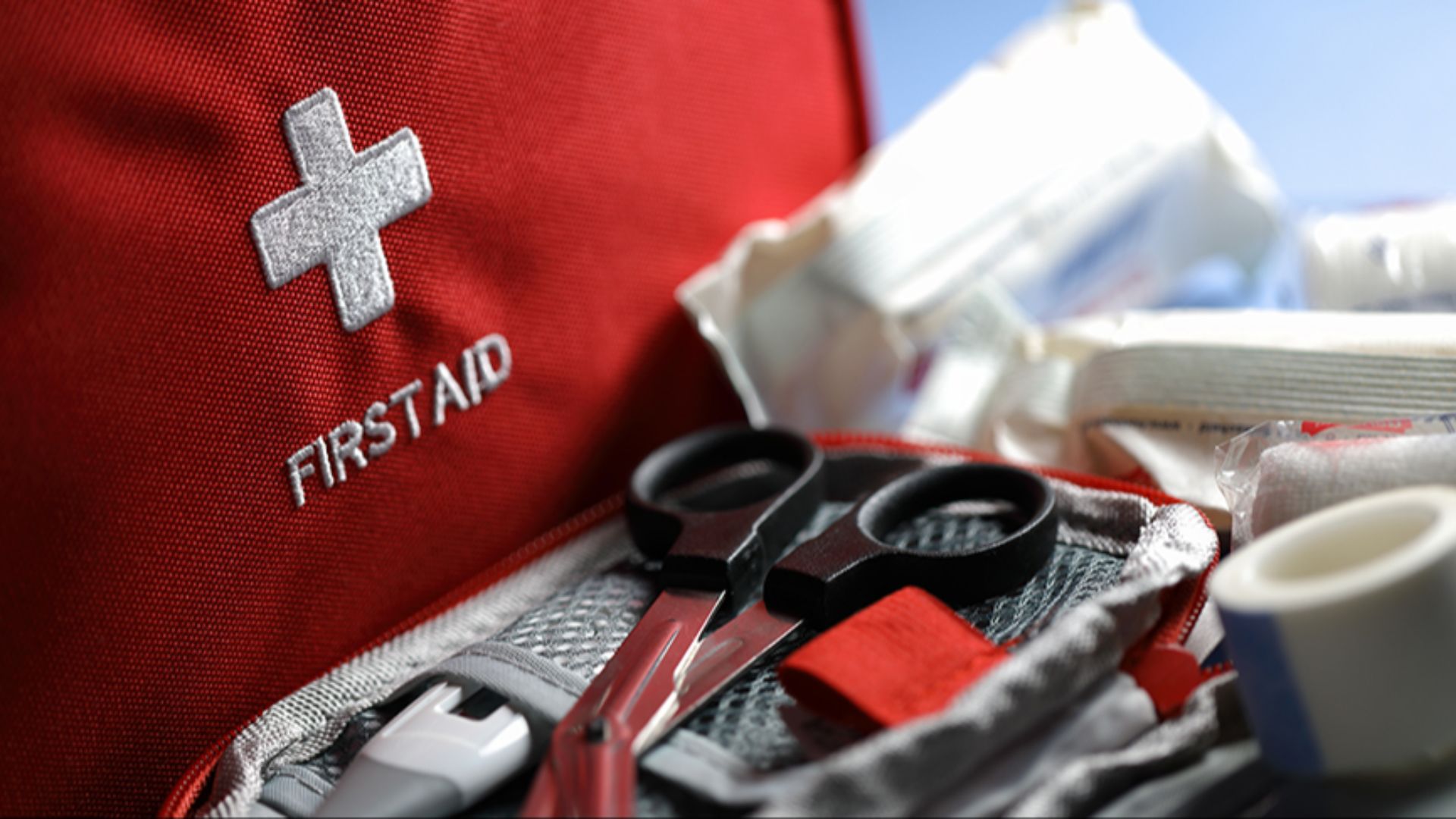
A First-Aid Kit
Scraped knees, headaches, insect bites, and other minor problems could interrupt any family adventure. A basic first-aid kit provided bandages and other supplies when pharmacies weren't nearby. Parents knew that being prepared could save an inconvenient detour.
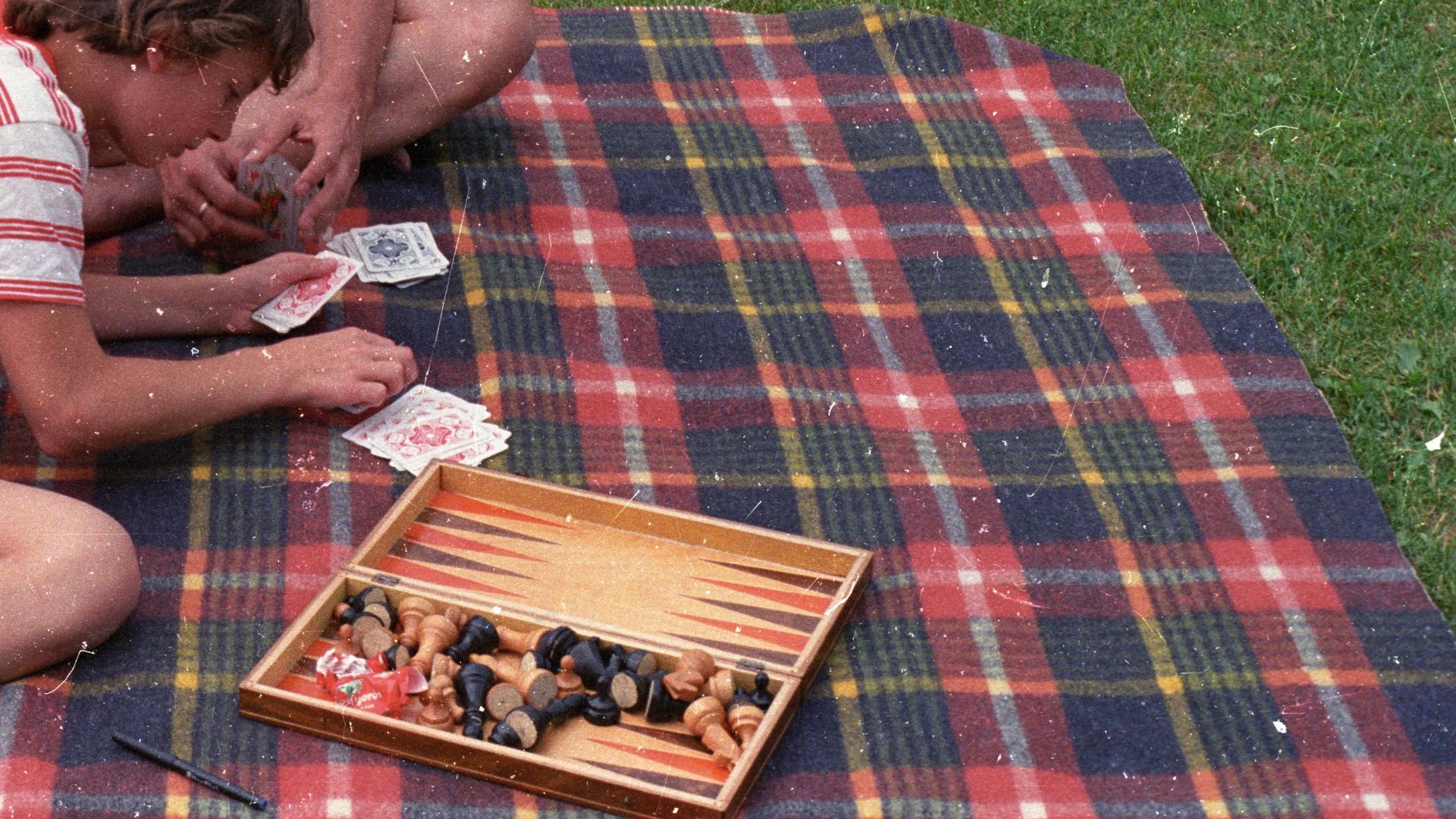
A Picnic Blanket For Roadside Stops
Long before everyone searched online for the nearest restaurant, families could simply pull into a roadside picnic area. A large blanket transformed a grassy spot into an instant dining room. Finding somewhere without ants was the real challenge.
A Travel Guide Full Of Motel Listings
Finding somewhere to sleep wasn't as simple as opening a booking app. Families carried motel directories and travel guides listing accommodations along major highways. Sometimes you picked a promising place and hoped the vacancy sign was glowing.
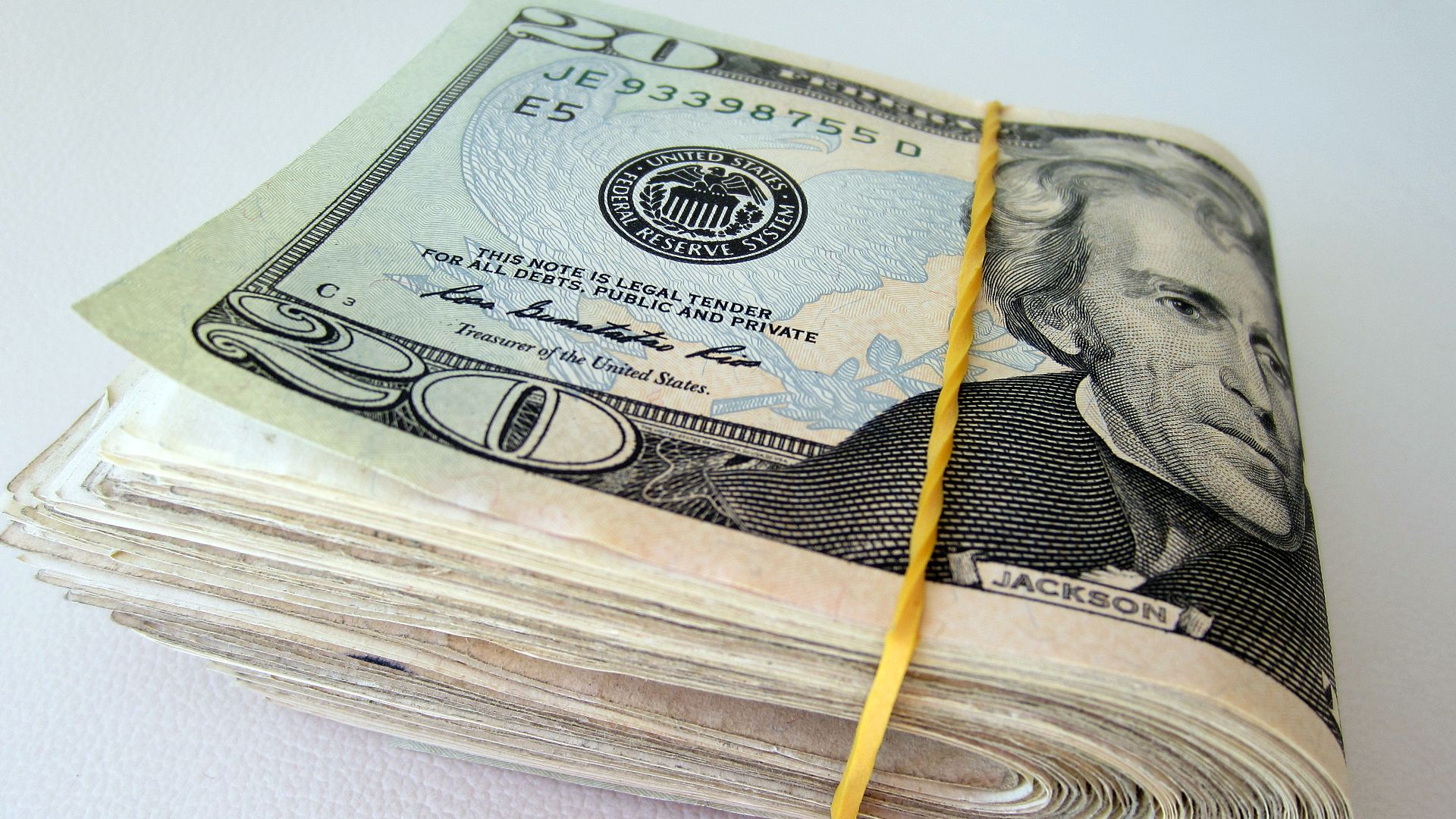
The Family's Vacation Budget In Cash
Credit cards existed in the 1960s, but they weren't accepted everywhere. Families often carried cash and traveler's checks to cover gasoline, meals, and motels. Keeping that vacation money secure was an important part of the planning.
 401(K) 2012, Wikimedia Commons
The Road Trip Was Half The Adventure
Looking back, it's remarkable how much preparation went into an ordinary family road trip. Today's smartphones have replaced maps, cameras, guidebooks, and countless other essentials. But for Baby Boomers who remember those summer drives, getting there was often just as memorable as the destination.
You May Also Like:
Christmas Travel Expenses Families Often Forget To Budget For
Famous Vacation Islands That Were Once Known For Completely Different Industries