You Are Allowed To Feel Irritated
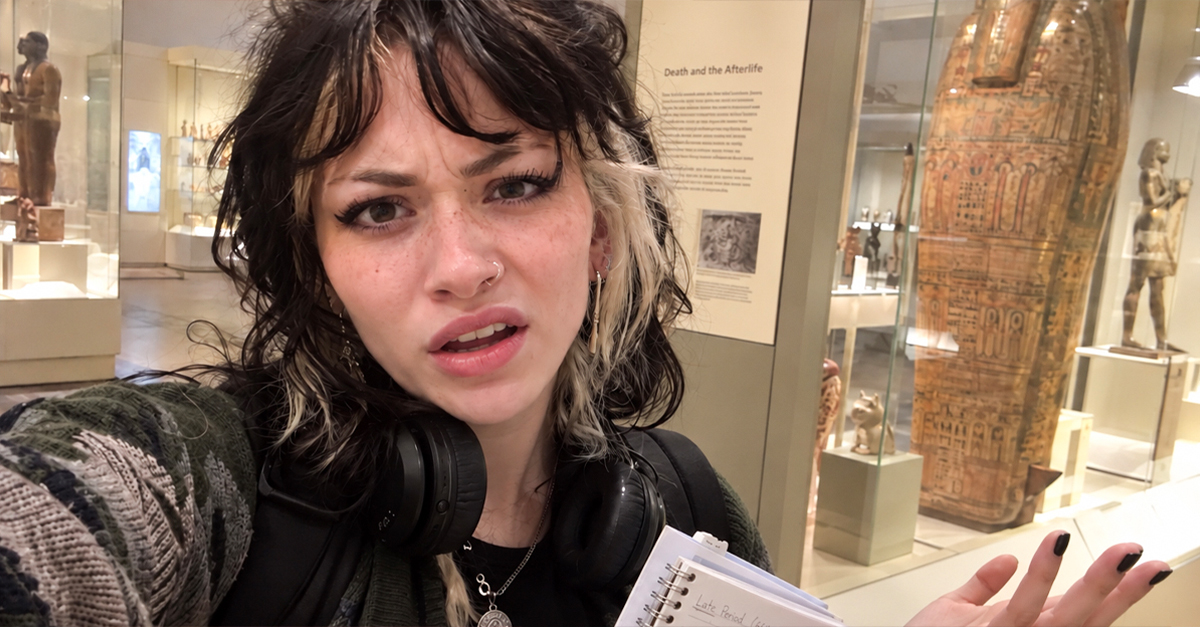
If you're on a research trip and your friend keeps asking to see your findings, this is not really about a few pages of notes. You are paying for excursions, spending your time listening, asking questions, and documenting what you learn. Meanwhile, your friend is using that same time for sightseeing and then asking you for the useful part afterward. It is understandable that the arrangement is starting to feel uneven.
The Problem Is The Pattern, Not One Request
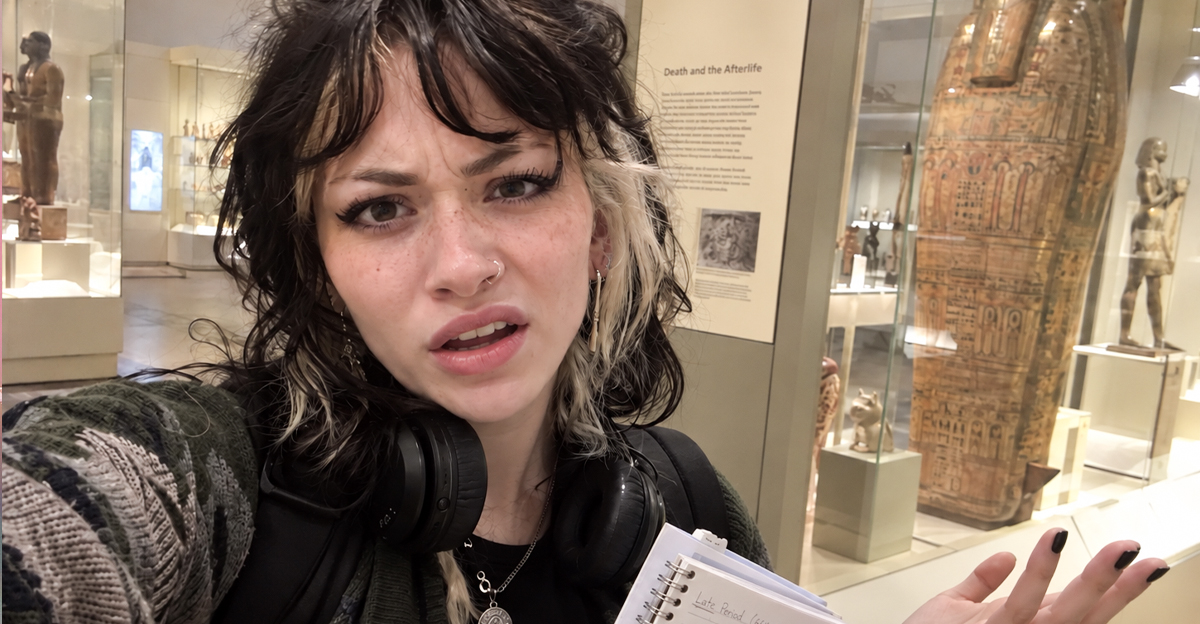
If your friend skipped one excursion because she was sick, tired, or had another commitment, sharing notes might feel generous rather than unfair. The frustration comes from repetition. She is choosing not to attend the paid research activities while apparently expecting your work to fill in what she misses.

You Do Not Have To Become Her Substitute Researcher
Your notes represent time, attention, and work you put into the excursion. Friendship does not automatically mean you must reproduce that experience for somebody who decided not to attend. Helping occasionally is one thing. Becoming the person responsible for filling every gap in someone else's research is another.

She May Not Realize How It Looks From Your Side
Before deciding she is deliberately taking advantage, consider that she may understand the arrangement differently. She might think you are already taking notes, so sending them costs you nothing. What she may be overlooking is the money, concentration, preparation, and sightseeing time you are giving up to gather that information.

Say Something Before You Get Really Angry
If you already feel irritated each time she asks, it is better to address the pattern before the resentment gets worse. A calm conversation between activities gives both of you room to explain what you expected from the trip. Waiting until you are furious makes it much easier for a disagreement about notes to become an argument about the friendship.

Keep The Conversation About The Arrangement
You do not need to call her selfish, cheap, lazy, or dishonest. Personal accusations are likely to turn the conversation into a defense of her character rather than a discussion of what is happening. Stick to the arrangement: she skips the research excursions, you attend them, and she regularly asks for the resulting notes.

You Can Simply Say You Want To Keep Your Notes
A boundary does not need a complicated justification. You can tell her you are happy to talk about what you learned but would rather keep your detailed notes for your own research. That gives her some information without making you responsible for recreating an excursion she repeatedly decided not to attend.

Sharing A Quick Summary Is A Useful Middle Ground
If you want to preserve the friendship without feeling taken for granted, offer the headline version. Tell her two or three interesting things you learned or point her toward a public source where she can research the subject herself. You can still be helpful without handing over your entire notebook.

Do Not Turn Your Sightseeing Time Into More Work
Sharing notes can quickly become more than simply sending a photograph of a page. She may have questions about what you wrote, what the guide meant, which details mattered, or where something came from. Suddenly you are spending your free evening reconstructing an excursion she chose not to attend.

The Paid Part Still Matters
If the excursion costs money because it includes an expert guide, specialized transportation, restricted access, or curated information, your frustration is particularly understandable. You paid to participate in an experience and spent time gathering information from it. You are not unreasonable for wanting that effort to remain primarily yours.

But Avoid Turning It Into A Financial Scorecard
You probably do not want to announce that because you paid $80, your friend owes you $40 before she can see your notebook. That turns a question about fairness into an accounting exercise. The money matters because it helps explain your frustration, but your stronger point is that research takes participation and effort.

Ask What Kind Of Trip She Thinks This Is
There may be a larger mismatch between you. You appear to be treating the trip as research with sightseeing fitted around it. She may be treating it as a vacation with optional research activities. Neither approach is automatically wrong, but traveling together becomes difficult when two people believe they agreed to different priorities.
 https://kaboompics.com/, Pexels
Research Partners Need Shared Expectations
If you are working toward the same project, assignment, article, or presentation, this is bigger than a friendship disagreement. Research-integrity guidance recommends establishing roles, responsibilities, information-sharing expectations, and other ground rules early in a collaboration. If you did not do that beforehand, you can still do it now.

Decide Who Is Actually Responsible For What
Instead of arguing about each individual set of notes, decide what each person is contributing. Perhaps you attend certain guided excursions while she conducts interviews, handles background research, organizes photographs, checks sources, or attends different activities. A shared project should have a shared workload, even when the tasks are different.
 Christina @ wocintechchat.com M, Unsplash
If This Is Her Own Research, The Answer Is Easier
If she needs the information solely for her own assignment or project, you have even less reason to feel obligated to supply everything. She can attend the excursion, locate independent sources, or conduct her own research. You are free to help because you want to, but her decision to skip an activity does not automatically become your problem to solve.

If You Share A Project, Withholding Everything May Not Help
For a genuinely collaborative project, refusing to share any information simply because you are annoyed could create a different problem. Instead, address the workload directly. If you are doing most of the field research, she should make a comparable contribution somewhere else and both of you should agree on how information will be shared.

Sharing Notes Is Not Automatically Plagiarism
There is an important distinction here. Simply showing someone your notes is not automatically plagiarism. Problems can arise if your friend copies your words or ideas and presents them as her own, fails to give required credit, or breaks the collaboration rules for an assignment or project. Check whatever standards govern the work.

Be Careful With Materials From The Excursion
Your own observations are different from materials created by somebody else. Copyright does not protect facts or ideas themselves, but original writing, photographs, recordings, and other creative expression can be protected. Handouts, images, recordings, or proprietary materials may also come with usage rules, so check before redistributing them.
 https://kaboompics.com/, Pexels
Do Not Invent A Fake Excuse
You do not need to say the notes are incomplete, pretend you lost them, or claim somebody banned you from sharing them if none of that is true. Those explanations may avoid discomfort for a few minutes, but they create another problem if she realizes what happened. A courteous, accurate boundary is easier to defend.

Try A Calm Version Of No
You could say, “I don't mind giving you the main points, but I'm going to keep my detailed notes for my own research because I've been attending and paying for these excursions". That communicates the boundary without attacking her and gives her a clear explanation of what you are still willing to share.

Do Not Make The Goal Winning The Argument
You do not need your friend to admit that you are completely right. The goal is for her to understand what you will and will not do from this point forward. Difficult conversations tend to go better when people concentrate on the actual issue, avoid personal attacks, listen to each other, and keep the tone from becoming combative.

Her Reaction Will Tell You Something
A reasonable friend might be disappointed and still respect the boundary. She may even say she had not realized how much time you were putting into the research. If she believes friendship requires unlimited access to your work regardless of her own contribution, then the disagreement is revealing a larger difference in expectations.

Make A New Rule For The Rest Of The Trip
You can prevent this discussion from repeating after every excursion by establishing a simple rule now. Perhaps you exchange brief highlights but not complete notes. Perhaps each of you is responsible for different activities. Perhaps detailed research is shared only when both people are contributing to the same project.

You Can Still Be Friends And Travel Differently
Good friends do not have to travel identically. One person may love museums, lectures, archives, and guided tours while another would rather wander neighborhoods independently. You can separate during the day and meet for dinner. The arrangement becomes unfair only when one person's preferred trip repeatedly depends on the other person's research work.

Saying No May Prevent The Bigger Fight
Continuing to hand over your notes while becoming more resentful is not necessarily protecting the friendship. A respectful boundary gives both of you the chance to reset expectations before irritation becomes something larger. You can still help your friend without becoming the trip's unofficial research assistant.

A Limited Yes Is Probably The Best Compromise
You do not need to give her every page, and you do not need to refuse to discuss anything you learned. A sensible middle ground is to share occasional highlights while keeping your detailed research for yourself unless the two of you have explicitly agreed to collaborate. That keeps generosity voluntary instead of expected.

You May Also Like:
Mistakes to Avoid for a Great Trip
Solo Travel: How To Make The Journey Alone
Europeans Reveal The Most Ridiculous American Roadside Foods They Thought They’d Hate, But Loved