The Shuttle Promise That Ends Too Soon
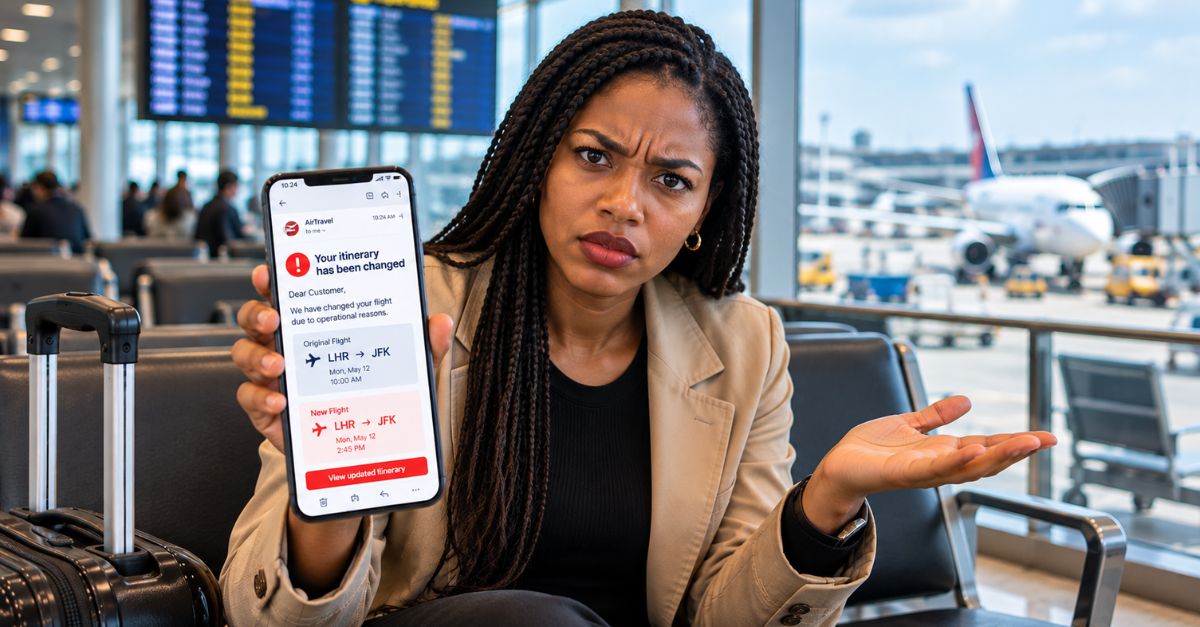
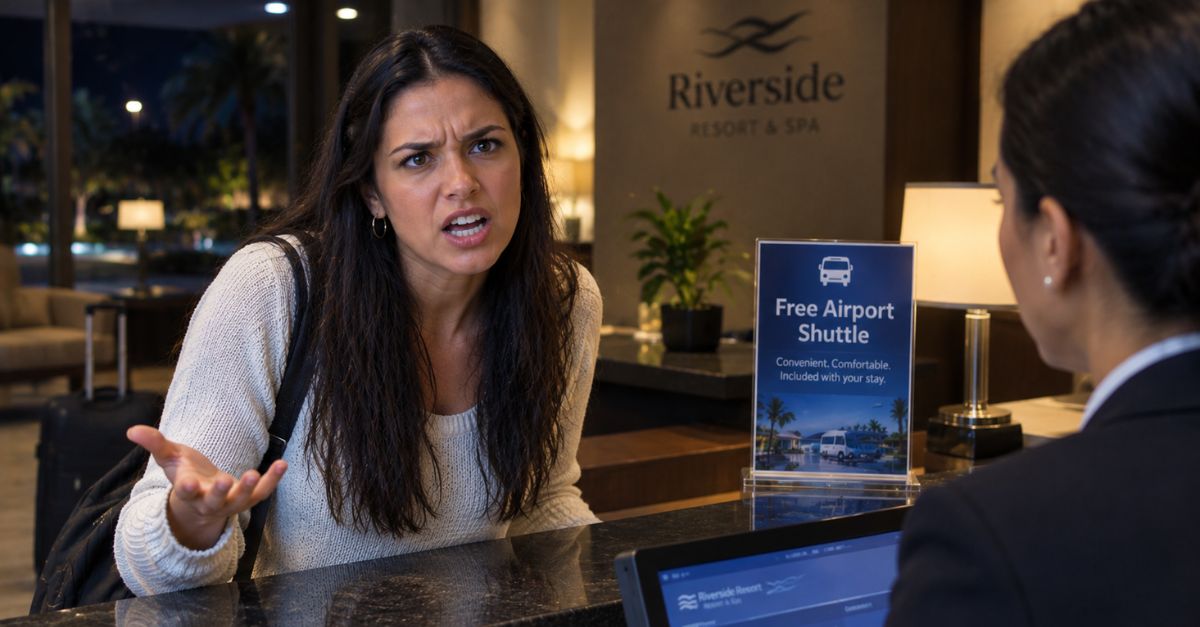
You book a resort because it says airport transportation is included, then your flight lands after the last shuttle has stopped running. That's a lot more than just a hassle. It can turn what was supposed to be a free perk into an expensive late-night cab or rideshare.
Why The Fine Print Matters
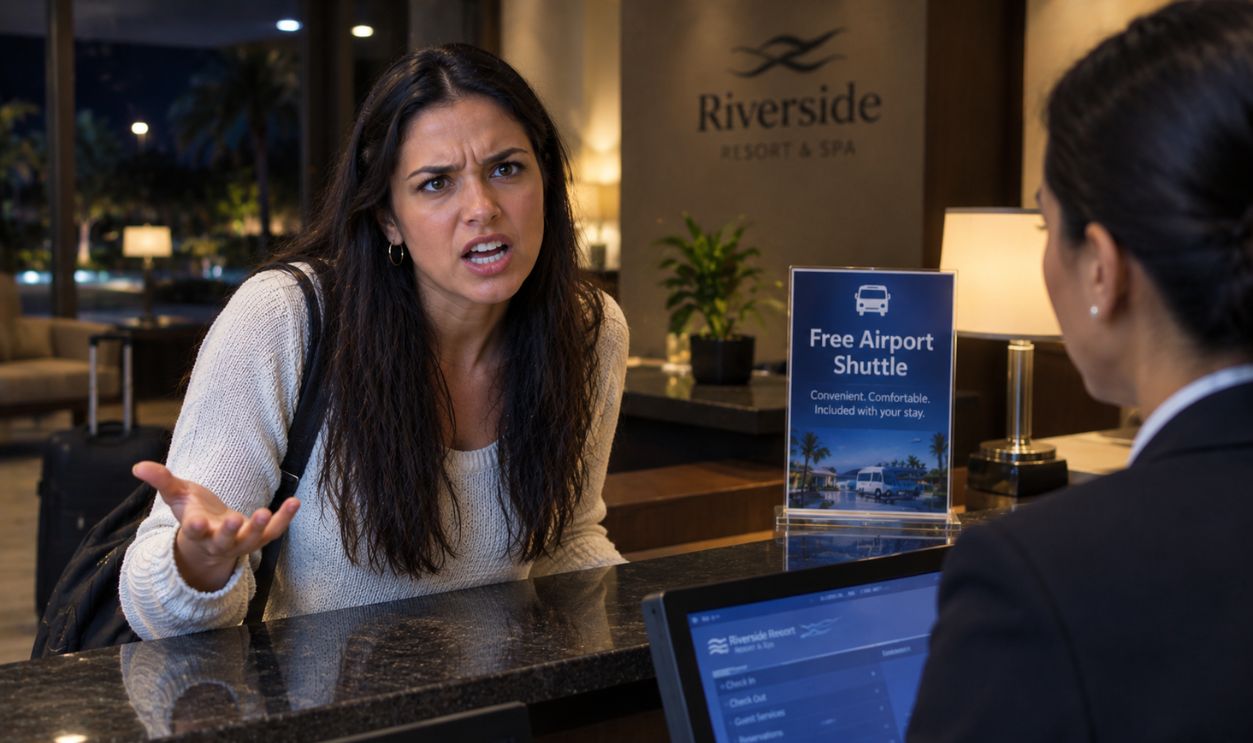
In travel listings, broad claims like "free airport shuttle" often come with hours tucked deeper in the page. If those limits are shown before you book, the resort has a better case that it described the service fairly. If the hours are missing or hard to spot, a traveler may have a real complaint that the ad was misleading.

Federal Rules Start With Truth In Advertising
In the United States, the Federal Trade Commission says ads must be truthful, not misleading, and backed up when needed. The FTC also says disclosures must be clear and easy to notice. So a resort cannot lean on a big headline promise if the important limits are buried where most travelers would miss them.

Clear And Conspicuous Is The Big Test
The FTC has long said that important details should appear where people are likely to see them. Tiny print, hidden footnotes, or disclosures that only show up after payment can be a problem. With airport shuttles, the key detail is obvious. The hours matter just as much as the shuttle itself.

Hotels Usually Set Their Own Shuttle Hours
There is no general federal rule saying a hotel shuttle has to run until the last flight of the night. Resorts usually get to choose their own schedule. What they cannot do, under general consumer protection rules, is give a misleading picture of what guests can actually use.

Why Late Flights Expose The Problem
Many airport hotels and resorts advertise shuttle service because it helps them stand out. But late arrivals show whether that promise is really useful. A shuttle that ends at 10 p.m. does not help much if flights into that airport are often delayed until midnight.
The Department Of Transportation Offers A Clue
The U.S. Department of Transportation requires airlines and ticket agents to disclose fees and key terms in some situations, and its consumer guidance stresses clear communication with travelers. DOT rules are not a direct code for hotel shuttles, but the bigger point still fits. If transportation is part of the sales pitch, major limits should be easy to see.

State Law Can Matter Even More
Most disputes over resort shuttle claims will likely fall under state laws that ban unfair or deceptive business practices. These laws often stop businesses from making misleading statements about services. In plain terms, if a reasonable traveler would think "airport transportation" covers their arrival, the resort should clearly spell out any big exceptions.

California Offers A Useful Example
California's consumer protection laws, including its Unfair Competition Law and False Advertising Law, are often pointed to in disputes over misleading marketing. The exact rules vary by state, but the main idea stays the same. A business cannot leave out important facts if doing that would mislead people.

So Is Airport Transportation A Material Fact
For many travelers, yes. If you chose the resort because you did not want to rent a car or pay for a rideshare, shuttle service is not some minor extra. It is part of the reason you booked. That means the hours of operation can be an important term of the offer.

What A Resort Can Safely Say
A resort is on firmer ground if it says something like "complimentary airport shuttle available daily from 6 a.m. to 10 p.m." That tells you what the perk is and when it actually works. It gives travelers enough information to decide whether it fits their trip.

What Could Cross The Line
Problems start when a property advertises "free airport transportation" in a big, easy-to-see spot, but only reveals limited hours after the booking is done or after the guest arrives. That kind of gap is what regulators often care about. The question is not just whether the statement was technically true, but what overall impression it gave.
 Hryshchyshen Serhii, Shutterstock
Booking Platforms Complicate Everything
Sometimes the resort is not the only one making the claim. Online travel agencies, search sites, and map listings often boil amenities down to a few simple labels. If a third-party page says "airport shuttle" but leaves out the hours, the traveler can end up caught between the platform and the property.

The Best Evidence Is A Screenshot
If this happens to you, save the booking page, the amenity list, the confirmation email, and any shuttle policy page you can find. Take screenshots that show the date and time. If you ask for reimbursement later, those records will carry a lot more weight than a rough memory of what the listing said.

Ask One Key Question Before You Book
Do not just ask whether the shuttle exists. Ask whether it works for your exact flight, including likely delay time. A quick message to the resort saying, "My flight lands at 11:35 p.m. Will the free shuttle still be available?" can save you from a bad surprise and create a useful paper trail.

If The Shuttle Is Unavailable, Ask For A Practical Fix
Start with the front desk or reservations team. Ask whether the resort will cover a taxi or rideshare if its advertised transportation was not available when you arrived. Some properties will offer reimbursement, a credit, or another adjustment rather than deal with a formal complaint.

Use The Resort's Own Words
When you complain, quote the exact language that shaped your decision to book. Say where you saw it and whether any shuttle hours were shown before payment. A calm, specific complaint usually works better than a broad accusation.

Credit Card Disputes Are Not The First Tool
A chargeback may sound appealing, but it is usually better saved for bigger problems or a clear refusal to address a misleading offer. If the room itself was provided, a full payment dispute can be a blunt move. A narrower request for the extra transportation cost is often more realistic.

Regulators Want Specifics, Not Just Frustration
If the resort or booking platform refuses to help, you can file a complaint with your state attorney general or consumer protection office. You can also report deceptive advertising concerns to the Federal Trade Commission. These agencies usually want dates, screenshots, receipts, and the exact wording used in the ad.

The FTC's Guidance Matters Here
The FTC's ad guidance says disclosures need to be easy to notice and easy for ordinary people to understand. That matters here because shuttle hours are not some tiny technical detail. For many guests, those hours decide whether the amenity is useful at all.

Watch Out For Weasel Words
Terms like "subject to availability," "limited hours," or "on request" are common in travel listings. Those phrases can be fine if they are shown clearly and early enough. But they should not be used later as a shield after a traveler has already relied on a broader promise.
 https://kaboompics.com/, Pexels
International Trips Add Another Layer
If you are booking abroad, your rights will depend on local law and the booking contract. Some countries give travelers stronger package-trip protections than others. Even so, the same common-sense rule still applies. If transportation is heavily marketed, it should be described accurately.
 LightField Studios, Shutterstock
When The Last Flight Is The Real Test
The biggest question is whether the shuttle schedule lines up with the airport's normal arrival pattern. If a resort near a busy airport knows late flights come in every night, ending service early can make the amenity much less useful than the headline suggests. That does not automatically make the ad illegal, but it makes clear disclosure a lot more important.

How To Read A Shuttle Claim Like A Pro
Look for operating hours, pickup instructions, reservation requirements, blackout periods, and whether the shuttle serves all terminals. Also check whether it goes to the airport itself or only to a nearby transit stop. "Airport transportation" can mean very different things in real life.
What You Can Reasonably Expect
You can reasonably expect honesty and clarity. You cannot automatically expect a shuttle to run all night unless that was promised. The real legal and practical issue is whether the resort gave you enough accurate information to understand the limit before you booked.
 PeopleImages, Shutterstock Images
The Bottom Line For Travelers
Yes, a resort can advertise airport transportation even if it does not run through the last arrivals, but only if the limits are clearly disclosed and not presented in a misleading way. If the service hours were hidden or left out, you may have a strong argument that the advertising was deceptive. Before you book, make sure the shuttle can handle your flight, not just the marketing copy.