
The Risky Vacation Favor
If your brother wants the group to hide his girlfriend’s child from the hotel to avoid an extra-person fee, that is not a harmless travel trick. At many hotels, it can break the booking terms, lead to extra charges, and in some cases get the whole group kicked out with no refund. The short answer is yes, it could get everyone thrown out.

Why This Matters More Than It Seems
Hotels do not ask for guest counts just to squeeze out more money. Occupancy limits also tie into fire codes, safety rules, housekeeping, and local law. So sneaking in an unregistered guest can turn into a much bigger problem than an awkward moment at check-in.
 KONSTANTIN_SHISHKIN, Shutterstock
What Hotels Usually Require
Big hotel brands usually require accurate reservation details, including how many people will stay in the room. Marriott’s terms say guests may need to provide valid ID and other information at check-in, and that hotels can refuse service or remove guests in some situations. Hyatt’s terms also say guests must follow hotel rules and that properties may evict guests for breaking them.
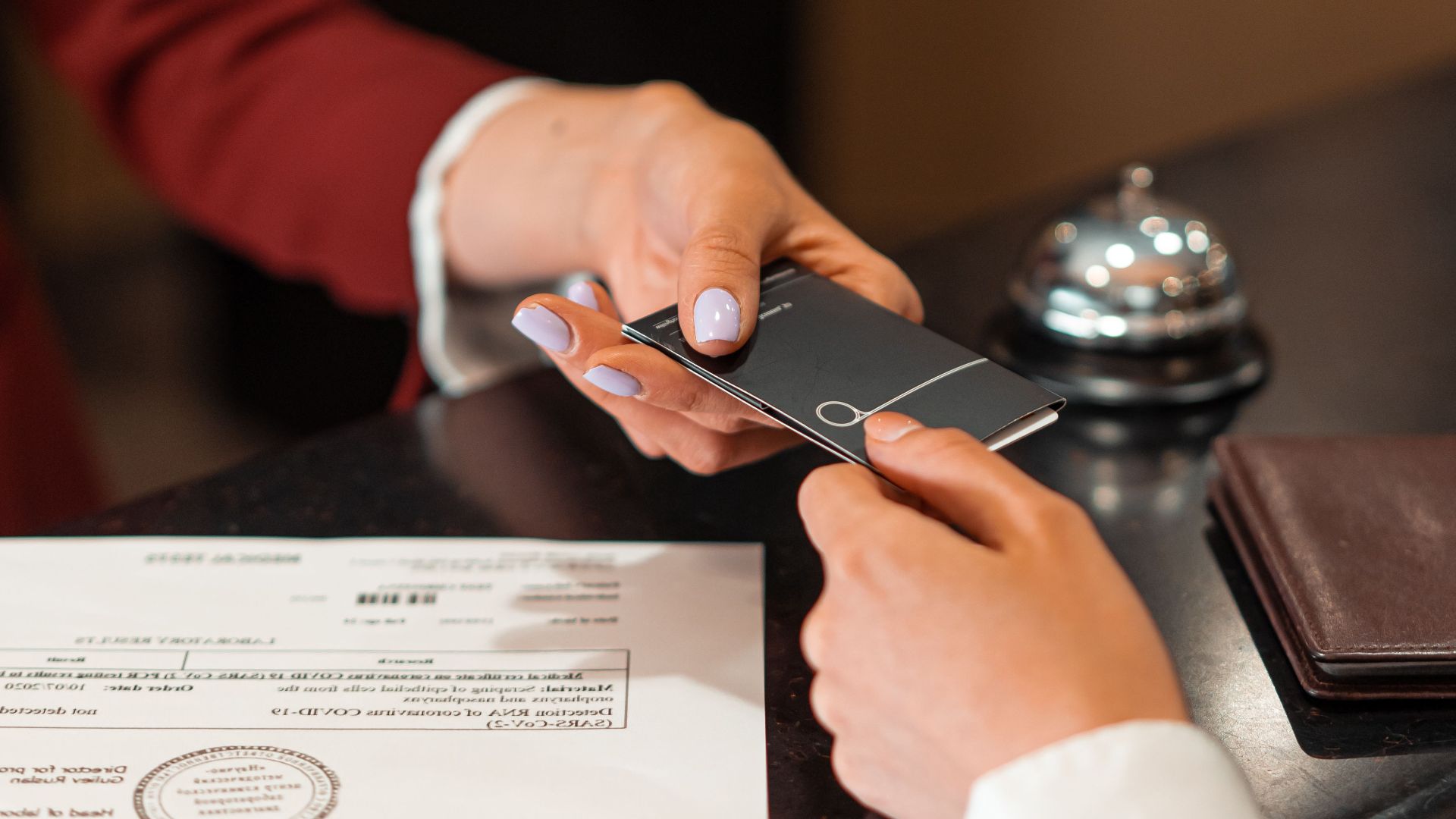
Extra-Person Fees Are Common
Many hotels price rooms by occupancy, especially resorts, all-inclusive properties, and hotels in pricey city centers. A room might include two registered guests, with an added fee for extra adults or sometimes older children. Trying to dodge that fee by hiding a child can put the whole reservation in danger.

Children Are Not Always Free
A lot of travelers assume a child does not count, but that is not always true. Some hotels let younger children stay free if they use existing beds. Others cap the total number of guests no matter the child’s age. Policies vary a lot, so the child’s age matters, but the hotel’s written policy matters even more.

Occupancy Limits Are A Big Deal
Hotels often set a maximum number of people allowed in a room, and that number may be shaped by local fire code. The American Hotel & Lodging Association says guests should follow property rules and notes that hotels may set occupancy standards. If a hidden guest pushes the room over the limit, staff may have very little room to bend.

Eviction Can Happen Fast
Hotel policies often give properties the right to remove guests who break house rules or give misleading booking information. Hyatt’s terms specifically describe cases where a property may evict a guest. So the risk is not just an adjusted bill. It can mean the stay is over on the spot.

No Refund Is A Real Possibility
Getting removed from a hotel does not mean you automatically get your money back. Many hotel terms give the property a lot of discretion when guests break rules. If the hotel decides your group intentionally hid an extra occupant, it may charge the correct rate, add penalties, or cancel the stay without a refund.
 https://kaboompics.com/, Pexels
The Safety Angle Hotels Take Seriously
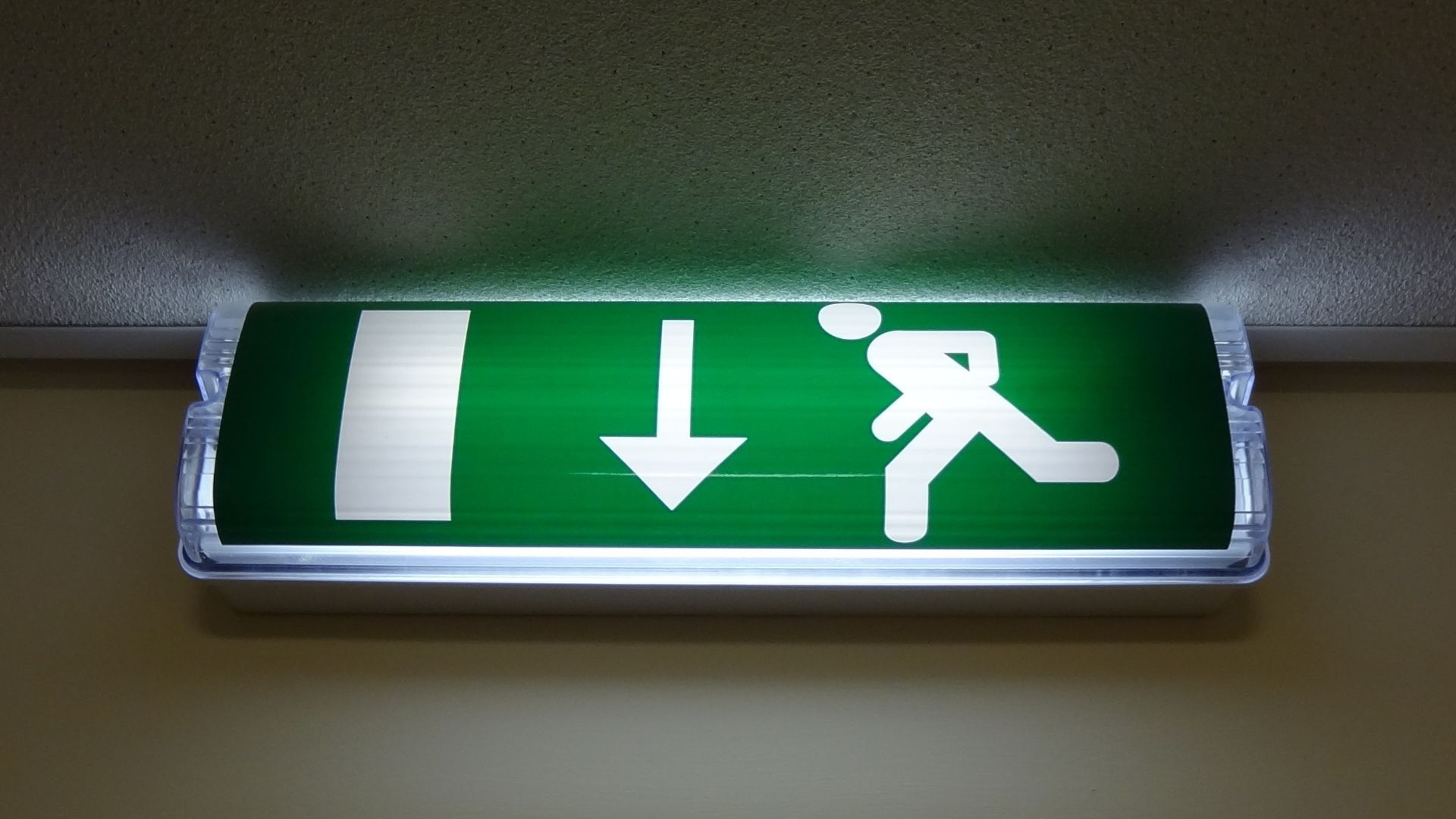
In an emergency, hotels need to know who is in each room. Accurate guest counts help with evacuation, head counts, and first-responder coordination. Hiding a child may seem minor in the moment, but it undercuts one of the main safety systems hotels rely on.
Housekeeping And Amenities Count Too
Guest counts affect more than room prices. Hotels use occupancy info to plan towels, bedding, breakfast, pool use, and sometimes access to lounges or resort facilities. An unregistered child can create problems that staff notice very quickly.

It Is Easier To Get Caught Than People Think
Front desk staff and housekeepers notice patterns. They may spot extra luggage, requests for more towels, an extra breakfast plate, or repeated room entries that do not match the reservation. At some properties, key-card data and security cameras can make undeclared guests even harder to hide.

Booking Sites Warn Guests Too
Online travel sites usually tell travelers to enter accurate occupancy information before booking. Expedia’s help pages and property listings often note that extra-person charges may apply and that occupancy rules vary by hotel. If your group books for fewer people than will actually stay, the reservation may not match what the hotel agreed to provide.

The Child’s Age Could Change The Outcome
If the child is an infant, the hotel may be more flexible, especially if no extra bed is needed. If the child is older, needs bedding, or puts the room over the occupancy limit, the hotel may require a bigger room or a second room. The younger the child, the better the chance of an easy fix, but there is no universal rule.

Some Hotels Charge, Others Rebook
Not every hotel jumps straight to eviction. Some properties simply add the extra-person fee or move the group to a room that fits the occupancy. But that depends on availability, policy, and whether staff think it was an honest mistake or a deliberate effort to avoid fees.

Intent Matters
There is a difference between forgetting to update a reservation and making a plan to sneak someone in. If staff think your brother was trying to deceive the hotel, they may be much less willing to work with the group. A calm explanation before check-in is far safer than getting caught later.

Brand Policies Give Hotels Broad Leeway
Large chains usually publish terms that let properties enforce house rules and remove guests when needed. Marriott’s terms and Hyatt’s terms both give hotels a lot of authority to manage occupancy and guest conduct. Independent hotels often do the same through their own house rules.

Local Law Can Shape What Happens
Hotels do not make occupancy rules out of thin air. Local building and fire codes often affect how many people can legally stay in a room. If the room is already at the legal limit, staff may have no lawful way to let the child stay there even if they want to help.

Do Not Assume A Rollaway Solves It
Some travelers think they can just ask for a rollaway bed and smooth everything over. But many hotels allow rollaways only in certain room types and only when occupancy rules permit it. If the room is too small or already full under policy, asking for a rollaway may actually expose the problem.

Loyalty Status May Not Save You
Elite status can sometimes buy a little flexibility, but it does not erase occupancy rules. A hotel might waive a small fee or help find a bigger room, but it is unlikely to ignore a clear safety or policy issue. Counting on perks to cover for a hidden guest is a bad gamble.

All-Inclusive Resorts Can Be Especially Strict
At all-inclusive resorts, every guest affects food, drinks, wristbands, activities, and insurance concerns. Because pricing is closely tied to headcount, undeclared guests are often treated as a serious violation. If this is happening at a resort, the odds of trouble are even higher.
 Shixart1985, Wikimedia Commons
Vacation Rentals Are Not A Free Pass Either
Short-term rentals often have occupancy caps and guest-registration rules too. Airbnb’s ground rules say guests must respect the number of approved guests on the reservation and follow house rules. So the same basic risk applies if someone tries to hide a child in a rental instead of a hotel room.

What You Should Tell Your Brother
Tell him the cheapest move is usually to fix the reservation before arrival. If the child can stay for free, the hotel can confirm that in writing and everyone can stop worrying. If there is a fee, paying it upfront is almost always cheaper than scrambling for last-minute lodging after an eviction.

How To Handle It Before Check-In
Call the hotel directly and ask about its child and occupancy policy. Have the child’s age ready, along with whether the child needs a separate bed. Ask for an emailed confirmation of any fee, waiver, or room change so there is a clear record at check-in.

What To Do If You Are Already At The Hotel
If you have not checked in yet, fix it right away at the front desk. If you already checked in and realize the reservation is wrong, it is still better to say something before staff discover it on their own. A quick, polite correction gives you the best shot at paying the difference and moving on.

Protect Yourself If The Reservation Is In Your Name
If you booked the room, you are usually the one the hotel will hold responsible. That means extra charges, cancellation problems, and conduct issues may land on your account or card. Do not let someone else’s attempt to save money become your problem.

The Bottom Line On Getting Kicked Out
Yes, hiding a girlfriend’s child from the hotel to avoid an extra-person fee could absolutely get your group kicked out. It could also lead to added charges, a forced room upgrade, or a canceled stay with no refund. The practical answer is simple: be upfront with the hotel before arrival and get the room situation sorted out the right way.