A Vacation Culture Clash
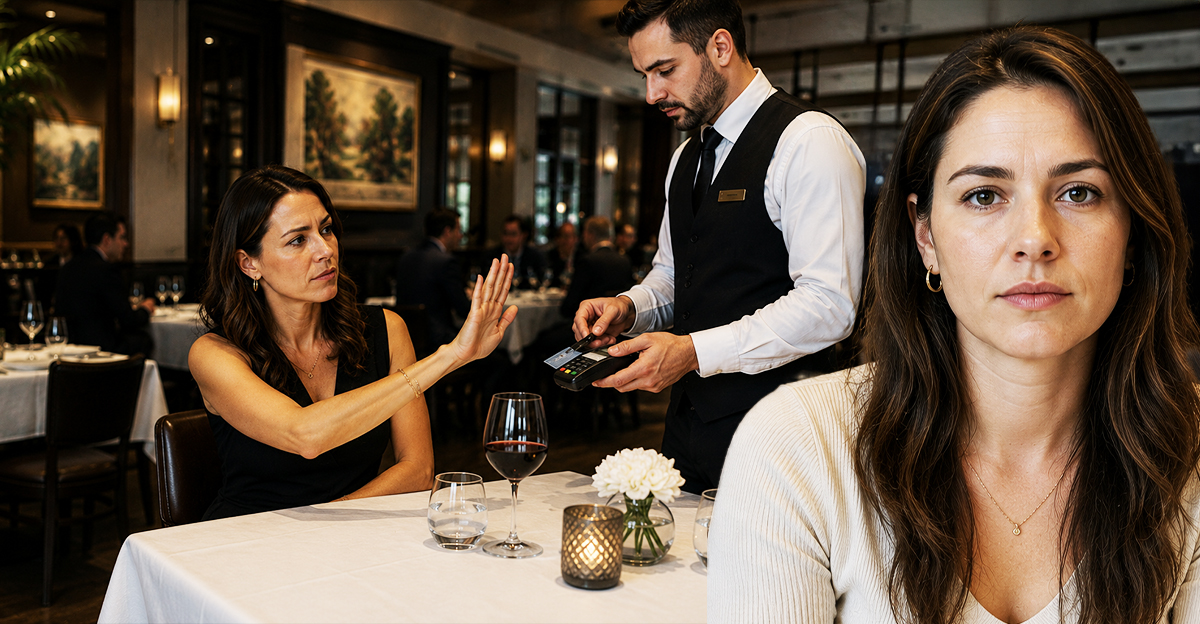
You and your travel partner agree on almost everything except one awkward issue. She refuses to tip because she believes service staff should simply be paid more. While that argument has supporters, refusing to tip in the United States can create uncomfortable situations for both of you.
Why It Matters
In the United States, tipping is more than a reward for exceptional service. In many situations, it is an expected part of the price of receiving personal service. Visitors unfamiliar with American customs are often surprised by just how widespread tipping has become.

Restaurant Tips Come First
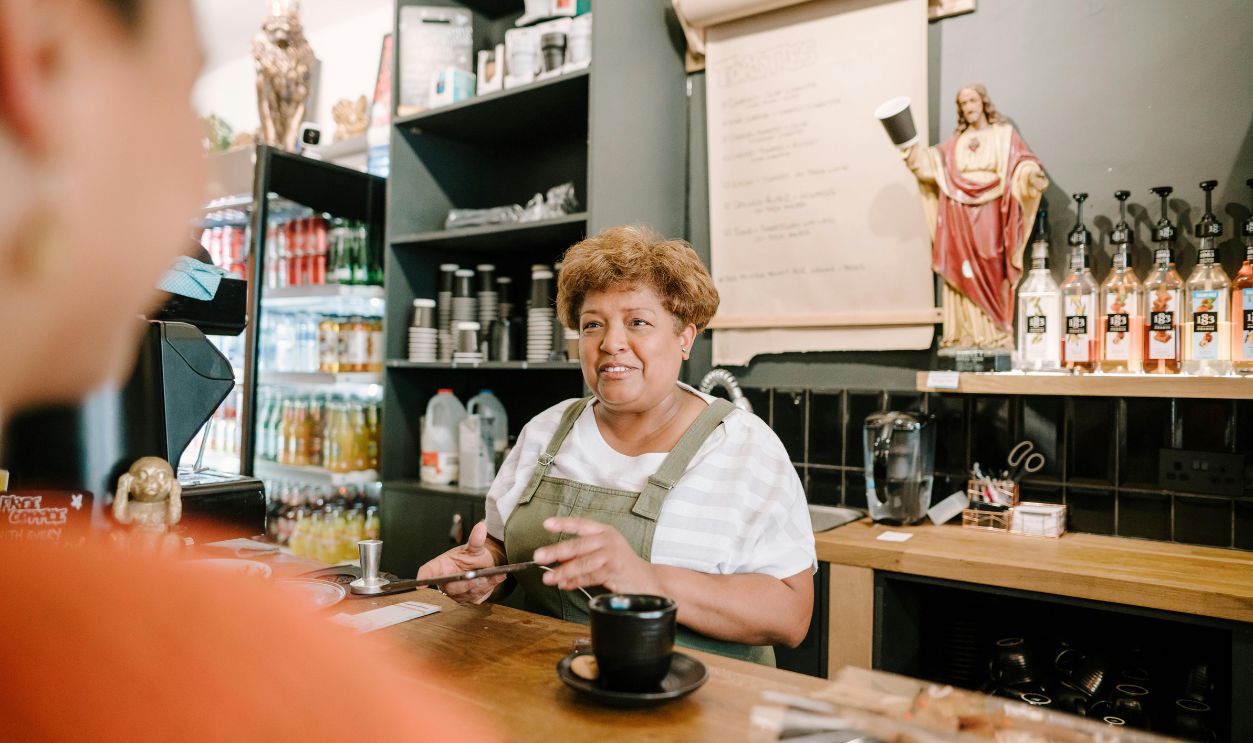
The biggest concern involves full-service restaurants where servers take your order, bring your food, and handle your table throughout the meal. Leaving no tip after satisfactory service is widely viewed as rude, even if your partner believes the system itself is unfair.
Typical Restaurant Amounts
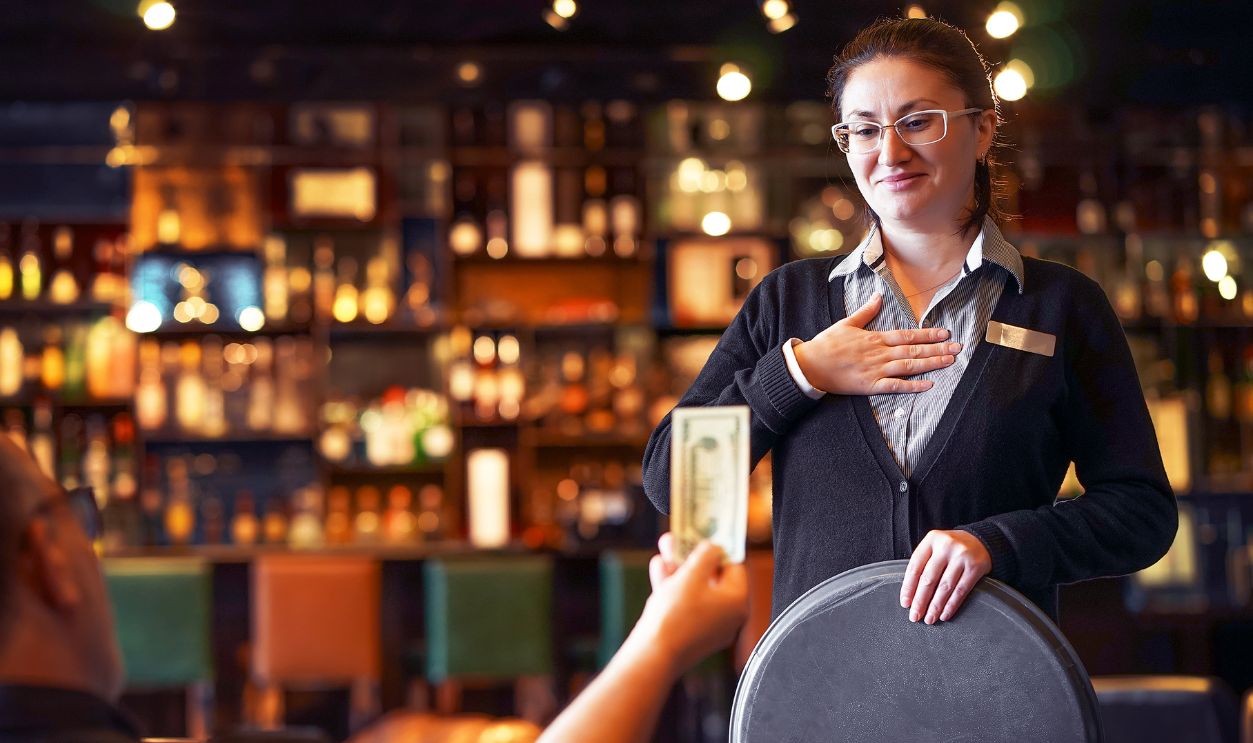
Today, many Americans leave around 18 to 20 percent of the pre-tax bill for good service, with exceptional service sometimes receiving even more. Fifteen percent is still seen by some diners as acceptable, but 20 percent has become a common expectation.

Why Tips Exist
Part of the reason tipping remains so important is that many service workers have historically depended on gratuities as a significant portion of their income. Although wage laws vary by state, tipping continues to play a major role in restaurant compensation across much of the country.
 Centre for Ageing Better, Pexels
It Can Feel Awkward
If one person wants to tip and the other refuses, the disagreement often becomes visible at the table. You may feel obligated to quietly leave cash after your partner walks away, creating unnecessary tension during what should be an enjoyable vacation.

Talk Before Traveling
It helps to discuss tipping expectations before leaving home. Agreeing on a basic approach ahead of time avoids awkward debates every time the bill arrives and prevents either traveler from feeling surprised or embarrassed in front of service staff.

Budget For Gratuities
Treat tips as part of your travel budget rather than an unexpected expense. If you already expect restaurant meals, taxis, hotel staff, or guided tours to involve gratuities, the additional cost becomes easier to plan instead of feeling like an unpleasant surprise.
 LightField Studios, Shutterstock
Beyond Restaurants
Restaurants receive the most attention, but they are hardly the only places where tips are customary. Hotel bell staff, valet attendants, bartenders, rideshare drivers, taxi drivers, and tour guides frequently receive gratuities in the United States.
 Si Griffiths, Wikimedia Commons
Hotels Have Traditions
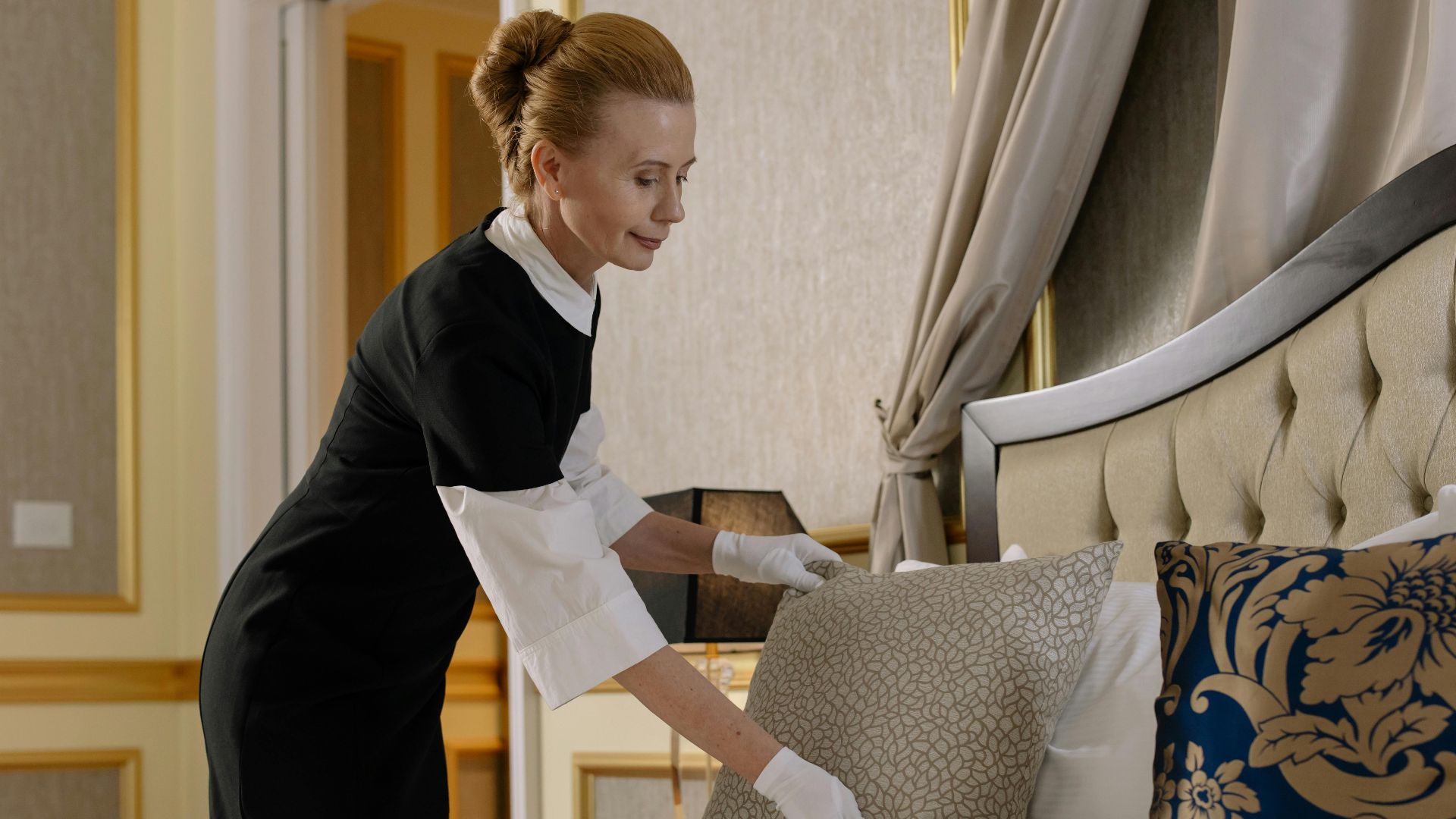
Many travelers also tip hotel housekeeping, especially during longer stays, along with bell staff who carry luggage. While the exact amount varies, these small gratuities remain a familiar part of American hospitality customs.
Europe Often Differs
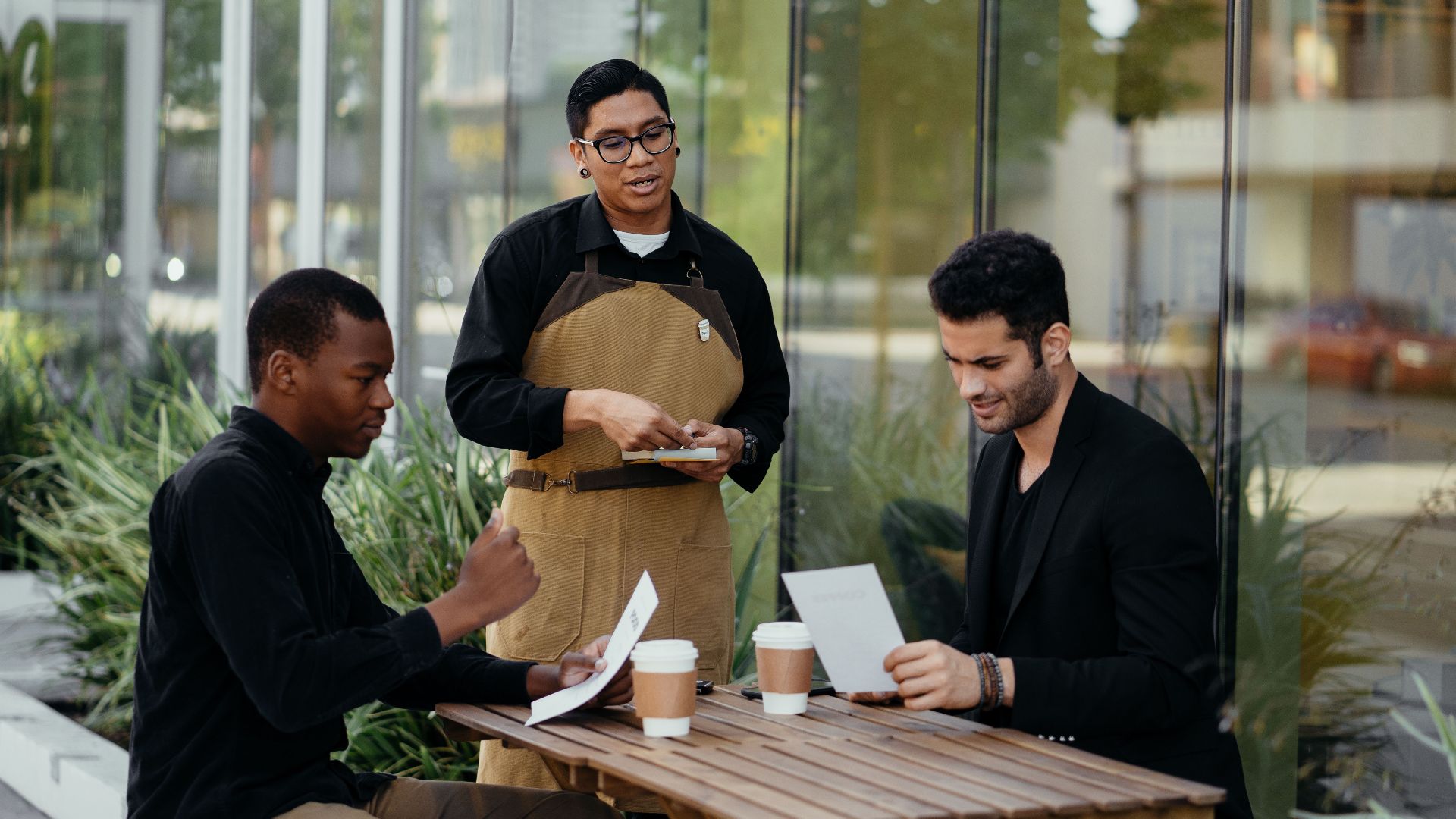
Many European visitors are surprised because tipping works very differently at home. Across much of Europe, restaurant workers generally receive higher base wages, making gratuities more of a bonus than an essential part of employee compensation.
Service Charges Matter
In countries including France and the United Kingdom, service charges are often included automatically. Before adding extra money, travelers should always read the bill carefully. Leaving another full American-style tip may simply duplicate a gratuity already included.

Rounding Up Is Common
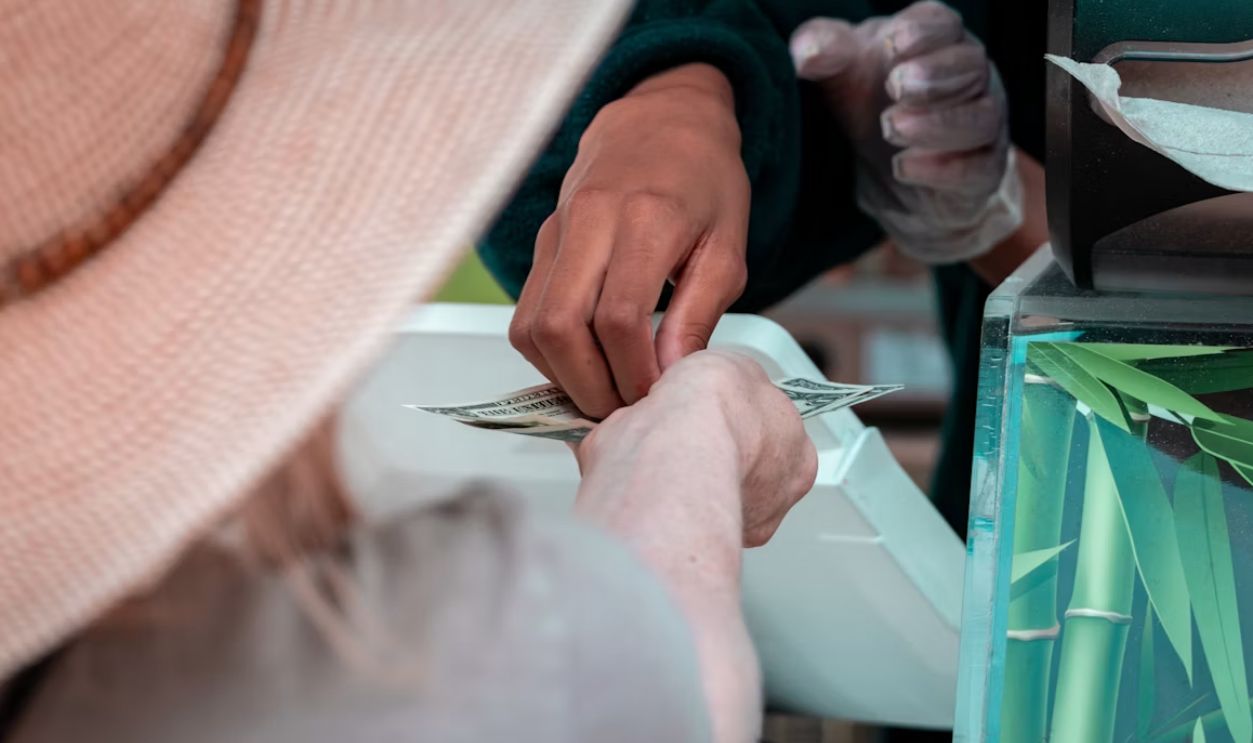
Across much of Europe, customers often round the bill upward or leave a few coins instead of calculating a percentage. Five to ten percent is considered generous in many situations where service charges are not already included.
Scandinavia Is Different
Countries such as Sweden, Norway, Denmark, and Iceland generally place even less emphasis on tipping. Service is usually included in pricing, and rounding up is appreciated but rarely expected. Travelers should resist assuming every country follows American customs.

Japan Takes Another Approach
Japan represents perhaps the biggest contrast. Excellent service is expected as part of the job, and leaving money can confuse staff or even be interpreted as inappropriate. Understanding local customs prevents well-intentioned gestures from becoming awkward moments.

Canada Feels Familiar
Visitors crossing into Canada will generally find tipping practices much closer to those in the United States than in Europe. Restaurant gratuities are commonly expected, although exact percentages and customs may differ somewhat between provinces.
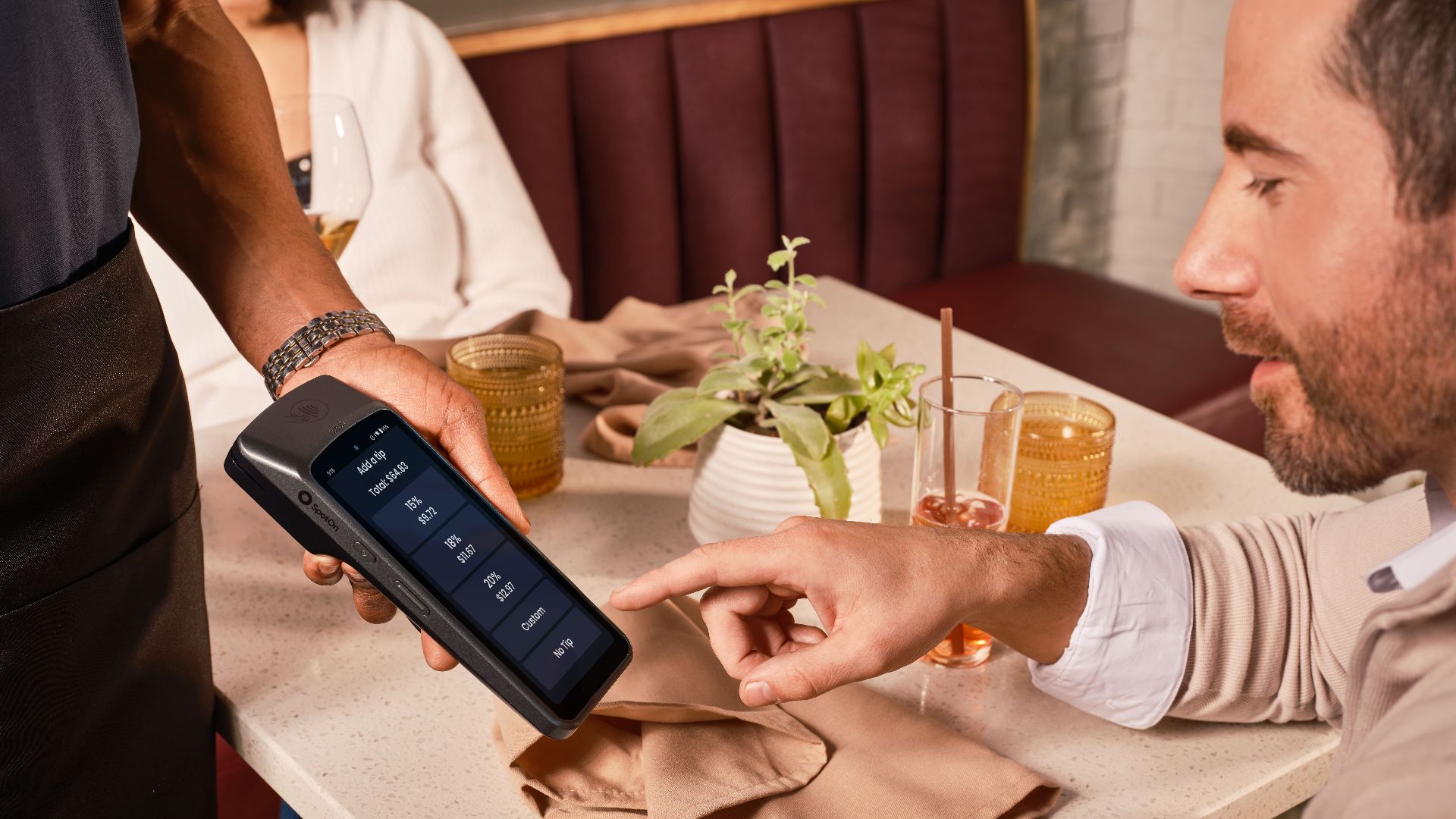
Mexico Has Expectations Too
If your North American trip includes Mexico, do not assume tipping disappears after crossing the border. Restaurant tips of roughly 10 to 15 percent are commonly appreciated, especially in tourist destinations and resort areas.

Avoid Making Statements
Some travelers refuse to tip because they hope to protest the system. While the debate over tipping is real, the immediate financial impact usually falls on the individual worker serving your table rather than the business or broader labor system.
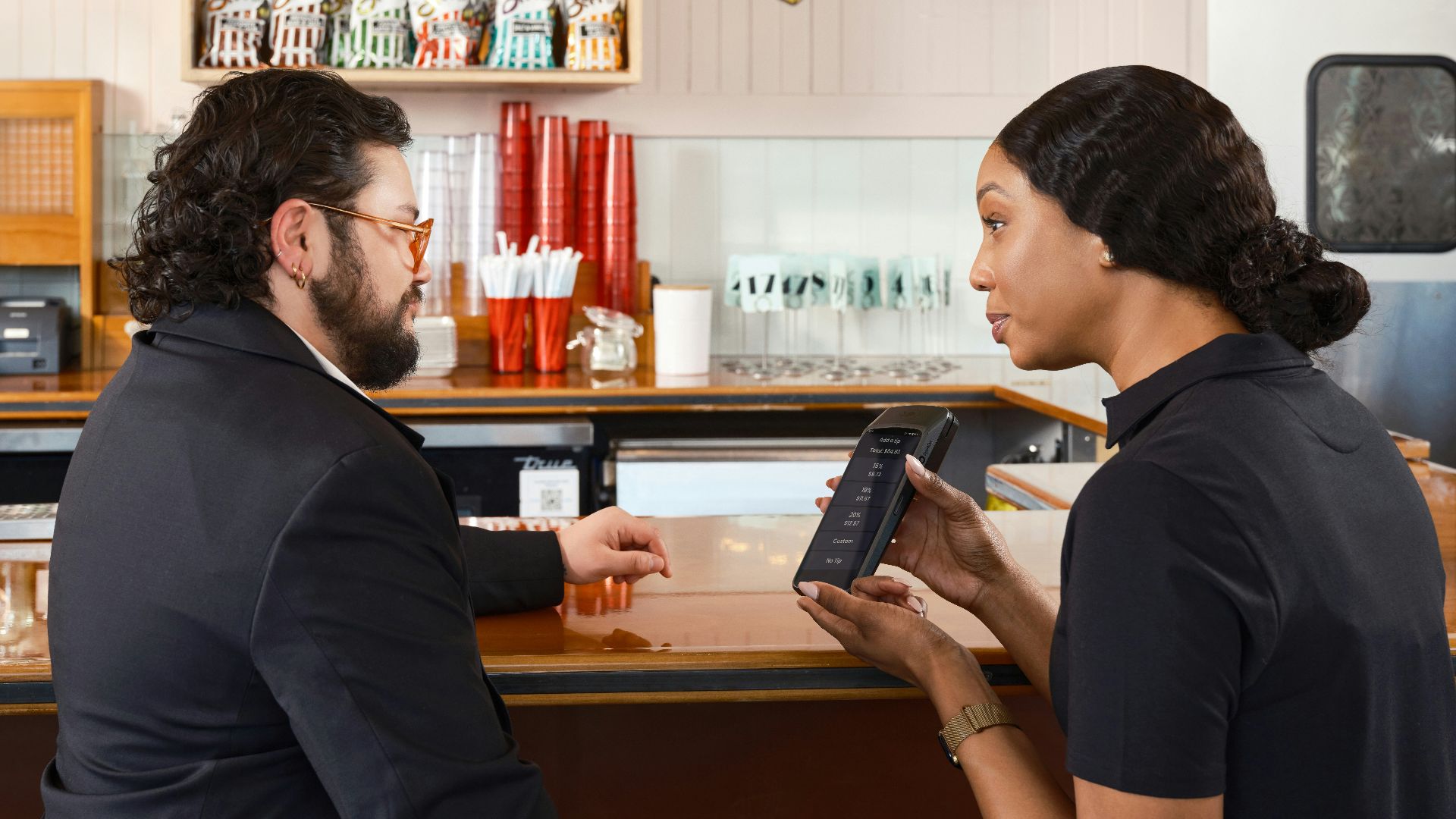
Respect Local Customs
Every destination has customs that visitors are expected to respect. Just as Americans should avoid dramatically over-tipping in countries where it is unusual, international visitors to the United States should understand that tipping remains an established part of everyday service culture.

Stay On The Same Page
Travel partners do not have to agree philosophically about tipping, but they should agree practically before the trip begins. A shared plan helps prevent uncomfortable disagreements, awkward restaurant departures, and unnecessary stress during an otherwise memorable vacation.

Good Planning Prevents Conflict
Tipping customs vary dramatically around the world, and neither system is inherently right or wrong. The smartest travelers research local expectations before they arrive. Understanding the rules where you are visiting shows respect for local culture and helps both you and your travel partner avoid unnecessary friction.

You May Also Like:
Foodies, Take Note: These Are The 50 Best Restaurants In The World