The Bill That Keeps Growing
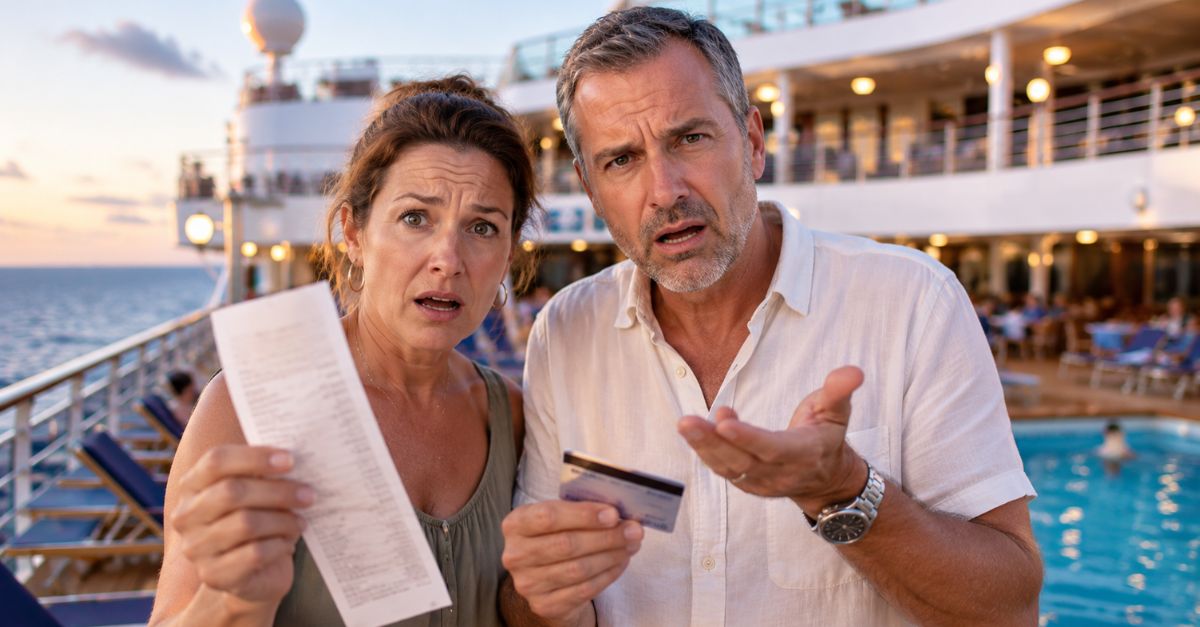
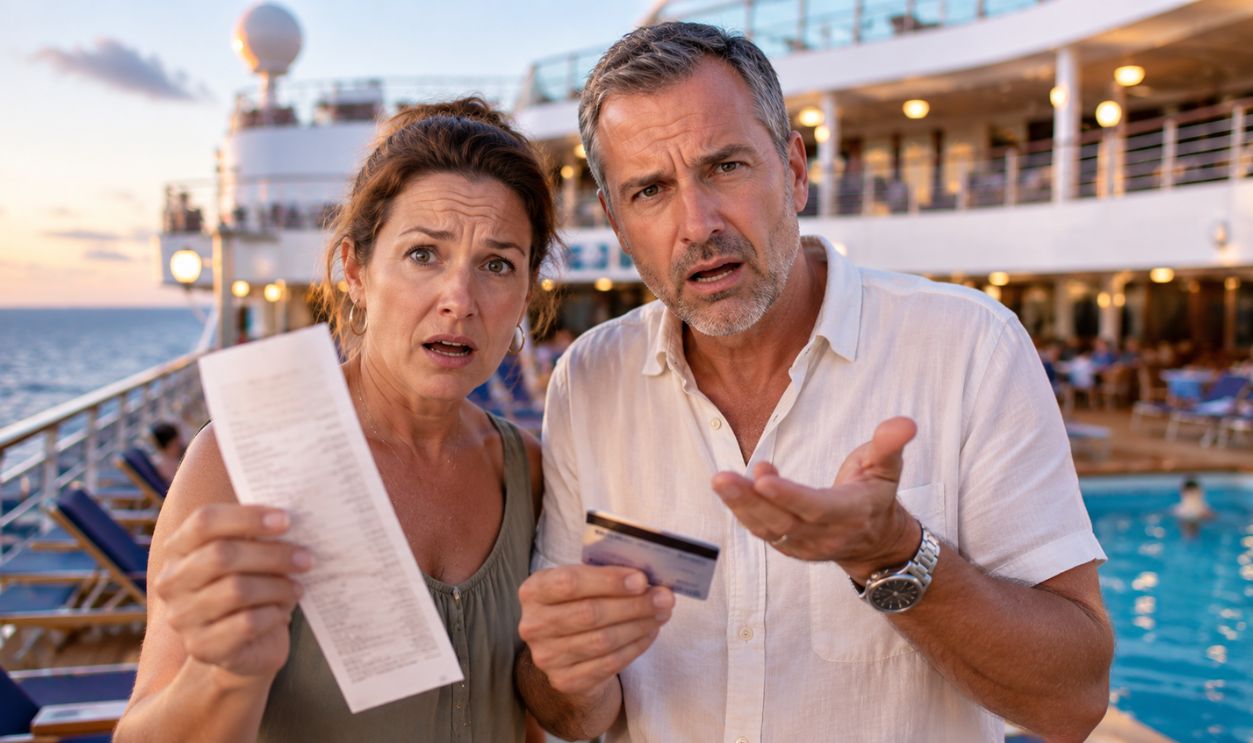
You book the cruise, plan for a big drink budget, and maybe spring for an excursion. Then the onboard bill shows up with automatic gratuities already added—only for another payment screen or receipt to ask for an extra tip. Are they just trying to bleed you dry? In reality, the truth is more complicated than that.
Why This Feels So Confusing
Cruise tipping is one of the least clear parts of cruise pricing because charges pop up in different places. Most major cruise lines automatically add a daily service charge to your onboard account, but bars, specialty restaurants, spas, and room service may also add separate service fees or tip prompts. That makes it easy to tip more than once without meaning to.

The Automatic Charge Is Real
Carnival Cruise Line says it automatically adds daily gratuities to guest accounts, with rates based on cabin type. Royal Caribbean does the same, and Norwegian Cruise Line adds its own daily service charge. These charges are listed by the cruise lines, but many travelers do not really notice them until the total starts building onboard.

What Carnival Charges
Carnival lists gratuities at $16 per person, per day for standard staterooms and $18 per person, per day for suites. The company says the money is shared among dining, bar, and culinary staff, along with stateroom attendants and other hotel services workers. Carnival also says an 18 percent service charge is added to beverage purchases and some other services.

What Royal Caribbean Charges
Royal Caribbean lists daily gratuities of $18.50 per guest, per day for standard rooms and $21 per guest, per day for suites. The cruise line says those gratuities support stateroom attendants, dining room staff, and other hotel services workers. It also adds an 18 percent gratuity to drinks, minibar purchases, and spa and salon purchases.

What Norwegian Charges
Norwegian Cruise Line says it adds a daily service charge of $20 per person, per day for Club Balcony Suites and below, and $25 per person, per day for The Haven and Suites. It also adds a 20 percent service charge to beverage, dining, and spa purchases. So if a payment screen asks for more after that, there is a good chance you have already tipped once through the daily charge and again through the built-in service fee.

MSC Has Its Own System Too
MSC Cruises uses a hotel service charge that varies by itinerary and region instead of one flat global rate. The cruise line also says beverage purchases usually include a 15 percent service charge, depending on the fare and market. That makes it especially important to check the terms for your specific sailing before you board.

Princess Rolls It In Differently
Princess Cruises says crew appreciation is automatically added to onboard accounts unless it is included in a Princess Plus or Princess Premier package. The daily amount depends on the type of accommodation. The line also adds an 18 percent service charge to beverage purchases, specialty dining, and some retail dining items, so guests can still run into automatic gratuities in more than one spot.

Celebrity Uses Automatic Gratuities Too
Celebrity Cruises says gratuities, which it also calls onboard service charges, are included in its All Included fare package for many bookings. For guests on other fare types, gratuities may be added separately depending on the booking. Celebrity also applies an 18 percent gratuity to drinks, minibar items, and spa services, which can lead to another tip prompt at checkout.
The Sneakiest Extra Prompt
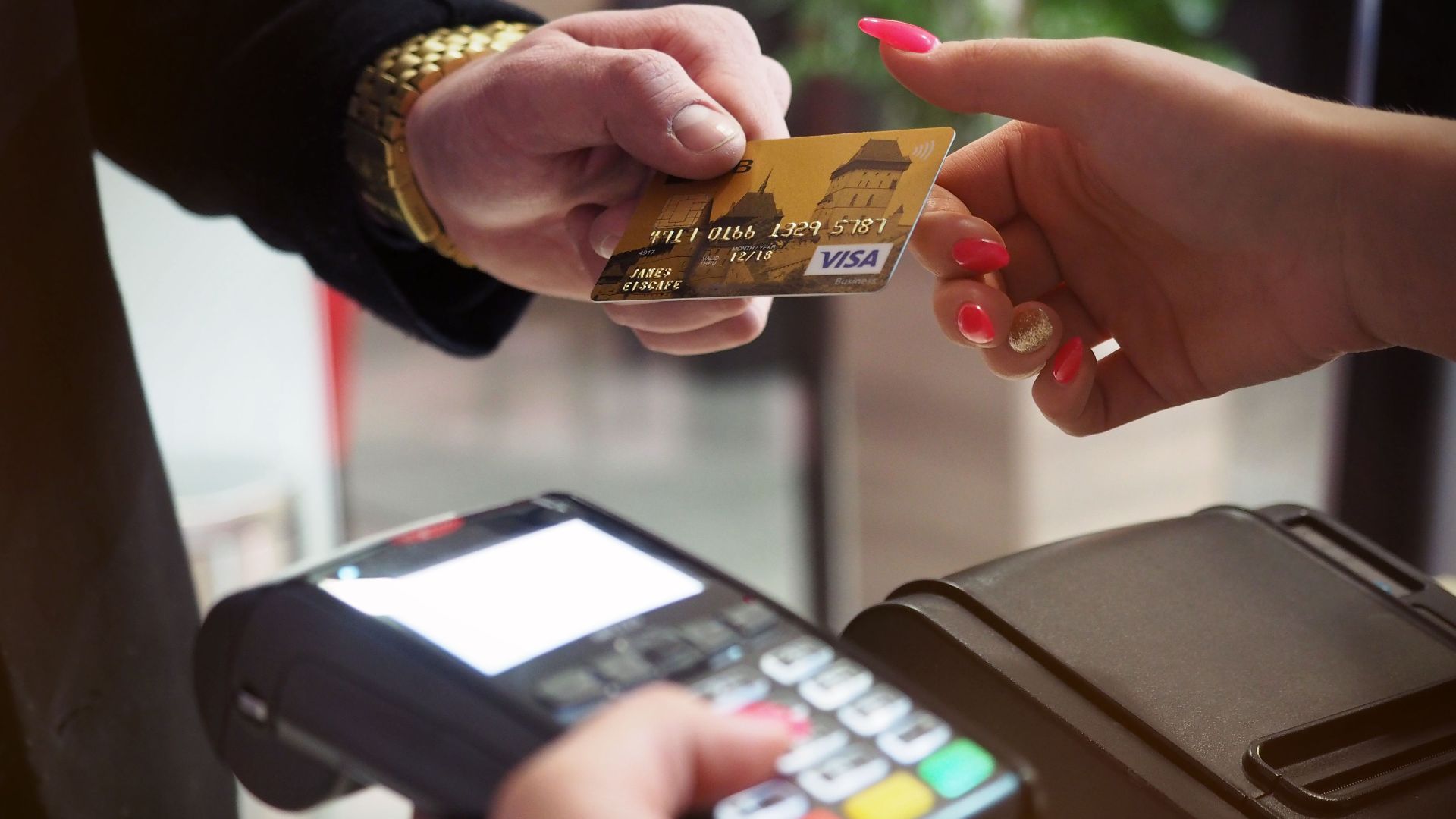
The most annoying moment often comes at the bar, spa, or specialty restaurant. Your receipt already includes an 18 or 20 percent service charge, but the signature slip still has a blank line for an extra tip. That line is optional unless the cruise line clearly says otherwise, and travelers should not assume they have to fill it in.

Why Cruise Lines Defend The System
Cruise lines say automatic gratuities help create more predictable pay for crew members in guest-facing jobs. The charges are also meant to spread tips beyond the workers passengers see most often, including behind-the-scenes hotel and culinary staff. That may make sense from the cruise line’s side, but it also means guests need to know who is already covered.

What Travel Advisors Tell Clients
Many travel advisors now warn clients to expect both a daily service charge and built-in service fees on onboard purchases. The advice is simple. Read every receipt, look for wording like gratuity included or service charge added, and do not let a checkout screen rush you into tipping twice by accident.

When More Tips Actually Make Sense
Extra tipping can make sense when a crew member really went above and beyond. Maybe your stateroom attendant handled a tricky family setup without a hitch, or a dining staff member carefully managed allergies all week. In those cases, a small cash thank you at the end of the cruise can be a thoughtful extra, not an obligation.

How Much Is Enough For Your Cabin Steward
If daily gratuities are already being charged, many experienced cruisers see that as the standard tip for the room steward. If service was excellent, some guests add $20 to $50 per cabin at the end of the trip, but that is a personal choice, not a rule. The main thing is that extra cash should reflect great service, not uncertainty about whether you already paid.

How Much Is Enough In The Dining Room
On cruise lines with automatic gratuities, your main dining room team is usually already included in that daily charge. If a waiter, assistant waiter, or head server made the trip better, some guests leave an extra cash tip of about $10 to $30 total per crew member for the cruise. That is appreciation, not a required second payment.
Bars Are Usually Already Covered
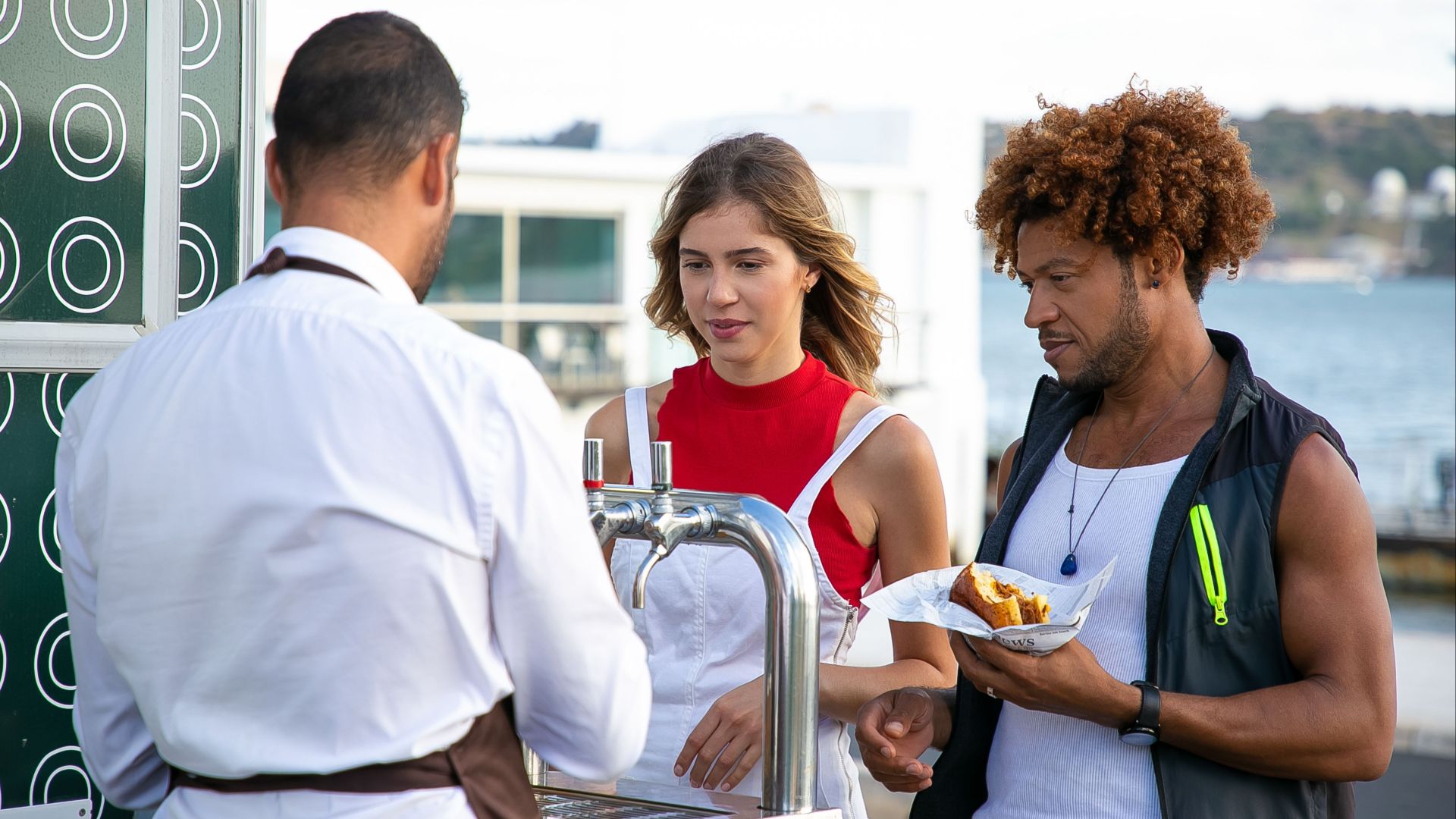
At bars and lounges, receipts often already include an 18 to 20 percent gratuity, depending on the cruise line. In most cases, that means the drink has already been tipped. Tossing in another dollar now and then for especially attentive service is fine if you want to, but there is no broad expectation that you need to add more every round.

Specialty Restaurants Need A Closer Look
Specialty dining can be one of the easiest places to overtip because there may be a cover charge, an automatic service charge, and then a tip line at the end. Check the menu, booking terms, or receipt to see whether gratuity is already included. If it is, any extra should be based on standout service, not pressure in the moment.

The Spa Is Another Tip Trap
Spa bills on cruise ships often include an automatic gratuity, and Royal Caribbean and Norwegian both say spa purchases come with built-in service charges. Because spa staff may still hand over a receipt with a tip line, guests can feel pushed to add more. The smartest move is to slow down, read the receipt, and only add extra if you truly want to.

Can You Remove Automatic Gratuities
Policies vary by cruise line, but some have historically allowed guests to adjust prepaid or onboard gratuities through guest services. That does not mean they encourage it, and some fares bundle these charges in ways that make them harder to change. If you are unhappy with service, it is usually better to raise the issue early with guest services rather than quietly removing tips at the end.

The Best Time To Ask Questions
The best time to figure this out is before the ship leaves port. Cruise line gratuity pages, booking confirmations, and fare descriptions often explain what is included and what costs extra. A quick check before departure can save you from a string of awkward payment screens later.

How To Budget Without Guessing
A simple way to budget is to start with the published daily gratuity for your cruise line, then add expected automatic service charges for drinks, specialty meals, and spa treatments. After that, set aside a small cash cushion only if you like rewarding standout service personally. That gives you a more realistic tipping budget without padding the total for tips you may not actually need to pay twice.

A Realistic Example For Two People
Take a seven-night cruise for two on a line charging $18 per person, per day in automatic gratuities. That alone comes to $252 for the sailing before a single cocktail or specialty meal is added. If that couple also buys drinks and spa treatments with built-in 18 to 20 percent service charges, their gratuity spending may already be pretty high before any voluntary extras.

The Psychology Behind The Tip Screen
Digital payment prompts are effective because they create instant social pressure. On land, people now see tip screens almost everywhere, and cruise ships use the same kind of setup in many onboard venues. But a prompt is not proof that a new tip is required, especially when the receipt already says gratuity included.

What Enough Usually Looks Like
For most travelers, enough means paying the automatic daily gratuities and any built-in service charges, then stopping there unless service truly stood out. That lines up with how cruise lines structure these charges and how many seasoned cruisers handle tipping onboard. Extra tips are generous, but they should be intentional, not accidental.

The Polite Way To Decline Adding More
If a receipt includes gratuity and you do not want to add anything else, simply sign and leave the extra line blank or write in a zero if needed. You do not owe anyone an explanation, and you do not need to feel bad for following the stated pricing. Being informed is not the same as being cheap.

The Bottom Line Before You Sail
If your cruise line already added gratuities automatically and then asked for more, enough is usually the automatic amount plus any clearly listed service charge already attached to purchases. More is optional and makes the most sense for truly memorable service. The best way to avoid that end-of-cruise sticker shock is to know the policy before you board and tip with confidence instead of confusion.