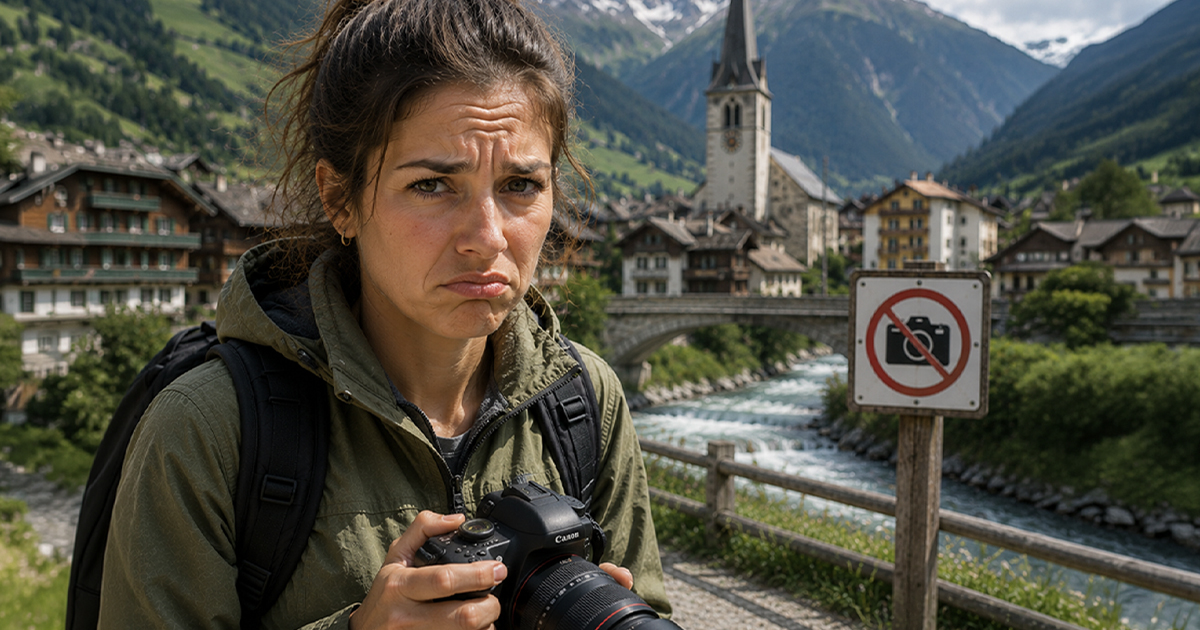
No Pictures, Please!
You spend months planning the ultimate photography adventure. Then you arrive and discover drones are banned, tripods aren't allowed, and your dream viewpoint needs a permit. Now what?
Most People Think A Camera Is Enough
A lot of travelers assume photography is just sightseeing with extra gear. Unfortunately, some destinations have more rules for photographers than you'd expect. Sometimes the hardest part isn't getting the shot—it's getting permission to take it.
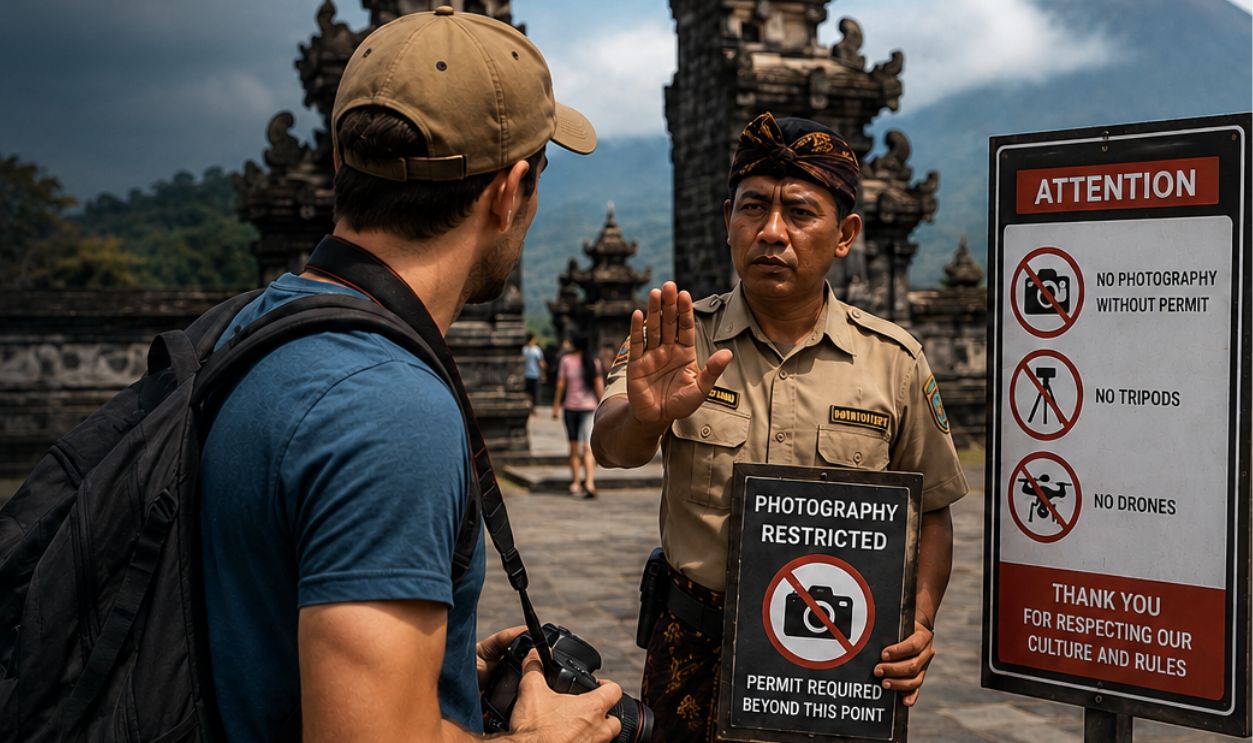
So, Is This Something You Need To Worry About?
Absolutely. Photography rules can affect where you shoot, what equipment you use, and even when you're allowed to take pictures. A little research beforehand can save a lot of frustration later.
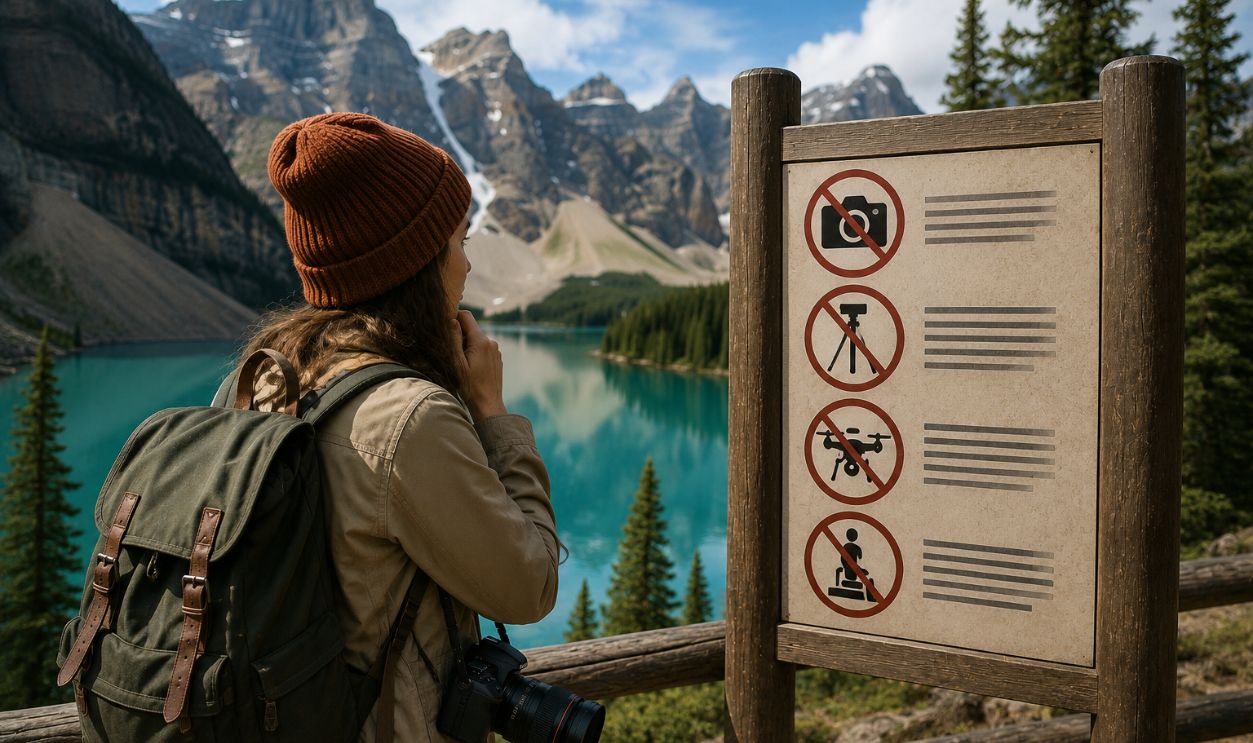
Every Country Plays By Different Rules
What's perfectly acceptable in one country might be restricted in another. Photography laws, privacy rules, and cultural expectations can change dramatically once you cross a border.
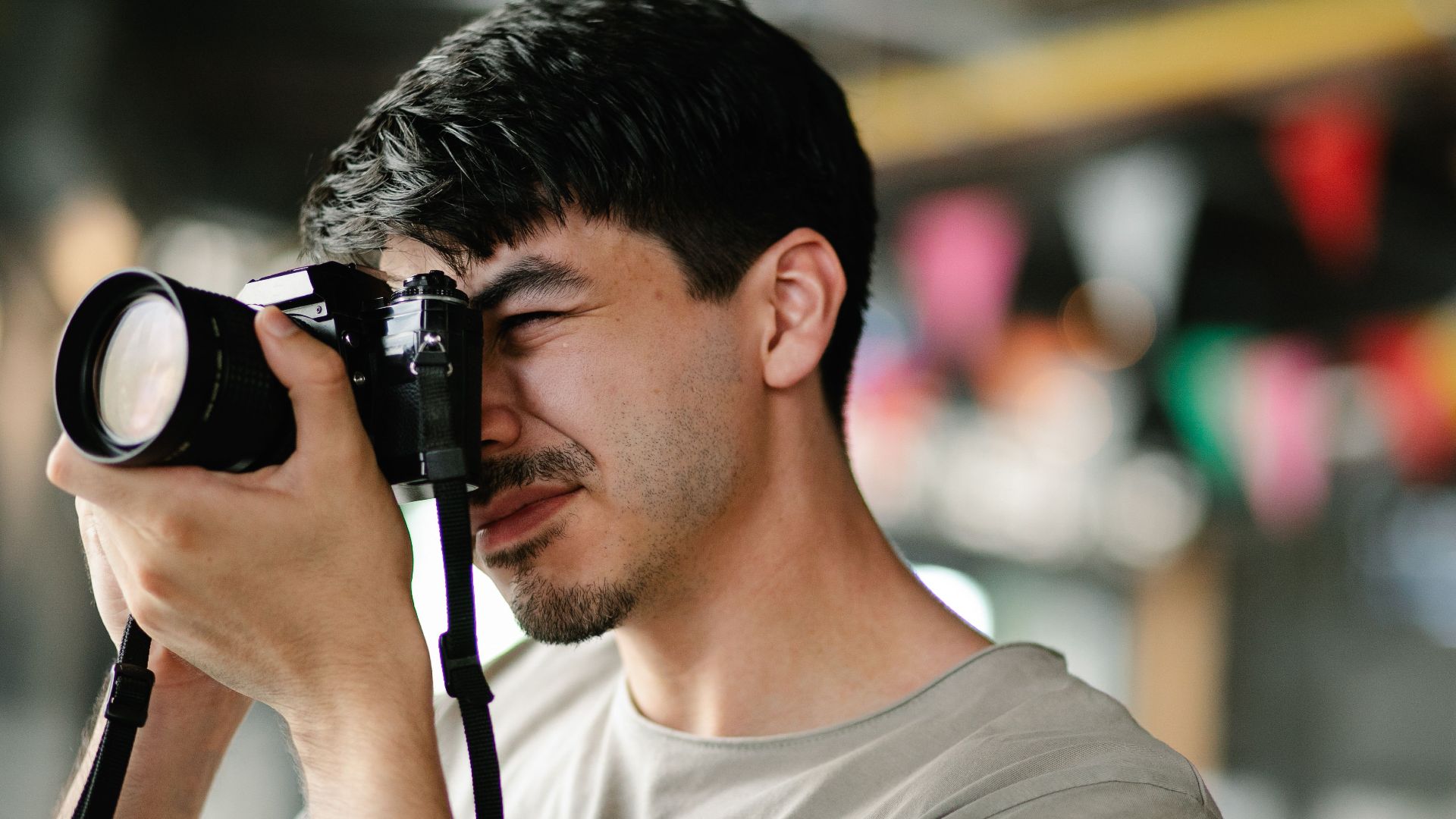
Drones Cause The Biggest Surprises
Many photographers dream of epic aerial shots. Then they discover the country requires permits, registration, insurance, or has banned drones completely. Nothing ruins drone footage faster than never being allowed to launch.
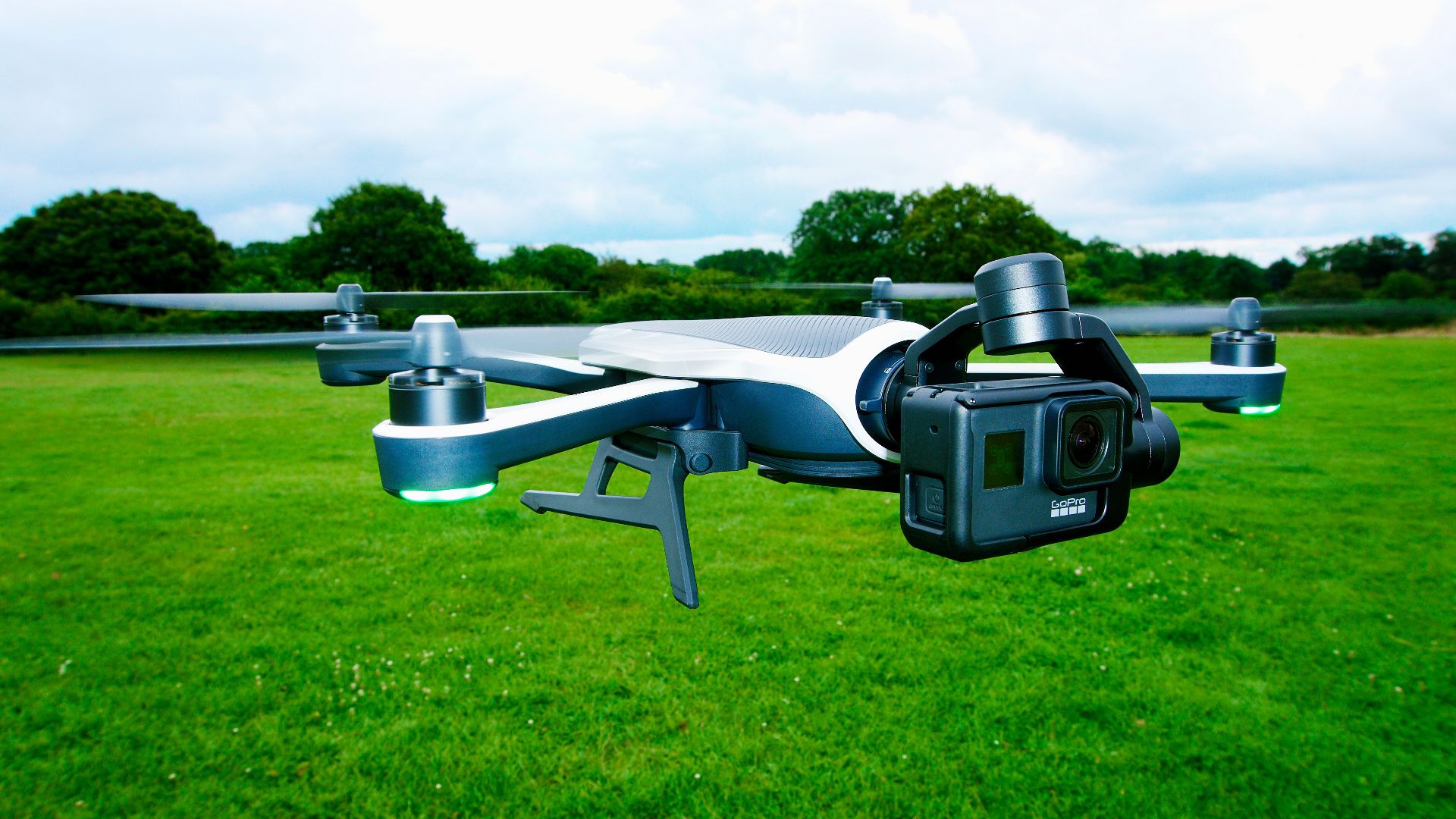
National Parks Often Have Special Rules
Many parks welcome photographers, but some equipment may be restricted. Drones, lighting setups, and off-trail access are common areas where special rules apply.
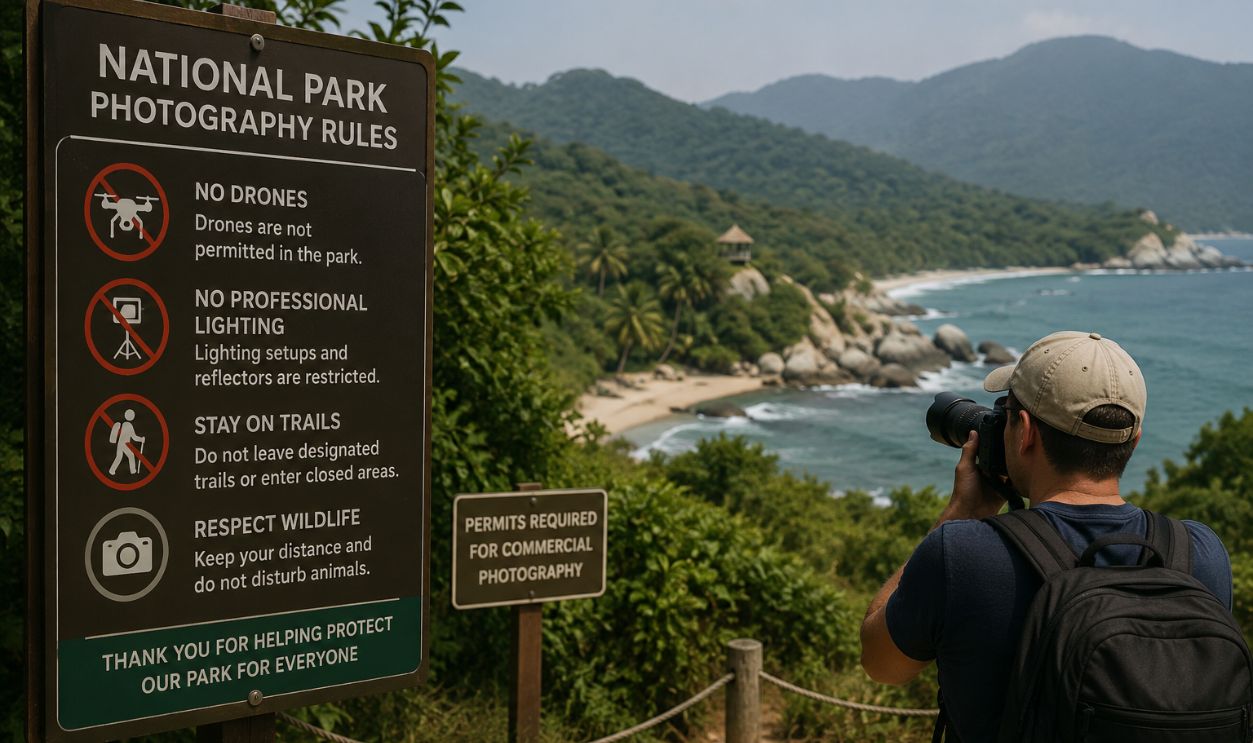
Tripods Aren't Always Welcome
This catches people off guard all the time. Museums, historic sites, observation decks, and crowded attractions often prohibit tripods because they create safety concerns and block foot traffic.
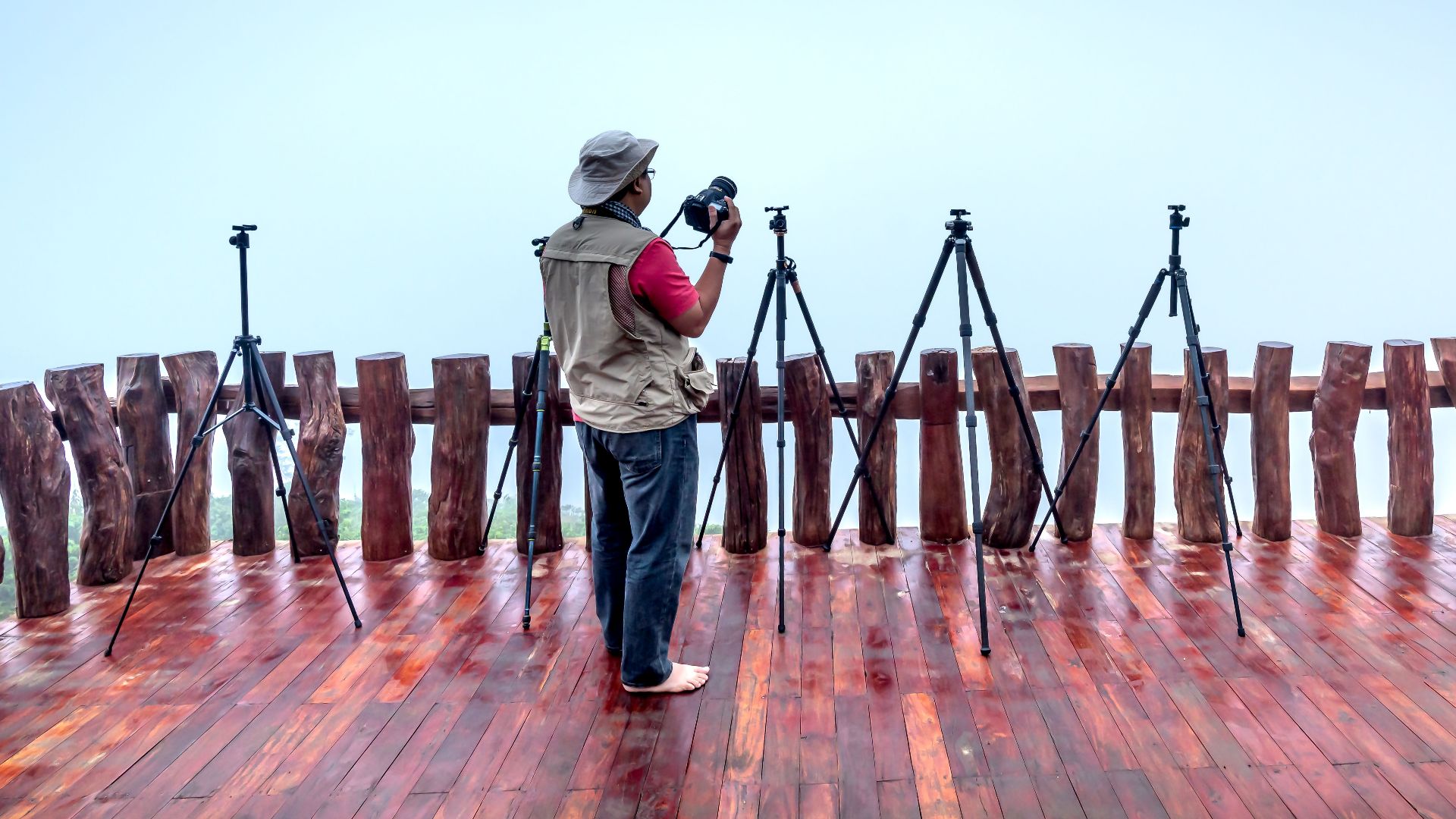
Big Cameras Can Attract Attention
A smartphone rarely gets a second glance. A large camera body with a giant lens, however, can make security guards suddenly very interested in your plans.
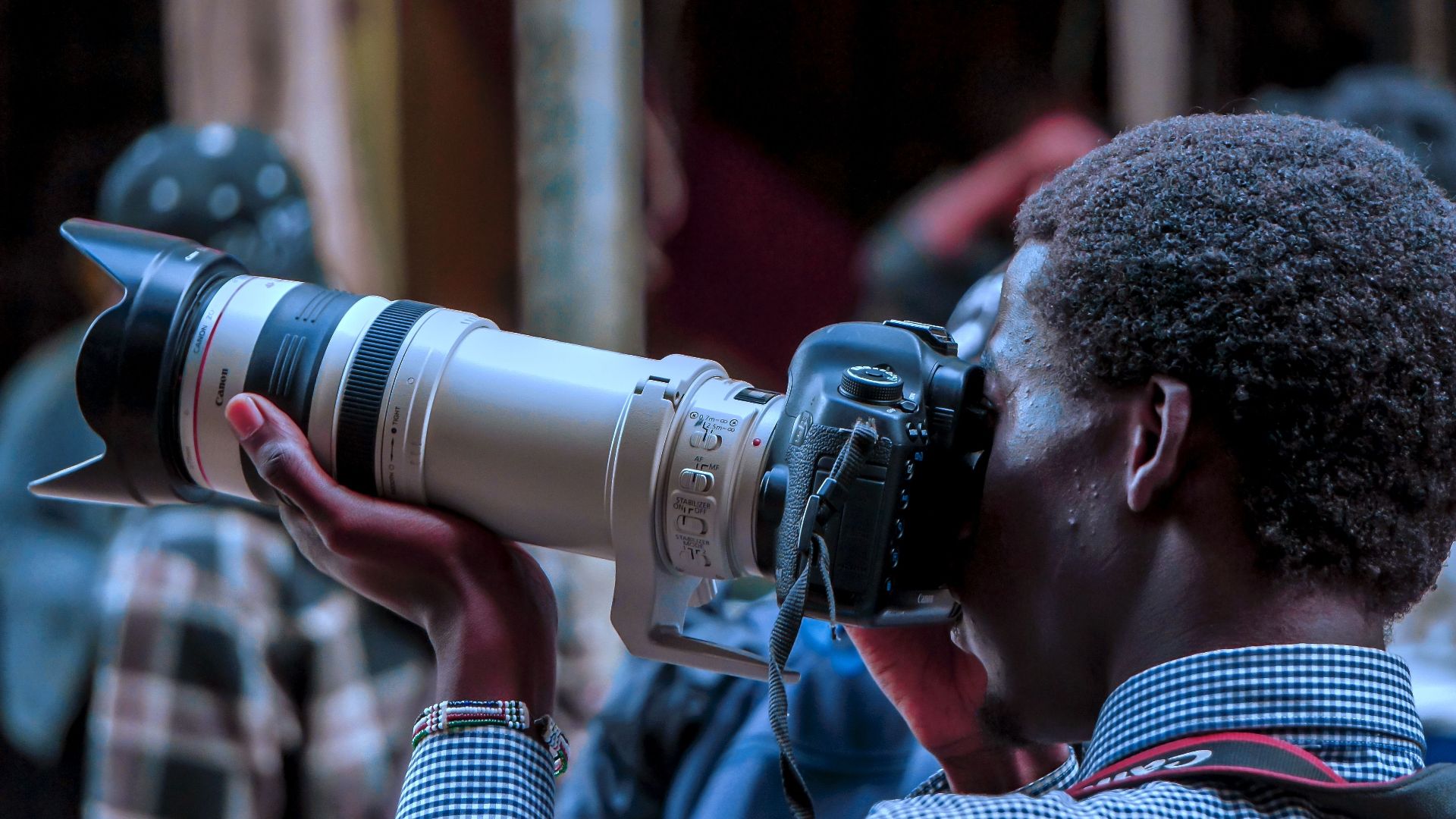
Permits Are More Common Than You Think
Some locations require permits even if you're just taking photos for fun. These permits can involve fees, reservations, and paperwork that most travelers never see coming.
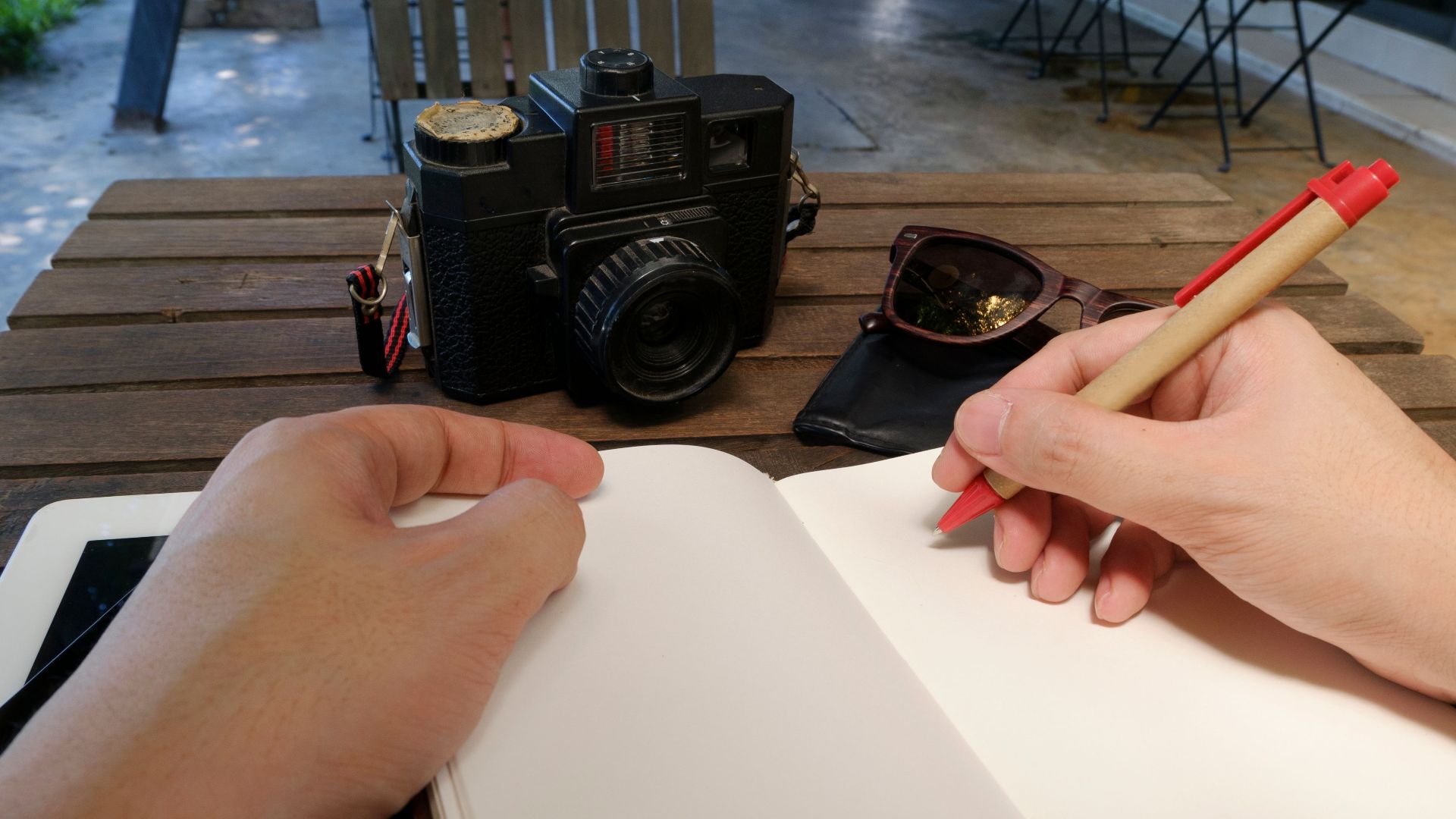
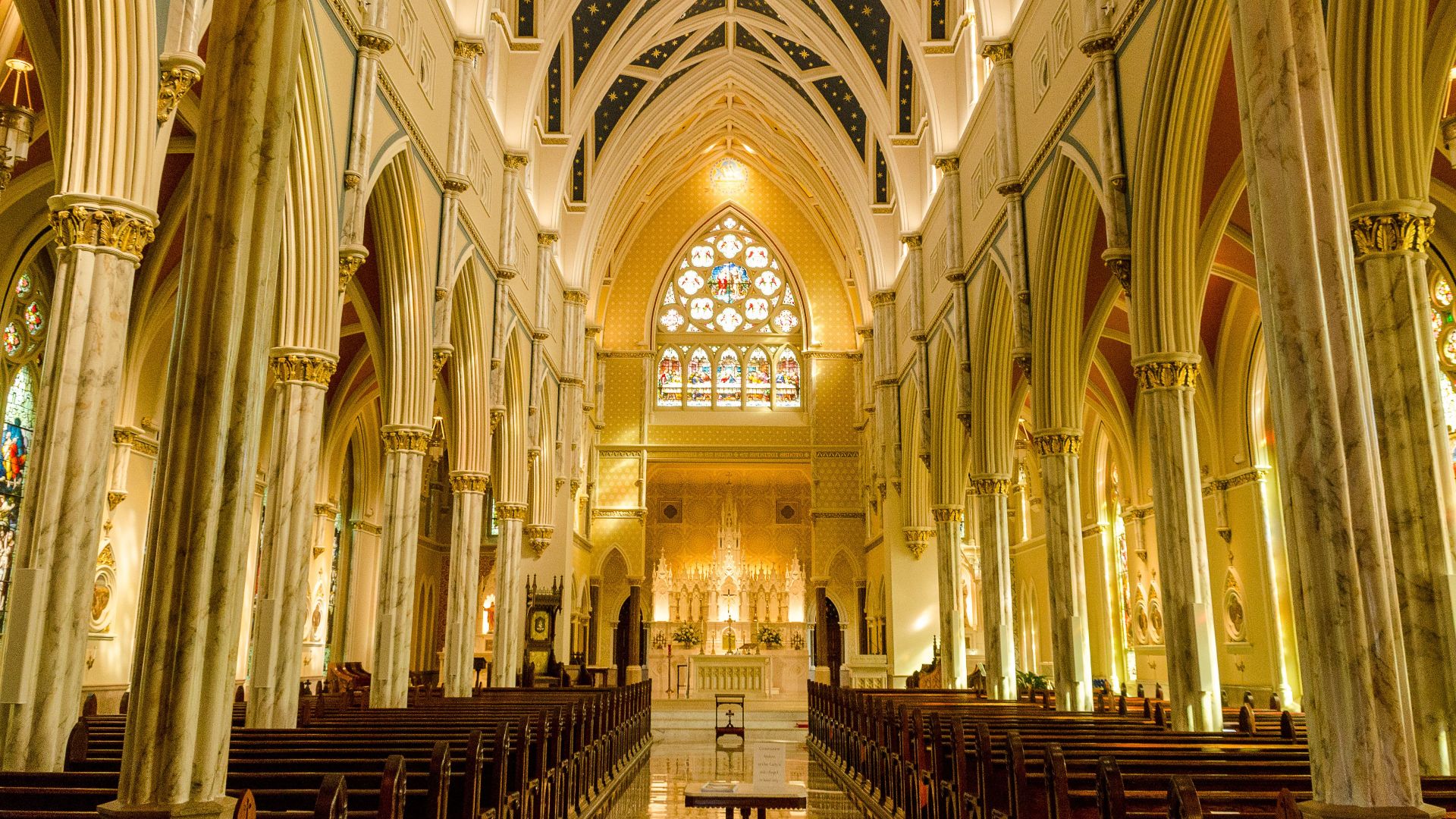
Religious Sites Often Have Restrictions
Temples, churches, mosques, and sacred locations may limit photography. Some allow photos without flash, while others ban photography completely out of respect for worshippers.
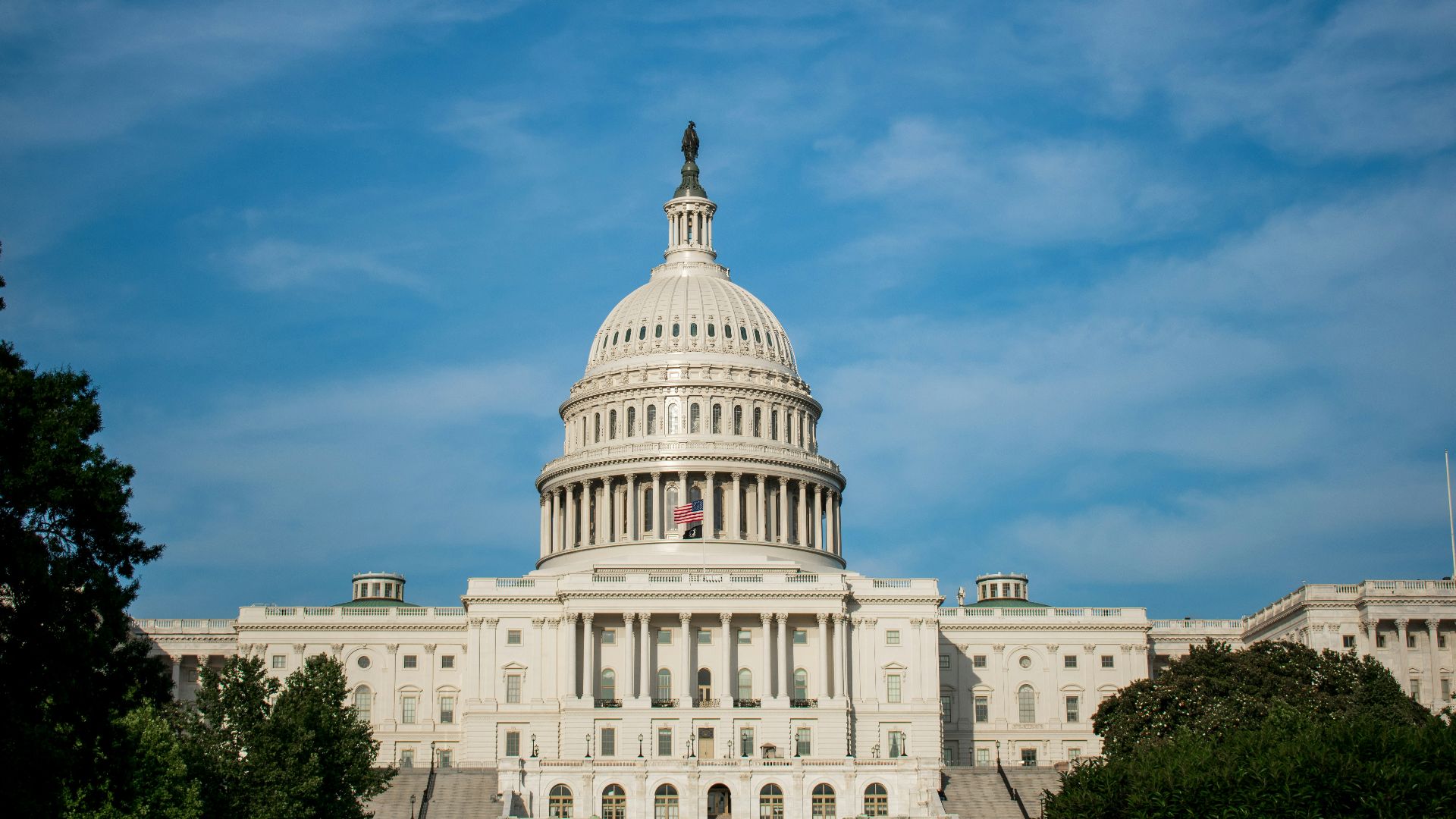
Government Buildings Can Be A Problem
Many countries restrict photography around military facilities, border crossings, security checkpoints, and government buildings. It's a good idea to know these rules before you start snapping away.
Street Photography Isn't The Same Everywhere
Photographing people in public can be perfectly legal in one country and more restricted in another. Privacy laws vary widely, so it's worth checking before your trip.
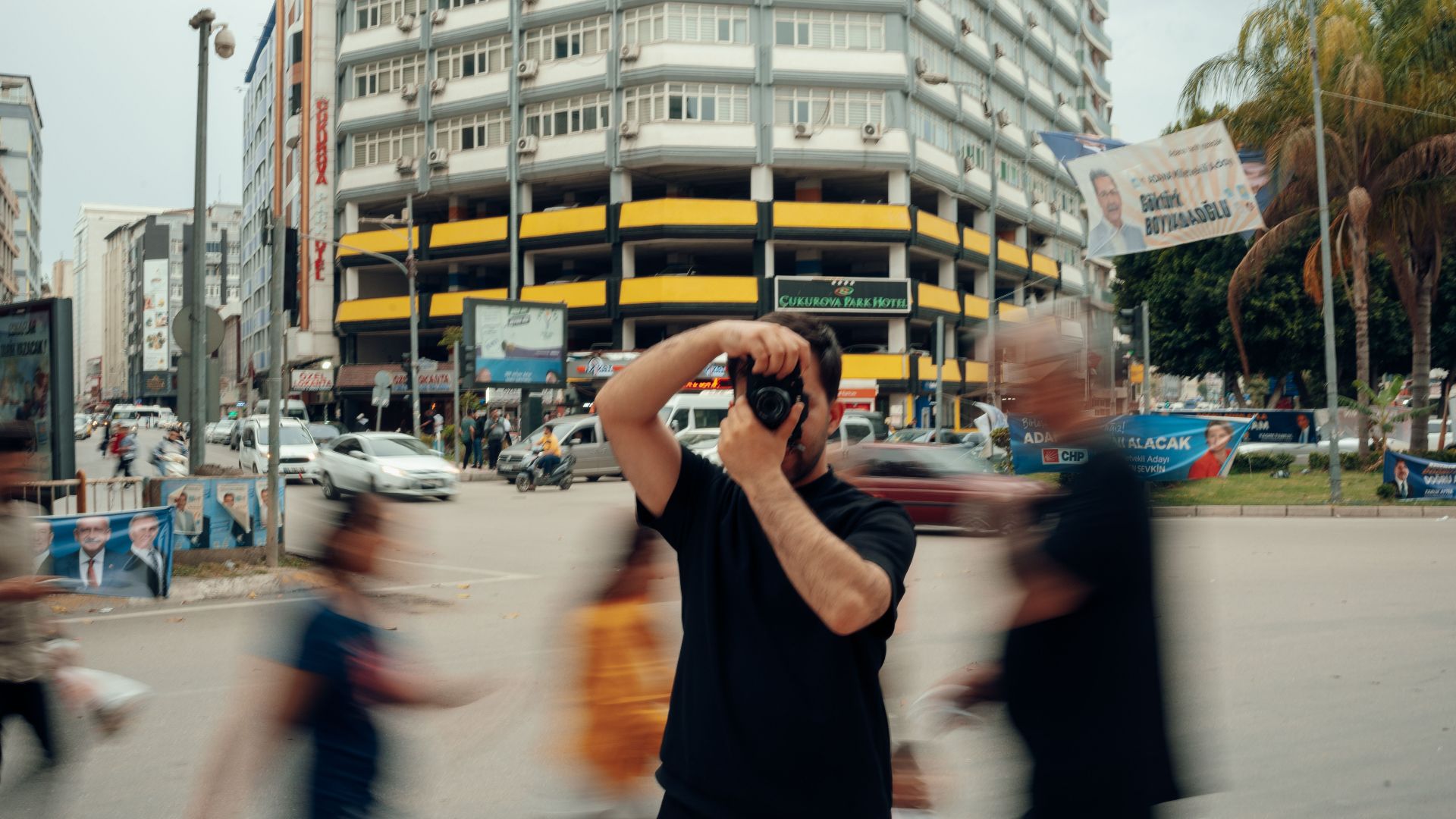
Selling Photos Changes Things
Planning to sell your images later? Commercial use often comes with extra rules, permits, and property releases that casual vacation photographers don't need.
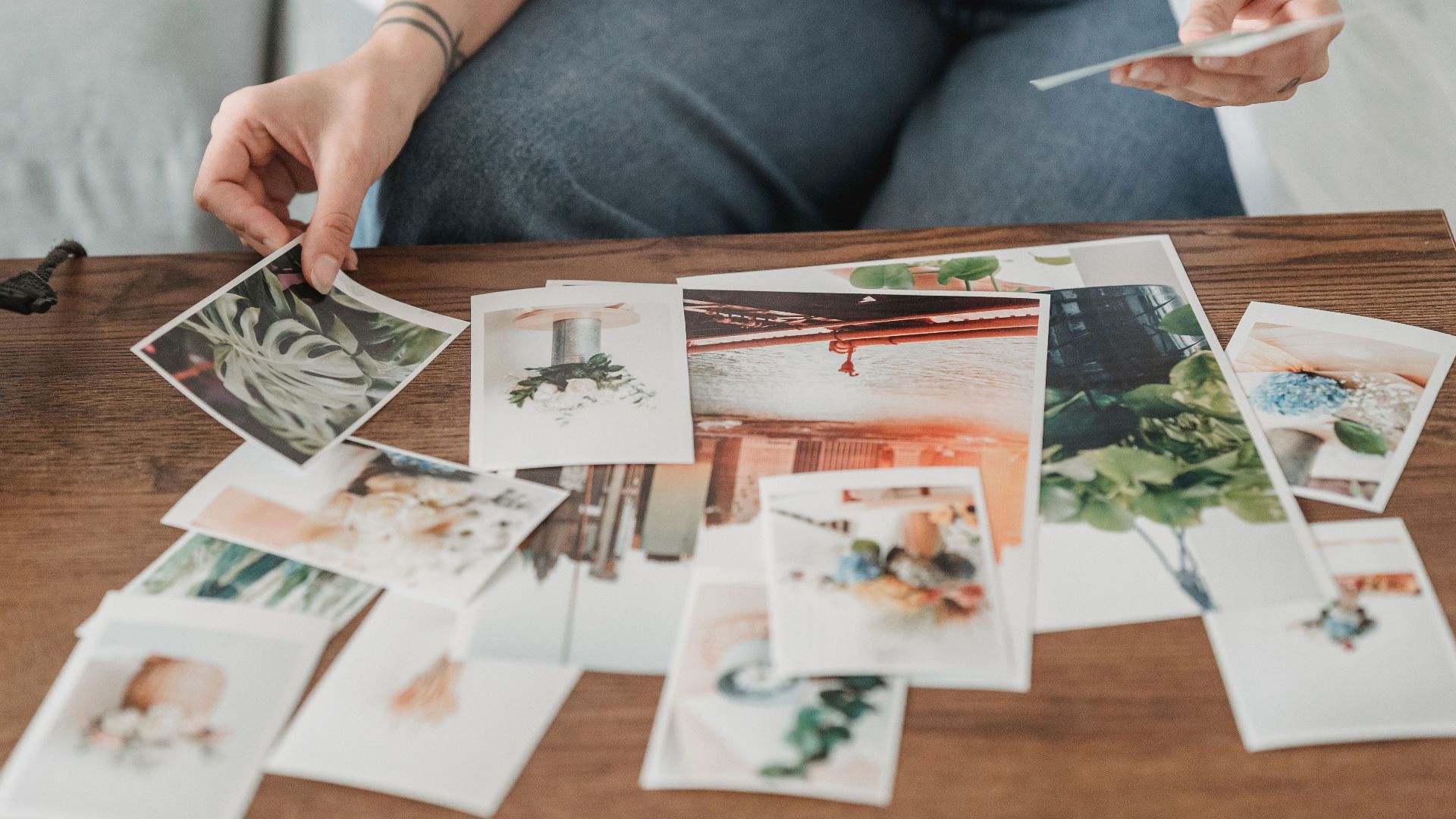
Some Locations Limit When You Can Shoot
You might have the perfect sunrise shot planned, only to discover the location doesn't open until after sunrise. Timing restrictions surprise more photographers than you'd think.
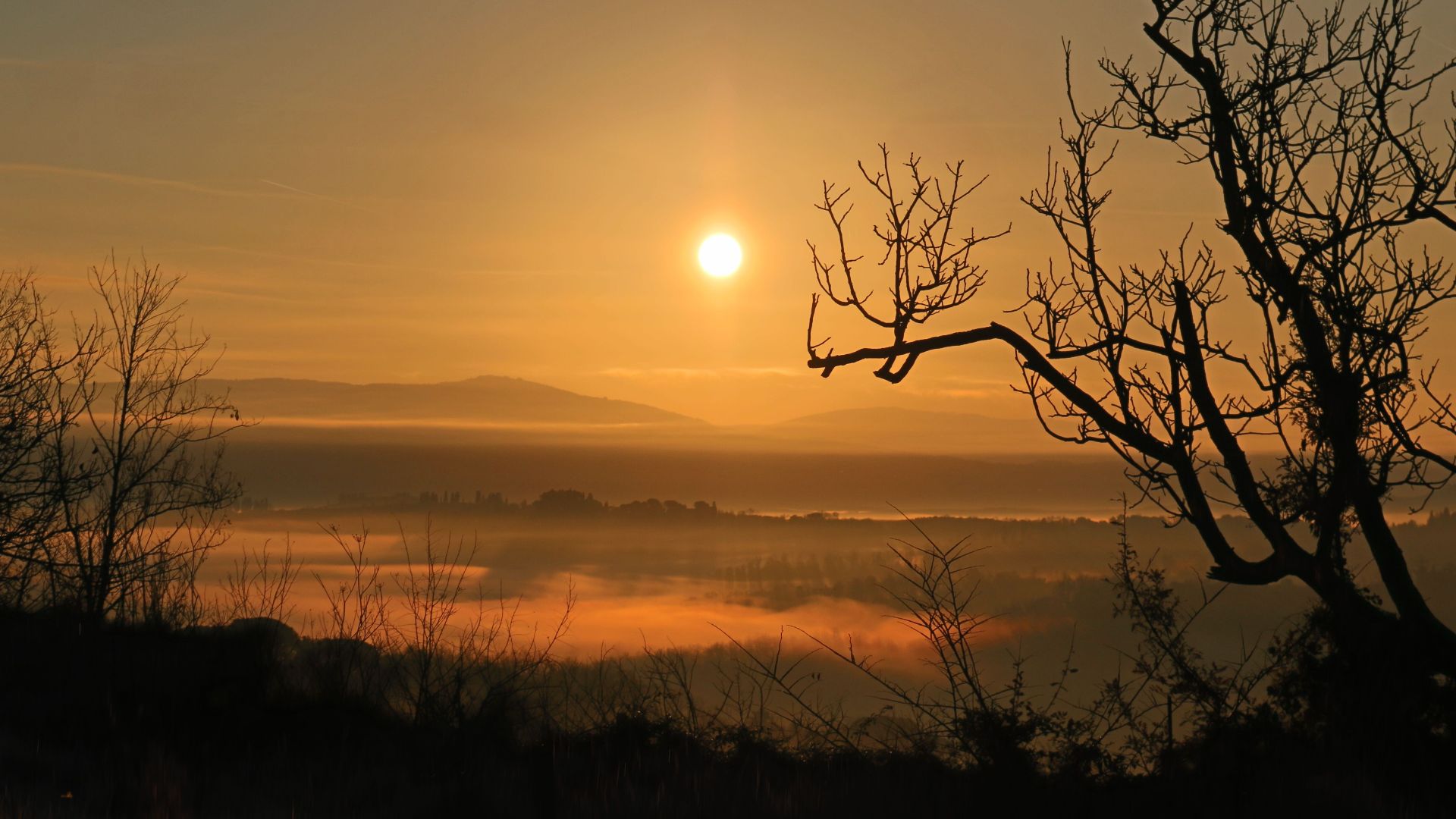
Weather Can Ruin The Best Plans
Photographers often spend weeks researching locations and five minutes researching weather. Guess which one usually causes more problems?
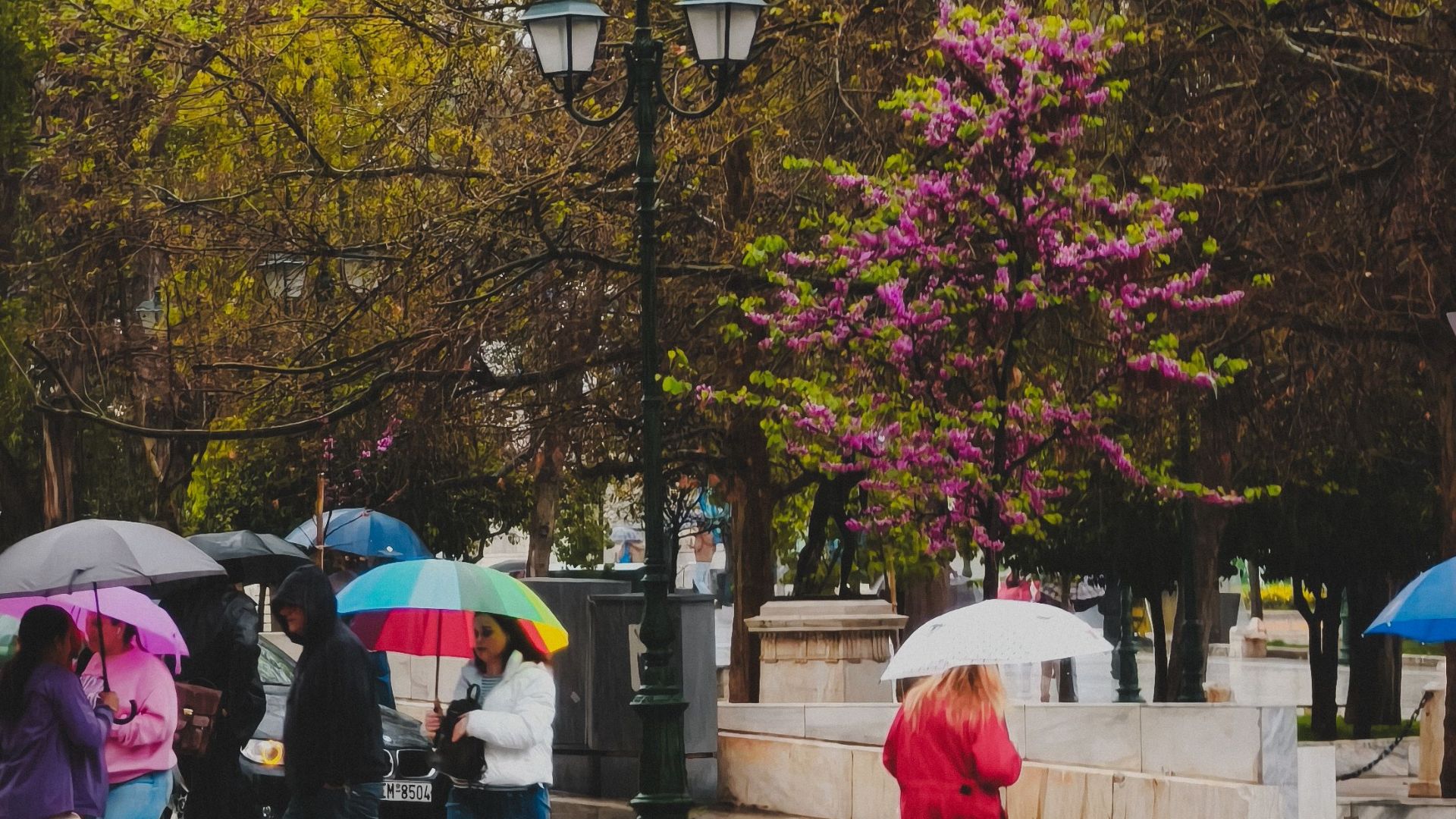 Konstantinos Sarampalos, Pexels
Seasonal Closures Can Be Brutal
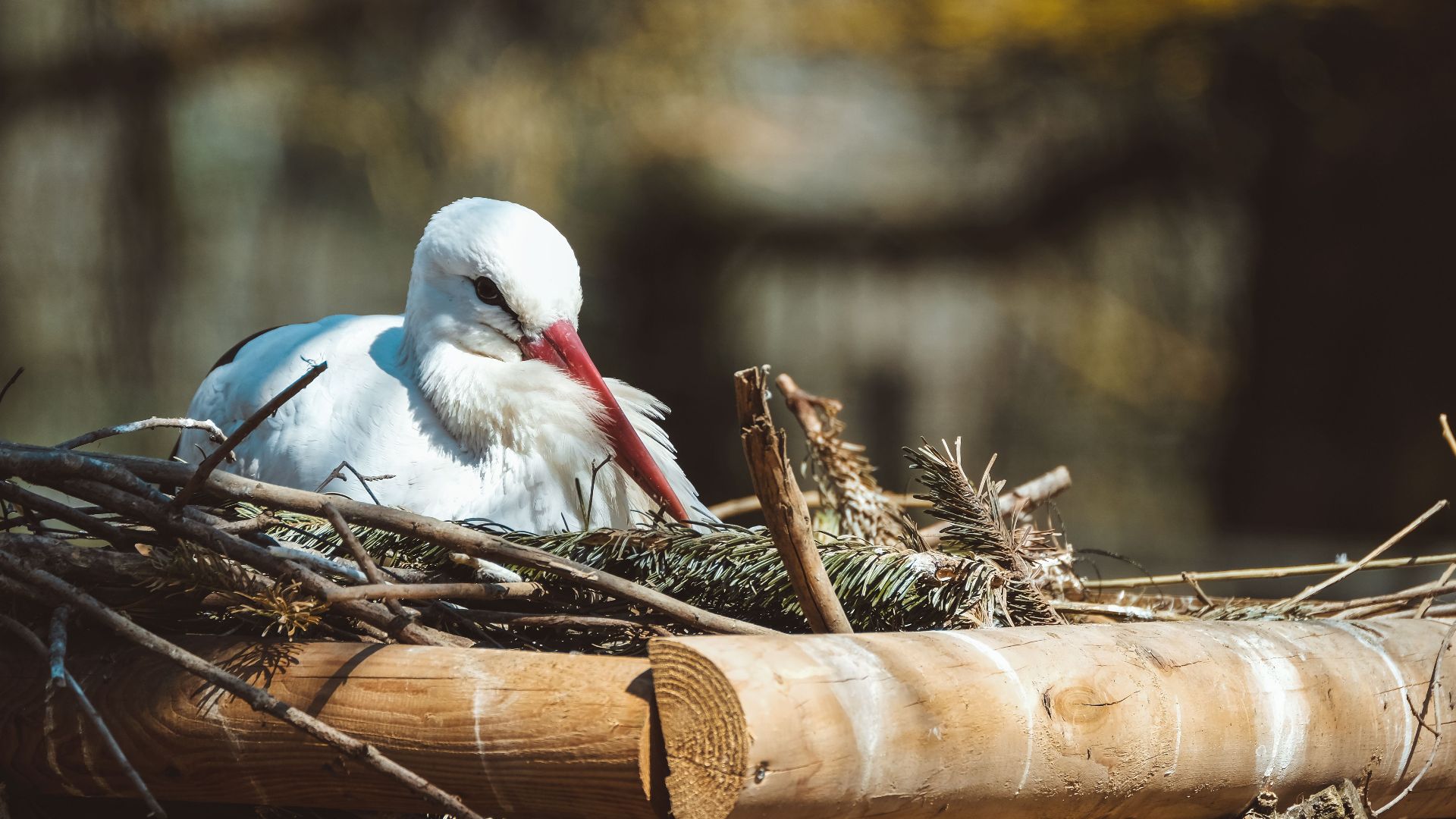
Wildlife nesting seasons, wildfire risks, maintenance projects, and environmental protections can close popular photography spots for weeks or months at a time.
Getting There Can Be Half The Battle
Some famous viewpoints require shuttle reservations, hiking permits, timed-entry tickets, or long walks. The location may be public, but reaching it isn't always simple.
Airlines Have Rules Too
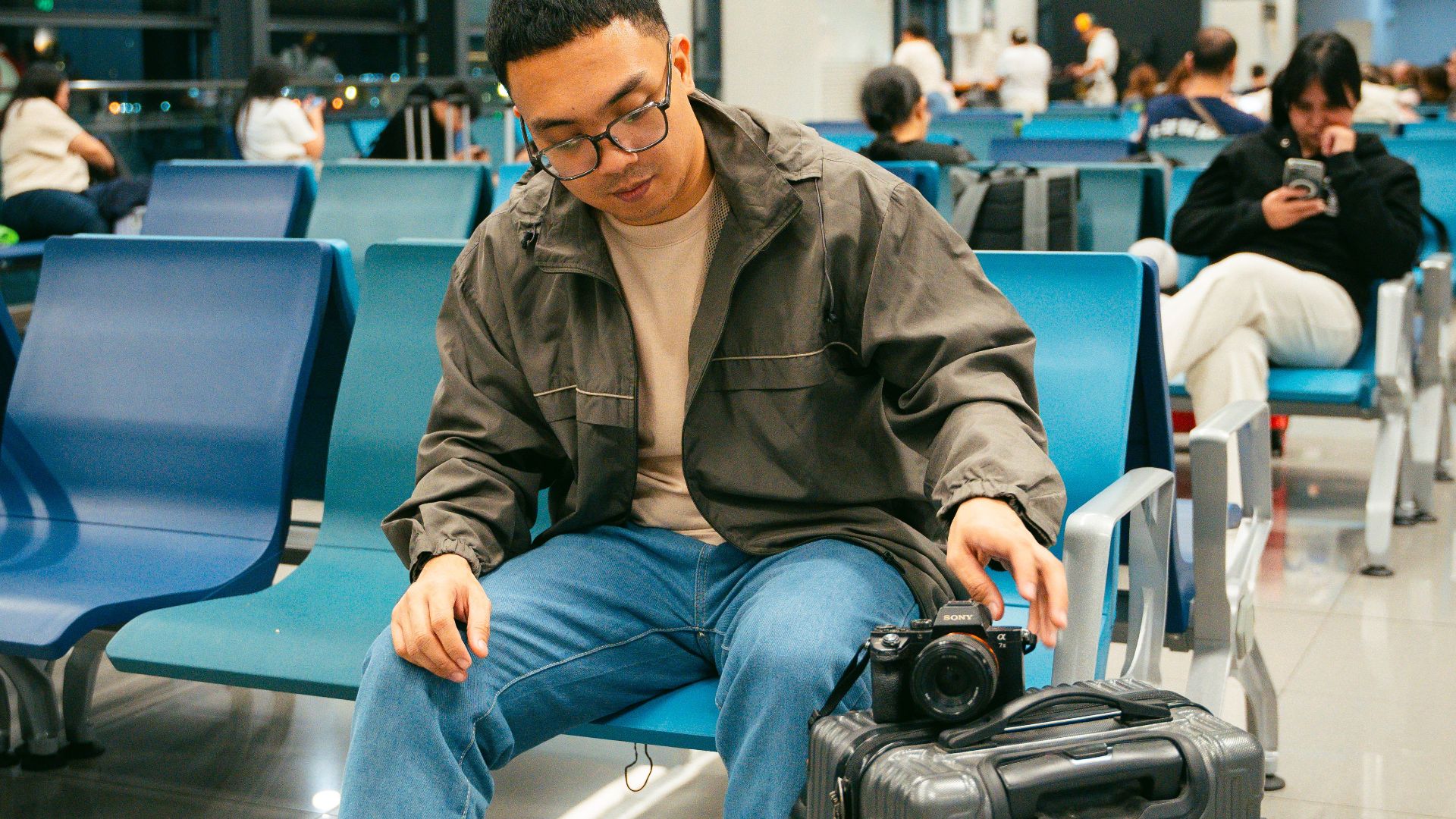
Traveling with cameras, drones, batteries, and chargers means dealing with airline regulations. Some photographers discover these rules while standing at security—not the ideal time.
Customs Can Ask Questions
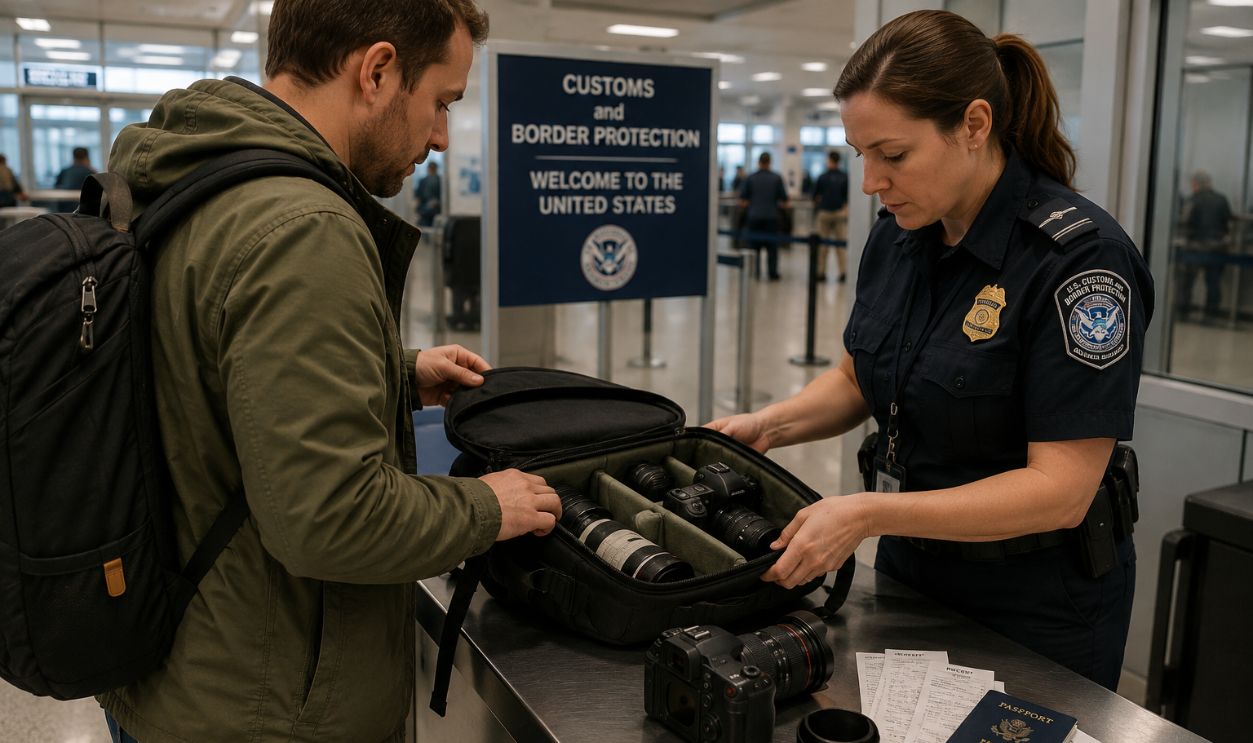
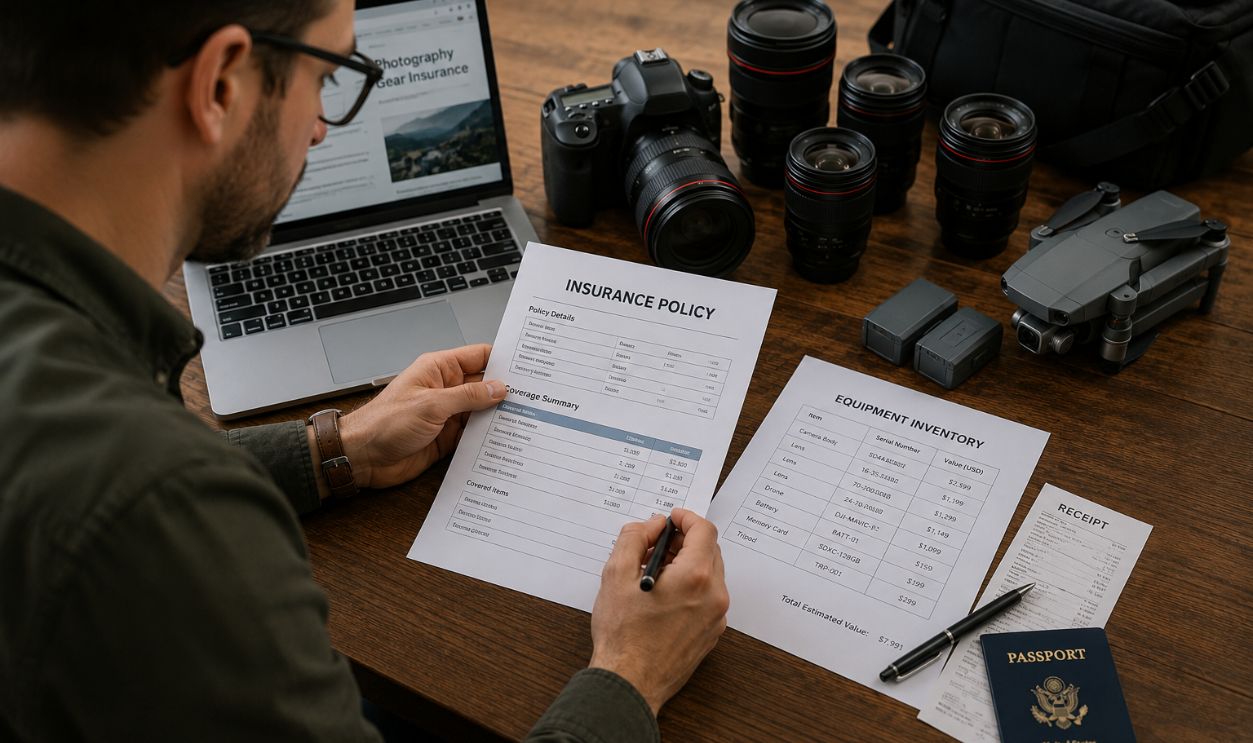
Expensive camera gear sometimes attracts attention when crossing borders. Keeping receipts and a simple equipment list can make these conversations much easier.
Insurance Is Your Friend
Camera equipment isn't cheap. Between theft, drops, rainstorms, and airline baggage mishaps, insurance can turn a disaster into a minor inconvenience.
Bring More Storage Than You Think You Need
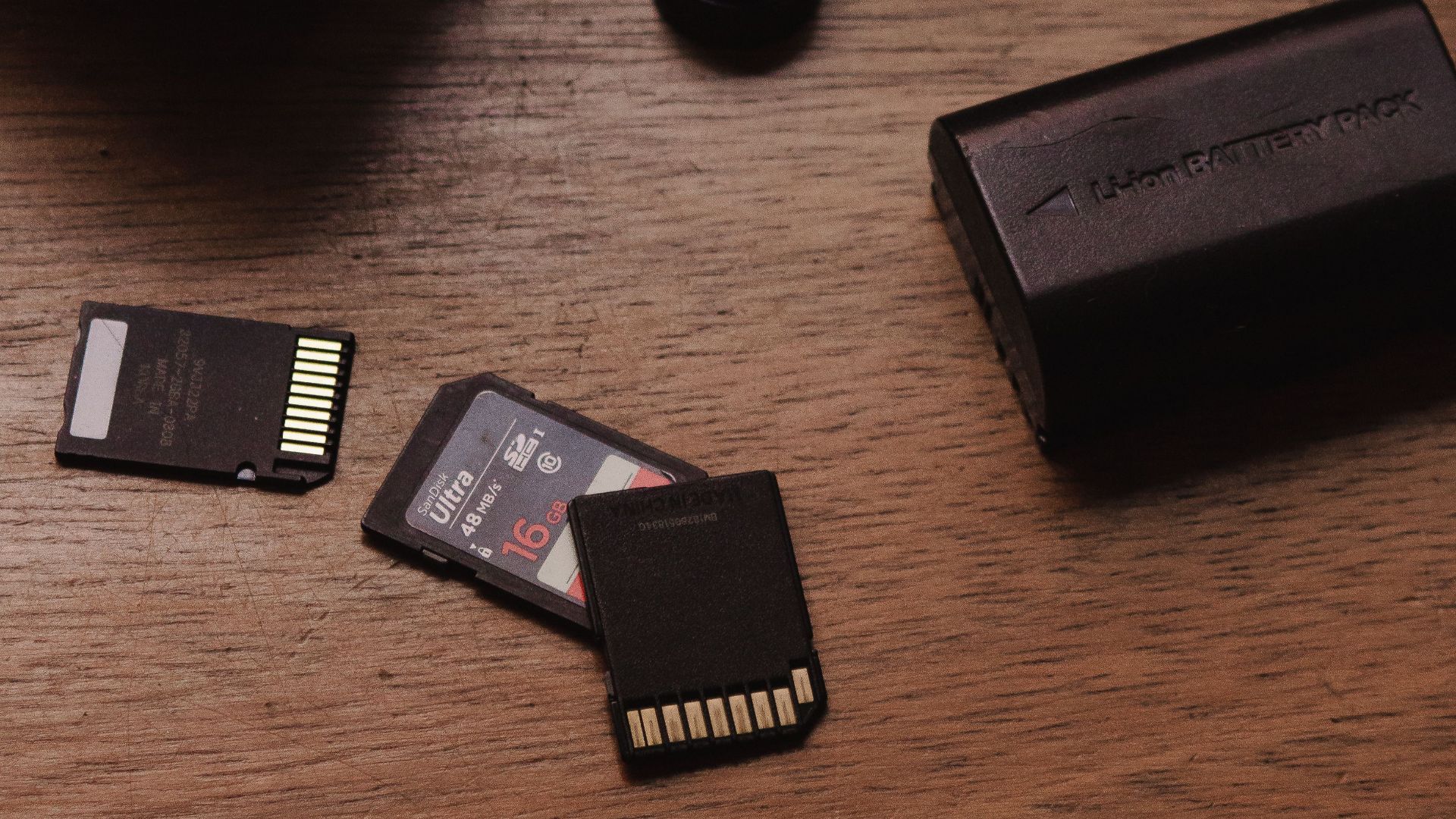
Photographers have a special talent for filling memory cards faster than expected. Extra cards and backup drives are much cheaper than missing great shots.
Local Photographers Know The Secrets
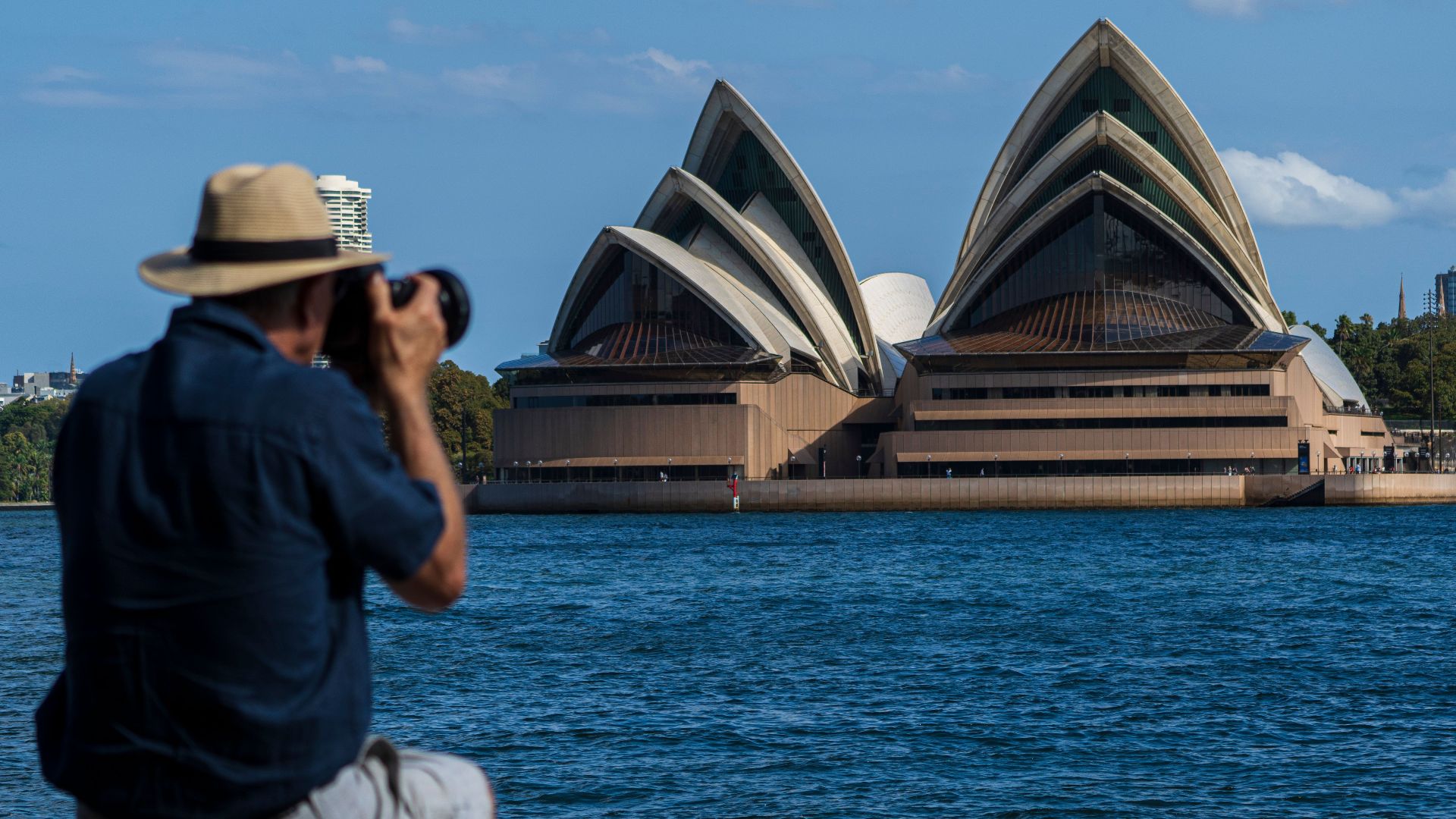
One of the best travel hacks is connecting with local photographers. They often know hidden viewpoints, current restrictions, and great locations that guidebooks never mention.
Contact Locations Directly
Websites aren't always updated. A quick email or phone call can confirm rules, hours, permits, and restrictions before you travel halfway around the world.

Create A Photography Checklist
Experienced photographers often keep a checklist for permits, batteries, memory cards, insurance, reservations, drone approvals, and backup equipment. It sounds boring until it saves a trip.
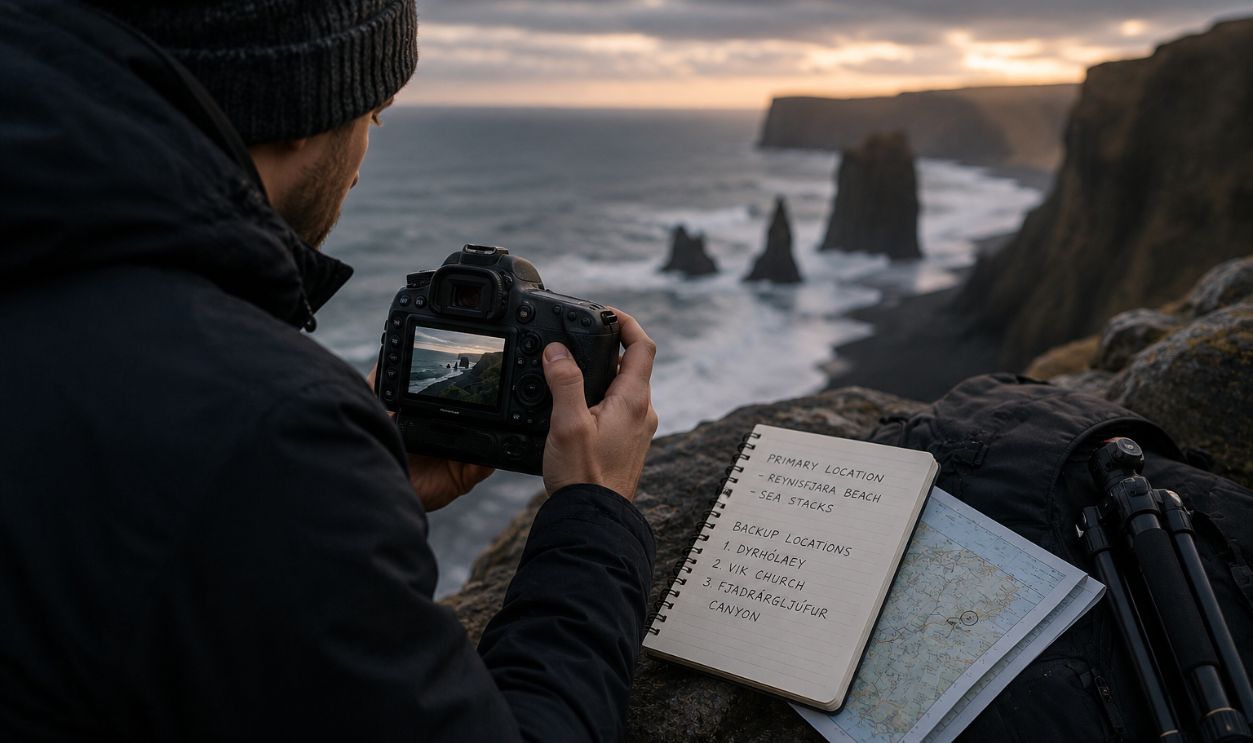
Always Have A Backup Plan
Never build an entire trip around one shot. Weather changes, locations close, and permits fall through. Backup locations can save the day.
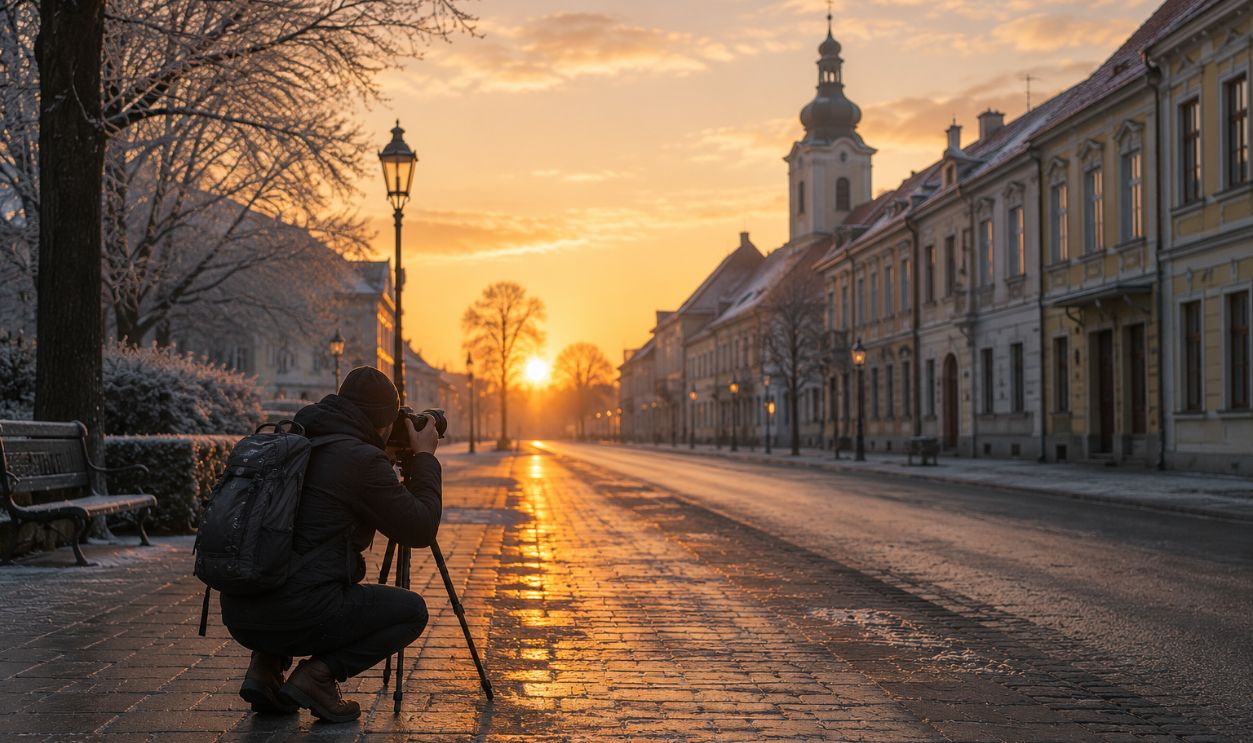
Wake Up Earlier Than Everyone Else
This is one of the simplest photography hacks around. Early mornings usually mean better light, smaller crowds, and fewer people accidentally walking into your masterpiece.
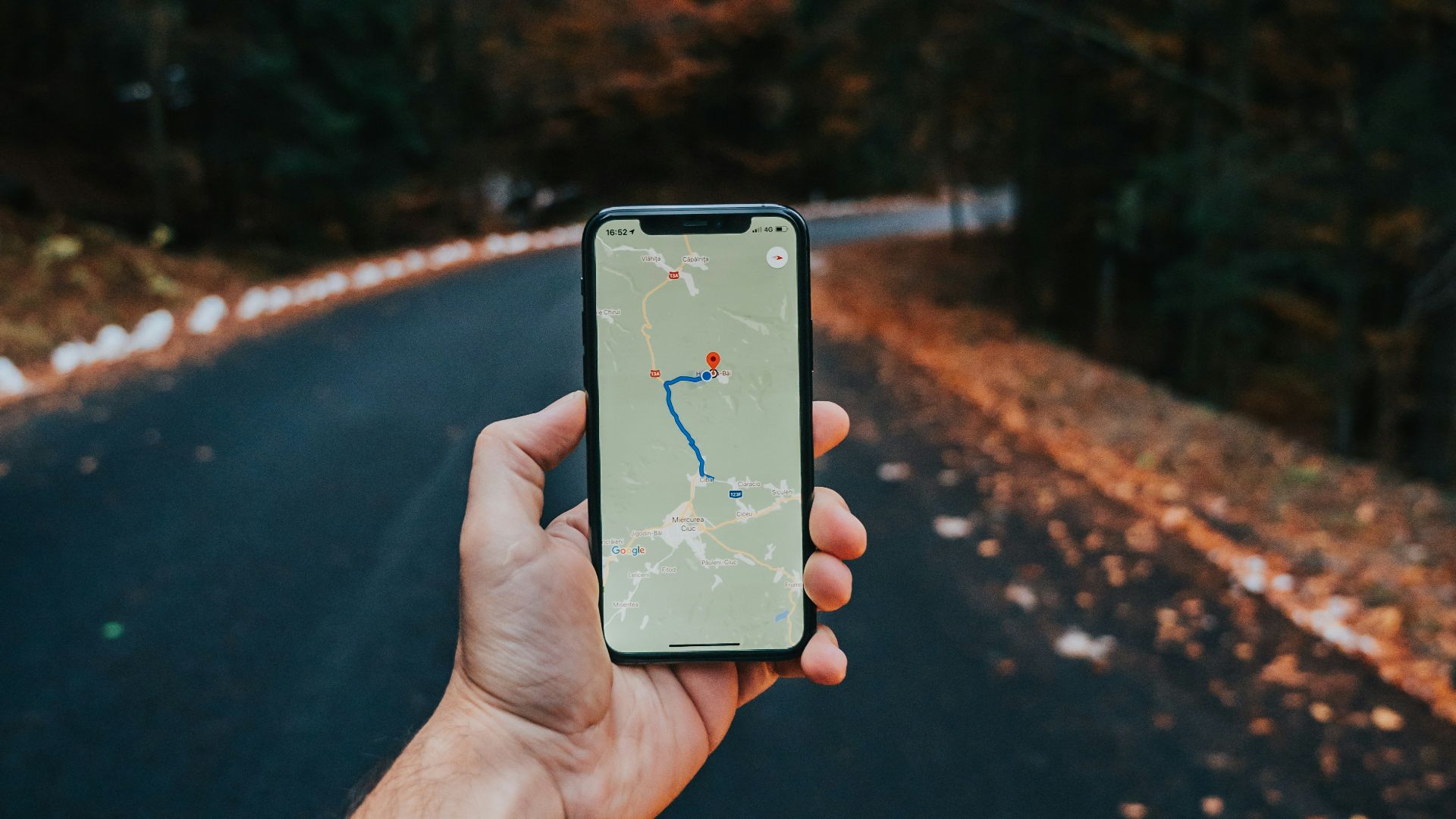
Download Offline Maps
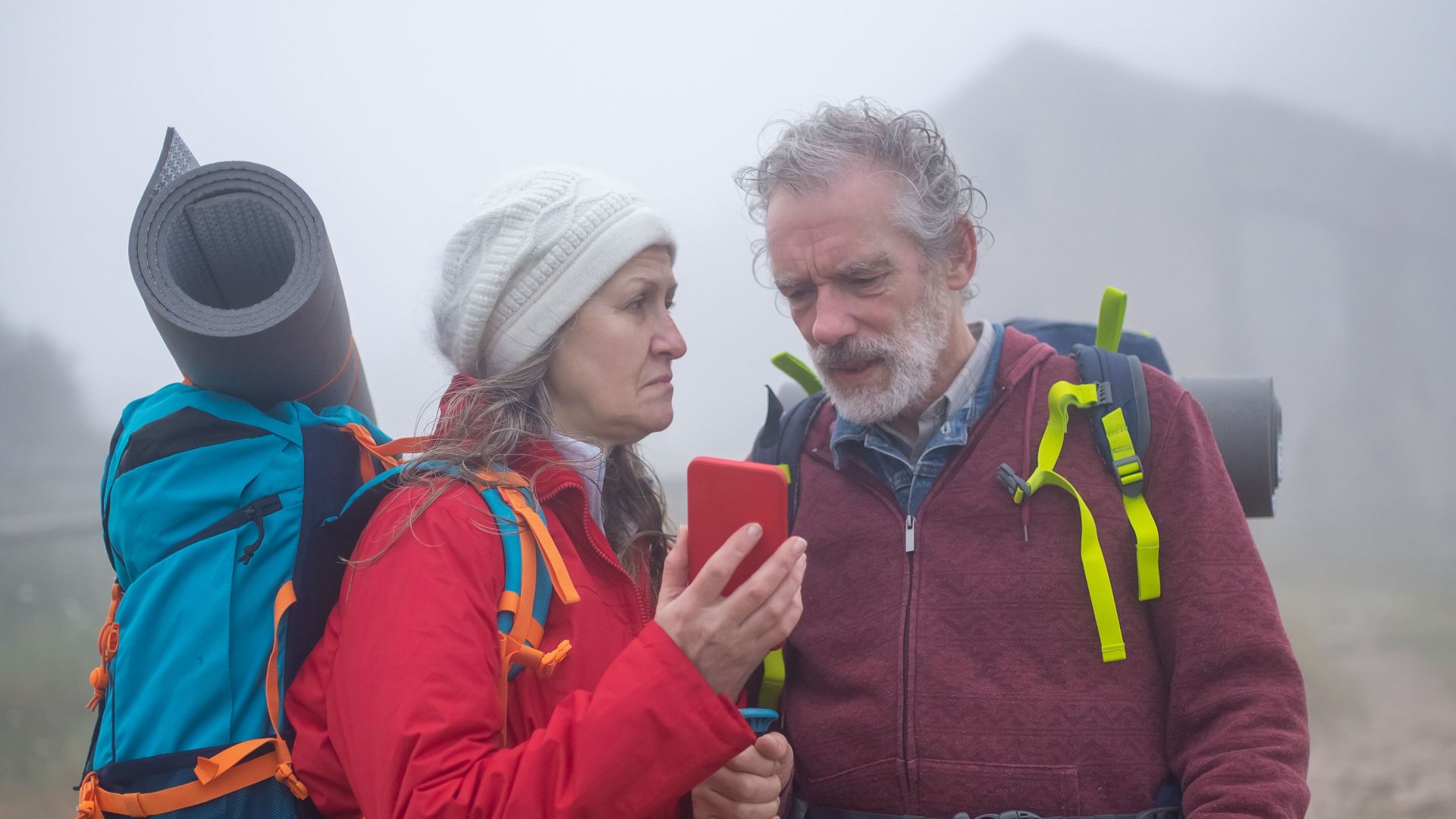
Many great photography spots are located where cell service goes to die. Offline maps can prevent a stressful adventure from becoming a survival story.
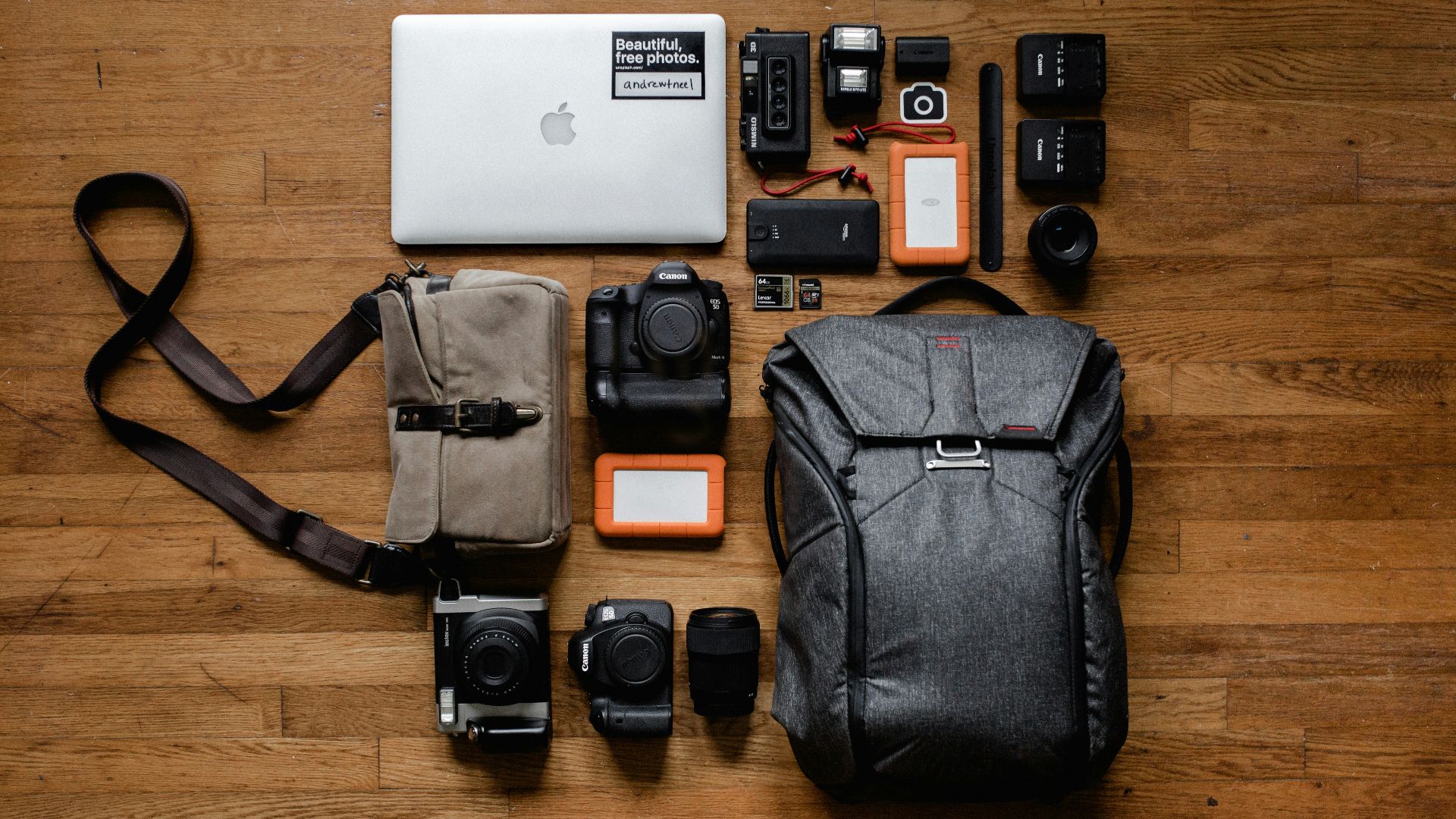
Pack A Smaller Camera Option
A lightweight backup camera can be surprisingly useful. Sometimes a huge setup attracts restrictions while a smaller camera lets you shoot without any issues.
Respect Local Customs
Even when photography is legal, it isn't always appreciated. Being polite and respectful often opens more doors than arguing about your rights ever will.
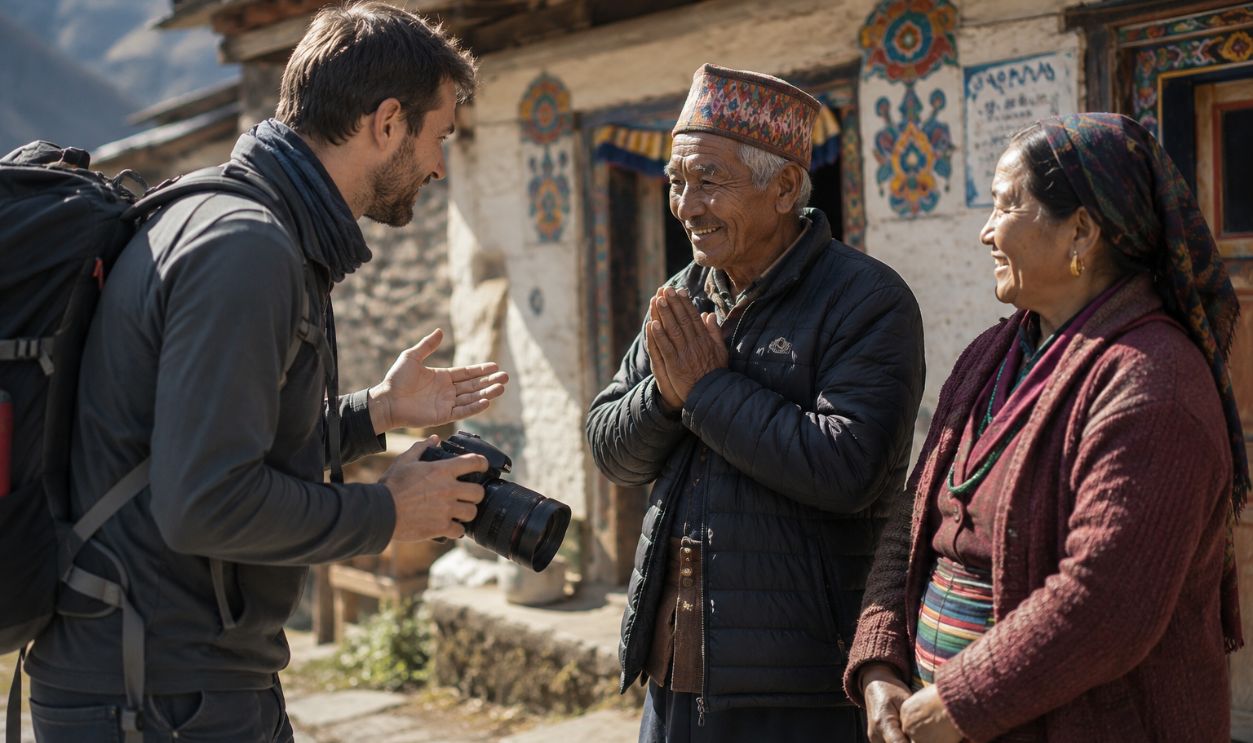
Ask A Better Question
Instead of asking, 'Can I take photos there?' ask, 'What photography restrictions should I know about?' You'll usually get much more useful information.
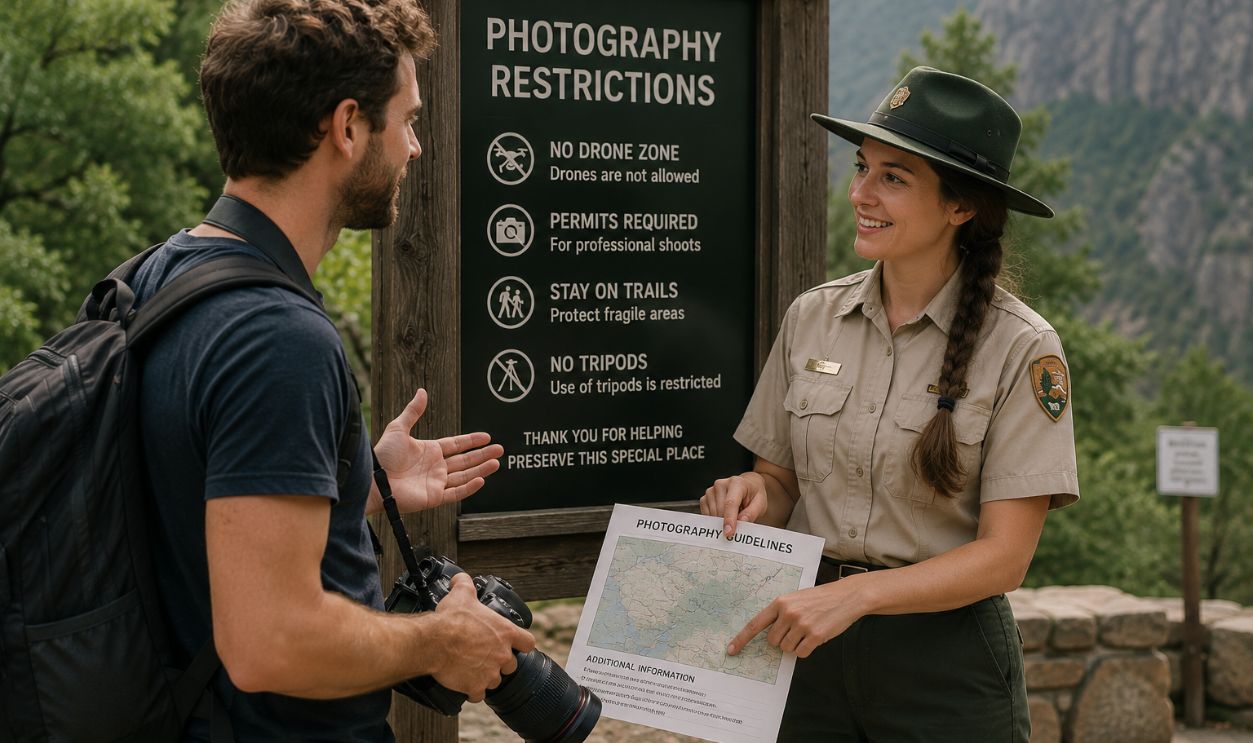
The Secret Experienced Photographers Already Know
The best photography trips aren't always the ones with the most famous locations. They're the ones where you've researched the rules, planned for problems, and spent your time taking photos instead of dealing with surprises.
You May Also Like:
I rented jet skis on vacation and now they’re claiming I caused damage. How do I prove I didn’t?