A Mystery Grounded In Reality
Stories about Alaska's missing people often focus on Alaska Triangle tales. Yet the state's astonishing geography, unpredictable weather, sparse population, and vast wilderness explain far more than supernatural theories ever could. The real story is both fascinating and sobering.
 Diego Delso, Wikimedia Commons; Factinate
An Astonishing Number
Since the 1970s, more than 20,000 people have been reported missing in Alaska. Most are eventually found, but hundreds remain unaccounted for. The sheer number has helped fuel countless theories, even though many disappearances have entirely ordinary explanations.
Meet The Triangle
The Alaska Triangle generally refers to the enormous region between Anchorage, Juneau, and Utqiagvik. Within this immense area, numerous disappearances involving hikers, hunters, pilots, and travelers have inspired comparisons with the Bermuda Triangle, despite the lack of scientific evidence for paranormal activity.
Bigger Than Most Countries
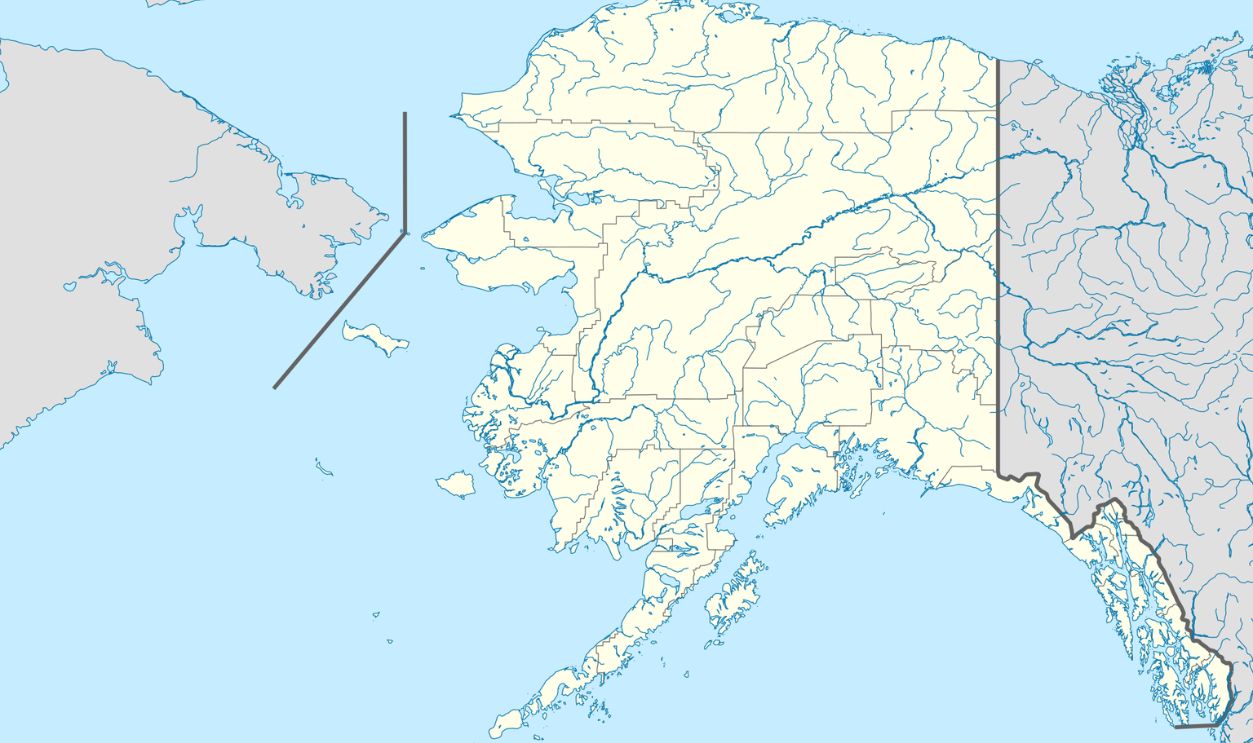
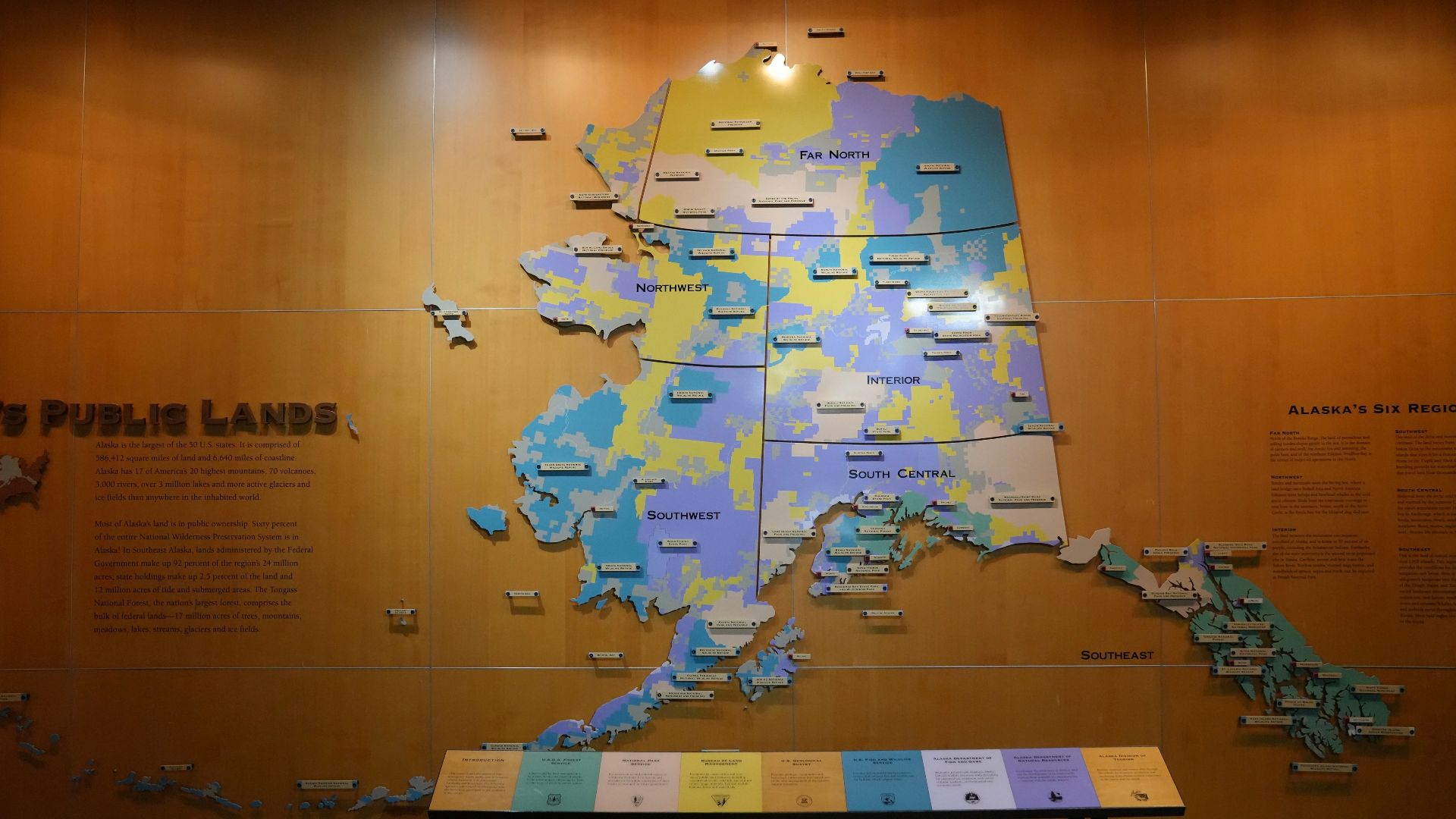
Alaska covers more than 663,000 square miles, making it larger than Texas, California, and Montana combined. Vast stretches have no roads, no cell service, and few permanent settlements. Simply finding someone in such an enormous landscape becomes an extraordinary challenge.
 Richard N Horne, Wikimedia Commons
Tiny Population Density
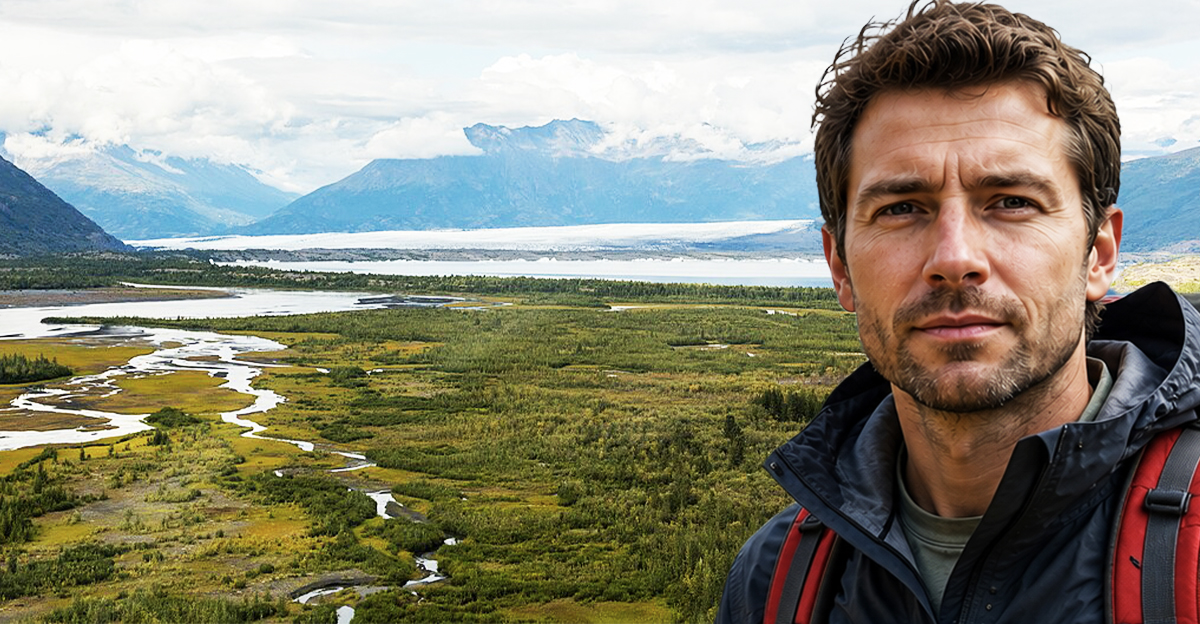
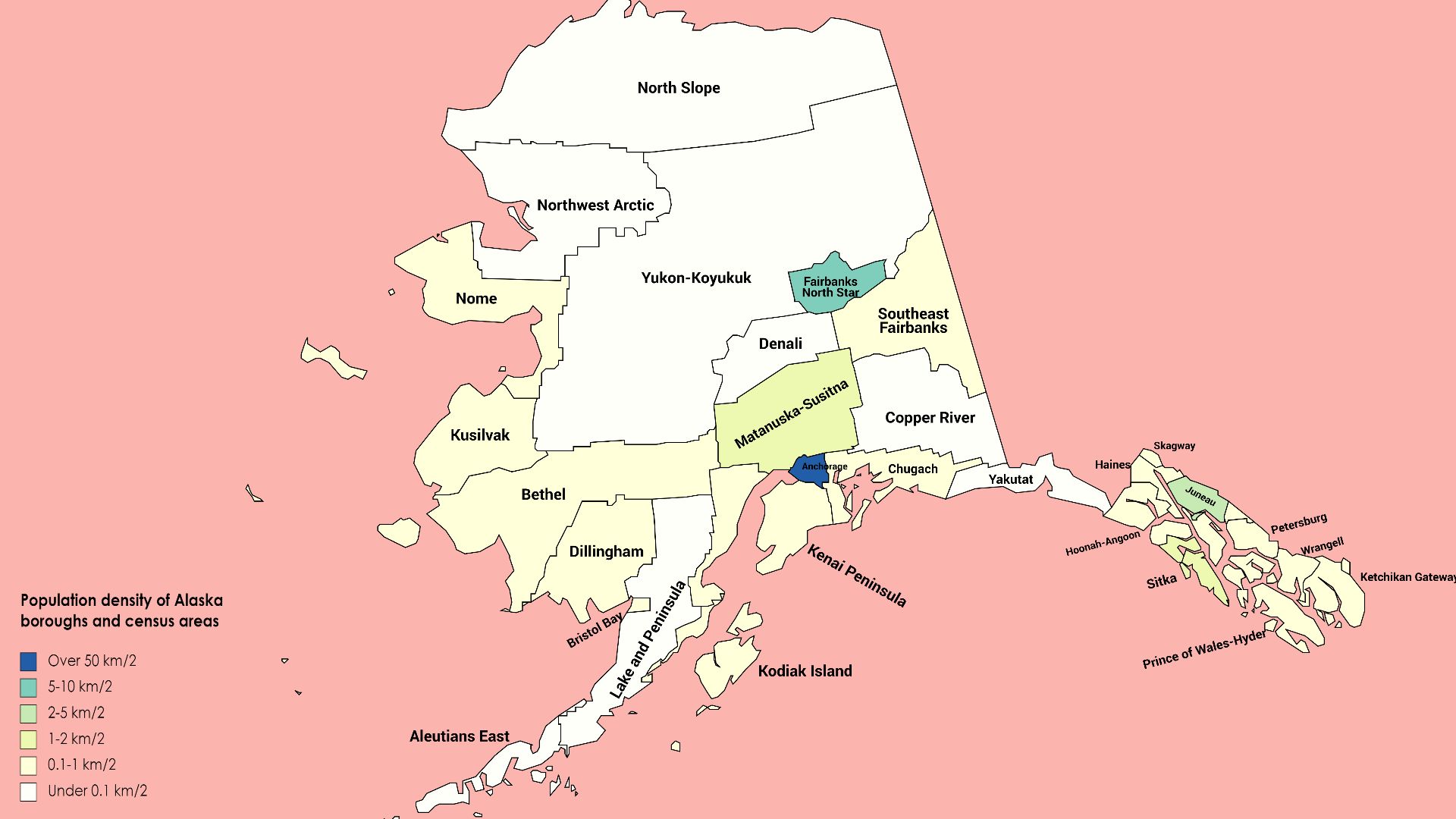
Although Alaska is America's largest state, it has fewer than one million residents. Many regions are almost completely uninhabited. A missing person can disappear into hundreds of square miles without anyone realizing they were ever there until much later.
Mountains Block Everything
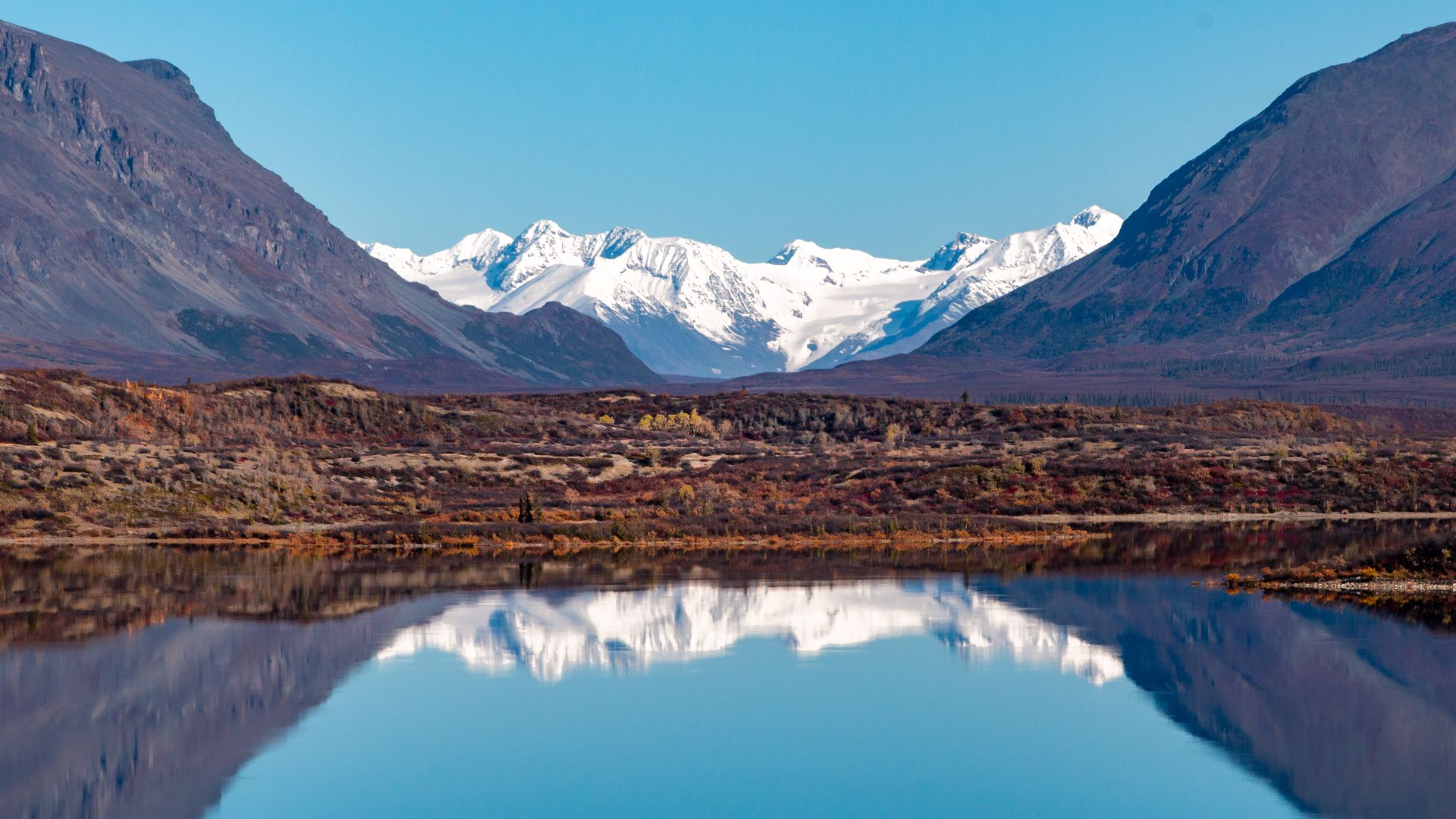
Massive mountain ranges dominate much of Alaska. Deep valleys, steep cliffs, glaciers, and narrow passes can trap hikers or conceal wreckage from aircraft. Search crews often cannot see what lies beneath rugged terrain even while flying directly overhead.
Endless Forests Hide Clues
Millions of acres of dense boreal forest cover much of the state. Thick vegetation quickly swallows abandoned campsites, damaged vehicles, or personal belongings. Even experienced search teams can pass within yards of evidence without ever spotting it.
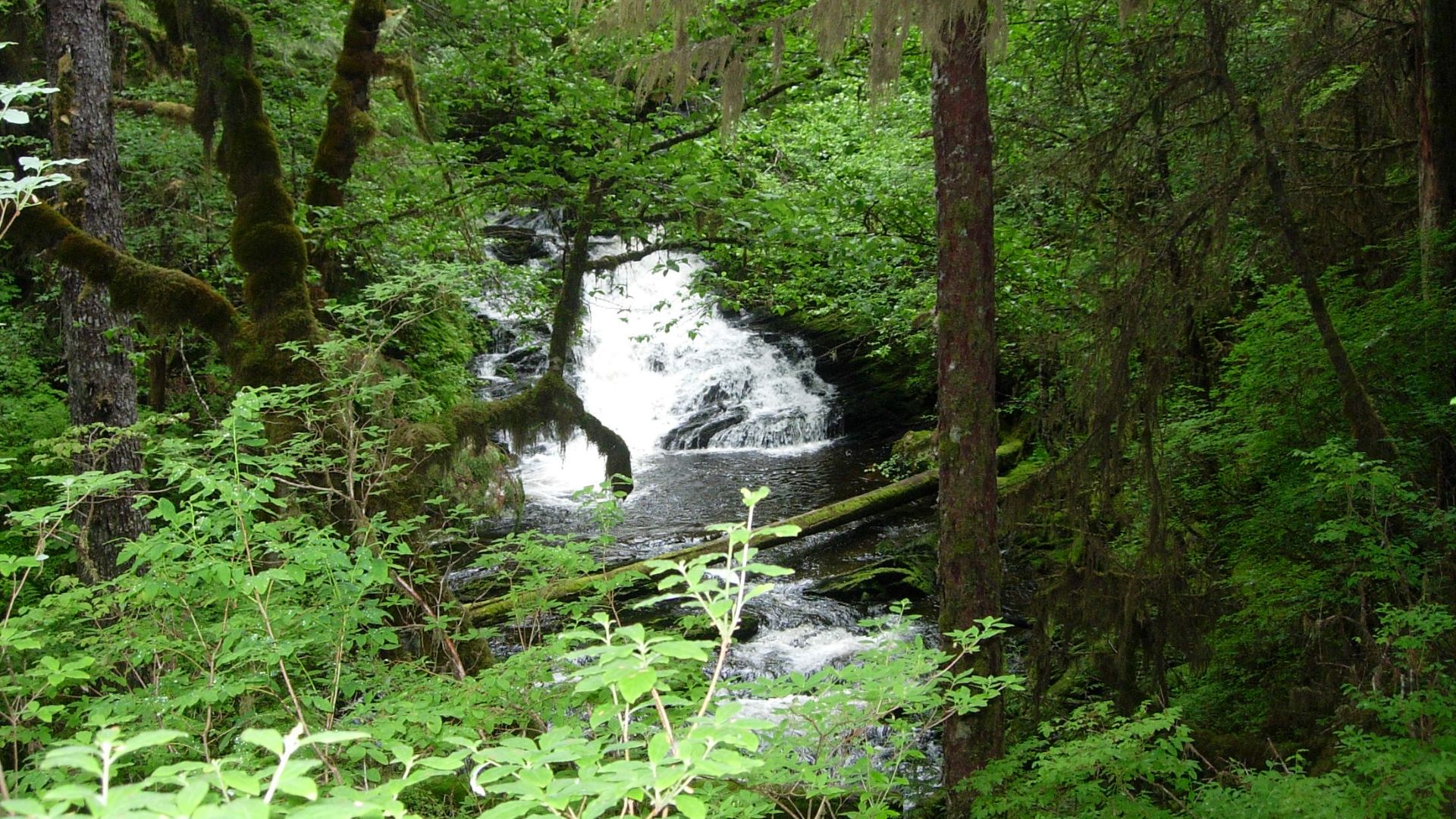 Mark Brennan from Oakton, Virginia, United States of America, Wikimedia Commons
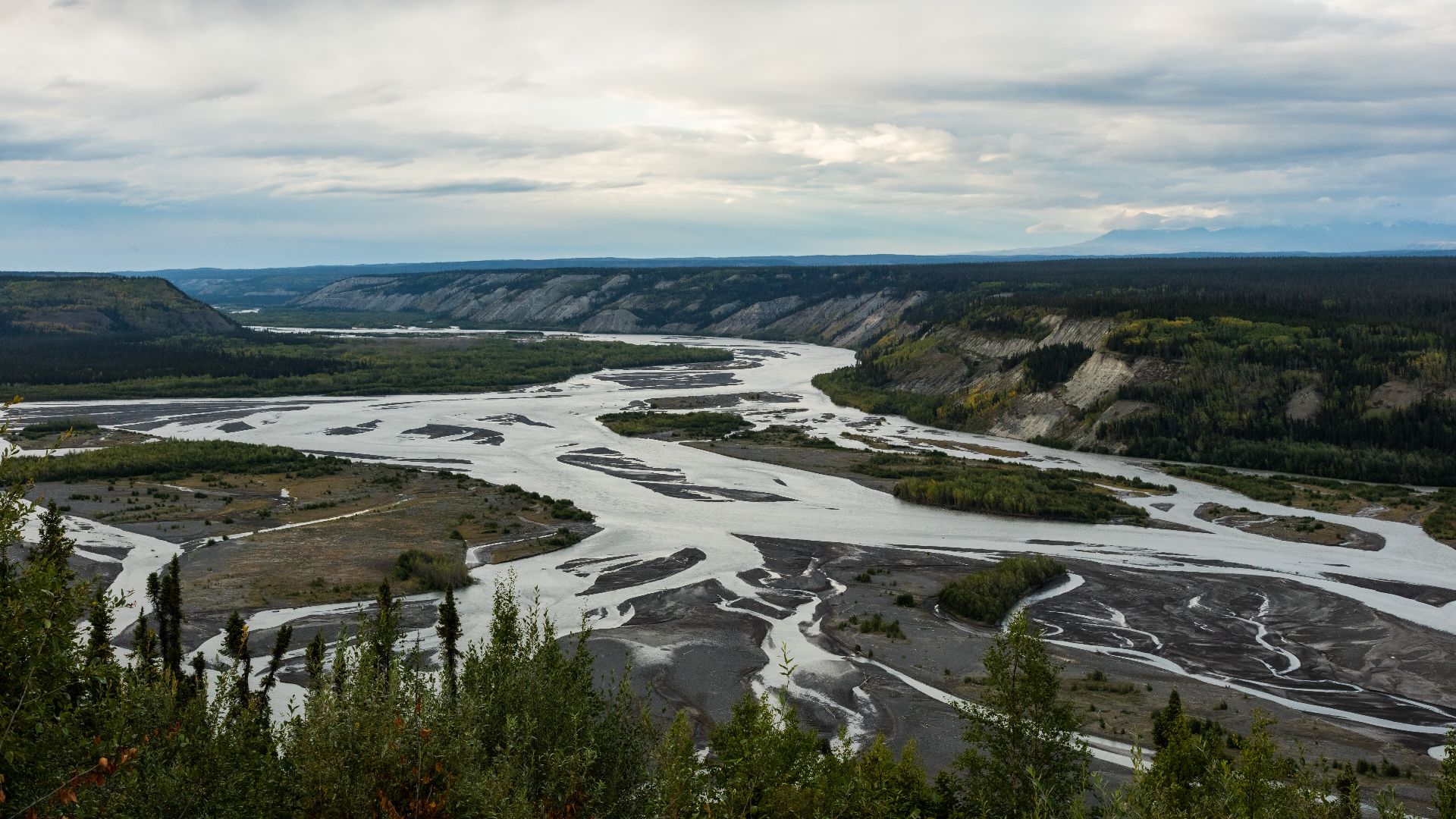
Rivers Change Constantly
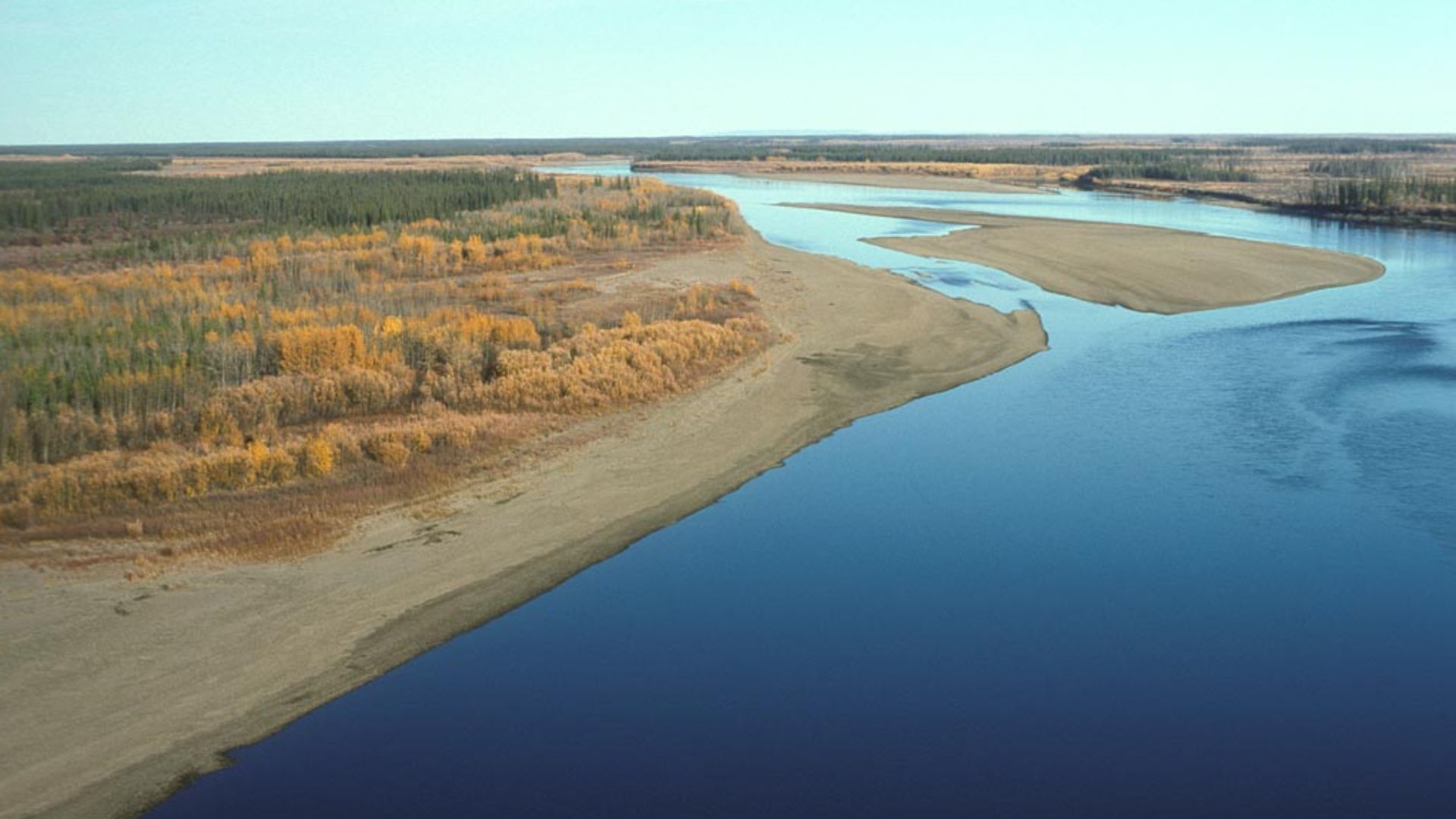
Alaska contains countless rivers that shift channels, erode banks, and flood surrounding land. Someone swept away by fast moving water may be carried for miles until recovery becomes impossible, especially during spring snowmelt or heavy rainfall.
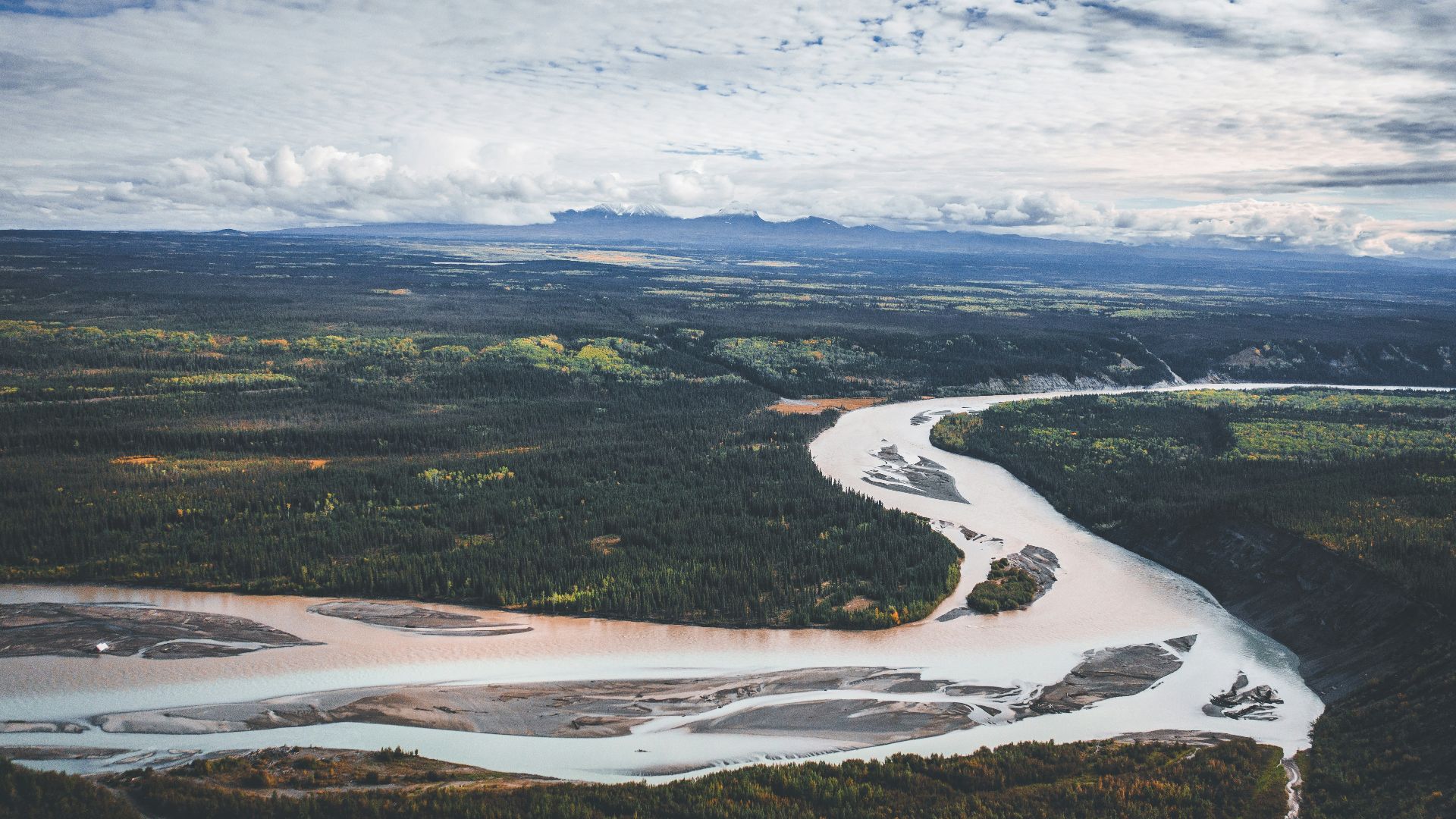
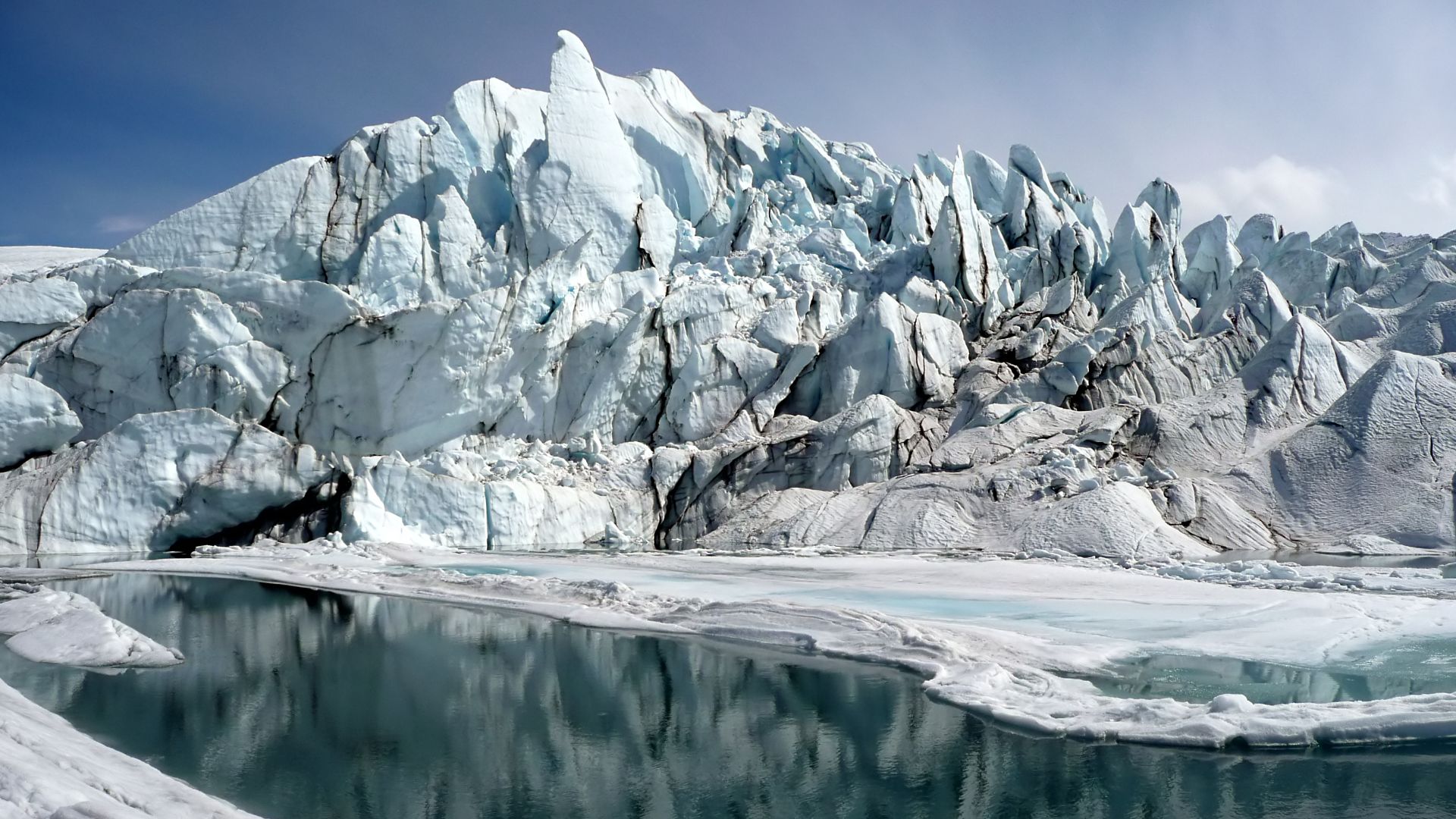
Glaciers Never Stand Still
Glaciers slowly move, crack, and reshape the landscape every year. Crevasses can swallow hikers without warning, while shifting ice can bury evidence beneath layers of snow and ice that may remain undisturbed for decades.
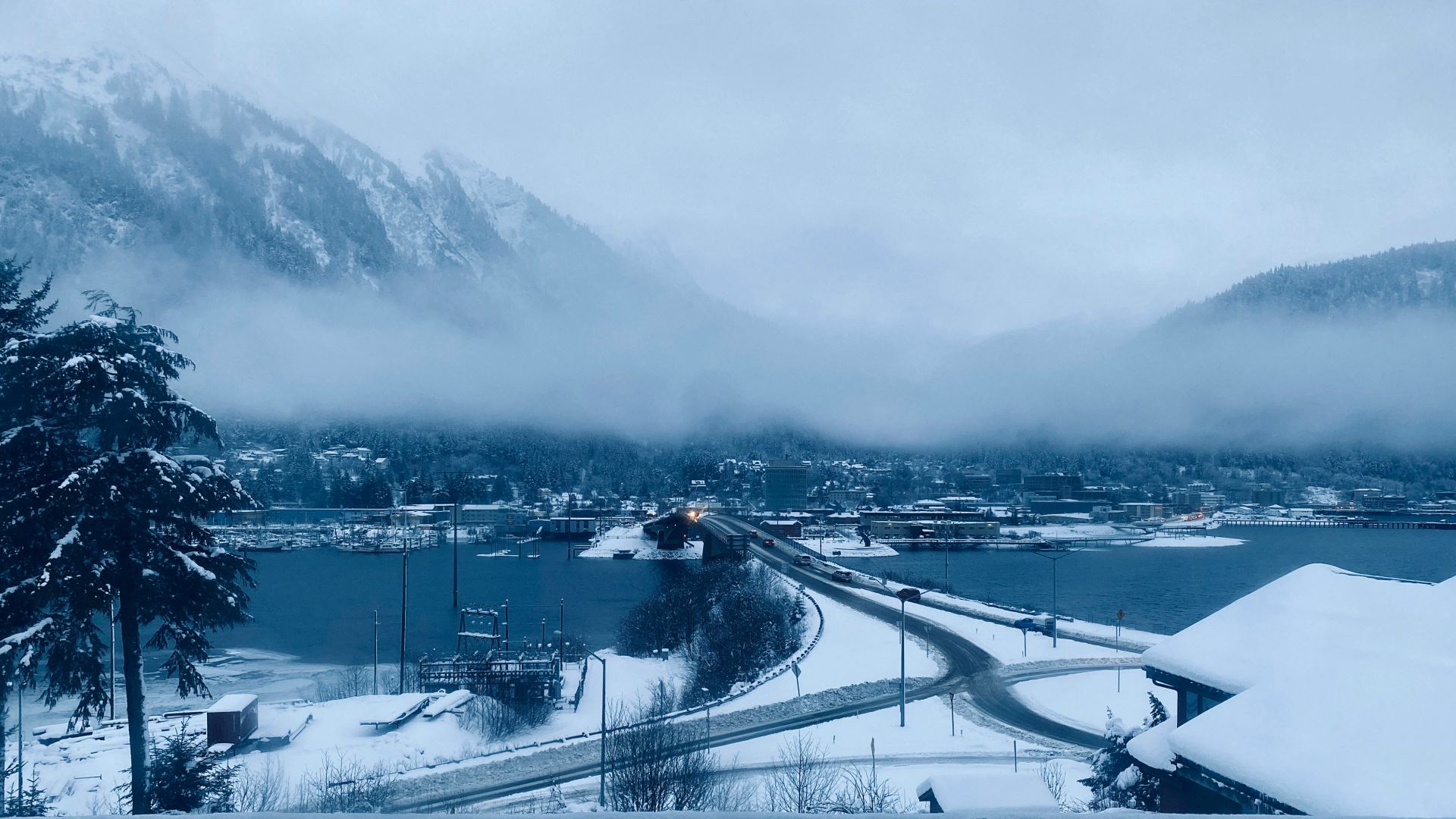
Weather Turns Deadly
Alaska's weather can change within minutes. Blue skies may suddenly give way to dense fog, blizzards, or violent storms. Poor visibility frequently complicates rescue operations while also making it easier for people to become disoriented.
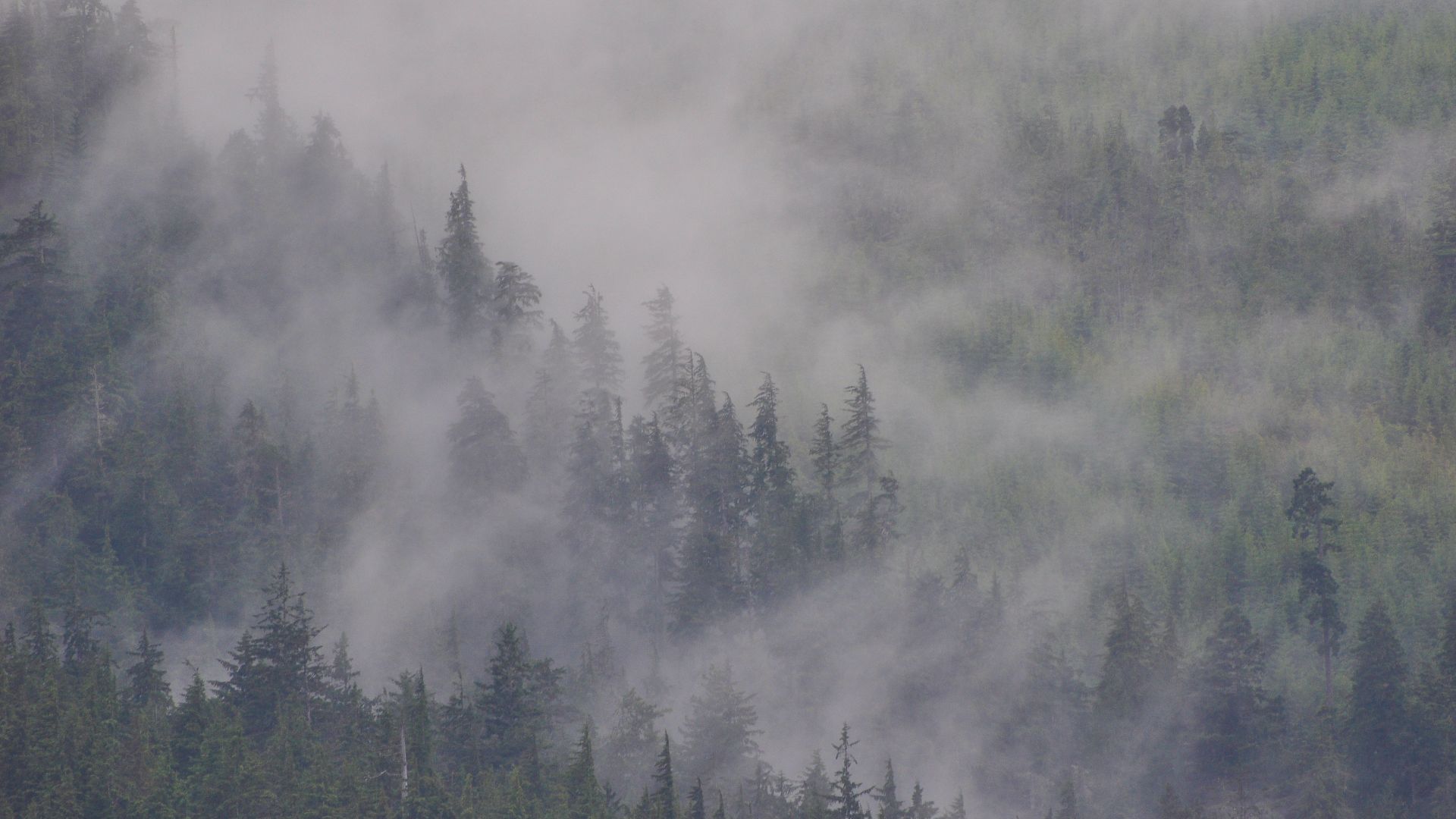 capt_tain Tom, Wikimedia Commons
Winter Erases Evidence
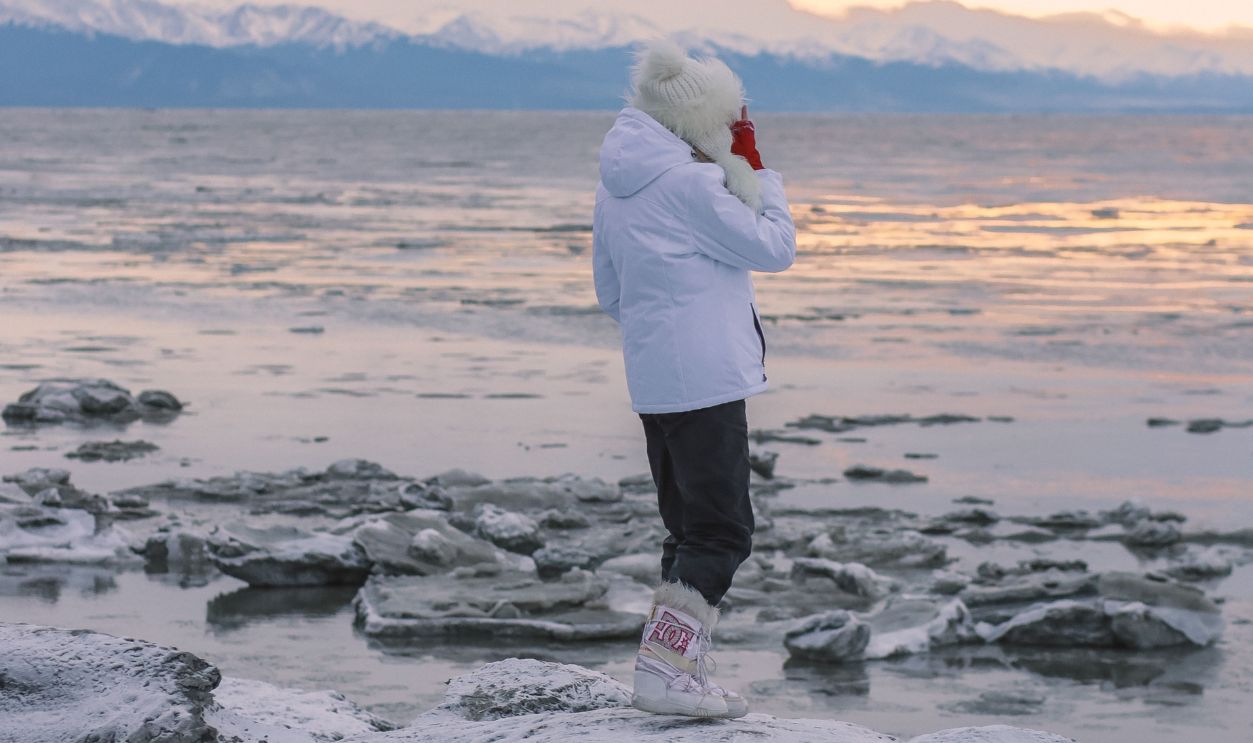
Fresh snowfall quickly covers footprints, campsites, and accident scenes. Strong winds then reshape the snow, removing nearly every visible trace. Searchers often arrive to find that nature has effectively erased the person's last known location.
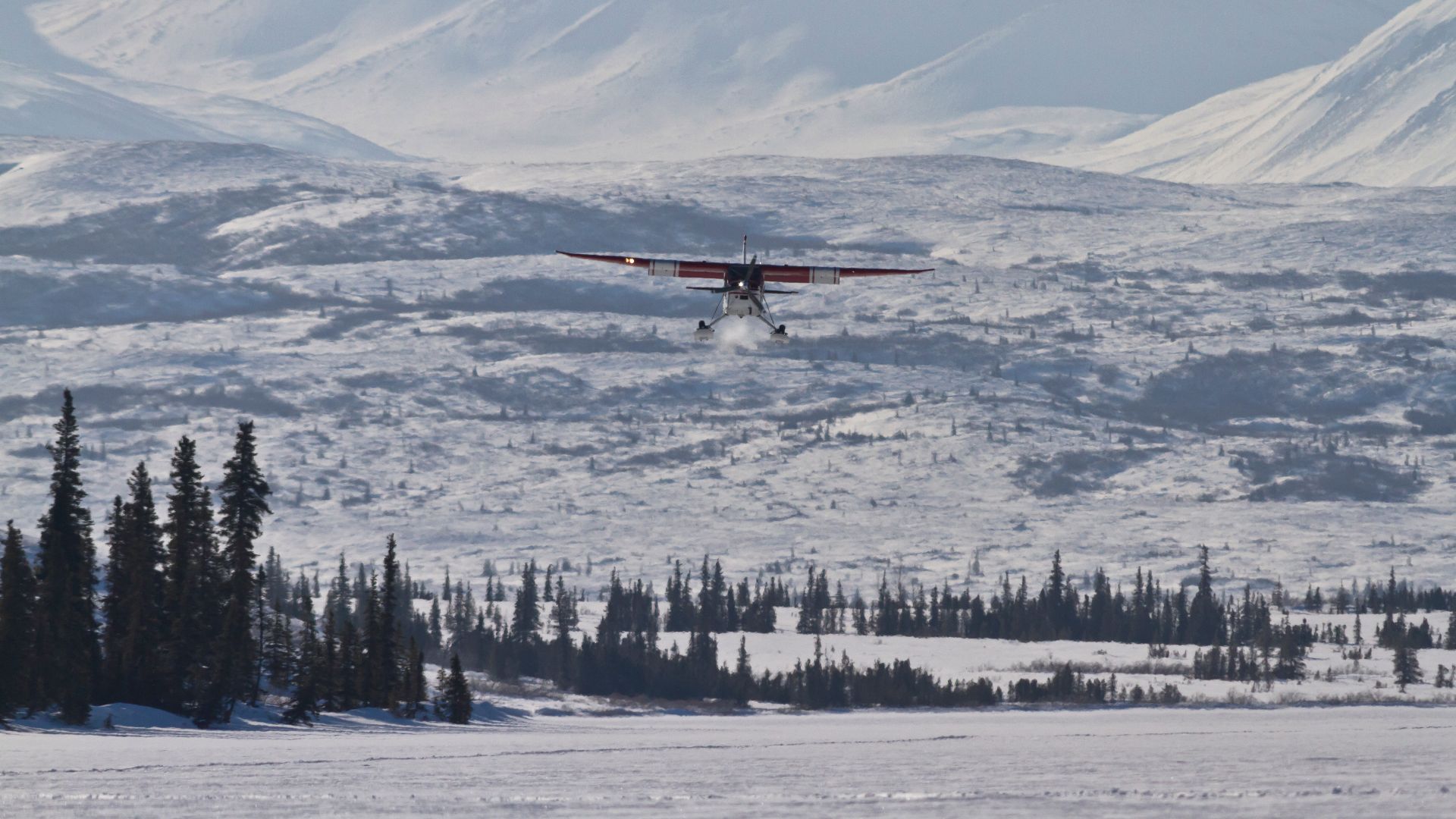
Aviation Carries Risks
Small aircraft are essential transportation across Alaska, where many communities lack road connections. Pilots routinely fly through remote mountains and unpredictable weather. Mechanical failures or sudden storms can leave aircraft extremely difficult to locate.
 Denali National Park and Preserve, Wikimedia Commons
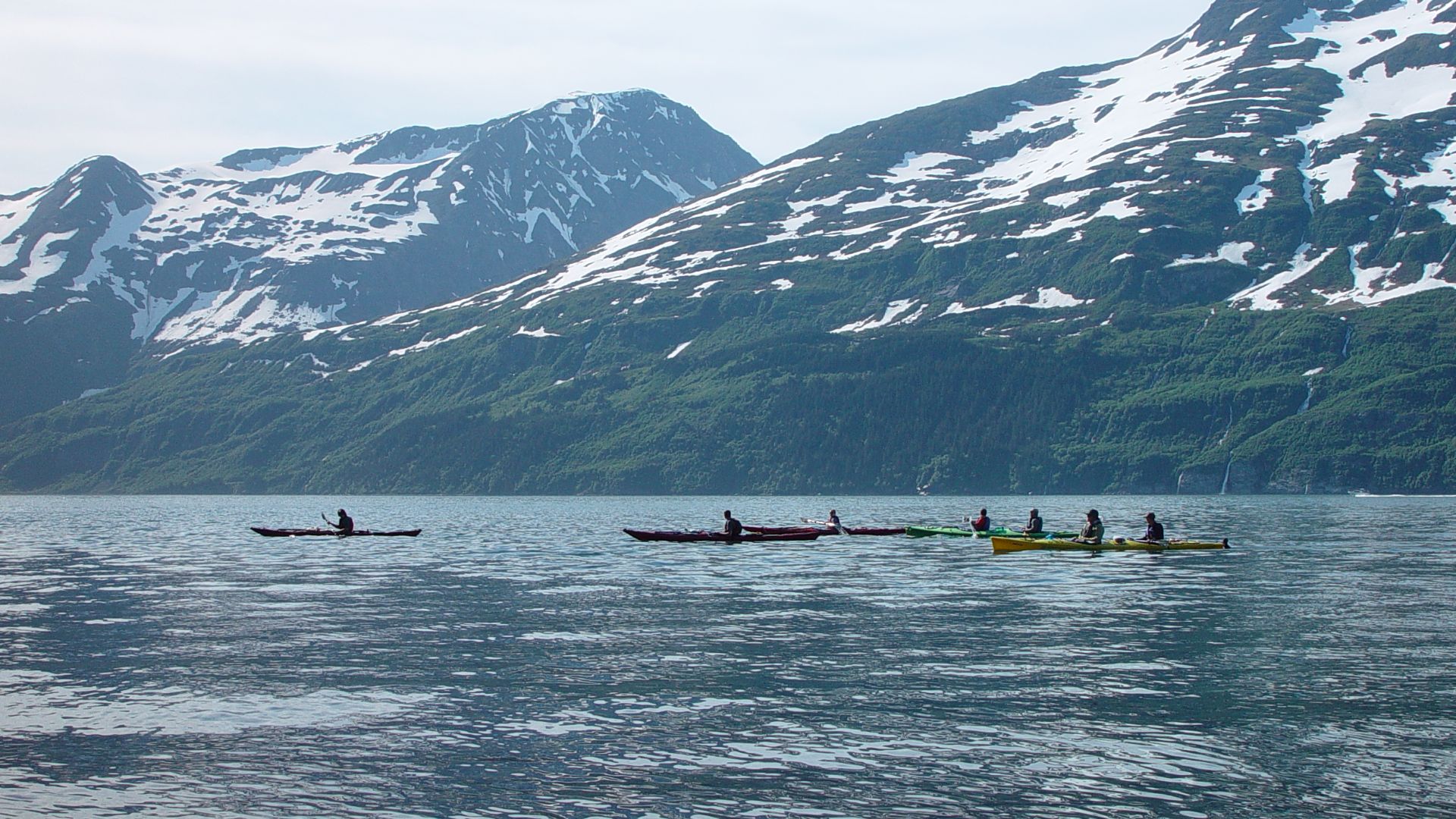
Water Travel Is Hazardous
Boats provide another critical transportation link throughout Alaska. Frigid water, strong currents, hidden rocks, and rapidly changing weather create dangerous conditions. Survival times after falling into icy water are often measured in minutes rather than hours.
 Laura Alier, Wikimedia Commons
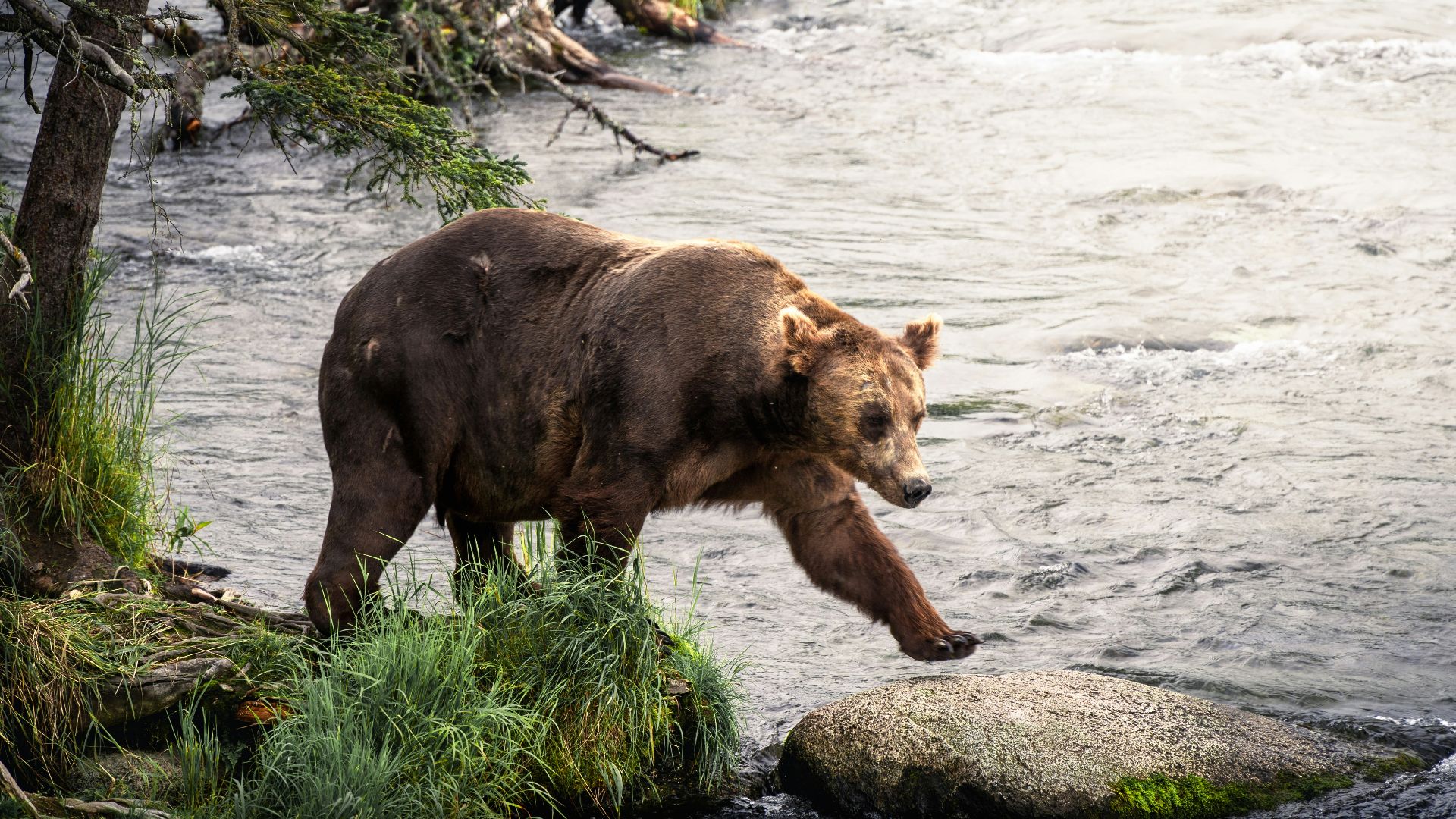
Wildlife Adds Danger
Bears, moose, wolves, and other large animals rarely attack people, but encounters do occur. Wildlife may also scatter clothing or equipment after an accident, complicating efforts to reconstruct exactly what happened.
Communication Is Limited
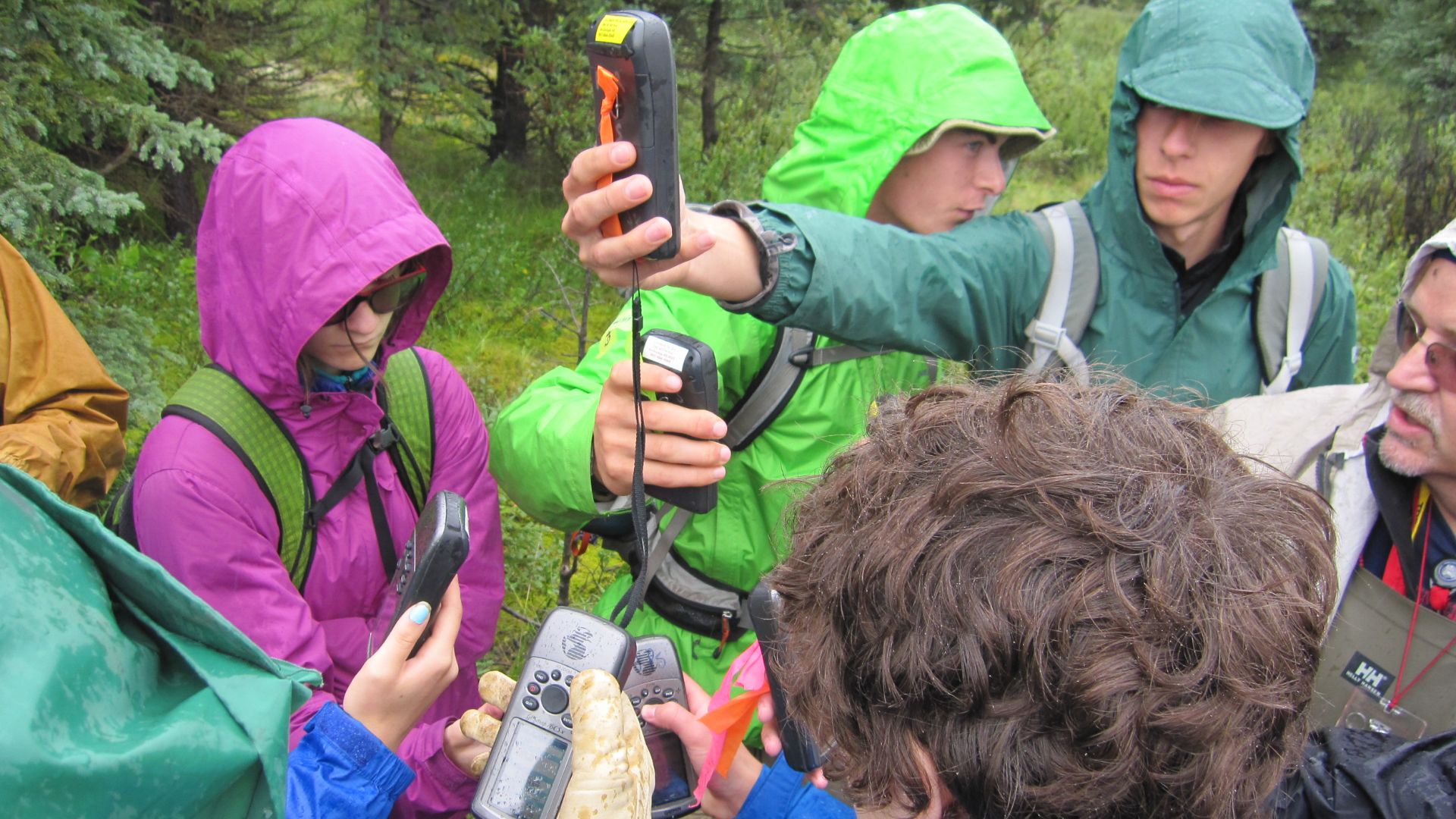
Many remote areas still lack reliable cellular coverage. Satellite communicators have improved safety, but not everyone carries one. Once someone loses contact, searchers may have only a vague starting point covering hundreds of square miles.
Searches Are Expensive
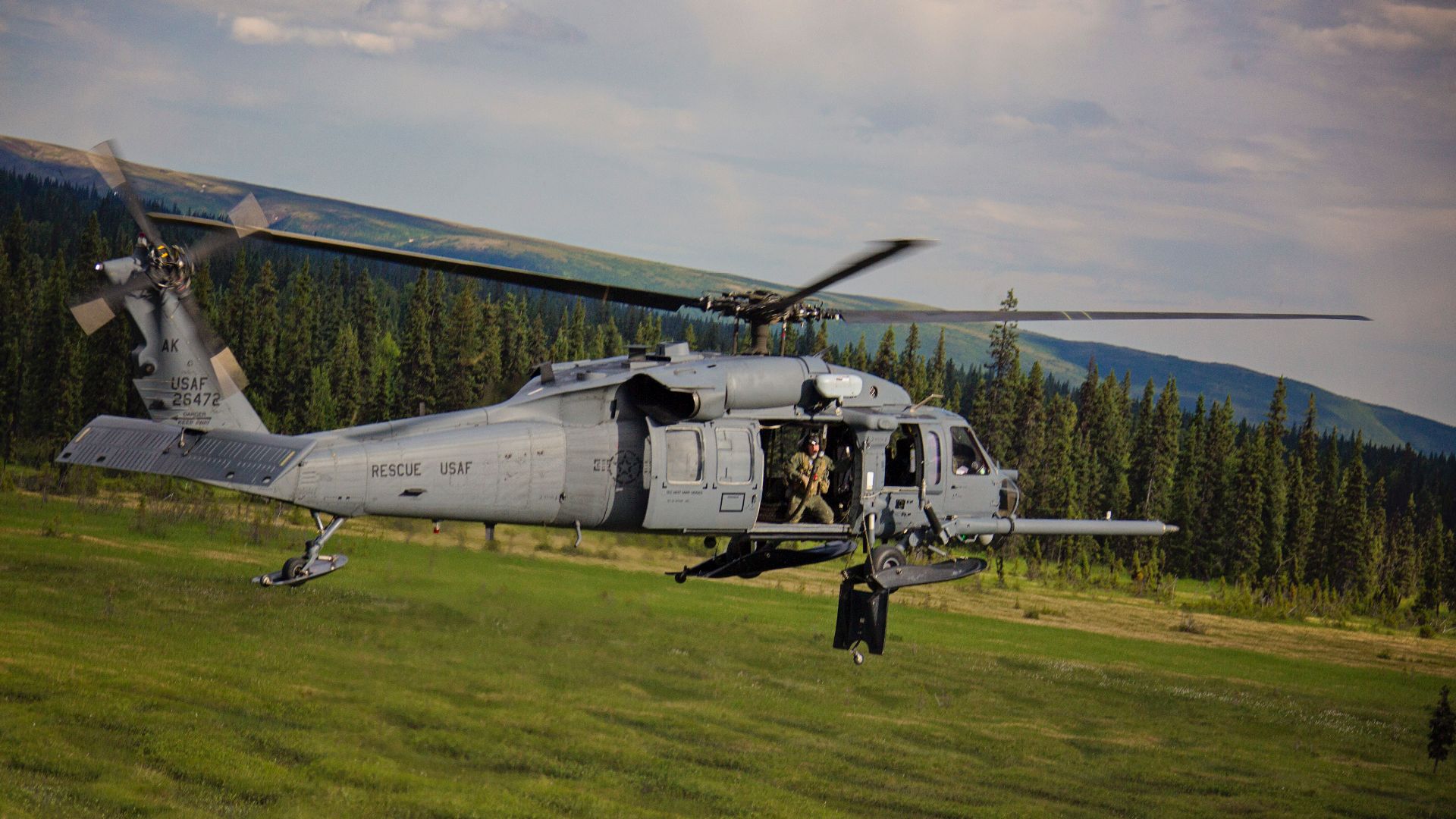
Search and rescue missions often involve helicopters, fixed wing aircraft, boats, dogs, drones, and dozens of volunteers. Poor weather can delay these operations for days, allowing precious time and evidence to disappear.
 George Kale, Wikimedia Commons
Christopher McCandless
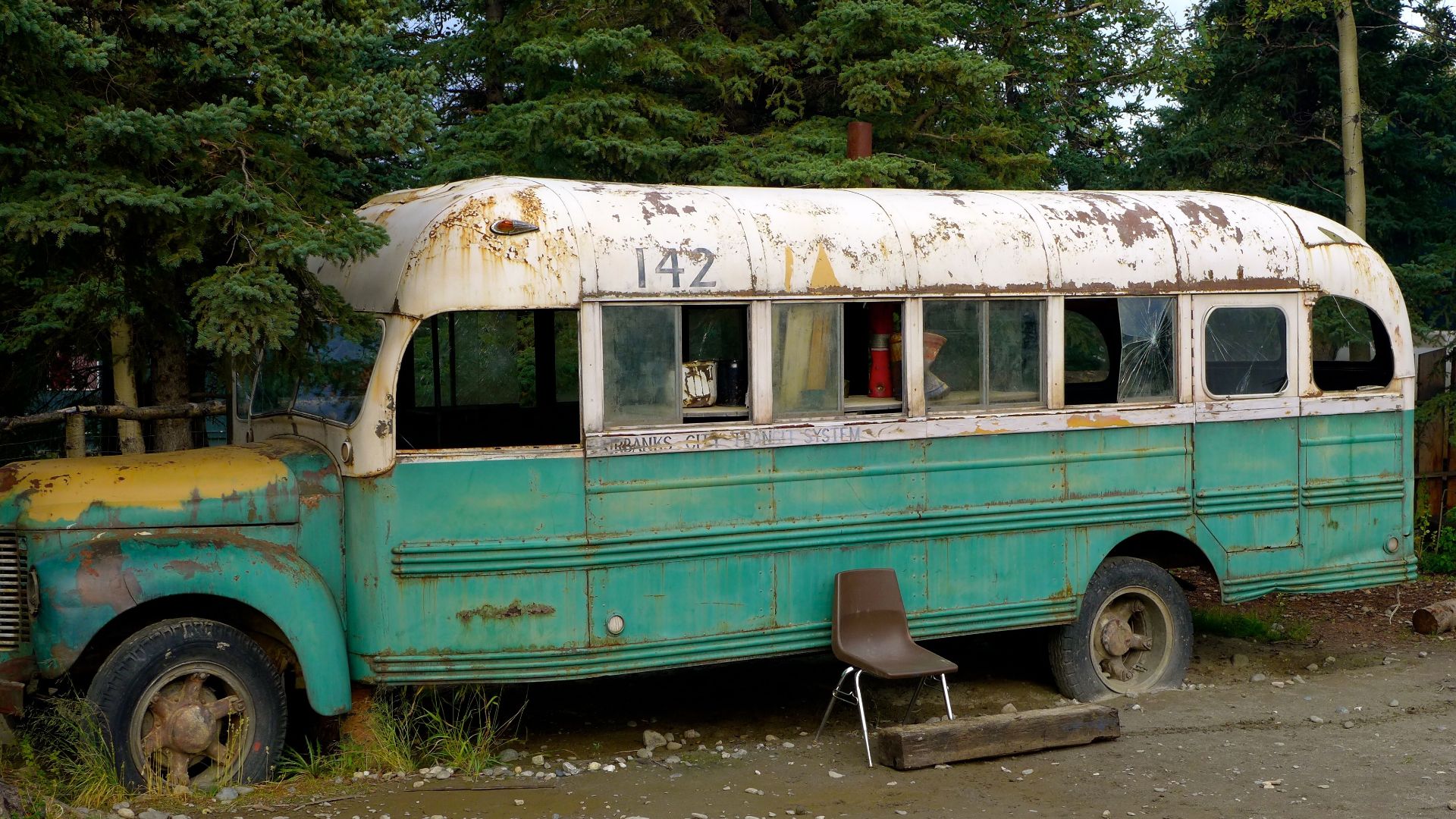
One of Alaska's best known tragedies involved Christopher McCandless, whose story inspired the movie Into The Wild (2007). After becoming stranded in the wilderness near the Stampede Trail, he died from starvation, illustrating how unforgiving even familiar terrain can become.
 Madeleine Deaton, Wikimedia Commons
Hale Boggs Mystery
In 1972, Congressman Hale Boggs disappeared when his small aircraft vanished during a flight over Alaska. Despite one of the largest search efforts in American history, neither the plane nor its occupants were ever found.
 Office of the Clerk, U.S. House of Representatives, Wikimedia Commons
Gary Frank Sotherden
In 1997, experienced outdoorsman Gary Frank Sotherden disappeared while hunting near the Canadian border. Despite extensive searches, only scattered remains were eventually recovered years later, underscoring how difficult it can be to locate missing people in remote country.
 Spencer, David, Wikimedia Commons
Not Every Case Is Alike
Every disappearance has its own circumstances. Some involve accidents, others medical emergencies, criminal acts, voluntary disappearances, or simple navigation mistakes. There is no single explanation that accounts for every missing person reported across Alaska.
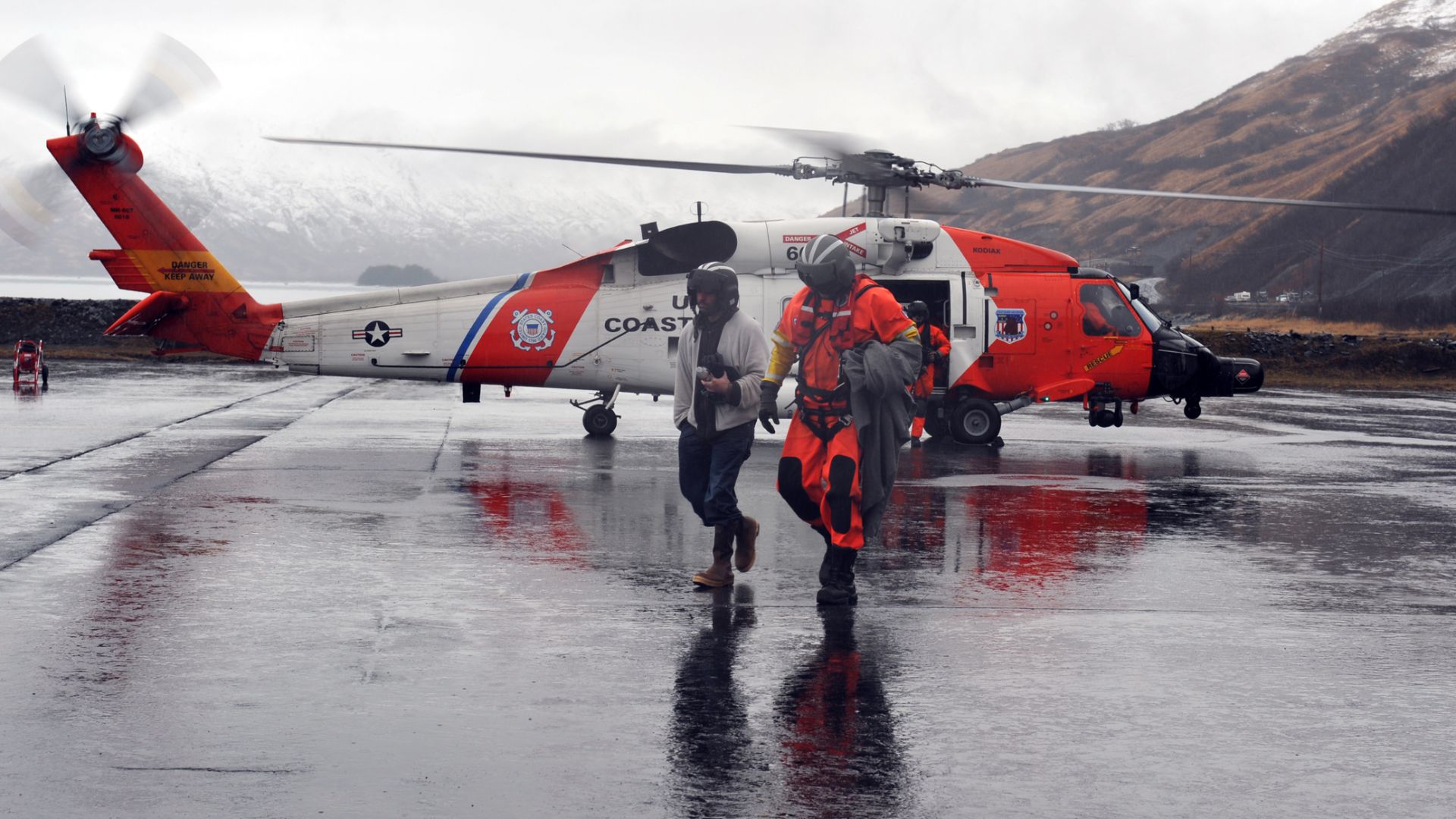 Petty Officer 3rd Class Jonathan Klingenberg, Wikimedia Commons
The Triangle Myth
Television documentaries and internet videos often emphasize mysterious lights, magnetic anomalies, or supernatural forces. Investigators have never found convincing scientific evidence supporting these extraordinary claims, while ordinary environmental hazards consistently provide more plausible explanations.
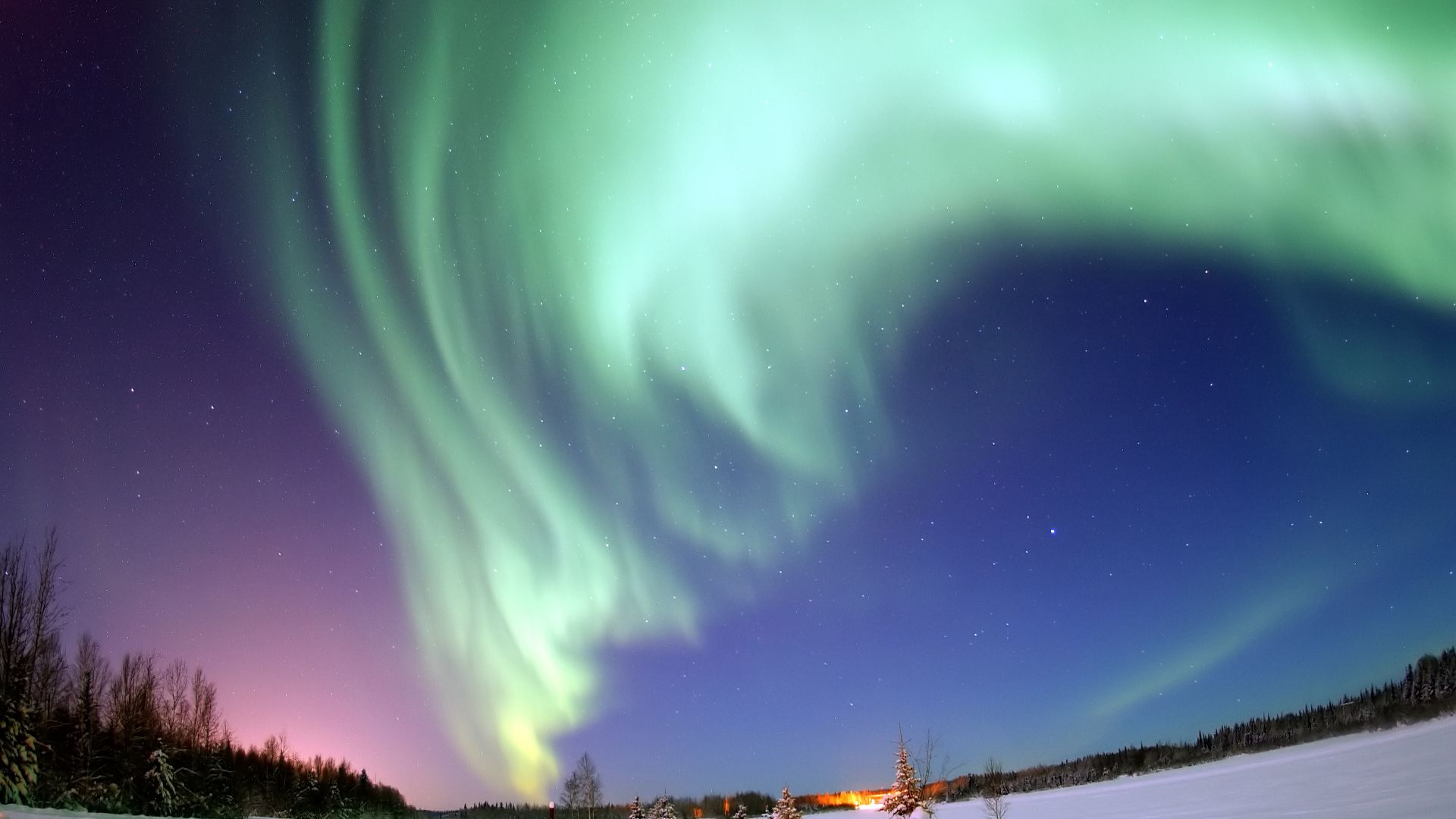 United States Air Force photo by Senior Airman Joshua Strang, Wikimedia Commons
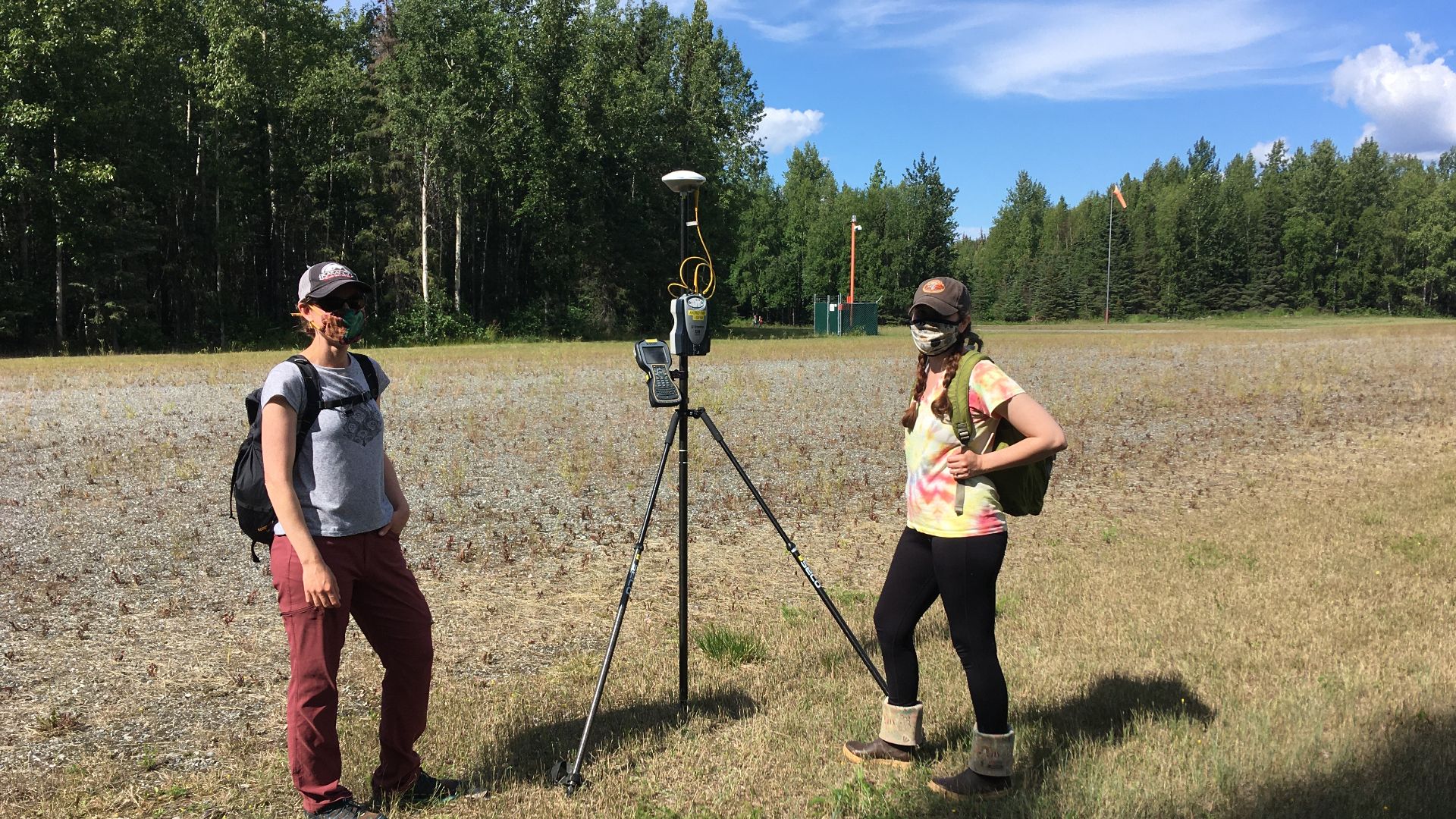
Modern Technology Helps
GPS devices, satellite messaging systems, drones, emergency locator transmitters, and improved weather forecasting have dramatically increased survival and rescue rates. Even so, Alaska's immense scale continues to challenge the most advanced search technology.
Smart Preparation Matters
People traveling into Alaska's backcountry are encouraged to leave detailed itineraries, carry emergency communication devices, pack survival supplies, monitor weather forecasts, and avoid traveling alone whenever possible. Preparation often makes the difference between rescue and tragedy.
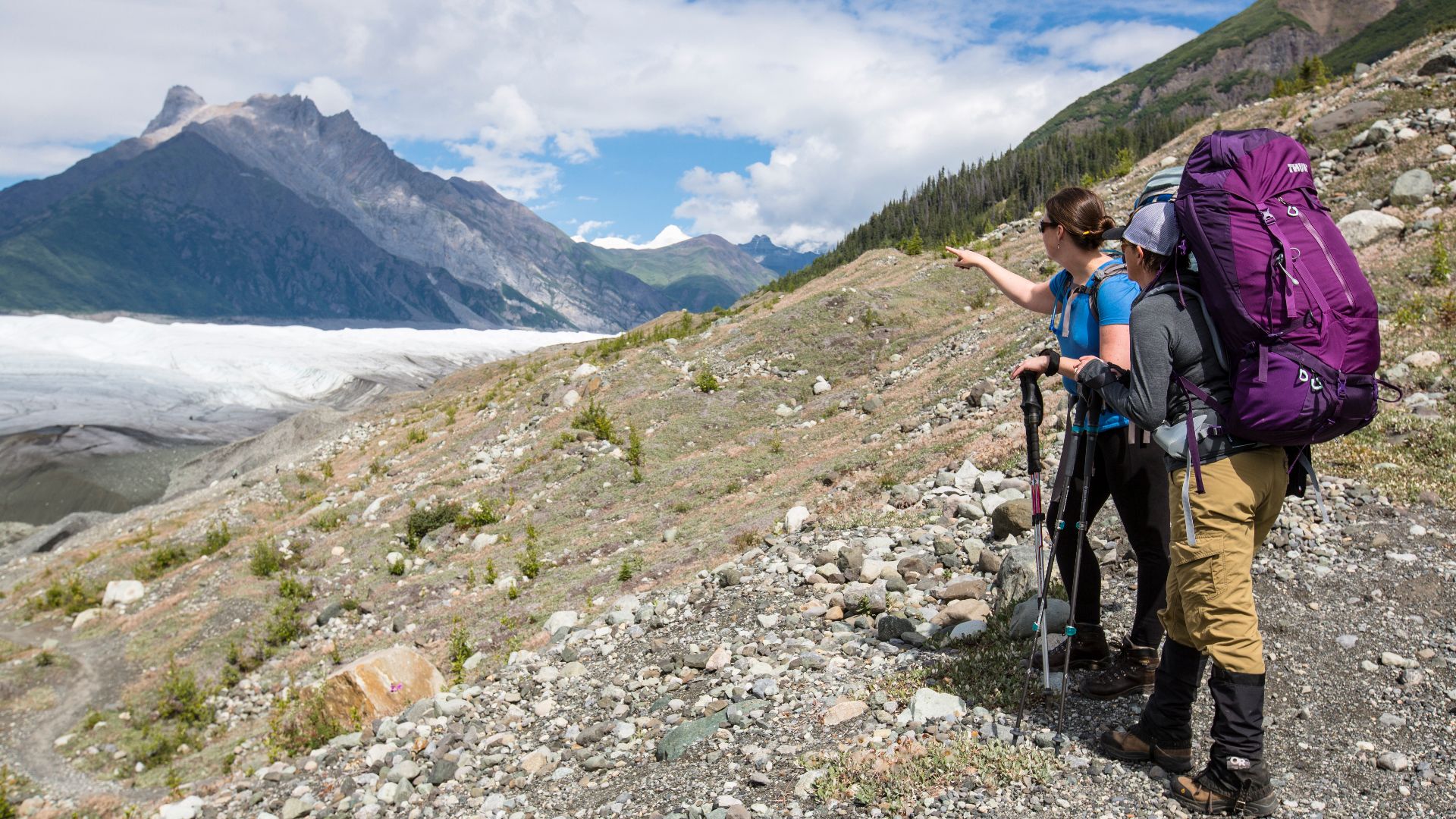 National Park Service, Alaska Region, Wikimedia Commons
Nature Is Enough
The truth behind Alaska's missing persons cases does not require paranormal explanations. Immense distances, unforgiving terrain, severe weather, and isolation combine to create one of the world's most challenging environments, where even small mistakes can have life changing consequences.
 Diego Delso, Wikimedia Commons
The Real Lesson
The Alaska Triangle remains one of America's most intriguing mysteries, but its greatest secret may be that there is no secret at all. Respect for the landscape, rather than fear of the supernatural, offers the clearest explanation for why so many people have disappeared.
You May Also Like:
Mysterious Real-Life Disappearances That Investigators Are Still Struggling To Explain