The Airport Status Game Is Real
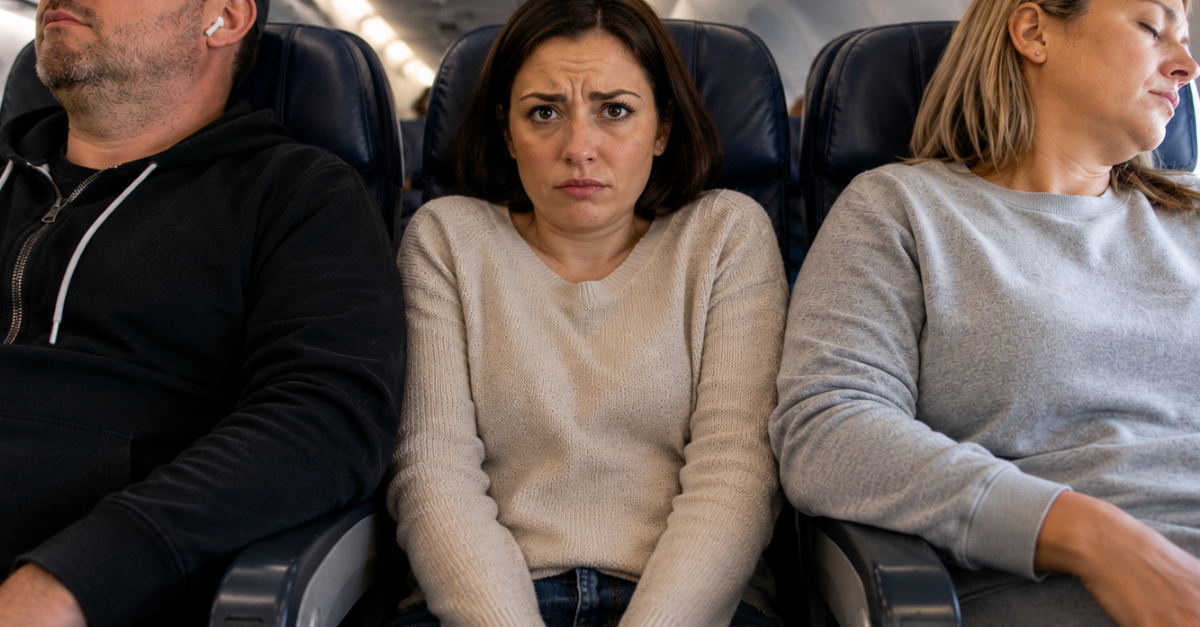
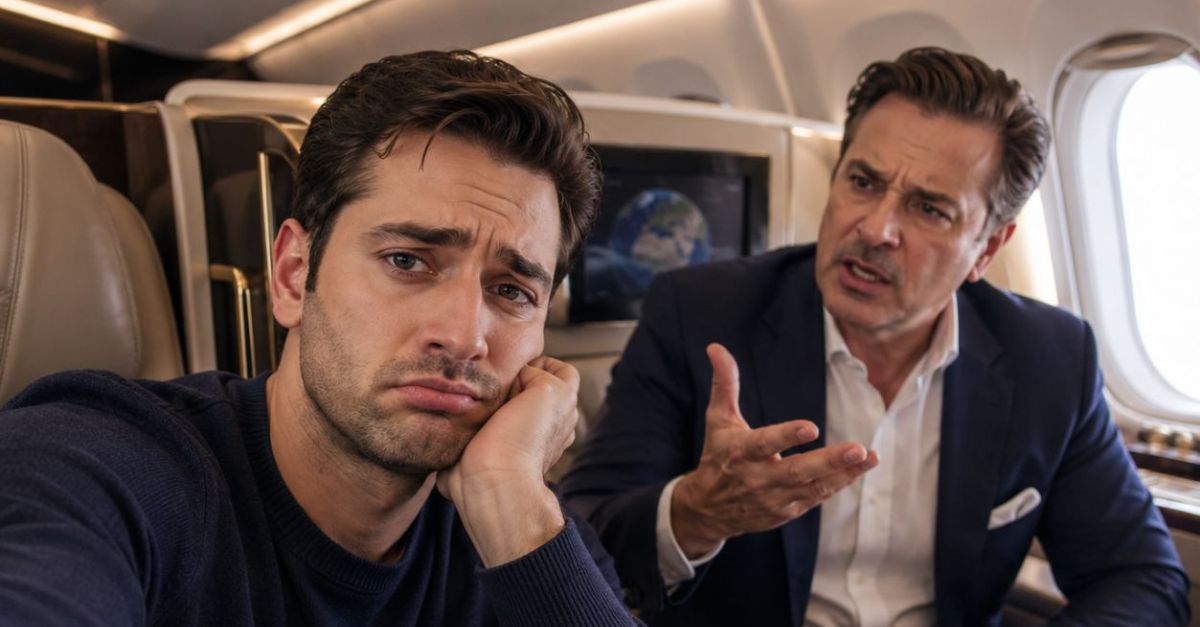
Luxury cabins, private terminals, and VIP airport services are getting more attention across the travel world, especially as travel gets more and more difficult. But this uncle probably isn't just doing it for the nice seats. The bigger question is whether premium travel is still mostly about comfort and convenience, or if the status that business class provides is a bigger piece of the pie.
Luxury Travel Is Growing Fast
The luxury travel market has been expanding for years. Grand View Research has described a global market worth hundreds of billions of dollars, with more growth expected in the years ahead. That does not mean every traveler wants champagne in the air, but it does show that high-end travel is no small niche.
Airlines Know Where The Money Is
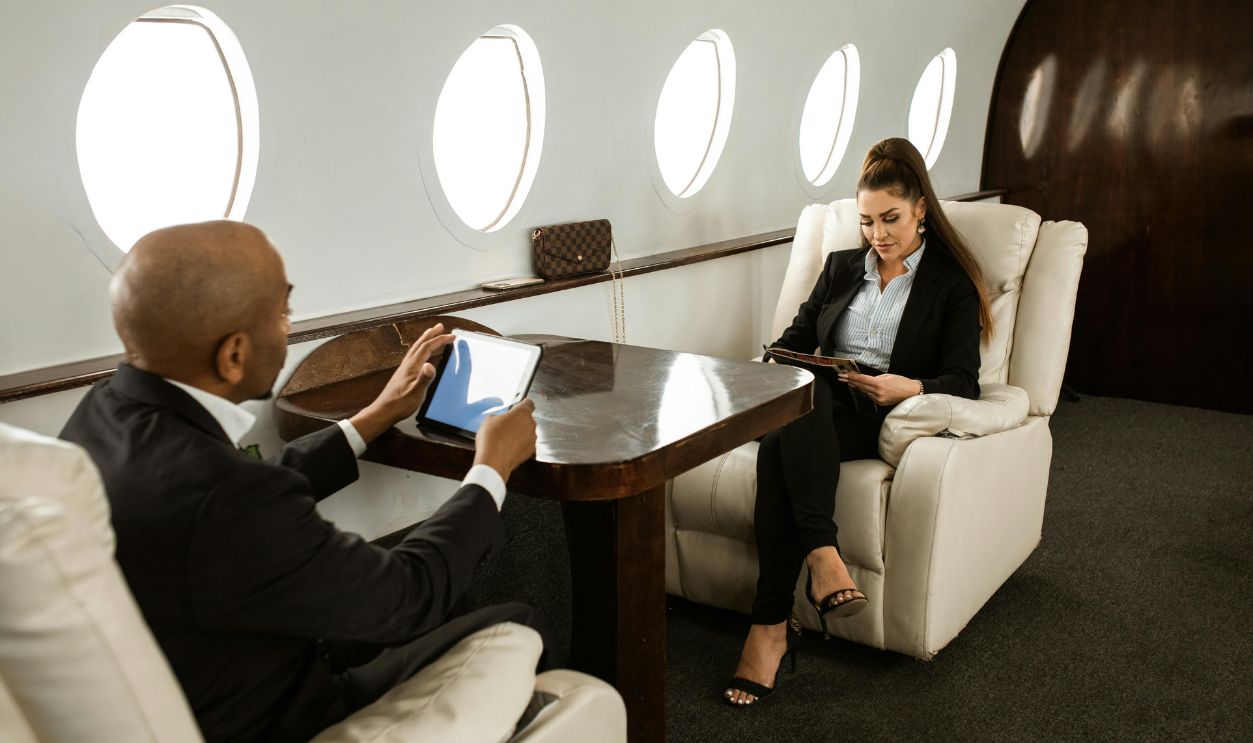
Airlines have been pretty clear about what is driving revenue. Delta said in 2024 that premium and loyalty revenue are now central to its strategy, and other big carriers have made similar moves by adding more premium seats and better lounges. When airlines keep redesigning cabins to fit more business class and premium economy seats, they are following demand they can see in hard numbers.

First Class Is Losing Ground To Business Class
On many international routes, traditional first class is shrinking while business class has become the star product. American Airlines, for example, announced plans to phase out long-haul international first class in favor of larger business class cabins. That shift says a lot. Travelers still want comfort and status, but they seem to prefer a version that feels a little more within reach.
 M Stocker, www.shutterstock.com
Social Media Put Travel On Display
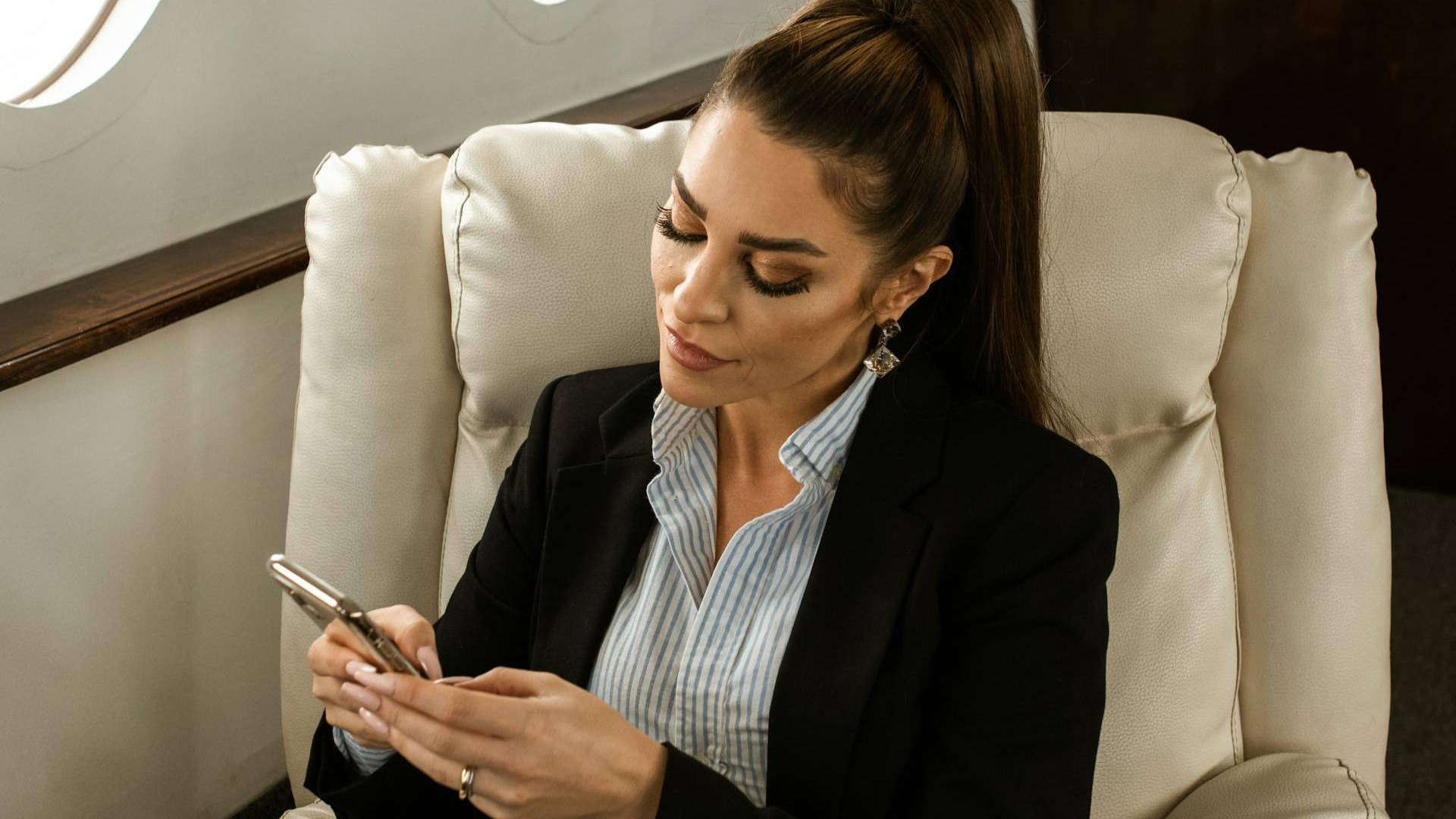
Travel used to be something people talked about after they got home. Now it is content while it is happening, complete with lounge selfies, lie-flat seat tours, and videos from seat 1A. Researchers and industry observers have noted that social media shapes travel goals, and luxury travel works especially well online because one image can signal exclusivity right away.
A Fancy Trip Does Not Always Mean Deep Pockets
There is one thing polished travel posts often leave out. People do not always pay full price for the premium experiences they show. Some use points, upgrades, credit card perks, or one-time splurges. A first-class boarding pass can suggest wealth, but it can also come from loyalty miles, good timing, or a lucky upgrade bid.
Why Premium Travel Is So Appealing
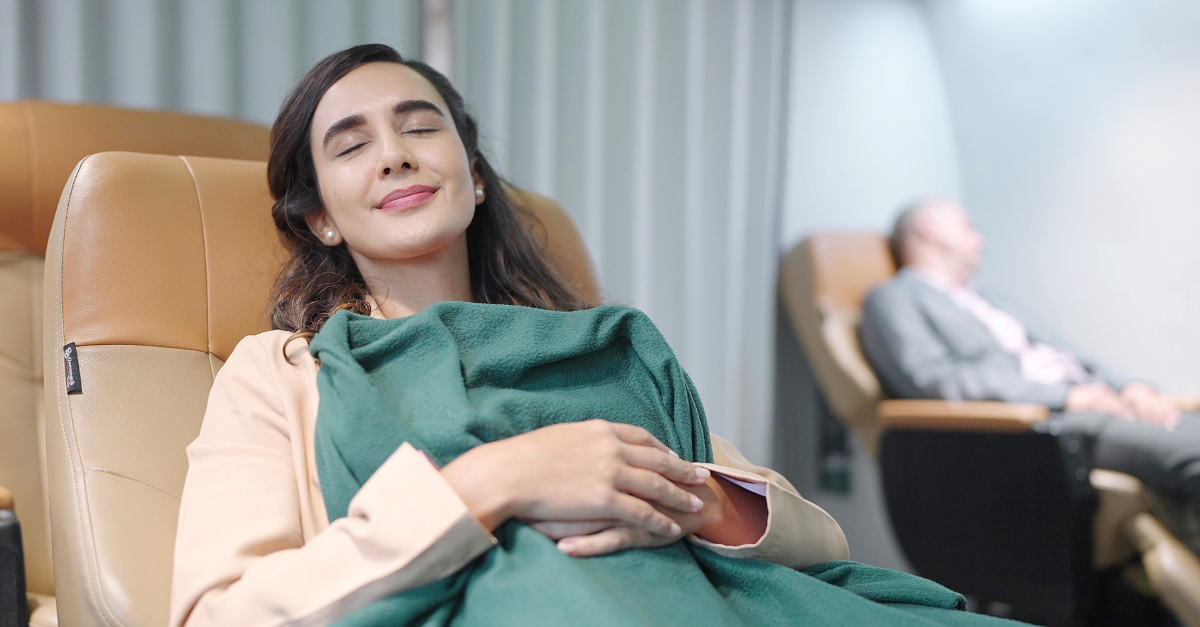
The appeal is easy to understand if you have ever dragged yourself through an airport while tired and cramped. Premium cabins offer more space, shorter lines, better food, and less stress, especially on long-haul flights. In that sense, luxury travel is not just for show. Some upgrades really do make the trip easier on your body and your nerves.
Long Flights Change The Math
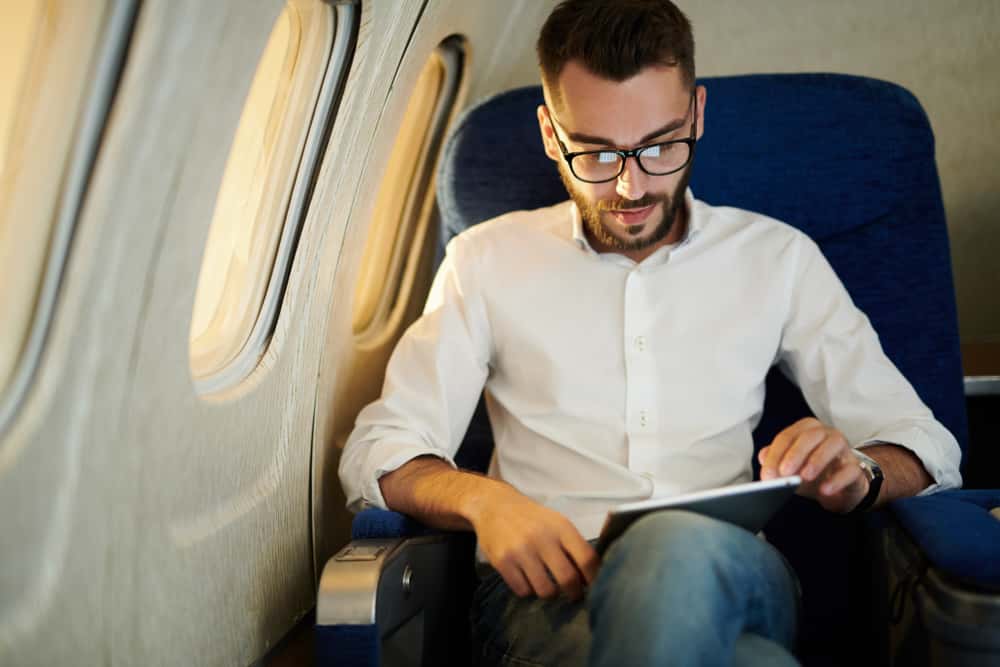
Trip length often decides whether an upgrade feels indulgent or practical. Paying more for a wider seat and a flat bed on a 13-hour overnight flight is very different from splurging on a 45-minute hop. That is one reason airlines have found a steady audience for premium long-haul products even when travelers stay price-conscious elsewhere.
Most Travelers Still Care About Price
If luxury travel were taking over completely, budget airlines and basic economy would be fading away. They are not. Airlines around the world still depend on price-sensitive travelers, and the staying power of low-cost carriers shows that huge numbers of people care more about affordability than prestige.
Travel Companies Sell Status In Layers
Modern travel companies are experts at selling upgrades in pieces. You can buy priority boarding without buying business class, lounge access without elite status, and extra legroom without paying for a full premium fare. That matters because status competition is no longer limited to the top tier. Travelers can now buy visible upgrades in smaller, more frequent steps.

Credit Cards Help Feed The Premium Dream
Premium travel credit cards have made lounges and elite-style perks feel much more accessible than they used to. American Express, Chase, Capital One, and airline co-branded cards have all helped turn a smoother airport experience into something people actively chase. When lounge lines start getting long, it is often a sign that exclusivity has gone mainstream.

Lounge Access Became A Badge Of Status
Airport lounges used to be a quieter part of travel. In recent years, they have become a visible prestige battle, with access rules tightening as crowds grew. American Express announced in 2023 that it would limit some Centurion Lounge guest access based on spending thresholds, a move that showed just how popular premium perks had become.

Quiet Luxury Reached The Airport
Not every status symbol has to be loud. In travel, quiet luxury can mean private transfers, boutique hotels, business-class suites with doors, and smooth service that does not scream for attention. The goal is still distinction, even if the look is more polished than flashy.
Sometimes It Really Is About Ease
It would be too simple to say every premium booking is about showing off. Families with kids, older travelers, business travelers on tight schedules, and people with medical or accessibility needs may value shorter lines and more comfortable seating for practical reasons. Luxury can be conspicuous, but it can also be genuinely useful.

Bleisure Helped Blur The Old Rules
The rise of blended business and leisure travel has made premium experiences easier to justify. If someone is already taking a work-related long-haul flight, adding a few vacation days or using points for an upgrade can feel less extravagant than planning a fully luxury trip from scratch. That trend has helped premium habits spill into trips that once would have been purely practical.
Revenge Travel Gave Premium Spending A Boost
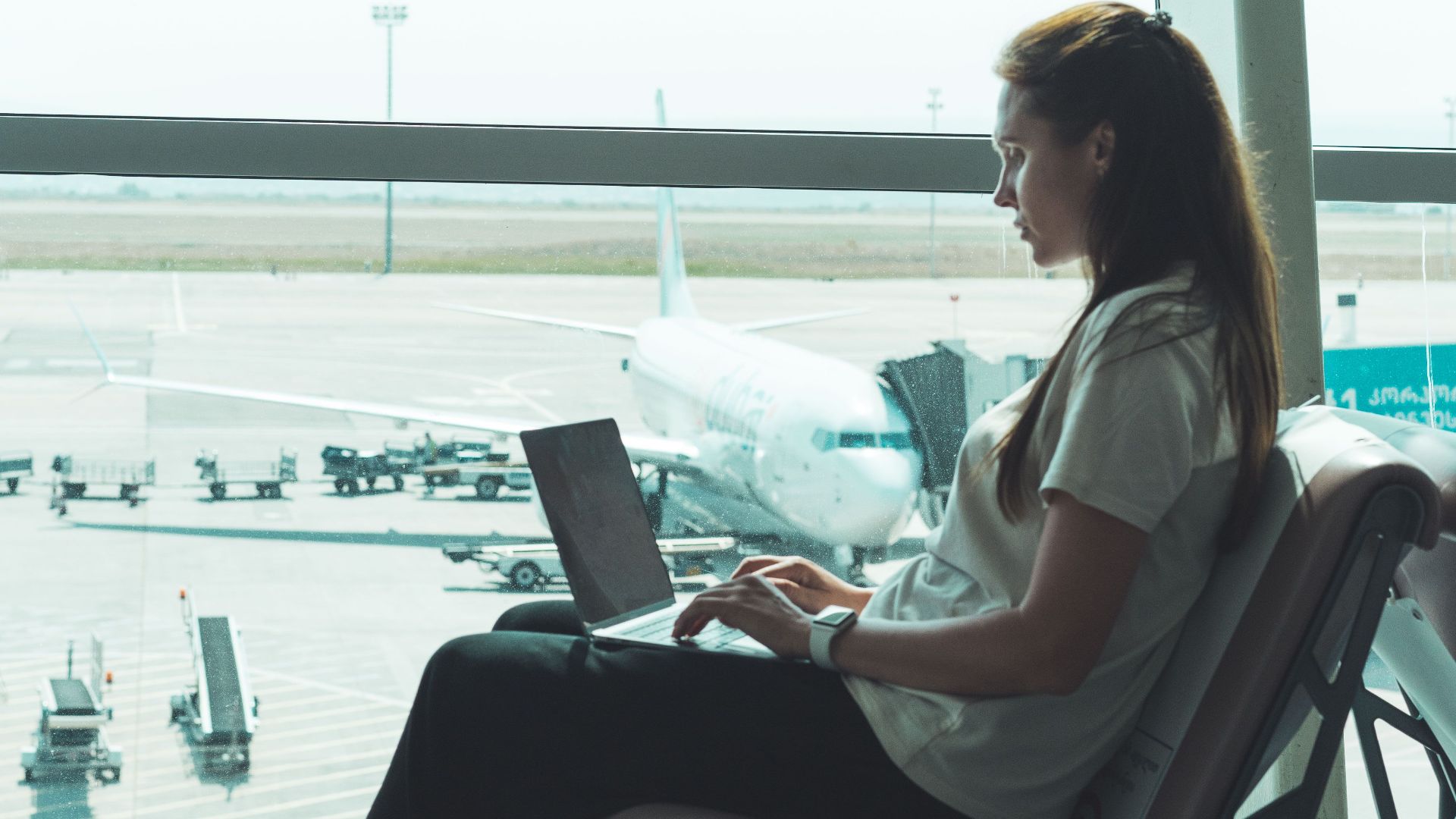
After travel collapsed in 2020, many consumers came back ready to spend on memorable trips. Industry reports in 2022 and 2023 often pointed to “revenge travel” and a greater willingness to pay more for comfort and special experiences after years of disruption. That post-pandemic mood gave premium travel both emotional and economic momentum.
Hotels Joined The Race Too
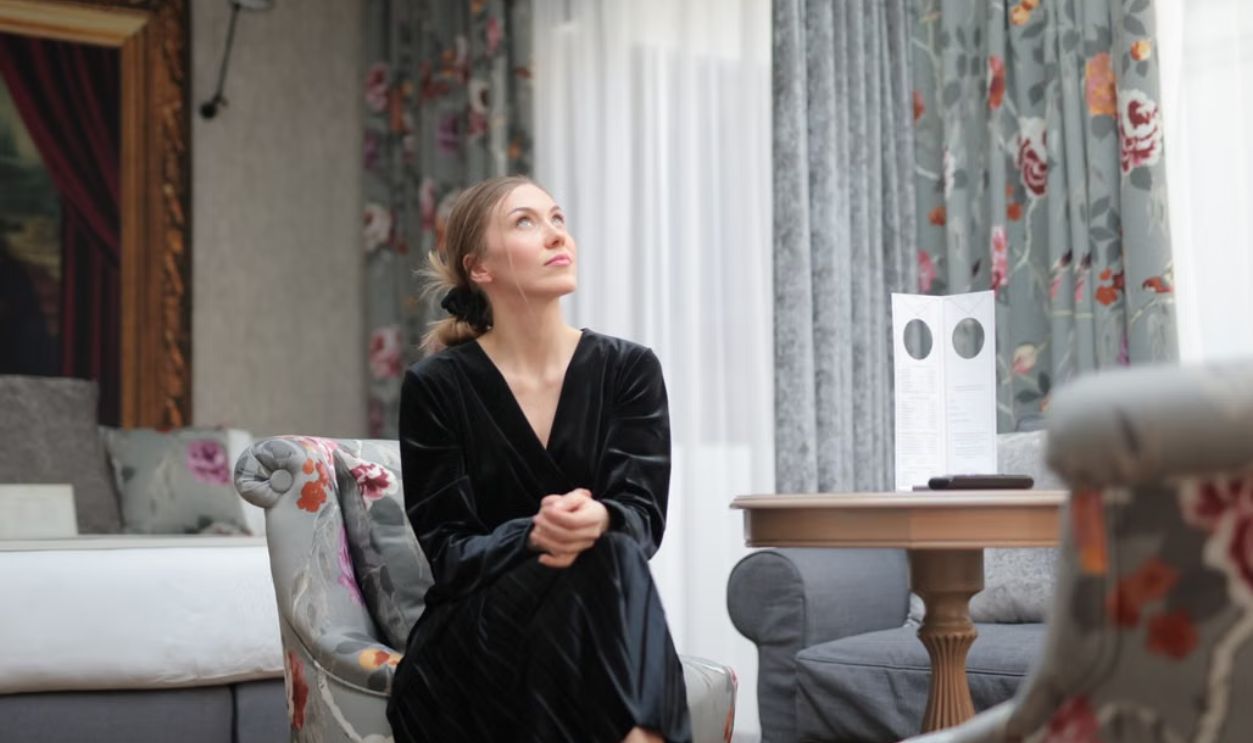
This is not just about airplane seats. Luxury hotels, all-inclusive resorts, and villa stays are often marketed as part vacation and part personal brand, with curated design, private experiences, and social-media-ready views. The result is a travel culture where the room, the robe, and the rooftop pool all become part of the image people present.
The Ultra-Rich Play A Different Game
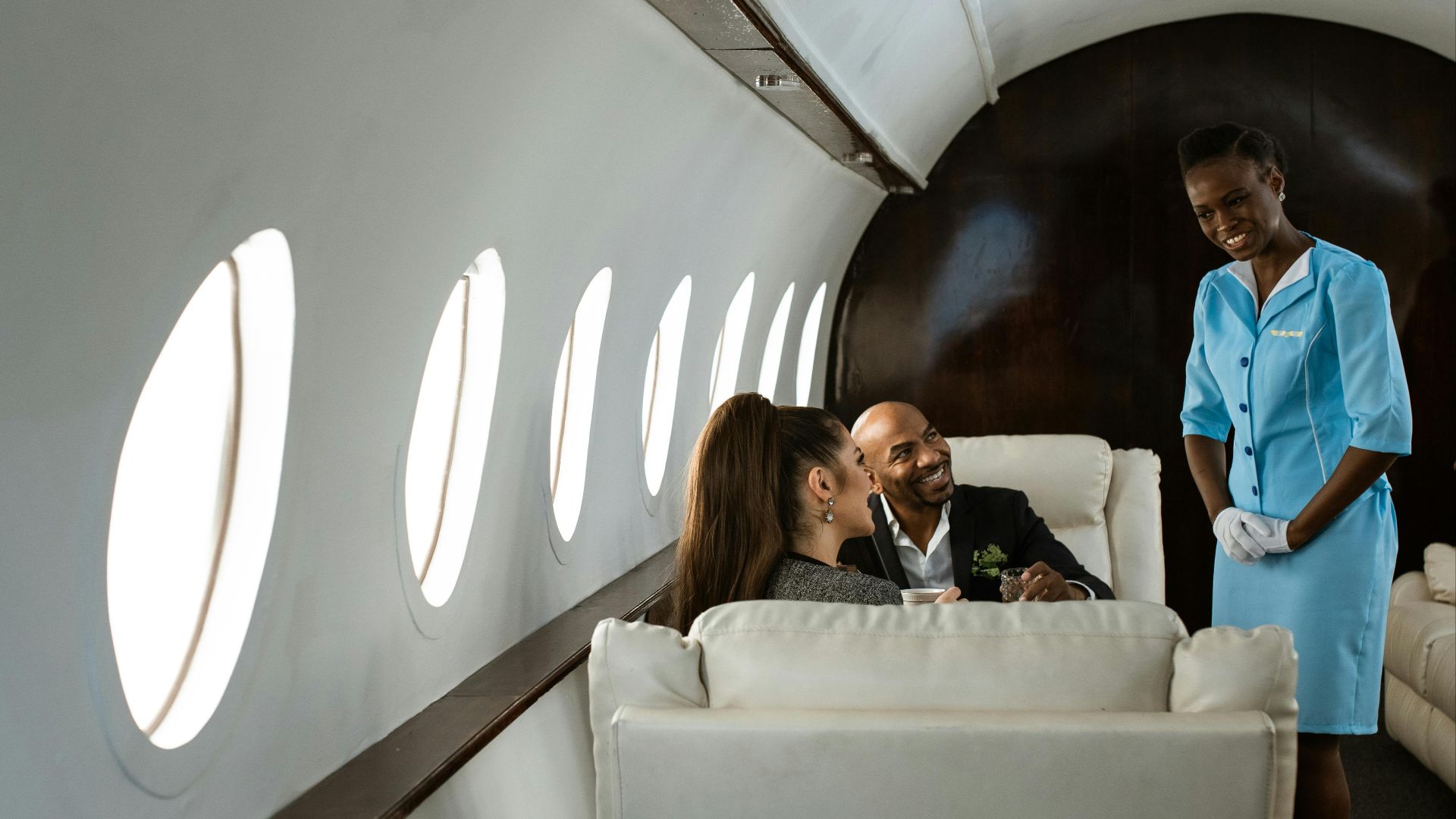
Private aviation and custom travel services sit in a very different tier from commercial first class. Companies in the private jet market have reported strong demand in the years after the pandemic, showing that the very top end of travel is still thriving. That world has always been tied to status, but its growing visibility has helped push luxury expectations downward.
Experience Now Matters More Than Ever
Travel advisors and luxury specialists often describe a shift away from buying things and toward buying memorable experiences. That does not mean status goes away, because exclusive experiences can be powerful status markers too. But it does help explain why some affluent travelers are spending more on privacy, access, and personalization than on obvious extravagance.

There Is A Risk In Chasing The Look
This is where premium travel can get expensive fast. Personal finance experts have long warned against stretching budgets for lifestyle signaling, and travel is one of the easiest things to romanticize because the payoff feels immediate. A premium trip paid for with debt can leave behind a much uglier souvenir than the photos suggest.

Comparison Culture Warps The Picture
One hidden cost of status-driven travel is psychological. Constant exposure to curated luxury trips can make a normal vacation feel small, even when it is meaningful, restful, and within budget. That is not an airline innovation, but it may be one of the strongest forces pushing people toward upgrades they do not really need.

Not Every Upgrade Is Performative
Sometimes spending more really does buy peace. A direct flight instead of a stressful connection, a safe and central hotel, or an extra night to avoid a red-eye can improve a trip in ways that have nothing to do with anyone else’s opinion. Often, the smartest luxury purchases are the least flashy ones.
Value Depends On The Traveler
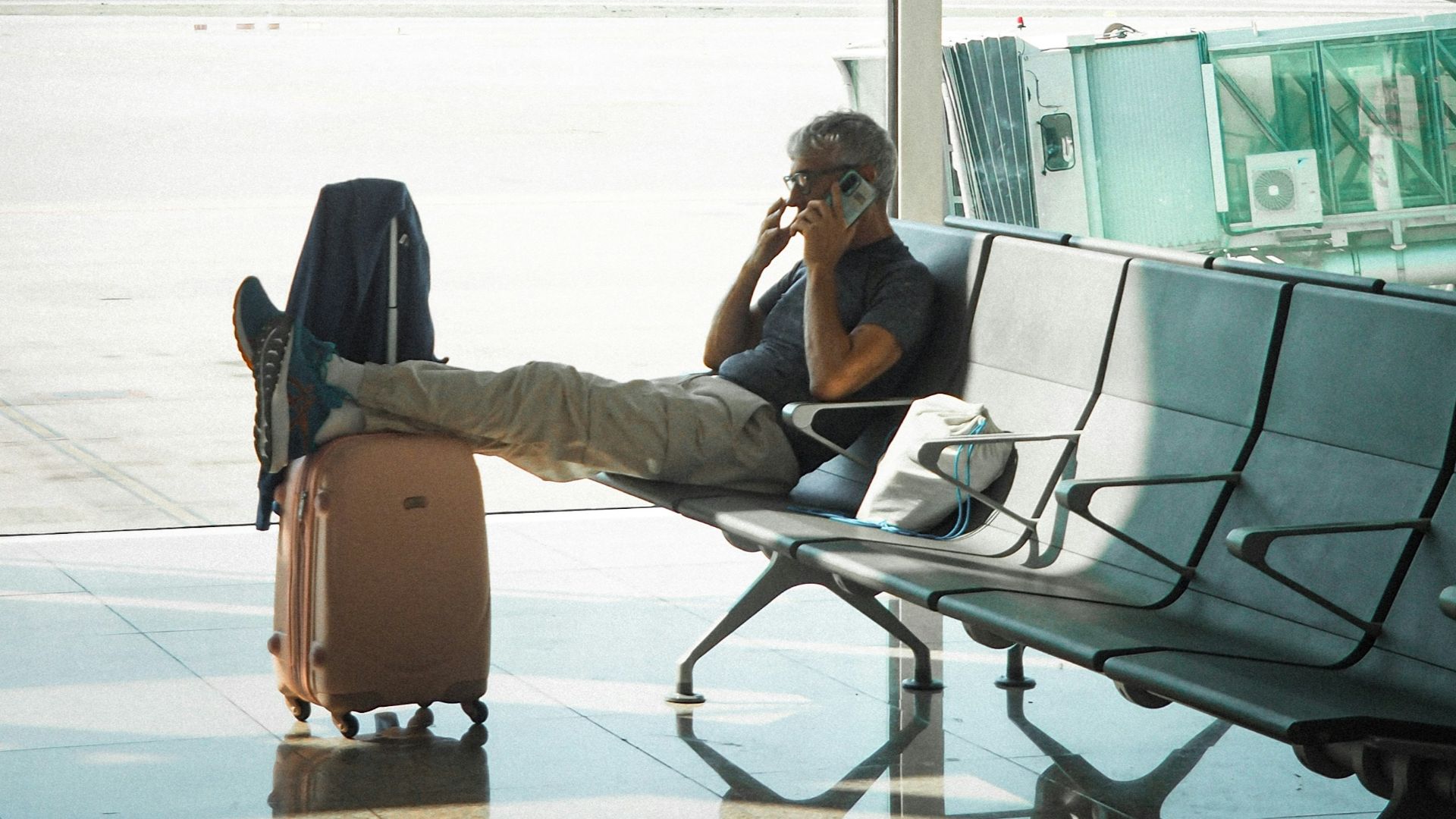
A tall traveler may get far more from extra legroom than someone shorter. A couple on a honeymoon may cherish one business-class splurge more than a frequent flyer who barely notices it. The value of premium travel is personal, which is why blanket rules about never flying economy usually fall apart in real life.
A Simple Way To Tell What Matters
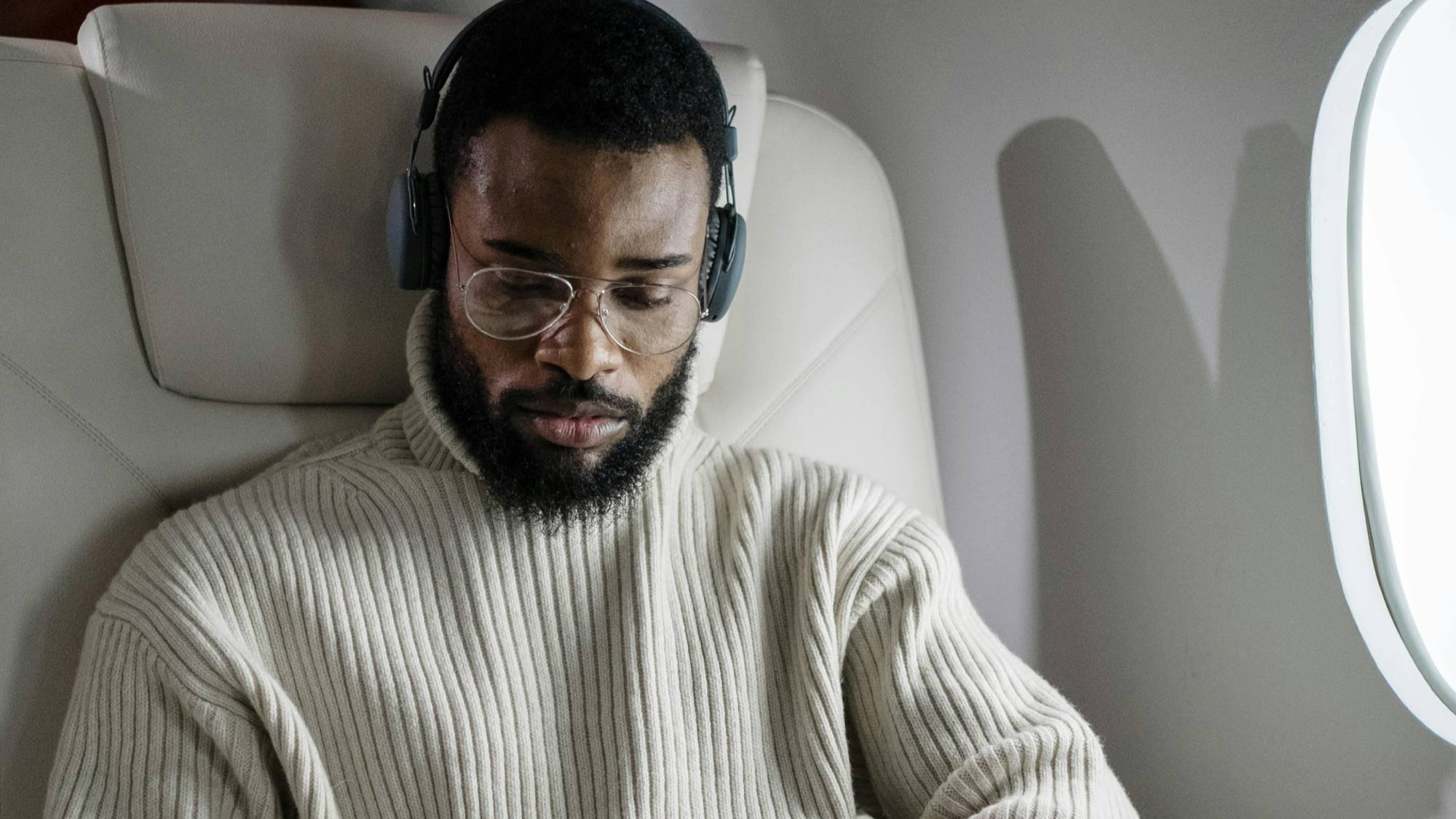
There is an easy test before paying for an upgrade. If nobody ever saw the seat, the lounge, or the hotel online, would it still feel worth the money? That question cuts through the hype fast. It separates comfort and convenience from pure performance better than any glossy ad can.

So Is Luxury Travel Becoming A Status Contest
In many parts of the market, yes. Social media, premium credit cards, loyalty programs, and aggressive upselling have made visible travel hierarchy more central than it used to be. But the full picture is messier, because many travelers are also paying for real comfort, time savings, and convenience, not applause.
The Real Answer Is Less Glamorous
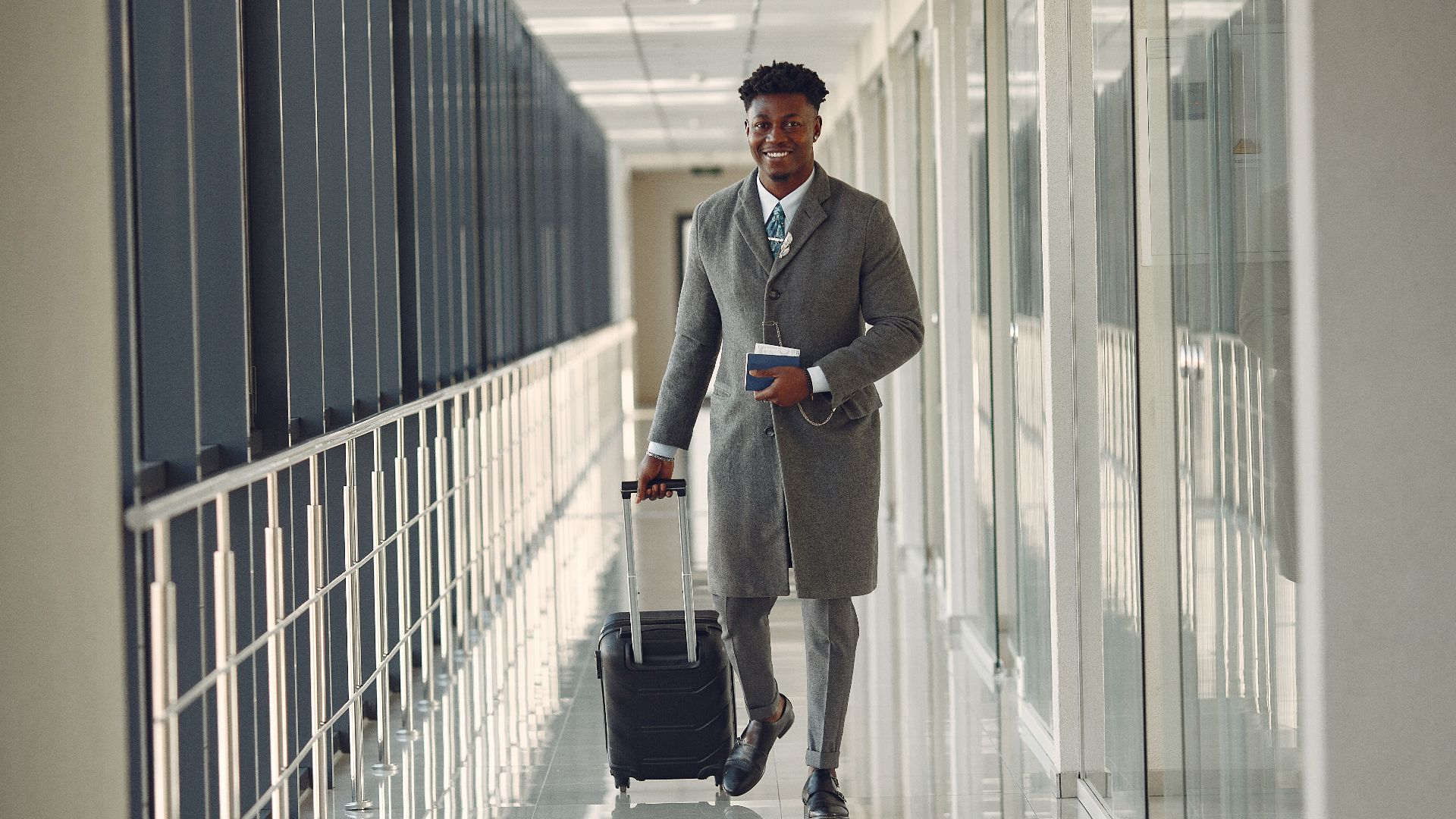
Travel culture has become more status-conscious, especially now that premium experiences are easier to show off and easier to buy in pieces. But saying people should fly first class or stay home turns a personal preference into a silly rule. The better standard is much simpler: travel in the way that fits your body, your priorities, and your budget.