
The Balcony That Isn’t
You book a hotel room with a balcony and picture coffee in the morning air. Then you get there and find the door is permanently locked. At that point, it feels less like an amenity and more like set dressing. The question is pretty simple: if you cannot step outside, is it really a balcony at all?
 Samara Hammer, Pexels, Modified
Why This Bugs People So Much
A balcony is not just a design detail. Hotels often sell it as a premium feature tied to the view, fresh air, privacy, and a more relaxed stay. When access is blocked, guests can reasonably feel like they did not get what they paid for.

What A Balcony Amenity Usually Means
In normal travel language, a balcony means outdoor space you can actually use. Hotel booking pages reinforce that by separating standard rooms from balcony or terrace rooms. If the door is locked and the space is off-limits, many guests will see that amenity as missing, no matter what the room category says.
Hotels Do Lock Them Sometimes
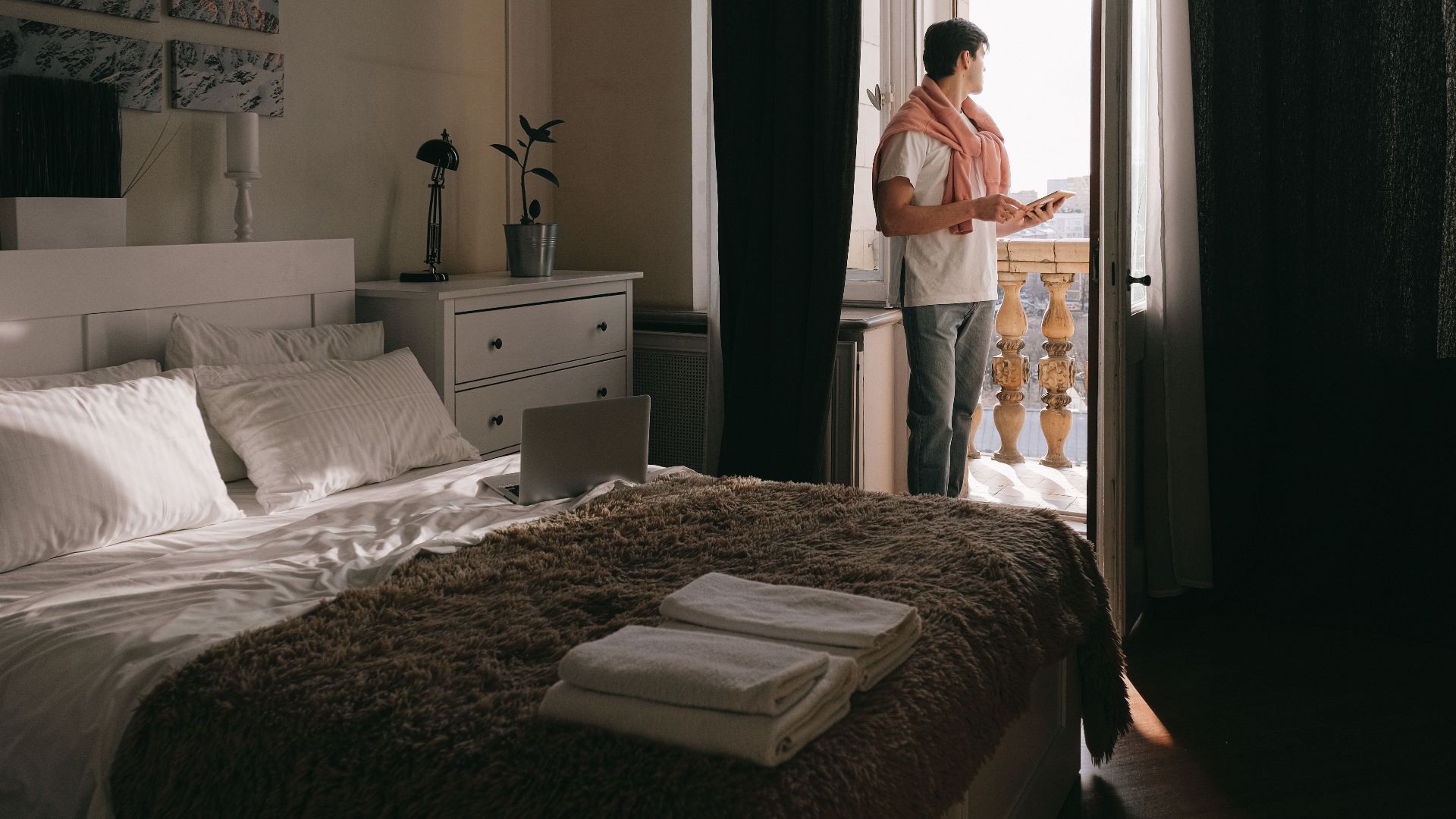
There are real reasons a hotel might block balcony access. Safety problems, building issues, weather damage, maintenance work, and local code rules can all lead to closures. The main issue is not whether a hotel can lock a balcony. It is whether the hotel clearly disclosed that before check-in.

Balcony Safety Has Been A Real Concern
One of the clearest examples came in June 2015, when a balcony collapsed at the Library Gardens apartment complex in Berkeley, California. Six people were killed and seven were injured during a birthday gathering. The tragedy drew national attention to balcony safety and inspections, and investigators later focused on wood rot tied to moisture getting into the structure.

What Changed In California After 2015
California lawmakers responded with Senate Bill 721, signed in 2018. It created inspection rules for certain exterior elevated features, including balconies and decks, at apartment buildings with three or more units. Hotels are not the same as apartment buildings, but the law shows how seriously states now take balcony risks. That helps explain why some properties are cautious.
 Carlos Javier Yuste Jiménez, Unsplash
Florida Tightened Building Rules Too
Florida also moved toward stricter inspection rules after broader building safety concerns. Senate Bill 4-D, passed in 2022, added milestone inspections and structural reserve requirements for certain condominium buildings. It is not a hotel-specific law, but it reflects the same bigger picture: sometimes inaccessible balconies are about risk control, not random hotel policy.

The ADA Adds Another Layer
Accessibility law matters here too. The Americans with Disabilities Act sets expectations around equal access and accurate lodging information. If a room is marketed with features that help a guest decide to book, hotels need to make sure those descriptions are accurate and not misleading.

What Federal Regulators Say About Hotel Claims
The Federal Trade Commission has long banned deceptive advertising. In December 2024, it announced a final rule aimed at unfair or deceptive fees in live-event ticketing and short-term lodging. That rule focused on price transparency, but the broader idea still applies here. If a hotel highlights a room feature that guests cannot actually use, people have a strong common-sense argument that the listing was misleading.

The Booking Page Is Your Best Proof
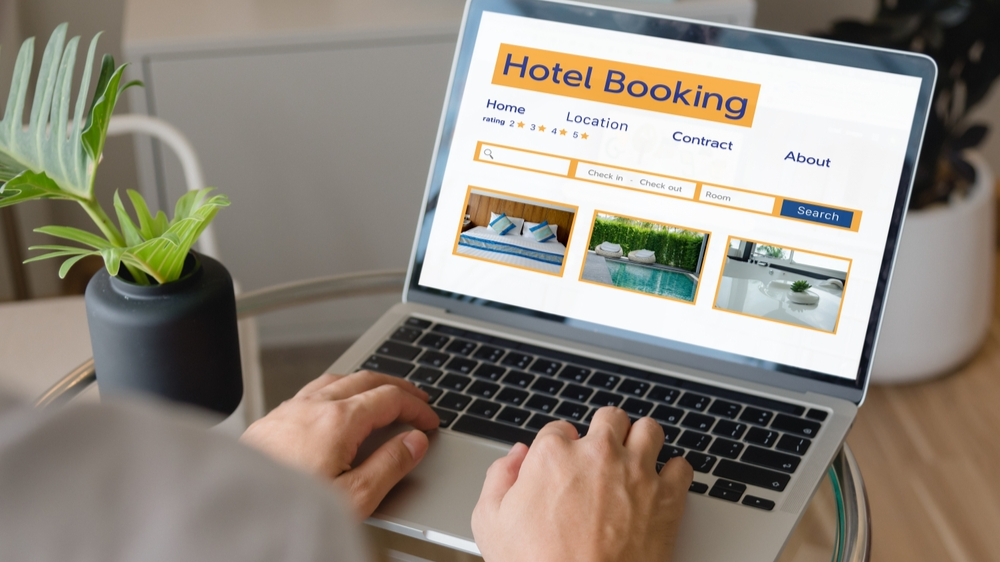
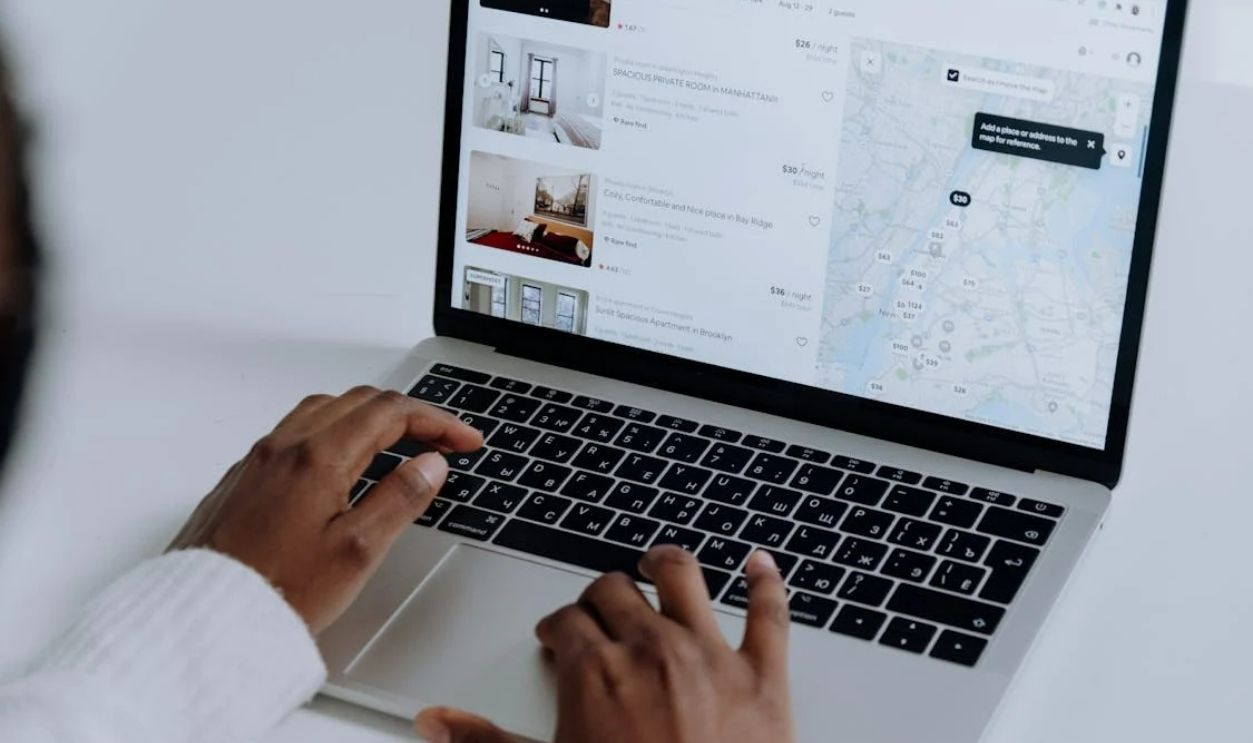
If this happens, save screenshots of the room listing right away. Capture the room name, photos, amenity list, and any mention of balcony access. If the page just says balcony and says nothing about a closure, that can become your strongest leverage at the front desk or later with customer service.
Photos Matter More Than You Think
Take a clear photo of the locked door, any warning notice, and the balcony behind the glass. If there is a latch cover, screw, seal, or sign saying no access, document that too. It turns a vague complaint into clear proof that what was sold does not match what was delivered.

Ask The Front Desk One Direct Question
Keep it simple and polite: was this room sold as having a balcony, and did the hotel know it was inaccessible before arrival? That gets right to the point. If the answer is yes, ask for a room change or a rate adjustment on the spot.

When A Room Change Is The Best Fix
If the hotel has another room in the same category with a usable balcony, moving rooms is often the easiest fix. You get the stay you thought you booked, and everyone avoids a longer dispute. If no available room matches what was promised, asking for compensation makes more sense.

What Kind Of Compensation Makes Sense
The right remedy depends on how much the balcony mattered to the booking and whether the hotel charged extra for it. A partial refund, resort credit, waived parking, free breakfast, or loyalty points could all be reasonable. If the inaccessible balcony was the main difference between room types, a price drop to the lower category is a fair ask.

Why Intent Matters Less Than Disclosure
A hotel does not need bad intent for a guest complaint to be valid. A balcony may be locked for a very good safety reason, and the staff may fully agree with that call. But if the closure was known and not disclosed before check-in, the guest still has a strong fairness argument.

Third-Party Booking Can Get Messy
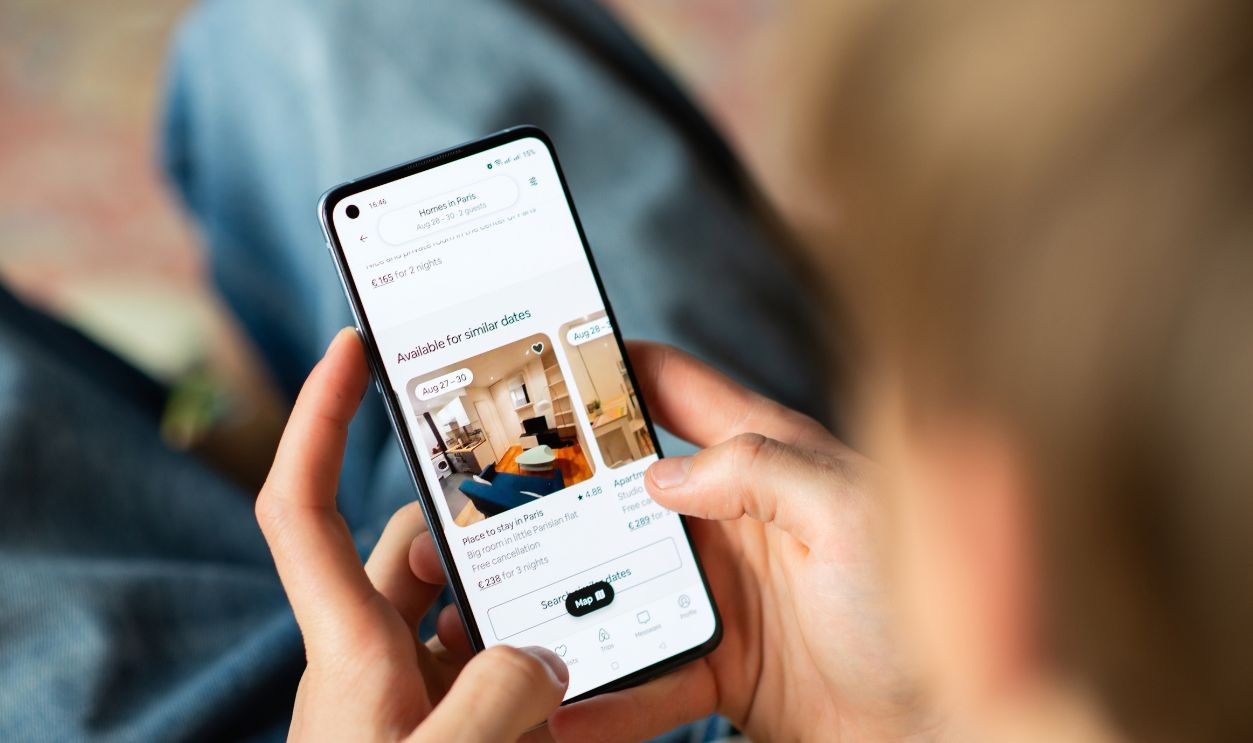
If you booked through an online travel agency, the hotel may send you back to the platform. The platform may then say the hotel controls the amenity details. That back-and-forth is exactly why screenshots, confirmation emails, and room category names matter so much.
Credit Card Disputes Should Not Be The First Step
It is usually smarter to ask the hotel to fix the problem before going to your card issuer. A chargeback can take time, and it may not be the best fit if the problem is a partial mismatch rather than a total failure to provide the room. But if the property refuses to address a clearly misrepresented feature, a dispute may become an option.

Read The Fine Print Before You Go
Some hotel websites include general language saying amenities may be unavailable because of maintenance or safety issues. That does not automatically excuse a specific, undisclosed closure, but it can affect the dispute. If the hotel clearly disclosed the issue before payment, your leverage is weaker.
Balcony, Terrace, Juliet Balcony, Or Just A View
Wording matters. A terrace usually suggests outdoor space you can use, while a Juliet balcony may be little more than a railing outside a full-height door. If a listing uses balcony language loosely, ask before booking, especially if outdoor space is a big reason you want the room.

Why This Matters Even More At Beach And City Hotels
At oceanfront resorts, lake lodges, and skyline hotels, the balcony is often a big part of the pitch. It is not some small bonus. In those places, a locked balcony can feel like a major part of the stay has been cut off.

Travelers Have Seen This Kind Of Amenity Gap Before
Balcony disputes fit a familiar travel pattern. Pools close without warning, rooftop bars are booked for private events, and spas go under renovation during busy season. The difference is that a balcony is often built into the room category itself, which makes the mismatch feel more direct and more personal.

Most Guests Use A Simple Standard
Travelers usually judge room features by whether they work, not whether they technically exist. A tub with no hot water does not really count as a tub experience. By the same logic, a balcony you can see but cannot step onto is not functioning as the amenity most people think they booked.

Consumer Expectations Are Pretty Clear
Basic advertising standards often come down to what a reasonable person would understand from a claim. A reasonable guest reading balcony room expects to be able to walk onto the balcony. If that is not possible, the clearest solution is to say so before the booking is made.

How To Raise The Issue Without Starting A Fight
Stick to the facts. Say the room was sold with a balcony, the balcony is inaccessible, and you would like either a comparable room or a price adjustment. Front desk staff often have more power to help than guests think, especially when the evidence is clear and the request is reasonable.
When To Escalate Beyond The Front Desk
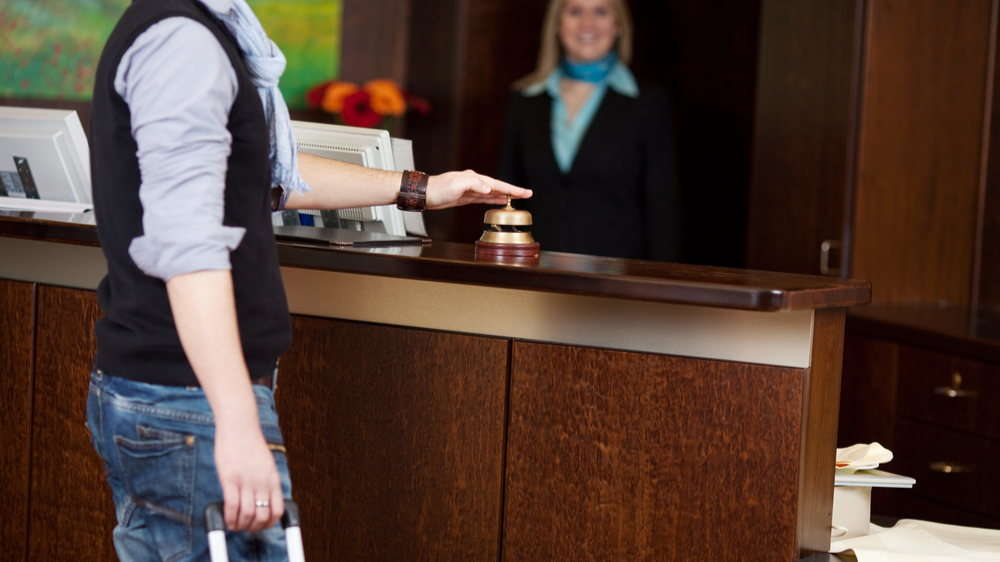
If the first conversation goes nowhere, ask for the manager on duty and follow up in writing that same day. Include your booking details, photos, and screenshots. A short, clear email creates a record and often gets better results with guest relations after the stay.

How To Protect Yourself Next Time
If a balcony is essential to your trip, call the hotel directly before arrival and ask one plain question: is the balcony in this exact room category currently open for guest use? Ask the agent to note the answer on your reservation or send it by email. It takes a minute or two and can save you a frustrating surprise.

So Is A Locked Balcony Still An Amenity
By common-sense travel standards, not really. It may still be part of the building, but if you cannot use it, most of the amenity value is gone. The fairest standard is simple: if access is blocked, hotels should say so clearly before they sell the room.