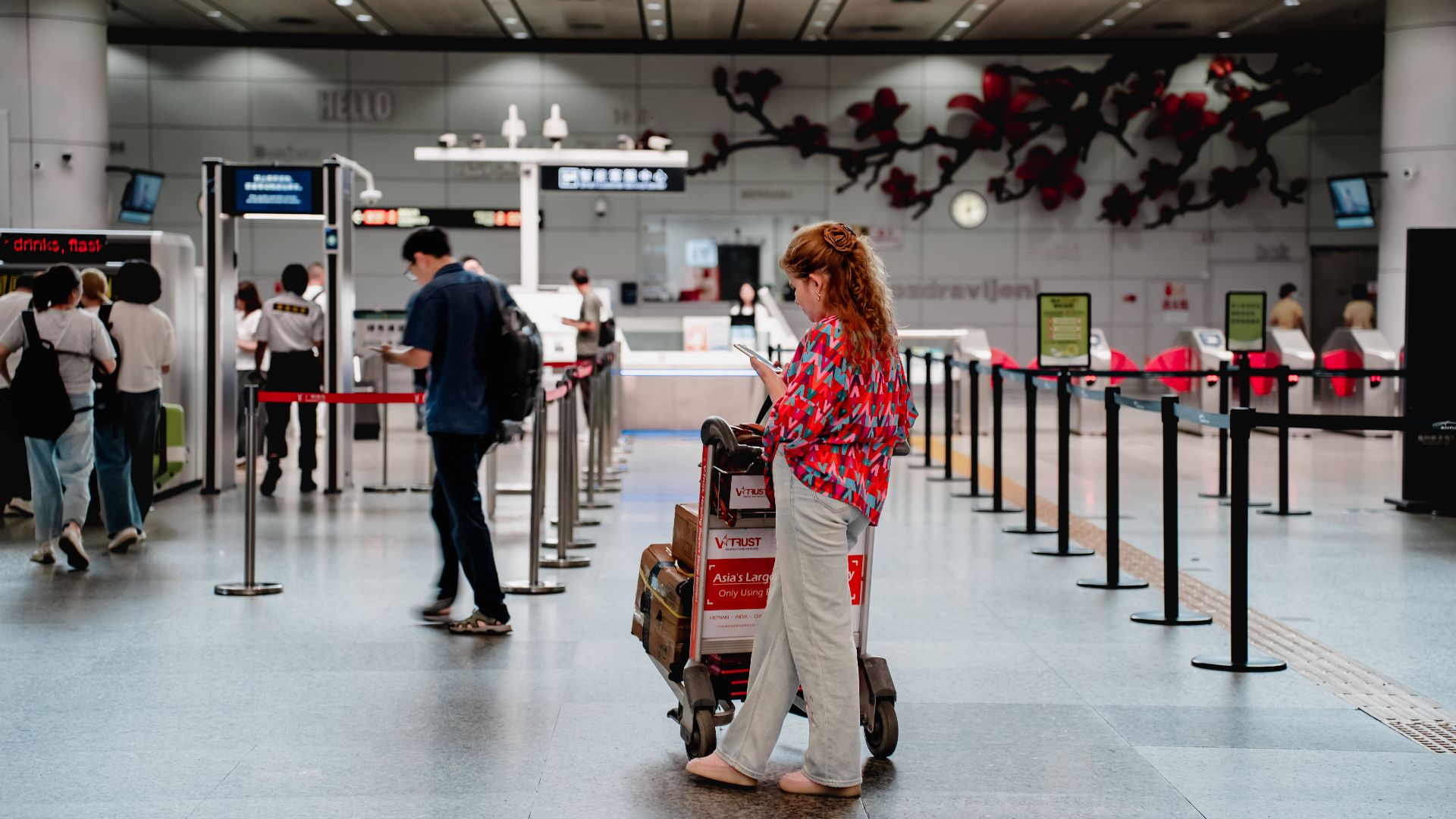
When a “No Second Personal Item” Rule Meets Real Life
Few airport arguments turn tense this fast. A gate agent says your backpack and purse already hit the limit, but the “extra” bag holds medical equipment you need. The good news is that U.S. rules do make room for important exceptions, and those protections are stronger than many travelers think.
 Krakenimages.com, Shutterstock
The Short Answer Travelers Need
In the United States, airlines usually must allow assistive devices and some medical supplies in the cabin on top of the normal carry-on and personal item limit. That protection comes from the Air Carrier Access Act, enforced by the U.S. Department of Transportation. In plain English, medically necessary equipment often is not supposed to be treated like just another bag.

The Main Federal Rule Behind the Exception
The key law is the Air Carrier Access Act, which bans disability-based discrimination in air travel. The Department of Transportation put that law into effect through rules in 14 CFR Part 382. Those rules cover how airlines must handle assistive devices, including mobility aids and other equipment a passenger needs because of a disability.
 Alex Steffler (alex-s), Wikimedia Commons
What the Department of Transportation Says
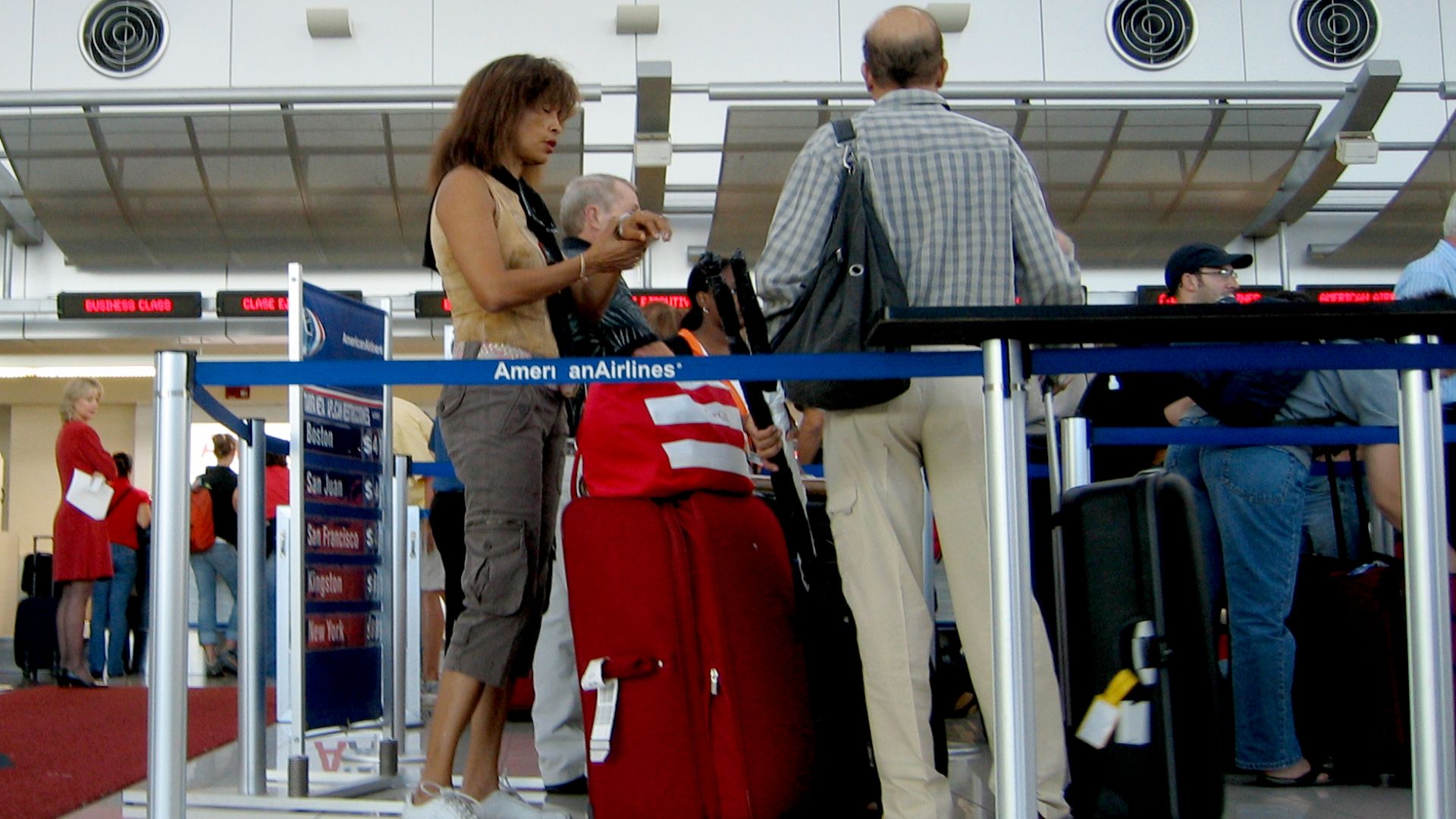
DOT guidance makes one point especially clear: assistive devices do not count toward carry-on baggage limits. The agency also says airlines must allow these devices in the cabin when safety rules permit, and they cannot charge extra for them.
What Counts as an Assistive Device
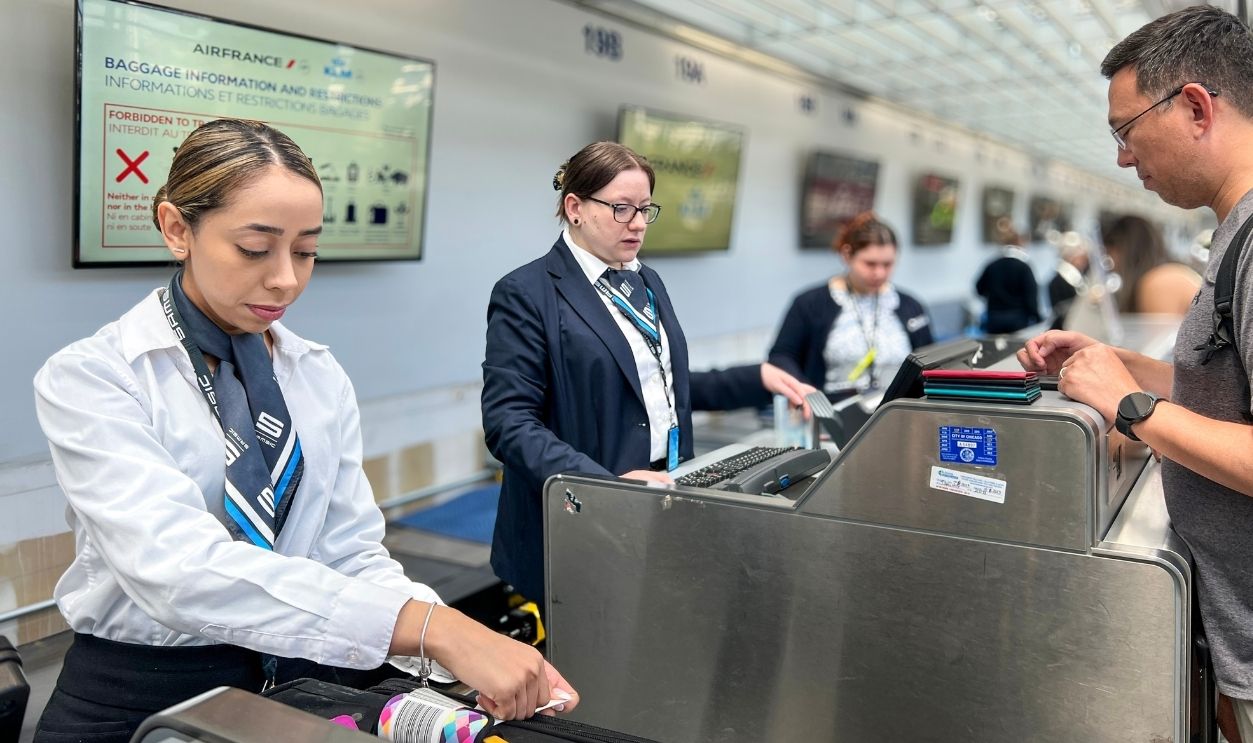
This is where the details matter. DOT guidance says assistive devices can include items used by passengers with disabilities, such as walkers, canes, crutches, CPAP machines, and other devices needed for access or medical support. If the item helps a passenger manage a disability, it may be protected in a way that ordinary bags are not.
 Grendelkhan, Wikimedia Commons
Why This Mix-Up Keeps Happening
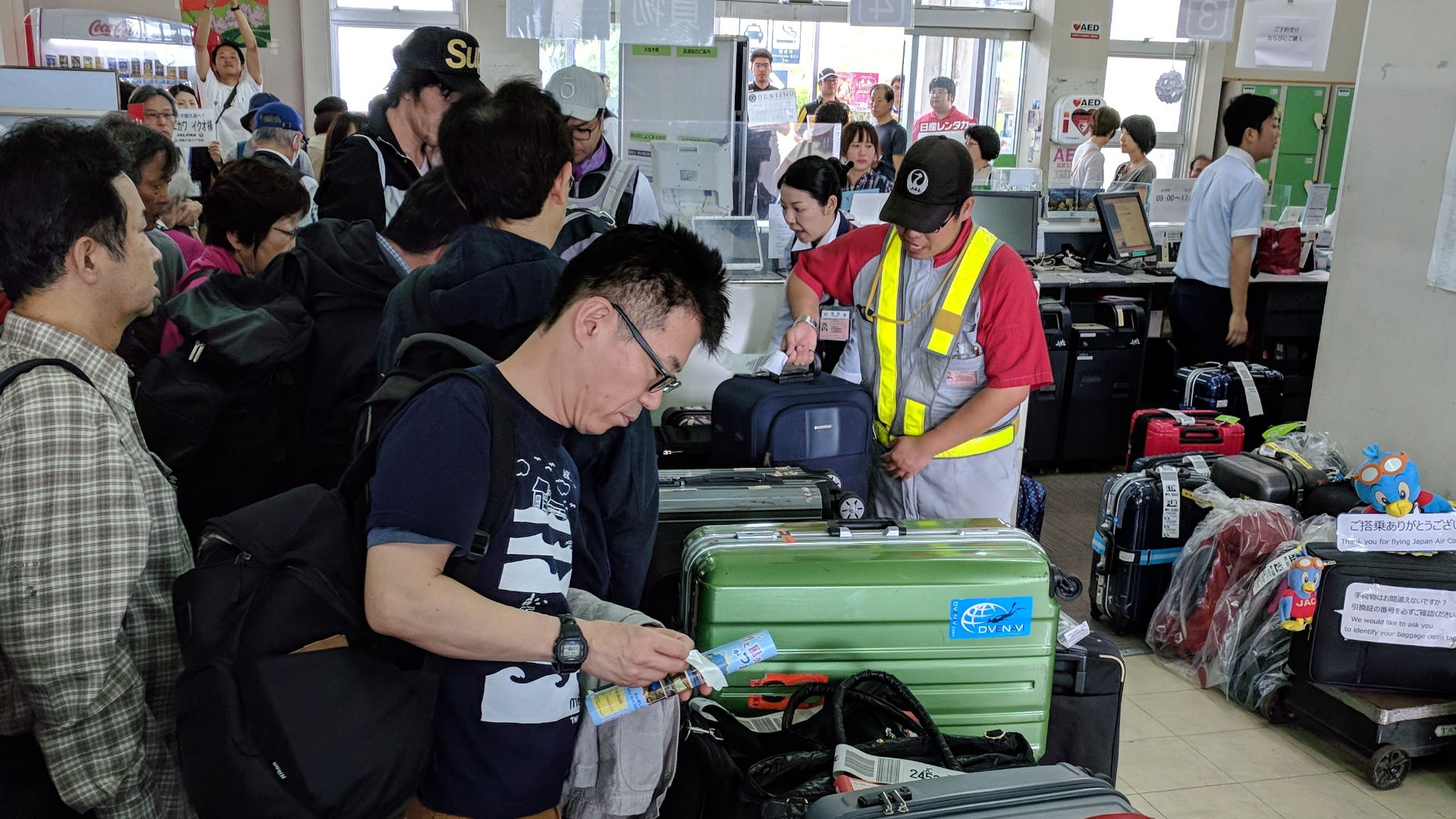
Airlines post strict baggage rules because overhead bin space is limited and boarding moves quickly. But frontline staff may not instantly know whether a CPAP, portable oxygen concentrator, breast pump, medication cooler, or other health-related item qualifies for an exception. That gap between the written rule and the gate-side call is where many travel problems start.

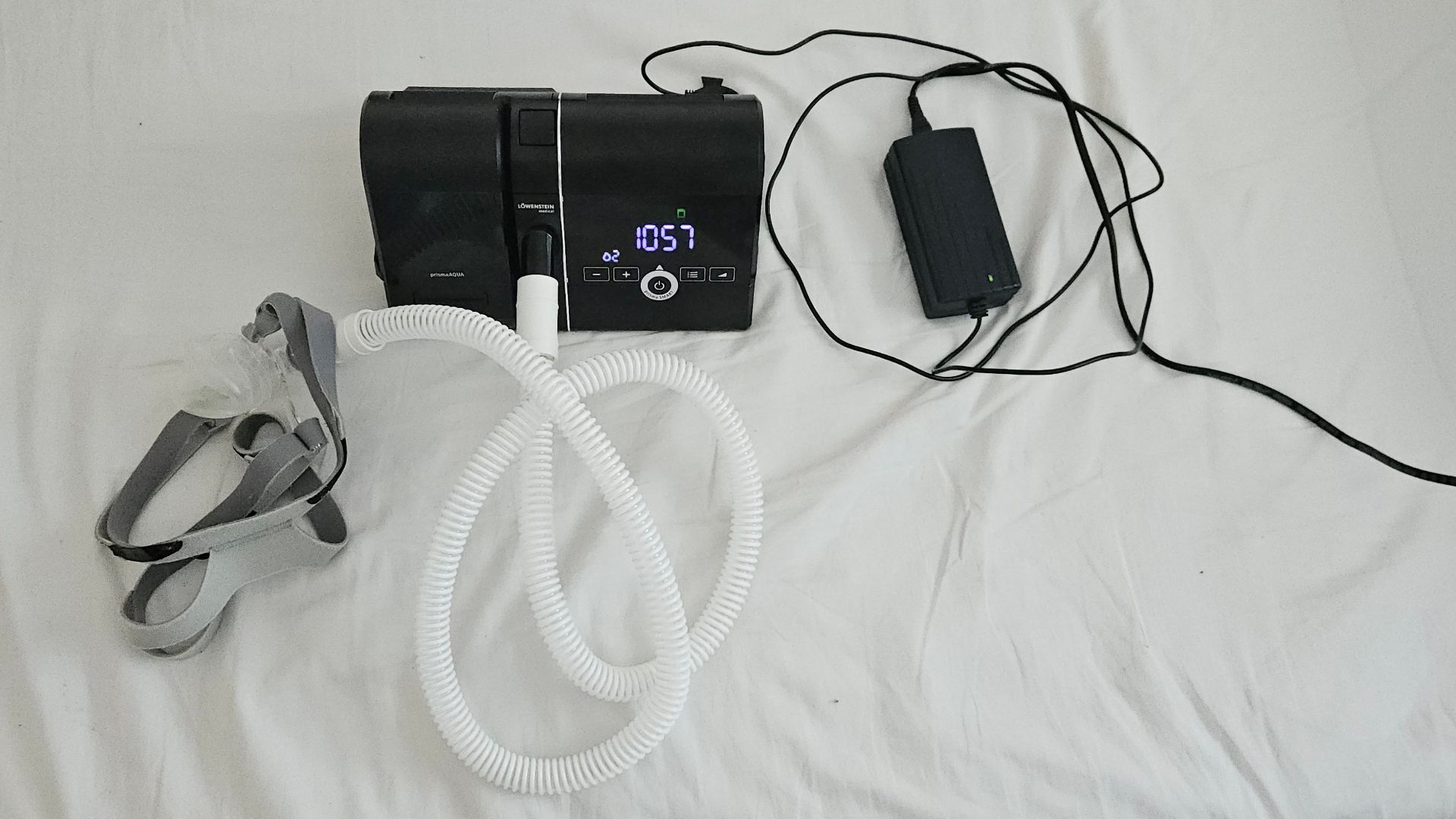
CPAP Machines Often Fit the Exception Clearly
CPAP users run into this issue all the time, and federal guidance is generally on their side. The Transportation Security Administration says a CPAP may be taken through screening and is generally treated as a medically necessary item. Airline and consumer guidance often reflects that it should not count against the usual carry-on limit when it is being carried for its medical use.
Portable Oxygen Concentrators Matter Even More
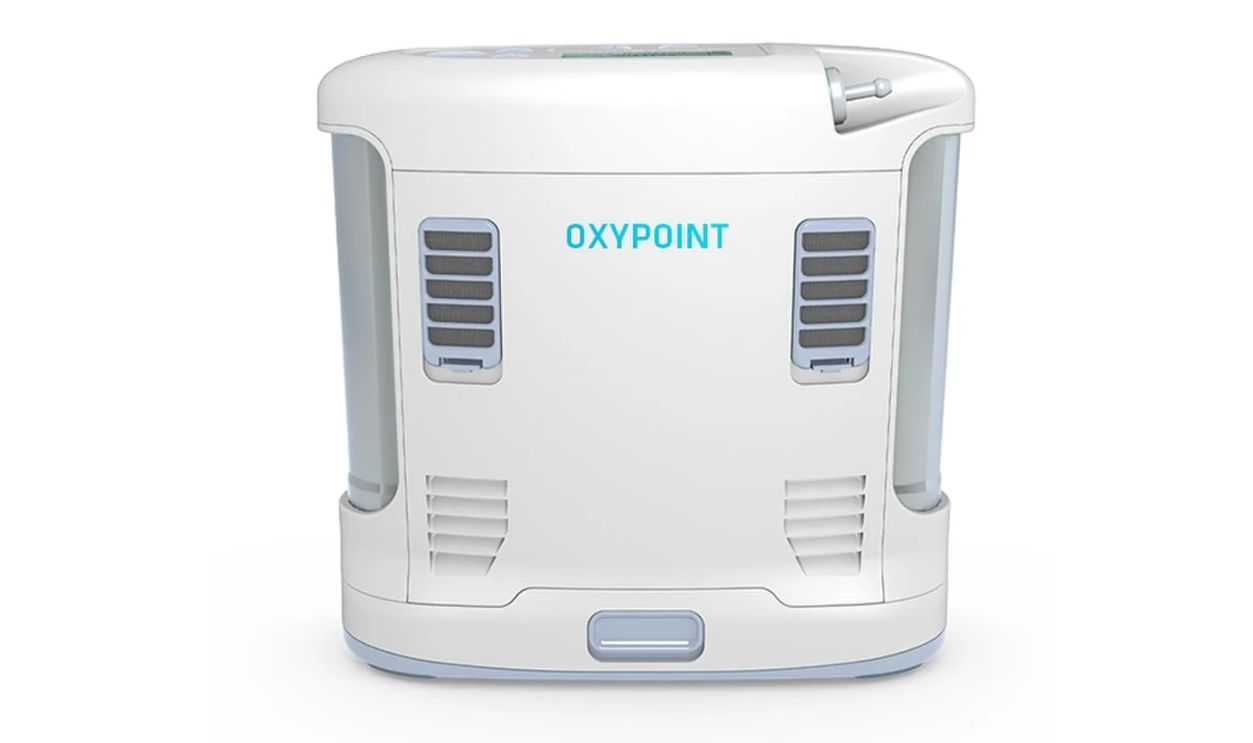
Portable oxygen concentrators, often called POCs, are in an especially important category because they may be essential during a flight. The FAA has long published rules and guidance on approved POC use on aircraft. Airlines may still apply safety and battery rules, but they cannot simply treat a medically necessary POC like an ordinary extra personal item.
Wheelchairs and Mobility Aids Are Even More Clearly Protected
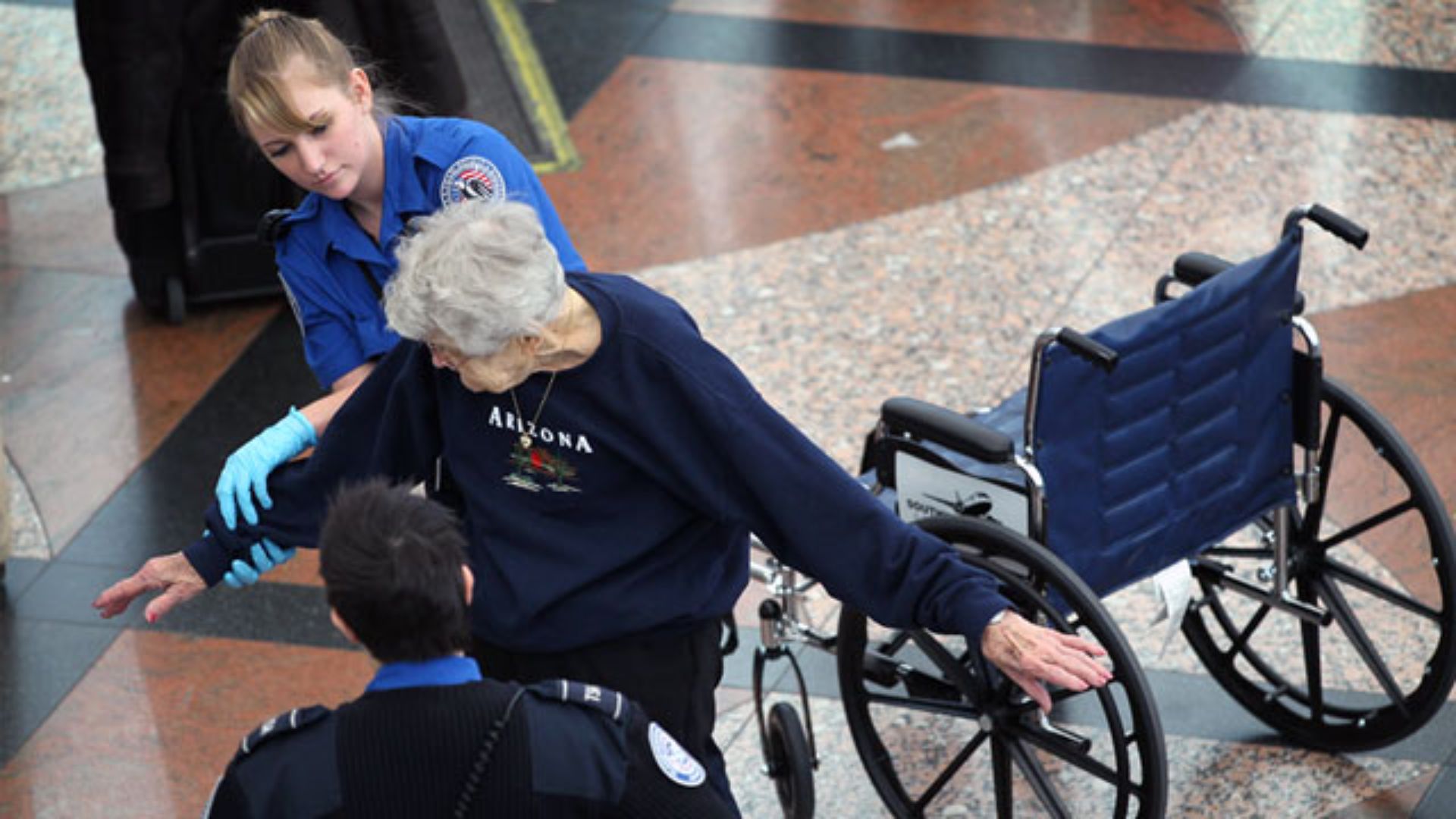
If the “extra item” is a wheelchair, walker, cane, or similar mobility aid, the protections are even more direct. DOT rules require airlines to accept wheelchairs and other assistive devices, and they give priority stowage to certain manual wheelchairs in the cabin when possible. Under federal disability rules, these are not ordinary bags.
Breast Pumps Are Another Big Exception Many Travelers Miss
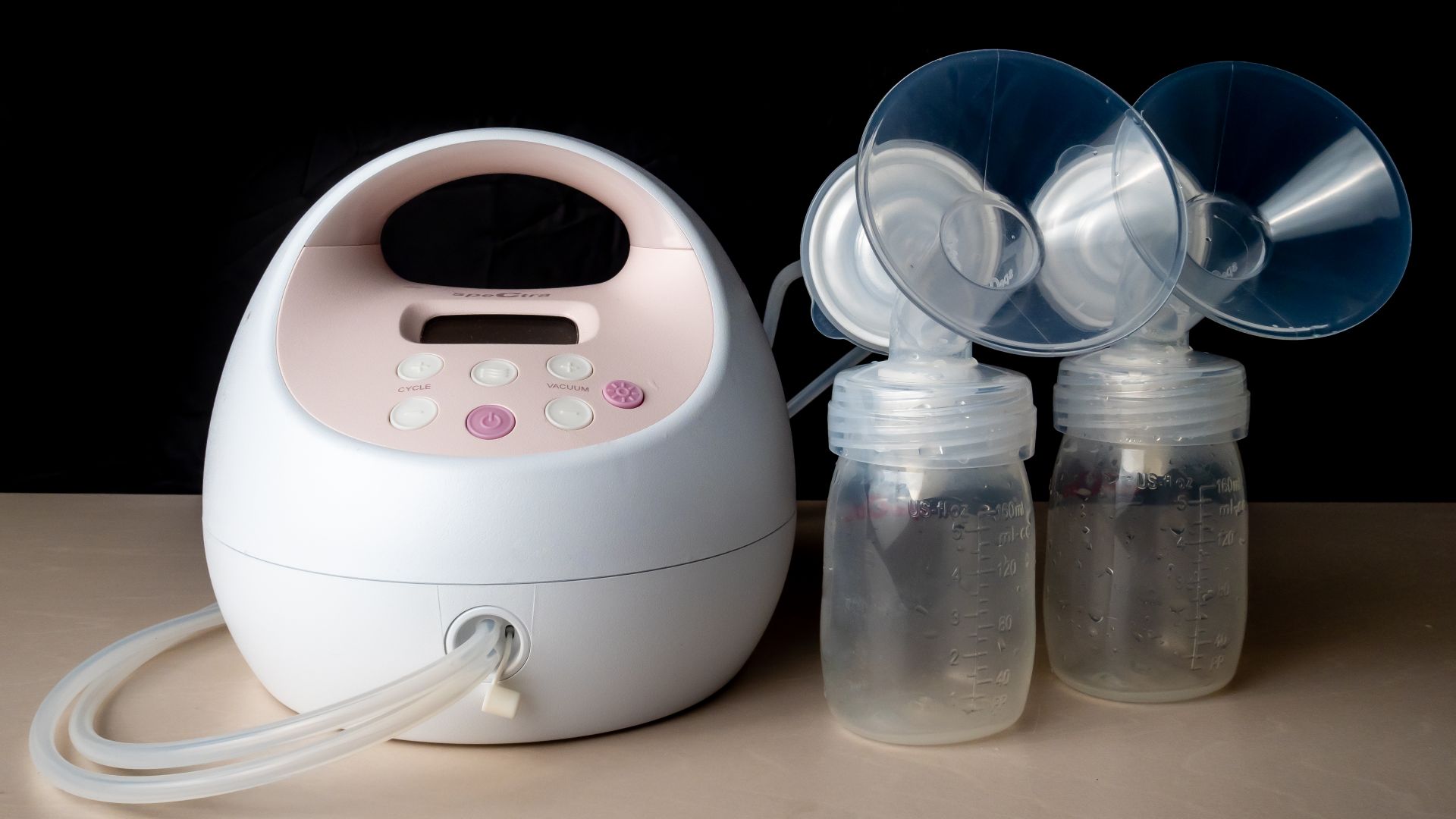
Not every medical-related exception comes from disability law. TSA says breast pumps and related supplies are allowed through security, and airlines often treat them as assistive or medically necessary items that do not count against baggage limits. The exact wording can vary, so it helps to check your airline’s policy before you fly.
 ajay_suresh, Wikimedia Commons
Medication Usually Gets More Flexibility Too
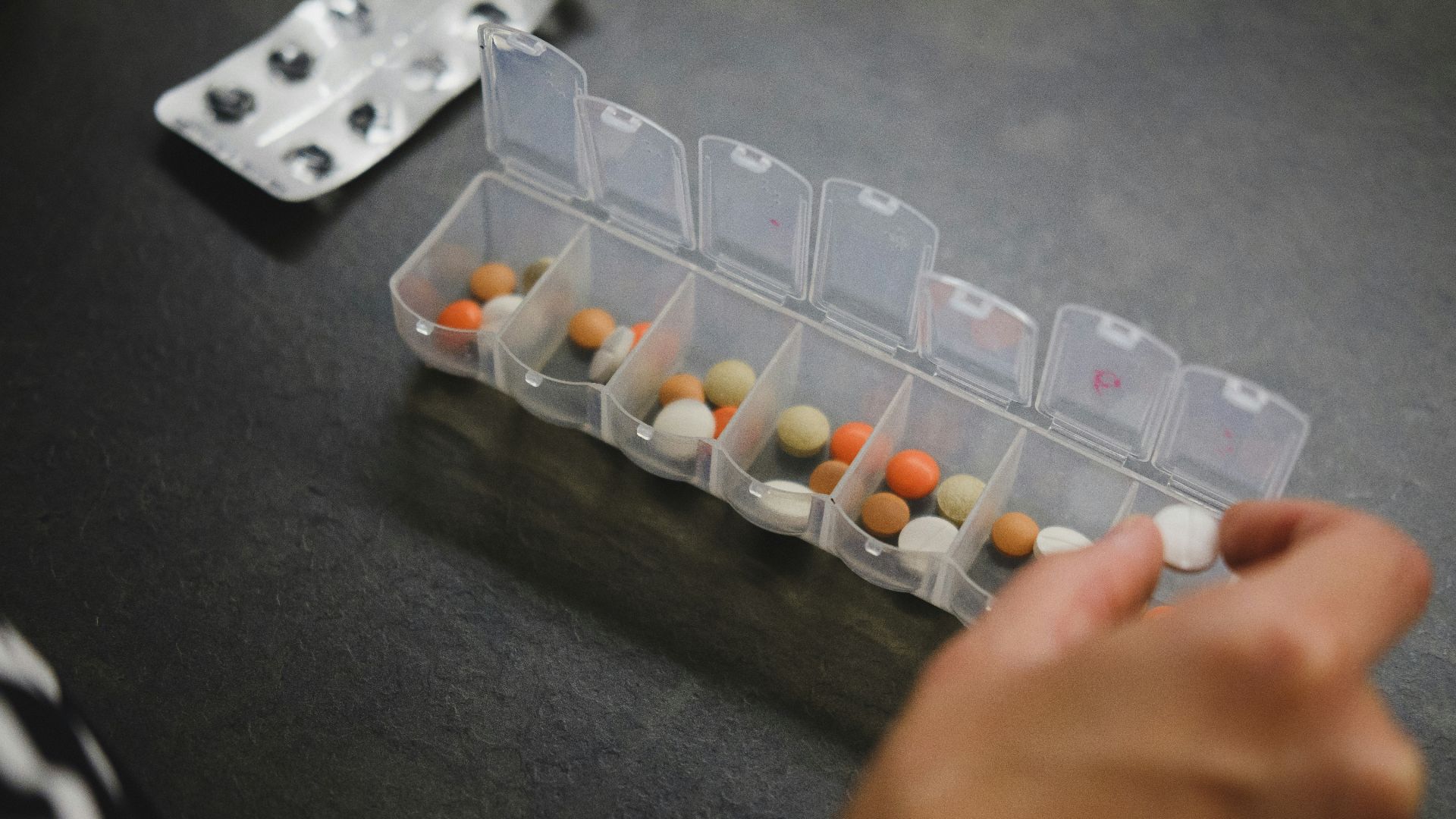
Prescription medication is allowed through TSA screening, and medically necessary liquids can be brought in amounts larger than 3.4 ounces if you declare them at screening. That does not mean a huge tote full of random personal items becomes exempt. But a separate medical bag carrying medication, supplies, or treatment equipment may be handled differently from normal luggage.
The Safety Catch Airlines Can Still Enforce
Medical exceptions are not unlimited. Airlines can still apply real safety rules, including rules on stowage, size, hazardous materials, and batteries. If an item cannot be stored or used safely under FAA and airline rules, the airline may limit how it is carried even if it is medically necessary.
 CBP Photography, Wikimedia Commons
Battery Rules Can Make or Break the Plan
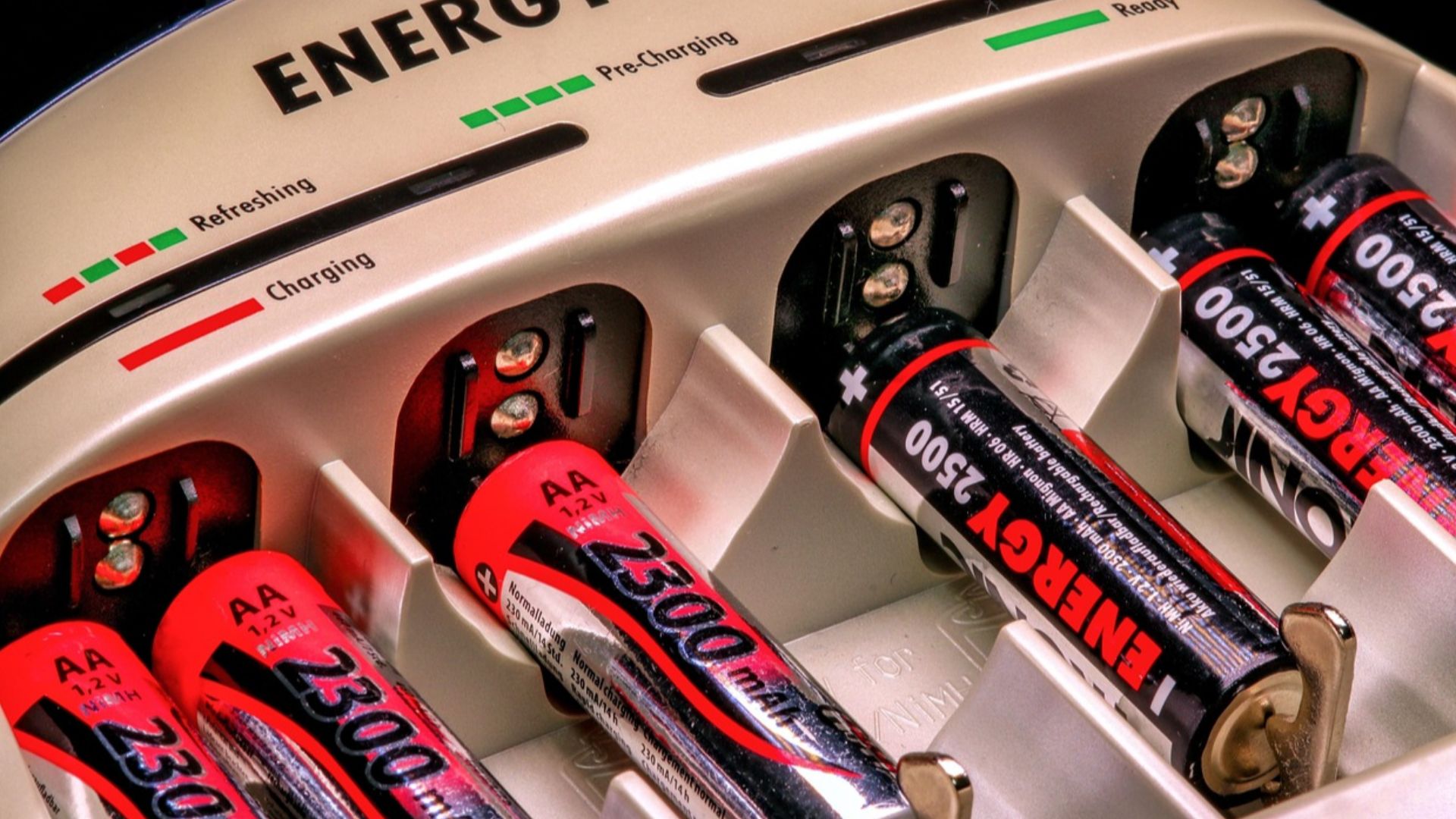
This matters most for devices powered by lithium batteries. The FAA publishes guidance on battery limits, spare battery transport, and the need to pack many of these items in the cabin instead of checked baggage. A medically necessary device may be allowed, but its batteries still have to follow federal safety rules.
Airline Policies Often Quietly Back Up the Exception
Many major airlines say this plainly in their own policies. On carrier websites, you can often find language saying that assistive devices such as CPAPs, canes, crutches, and similar equipment do not count toward standard carry-on limits. If a gate dispute starts, having that page open on your phone can help a lot.

What to Show if an Agent Pushes Back
Start with the airline’s own accessibility or special assistance page. Then be ready to point to DOT disability guidance if your item is an assistive device. You usually do not need to give a legal speech at the gate. A calm explanation backed by the airline’s published policy often changes the tone quickly.
 CBP Photography, Wikimedia Commons
Do You Need a Doctor’s Note
Often, no. A doctor’s note is usually not required just to carry common medical equipment like a CPAP. But some situations do require advance paperwork, especially if you need oxygen-related arrangements or plan to use certain equipment on board. If your trip depends on using the device during the flight, check with the airline’s accessibility desk well before departure.
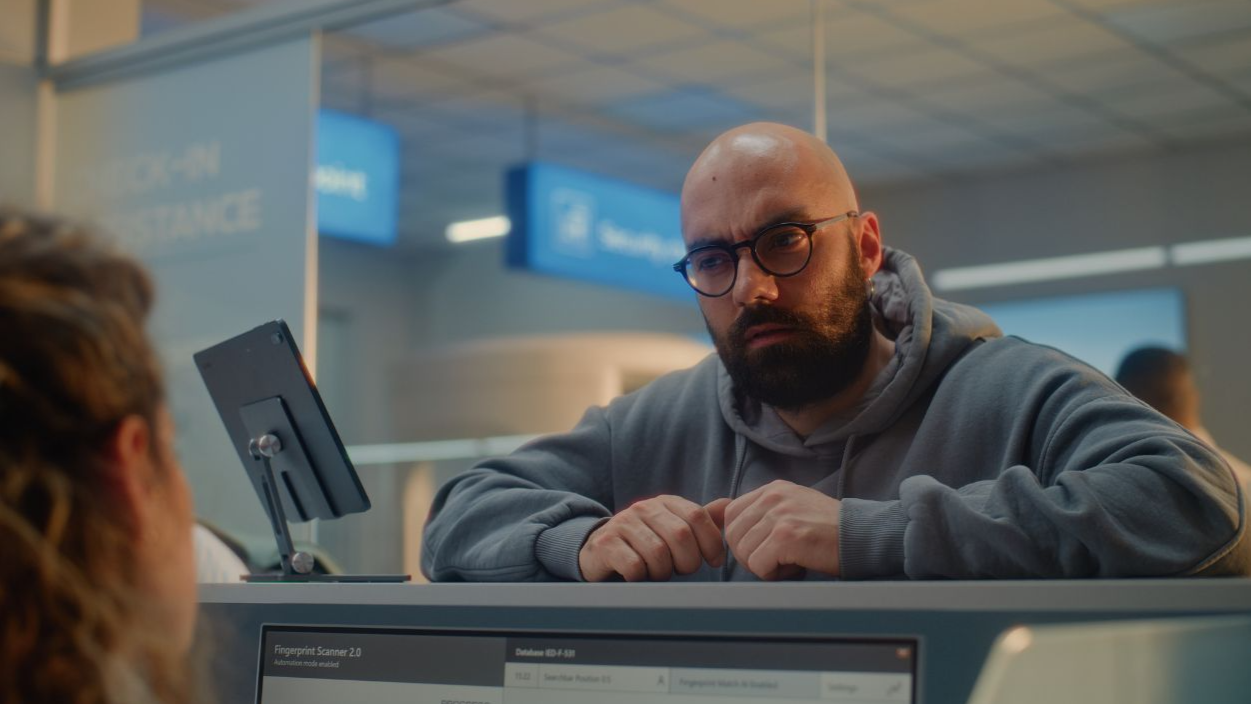 Frame Stock Footage, Shutterstock
Advance Notice Can Save You a Problem Later
The smartest move is to alert the airline ahead of time if your equipment is unusual, large, battery-powered, or needed during the flight. If possible, ask for the answer in writing by email or chat. That paper trail can be very useful if a gate agent is not familiar with the exception on travel day.

How to Pack the Bag So It Clearly Looks Medical
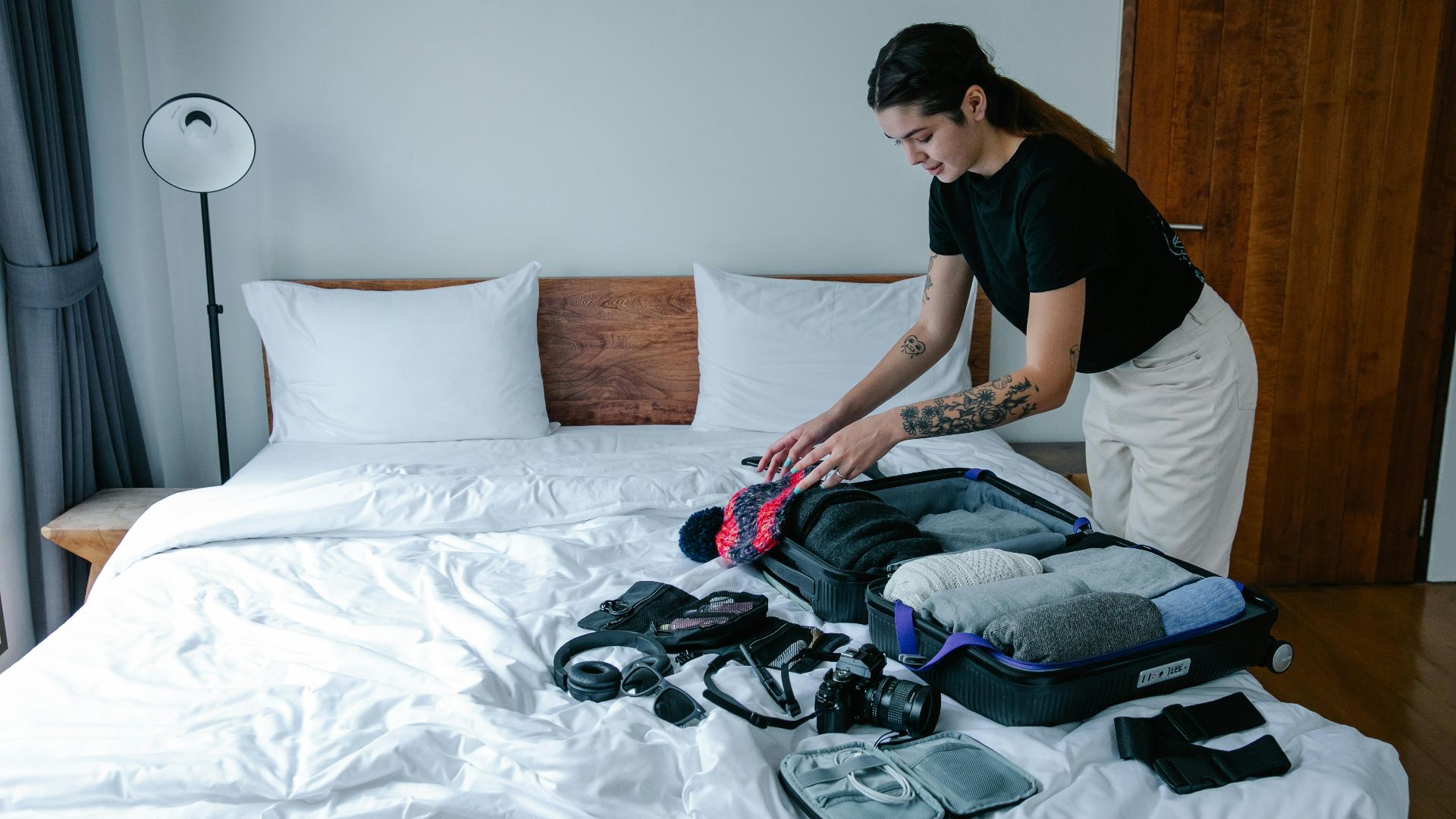
Try not to mix a medical device bag with snacks, chargers, souvenirs, and a spare sweater. A bag that is clearly dedicated to medical equipment is easier to identify and easier to defend as exempt. Clear labeling and neat packing lower the odds that someone sees it as a disguised extra carry-on.

What Happens at TSA Versus at the Gate
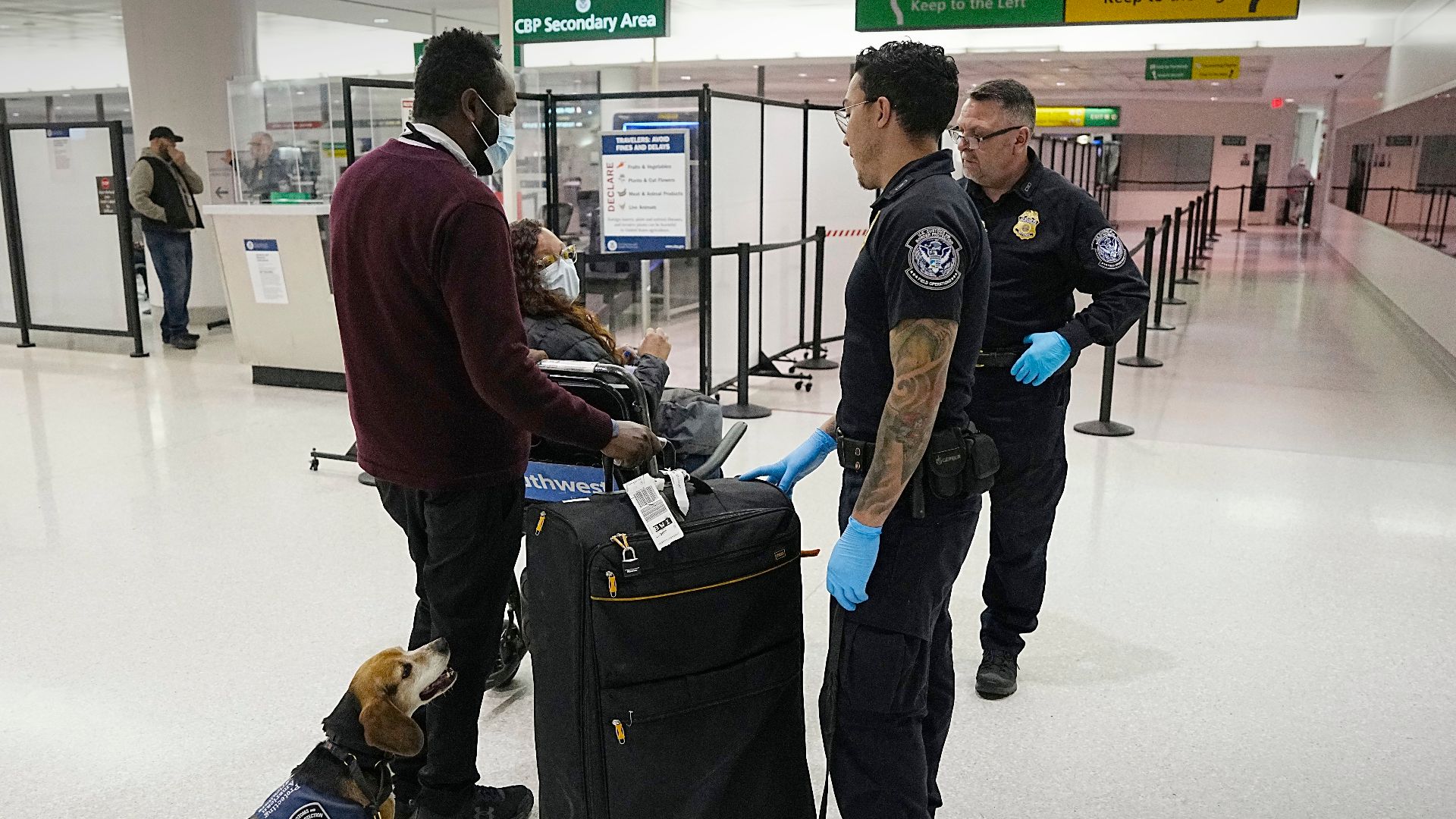
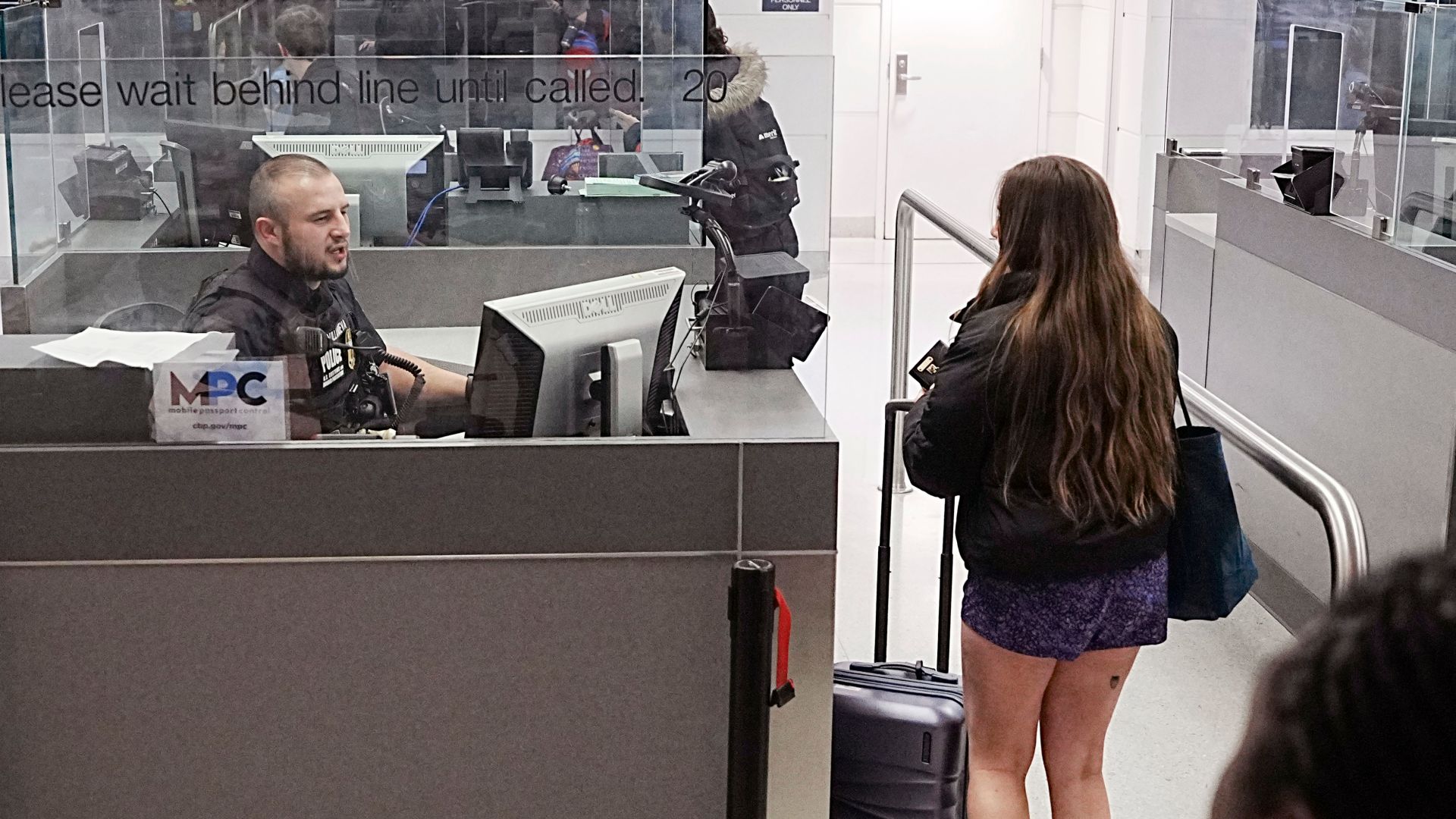
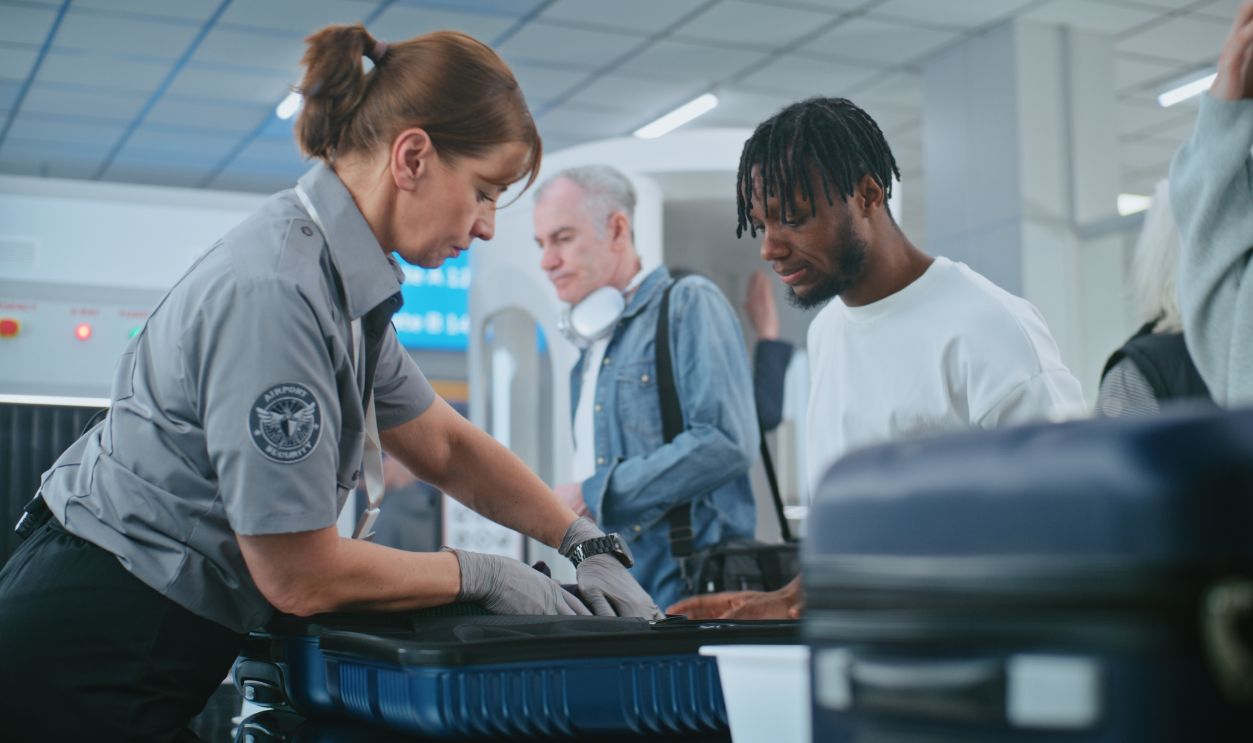
TSA and the airline are dealing with different rules. TSA handles security screening and allows many medically necessary items and liquids through with special procedures. The gate agent is focused on cabin baggage and airline boarding rules, so getting through security does not always end the conversation.
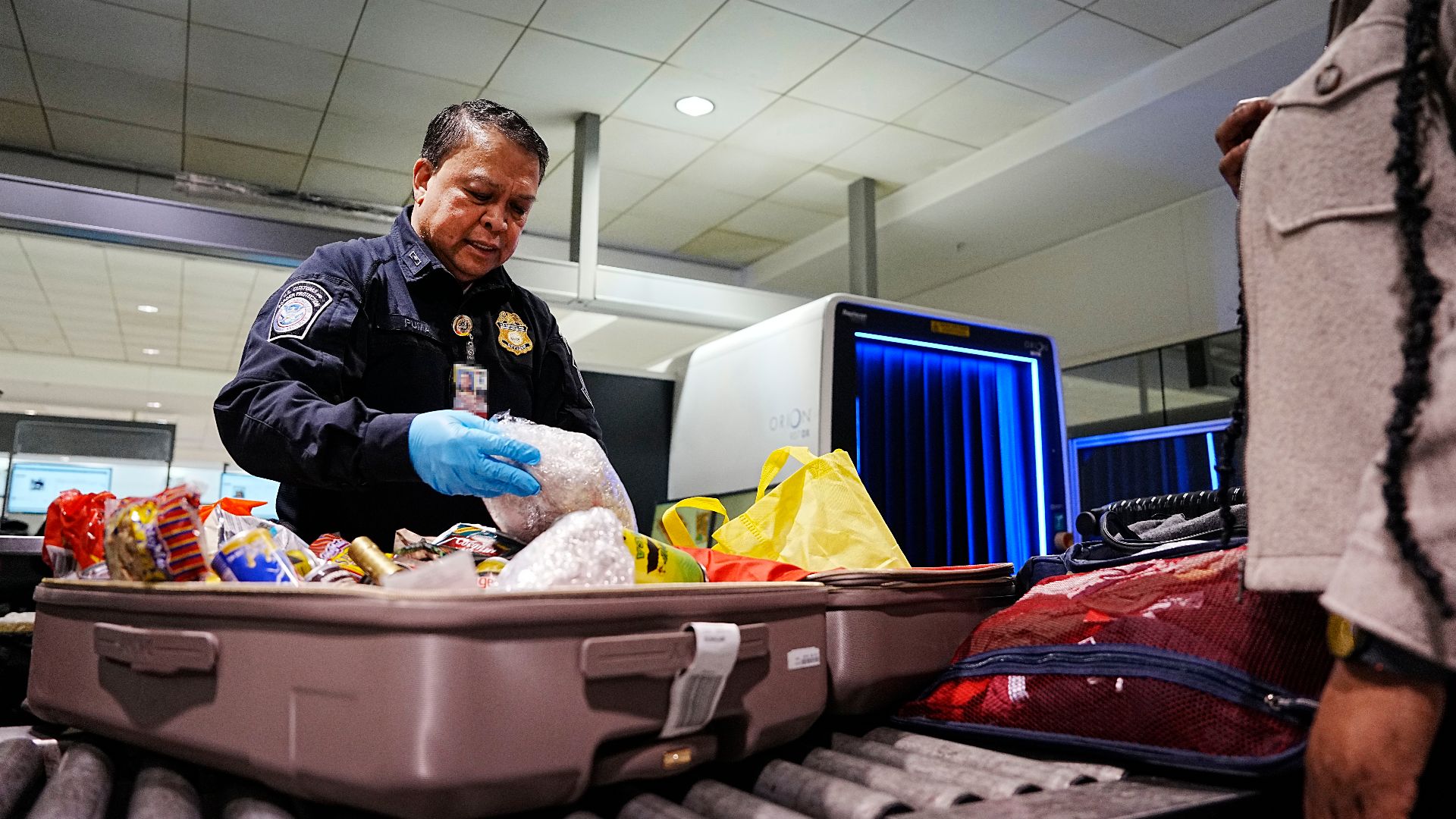 CBP Photography, Wikimedia Commons
If the Item Is Not for a Disability, the Analysis Changes
This is one of the biggest fine-print issues. The strongest federal protections apply to assistive devices tied to a disability under DOT air travel rules. If your item is health-related but not clearly an assistive device, the airline may still offer flexibility, but the legal footing may be less direct and more based on company policy.
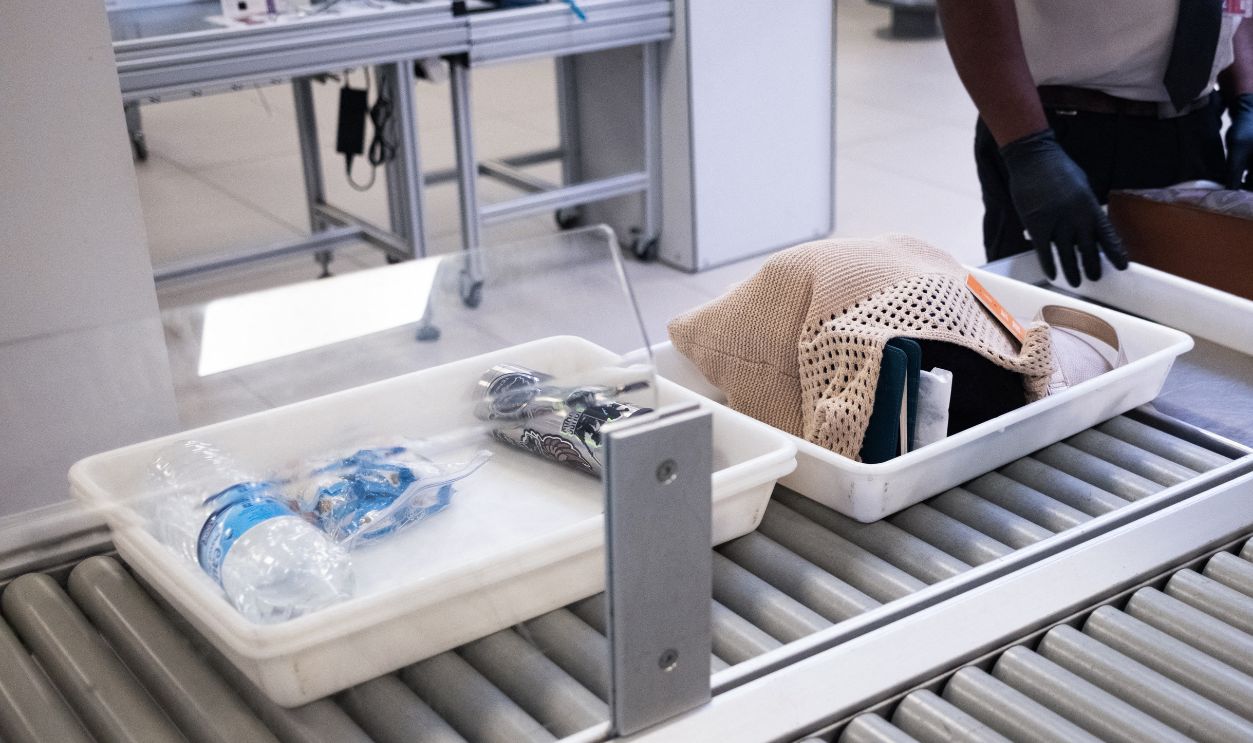
Why Portable Coolers and Medical Supplies Can Get Tricky
A small cooler holding insulin, injectable medication, or other temperature-sensitive supplies may qualify as medically necessary, but the details matter. TSA allows medically necessary liquids, gels, and cooling accessories like freezer packs when they are used to transport medication. Still, an airline may look closely at whether the bag is truly medical or really acting as extra general luggage.
When You Should Ask for a Complaint Resolution Official
If you think your rights under disability air travel rules are being misunderstood, ask for a Complaint Resolution Official, or CRO. DOT rules require airlines to make a CRO available, either in person or by phone, during operating hours. This is the person trained to deal with disability-related compliance issues on the spot.
 Frame Stock Footage, Shutterstock
If You Are Denied, Document Everything
Write down the time, gate, flight number, and the names of staff involved if you can get them. Take screenshots of the airline policy and save any written communication about your equipment. If you later file a complaint with the airline or the DOT, details matter much more than a general memory of a stressful gate encounter.

How to File a Formal Complaint
You can complain directly to the airline first, and you can also file with the U.S. Department of Transportation’s Aviation Consumer Protection office. DOT accepts disability-related air travel complaints online. A formal complaint will not fix a missed boarding in the moment, but it can create a record and sometimes lead to follow-up action.
The Difference Between “Can Bring” and “Can Use in Flight”
These are not always the same thing. You may be allowed to carry a medical device into the cabin, but using it during taxi, takeoff, landing, or throughout the flight may involve separate airline and FAA rules. That is especially true for powered devices, oxygen equipment, and anything that depends on battery planning.
The Best Script to Use at the Airport
Keep it short and polite. Try: “This bag contains medically necessary assistive equipment and should not count toward my carry-on limit under the airline’s accessibility policy.” That kind of calm, specific wording usually works better than a broad argument about fairness.
 Frame Stock Footage, Shutterstock
What Travelers Usually Get Wrong
The biggest mistake is assuming any health-related item automatically gets a blanket exemption. The second is packing non-medical items into the same bag and muddying the issue. The third is waiting until boarding to figure out whether the airline has notice requirements, battery rules, or restrictions on using the device in flight.
The Bottom Line Before You Head to the Airport
If your second personal item is truly medical equipment, especially an assistive device tied to a disability, there are real exceptions under U.S. air travel rules. DOT says assistive devices do not count toward normal carry-on limits, though safety rules still apply. Bring the airline’s policy, keep the bag clearly medical, and know that a CRO and the DOT complaint process are there if things go sideways.