The Guests Hotel Employees Love
Some hotel guests get remembered for all the wrong reasons. Others become staff favorites without spending a fortune, booking a luxury suite, or leaving enormous tips. According to hotel employees, even the smallest habits can make a surprisingly big difference.
Here are the little things that can make you one of their favorite guests.
 Drazen Zigic, ShutterstockA Friendly Greeting
Hotel employees interact with countless travelers, but a little friendliness still stands out. Hospitality etiquette experts emphasize that saying hello, please, and thank you shows respect for the people looking after you. Even a quick smile when passing a housekeeper or front desk employee can make an interaction more pleasant.
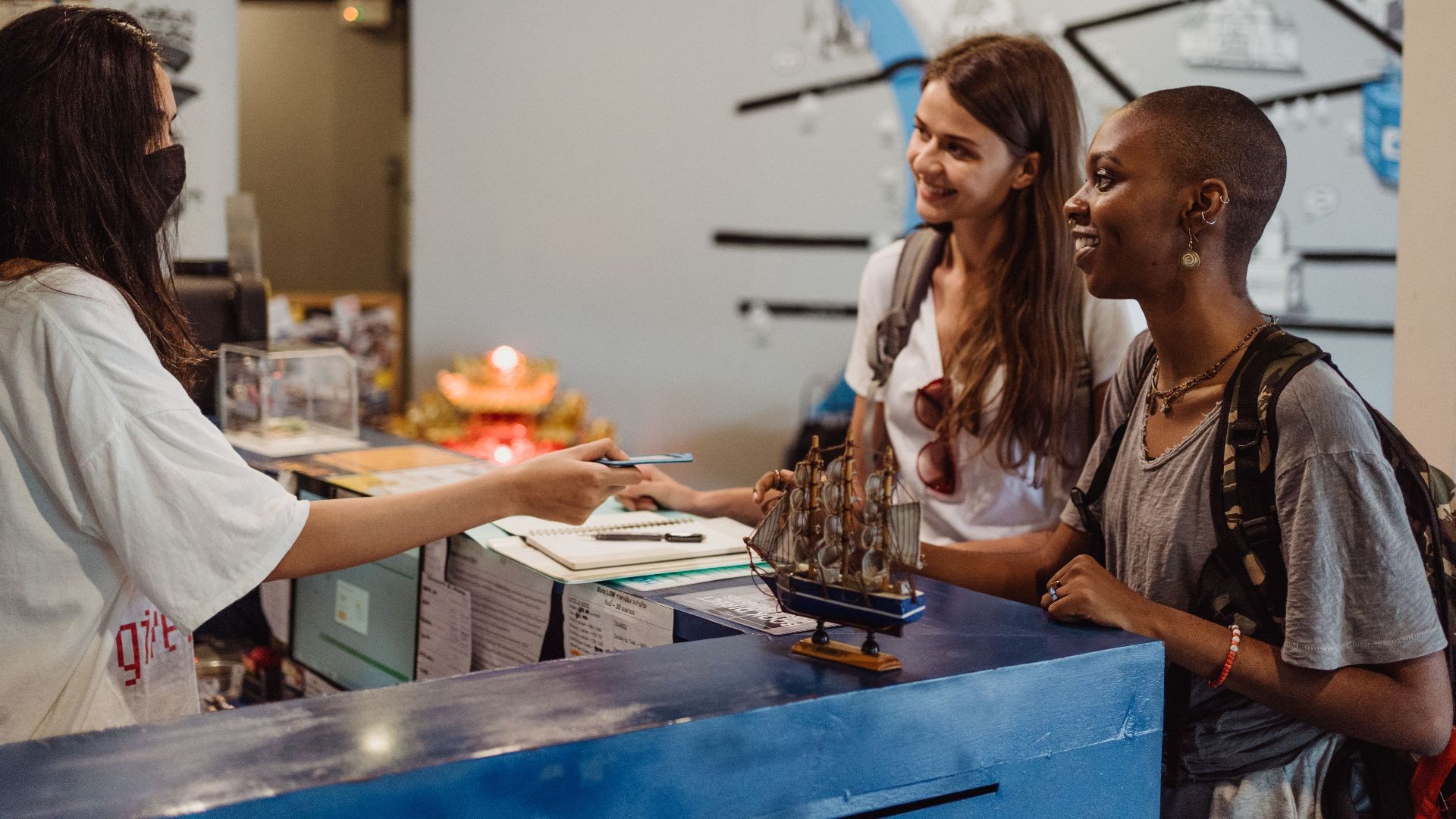
Being Ready At Check-In
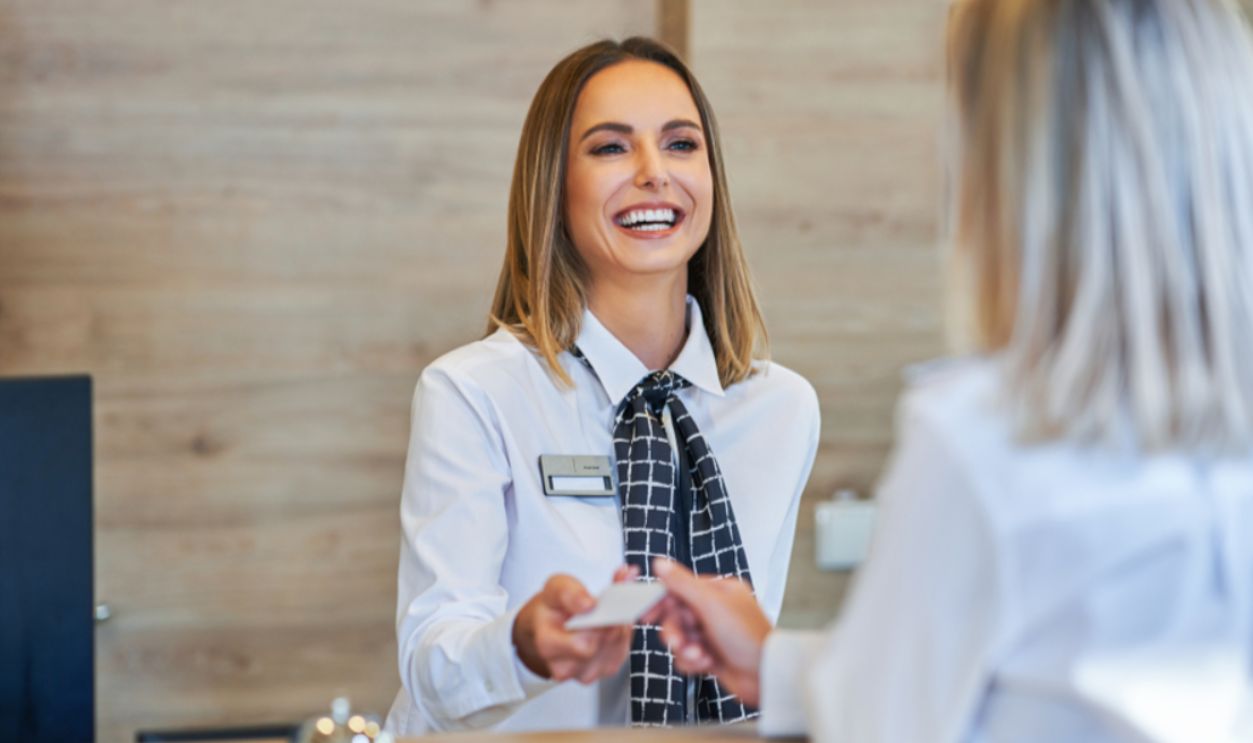
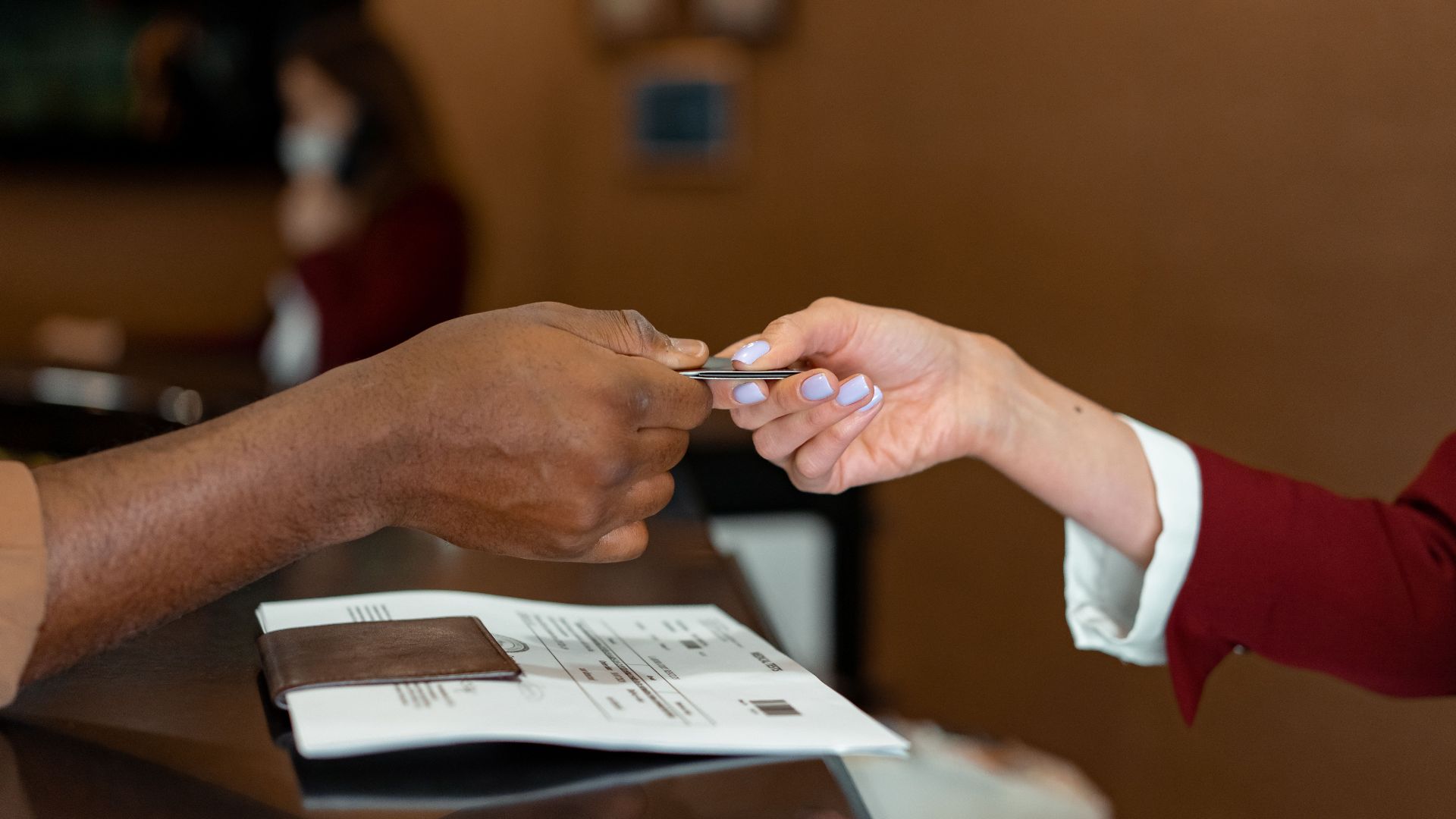
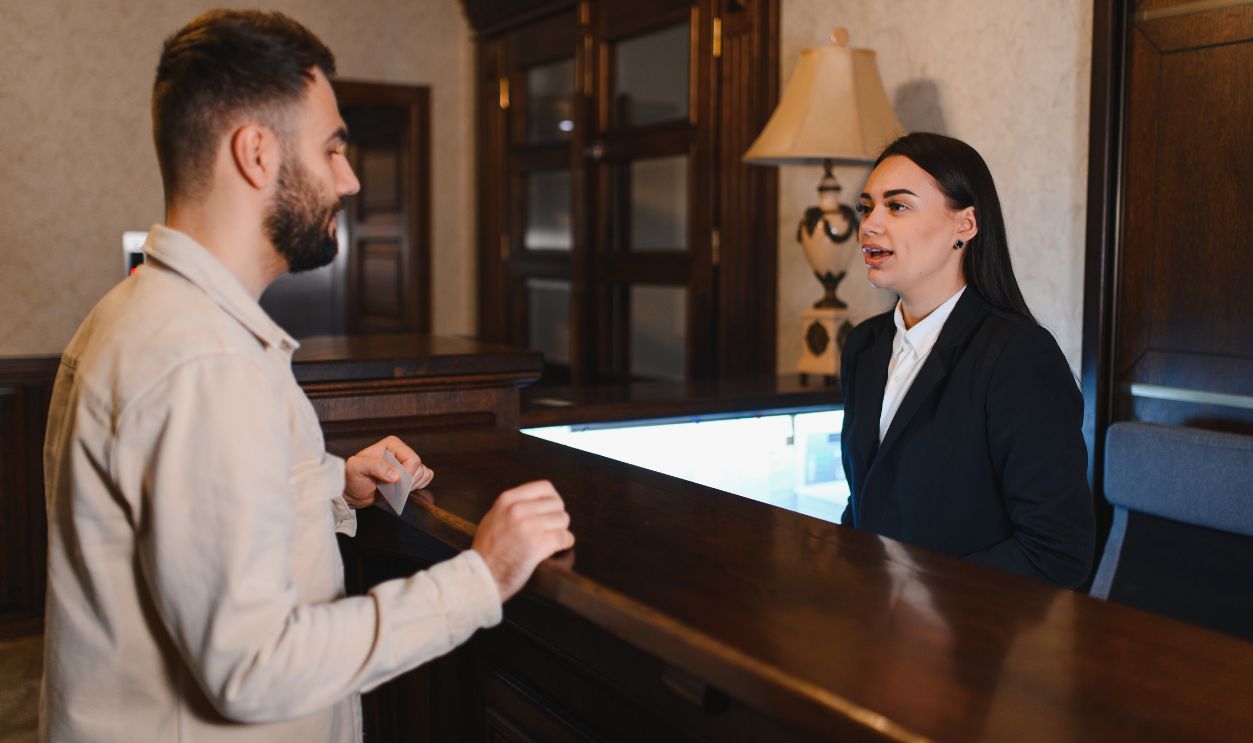
A smooth check-in starts before you reach the reception desk. Having your identification, reservation details, and payment card ready helps employees process your arrival efficiently. It also prevents unnecessary delays when there's a line of tired travelers waiting behind you.
Stepping Aside When There's A Problem
Not every check-in goes smoothly, especially when there's a reservation issue or a complicated request. Etiquette expert Myka Meier recommends stepping aside if your problem can't be resolved immediately. This allows the front desk to continue assisting other guests while employees work on your situation.

Understanding Early Check-In
Arriving hours before the official check-in time doesn't guarantee your room will be ready. Hotels must clean and inspect rooms between guests, and early availability depends on their schedules. Employees appreciate travelers who understand the difference between requesting early access and expecting it.
Making Special Requests Early
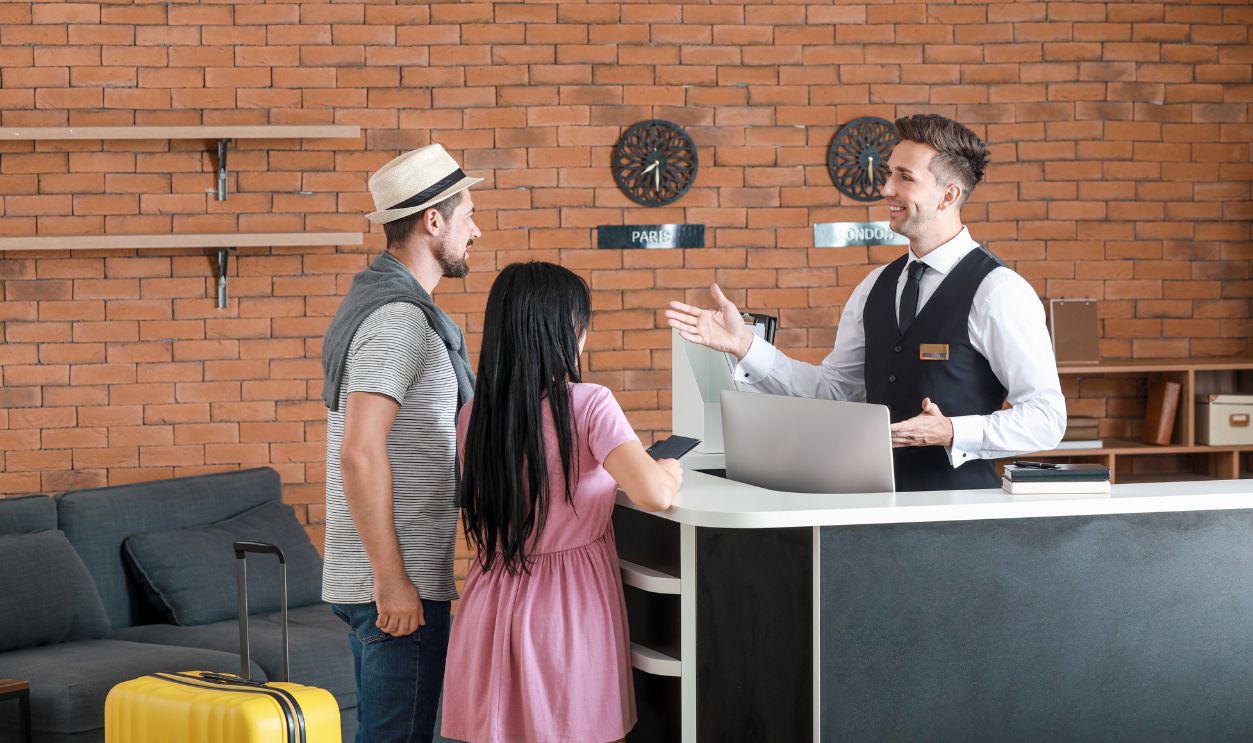
Need connecting rooms, a rollaway bed, or accommodations on a particular floor? Front desk employees recommend mentioning these preferences when making your reservation. Advance notice gives staff more time to consider your needs while assigning rooms, although special requests aren't always guaranteed.
 Hryshchyshen Serhii, Shutterstock
Asking Instead Of Demanding
Former luxury hotel employee Jacob Tomsky has explained that the distinction between asking and demanding can be significant. A better view or a different room might be available, but staff cannot always accommodate every preference. A courteous request gives employees room to explore what's possible without feeling pressured.

Respecting Loyalty Program Rules
Hotel loyalty status can come with valuable privileges, but benefits vary depending on the program and property. Some perks are guaranteed under specific conditions, while others depend on availability. Employees appreciate guests who understand their entitlements without using membership status to intimidate the person behind the desk.

Requesting Late Check-Out Properly
An extra hour in your hotel room can be convenient, particularly before a late flight. However, housekeeping needs time to prepare rooms for incoming guests. Asking about a late check-out in advance and respecting the hotel's decision helps employees manage those schedules.
 LightField Studios, Shutterstock
Communicating Changes Of Plans
Travel itineraries change, and hotel staff are accustomed to unexpected developments. If you'll arrive unusually late or need to shorten your stay, contacting the property allows employees to update your reservation and explain any applicable policies. Clear communication helps prevent confusion when your plans differ from the original booking.
Explaining Problems Calmly
A broken air conditioner or missing amenity can be frustrating, but shouting doesn't help employees identify the problem. Front desk staff often coordinate with maintenance, housekeeping, and other departments to resolve complaints. Describing the issue clearly and reporting it promptly gives them a better chance to find a solution.

Keeping The Concierge Informed
Concierges can help arrange restaurant reservations and recommend places to visit, but they aren't responsible for everything that happens afterward. Former hotel employee Jacob Tomsky specifically warned against blaming a concierge when a recommended restaurant experience goes badly. A disappointing meal doesn't necessarily mean the original recommendation was unreasonable.
Respecting The Concierge's Time
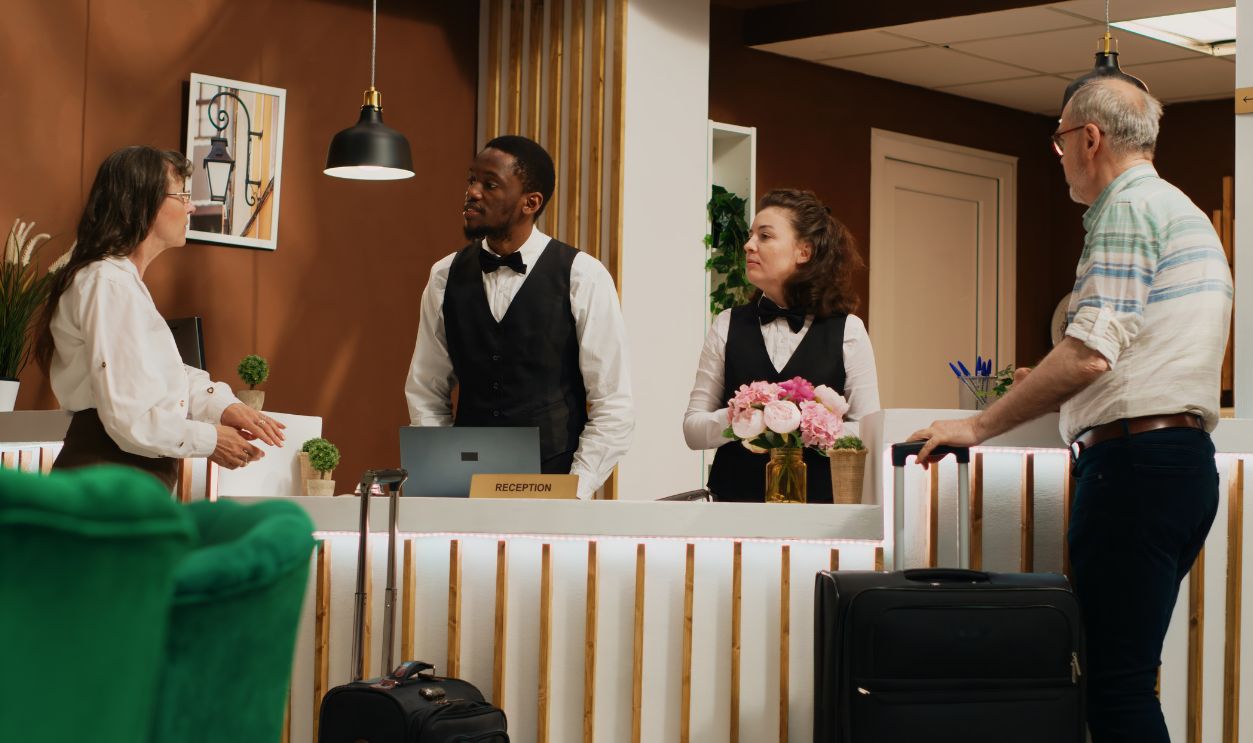
Hotel concierges frequently assist several travelers with competing requests. Travel industry professionals discourage monopolizing their attention with endless small tasks or repeatedly changing arrangements. Being specific about what you need and allowing time for other guests makes their work considerably easier.

Keeping Counters Clear
Housekeeping professionals appreciate guests who leave bathroom counters and desks relatively uncluttered. At The Harpeth Hotel in Tennessee, employees have explained how organized personal belongings make cleaning easier. There's no need to pack everything away, but leaving accessible surfaces helps housekeepers work more efficiently.
Keeping Belongings Off The Bed
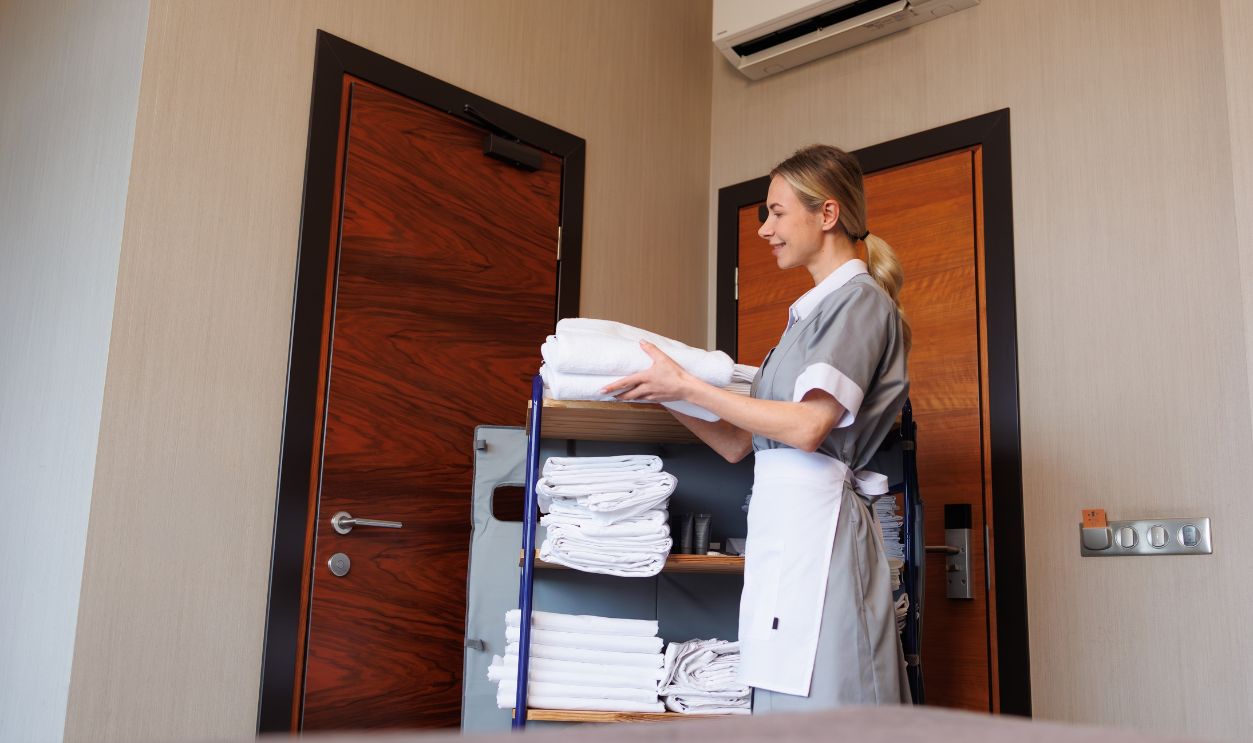
Housekeepers need access to the mattress and bedding when changing sheets. Leaving luggage, clothing, and personal belongings scattered across the bed can slow that process. Moving your things to a luggage rack, closet, or other appropriate space makes it easier for employees to complete their work.
Hanging Up Wet Towels
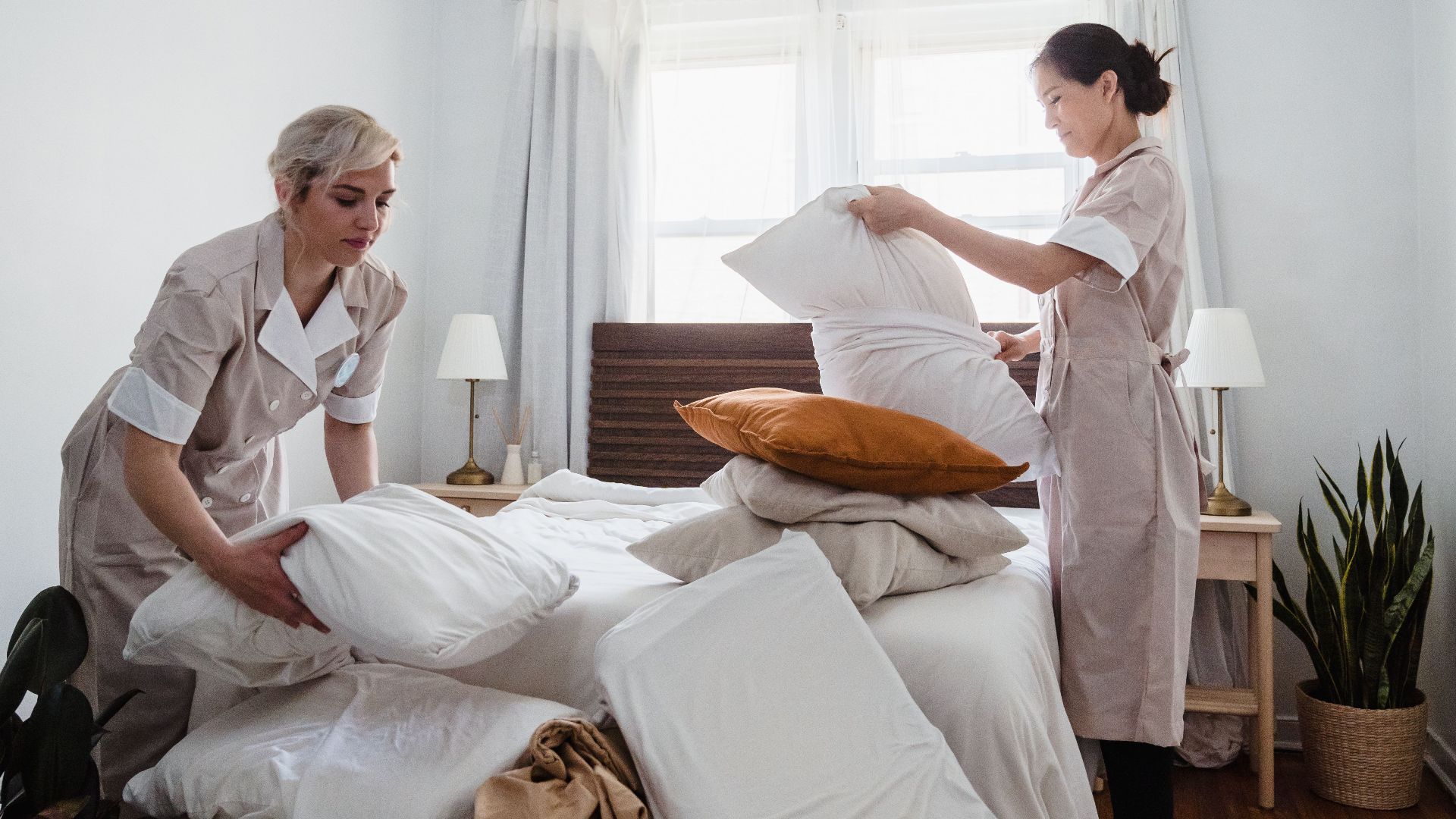
A housekeeping supervisor at Twinpalms Surin Beach Phuket has explained why hanging up damp belongings matters. Wet towels and swimsuits left on furniture can spread moisture and create additional cleaning concerns. Using towel racks or other designated drying areas helps protect furnishings and makes housekeeping easier.
Gathering Used Linens
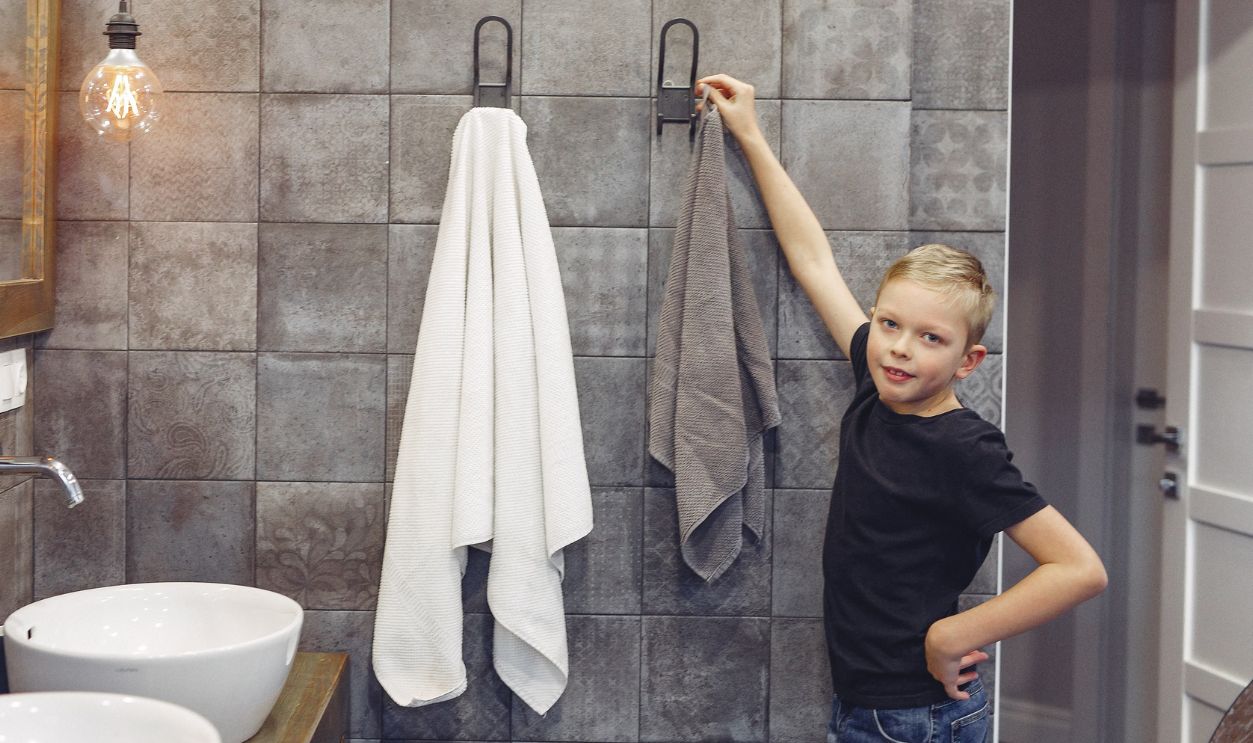
Used towels scattered throughout a hotel room create unnecessary work for housekeepers. Staff at The Curtis in Denver recommend gathering towels that need laundering in one bathroom location. Keeping them together makes collection easier and helps employees distinguish used linens from those still in use.
Putting Trash In One Place
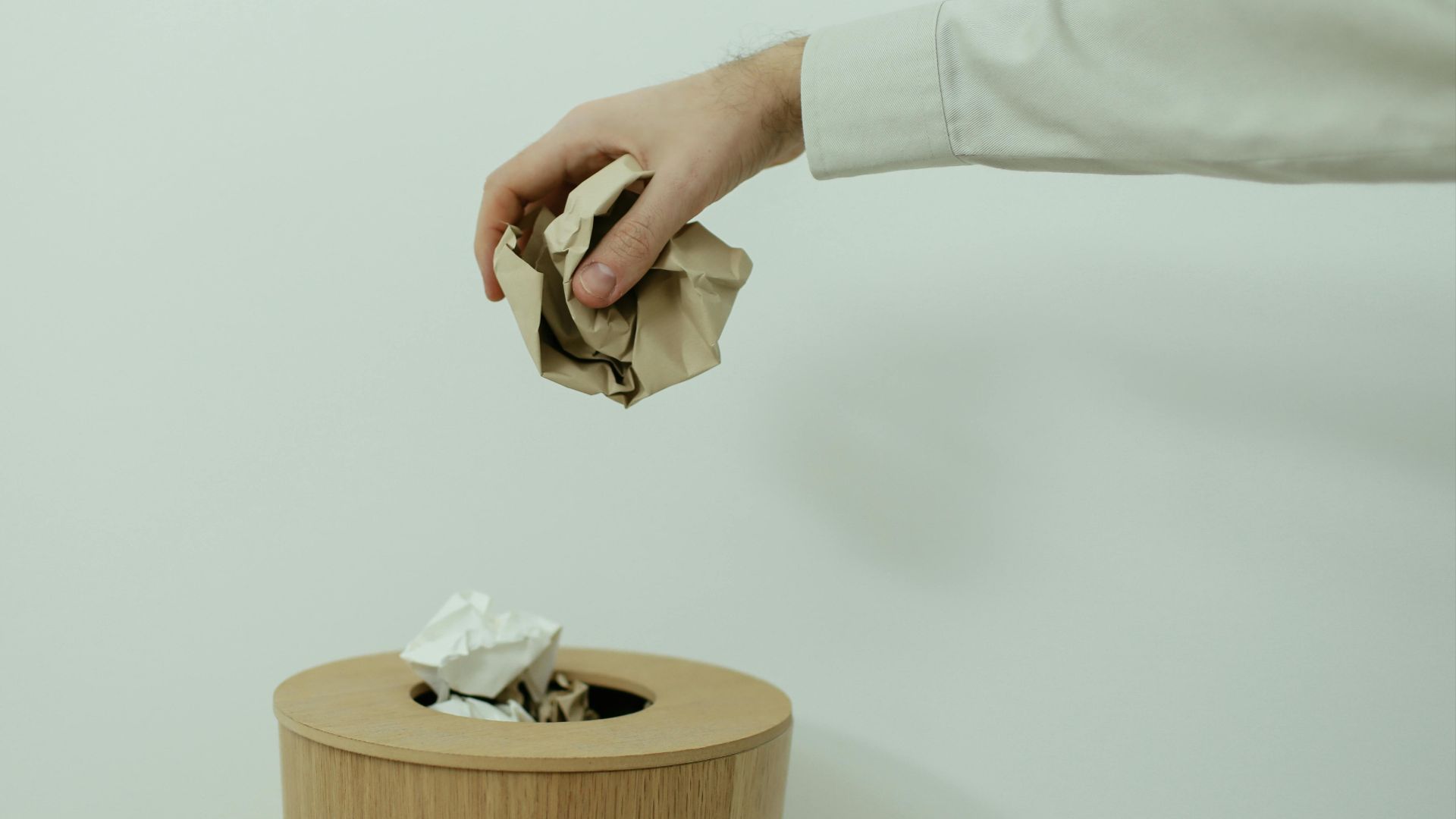
Hotel employees don't expect you to clean your room completely, but leaving garbage everywhere adds to their workload. Gathering food wrappers, empty bottles, and other waste in the provided bins makes the cleanup more manageable. It's a small courtesy that housekeeping professionals specifically recommend.
Coordinating Housekeeping Visits
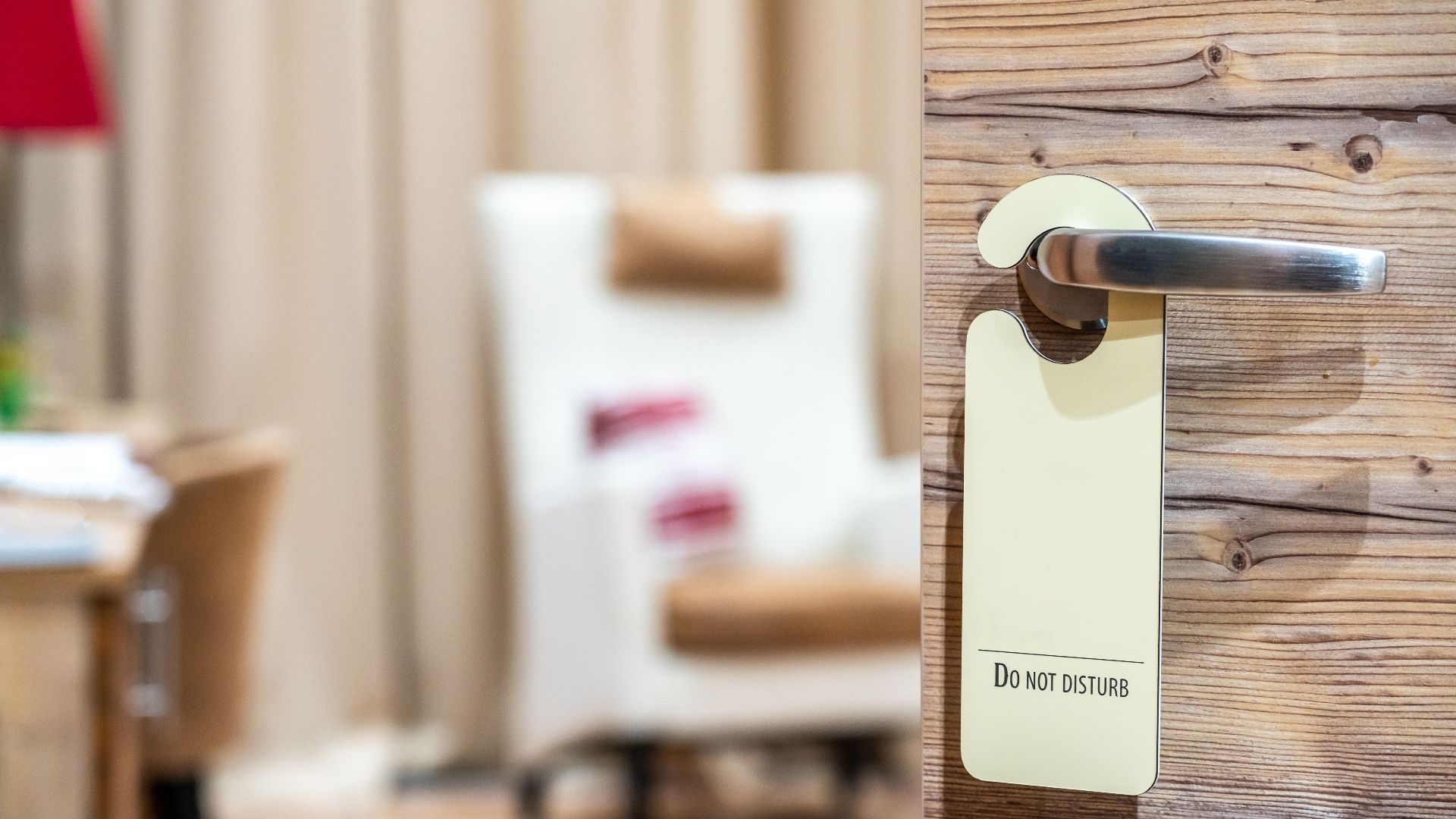
The Do Not Disturb sign is useful, but it also tells employees not to enter your room for routine service. Housekeeping professionals appreciate knowing when guests want privacy or when the room will be available for cleaning. Communicating your preferences helps staff organize their work without repeatedly interrupting you.
Leaving A Housekeeping Tip
Hotel housekeeping is physically demanding work, and gratuities are a meaningful way to recognize good service. In the United States, the Emily Post Institute recommends approximately $2 to $5 per day. Leaving a clearly marked tip daily helps ensure recognition reaches the employees cleaning your room, even when staffing changes during your stay.

Writing A Thank-You Note
Money isn't the only way to recognize the people looking after your room. Housekeeping professionals interviewed by Travel + Leisure described appreciative handwritten messages as especially meaningful. A simple note thanking an employee for their work acknowledges someone whose efforts often happen while you're away.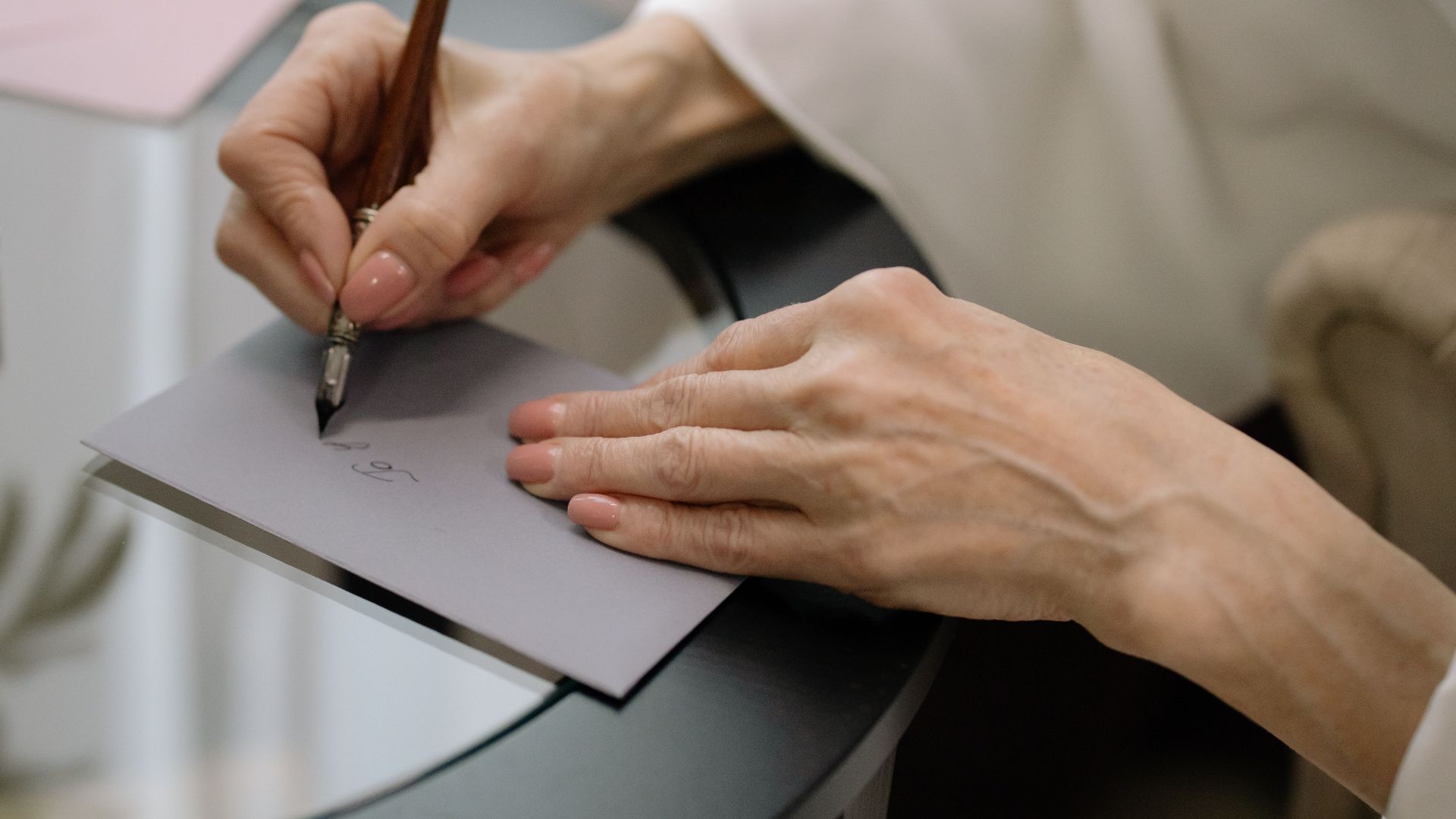 cottonbro studio, Pexels
Calling For Room Service Pickup
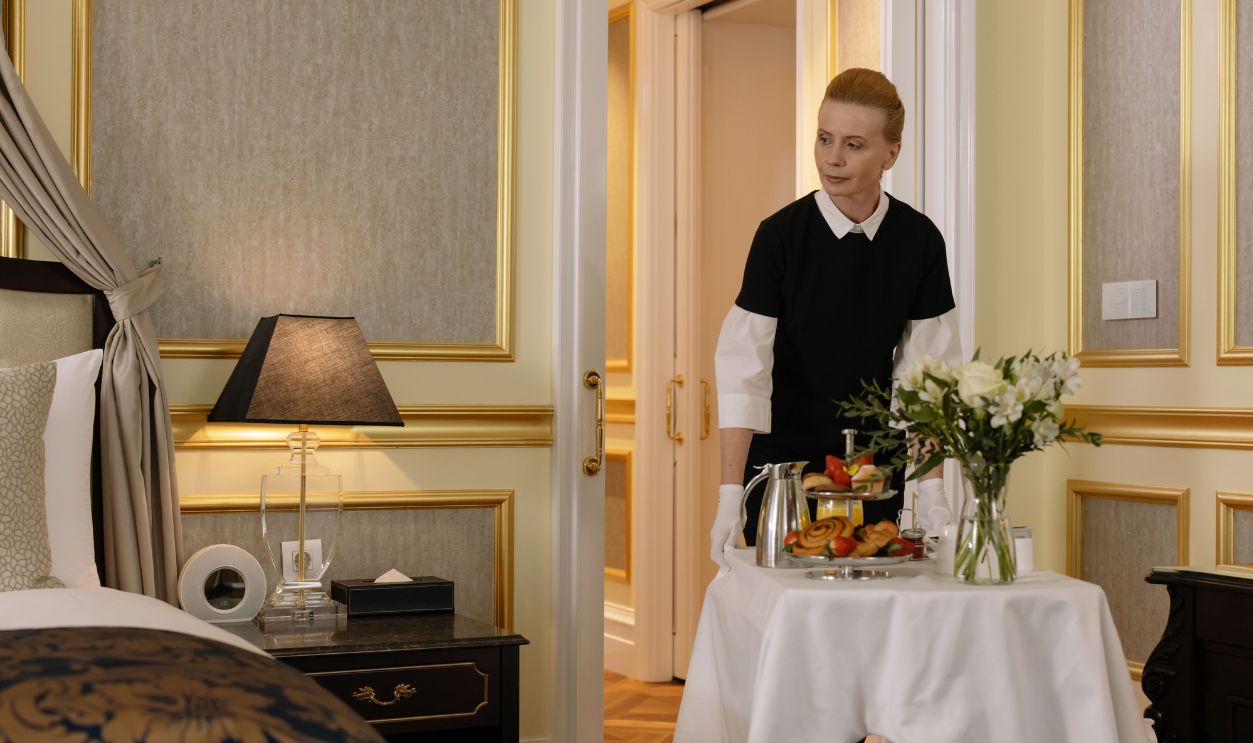
Finished eating in your room? Leaving a dirty room service tray in the hallway isn't necessarily the best solution. Etiquette expert Myka Meier recommends calling room service to arrange collection unless the hotel specifically instructs guests otherwise. It prevents trays from creating unpleasant smells or obstructing walkways.
Keeping The Noise Down
You might be celebrating a special occasion, but other guests could be trying to sleep just across the hallway. Hotel etiquette experts discourage loud conversations, noisy electronics, and disturbances in shared spaces. Keeping the volume reasonable helps employees avoid uncomfortable complaints between neighboring rooms.

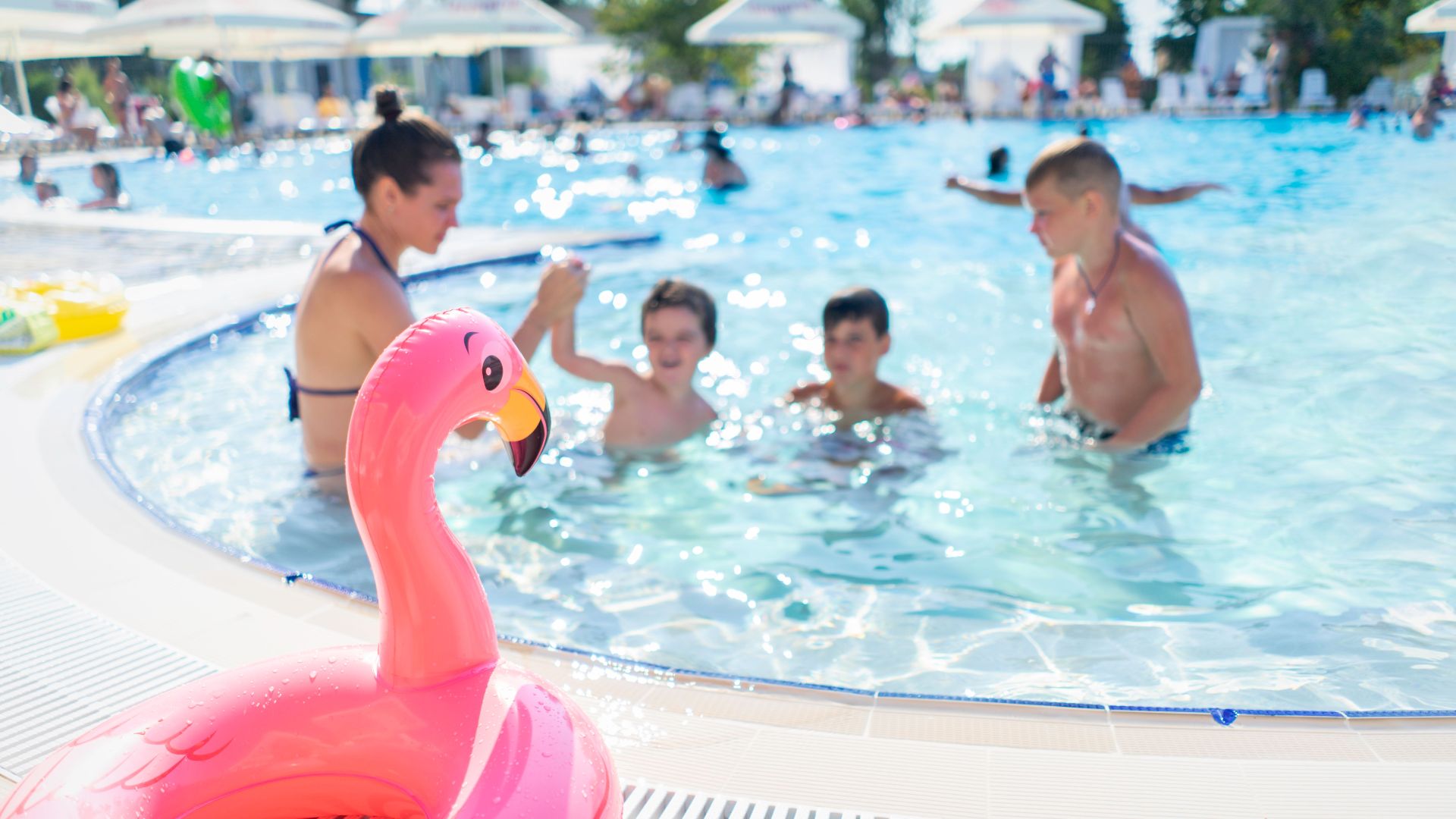
Sharing Common Areas
Pool loungers, fitness equipment, and other hotel amenities are intended for everyone. Etiquette experts discourage reserving chairs for hours while you're elsewhere or monopolizing exercise machines. Using shared facilities considerately prevents conflicts that hotel employees might otherwise need to resolve.
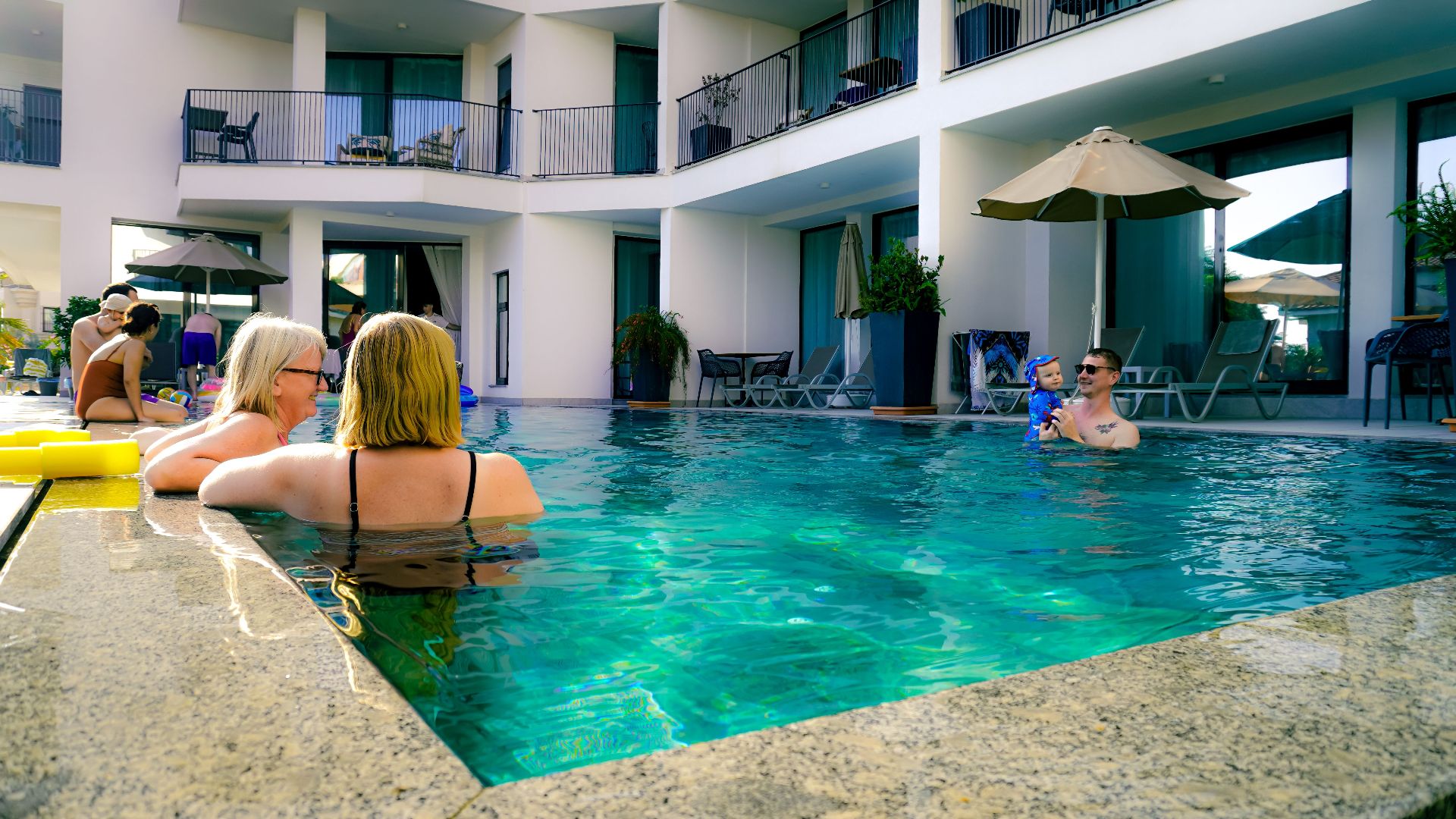
Supervising Children
Family vacations can be wonderful, but hotel employees also have to consider the comfort of other guests. Etiquette expert Myka Meier specifically advises parents against allowing children into designated adults-only areas. Following hotel rules and supervising younger travelers helps staff maintain a welcoming environment for everyone.
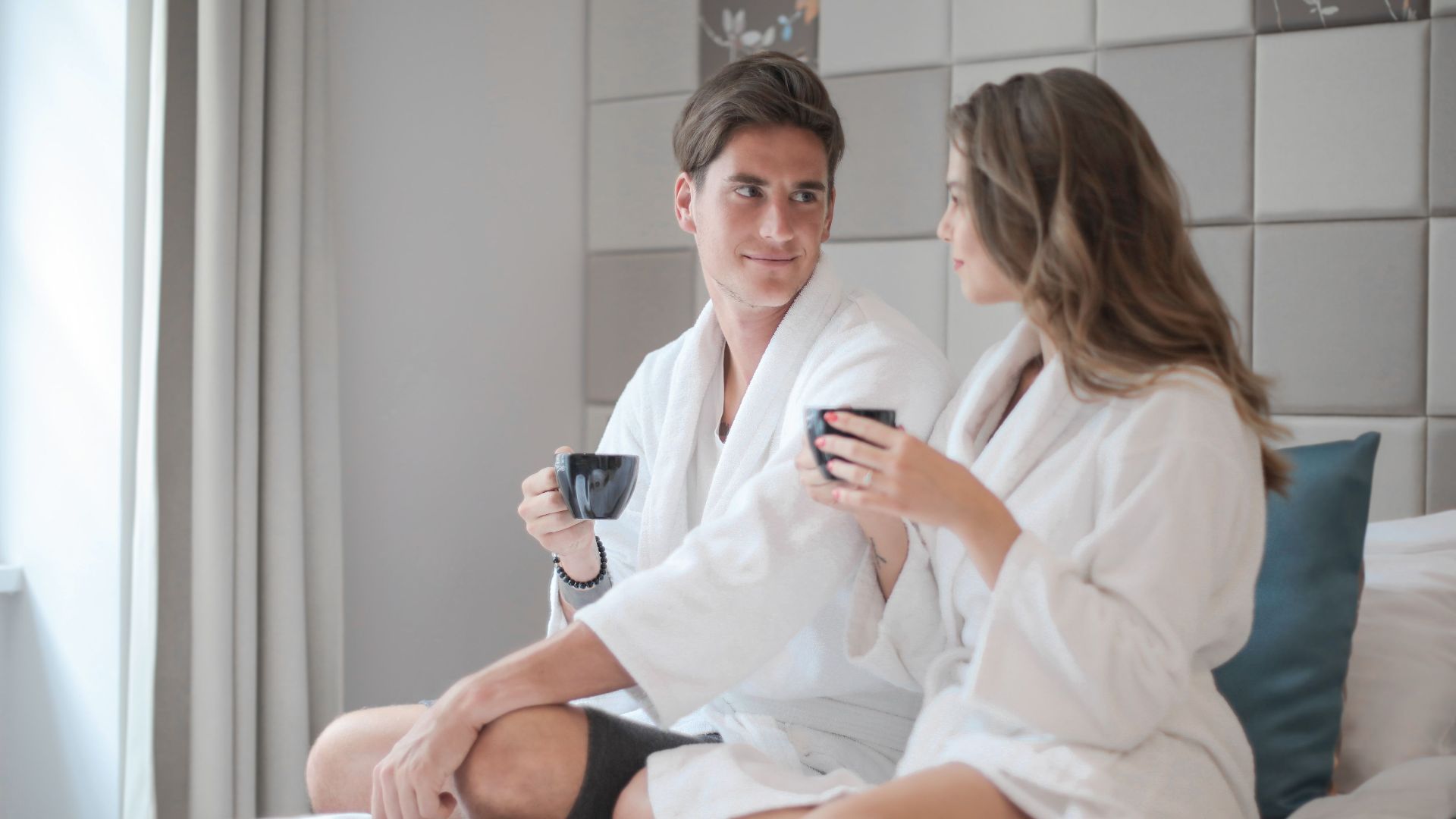
Dressing For Shared Spaces
Hotels may offer comfortable robes and luxurious slippers, but those amenities aren't necessarily intended for the lobby or restaurant. Etiquette experts recommend wearing appropriate clothing in common areas, particularly at upscale properties. Throwing on a cover-up after swimming is an easy way to respect shared spaces and any applicable dress codes.
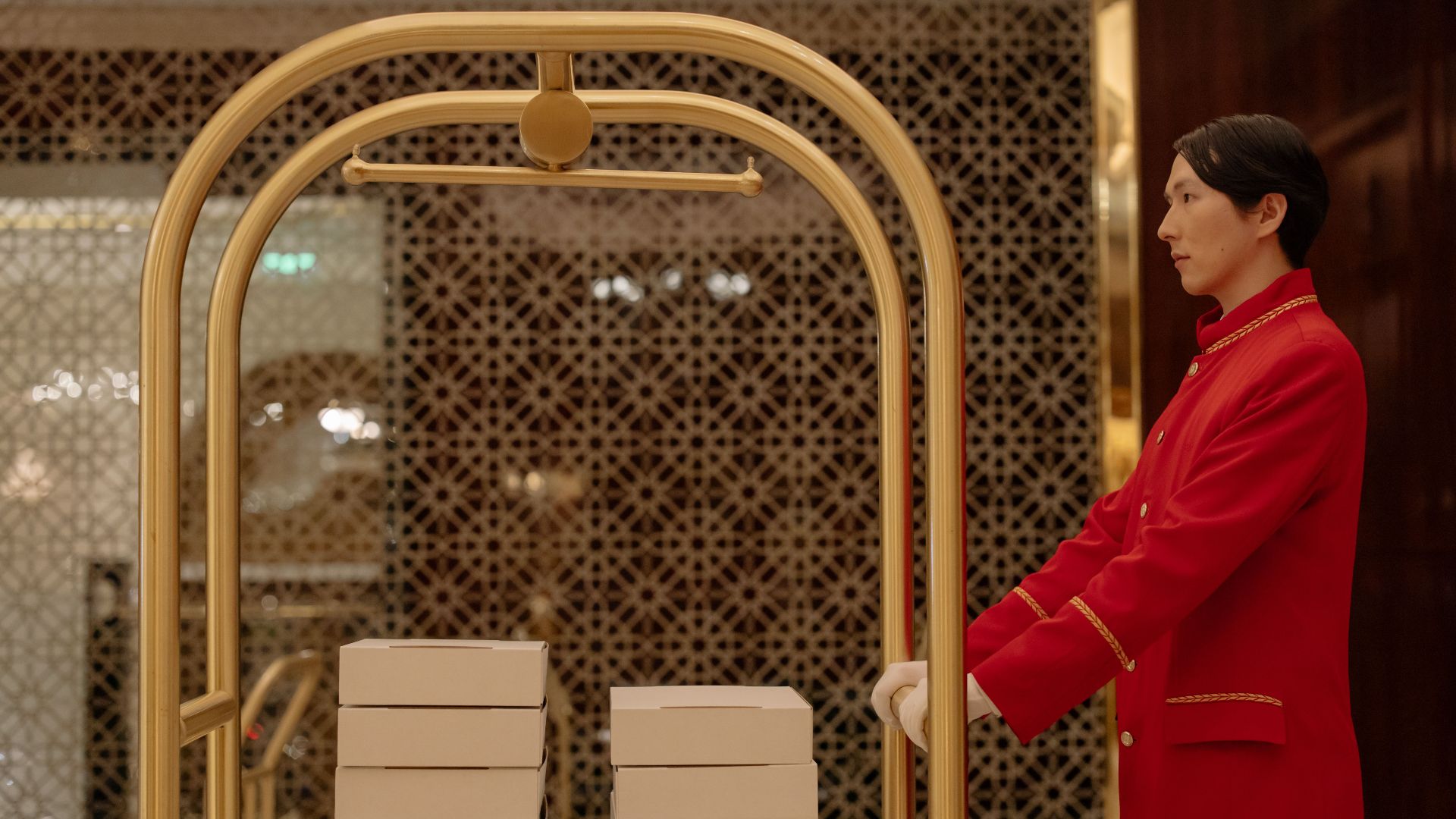
Recognizing Extra Assistance
Some hotel employees provide valuable help beyond ordinary service, whether that's carrying luggage or arranging a difficult reservation. The Emily Post Institute recommends gratuities for certain services, including bellhop assistance and special concierge arrangements. Expectations vary internationally, but acknowledging extra effort is a considerate gesture wherever you travel.
Complimenting Employees By Name
A particularly helpful employee deserves more than a passing thank-you. The Emily Post Institute recommends mentioning excellent service to a supervisor, especially when someone has gone out of their way to assist you. Providing the employee's name and explaining what they did gives management specific, useful recognition.

The Little Things Add Up
Becoming a favorite hotel guest doesn't require special treatment, expensive gifts, or an impressive loyalty account. Hotel employees and hospitality experts repeatedly emphasize courtesy, consideration, and reasonable expectations. Whether you're staying at a five-star resort or a modest roadside hotel, a little thoughtfulness can make everyone's experience better.
You May Also Like:
Hotel Amenities That Used To Be Free But Now Come With Extra Charges