
Barely Breakfast.
A hotel can legitimately offer a limited complimentary breakfast, but advertising “free breakfast” when guests receive little more than coffee raises a very different question. U.S. advertising rules focus heavily on what a reasonable customer would understand from the claim and whether important limitations were disclosed clearly before booking.
“Free” Has A Real Meaning
The Federal Trade Commission has specific guidance governing advertisements that use words such as “free.” Important terms and conditions must be disclosed clearly and conspicuously so consumers are unlikely to misunderstand what they are being offered. A hotel therefore takes on some responsibility when it chooses the broad phrase “free breakfast.”
 https://kaboompics.com/, Pexels
Coffee Alone Is A Much Harder Sell
A cup of coffee is certainly something people consume at breakfast, but that does not necessarily make it a breakfast. FTC guidance on free promotions emphasizes that advertisers should accurately describe what is actually being provided instead of making a broader free claim than the benefit supports. If only coffee is complimentary, “free coffee” would be considerably clearer than “free breakfast.”

The Overall Impression Matters
Advertising law does not turn solely on whether a business can invent a technically defensible interpretation of one word. The FTC evaluates whether advertising is likely to mislead reasonable consumers about material information. If travelers reasonably expect food after reading “free breakfast,” extremely limited inclusions can create a problem.

Hotels Know What Travelers Expect
Major hotel companies themselves use “free breakfast” to describe actual morning food offerings. Hampton by Hilton promotes waffles, eggs, bacon, oatmeal, cereal, fruit, yogurt, and other items as part of its free hot breakfast. That industry usage makes it understandable that a traveler would interpret “free breakfast” as more than access to a coffee urn.

Breakfast Does Not Have To Be A Giant Buffet
A complimentary breakfast can legitimately be modest. Marriott notes that breakfast offerings vary by property and can range from hot buffets to lighter continental setups. The important distinction is between a limited meal and something so narrow that the word “breakfast” may create the wrong expectation.

A Continental Breakfast Can Still Count
Hotels do not have to serve bacon, eggs, waffles, and potatoes before using breakfast language. Marriott expressly recognizes continental breakfast as one form of complimentary breakfast benefit. Bread, pastries, fruit, cereal, beverages, or similar morning food can reasonably form a limited breakfast even if the expensive cooked menu remains separate.

Some Benefits Are Deliberately Narrow
Hotel loyalty programs demonstrate how specific breakfast benefits can become. Hyatt's published Globalist terms define different breakfasts at different brands, including full breakfasts, lighter buffets, and certain grab-and-go combinations. That specificity helps travelers understand exactly what the benefit provides.

The Advertisement Should Do The Same
A hotel offering only pastries and coffee can simply say so. Descriptions such as “complimentary continental breakfast,” “free grab-and-go breakfast,” or “coffee and pastries included” give travelers useful information before they choose the room. Broad wording creates avoidable trouble when the real benefit is extremely narrow.

Fine Print Cannot Fix Everything
The FTC expects conditions on a free offer to be clear and conspicuous. Important limitations should not be hidden where customers are unlikely to notice them before purchasing. Advertising “FREE BREAKFAST” prominently and burying “coffee only” somewhere obscure would be much harder to defend as transparent marketing.

“Free” Should Not Require Buying The Rest
Imagine discovering that the complimentary breakfast consists of coffee while eggs, toast, fruit, and every other food item carry separate charges. The practical benefit could be materially different from what prompted you to book. FTC guidance warns businesses against describing a limited free component in a way that suggests a much broader free product or service.

The TurboTax Case Shows Why Wording Matters
The FTC has taken enforcement action over prominent “free” advertising when many consumers did not actually qualify for what the ads seemed to promise. In its case involving TurboTax, the Commission concluded that free claims were deceptive for consumers who could not actually obtain the advertised service for free. The industry was different, but the basic lesson about accurately qualifying “free” claims applies broadly.
 LinkedIn Sales Solutions, Unsplash
“Breakfast Included” Can Mean Something Different
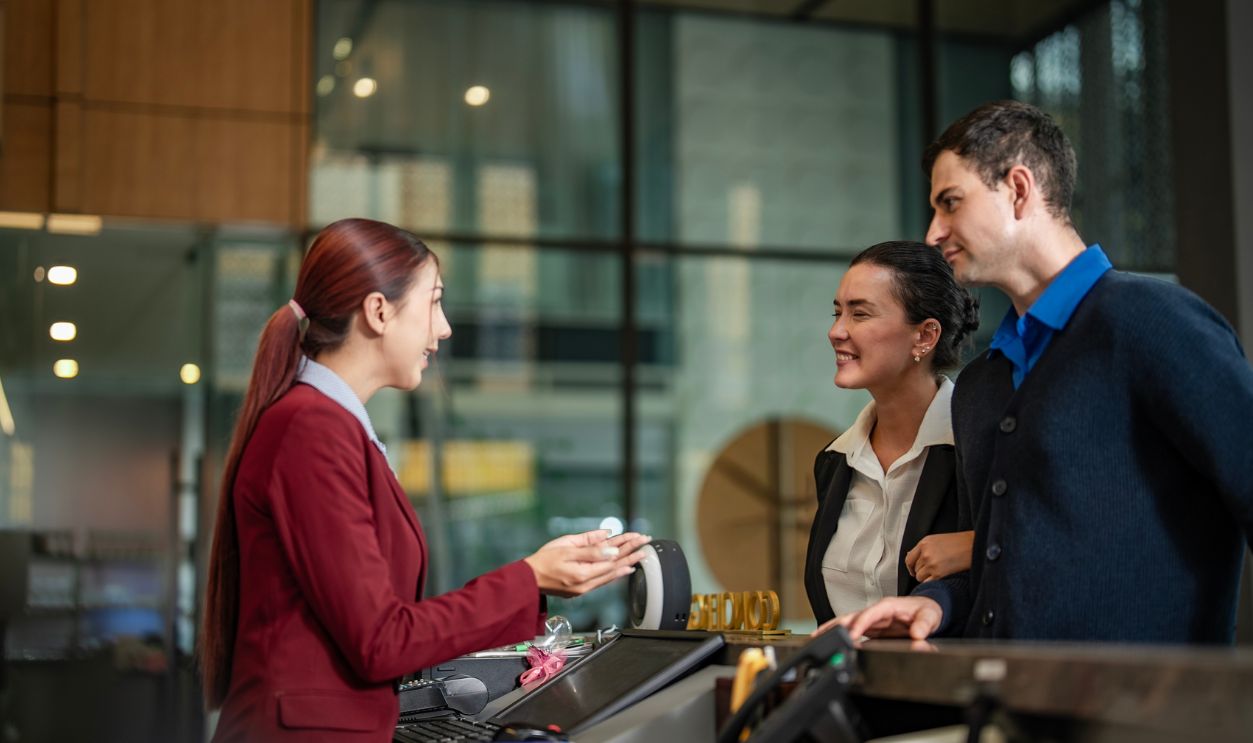
Some hotels sell particular room rates or packages that specifically include breakfast. Marriott notes that hotels without universally complimentary breakfast may offer dedicated breakfast-included packages instead. That wording makes the meal part of the purchased rate rather than a free amenity available to everyone.
 Wanwajee Weeraphukdee, Shutterstock
Hilton Defines Its Package Clearly
Hilton's breakfast-included offer specifies that registered guests receive daily breakfast at designated hotel restaurants. Its terms also explain exclusions such as in-room dining, alcoholic beverages, and gratuity. That is the kind of detail that helps prevent the guest from discovering the limits only after sitting down.

The Number Of Guests Can Matter
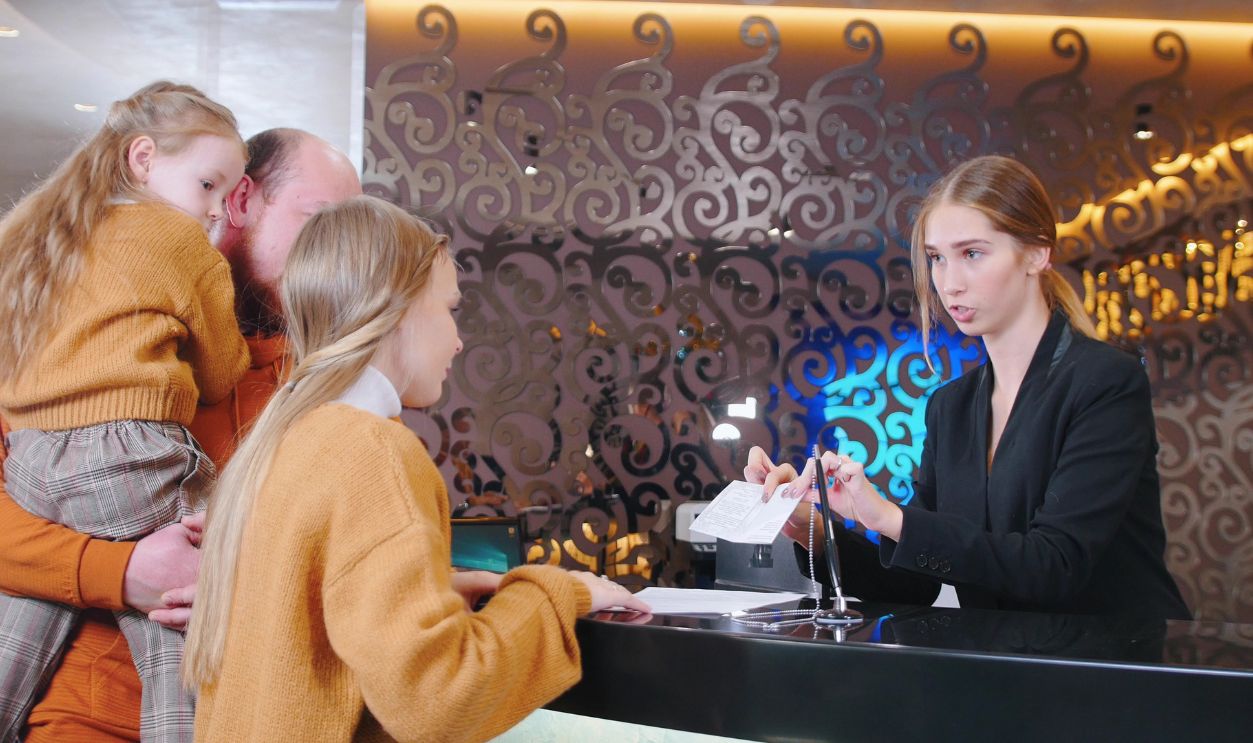
A breakfast benefit may cover only registered occupants or a specified number of guests. Hilton's offer applies to registered guests, while loyalty benefits from other chains may have their own adult and child limits. Families should therefore check whether “breakfast included” means everyone in the room or only particular occupants.
 KONSTANTIN_SHISHKIN, Shutterstock
Your Rate Can Matter Too
Two people staying in identical rooms may have different breakfast entitlements. One rate might include breakfast while a cheaper room-only rate does not, and loyalty status can create another set of benefits. Checking the exact rate description is more reliable than assuming the entire hotel follows one policy.

The Booking Platform Matters
The FTC's lodging pricing rule covers hotels as well as third-party platforms, resellers, and travel agents that advertise short-term lodging. That means misleading representations do not become harmless simply because they appeared on a booking website rather than the hotel's own page. Save the exact listing you relied on.

Screenshots Are Your Best Friend
Take a screenshot when a listing prominently says “free breakfast,” especially if that amenity influences which property you choose. Save the rate details and confirmation as well. If the hotel later describes a substantially different benefit, you have evidence of what was represented when you purchased the stay.

Start With The Front Desk
Before assuming bad faith, ask exactly what your reservation includes. The employee may discover that you booked a qualifying breakfast rate, that vouchers were omitted at check-in, or that a restaurant employee misunderstood the benefit. Hotel breakfast programs can legitimately vary by property, brand, rate, and status.

Ask To See The Written Policy
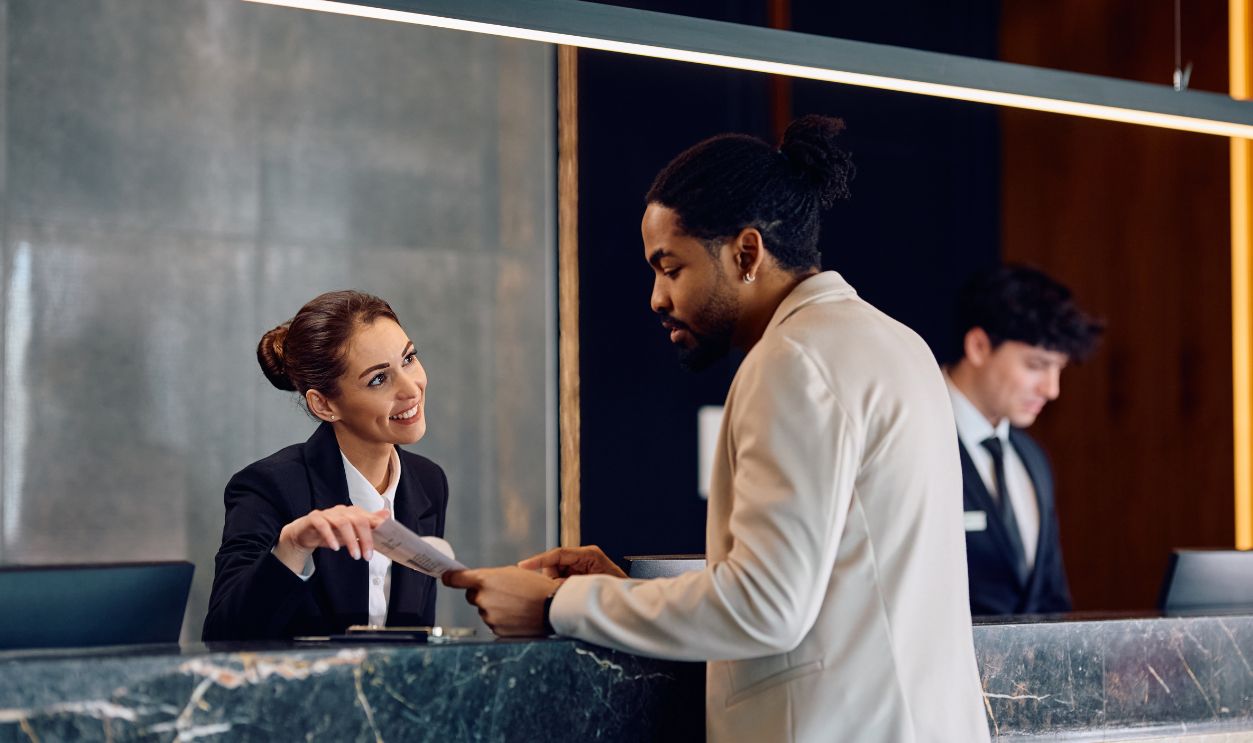
If the hotel says only coffee is complimentary, ask where that limitation appeared during booking. A clear written disclosure puts the disagreement on firmer ground. If nobody can show you where “free breakfast” was defined as coffee, your complaint becomes considerably easier to explain.
Compare The Advertisement With Reality
Take the marketing claim literally and list what was actually available without charge. If the advertisement described a hot breakfast and only coffee was free, the discrepancy is straightforward. Hampton, for example, explicitly describes its free breakfast as including actual hot and cold food, which demonstrates how specific hotel marketing can be.

Extras Can Still Cost Money
A legitimate complimentary breakfast does not mean everything served by the hotel restaurant must be free. A property might provide a buffet while charging for specialty dishes, room service, alcoholic beverages, or upgraded items. Hilton's breakfast package, for example, expressly excludes certain services and products.

The Problem Is When Extras Become Almost Everything
Charging extra for an omelet beside a complimentary buffet is easy to understand. Calling coffee the free breakfast while effectively every food item requires payment creates a much larger gap between the advertisement and the experience. The broader the original promise, the more important it becomes to disclose substantial limits clearly.
 MultiEditor03, Wikimedia Commons
The New Hotel-Fee Rule Helps With Transparency
Since May 12, 2025, the FTC's Rule on Unfair or Deceptive Fees has required short-term lodging sellers to display mandatory charges prominently in the total price. The rule is primarily about pricing rather than defining breakfast, but it also prohibits certain misrepresentations about fees. Travelers now have stronger federal transparency requirements surrounding the hotel purchase itself.

Optional Breakfast Purchases Can Cost Extra
Hotels remain free to sell optional breakfast upgrades or restaurant meals separately. The FTC lodging rule allows genuinely optional goods and services to be added later when the customer chooses them. The issue is not the existence of paid breakfast items but whether the hotel's advertising accurately described what was already included.

Ask The Hotel To Make It Right
If breakfast influenced your booking decision, tell the manager that explicitly. Show the listing and explain what you reasonably expected versus what was provided. A reasonable remedy might be complimentary food, removal of breakfast charges, a partial refund, or another property-approved adjustment.

Escalate Through The Booking Company
When a third-party site displayed the misleading amenity, contact that company as well. The FTC has previously taken action involving hotel resellers over misleading representations in the booking process. A reseller cannot simply assume accurate information is somebody else's problem.

A Credit Card Dispute Is A Later Option
The Consumer Financial Protection Bureau advises consumers with a product or service problem to contact the seller and request a resolution first. Depending on the circumstances, a card issuer may then allow a dispute or chargeback. A service delivered differently from what was agreed can qualify for billing-error protections in some situations.

Do Not Dispute The Whole Hotel Stay Automatically
If you received the room but disagree only about breakfast, demanding reimbursement for the entire stay may be difficult to justify. Credit card protections distinguish between services not delivered as agreed and dissatisfaction with the quality of something accepted. Keep any dispute proportional to the actual problem and provide documentation.

Watch The 60-Day Credit Card Window
CFPB guidance says consumers generally should send a written billing-error notice within 60 days after the disputed charge appears on the credit card statement to protect federal rights. Keep copies of the correspondence and records of calls. Waiting months to deal with a relatively small hotel dispute can unnecessarily weaken your options.

Report Advertising That Looks Deceptive
A guest does not need to turn every disappointing buffet into a federal case. However, repeated advertising that prominently promises a free breakfast while delivering something materially narrower may warrant a complaint to consumer-protection authorities. The FTC has made clear that lodging advertising and “free” representations remain subject to federal consumer-protection standards.

Coffee Alone Probably Needs Clearer Wording
There is no federal rule declaring exactly how many food items legally constitute a hotel breakfast. Still, “free breakfast” creates a broader expectation than “free coffee,” and FTC guidance requires free offers and material restrictions to be represented clearly. If the only complimentary item truly was coffee, the hotel would have been on much safer ground advertising exactly that.

You May Also Like:
Four Key Tips For Traveling On A Budget
The 50 Most Walkable Cities In North America
Unexpected Things Boomers And Millennials Actually Agree On
Sources: 1, 2, 3, 4, 5, 6, 7, 8, 9, 10, 11, 12, 13, 14, 15, 16