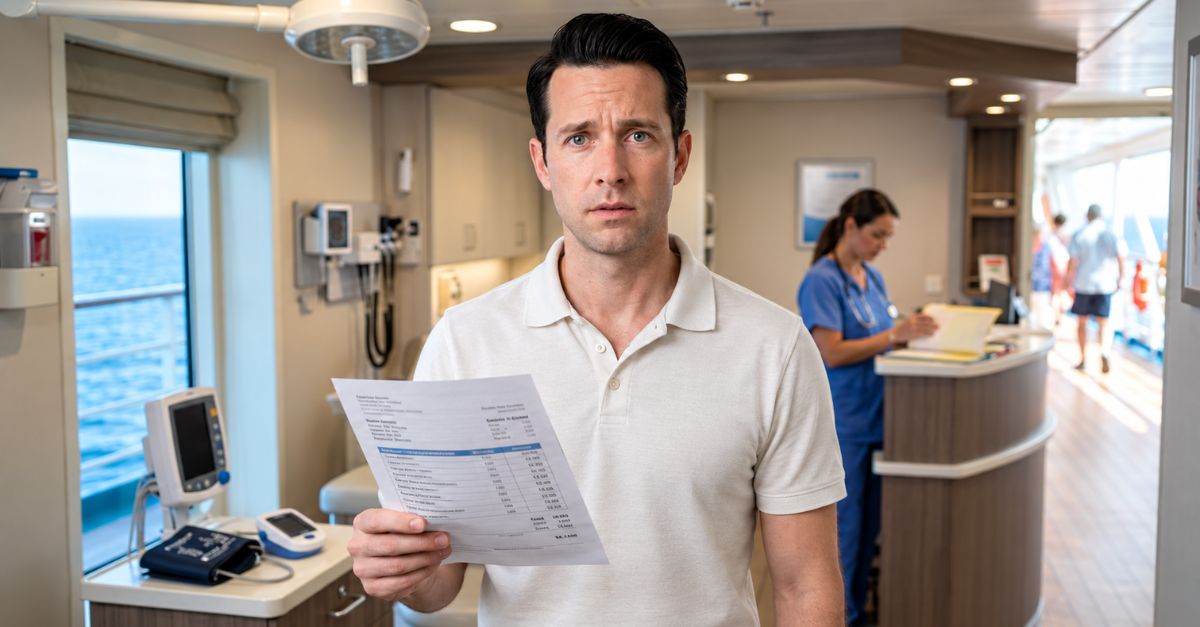
The Bill That Can Wreck Your Vacation
On most cruises, onboard medical care is usually private, billed separately, and often priced much higher than many travelers expect. The hard truth is that cruise lines can generally charge the medical rates they post, as long as they disclose that medical care is not included in the cruise fare.
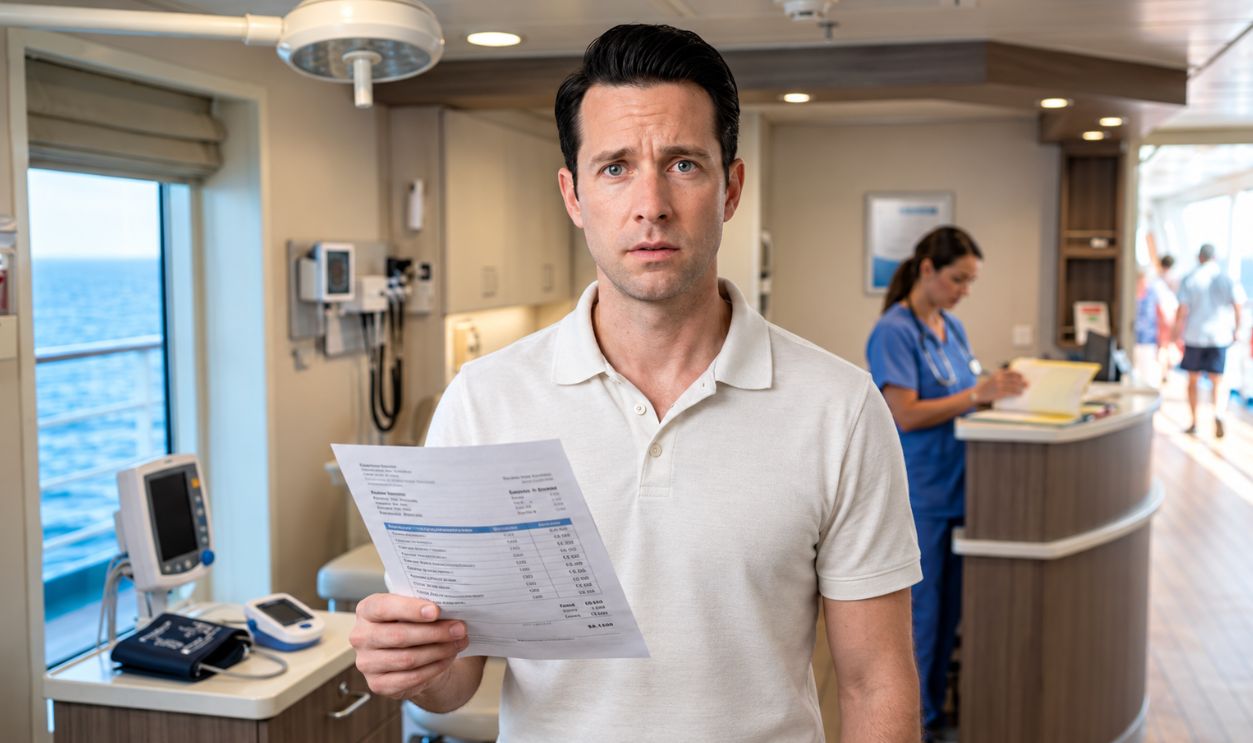
Why This Feels Different From Staying At A Hotel
A cruise ship is part hotel, part transportation, and part isolated floating town. That changes everything when you get sick. On land, you can compare urgent care clinics or find an in-network hospital. At sea, there is usually one doctor and one place to go. With no real competition, the bill can hit hard.

Yes, Onboard Doctors Usually Set Their Own Fees
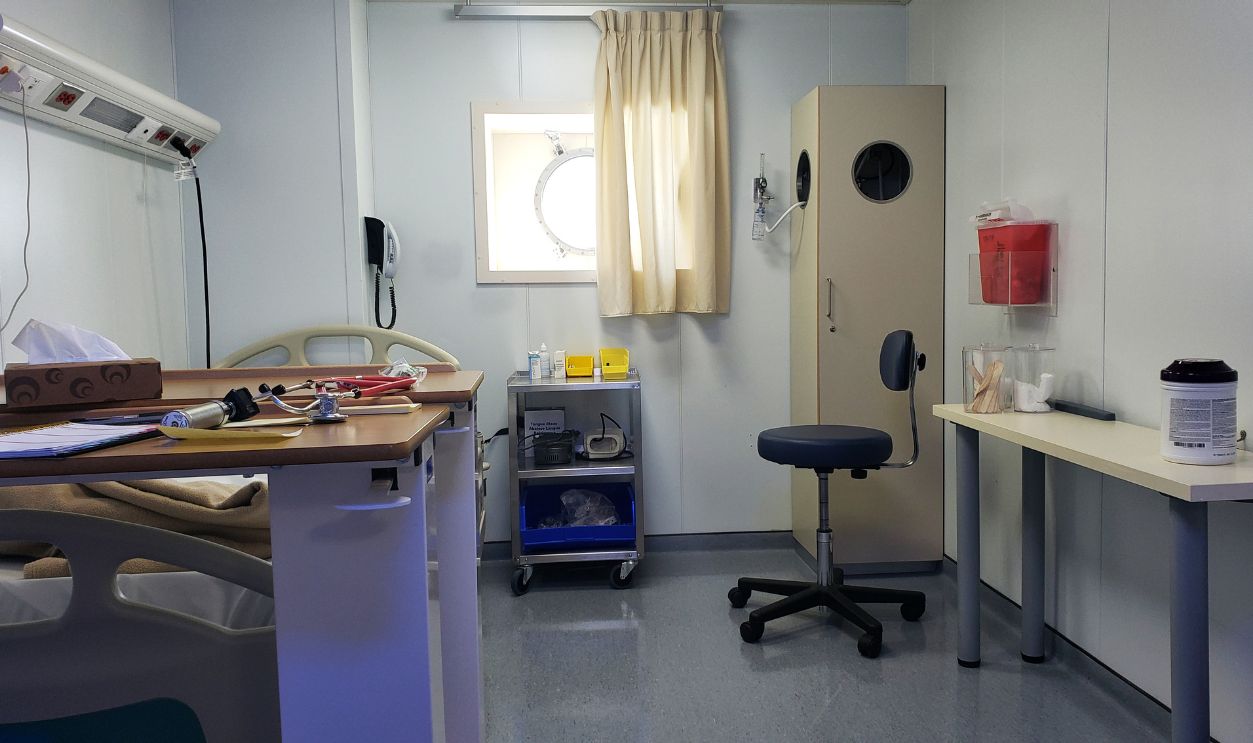
In practice, cruise ship medical centers can charge their own rates for exams, tests, medicines, and treatment. Cruise contracts and health disclosures usually say medical care is not part of the fare and will be charged to the passenger’s onboard account. So a quick exam and a basic lab test can turn into a four-figure expense before you are back in your cabin.
The Fine Print Matters More Than Most People Think
Major cruise lines tell passengers in ticket contracts and pre-cruise health information that medical services cost extra. Royal Caribbean, for example, says medical services are not included in the cruise price and are charged to the passenger’s SeaPass account. Carnival also says its ships’ medical centers are not public health facilities and that services are charged onboard.

Cruise Ships Do Have Medical Standards
That does not mean ship medicine is a free-for-all. Cruise Lines International Association, or CLIA, publishes guidelines for medical facilities, staffing, and equipment on oceangoing passenger ships. Those guidelines cover doctor qualifications, emergency response, and basic lab services, but they do not put price caps on what passengers can be charged.

The Industry Rules Focus On Care, Not Cost
CLIA’s medical guidance has long focused on whether ships have trained doctors and nurses, treatment rooms, and emergency drugs and equipment. It says much less about what a strep test, IV fluids, or an X-ray should cost. So a passenger may get proper care and still feel blindsided by the bill.
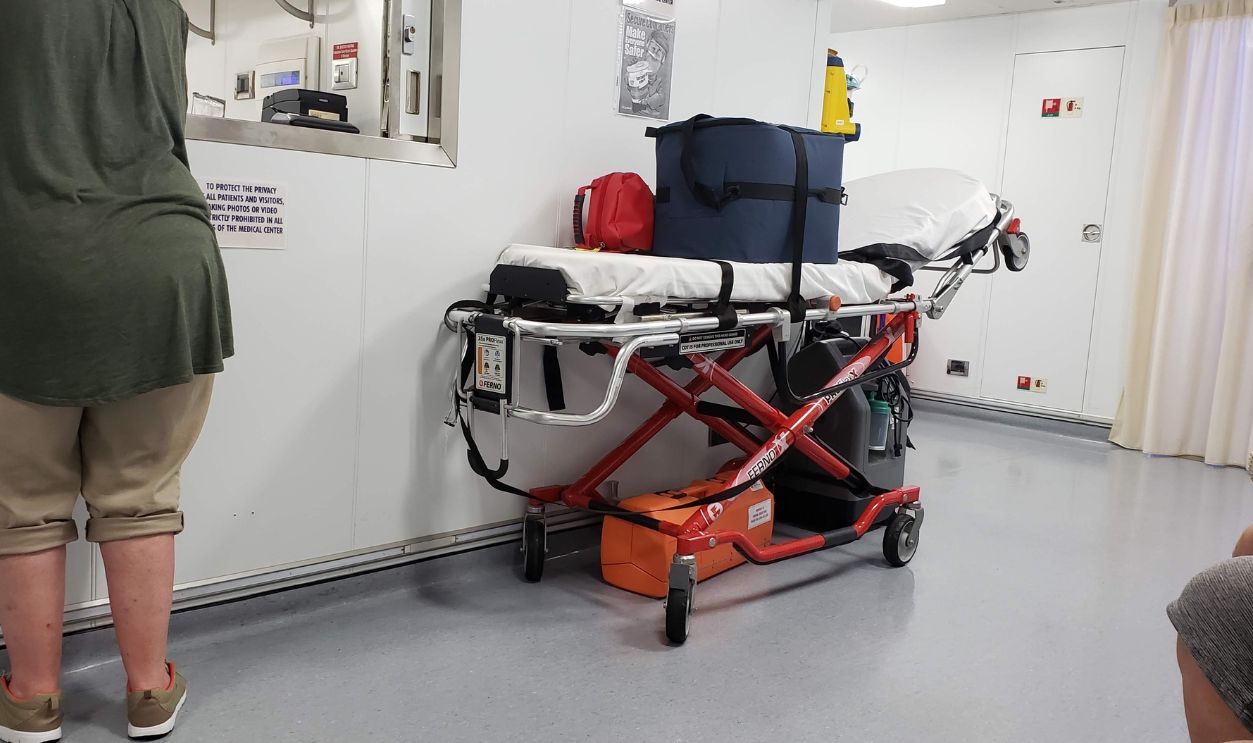
The CDC Sees Ship Medical Care As Its Own Kind Of Setting
The Centers for Disease Control and Prevention oversees parts of cruise public health through the Vessel Sanitation Program, which mainly deals with sanitation, outbreaks, and reporting. It is not a price regulator for ship clinic fees. So there is oversight for health conditions on ships, but no government price list that limits what the onboard doctor can charge.

Where The Legal Picture Gets Messier
Cruise ships cross borders, sail under different flags, and use contracts that often require disputes to be handled in certain courts. That can make fights over medical bills much tougher than complaining about a hotel charge. The key issue is usually not whether the bill feels outrageous, but whether the charges were disclosed and billed under the contract terms.

A Major Court Ruling Changed How Cruise Lines Can Be Sued
For years, cruise lines often avoided liability for ship doctors under a legal rule known as the Barbetta rule. That changed in 2014, when the U.S. Court of Appeals for the Eleventh Circuit decided Franza v. Royal Caribbean Cruises, Ltd. The court allowed negligence claims against the cruise line based on the actions of onboard medical staff, rejecting that old blanket protection in that case.

What Franza Changed And What It Did Not
Franza mattered because it opened the door to holding a cruise line responsible for shipboard medical negligence in some situations. But it did not create any rule limiting how much a medical center can charge for a visit or a test. It matters for accountability over bad care, not as a direct way to fight high prices.

The Pricing Shock Is Well Known
Consumer complaints about steep cruise medical bills have been showing up for years in travel reporting and insurance advice. Travelers have reported being charged hundreds for simple visits and much more for imaging, IV treatment, or overnight monitoring. Insurers and cruise advisers regularly warn that onboard clinics are convenient, but rarely cheap.

Insurance Can Be The Difference Between A Big Bill And Getting Repaid
Travel insurance and some private health plans may reimburse eligible onboard medical costs, but coverage varies a lot. Medicare generally does not cover health care outside the United States, and that often includes cruise ship care except in narrow cases. Official Medicare guidance says ship coverage is limited and depends on strict geographic rules, which can leave many retirees especially exposed.

Do Not Count On Your Regular Health Insurance
Even strong domestic coverage may not help much on a ship. The clinic may be treated as out-of-network or as overseas care. That can leave you paying upfront and trying to get reimbursed later. The U.S. State Department and travel insurers both warn travelers to check medical coverage before sailing, not after a bad night at sea.

The Cruise Line Usually Wants Payment Right Away
Onboard medical charges are often posted straight to your ship account, just like drinks or spa treatments. If the bill is large, that can create instant credit card stress before the trip is even over. If reimbursement happens, it is usually up to you to chase it after the cruise.
Why A Simple Test Can Cost So Much
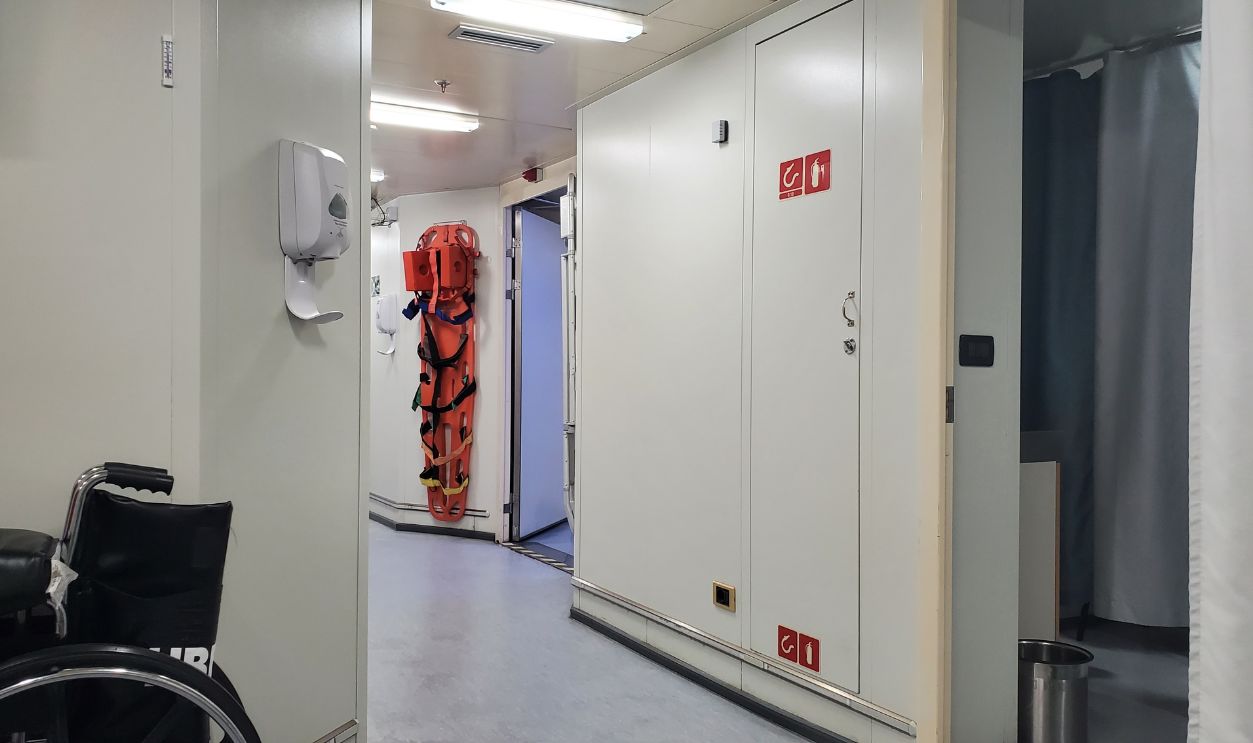
The ship’s clinic operates in a remote setting with limited staff, limited equipment, and a need to be ready for emergencies around the clock. Those factors do raise costs compared with a clinic on land. But that does not make the final bill any easier to swallow when a rapid test and a short exam cost as much as an emergency room visit.
Many Passengers Do Not See The Price List Until It Is Too Late
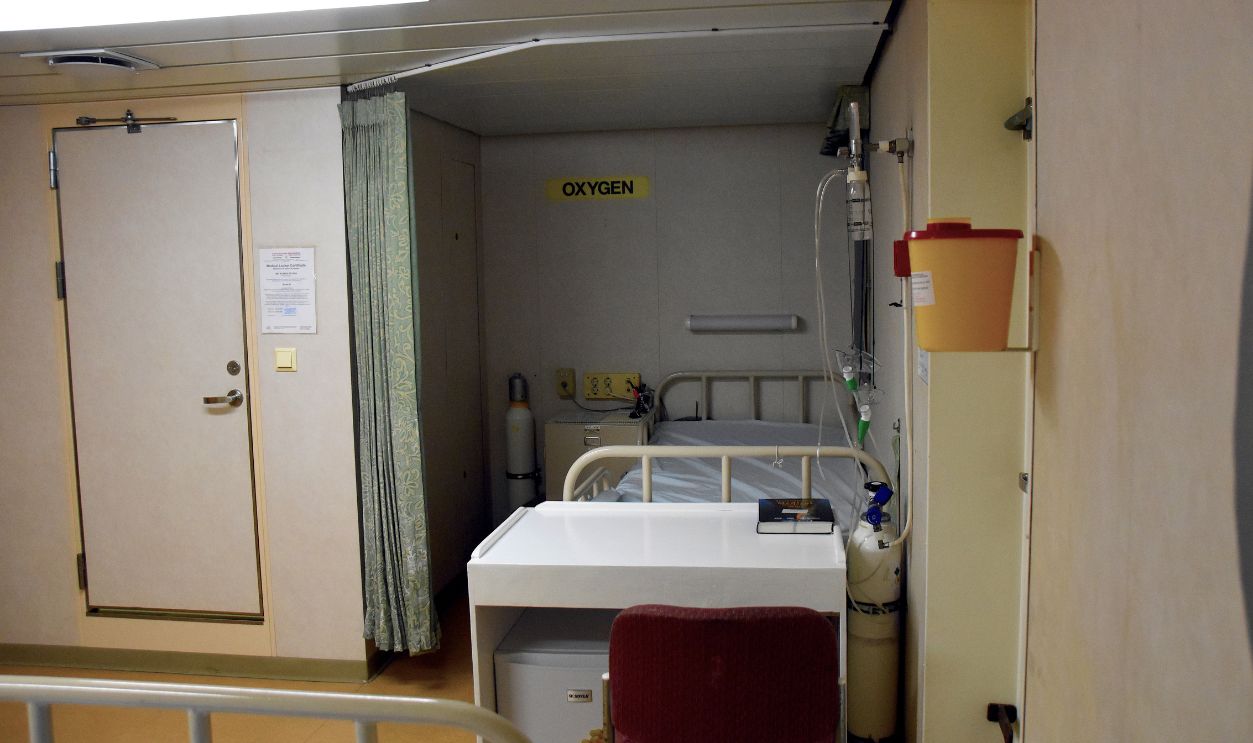
Some cruise lines say pricing information is available at the medical center, but many passengers never think to ask for it before treatment. When you are sick, comparison shopping is not realistic, and bargaining is not either. That is why the sticker shock usually comes after the visit, not before it.

Can You Say No Once You Hear The Price
Sometimes, yes, if the problem is minor and you have real options, like waiting for the next port and getting treatment ashore. But if the condition could get worse quickly, putting off care can be risky and even more expensive later. For urgent symptoms like chest pain, trouble breathing, severe dehydration, or signs of stroke, it makes more sense to get treated first and worry about the bill after.

There Is A Difference Between High Prices And Illegal Billing
A painful bill is not automatically illegal. To successfully challenge cruise medical charges, a passenger would usually need proof of improper billing, hidden fees, duplicate charges, or care that fell below professional standards. If the charges match posted rates and the contract says medical care costs extra, the legal path gets much narrower.

When It Makes Sense To Push Back
If you are charged for tests you never got, medications you did not take, or duplicate visits, dispute the charges right away with the ship and again in writing after the voyage. Ask for an itemized bill, copies of your medical records, and the name and credentials of the clinician who treated you. Those records matter if you later file an insurance claim, a credit card dispute, or a legal complaint.

What To Ask Before Treatment If You Can
If you are well enough to ask questions, request the consultation fee, the price of likely tests, and whether there are cheaper treatment options. Ask whether the charge includes follow-up checks or whether each visit means a new fee. It may feel awkward, but a quick conversation about price can save you from a four-figure surprise.
 R Photography Background, Shutterstock
The Best Defense Starts Before You Sail
Buy travel insurance that specifically covers emergency medical care and medical evacuation, and read the coverage limits closely. Evacuation can cost far more than the clinic visit if a helicopter or urgent removal from the ship is needed. The CDC and State Department both stress planning for illness or injury during international travel.

Evacuation Is The Worst-Case Scenario
If the ship’s doctor decides you need care the vessel cannot provide, the next step may be treatment in port or an evacuation. Those bills can dwarf even a brutal clinic invoice. Medical evacuation coverage is not the most exciting part of travel insurance, but on a cruise it can be the most important.

Read The Cruise Contract Before You Board
Yes, the ticket contract is dull, and almost nobody reads it closely. But that is where the cruise line says onboard medical treatment is separate from the fare and comes with added charges. It is also where you will find deadlines and rules about where you can complain or sue if things go wrong.

The Best Paper Trail Starts Right Away
Take photos of every invoice, prescription label, and account screen showing the charge. Write down the date, time, your symptoms, and who treated you. If your memory gets hazy after a rough day and a fever, that record may become your best evidence later.

Credit Card Protections May Help A Little
If the final bill includes charges you truly dispute, your credit card issuer may let you challenge part of the transaction. That is not a magic fix for expensive but valid care, and documentation will matter. Still, it can help when the issue is billing accuracy rather than the fact that the clinic was expensive.

There Is No Broad System Capping Cruise Clinic Prices
Right now, there is no broad U.S. consumer pricing system that sets standard rates for shipboard doctor visits and tests across the cruise industry. There is oversight for safety, sanitation, and in some cases professional negligence, but not a simple cap on what a rapid test or exam may cost. That leaves travelers relying on disclosures, insurance, and their own preparation.

So Can Cruise Ship Doctors Charge Whatever They Want
Not in the sense that they can make up random numbers after the fact. But yes, in the practical sense that onboard medical providers and cruise operators generally set their own fee schedules. Those charges are usually enforceable if they are disclosed through the cruise line’s medical policies and passenger contract. If that feels like a weak answer, take it as a warning to buy coverage and ask questions before you sail.

The Bottom Line Before You Go
A short visit to a cruise clinic really can cost thousands, especially once tests, medications, or repeat checks are added. The best way to protect yourself is to confirm your health coverage, buy travel medical and evacuation insurance, and ask about pricing whenever you can. The ocean may be the relaxing part of the trip. The medical center usually is not.