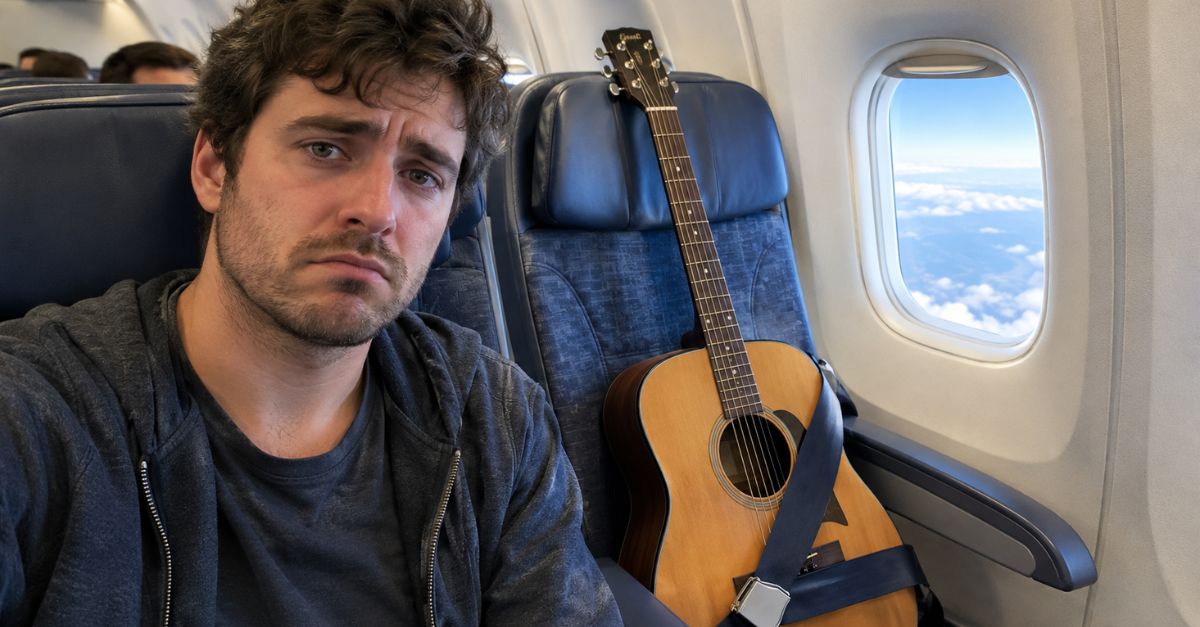
When Buying a Seat Still Isn’t a Sure Thing
If you've got a fragile instrument and don't trust airport cargo handling, buying an extra ticket to put it on the seat next to you sounds like like an easy fix: Then you get to the gate and hear that they still want to put it down in the cargo hold. It might surprise you, but that extra ticket does not automatically force an airline to let the instrument ride in the cabin. If it does not meet the airline’s safety rules, the carrier can still say no.
What the Federal Rules Actually Say
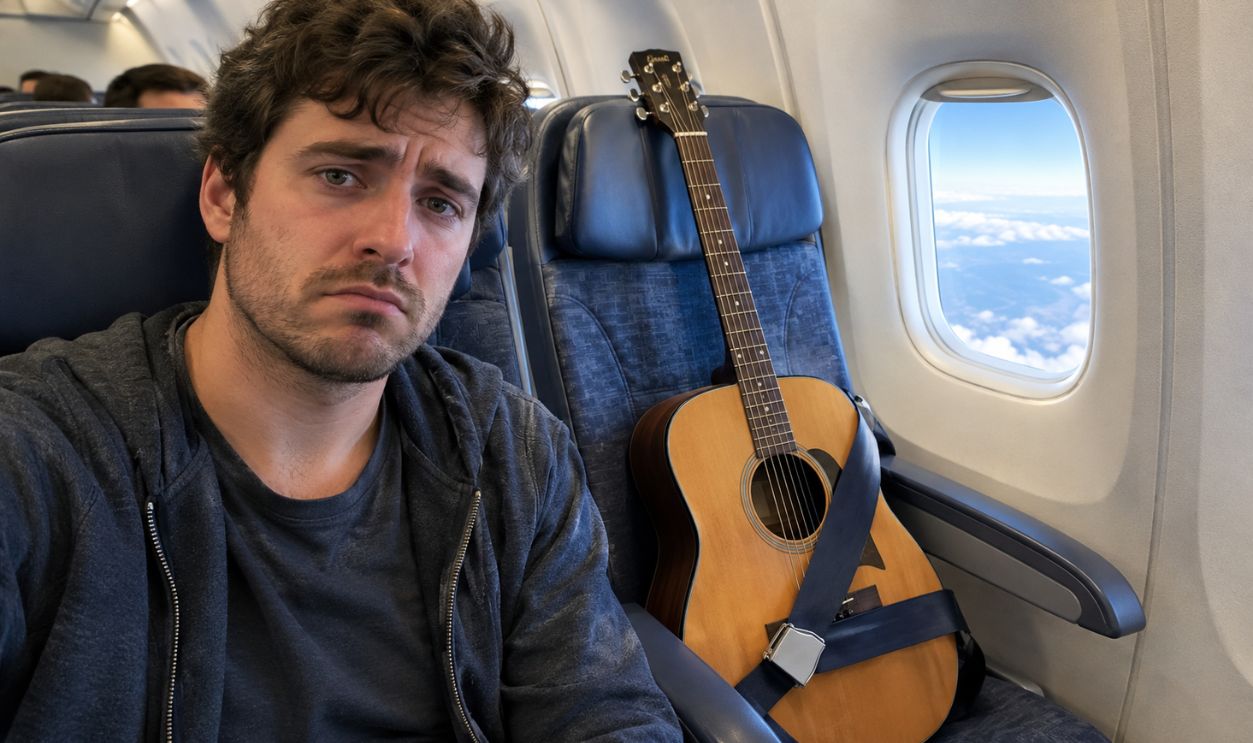
The main federal rule is 14 CFR 121.589, a U.S. Department of Transportation regulation on carry-on baggage and cargo. It says airlines may allow a musical instrument in the cabin if it can be stowed safely in an approved overhead bin or under a seat. It also says an airline may allow a musical instrument in a passenger seat, but only if strict safety conditions are met.
 Shutterstock AI Generator, Shutterstock
The Real Catch Is Safety Approval
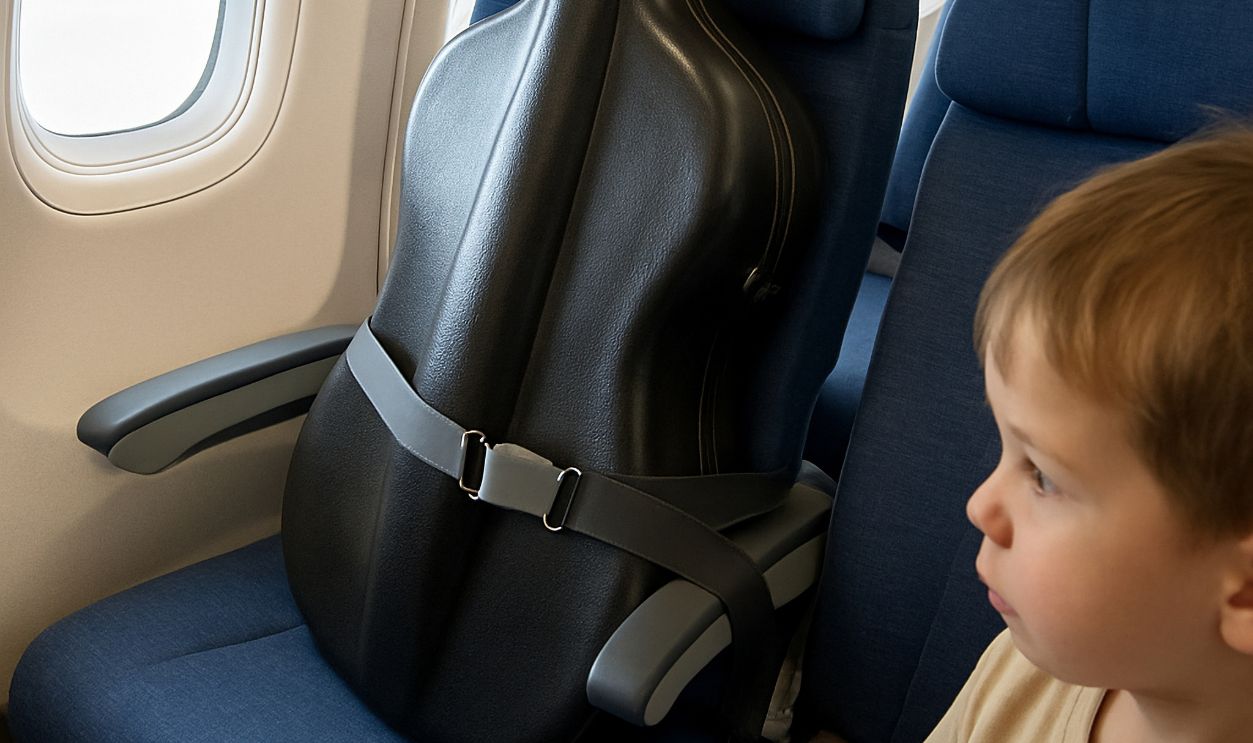
That is the part many travelers miss. Under federal rules, an instrument in a seat cannot block the aisle or access to exits, cannot cover required signs, and must be secured with a seat belt or another approved restraint. If the airline decides those conditions are not met, it can refuse to let the instrument stay in the cabin, even if you paid for the seat.
Congress Stepped In More Than a Decade Ago
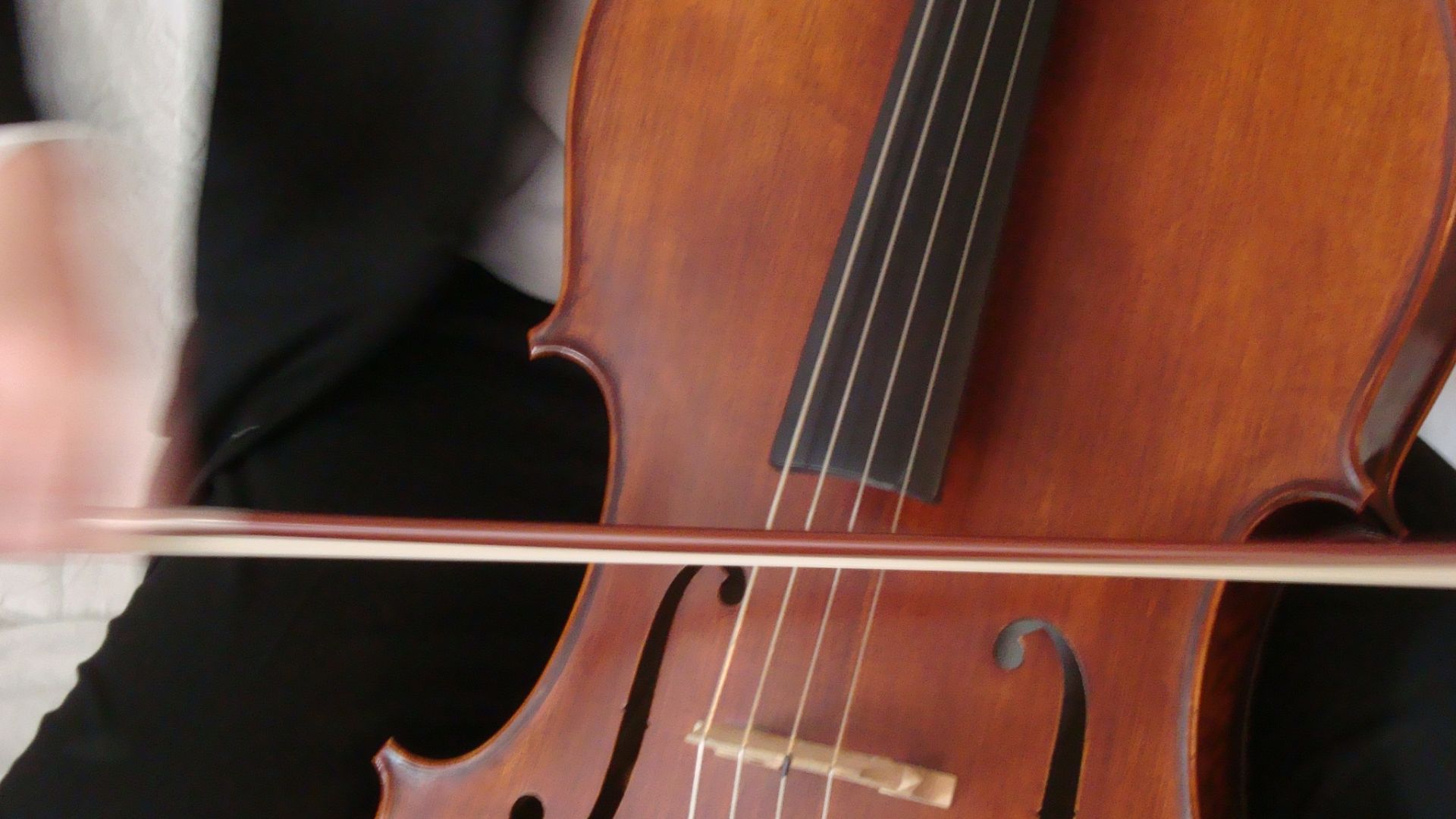
In February 2012, Congress passed the FAA Modernization and Reform Act. The law included language telling airlines to allow small instruments in overhead bins or under seats when space is available at the time the passenger boards. It also dealt with larger instruments, making clear that they can travel in the cabin only if they meet size, weight, and safety rules.
Small Instruments Get Better Protection
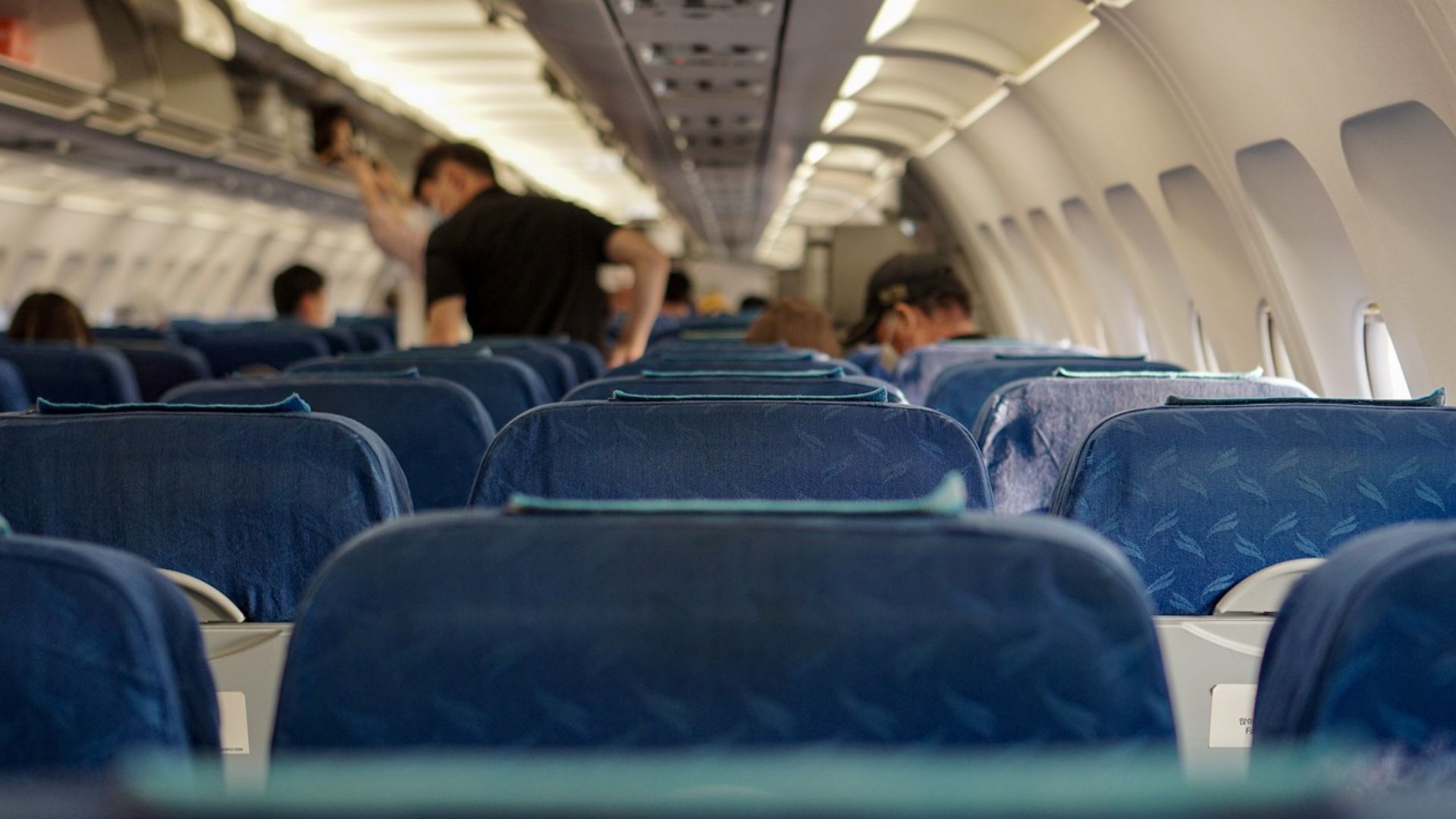
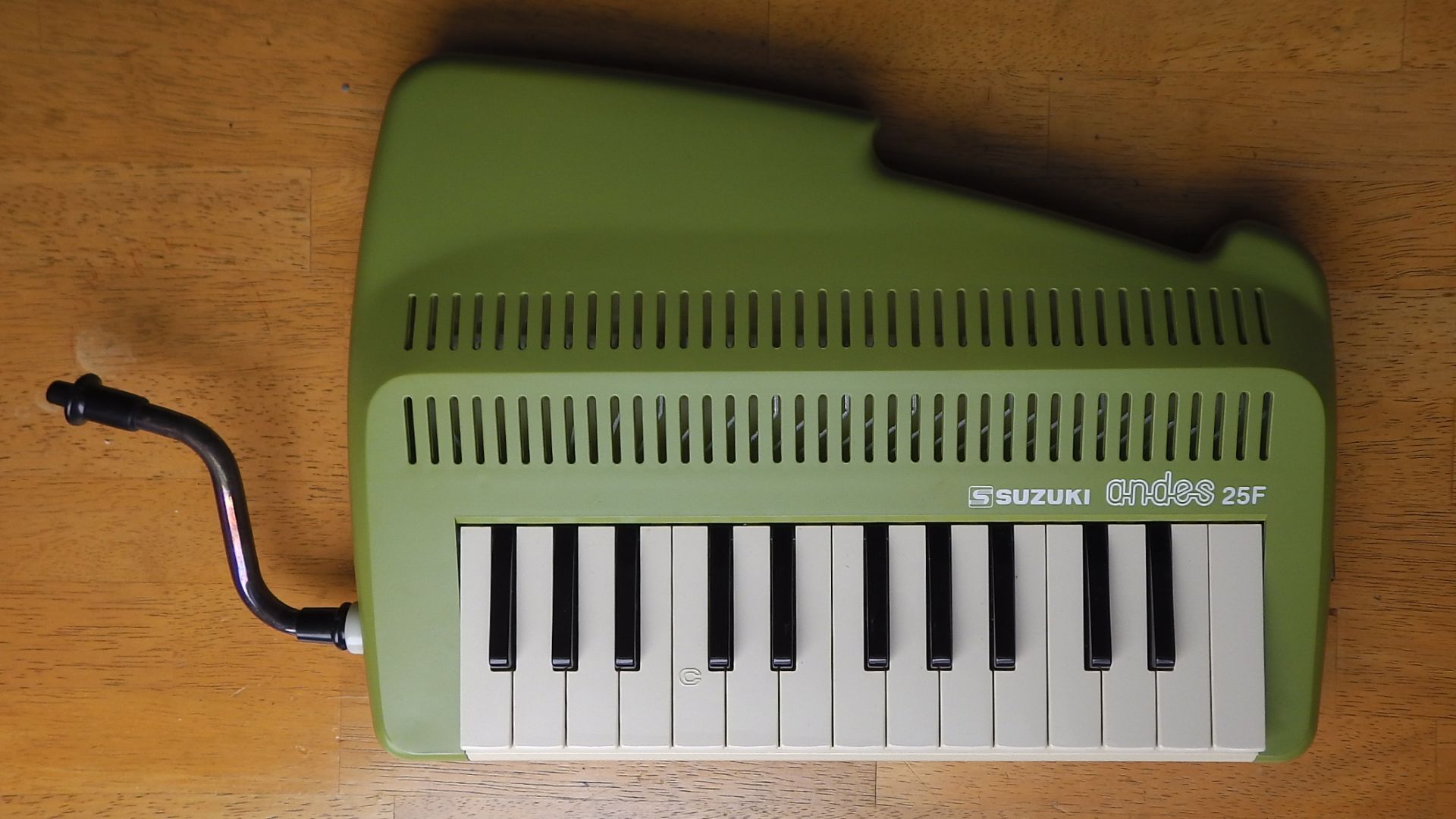
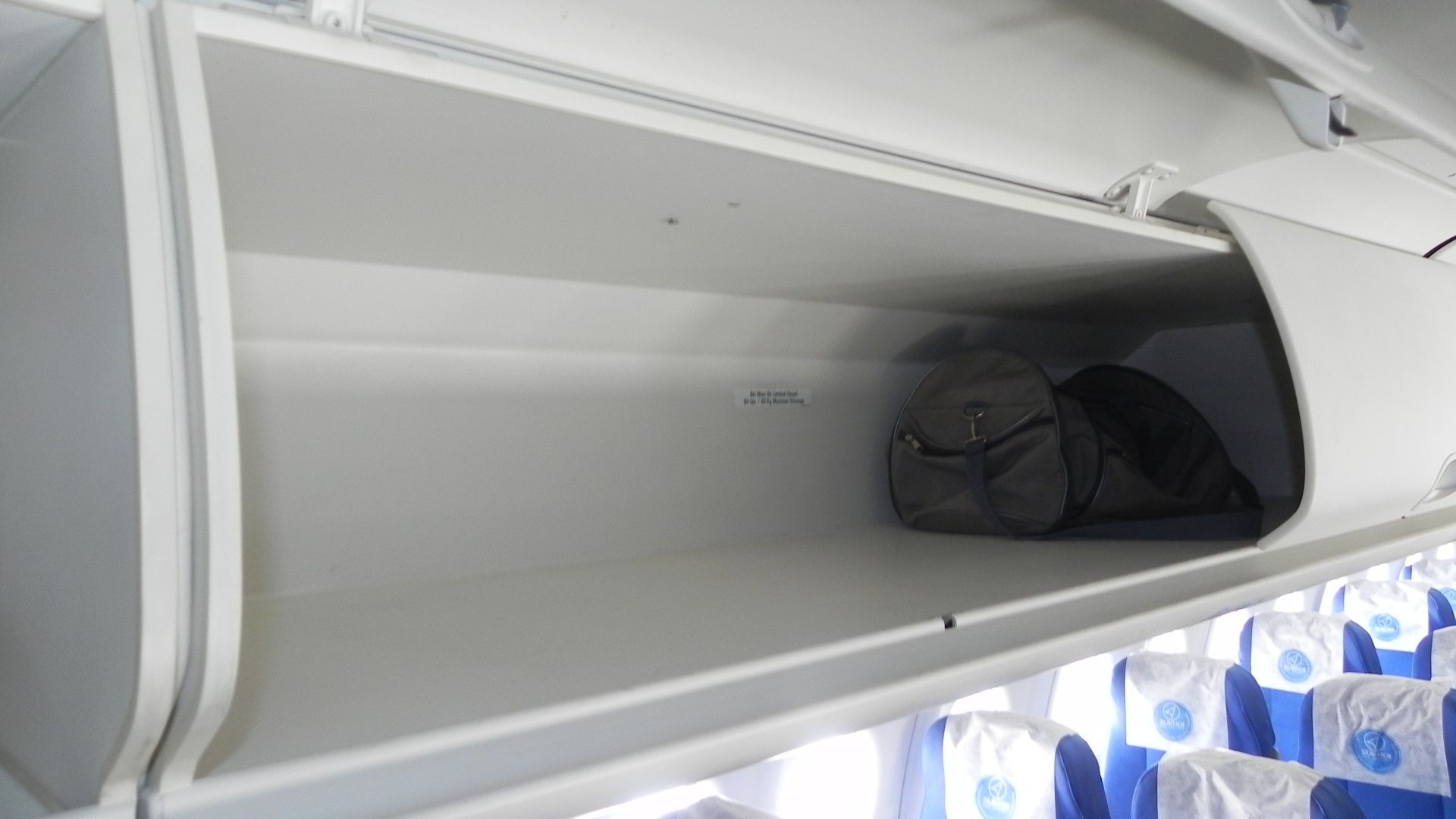
If your instrument is small enough to fit in the overhead bin or under the seat, the law gives you more help. The Federal Aviation Administration says airlines must allow those instruments in the cabin, but only if there is space when you board. That is why boarding early can make all the difference.
 ウィキ太郎(Wiki Taro), Wikimedia Commons
Buying a Seat Helps, but Only up to a Point
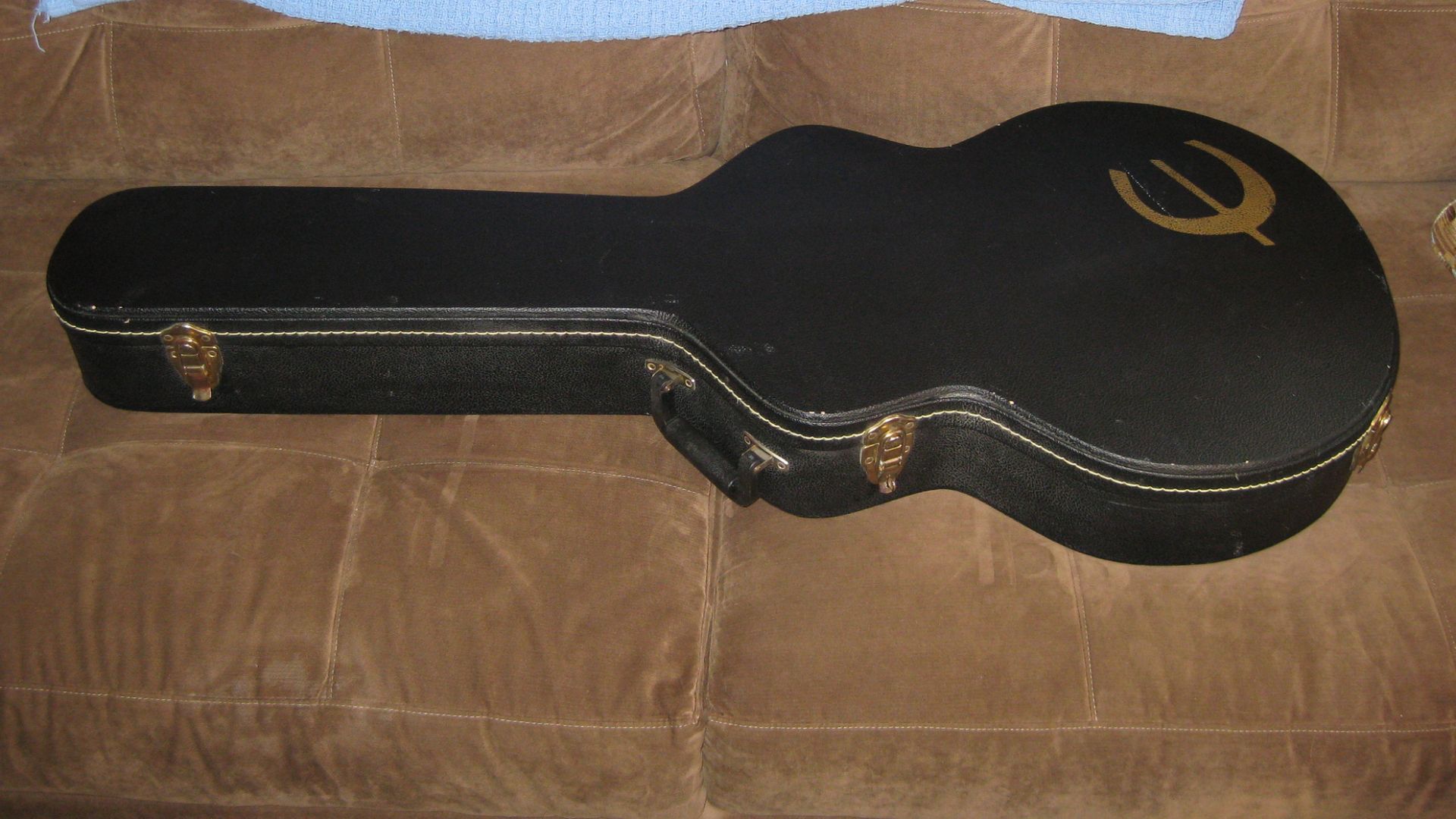
For larger instruments, the FAA says they may be carried in the cabin only if the passenger buys an extra seat and the instrument can be secured and carried safely. The agency also says the instrument must be in a case or covered to avoid injury. In other words, the extra ticket helps, but it does not cancel out the airline’s duty to follow safety rules.

There Is Also a Weight Limit
Federal law set an important cap for larger instruments in the cabin. Under the 2012 law, an instrument carried in a purchased seat must weigh 165 pounds or less and has to be secured so it does not move during the flight. That sounds generous, but many airlines have tighter limits in practice because of seat size and cabin layout.

Airlines Can Add Their Own Rules
Airlines usually publish their own musical instrument policies, and those rules matter. American Airlines, Delta Air Lines, United Airlines, Southwest Airlines, and Alaska Airlines all say cabin-seat items must fit within certain dimensions, be secured safely, and not block signs, aisles, or exits. If your instrument is too big for the seat or cannot be strapped in properly, airline staff can reject it at the airport.

American Airlines Says It Plainly
American says you can buy a seat for a cello, guitar, or other item, but the item must fit safely in the seat and be secured with a seat belt. The airline also says the object cannot go over certain dimensions and cannot block access or signage. That is a reminder that buying the ticket is only one part of the process.

Delta Uses Much the Same Standard
Delta’s policy also allows a musical instrument in a purchased seat when it can be secured and does not create a safety risk. The airline says these items cannot block aisles or exits and must fit in a spot approved by the carrier. If an airport or gate agent decides those conditions are not met, the instrument may have to be checked.
 Scott Cranfill from Lexington, Kentucky, United States, Wikimedia Commons
United Still Keeps the Final Say
United lets customers buy an extra seat for certain cabin-seat baggage, including musical instruments. But its policy says the item must be secured safely in the seat next to the traveler and must meet size limits. In real life, that means airline employees still make the final call on whether the setup is safe for that flight.

Southwest Is Friendly, but Not Without Limits
Southwest has a reputation for being fairly musician-friendly, especially because of its baggage policies. Even so, its public guidance says a ticketed instrument in the cabin must fit in the seat, be secured with a seat belt, and cannot go in an exit row or block access. Buying a seat improves your odds, but it does not guarantee anything.

Alaska’s Policy Follows the Same Pattern
Alaska Airlines says musical instruments may travel in the cabin if they fit in approved storage spaces or in a purchased seat, subject to safety rules. The airline says cabin-seat baggage has to be restrained and must not interfere with other passengers or emergency equipment. Once again, safety approval comes first.
Why Gate Disputes Happen So Often
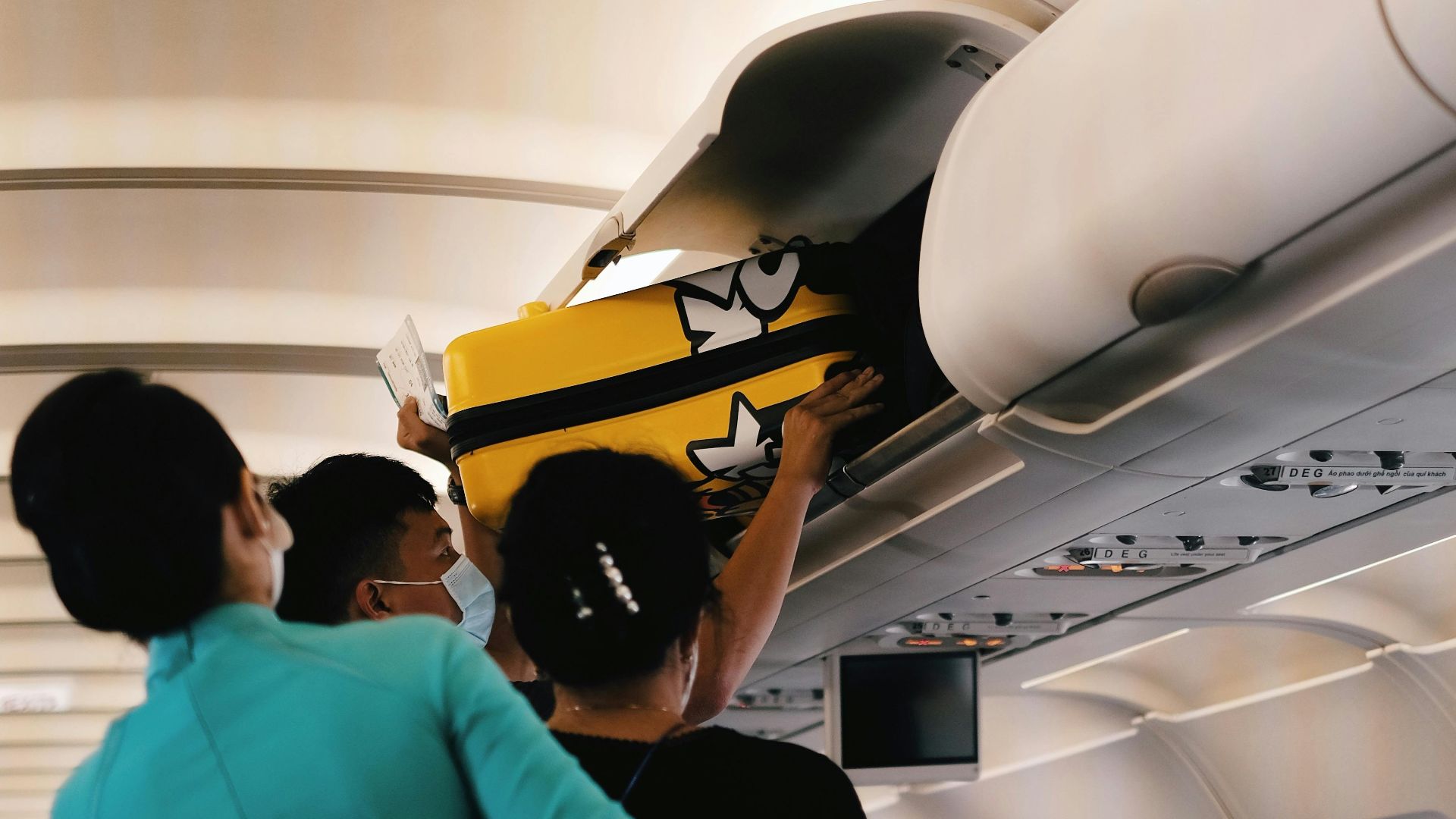
The tricky part is that this often gets decided at the airport, not when you buy the ticket. A website may happily sell you an extra seat, but gate agents and flight attendants are the ones who decide whether the item can actually fly in the cabin on that plane. If they think the instrument is unsafe or too large, that is usually when the fight starts.
 Monkey Business Images, Shutterstock
The Aircraft Type Can Change Everything
An instrument that worked fine on one trip can be turned away on the next because the aircraft is different. Seat width, bulkhead design, restraint options, and exit-row layouts vary from plane to plane. That is one reason musicians can do everything right and still run into problems on travel day.

The FAA Does Not Promise Cabin Space for Oversized Items
The FAA’s guidance on musical instruments is helpful, but it is not a blank check. The agency says larger instruments can travel in a seat only if they can be placed safely under FAA rules and the airline’s approved procedures. If those procedures are not met, the airline can require the item to be checked.
 SuperJet International, Wikimedia Commons
So Can an Airline Refuse a Ticketed Instrument?
Yes, in many cases it can. If the instrument does not fit the seat, cannot be secured properly, breaks weight or placement rules, or would block part of the cabin, the airline can refuse to carry it in the seat you bought. Paying for a separate ticket does not wipe away federal safety rules or airline operating policies.

You Still Have Some Options
You are not completely stuck if you planned ahead and the instrument seems to meet the published rules. If airline staff contradict the carrier’s own written policy, ask politely for a supervisor and show the relevant webpage or confirmation from the airline. Calm, clear paperwork usually goes further than arguing at the gate.

Get the Policy in Writing Before You Fly
One of the best moves is to contact the airline before your trip and ask for written confirmation on how the instrument should be booked and what size rules apply. Save screenshots of the policy page and keep any email exchange. If confusion comes up later, you will have something solid to show airport staff.

Measure More Than You Think
Do not guess. Measure the instrument in its case, including curves, handles, pockets, and any parts that stick out, then compare those numbers with the airline’s cabin-seat size limits. Something that seems like a close fit at home may still fail if the aircraft seat has a fixed armrest or a tighter shape than expected.
Ask About the Exact Booking Code
Airlines often use special name formats or codes for extra-seat items, sometimes called CBBG or cabin-seat baggage. If that coding is wrong, your reservation can become a headache during check-in. Make sure both the extra seat and the instrument notation are listed correctly in the booking record.

Do Not Skip the Airport Counter
Even if you checked in online, it is often smart to stop at the counter early and flag the instrument before security. Airport staff may be able to add notes, confirm the seat assignment, or help you avoid a last-minute surprise at the gate. Extra time can make a big difference when you are traveling with something unusual.
 AutoRentals, Wikimedia Commons
Boarding Early Really Matters
If your instrument is small enough for overhead storage, boarding order is crucial because the law protects cabin stowage only when space is available at boarding. If you are flying with a larger instrument in a purchased seat, early boarding still helps because the crew has more time to inspect it and secure it properly. Waiting until the last group boards is a good way to invite stress.

Pack Like It Might Still Be Checked
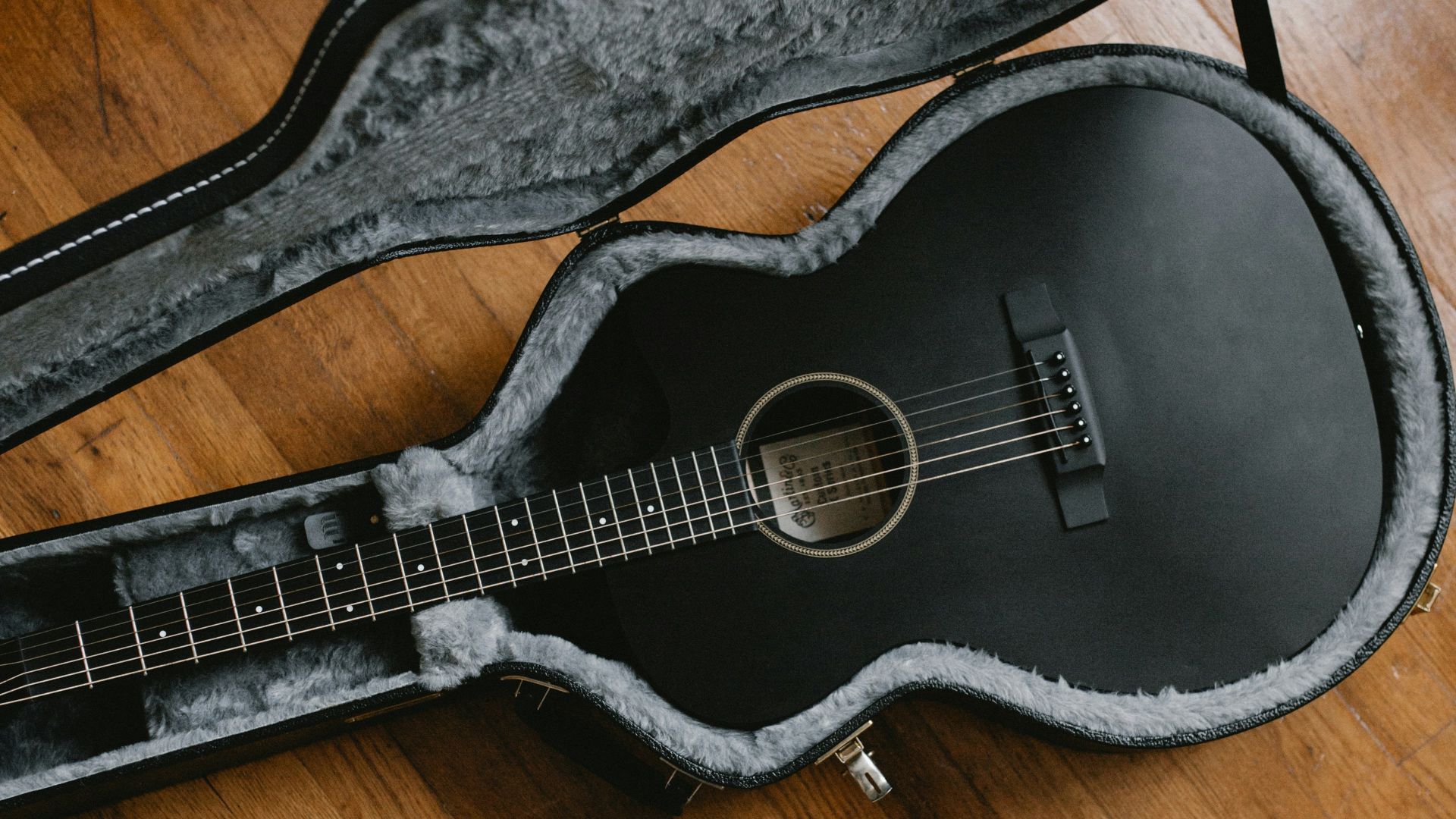
If the airline ultimately refuses the instrument in the cabin, your backup plan matters a lot. Use a serious hard case, loosen strings if that is appropriate for the instrument and the maker’s guidance, and remove loose accessories that could shift during transit. A bought seat may not save the day, so pack with the worst-case scenario in mind.

Insurance Is Not Just for Touring Pros
Standard airline liability may be limited, and valuable instruments can easily be worth more than that amount. Specialized musical instrument insurance can cover transit damage, theft, and loss more fully than a basic travel policy. For a valuable violin, cello, or vintage guitar, that can be the most practical safety net of all.

Document the Instrument Before You Leave
Take timestamped photos of the instrument and case before heading to the airport. Keep serial numbers, appraisals, and repair records handy in digital form. If damage happens or you need to file a claim, good records can save a lot of time and frustration.

If Trouble Starts, Keep the Focus on Safety Rules
At the airport, your strongest argument is not that the instrument is expensive or meaningful to you. It is that the item meets the airline’s published size and restraint rules and can be carried safely under federal requirements. Keeping the discussion tied to written policy gives you the best shot at a useful result.

The Bottom Line for Musicians
Buying a seat for a fragile instrument is a smart move, but it is not a guarantee. U.S. law and airline policies generally let carriers refuse a ticketed cabin-seat instrument if it cannot be carried safely. The best approach is part paperwork, part preparation, and part backup plan, because on travel day, safety rules usually win.