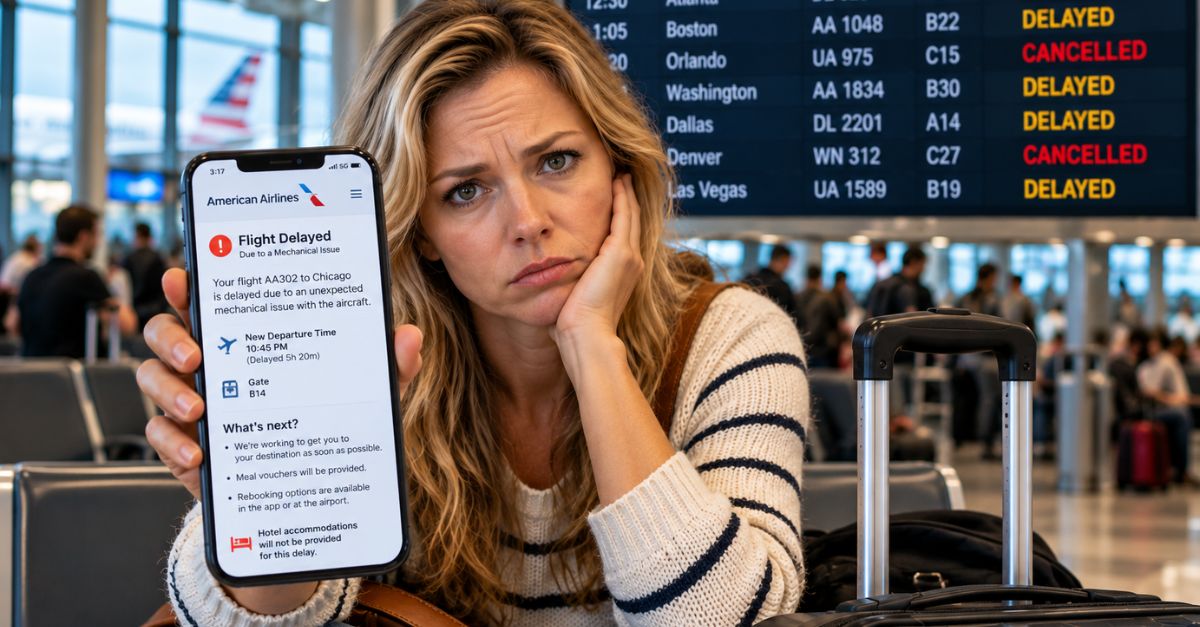
The Mechanical Delay Hotel Fight, Decoded
If an airline says a surprise mechanical problem means it does not owe you a hotel, that can sound like the end of the story. Usually, it is not. In the United States, whether you get a hotel often depends less on whether the repair was unexpected and more on the airline’s own policy and whether the delay counts as within its control.
Why This Confuses So Many Travelers
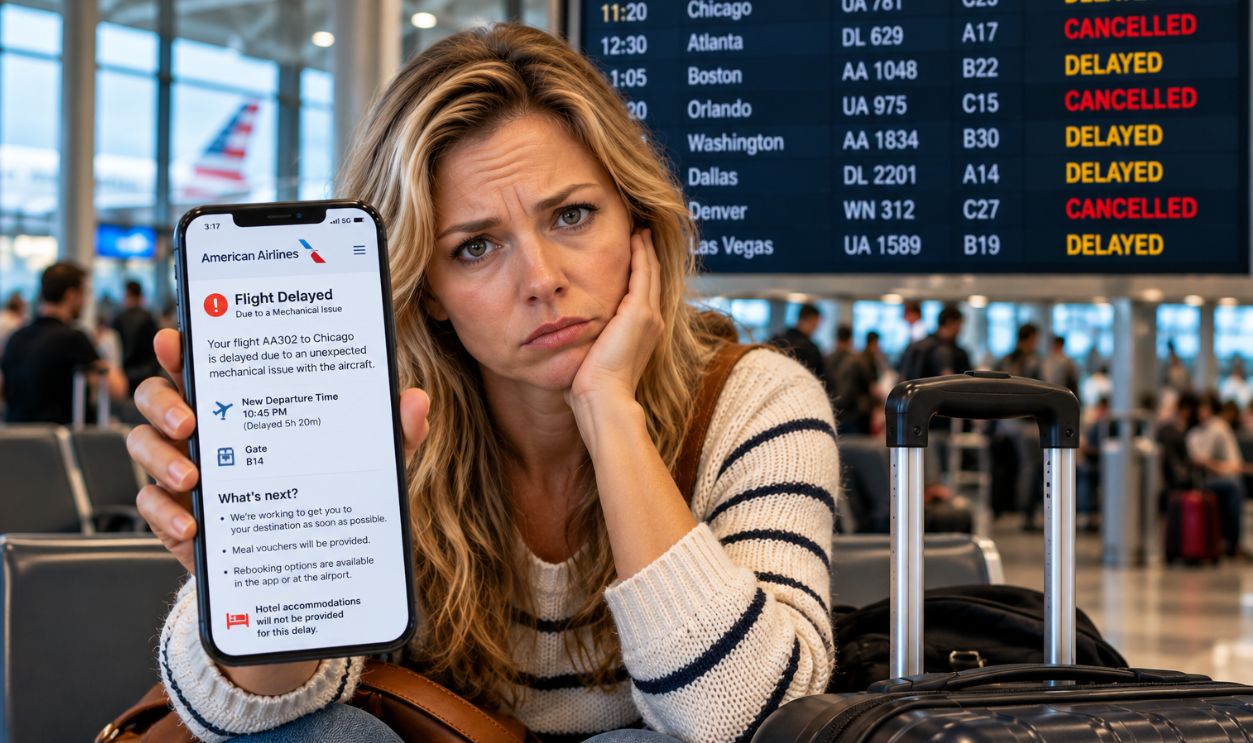
Passengers hear phrases like “unexpected maintenance” and assume the airline is off the hook. Airlines use that wording for a reason, because it matters in some compensation systems. But when it comes to hotel stays, the real answer depends on the country, the airline, and the exact policy the airline has published.
In The United States, There Is No Broad Federal Hotel Rule
The U.S. Department of Transportation does not require airlines to provide hotels or meals just because a flight is delayed. That is the part many travelers miss. Instead, DOT says airlines set their own customer service commitments for controllable delays and cancellations.
 AgnosticPreachersKid, Wikimedia Commons
DOT’s Dashboard Changed The Conversation
The Transportation Department created a customer service dashboard that lets travelers compare what major airlines promise during controllable disruptions. That includes meals, rebooking, and overnight accommodations. It gives you something concrete to check before you accept a quick no at the gate.
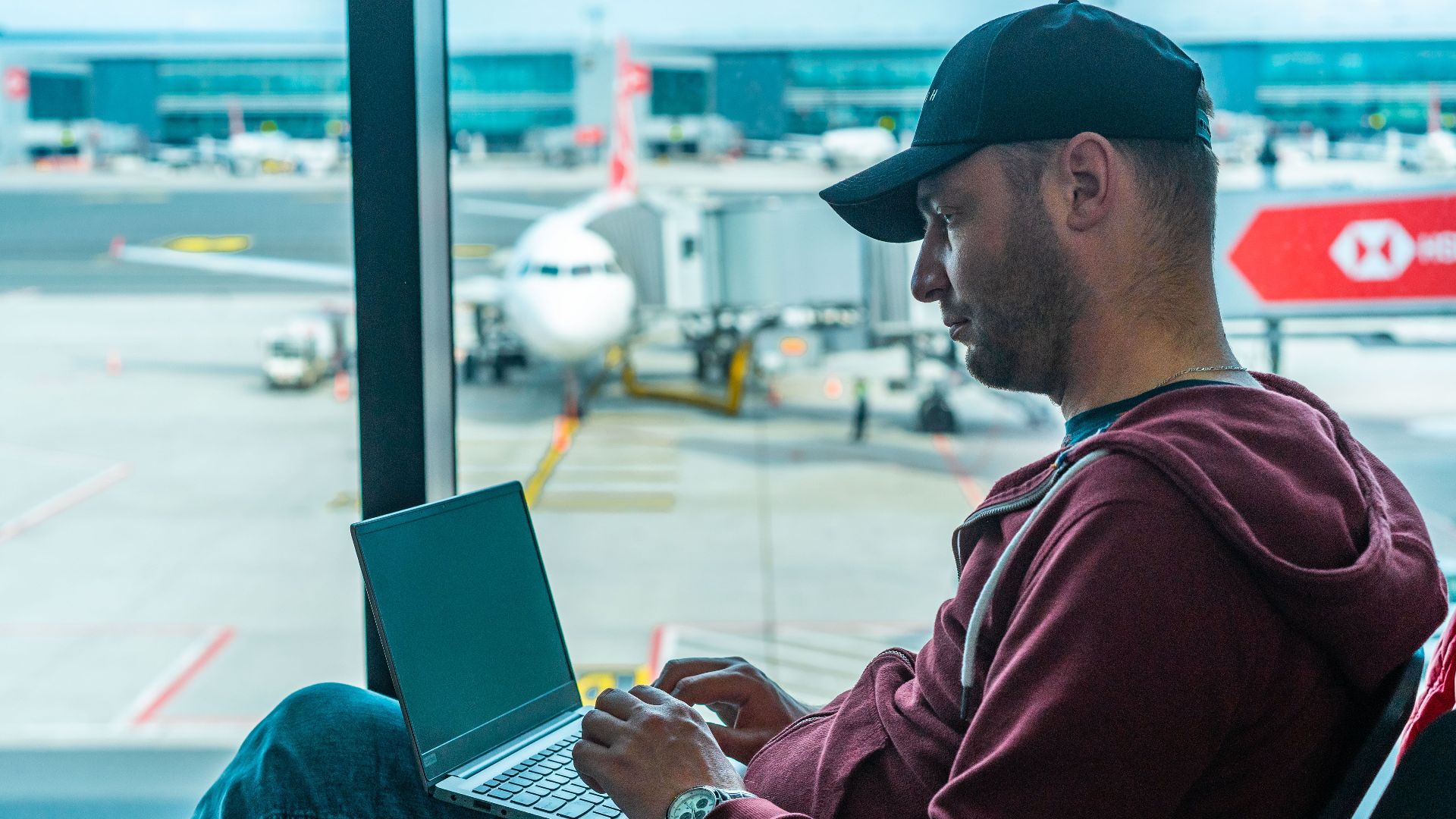
Mechanical Issues Usually Count As Controllable In Airline Policies
This is the detail that matters most. On DOT’s dashboard, “controllable cancellations and delays” generally include maintenance or crew problems. Weather and some air traffic control restrictions are usually treated differently because they are outside the airline’s control.
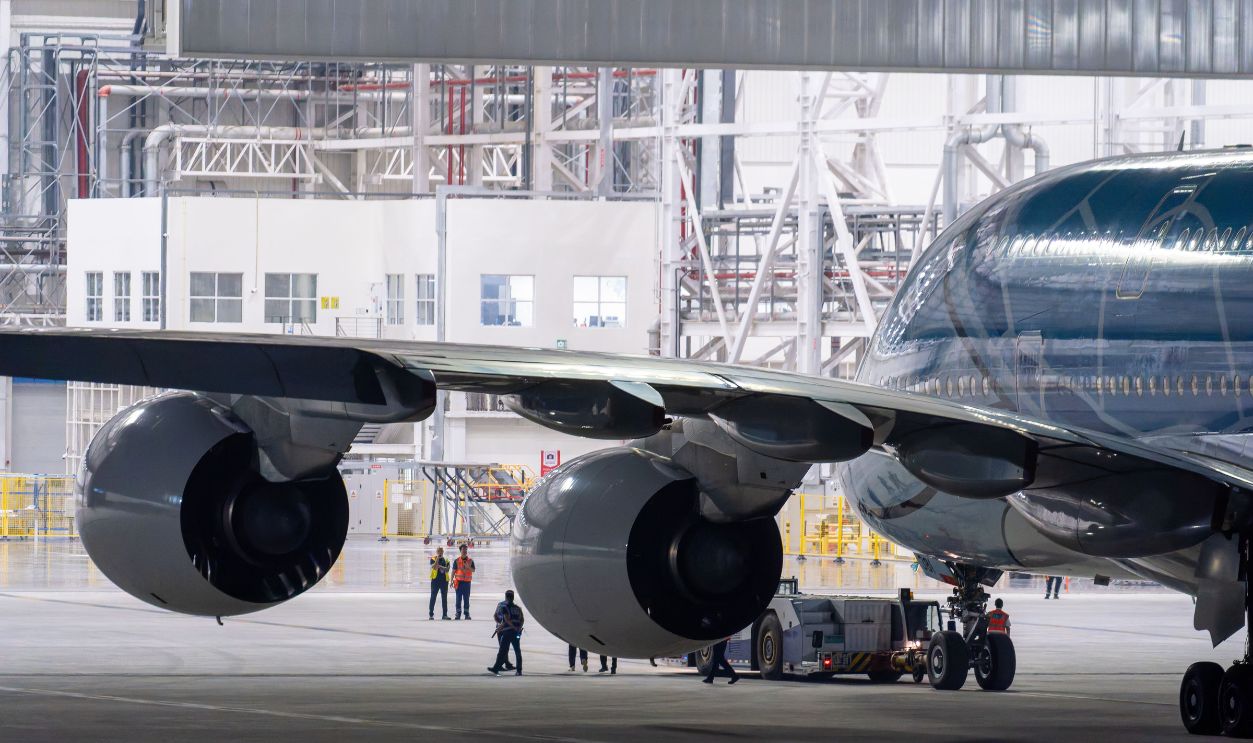
Unexpected Does Not Automatically Mean Uncontrollable
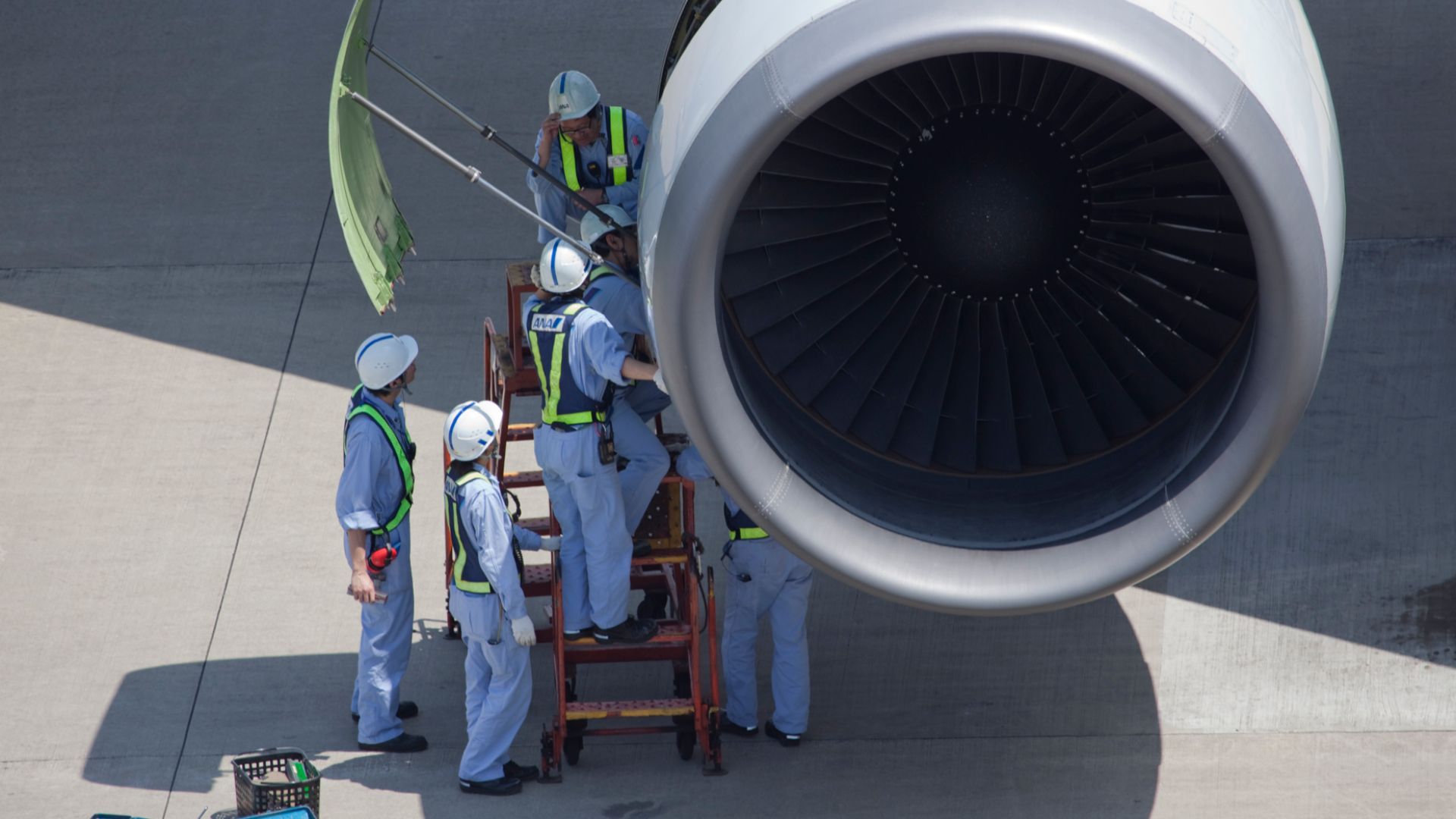
An airline can truthfully say a repair was unexpected and still be responsible under its own controllable-delay policy. Mechanical failures are often sudden. That does not automatically put them in the same category as a thunderstorm or a government ground stop.
 Maarten Visser from Capelle aan den IJssel, Nederland, Wikimedia Commons
What Airlines Publicly Promised
Major U.S. airlines listed on the DOT dashboard have made different commitments for controllable overnight disruptions. Many say they will provide free hotel accommodations or hotel vouchers when a passenger is stranded overnight away from home. Those promises are not all the same, so the fine print matters.
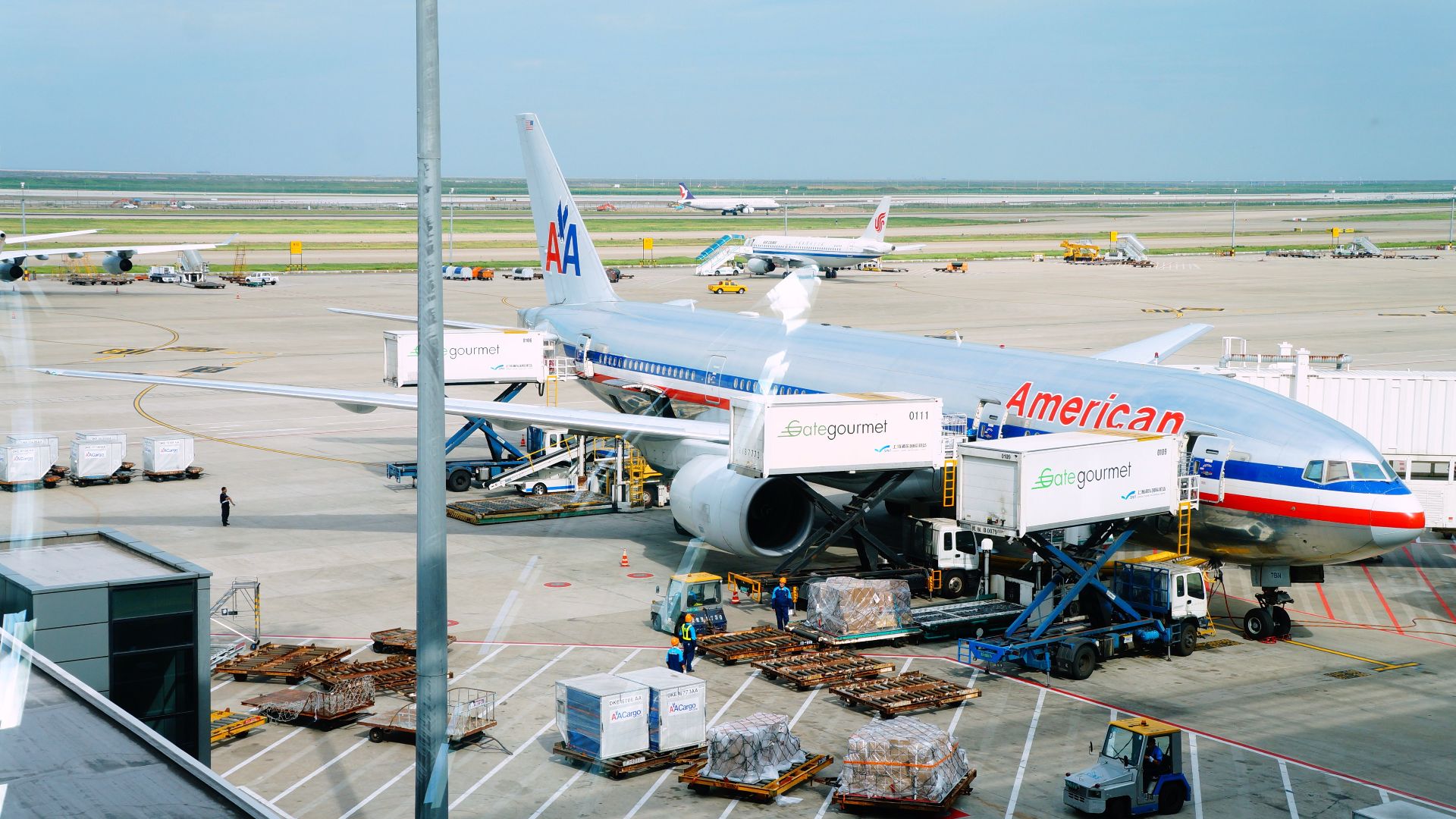
American Airlines Uses Specific Language
American Airlines’ conditions of carriage say it is not liable for incidental expenses caused by delays, including hotel costs, except as provided in its customer service plan or for certain fare types. Its customer commitments and airport handling can still lead to hotel vouchers for controllable overnight disruptions. That split between legal liability language and service commitments is where a lot of arguments start.
 Jiaqian AirplaneFan, Wikimedia Commons
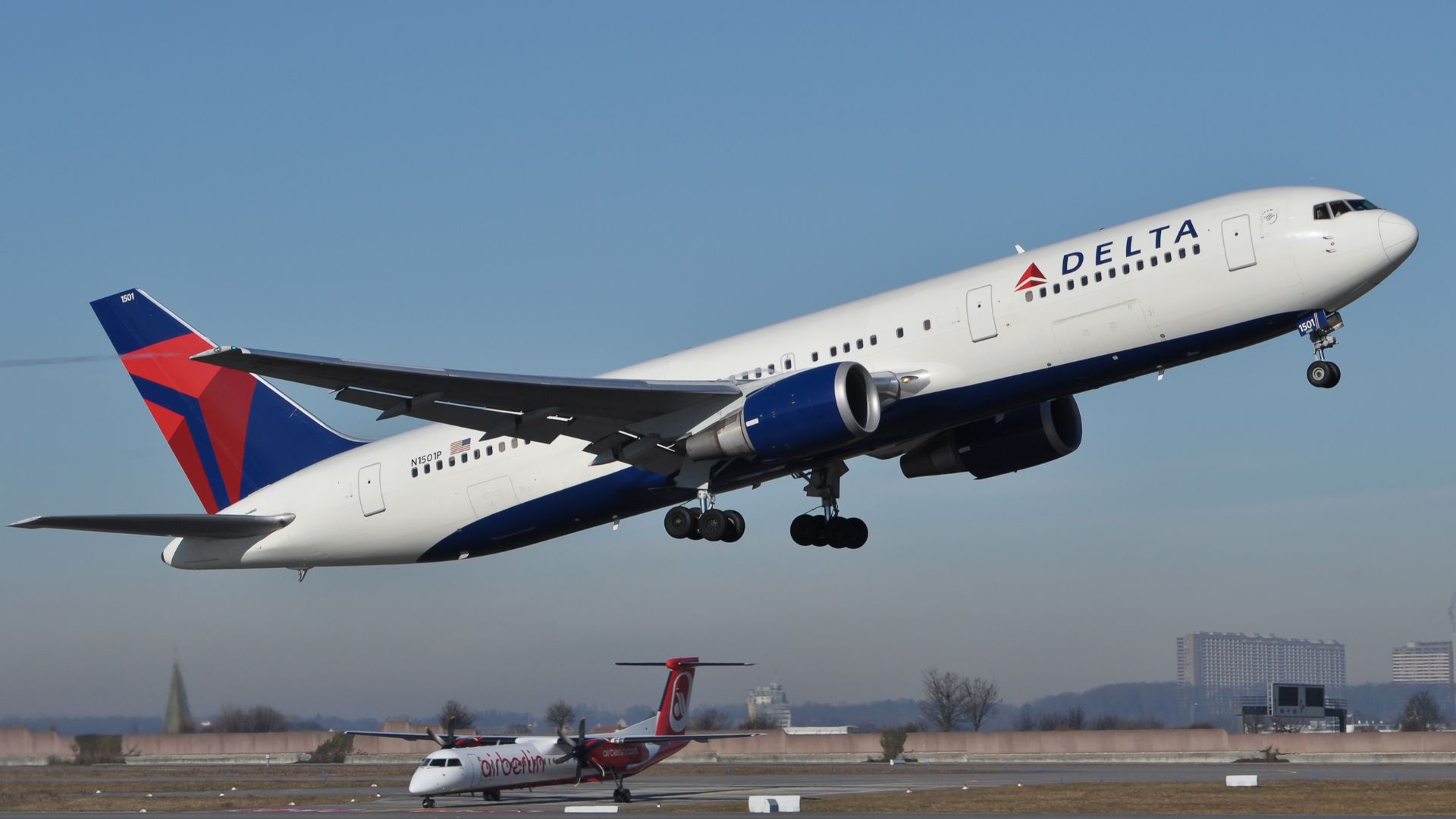
Delta Also Draws A Line Around Control
Delta’s customer commitment says it offers hotel accommodations in some overnight delay cases that are within Delta’s control. It also says it is generally not responsible for expenses caused by events beyond its control. So if Delta labels a problem maintenance-related, that can matter because maintenance is commonly treated as controllable on the federal dashboard.
 Julian Herzog (Website), Wikimedia Commons
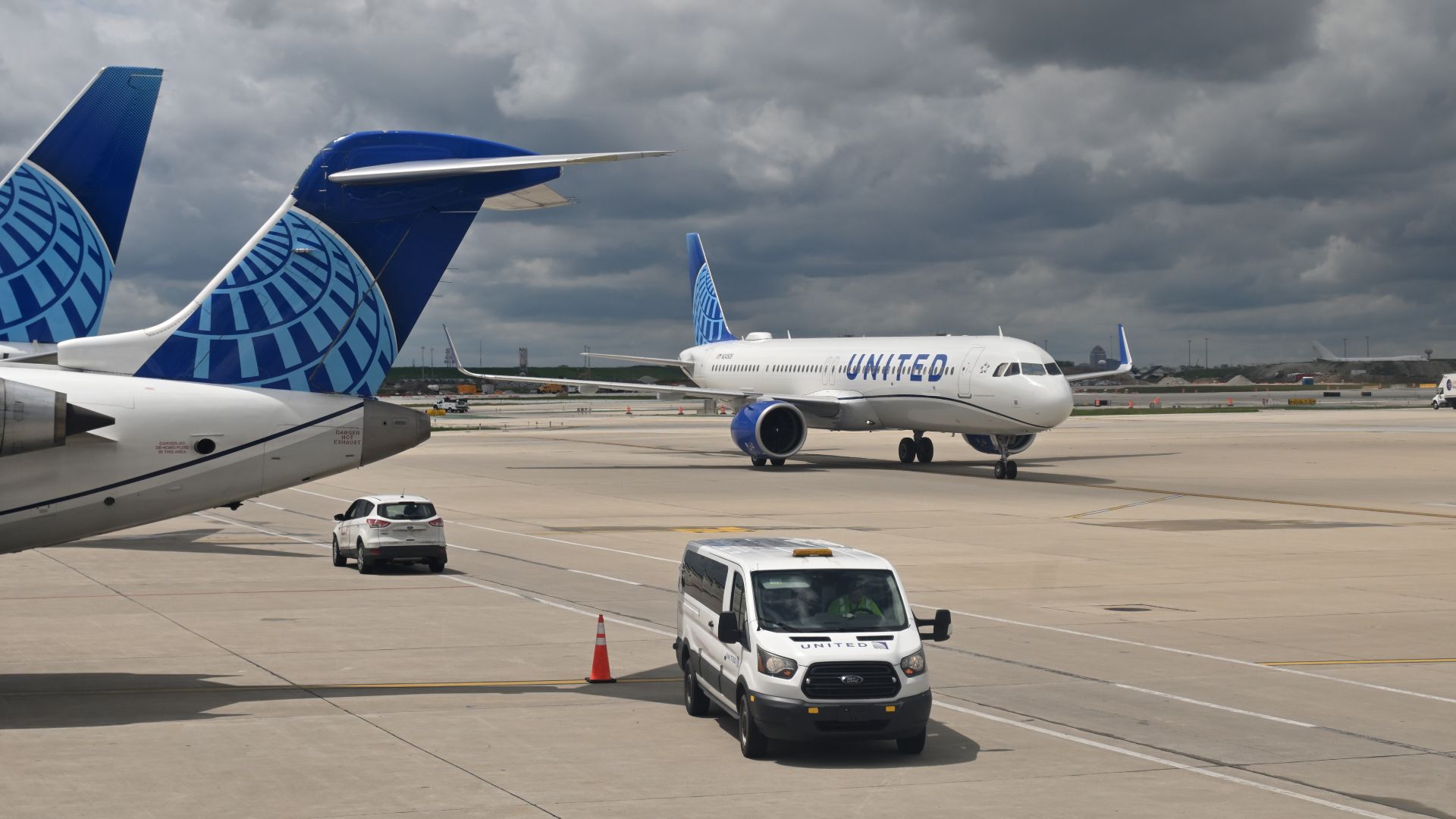
United’s Policy Follows A Similar Pattern
United says it may provide meal vouchers, hotel accommodations, or transportation when disruptions are caused by factors within its control. It also says it does not provide these amenities for situations outside its control. Again, the real fight is often about how the airline classifies the delay, not whether the repair was a surprise.
 4300streetcar, Wikimedia Commons
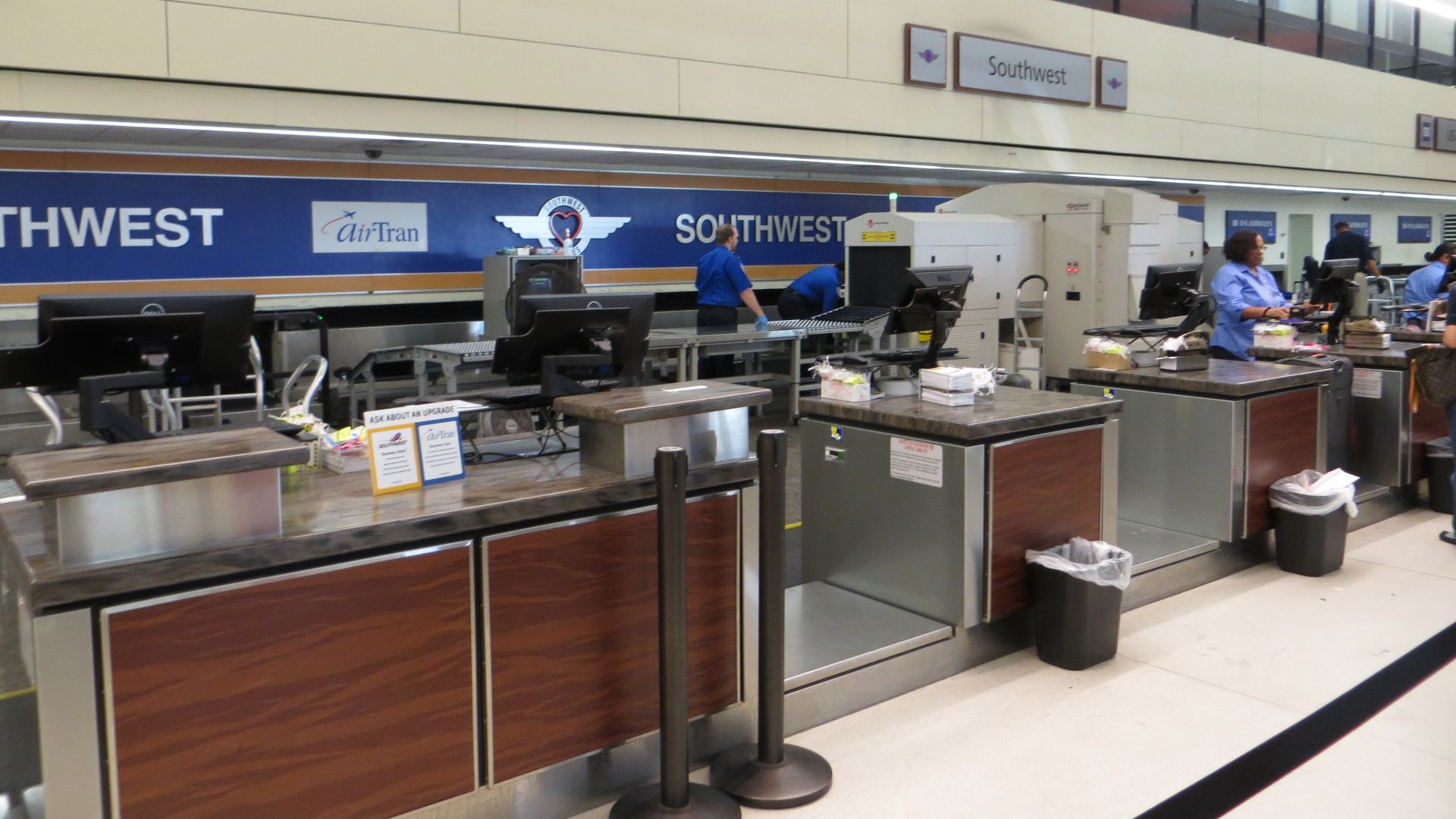
Southwest’s Contract Is Worth Reading Closely
Southwest’s contract of carriage says it does not guarantee schedules and limits liability for many delay-related expenses. But its public-facing commitments for controllable delays can include overnight accommodations when available. So the answer you get at the gate may not be the whole story.
JetBlue, Alaska, And Others Use Similar Frameworks
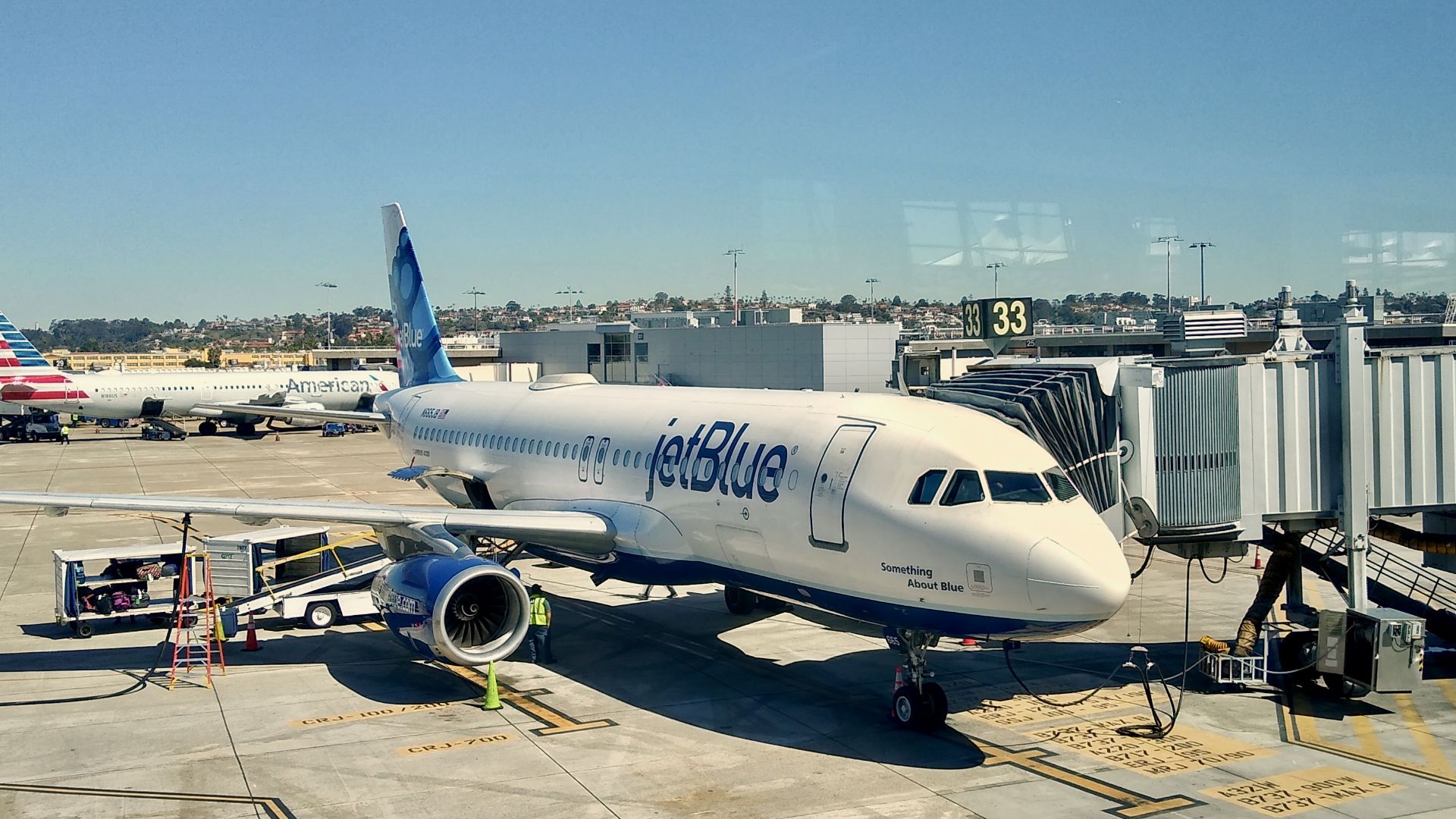
JetBlue and Alaska Airlines also separate controllable and uncontrollable disruptions in their customer service commitments. Hotels are more likely to be offered for overnight disruptions caused by something the airline controls. Mechanical issues often fall into that group, even when they show up without warning on the day of travel.
The Big Caveat Is “Away From Home”
Many airline commitments only promise hotel help if you are stranded overnight away from your home city. If the disruption happens at your starting airport and you live nearby, a voucher may not be offered. That frustrates plenty of travelers, but it appears in many airline policies.

Another Catch Is Availability
Airlines may say hotel rooms are provided when available. During big disruptions, nearby rooms can disappear fast. In those cases, some travelers pay out of pocket and try to get reimbursed later, though reimbursement is not guaranteed unless the airline’s policy and your paperwork line up.

Europe Handles This Very Differently
If this happens on a flight covered by European Union rules, passengers often have a much stronger position. Under EU air passenger rights rules, airlines must provide care, including hotel accommodation when an overnight stay becomes necessary, during many delays and cancellations. That duty to provide care usually exists even when the airline may not owe cash compensation.
A Key European Court Case Shut Down One Common Airline Argument
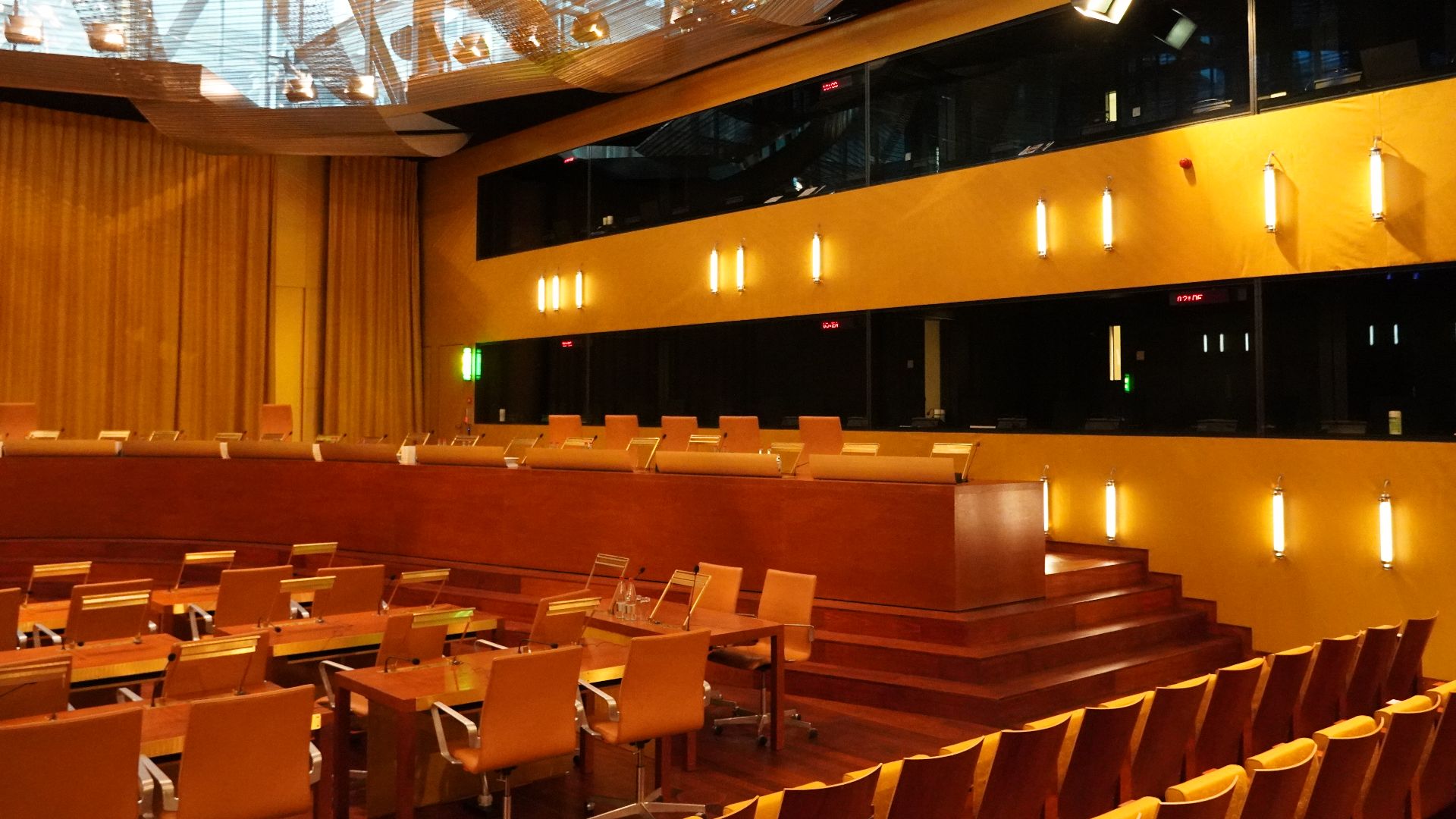
In 2008, the Court of Justice of the European Union decided Wallentin-Hermann v Alitalia. The court said technical problems that come up during maintenance or are caused by failure to maintain aircraft are not automatically “extraordinary circumstances.” That ruling became a major tool for pushing back when airlines try to excuse routine mechanical trouble.
What “Extraordinary Circumstances” Really Means In Europe
The EU court said a technical problem may count as extraordinary only if it comes from events not inherent in normal airline activity and beyond the carrier’s actual control. That is a high bar. Ordinary wear, surprise component failure, or defects found during service are usually part of running an airline.
The UK Kept Similar Passenger Rules
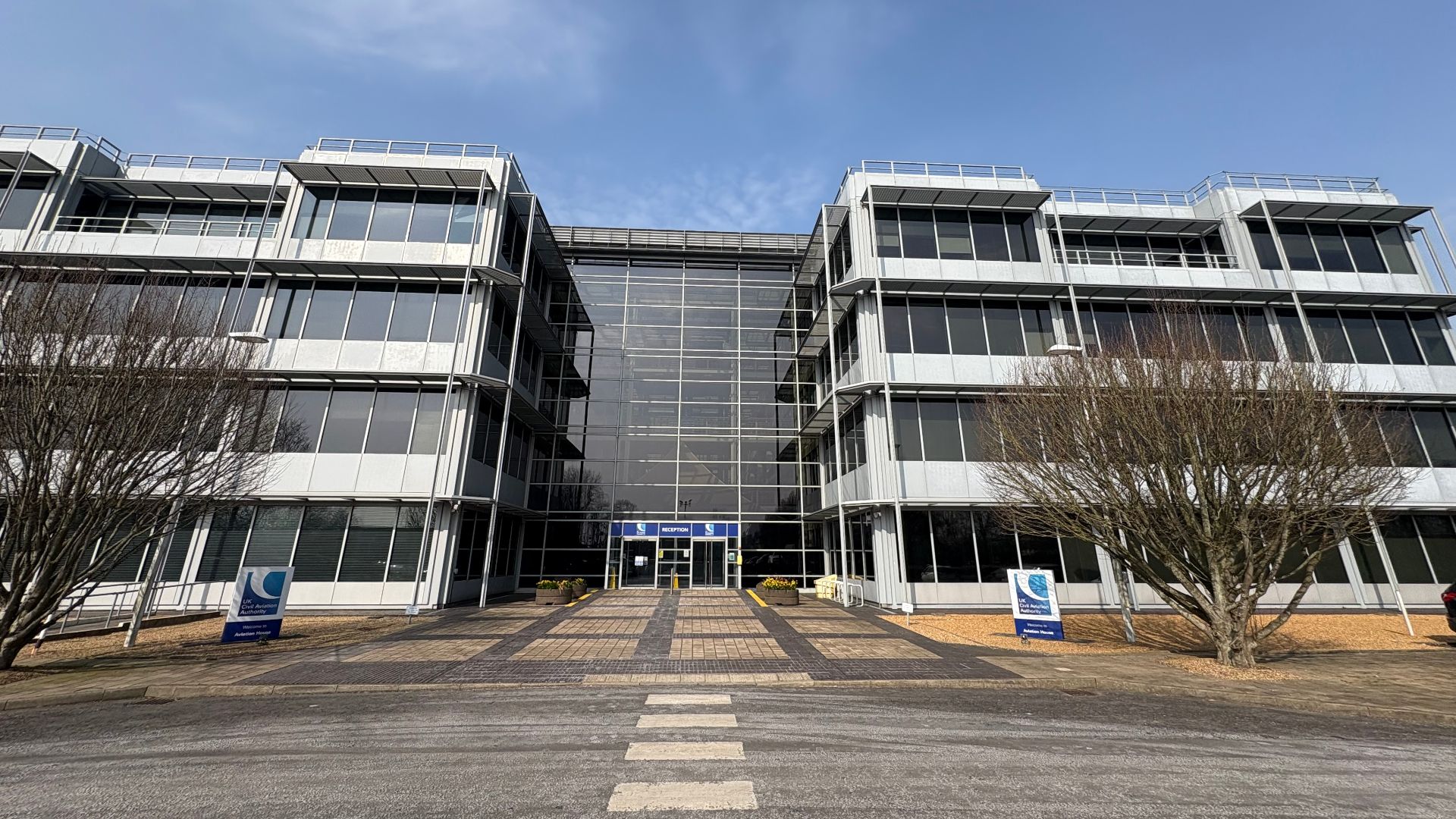
After Brexit, the UK kept a version of the EU passenger rights system known as UK261. The Civil Aviation Authority says airlines must provide care and assistance during qualifying delays, including hotel accommodation if a new flight leaves the next day. Compared with the U.S. system, that is a much more passenger-friendly setup.
 Kingofseals, Wikimedia Commons
Canada Has Its Own Passenger Rights System
Canada’s Air Passenger Protection Regulations divide disruptions into categories, including situations within the airline’s control and those within its control but required for safety. The rules require standards of treatment in certain cases, but compensation rules vary by category. A safety-related mechanical problem may not trigger compensation, but duty-of-care obligations can still matter.
So Is A Mechanical Delay The Airline’s Responsibility
Operationally, yes. Aircraft maintenance is part of the airline’s job. Legally, what that means for you depends on the rules tied to your ticket. In the U.S., it often means checking whether the airline itself promised a hotel for controllable overnight disruptions instead of accepting a vague line about an “unexpected repair.”
What To Ask At The Airport
Start with one direct question: is the delay coded as controllable or uncontrollable in the airline’s system? Then ask the agent to note the reason in your reservation and explain whether the airline’s policy for overnight controllable delays includes a hotel voucher.
 Monkey Business Images, Shutterstock
Get The Reason In Writing If You Can
A screenshot, text alert, app notification, or printed slip can make a big difference later. If the airline first calls it maintenance and later describes it another way, records from the moment help. Save boarding passes, receipts, and any chat transcripts from the airline’s app.
Use The DOT Dashboard As Your Leverage
If you are flying in the United States, pull up the DOT Airline Customer Service Dashboard on your phone. It shows what your airline has committed to provide for controllable cancellations and delays. Calmly showing that page to an agent can shift the conversation from a flat no to “let me check.”

If You Pay For A Hotel Yourself
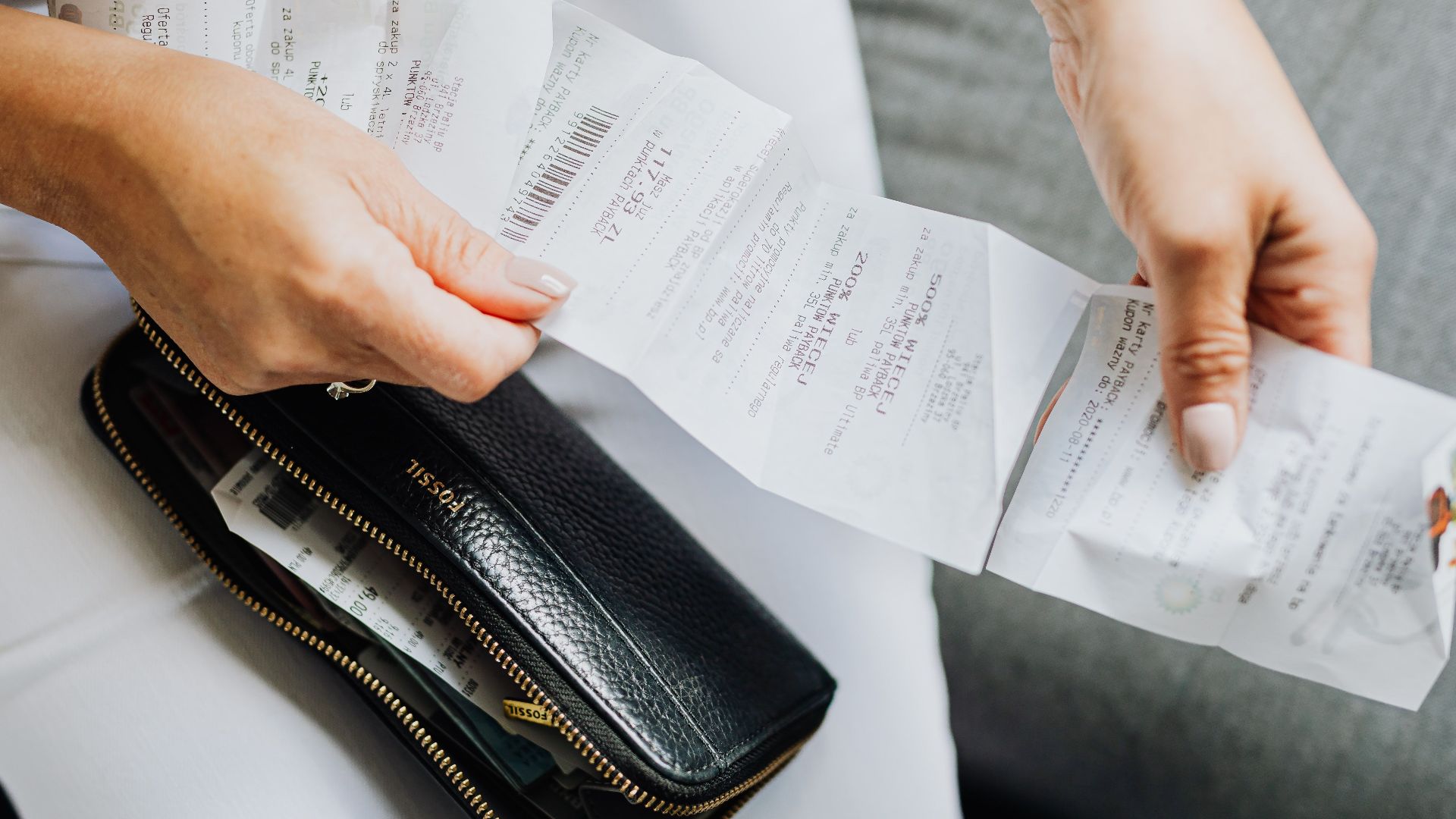
Keep the room bill, transportation receipts, and food receipts tied to the disruption. Submit them quickly through the airline’s customer relations channel and mention the airline’s published commitment for controllable overnight disruptions. Stick to the facts, include dates and flight numbers, and keep the complaint focused.
 https://kaboompics.com/, Pexels
Credit Cards And Travel Insurance Can Fill The Gap
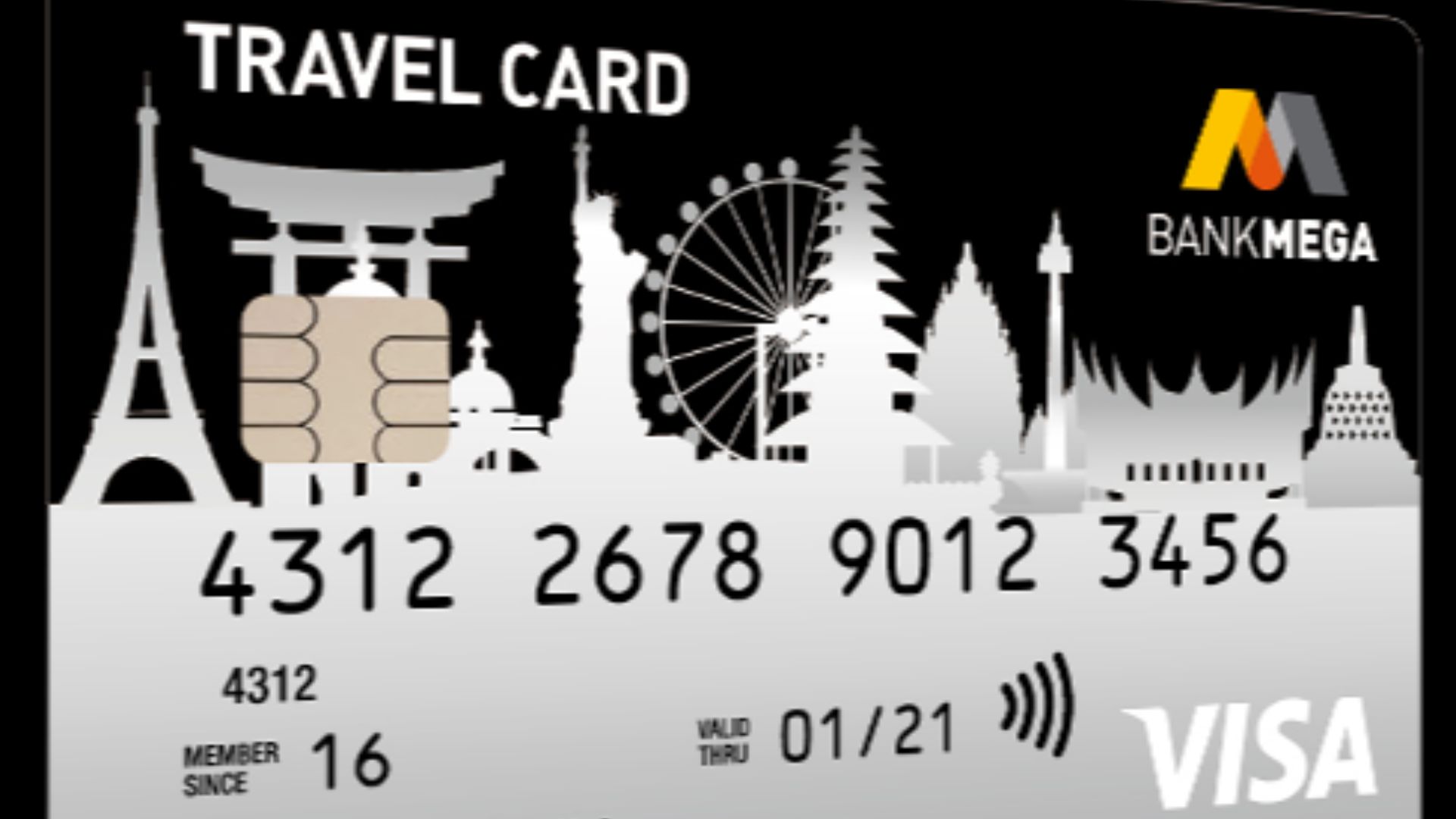
Some premium travel cards and independent travel insurance policies offer trip delay coverage that can reimburse hotel and meal costs when an eligible delay lasts a set number of hours. Coverage terms vary a lot. Check whether mechanical breakdown is a covered hazard and whether the ticket had to be paid for with that card.
If The Airline Denies You Anyway
In the U.S., file a written complaint with the airline first and then with the Department of Transportation if the response does not match the airline’s published commitment. In Europe or the UK, escalate through the relevant national enforcement body or approved dispute channels if rights under EU261 or UK261 are involved. Specific facts usually work better than outrage.
The Bottom Line For Travelers
An unexpected repair does not automatically wipe out an airline’s responsibility to help with a hotel. In the United States, the key question is usually whether the airline classifies the disruption as controllable under its own policy. In Europe and the UK, passenger-rights rules are often stronger, and routine mechanical trouble is a much weaker reason for denying care.