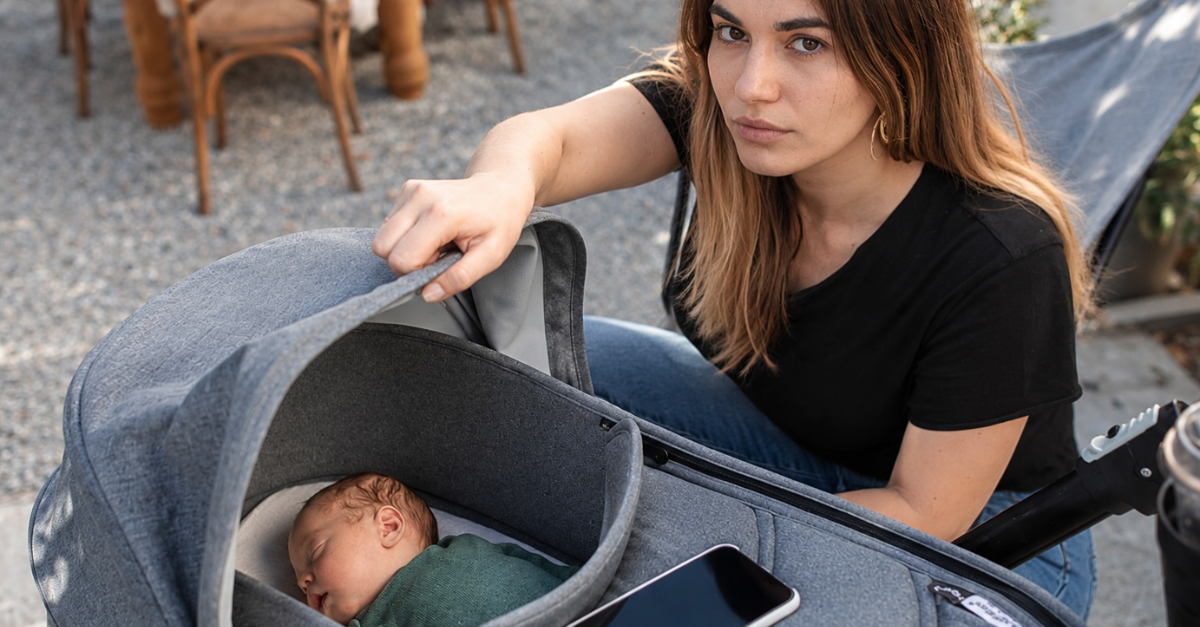
The Bassinet Disappearing Act Parents Dread
You're a modern parent, and you've planned your entire trip precisely around your child's needs—then at the last second, the airline swaps planes and the bassinet seat, the lynchpin of the whole operation, is gone. T
This happens to the parents of infants more and more, but airlines don't exactly offer much in the way of solutions, so knowing what to do can make all the difference when you're already sleep-deprived, stressed out, and behind schedule.
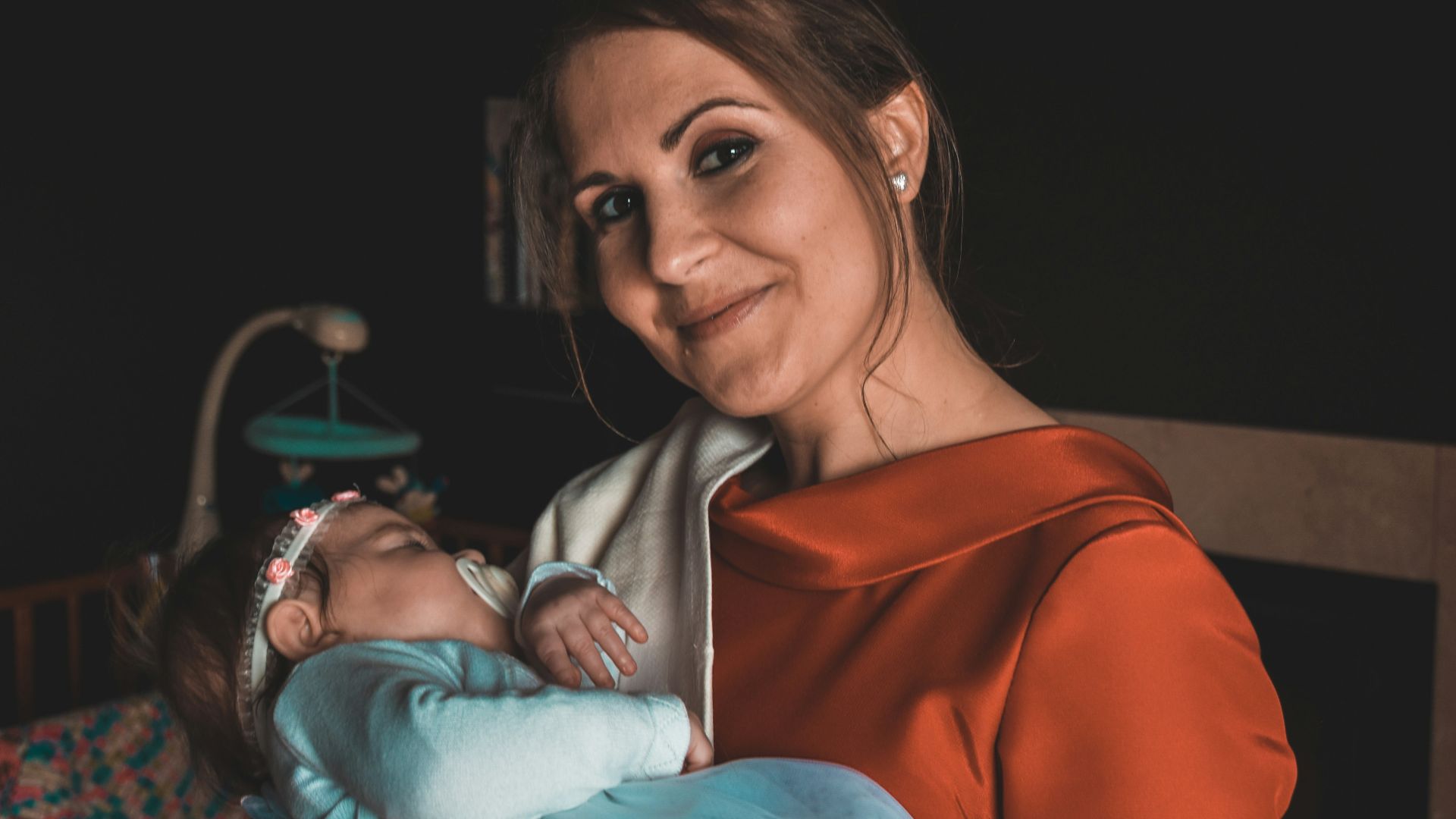
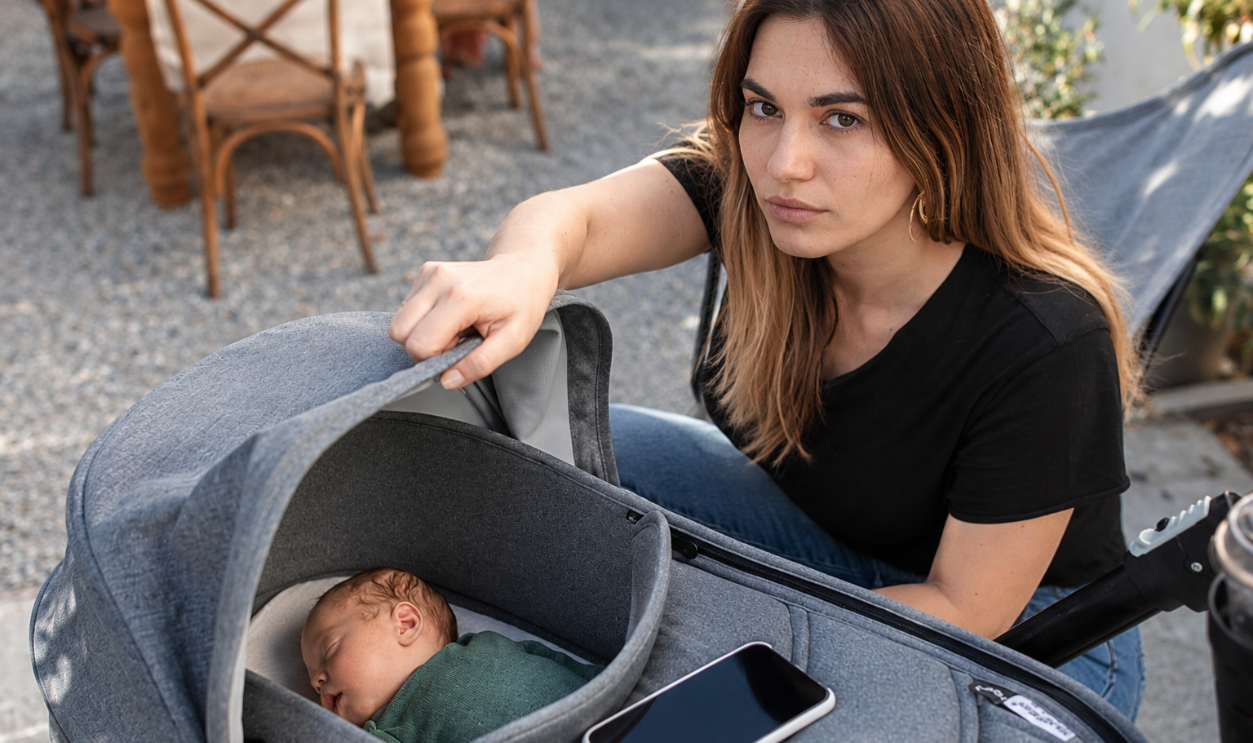 RDNE Stock project, Pexels, Modified
This Will Continue To Happen More And More
Aircraft swaps are a normal part of airline operations and they aren't going . Carriers change planes because of maintenance, scheduling problems, delays, or simple fleet needs. When that happens, the cabin setup can change too, along with the small number of bassinets and the bulkhead seats that work with them.
An Airplane Bassinet Isn't As Simple As You Might Think
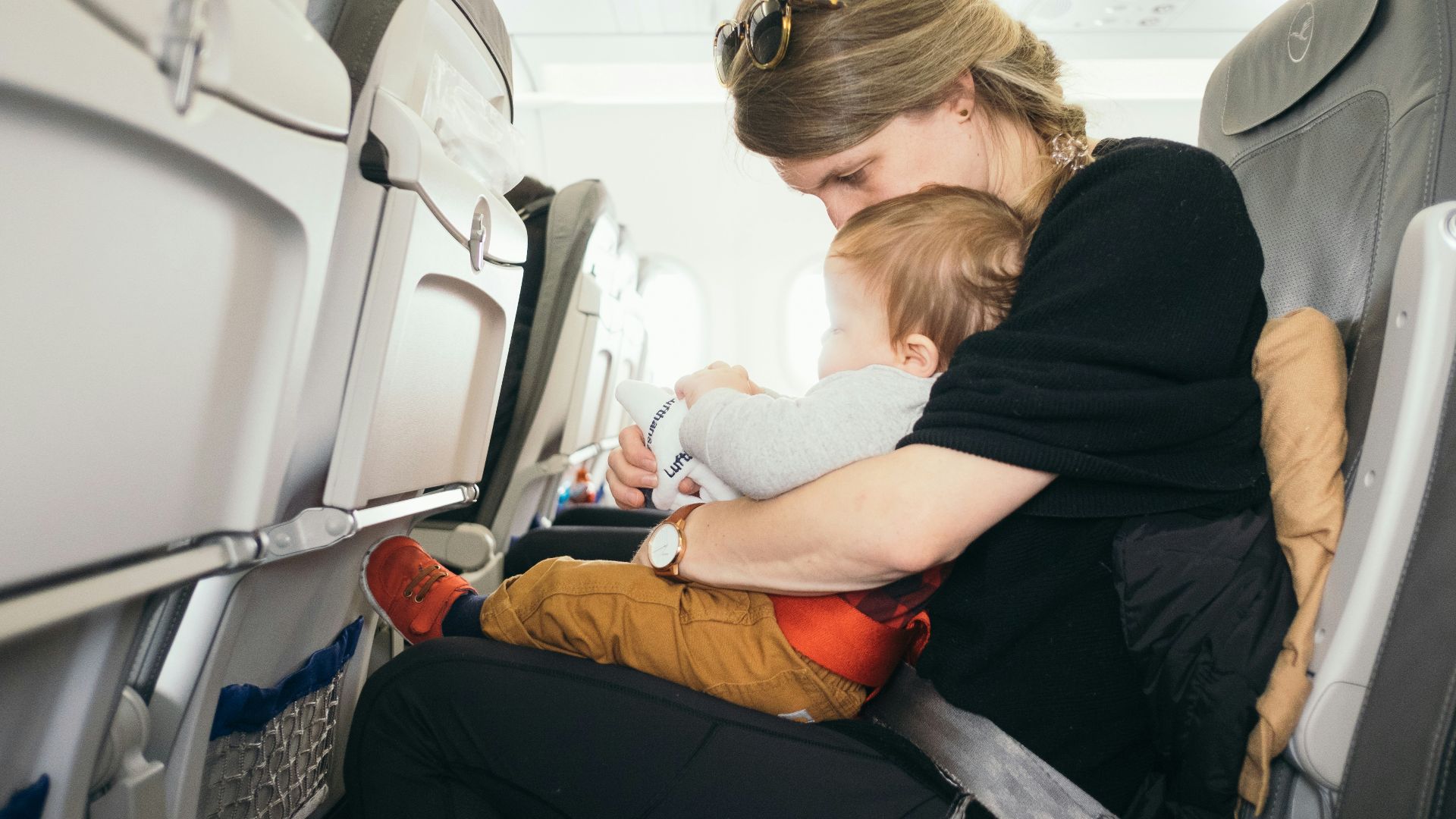
A bassinet is not just a baby bed that can go anywhere on the plane. It usually fits only at certain bulkhead spots on certain aircraft. If the new plane has fewer of those seats, or a different layout, a bassinet request that once looked secure can suddenly be impossible to honor.
What Airlines Usually Promise
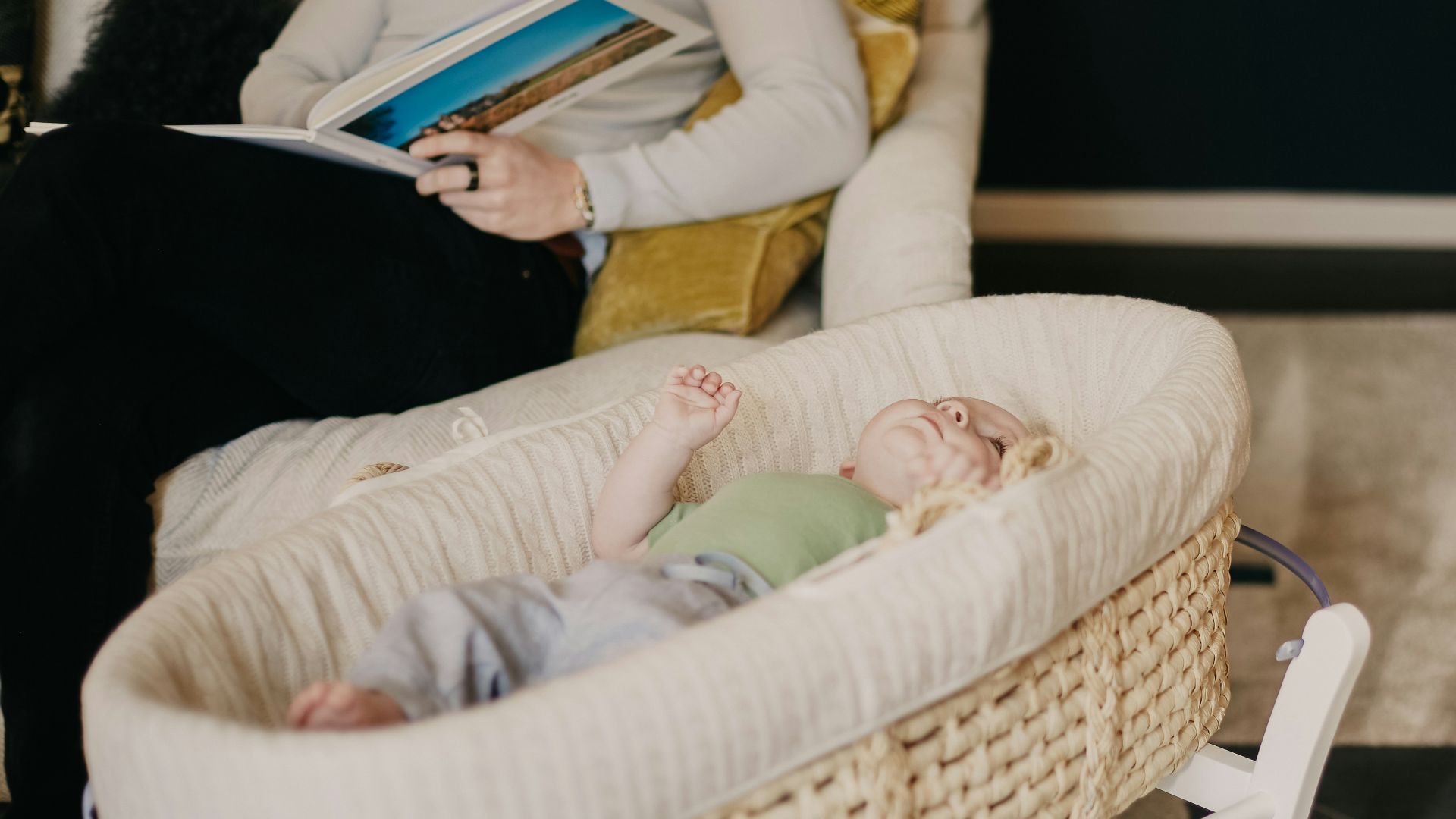
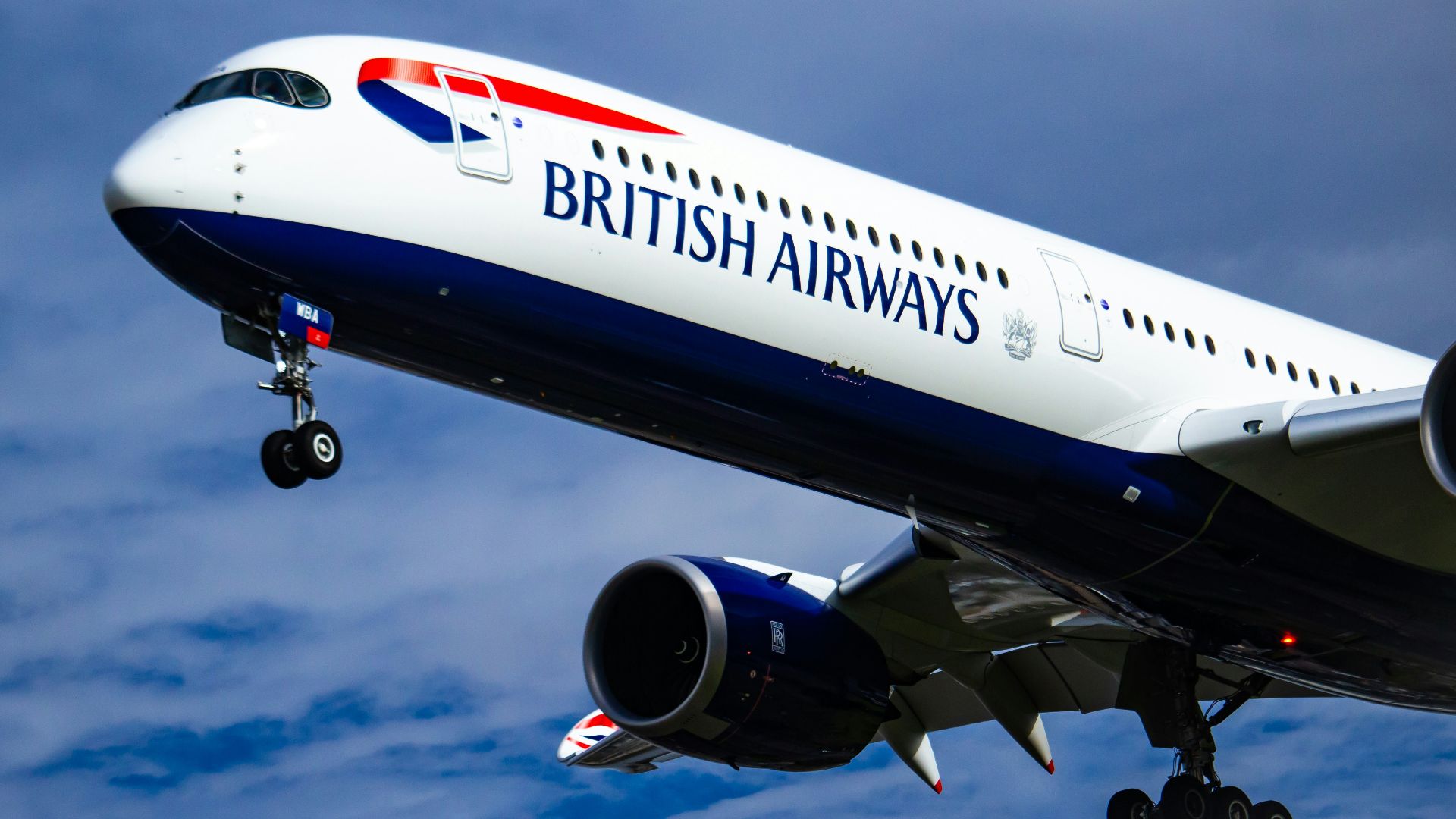
Most airlines say bassinets depend on availability, aircraft type, and baby size limits. British Airways, which calls them carrycots, says they are only for babies up to a certain weight and that seat assignments and aircraft changes can affect whether one is available. Singapore Airlines says bassinets are limited and assigned based on the baby’s size and the aircraft that has them installed.
What The Fine Print Really Means
This is the part parents usually find out too late: a bassinet request often is not a guarantee. Airline conditions of carriage usually give airlines wide room to swap aircraft when needed. The U.S. Department of Transportation also notes that schedules and equipment can change, which is one reason it helps to keep records of what you booked.

There Weren’t Many Bassinets In The First Place
Even on a long-haul plane, the number of bassinets can be very small. Some aircraft have only a few bulkhead spots in each cabin that can take one. That means a single aircraft swap can suddenly leave several families competing for the same limited setup.
Seat Maps Can Change Fast
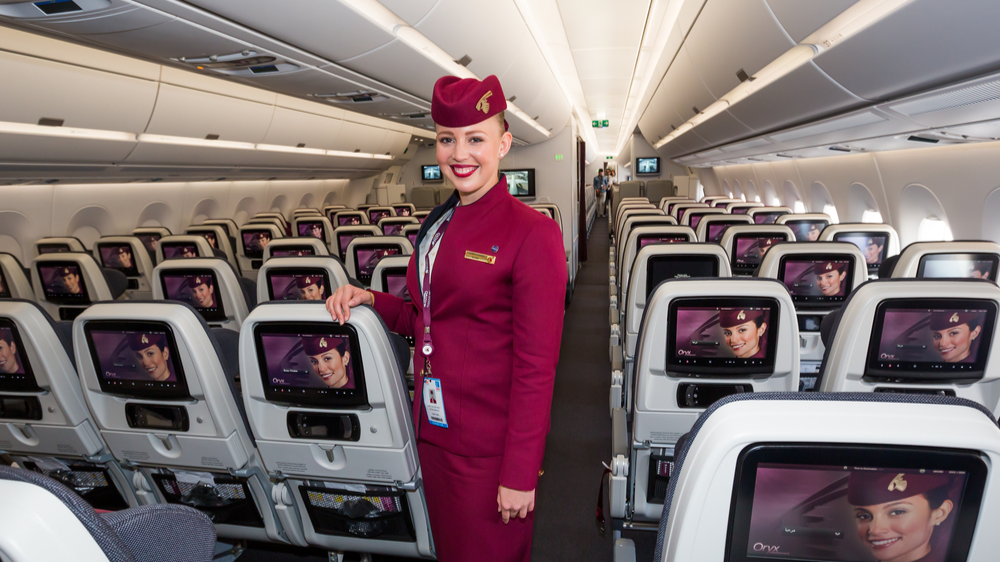
The seat map you saw when you booked may not match the one you see later. A replacement aircraft can have different galleys, lavatories, cabin sections, or bassinet fittings. Your original row may still be there, but it may no longer support a bassinet at all.
Safety Rules Shape Everything
These limits are not random. Bassinets have to connect to approved attachment points and follow safety rules during taxi, takeoff, landing, and turbulence. The Federal Aviation Administration says infants must be taken out of bassinets and held during those parts of the flight, which shows how tightly these setups are controlled.
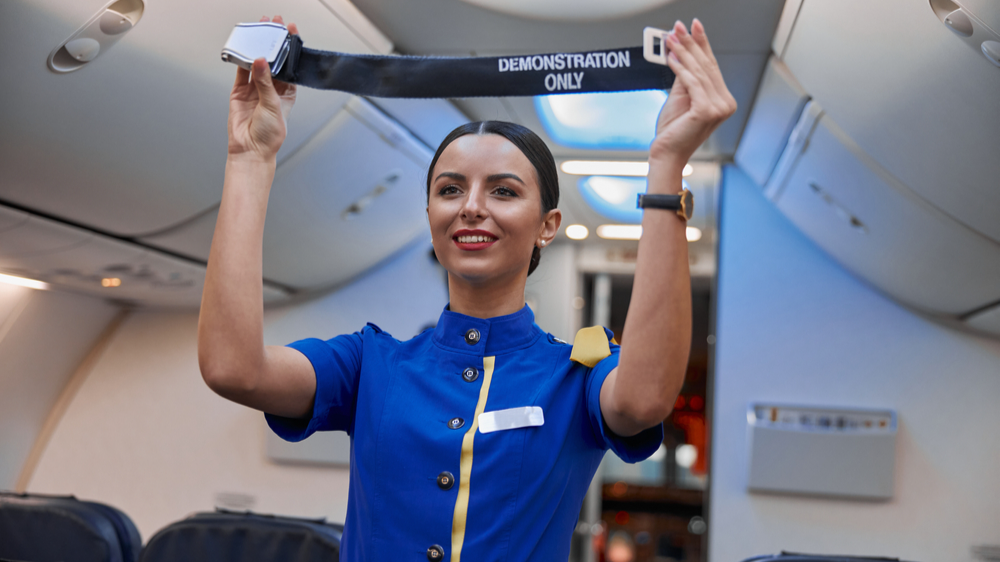 Yaroslav Astakhov, Shutterstock
Size Limits Matter Too
Even if the new plane still has bassinets, your baby may no longer qualify by the time you travel. Airlines set their own rules, usually based on weight, length, and whether the baby can sit up. Emirates, for example, says bassinets are only available for infants within its listed weight and length limits and only on aircraft that have them.
When Parents Usually Find Out
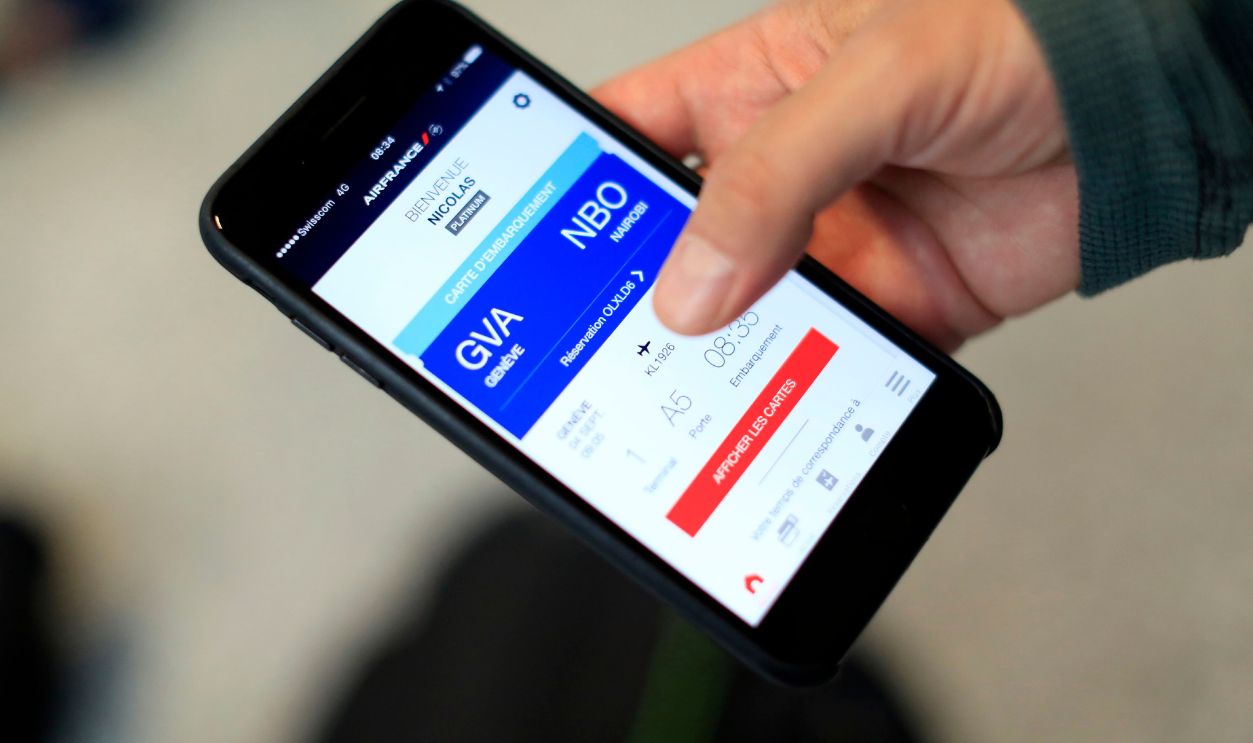
Some families notice the problem weeks ahead when their seat assignment changes in the app. Others only catch it by calling to check. In the worst cases, they find out during online check-in or at the airport, when the good options are already gone.
The First Move To Make
If you spot an aircraft change, contact the airline right away and ask if the bassinet request is still attached to your booking. Do not stop at a vague answer that the infant is still listed on the reservation. Ask the agent to confirm the aircraft type, the bulkhead seat, and whether a bassinet spot is actually available on that exact flight.
Get It In Writing
A phone call helps, but written proof is better. Use chat, email, or a direct message so you have a time-stamped record of what the airline told you. Save screenshots of your seat map, your bassinet request, and any message showing whether it was confirmed or waitlisted.

Pay Attention To The Words Agents Use
The difference between “requested,” “noted,” “confirmed,” and “assigned at airport” matters. Some airlines do not fully assign bassinets until check-in because they still need to verify the baby’s size and sort through competing requests. If the airline says it is only a request, assume it is still up in the air and keep asking questions.
Ask For The Exact Aircraft Type
Do not settle for “it’s still a wide-body” or “it’s the same route.” Ask if you are now flying on a Boeing 777, Airbus A350, 787, or something else, and ask whether the cabin layout changed. A 777 and an A350 can have very different bassinet positions, even with the same airline.
Why The Bulkhead Seat Matters So Much
On many airlines, the bassinet can only be installed at a bulkhead seat. If the airline moved you out of the bulkhead, take that as a warning sign that the bassinet may be gone too. Ask if your current seat is one of the actual bassinet-equipped seats, not just a seat near the front.
If The Airline Can’t Restore It, Ask What Else Is Possible
Ask to be waitlisted for any bassinet spot that opens up and make sure the need is noted in the booking. You can also ask whether another flight that day still has one available. If the change was involuntary and seriously affects your trip with an infant, some airlines may be willing to move you without extra charge.
 Vera.vvo, CC BY-SA 4.0, Wikimedia Commons
What U.S. Rules Do And Don’t Require
There is no U.S. rule that forces an airline to provide a bassinet just because one was requested earlier. The Department of Transportation does require airlines to be honest in what they promise and to follow their own customer service commitments when those apply. But that does not automatically give you a legal right to a bassinet after a plane swap.

When Refunds Or Compensation Matter
If you paid for seat assignments linked to the bassinet setup and those seats were lost, you may be due a refund for those seat fees. The DOT says travelers are entitled to refunds for certain paid services that were not provided, which can include optional seat purchases depending on the situation. That does not fix the flight, but it may at least keep you from paying for something you did not get.
Families Flying In Europe Have Another Angle
For flights covered by EU rules, compensation under EU261 usually focuses on delays, cancellations, and denied boarding, not the loss of a bassinet by itself. Still, if the aircraft swap is part of a bigger disruption, those rules may come into play. On its own, though, a missing bassinet is usually more of a customer service dispute than an automatic compensation claim.
At The Airport, Every Minute Counts
If the issue is still unresolved on departure day, get to the airport early and talk to a check-in agent before lines get long. Then ask the gate agent to check again in case a bassinet spot opens because of no-shows or last-minute seat changes. These fixes do happen, but usually for the parent who asks early and clearly.

Have A Backup Plan That Makes Sense
Pack as if the bassinet will not be there. Bring what you need to hold, soothe, feed, and distract your baby for a long stretch, and think ahead about sleep cues and extra clothes. The FAA says the safest option for infants is an approved child restraint system in a purchased seat, even though many families still travel with lap infants.

A Purchased Seat May Be The Least Painful Option
Buying a separate seat for your baby is expensive, but on some trips it is the only way to control the situation. With an FAA-approved car seat or harness, where allowed, your child has a dedicated space whether or not a bassinet disappears. It is not right for every family, but it is the most dependable option.
Check The Airline’s Infant Policy Before You Book
This is one detail worth reading before you pay. British Airways, Singapore Airlines, and Emirates all explain that bassinets are limited, size-restricted, and tied to aircraft type. If the wording sounds careful, that is the point. The airline is telling you the service can disappear when operations change.
Pick Flights With Better Odds
Nonstop long-haul flights on larger aircraft often have more bassinet spots than shorter flights or routes on smaller planes. Booking early can help, especially if the airline lets you choose bulkhead seats in advance. Midweek flights and off-peak travel may also mean fewer competing infant requests, though nothing is guaranteed.
Book Direct If You Can
When you are flying with an infant and a special request, booking directly with the airline can make things simpler. It lowers the chance that the airline and a third-party agency are looking at different versions of the reservation. If something goes wrong after a plane swap, there is one less middleman between you and the person who might be able to fix it.

Save Your Receipts And Stay Calm
If losing the bassinet leads to extra costs, save your receipts and write down what happened and when. If you complain after the trip, be calm and specific. You are more likely to get a useful response if you can point to the original request, the aircraft change, the lost seat feature, and any costs that came with it.

What Parents Are Really Supposed To Do
The honest answer is not very reassuring. Parents are expected to keep checking, save proof, ask for the exact aircraft and seat details, and be ready for the bassinet to vanish anyway. It is a stressful way to travel, but until airlines treat these requests with more certainty, staying on top of every detail is the best defense.
The Bottom Line Before You Fly
A reserved bassinet can feel like a promise, but airline policies show it is often closer to a priority request that only holds if the aircraft and cabin layout stay the same. Once the airline changes planes, your whole plan can change with it. If you are flying with a baby, the safest approach is simple: assume nothing and check everything.
 Frame Stock Footage, Shutterstock