
The Cheap Room Dilemma
On paper, sharing an expensive hotel room can sound like an easy way to save. But in real life, it affects sleep, personal space, bathroom time, and whether you end up feeling stuck being the third wheel on your own vacation. With vacation time and money at all-time premiums, these things things matter, and advocating for yourself is important to prevent something even worse from happening.
 cottonbro studio, Pexels, Modified
What Hotels Are Really Selling
Hotels price rooms based on occupancy, bed type, and amenities, not on how well three people know each other. A room might technically fit three adults, but that does not mean it will feel comfortable. A lower price can come with real tradeoffs.

The Savings Make A Serious Difference These Days
There is a reason people suggest this in the first place. One room instead of two can cut costs fast, especially in expensive cities or during busy travel seasons. For people on a tight budget, sharing a room can be what makes the trip possible.

But Price Is Not The Whole Calculation
The cheapest option is not always the best deal. If you sleep badly, feel awkward changing clothes, or avoid spending time in the room, the savings may not feel worth it. Good travel planning is about the full experience, not just the nightly rate.

Privacy Is A Fair Reason To Say No
The biggest issue is privacy, and that alone is enough. Sharing a room with a couple usually means less space to relax, less time alone, and more chance of feeling like a third wheel. If that sounds uncomfortable, that is a solid reason to pass.

Sleep Can Change The Whole Trip
Travel advice often comes back to the same point: if you do not sleep well, the trip gets worse fast. More people in one room usually means more noise, more lights, and less control over when the room settles down. A cheap room stops feeling like a bargain when everyone is tired and irritated by day two.

Crowded Rooms Create Small Annoyances Fast
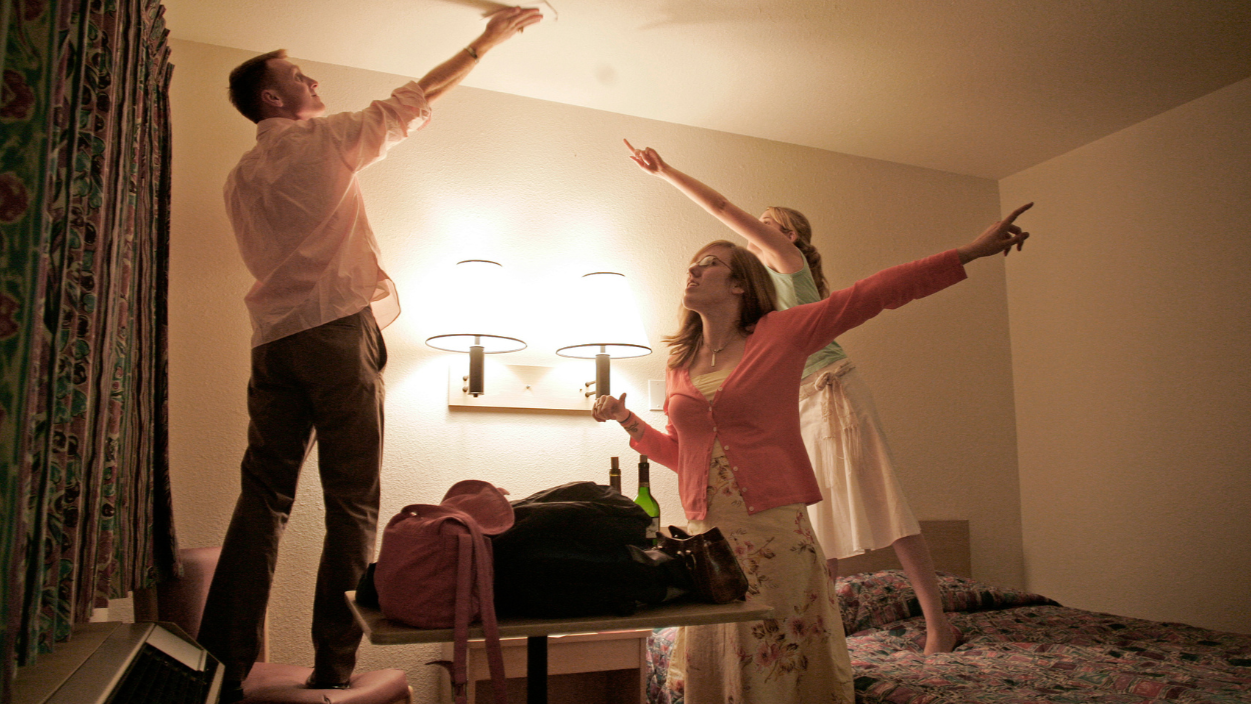
Three adults in one room can mean constant little negotiations. There may be one bathroom, not enough outlets, limited luggage space, and almost no quiet time. Even good friends can get on each other’s nerves in a setup like that.
 San Francisco Chronicle/Hearst Newspapers, Getty images
Sharing With A Couple Is Different
This is not the same as sharing with friends in general. A couple already has its own rhythm, habits, and level of closeness. That can leave the third person feeling awkward, left out, or expected to be the flexible one without anyone even realizing it.

Hotels Often Have Occupancy Limits
This is where the details matter. Many hotels and short-term rentals set maximum occupancy rules based on room type, fire code, or property policy. Before anyone agrees to squeeze in, check the listing so the plan is not just uncomfortable but also against the rules.

Bed Setup Matters More Than People Think
A room with two queen beds is very different from a room with one king and a rollaway that may or may not be available. Hotels also vary on whether they offer rollaways and whether they charge extra for them. What sounds cheap at first can get complicated once you look at the actual sleeping setup.

Short-Term Rentals Have Rules Too
If this is an Airbnb-style stay, the same warning applies. Listings often spell out how many guests are allowed, where people can sleep, and whether common spaces count as sleeping areas. Bending those rules can lead to cancellation, extra fees, or an uncomfortable back-and-forth with the host.

Good Travel Advice Starts With Clear Expectations
Consumer travel advice has long stressed the same thing: set expectations early. That means talking about budgets, room types, and comfort levels before anything gets booked. It is much easier to say no before money is spent and feelings get involved.

Setting A Boundary Is Not Rude
You are allowed to want your own room or a different setup. Personal boundaries are part of having a safe, enjoyable trip. A polite no is often much better than a resentful yes.

You Do Not Need A Big Excuse
One easy trap is thinking you need a perfect defense. You do not. “I am more comfortable having my own sleeping space” is a complete answer.

There Are In-Between Options
If saving money is the main goal, there may be other setups that work better. You could look at a suite with separate sleeping areas, adjoining rooms, or even a hostel with private options if everyone is open to that. The goal is to save money without creating a situation one person dreads.

Cut Costs Somewhere Else
The room is not the only place to save. Travelers often spend less by choosing cheaper flights, taking public transit, booking earlier, or cutting back on expensive dinners and nightlife. If the budget is the issue, there is usually more than one way to handle it.
Separate Rooms Can Save The Friendship
This part is easy to overlook. A bad rooming setup can spill into the whole trip and then follow you home. Paying a little more for space can be a lot cheaper than dealing with weeks of awkwardness afterward.

Have The Talk Before Anything Gets Booked
The best time to bring this up is early. Once someone has already pictured the savings, pushback can feel personal even when it is not. Being honest before reservations are made is usually the kinder move.

How To Say No Without Making It Awkward
Keep it simple, calm, and focused on your comfort. You can say you are happy to travel together, but you would prefer your own room or a different sleeping arrangement. Putting it in terms of your own needs, instead of their relationship, usually keeps the conversation on track.
 Christina @ wocintechchat.com M, Unsplash
A Simple Script Helps
If money talks make you freeze up, use a line you have already practiced. Try this: “I totally get wanting to save, but I know I will be more comfortable in my own room, so I am going to budget for that.” It is polite, clear, and hard to misunderstand.
 LinkedIn Sales Solutions, Unsplash
What If They Keep Pushing
Sometimes people hear a boundary as criticism, especially when money is tight. If that happens, repeat your preference without overexplaining or apologizing too much. Staying steady is often the best way to stop the discussion from turning into an argument.
 https://kaboompics.com/, Pexels
When The Budget Problem Is Real
Sometimes this is not just about pinching pennies. If the trip only works with shared accommodations, it may be worth asking whether this is the right trip, the right destination, or the right time for everyone. Travel plans should match real budgets and real comfort levels, not just wishful thinking.
 https://kaboompics.com/, Pexles
Compare The Actual Prices
Before deciding, look up the real numbers for two rooms, a suite, or a cheaper hotel nearby. Sometimes the gap is smaller than people expect once taxes, fees, and extra bed charges are added in. A real price check can cool down an emotional conversation fast.
 Christina @ wocintechchat.com M, Unsplash
Travel Needs Change As You Get Older
What felt fine on a group trip at 22 may feel exhausting at 32. A lot of adult travelers care more about sleep, privacy, and having a place to decompress. That is not being difficult. It is knowing what makes a trip enjoyable.

The Answer Is Pretty Simple
No, you are not being difficult if you do not want to share a room with your friend and her boyfriend. You are making a call about comfort, privacy, and what kind of travel experience you want. As long as you say it clearly and early, that is completely reasonable.

The Best Trips Start With Honest Planning
A lot of travel drama starts before anyone even gets to the airport, and this is exactly the kind of issue that can grow if nobody addresses it. Clear talks about money and sleeping arrangements are not stiff or joyless. They are often what keeps the trip fun once everyone finally checks in.