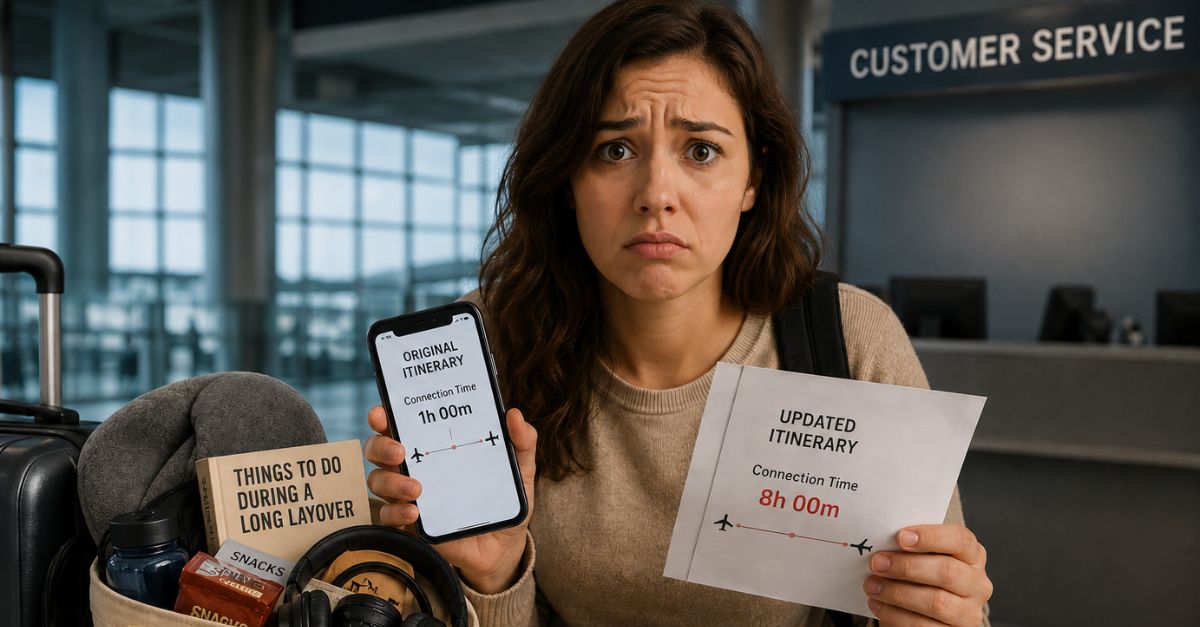
When A One Hour Connection Turns Into An All Day Wait
You booked one trip, then months later the airline quietly turned it into something that does not work for you at all. A one hour connection became an eight hour layover, and the airline insisted that was not a delay worthy of any compensation. To most travelers, that feels like a completely different itinerary, but that doesn't mean they can't do it.

Why This Catches So Many Travelers Off Guard
Airlines sell tickets months in advance, then regularly adjust schedules as planes, staffing, and demand shift. Those changes can be legal and still be a huge hassle. The real frustration starts when the airline treats a major connection change like routine housekeeping instead of a serious disruption.
The Industry Calls It A Schedule Change
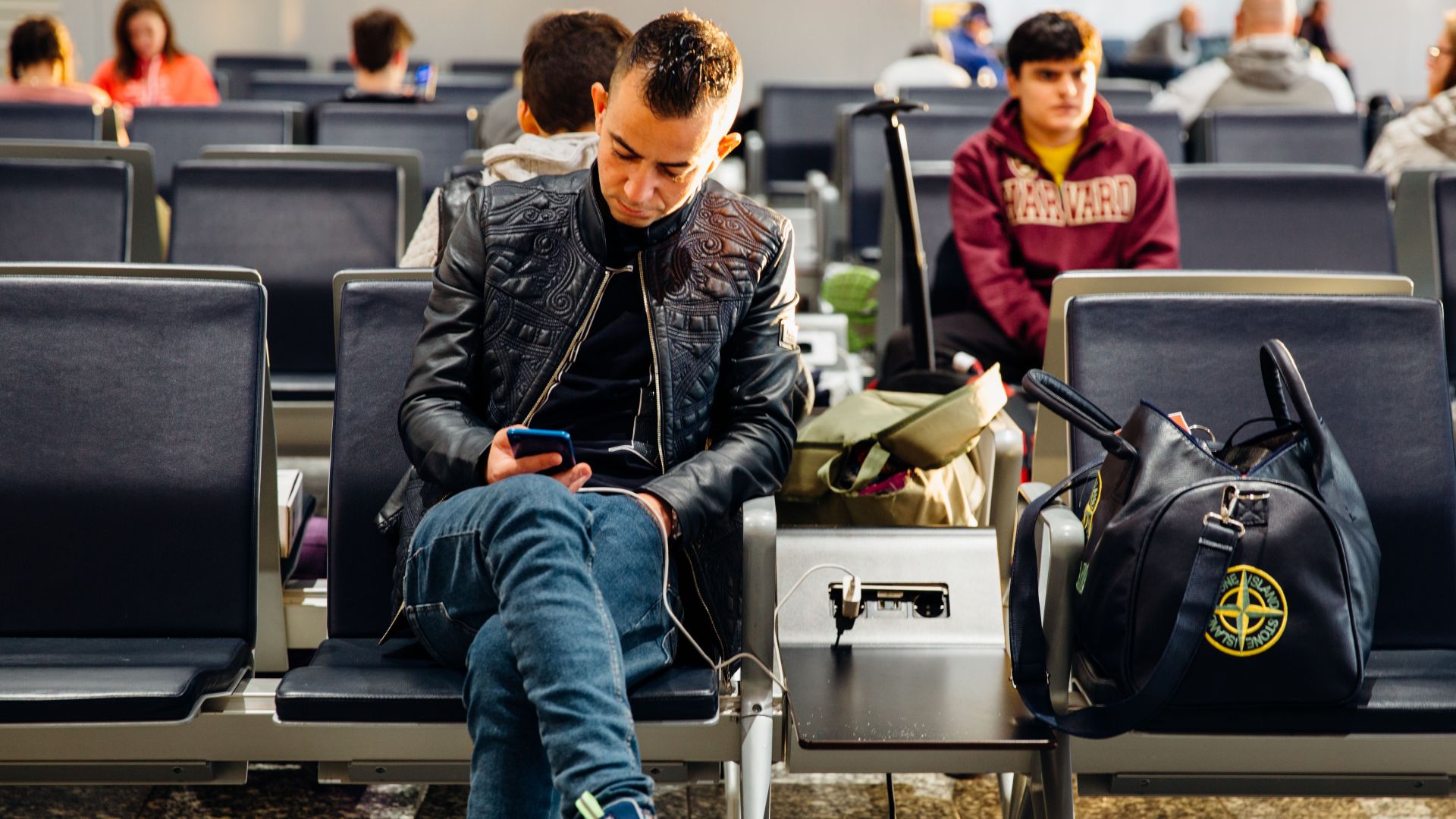
In airline terms, this is usually a schedule change, not a delay. A delay normally happens close to departure, while a schedule change happens days, weeks, or months earlier. That distinction matters because different refund and rebooking rules often apply.

Why That Distinction Feels Thin
From a traveler’s point of view, the label does not change much. If your airport wait jumps from one hour to eight, you lose time, flexibility, and sometimes a hotel night or an event. That is why passengers keep asking the same basic question: if the timing changes that much, how is this still the same trip?

What The Transportation Department Says
The U.S. Department of Transportation says airlines must provide refunds when they cancel or significantly change a flight and the passenger chooses not to accept the alternative. The department has also made clear that airlines set their own definitions of what counts as a significant schedule change. That leaves travelers in a gray area unless the airline’s policy is generous or the change is especially severe.
 AgnosticPreachersKid, Wikimedia Commons
The Federal Rule Worth Knowing
DOT’s refund dashboard, launched in 2024, shows which major U.S. airlines promise cash refunds for significant delays or significant schedule changes. That matters because it puts carrier commitments in one place instead of hiding them in dense contract language. If your new itinerary no longer works, this dashboard is often the quickest place to start.

What Counts As Significant Depends On The Airline
There is no single federal minute threshold that applies to every airline schedule change. Instead, airlines often define significance differently in their customer service plans or contracts of carriage. A change that one airline treats as refundable may be handled more narrowly by another.

American Airlines Put A Number On It
American Airlines says a refund is available if there is a schedule change of more than four hours and the customer decides not to travel. That means a jump from a one hour layover to an eight hour layover may qualify if the revised itinerary crosses that threshold. The details still matter, but at least that policy gives travelers something specific to point to.
 Chris Lofting, Wikimedia Commons
Delta Uses Similar Refund Language
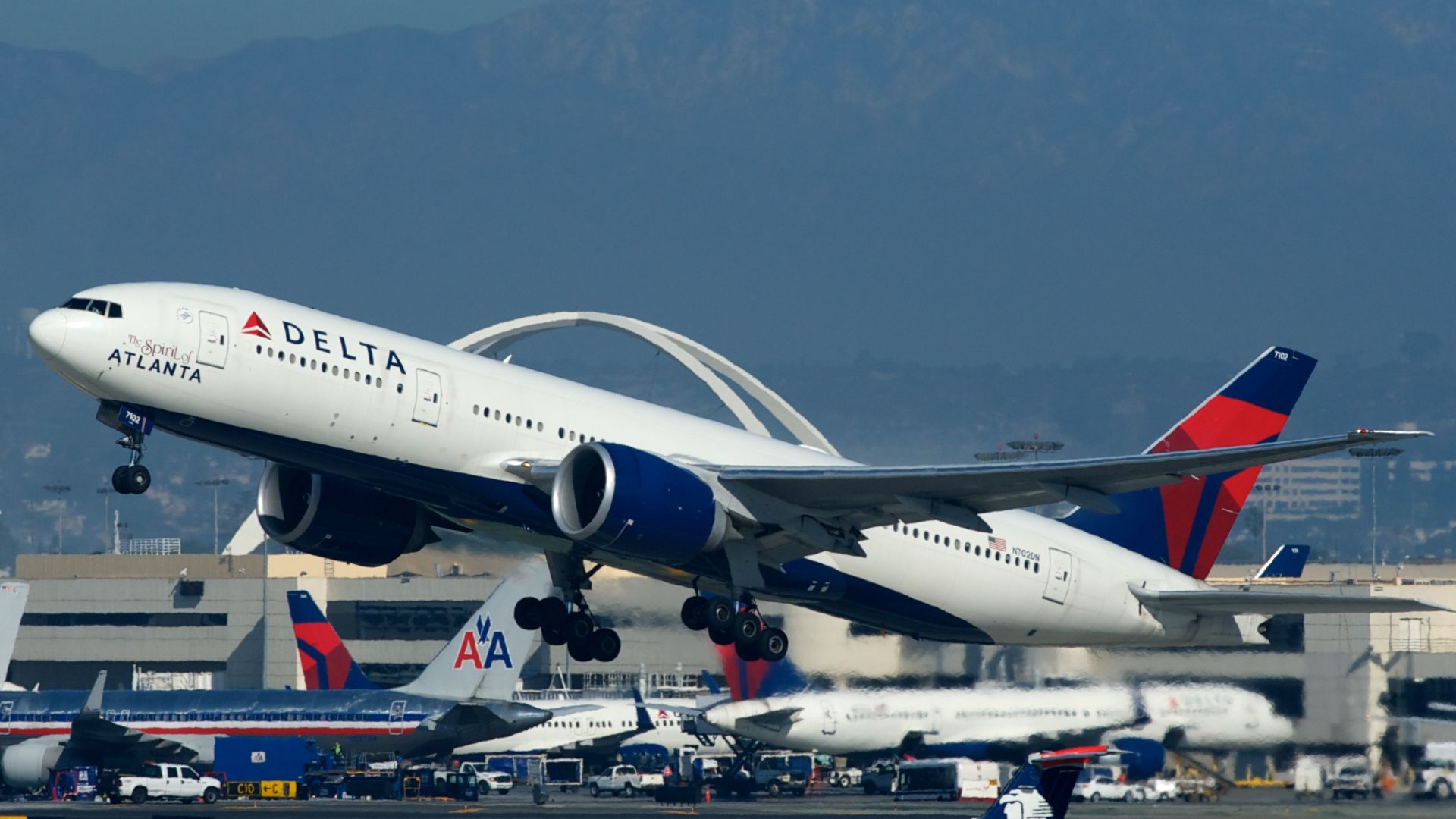
Delta says that if a flight cancellation or significant schedule change happens, some passengers may be eligible for a refund if they choose not to accept the rebooking options. Delta’s public refund page does not turn every scenario into a simple minute count. Still, a major connection change can fit the kind of disruption many travelers would reasonably challenge.
United Also Flags Significant Changes
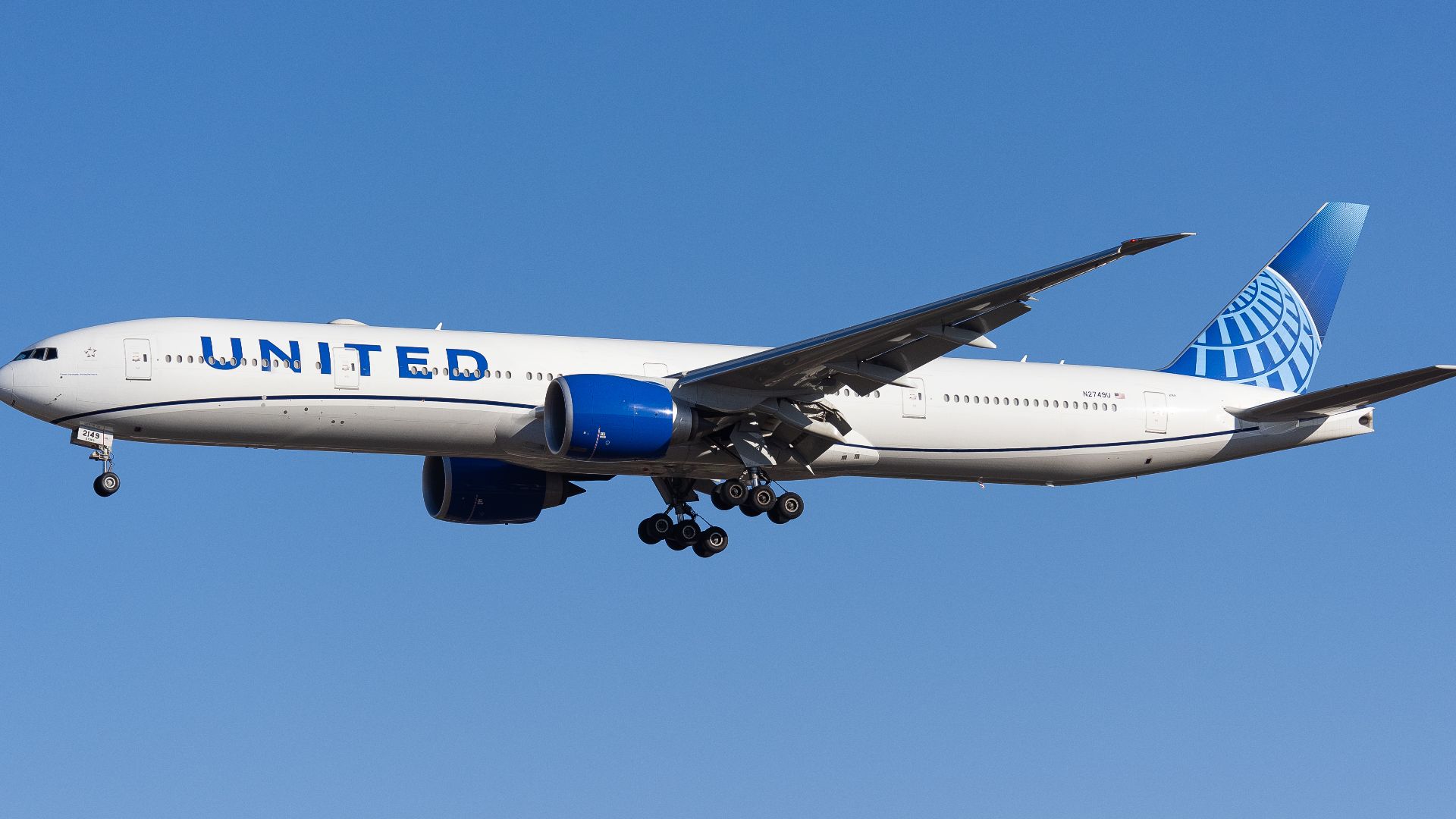
United’s refund information similarly says refunds may be available when there has been a significant schedule change and the customer declines the new itinerary. As with other airlines, the outcome depends on the details and the fare rules. The main point is simple: the airline’s first no is not always the final answer.
Southwest Has A More Specific Policy
Southwest says customers may be eligible for a refund if there is a schedule change of more than three hours. That is one of the clearer public thresholds among major U.S. carriers. For passengers watching a one hour connection balloon into eight, the gap between the original plan and the new one becomes hard to brush off.
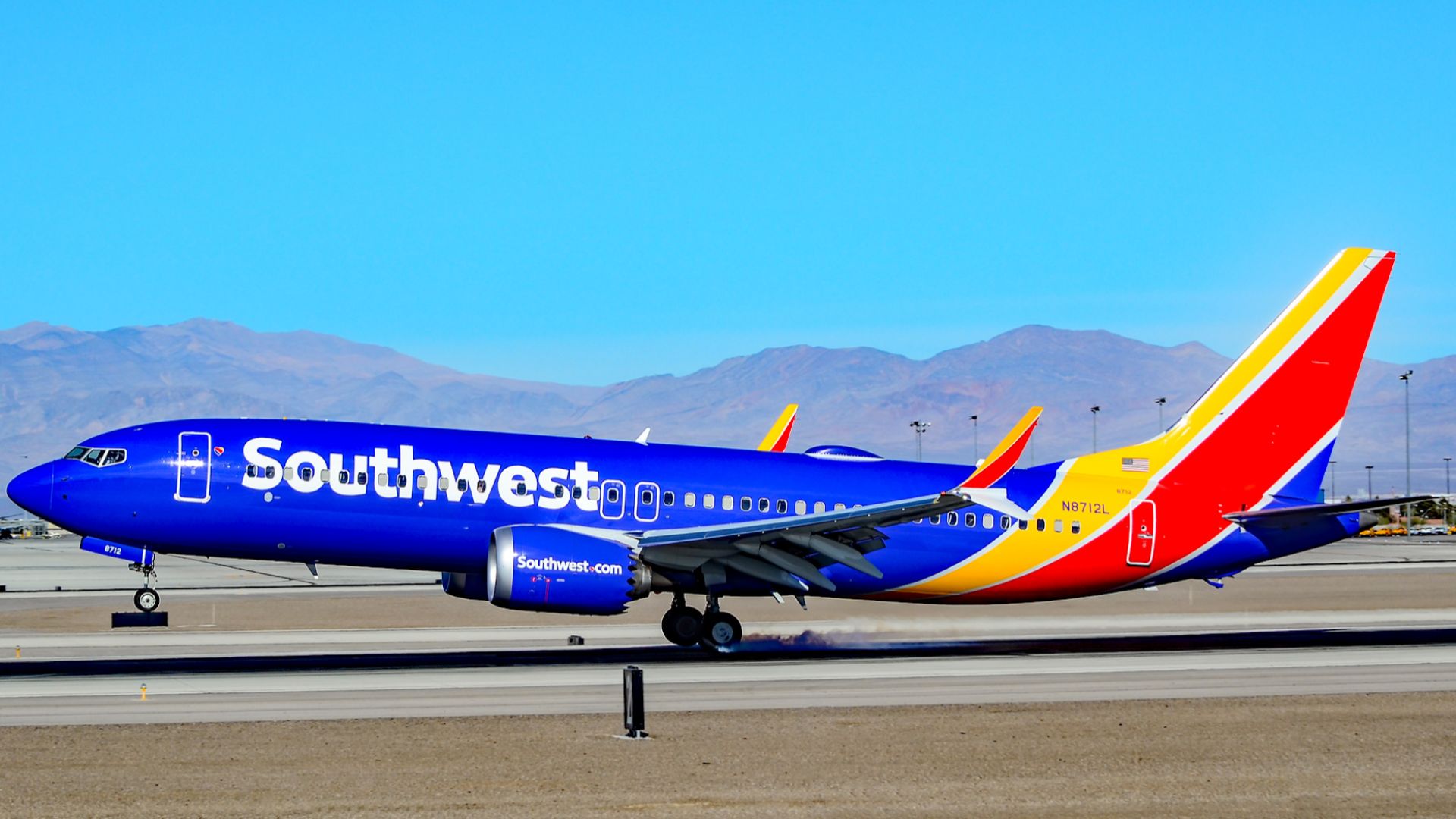 Tomás Del Coro from Las Vegas, Nevada, USA, Wikimedia Commons
JetBlue Draws Lines Too
JetBlue’s customer commitments and refund materials also address schedule changes and when customers can cancel for a refund. Policies can vary by route, fare type, and the exact nature of the change. The bigger point is that airlines already recognize some timetable changes are too major to shrug away.
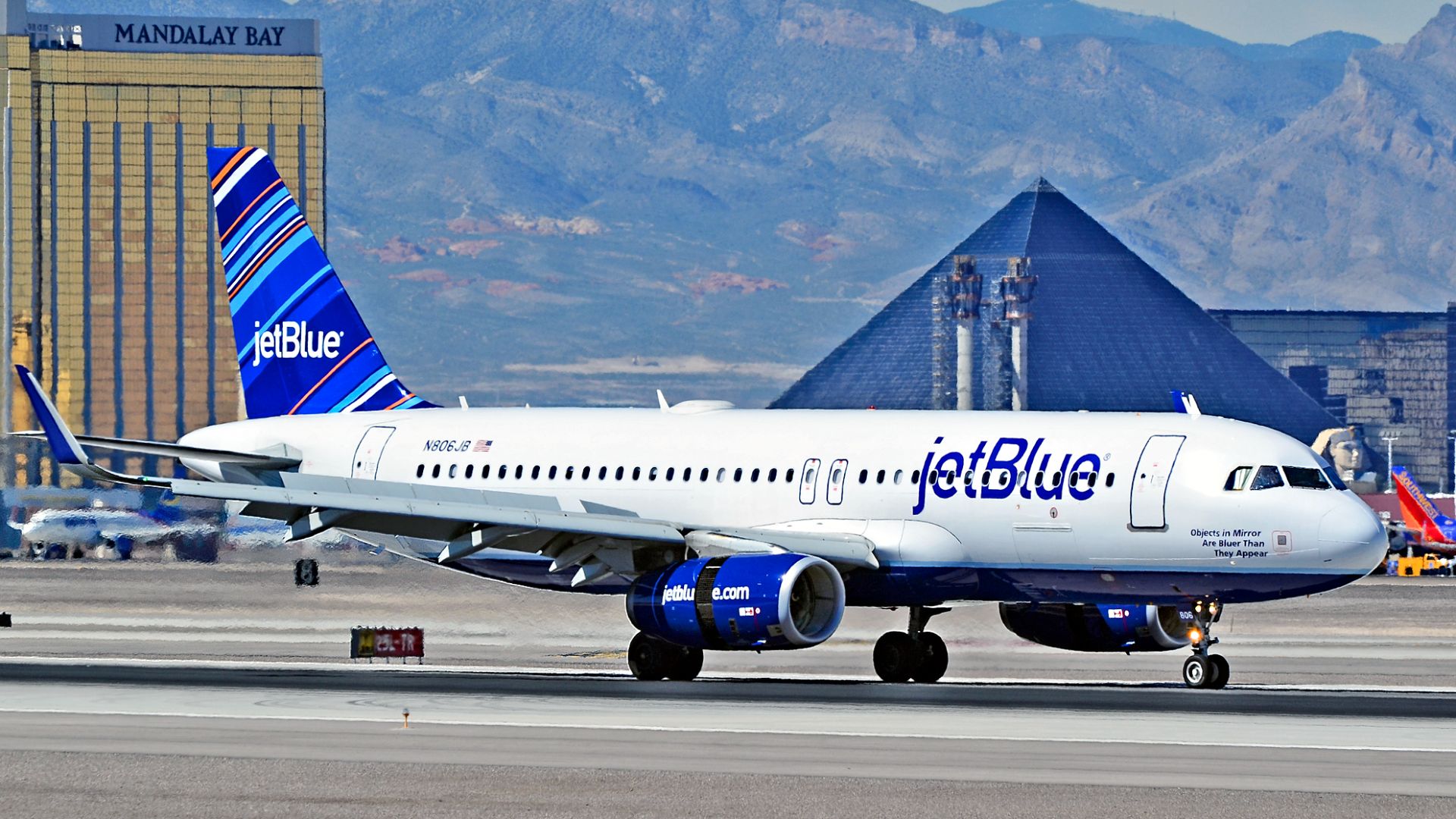 Tomás Del Coro from Las Vegas, Nevada, USA, Wikimedia Commons
What If The Airline Says The Ticket Is Still Valid
That usually means the carrier believes it has met its obligation by offering transportation from your starting point to your destination on the same travel date, or close to it. The airline may see the contract as transportation, not a promise of a specific connection length. Travelers, unsurprisingly, tend to see the timing as a big part of what they bought.

Why A Long Layover Costs More Than Time
An eight hour connection can mean meal costs, childcare problems, missed tours, late arrivals, and even an extra day of annual leave. In some airports, it can also mean an awful overnight wait if lounges close and no hotel is included. That is why schedule changes trigger so many complaints even when the flight technically still operates.
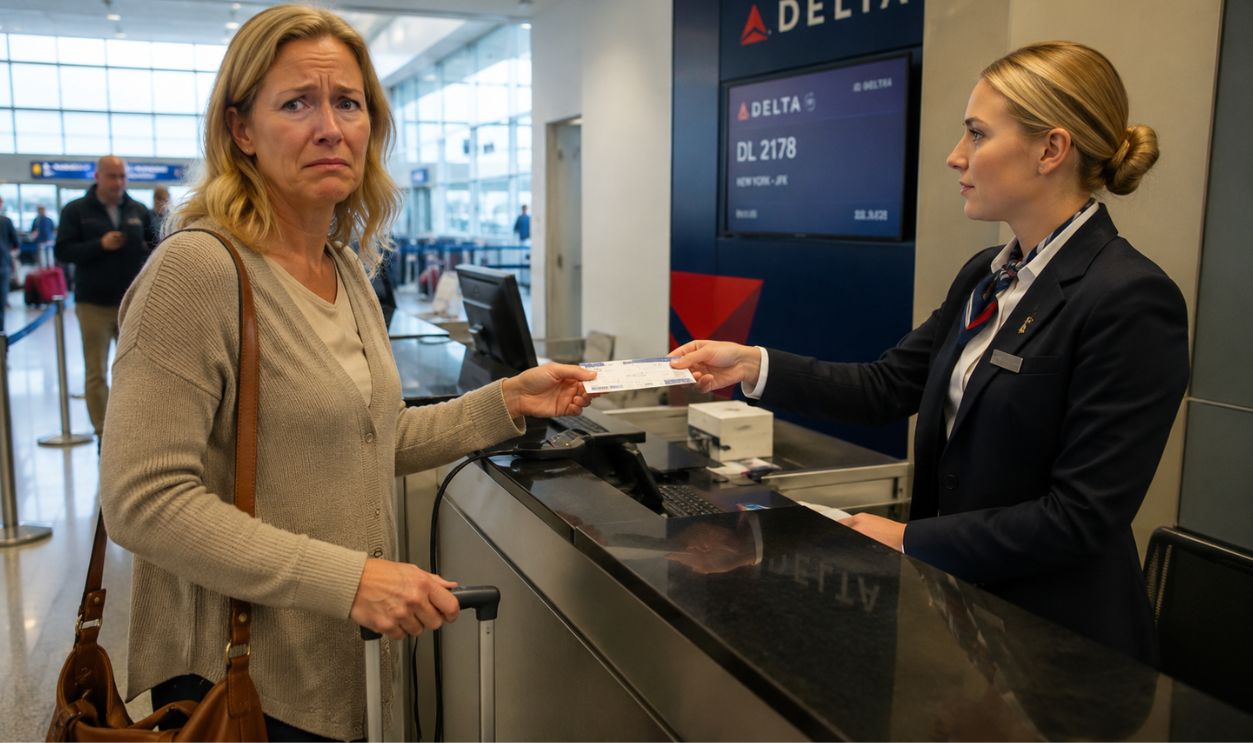
Your Best First Move Is To Decline Quickly
If the revised itinerary does not work, act as soon as you spot the change. Do not wait until the last minute if you want the best shot at alternate flights with open seats. A quick response also creates a cleaner record that you never accepted the new terms.

Ask For Rebooking Before You Pick A Fight
Often the fastest fix is not a refund but a better routing. Ask the airline to move you to a same day itinerary with a shorter connection, even if that means connecting through a different city. Agents sometimes have room to move passengers onto better options when the airline caused the problem.
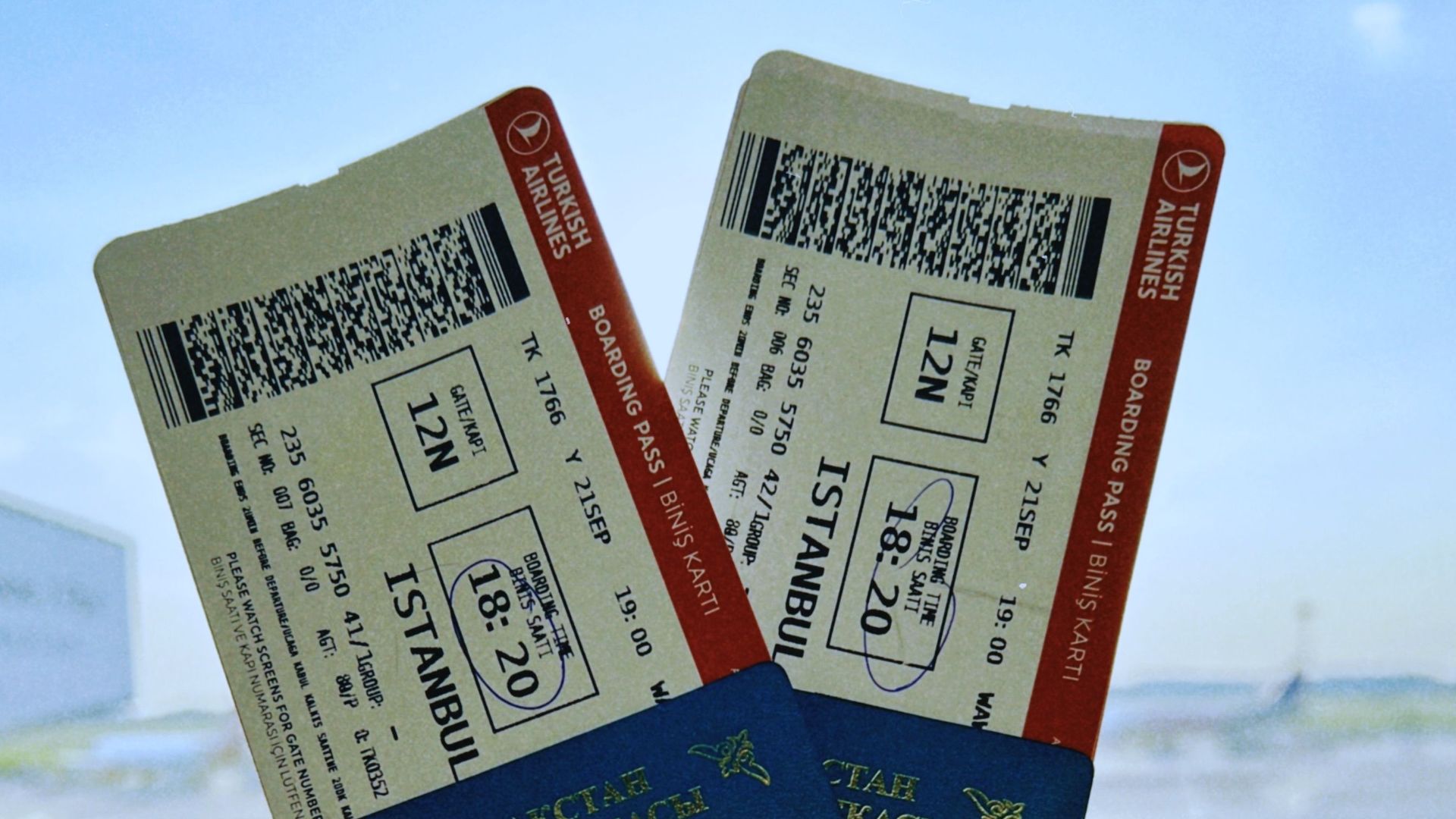
Use The Right Phrase
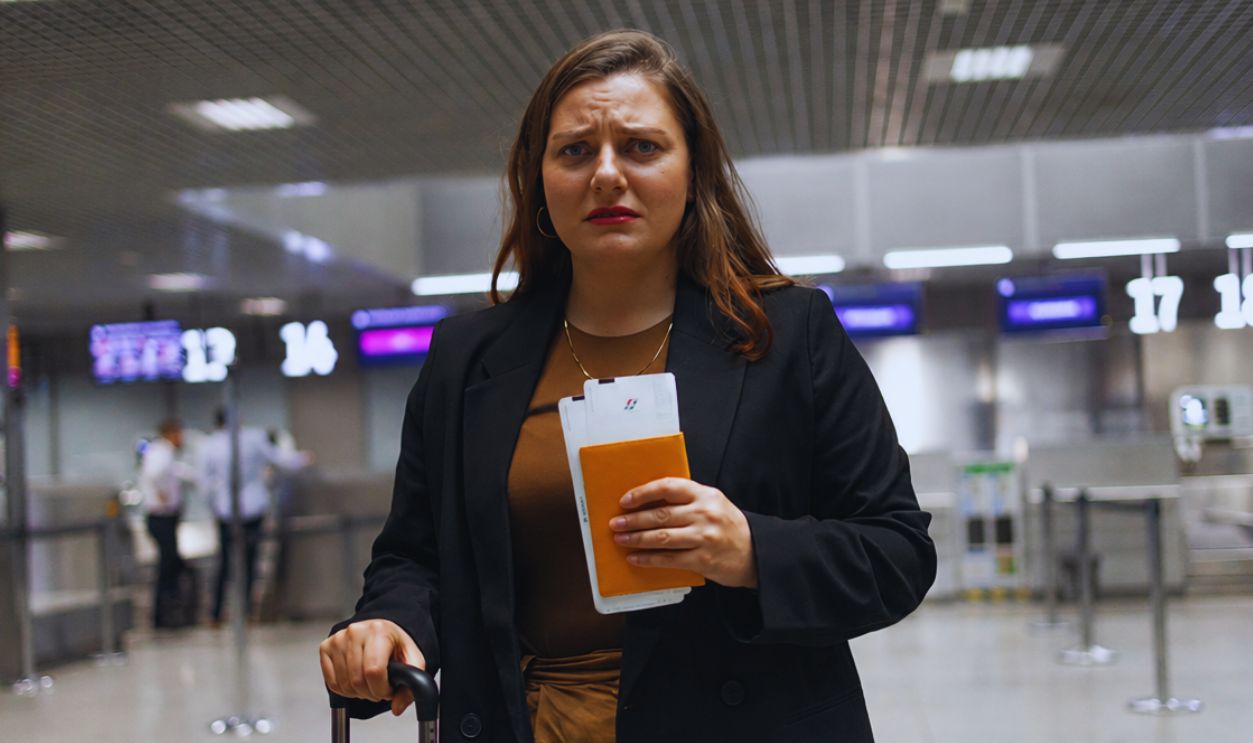
Instead of just saying the layover is annoying, say the airline made a significant schedule change and the new itinerary is unacceptable. Those words match the language used in refund and customer service policies. Clear wording can shift the conversation from opinion to policy.
 Irina Shatilova, Shutterstock, Modified
Document The Before And After
Take screenshots of the original itinerary, the revised itinerary, and any email or app notice showing when the change was made. Save chat transcripts and the names or employee numbers of agents if you can get them. If you need to escalate later, that paper trail can make all the difference.

Check The Contract Of Carriage
The contract of carriage is not light reading, but it often contains the legal backbone of your rights with that airline. It may explain schedule irregularities, refunds, and rerouting in more detail than the airline’s marketing pages do. If an agent refuses to help, citing the airline’s own written terms can sometimes move things along.

Do Not Forget Credit Card Protections
A refund dispute with the airline is one path, but your payment card may offer another. Some travel cards include trip delay or interruption coverage, though benefits vary and often focus on day of travel disruptions rather than changes made far in advance. It is still worth checking because an eight hour connection can lead to real out of pocket costs.

When A Federal Complaint Makes Sense
If the airline refuses a refund or a reasonable rebooking after a major schedule change, travelers in the United States can file a complaint with the Department of Transportation. The process does not guarantee the answer you want, but it creates a formal record and sends the issue to the carrier for a response. That alone can sometimes break a customer service stalemate.

What This Is Not
This usually is not a case covered by EU-style compensation rules unless your trip falls under those systems and the facts fit. In the United States, the fight is more often about refunds, rebooking, and whether the airline followed its own policy. That may be less dramatic than a compensation headline, but it is where most real-world solutions are found.

Families Feel These Changes The Hardest
An eight hour layover with two adults is one thing. Add toddlers, medications, mobility issues, or a late night connection and the strain rises fast. Airlines do not always account for those human details unless the traveler clearly spells them out.

International Trips Raise The Stakes
On international itineraries, long layovers can affect visa issues, airport transfer rules, lounge access, and immigration timing. A changed connection might also disrupt onward separately booked flights or cruises. That is why even a legally allowed schedule change can still throw the whole trip into chaos.

So Is It Basically A Different Trip
Emotionally, yes, many travelers will see it that way. Legally, the answer depends on the airline’s policy, the size of the change, and whether the carrier still considers the revised itinerary acceptable transportation under its contract. The most useful takeaway is that the airline’s label is not the whole story.

The Practical Bottom Line
If your one hour connection becomes eight, do not get stuck on whether the airline calls it a delay. Focus on whether it counts as a significant schedule change under that airline’s policy and whether you want rebooking or a refund. In travel, the name matters less than the fix.

One Last Tip Before You Click Accept
Airline apps often make it very easy to accept a changed itinerary with a single tap. Do that only if you are truly satisfied with the new plan. Once you accept, it can become much harder to argue that the replacement trip never worked for you in the first place.