
Two Destination Weddings, One Family Budget Crisis
If your sister wants family and friends at two destination weddings in the same year, it makes sense if your stomach drops a little. Travel is expensive, paid time off is limited, and even happy family events can run straight into real budget problems.
Skipping celebration #2 wouldn't automatically be rude, especially if going would put you under financial or practical strain. But at the same time, if you don't consider her feelings, you're just asking for trouble.

This Feels Heavy Because Love And Money Always Are
Destination weddings cost guests a lot more than a local ceremony, plain and simple. That can mean airfare, hotel stays, meals, rides, gifts, pet care, and missed workdays. Add a second trip in the same year, and the invite is now officially a major expense.

What Wedding Etiquette Actually Says
Etiquette experts have long made one thing clear: an invitation is not a command. The Emily Post Institute says guests are free to decline events they cannot attend, and hosts should understand that not everyone can make a destination wedding. That matters here because destination weddings come with bigger hurdles than most.
The Cost Problem Is Real
One of the biggest reasons people skip destination weddings is simple math. Bankrate reported in 2024 that the average wedding guest planned to spend hundreds of dollars, and travel can push that number much higher. Two destination weddings in one year can easily turn into thousands of dollars before you even factor in outfits or gifts.

Travel Costs Are Still High
The U.S. Bureau of Labor Statistics has shown ongoing price pressure in travel-related categories, including lodging away from home. Airfare goes up and down, but hotels, rental cars, and food can keep a trip expensive. So even people who plan carefully may find a second wedding trip out of reach.

Paid Time Off Can Be A Dealbreaker
Money is only part of the issue. A lot of adults do not have much paid leave, and destination weddings often eat up several travel days. If you already used a big chunk of your vacation time for the first celebration, saying no to the second is practical, not personal.

Family Expectations Make It Harder
This kind of decision gets messy because it is not just about money or scheduling. A sister may see both celebrations as equally important, especially if one is the legal ceremony and the other is religious, cultural, or just the bigger party. But guests still have every right to weigh that against their own finances, schedules, and responsibilities.

Destination Weddings Always Come With A Trade-Off
Brides and other wedding experts often make the same point: couples who choose destination weddings usually know some people will not be able to come. A faraway wedding almost always means a smaller guest list. That is part of the deal.

It Is Not Rude To Have Limits
There is a big difference between declining thoughtlessly and declining with care. If you skip the second event because you cannot reasonably afford it or do not have the time, that is a limit, not bad manners. The rude part would be ignoring the invite, making fun of the plans, or turning your answer into family drama.

When The First Wedding Already Counted
If you already made it to one destination wedding for your sister, that matters. You showed up, spent the money, and gave your time to celebrate her marriage. Most reasonable people would see attendance at one of two destination events as real support, even if you cannot do both.
Some Second Celebrations Have A Different Role
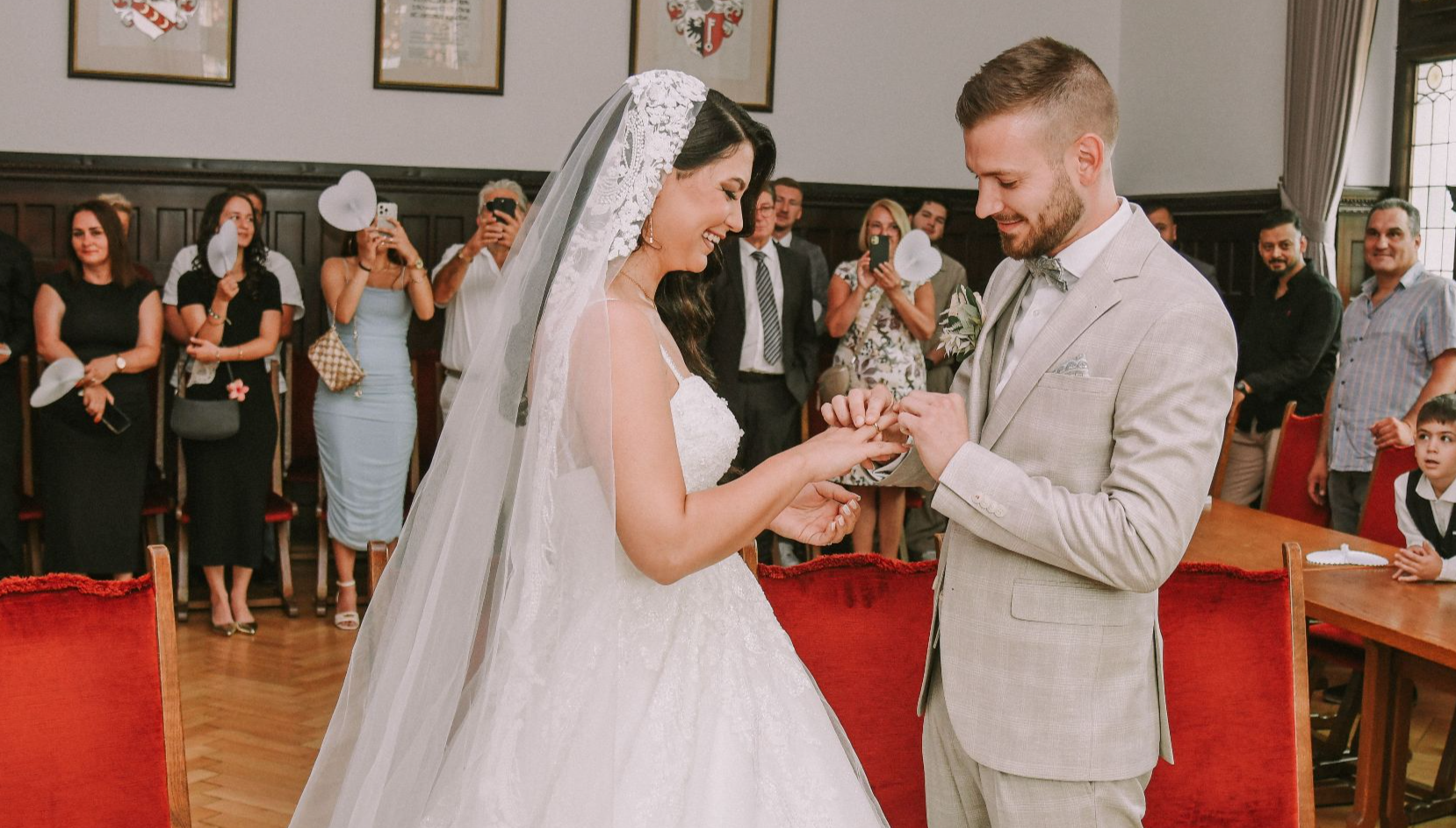
Sometimes a second wedding event is not just a repeat. It might be a religious ceremony, a hometown reception for relatives who could not travel, or a legal ceremony in another country. Even then, guests are not required to attend both if doing so would be too difficult.

What Experts Say About Declining Gracefully
Emily Post’s advice is simple: reply promptly and kindly. A short, sincere decline is enough, and you do not need to come up with a long excuse. That works especially well with family because it keeps the focus on care instead of conflict.

Do Not Wait Until The Last Minute
If you already know the second trip is not happening, say so early. That gives the couple time to adjust head counts, room blocks, transportation, and expectations. It also makes it less likely that your sister will read your delay as a lack of excitement.
 Maria Fernanda Pissioli, Unsplash
Honesty Usually Works Better Than A Vague Excuse
You do not need to open your bank app and prove anything, but a calm explanation helps. Saying that two destination trips in one year are beyond your travel budget or available time is clear and easy to understand. Most people know exactly how expensive travel has gotten.
 Jarritos Mexican Soda, Unsplash
Keep The Tone Warm And Clear
This is one of those moments where wording matters. You can say you were genuinely happy to celebrate at the first event, but you cannot make another destination trip this year. A warm tone plus a firm answer usually keeps things from spiraling.

A Script You Can Actually Use
Try this: “I love you and I’m so happy for you. I was really glad we could be there for the first celebration, but I can’t make a second destination trip this year because of cost and time off.” It is direct, respectful, and hard to misunderstand.

Should You Send A Gift If You Skip?
Etiquette does not say you must send a gift just because you were invited, but many people still choose to send one when they decline, especially for close family. If you already gave a gift for the first event, you are not automatically expected to pay for a second one too. A thoughtful card or a smaller gesture can still be generous.

Can You Celebrate In Another Way?
If missing the second event makes you feel bad, there are cheaper ways to show support. You could take your sister and her spouse out to dinner when they get back, send a heartfelt note, or contribute something meaningful that fits your budget. Small gestures can go a long way without forcing a trip you cannot manage.

What If Your Sister Says It Is Selfish?
That reaction may come from stress or hurt feelings, but it does not mean you are wrong. Weddings can create tunnel vision, especially when couples picture all their favorite people together in one place. Even so, your financial and personal limits still count.

Couples Are Usually Warned About This
Wedding advice regularly tells couples to expect declines for destination events. Travel logistics, childcare, work calendars, passports, and cost all make attendance harder. In other words, your sister is asking for something many guests simply cannot do twice in the same year.

Children, Caregiving, And Life Logistics Matter Too
Most adults are juggling more than vacation plans. Childcare, elder care, school schedules, and work duties can make a second out-of-town or international wedding nearly impossible. Those limits are real, even if they are not as obvious as the price of a plane ticket.

Love And Attendance Are Not The Same Thing
One helpful way to look at this is to stop treating attendance as the only proof of support. Love can be real even when travel is not possible. Showing up once, sharing your happiness, and staying connected still matter.

If You Want To Compromise, Offer One
If keeping the peace is your top goal, think about a middle ground. You might attend the local event and skip the faraway one, join virtually if that is an option, or help with planning from home. A compromise shows good faith without pushing you into a trip you cannot sustain.

What Not To Say
Do not call the second wedding excessive, silly, or attention-seeking, even if that is what you are thinking. Criticizing the couple’s choices will only make things worse. Keep the focus on your limits, not your opinion of their plans.

Weddings Are Invitations, Not Loyalty Tests
Families sometimes turn wedding attendance into a measure of love or loyalty, but that is not what etiquette says. An invitation is a chance to celebrate, not a test you have to pass. If the trip does not work for your life, politely declining is a reasonable adult choice.

The Bottom Line On Rudeness
Skipping the second destination wedding is not rude by itself. It only starts to look impolite if you handle it carelessly, reply late, or make the couple feel mocked for inviting you. If you answer promptly, warmly, and honestly, you are well within normal etiquette.

Your Best Next Step
Decide early, answer clearly, and do not feel guilty for having boundaries. Supporting family should not mean debt, panic, or burning every vacation day in one year. You can love your sister deeply and still say no to wedding trip number two.