
The Difference Between Unclear And Misleading
Travel ads are full of glossy photos and broad promises, but the real legal question people want answered is usually simpler: Would the advertisement be misleading to reasonable consumer? The Federal Trade Commission says an ad can be deceptive if it makes a misleading claim or leaves out information that matters to someone's decision. In plain terms, if access limits could change whether someone books, those limits shouldn't be buried in the fine print.

The FTC Sets the Basic Rules
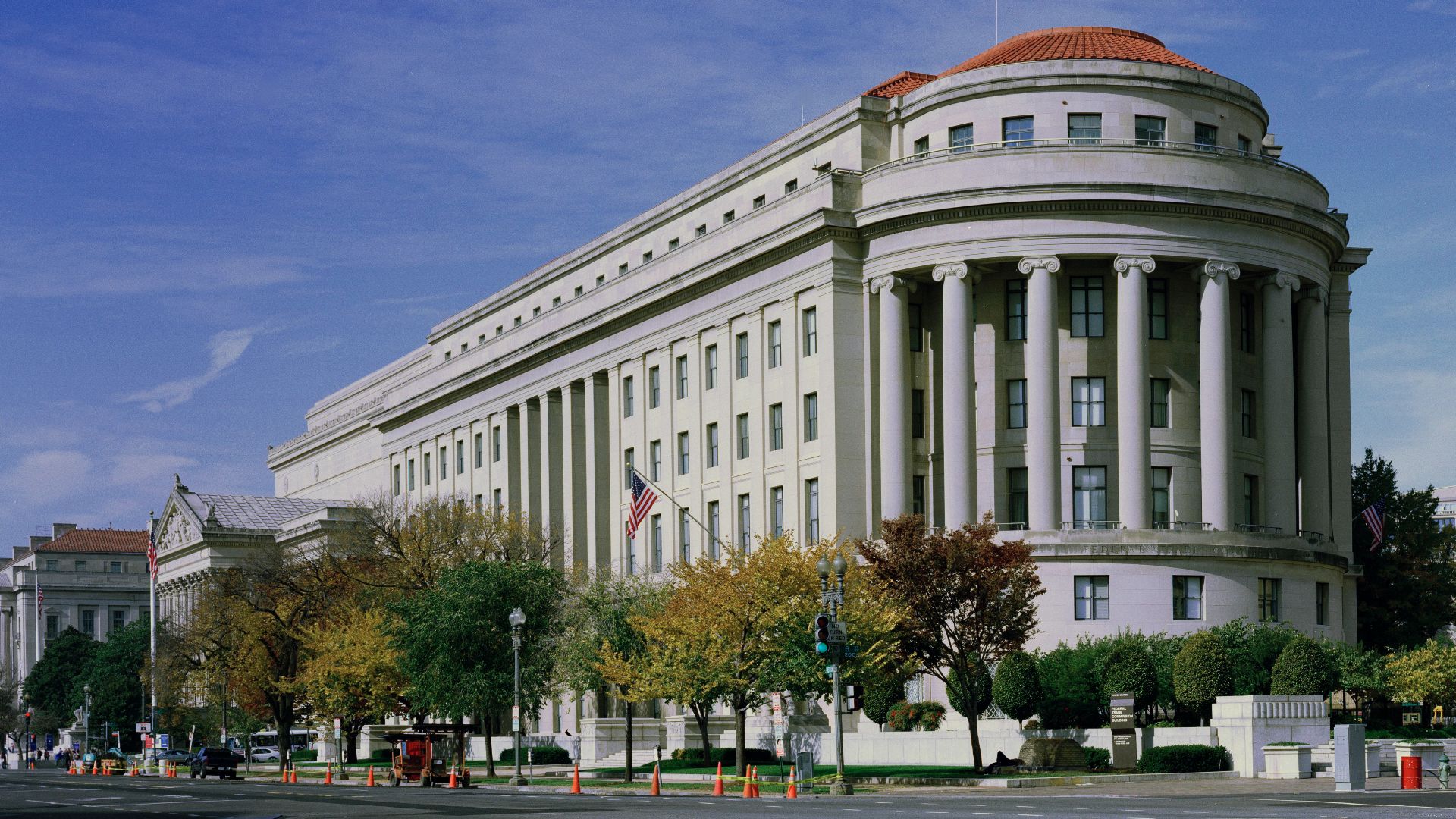
The FTC's deception policy has guided federal ad law for decades. The agency says a practice is deceptive if it is likely to mislead consumers acting reasonably under the circumstances and if the information matters. So if a resort promotes a lazy river like it is open to all guests, but in practice it is set aside for premium customers most afternoons, that raises a real issue.
 Carol M. Highsmith (born 1946), Wikimedia Commons
Hidden Restrictions Matter More Than Resorts May Think
Material information is anything important enough to affect a booking choice, including fees, access limits, blackout times, and reservation rules. The FTC has said again and again that disclosures need to be clear and easy to notice, not hidden on hard-to-find pages or buried in vague wording. If a resort knows guests will assume the lazy river is generally open, it should make any major restriction obvious before purchase.

Hotels Have Already Faced Pressure Over Hidden Fees
This does not happen in a vacuum. In 2024, the FTC finalized a rule aimed at banning junk fees, including hidden or misleading fees in live-event ticketing and short-term lodging. That rule is about fees, not lazy rivers, but it points to the same bigger trend: travel companies are expected to be upfront about what people are really getting.
 Frame Stock Footage, Shutterstock
Why the Timing of the Restriction Matters
The phrase "most afternoons" changes everything. A short closure for maintenance or a once-in-a-while private event is one thing. A predictable daily block during peak leisure hours is another. If the lazy river is sold as a main attraction but is unavailable during the hours most guests want it, that limit becomes much more important.

Photos Can Mislead Without Saying a Word
Advertising is not just about text. The FTC and state consumer protection laws look at the overall impression an ad creates, including photos, layout, labels, and what is left out. If a booking page is full of images showing guests floating freely, but fails to clearly say that access is often reserved for cabana renters, the pictures themselves can help create a misleading message.

The Resort's Website Is the First Place to Look
Before calling the ad misleading, start with the exact wording on the resort's website and booking flow. Does it describe the lazy river as an amenity for all guests, or does it mention limited hours, priority access, or private rentals? The key usually is not what the front desk says after check-in. It is what the resort said before it took the booking.

Screenshots Can Make or Break a Complaint
If you feel blindsided, save screenshots of the booking page, amenities list, confirmation email, and any resort map or app description. Time-stamped proof matters because websites can change once complaints start coming in. A lot of these disputes come down to one basic question: what did the guest actually see before paying?

Guest Reviews Can Show Whether This Is Routine
Reviews on major booking sites and travel forums can help show whether this was a one-off misunderstanding or a regular practice. If several guests say the lazy river is usually cabana-only during the busiest part of the day, that helps show the limit is part of normal operations. Patterns matter because they can show what the resort knew and whether it should have said more upfront.
 Familydestinationsguide.com Images, Wikimedia Commons
State Consumer Protection Laws Can Be Even More Useful
On top of federal rules, every state has its own consumer protection law, often called an unfair or deceptive practices law. State attorneys general usually warn businesses not to misrepresent important features of goods or services. A heavily marketed amenity that is routinely restricted could fall under those laws, depending on the state and the facts.

California Shows the Basic Idea
California's Department of Consumer Affairs tells consumers that misleading advertising includes statements or practices likely to deceive. Hotel amenity disputes can be very fact-specific, but the principle is familiar. If a reasonable traveler would assume general access to a lazy river, and the resort knows access is regularly limited to paying cabana guests, then clearer disclosure is the safer and fairer move.

Florida Also Warns Against Misleading Travel Claims
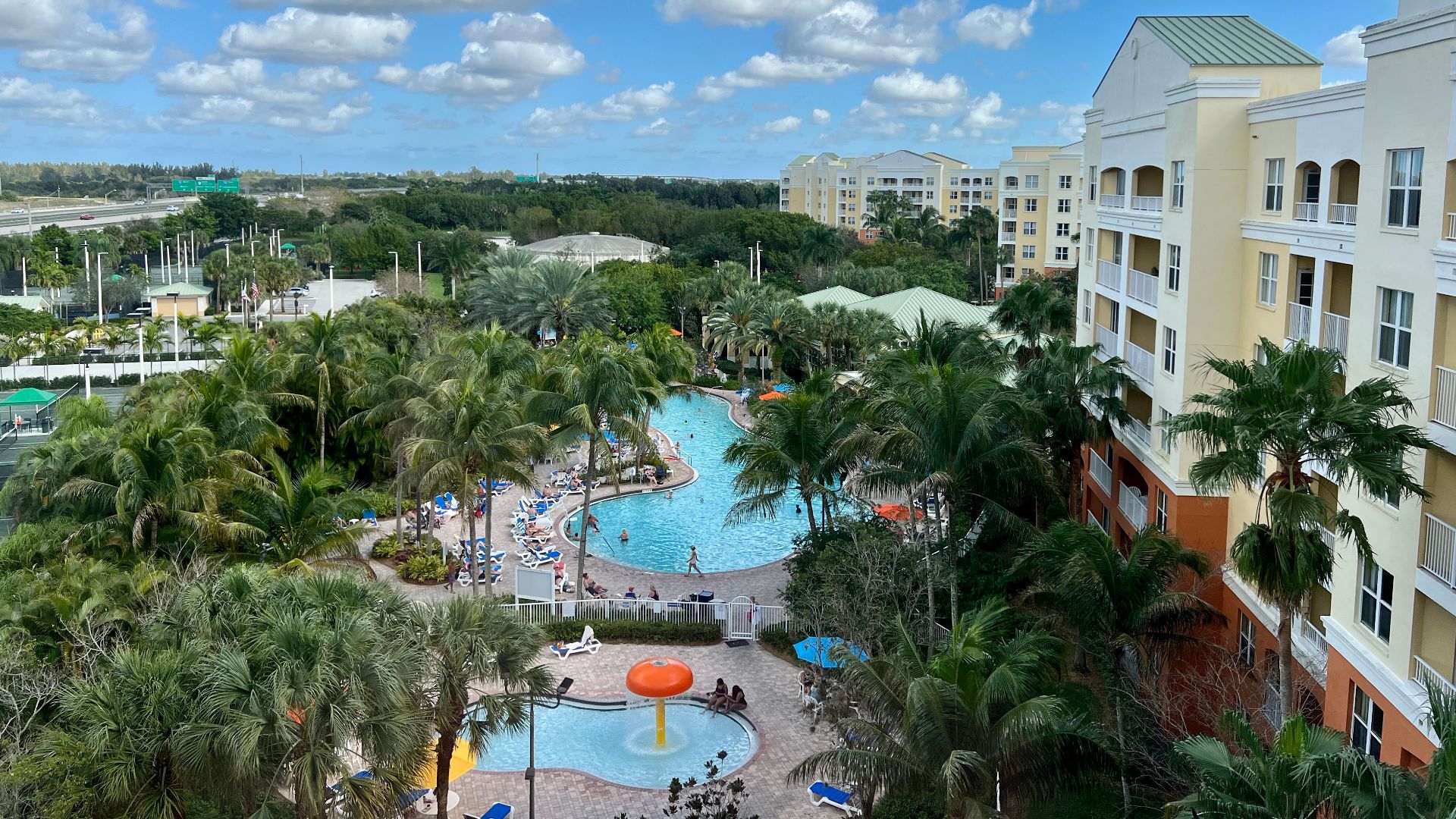
Florida's consumer protection law also bars unfair or deceptive acts in trade or commerce. That matters because many large resorts are in Florida, where pools, lazy rivers, and premium seating areas are major selling points. A disclosure that technically exists but is hard to find may not do much for a guest who reasonably thought the amenity was included.
Contracts and Terms Still Matter
Resorts often point to terms and conditions, amenity schedules, and language saying operations can change. Those clauses do give properties some breathing room, especially for weather, repairs, or staffing issues. But a general right to change amenities does not automatically fix marketing that gave a misleading overall impression when the guest booked.

There Is a Big Difference Between Premium Seating and Blocking Access
A resort can usually charge more for better loungers, shade, umbrellas, or front-row seats without much drama. The problem gets sharper when the attraction itself is effectively closed off to standard guests for broad stretches of the day. Upselling extras is common. Restricting the main feature while still using it to sell rooms is where complaints start to carry real weight.
 Ben Schumin from Montgomery Village, Maryland, USA, Wikimedia Commons
If the Restriction Was Clearly Disclosed, the Case Gets Weaker
Not every annoying surprise is legally misleading. If the resort clearly said before booking that lazy river access becomes cabana-only from, for example, 1 p.m. to 5 p.m. on certain days, then guests had a chance to factor that in. The issue is not just whether the policy is frustrating. It is whether the disclosure was clear enough and early enough to matter.

Resort Apps and Pre-Arrival Emails Count Too
Hotels now communicate more and more through apps and pre-arrival emails. But if the resort only revealed the cabana-only schedule after the guest had already paid, that may not fix a misleading ad. A late disclosure may help avoid confusion once someone is on property, but it does not necessarily cure a sales pitch that left out a major limit.

What to Do While You Are Still at the Resort
Start calmly and be specific. Ask a manager when the restriction started, whether it applies every day, and where it was disclosed before booking. If the answer is vague, ask for a written adjustment such as a partial credit, a waived resort fee, a food and beverage credit, or more flexible cancellation terms if the lazy river was a main reason you picked the resort.

Use the Right Language in Your Complaint
Do not just say you are unhappy. Say the problem is an important omission or an unclear disclosure about a core advertised amenity. Explain that the lazy river appears to be unavailable to standard guests during prime afternoon hours and that you did not see that limit before booking. Calm, factual language usually works better than a heated rant.

Credit Card Remedies May Be Limited but Still Worth a Try
If the resort will not help, a chargeback may be possible in some cases, especially if the service was meaningfully different from what was advertised. Results vary, and card issuers usually want proof showing what was promised and what was actually delivered. That is why screenshots, photos of signs, and written responses from staff can matter so much.

Booking Platforms and Travel Advisors Can Add Pressure
If you booked through an online travel agency or a travel advisor, send them your evidence. They may be able to negotiate compensation or flag the property for unclear amenity language. Big booking platforms do not like repeat complaints about the same listing because trust is a huge part of their business.

Public Reviews Work Best When They Are Precise
If you leave a review, stick to facts people can verify. Include the dates of your stay, the policy you were told, the hours access was restricted, and whether the limitation appeared before booking. A detailed review helps future travelers more than a vague complaint about a ruined trip.

Regulators Care More About Patterns Than One Bad Experience
One complaint may not trigger action, but several complaints describing the same missing disclosure can get attention from a state attorney general, consumer protection office, or the FTC. Agencies often look for repeat behavior that points to a business practice, not just a misunderstanding. If many guests tell the same story, the case for scrutiny gets stronger.

Small Claims Court Can Be an Option
If the amount of money at stake is fairly small and the evidence is solid, small claims court may be worth considering. Guests would need to show that the amenity was an important part of the deal and that the resort failed to reveal a routine, important restriction. Results differ by state, but judges often respond well to clear timelines and simple proof.

How Resorts Could Avoid This Problem
The fix is pretty simple. Resorts can clearly say on the main amenities page and during booking that the lazy river has restricted public-access hours or that afternoon access is reserved for cabana packages. They can also separate "featured water amenities" from "included guest access" so travelers know what comes with the base rate.

Travelers Should Read Amenity Listings With a Skeptical Eye
That may sound cynical, but it is practical. Watch for words like "seasonal," "subject to availability," "exclusive," "priority," and "reservation required." If an amenity is a big reason you want to book, ask the hotel directly before you pay whether guest access changes by time of day.

A Simple Pre-Booking Script Can Save You Trouble
Try asking this: "Is the lazy river open to all registered guests every day, and are any afternoon hours reserved for cabanas, events, or premium packages?" If possible, get the answer in writing by email or chat. That quick step can be worth far more than any polished promo photo.

So, Is It Misleading?
It can be, especially if the lazy river was advertised as a key amenity and the resort did not clearly say that it is reserved for private cabanas most afternoons. It is less likely to be misleading if the restriction was clearly and prominently disclosed before booking. At the core, this is not about whether a resort can upsell premium access. It is about whether travelers got the truth in time to make an informed choice.