A Checkout Chore That Made Travelers Blink
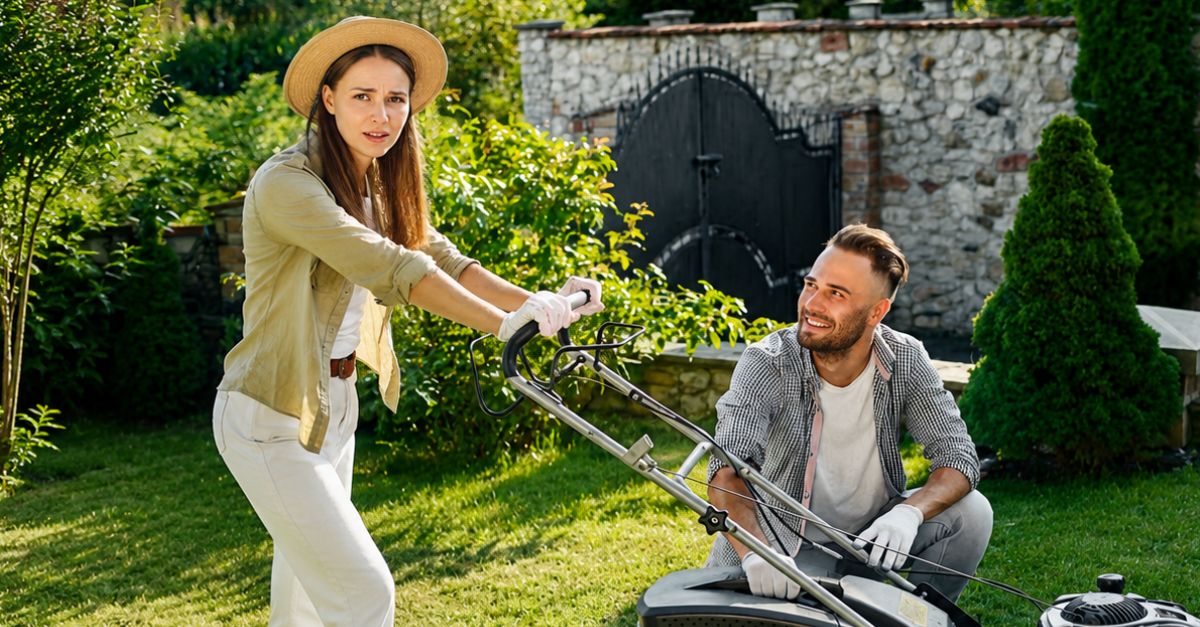
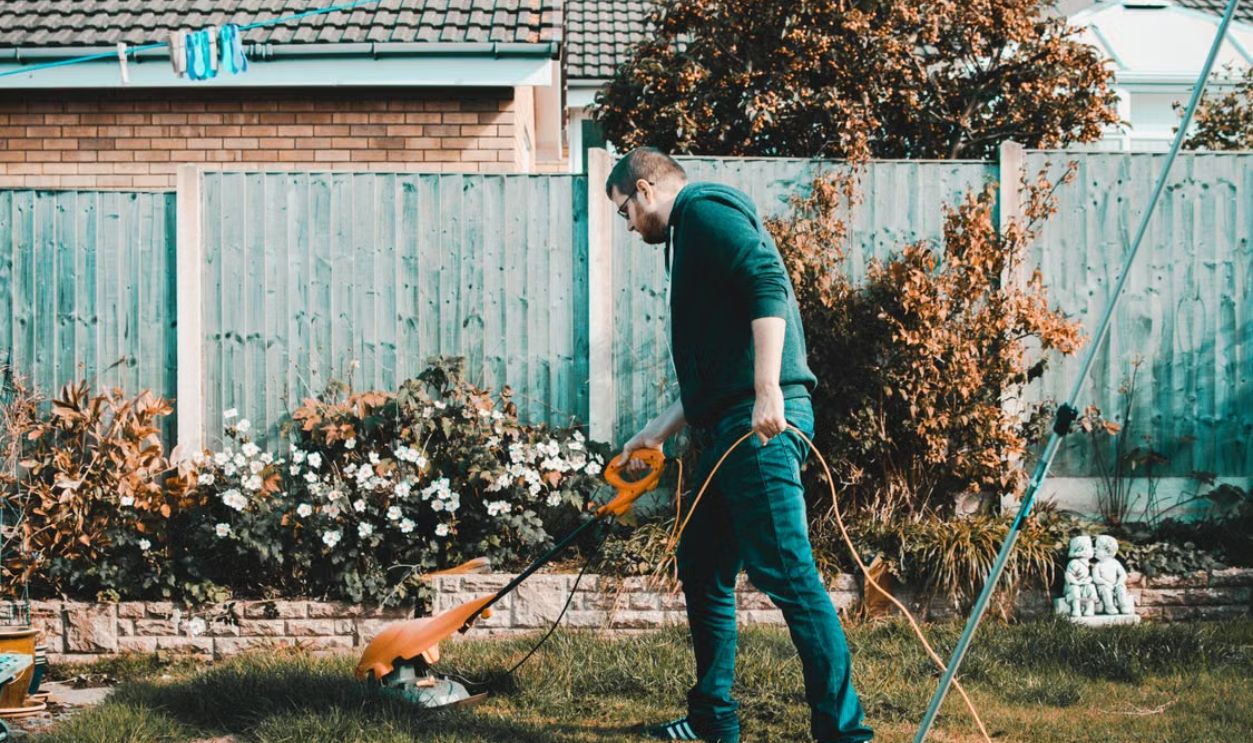
Being told to mow the lawn before rushing off to the airport is enough to make any guest do a double take. Just look at Reddit, that kind of request has become a flashpoint in the wider fight over Airbnb cleaning expectations, and the backlash got loud enough that Airbnb actually had to step in with clearer rules.
 Gustavo Fring, Pexels, Modified
Why This Debate Keeps Coming Back
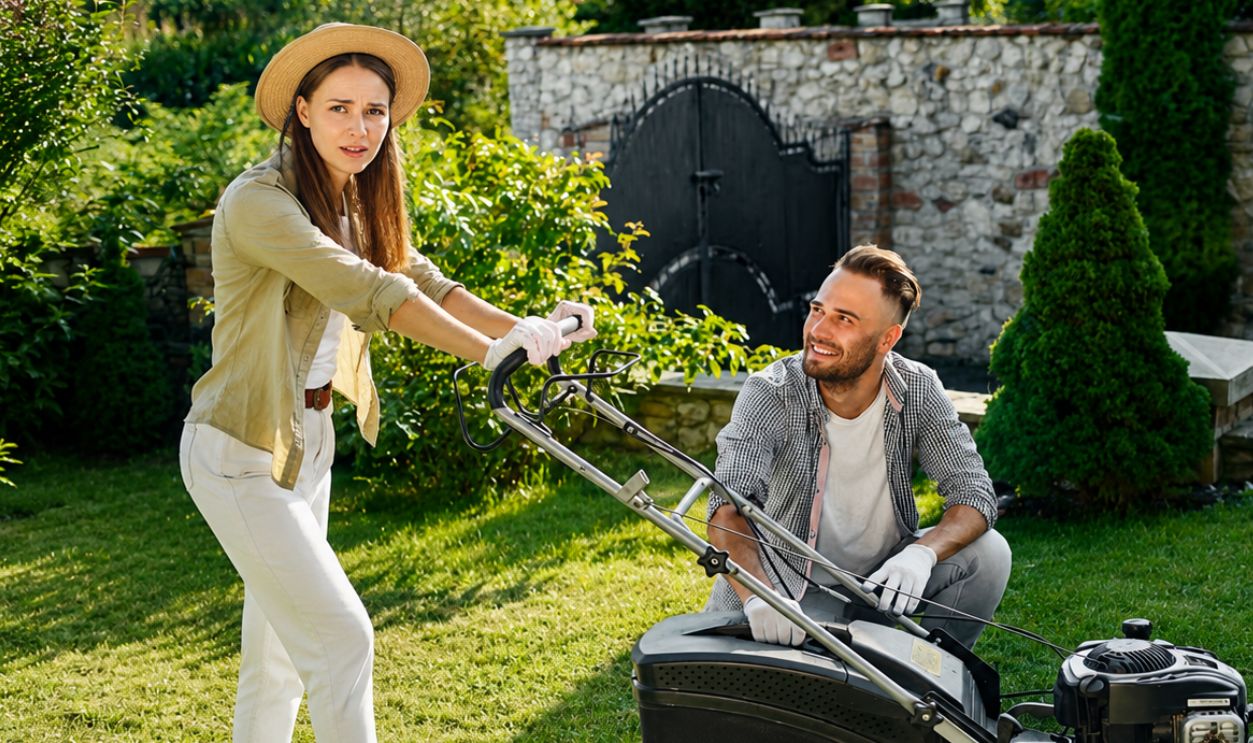
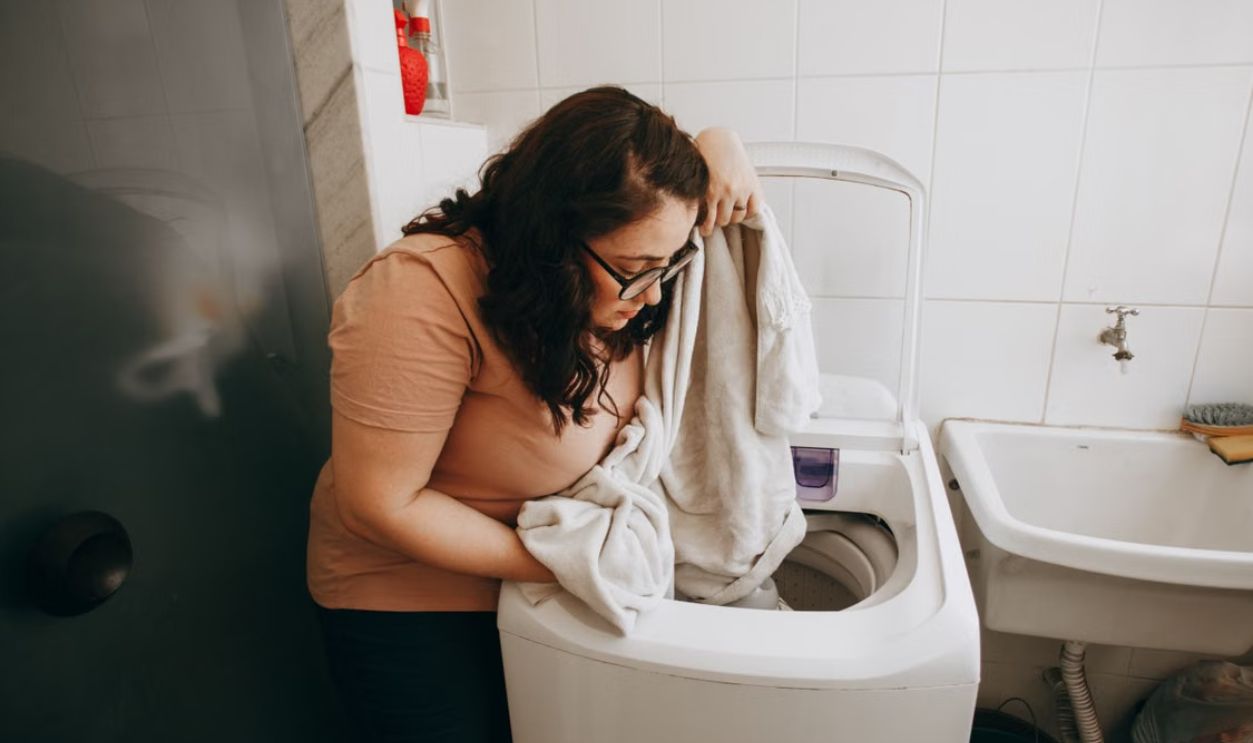
For years, travelers have shared stories of checkout lists that felt more like unpaid work than basic courtesy. Guests have complained about being asked to strip beds, start laundry, wash dishes, take out trash, and still pay a cleaning fee. The frustration caught on because many people felt they were being charged more while also being asked to do more.

Airbnb Responded In 2022
In November 2022, Airbnb co-founder and CEO Brian Chesky said the company was hearing those complaints. In a post on X, then known as Twitter, he wrote that users should not face unreasonable checkout tasks such as stripping beds, doing laundry, or vacuuming. He said hosts could ask guests to turn off lights, throw food in the trash, and lock the doors, drawing a much clearer line.

The Policy Change Became Official
Airbnb followed that statement with a formal policy update. Its checkout instructions policy says hosts can ask guests to complete reasonable tasks, but those requests must be disclosed before booking. The same policy says guests cannot be required to do unreasonable chores such as deep cleaning, laundering linens, or tasks tied to the normal turnover between stays.
So Where Does Mowing The Lawn Fit
Mowing the lawn is hard to frame as a normal guest courtesy. It is not a quick end-of-stay task like locking up or putting used towels in one place. Under Airbnb’s published policy, a request like that looks much more like regular property maintenance than a reasonable checkout instruction.
What Airbnb Says Is Reasonable
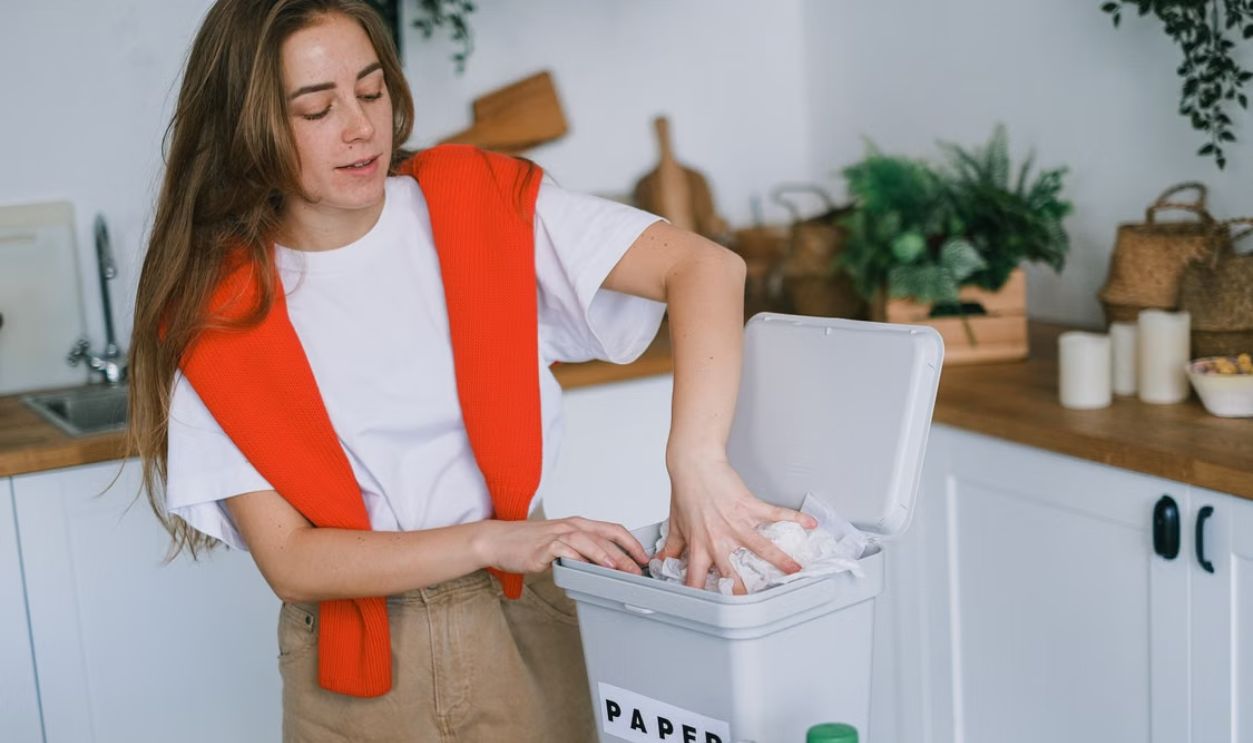
Airbnb’s policy gives examples of tasks that usually pass the common-sense test. Hosts may ask guests to turn off lights and appliances, lock doors, throw away leftover food, and place trash in designated bins. Those are short, simple tasks that most travelers can finish in a few minutes.
What Airbnb Says Crosses The Line
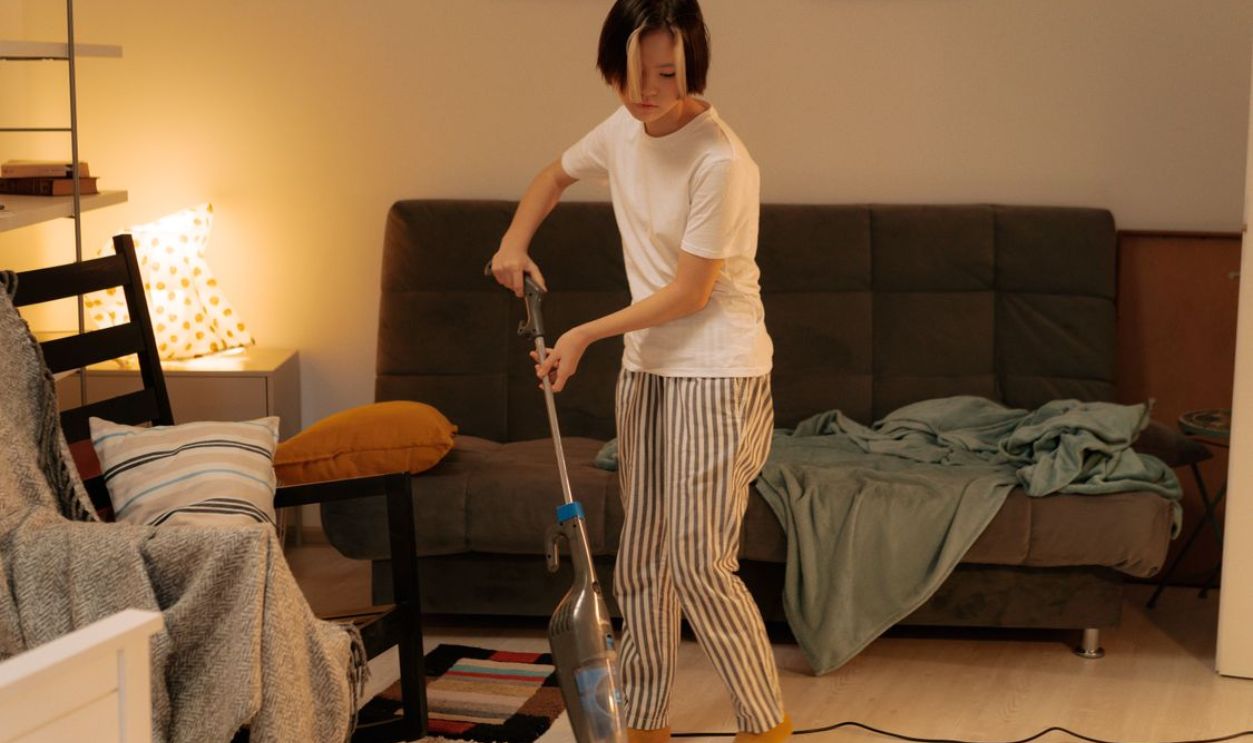
The company also spells out what should not be pushed onto guests. Airbnb says hosts may not require guests to strip beds, wash linens, vacuum, or handle extensive cleaning after checkout. The point is simple: guests are booking a stay, not filling in for the cleaning crew.
Cleaning Fees Made The Argument Worse
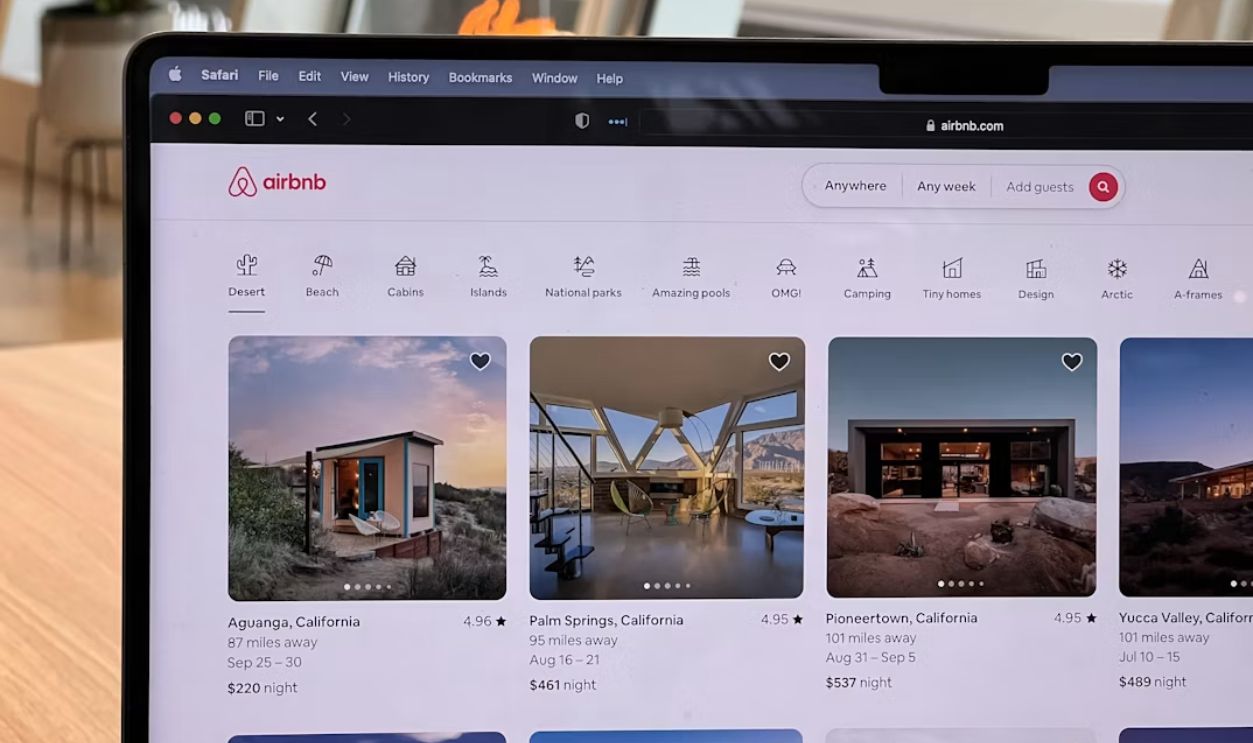
Part of the anger came from separate cleaning fees added on top of nightly rates. Travelers often felt blindsided when a listing looked affordable at first, only to become much pricier during checkout. When those fees showed up alongside a long chore list, the backlash was almost guaranteed.

Total Price Display Was Meant To Calm Things Down
In December 2022, Airbnb began showing total prices by default in search results for many users, including fees before taxes. Chesky said the company wanted to improve transparency after widespread criticism over surprise charges. The change did not end complaints about chores, but it showed Airbnb knew pricing and cleanup demands were hurting trust.

Hosts Are Under Pressure Too
This fight is not just about demanding hosts or annoyed guests. Hosts often deal with tight turnaround times, high labor costs, and pressure to keep ratings high. Some add checkout instructions to protect their property or help cleaners move faster, even if the result feels like too much to the guest.

Why Guest Expectations Are Different From Hotels
Many travelers compare Airbnb stays to hotels because the prices can be similar or even higher. In a hotel, guests are not asked to vacuum the room or wash sheets before leaving. That comparison has sharpened the feeling that some short-term rentals have adopted hotel pricing without offering hotel-level convenience.

Airbnb’s Rules Depend On Disclosure
One key part of Airbnb’s policy is timing. Checkout tasks must be clearly disclosed before a guest books, usually in the listing description or house rules. If a host sends over a surprise list of chores after booking, guests have stronger grounds to complain to Airbnb.

Surprise Tasks Are A Major Red Flag
A request that appears only after arrival can feel especially unfair because the guest never had a real chance to weigh it before paying. Airbnb’s policy is meant to stop that kind of bait-and-switch. If lawn mowing, snow shoveling, or other heavy work appears at the last minute, travelers should document it right away.

What Guests Should Do First
If a host sends an unreasonable checkout request, keep the conversation on Airbnb’s messaging system. That creates a written record the platform can review later. Guests should also take screenshots of the listing, house rules, and the host’s message in case anything changes.

How To Push Back Without Starting A Fight
A calm response usually works better than an angry one. Guests can politely point to Airbnb’s checkout instructions policy and say they are willing to handle reasonable tasks but cannot take on maintenance work or deep cleaning. That keeps the issue factual and gives the host a chance to back off.

When To Contact Airbnb Support
If the host keeps insisting on an unreasonable demand, it is time to contact Airbnb support through the app or website. Explain exactly what was requested and when it was communicated. Mention whether the task was disclosed before booking, because that matters under Airbnb’s own rules.
 Vodafone x Rankin everyone.connected, Pexels
The Review System Still Matters
Reviews are still one of the strongest tools guests have. A fair, specific review can warn future travelers about excessive checkout demands without turning personal or hostile. If a host asked you to mow the lawn, that is the kind of detail many readers would want to know before booking.
 Oberon Copeland @veryinformed.com, Unsplash
How Hosts Can Avoid This Mess
For hosts, the lesson is pretty simple. Keep checkout instructions short, visible before booking, and limited to basic courtesy items. If a task sounds like something a cleaner, groundskeeper, or maintenance worker would normally do, it probably should not be handed to a guest.

There Is A Business Risk For Hosts
Excessive chores can cost hosts more than one booking. They can lead to bad reviews, customer service disputes, and fewer repeat stays. In a crowded travel market, asking too much can make a listing feel less like a getaway and more like a hassle people wish they had skipped.

Travelers Are Becoming More Fee Sensitive
In recent years, travelers have become much more alert to hidden costs and trade-offs. A listing with a steep cleaning fee and a long checkout list now stands out for all the wrong reasons. Guests are more likely to compare the final price and convenience against hotels, aparthotels, and other rentals before they book.

What To Check Before You Book
Read the full listing, house rules, and recent reviews before reserving a stay. Look for any mention of checkout procedures, cleaning expectations, and host communication. If the rules seem vague, message the host before booking and ask exactly what is expected when you leave.

Questions Worth Asking In Advance
Travelers can save themselves stress by asking a few direct questions. Is there a cleaning fee, and what does it cover? Are guests expected to do any laundry, take out trash, wash dishes, or handle outdoor tasks before checkout?
Not Every Checkout Request Is Unfair
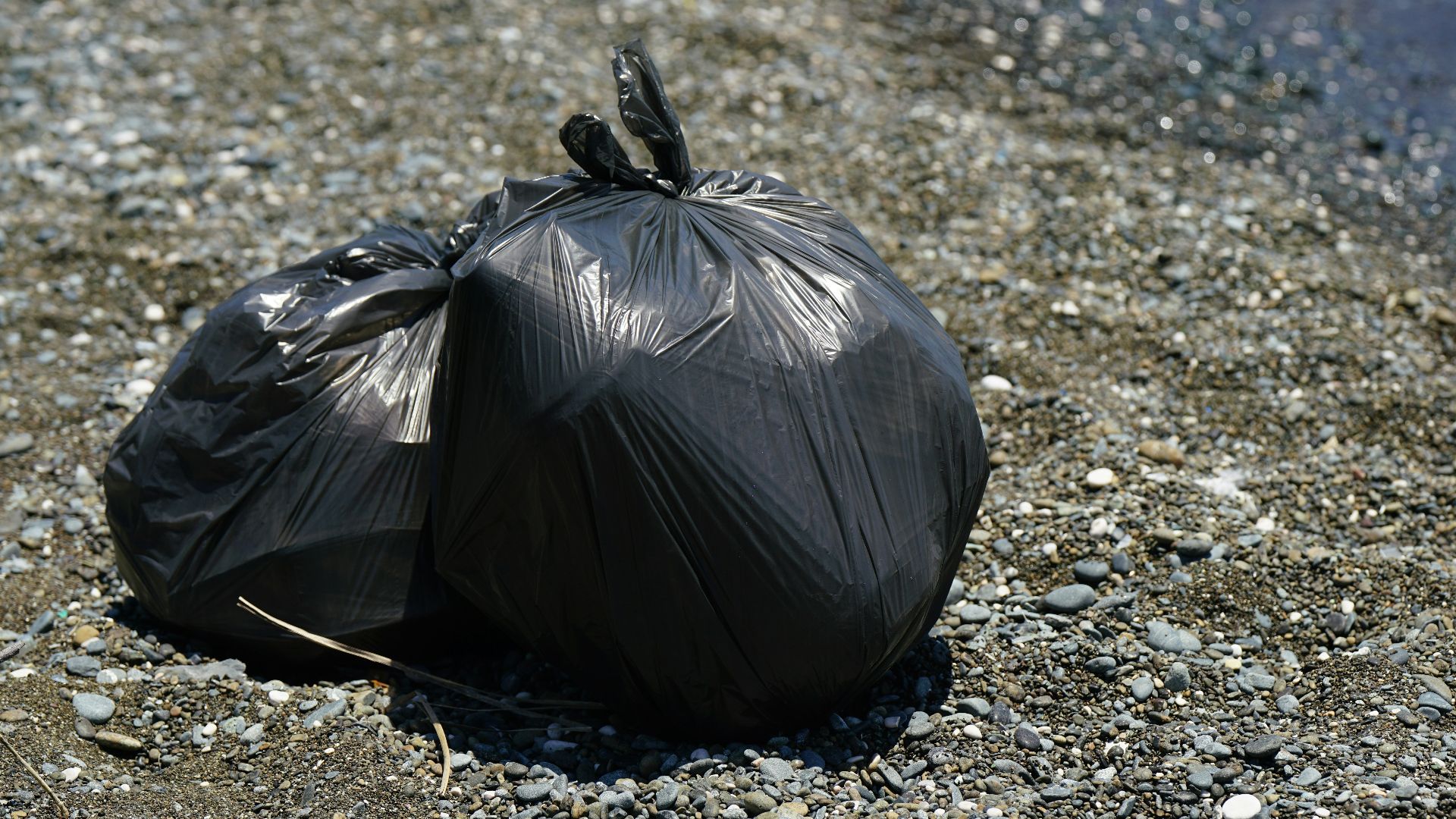
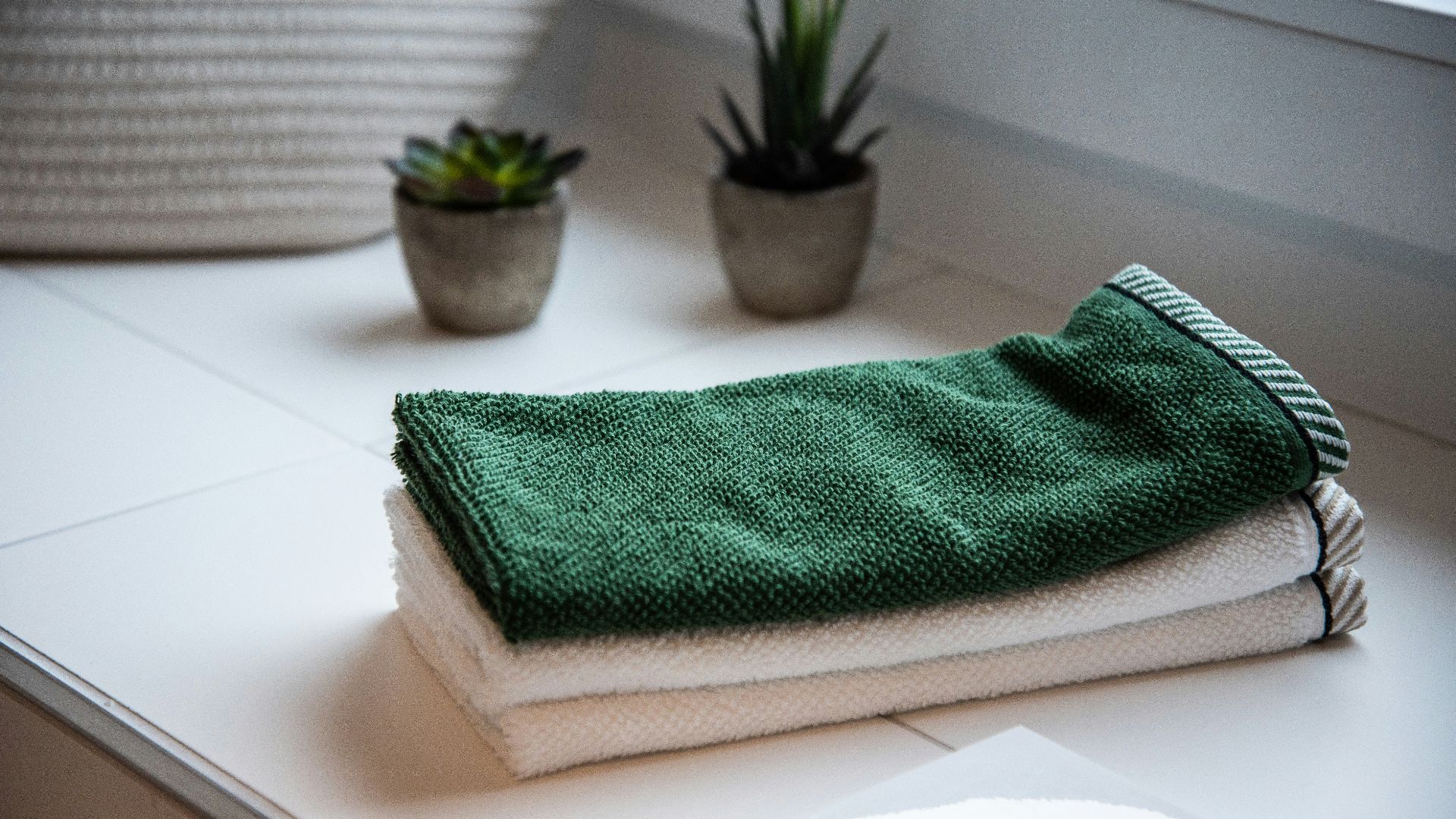
It is worth keeping some perspective. Many hosts ask only for basic courtesies like gathering used towels, cleaning up obvious messes, or locking up securely. Those requests are a long way from asking someone to mow grass, scrub floors, or do the turnover work.
The Gray Area Is Still Real
Some checkout tasks land in a murkier middle ground. Washing your own dishes may feel normal to one traveler and excessive to another, especially when there is also a hefty cleaning fee. That is why clear disclosure before booking matters so much, even when the request seems fairly modest.

Airbnb Wants Simplicity To Win
Chesky has repeatedly framed Airbnb’s goal as making stays easier and more transparent for users. The 2022 policy changes and pricing updates were part of that broader push. The message was clear even if enforcement is not always perfect: the days of absurd checkout chores were supposed to be ending.
So Are Cleaning Requests Getting Ridiculous
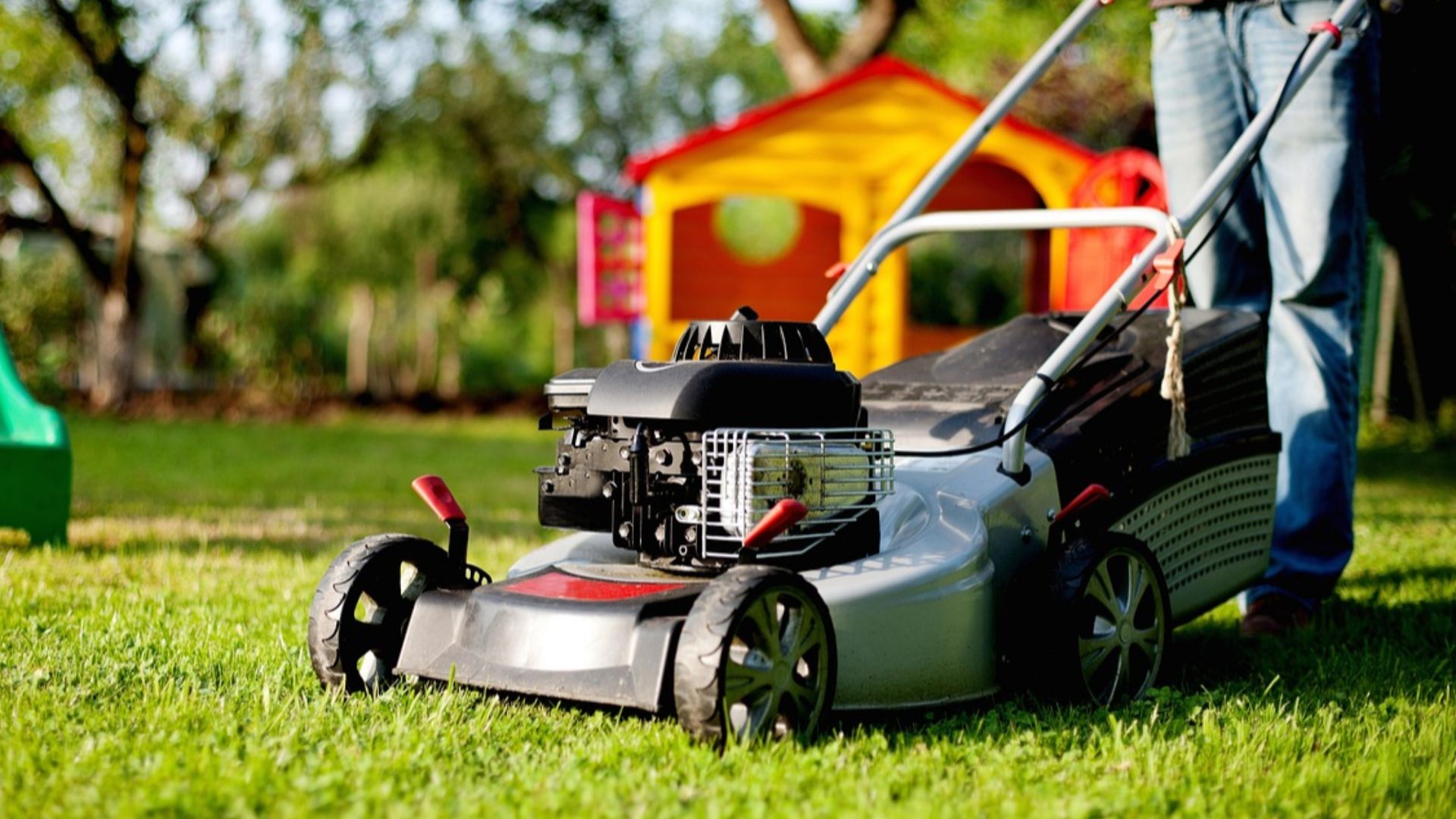
Sometimes, yes. A basic tidying request is one thing, but once the list starts to look like professional cleaning or property upkeep, the line has clearly been crossed. Asking a guest to mow the lawn before checkout fits squarely in the category most travelers would call ridiculous.
The Bottom Line For Guests
If a checkout request feels unreasonable, trust that instinct and check Airbnb’s policy. Document everything, respond politely, and escalate through official support if needed. A vacation rental should not end with a landscaping job.