A Quick Reality Check (With Love)
Most Americans don’t think they stand out overseas—until they open their mouths, order coffee, or smile at the wrong stranger. To locals, the signs are obvious, oddly consistent, and kind of funny. This isn’t a roast, just a friendly breakdown of the habits Americans are famously oblivious to when traveling or living abroad.
The Volume Thing (Yes, It’s Real)
Americans tend to speak louder than locals in many countries—especially in cafés, trains, and restaurants. What feels like normal conversation at home can sound like a group meeting abroad. It’s not rudeness; it’s cultural volume calibration that didn’t get the international update.

The Casual Confidence Walk
Americans often walk with purpose, shoulders back, eyes forward, like they’re heading to a meeting—even when sightseeing. Locals notice this “I know where I’m going” energy immediately, especially when the American absolutely does not know where they’re going.
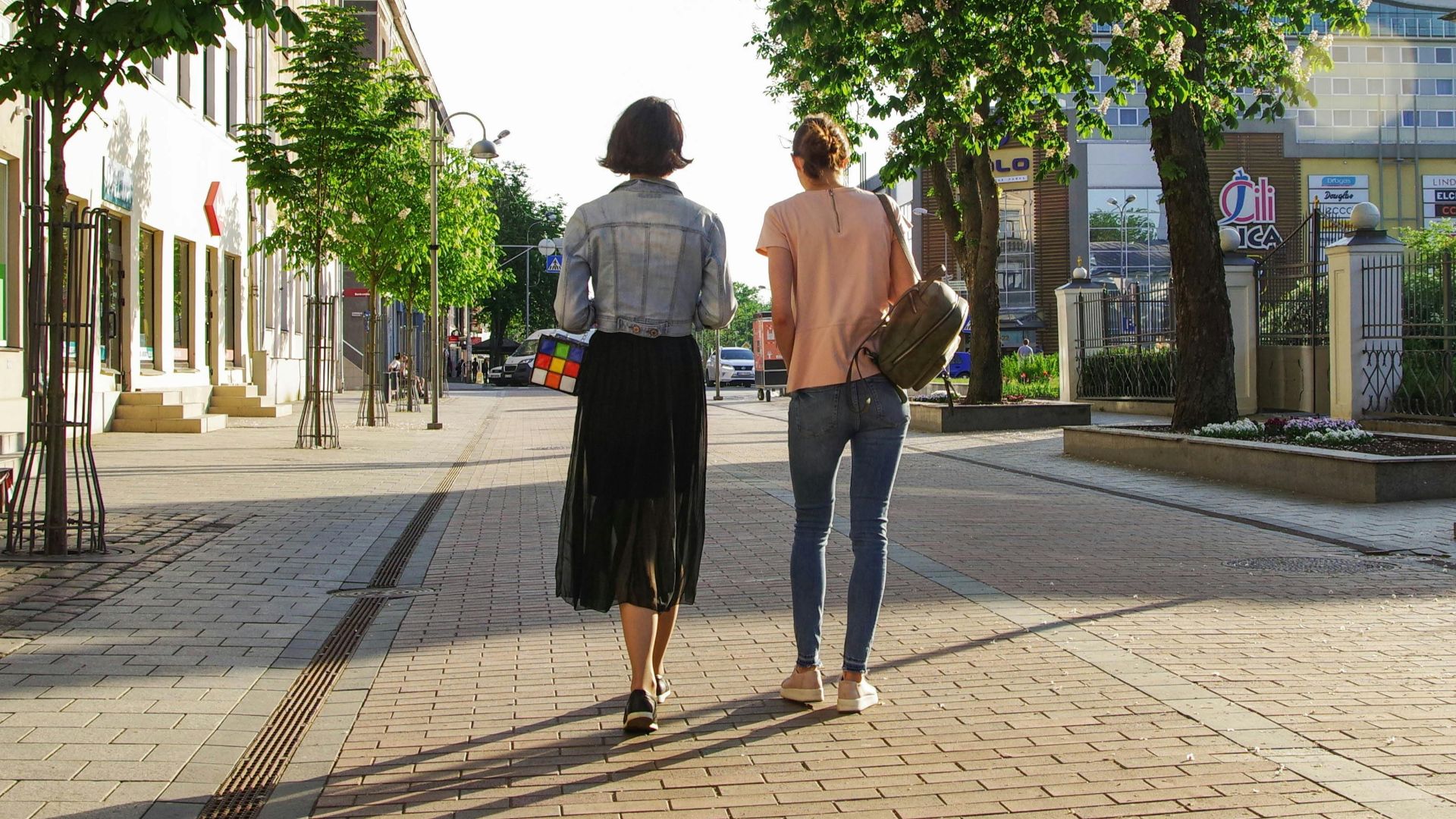
Smiling at Strangers (A Lot)
In the US, smiling at strangers is polite. In some countries, it’s confusing. In others, it’s suspicious. Americans are often identified by friendly eye contact and smiles that locals reserve for friends, children, or people they already know.

Athletic Shoes… Everywhere
Running shoes with jeans. Sneakers with dresses. Sneakers with everything. Americans prioritize comfort and function, while many countries treat shoes as part of a deliberate outfit. Locals can often spot Americans by their very practical footwear choices alone.

The “Can I Get This To Go?” Question
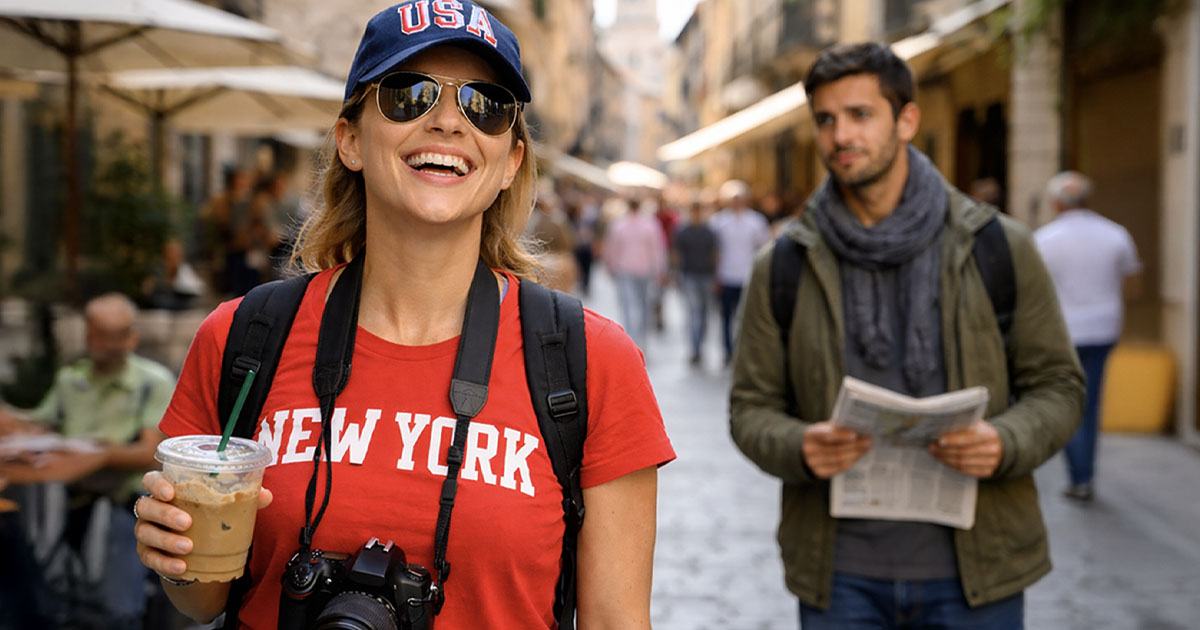
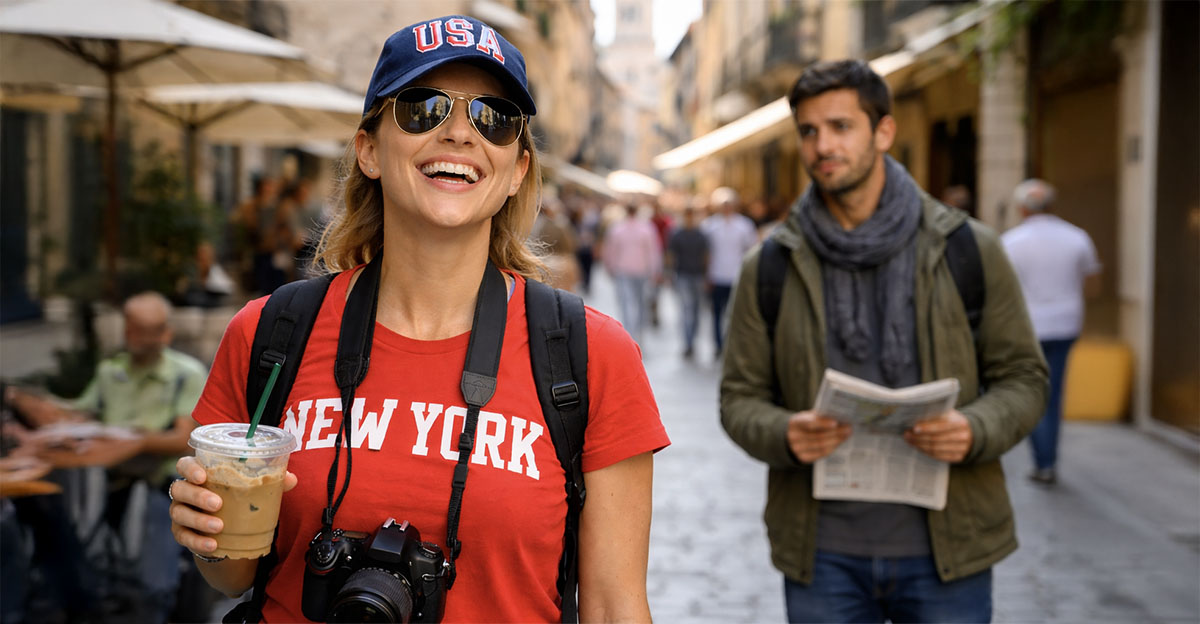
Asking for coffee to-go, takeout containers, or drinks without sitting down is a dead giveaway in many countries. Americans are used to eating and moving. Much of the world prefers sitting, lingering, and enjoying food like it’s an event—not a pit stop.
Clothing That’s Branded, Big, and Loud
Logos, sports teams, college sweatshirts, national parks, and random brand names Americans forgot they were wearing. Locals tend to dress more neutral or understated, making graphic tees and logo-heavy outfits quietly scream “tourist.”

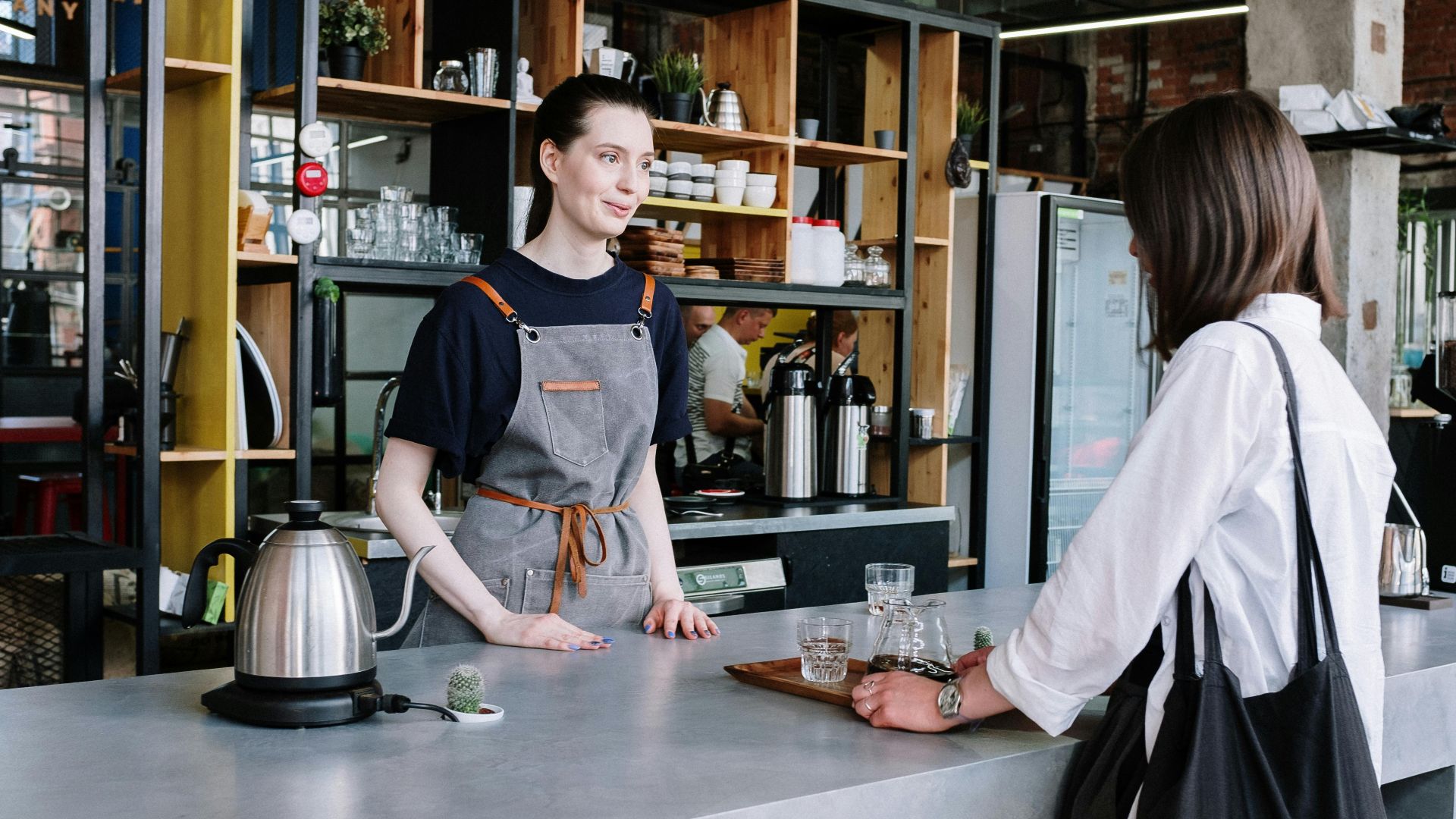
Talking to Service Staff Like They’re Friends
Americans often chat with servers, cashiers, and baristas. In many cultures, service is polite but not personal. Friendly small talk can confuse people who are just trying to do their job efficiently and move on.
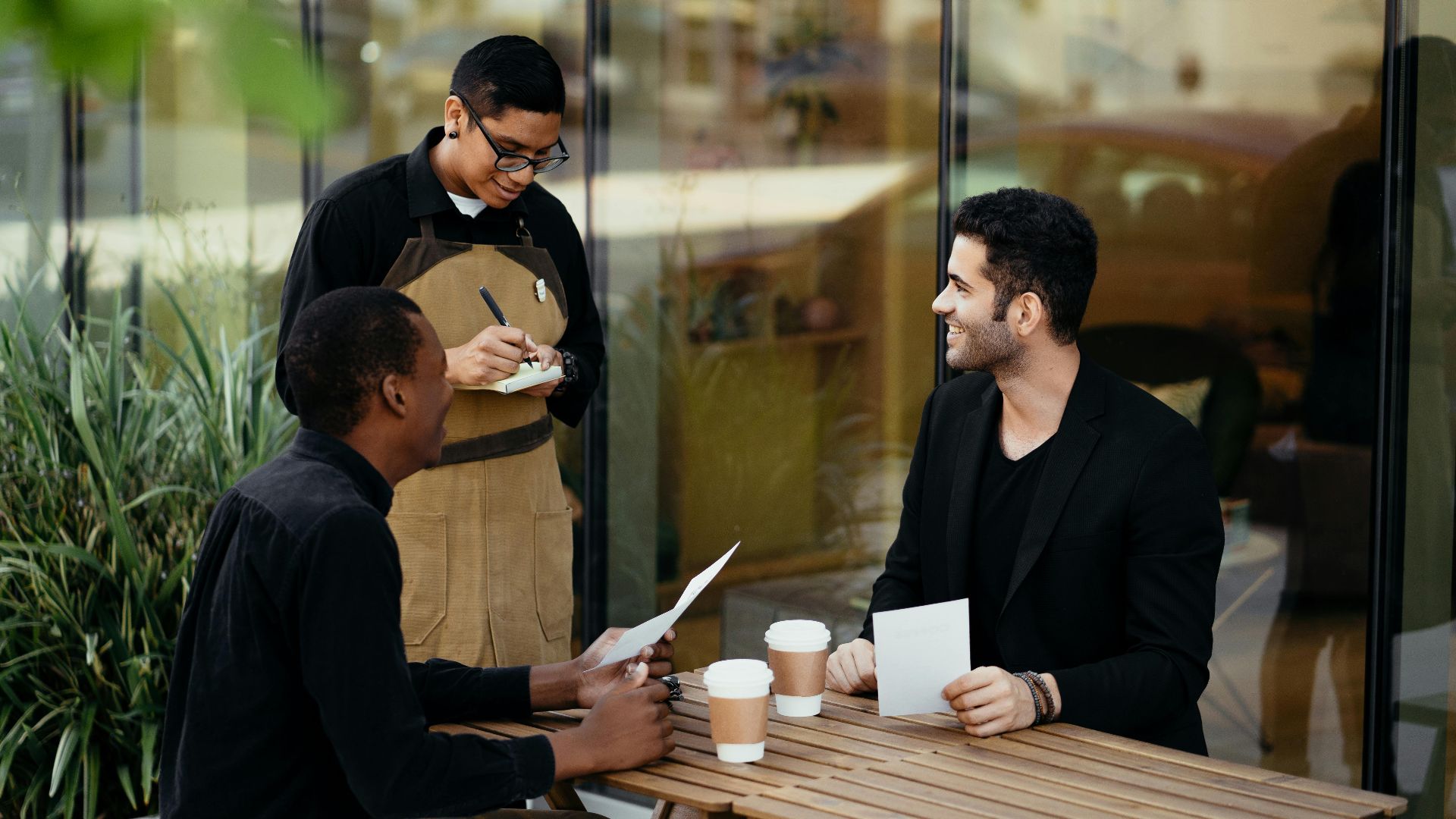
The Backpack Situation
Daypacks everywhere. Americans love carrying everything with them—water bottles, jackets, snacks, chargers, backup plans. Locals often travel lighter, making the fully loaded American backpack another subtle clue.

The “How Are You?” Trap
Americans ask “How are you?” without expecting an answer. In other countries, people answer. Fully. This leads to awkward pauses, accidental life stories, or confused looks when the American keeps walking.

Strong Opinions About Ice
Americans love ice. Other countries tolerate it. Asking for extra ice, iced drinks in winter, or ice water instead of room temperature water is a surprisingly consistent American tell.
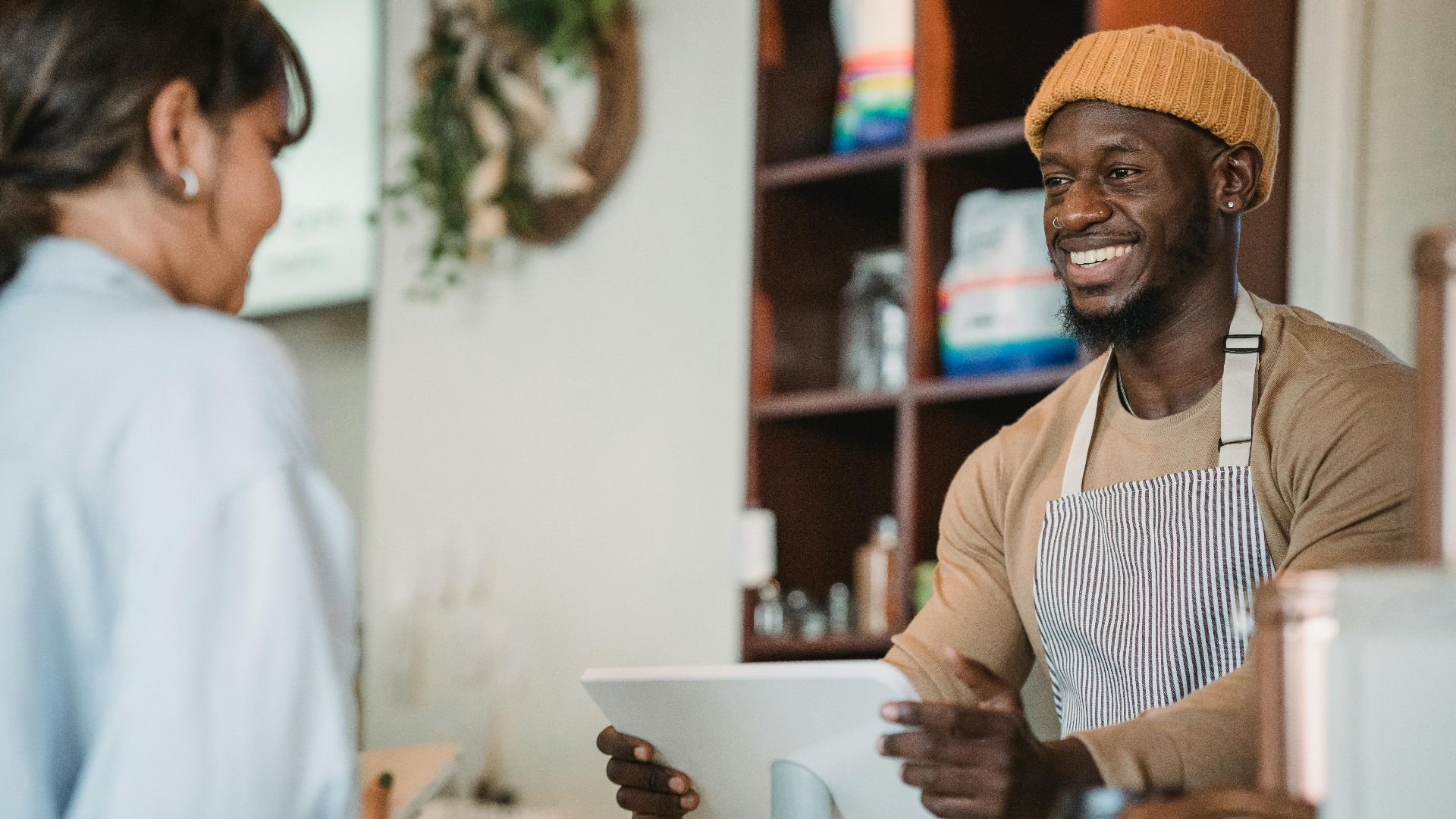
The Accent (Even When You Whisper)
American accents stand out quickly—especially in English-speaking countries. Even Americans who try to soften it often get identified immediately. Locals can usually place “American” within seconds.

Overexplaining Everything
Americans tend to explain context, reasoning, and backstory. In many cultures, shorter answers are preferred. When an American explains why they’re asking something instead of just asking it, locals notice.

Expecting Things to Work the Same Way
Banking, tipping, bathrooms, lines, customer service—Americans often assume systems work like they do back home. The moment someone asks “So how does this usually work?” the secret is out.
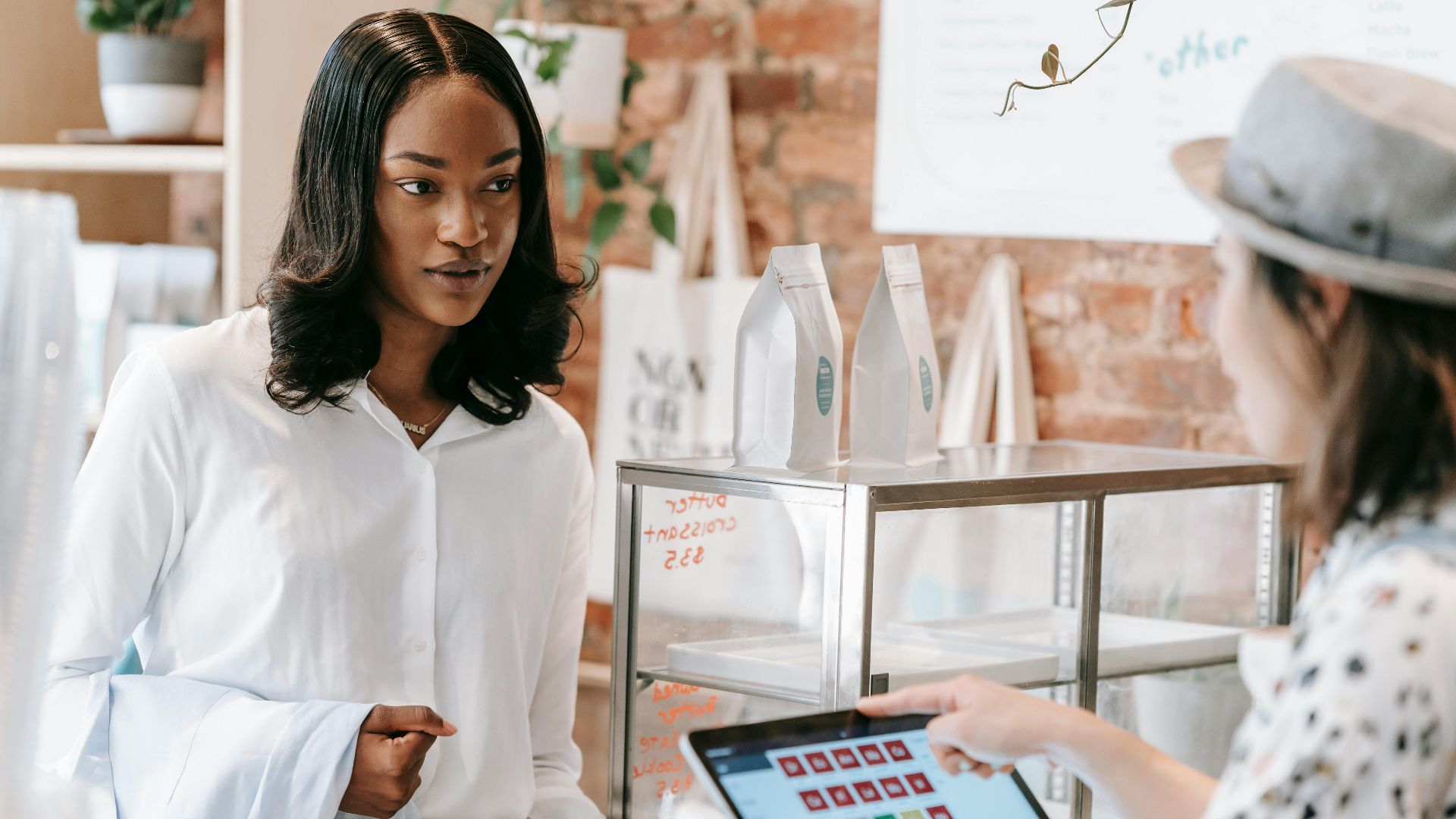
The Friendly Overshare
Americans are more likely to share personal details early. Locals may take longer to open up, making American openness feel fast and obvious. This can come across as charming—or overwhelming—depending on the culture and the situation.

Clothing That’s Slightly Too Casual
Even stylish Americans often dress more casually than locals for dinners, events, or errands. Athleisure is a particularly American export. What feels “put together” at home can read as underdressed elsewhere without realizing it.

The Need for Personal Space
Americans are used to larger personal bubbles. In crowded cities, Americans often step back or adjust, signaling their discomfort. Locals notice this immediately, especially in places where close proximity is normal.
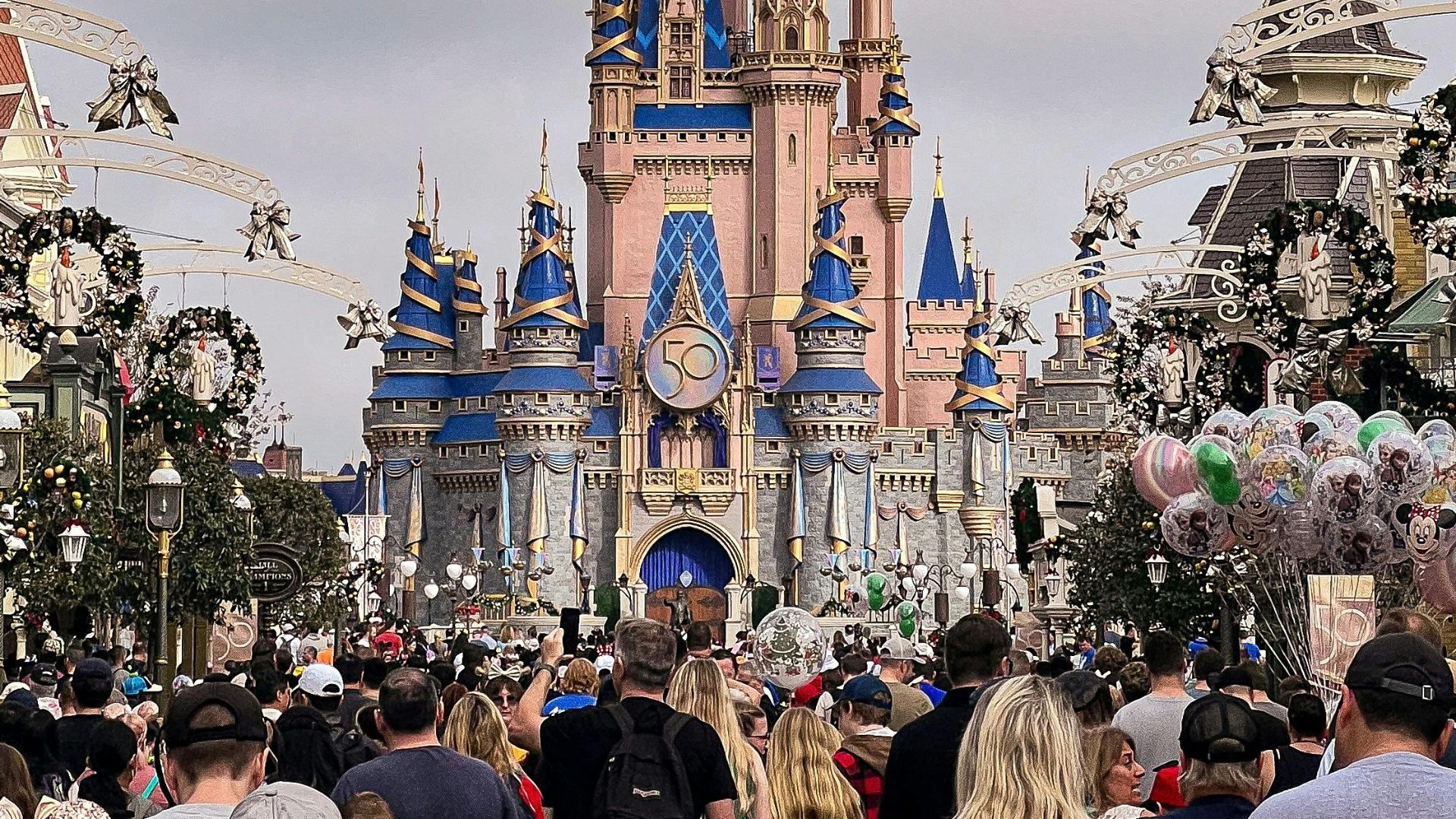
Asking Questions… Lots of Them
Americans love asking questions to be polite or thorough. In some cultures, fewer questions signal competence. Too many clarifications can unintentionally make Americans stand out as uncertain or overly cautious.

The “Customer Is Always Right” Energy
Americans often expect flexibility and exceptions. In many countries, rules are rules. Pushing for adjustments can quietly mark someone as American before they even finish the request.
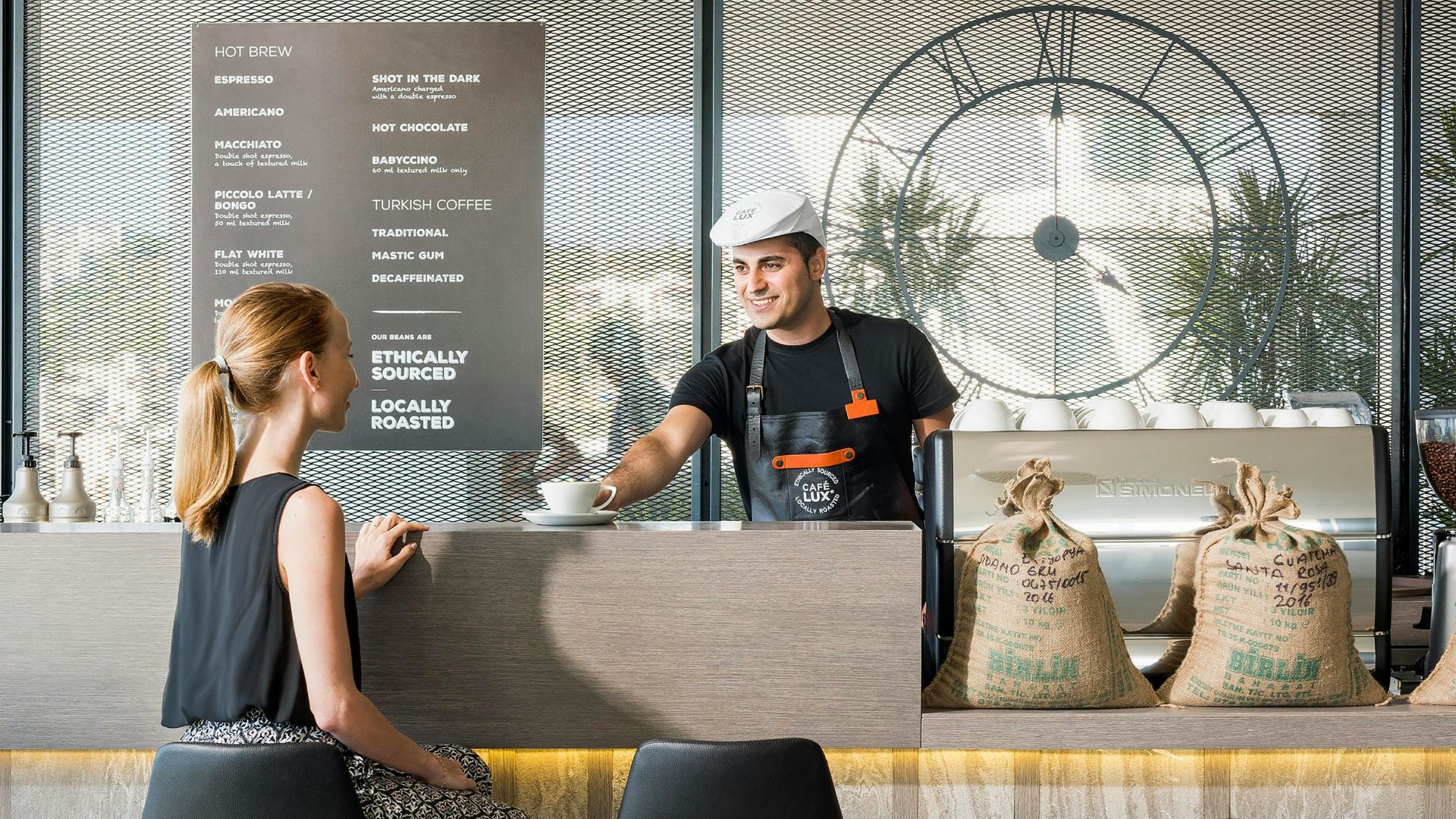
Sports References No One Else Gets
Mentioning football (the wrong kind), baseball, college sports, or the Super Bowl abroad can feel like speaking a secret language. The enthusiasm alone is often enough to give Americans away, even without context.

The Optimistic Problem-Solving Style
Americans tend to assume problems can be fixed quickly. Locals may see this as charming—or naive. That upbeat confidence often stands out in cultures that prefer patience and acceptance.

When Americans Try Very Hard Not to Be American
Overcorrecting accents or behavior often draws more attention than just being yourself. Locals usually notice the effort immediately and find it more amusing than convincing.
 musicFactory lehmannsound, Pexels
It’s Not Bad—It’s Just Noticeable
Being spotted as American isn’t a flaw. It’s a cultural signature shaped by friendliness, confidence, and comfort-focused living. Most of the time, it’s noticed with curiosity or humor—not judgment.

You May Also Like:
The States Americans Are Actively Avoiding In 2026
Latest Surveys Reveal Why Americans Think Canada Is Better Than The United States
Americans fled to Costa Rica en masse, but here's why they're coming back.