
Different Travel Goals
You spent weeks researching neighborhood restaurants, street food markets, and family owned cafés that reflected the local culture. Meanwhile, your travel partner only feels comfortable eating at familiar fast food chains. The disagreement has turned meals into daily arguments, leaving you wondering why you even decided to travel with this guy in the first place. Before you fly off the handle, let's break the issue down in detail.
Understand Their Perspective
Before assuming your partner is being difficult, ask why they prefer familiar food. They may have dietary restrictions, food allergies, digestive concerns, anxiety about unfamiliar ingredients, or simply enjoy the comfort of predictable meals while traveling.

Explain Your Priorities
Tell your partner why local cuisine matters to you. Sampling regional dishes often provides insight into history, traditions, and everyday life. Explain that food is not simply fuel during this trip. It is one of the experiences you specifically traveled to enjoy.

Avoid Personal Criticism
Try not to frame the disagreement as evidence that your partner lacks adventure or appreciation for another culture. Criticizing personal preferences usually makes people more defensive and less willing to compromise on future dining decisions.

Find Common Ground
Look for restaurants that offer both local specialties and familiar menu items. Many tourist-friendly establishments provide enough variety for adventurous diners and cautious eaters alike. A little flexibility can satisfy both people without forcing uncomfortable choices.

Eat Separately Sometimes
You do not need to share every meal together. If your schedules allow, consider occasionally dining separately. One person can visit a famous local restaurant while the other enjoys familiar food nearby before meeting again afterward.

Balance The Schedule
Agree to alternate meal choices throughout the trip. Perhaps breakfast can be familiar, lunch can feature local cuisine, and dinner can depend on the day's activities. Sharing decision making helps prevent one person's preferences from dominating the vacation.

Respect Food Limits
No one should feel pressured into eating foods that genuinely make them uncomfortable. Encouraging someone to broaden their tastes is reasonable. Mocking or forcing them to try unfamiliar dishes usually damages both the meal and the relationship.

Budget Together
Fast food is not always the cheaper option in tourist destinations. Compare restaurant prices before assuming familiar chains will save money. In many countries, excellent local eateries actually cost less than international fast food franchises.

Consider Health Needs
Travel can already challenge your digestive system. If your partner has medical dietary restrictions, chronic digestive conditions, or severe food allergies, familiar restaurants may provide a level of confidence that outweighs the need for exotic culinary exploration during the trip.

Research Before Leaving
Many disagreements can be avoided through better planning. Before future trips, discuss expectations about food, restaurants, budgets, and dining priorities. Honest conversations before booking flights often prevent frustrating surprises after arrival.

Learn Local Customs
Dining customs vary around the world. Some countries expect leisurely meals lasting hours, while others emphasize quick service or shared plates. Understanding these traditions can help both travelers appreciate why local dining experiences differ from home.

Avoid Daily Arguments
Repeated debates over every meal quickly overshadow the entire vacation. Once you reach a compromise, stick to it. Constantly reopening the discussion creates unnecessary stress that neither person will remember fondly after returning home.

Protect Your Budget
If one partner insists on expensive international chains inside tourist districts, discuss the financial impact openly. Agreeing on a daily food budget keeps spending under control while allowing occasional splurges on memorable local dining experiences.

Appreciate Small Victories
Your partner may never become an adventurous eater overnight. Celebrate gradual progress instead. Trying one local dessert, regional snack, or traditional breakfast represents meaningful participation without demanding a complete change in eating habits.
Visit Food Markets
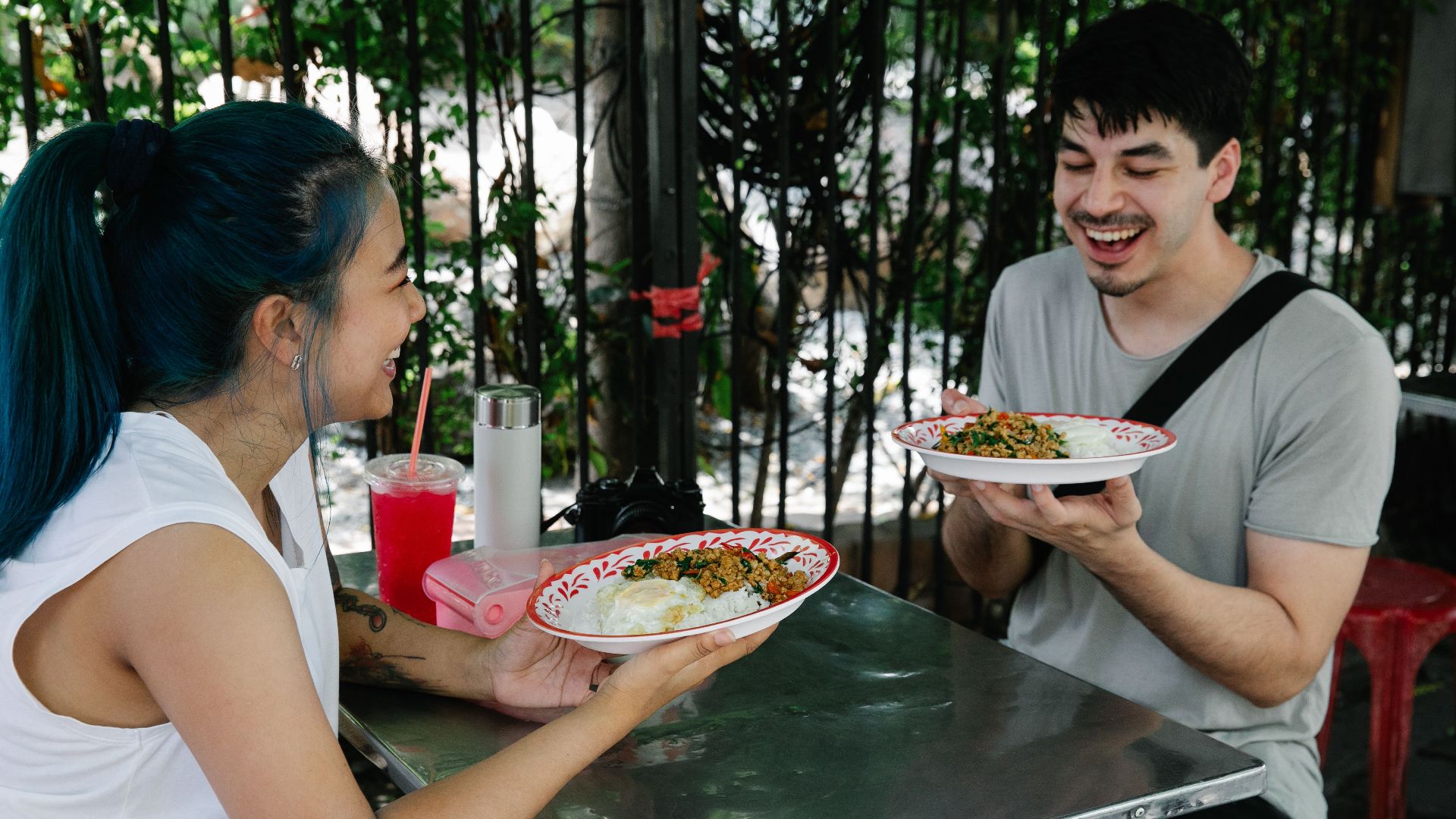
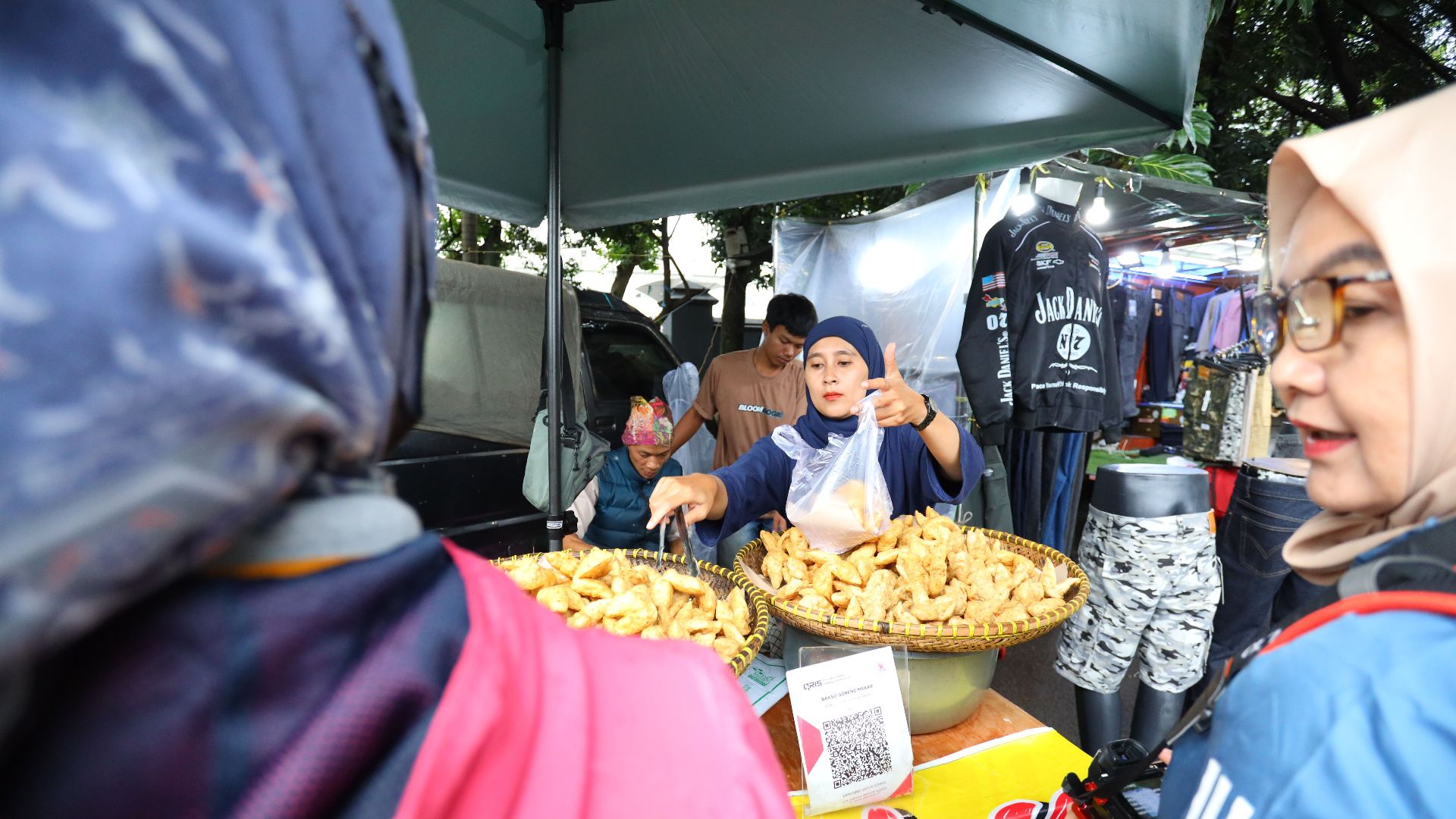
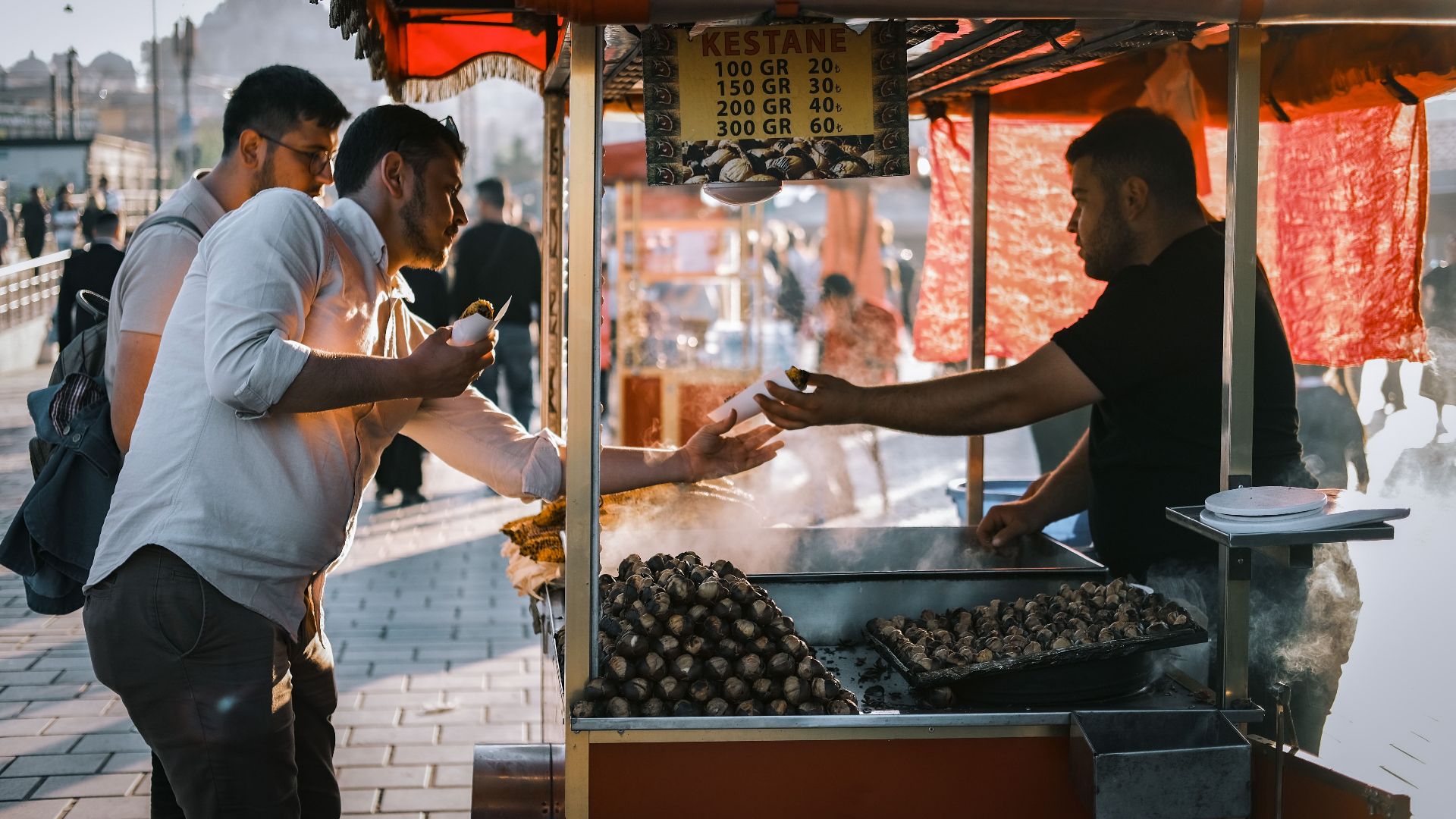
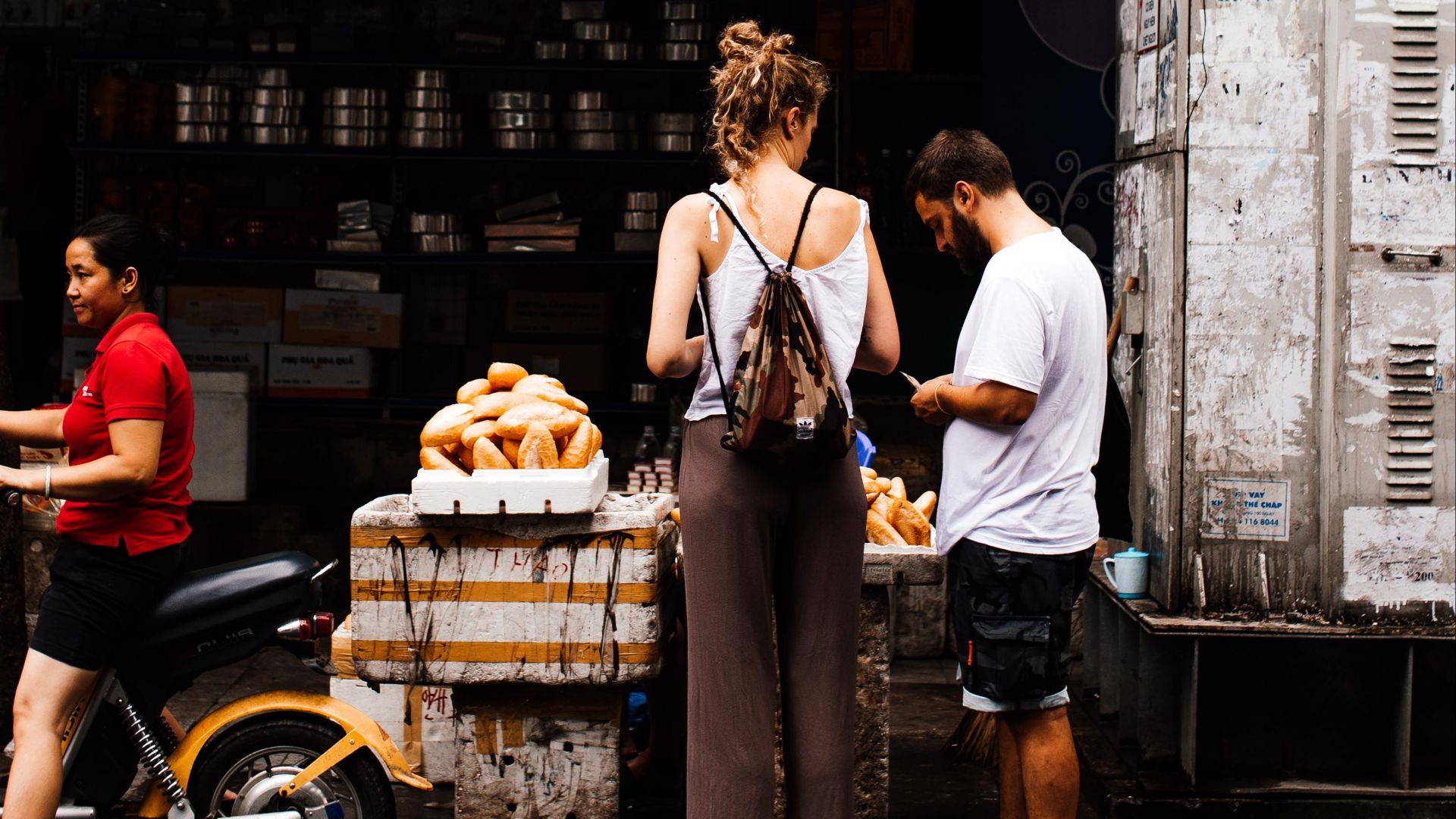
Outdoor markets provide an excellent compromise. Your partner can choose familiar items while you sample regional specialties from nearby vendors. Both travelers remain together while enjoying different foods in the same lively atmosphere.

Respect Vacation Time
Remember that vacations are limited. Spending hours arguing about lunch wastes valuable sightseeing opportunities. Prioritize enjoying your destination together instead of allowing every meal to become a negotiation or contest over who is right.

Know Your Rights
In the United States, travel companions generally have no legal obligation to follow each other's dining preferences. Unless specific costs were agreed upon beforehand, each traveler remains free to choose where and what they eat during shared vacations.
Split Expenses Fairly
If dining preferences create different costs, consider paying separately for meals instead of dividing every restaurant bill equally. This approach often reduces resentment while giving each traveler greater freedom to choose restaurants that fit personal preferences.

Plan Solo Time
Independent sightseeing during meal times can actually strengthen the trip. While one traveler enjoys a famous noodle shop or neighborhood bakery, the other can relax with familiar food before reuniting later for shared activities.
Prepare For Next Time
After returning home, discuss what worked and what did not. Honest reflection helps determine whether future trips require different expectations, more planning, or even separate vacations built around each person's individual interests.

Separate Trips Differ
Choosing separate vacations is not automatically a sign of relationship trouble. Many couples occasionally travel independently to pursue hobbies, culinary interests, or outdoor adventures that their partner simply does not enjoy.
 Helena Jankovičová Kováčová, Pexels
Focus On Respect
The real issue often extends beyond hamburgers or local specialties. Successful travel depends upon respecting each other's interests, listening carefully, and recognizing that different personalities can still enjoy meaningful vacations together through thoughtful compromise.
Decide Together
Whether you continue sharing meals, alternate restaurants, or occasionally eat separately, make the decision as partners. Collaborative choices usually produce better vacations than forcing either traveler to abandon experiences that matter deeply to them.

Enjoy The Journey
Great travel memories come from far more than what appears on the dinner plate. By communicating honestly, respecting differences, and remaining flexible, you can preserve both your relationship and your vacation, regardless of whether dinner comes from a food market or a familiar burger chain.

You May Also Like:
Foodies, Take Note: These Are The 50 Best Restaurants In The World