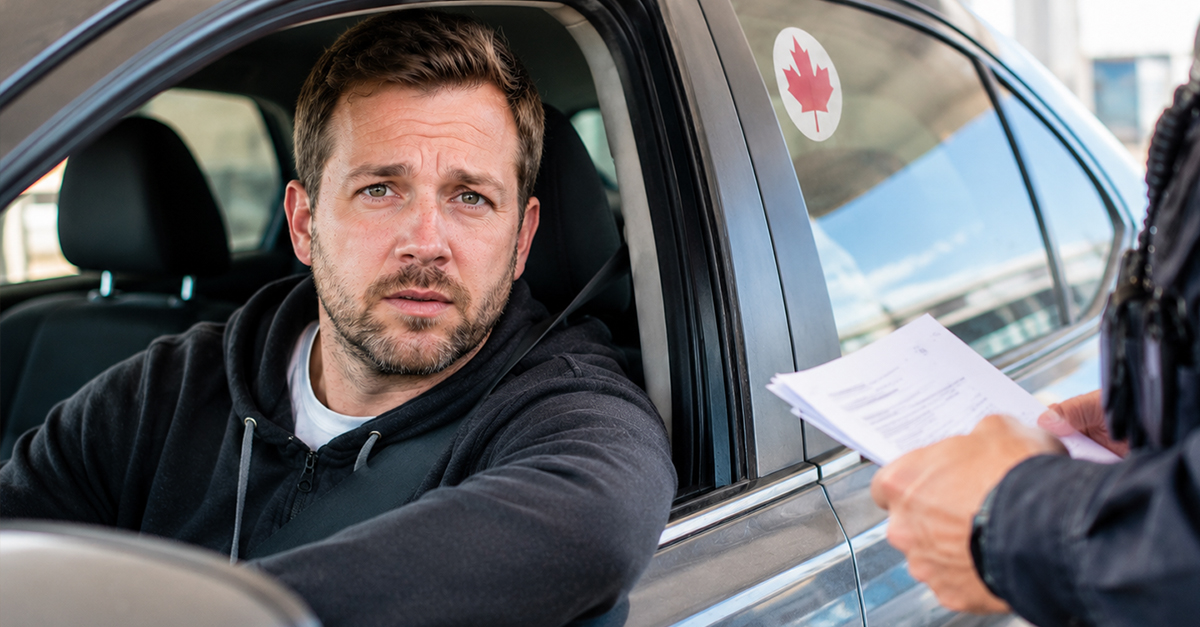
Crossing The Border Usually Feels Routine
Many Canadians cross international borders regularly for vacations, shopping, work trips, or visiting family. After dozens of smooth crossings, it can feel shocking when border officers suddenly pull you aside for extra questioning without much explanation.
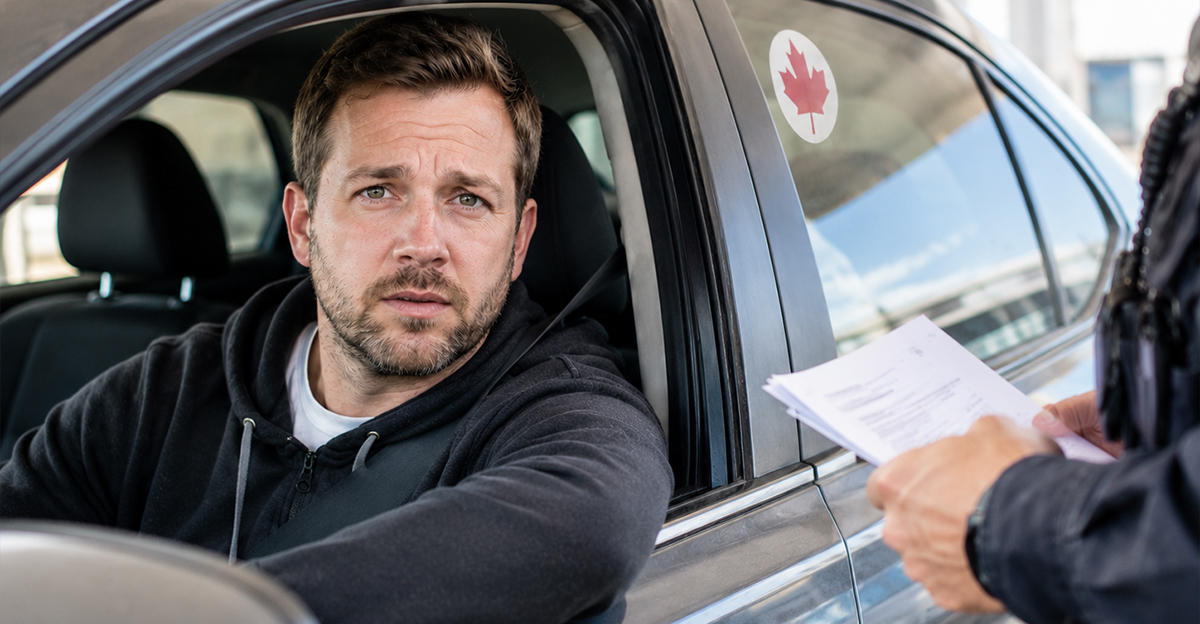
Secondary Inspection Happens More Often Than People Think
Border agencies in both Canada and the United States routinely send travelers to secondary inspection. It can happen randomly, because of travel patterns, documentation questions, customs concerns, or additional security checks. Being selected does not automatically mean you did something wrong.
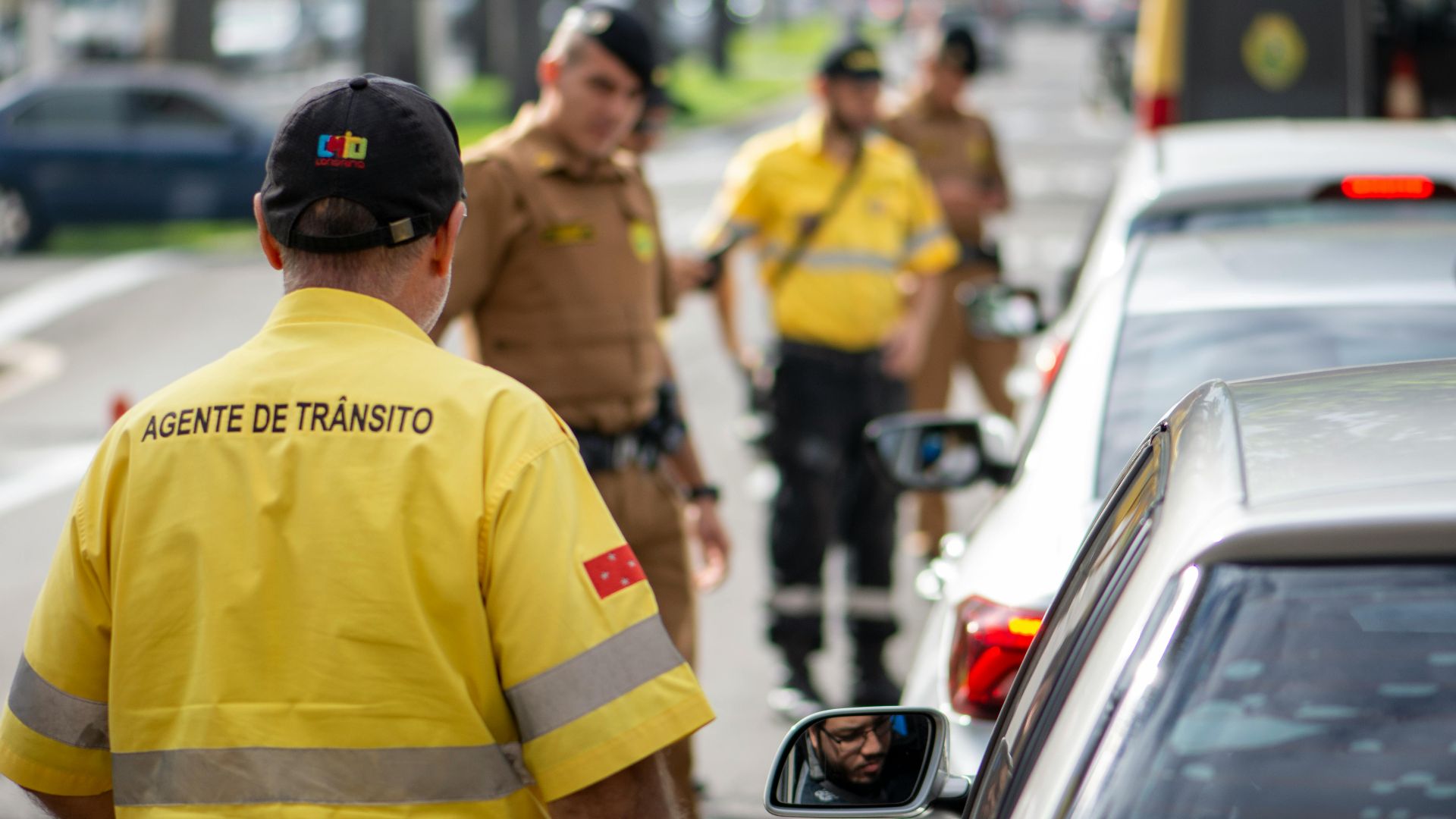
Citizenship Does Not Guarantee A Quick Entry
Many travelers assume citizenship protects them from long questioning sessions. While Canadian citizens generally have the right to re-enter Canada, border officers still have authority to verify identity, inspect belongings, and investigate potential customs or immigration concerns before allowing entry.
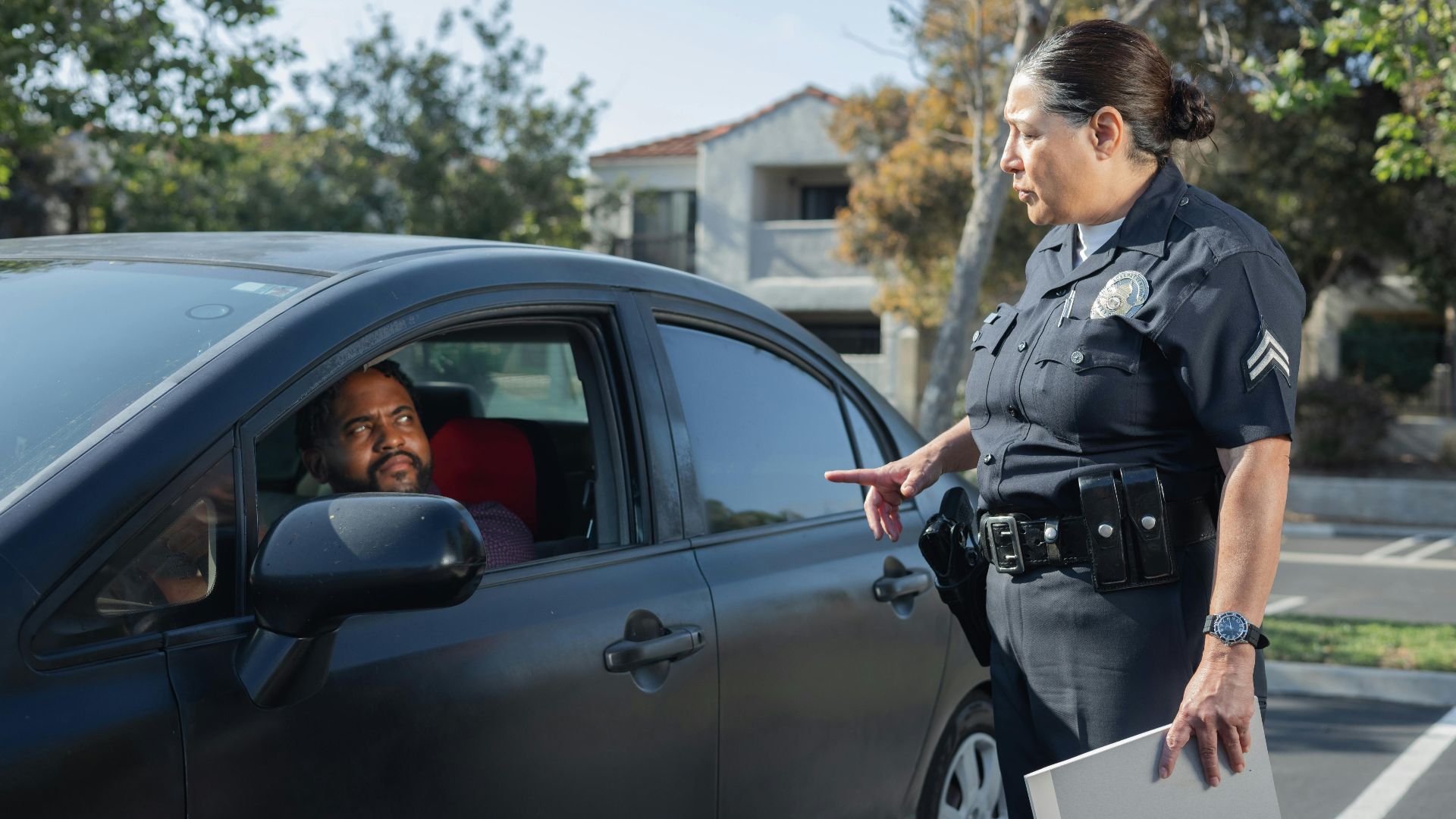
Border Officers Have Broad Legal Powers
Border crossings operate under different legal standards than normal police encounters. Customs and border officers can ask detailed questions, inspect luggage, review declarations, and examine electronic devices under certain circumstances. Travelers are often surprised by how extensive those powers can be.
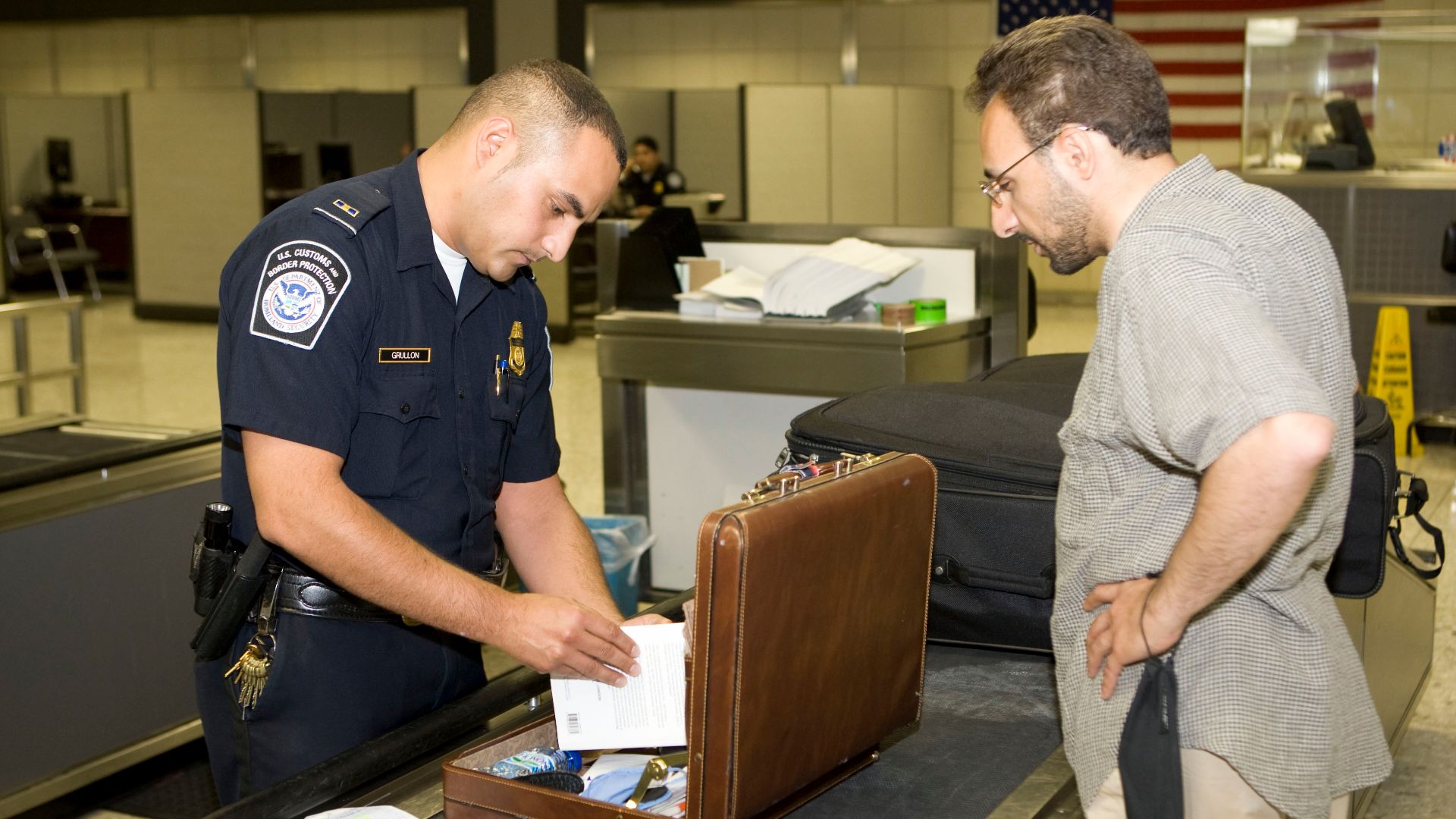 CBP Photography, Wikimedia Commons
Random Screening Is Completely Legal
Sometimes travelers are simply unlucky. Border agencies use random inspections as part of broader security and enforcement procedures. A traveler who crossed smoothly a hundred times before may suddenly face additional screening purely because their number came up that day.
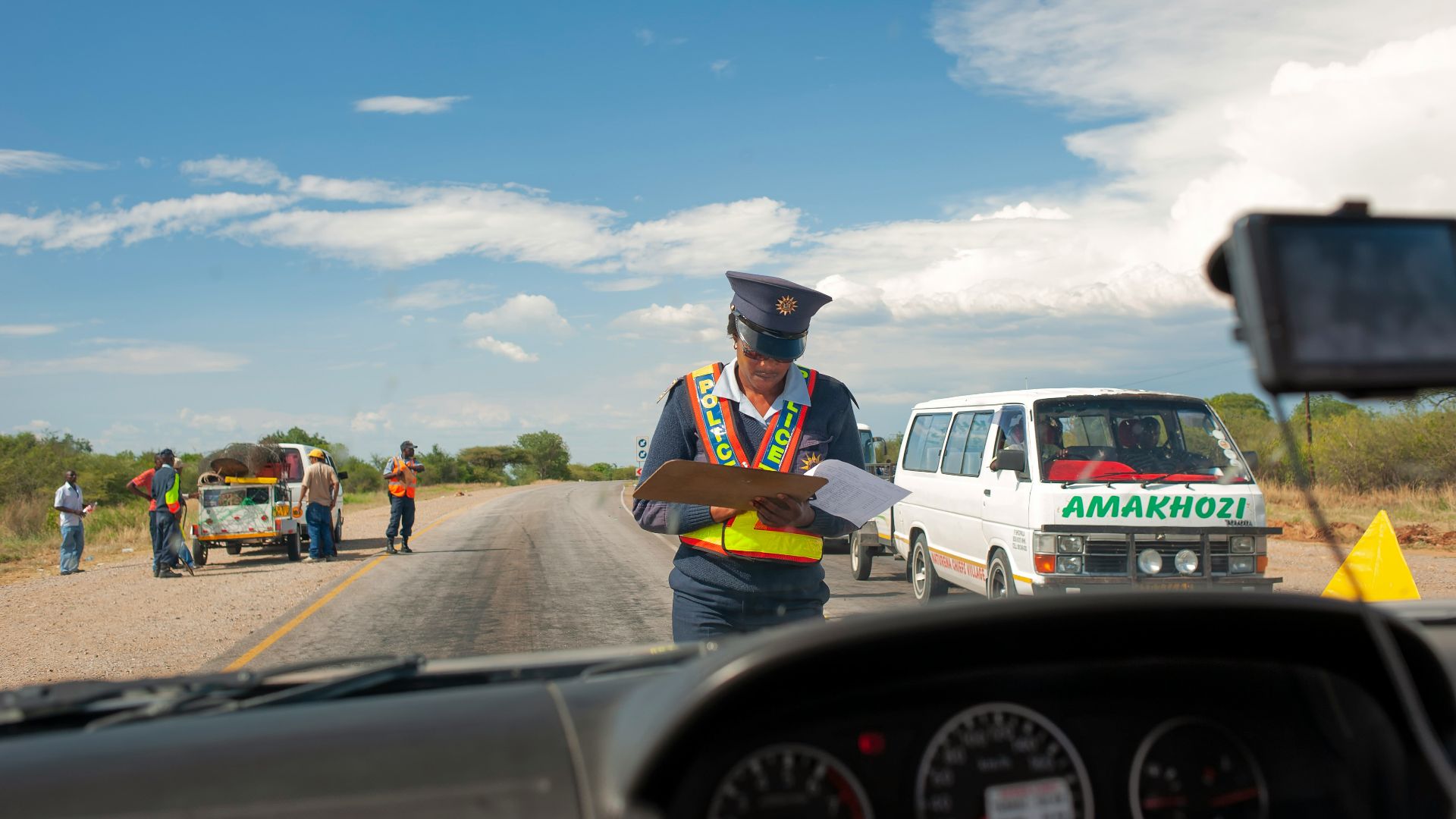
Travel Patterns Can Trigger Extra Attention
Frequent crossings, unusual travel routes, last-minute bookings, extended stays, or inconsistent travel histories sometimes attract additional scrutiny. Border systems flag certain patterns automatically, even when the traveler has done nothing wrong or intentionally suspicious.
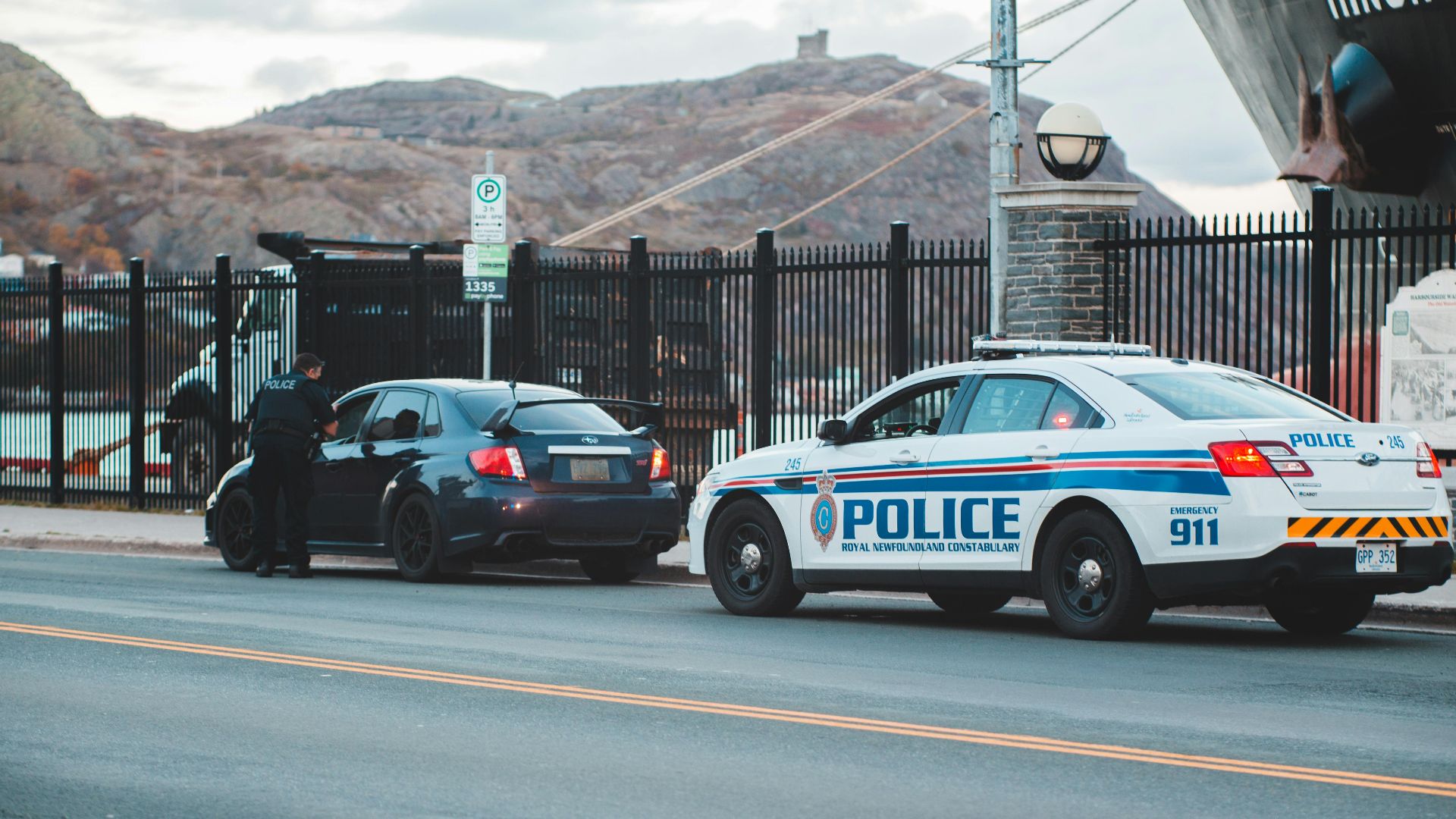
Officers May Notice Small Inconsistencies
Something as simple as unclear travel plans, nervous answers, incomplete declarations, or inconsistent timelines can lead to prolonged questioning. Border officers are trained to look for contradictions, and even innocent confusion can sometimes escalate the interaction unexpectedly.
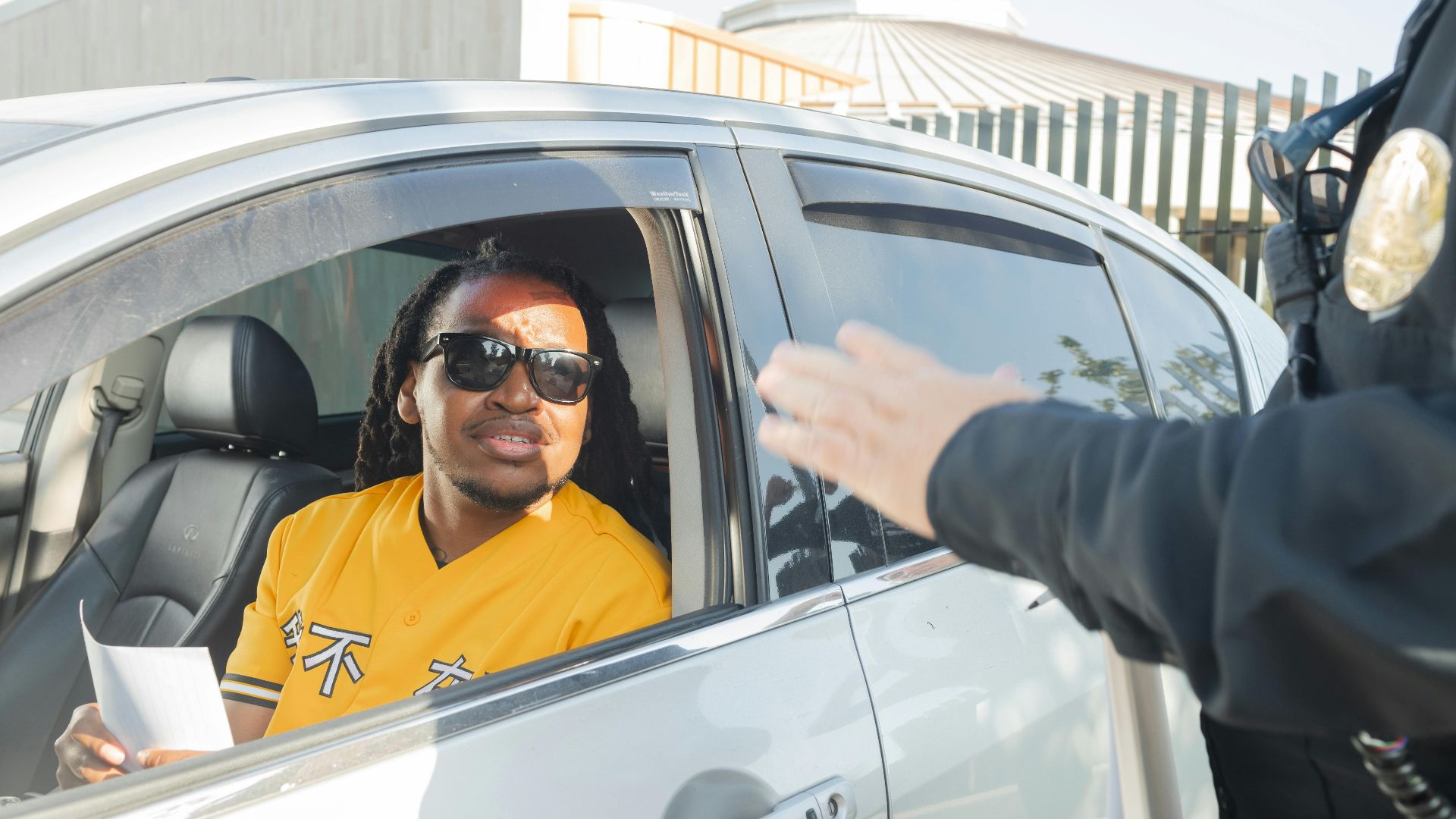
Electronic Devices Sometimes Become Part Of The Inspection
Some travelers are surprised when border officers ask about phones, laptops, or social media activity. Policies vary by country, but border agencies in both Canada and the United States may inspect digital devices under certain legal circumstances during border examinations.
Long Waits Can Feel Intimidating
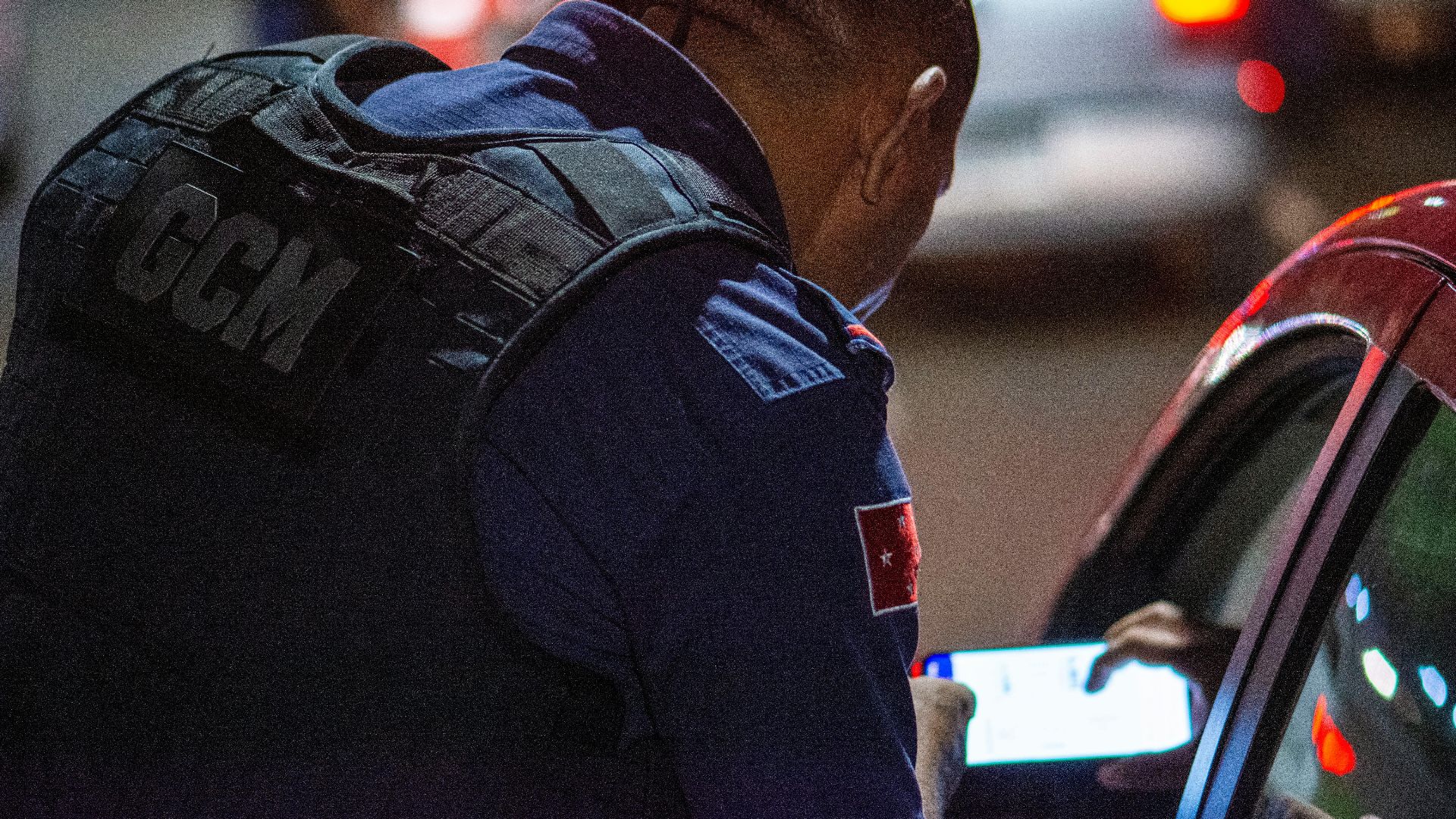
Secondary inspection areas are often stressful environments. Travelers may sit for hours without updates while officers process paperwork, verify information, or complete inspections. Even innocent travelers frequently describe the experience as uncomfortable, embarrassing, or emotionally exhausting afterward.
Customs Concerns Often Cause Delays
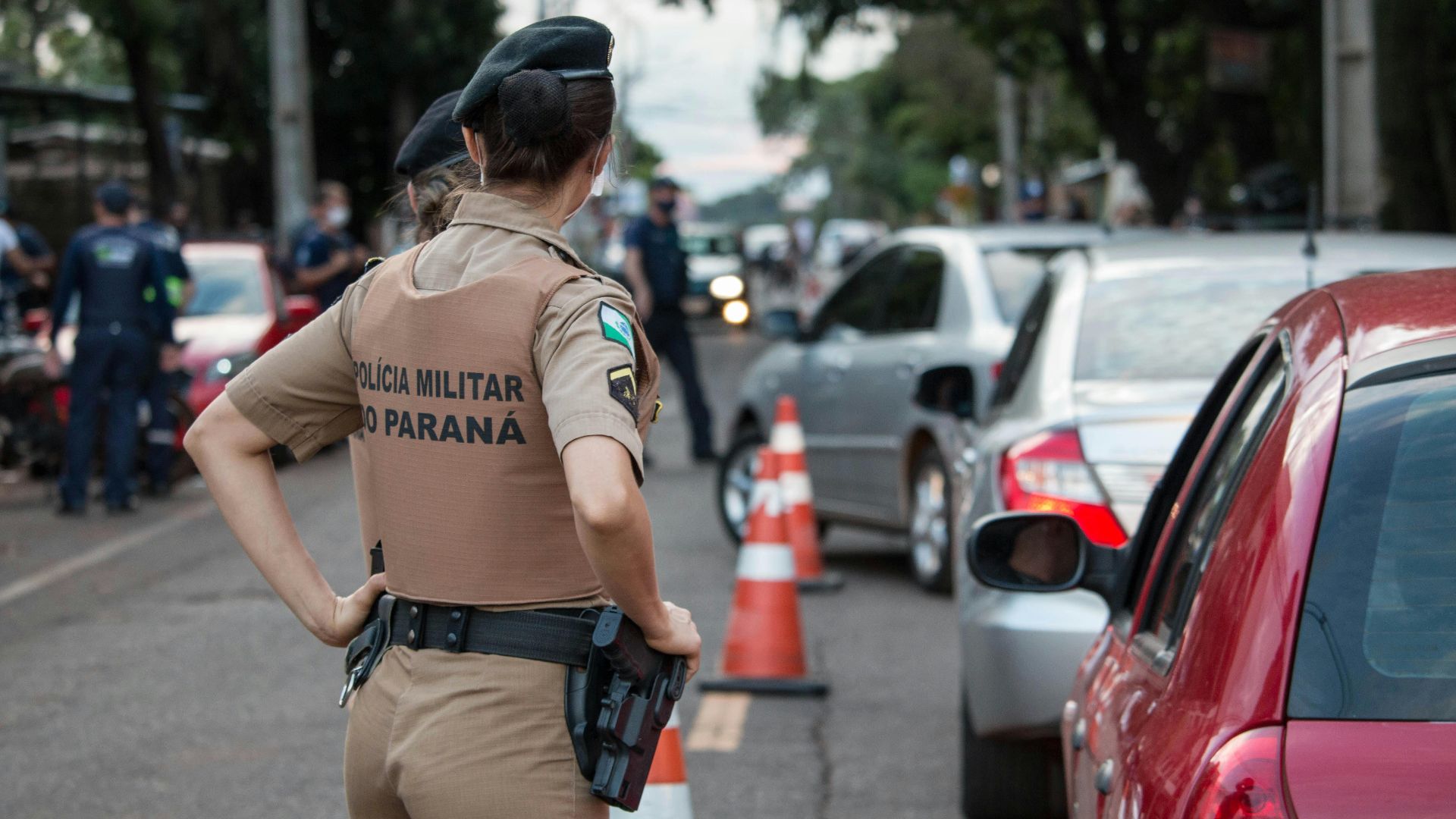
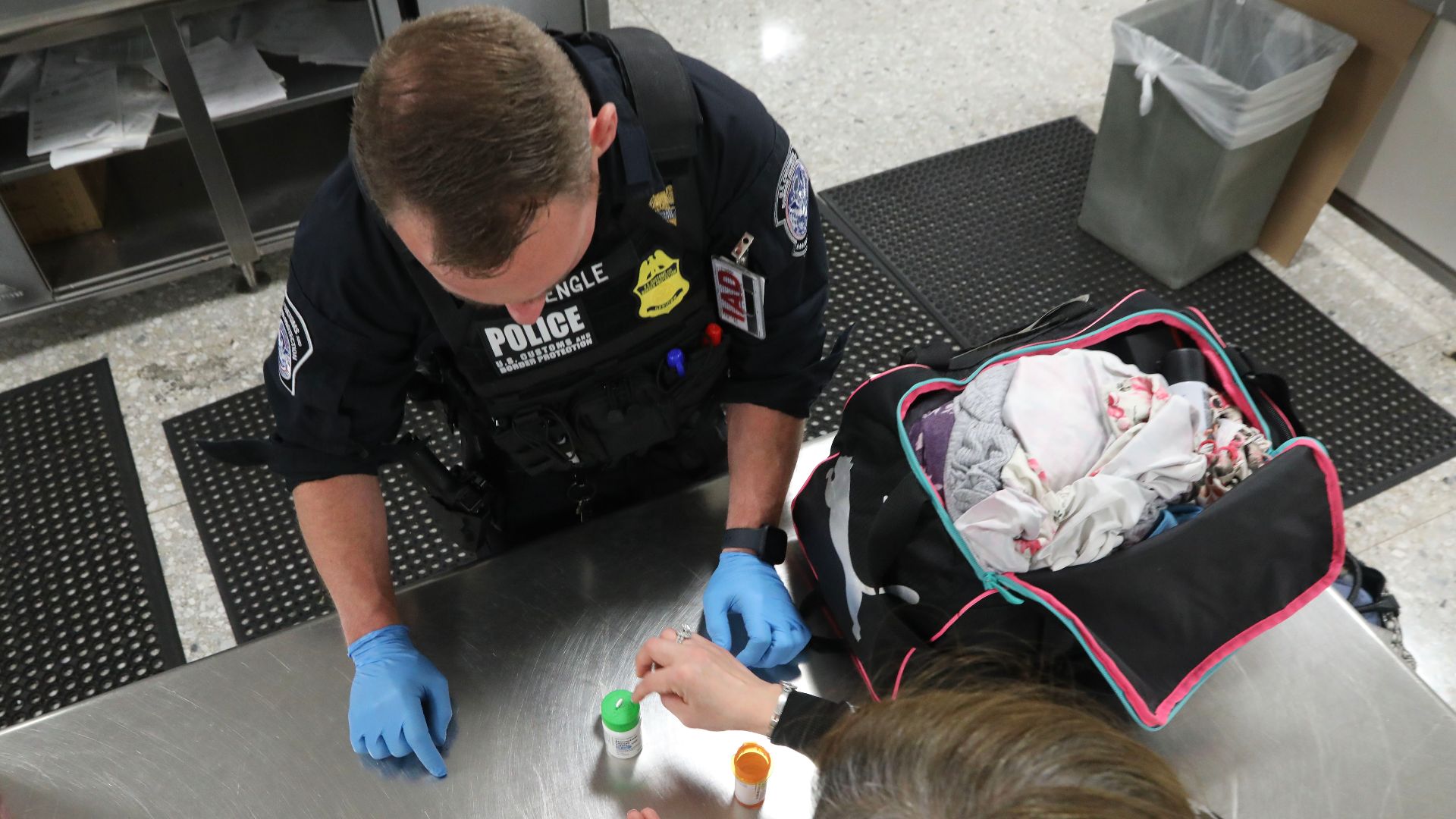
Border officers may spend extra time investigating undeclared purchases, food items, drinks, tobacco, medications, or large amounts of cash. Travelers who accidentally forget declarations sometimes face lengthy questioning even if the issue eventually turns out to be minor.
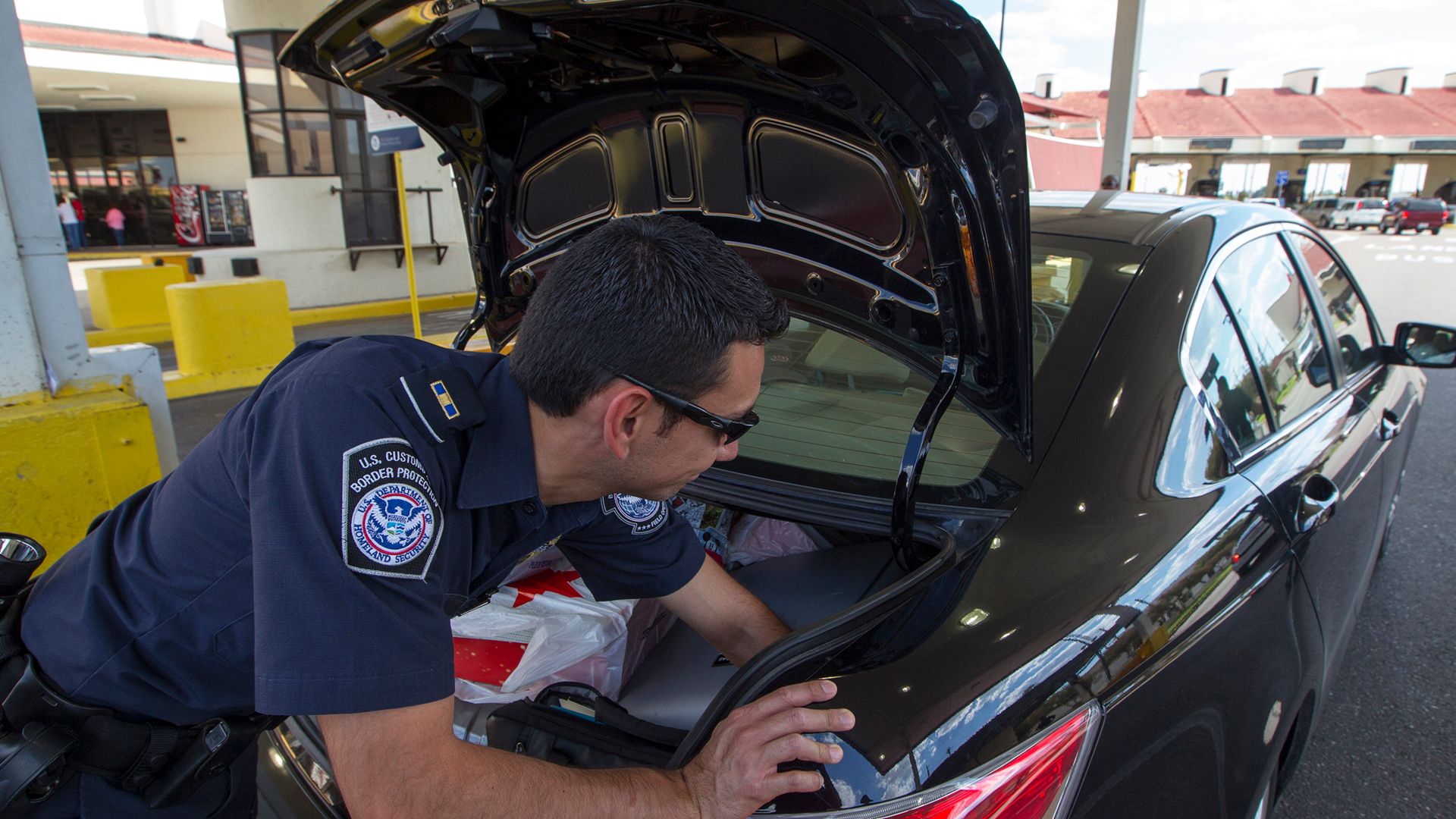 U.S. Customs and Border Protection, Wikimedia Commons
Previous Travel History Can Matter
Border agencies maintain records of prior crossings, inspections, declarations, and immigration history. Previous overstays, customs violations, denied entries, or unresolved issues can increase the likelihood of additional questioning during future trips, even years later.
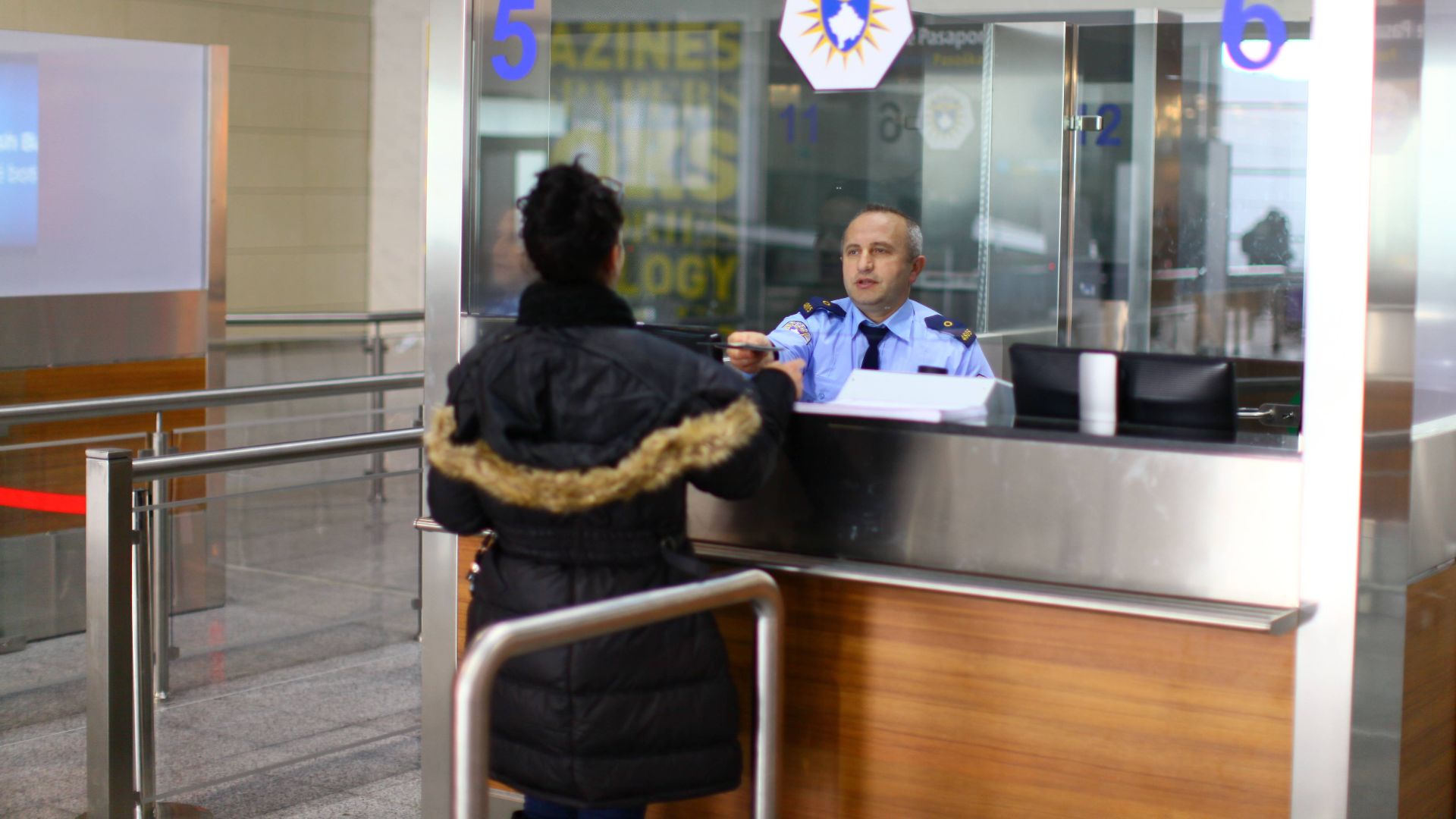 Kosovo Police, Wikimedia Commons
Traveling With Certain Items Can Raise Questions
Large amounts of electronics, professional equipment, unopened merchandise, or unusual luggage contents sometimes trigger additional inspections. Officers may want to confirm whether items are for personal use, commercial purposes, or properly declared under customs regulations.
 CBP Photography, Wikimedia Commons
Nervousness Alone Can Escalate Situations
Many completely innocent travelers become visibly anxious during questioning. Unfortunately, nervous behavior can sometimes make officers more suspicious, leading to additional questions and longer inspections. Border environments naturally create stress, even for experienced travelers.

U.S. Border Crossings Can Feel Especially Strict
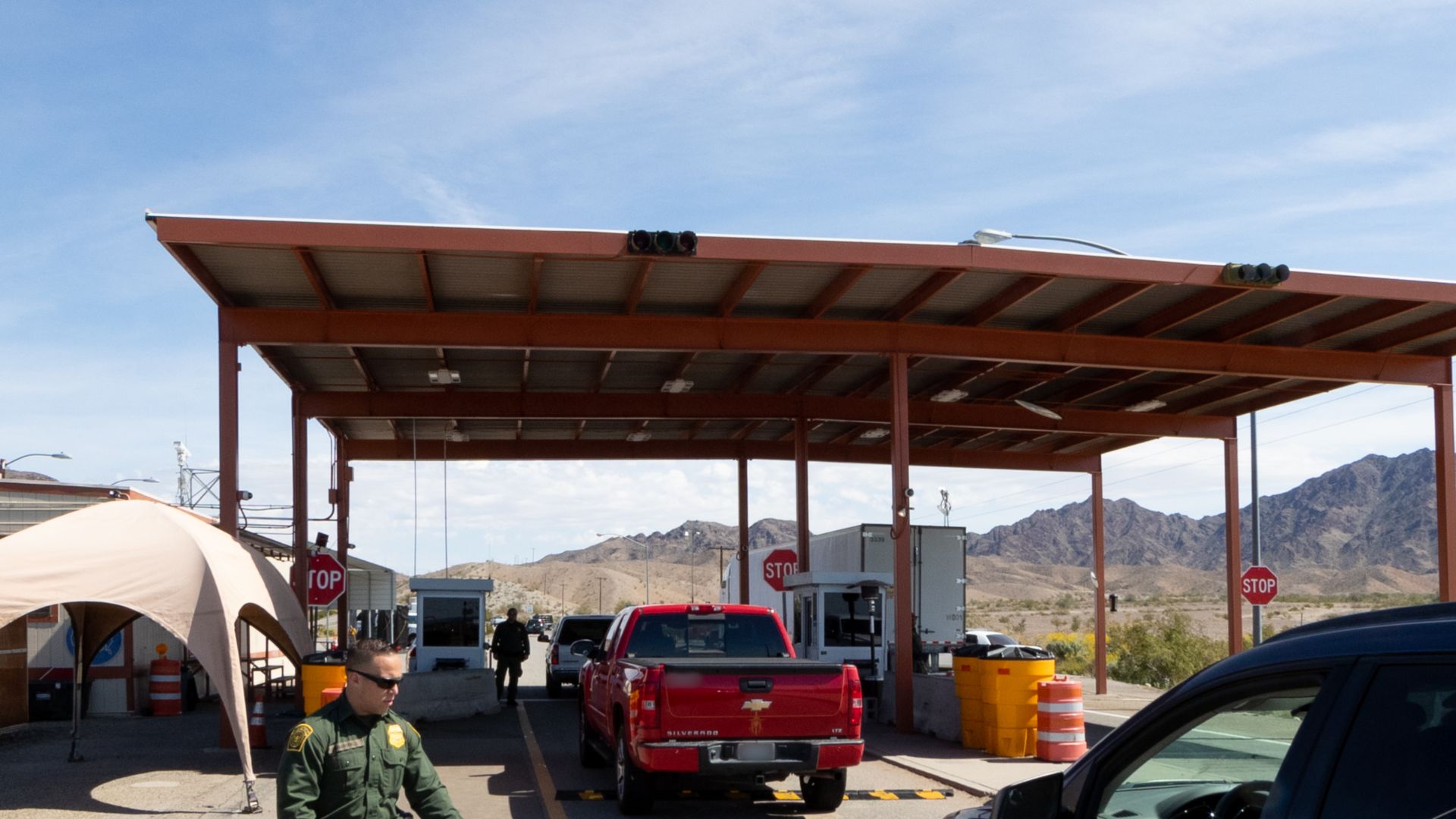
Many Canadians report that entering the United States involves more detailed questioning than returning home to Canada. U.S. Customs and Border Protection officers have broad authority to question foreign nationals, including Canadians, before granting admission into the country.
 CBP Photography, Wikimedia Commons
You Usually Cannot Refuse Basic Questioning
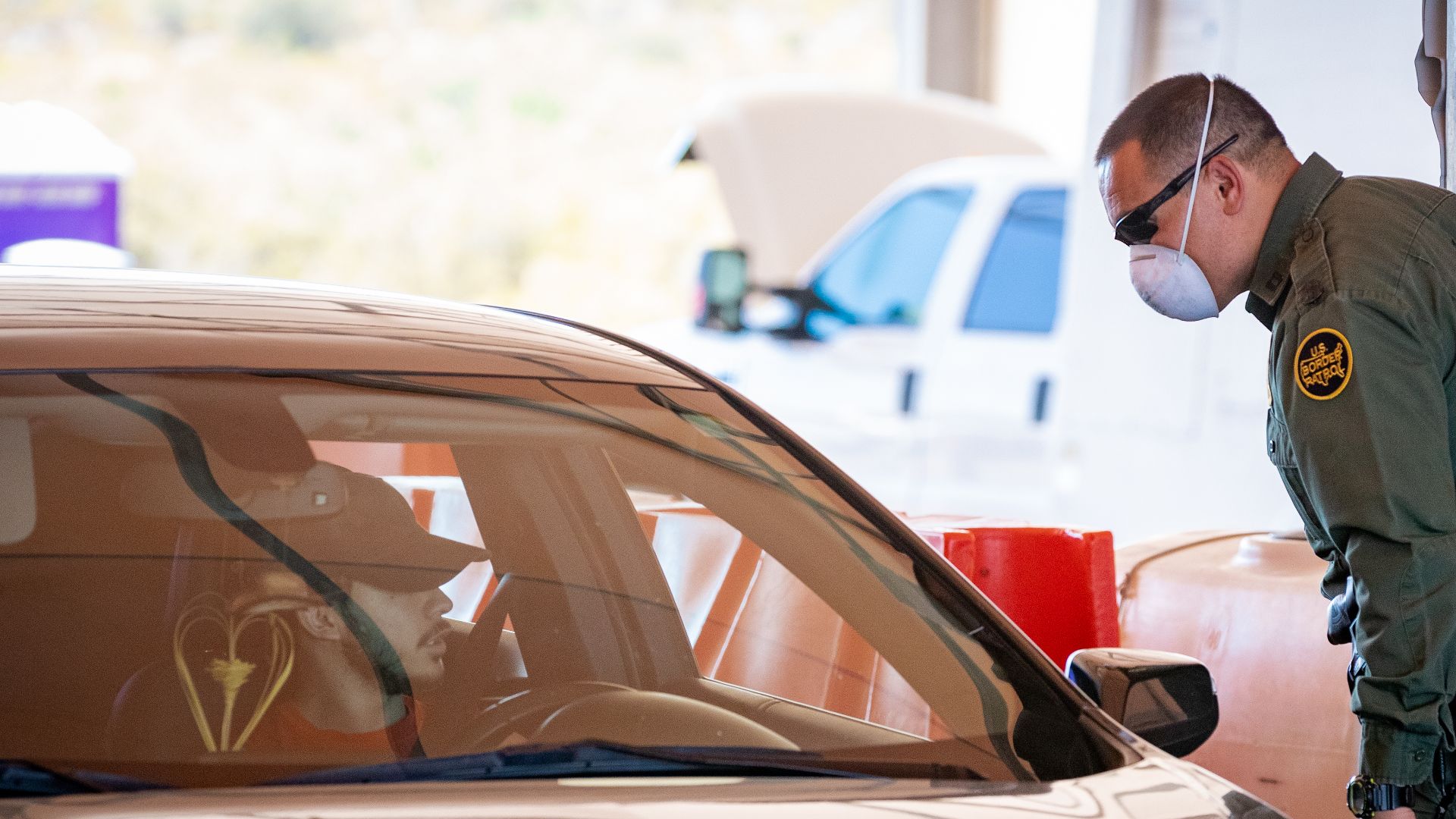
Travelers generally must answer routine identity, citizenship, and customs questions during border processing. Refusing to cooperate may delay entry further or result in denied admission when entering a foreign country, even if the traveler believes the questioning feels excessive.
 CBP Photography, Wikimedia Commons
Most Secondary Inspections End Without Problems
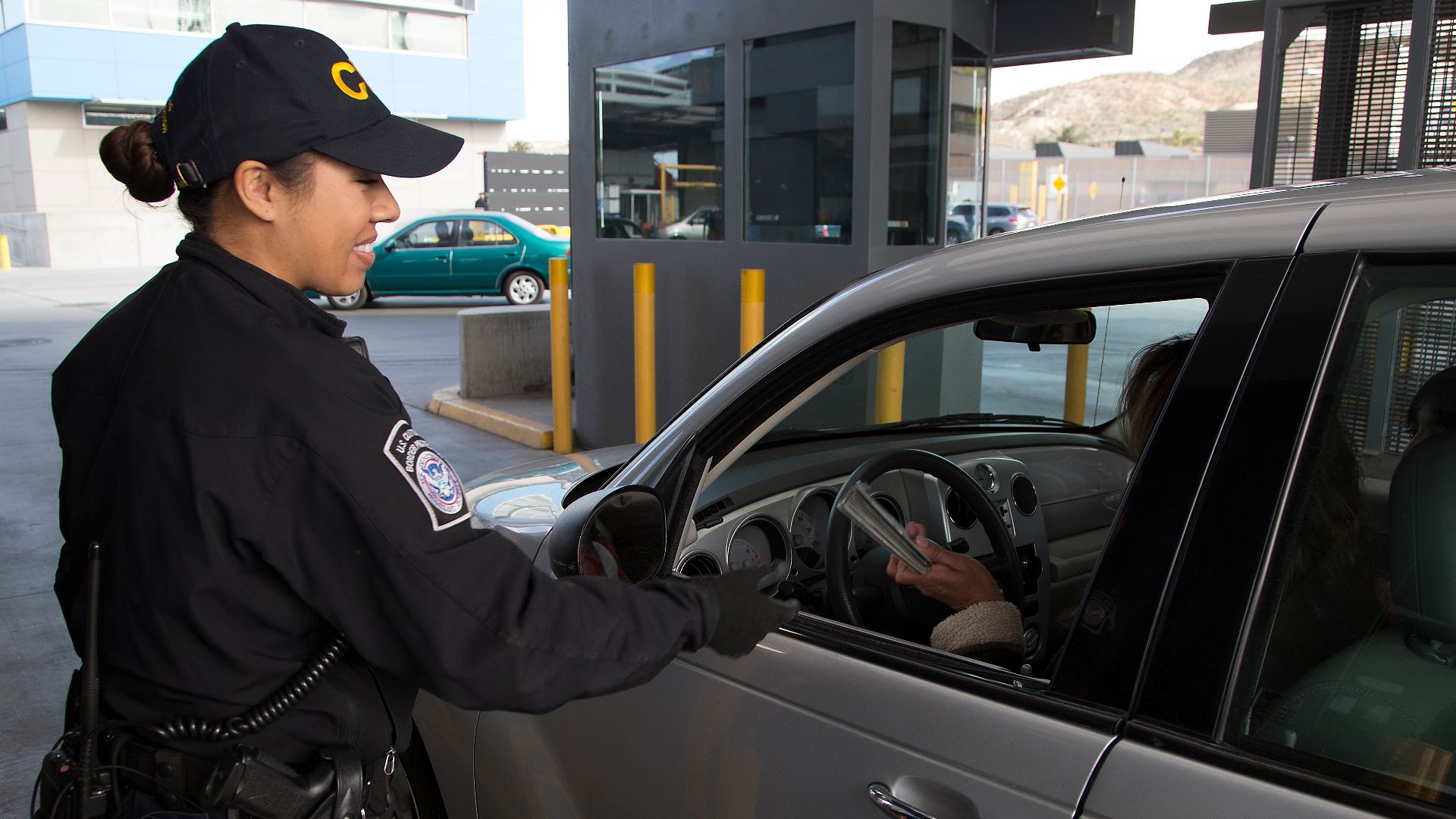
Although the experience can feel alarming, many secondary inspections end routinely. Officers may simply verify information, inspect luggage, or complete administrative checks before eventually allowing the traveler to continue without fines, charges, or permanent travel consequences.
 U.S. Customs and Border Protection, Wikimedia Commons
Complaints About Officer Conduct Are Possible
Travelers who believe officers acted inappropriately can usually file complaints afterward through official government channels. However, border agencies typically allow wide discretion during inspections, meaning unpleasant questioning alone may not necessarily violate policy or law.

Trusted Traveler Programs May Reduce Delays
Programs like NEXUS can sometimes speed up border crossings for pre-approved low-risk travelers. While membership does not eliminate the possibility of inspections entirely, trusted traveler status may reduce the likelihood of lengthy questioning during routine crossings.
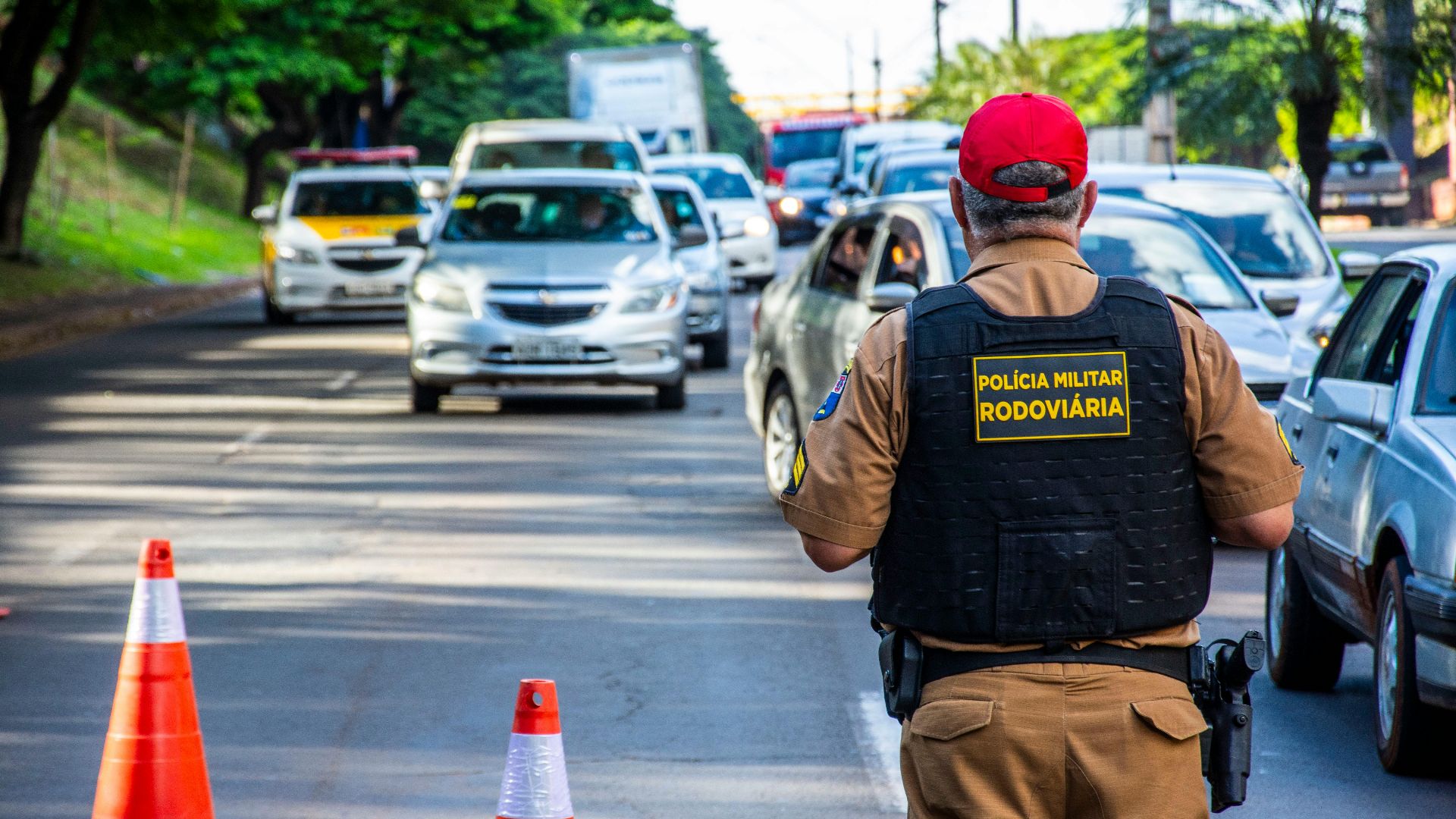
Preparation Can Make Future Crossings Easier
Having organized documents, truthful declarations, clear travel plans, and calm answers can help future border interactions go more smoothly. Travelers who stay patient and cooperative during inspections often resolve situations faster than those who become argumentative or defensive.
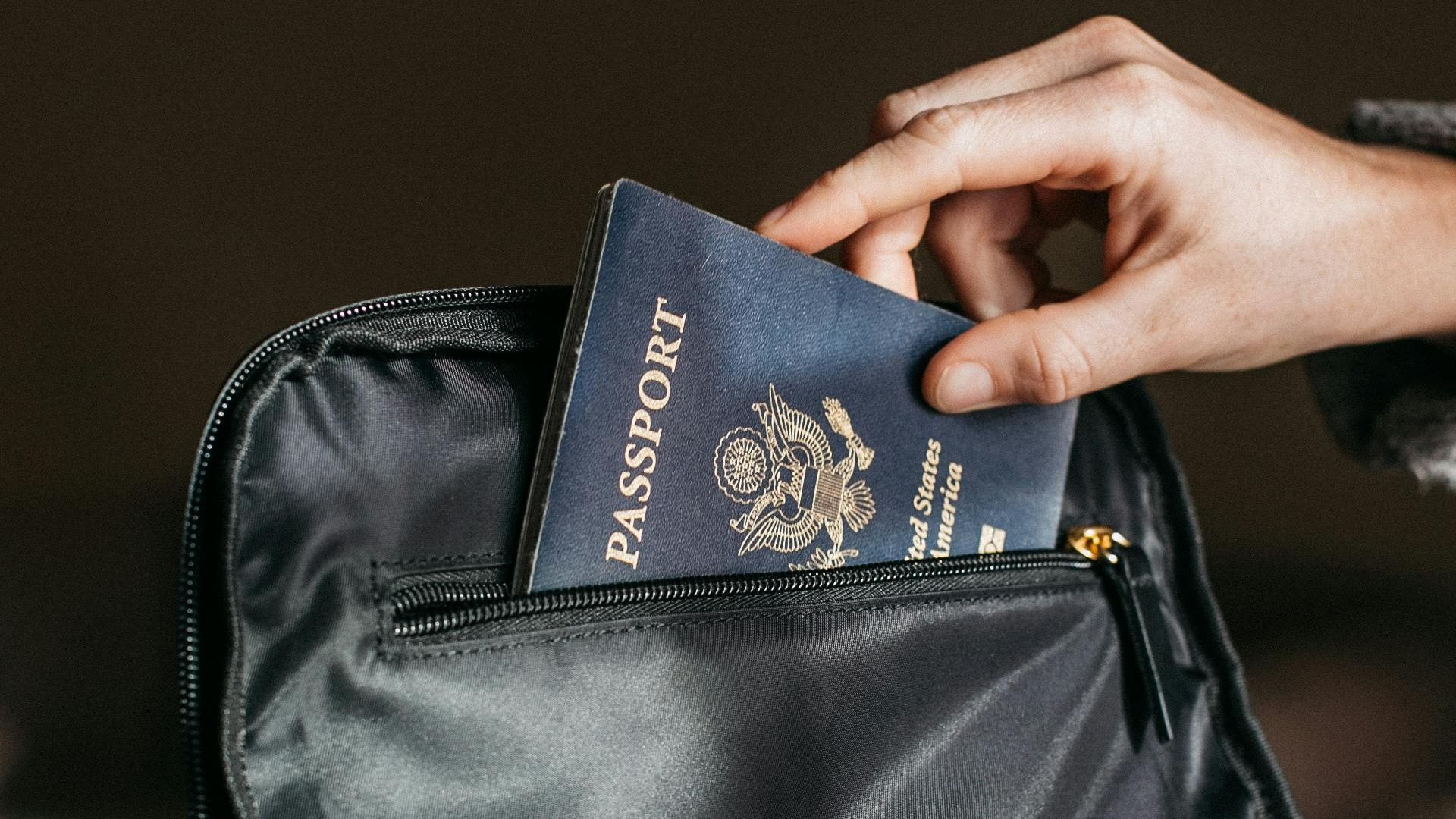 Vinta Supply Co. | NYC, Pexels
The Experience Can Feel More Personal Than It Really Is
After years of effortless travel, being questioned for hours can feel humiliating or targeted. But in many cases, the inspection may have little to do with the traveler personally. Border agencies routinely conduct screenings that feel highly personal even when they are procedural.

Many Canadians Walk Away Feeling Shaken
Even when nothing illegal is found, lengthy border questioning can leave travelers rattled for days afterward. People often replay every answer in their minds wondering what triggered the inspection. The good news is that one difficult crossing does not automatically mean future trouble.

You May Also Like:
New Airport And Luggage Scams Travellers Need To Know About
Top 10 Weirdest Places On Earth
The Craziest Things TSA Agents Have Ever Found In People's Luggage