

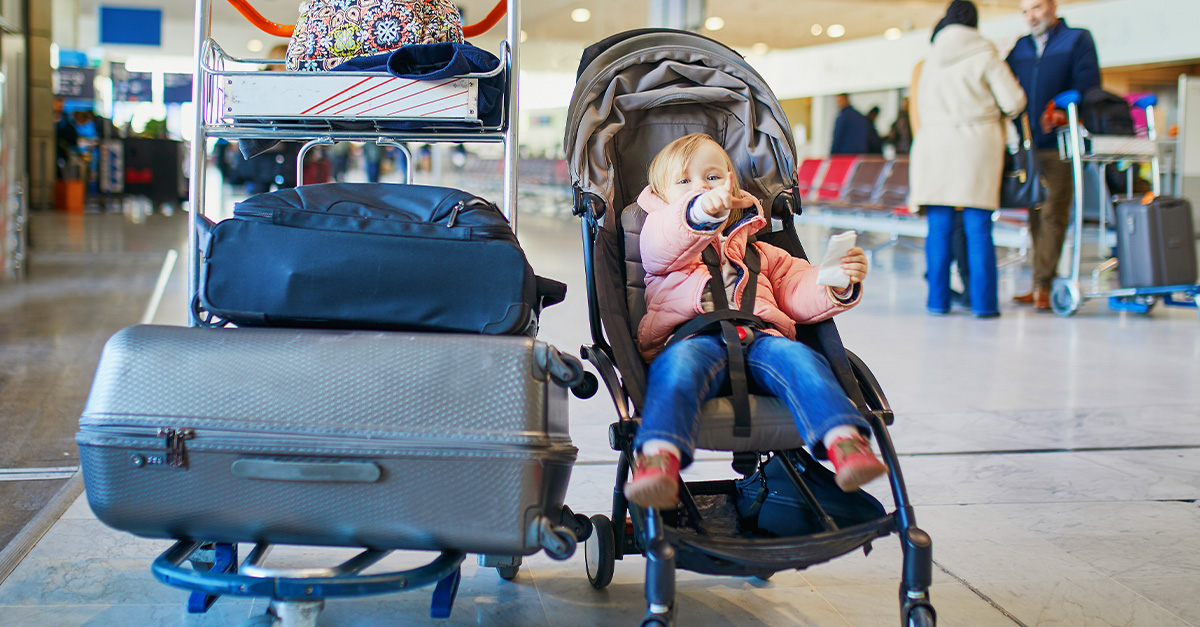
The Day My Car Seat Became “Checked Baggage”
Traveling with kids already feels like preparing for a minor expedition, but nothing quite prepares you for the moment an airline agent casually tells you your child’s car seat—the one thing standing between them and chaos in a rental car—needs to go in the cargo hold. What followed was a mix of confusion, mild panic, and a crash course in airline policies I didn’t know existed.
A Smooth Start… Until It Wasn’t
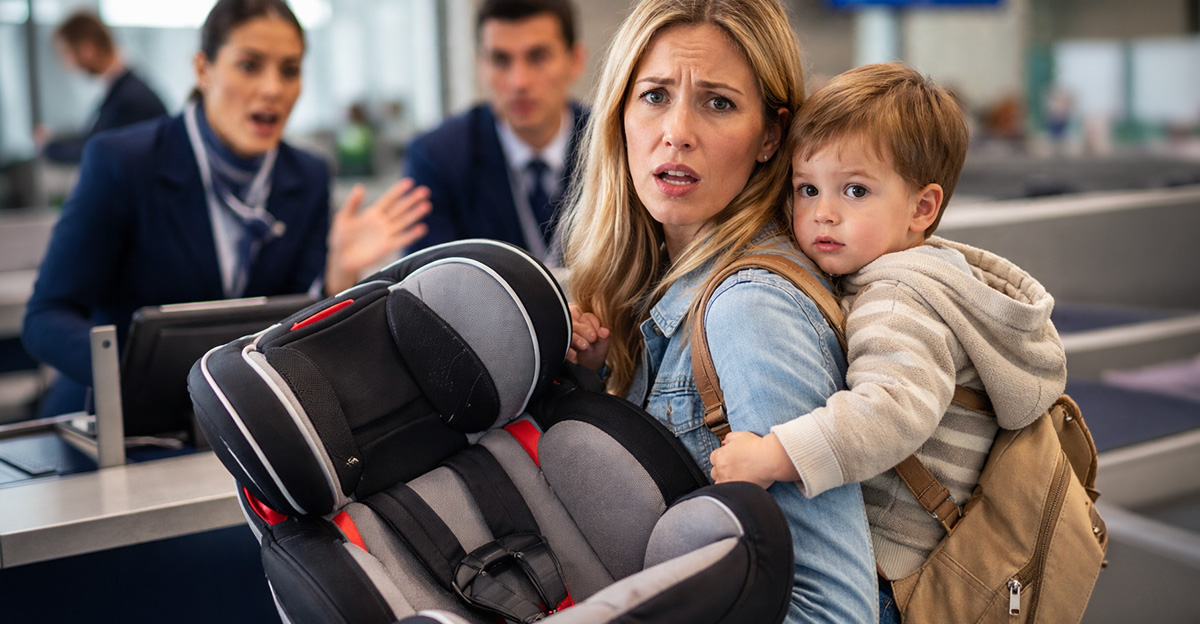
We arrived at the airport early, smug in our preparedness. Snacks? Packed. Entertainment? Ready. Car seat? Of course—we weren’t about to rent one of those questionable, sticky mystery seats at our destination. Everything was going according to plan… until we reached the gate.
The Car Seat Confidence
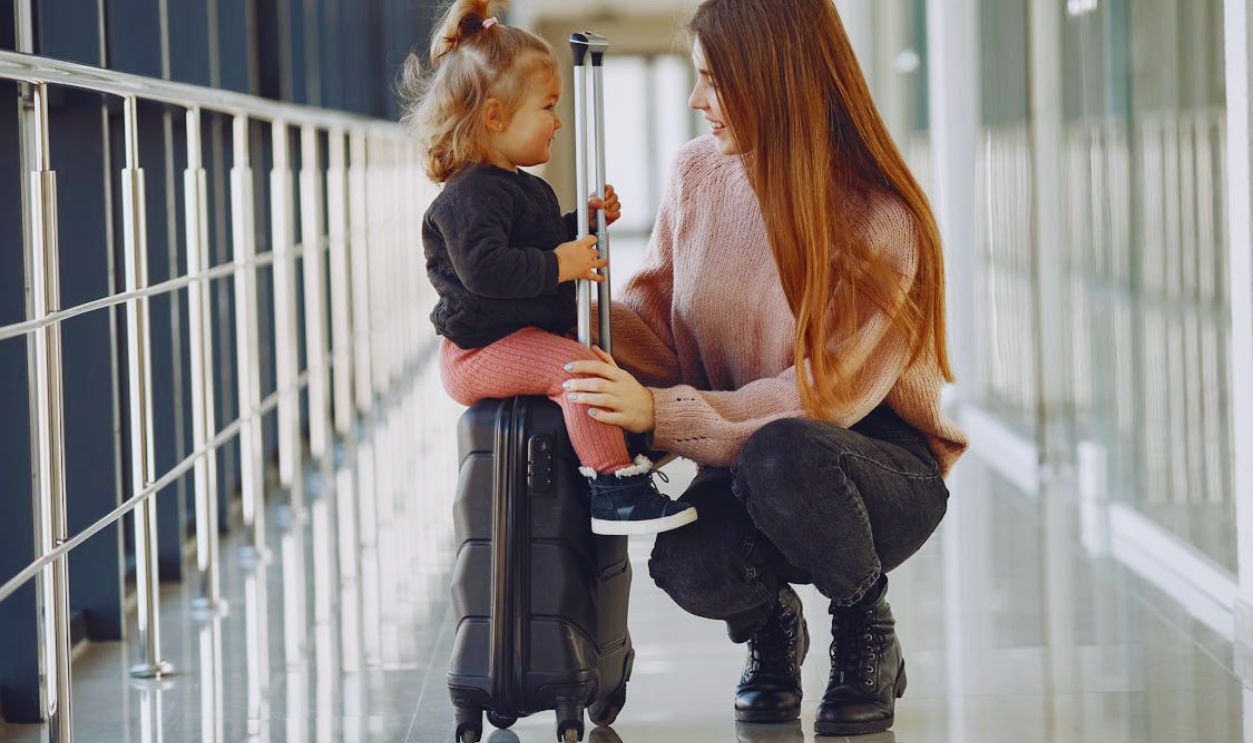
I had done my research—or so I thought. I knew car seats could be used on planes if they were FAA-approved. Ours had the sticker. I imagined my child safely buckled in, blissfully unaware of turbulence or cramped quarters. It felt like a parenting win before we’d even boarded.
The Gate Agent Curveball
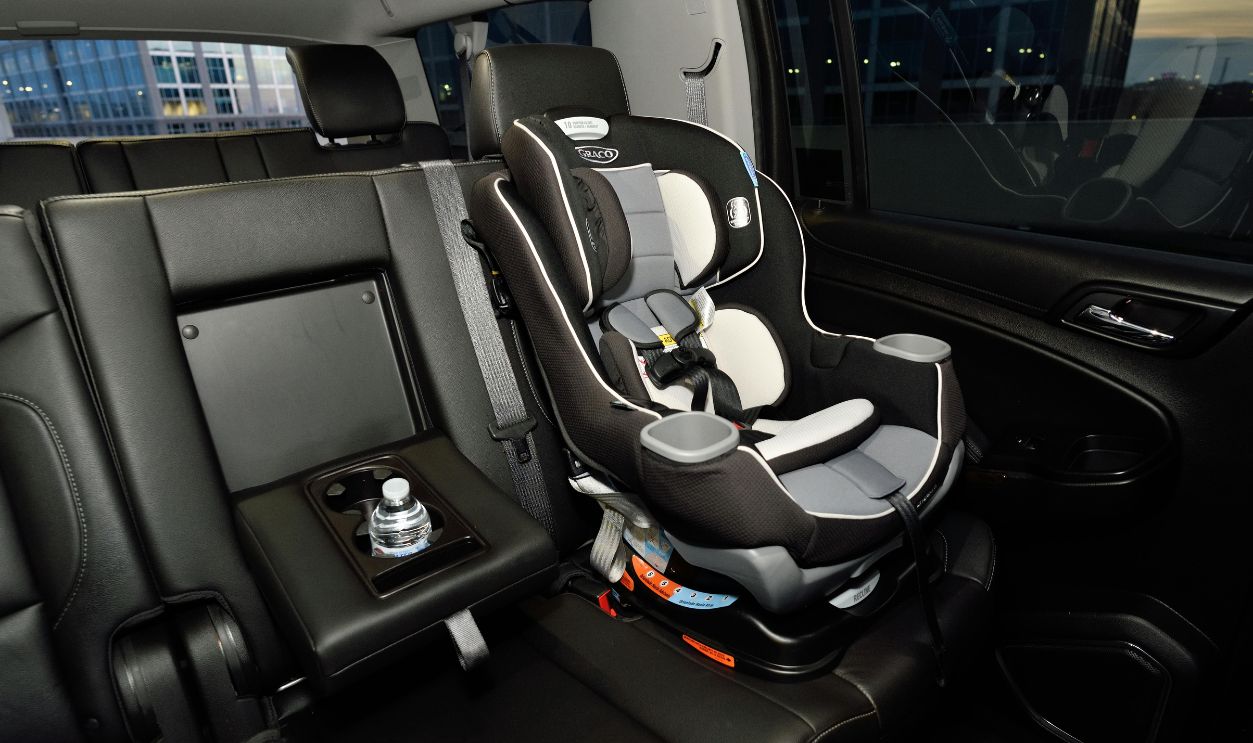
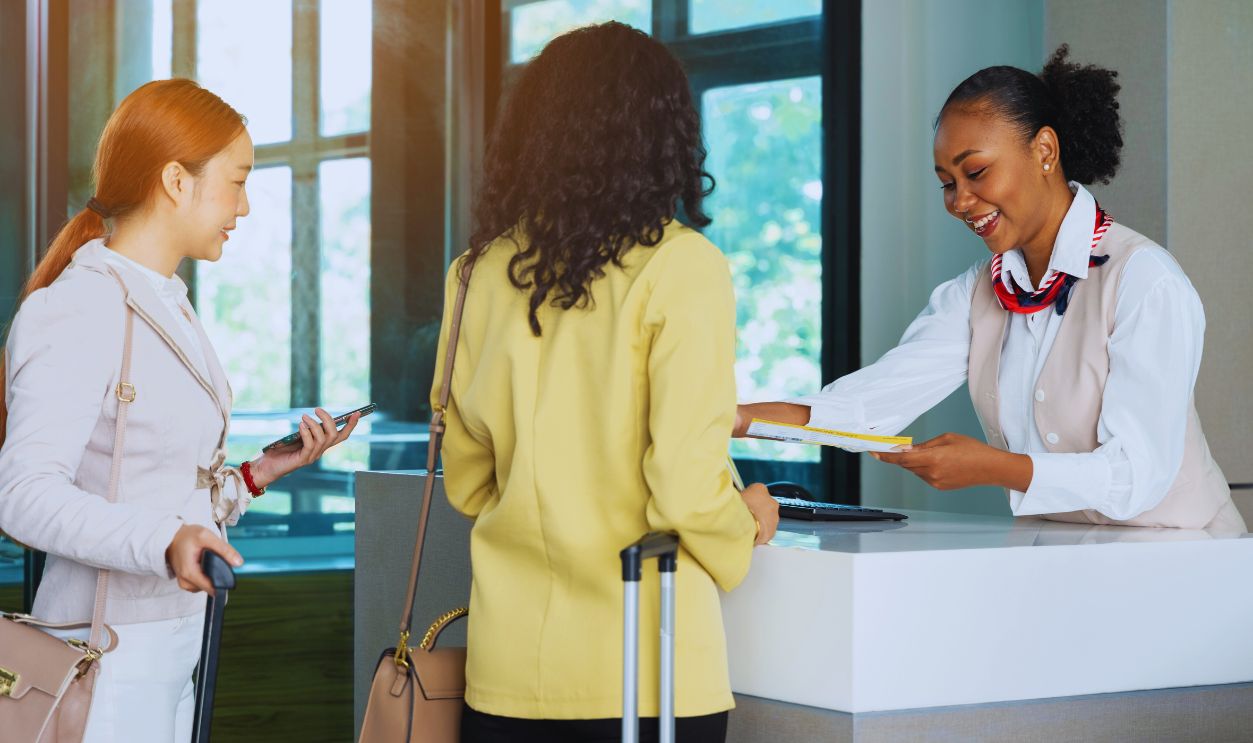
Then came the curveball. The gate agent glanced at the car seat and said, “You’ll need to check that. It goes in the cargo hold.” I blinked. “But… we’re using it on board.” She shook her head. “Not on this flight.”
Wait, What Policy?
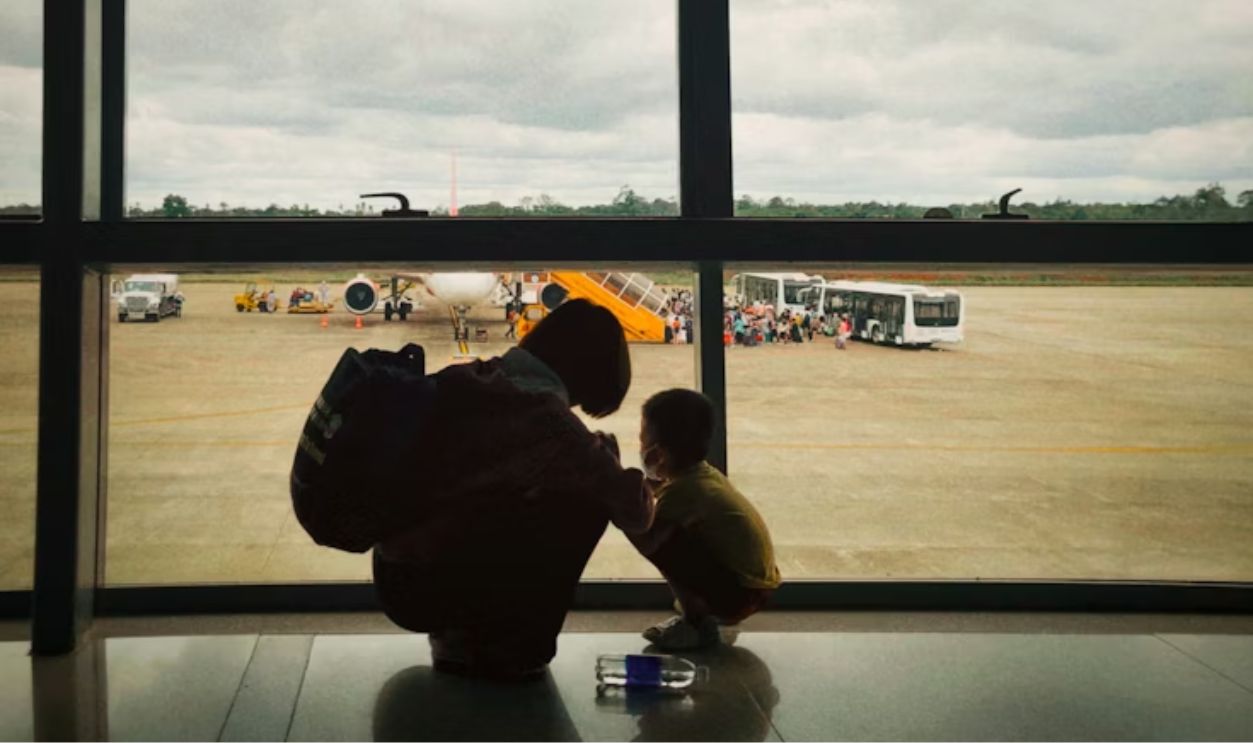
Apparently, not all seats are created equal in the eyes of airlines. Despite being approved, there are restrictions—seat size, aircraft type, even where you’re seated. None of this had been obvious during booking, and now we were stuck negotiating at the gate.
The Panic Sets In
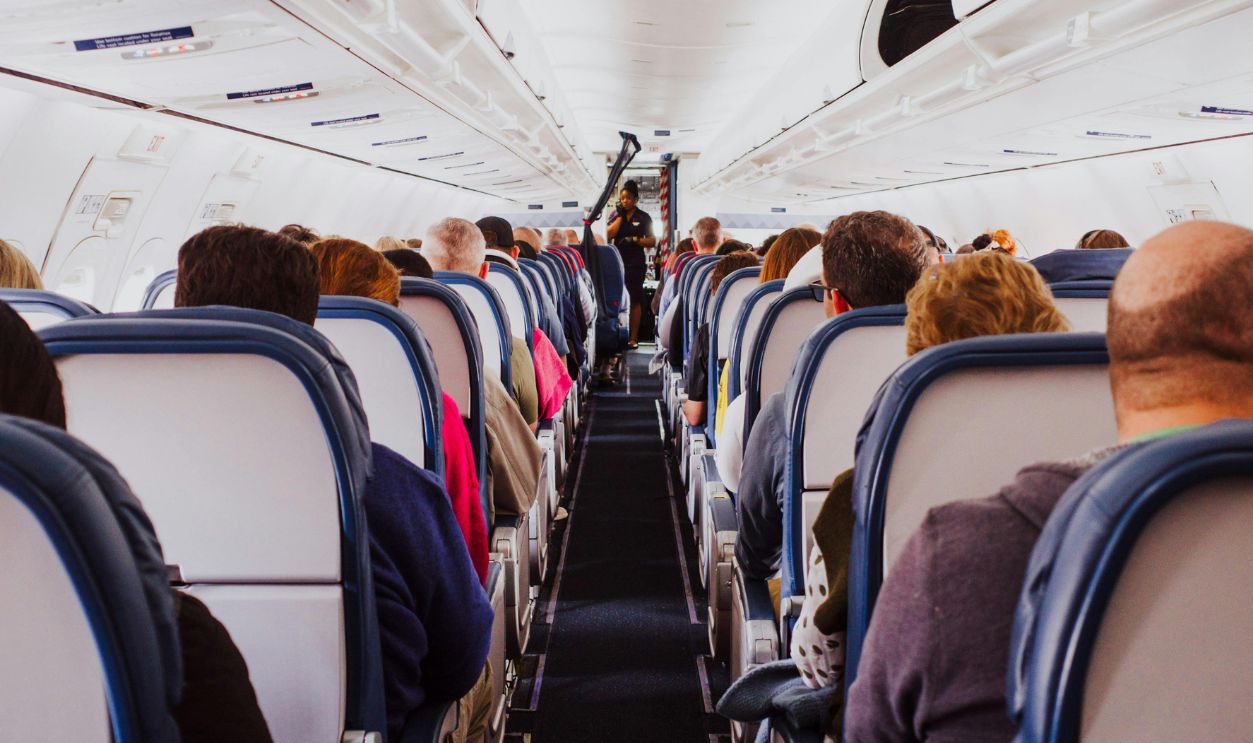
My mind immediately jumped to worst-case scenarios. Would the car seat get tossed around? Crushed under suitcases? Lost entirely? It’s not exactly a cheap item, and more importantly, it’s a safety device.

Visions Of Baggage Chaos
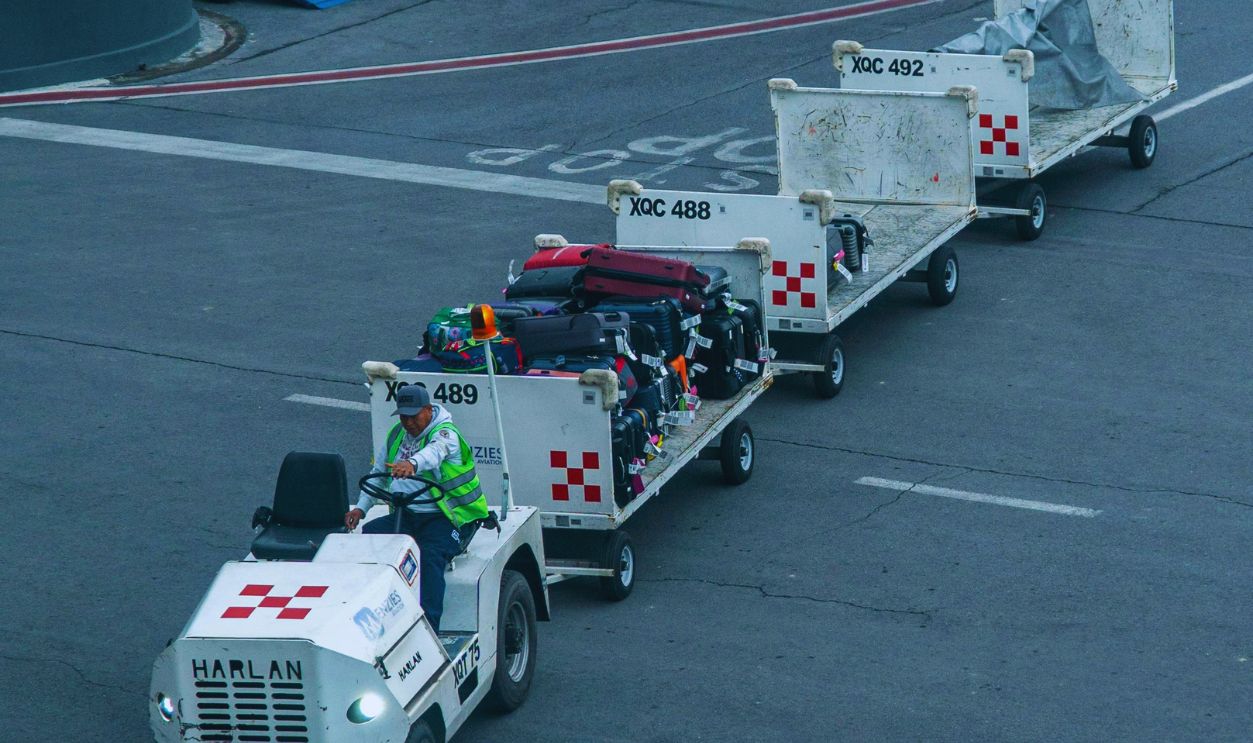
We’ve all seen how luggage gets handled—thrown, stacked, shoved into tight spaces. Now imagine that happening to something designed to protect a child in a crash. Suddenly, the cargo hold didn’t feel like a safe option at all.
 Abdiel Hernandez Villegas, Pexels
The Reluctant Hand-Off
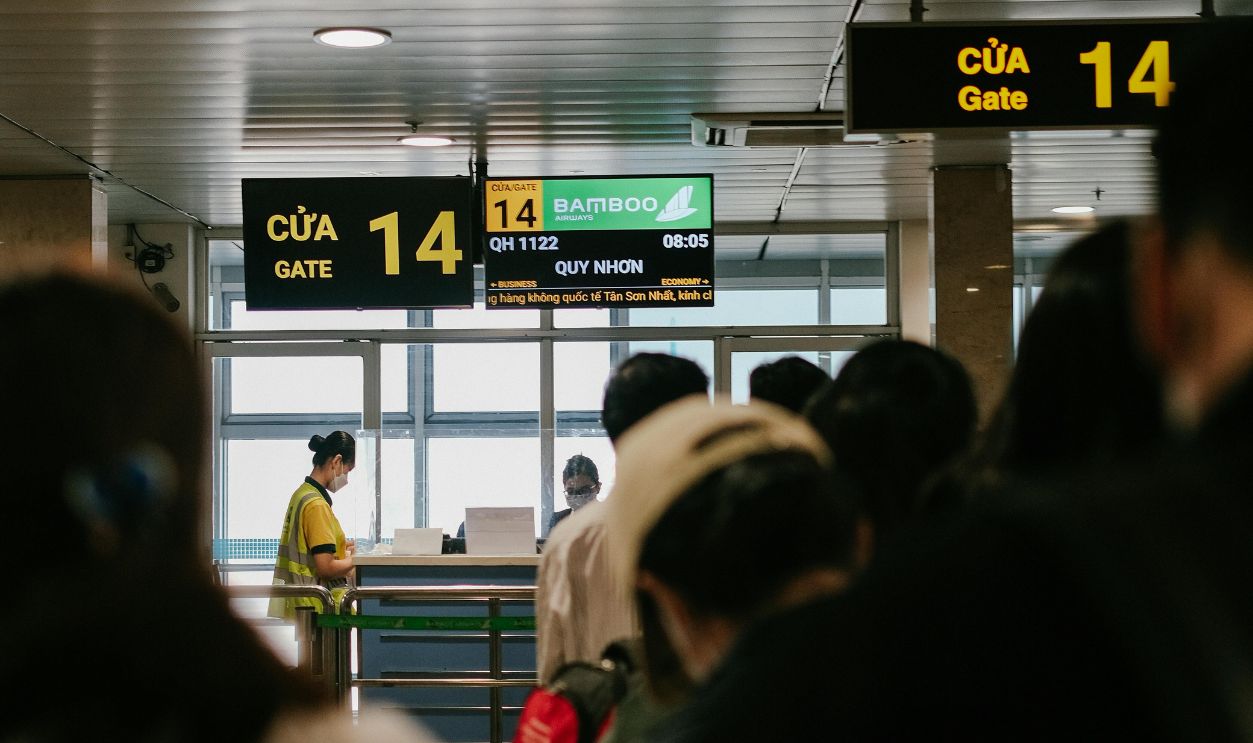
Eventually, with a line forming behind us and no alternative offered, we handed it over. Watching it disappear down the jet bridge felt oddly emotional, like sending a fragile piece of home into a mechanical abyss.
The Question Everyone Asks
“Won’t it get damaged down there?” I asked. The agent gave a reassuring-but-not-reassuring-enough smile and said, “It should be fine.” Should. Not exactly comforting.
What Actually Happens In Cargo
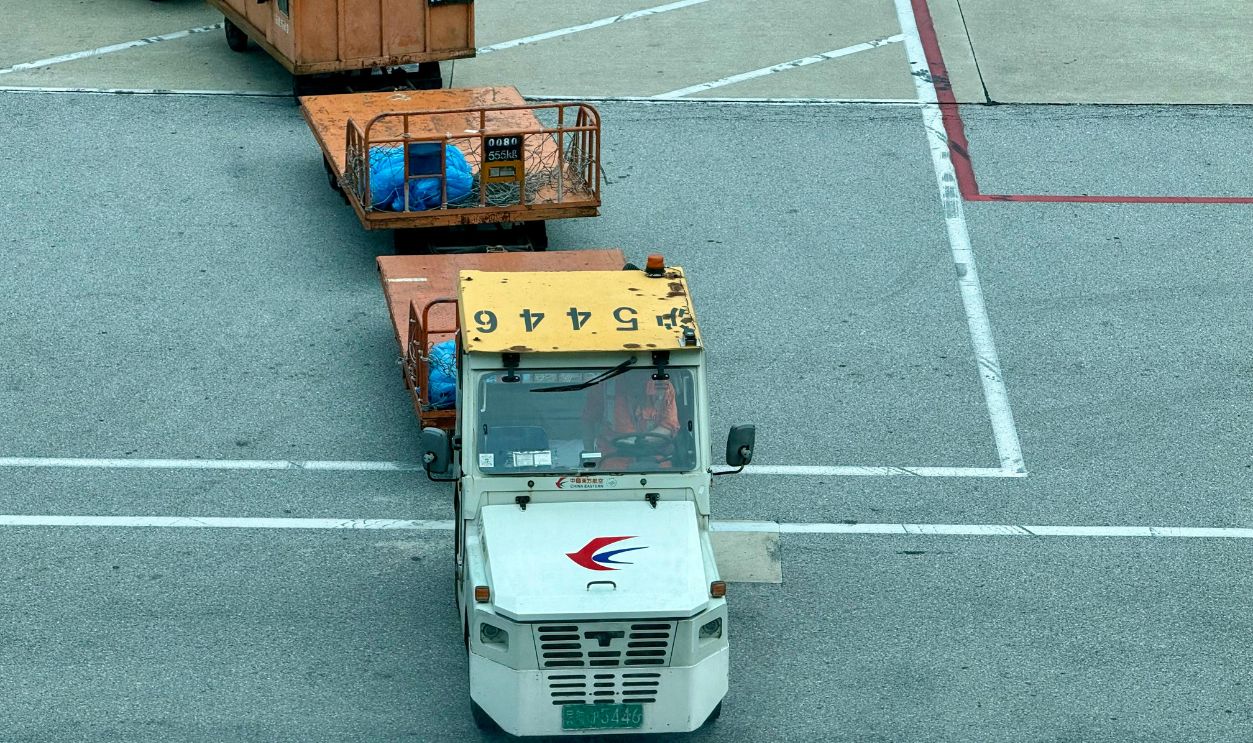
Here’s the truth: while airlines handle thousands of bags daily, the cargo hold isn’t exactly gentle. Items are stacked tightly, and while there’s some care involved, it’s not the same as placing something delicately on a shelf.
The Hidden Risk Factor
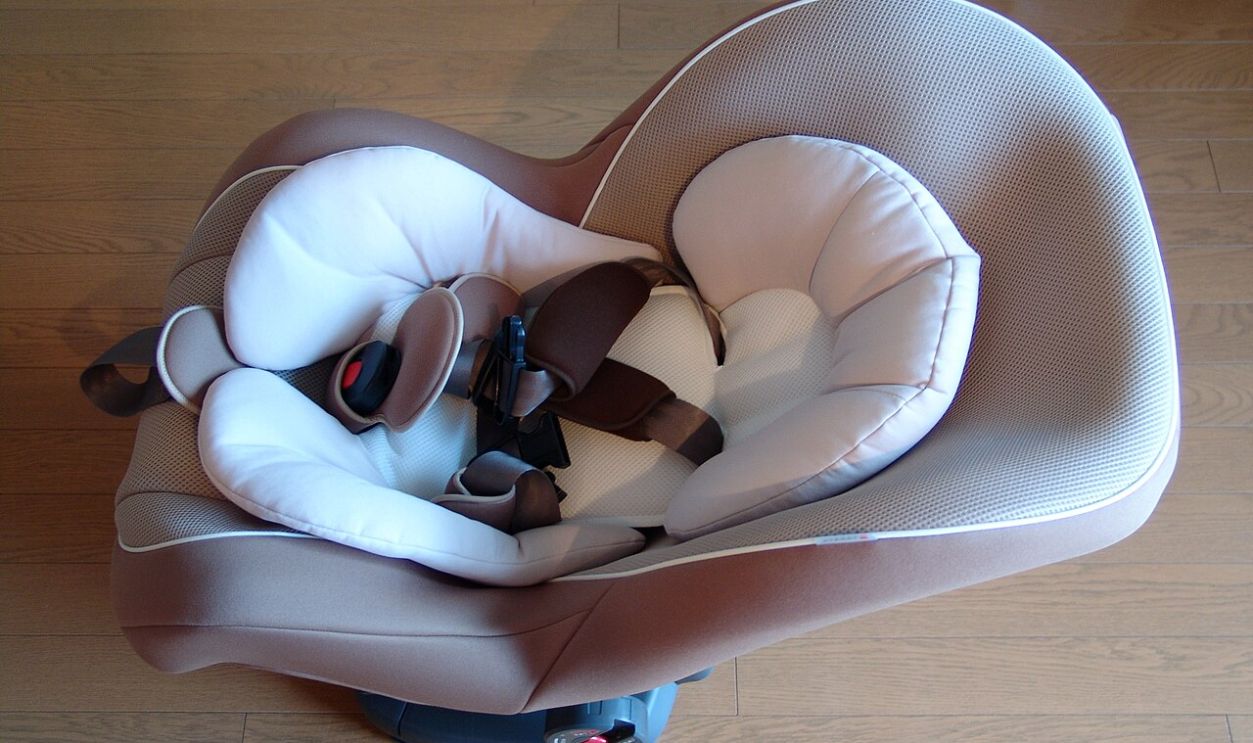
Car seats are built to withstand impact—but a very specific kind of impact. Manufacturers often say that if a car seat is involved in a significant incident, it should be replaced. The problem? You won’t know if rough handling compromised it.
 MIKI Yoshihito from Sapporo City,Hokkaido., JAPAN, Wikimedia Commons
The Cost Of Replacement
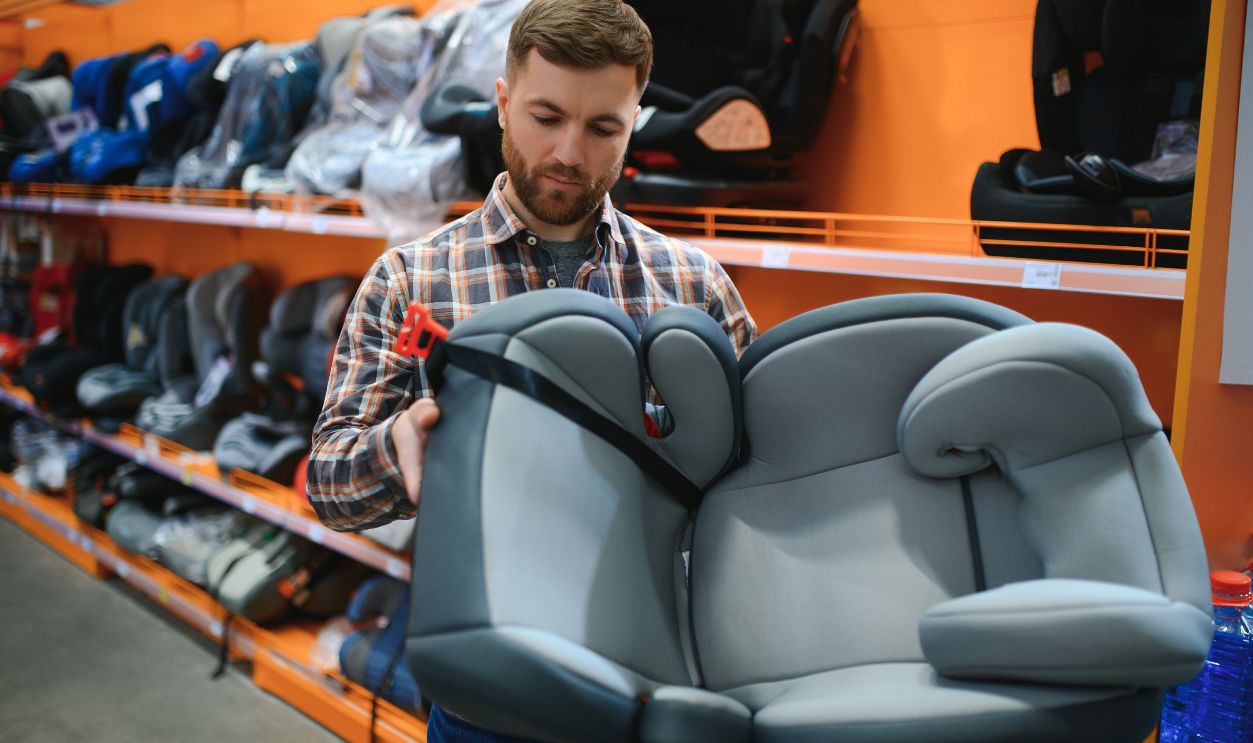
Replacing a car seat isn’t cheap. Depending on the model, you could be looking at a few hundred dollars. And airlines don’t always take responsibility unless there’s visible, obvious damage.
 Hryshchyshen Serhii, Shutterstock
Invisible Damage Is The Scary Part
Cracks, stress fractures, or weakened components aren’t always visible. That’s what makes checking a car seat so nerve-wracking. It might look fine—but is it still safe?
The In-Flight Second Guessing
As we settled into our seats (without the car seat, of course), I couldn’t stop thinking about it. Every bump of turbulence made me imagine it shifting around below us, wedged between suitcases.
Fellow Parents Weigh In
I wasn’t alone. A quick chat with another parent revealed they’d had a similar experience—and their car seat came back with scuffs and a bent cup holder. “Still usable,” they said, but their tone suggested doubt.
Why Airlines Do This
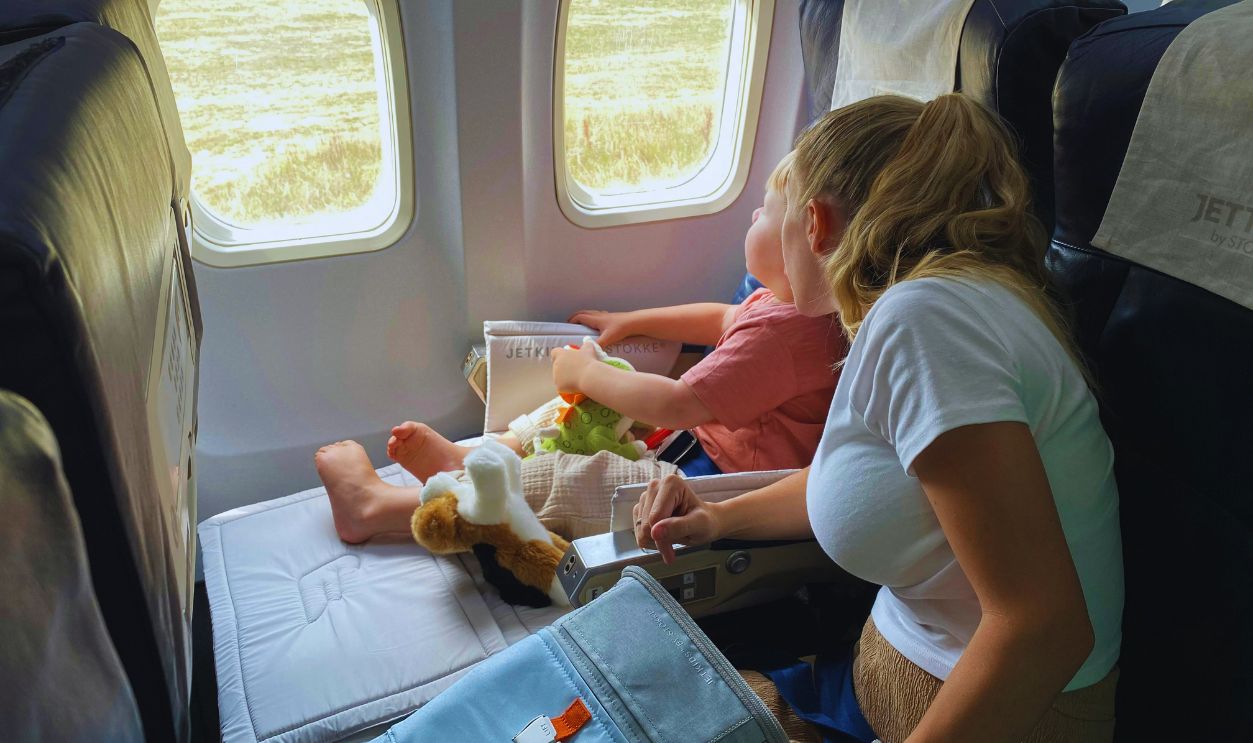
Airlines aren’t trying to make life harder (even if it feels that way). Their policies are often about safety and logistics—ensuring seats fit properly and don’t block evacuation routes. Unfortunately, that doesn’t make it less frustrating.
The Fine Print Problem
Most of these rules live in the fine print. Unless you’re digging through airline websites or calling ahead, it’s easy to miss critical details about what’s allowed in the cabin.

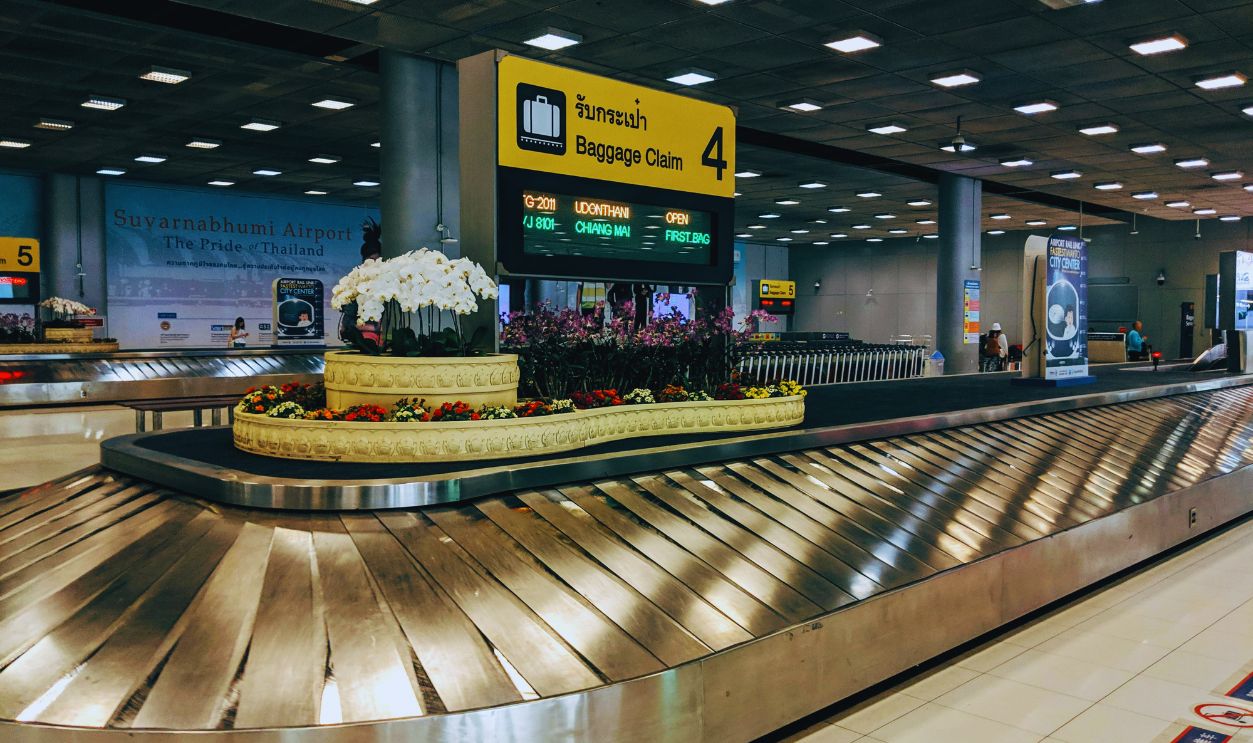
The Moment Of Truth At Baggage Claim
When we finally landed, I rushed to baggage claim like it was a race. Watching each item roll out felt like a suspense movie. Then, finally—there it was.
First Glance Inspection
At first glance, it looked okay. No cracks, no obvious damage. But there were scuffs—new ones—and the fabric looked slightly more worn than before.
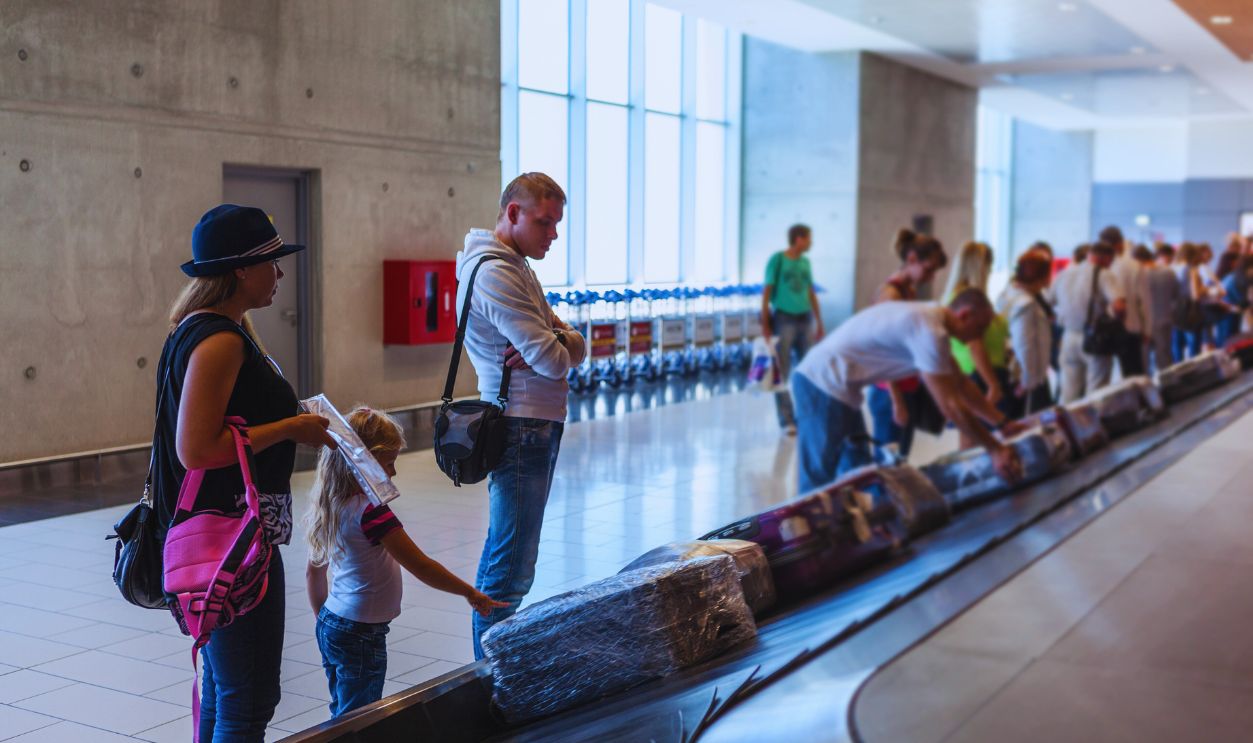
The Doubt Lingers
Even though it appeared fine, I couldn’t shake the doubt. Had it been dropped? Compressed under heavier luggage? There’s no way to know, and that uncertainty is the worst part.

What Airlines Recommend
Most airlines will tell you to use protective bags or original packaging when checking a car seat. Some even sell padded travel bags designed specifically for this purpose.
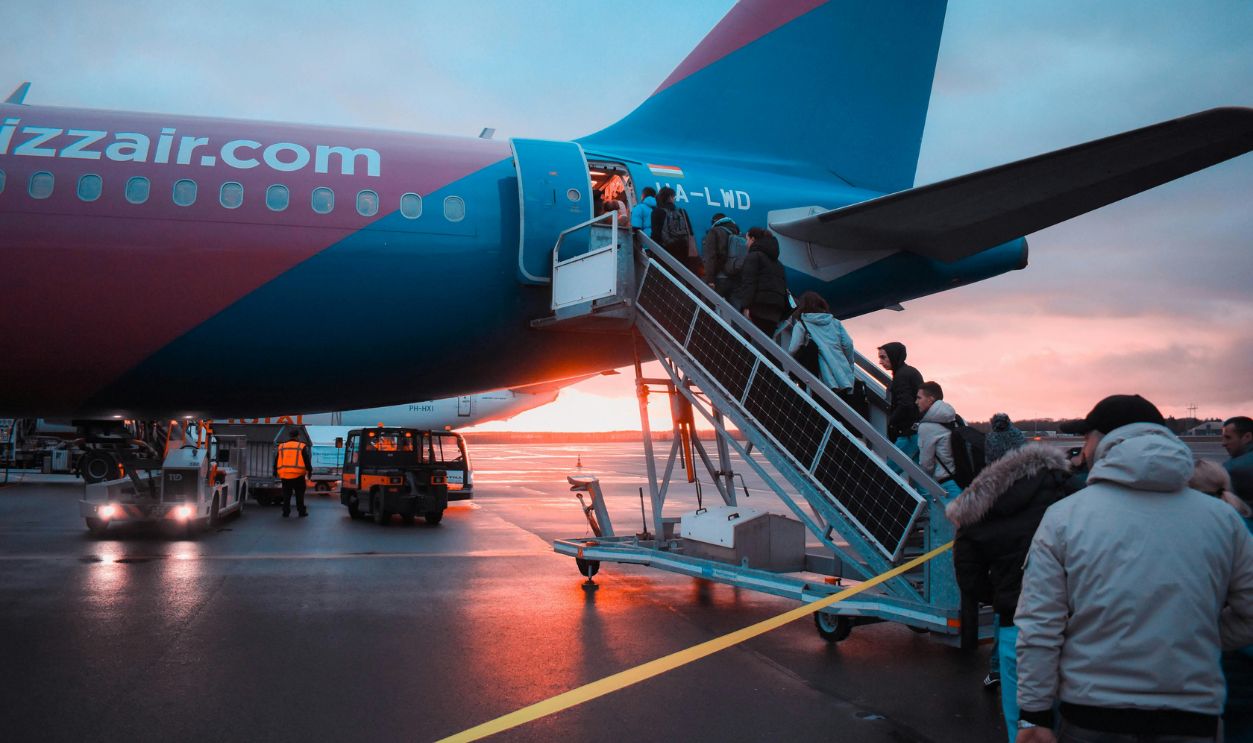
The Gear You Didn’t Know You Needed
Of course, that’s another thing to buy, carry, and manage. Traveling with kids already involves a mountain of gear—adding a bulky protective bag doesn’t exactly simplify things.

Alternatives To Checking
Some parents opt to gate-check instead of checking at the counter, hoping it reduces handling. Others ship their car seat ahead or rent from trusted services at their destination.
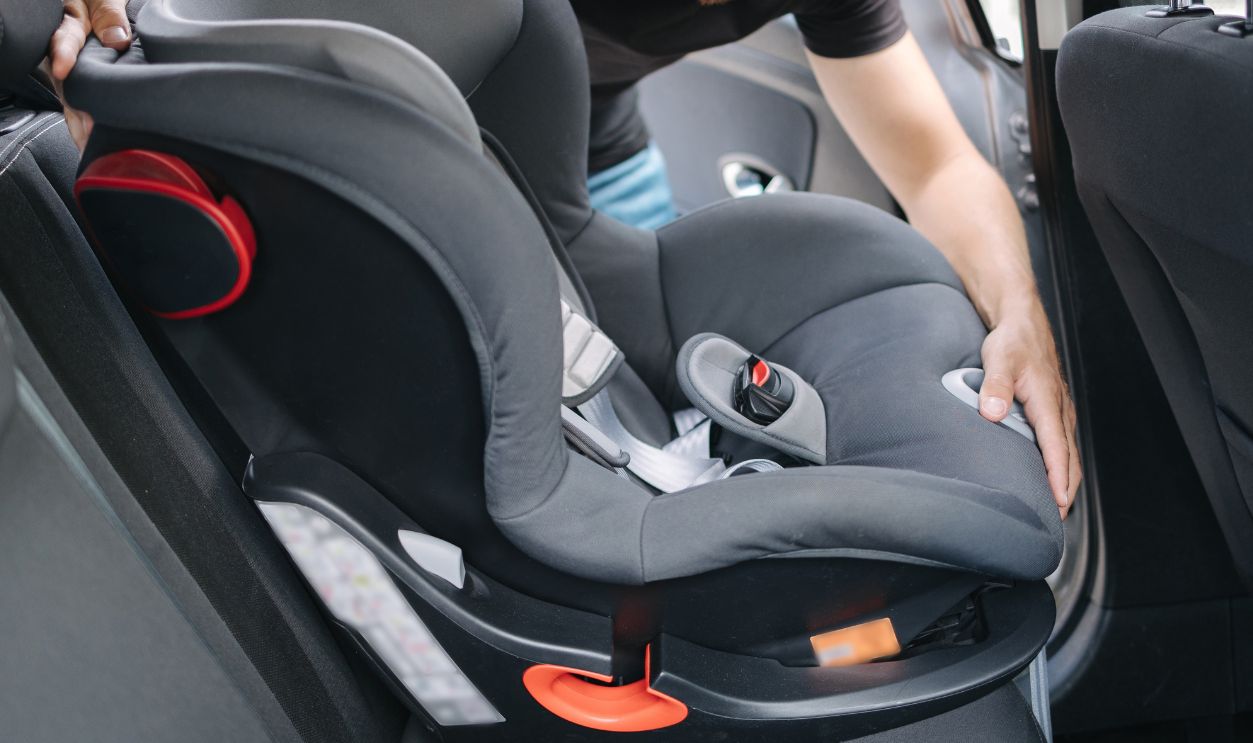
Renting Vs. Bringing Your Own
Renting can be convenient, but it comes with its own concerns—cleanliness, unknown history, and limited selection. For many parents, bringing their own seat still feels like the safest choice.

Lessons Learned The Hard Way
If there’s one takeaway from this experience, it’s this: always check your airline’s car seat policy before you fly. Not after you’ve reached the gate with a line behind you.

What I’ll Do Differently Next Time
Next time, I’ll call ahead, confirm cabin compatibility, and possibly invest in a high-quality travel bag. Because peace of mind is worth a lot when you’re traveling with kids.

The Bigger Travel Reality
Traveling with children is unpredictable enough without policy surprises. Moments like this highlight how important clear communication—and a little empathy—can be from airlines.
Final Thoughts From The Boarding Line
In the end, our trip went smoothly, and the car seat survived its cargo hold adventure. But the stress? Completely avoidable. If airlines made these policies clearer—and maybe handled car seats with a bit more care—it would make a world of difference for traveling families everywhere.

You May Also Like:
Archaeologists have found the most terrifying curse tablet ever discovered near Jerusalem.





.jpg)