The Fire Ritual Frozen In Paint
Deep in the rugged valleys of Tajikistan, archaeologists uncovered a striking fresco that sheds light on an ancient and often overlooked spiritual world. Hidden within the ruins of the Silk Road city of Penjikent, the artwork reveals a ceremonial Zoroastrian ritual painted more than a thousand years ago. The discovery not only brings ancient religious traditions back into view but also highlights the vibrant cultural crossroads that once defined Central Asia. Through the Penjikent murals, archaeologists are piecing together a fascinating story about faith, art, and daily life in one of the ancient world’s most dynamic regions.
A City Lost To Time
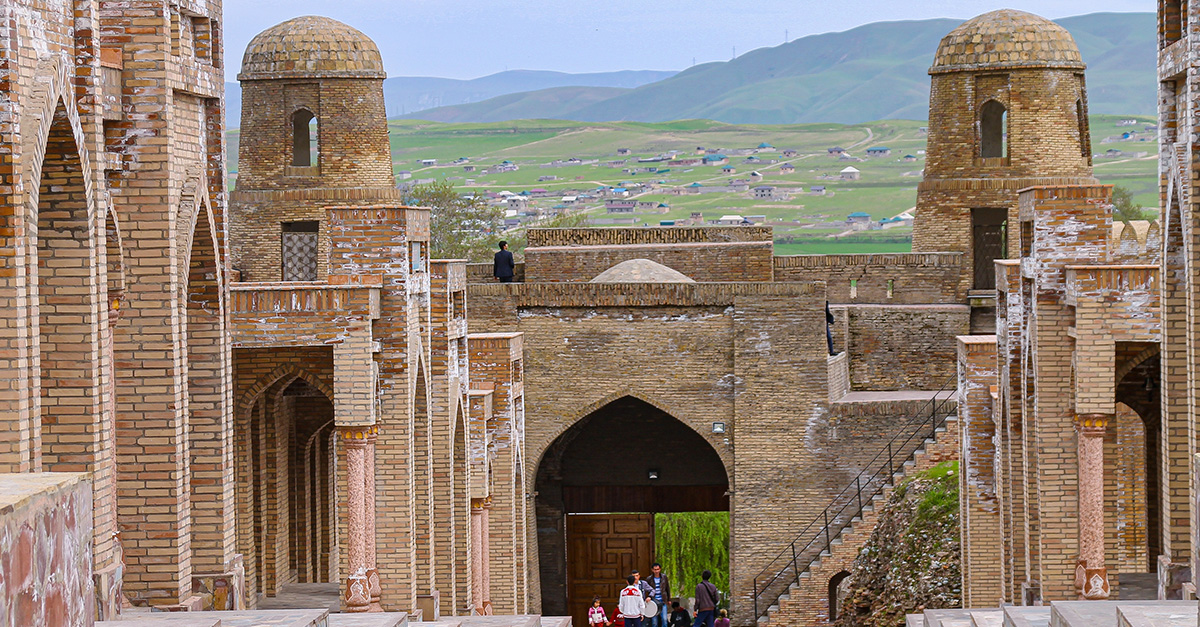
The murals come from the ruins of ancient Penjikent, a once-thriving Sogdian city perched on a terrace above the Zeravshan River in modern-day Tajikistan. Founded in the 5th century CE, the city flourished as a wealthy trading hub on the Silk Road before being abandoned in the early 8th century during the Arab conquest of Transoxiana. Because the ruins were never heavily rebuilt, archaeologists have been able to study the remains in remarkable detail.
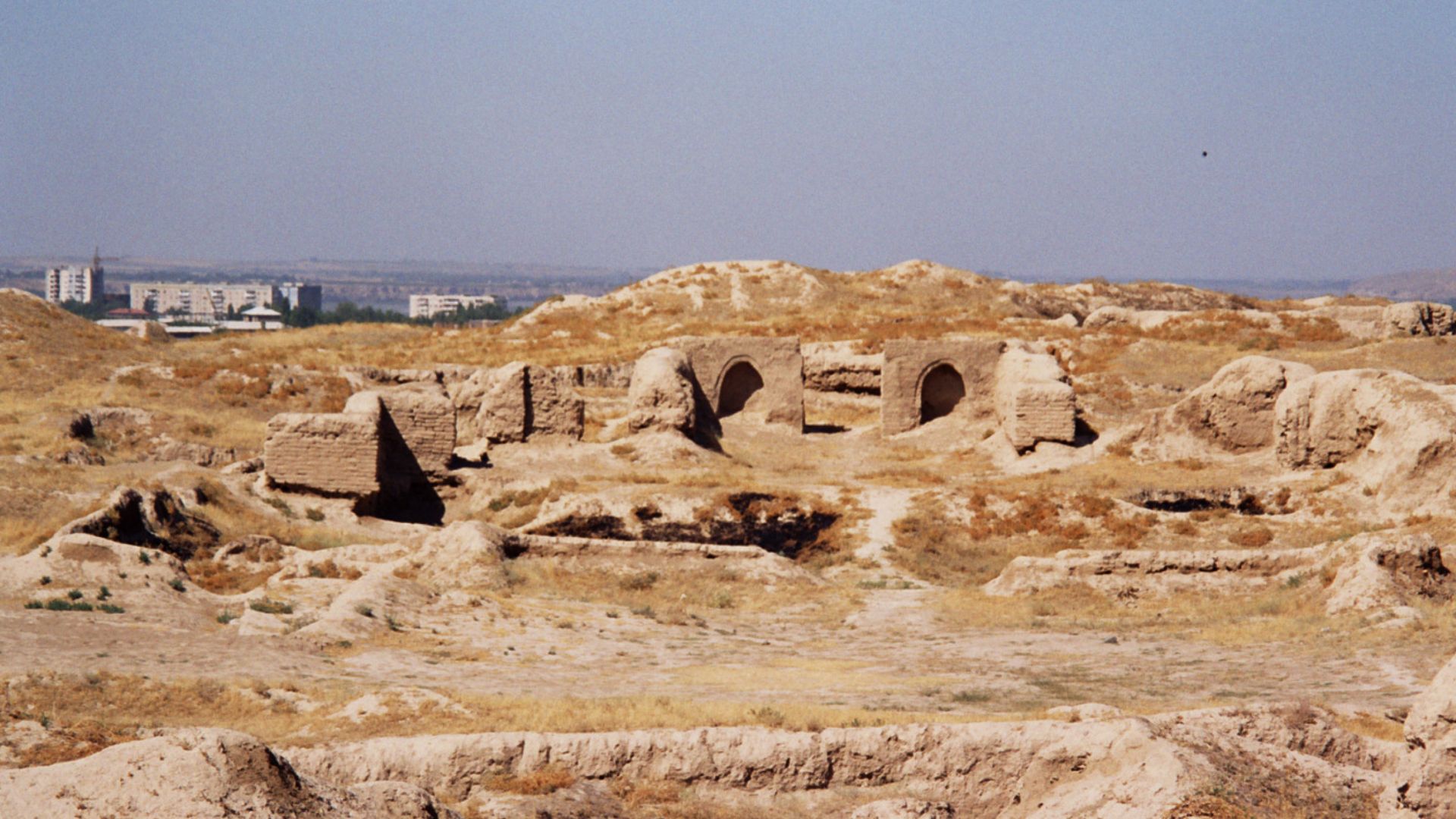 upyernoz from Haverford, USA, Wikimedia Commons
The Sogdians Of The Silk Road
Penjikent was home to the Sogdians, a powerful network of merchants who dominated Silk Road trade for centuries. Their cities served as cultural bridges between China, India, Persia, and the Mediterranean world. The murals found in Penjikent vividly reflect this cosmopolitan society, showing influences from many artistic traditions and cultures that met along these trade routes.
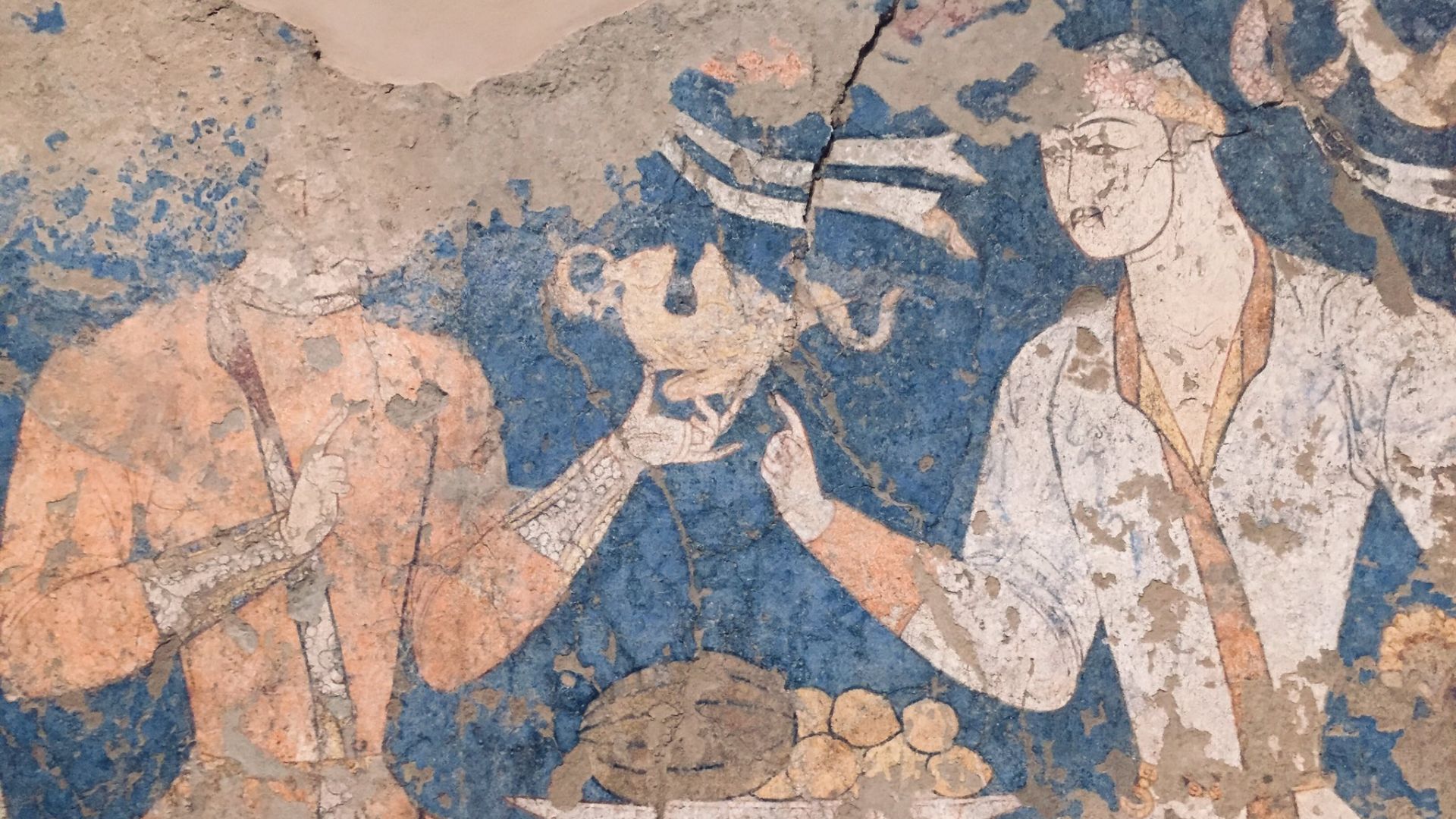 Sogdian master, Wikimedia Commons
Walls That Tell Stories
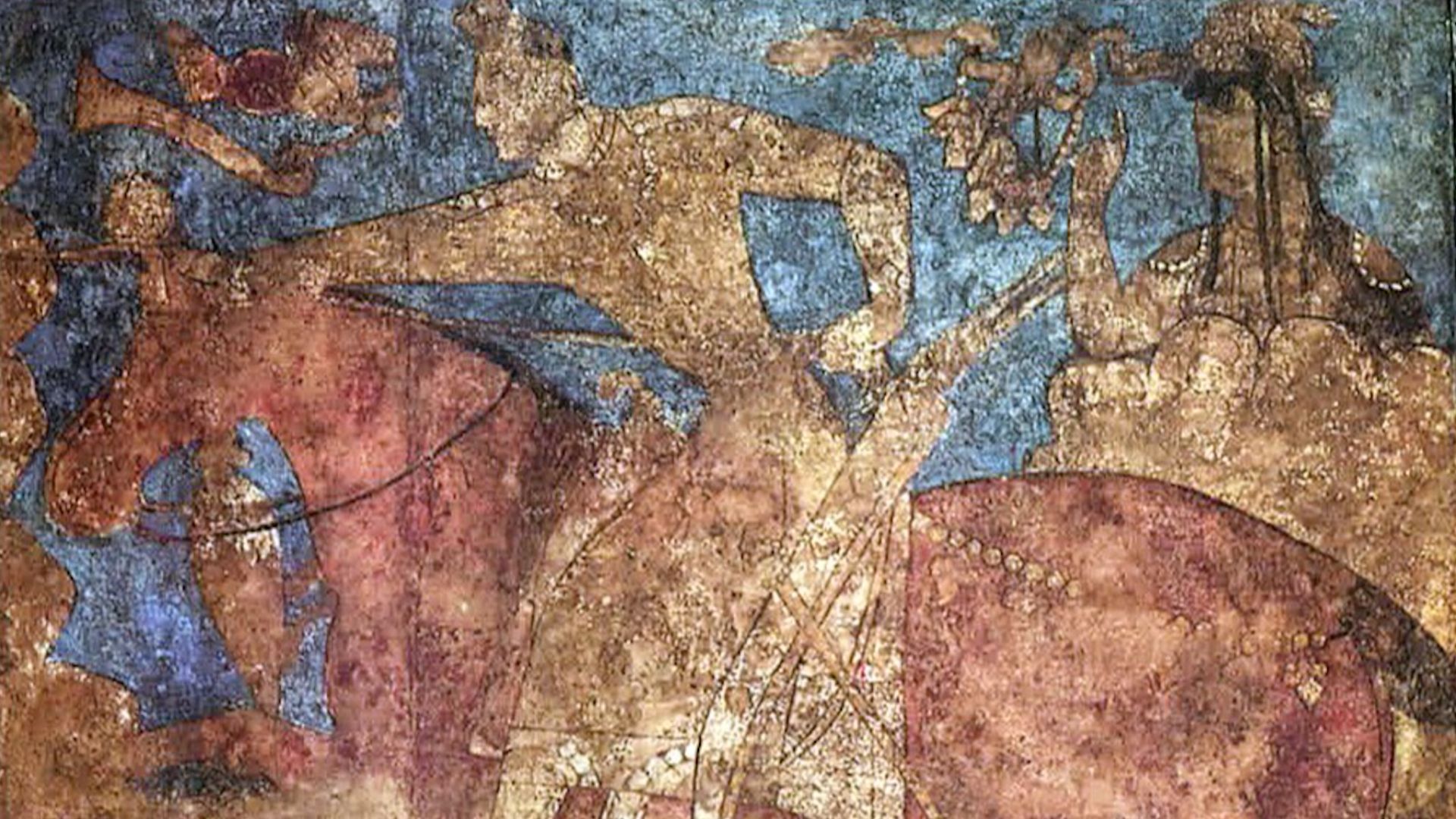
Inside Penjikent’s homes and palaces, walls were rarely left blank. Wealthy residents decorated entire halls with colorful narrative murals that depicted myths, battles, banquets, and religious ceremonies. These paintings functioned almost like illustrated storybooks of the ancient Sogdian world, offering modern archaeologists invaluable insight into the beliefs and imagination of the people who lived there.
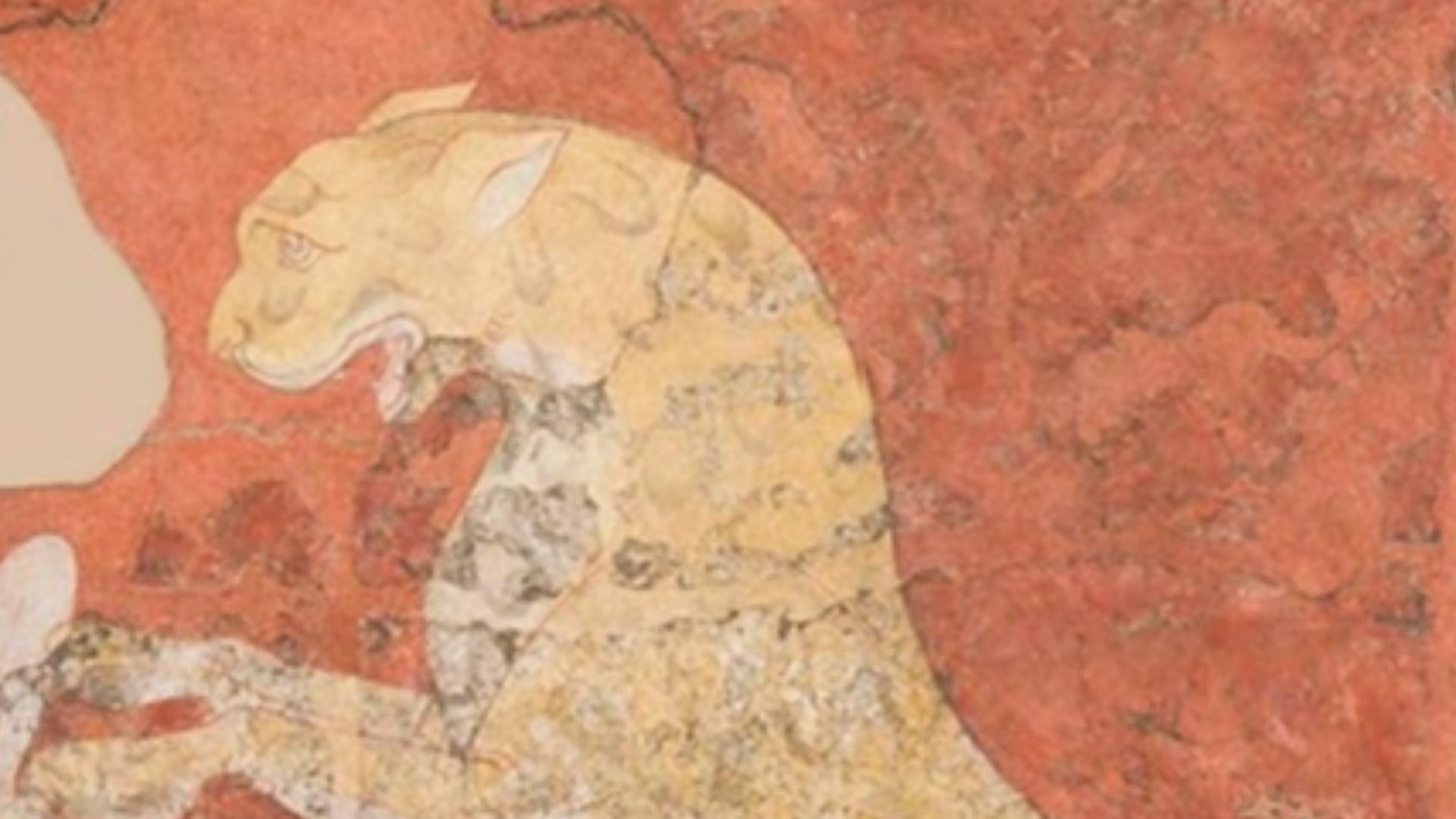 Anonymous 8th-century Sogdian artist, Wikimedia Commons
The Famous Penjikent Murals
Today, the Penjikent murals are considered among the most important examples of pre-Islamic Central Asian art. Created between the late 5th century and early 8th century CE, they represent the earliest known surviving murals from the Sogdian culture. Many of the recovered paintings are now displayed in museums such as the Hermitage in St. Petersburg and the National Museum of Antiquities of Tajikistan.
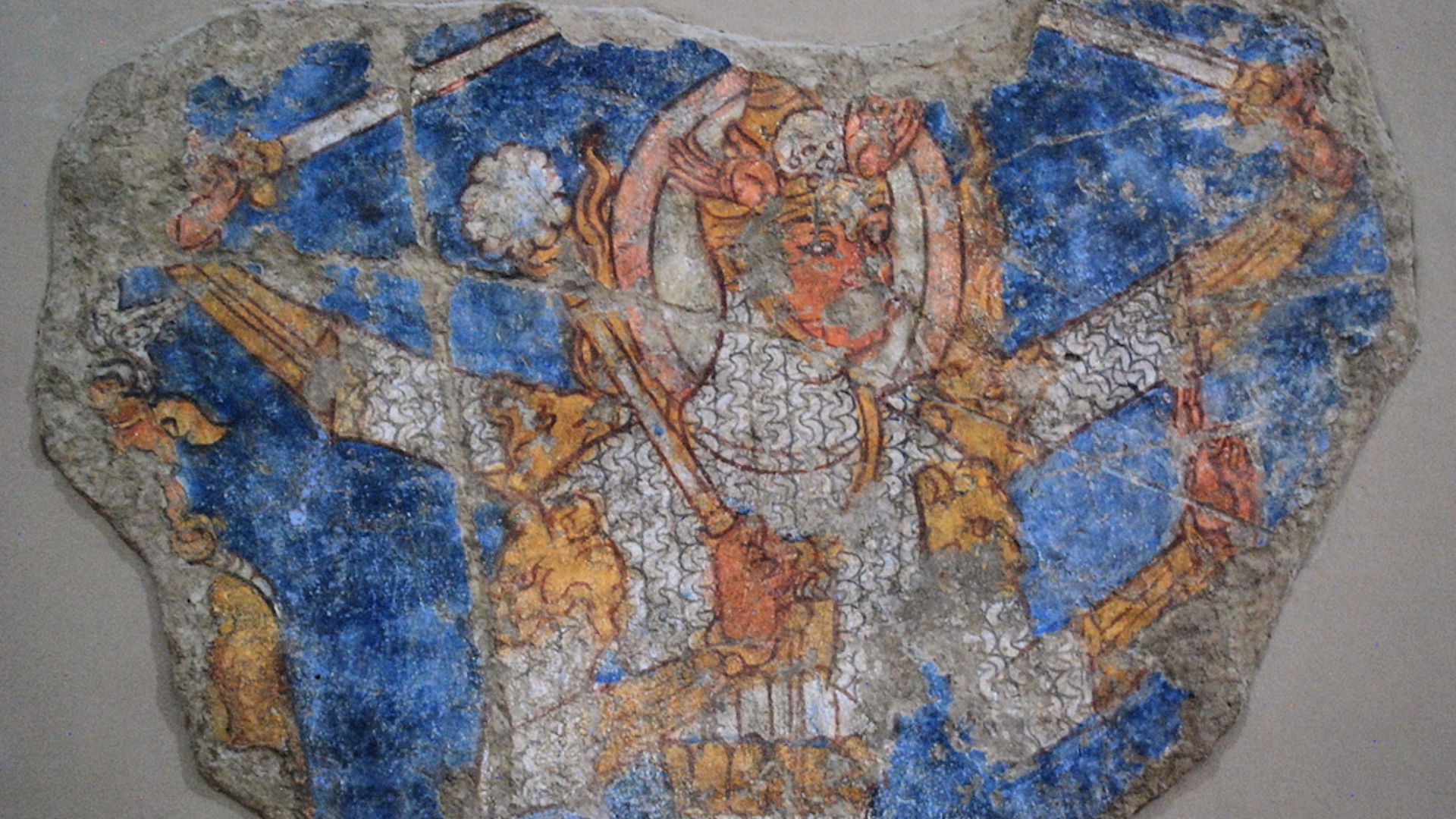 Jeffrey C Rozwadowski, Wikimedia Commons
A Remarkable New Discovery
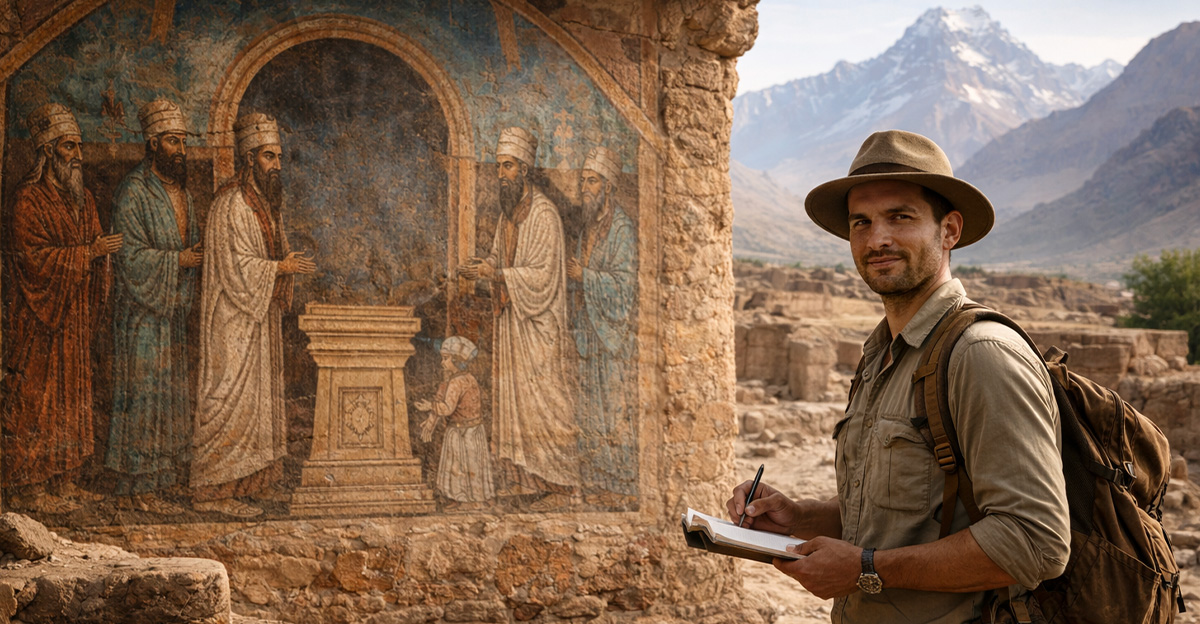
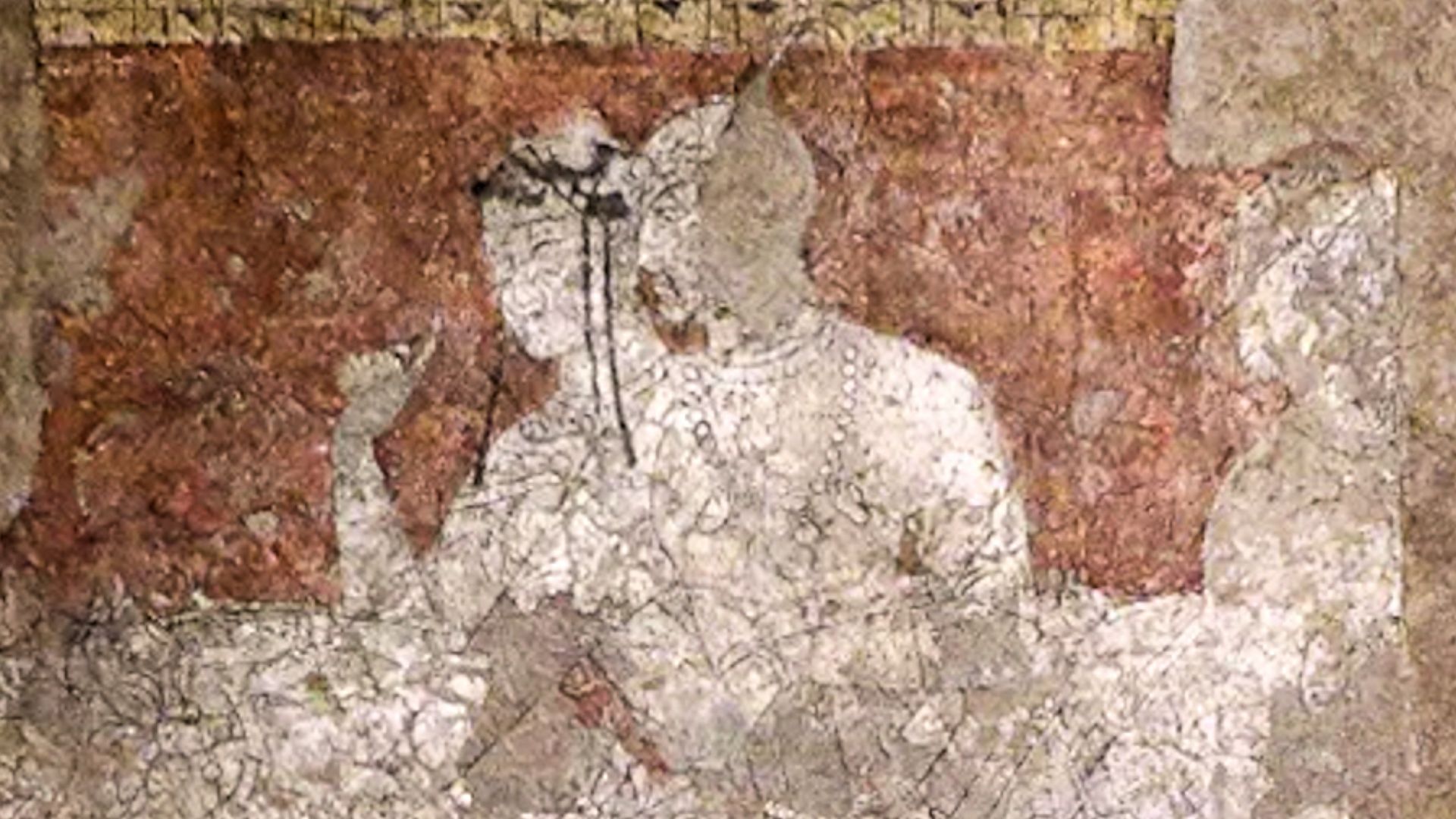
Among the many murals discovered at the site, archaeologists recently identified a particularly intriguing fresco depicting a ceremonial ritual. The scene shows priests gathered around a fire altar—an unmistakable symbol of Zoroastrian worship. This rare visual record provides a glimpse into the religious practices of the Sogdian elite and how ritual ceremonies may have been conducted.
 Undetermined, Wikimedia Commons
The Scene In The Fresco
The fresco portrays a solemn procession approaching a large fire altar beneath an architectural arch. Four priests appear to be leading the ritual, possibly accompanied by a child or young initiate. The figures are carefully arranged in a ceremonial formation, suggesting the scene depicts a formal religious rite rather than an everyday activity.
Fire At The Center Of Faith
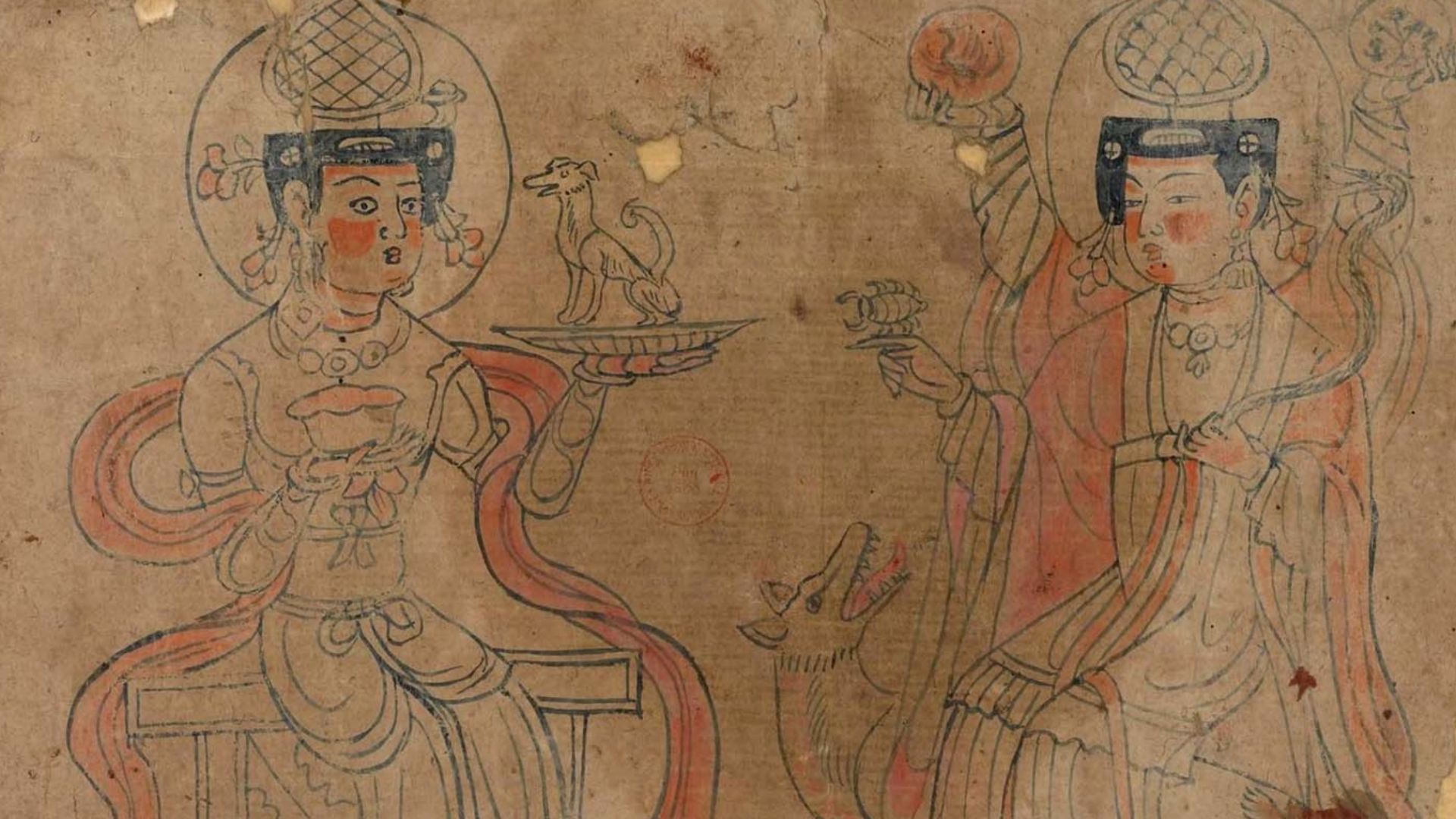
In Zoroastrianism, fire is a powerful symbol of purity, truth, and divine presence. Sacred flames burned continuously in temples and were central to many rituals. The Penjikent fresco captures this spiritual symbolism, showing how fire worship formed a core part of ceremonial life in ancient Central Asia.
 Bernard Gagnon, Wikimedia Commons
One Of The World’s Oldest Religions
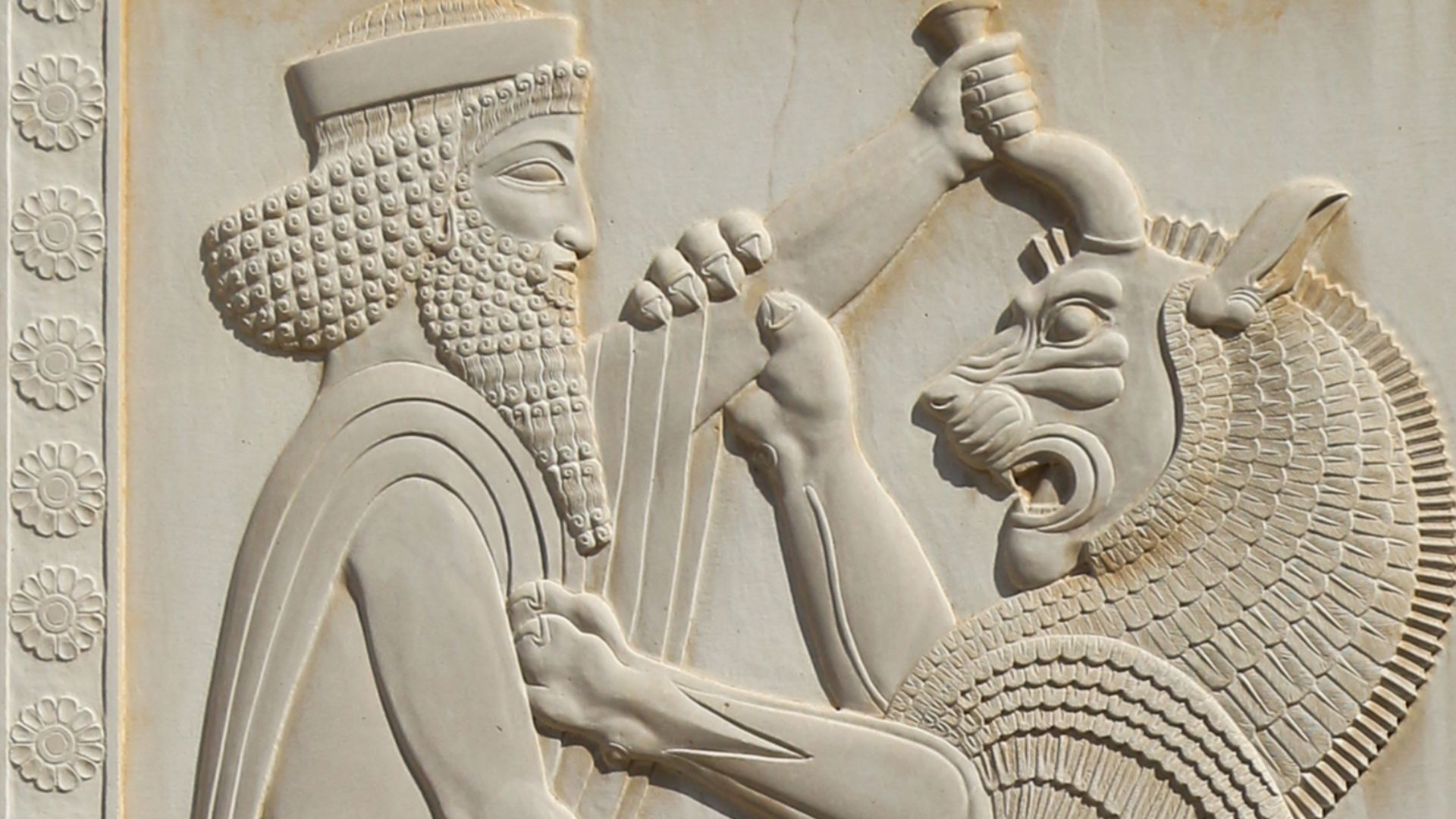
Zoroastrianism originated in ancient Persia more than 3,000 years ago and was once one of the most influential religions in the world. At its height, it shaped the spiritual life of much of the Iranian plateau and Central Asia. The Penjikent fresco demonstrates how deeply its traditions extended along the Silk Road.
Zoroastrianism In Central Asia
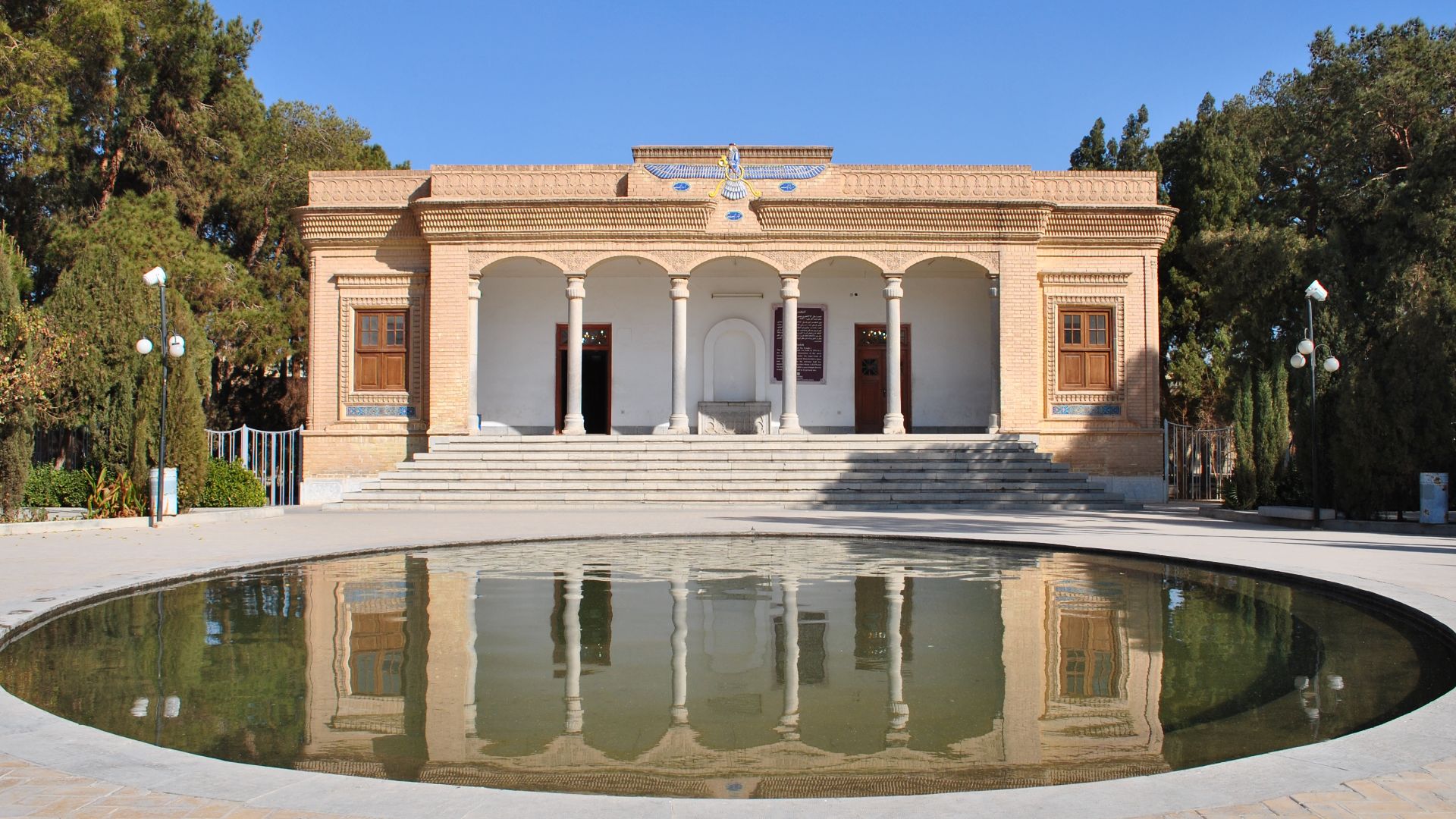
While Zoroastrianism is most closely associated with ancient Persia, the religion took on unique regional forms across Central Asia. The Sogdians practiced a version that blended traditional Zoroastrian beliefs with local customs and influences from neighboring cultures. This mixture of traditions is clearly reflected in the Penjikent murals.
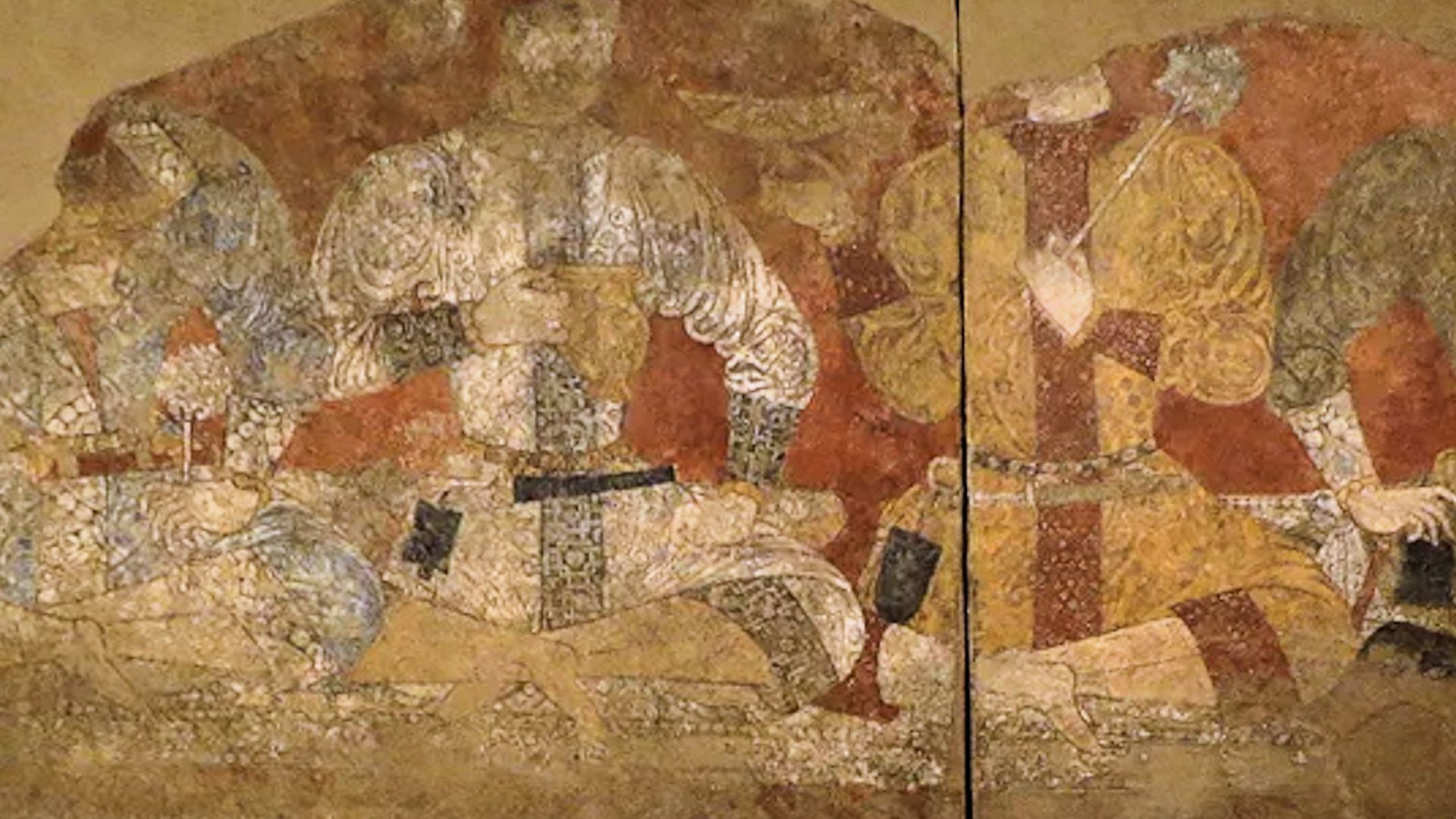 Undetermined, Wikimedia Commons
A Religious Melting Pot
The Sogdian world was incredibly diverse. Archaeological evidence suggests that Zoroastrianism existed alongside Buddhism, Christianity, Hindu traditions, and local cults. This spiritual pluralism made Central Asia one of the most fascinating religious landscapes of the ancient world.
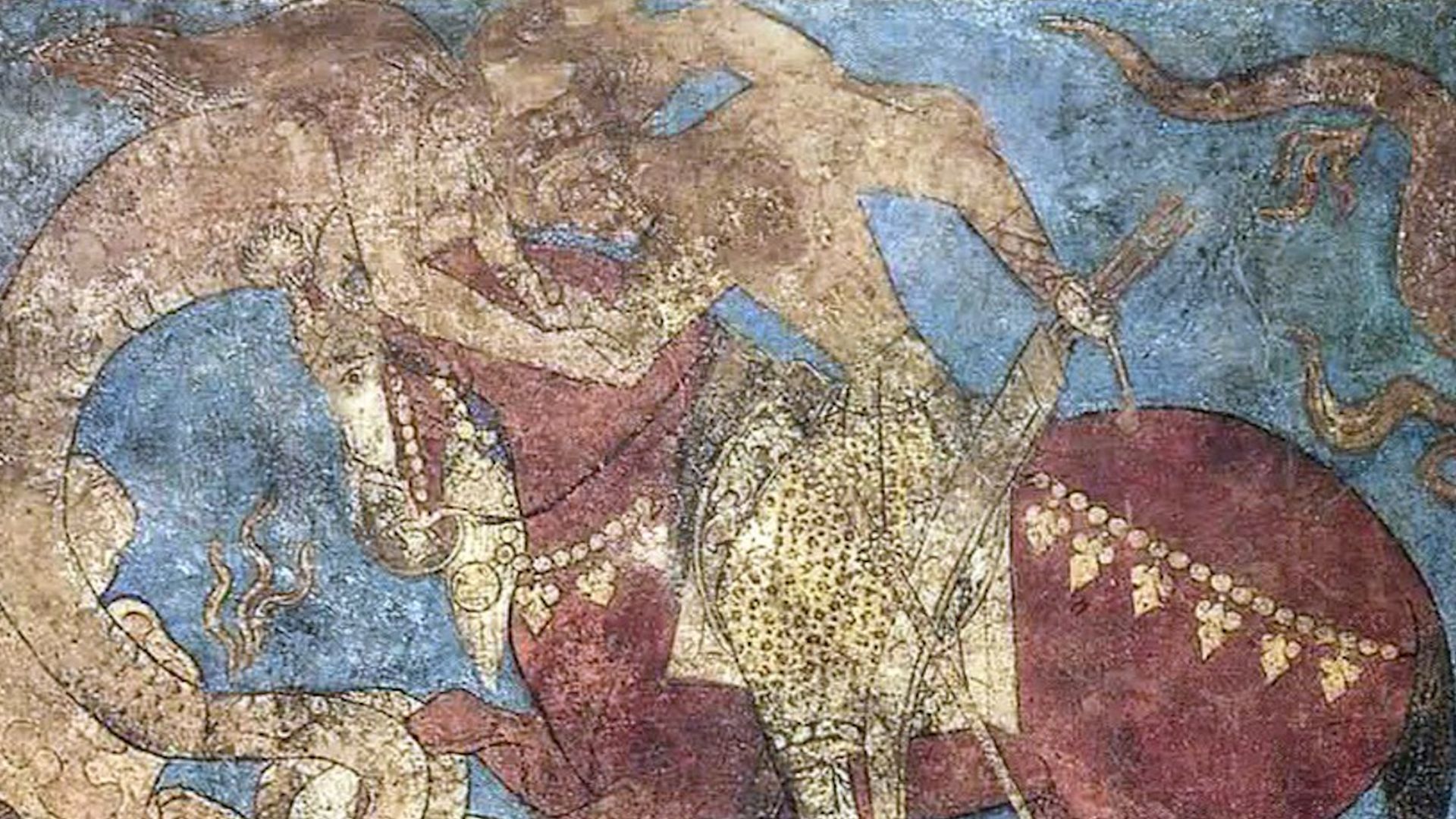
Murals As Windows Into Belief
Because few written records from Sogdian society survive, the murals serve as one of the most important sources for understanding their religious beliefs. Every detail—from clothing and gestures to architectural elements—helps researchers interpret the rituals and myths represented on the walls.
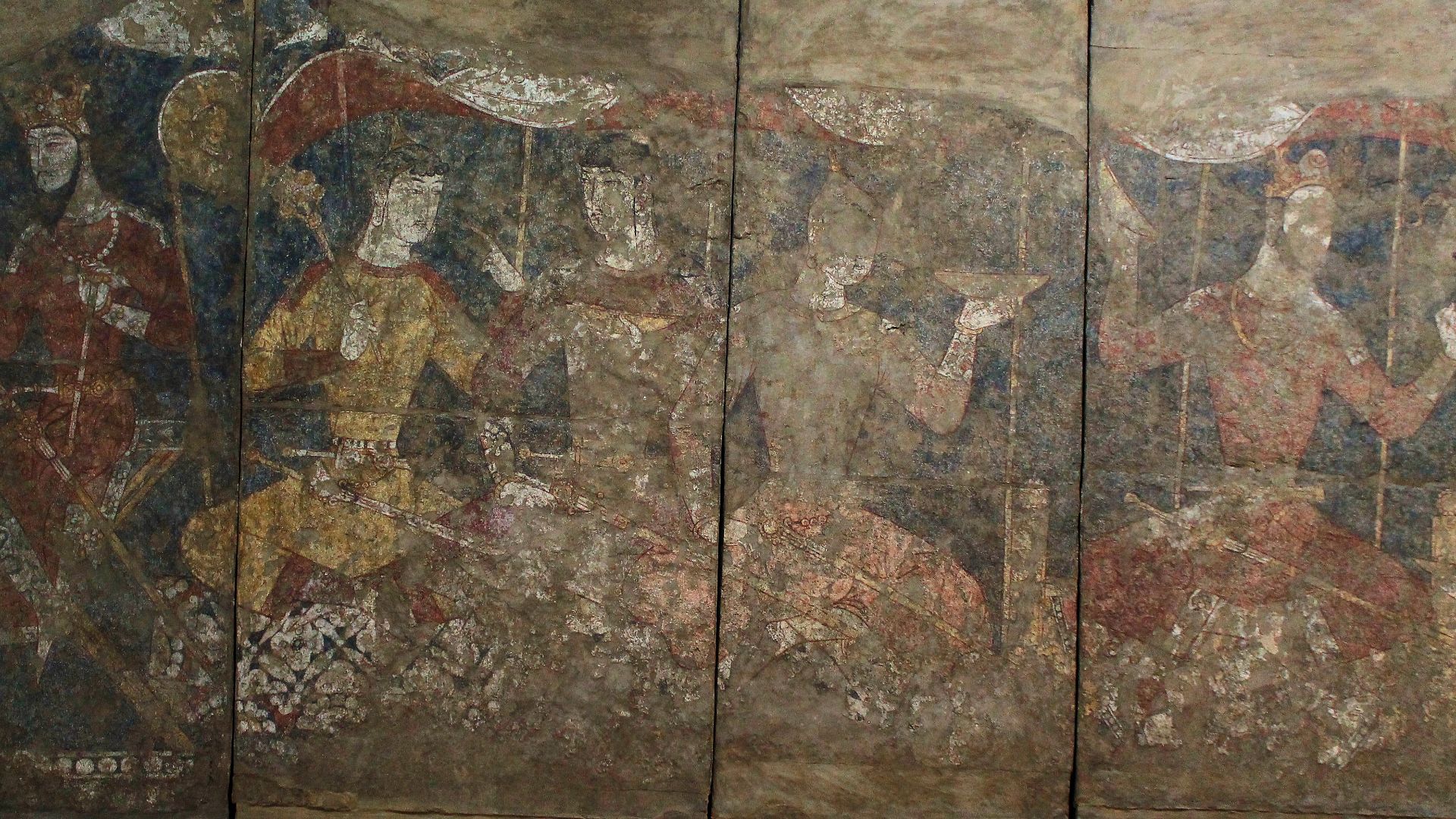 Robert Wilson, Wikimedia Commons
The Artistic Style Of Penjikent
The murals are famous for their vivid colors, expressive characters, and dynamic storytelling. Artists used pigments on plaster to create lively scenes that seem to capture moments frozen in time. Despite their age, many paintings remain remarkably vibrant.
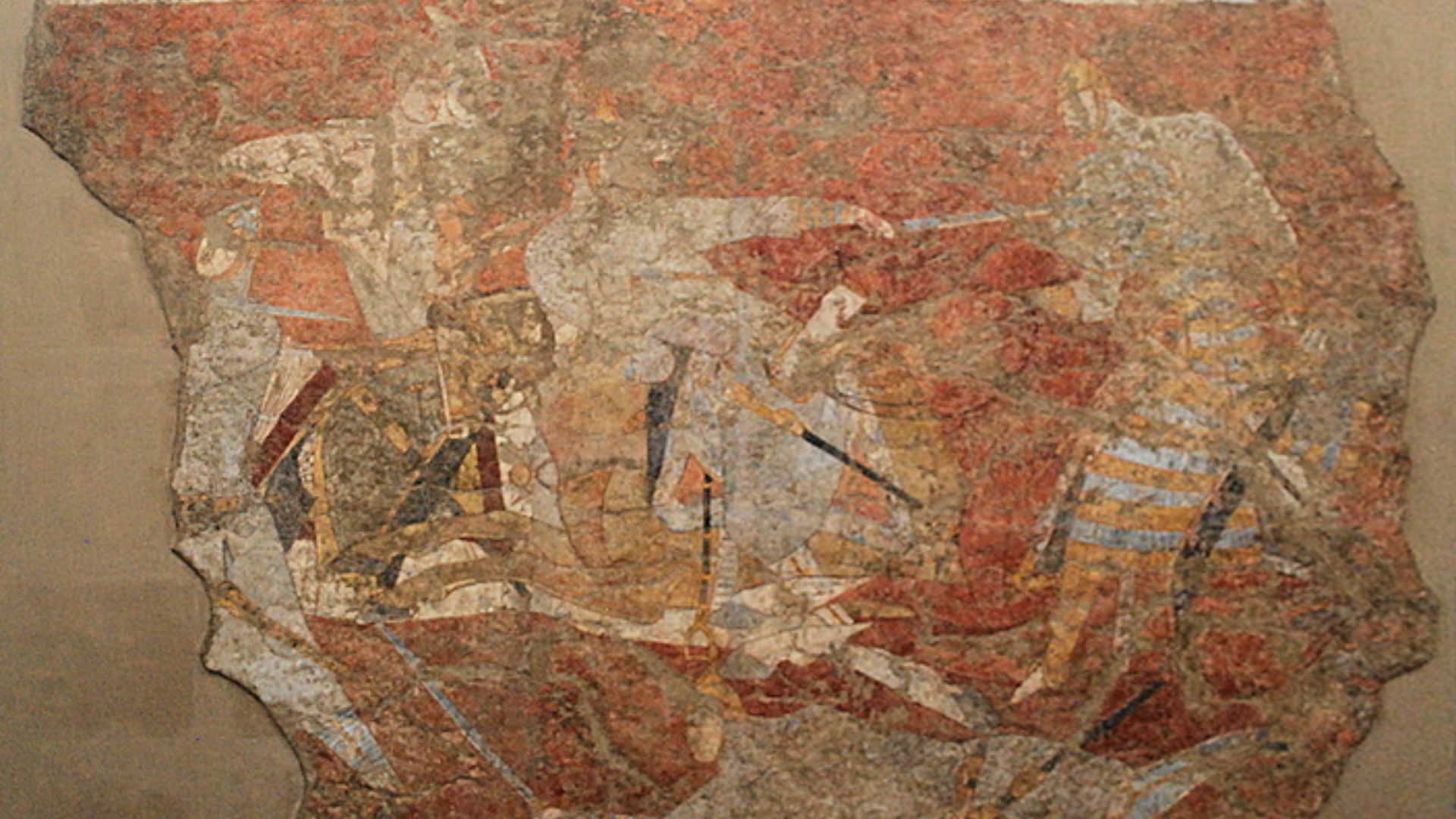 Jeff Rozwadowski, Wikimedia Commons
Influences From Across Eurasia
The style of Penjikent art reveals just how interconnected the Silk Road world was. Scholars have identified artistic influences ranging from Hellenistic Greek decoration to Indian mythological imagery and Persian storytelling traditions.
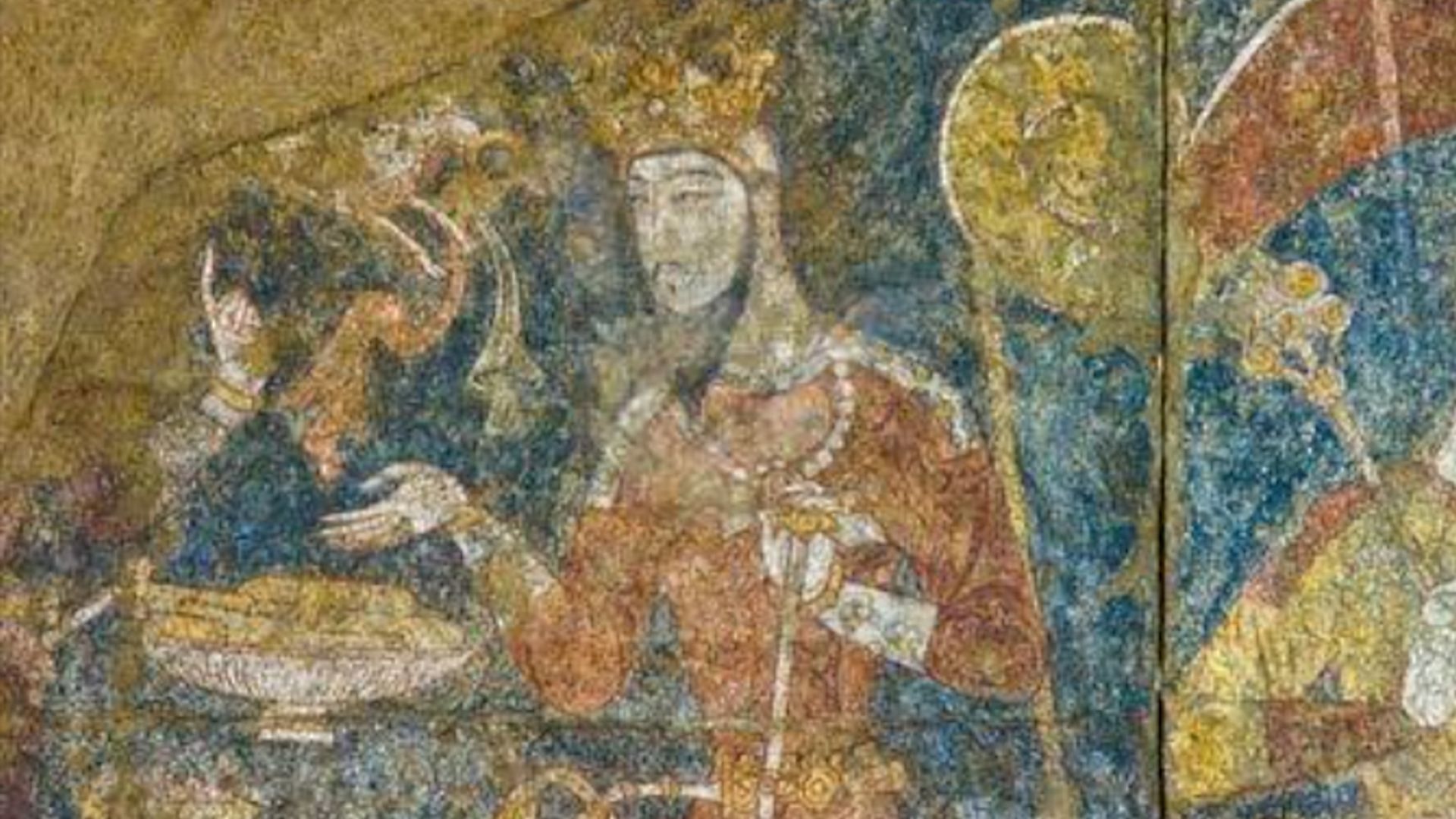
Heroes, Gods, And Legends
Not all Penjikent murals depict religious ceremonies. Many portray epic legends and heroic tales, including scenes linked to the Iranian epic tradition later recorded in the Shahnameh. These stories feature legendary heroes battling demons and monsters, bringing mythological drama to the walls of ancient homes.
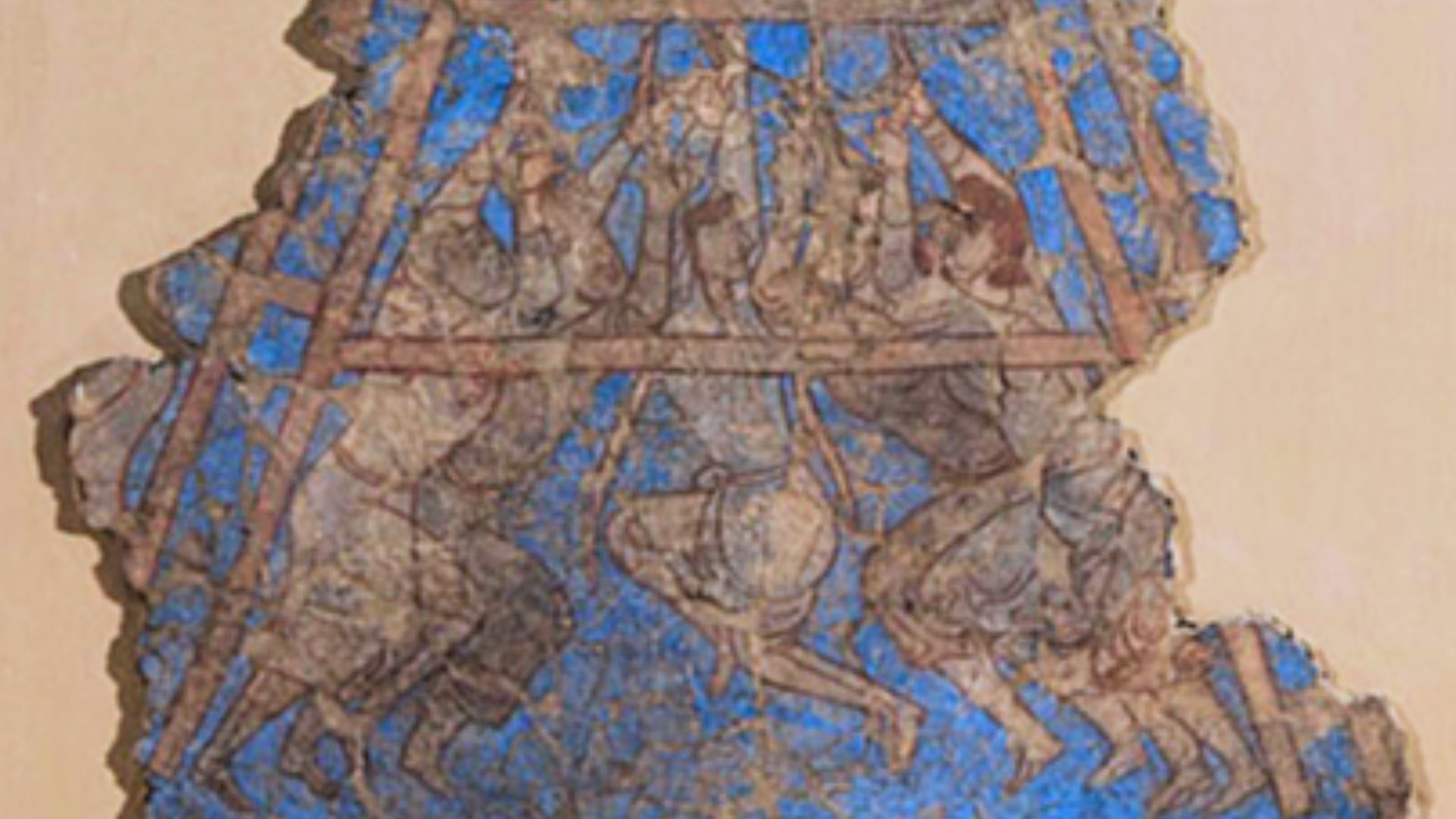 Photographer: The State Hermitage Museum, Wikimedia Commons
Everyday Life On Display
Alongside epic myths and religious scenes, the murals also capture glimpses of everyday Sogdian life. Archaeologists have found images of banquets, musicians, merchants, and warriors. These scenes reveal a lively society that valued both storytelling and celebration.
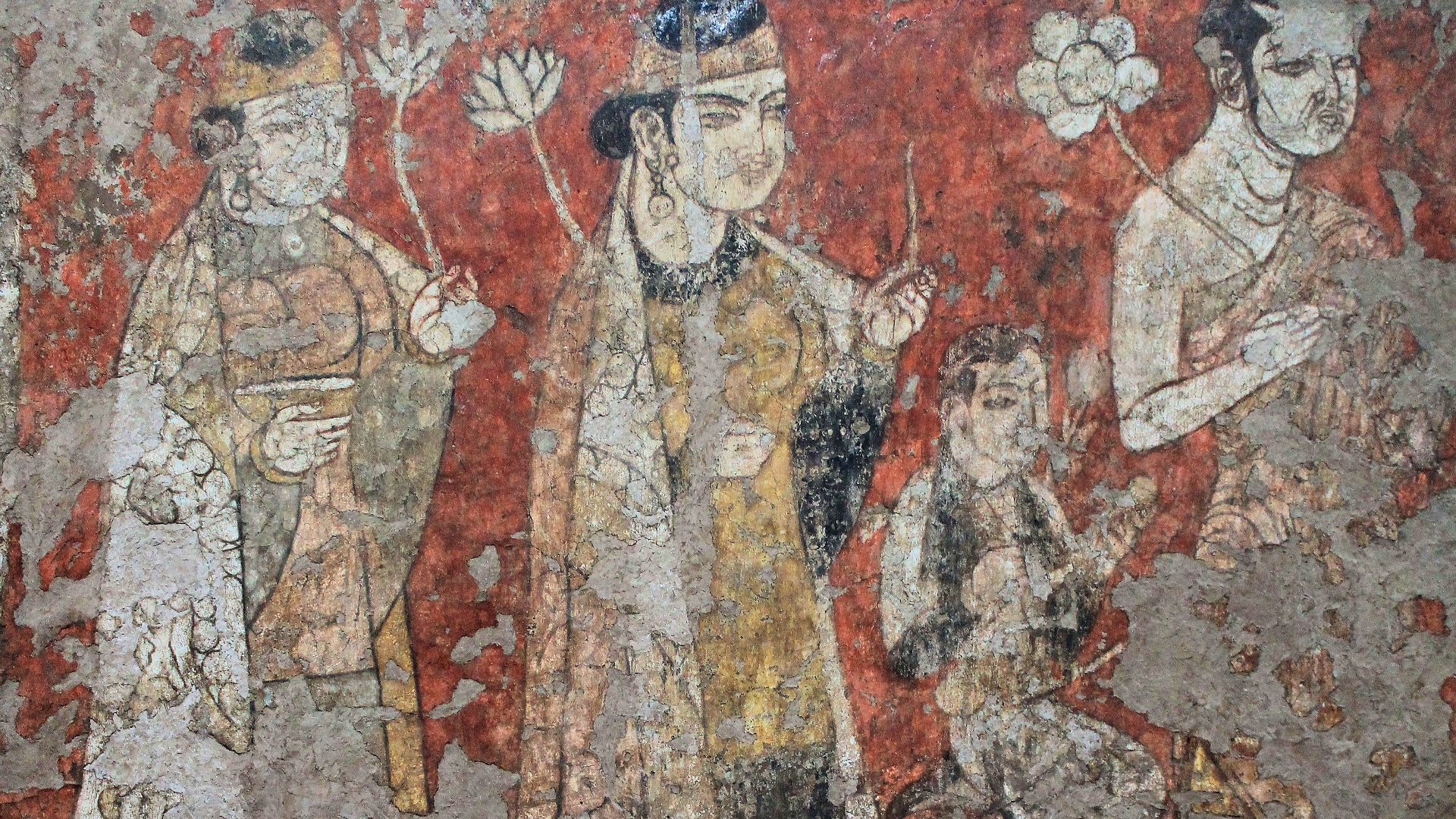 Robert Wilson, Wikimedia Commons
Houses Decorated Like Galleries
Many wealthy homes in Penjikent had reception halls lined with painted panels. Guests would sit on clay benches along the walls while admiring elaborate narrative scenes painted above them. In many ways, these rooms functioned like private art galleries filled with cultural symbolism.
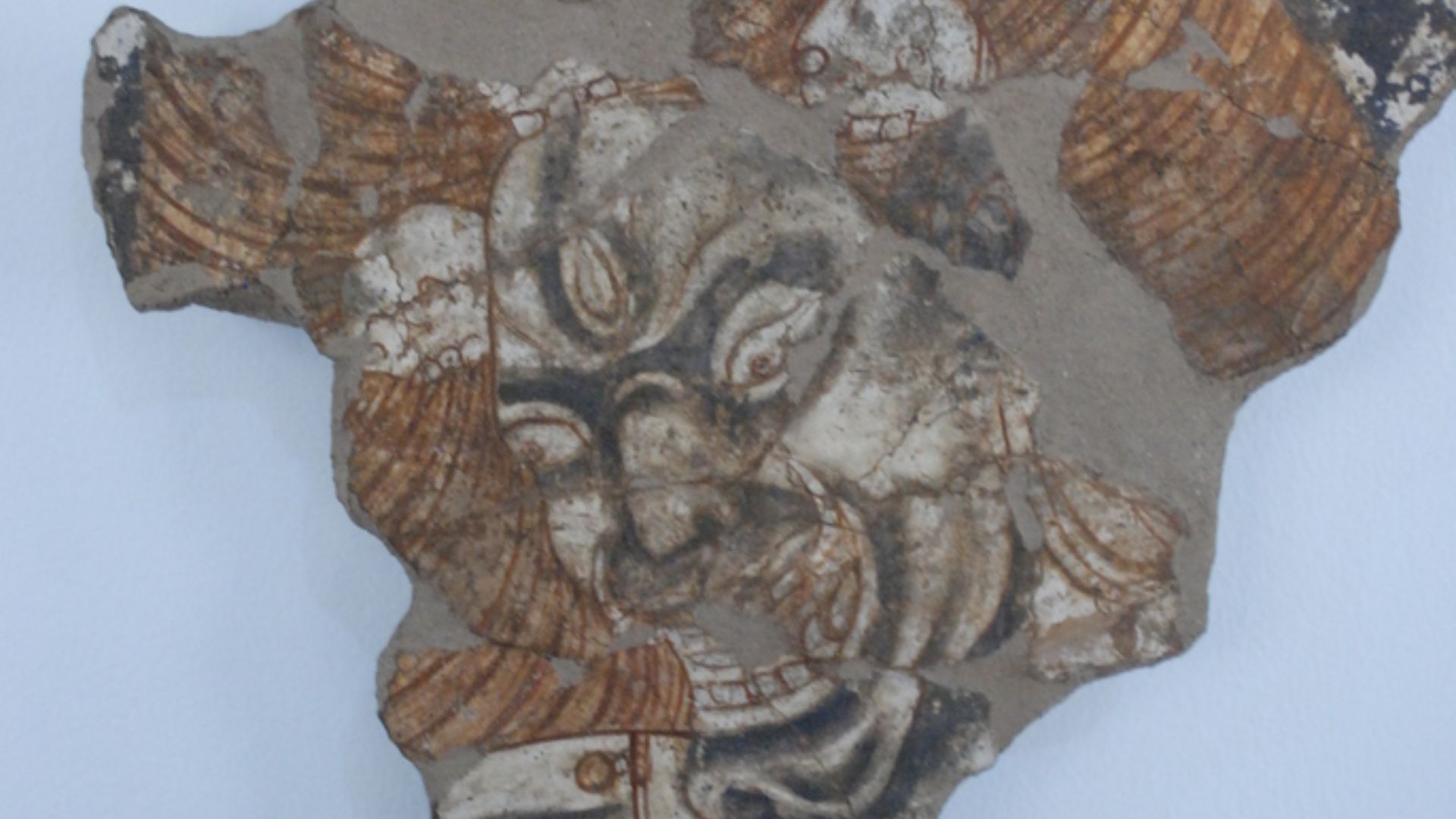 Jeff Rozwadowski, Wikimedia Commons
The Palace Where The Fresco Was Found
The Zoroastrian ritual fresco was discovered within a palace complex near Penjikent. Archaeologists believe it may have belonged to an elite Sogdian ruler or governor, suggesting that religious ceremonies were closely tied to political authority and royal identity.
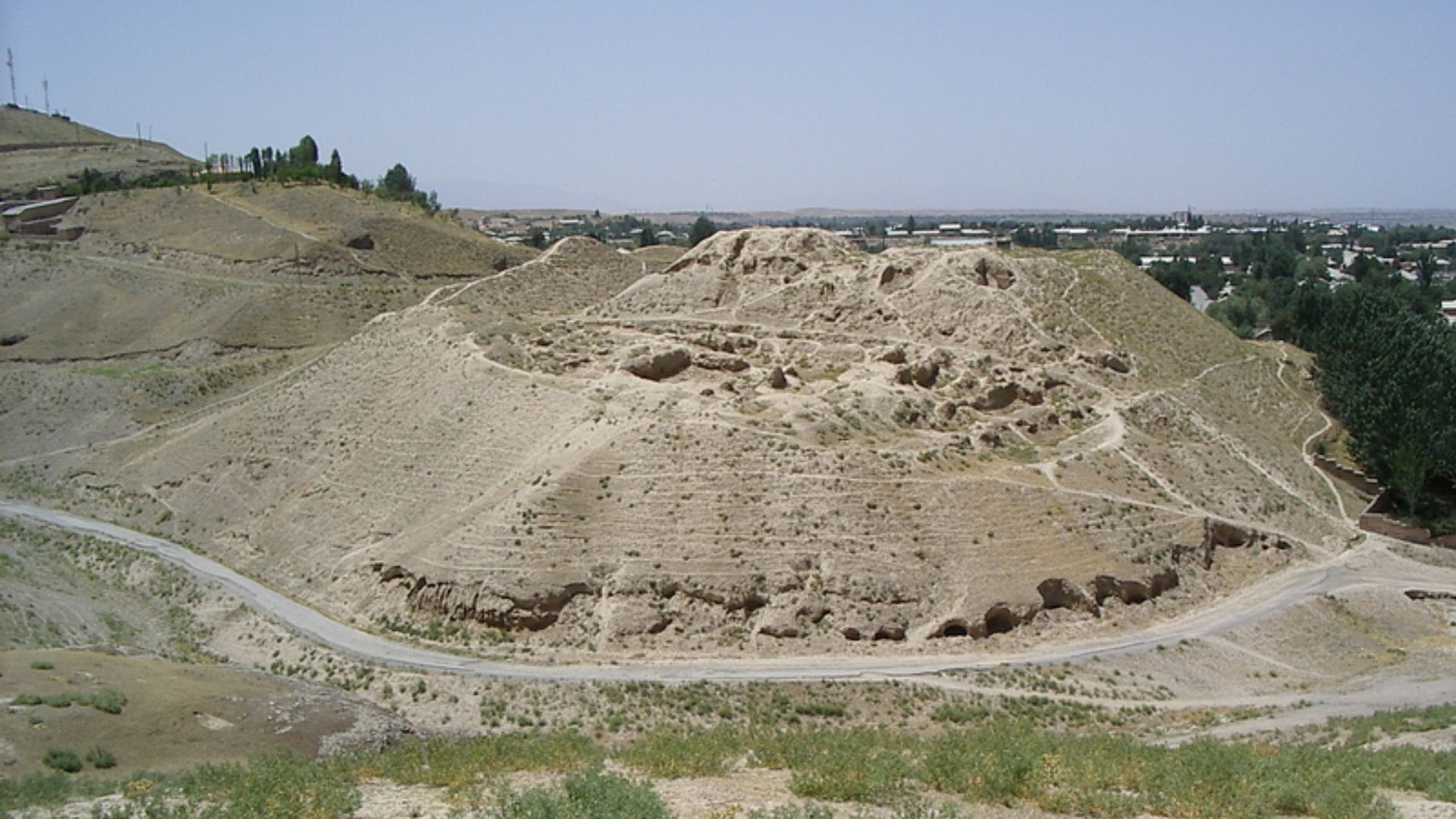 faqparigine, Wikimedia Commons
Priests And Sacred Roles
The figures depicted in the fresco appear to represent priests conducting a sacred ceremony. Their clothing and posture indicate ritual authority, emphasizing the important role that religious specialists played in guiding community worship.
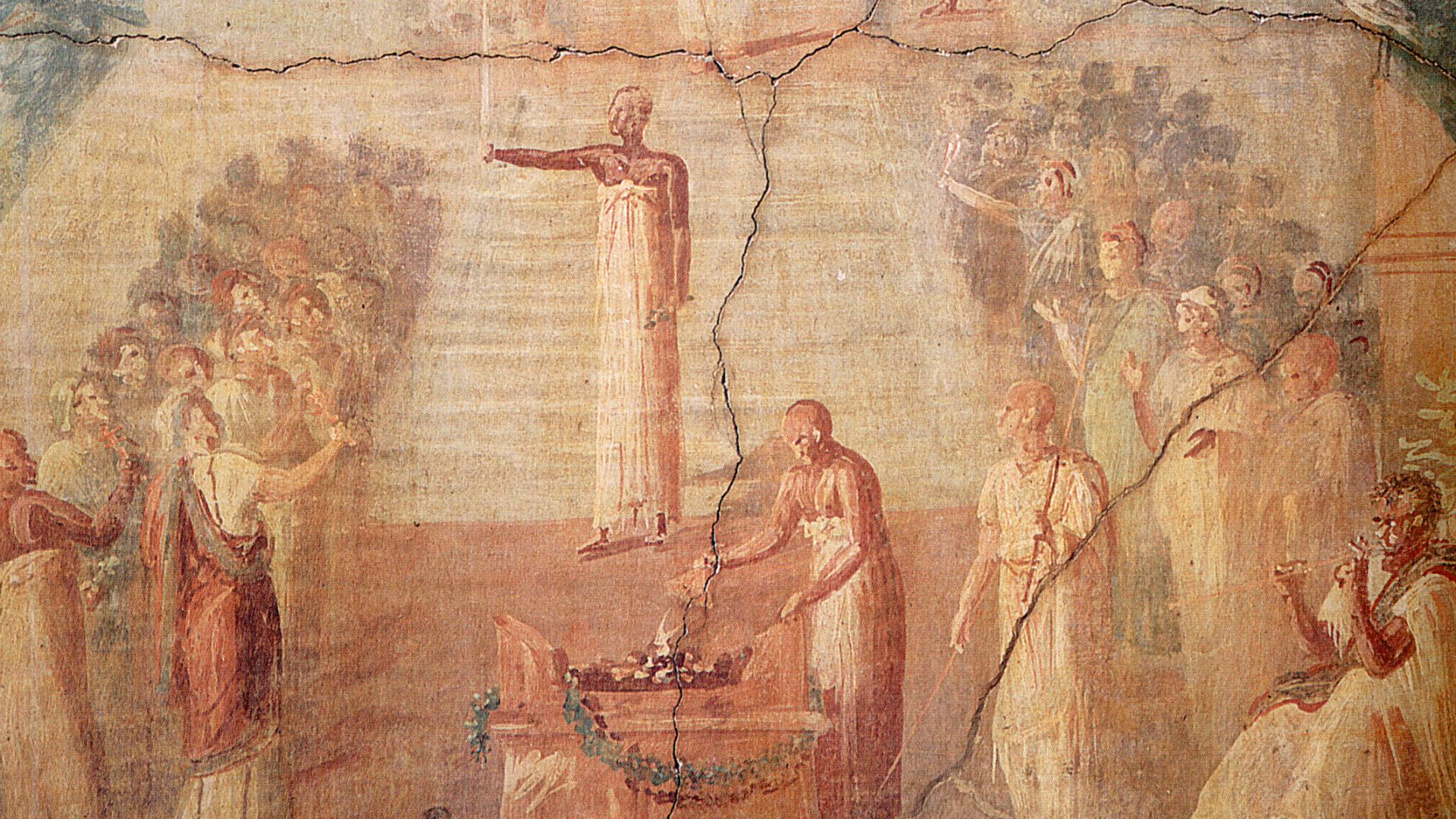 Unknown authorUnknown author, Wikimedia Commons
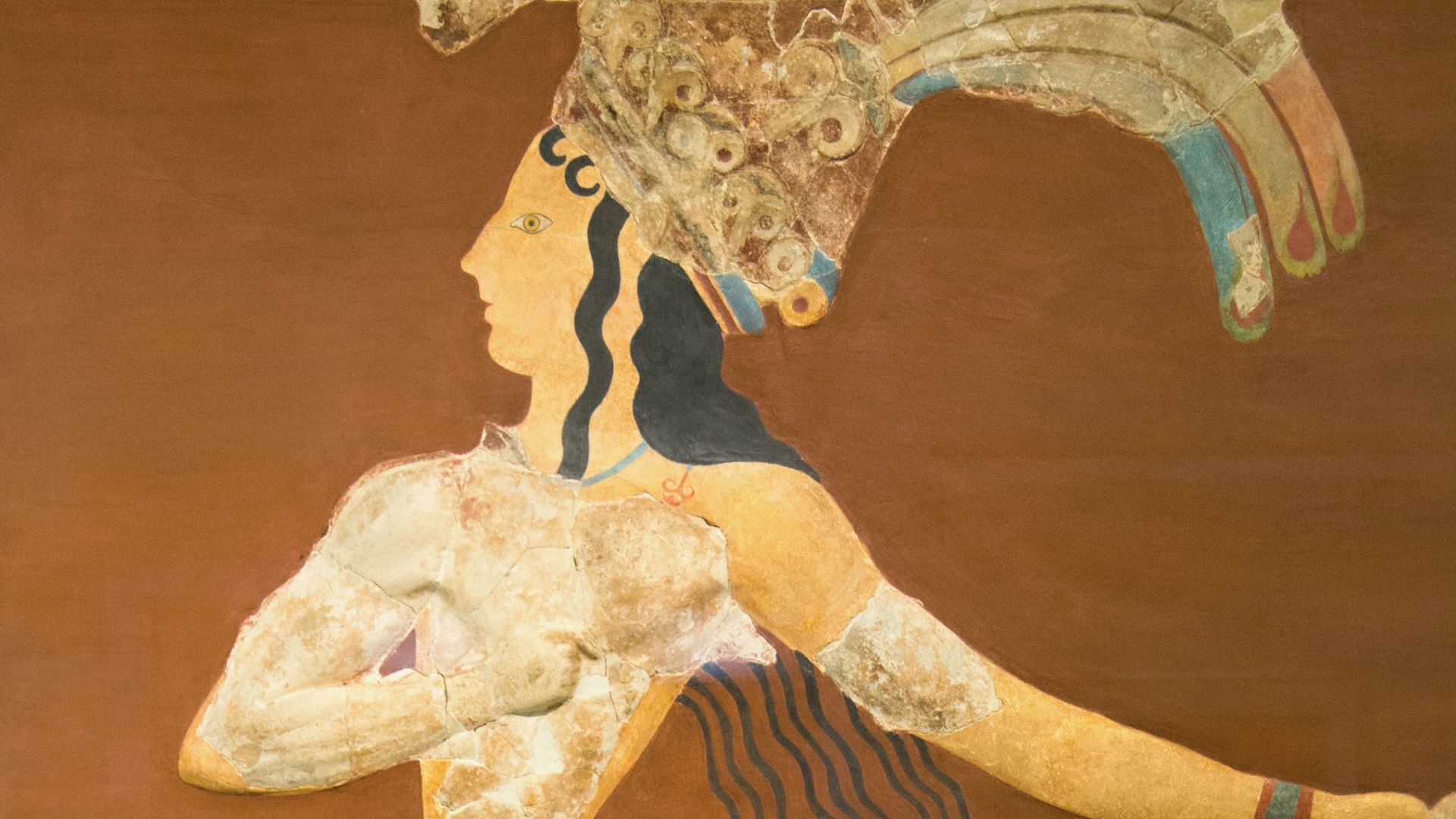
Ritual And Royal Power
In many ancient societies, religion and governance were deeply intertwined. The presence of ceremonial imagery in a palace setting suggests that rulers may have used religious rituals to reinforce their legitimacy and authority.
A Civilization Interrupted
Penjikent’s flourishing artistic culture came to an abrupt end in the early 8th century. During the Arab expansion into Central Asia, the city was conquered and eventually abandoned, leaving its painted halls to slowly decay beneath the desert soil.
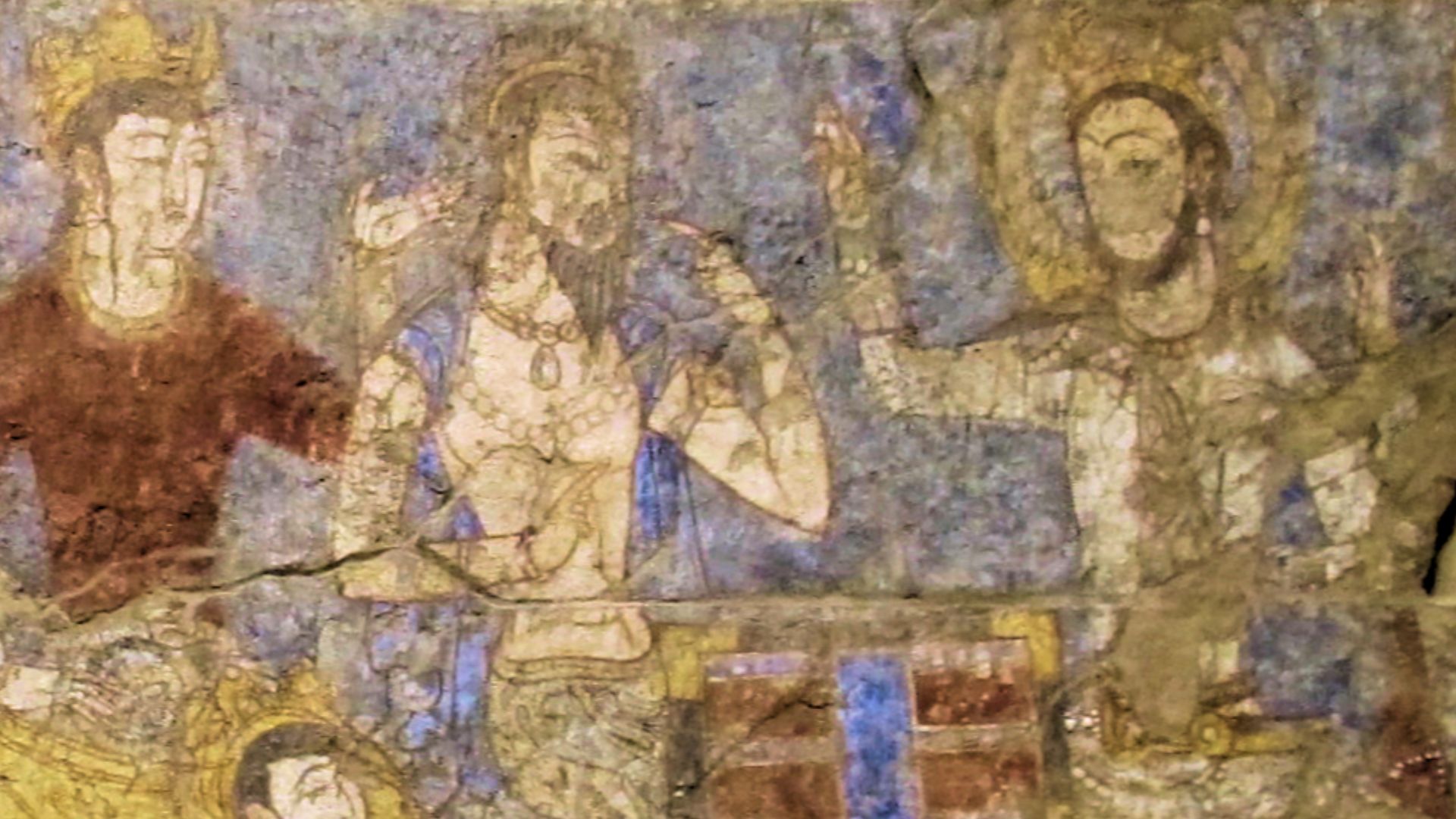
Excavating A Lost World
Modern excavations of Penjikent began in the 20th century and continue today. Archaeologists carefully recover fragments of murals from collapsed buildings, piecing them together like giant puzzles to reconstruct the ancient artwork.
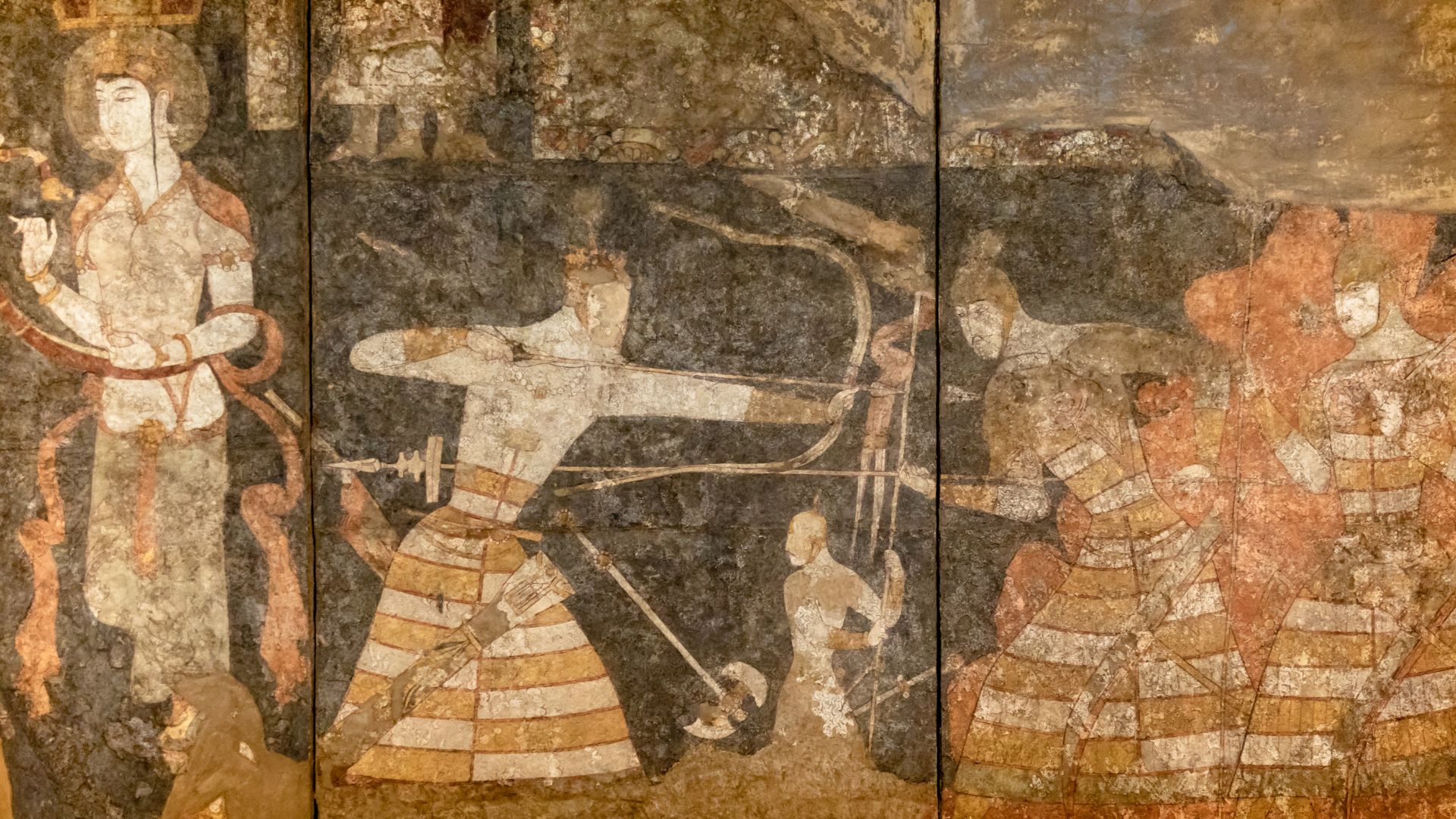 Ninara from Helsinki, Finland, Wikimedia Commons
Preserving Fragile Paintings
Because the murals were painted on plaster walls, they are extremely fragile. Conservators often remove sections of the artwork and transport them to museums where they can be stabilized and studied in controlled conditions.
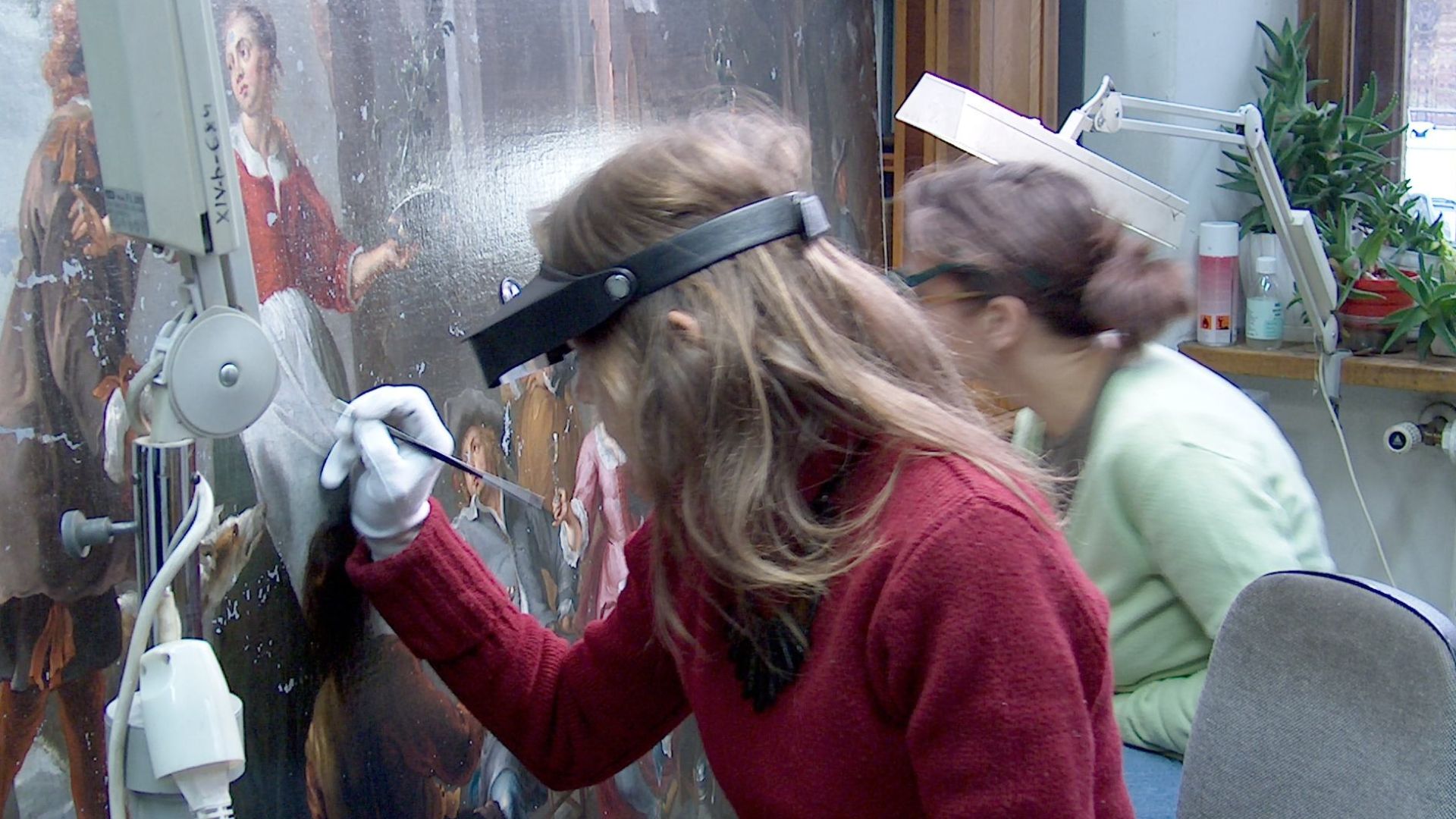
Where The Murals Are Today
Many of the best-preserved murals from Penjikent can now be seen in major museums. The Hermitage Museum in Russia and the National Museum of Antiquities in Dushanbe house impressive collections that allow visitors to experience the ancient art up close.
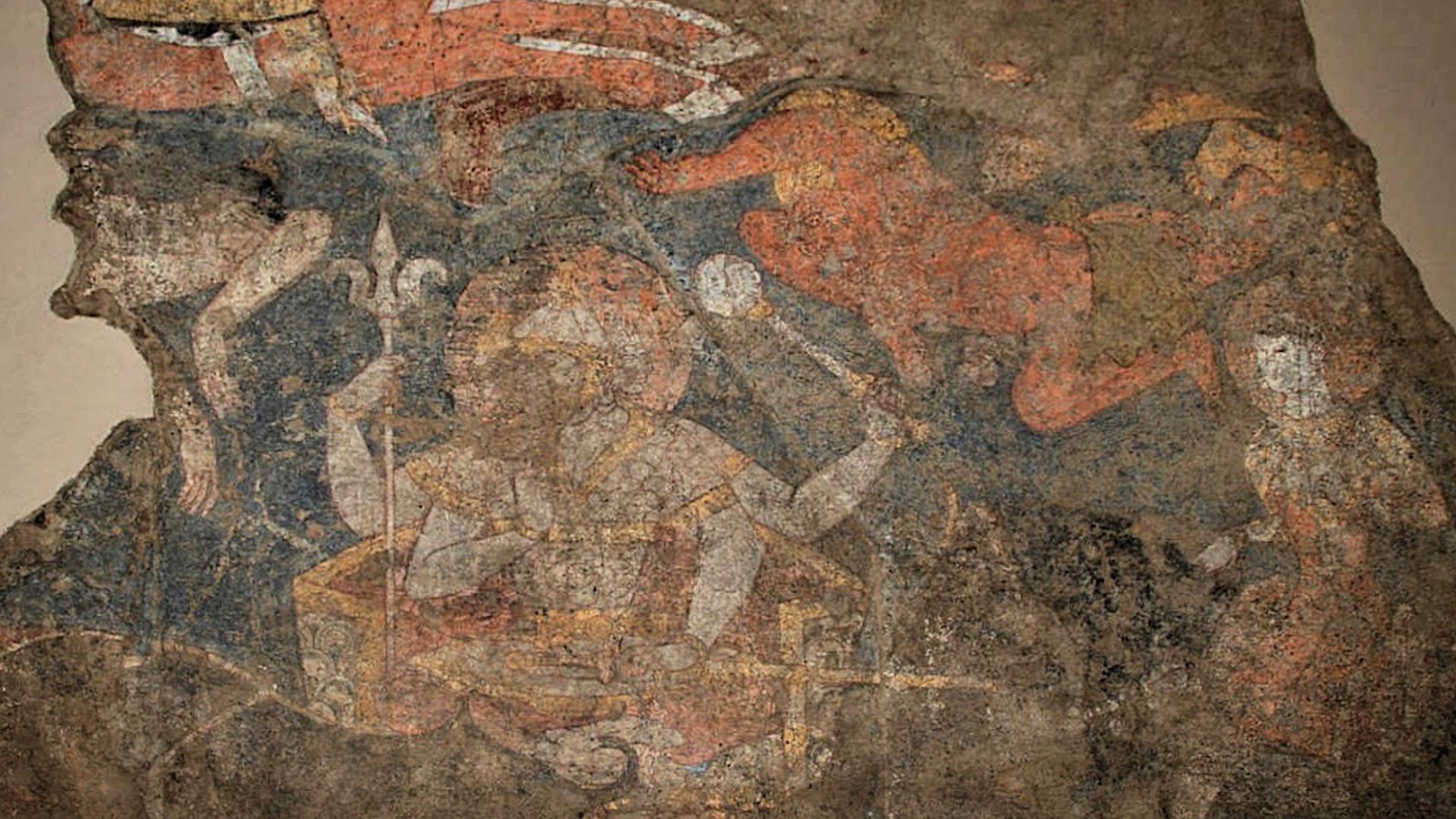 Painting 7th century CE. Photograph: unknown, Wikimedia Commons
A Window Into The Silk Road
The Penjikent murals reveal far more than artistic talent. They provide a rare glimpse into the social and religious life of a Silk Road city where traders, storytellers, priests, and nobles lived side by side.
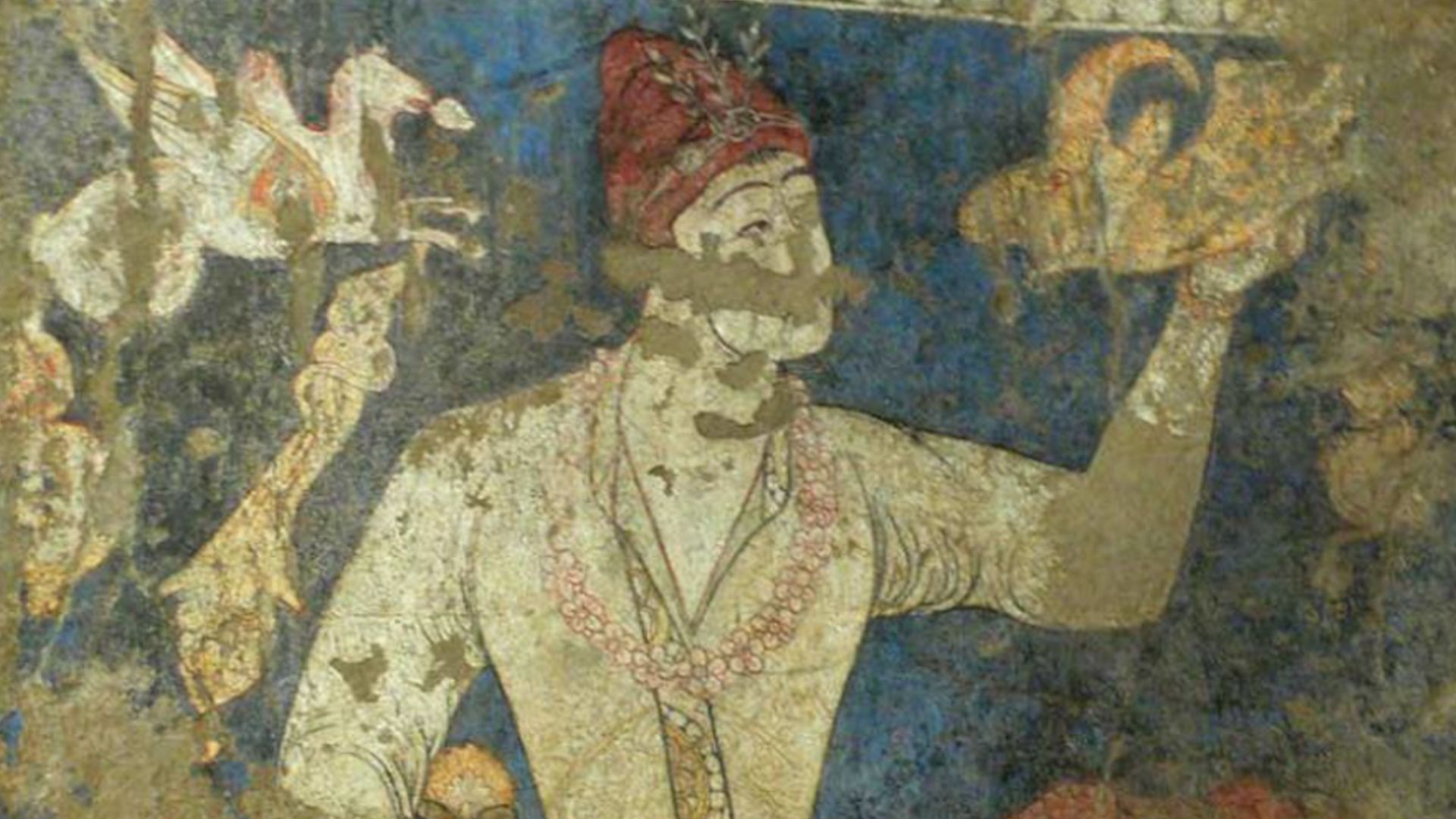
Rediscovering Forgotten Religions
Discoveries like the Zoroastrian ritual fresco remind us that the ancient world was far more spiritually diverse than many people realize. Central Asia once hosted an extraordinary mixture of beliefs that shaped cultures across Eurasia.
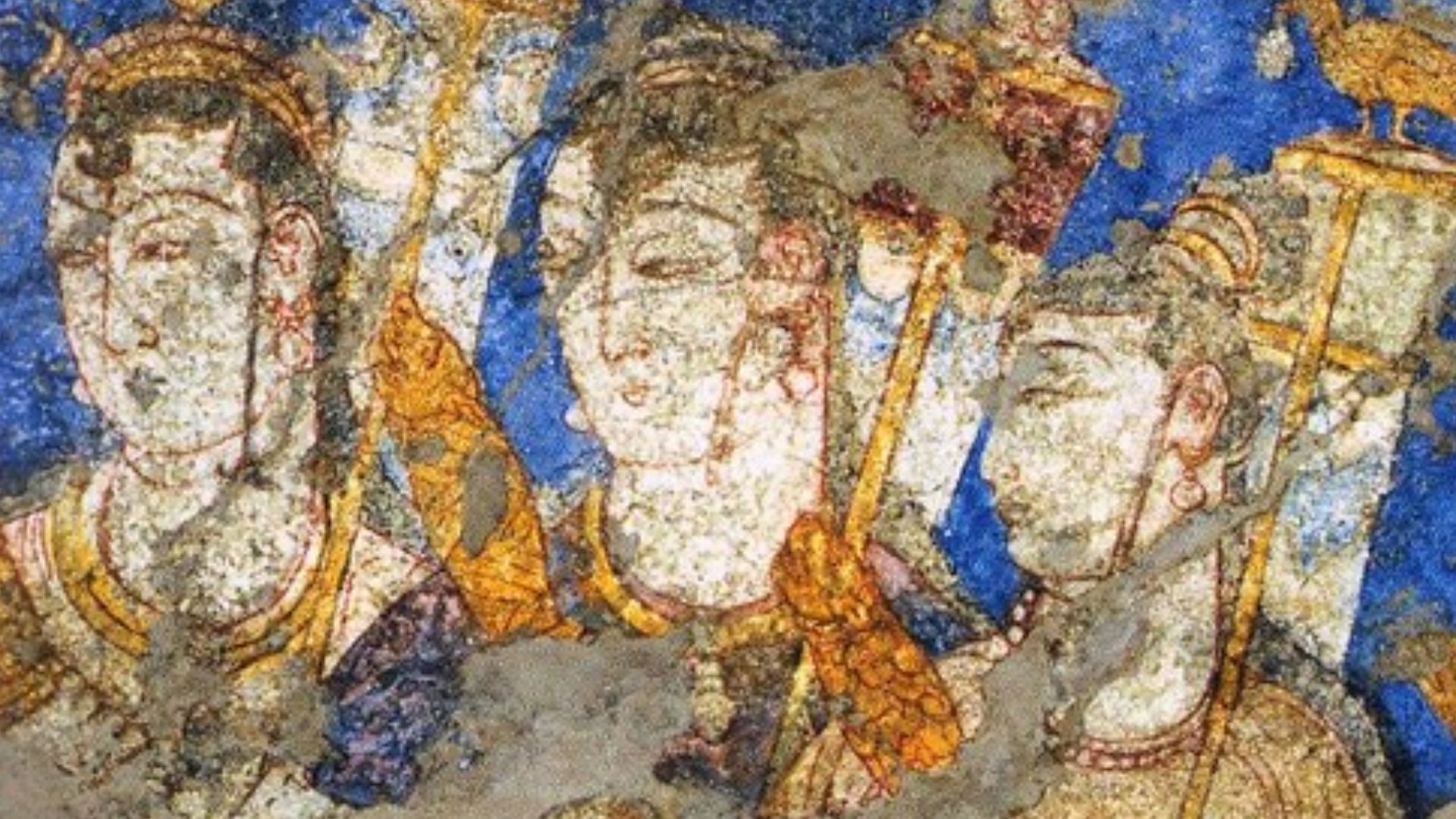 Undetermined, Wikimedia Commons
The Power Of Archaeological Art
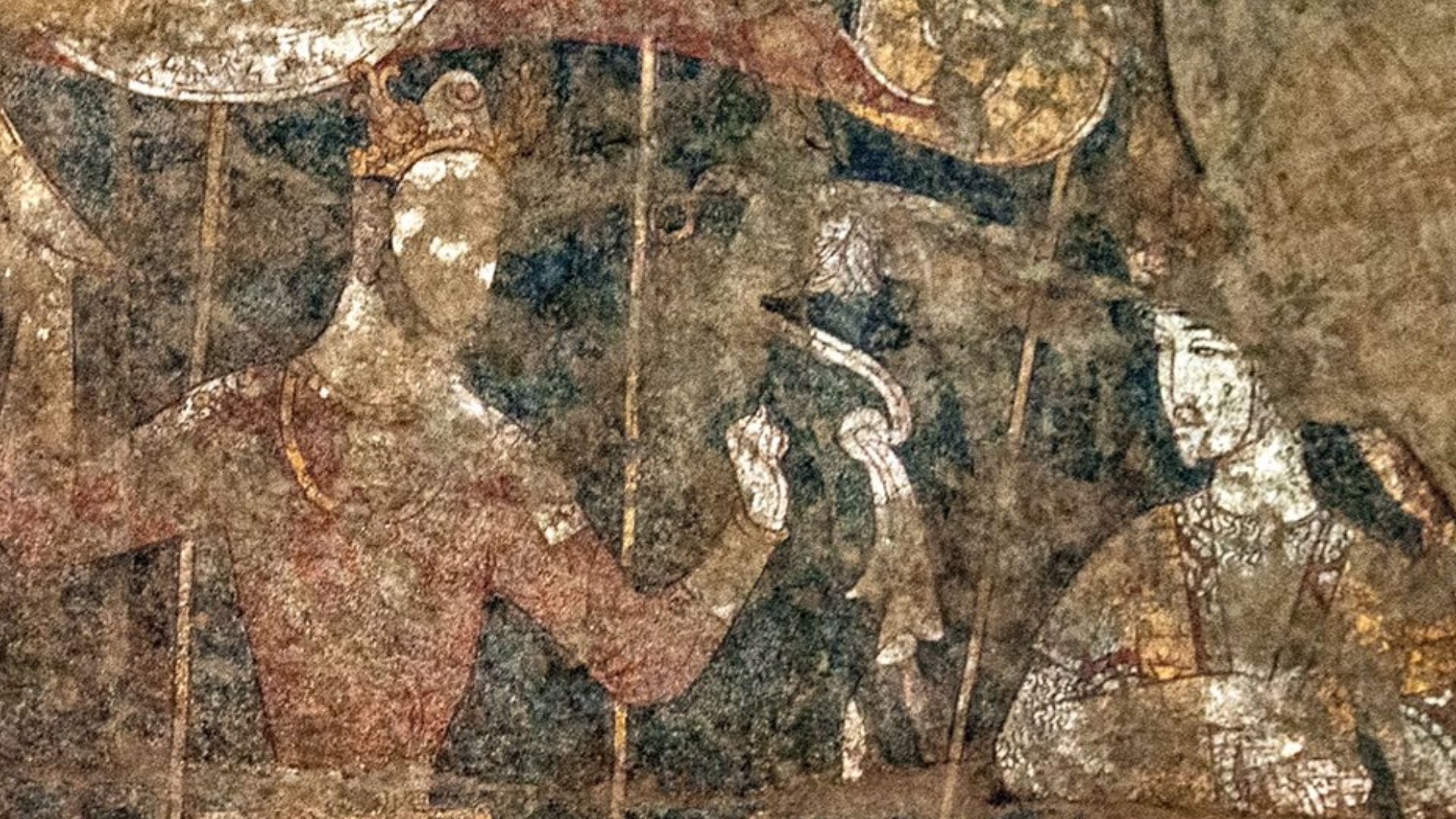
Murals are among the most powerful archaeological artifacts because they communicate emotion, ritual, and narrative in ways that objects alone cannot. The Penjikent paintings allow us to witness moments of devotion that happened over a millennium ago.
Why This Discovery Matters
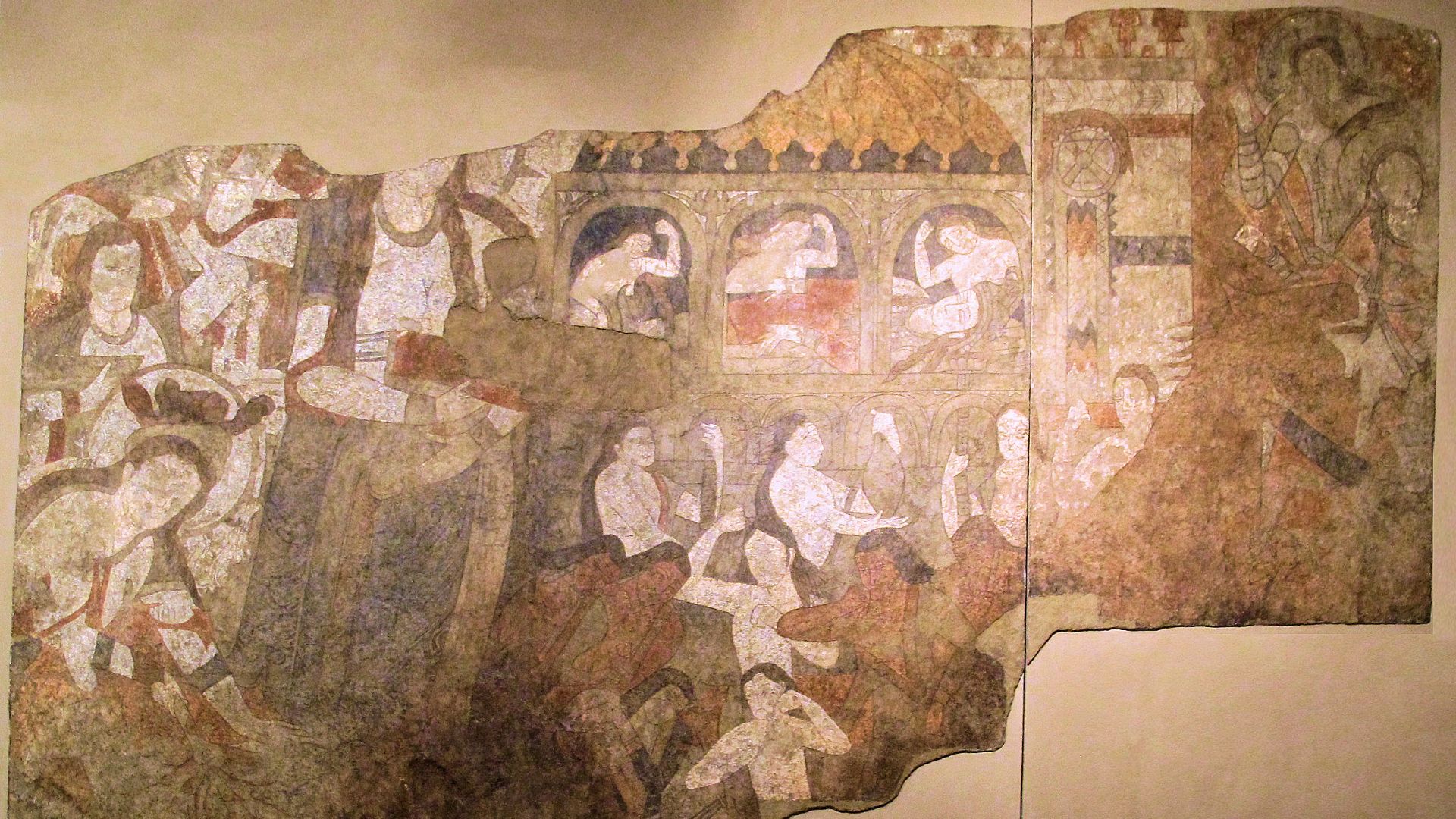
The newly studied fresco adds an important chapter to the story of Central Asian religion. By illustrating a specific ritual in action, it helps scholars better understand how Zoroastrian practices evolved outside of Persia.
Ancient Faith Reignited
For historians and archaeologists, the discovery feels almost like relighting an ancient sacred flame. The fresco connects modern researchers with rituals once performed before blazing fire altars in a thriving Silk Road city.
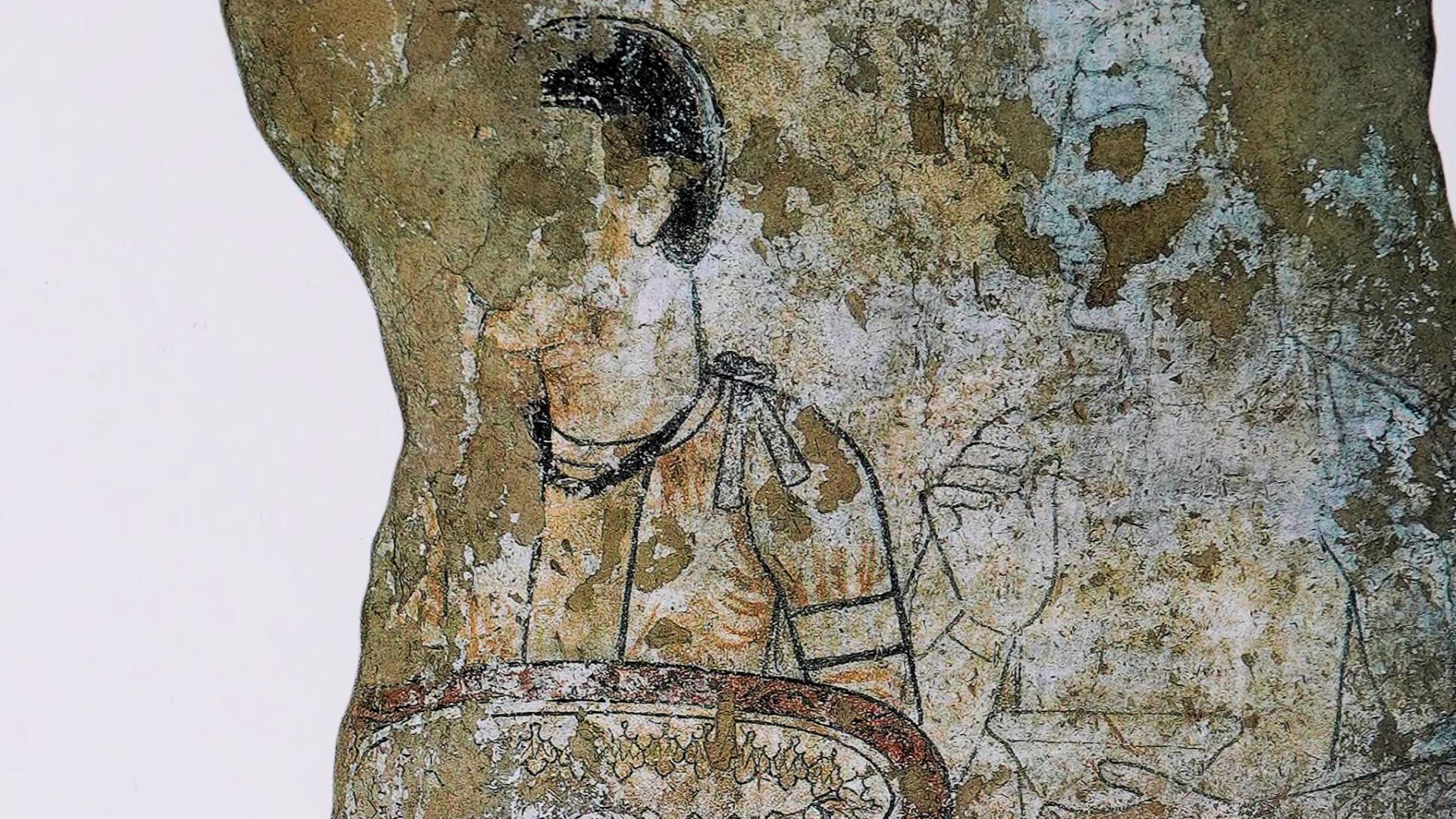 Circa 500, Penjikent, Sogdia, Wikimedia Commons
A Painted Legacy Of The Silk Road
The Penjikent murals stand as a vivid reminder of a lost world where trade, religion, and storytelling intersected. Through these paintings—and especially the remarkable fresco depicting a Zoroastrian rite—we gain a rare glimpse into the spiritual life of ancient Central Asia. More than just art, these murals preserve the echoes of prayers, ceremonies, and beliefs that shaped one of the most fascinating civilizations of the Silk Road.
You May Also Like: