A Tiny Tablet With a Huge Story
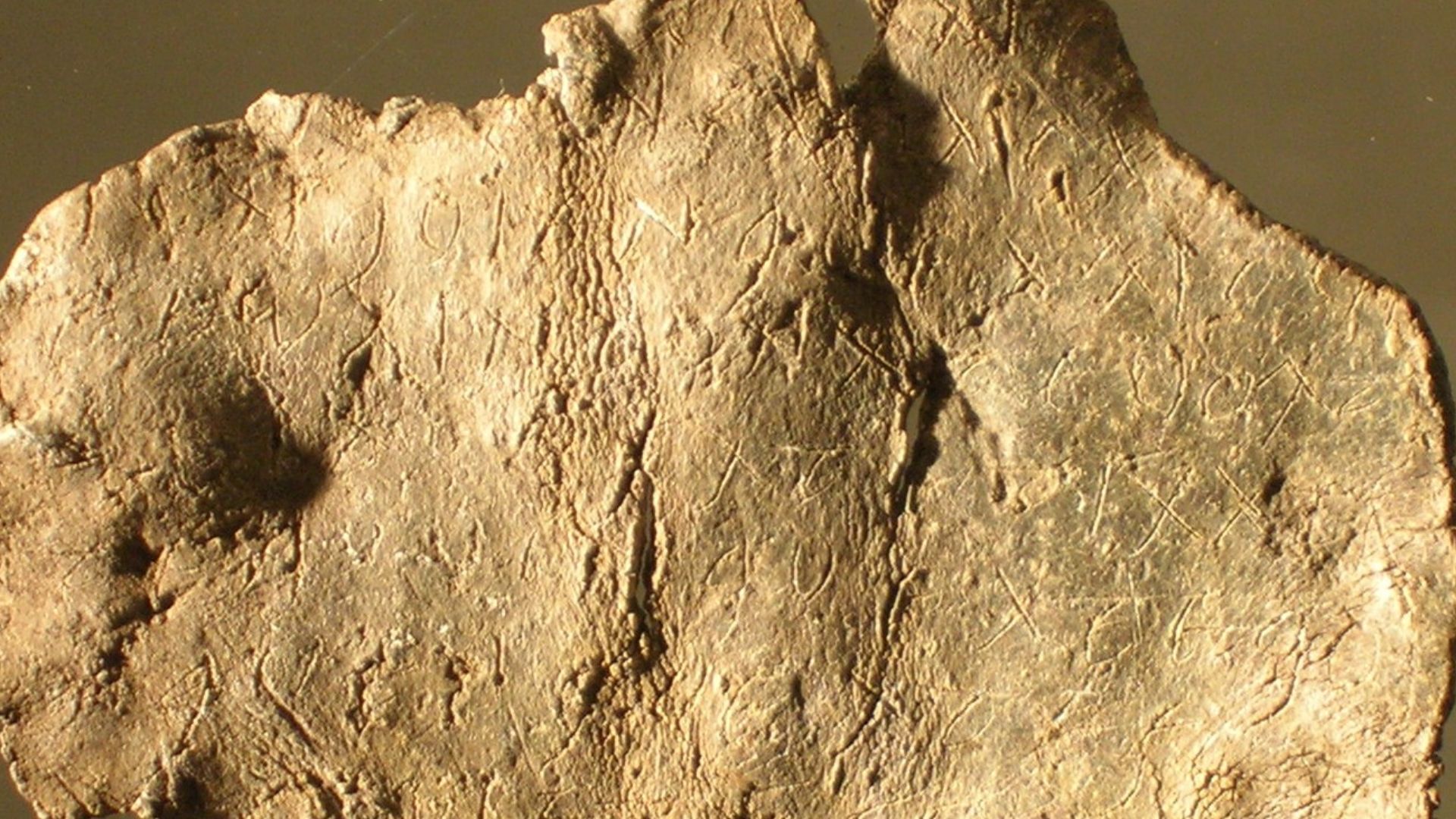
In 2023, archaeologists studying ancient debris from a site near Jerusalem made a discovery that immediately caught global attention: a tiny folded lead tablet believed to be over 3,000 years old. At first glance it looked unremarkable—but upon closer examination researchers realized it contained something truly extraordinary: one of the earliest, and most terrifying, curse texts ever found.

The Discovery Happened at Mount Ebal
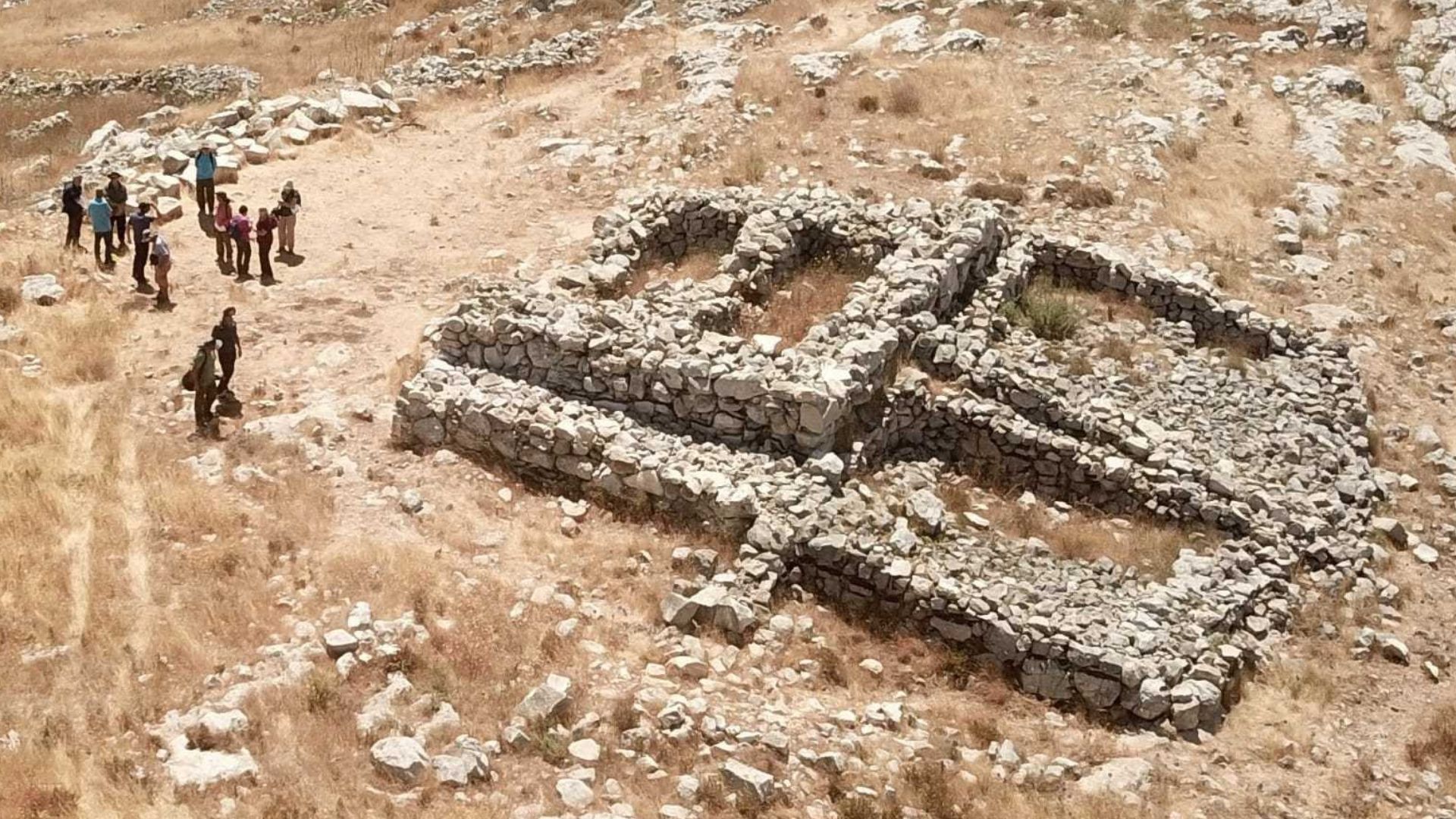
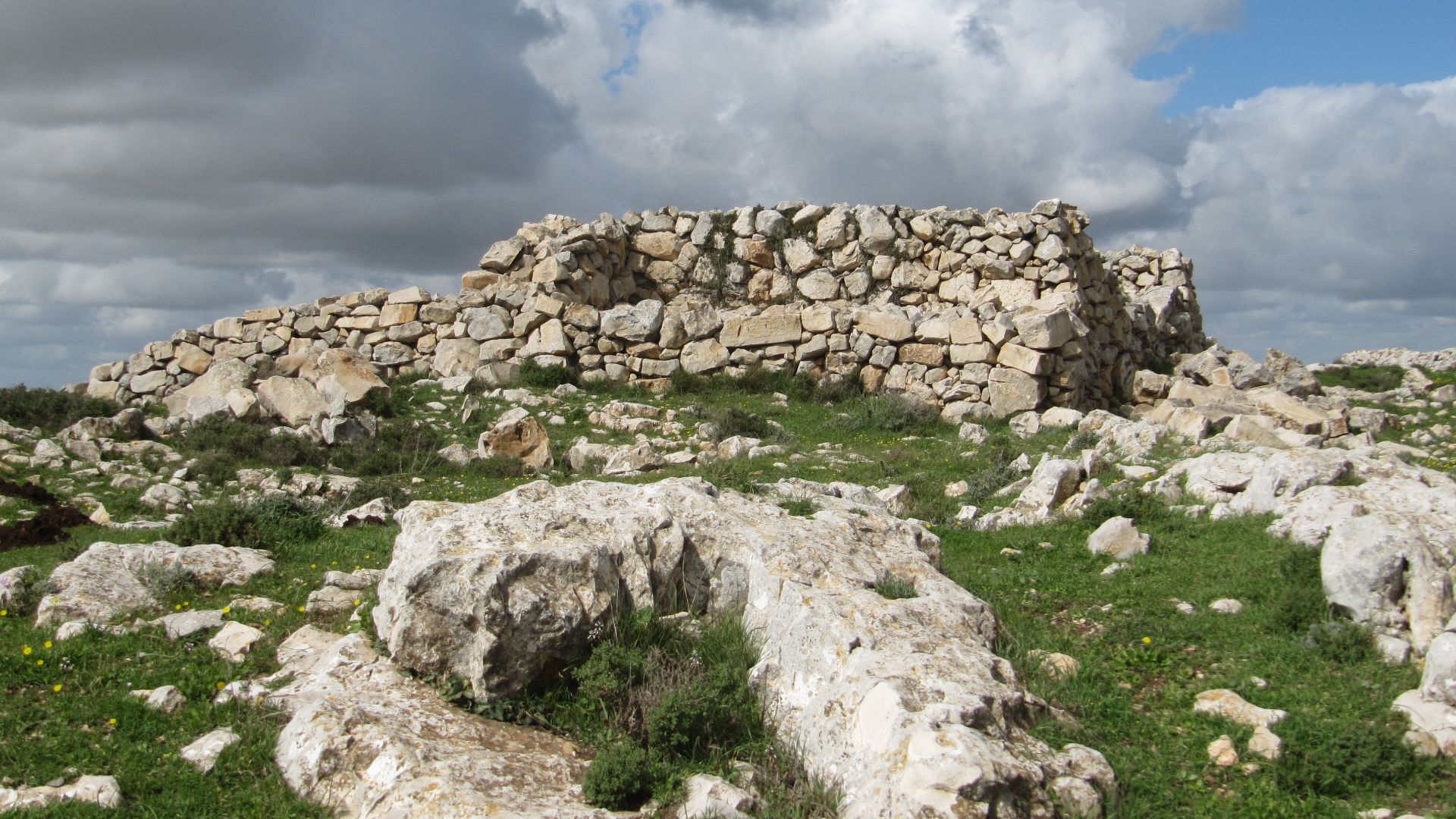
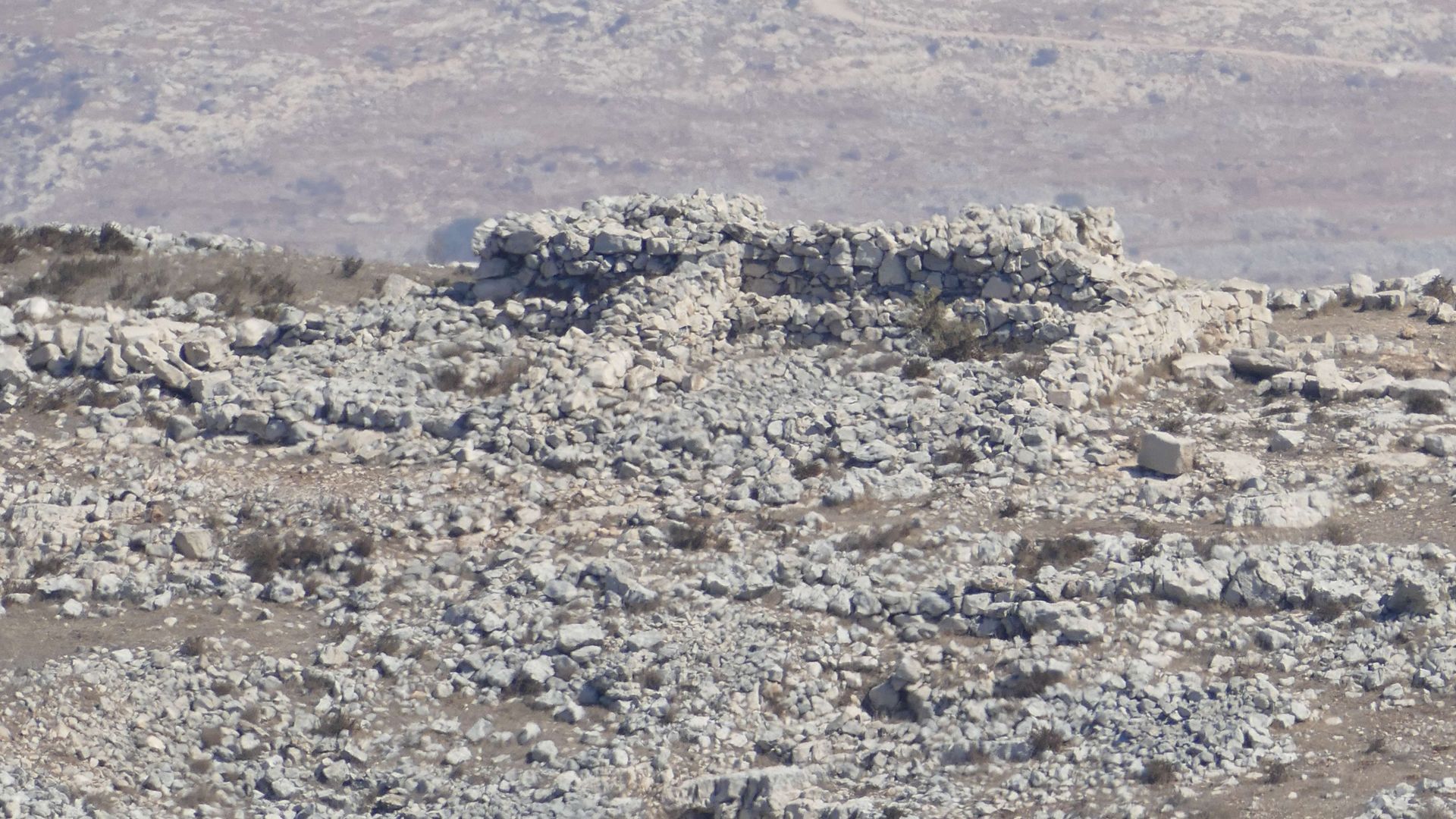
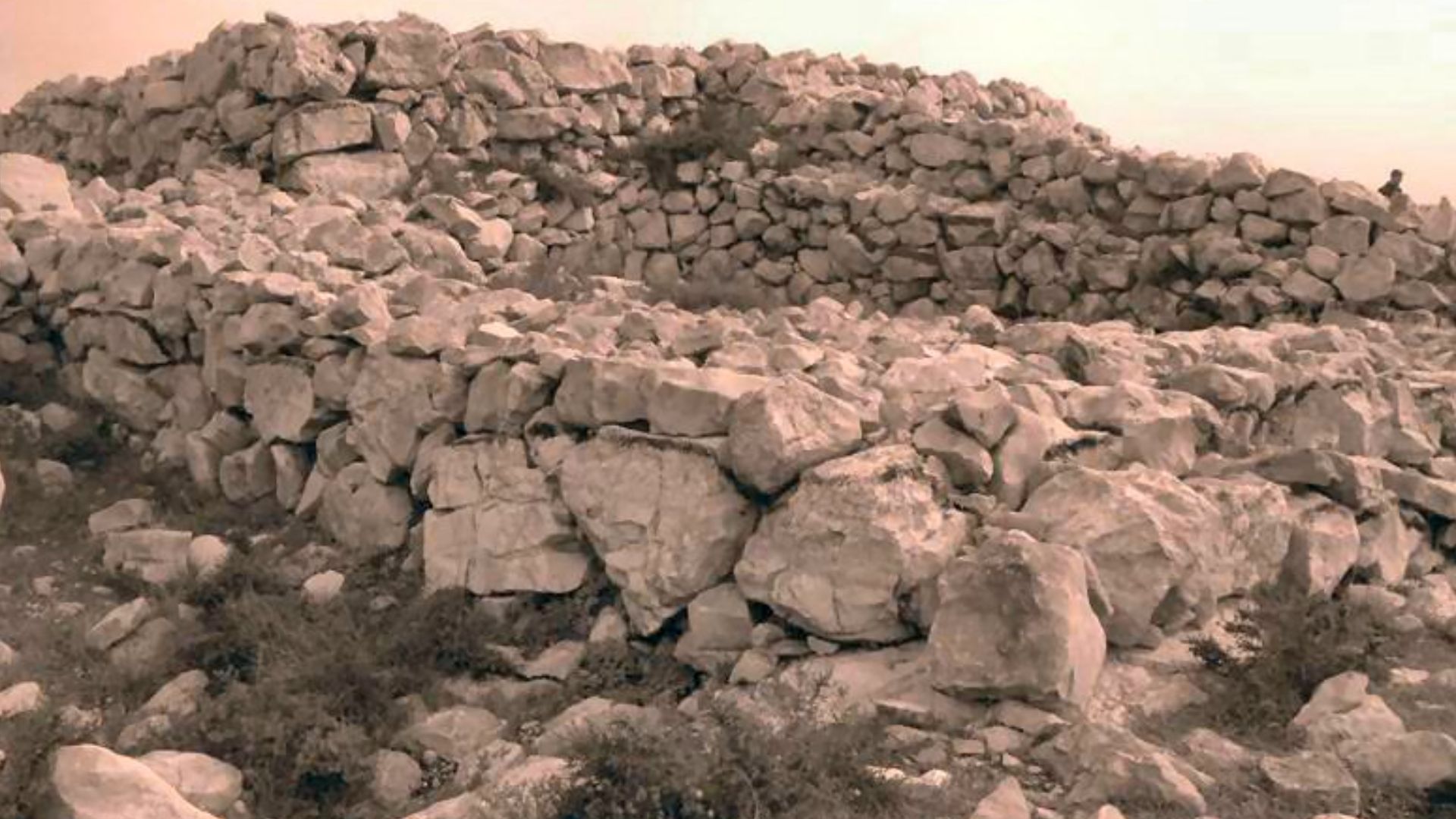
The tablet was recovered from material excavated at Mount Ebal, a site in the West Bank that some scholars associate with early Israelite religious activity. Archaeologists had previously excavated the area in the 1980s, but modern researchers re-examined leftover debris using advanced techniques. During this process, they found the tiny folded object that would soon become one of the most debated archaeological discoveries in recent years.
A Tablet Smaller Than a Postage Stamp
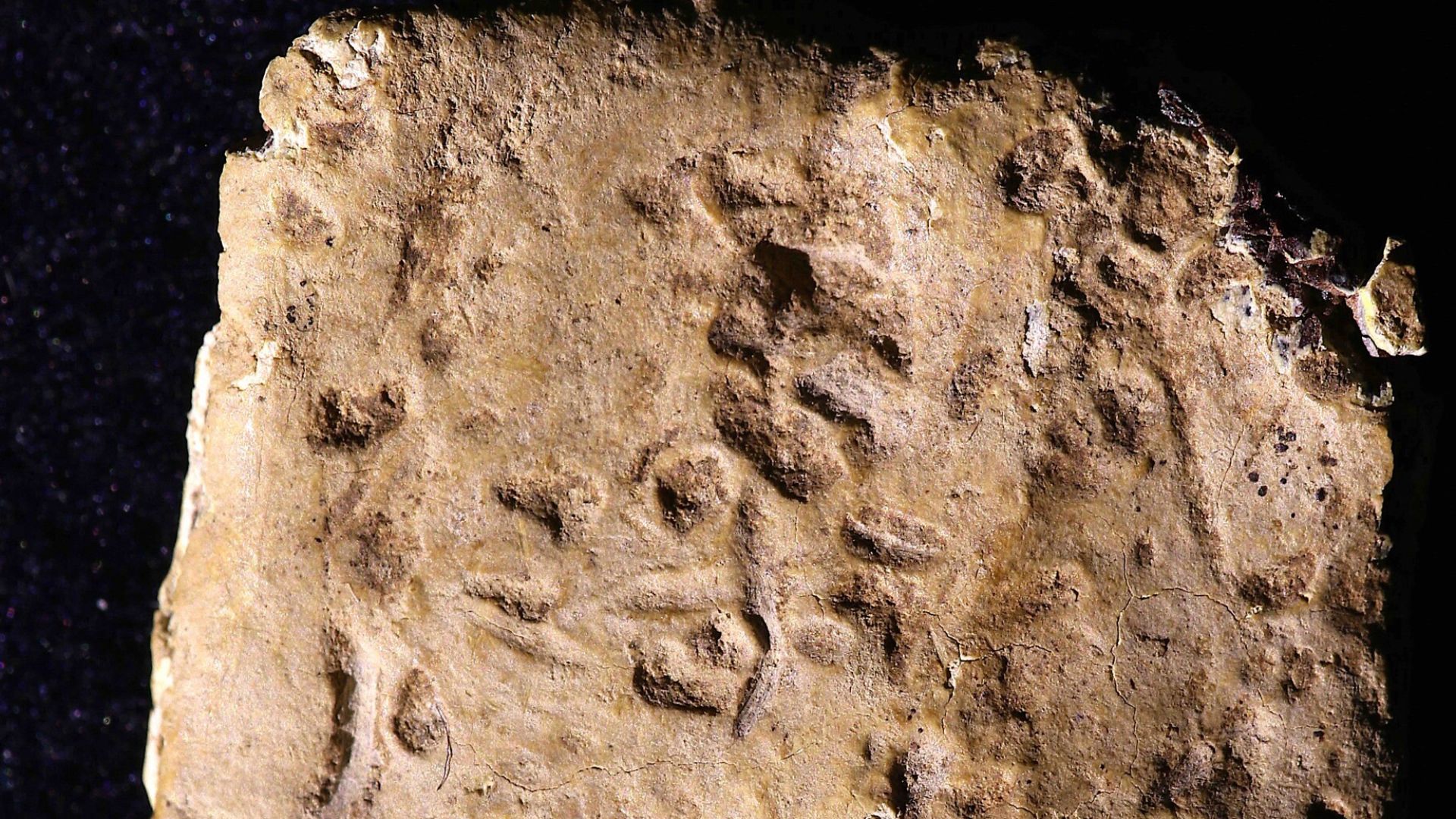
What makes the object so surprising is its size. The lead tablet measures only about 2 centimeters (less than an inch) across. It was tightly folded, which made it impossible to open without damaging it. Because of that, archaeologists had to rely on advanced imaging technology to see what might be written inside. The lead sheet itself is incredibly thin—only about half a millimeter thick, roughly the thickness of a credit card.
 Gavin John MacDougall, Wikimedia Commons
Why Opening It Was Too Dangerous
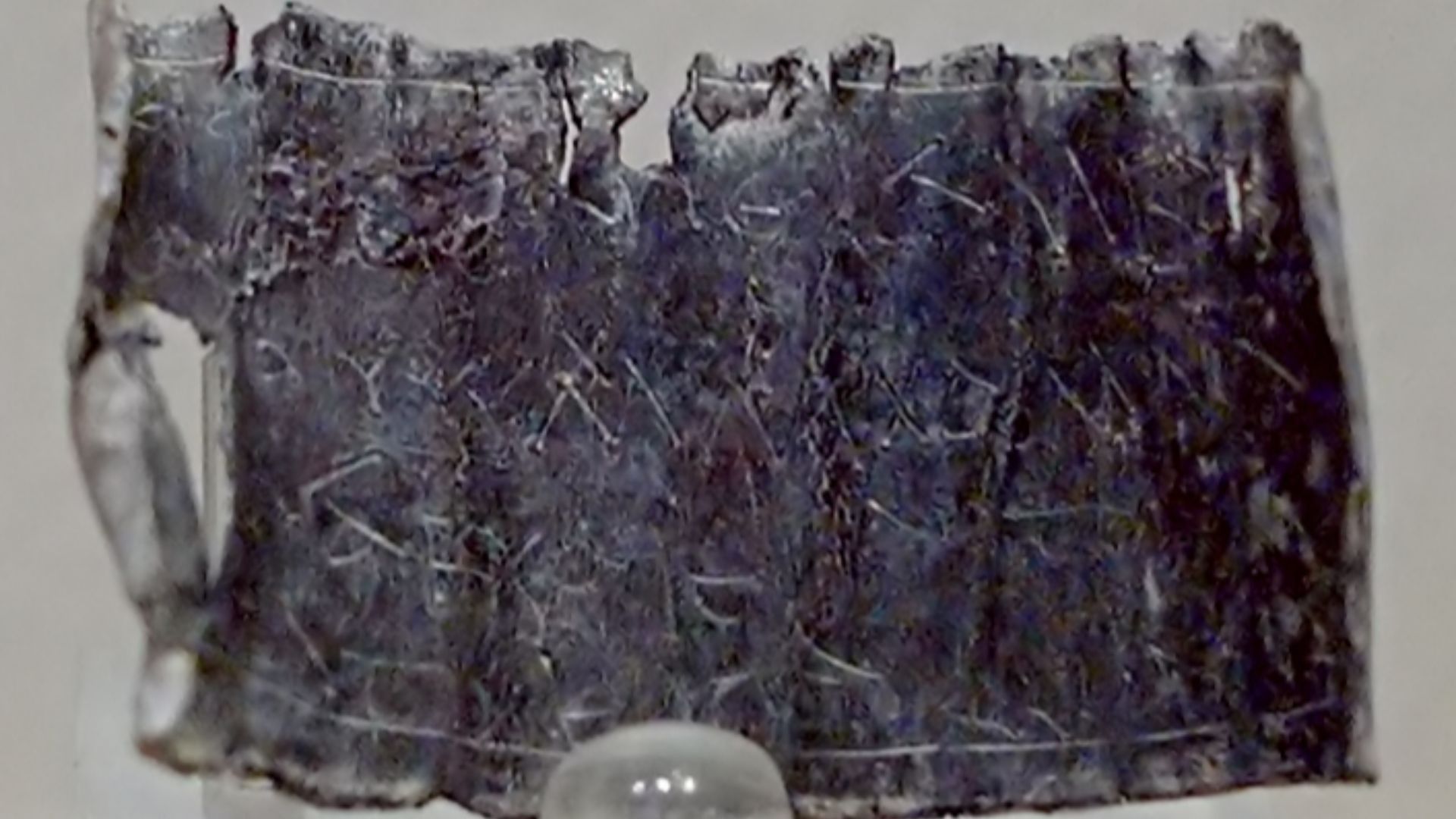
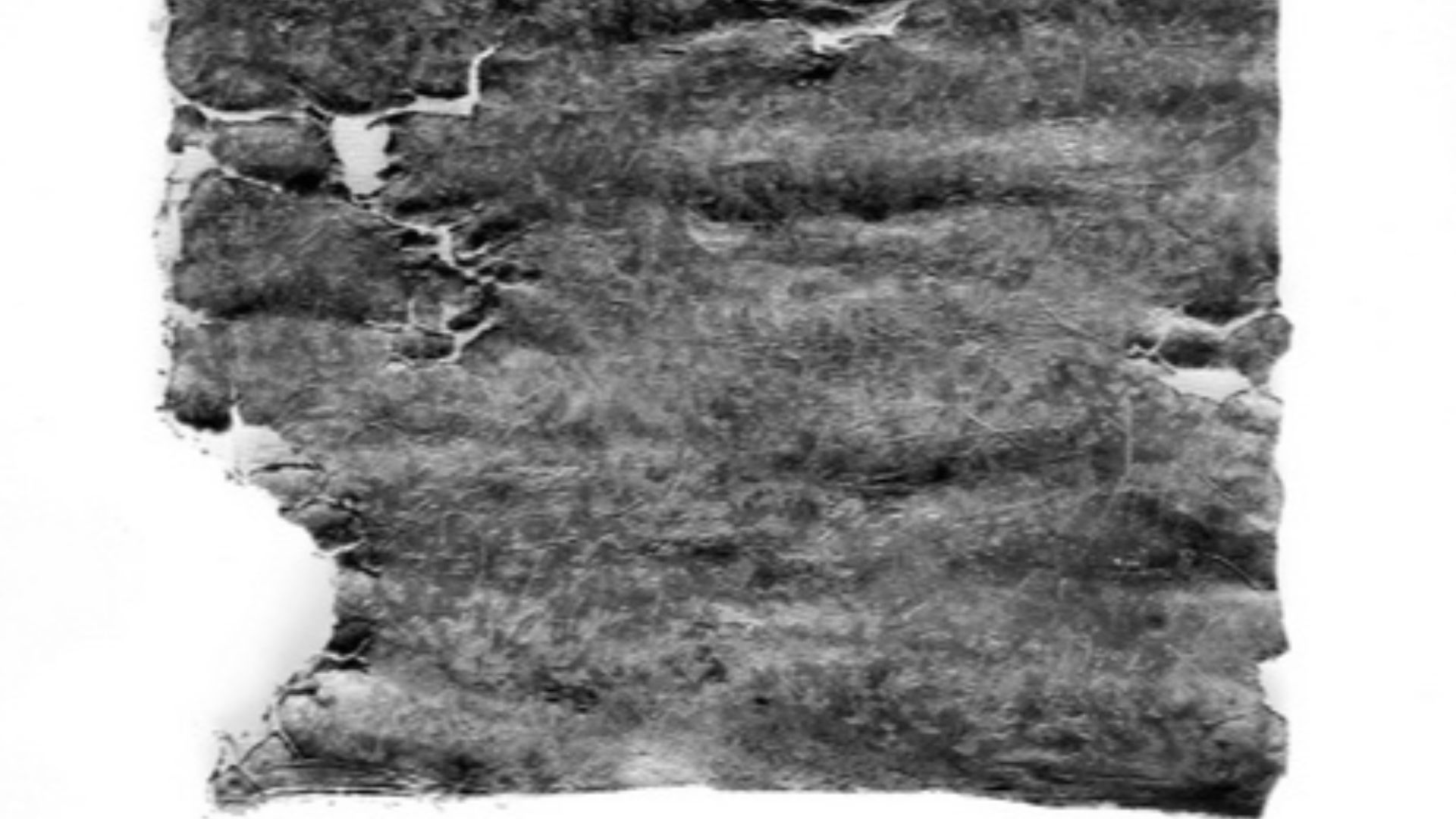
Lead curse tablets are often folded intentionally as part of the ritual. Opening them can destroy the inscriptions inside. To avoid damaging the artifact, researchers used high-resolution X-ray tomography, a technology similar to medical CT scanning. This allowed them to digitally “unfold” the tablet and examine the inscriptions hidden inside.
 daveynin from United States, Wikimedia Commons
The Moment the Writing Appeared
When the digital scans were analyzed, researchers began to see faint lines that appeared to be ancient writing etched into the metal. The letters were incredibly small and difficult to interpret, but the team eventually identified a sequence of characters repeated multiple times. Researchers say the inscription may contain roughly 40 tiny characters arranged in multiple lines, all etched into the folded lead surface. What those letters spelled out is what made the discovery so shocking.
 Creative Tools from Halmdstad, Sweden, Wikimedia Commons
The Tablet Contains a Curse
According to the researchers studying the object, the inscription appears to contain a curse formula—a written appeal calling down misfortune on someone. Curse texts like this are known from many ancient cultures, but finding one this old in this region is extremely unusual.
 Unknown artistUnknown artist, Wikimedia Commons
The Chilling Translation
One interpretation reads roughly: “You are cursed by the God YHW. You will die cursed. Cursed you will surely die.” The repetition of the curse appears multiple times in the inscription, intensifying the message.

Why the Name Matters So Much
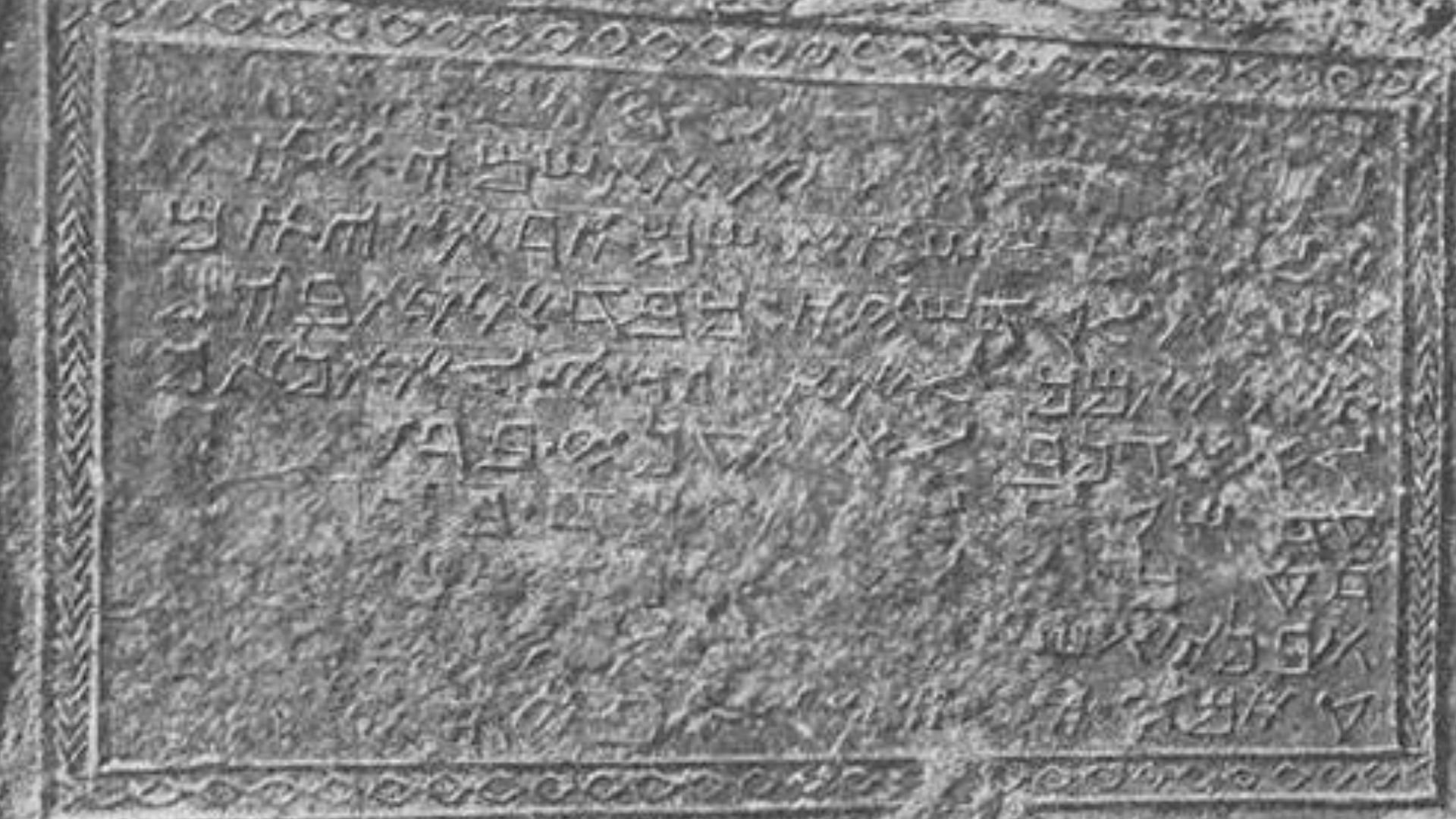
The letters in the inscription appear to reference YHW, which many scholars believe represents an early form of the divine name later written as YHWH. If that interpretation is correct, it could represent one of the earliest references to the God of Israel ever discovered in writing.
 Palestine Exploration Fund, Wikimedia Commons
Dating the Tablet to the Late Bronze Age
Researchers estimate the tablet dates to around 1200 BCE, placing it in the Late Bronze Age. That would make it several centuries older than many previously known Hebrew inscriptions. Because of this, the discovery could potentially reshape discussions about when early Hebrew writing first appeared.
A Discovery That Could Change Biblical History
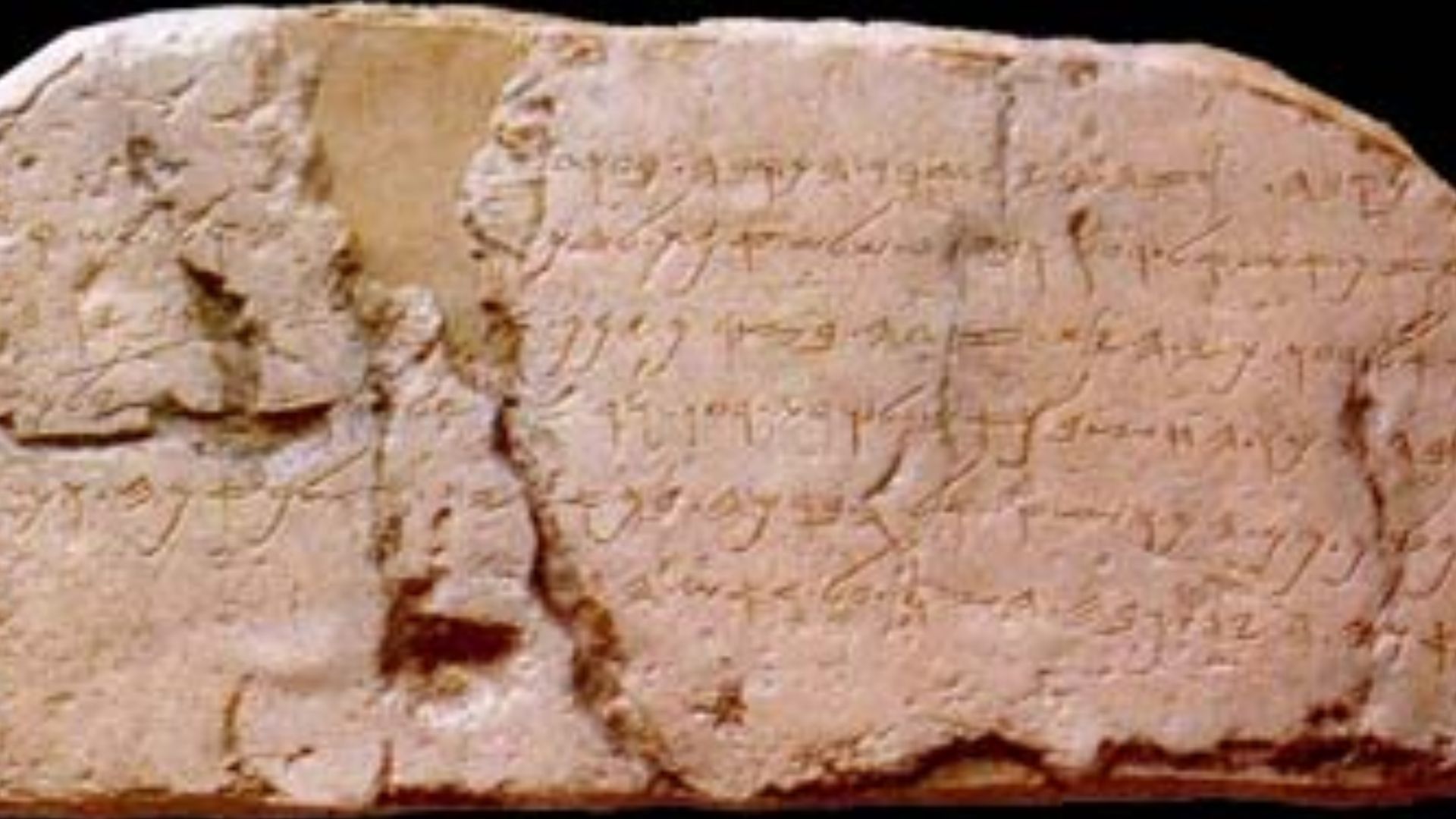
If the inscription truly belongs to the Late Bronze Age, it could suggest that alphabetic writing connected to early Israelites existed earlier than many historians believed. Some scholars say that would align with traditions placing early Israelite activity in the region during that period.
 Tamar Hayardeni, Wikimedia Commons
Not Everyone Agrees Yet
Despite the excitement, the tablet has also sparked intense debate among archaeologists and historians. Some experts believe the interpretation is promising but say the evidence still needs further study and peer-reviewed publication.
 Gerd Altmann, Wikimedia Commons
Reading Ancient Lead Is Extremely Difficult
One reason for the debate is that reading inscriptions on lead tablets is notoriously difficult. The metal can corrode, distort, and obscure letters over time. Even with modern scanning technology, interpreting the markings requires careful analysis and sometimes multiple competing readings.
 Michael Barera, Wikimedia Commons
The Repeated Word “Cursed”
One of the most striking elements of the translation is the repeated use of the word “cursed.” According to the research team, the curse formula appears multiple times across the tablet. This repetition was common in ancient ritual texts, where repeating the curse was believed to strengthen its power—essentially reinforcing the curse like a ritual spell. In traditions across the ancient Near East and Mediterranean world, repeating a curse was thought to amplify its supernatural force, making the ritual more binding.
![See Image:Orient 27 43 22 55 blank map.png for a blank map.
self-created in November 2004 on the basis of the 2002 NASA Blue Marble image.[1]](https://www.factinate.com/storage/app/media/splashtravels/2026/3/12/177332083597d4d7d55cb264393606e320908f83ac6ebf8f92.png) Dbachmann and Cush at en.wikipedia, Wikimedia Commons
Dbachmann and Cush at en.wikipedia, Wikimedia Commons
Curse Tablets Were Part of Ancient Magic
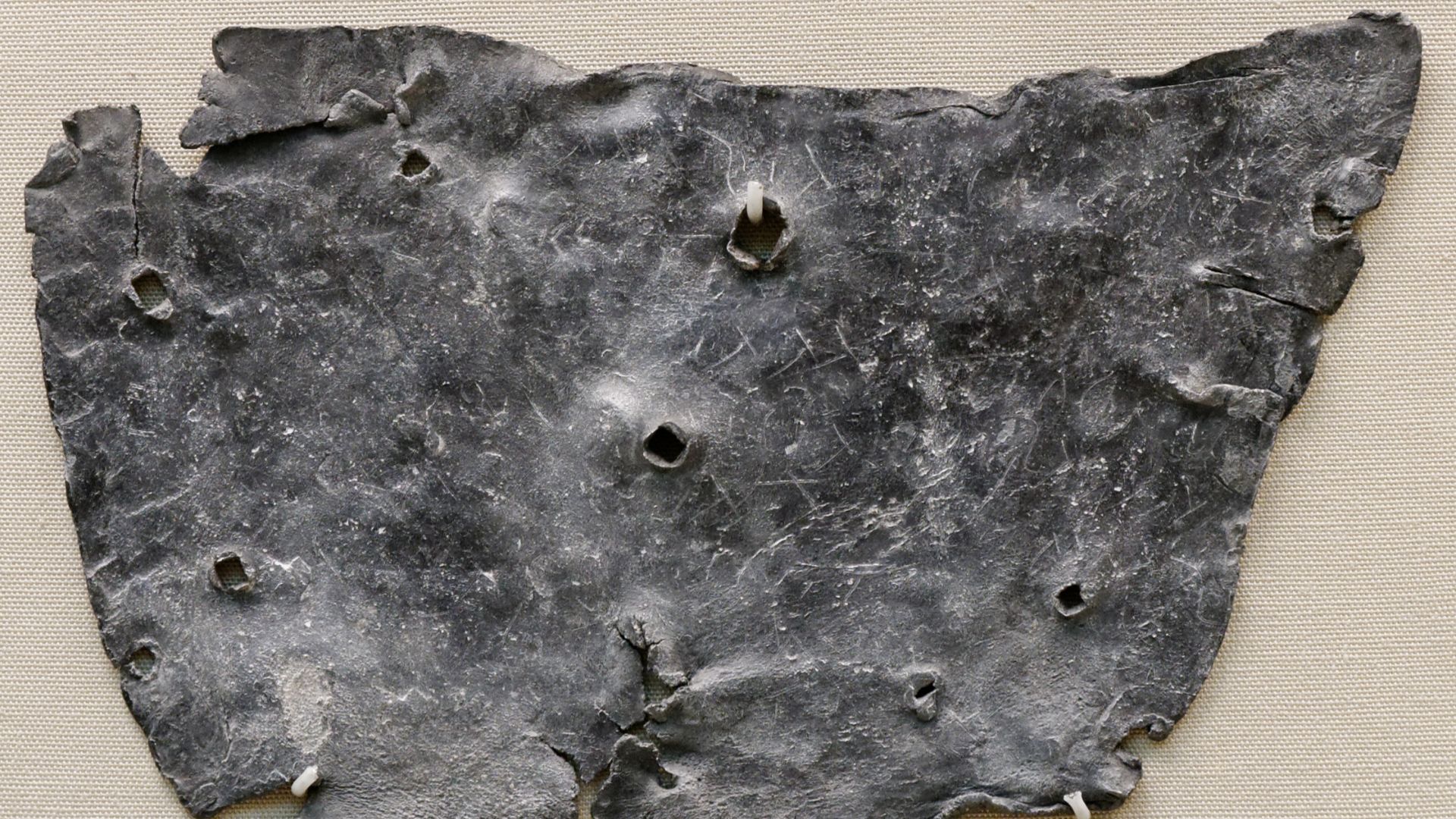
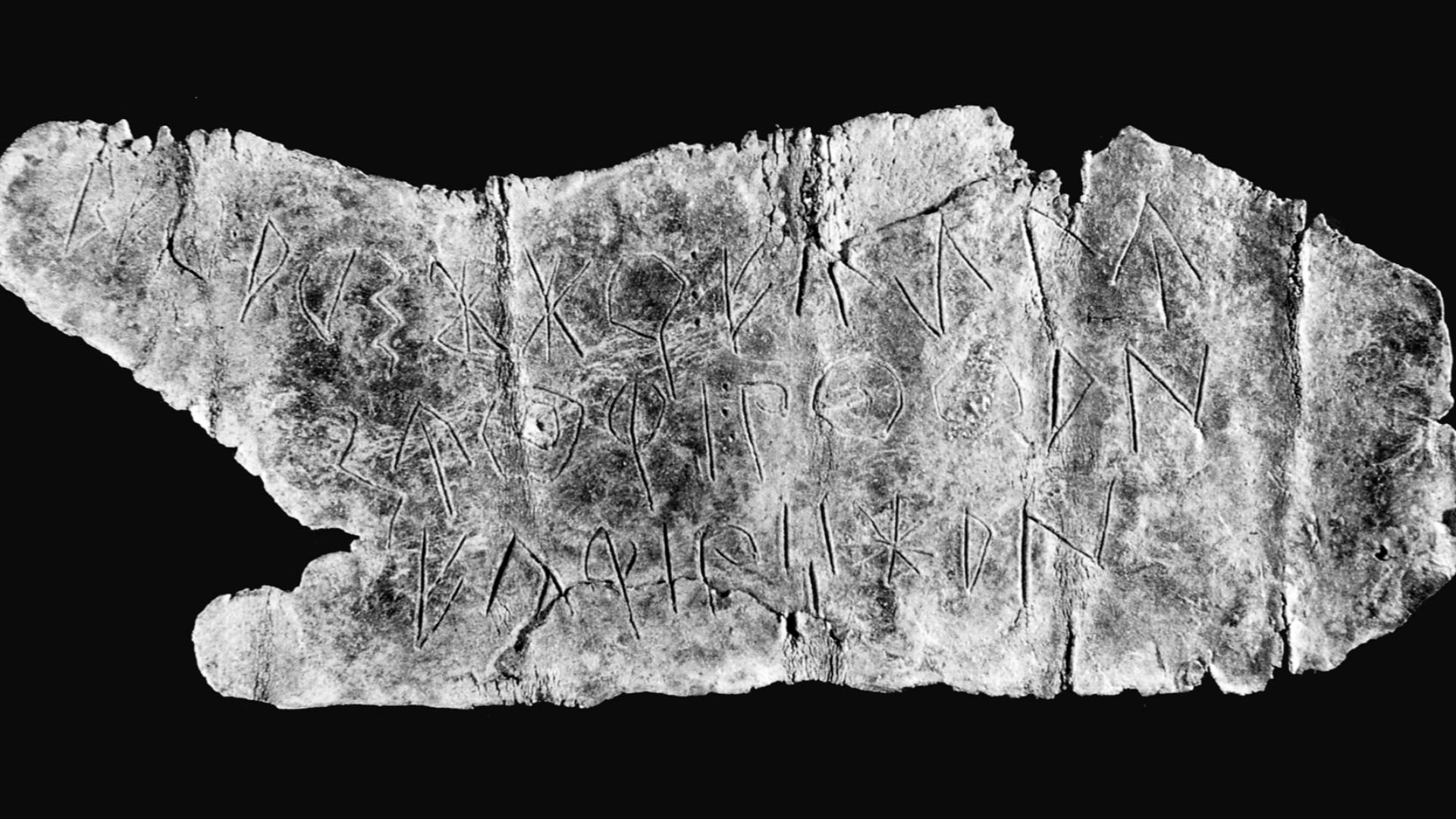
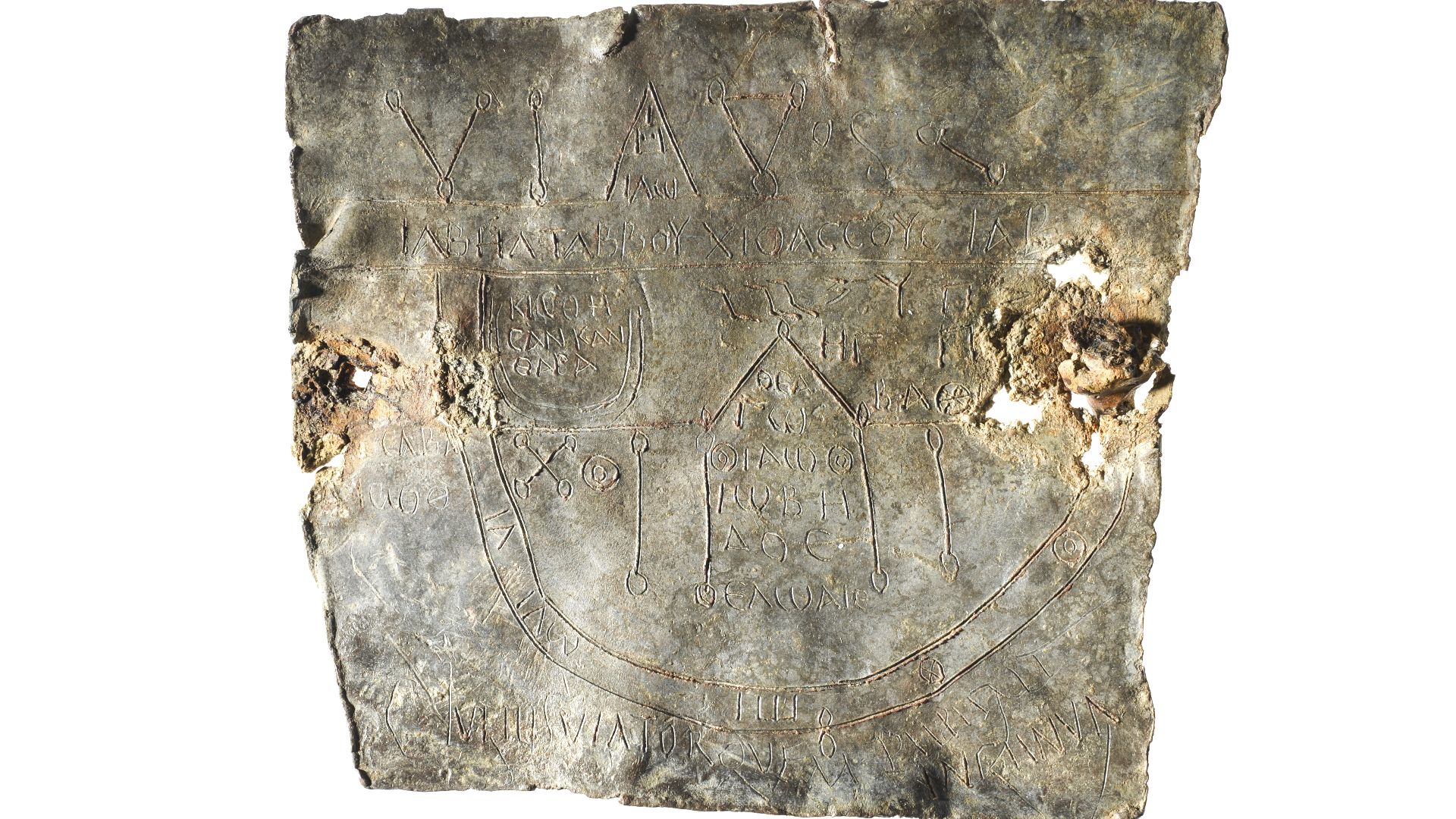
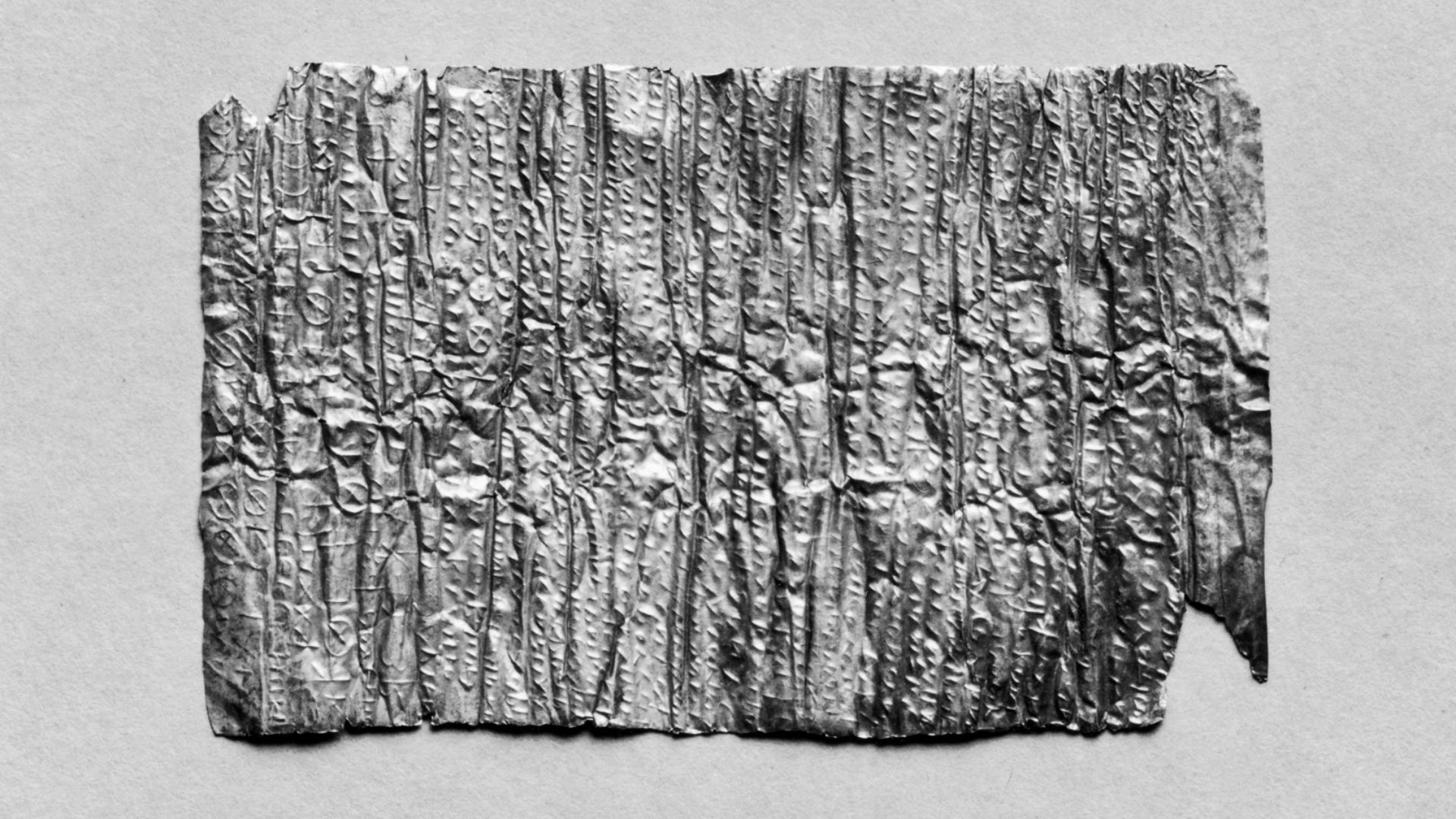
Throughout the ancient Mediterranean world, people created curse tablets to call on supernatural forces against enemies, thieves, or rivals. These tablets were often made of lead, inscribed with curses, folded, and buried or hidden in special locations.
 Marie-Lan Nguyen , Wikimedia Commons
Why Lead Was Used
Lead was the preferred material for many curse tablets because it was soft enough to scratch writing into easily. It was also associated in some cultures with the underworld, which made it symbolically appropriate for curses calling on supernatural forces.
The Tablet Was Never Opened
One fascinating detail is that the Mount Ebal tablet remains folded today. Researchers have never physically opened it. Everything we know about the inscription comes from digital scans that allowed scientists to see inside the object without damaging it.
The Curse Was Sealed Shut on Purpose
The fact that the tablet was folded is not accidental. In many ancient curse rituals, the inscription was written on a thin sheet of lead and then deliberately folded or rolled shut before being deposited. Folding the tablet symbolized binding the target of the curse—almost like sealing their fate. Once closed, the tablet was never meant to be opened again.
 GRM Tongeren, Wikimedia Commons
A Message That Stayed Hidden for 3,000 Years
For more than three millennia, the message inside the tablet remained sealed away, hidden in the soil. Whoever created the curse likely never imagined that thousands of years later, modern technology would allow people to read the words without ever opening the tablet itself.
Why Mount Ebal Is Already a Controversial Site
Mount Ebal has long attracted attention because some archaeologists believe structures found there could be connected to an ancient altar described in the Hebrew Bible. Others disagree and say the interpretation remains uncertain. The discovery of the tablet has only added to the debate surrounding the site.
 Daniel Ventura, Wikimedia Commons
A Discovery That Could Rewrite Timelines
If the interpretation of the inscription holds up under continued scrutiny, it could push back the timeline for early Hebrew writing and religious references by several centuries. That would make the tiny tablet one of the most important inscriptions ever found in the region.
 Robert Walter Daniel, Wikimedia Commons
A Link to Ancient Covenant Curses
Some scholars have pointed out that the wording of the inscription may resemble ancient covenant curse formulas found later in biblical texts. In those traditions, repeated curses were used to emphasize the seriousness of breaking an agreement or violating a sacred oath.
 Dutch School, Wikimedia Commons
But the Debate Is Far From Over
As with many major archaeological discoveries, the discussion surrounding the curse tablet is ongoing. Scholars around the world are examining the scans, the translation, and the dating to determine exactly what the artifact represents.
 Thomas Wijck, Wikimedia Commons
Why This Tiny Tablet Is So Fascinating
Whether the final interpretation changes or not, the tablet is remarkable. It shows how a piece of metal smaller than a postage stamp can hold clues about religion, writing, and belief systems from more than three thousand years ago.
 Anonymous (Roman artist)Unknown author Anonymous (Syrian artist)Unknown author, Wikimedia Commons
The Words That Still Echo Today
What makes the artifact so unsettling is the message itself. Somewhere in the ancient world, a person etched a curse into a tiny sheet of lead and sealed it shut—likely believing the words would bring real harm to someone. More than 3,000 years later, those chilling words have finally been revealed.
You Might Also Like:
Things Baby Boomers Always Did When They Traveled—That No One Born After 2000 Has Ever Done