When Saving Money Starts Costing The Vacation
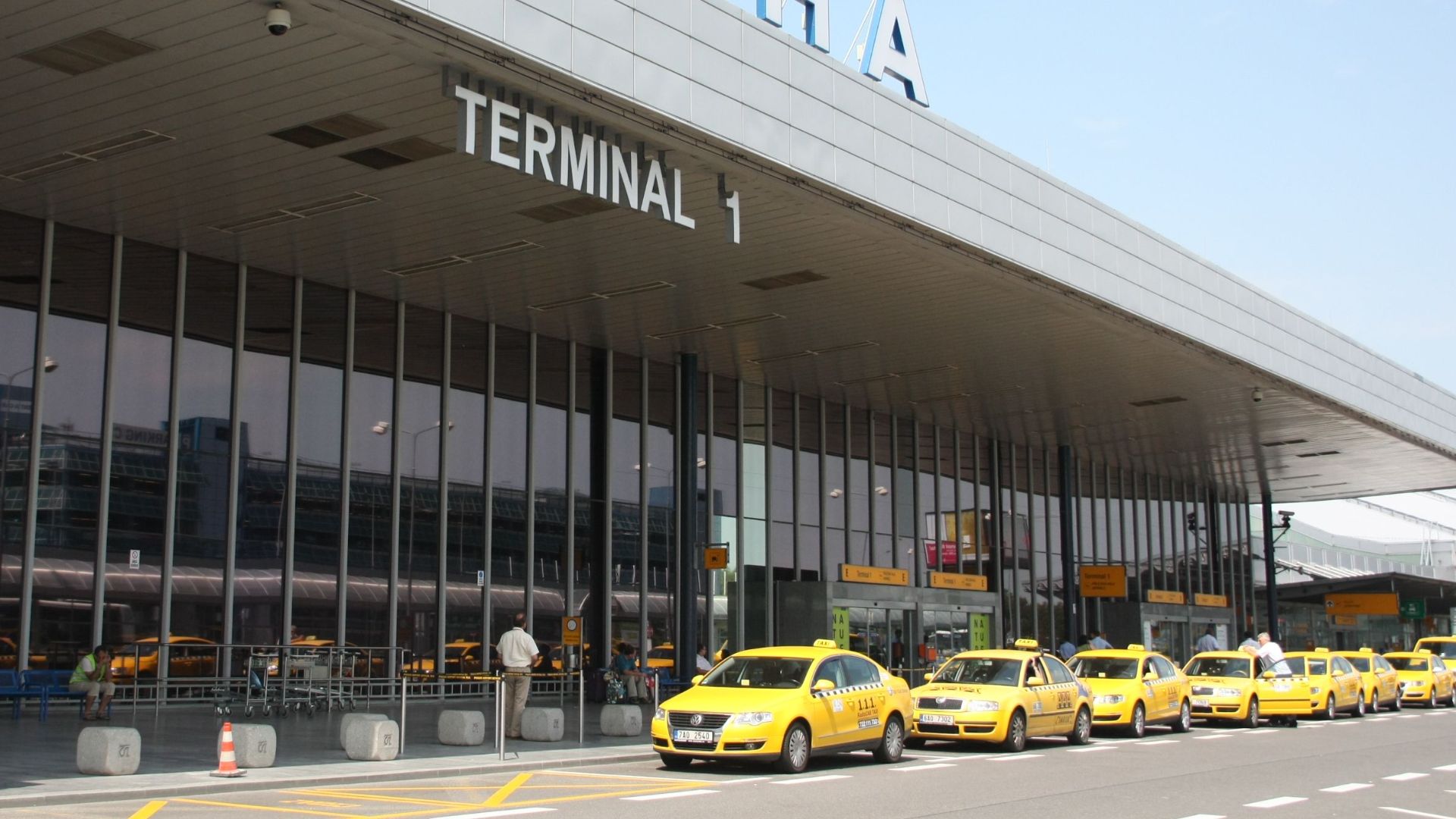
I love finding ways to stretch a travel budget. I have happily taken public transit, walked through beautiful neighborhoods, and skipped expensive tourist traps. Then I traveled with someone who refused to use taxis or rideshares under any circumstances, even when they were the most practical option.
At first, it sounded like a smart financial decision. By the end of the trip, it felt like every day revolved around avoiding transportation costs instead of enjoying the destination. That experience made me wonder whether saving every possible dollar is really worth sacrificing comfort, energy, and precious vacation time.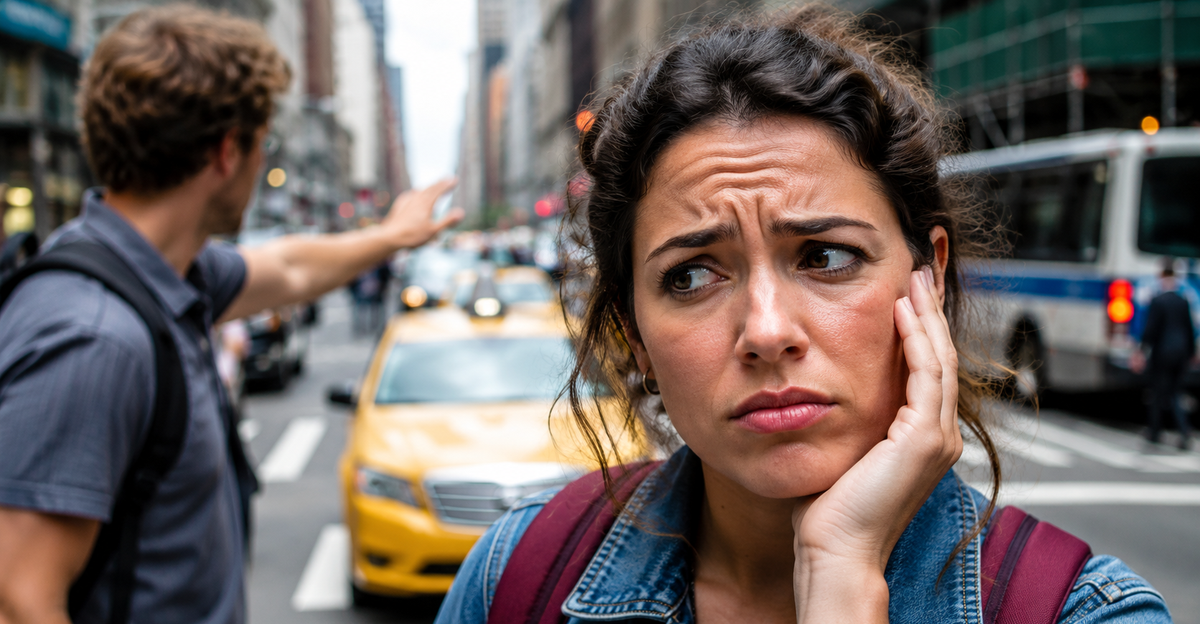 Factinate Ltd
The Budget Rule Sounded Reasonable
Before we left, my travel companion announced that we would not use taxis or rideshares. Their goal was to keep transportation costs as low as possible. I appreciated the commitment to budgeting because travel expenses can add up quickly.

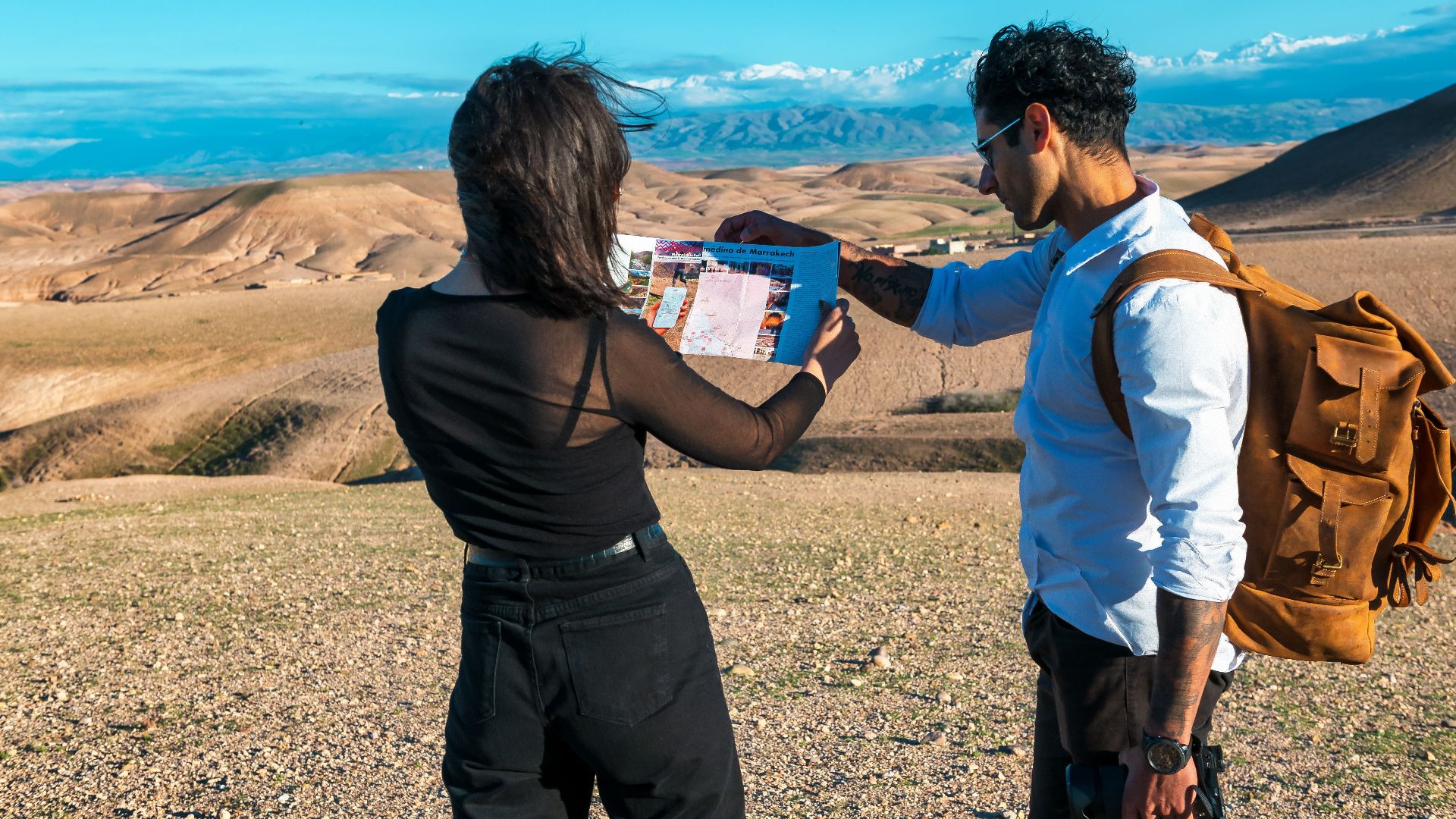
Walking Everywhere Looked Easy On A Map
Many attractions seemed close together when we looked at digital maps. Distances that appeared manageable turned into long walks through busy streets and unfamiliar neighborhoods. Travel times also increased because we underestimated traffic lights, hills, and crowded sidewalks.

Public Transit Became The Only Backup Plan
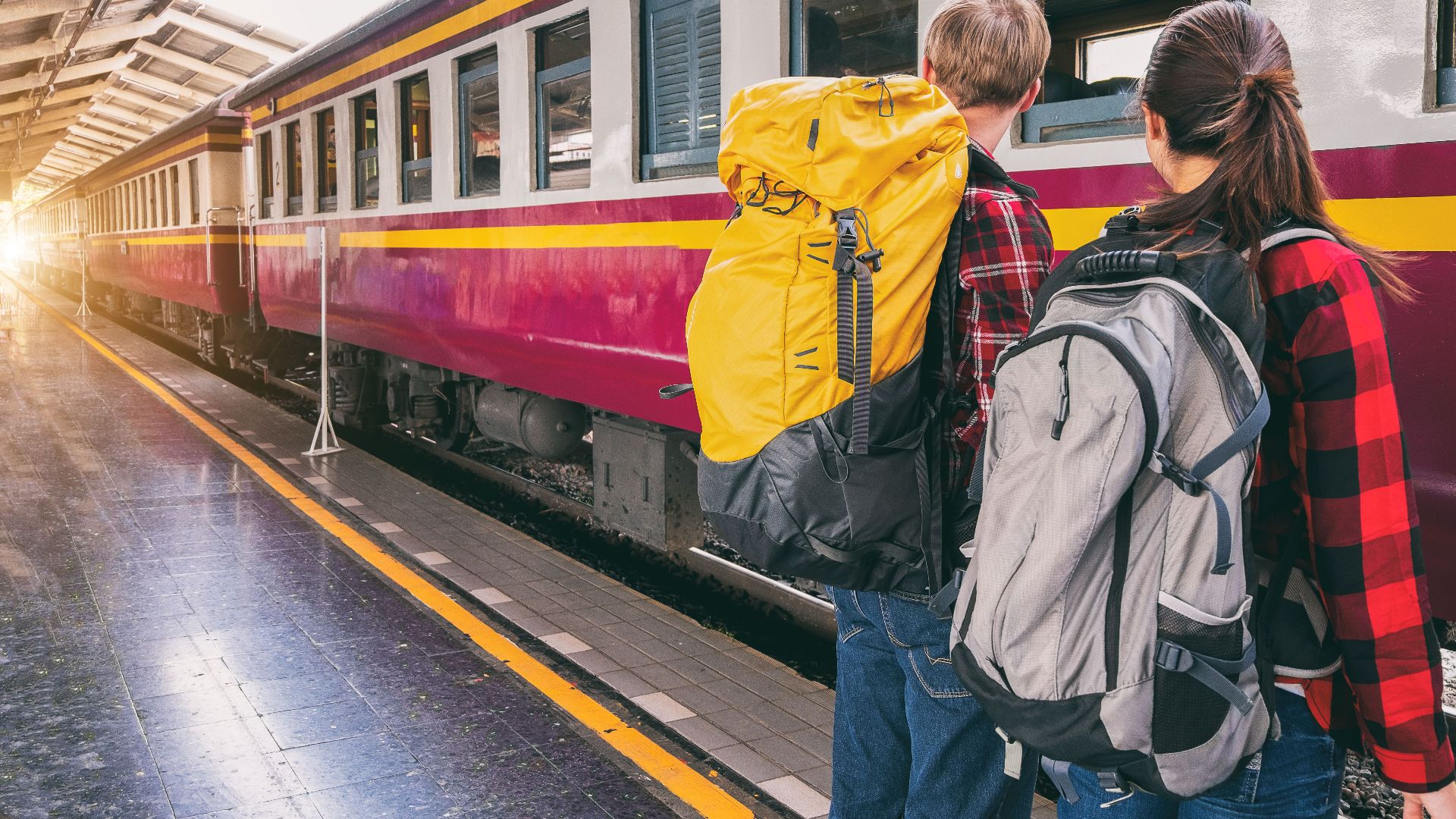
Whenever walking became unrealistic, we relied on buses or trains. Public transportation often works very well, especially in major cities with extensive networks. Still, routes and transfers sometimes added significant time compared with a direct ride.

Small Delays Started Adding Up
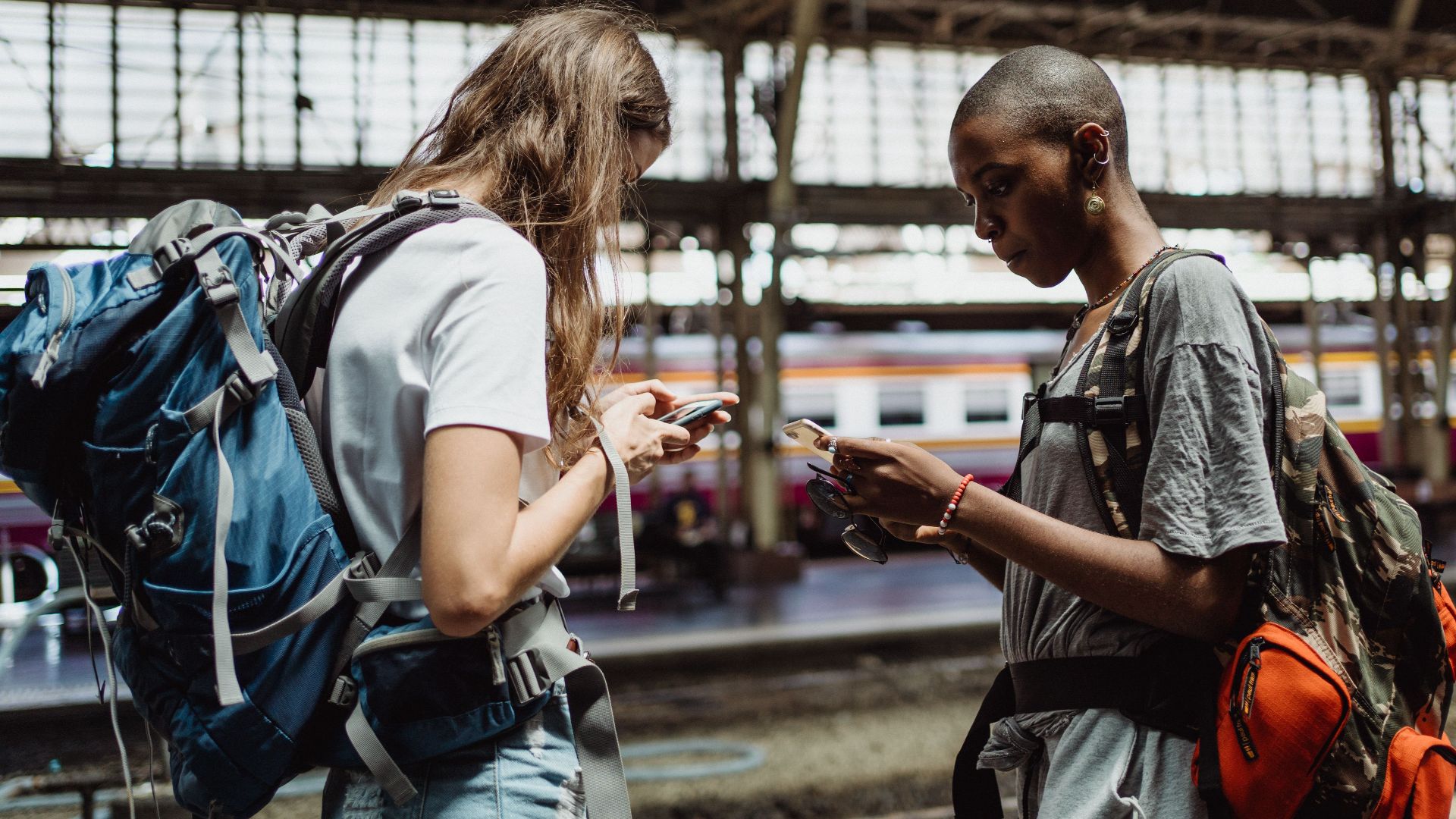
Missing one train often meant waiting for the next one. A late bus could throw off our entire afternoon schedule. Instead of relaxing, we constantly checked timetables and worried about making connections.
Weather Changed Everything
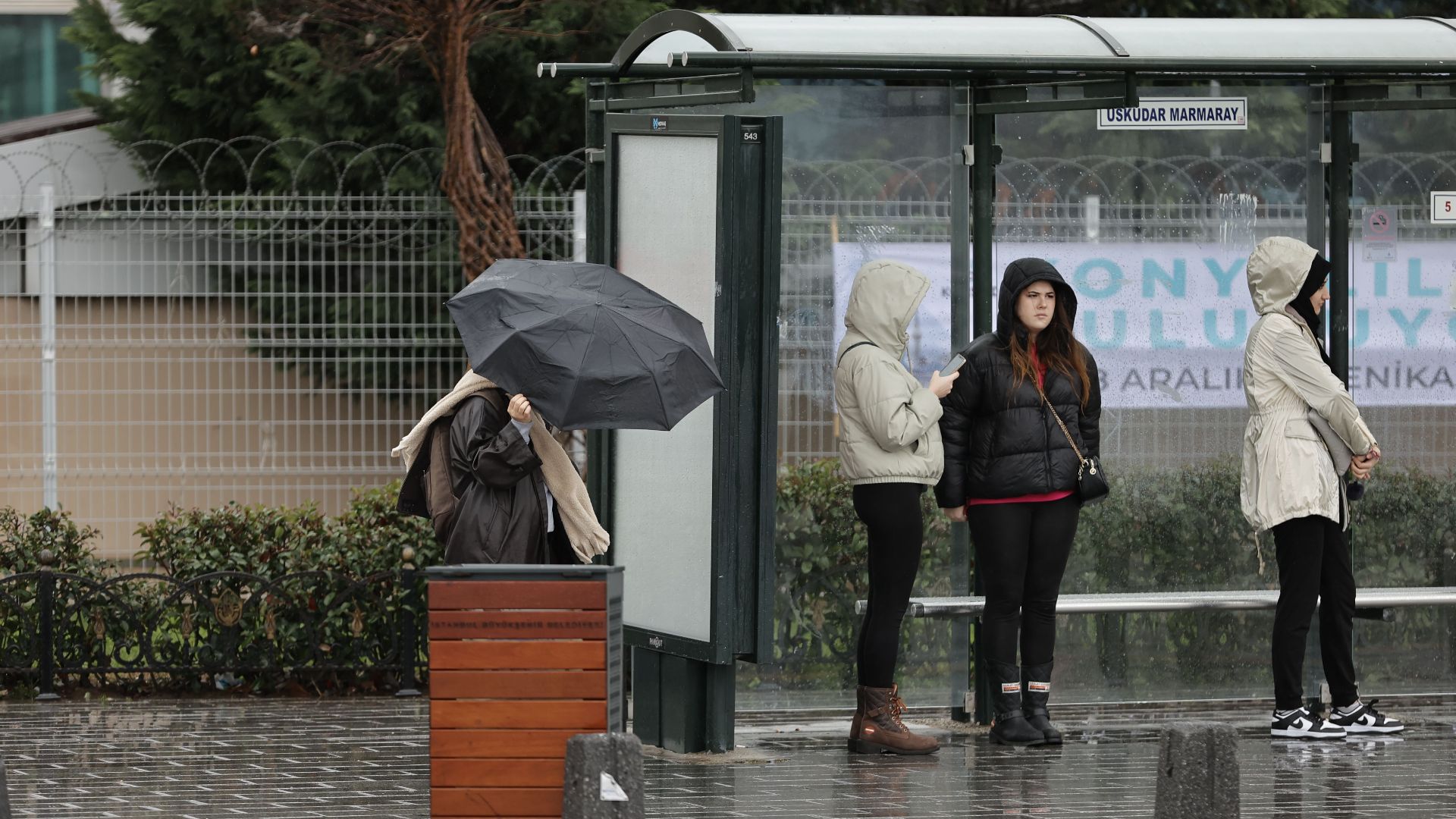
One afternoon brought heavy rain just as we finished sightseeing. Instead of ordering a quick ride, we spent nearly an hour waiting under shelter for public transportation. By the time we reached the hotel, everyone felt cold and tired.
Energy Became A Limited Resource
Walking several extra miles every day eventually caught up with us. My feet were sore before dinner, and I found myself skipping evening activities. Saving money during the day ended up costing memorable experiences at night.

Time Has Value Too
Vacation days are limited for most people. Spending an extra hour getting somewhere means losing an hour that could have been spent exploring museums, neighborhoods, or restaurants. That tradeoff became impossible to ignore.

Every Decision Turned Into A Debate
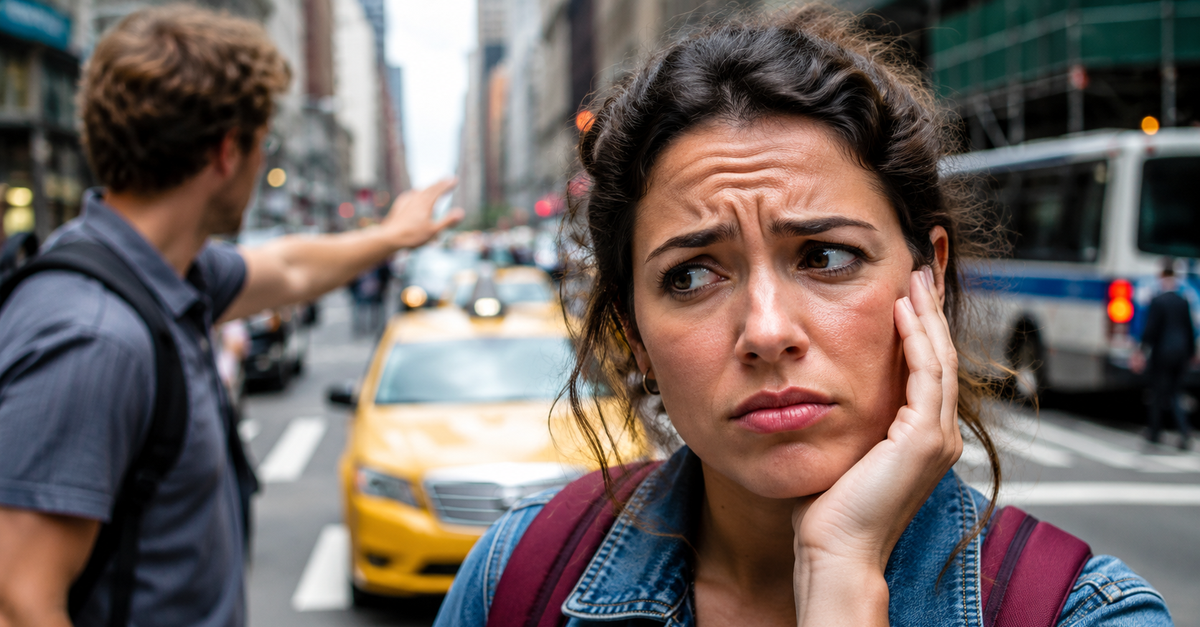
Each destination sparked another discussion about transportation. I suggested taking a taxi when we were running late. My companion insisted we keep walking because paying for a ride felt unnecessary.

Hidden Costs Started Appearing
Longer travel days sometimes meant buying extra drinks or snacks because we stayed out much longer than planned. We also missed discounted admission windows at one attraction because we arrived too late. Those unexpected expenses offset some of the transportation savings.

Local Transit Is Often Excellent
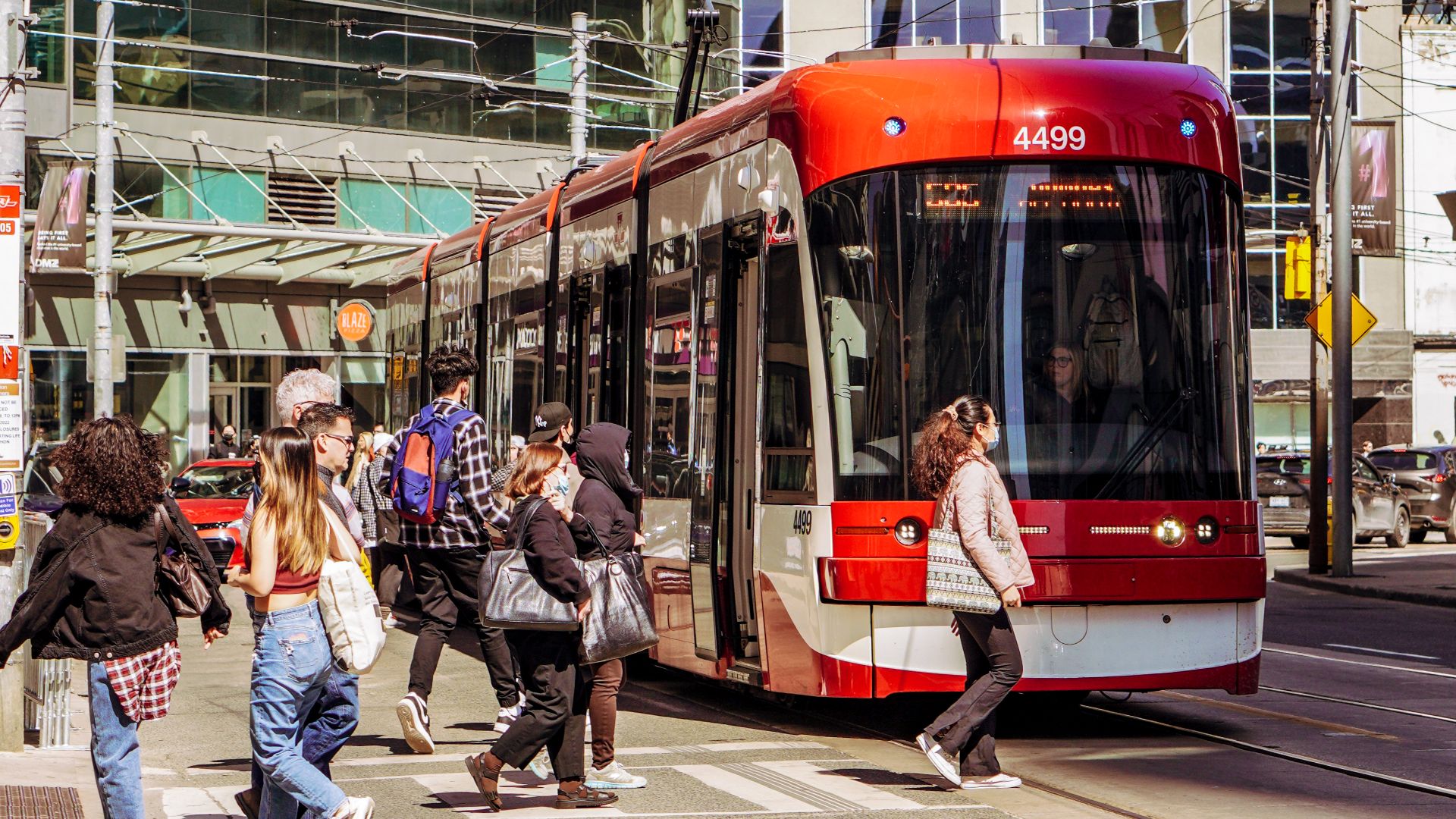
Many cities encourage visitors to use buses, trains, and subways because they are efficient and affordable. Public transportation can also reduce traffic congestion and environmental impacts. Choosing transit whenever it makes sense is often an excellent strategy.
Safety Should Always Matter
Transportation decisions should never focus only on cost. Health and travel experts recommend choosing safe transportation options, especially in unfamiliar places. Official taxis and reputable transportation services may be the safest choice in certain situations.
Exhaustion Changed Our Mood
We started each morning excited about exploring. By late afternoon, we became impatient with one another because we were physically worn out. Small disagreements became much bigger than they deserved.

We Skipped Places That Were Too Far Away
Several attractions disappeared from our itinerary because reaching them required too much walking or multiple transit transfers. Those places had been highlights on my original wish list. Missing them felt disappointing after traveling so far.

Meals Became Rushed
Extra commuting time forced us to squeeze meals between attractions. Instead of relaxing over local food, we often grabbed something quick before catching the next train. That made the vacation feel surprisingly rushed.

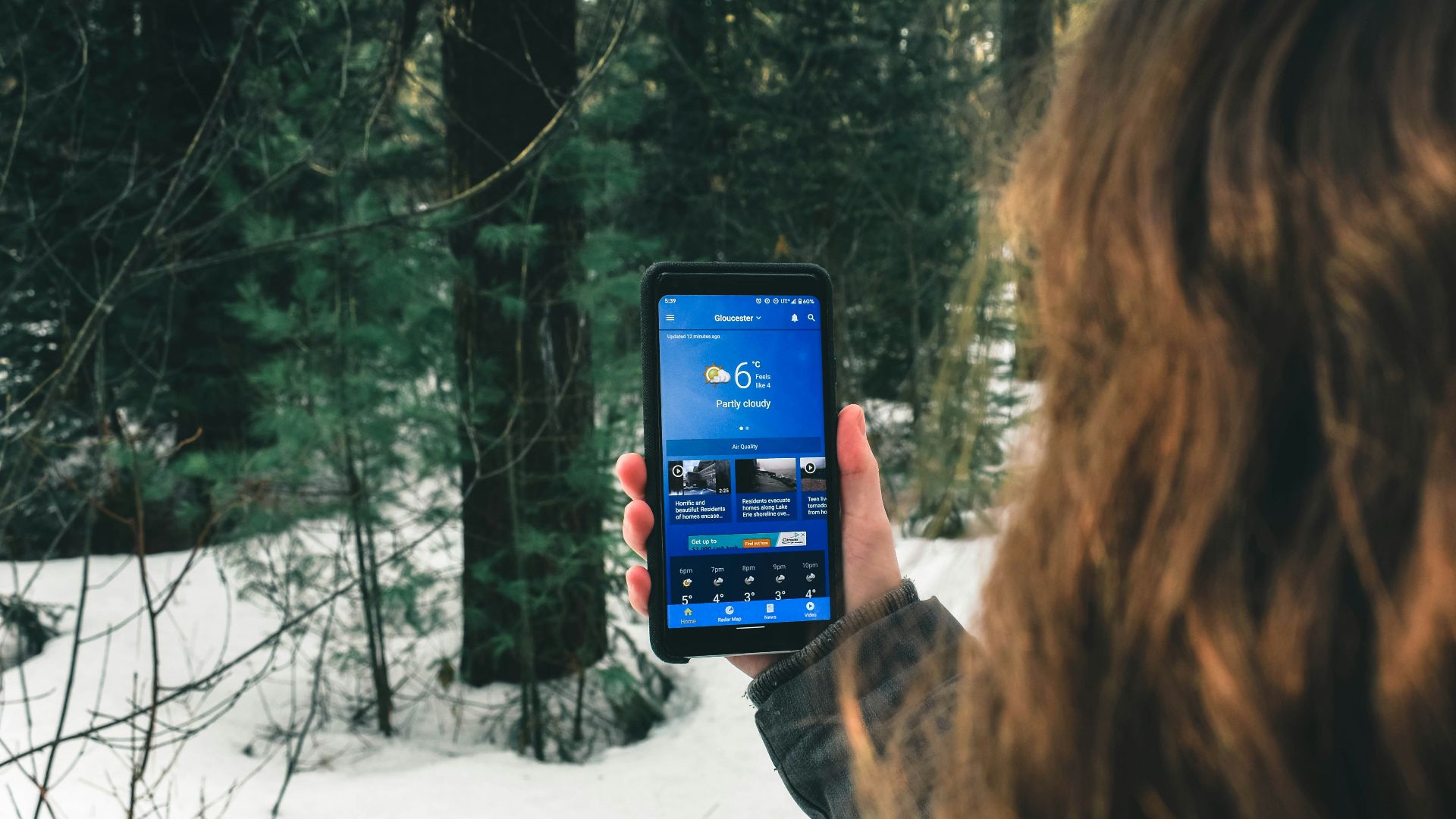
Weather Forecasts Controlled The Schedule
Rainy days became especially difficult because walking long distances was uncomfortable. Hot afternoons were just as challenging because extended walks increased fatigue. A short ride could have preserved both time and energy.
Flexibility Almost Disappeared
One advantage of vacation is the freedom to change plans. We rarely made spontaneous decisions because every change required recalculating the cheapest route. That removed much of the fun from exploring.
Budget Travel Is Still A Great Goal
None of this means travelers should spend freely without limits. Budget-conscious travel makes vacations accessible for many people. The challenge is finding balance instead of treating every expense as unacceptable.

Splurging Sometimes Makes Sense
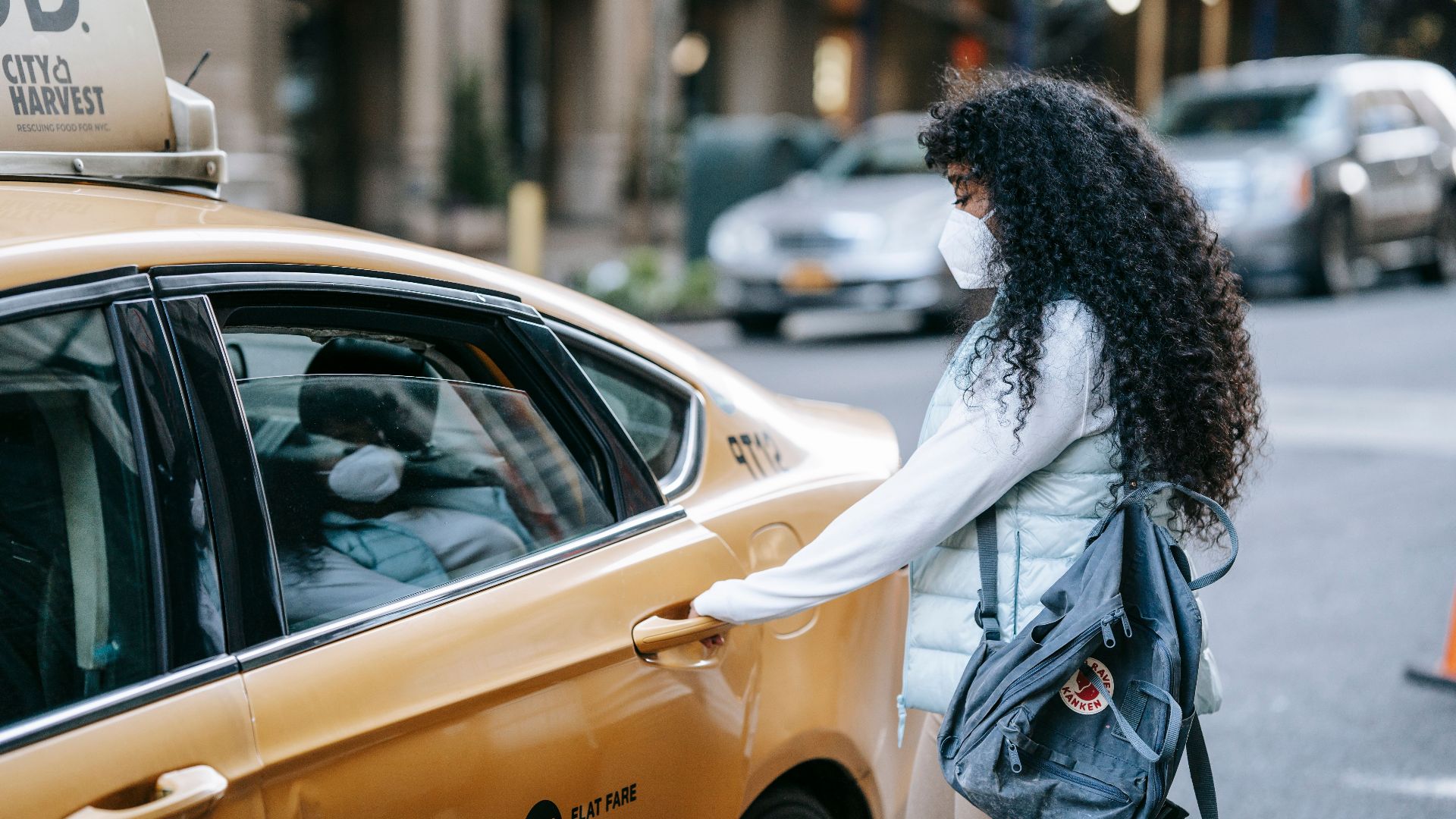
A short taxi ride after an exhausting day can feel like money well spent. The same applies when carrying luggage or trying to reach an early train station. Convenience occasionally delivers more value than the dollars spent.
Every Traveler Values Different Things
Some people enjoy walking for hours because it helps them experience neighborhoods more closely. Others prefer saving energy for museums, restaurants, or nightlife. Neither preference is wrong as long as expectations are shared.

Communication Matters Before Booking
Transportation preferences should be discussed before the trip begins. Agreeing on a daily transportation budget can prevent disagreements later. That simple conversation might avoid unnecessary frustration.

Compromise Usually Works Better
One practical solution is to walk shorter distances while using taxis for longer journeys. Another option is setting aside a small emergency transportation fund. Both approaches protect the budget without creating unnecessary stress.
Travel Experts Encourage Safe Choices
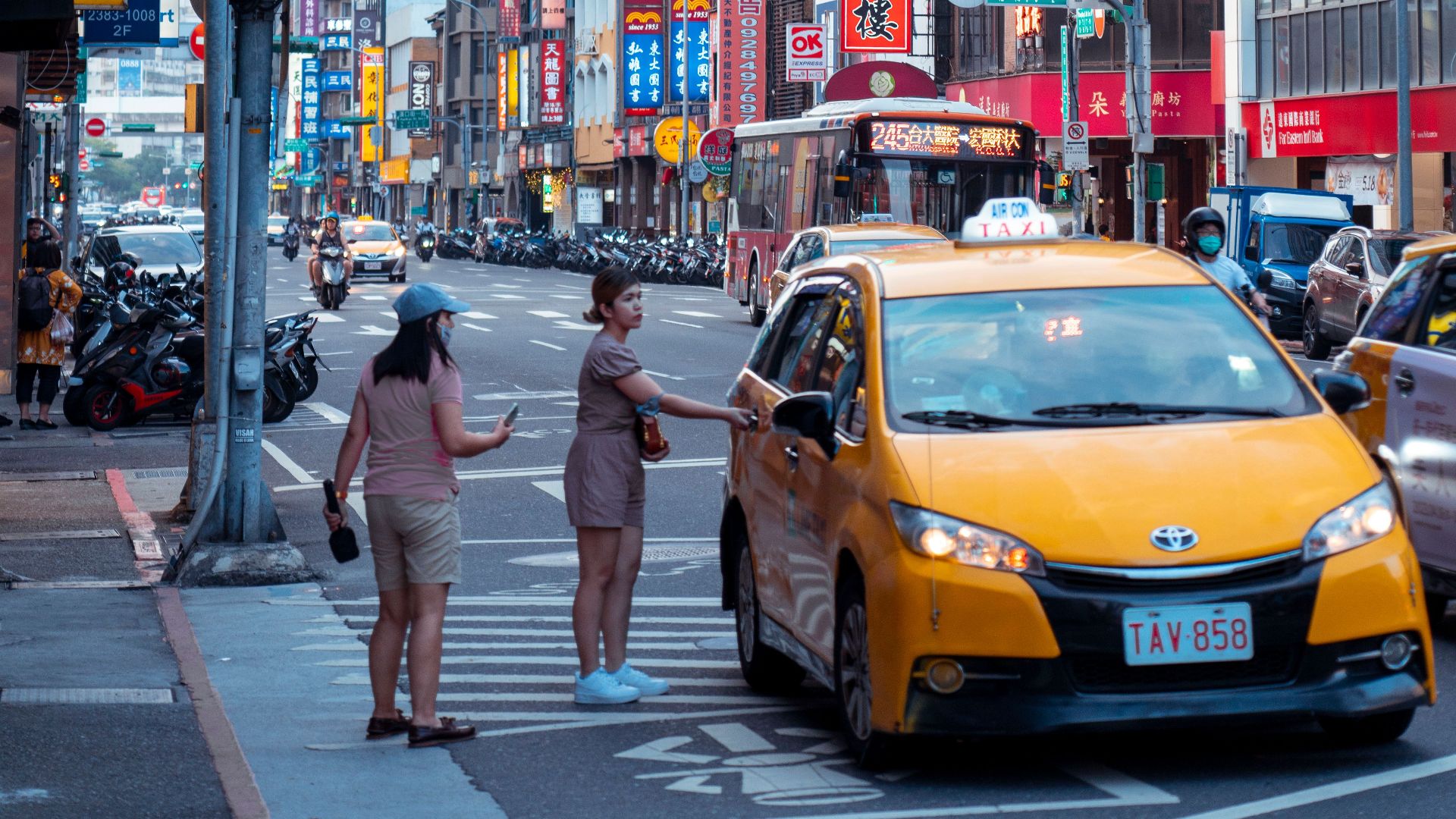
Public health guidance consistently recommends selecting transportation based on safety as well as practicality. Travelers should use reputable services, wear seat belts whenever available, and avoid unnecessary transportation risks. Saving money should never come before personal safety.
 veerasak Piyawatanakul, Pexels
Looking Back Changed My Perspective
When I reviewed the trip afterward, I remembered the transportation arguments almost as clearly as the attractions. That surprised me because vacations are supposed to create positive memories. The daily stress overshadowed many enjoyable moments.

The Cheapest Option Is Not Always The Best Value
A vacation budget should reflect more than just the lowest possible spending. Time, comfort, flexibility, and shared enjoyment all have real value. Sometimes paying a little more creates a much better overall experience.

I Would Travel Differently Next Time
If I faced the same situation again, I would suggest a transportation budget instead of a complete ban on taxis and rideshares. Walking and public transit would remain the default choice, but convenient rides would stay available when they genuinely improved the day. Saving money is important, but enjoying the trip together is usually the better investment.

You May Also Like: