
AI Is Great At Planning Trips... Until It Isn't
Planning a vacation with AI can feel almost magical. You type in where you want to go, and seconds later you have a full itinerary packed with restaurants, attractions, and sightseeing ideas. The catch is that AI doesn't always know whether every recommendation is real or up to date, so it's smartest to treat it like a helpful assistant rather than your personal travel expert.

Sometimes AI Simply Makes Things Up
One of the biggest issues with AI is something called a "hallucination". That's the term used when it confidently gives you information that's completely wrong, like suggesting a museum that doesn't exist or inventing a scenic train ride that was never there. The answers often sound convincing, which is exactly what makes these mistakes so easy to miss.

Travelers Have Already Learned This The Hard Way
This isn't just a hypothetical problem. News outlets have shared stories about travelers who followed AI-generated recommendations only to discover that certain attractions, restaurants, or experiences either closed years ago or never existed in the first place. In one well-known example, tourists went looking for a cable car attraction in Malaysia that turned out to be fictional.

Always Check Whether Places Are Actually Open
Even when AI points you toward a real attraction, there's no guarantee it'll be open when you visit. Museums close for renovations, parks have seasonal hours, and attractions sometimes shut down for special events or maintenance. A quick visit to the official website can save you from showing up to locked doors.

Restaurants Change Faster Than You Think
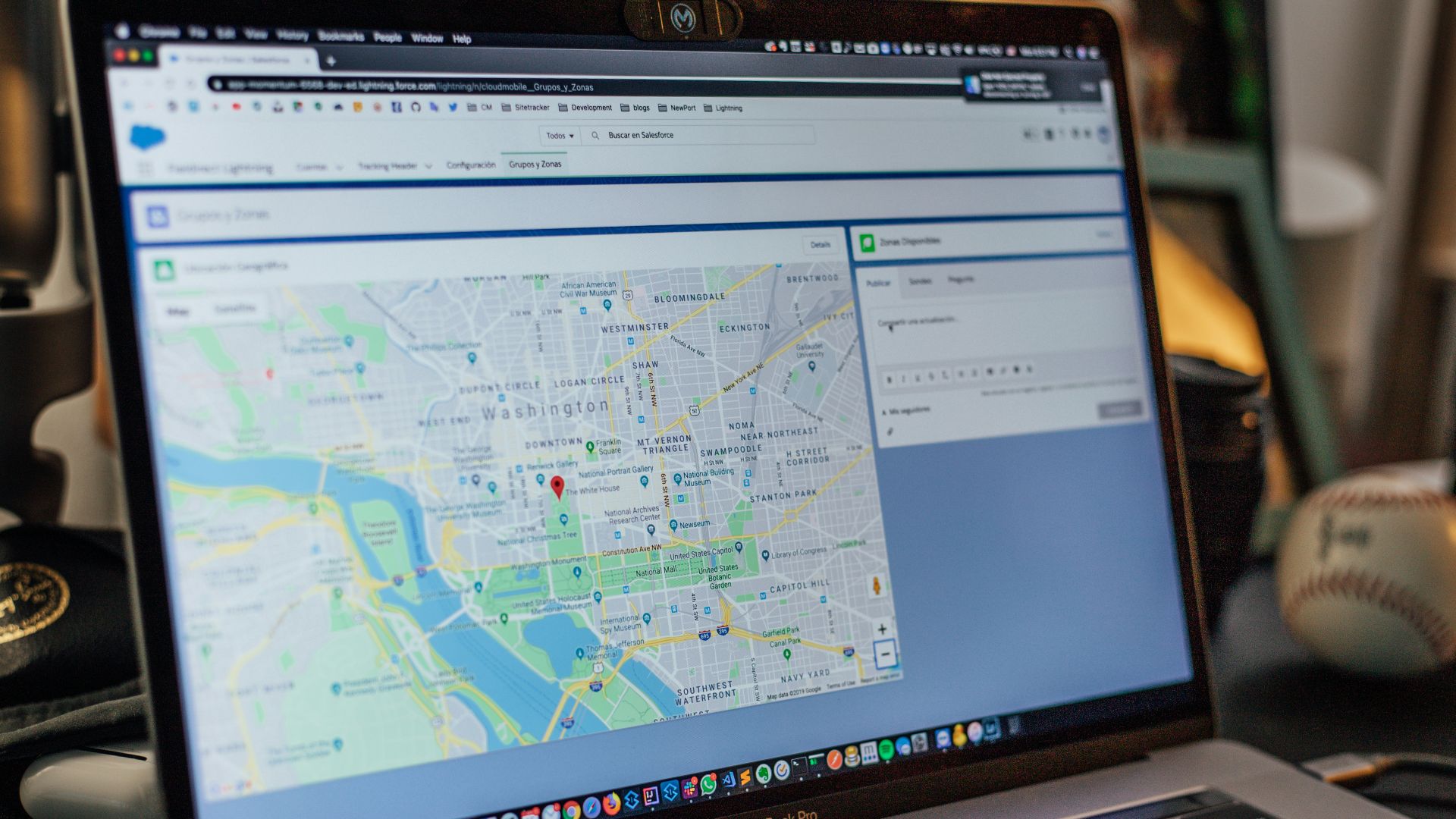
Restaurants are constantly opening, closing, moving, or changing owners. AI may recommend a place that earned rave reviews a year ago but has since gone out of business. Before adding anywhere to your must-visit list, spend a minute checking Google Maps or the restaurant's own website to make sure it's still serving customers.
Don't Skip Researching Your Hotel
Hotels can change names, switch management companies, or undergo major renovations that affect the guest experience. AI won't always know about those updates. Looking at recent reviews and confirming the property on a trusted booking site gives you a much better idea of what you're actually booking.

Visa Rules Aren't Something You Want To Guess About
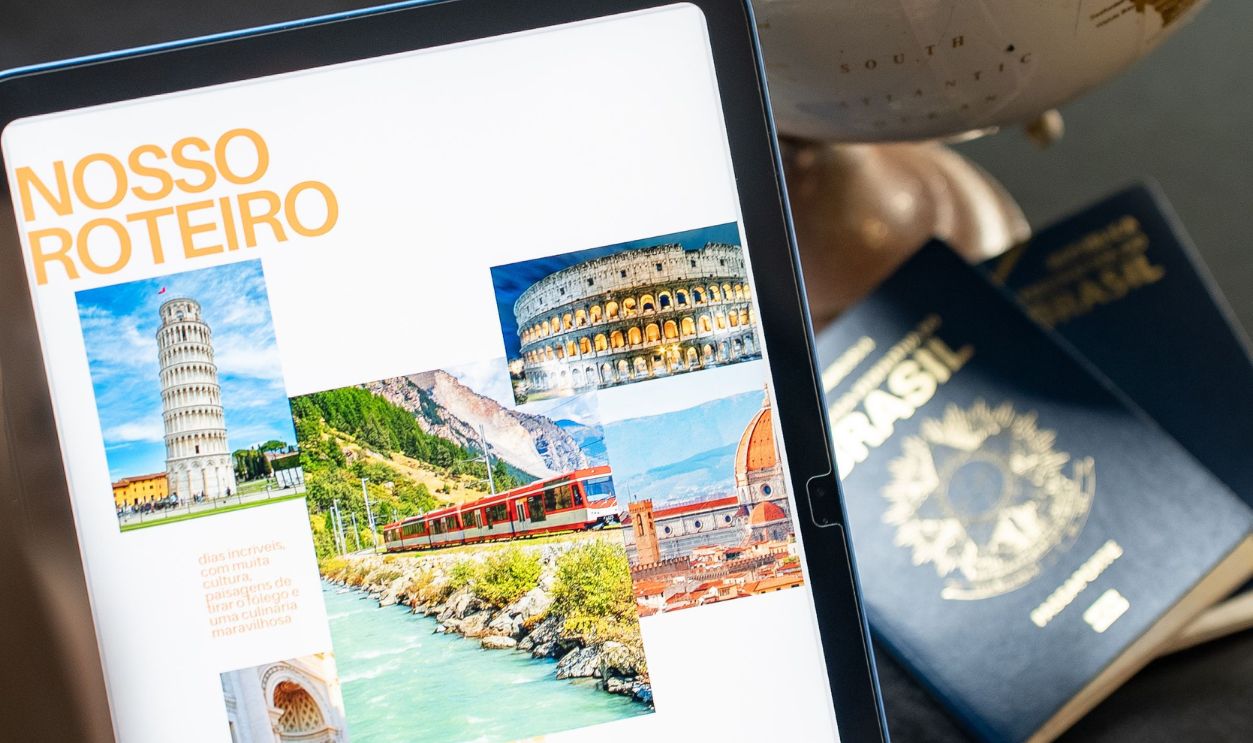
When it comes to passports and visas, AI should never have the final word. Entry requirements change regularly, and they often depend on your nationality. Government travel websites are still the best place to confirm exactly what documents you'll need before heading to the airport.

Airline Rules Change All The Time
If you've flown recently, you've probably noticed that baggage rules seem to change every year. Carry-on limits, checked bag fees, and boarding policies are updated more often than many people realize. Before your trip, it's worth checking directly with your airline so there aren't any unpleasant surprises at check-in.

AI Can't Predict The Weather Weeks In Advance
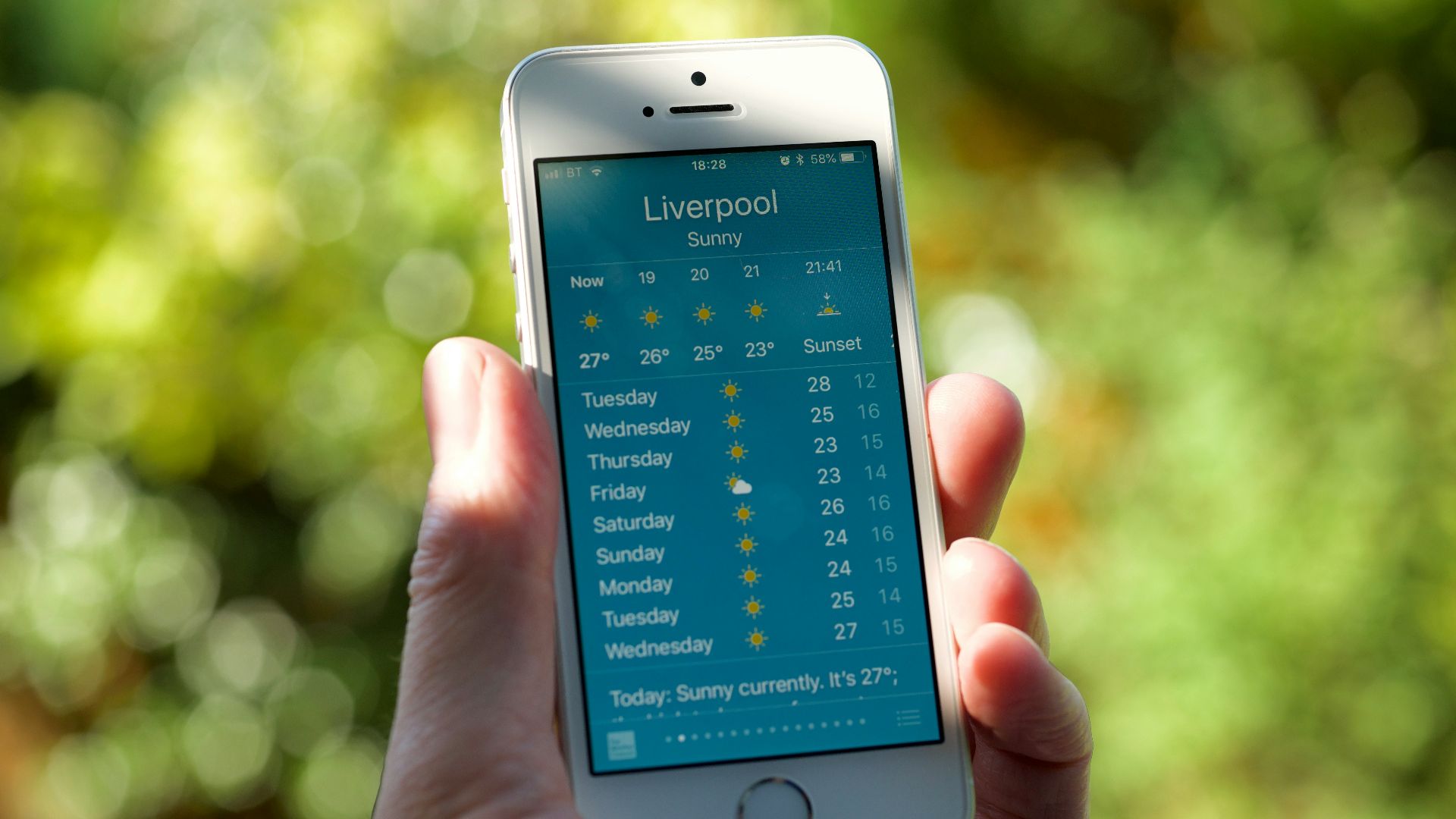
AI can tell you that Hawaii is warm or Iceland is chilly, but it isn't the best source for detailed weather forecasts. As your departure date gets closer, check a trusted weather service so you know whether to pack sunscreen, a rain jacket, or both.
Put Everything On A Map Before You Commit
An itinerary can sound perfect until you realize you're spending half the day traveling across town. AI doesn't always think like a local when it comes to geography. Dropping your planned stops into a map is an easy way to see whether your schedule actually makes sense.

Don't Ignore Recent Reviews
AI is good at giving quick summaries, but it can't always capture what's happening right now. Reading recent reviews can reveal things like long lines, ongoing construction, disappointing service, or attractions that aren't living up to expectations. Those little details can make a huge difference once you're there.

Make Sure Special Events Are Still Happening
Planning your vacation around a festival or concert sounds fun, but events sometimes get canceled, postponed, or moved to different dates. Before booking flights or hotels, visit the official event website and make sure everything is still on schedule.

Ask AI More Questions
Instead of taking the first answer at face value, ask follow-up questions. Try things like, "How current is this information?" or "What should I verify before booking?" You'll usually get more helpful responses, and AI may even point you toward official sources to double-check.

Compare A Few Different Sources
One of the easiest ways to catch a bad recommendation is to compare it with other sources. If AI suggests a hidden attraction but you can't find it on Google Maps, the local tourism website, or recent traveler reviews, that's probably a sign to dig a little deeper before making plans.
 LinkedIn Sales Solutions, Unsplash
Let AI Inspire You, Not Book Everything
AI is fantastic when you're looking for ideas. It can suggest neighborhoods you've never heard of, interesting museums, or scenic day trips you might have overlooked. Once you find something you like, though, switch over to official websites or trusted booking platforms to confirm the details.

Travel Times Aren't Always As Easy As They Look
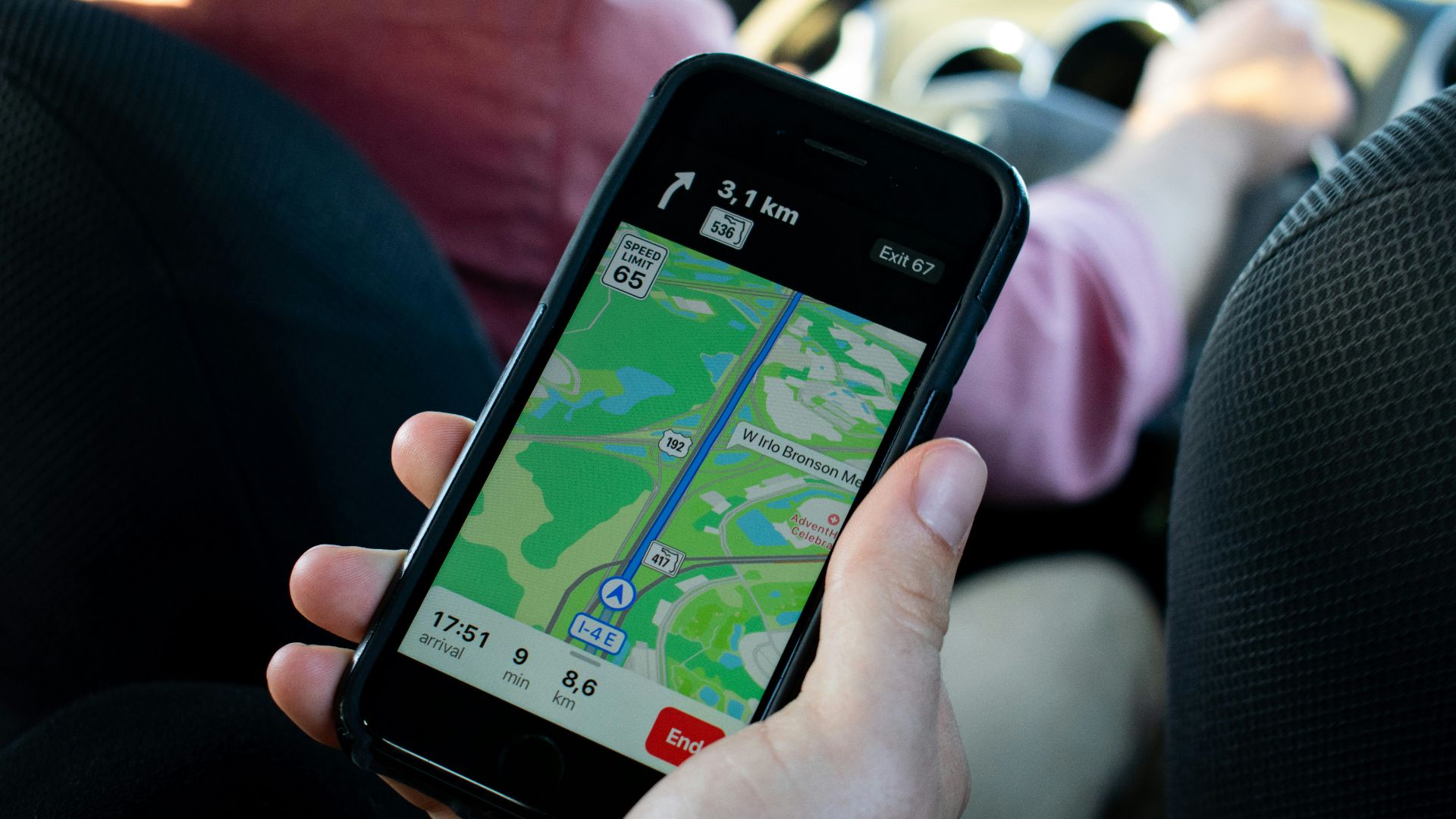
AI sometimes underestimates how long it actually takes to get from one place to another. Traffic, airport security, delayed trains, and crowded public transportation can all throw off a carefully planned schedule. Navigation apps with live traffic data usually give a much more realistic picture.
Look For The Most Recent Information
Travel information changes surprisingly fast. Hiking trails close, museums update exhibits, attractions relocate, and businesses change ownership. Even if most of AI's answer is correct, outdated details mixed into the response can still cause problems, so it's worth checking for the latest updates.

Some AI Travel Tools Are Better Than Others
Not all AI travel planners work the same way. Some newer services combine AI with live booking databases and current business listings, which helps reduce the chances of recommending places that no longer exist. They're not perfect, but they tend to be more reliable than AI working from older information alone.
Have A Backup Plan Just In Case
Even after you've double-checked everything, travel rarely goes exactly as planned. Weather changes, transportation gets delayed, and attractions sometimes close without much notice. Having a couple of backup options nearby means you can roll with the changes instead of letting them ruin your day.

AI Works Best When You Use A Little Common Sense
There's no question that AI has made trip planning faster and easier. It can spark ideas, organize itineraries, and help you discover places you might never have found on your own. Just remember that it's still a tool, not an all-knowing travel guide. Spend a few extra minutes verifying the important details, and you'll be much more likely to enjoy your vacation instead of chasing attractions that were never there in the first place.

You May Also Like: