A Tail-Wagging Dream Turns Into a Nightmare
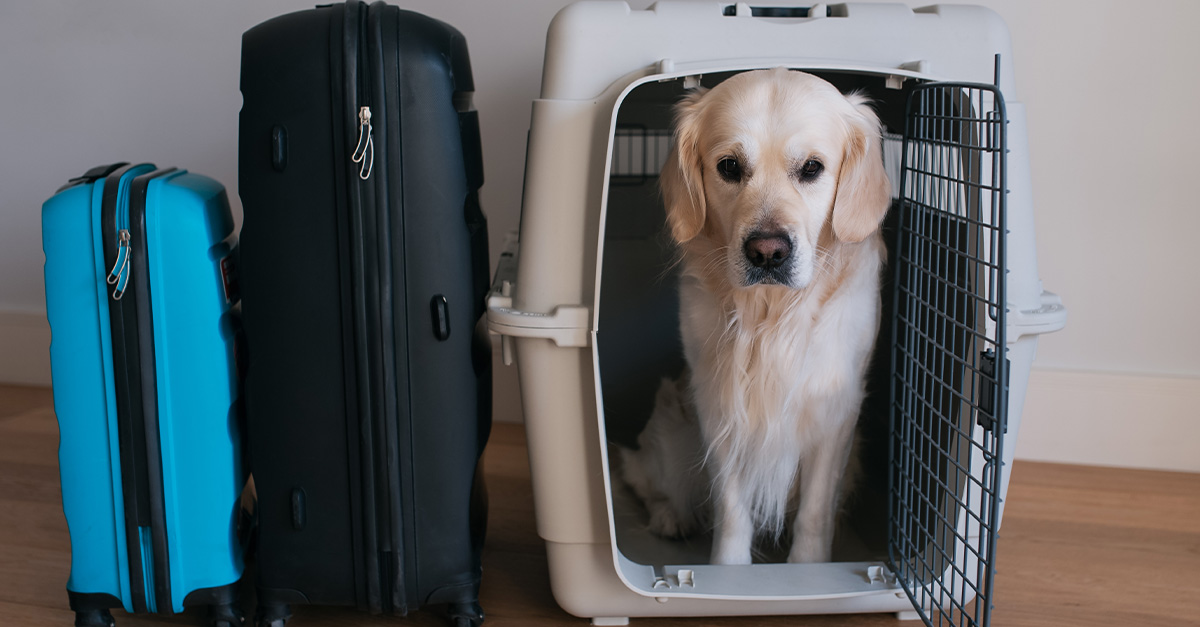
You did everything right. You paid extra. You followed the rules. You adopted a dog who needed a home. And now… Fido is missing. Somewhere between Point A and your loving arms, the airline lost your dog. Panic sets in, guilt creeps up, and your brain is spiraling. Take a breath. You’re not powerless, and you’re not alone.
The Moment You Realize Something Is Wrong
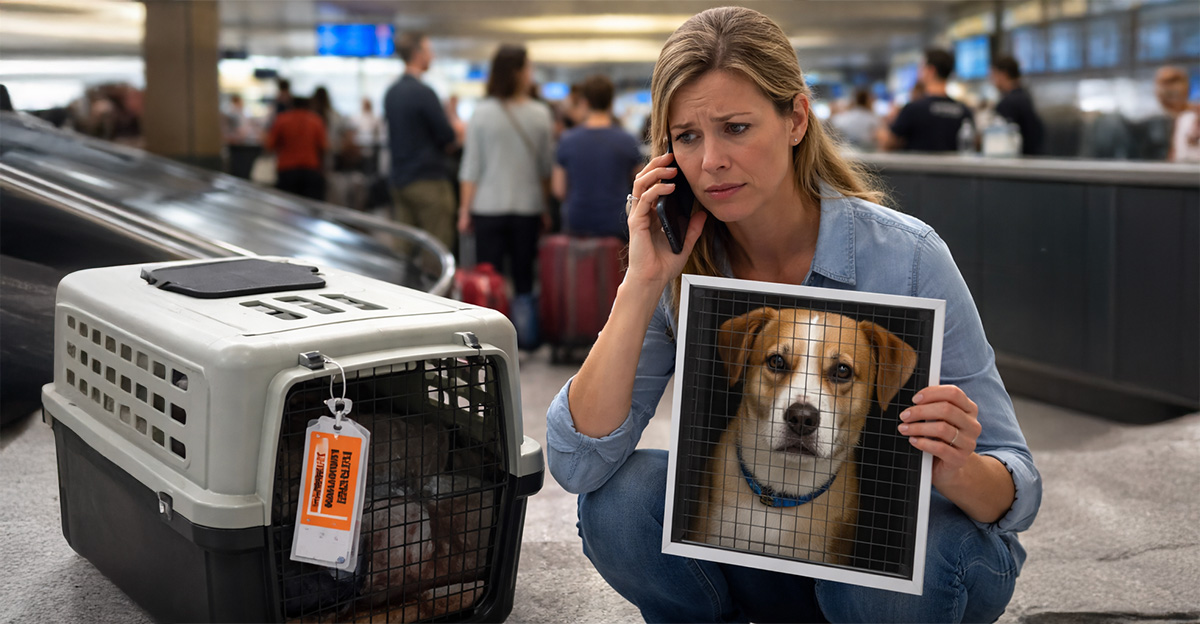
The baggage carousel spins. Crates roll out. Yours doesn’t. The airline rep gives you that look—the one that says this might take a minute. That minute stretches into hours. This is the worst part: the uncertainty. At this stage, emotions are raw, but staying calm and focused will help Fido more than panic ever could.
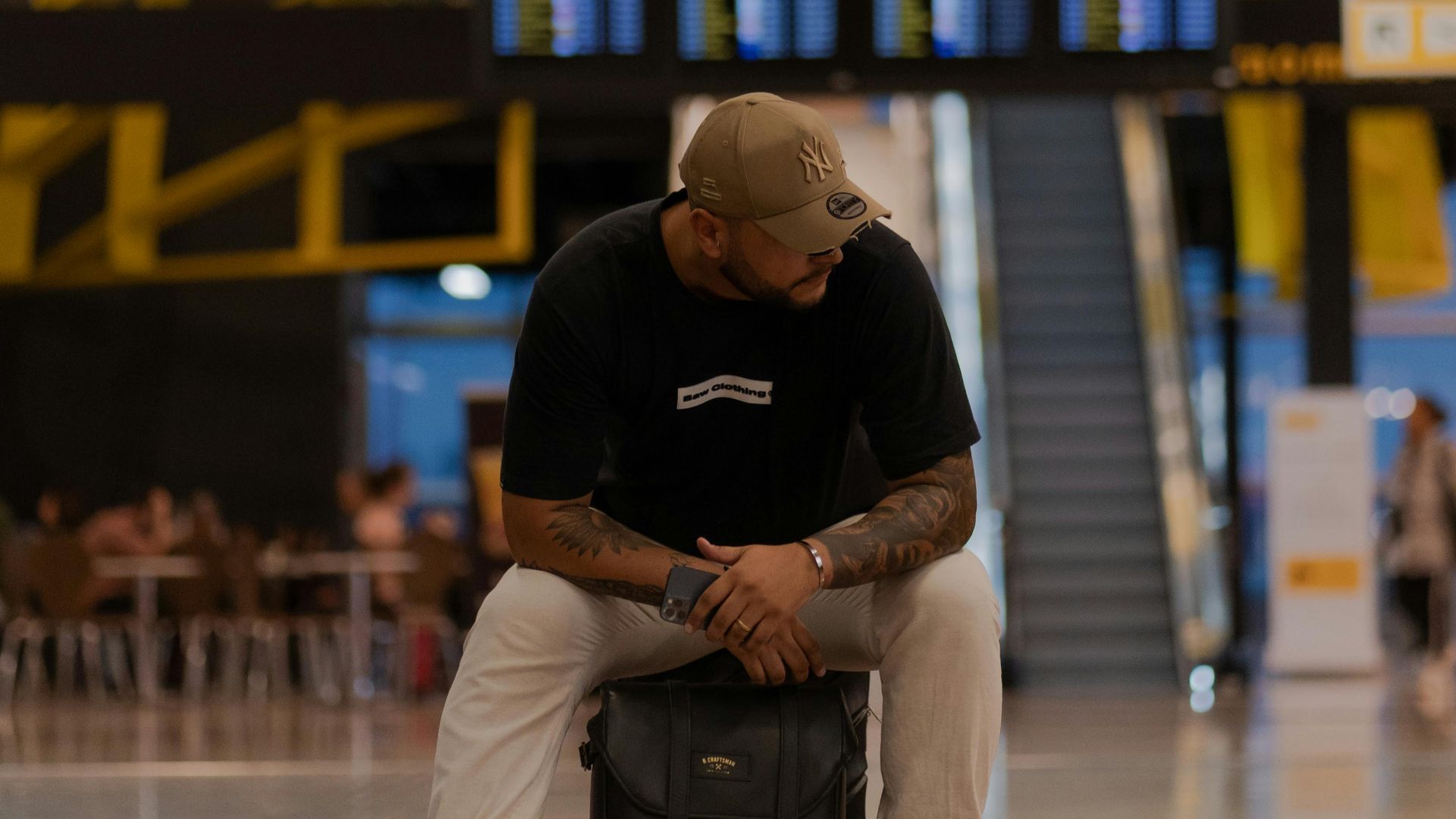
First Things First: Confirm Fido’s Last Known Location
Before assuming the worst, get specifics. Ask the airline exactly where Fido was last scanned. Cargo hold? Transfer airport? Still on the plane? Airlines track pets similarly to baggage, but animals often move through different systems. Knowing the last confirmed location is critical for what comes next.

File an Official Missing Pet Report Immediately
Do not leave the airport without filing a report. Get a case number. Get names. Get phone numbers. Ask for written confirmation. This creates a paper trail and signals to the airline that this is serious. Pets are considered “special cargo,” and documentation matters when time is of the essence.

Ask About Live Animal Protocols
Airlines have specific procedures for missing live animals. Ask what those protocols are and insist they be followed. This often includes searching cargo areas, checking temperature-controlled holding rooms, and alerting staff at transfer airports. Using the phrase “live animal incident” can sometimes trigger faster internal responses.
Don’t Be Afraid To Escalate—Politely but Firmly
If frontline staff seem unsure, ask for a supervisor. Then ask for the station manager. Escalation isn’t being rude; it’s being responsible. You’re advocating for a living being, not a delayed suitcase. Stay calm, take notes, and keep pushing until you feel the urgency matches your own.

Contact the Adoption Agency or Rescue Group
The organization that helped you adopt Fido is now a key ally. They often have experience with transport issues and may have direct airline contacts. They can also help spread the word if Fido ends up somewhere unexpected. Let them know immediately, even if details are still emerging.

Use Social Media—Strategically
This is where the internet can help. Post clear, factual updates on platforms like X, Facebook, and Instagram. Tag the airline. Include flight numbers, dates, and a photo of Fido. Keep it factual, not accusatory. Airlines often respond faster when an issue gains public attention.
Request Proof of Welfare Checks
If the airline claims Fido is safe but “in transit,” ask for confirmation. Has someone physically seen him? When? Where? Pets can’t advocate for themselves. It’s reasonable to ask for assurance that he’s fed, watered, and in a safe environment while the search continues.
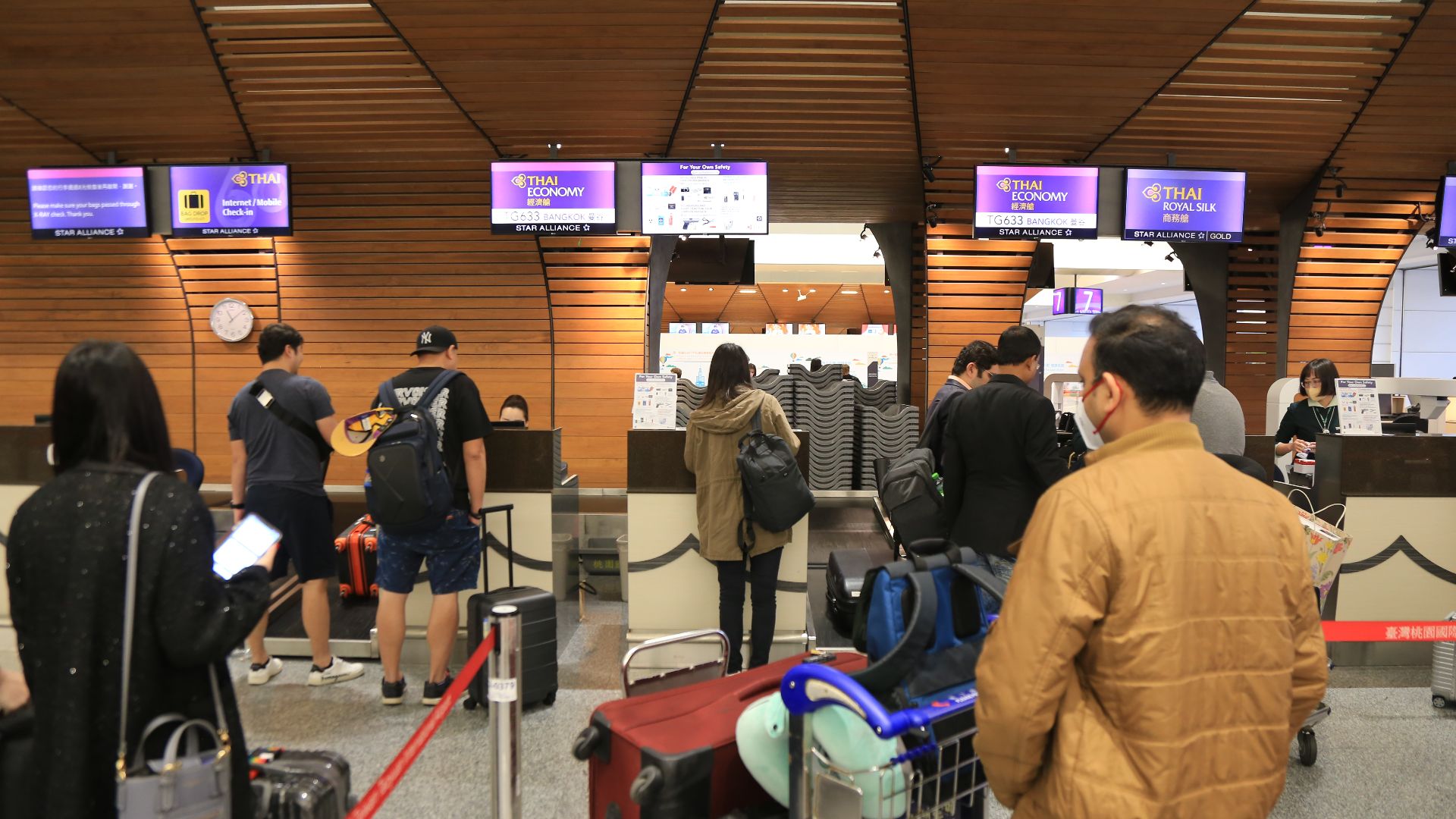 Wutthichai Charoenburi, Wikimedia Commons
Understand Your Rights (And Limitations)
Airlines have contracts of carriage that outline liability for pets. It’s not comforting reading, but it’s important. While compensation won’t bring peace right now, knowing your rights helps you push for action. Some airlines also have internal pet safety teams—ask if one is involved.

Stay Available—At All Times
As exhausting as this is, keep your phone on and nearby. Airlines may need quick decisions about rerouting or pickup. Missed calls can slow everything down. If possible, have a second trusted person looped in so someone is always reachable.

Prepare for Multiple Outcomes
Best case: Fido is located quickly and arrives shaken but safe. Other scenarios may involve delays, rerouting, or temporary boarding at another airport. Mentally preparing for different outcomes helps you stay steady and responsive rather than reactive.

If Fido Is at a Different Airport
This happens more often than people realize. If Fido is confirmed at another airport, ask whether you can retrieve him directly or if the airline will complete transport. Sometimes, picking him up yourself is faster and less stressful—for both of you.

Document Everything As You Go
Write down times, names, promises, and updates. Save emails and screenshots. This isn’t about building a case right now—it’s about clarity. When stress is high, details blur. Your notes will help you stay grounded and consistent when talking to different representatives.

Take Care of Yourself Too
You can’t help Fido if you collapse from exhaustion or panic. Eat something. Drink water. Take short breaks. Guilt often hits adopters hard in moments like this, but remember: your intention was love and safety. That still matters.
 Karolina Grabowska www.kaboompics.com, Pexels
When Hours Turn Into a Full Day
If 24 hours pass without resolution, ask about involving airport animal services or local authorities. This is rare, but possible. At this stage, widening the net can help. The goal is visibility—making sure every possible system is aware that Fido is missing.

Lean on Your Support Network
Call a friend. Text family. Post updates. This isn’t a burden—you’re dealing with something genuinely distressing. Emotional support helps you make better decisions and keeps you from feeling isolated during an already overwhelming experience.

Be Ready for the Reunion Emotions
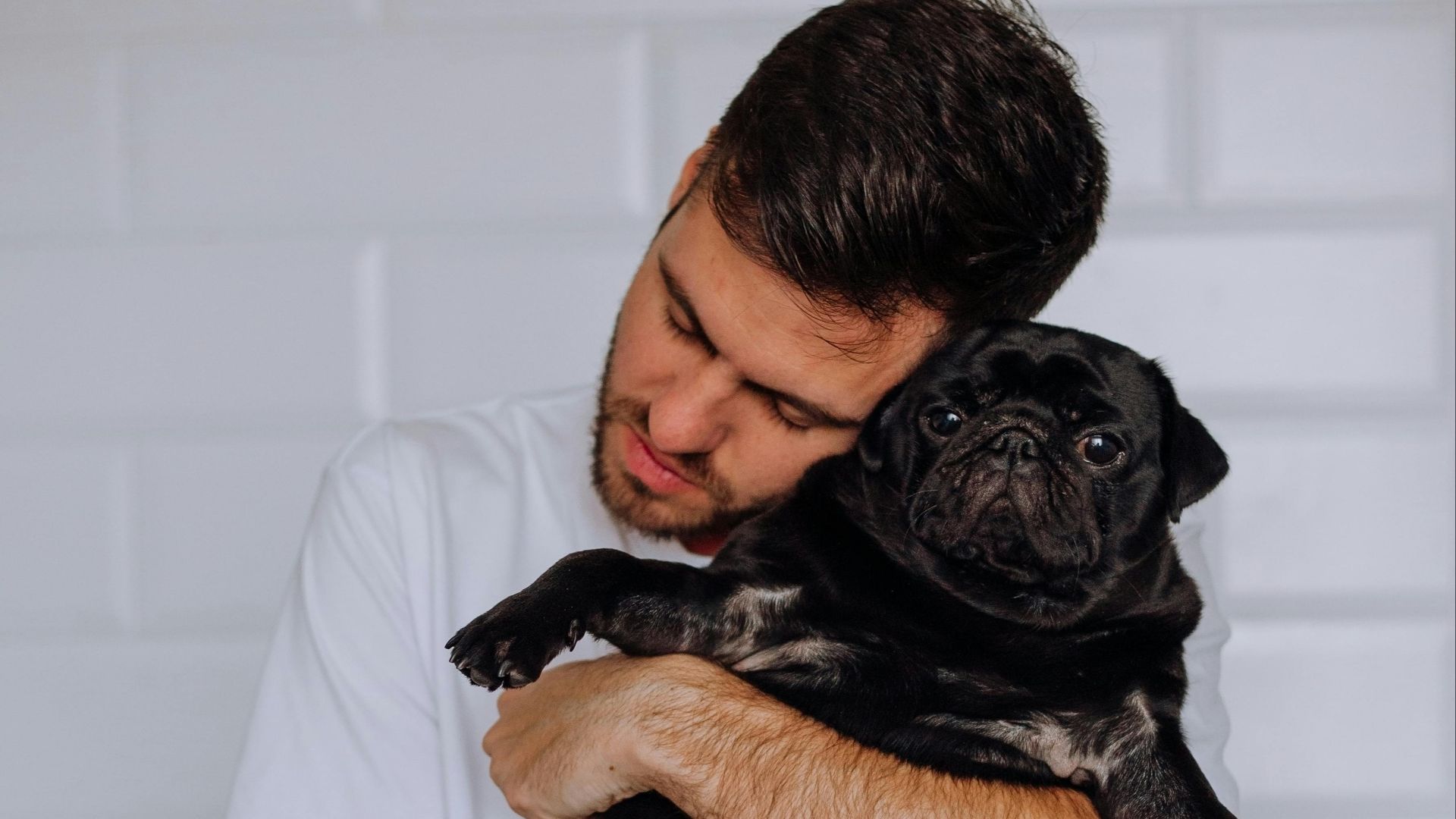
When Fido is found, the emotions can hit like a wave—relief, anger, tears, even delayed fear. That’s normal. Take time to check him over, ask about his condition, and don’t rush yourself into “everything’s fine” mode if it doesn’t feel fine yet.
Get a Veterinary Check ASAP
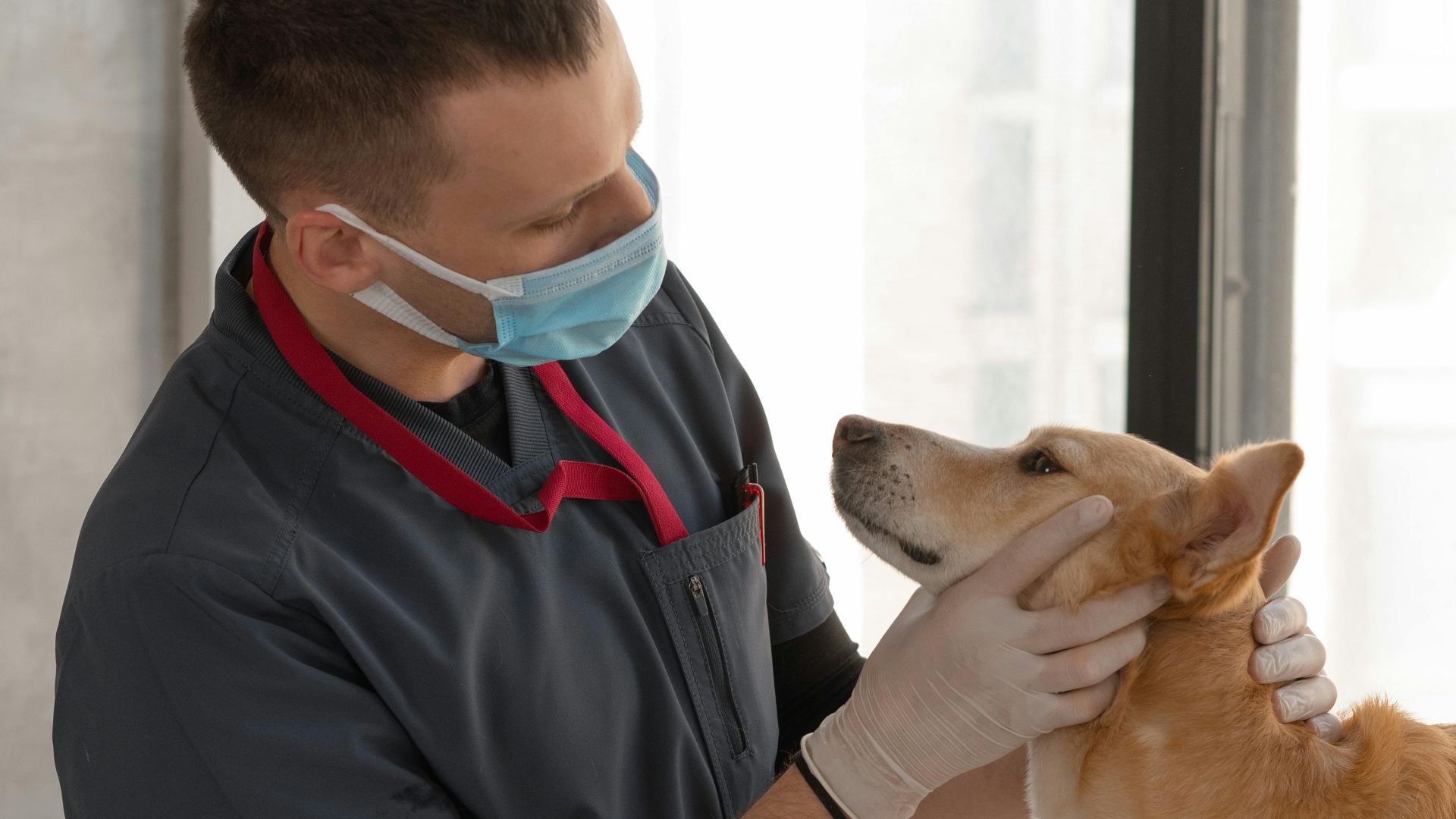
Even if Fido appears okay, schedule a vet visit as soon as possible. Stress, dehydration, or temperature changes may not be immediately visible. A professional check gives you peace of mind and documentation, just in case issues emerge later.
Decide How to Handle the Airline Afterward
Once Fido is safe, you can decide next steps. Some people pursue refunds or compensation. Others file formal complaints or push for policy changes. There’s no “right” response—only what feels appropriate to you after such a scare.

Share Your Story—When You’re Ready
Your experience can help others. Many travelers don’t realize the risks and procedures involved in pet transport. Sharing what you learned—good and bad—can lead to better preparation and, sometimes, real change in airline practices.
 Karolina Grabowska www.kaboompics.com, Pexels
Lessons You Never Wanted to Learn
You didn’t sign up for this crash course in airline logistics and emotional resilience. But you learned how quickly systems can fail—and how important human persistence is when they do. These lessons are hard-earned, but they stick.

Rebuilding Trust With Fido
Dogs are resilient, but trust may take time. Extra cuddles, routine, and patience go a long way. Let Fido set the pace. The bond you build after this experience can become even stronger than before.
What You’d Do Differently Next Time
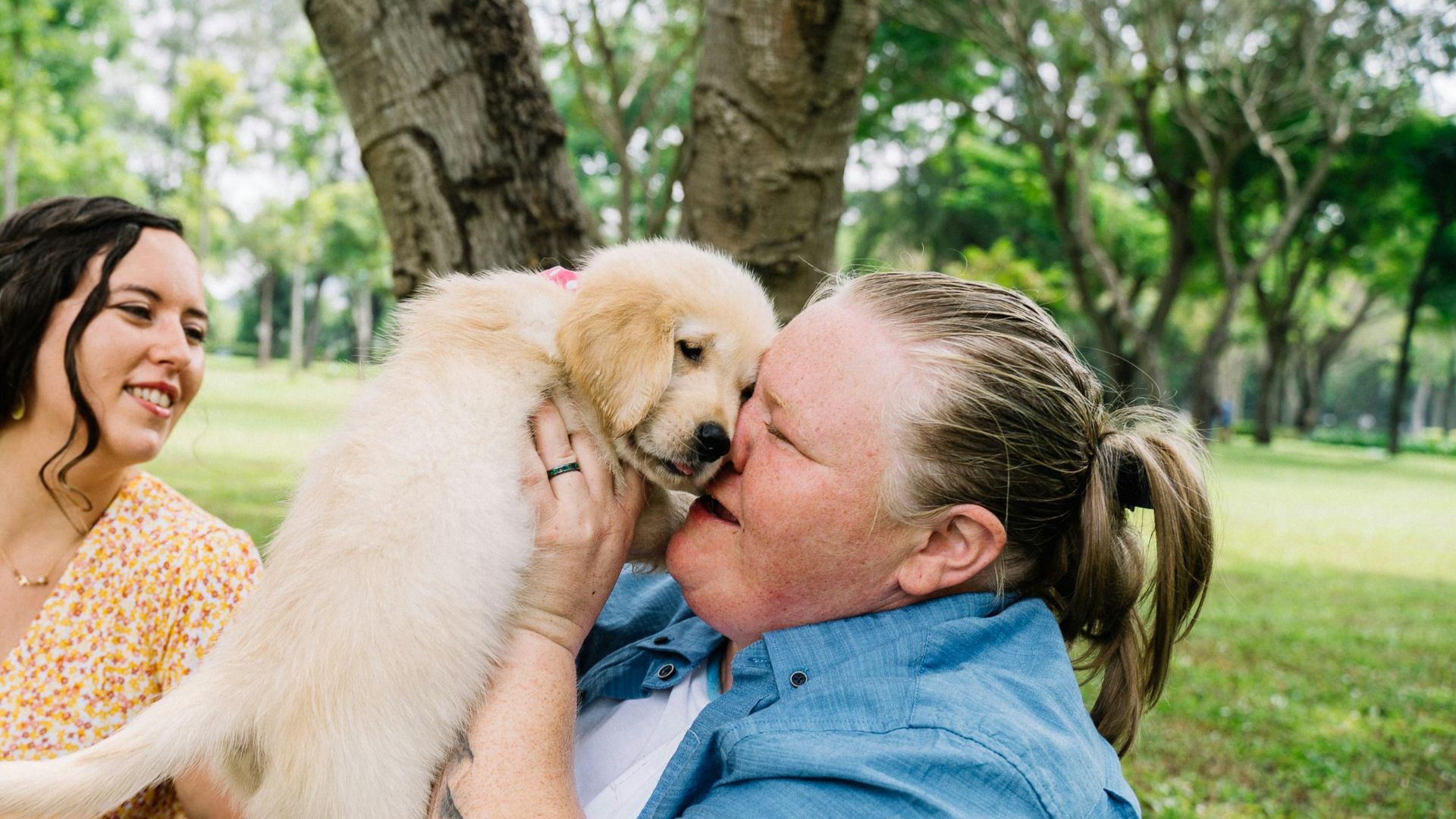
Many pet parents swear off flying animals again. Others choose different airlines or routes. Some opt for ground transport. Reflecting on what you’d change isn’t about regret—it’s about empowerment for the future.
A Reminder of Why You Adopted
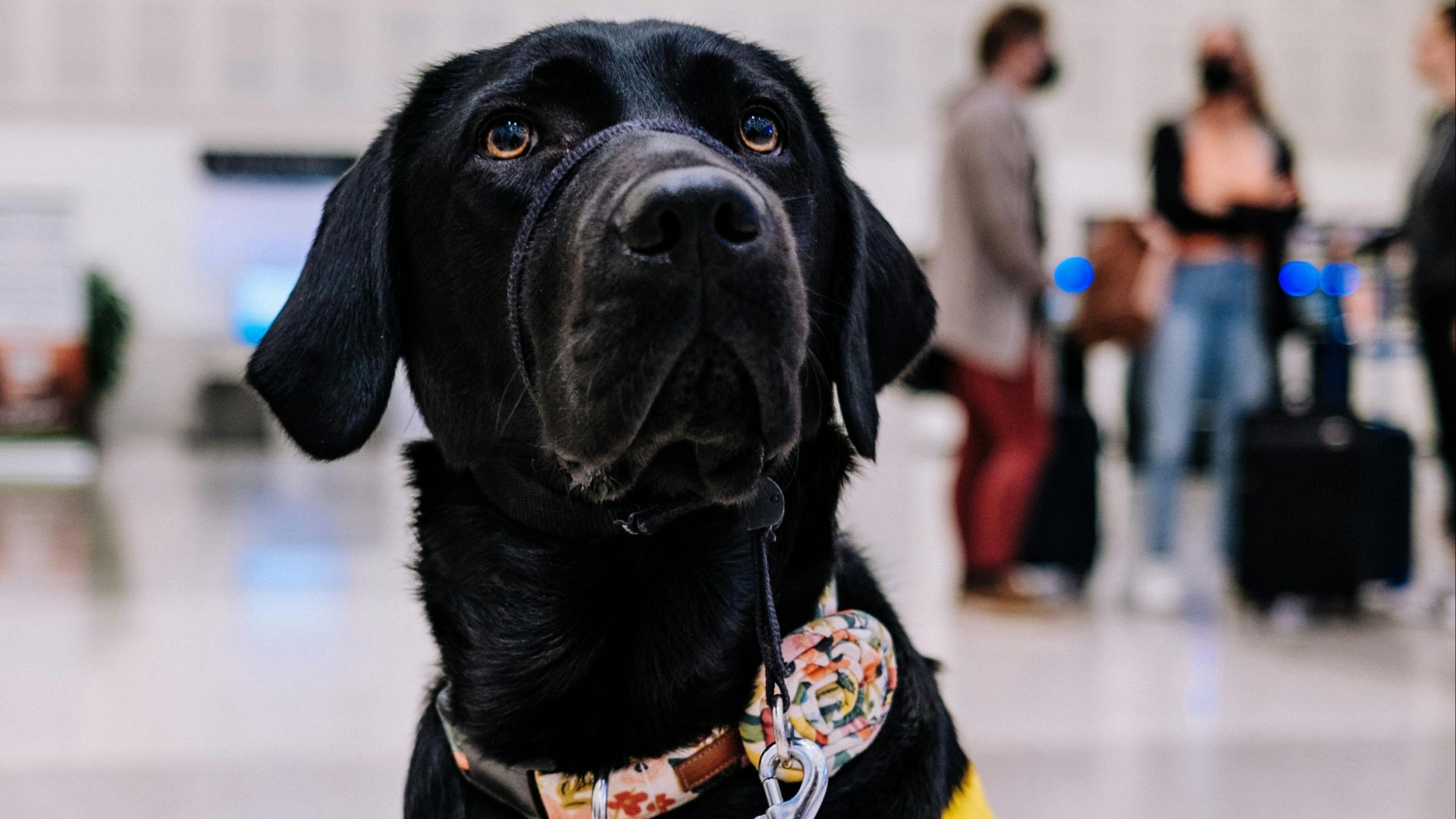
In the middle of chaos, it’s easy to forget the bigger picture. You adopted Fido to give him a better life. That intention didn’t disappear when things went wrong. In fact, it’s what fueled your fight to get him home.

When Love Means Advocating Relentlessly
This experience proves something important: loving a pet isn’t just about cuddles and cute photos. Sometimes, it’s about paperwork, persistence, and refusing to accept vague answers. Advocacy is love in action.

The Ending You Deserved All Along
Eventually, the airport doors open. A crate appears. There he is—confused, tired, but alive. The relief is overwhelming. While this journey wasn’t the joyful start you imagined, it marks the beginning of something real: a life together, hard-earned and deeply meaningful.

You May Also Like:
America’s greatest highway, Route 66 will be 100 years old in 2026.
WestJet Reverses Cramped Seat Configuration After Widespread Backlash