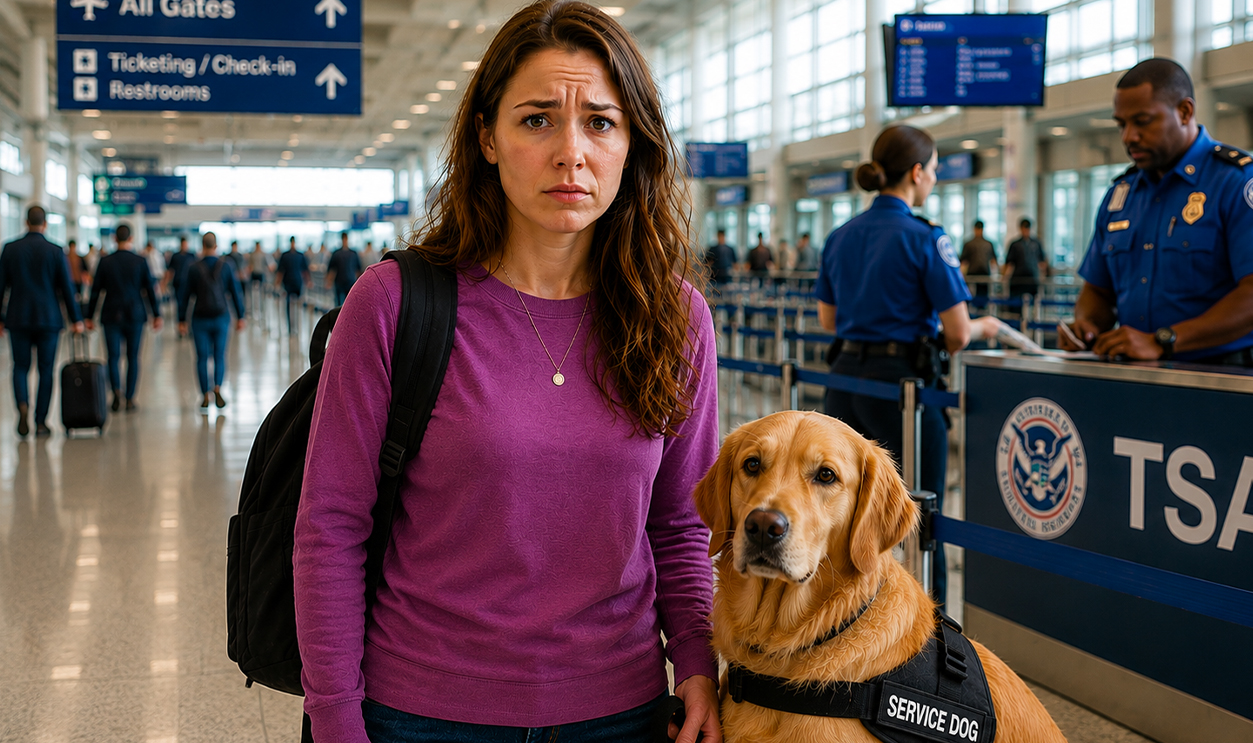
I Followed The Rules, So Why Was My Service Dog Denied Boarding?
Few travel experiences are more frustrating than arriving at the airport with your service dog only to be told you can't board. Many travelers spend weeks planning their trip, notifying the airline, and gathering paperwork, so a last-minute denial can feel shocking and humiliating. In some cases, the airline made a mistake. In others, a missing form, incomplete information, or misunderstanding about the rules may be responsible. The good news is that a denial doesn't automatically mean the airline acted correctly, and you may have options both immediately and after the fact.
Start By Finding Out Exactly Why You Were Denied
The first thing you need is a specific explanation. "Your documentation isn't sufficient" is not enough information by itself. Ask the airline representative exactly what document was missing, incomplete, incorrect, or rejected. The more precise the explanation, the easier it becomes to determine whether the problem can be fixed.
 Monkey Business Images, Shuttestock
Service Animal Rules Changed In Recent Years
Many travelers are unaware that airline service animal rules changed significantly in the United States. Under current U.S. Department of Transportation regulations, airlines are generally only required to accommodate trained service dogs, not emotional support animals. The rules also allow airlines to require specific federal forms regarding the dog's health, training, and behavior.
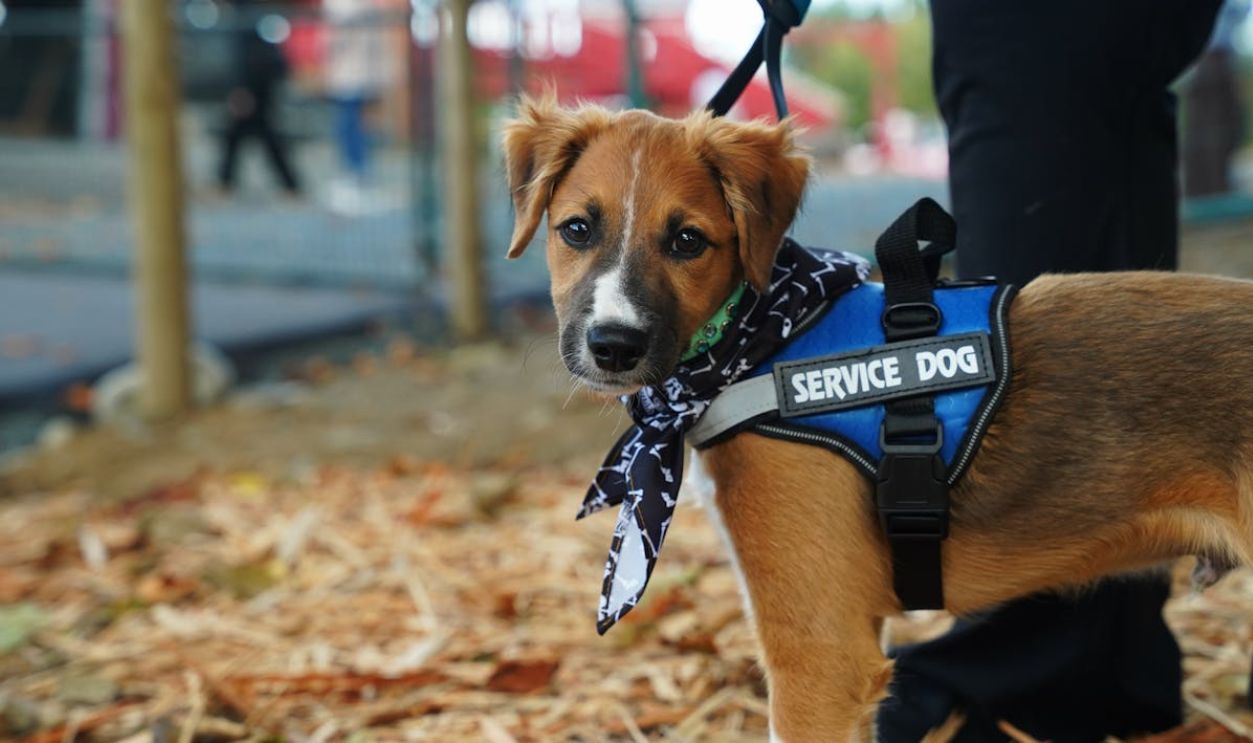
Not Every Airline Uses The Same Process
Although airlines rely on the same federal framework, their procedures can differ. Some encourage passengers to upload forms in advance, while others allow them to be presented at the airport. Certain airlines review documentation before travel and issue approvals ahead of time. Understanding the airline's specific process can be critical.

The DOT Form Is Often The Key Document
For most U.S. flights involving service dogs, airlines may require the U.S. Department of Transportation Service Animal Air Transportation Form. This form contains information regarding the dog's training, behavior, and health. If the form is incomplete, inaccurate, or missing, boarding problems can arise.

Small Errors Can Create Big Problems
Some travelers assume a minor mistake won't matter. Unfortunately, incomplete dates, missing contact information, omitted signatures, or incorrect responses can sometimes delay or derail approval. Reviewing every section carefully before travel can help avoid unpleasant surprises.

Emotional Support Animals Are Treated Differently
One of the most common misunderstandings involves emotional support animals. Federal airline rules no longer require airlines to treat emotional support animals as service animals. If the airline concluded that the animal did not meet the legal definition of a service dog, that may explain the denial.

Service Dogs Must Be Trained To Perform Tasks
For airline purposes, a service animal is generally defined as a dog individually trained to perform work or tasks for a person with a disability. The focus is on task-specific training rather than emotional comfort alone. This distinction often becomes important when documentation is reviewed.
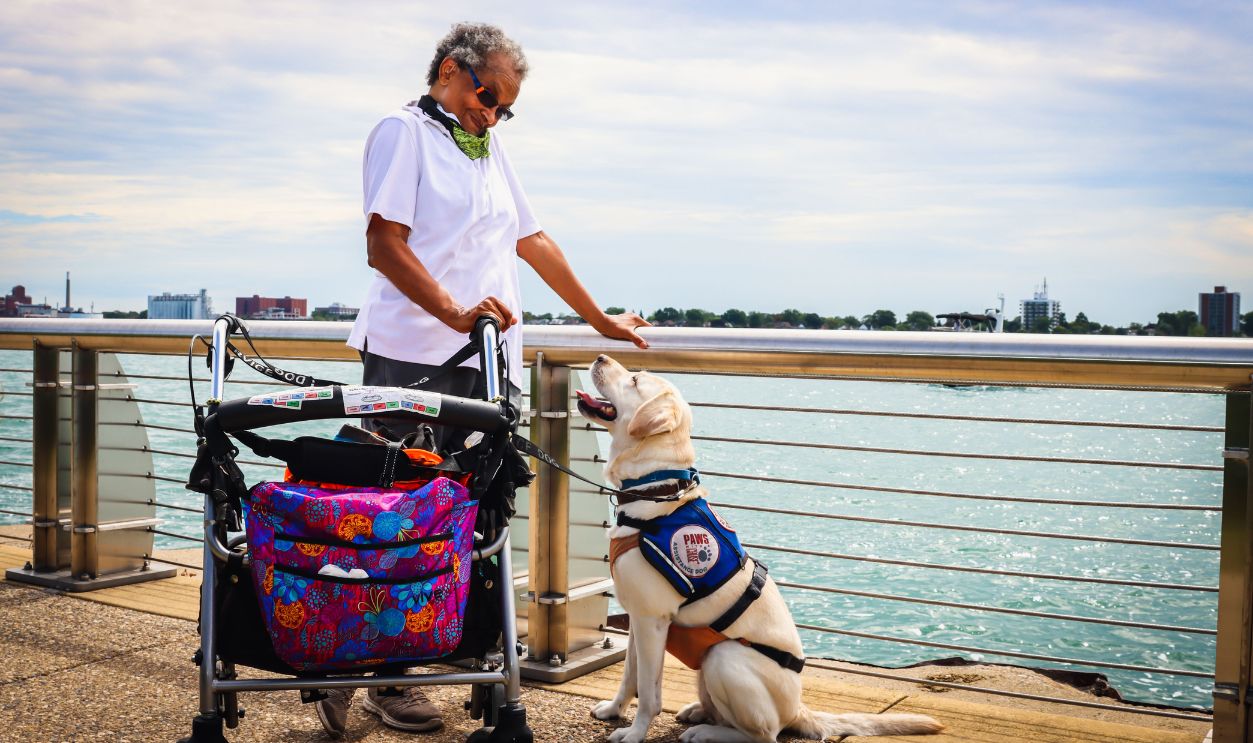
Advance Submission Can Prevent Problems
Many airlines recommend submitting required forms at least 48 hours before departure. Doing so gives the airline time to review the paperwork and identify potential issues before travel day. While some airlines still allow same-day presentation of forms, advance approval often reduces risk.

Ask To Speak With A Supervisor
If you are denied boarding, calmly request a supervisor. Front-line employees sometimes misunderstand policies or make mistakes under pressure. A supervisor may have more experience handling service-animal situations and may be able to resolve the issue quickly.
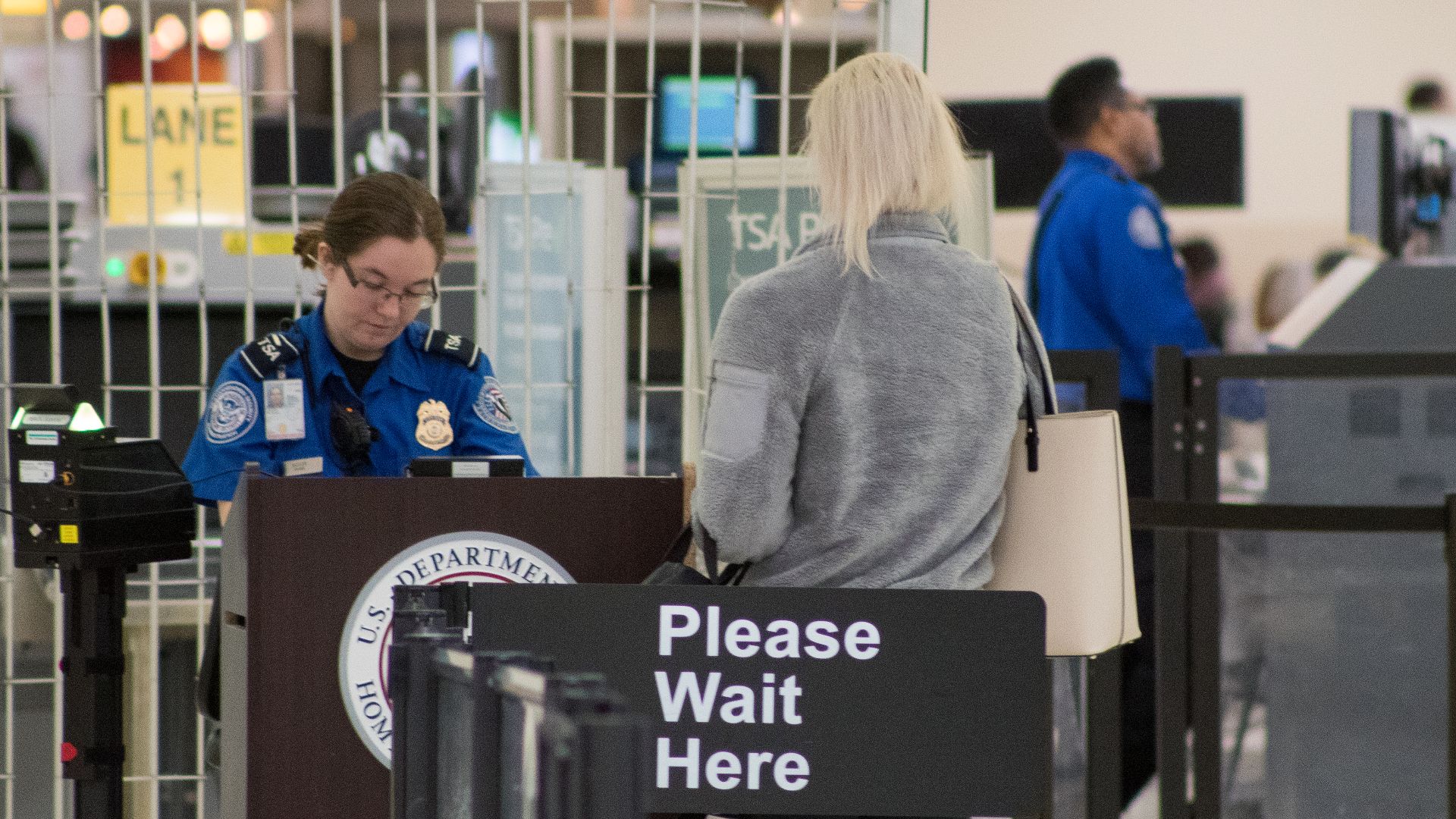 Michael Ball, Wikimedia Commons
Stay Calm Even If You're Furious
A denial can be emotionally devastating, especially if it disrupts important travel plans. However, becoming confrontational rarely improves the outcome. Remaining calm, asking questions, and documenting the interaction generally puts you in a stronger position if the dispute continues.
 Nicoleta Ionescu, Shutterstock
Request The Reason In Writing
If possible, ask the airline to provide the reason for the denial in writing. Even a notation in your reservation file or an email confirmation can be useful later. Written explanations often become valuable evidence during complaints or appeals.
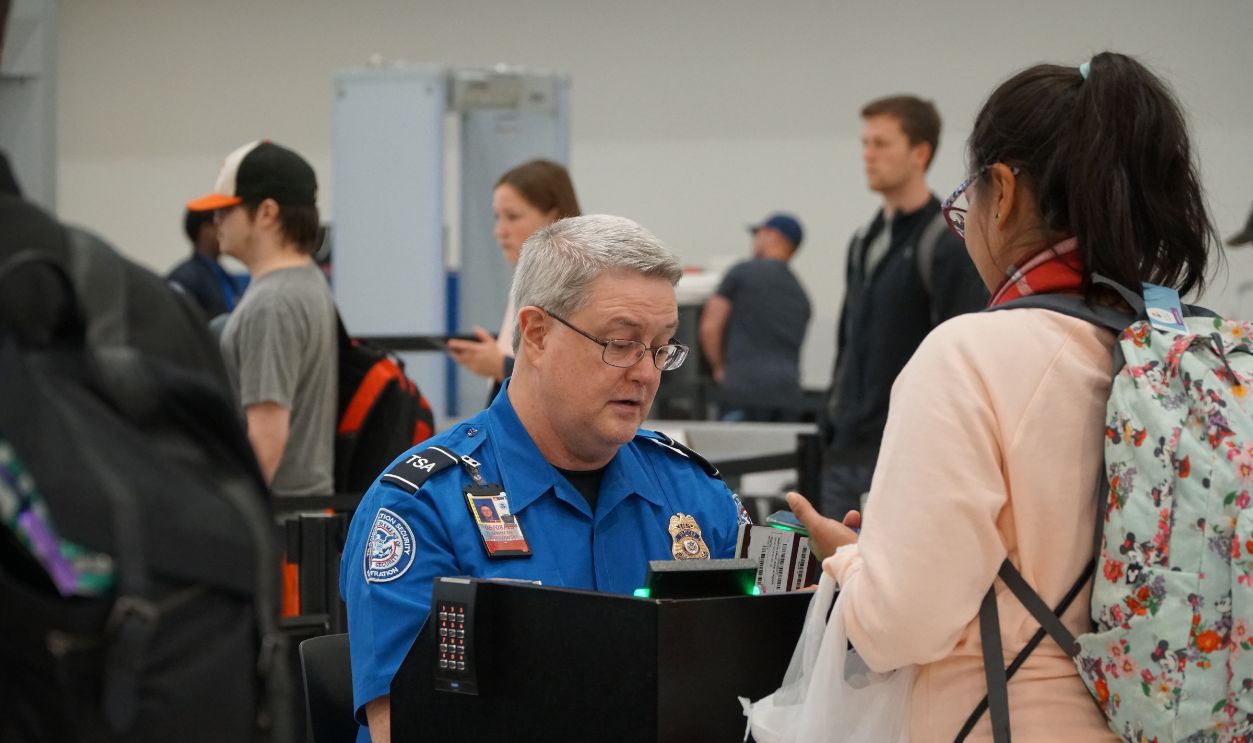 Everythingforall, Shutterstock
Save Every Document
Keep copies of forms, emails, approvals, screenshots, receipts, and communications with the airline. If the dispute eventually reaches regulators, customer-relations departments, or legal representatives, documentation can make a major difference.
Take Notes At The Airport
Write down the names of employees involved, the time of the interaction, and exactly what was said. Details that seem obvious in the moment can become surprisingly difficult to remember later. A written timeline often proves useful.
Ask Whether The Problem Can Be Fixed Immediately
Sometimes the issue is surprisingly simple. A missing signature, incomplete field, or improperly submitted form may be correctable at the airport. Before assuming the trip is lost, ask whether there is any way to resolve the documentation issue on the spot.

International Travel Creates Additional Requirements
If your trip involves another country, there may be additional animal-health, vaccination, import, or entry requirements. Sometimes passengers focus on airline rules and overlook destination-country requirements. Those separate rules can also create boarding problems.
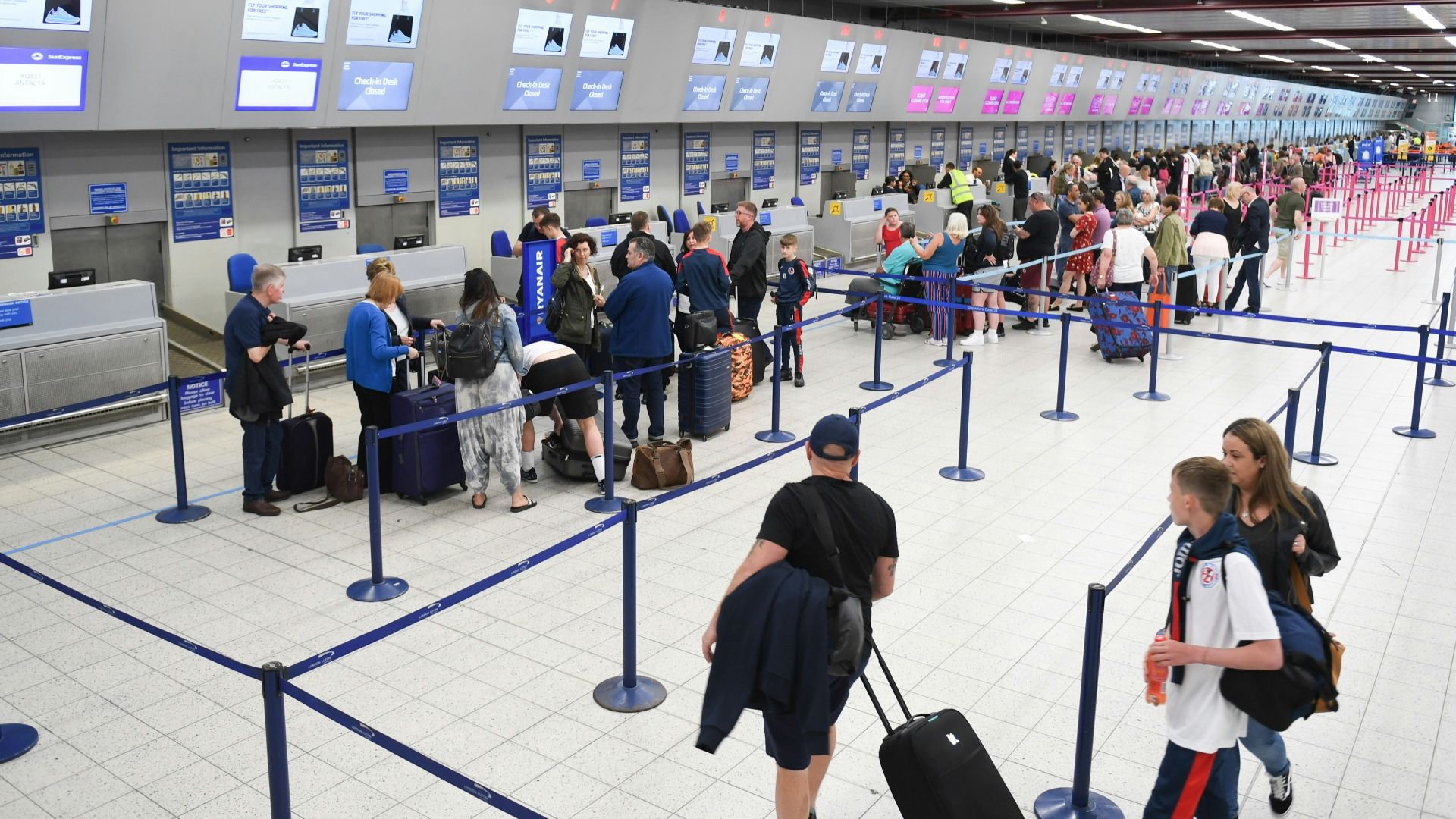
Long Flights May Require Extra Forms
Flights lasting more than eight hours may trigger additional documentation requirements regarding the service dog's ability to avoid creating sanitation issues during the flight. Missing these forms can sometimes create unexpected complications.
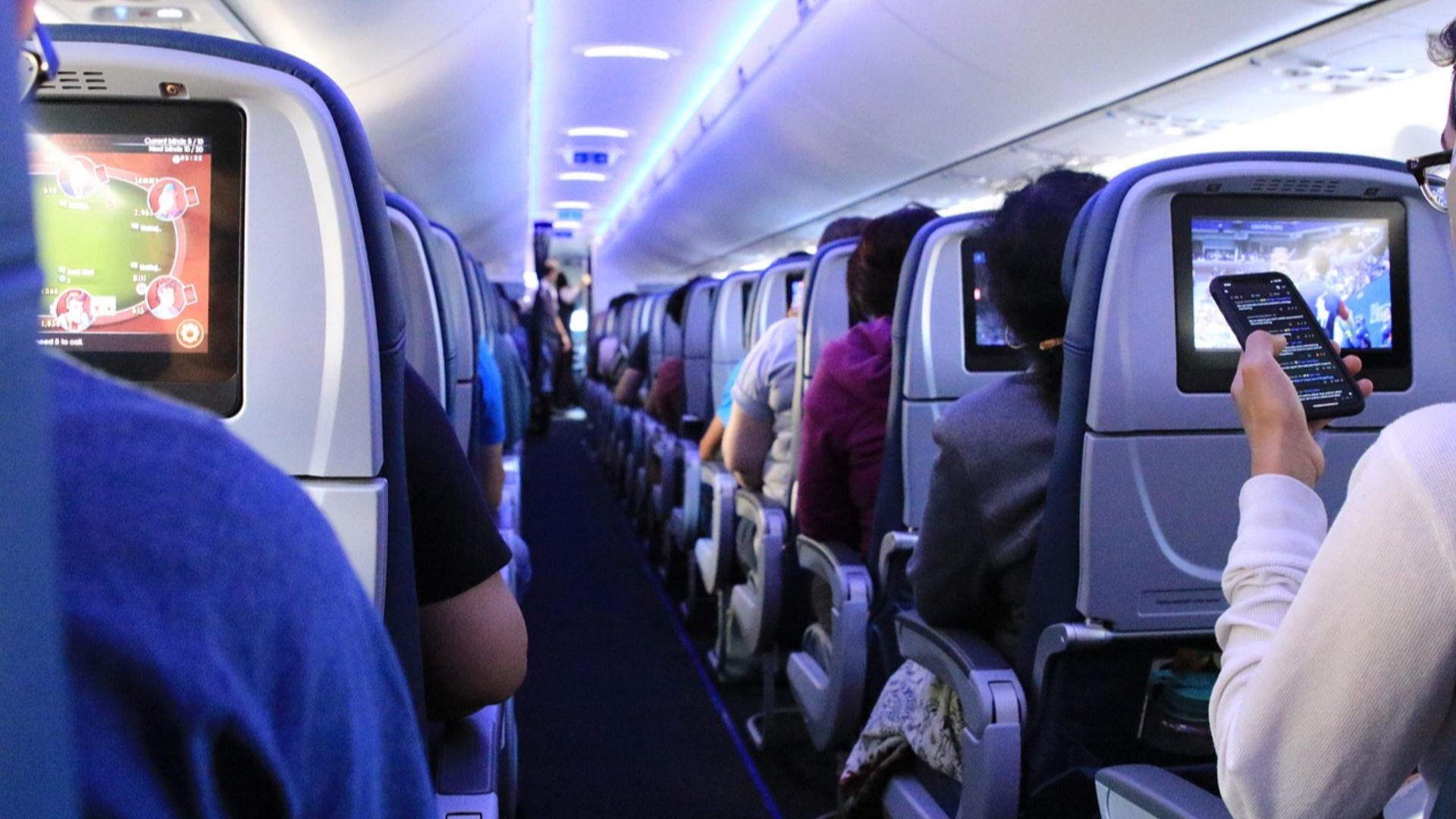
Filing A Complaint May Be Appropriate
If you believe the airline improperly denied boarding, consider filing a formal complaint. Airlines have customer-relations departments that investigate disability-related complaints. A detailed complaint supported by documentation often receives more serious attention than a brief social-media post.

The Department Of Transportation Accepts Complaints
The U.S. Department of Transportation investigates disability-related air travel complaints, including issues involving service animals. If you believe your rights under federal law were violated, filing a DOT complaint may be an option.

Refunds And Compensation May Be Available
Depending on the circumstances, travelers may be entitled to refunds, rebooking options, travel credits, or other remedies. The outcome depends heavily on why the denial occurred and whether the airline followed applicable rules. Asking for a written review of the incident is often worthwhile.

Don't Assume The Airline Is Automatically Wrong
While some denials result from airline mistakes, others stem from missing forms, incomplete submissions, or misunderstandings about service-animal requirements. Understanding exactly what happened is essential before deciding how to proceed.

Learn From The Experience
Even if the denial was frustrating, the experience can help prevent future problems. Submitting forms earlier, confirming approval before travel, carrying backup copies, and reviewing airline-specific procedures can significantly reduce risk on future trips.

Many Problems Are Preventable
A surprising number of service-animal travel disputes stem from paperwork issues rather than the animal itself. Careful preparation, advance communication, and thorough documentation often eliminate the most common causes of airport conflicts.

You May Have More Rights Than You Realize
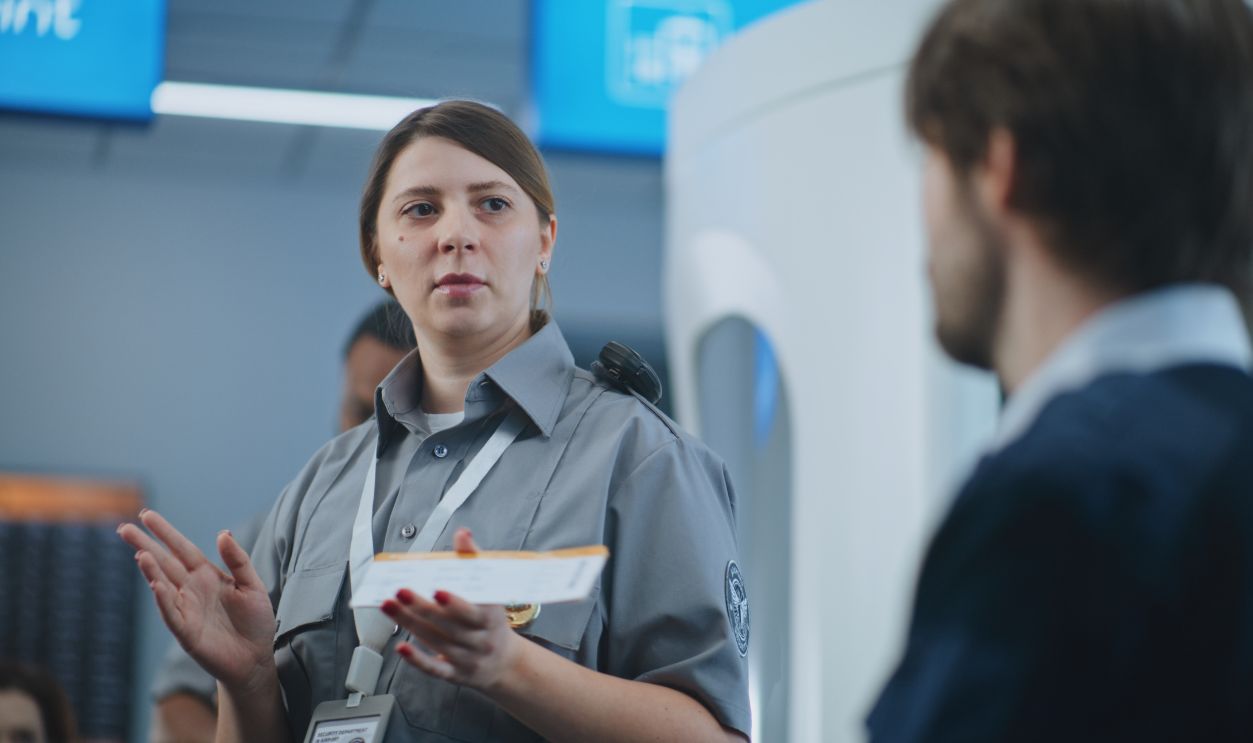
Passengers with disabilities are protected by federal laws and regulations governing air travel. While airlines can require certain documentation and impose specific requirements, they must also follow those rules consistently. If you believe the airline failed to do so, you are not required to simply accept the decision without question.
 Frame Stock Footage, Shutterstock
A Denial Doesn't Have To Be The End Of The Story
Being denied boarding with a service dog can be stressful, expensive, and emotionally exhausting. However, the next step is determining exactly why the denial happened. By gathering documentation, requesting detailed explanations, preserving evidence, and pursuing complaints when appropriate, many travelers are able to obtain answers, refunds, policy reviews, or better outcomes in the future.
You May Also Like:
I used a travel booking site, and now multiple hotels say they never received payment. What do I do?