
Why Did They Refuse My Dog At Check-In?
A lot of travelers assume “pet-friendly” means exactly what it sounds like. So it feels incredibly frustrating when you finally arrive at the hotel after a long trip, only to suddenly hear there are breed restrictions, weight limits, or policies nobody mentioned clearly during booking. Now you’re standing in the lobby with your dog, exhausted, angry, and wondering whether the hotel can really refuse you after advertising itself as pet-friendly in the first place. The good news is that while hotels absolutely can set pet policies, travelers still have options when the rules weren’t communicated properly or the booking information was misleading.
“Pet-Friendly” Doesn’t Always Mean Every Dog Is Allowed
This is the first thing that catches a lot of travelers off guard. Some hotels use “pet-friendly” very loosely while still enforcing detailed restrictions involving breed, size, number of pets, or even specific behavior requirements. A lot of guests only discover those rules after they’re already standing at the front desk.

Breed Restrictions Are Extremely Common
Unfortunately, many hotels maintain lists of dog breeds they refuse to allow on the property. Breeds commonly labeled “aggressive” (whether fairly or unfairly) often end up restricted automatically because of insurance concerns or company policies rather than the behavior of the individual dog itself.

Sometimes The Restrictions Are Buried Deep In The Fine Print
This is where travelers get especially frustrated. The main hotel listing might loudly advertise “pets welcome” while the actual restrictions appear buried somewhere in small-print policies most people never fully read during booking. Sometimes the information is hidden several clicks deep on the hotel website itself.

Third-Party Booking Sites Often Make Things Worse
A lot of people book hotels through Expedia, Booking.com, Hotels.com, or similar platforms. The problem is that third-party listings sometimes summarize pet policies poorly or leave out important restrictions entirely. Then the hotel blames the booking site, while the booking site blames the hotel.

Hotels Usually Have Broad Rights To Set Pet Policies
As frustrating as it feels, hotels generally can create their own rules about pets on private property. That includes breed restrictions, weight limits, pet fees, cleaning deposits, and occupancy rules. In many cases, the legality of the policy itself is not the issue; the bigger issue becomes whether the hotel communicated the policy clearly beforehand.

Service Animals Create A Completely Different Situation
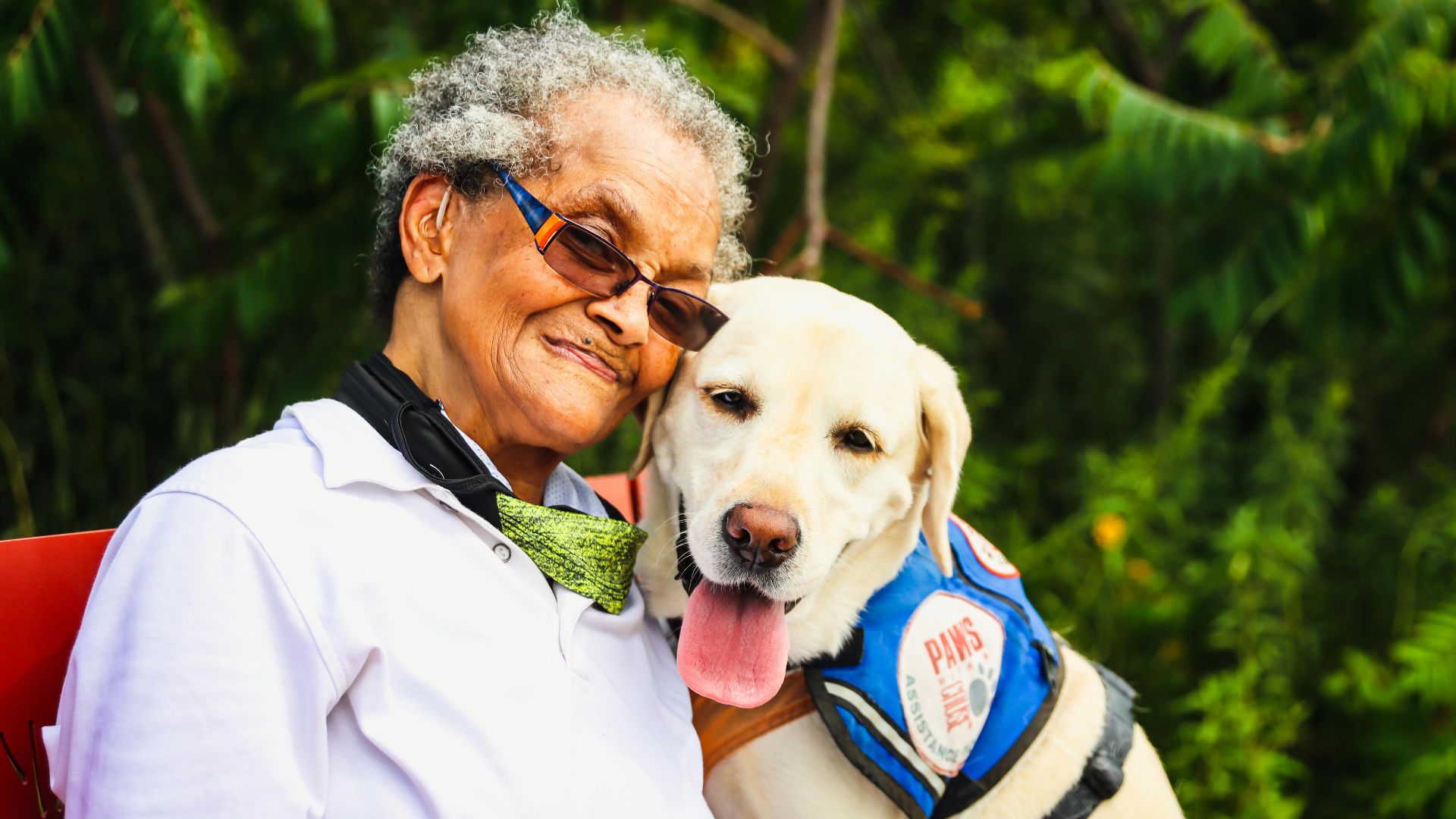
This part is extremely important because service animals are legally treated very differently than ordinary pets. In the United States, hotels covered by the Americans with Disabilities Act generally cannot refuse legitimate service dogs simply because of breed or size restrictions.
Emotional Support Animals Usually Don’t Get The Same Protections
A lot of travelers assume emotional support animals have the same legal status as service animals everywhere. But hotels are generally not required to accommodate emotional support animals under the same rules that apply to trained service dogs.

Hotels Sometimes Still Handle Service Animal Situations Poorly
Even though service animal protections exist, disputes still happen surprisingly often. Some hotel employees misunderstand the rules, improperly ask for documentation, or confuse service animals with emotional support animals. Those situations can escalate quickly, especially when exhausted travelers arrive late at night already stressed.

The Timing Makes Everything More Stressful
This is part of why these situations feel so overwhelming emotionally. Travelers often discover the issue after long drives, delayed flights, or cross-country trips when alternative hotels may already be full or extremely expensive. Suddenly the situation becomes both a financial problem and an immediate logistical nightmare.

Documentation And Screenshots Become Extremely Important
If the hotel listing failed to clearly mention restrictions, screenshots can become incredibly valuable later. Save booking confirmations, emails, website listings, pet policy pages, app descriptions, and any communication with hotel staff. The more evidence you have showing the policy wasn’t disclosed properly, the stronger your argument becomes.

Some Hotels Will Make Exceptions
Not every front desk employee handles these situations rigidly. Sometimes managers approve exceptions depending on the dog’s behavior, availability, or how unclear the policy was during booking. Calm conversations often work better than immediately escalating into angry confrontations.

But Other Hotels Follow The Policy Very Strictly
Unfortunately, some properties refuse to bend at all because they fear insurance issues, corporate rules, or liability concerns. Once the hotel decides the dog violates policy, employees may feel they have very little flexibility even if they personally sympathize with the traveler.

Refund Disputes Often Become The Next Battle
Once travelers get denied at check-in, the next fight usually involves cancellation charges or refunds. Hotels sometimes still try keeping the reservation payment, especially with prepaid bookings or non-refundable rates. That’s where documentation becomes incredibly important again.

Credit Card Chargebacks Sometimes Help
If the hotel listing appeared misleading or important restrictions weren’t disclosed properly, some travelers attempt credit card disputes afterward. Chargebacks are not guaranteed solutions, but they occasionally help pressure hotels or booking platforms into negotiating partial refunds.

Online Reviews Sometimes Get Results Too
Hotels care a lot about public reviews, especially detailed complaints explaining misleading pet policies. Reasonable, factual reviews sometimes push management to offer refunds or compromise solutions afterward. Angry ranting usually works less effectively than calm, specific descriptions of what happened.

Pet Fees Surprise A Lot Of Travelers Too
Even when the dog is allowed, some travelers get blindsided by extremely high pet fees, cleaning charges, or deposits. A “pet-friendly” hotel does not necessarily mean bringing a dog will be cheap, and some properties charge hundreds in extra fees surprisingly quickly.

Certain Breeds Face Constant Travel Problems
Owners of pit bulls, rottweilers, Dobermans, mastiffs, and other commonly restricted breeds often run into these issues repeatedly while traveling. A lot of the restrictions are tied more to insurance company risk calculations than to actual behavior or training of individual dogs.

Panic Usually Makes The Situation Worse
Getting denied at check-in after a long trip creates a huge amount of stress almost instantly. But screaming at front desk staff rarely improves the outcome. Staying calm, documenting everything carefully, and focusing on practical solutions usually works much better than escalating emotionally in the lobby.

A Lot Of Travelers Only Learn This Lesson Once
People who experience this situation once usually become obsessive about checking pet policies afterward. Calling the hotel directly, asking about breed restrictions specifically, and getting written confirmation suddenly becomes part of the travel routine after getting burned one time.

So What Should You Do Right Now?
First, save screenshots and booking confirmations showing how the hotel advertised its pet policy. Then ask calmly whether management can make an exception or help relocate you to another property nearby. If the restrictions were unclear or misleading, push for refunds through the hotel, booking platform, or potentially your credit card company afterward.

Final Thoughts
Hotels absolutely can set breed restrictions and pet policies, even when they advertise themselves as pet-friendly. But that doesn’t automatically mean travelers are powerless when those restrictions were hidden, poorly disclosed, or communicated misleadingly during booking. Between refund disputes, credit card protections, consumer complaints, and direct negotiations with management, there are often more options available than frustrated travelers initially realize. The key is staying calm, documenting everything, and not assuming the hotel’s first answer is automatically the final one.

You May Also Like:
I booked seats together for my family, but the airline split us up. Can I get a refund?