We Paid To Sit Together, So Why Is My Kid In Row 32?
You carefully booked seats together for your family, only to check in and discover the airline scattered everyone across the plane. One parent ends up in the back, one child gets placed next to strangers, and suddenly your relaxing family trip turns into a stressful airport scramble. Naturally, your first thought is probably: if we paid for those seats, how can they just take them away? The frustrating answer is that airlines can sometimes change seat assignments, even paid ones. But depending on what happened, you still have options for refunds and compensation.
Airlines Change Seat Assignments More Than People Realize
A lot of travelers assume seat assignments are locked in once they pay for them. Unfortunately, airlines often reserve the right to change seats because of aircraft swaps, operational issues, crew requirements, weight balancing, or schedule changes. That fine print is usually buried deep in the airline’s contract of carriage.
Paid Seats Usually Create Stronger Refund Arguments
Here’s the important distinction: if you specifically paid extra for seat assignments and didn’t receive comparable seats, you may have a much stronger case for reimbursement. In many situations, airlines will refund seat selection fees if they fail to provide the seats you purchased.
Family Seating Became A Huge Consumer Issue
Airlines separating families, especially parents from young children, became such a major problem that federal regulators started paying closer attention. The US Department of Transportation has publicly pressured airlines to improve family seating policies.

Some Airlines Now Promise Family Seating
Several major airlines introduced policies aimed at seating young children next to at least one accompanying adult without additional fees. But those policies don’t always guarantee the exact seats you originally selected.
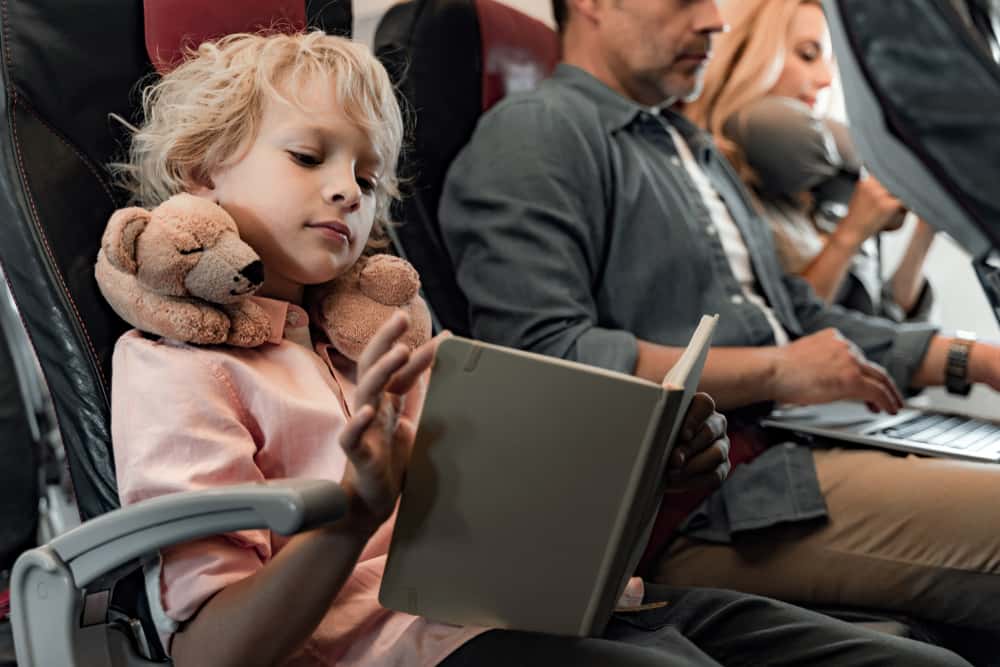
Aircraft Changes Often Cause The Biggest Problems
One of the most common reasons families get separated is an aircraft swap. If the airline changes to a different plane layout, the original seat map may no longer work. That can trigger automated reseating systems that scramble assignments unexpectedly.
 Frame Stock Footage, Shutterstock
Basic Economy Tickets Usually Have Fewer Protections
If you booked basic economy fares, seat assignment protections may be weaker. Some ultra-cheap tickets don’t actually guarantee seat selection at all, even if the system initially displayed certain seats during booking.
 Monkey Business Images, Shuttestock
Step One: Check Whether You Paid Separate Seat Fees
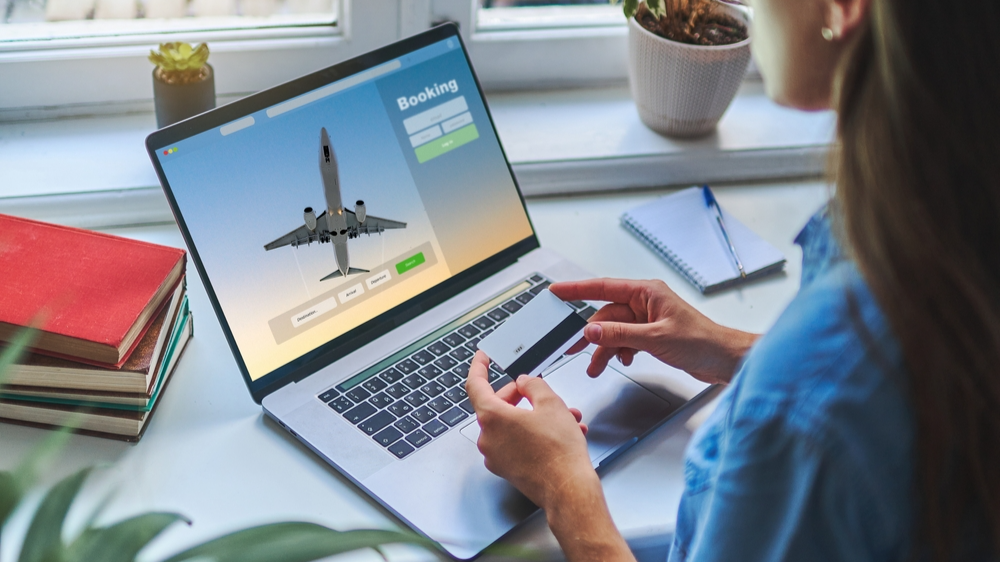
Look carefully at your receipt. Did you specifically pay for seat assignments, extra legroom, or family seating? If so, save that documentation because it strengthens your refund request significantly.

Airlines Usually Owe Refunds For Unused Seat Fees
If you paid for seats that the airline failed to provide, you can often request reimbursement for those specific seat-selection charges. The airline may not refund the entire ticket automatically, but seat fees themselves are often refundable in these situations.
Full Ticket Refunds Are Harder
Getting a refund for the entire flight is usually more difficult unless the seating issue was severe enough that you chose not to travel. Airlines generally argue that they still transported you to your destination, even if the seating arrangement changed.
Young Children Change The Situation
Separating adults from very young children creates additional safety and practical concerns. Flight attendants will sometimes try to rearrange passengers to reunite families, especially when small children are involved.
The Earlier You Catch The Problem, The Better
Seat assignment issues are often easier to fix before boarding than after everyone is already seated. That’s why checking your reservation in advance and arriving early at the gate can make a huge difference.
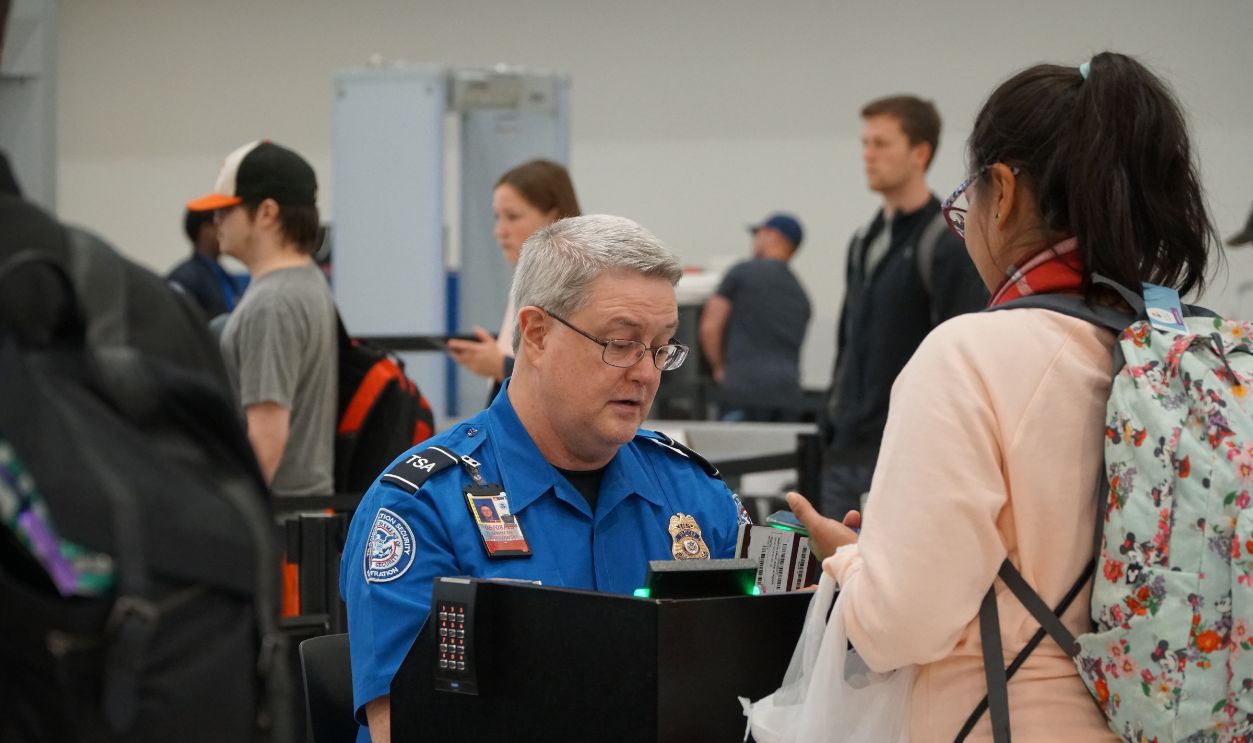
Gate Agents Often Have More Flexibility
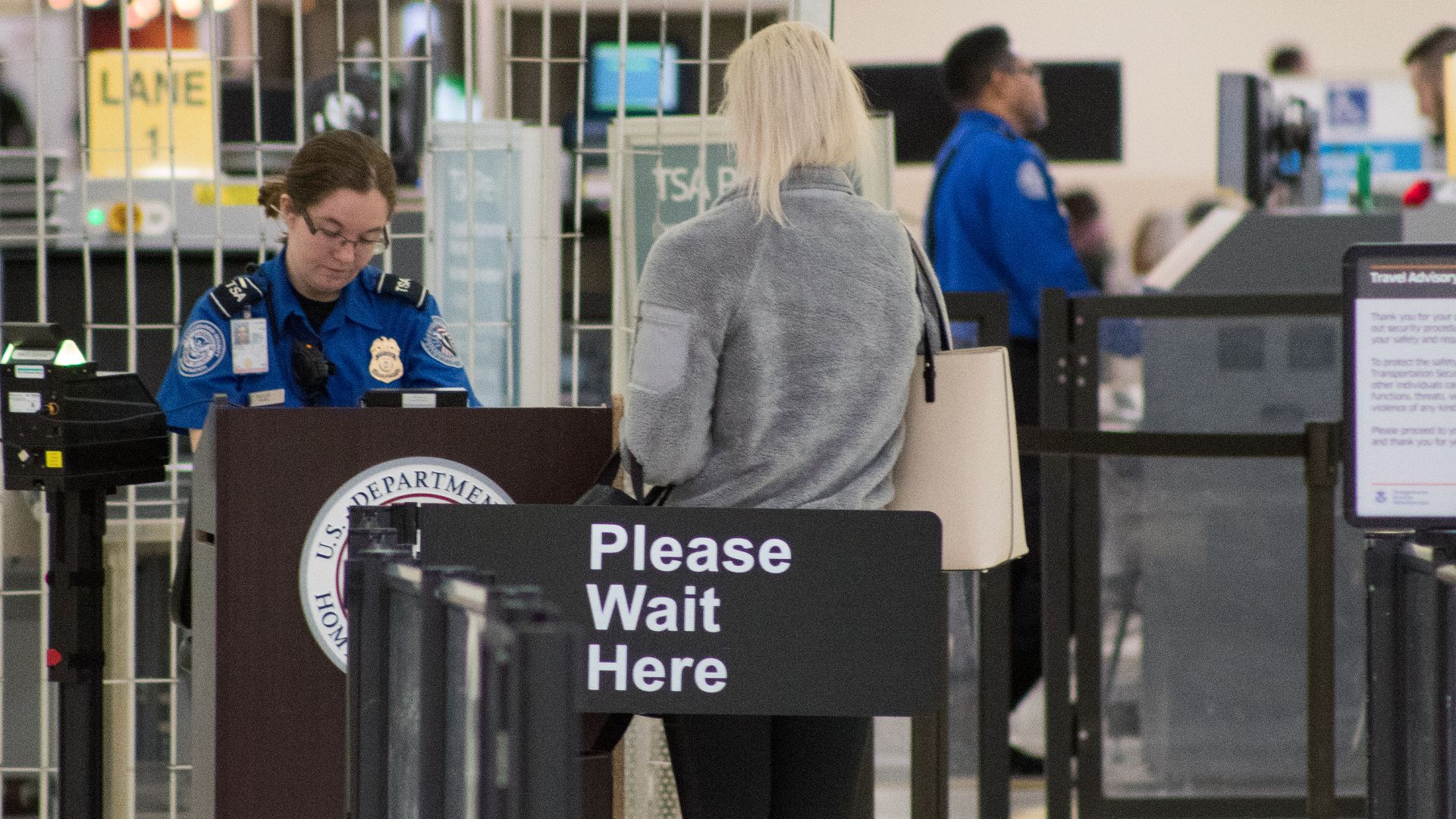
Customer service phone reps may tell you nothing can be done, but gate agents sometimes have more real-time control over seating assignments. Politely explaining the family situation at the gate can occasionally resolve things surprisingly quickly.
 Michael Ball, Wikimedia Commons
Being Nice Actually Helps Here
This is one of those situations where staying calm genuinely improves your chances. Gate agents deal with angry passengers constantly, and polite travelers often get more effort and flexibility when seating problems arise.
 Everythingforall, Shutterstock
Other Passengers Sometimes Step In
Plenty of viral airline stories involve passengers voluntarily swapping seats to help separated families. While you shouldn’t have to rely on strangers fixing the airline’s mistake, it does happen fairly often.
Documentation Matters If You Want A Refund
Take screenshots of your original seat assignments, boarding passes, receipts, and any airline communications. If you later request reimbursement or file complaints, that evidence becomes incredibly useful.

Credit Card Protections May Help In Some Cases
If the airline charged specific fees for seats you didn’t receive and refuses reimbursement, you may have grounds for a credit card dispute. Success varies, but documentation helps tremendously.

DOT Complaints Are An Option
Passengers can file complaints with the Department of Transportation regarding seating problems, especially involving family seating issues. Even if it doesn’t instantly solve your case, complaints help regulators identify repeat offenders.

You’re Definitely Not The Only Family This Happened To
This has become one of the most common airline frustrations in modern travel. Between packed flights, seat fees, and automated rebooking systems, families getting separated happens far more often than most people expect.
Final Thoughts
Airlines can sometimes legally change seat assignments, even when families booked seats together. But if you paid extra for specific seating and didn’t receive what you purchased, you may absolutely have grounds to request refunds or compensation. The situation feels incredibly frustrating in the moment, especially when kids are involved, but documenting everything and pushing back calmly can often improve the outcome.
You May Also Like:
I followed all the rules, but still got stopped at the border. Can they really just stop anyone?