The Border Isn’t Really A Welcome Desk
A lot of travelers assume border crossings work like airport security with a passport check thrown in. In reality, crossing into another country is more like asking permission than exercising a guaranteed right. Even if you have valid documents, a return ticket, hotel reservations, and absolutely no record, border officers still have broad authority to question you, search your belongings, and decide whether you’re admissible.
 Drazen Zigic, www.shutterstock.com
Having A Passport Doesn’t Guarantee Entry
One of the biggest misconceptions travelers have is that a valid passport automatically opens the gate. It doesn’t. The Canadian government’s travel advice for the United States clearly reminds travelers that entry decisions are made by US border authorities, not by your own government. That means officers can deny entry even when someone technically followed every rule.

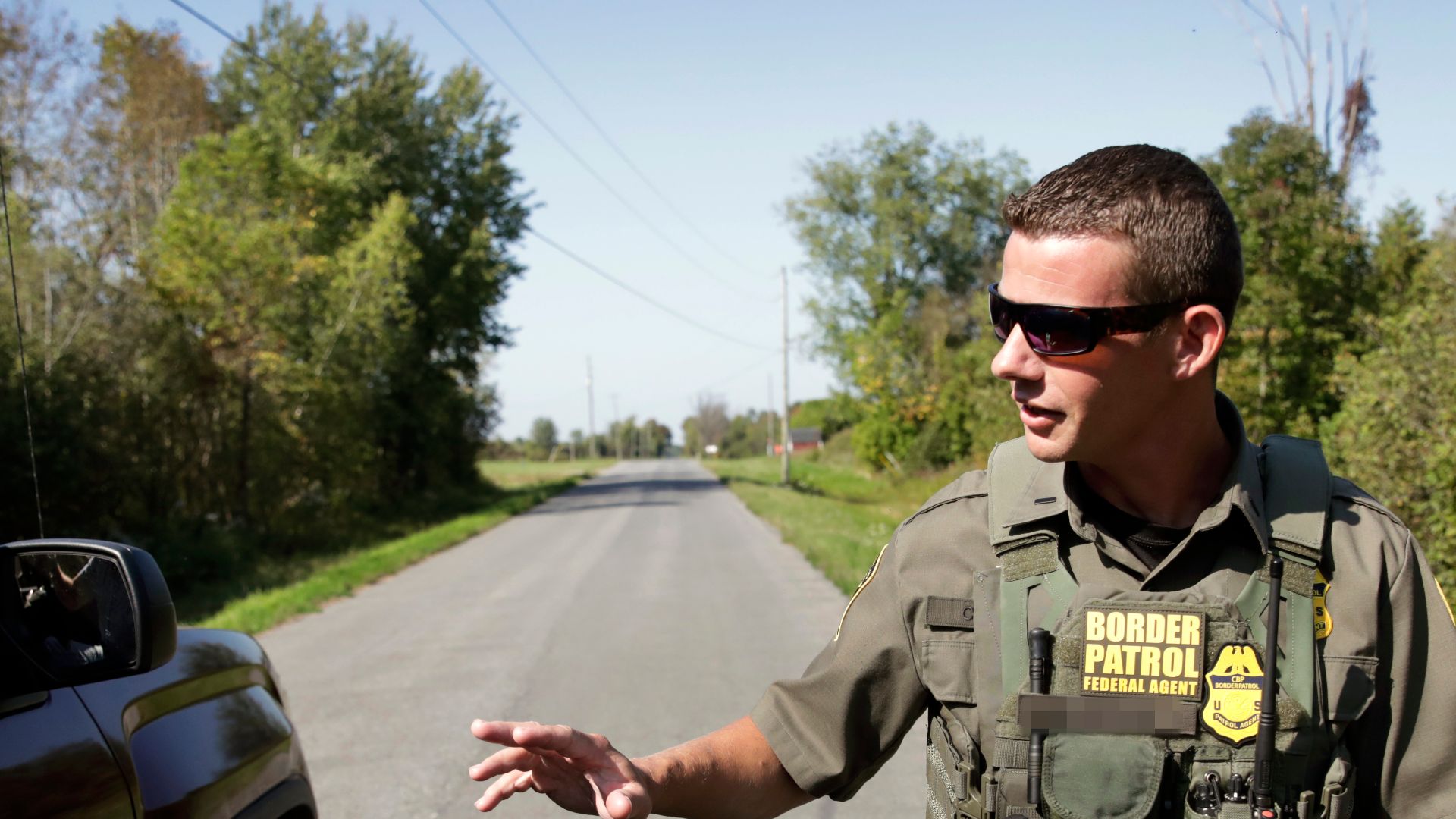
Border Agents Have Huge Discretion
Border officers are given wide discretionary powers because they’re tasked with deciding who may enter the country. That discretion covers questioning travelers, reviewing travel plans, examining luggage, and assessing whether somebody’s story makes sense. Two people with nearly identical situations can receive very different experiences depending on what raises concern during inspection.
 CBP Photography, Wikimedia Commons
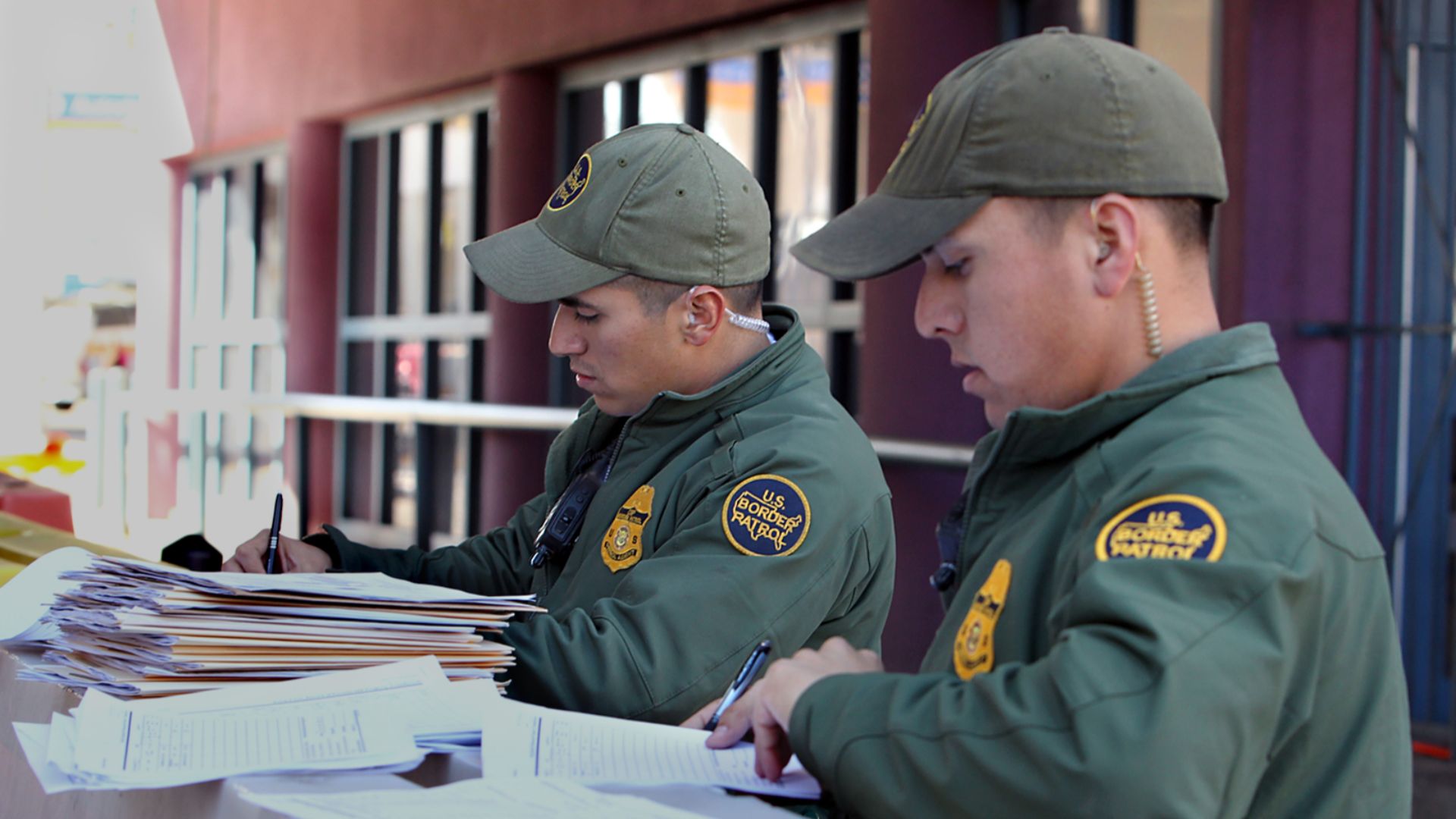
Secondary Inspection Can Happen To Anyone
Getting sent to secondary inspection doesn’t necessarily mean you did something wrong. Sometimes travelers are selected randomly. Other times it happens because of travel patterns, inconsistent answers, missing paperwork, or something that simply catches an officer’s attention. Unfortunately, once you’re directed there, the process can become lengthy and stressful very quickly.
 CBP Photography, Wikimedia Commons
Your Phone Is Part Of The Inspection Now
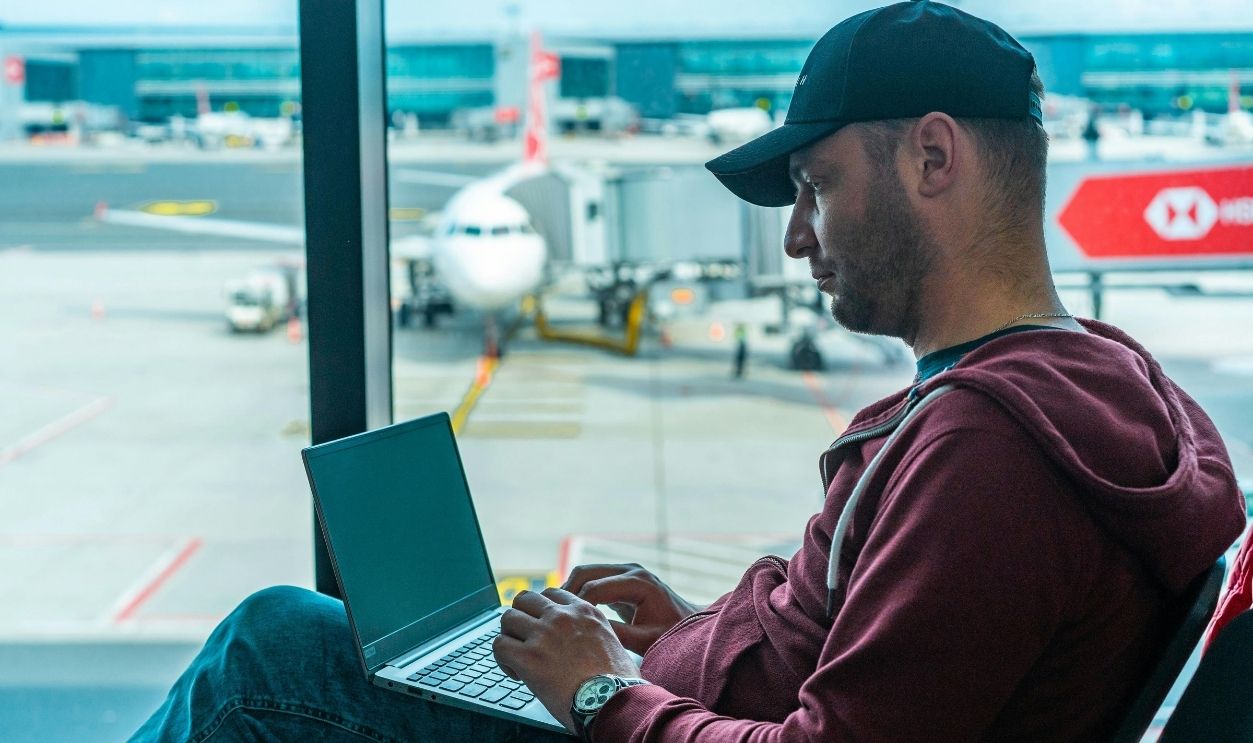
Many travelers are shocked to learn that electronic devices can become part of a border inspection. US Customs and Border Protection states that searches of electronic devices may help determine admissibility. That means phones, tablets, and laptops can potentially be examined during entry screening.
You May Be Asked To Unlock Your Devices
Travelers may also be asked to provide passwords or unlock their electronics. Refusing doesn’t automatically create consequences for most visitors, but it can lead to delays, confiscation of devices, or denial of entry. For non-citizens, border officers have significant leverage because admission itself is discretionary.
 Monkey Business Images, Shuttestock
Social Media Can Suddenly Matter
Posts that seemed harmless at home can take on a completely different tone at the border. Immigration lawyers have increasingly warned travelers that online activity may be reviewed during inspections. Border officers may examine whether your public statements conflict with your visa category, travel purpose, or stated intentions.

Tiny Inconsistencies Can Raise Red Flags
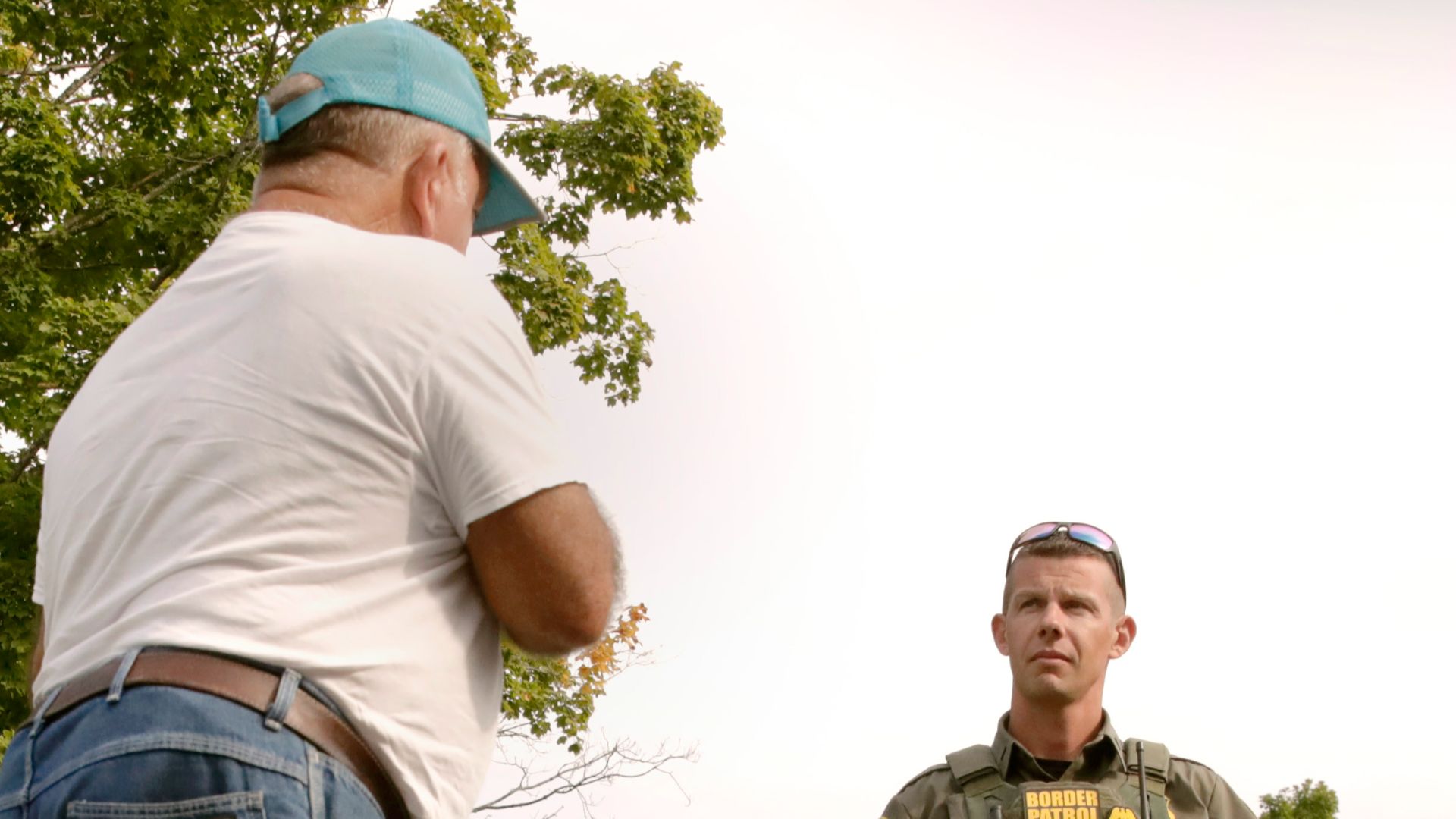
One answer that doesn’t line up perfectly with another can trigger additional scrutiny. Saying you’re visiting for tourism while carrying résumés, work contracts, or professional equipment may create questions about whether you actually plan to work. Even small inconsistencies sometimes snowball into larger admissibility concerns.
 CBP Photography, Wikimedia Commons
Long Stays Often Draw Extra Attention
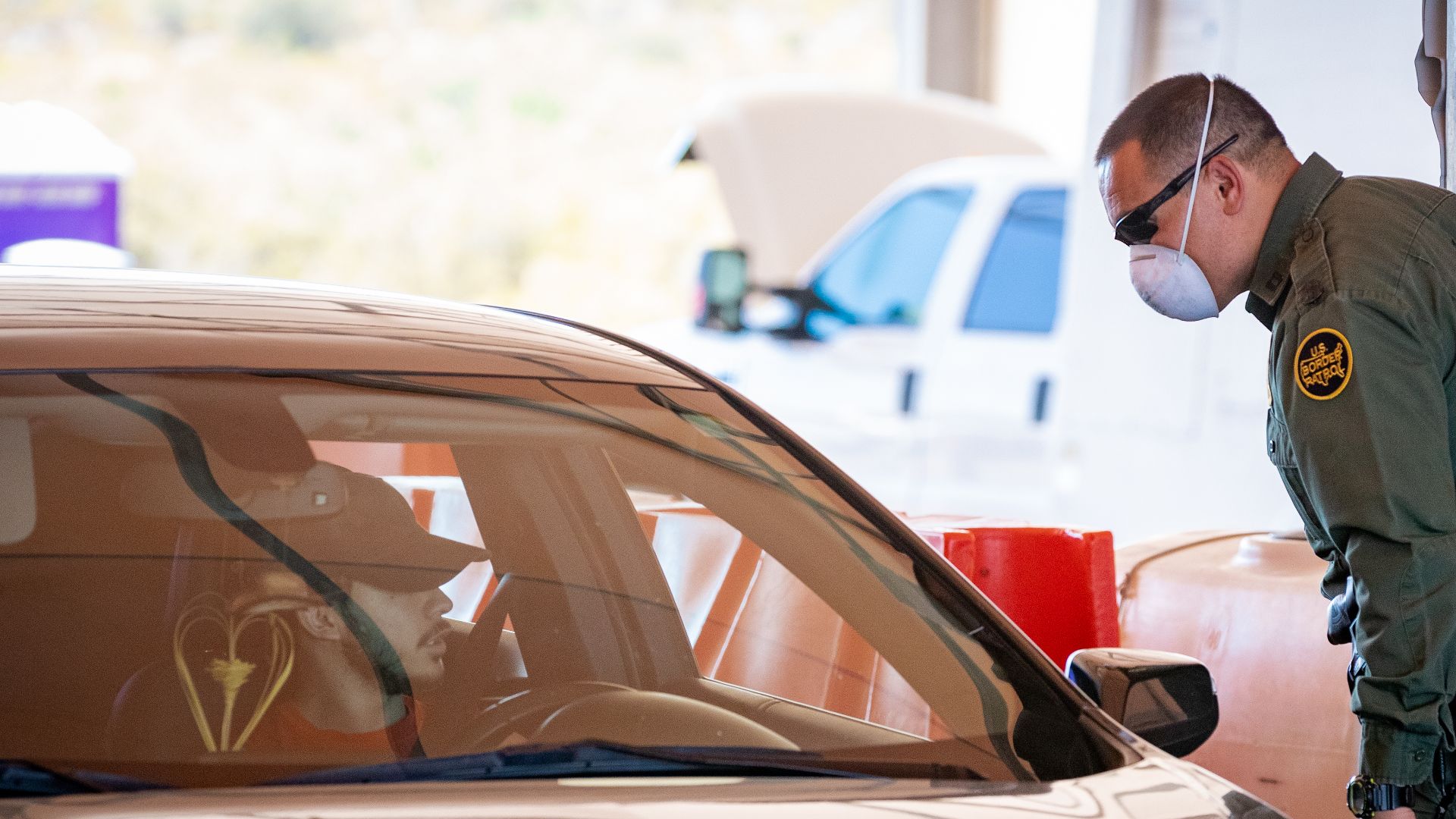
The longer somebody plans to stay in the United States, the more questions officers may ask. Recent commentary has pointed out that foreign nationals staying longer than 30 days may face additional registration requirements depending on their circumstances.
 CBP Photography, Wikimedia Commons
Previous Border Problems Rarely Disappear
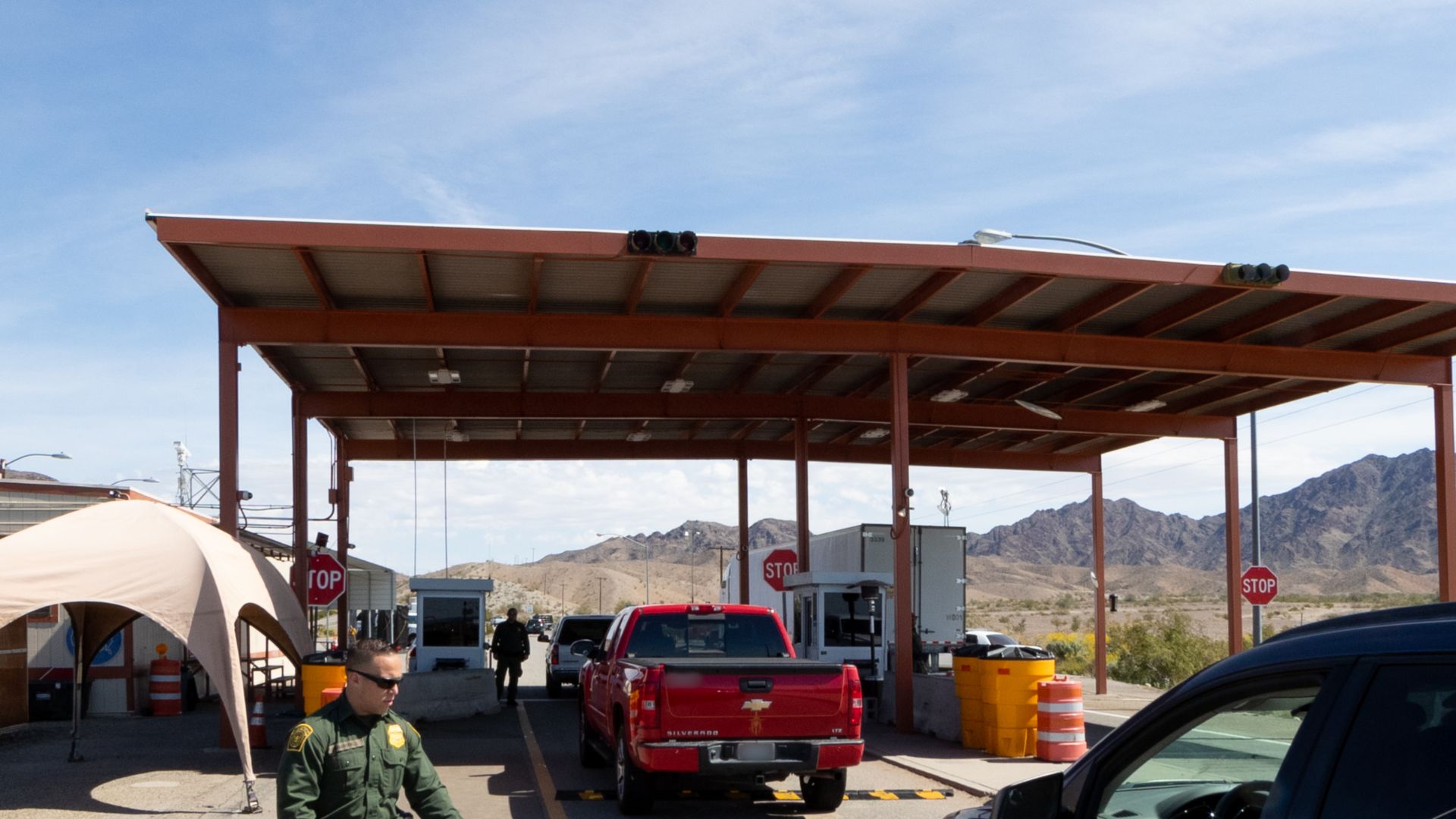
A prior refusal, visa issue, overstay, or customs issues can continue affecting future crossings for years. Border agencies maintain records, and officers often see historical interactions during inspections. Somebody who had trouble once may find themselves questioned more heavily during later trips.
 CBP Photography, Wikimedia Commons
Even Frequent Travelers Get Stopped
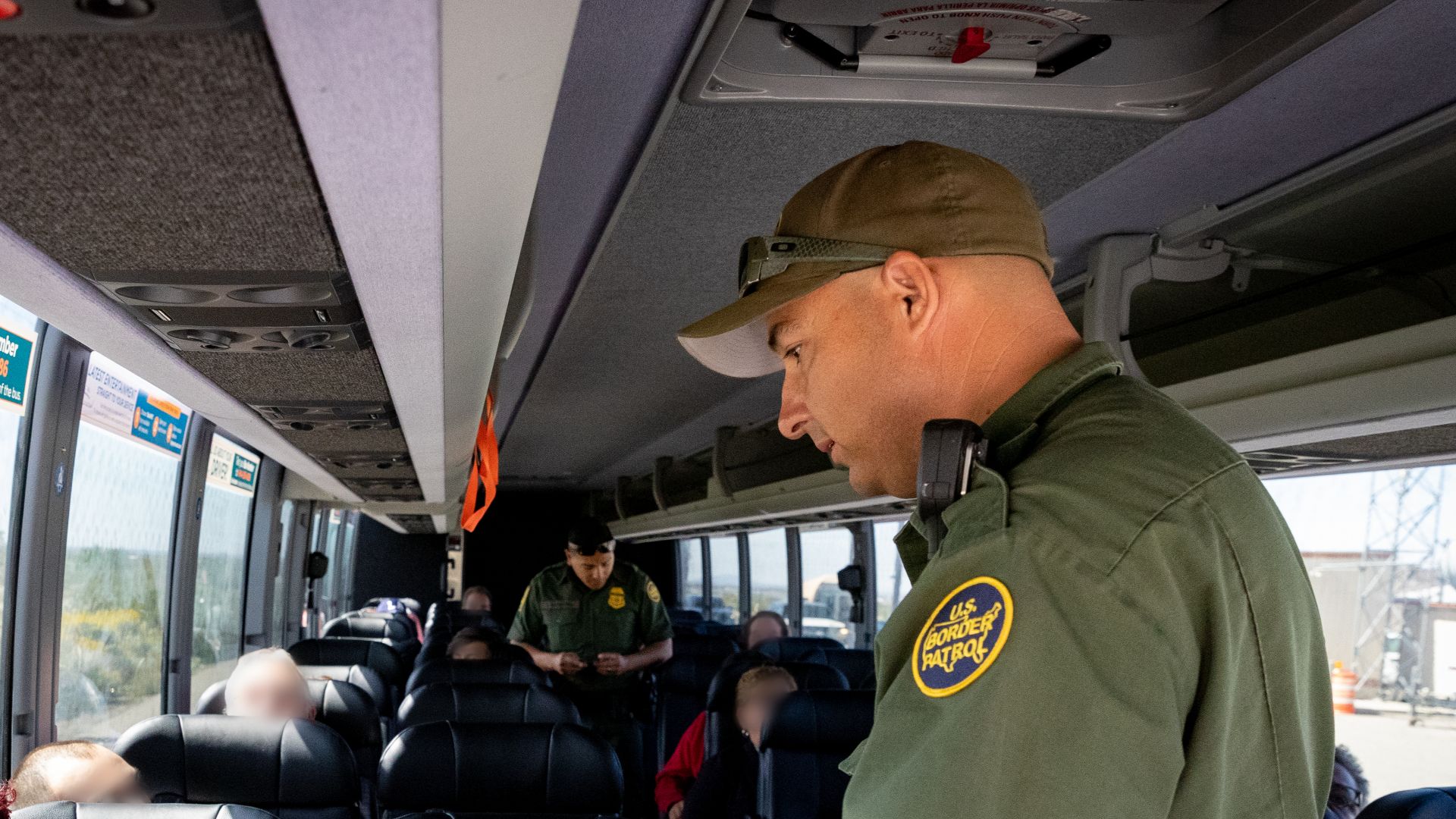
Many people assume trusted traveler history protects them completely. It doesn’t. Travelers who cross regularly for work or vacations can still be pulled aside unexpectedly. Border agencies may conduct additional screening at any time, regardless of how many smooth crossings somebody previously experienced.
 CBP Photography, Wikimedia Commons
Business Travelers Face Unique Risks
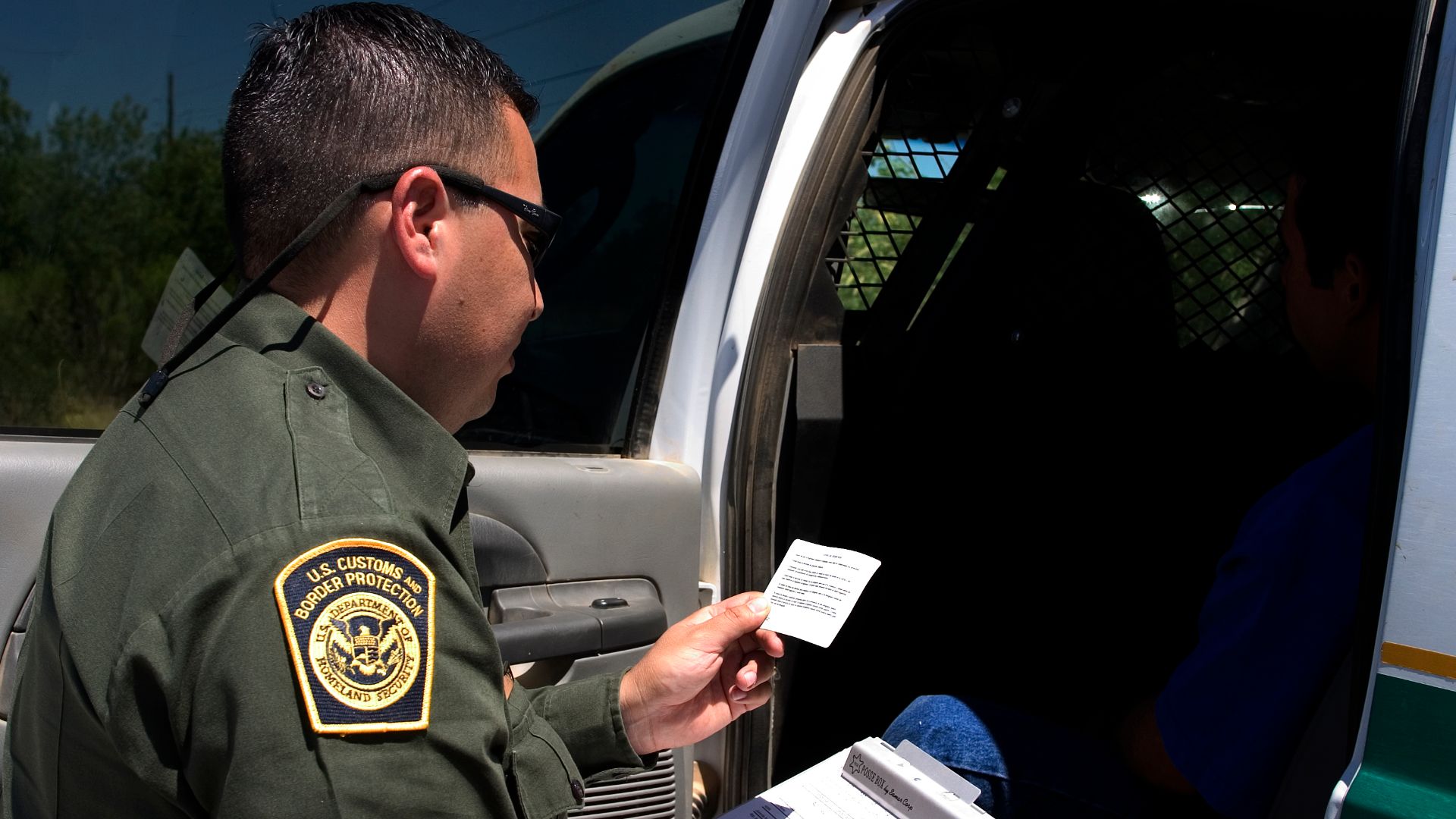
Border officers pay close attention to work-related travel because certain activities require specific authorization. Somebody attending meetings may be fine under one category, while someone performing hands-on work may need a different visa entirely. The line between “business visitor” and “working illegally” can sometimes become surprisingly blurry.
 Gerald L. Nino, CBP, U.S. Dept. of Homeland Security, Wikimedia Commons
Officers Don’t Need Proof Beyond Doubt
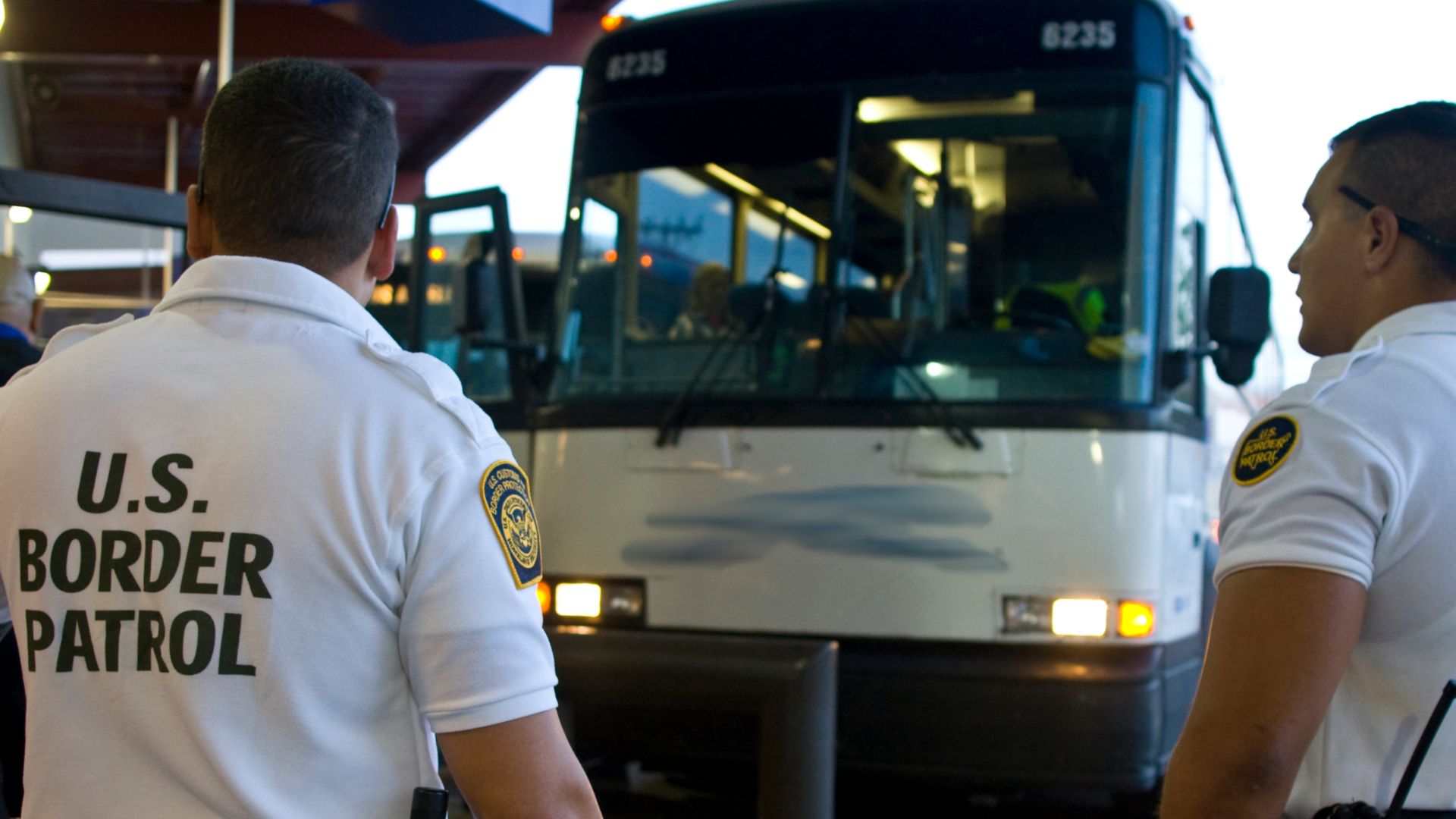
Border inspections don’t operate like court trials. Officers aren’t required to prove guilt beyond a reasonable doubt before refusing admission. They only need enough concern to believe somebody may be inadmissible or violating immigration rules. That lower threshold gives border authorities enormous practical power.
 CBP Photography, Wikimedia Commons
The Rules Can Change Fast
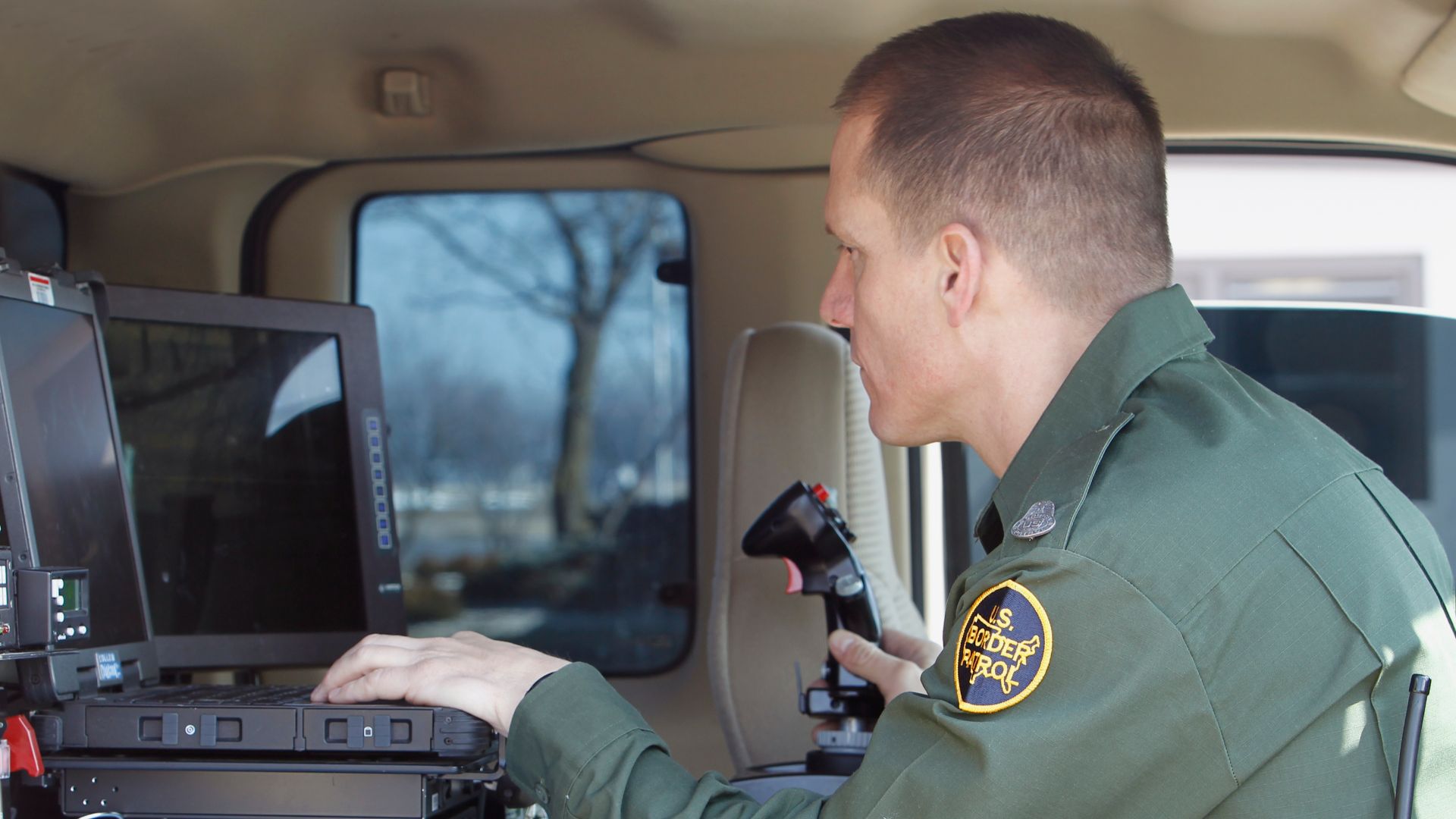
Border enforcement priorities can shift rapidly following political changes or executive orders. Experts noted that multiple executive actions issued in early 2025 contributed to tougher screening measures and increased scrutiny at ports of entry. Travelers who crossed easily one year may encounter very different questioning the next.
 CBP Photography, Wikimedia Commons
Canadians Sometimes Assume The Border Is Easy
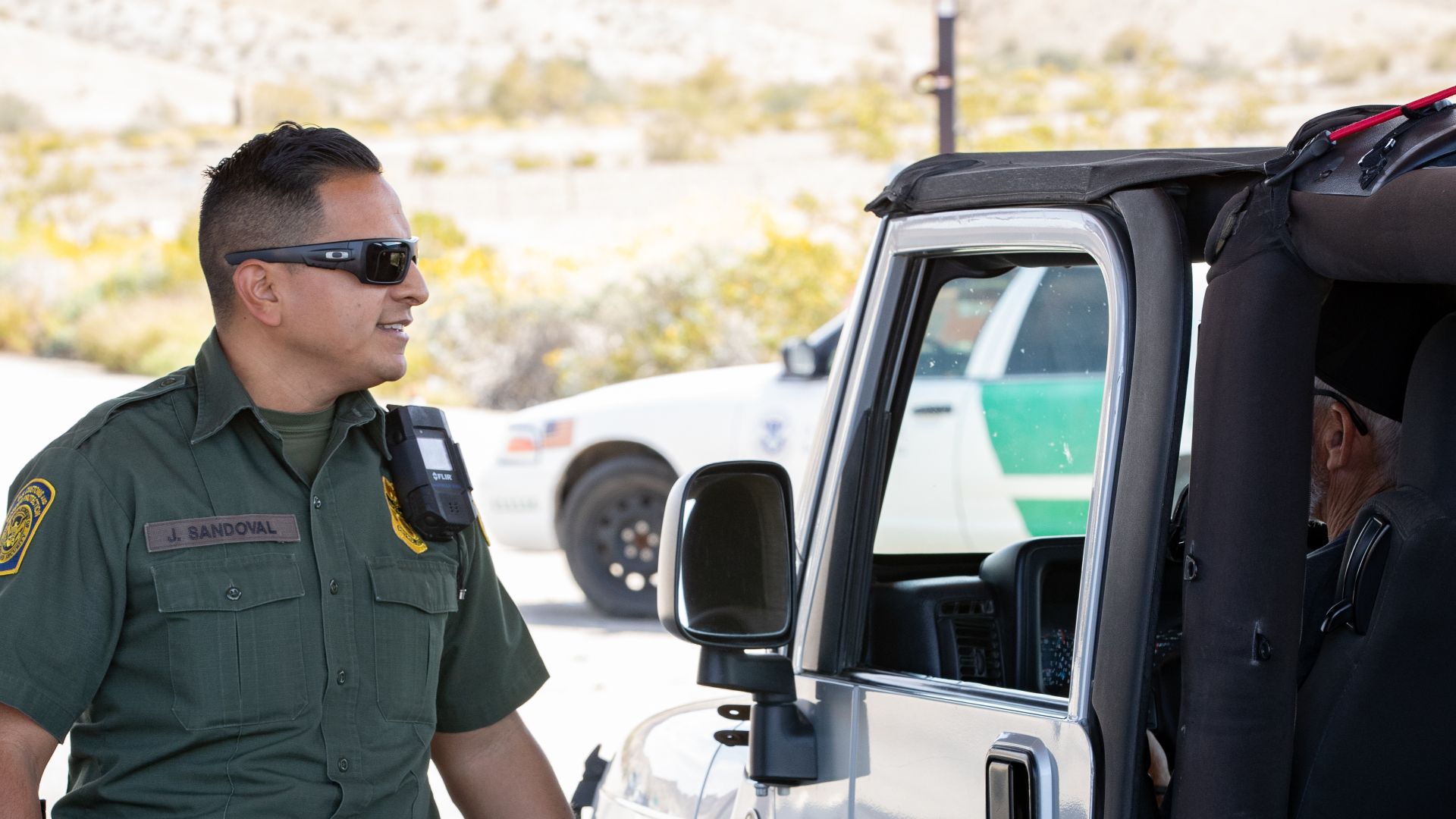
Because Canada and the United States share such a long history of cross-border travel, many Canadians treat the trip almost casually. But the reality is that Canadians remain foreign nationals when entering the US Border officers still maintain the authority to deny admission, inspect belongings, and conduct detailed questioning.
 CBP Photography, Wikimedia Commons
Detention Is Rare But Possible
Most border inspections end with nothing more dramatic than a few questions. Still, there have been growing reports of travelers being detained for extended periods after visa complications or admissibility concerns. Those cases remain relatively uncommon, but they highlight how much authority border agencies possess once someone is inside the inspection process.

Border Searches Have Fewer Privacy Protections
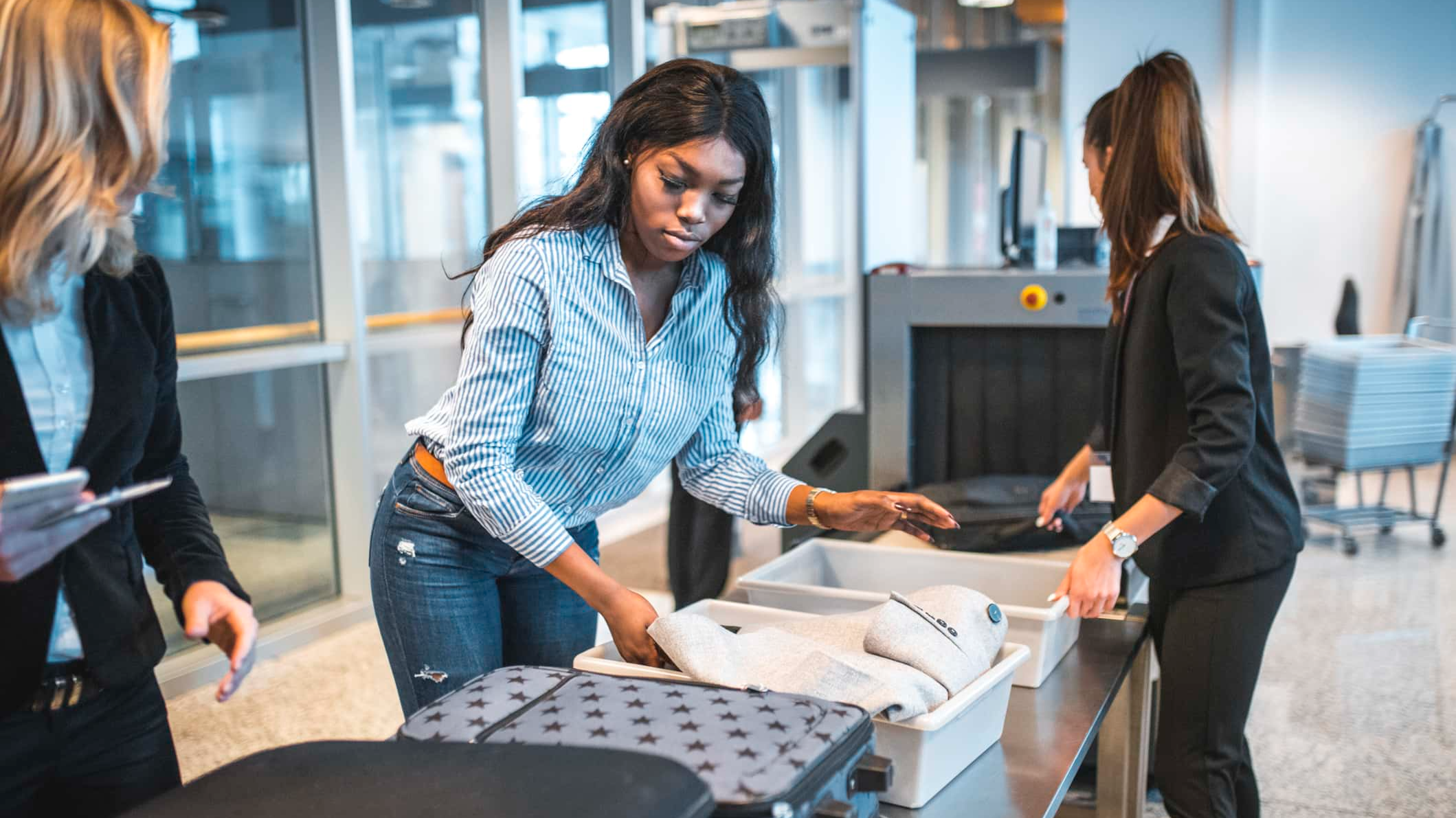
What surprises many travelers most is that border zones operate under different expectations than ordinary encounters. Courts have historically allowed broader search powers at borders because governments argue national security and immigration control require greater flexibility. That’s why searches that might require warrants elsewhere can happen at ports of entry.
 Drazen Zigic, www.shutterstock.com
Refusing To Answer Can Make Things Worse
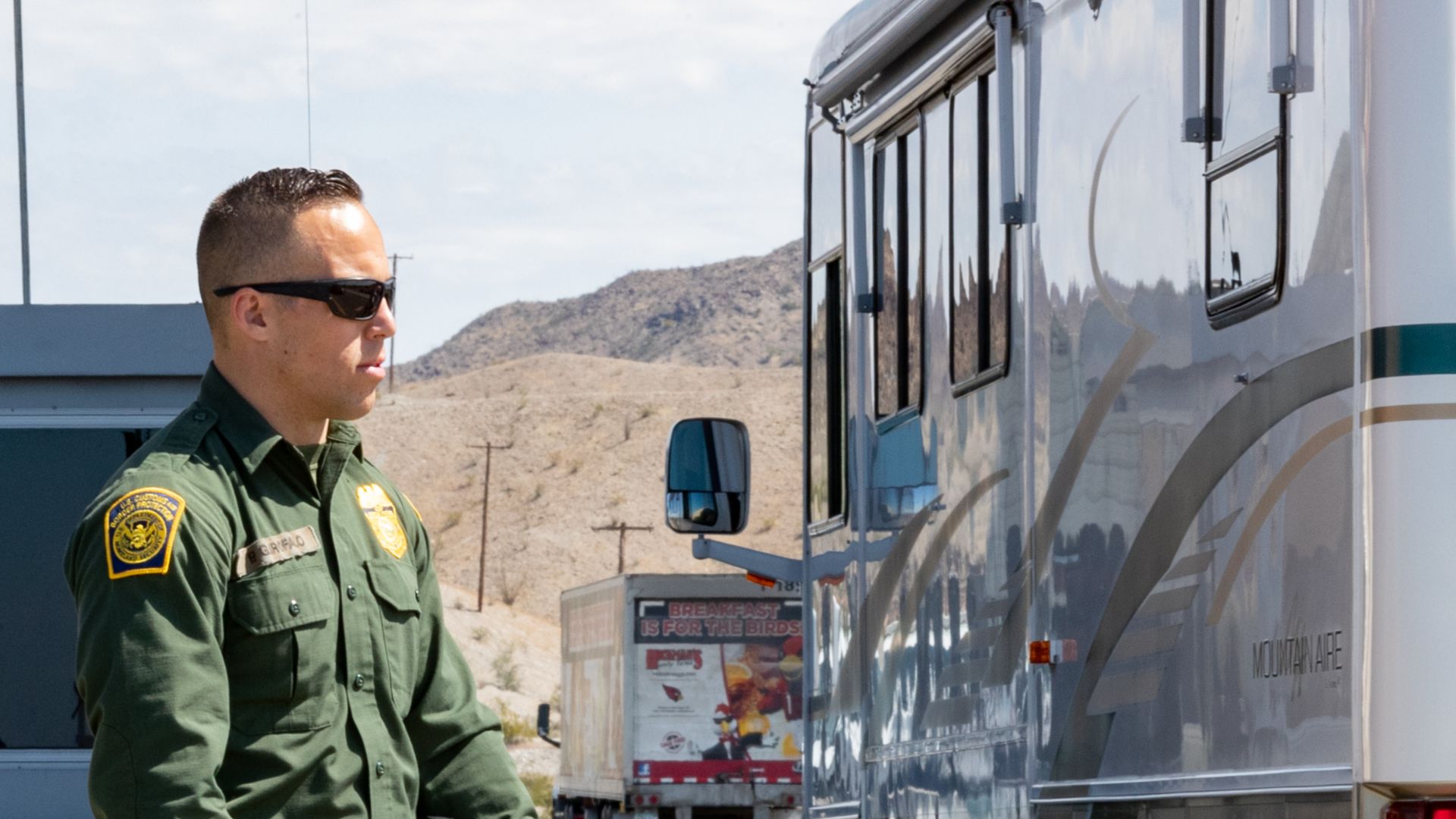
Travelers technically can decline certain requests, but doing so often carries consequences. Refusing to answer questions or cooperate during an inspection may increase suspicion and prolong the process. For visitors seeking entry, border authorities ultimately control whether admission is granted.
 CBP Photography, Wikimedia Commons
Preparation Still Matters
Even though border officers have wide authority, preparation absolutely helps. Travelers should carry accurate documents, know their itinerary, understand the terms of their visa or travel status, and avoid giving vague or contradictory answers. Calm, direct responses typically create fewer complications than nervous overexplaining.

Travel Advice Exists For A Reason
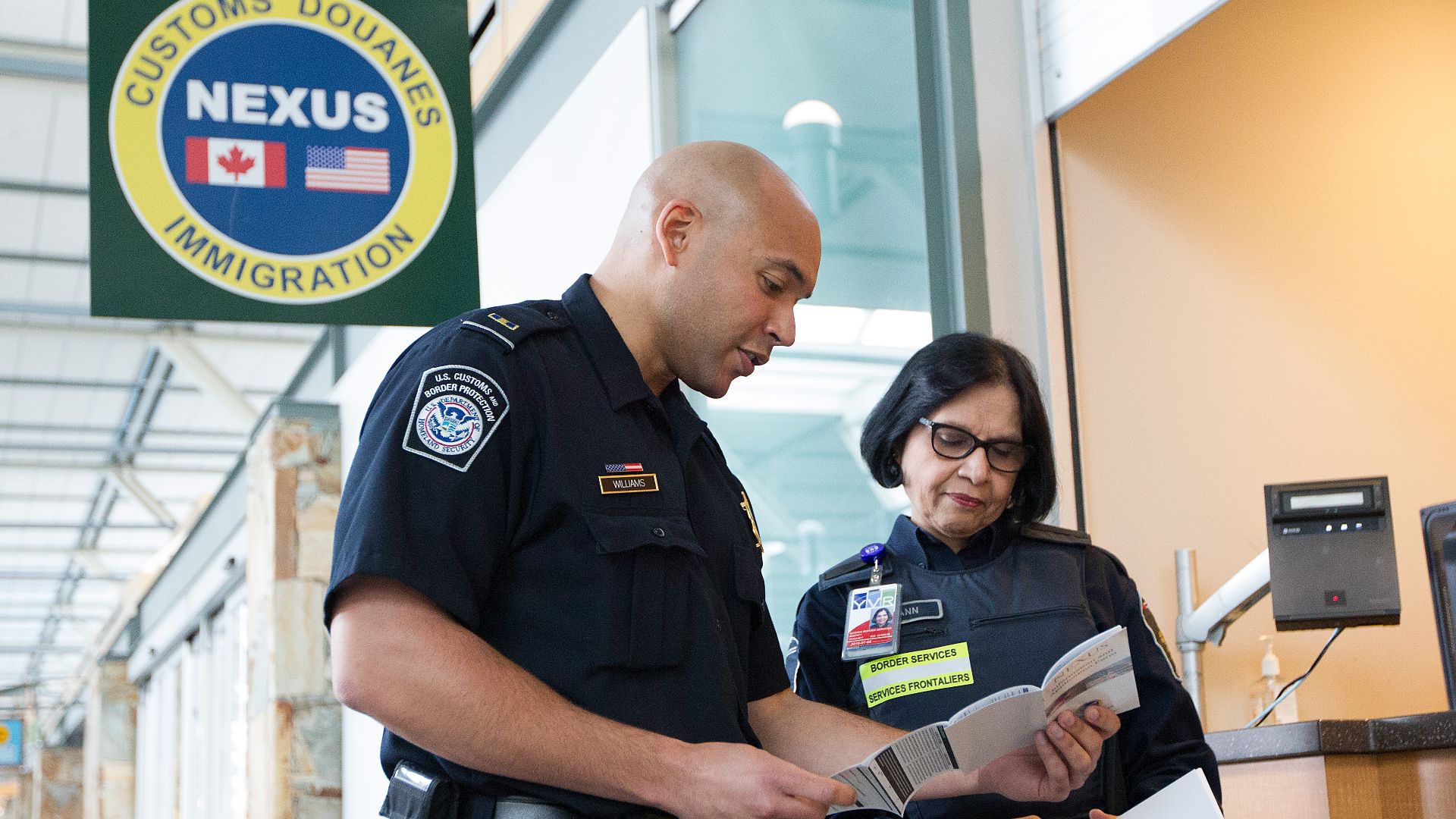
Canada updated its travel guidance to remind citizens that they should expect scrutiny at U.S. entry points, including possible electronic device searches. The warning wasn’t designed to create panic, but rather to prepare travelers for the reality of modern border enforcement.
 U.S. Customs and Border Protection, Wikimedia Commons
Border Officers Can Absolutely Stop You
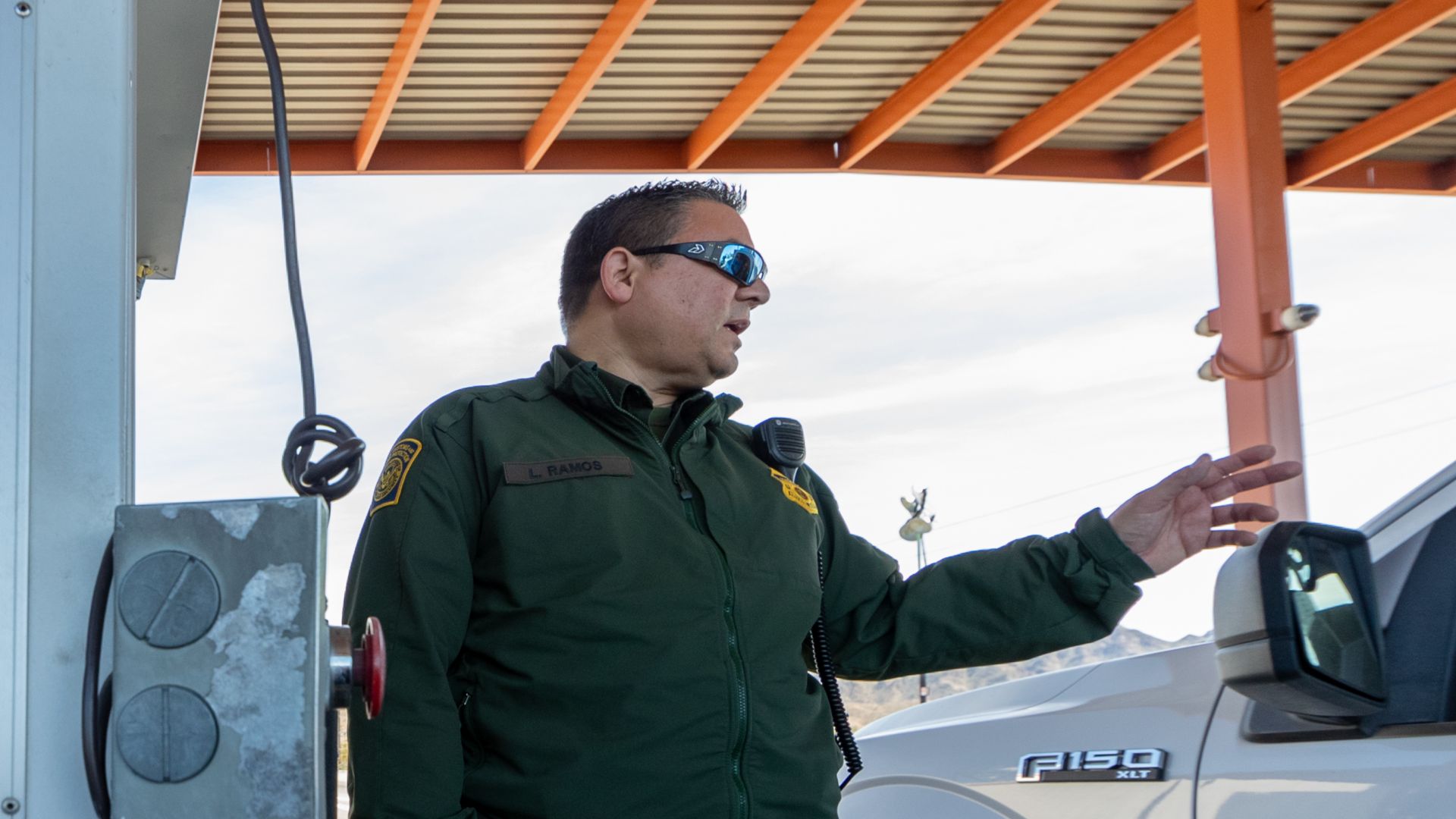
The uncomfortable answer is yes: border authorities really can stop almost anyone seeking entry. They don’t need dramatic evidence, charges, or a courtroom proceeding to begin questioning or secondary screening. The power comes from the fact that entering another country is considered a privilege controlled by that country’s laws.
 CBP Photography, Wikimedia Commons
Following The Rules Doesn’t Always Feel Like Enough
That’s the part many travelers struggle with most. Someone can organize every document perfectly, obey every regulation, and still find themselves sitting in a secondary inspection room wondering what went wrong. Border systems are designed around discretion, risk assessment, and national security concerns—not around guaranteeing every traveler a predictable experience.

You May Also Like: