The Jackpot High Wore Off Fast
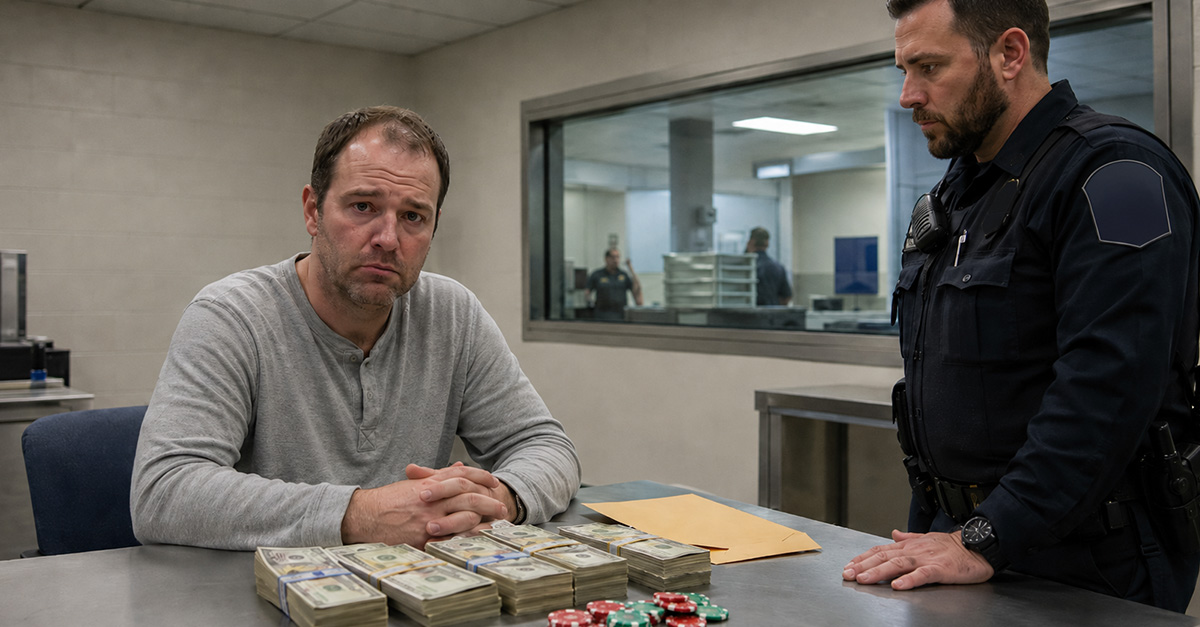
You had the kind of casino night people brag about for years. The cards behaved, the slots sang, and suddenly your wallet had main-character energy. Then came the border crossing, where your lucky streak met fluorescent lights, serious uniforms, and questions that made you feel less like a winner and more like a movie villain.
The Problem Wasn’t Winning
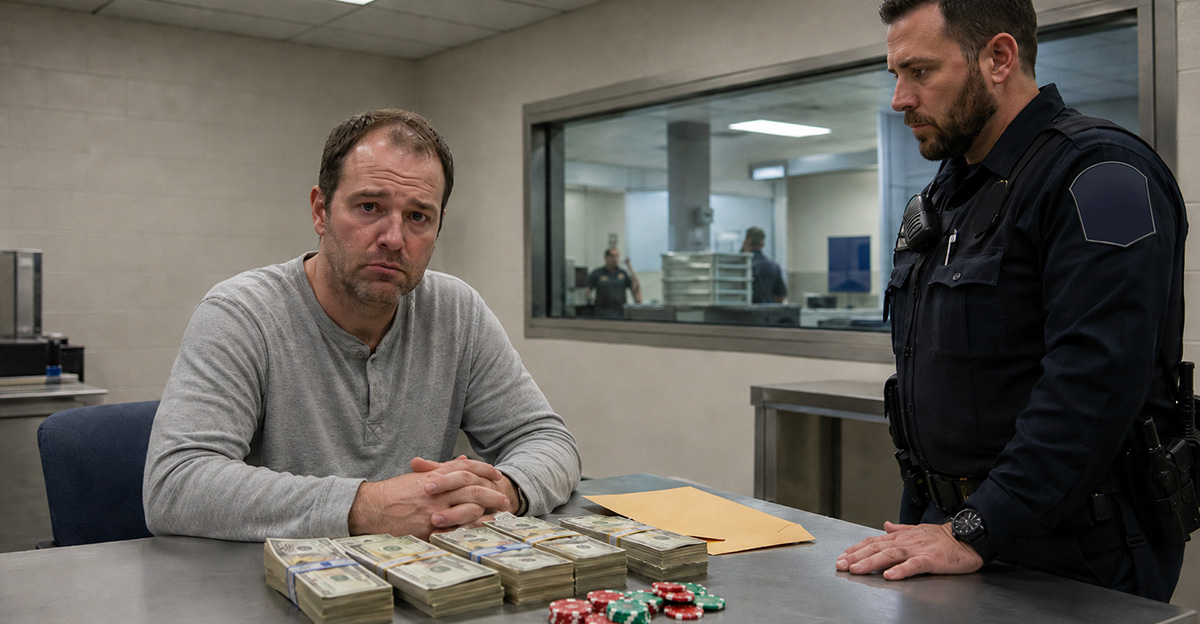
Customs officers generally do not care that you won money at a casino. Winning is legal. Casinos are legal. Traveling with money is often legal too. The issue is that large amounts of cash moving across borders can look suspicious, even when the story behind it is completely innocent.
Cash Makes Governments Twitchy
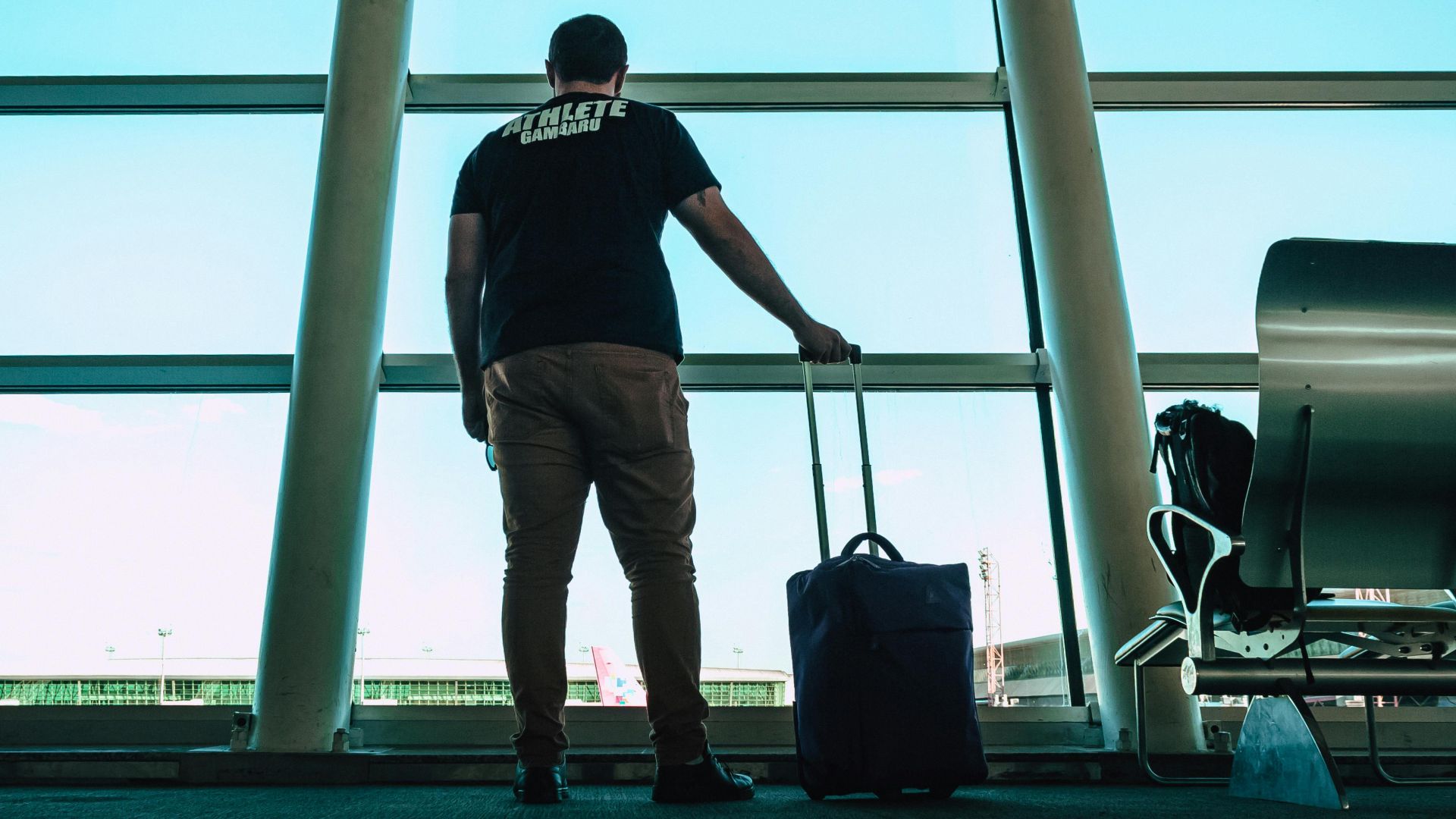
Cash is portable, private, and hard to trace. That makes it useful for regular travelers, but also attractive for money laundering, tax evasion, fraud, and organized crime. Customs officers are trained to notice cash-heavy travel because, to them, it is not just money. It is a possible clue.

Legal Does Not Mean Invisible
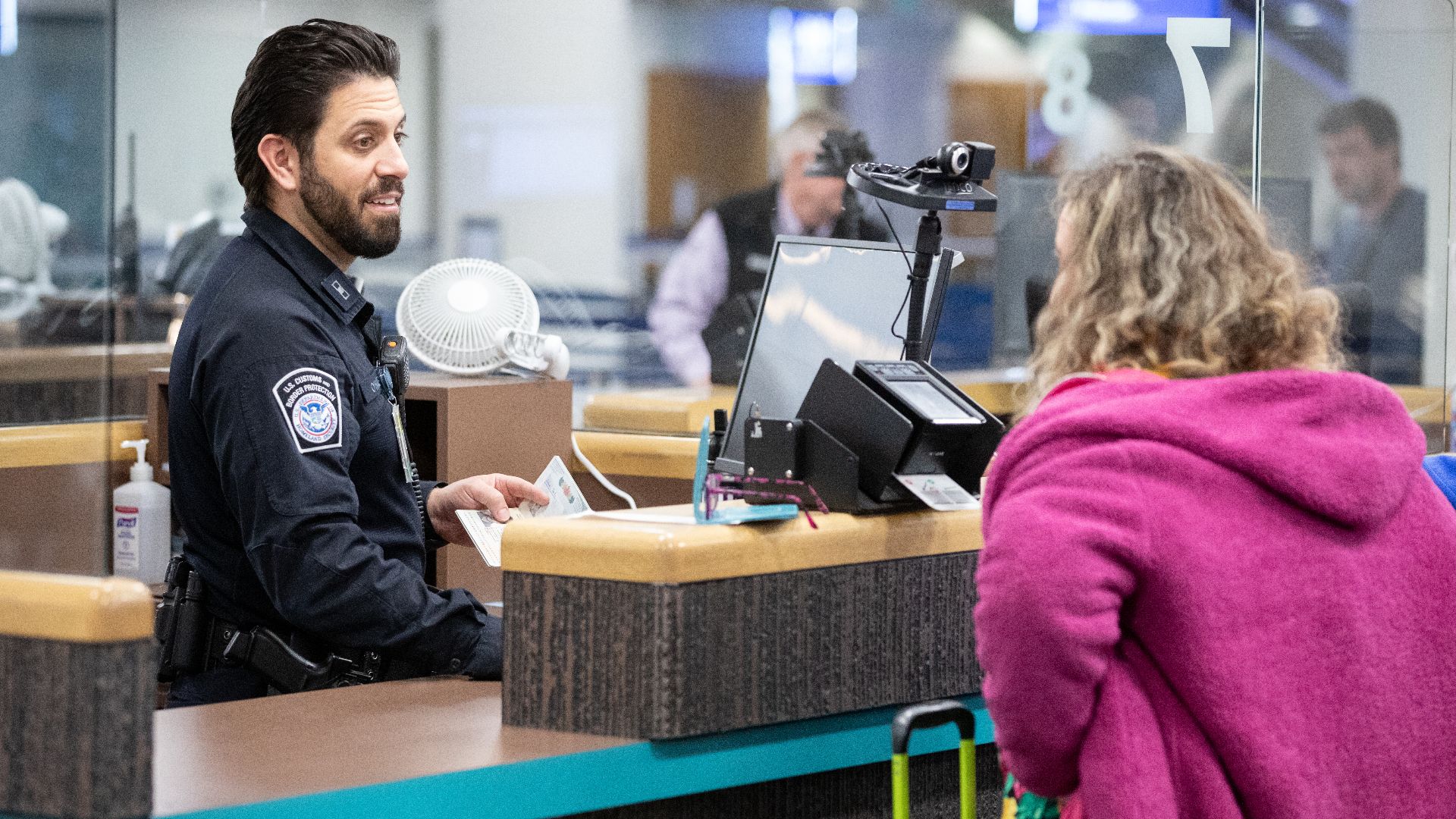
Here is the part many travelers miss: something can be legal and still need to be declared. In the United States, travelers entering or leaving with more than $10,000 must report it to Customs and Border Protection, and there is no legal limit on how much they may carry if they declare it properly.
 CBP Photography, Wikimedia Commons
Other Borders Have Similar Rules
Canada requires travelers to report currency or monetary instruments totaling CAN$10,000 or more, while the European Union requires declarations for cash of €10,000 or more when entering or leaving the EU. The number changes by country, but the logic is similar: governments want large cross-border cash movements reported.
 U.S. Customs and Border Protection, Wikimedia Commons
“But It Was My Money!”
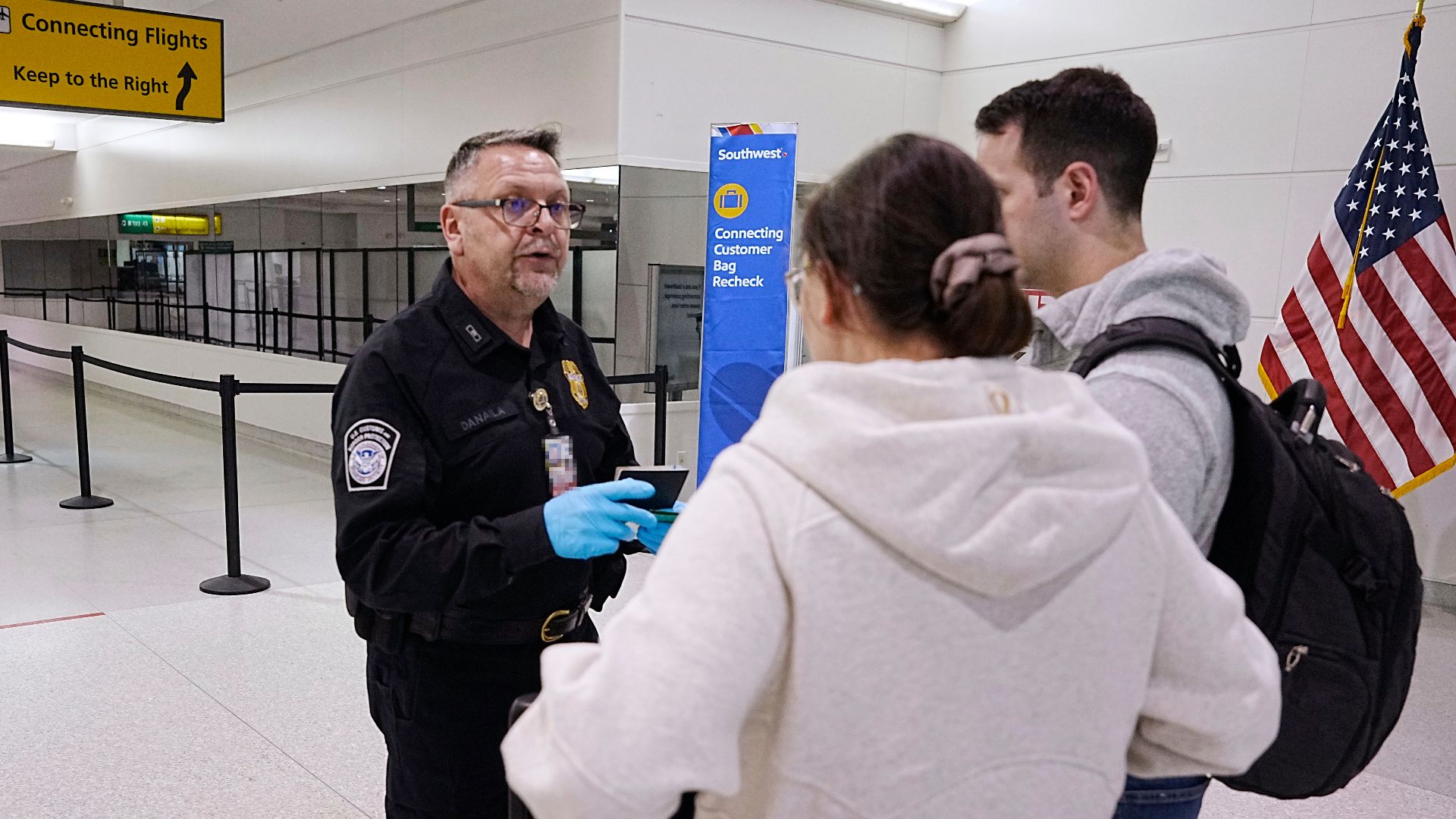
That may be true, and customs may even believe you. But ownership is only one question. Officers may also ask where the money came from, why you are carrying it, whether it was declared, whether taxes are involved, and whether the amount matches your travel story.
 CBP Photography, Wikimedia Commons
Casino Winnings Are A Classic Red Flag
Casinos deal in cash, chips, vouchers, and dramatic explanations. “I won it gambling” might be true, but it is also a story officers have heard before from people trying to move questionable money. That does not make you guilty. It means your jackpot comes with paperwork energy.

Receipts Are Your Best Travel Buddy
A casino win should come with documentation. Keep payout slips, tax forms, cage receipts, ATM records, tournament records, or anything else showing where the money came from. A cheerful “trust me” is not nearly as persuasive as a dated receipt with a casino logo.
The Border Is Not A Vibes-Based System
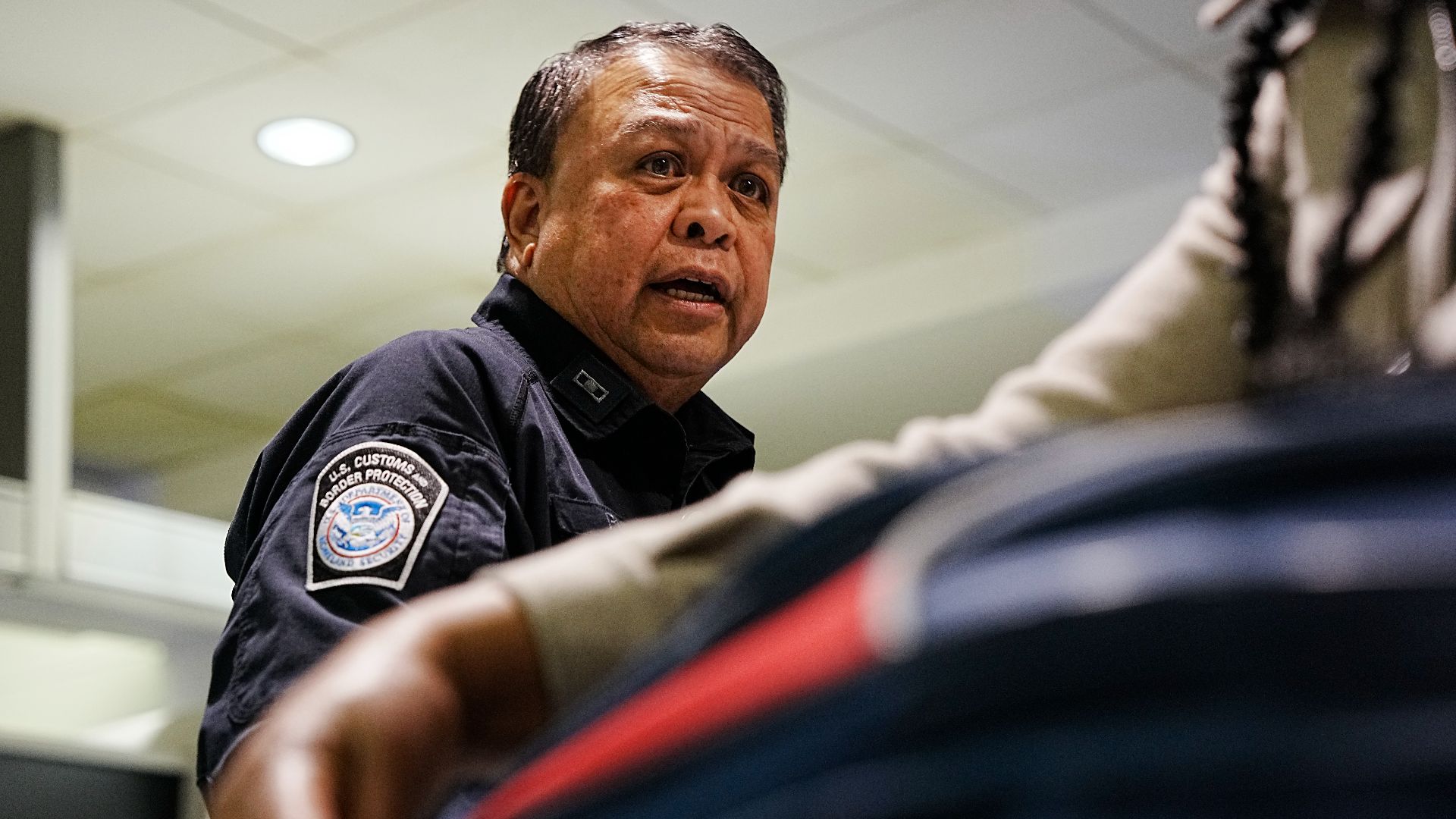
Customs does not run on good vibes, lucky shirts, or your excellent blackjack story. It runs on forms, thresholds, questions, and officer discretion. The more cash you carry, the more your trip becomes something they may want to document, verify, and slow down.
 CBP Photography, Wikimedia Commons
Declaring Is Not Confessing
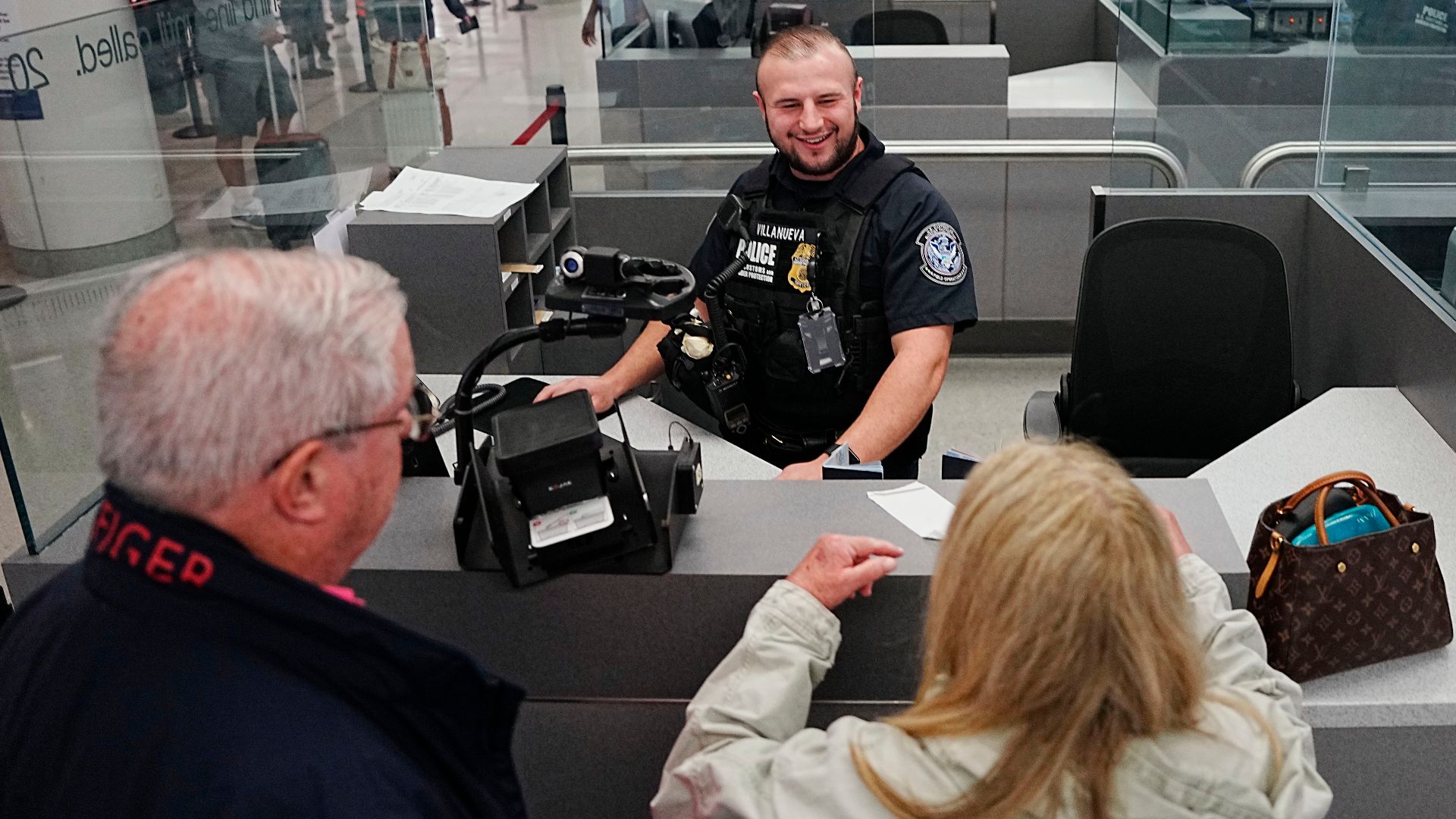
Many travelers hear “declare” and think it means “admit wrongdoing.” It does not. Declaring money is simply reporting it. In fact, declaring can protect you. Failing to declare when required is what can turn an ordinary border crossing into a seizure, penalty, or missed flight.
 CBP Photography, Wikimedia Commons
The Magic Number Is Not Always Magic
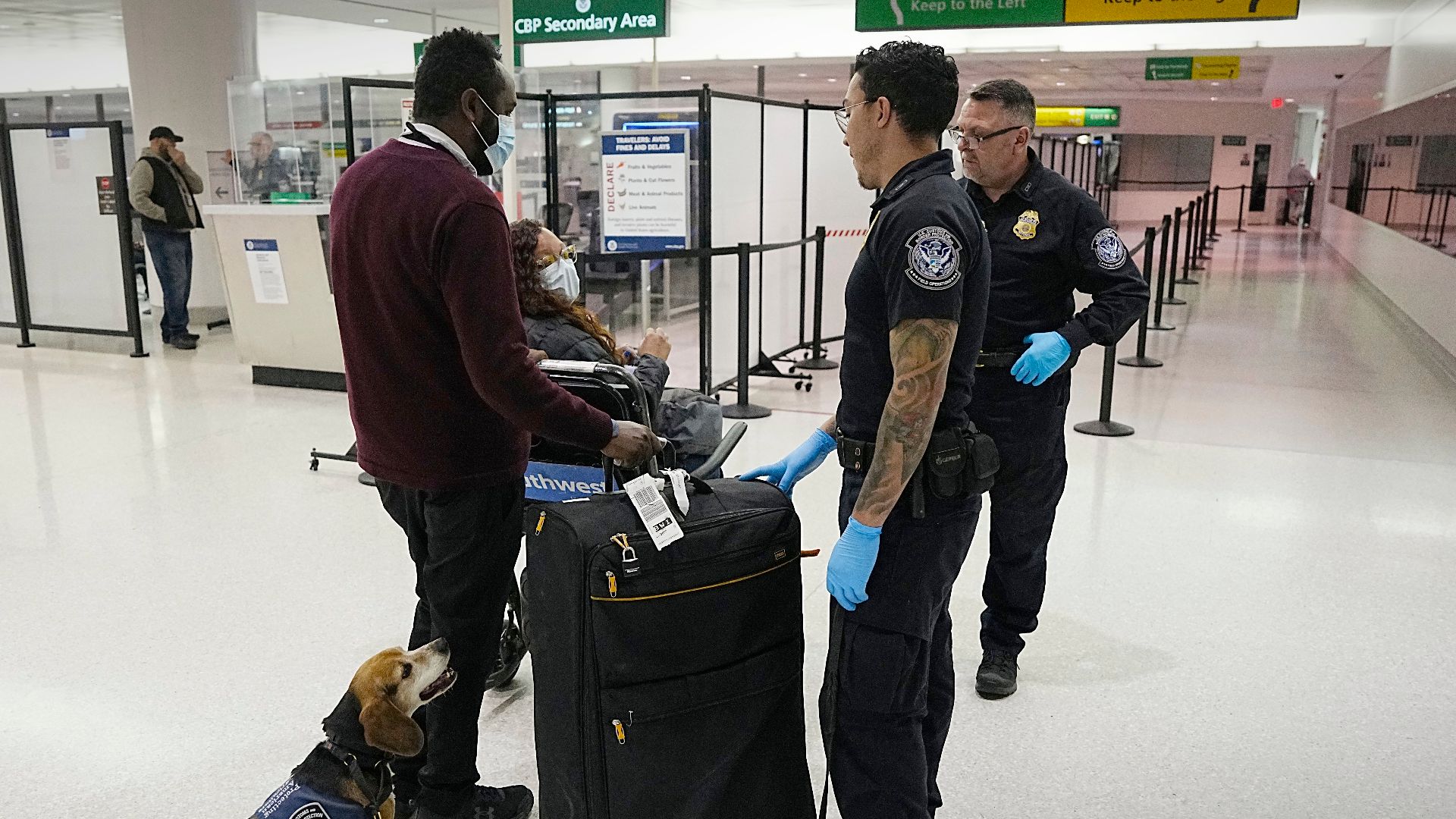
Do not assume that carrying $9,999 makes you invisible. Officers may still ask questions if the situation seems odd. Also, deliberately splitting money between people or bags to avoid a reporting rule can create bigger problems than simply filling out the form honestly.
 CBP Photography, Wikimedia Commons
Monetary Instruments Count Too
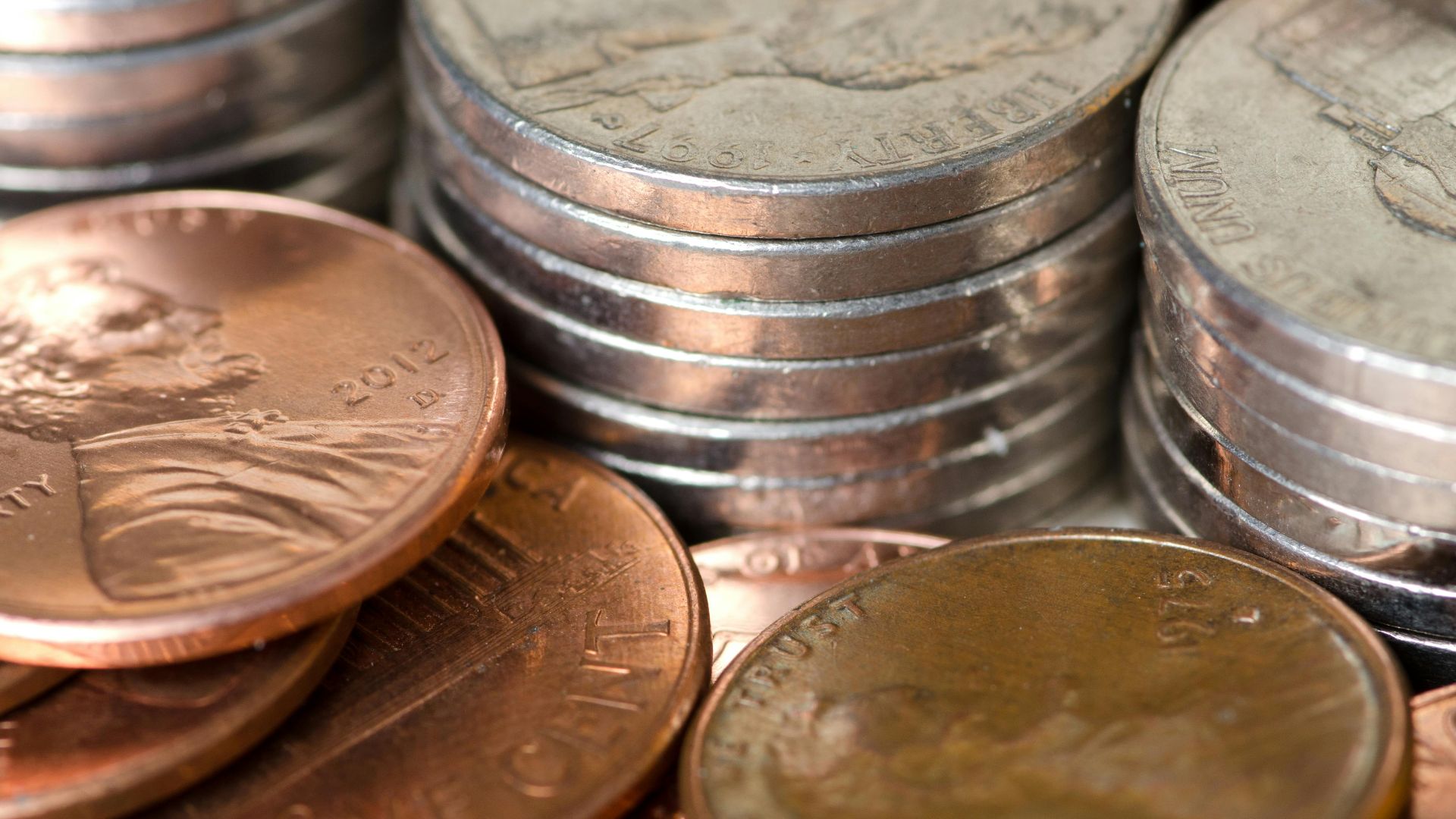
Cash rules often cover more than banknotes. They can include coins, traveler’s checks, money orders, cashier’s checks, promissory notes, and similar instruments. In other words, swapping a wad of bills for “official-looking paper” does not necessarily remove the reporting requirement.
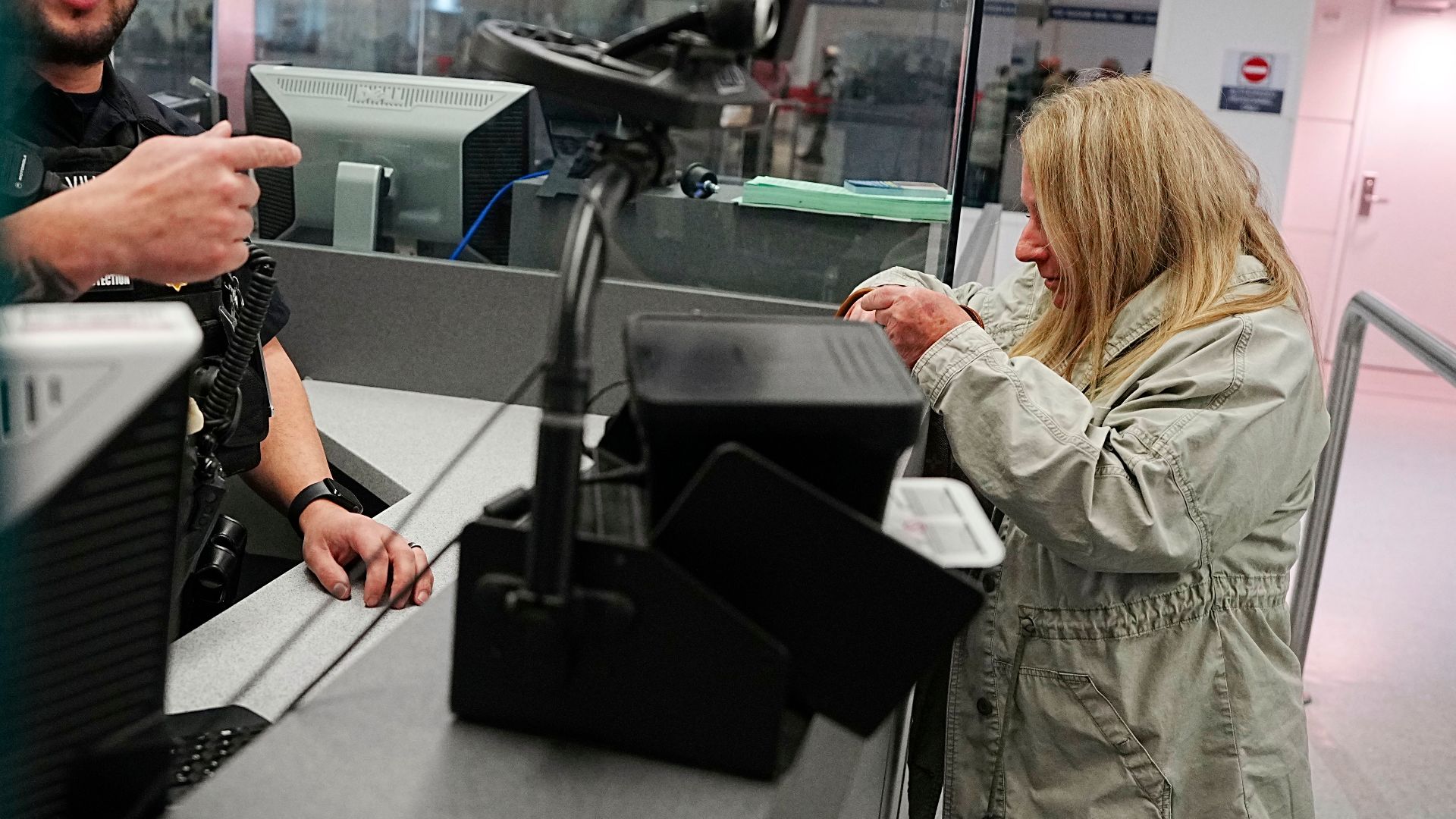
Customs Officers Watch Behavior
Nervous answers, inconsistent stories, hidden envelopes, vague explanations, and sudden math problems all make officers more curious. You may only be flustered because border crossings are stressful. Unfortunately, nervousness plus lots of cash can look like a plot twist.
 CBP Photography, Wikimedia Commons
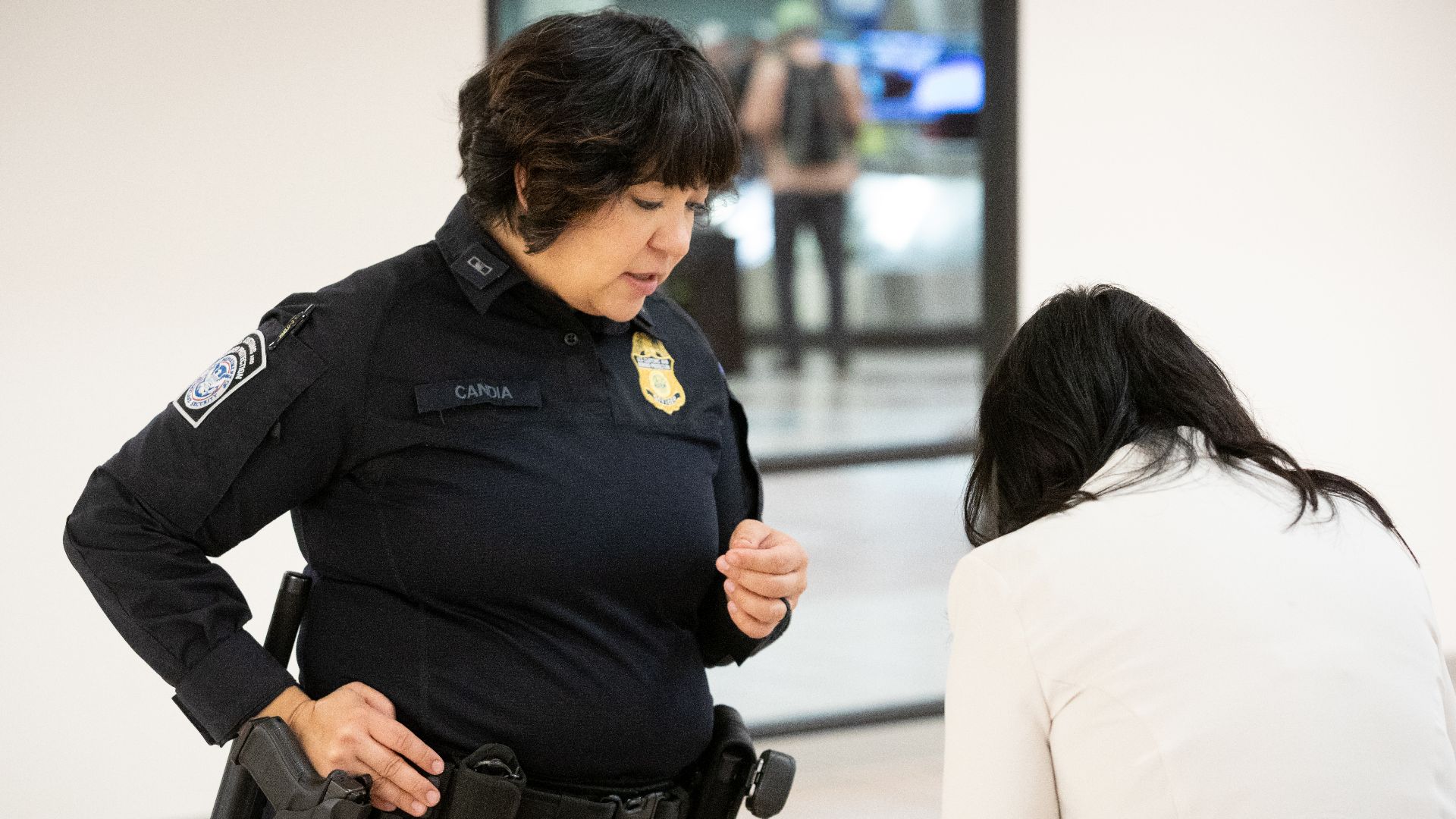
Your Casino Story Needs Details
“Where did you win it?” “How much did you start with?” “What game?” “Do you have proof?” “Why didn’t you wire it?” These questions may feel nosy, but they help officers decide whether the money matches a normal travel story or deserves more scrutiny.
 CBP Photography, Wikimedia Commons
Taxes May Be Lurking Nearby
Customs is not always the tax office, but gambling winnings can have tax consequences depending on where you live, where you won, and your residency status. Even if customs lets you pass, you may still need records later when tax season comes knocking with a calculator.

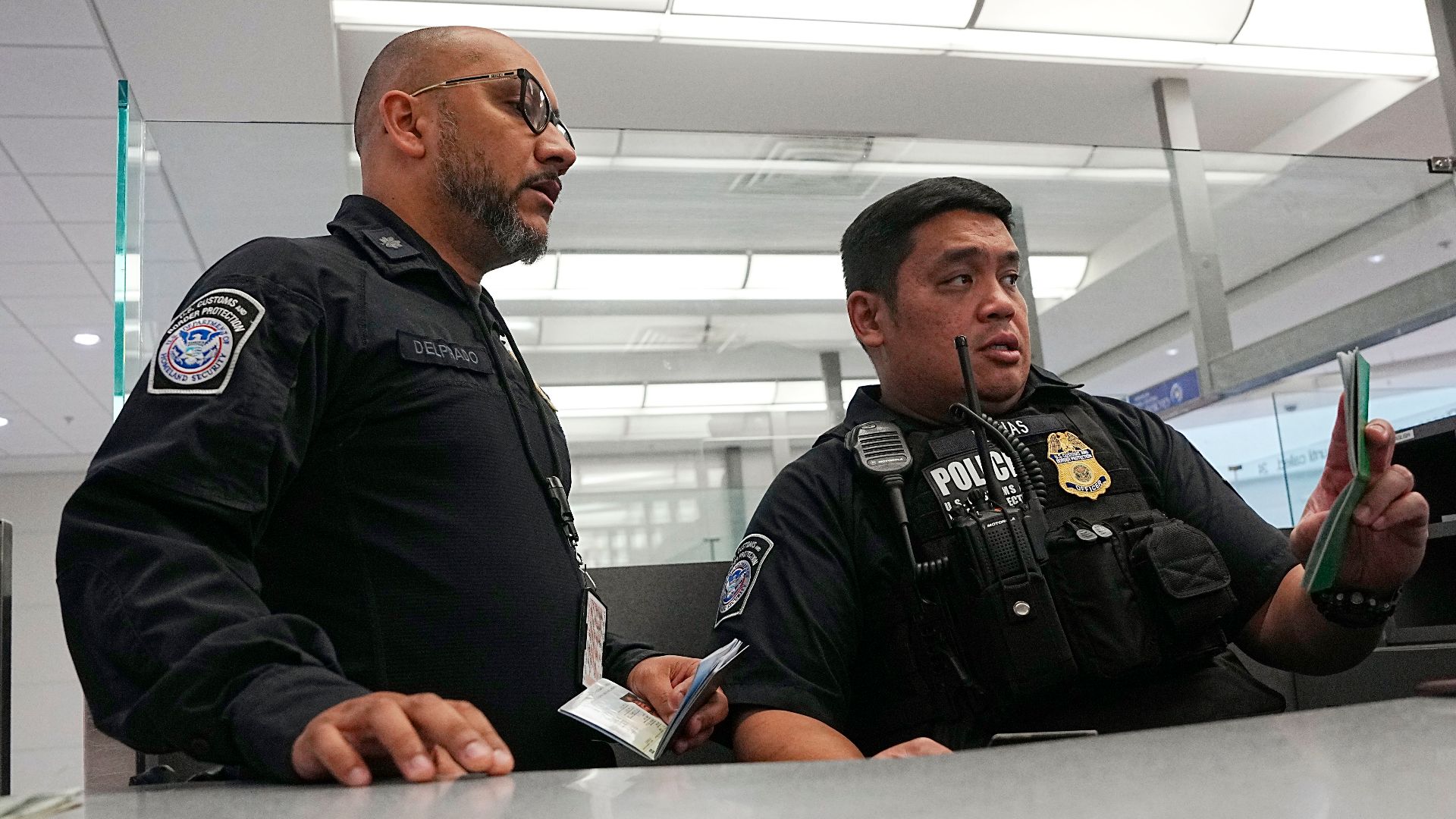
Why They Treated You Like A Smuggler
They may not have thought you were definitely a smuggler. They may have treated the situation like one that could involve smuggling. Border officers are trained to investigate possibilities, not reward charming explanations. To you, it was vacation money. To them, it was undeclared risk in a backpack.
 CBP Photography, Wikimedia Commons
The Worst Move Is Getting Cute
Do not joke about laundering money. Do not say, “I guess I’m a high roller now,” while sweating through your shirt. Do not hide bills in socks, books, snack bags, or secret compartments. Customs officers have seen every “clever” idea, and they are rarely amused.

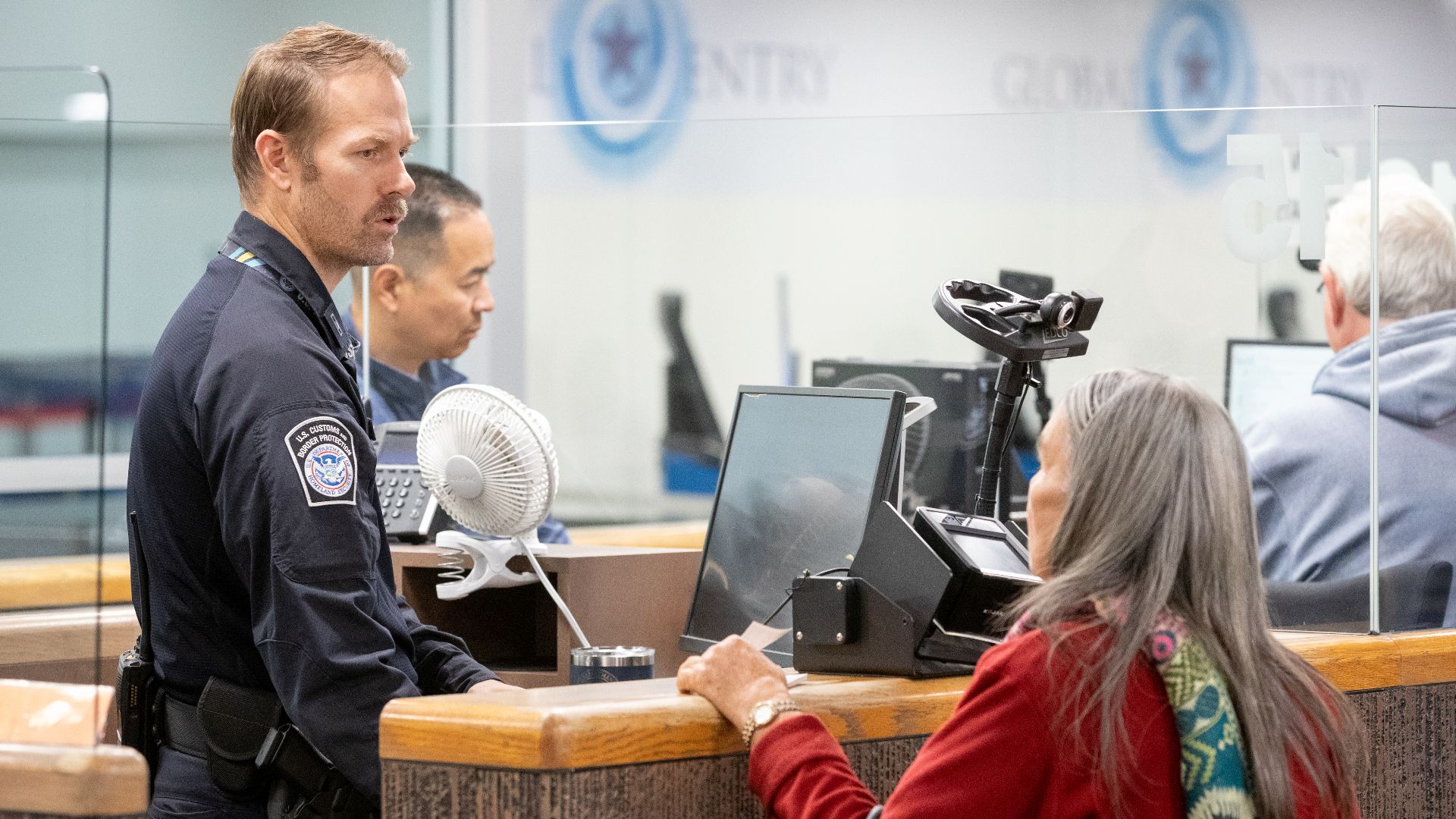
Be Boring And Honest
The ideal customs interaction is wonderfully dull. “Yes, I am carrying this amount. It is from casino winnings. Here are the receipts. I would like to declare it.” That sentence may not make a thrilling travel story, but it is much better than becoming one.
 CBP Photography, Wikimedia Commons
Digital Transfers Can Be Easier
If you win big, ask the casino about checks, bank wires, or official payment records. Carrying cash may feel cinematic, but banks and paperwork are usually calmer travel companions. A wire transfer is less exciting than a money belt, which is exactly the point.

Keep Money Together And Accessible
If you must carry cash, keep it organized. Do not scatter it across five pockets and three bags unless you enjoy looking suspicious while unpacking your life in public. Neat bundles, clear documentation, and quick access to forms can help keep the mood professional.

Know The Rule Before You Roll
Before crossing any border, check the cash declaration threshold for both the country you are leaving and the country you are entering. Rules can apply in both directions. A legal exit does not automatically guarantee a drama-free arrival.

The Form Is Not Your Enemy
For U.S. travel, FinCEN Form 105 is used to report transporting more than $10,000 in currency or monetary instruments into or out of the country. It can be filed online or with help from officers, depending on the situation.

Seizure Can Happen Fast
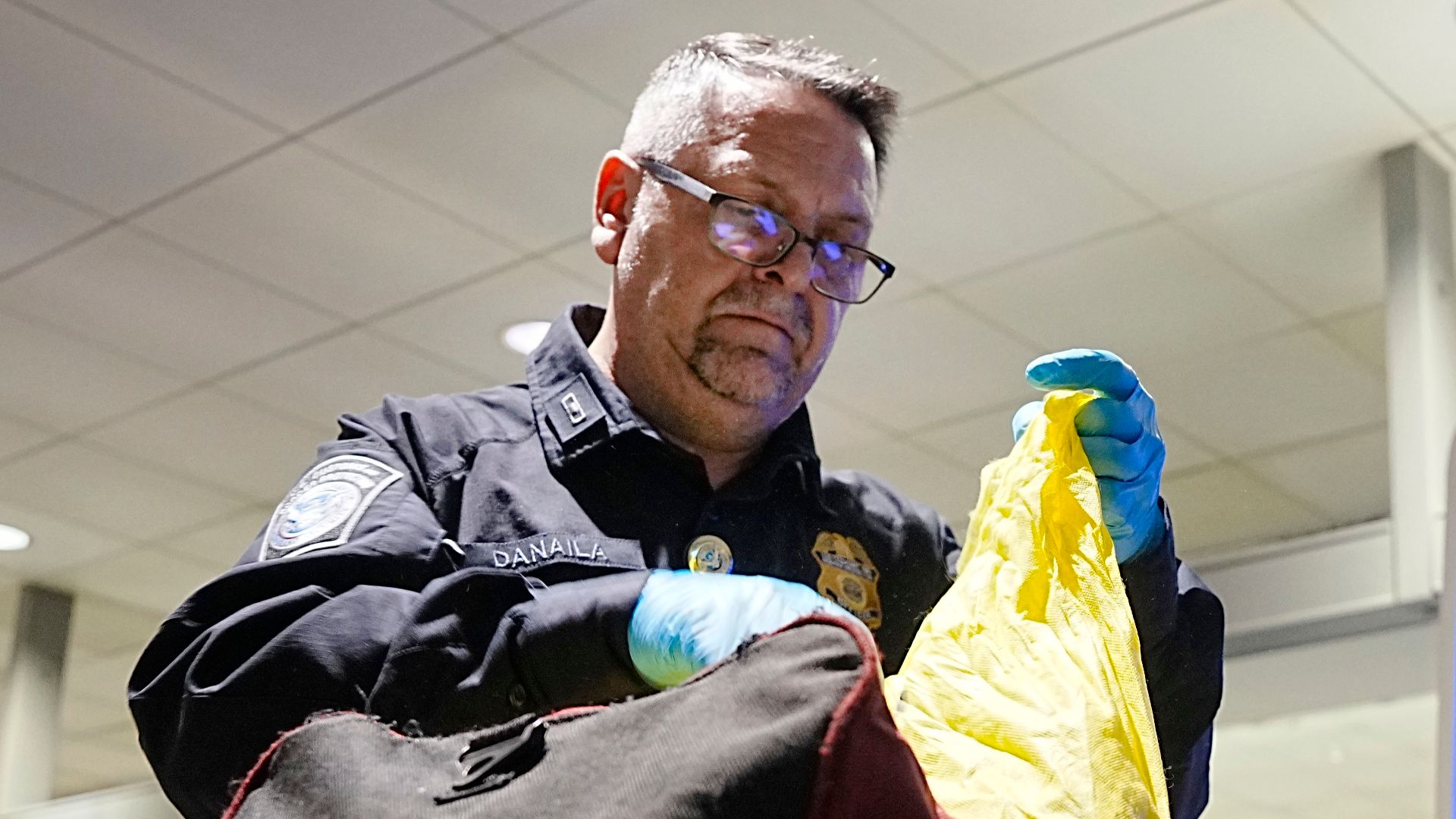
When travelers fail to report required amounts, authorities may seize the money while the issue is investigated. Getting it back can involve paperwork, delays, legal help, and stress. That is a brutal ending to what started as a lucky weekend.
 CBP Photography, Wikimedia Commons
“They Ruined My Trip” Is Understandable
Being questioned at a border can feel embarrassing and unfair, especially when you did nothing wrong. But customs officers are not judging your casino luck. They are checking whether the money was legally reported and whether the story holds together under scrutiny.

The Smart Traveler’s Jackpot Checklist
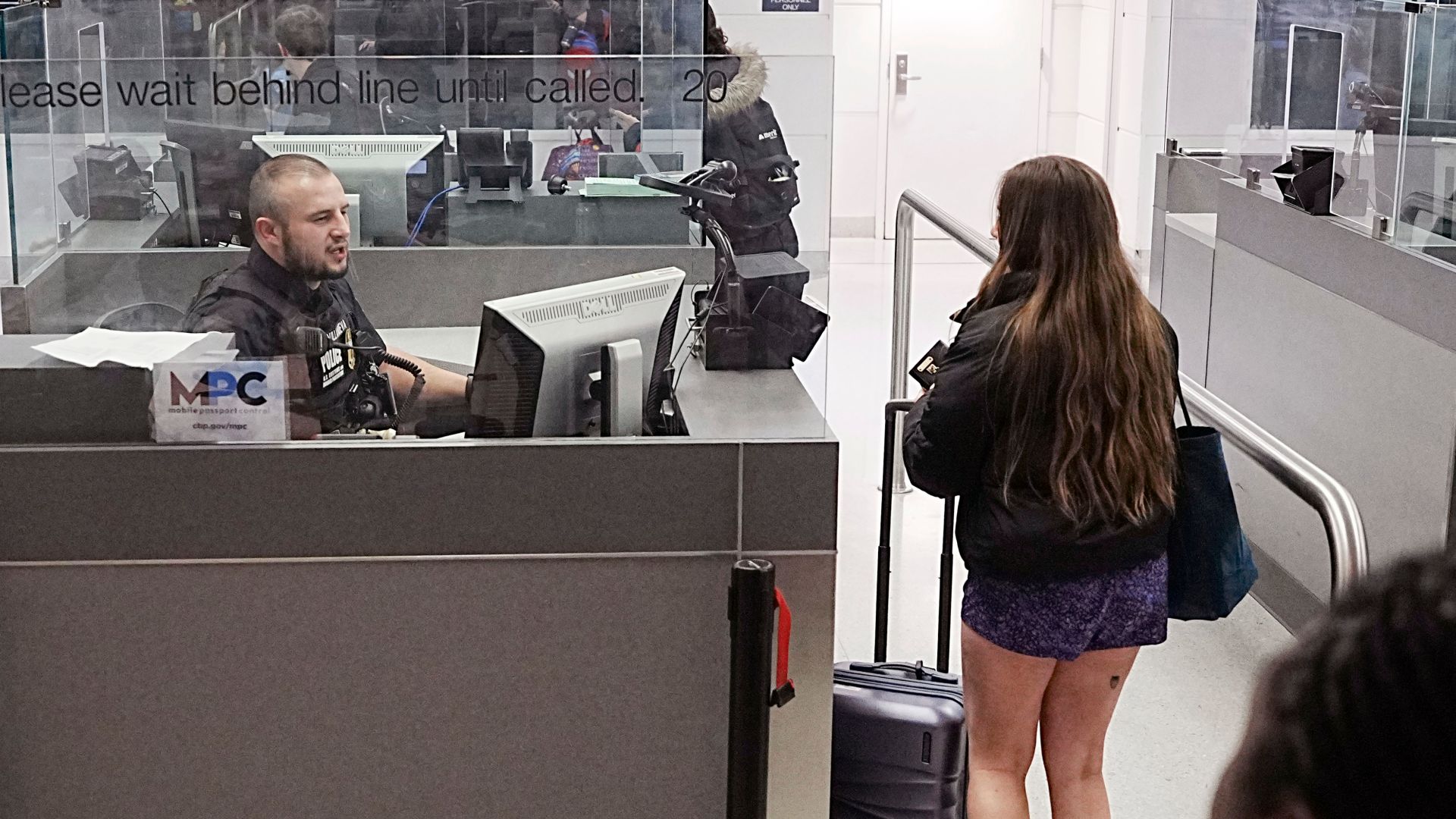
Before leaving the casino, gather receipts. Before reaching the border, count the total. Before answering questions, take a breath. Declare when required. Keep your story simple. Do not hide anything. The goal is not to seem rich, clever, or relaxed. The goal is to be clear.
 CBP Photography, Wikimedia Commons
The Real Problem Was Paperwork
So, what was their problem? Probably not the winnings themselves. Their problem was that large cross-border cash movements sit in a high-alert category. Your money may have been 100% legal, but without the right declaration and documentation, it still looked like something customs had to investigate.

Take The Win, Skip The Drama
A casino jackpot should end with a good meal, a better hotel room, or an extremely smug airport coffee. It should not end in a customs interview room. The lesson is simple: winning big is fun, carrying big cash is serious, and declaring it is the least glamorous move that can save your trip.

You May Also Like:
America’s Most Loved Food Looks Completely Different Depending On The State