
When A Souvenir Becomes A Serious Problem
You thought you were bringing home a charming piece of your trip: a carved statue, an old coin, a pretty pottery shard, maybe something “ancient-looking” from a market stall. Then airport security pulled you aside, officials used words like “national treasure,” and suddenly your vacation story became a legal nightmare.

First, Take A Breath
This is terrifying, but panicking will not help. Do not argue, joke, run, hide documents, or try to talk your way out of it. Airport officials are trained to treat cultural property cases seriously, and anything you say may be recorded or used later.

Ask What You Are Being Accused Of
Calmly ask what law they believe you violated and whether you are being detained, questioned, or formally arrested. You do not need to sound like a lawyer. A simple, “Can you please explain what I am being accused of?” is enough.

Do Not Sign Anything You Do Not Understand
You may be handed forms in a language you do not read. Do not sign confessions, seizure statements, ownership claims, or “simple paperwork” unless you understand exactly what it says. Ask for a translator and legal advice before signing anything official.

Request A Lawyer Immediately
This is not the moment to rely on travel confidence or charm. Ask for a local lawyer who handles criminal, customs, or cultural heritage cases. If you cannot find one, contact your embassy or consulate and ask for a list of local attorneys.
Contact Your Embassy Or Consulate
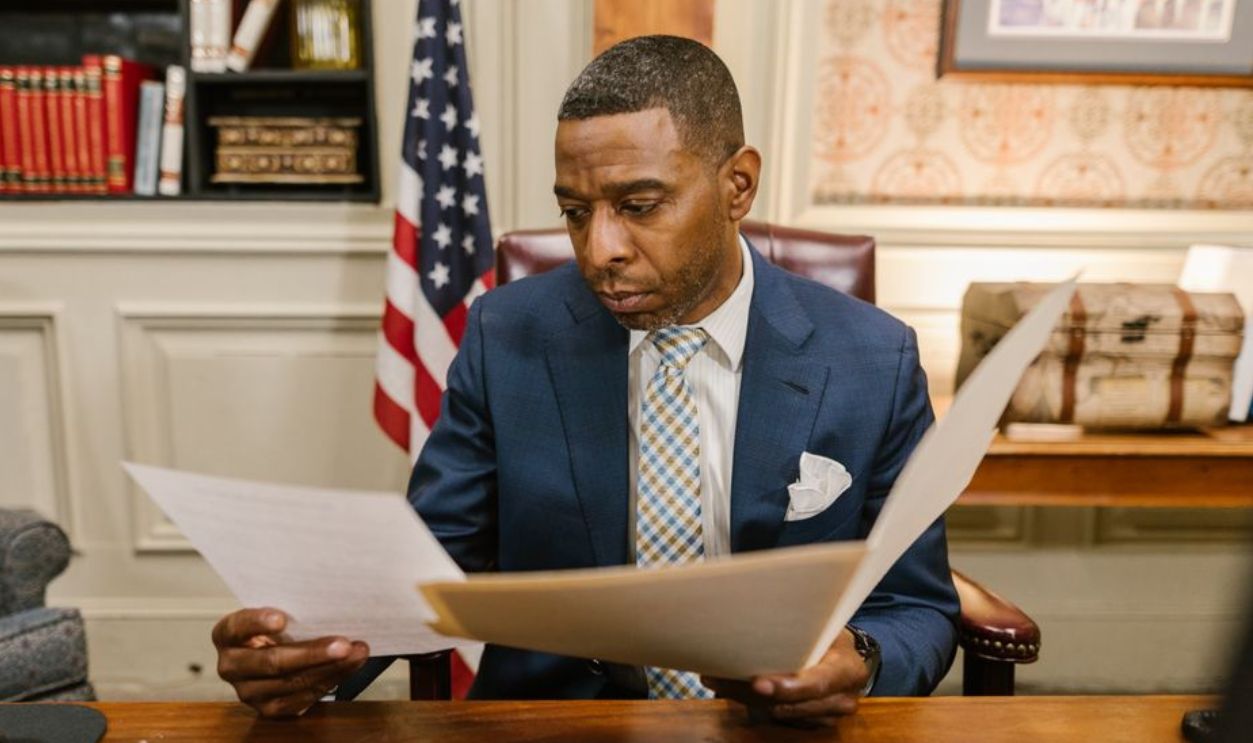
Your embassy usually cannot get you out of jail or erase local charges, but it can help you understand local procedures, contact family, find lawyers, and make sure you are treated according to local rules. That help can be extremely valuable.

Be Polite, But Say Less
You can be respectful without explaining every detail. Avoid long stories like, “The seller told me it was fake, and I thought it looked old, but not that old.” Those words may sound harmless, but they can accidentally make things worse.

Keep Your Story Simple And True
When you do speak, stick to facts you know: where you bought it, when you bought it, how much you paid, and what the seller told you. Do not guess about the object’s age, origin, legality, or value. Guessing can look suspicious.

Find Every Receipt You Have
Receipts matter. So do credit card records, marketplace listings, business cards, photos of the shop, text messages with the seller, packaging, certificates, and customs forms. These details may help show you bought the item openly and did not knowingly steal anything.

Check Your Travel Photos
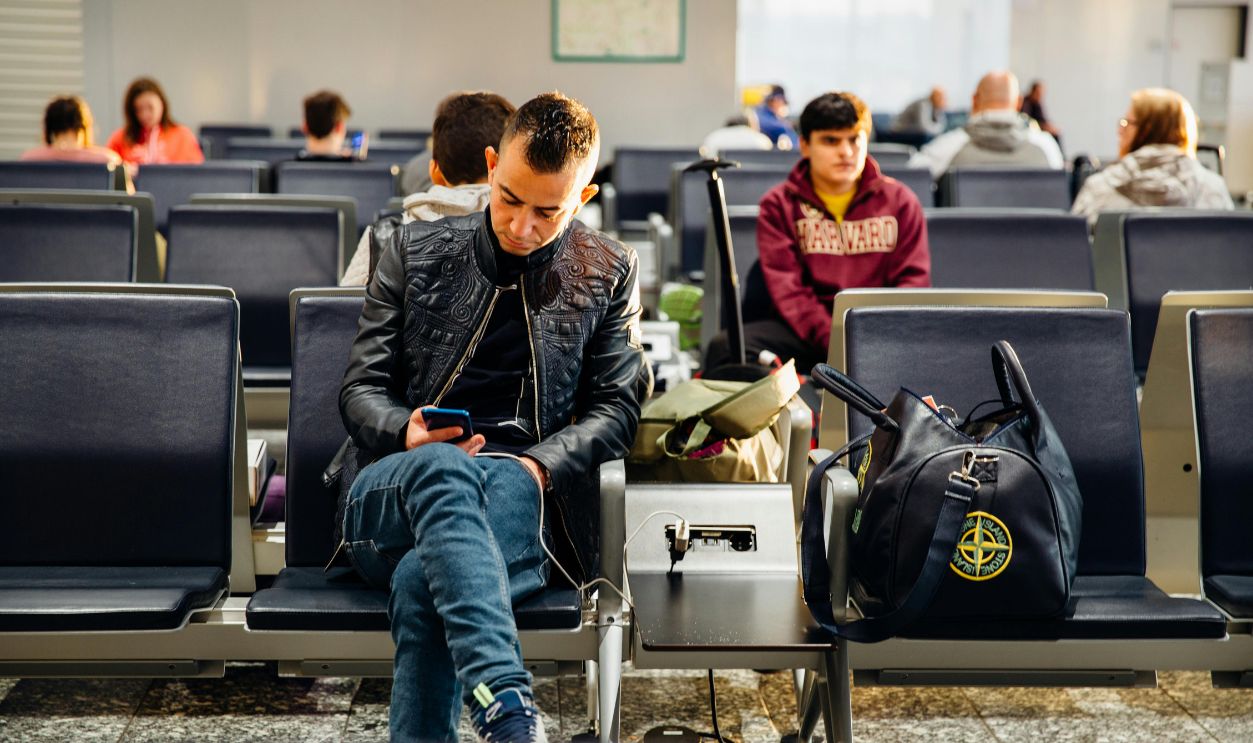
Scroll through your phone carefully. You may have photos of the market stall, the shop sign, the seller wrapping the item, or the object displayed among other souvenirs. These images can help build a timeline and show how ordinary the purchase seemed.
Do Not Delete Anything
Even if a photo or message feels embarrassing, do not delete it. Deleting evidence can look much worse than having imperfect evidence. Preserve everything, including search history, map visits, translation app screenshots, and messages with travel companions.

Ask For An Interpreter
If the officials are not speaking your strongest language, ask for an interpreter. Legal misunderstandings can happen fast, especially with words like “antique,” “artifact,” “replica,” “export permit,” and “protected object.” You need to understand the accusation clearly.

Understand Why Countries Care
Many countries fiercely protect ancient objects, fossils, religious items, Indigenous artifacts, historic documents, coins, icons, and archaeological fragments. Even tiny items can be legally important because they belong to a larger cultural story, not just a display shelf back home.
 Frame Stock Footage, Shutterstock
The Seller May Not Have Had The Right To Sell It
A market vendor, antique dealer, or beachside shop can seem legitimate and still be selling something illegally. In many places, cultural heritage laws apply even if the item was sold in public, issued with a handwritten receipt, or described as “no problem.”
 Jorge Royan (talk · contribs), Wikimedia Commons
“I Did Not Know” May Not Be Enough
In some legal systems, not knowing the law does not automatically clear you. It may help show you had no criminal intent, but it may not prevent seizure, fines, charges, or long delays. This is why legal advice matters so much.
 Frame Stock Footage, Shutterstock
Expect The Item To Be Seized
The object will probably be taken by customs, police, or cultural heritage officials while they investigate. Ask for a written inventory or seizure receipt that describes the item and notes who took it. Keep a copy or photograph if allowed.

Do Not Try To Get The Souvenir Back Yourself
Once authorities believe an item may be protected, pushing to reclaim it can make you look more concerned about possession than cooperation. Let your lawyer handle any request for return, testing, documentation, or ownership review.
 Monkey Business Images, Shutterstock
Ask About Bail Or Release Conditions
If you are arrested, your lawyer can ask whether you may be released while the case is reviewed. Conditions may include surrendering your passport, staying in the country, paying bail, or appearing at future hearings. Take every condition seriously.

Notify Family Or A Trusted Contact
Choose one calm person at home and tell them what happened. Share your location, lawyer’s name, embassy contact, and case details. Ask them to keep records, manage travel changes, and avoid posting dramatic updates online.

Stay Off Social Media
Do not post airport selfies, angry rants, jokes about “stealing history,” or photos of the object. Even a funny caption can be misunderstood. Until the matter is resolved, treat the situation as serious and private.

Call Your Travel Insurance Company
Some travel insurance policies include legal assistance, emergency translation, or help with missed flights and extended stays. Coverage varies widely, but it is worth calling. Ask specifically about legal referrals, documentation, and reimbursement for unexpected travel disruption.

Contact Your Airline Carefully
If you miss your flight because you are detained, contact the airline when possible and explain only that you are dealing with an official airport matter. Do not give more details than necessary. Ask about rebooking options and documentation requirements.

Prepare For A Slow Process
Cultural property investigations can move slowly. Experts may need to inspect the object, compare databases, confirm origin, and decide whether it is protected. This can take days, weeks, or longer, depending on the country and the item.

Your Best Defense Is Documentation
The stronger your paper trail, the better. A proper export permit, official invoice, museum-shop receipt, or certificate from a recognized seller can make a huge difference. A vague cash receipt from a flea market may be less helpful.

Learn The Souvenir Red Flags
Be cautious with anything described as ancient, archaeological, sacred, tribal, excavated, rare, from a tomb, from a shipwreck, or “found in the desert.” Also be wary of fossils, old coins, religious icons, pottery fragments, and items sold suspiciously cheaply.
 Nicoleta Ionescu, Shutterstock
Before Future Trips, Check The Rules
For future travel, research export laws before buying antiques, art, fossils, wildlife products, or cultural objects. When in doubt, buy modern crafts directly from artists, museum shops, or reputable stores that provide proper paperwork and export documentation.

The Big Takeaway
Being arrested over a souvenir is scary, but your next steps are clear: stay calm, ask for a lawyer, contact your embassy, preserve every receipt and photo, and do not sign or delete anything. The souvenir may be gone, but smart choices can protect you.
 Frame Stock Footage, Shutterstock
You May Also Like:
The States Most Likely To Become Their Own Country—According To Other Americans