
Behind The Hotel Room Door
Hotel housekeepers see a side of travel that most guests never think about. From unrealistic cleaning schedules to surprisingly common guest habits, their job involves far more than changing sheets and replacing towels. Knowing what goes on behind the scenes could make your next hotel stay considerably better.
They Work Under Tight Deadlines
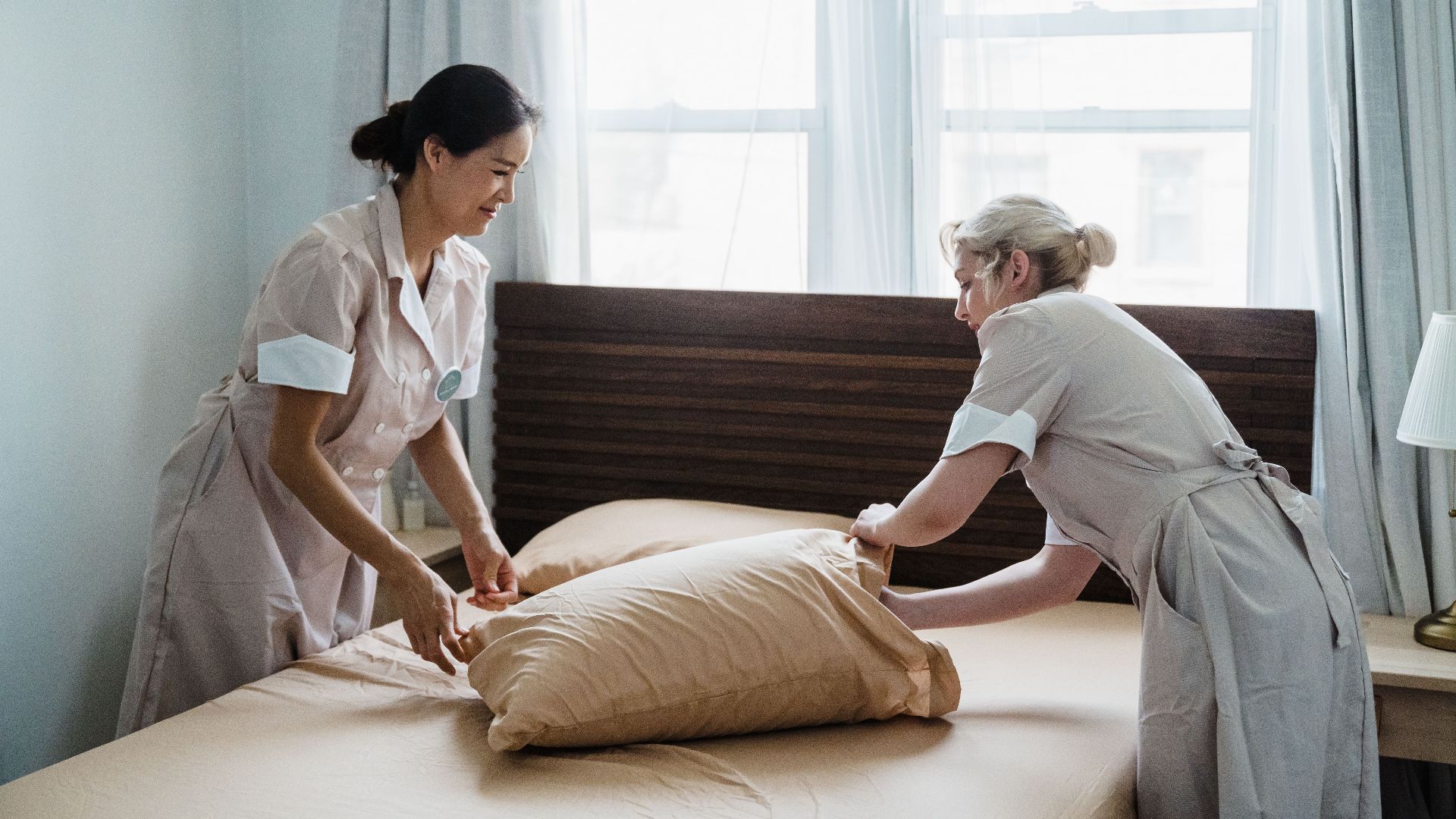
Hotel housekeepers don't necessarily have an entire morning to clean a handful of rooms. A case study cited by the Canadian Centre for Occupational Health and Safety found that housekeepers typically cleaned 16 rooms per shift, spending between 15 and 30 minutes on each room.
Early Check-In Complicates Their Schedule
Arriving several hours before check-in and expecting immediate access to your room can put additional pressure on housekeeping. Staff may still be cleaning rooms vacated that morning. Requesting early check-in in advance gives the hotel a better opportunity to accommodate you.
Late Checkouts Have A Domino Effect
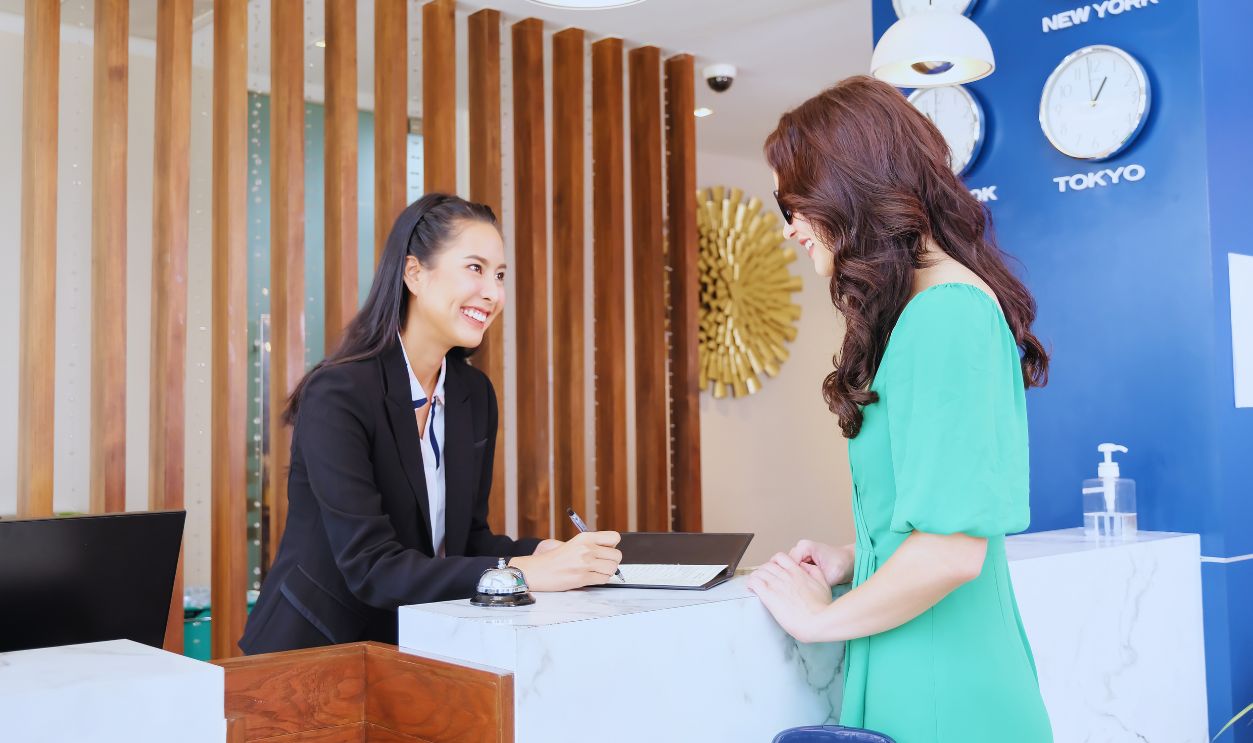
When you stay beyond your scheduled checkout time without permission, you're reducing the time available to prepare your room for the next guest. Even a 30-minute delay can complicate a housekeeper's schedule, particularly when the hotel is fully booked.
Daily Housekeeping Isn't Always Automatic
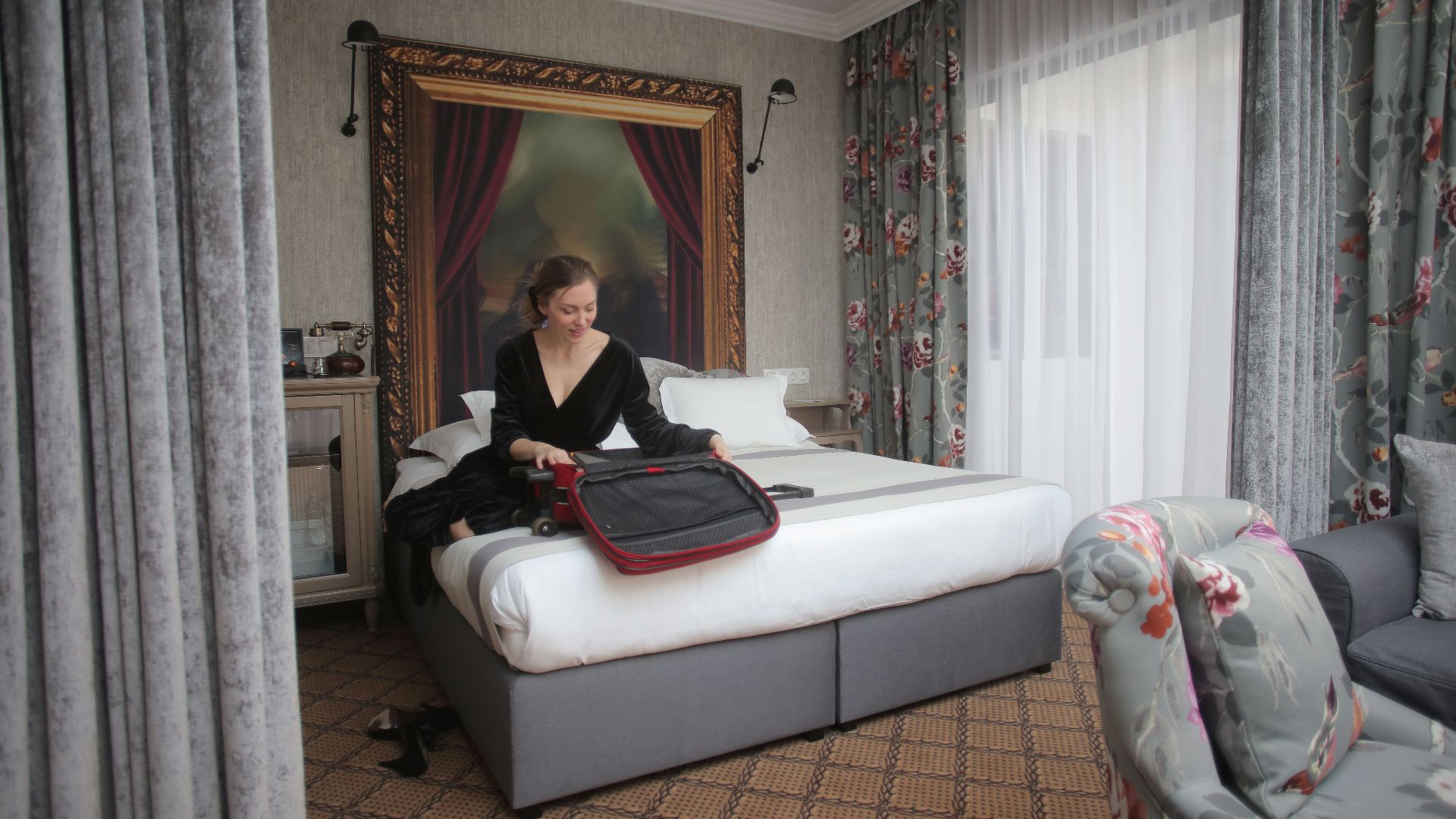
Housekeeping policies vary considerably between hotels, even among properties operating under familiar brands. Some provide daily service, while others offer limited cleaning or require guests to request it. Establish what's included when you check in rather than discovering the policy halfway through your stay.
Your Privacy Sign Means Something
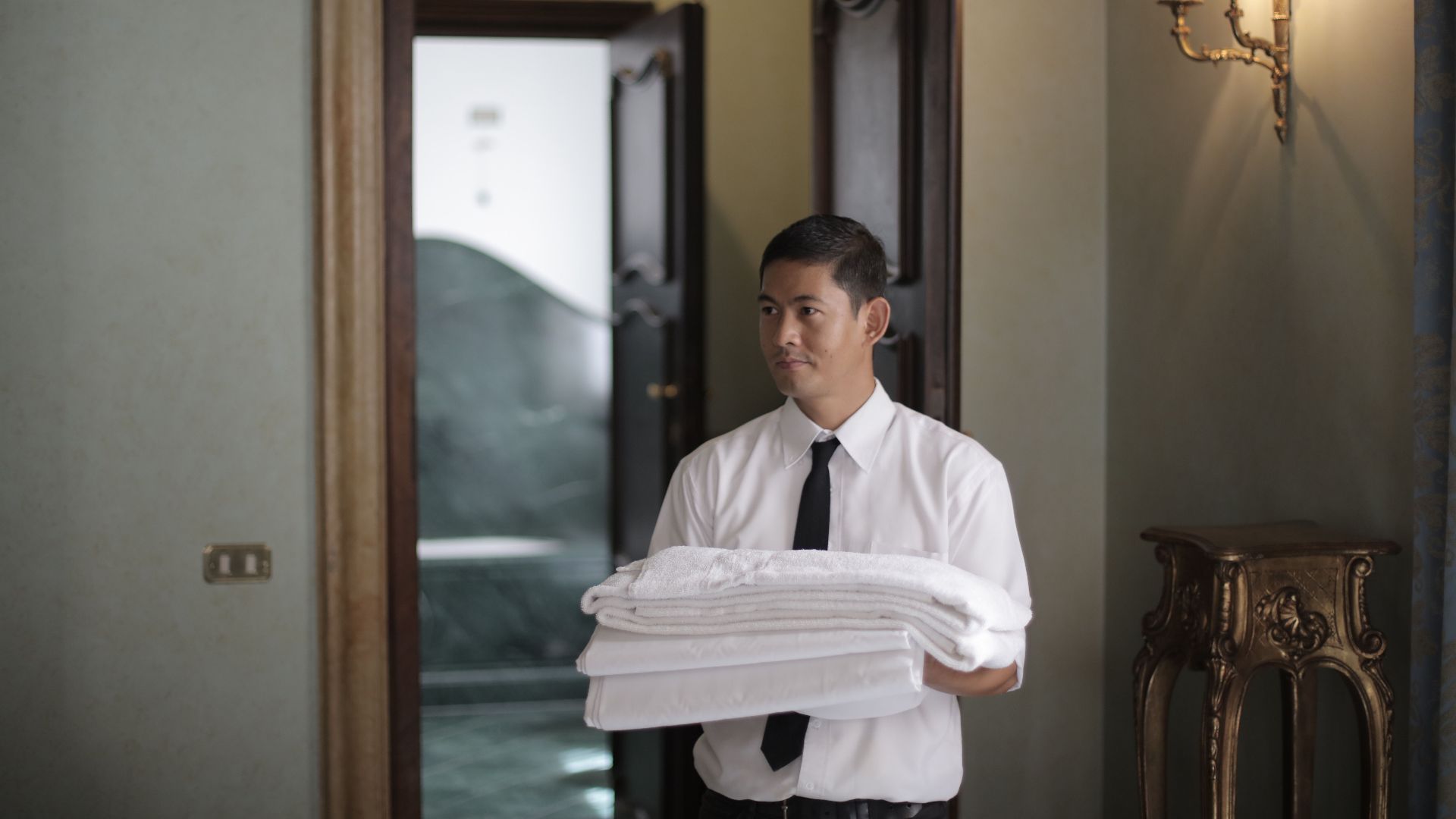
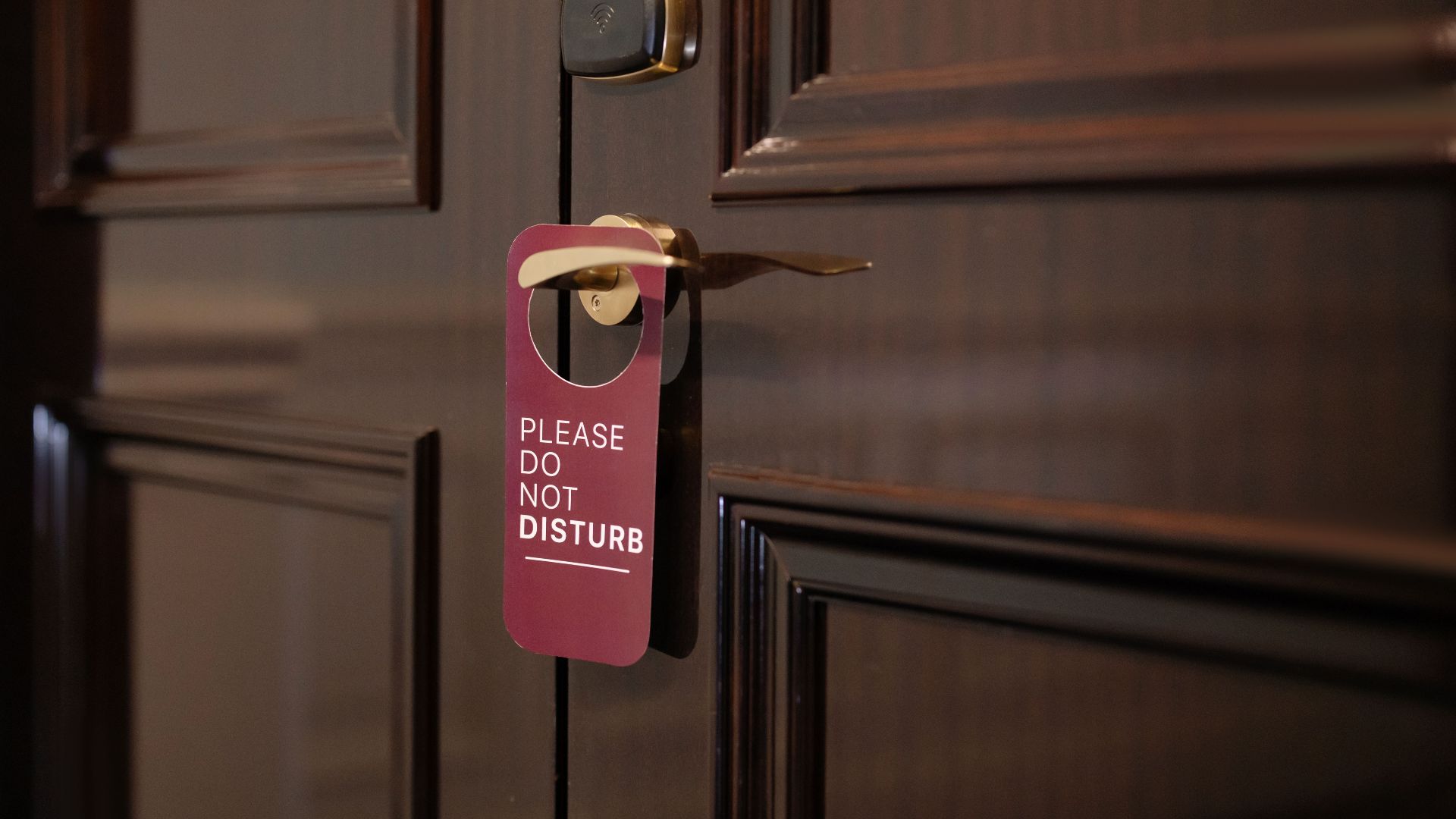
Housekeepers generally respect the "Do Not Disturb" sign hanging outside your room, subject to hotel safety policies. If you leave it displayed when you go sightseeing, don't be surprised if you return to an unmade bed and unchanged towels.
Housekeepers Don't Work Around The Clock
Although a hotel may operate 24 hours a day, its regular housekeeping department may not. If you spend the entire afternoon in your room and request a full cleaning at dinnertime, the employees responsible for servicing your room may have already gone home.
Clear Some Space Before Leaving
Housekeepers aren't expecting you to clean your room before they arrive. However, putting your clothing, electronics, toiletries, and other possessions in reasonably organized locations makes it easier for them to clean surfaces without unnecessarily handling your personal belongings.
Your Suitcase Belongs Off The Bed
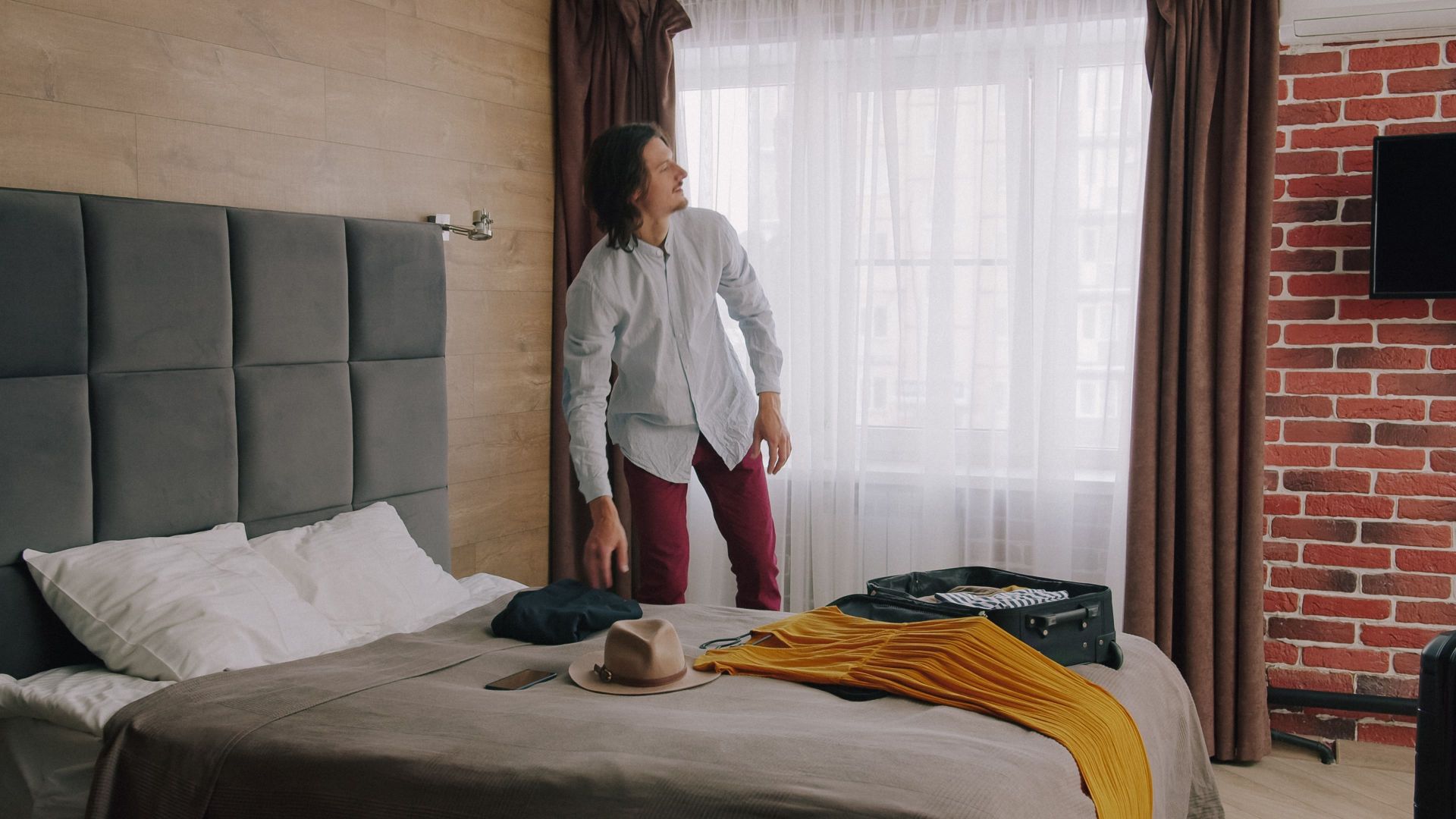
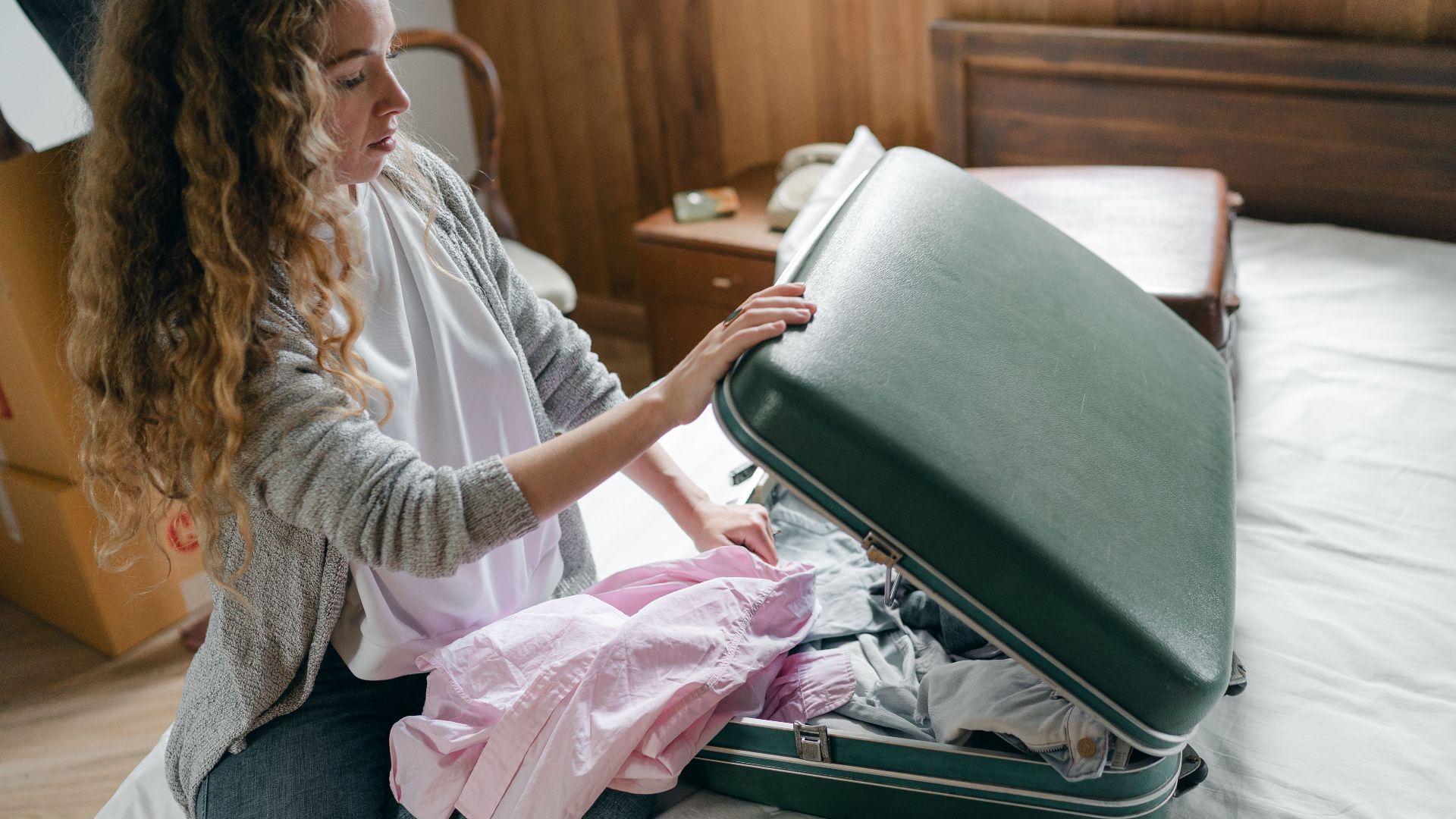
Leaving an open suitcase filled with clothing on your bed can prevent housekeeping from changing the sheets or properly making the bed. Most hotel rooms have luggage racks or designated storage areas for precisely this purpose. Make use of them.
A Cluttered Floor Is A Safety Hazard
Shoes, charging cables, shopping bags, and scattered clothing don't just make vacuuming more difficult. They also create tripping hazards for employees moving around the room with cleaning equipment. Keeping pathways clear makes their work considerably safer.
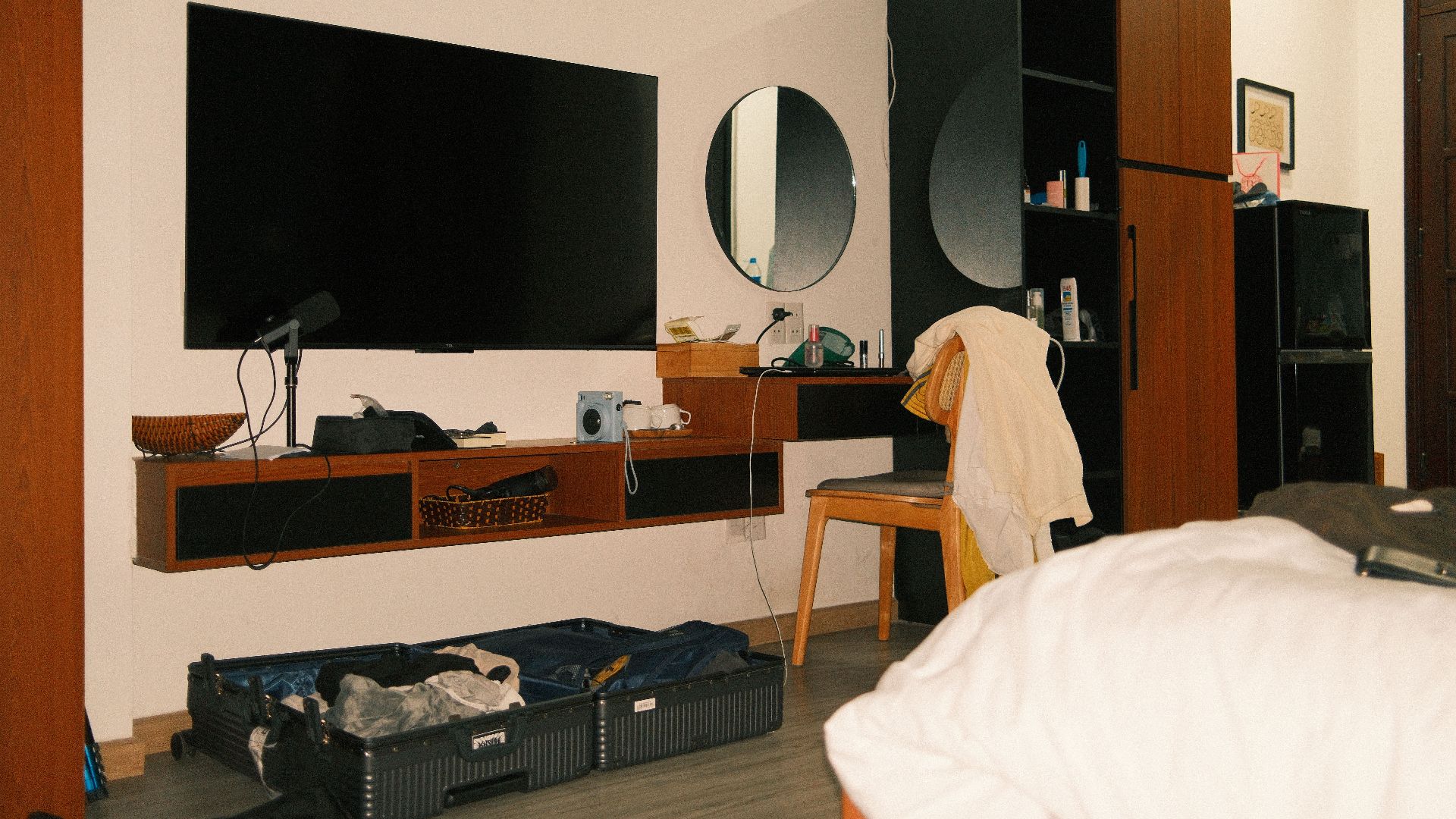
Don't Make The Bed Before Checkout
You might think you're doing housekeeping a favor by neatly making the bed before you leave. However, the bedding normally needs to be removed and replaced for the next guest anyway. Leaving the bed unmade saves staff from undoing your work.
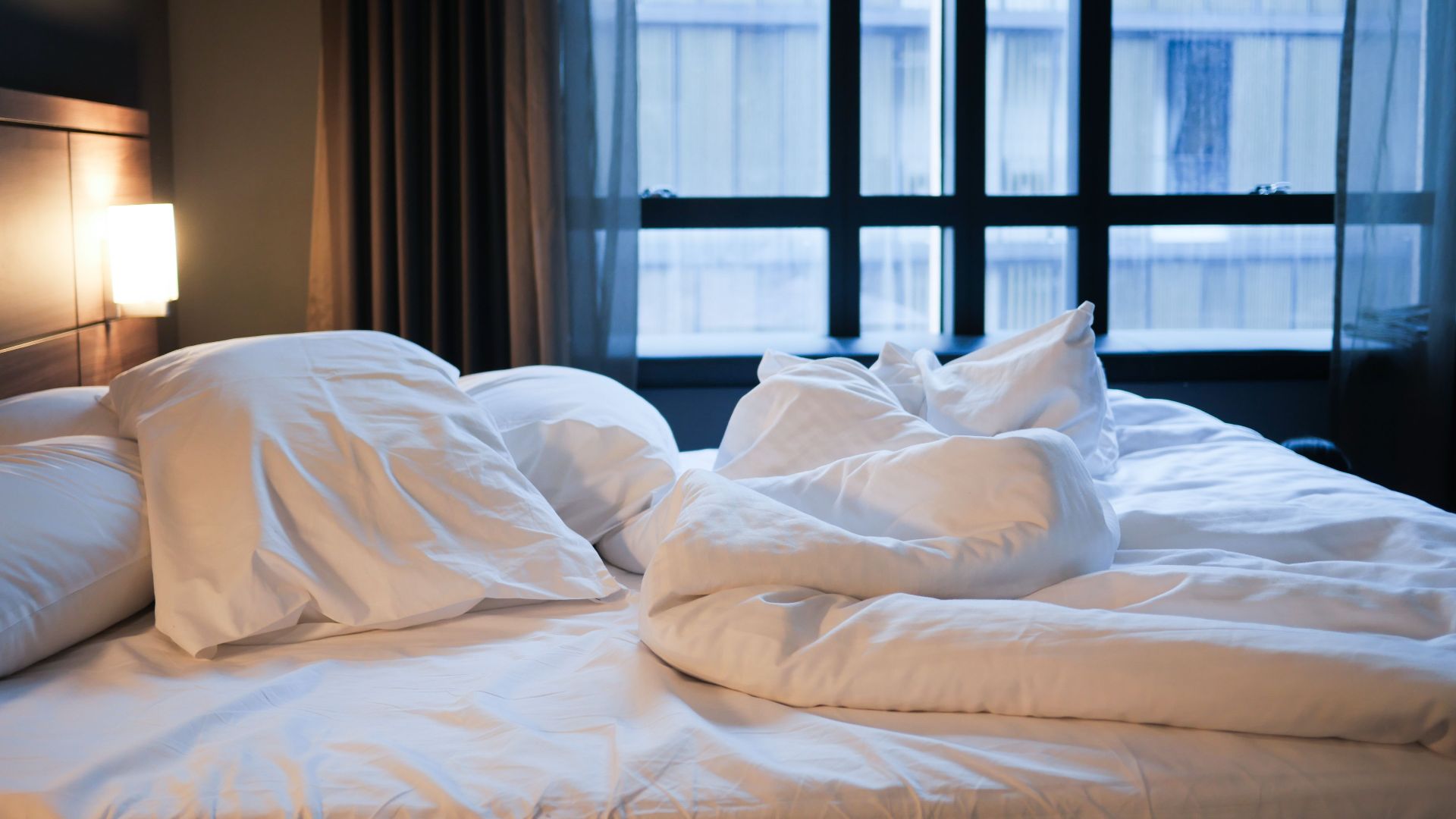
Gather Your Used Towels Together
Rather than leaving damp towels scattered across chairs, beds, and bathroom floors, collect the ones you want replaced in one location. Follow the hotel's instructions regarding towel replacement, which often distinguish between towels left hanging and those placed on the bathroom floor.
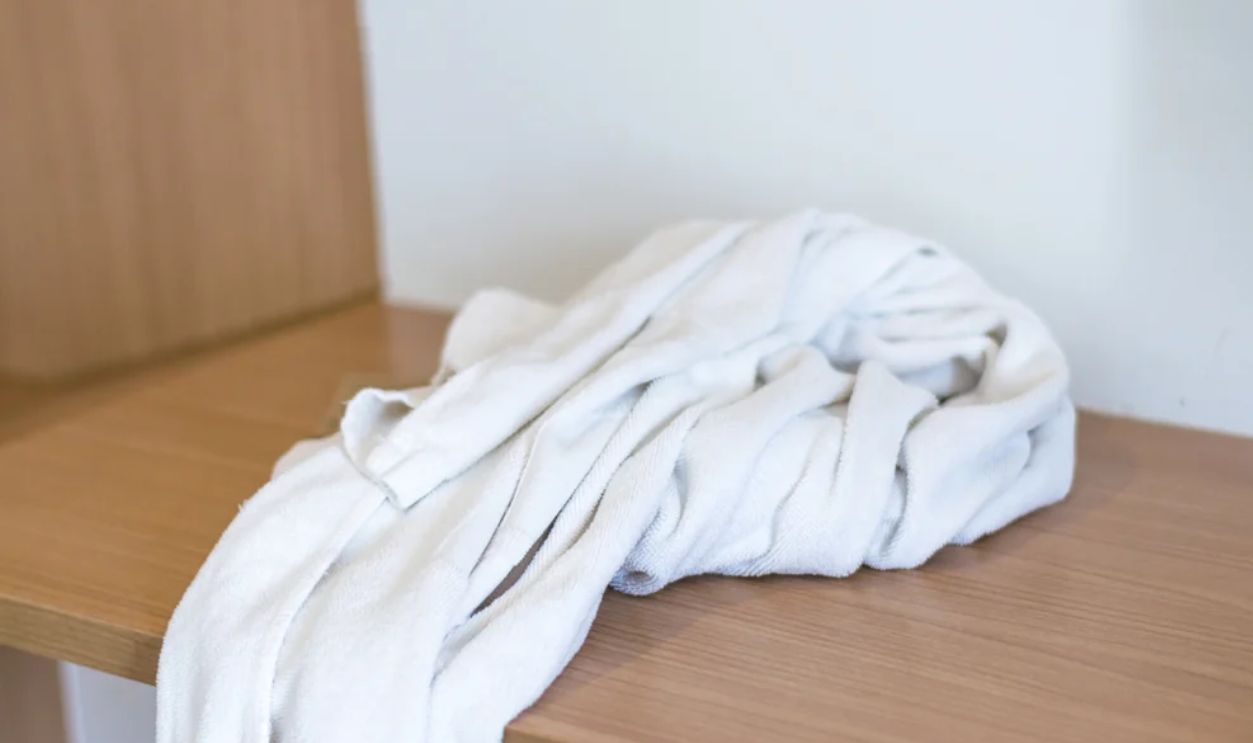
Wet Towels Can Damage Furniture
Draping a soaking wet towel or swimsuit over an upholstered chair or wooden dresser can create additional cleaning and maintenance problems. Use the bathroom towel racks or other designated drying areas, particularly when staying at beach resorts or hotels with swimming pools.
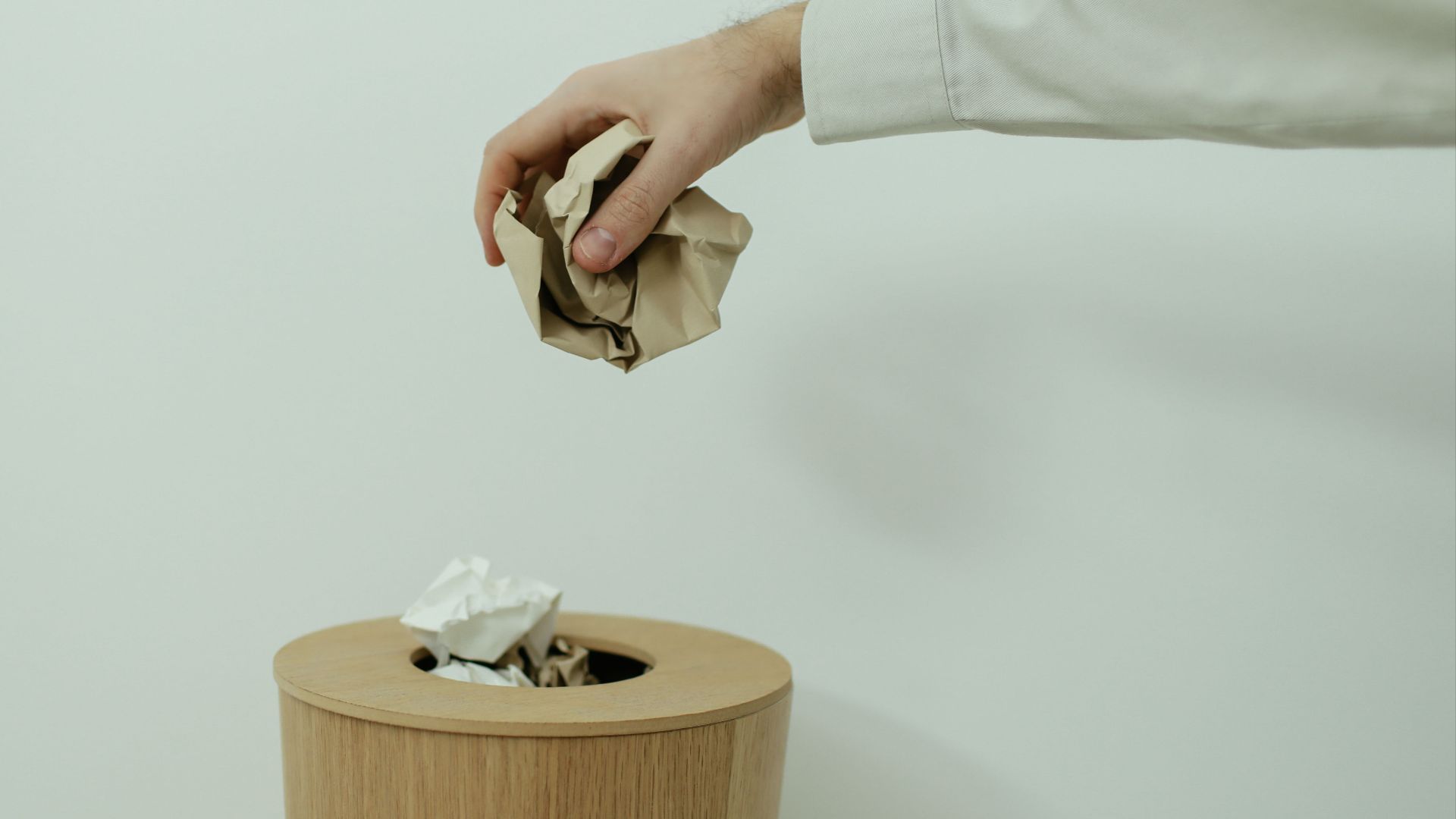
Use The Wastebaskets Provided
Housekeepers shouldn't have to determine whether every receipt, plastic bag, or empty shopping box scattered around your room is garbage. Placing unwanted items in or beside the wastebasket eliminates confusion and reduces the risk of something valuable being accidentally discarded.
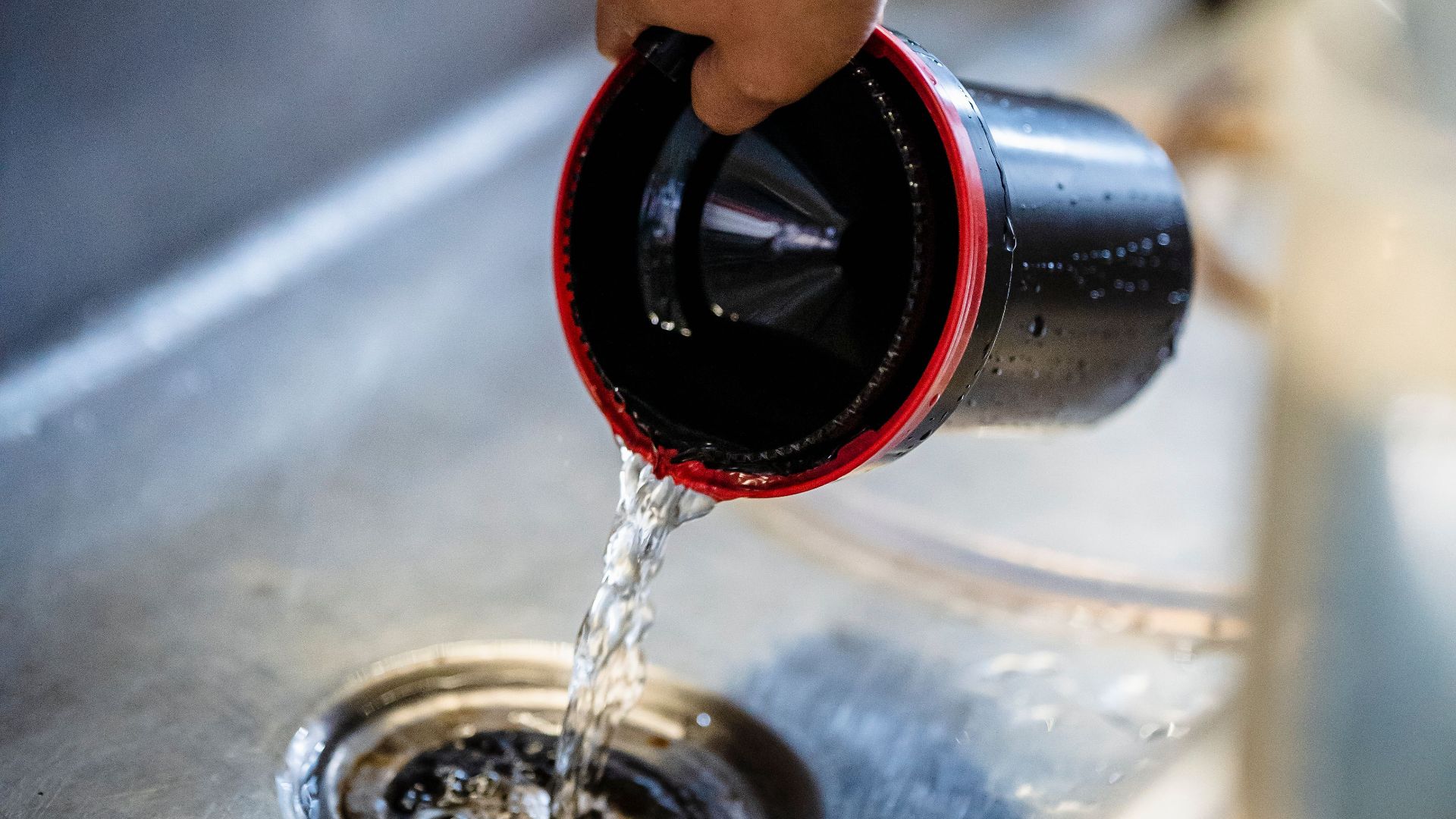
Empty Containers Before Discarding Them
Half-full coffee cups, soda bottles, and takeout containers can leak when housekeepers empty the garbage. Pour ordinary leftover beverages down the sink before disposing of their containers. It's a small gesture that can prevent an unnecessarily messy cleanup.
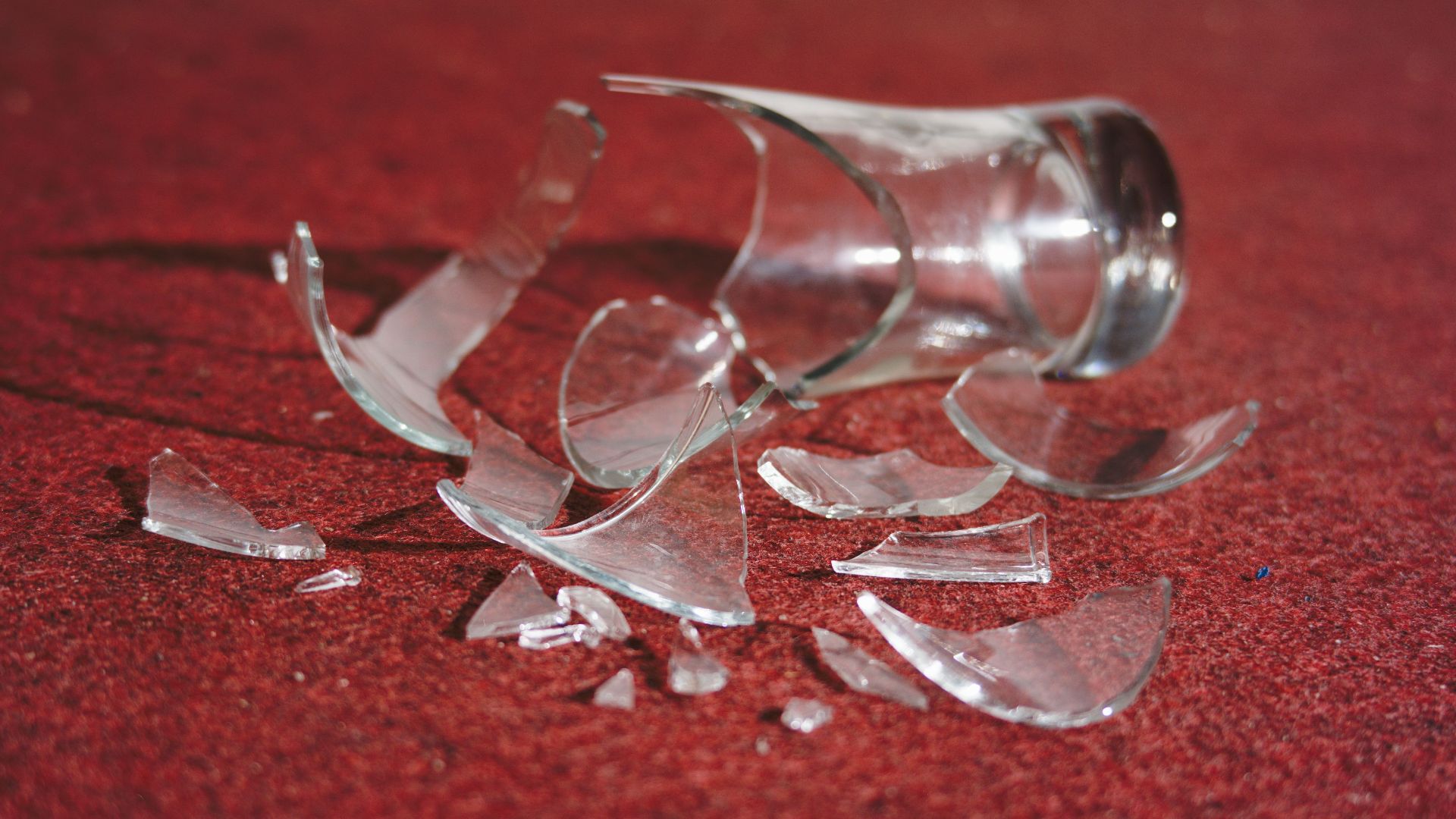
Report Broken Glass Immediately
Never conceal broken glass beneath other garbage or leave fragments scattered across the carpet. Notify the front desk or housekeeping department so employees can remove them safely. Housekeepers can suffer serious injuries when handling waste that contains unexpected sharp objects.
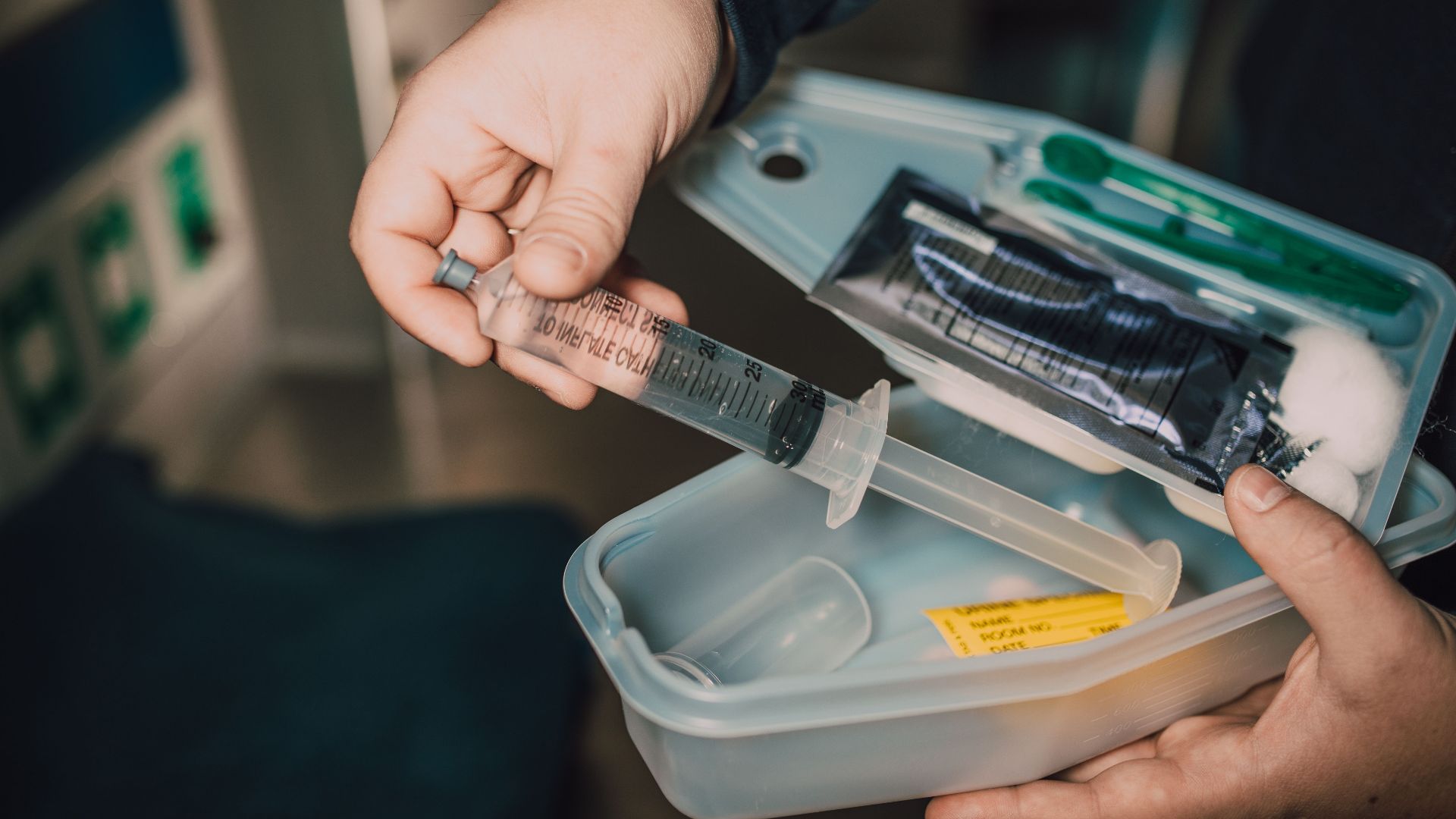
Medical Waste Requires Special Handling
Used syringes, lancets, and other sharp medical items should never be placed loose in an ordinary hotel wastebasket. If you require injectable medication while traveling, bring an appropriate sharps disposal container or ask the hotel about available disposal arrangements.
Bathroom Towels Aren't Cleaning Rags
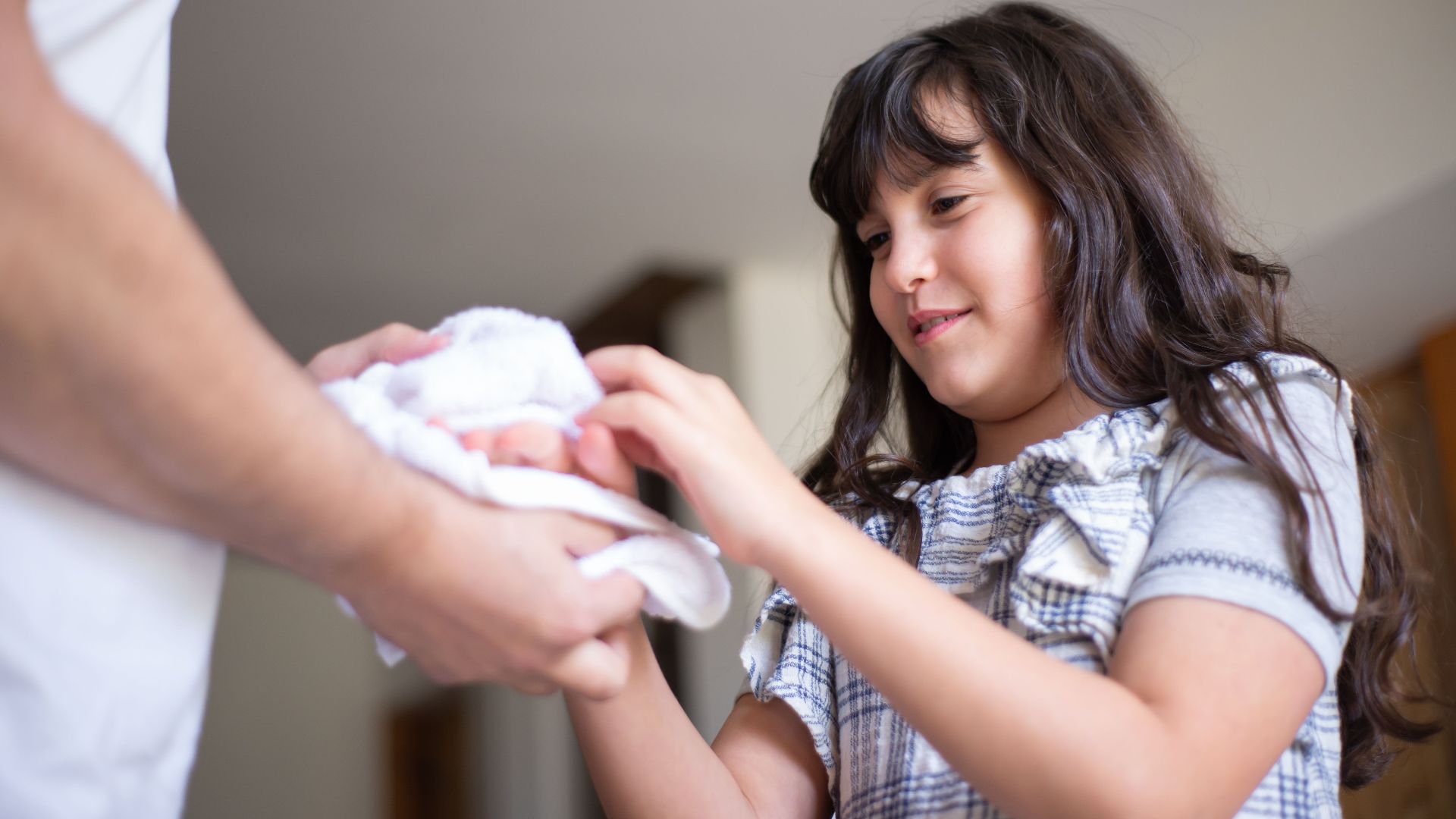
Using hotel towels to polish shoes, remove hair dye, wipe muddy luggage, or clean up greasy food spills can permanently damage the fabric. Ask housekeeping for an appropriate cleaning cloth if you need one rather than sacrificing a perfectly good bath towel.
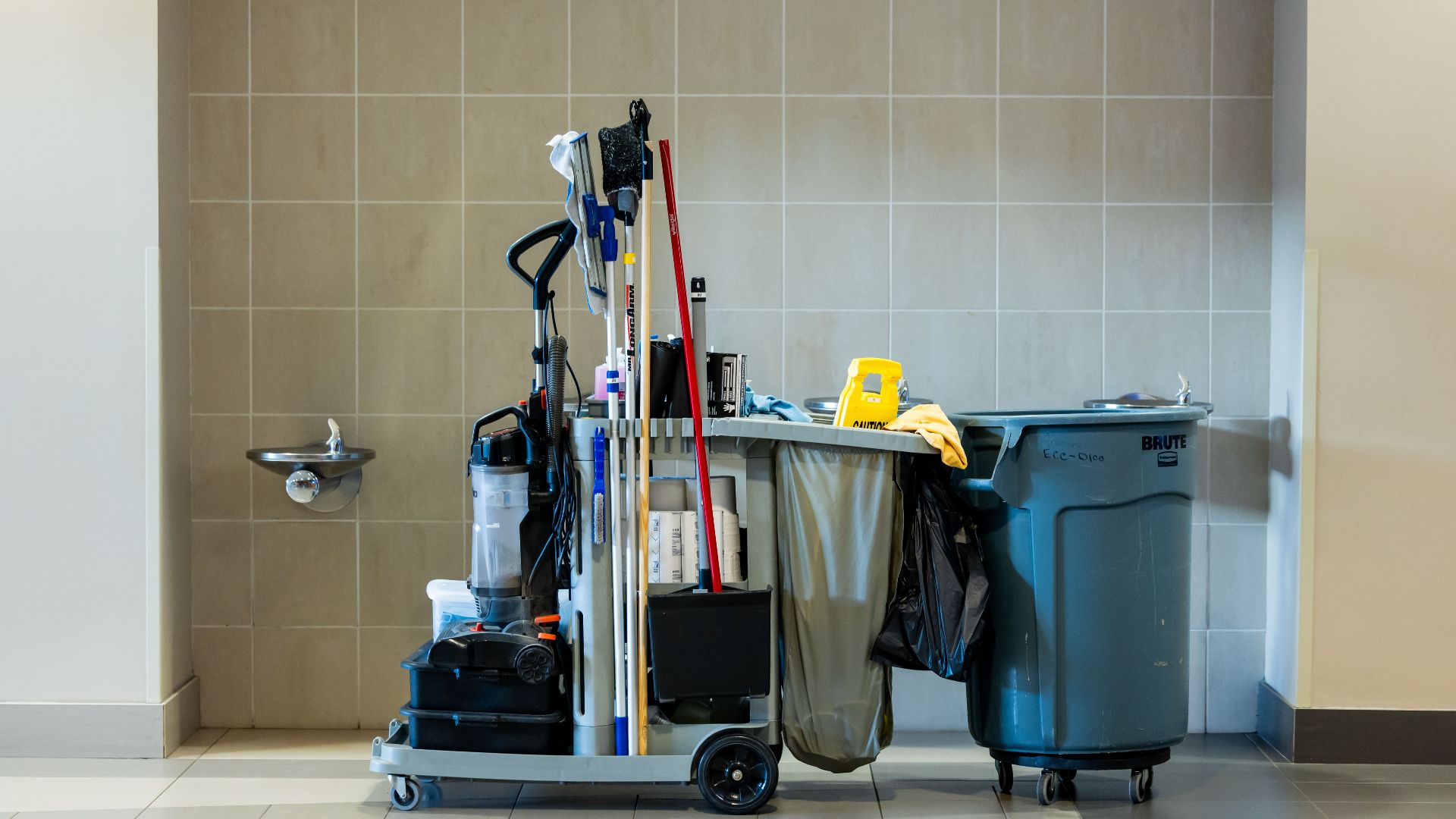
Their Cleaning Carts Aren't Self-Service Stations
A housekeeping cart contains the supplies an employee needs to service an assigned group of rooms. Helping yourself to extra towels, toiletries, or bottled water can leave them short of supplies. Just ask if you need something replenished.
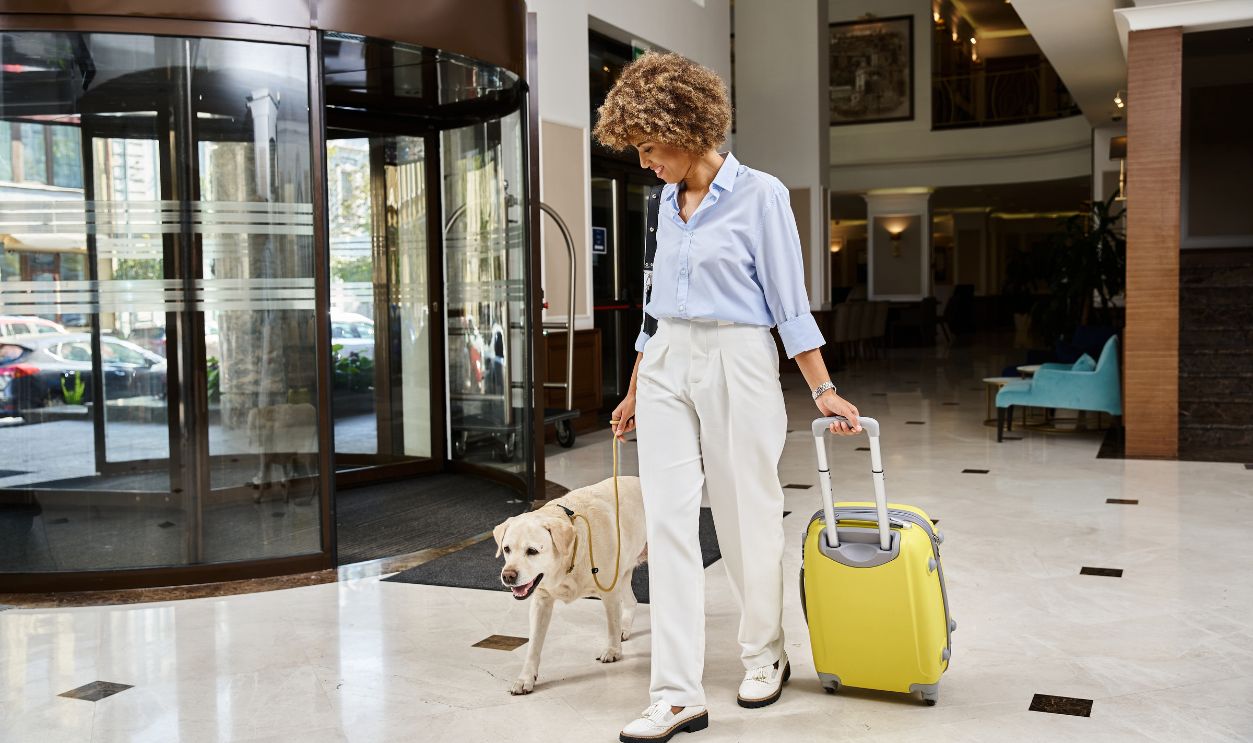
Pets Can Complicate Housekeeping
Even if your hotel welcomes pets, housekeeping employees may have restrictions on entering rooms containing unattended animals. Find out what the hotel's policy requires and arrange cleaning around walks or outings. Never assume every employee is comfortable working around your dog.
 LightField Studios, Shutterstock
Skipping Cleaning Isn't Always A Favor
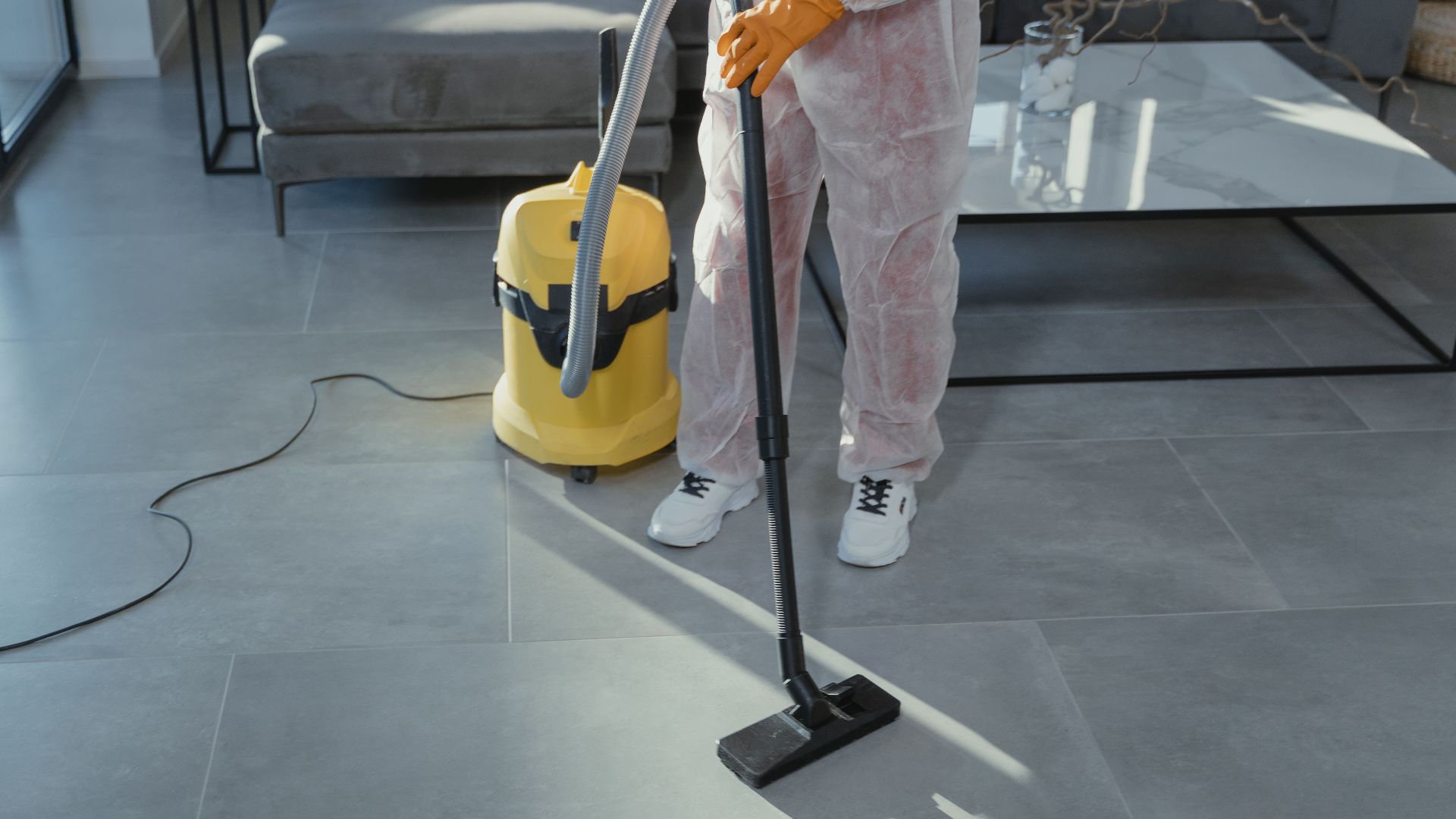
Declining housekeeping can conserve resources and reduce the amount of work required that day. However, if you're staying for a week or more, allowing dirt, garbage, and bathroom residue to accumulate can make the eventual checkout cleaning a lot more difficult.
Not Everything Gets Washed Every Day
Sheets and used towels are generally replaced between guests, but cleaning schedules for decorative cushions, curtains, upholstered furniture, and other fabric items can vary. If something appears visibly dirty, request a replacement or additional cleaning rather than assuming everything follows the same laundering schedule.
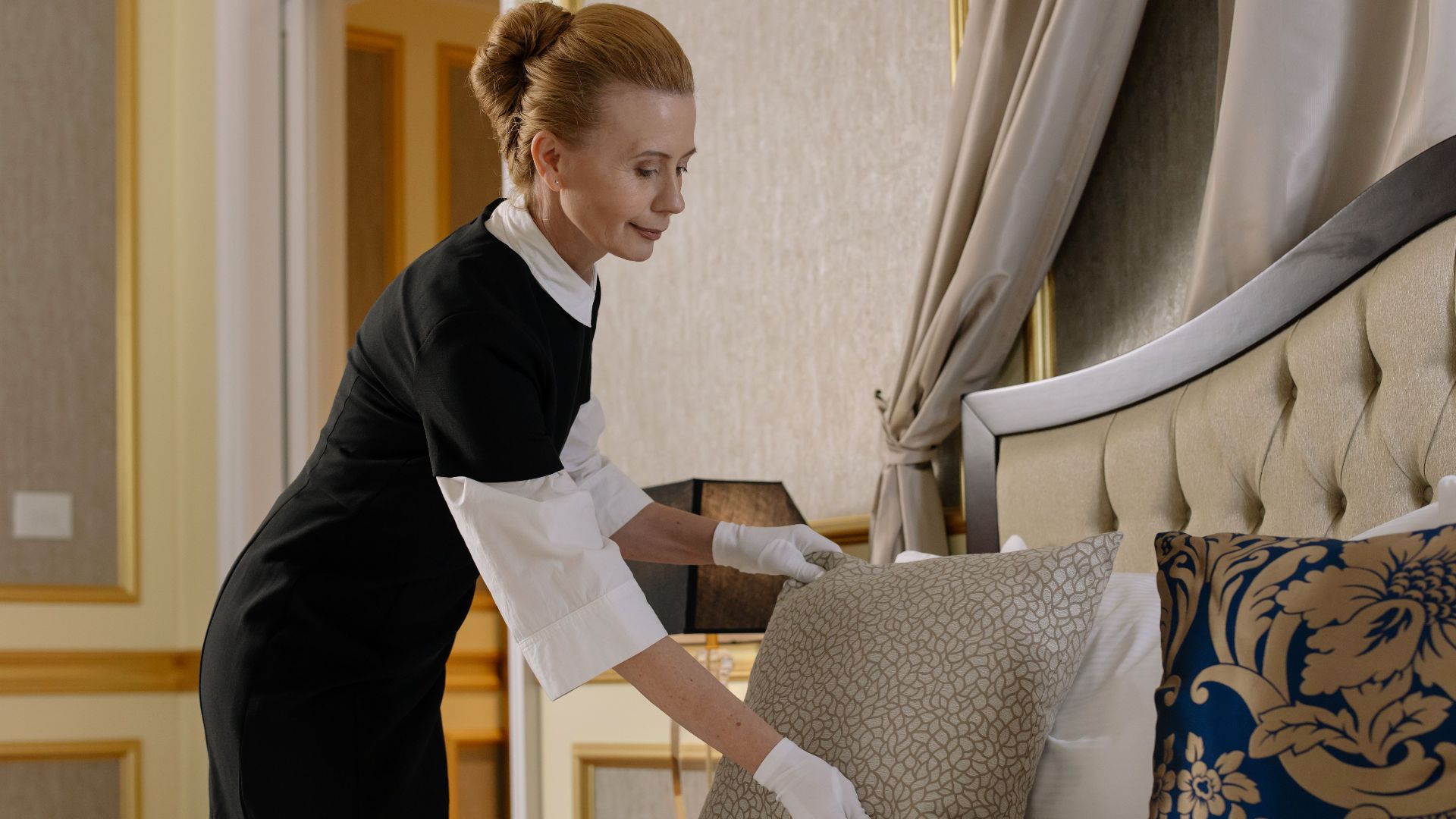
Report Problems Before They Get Worse
A leaking toilet, clogged drain, malfunctioning air conditioner, or broken shower fitting won't necessarily be discovered during routine housekeeping. Reporting maintenance problems promptly gives the hotel an opportunity to address them before they inconvenience another guest or create additional work for staff.
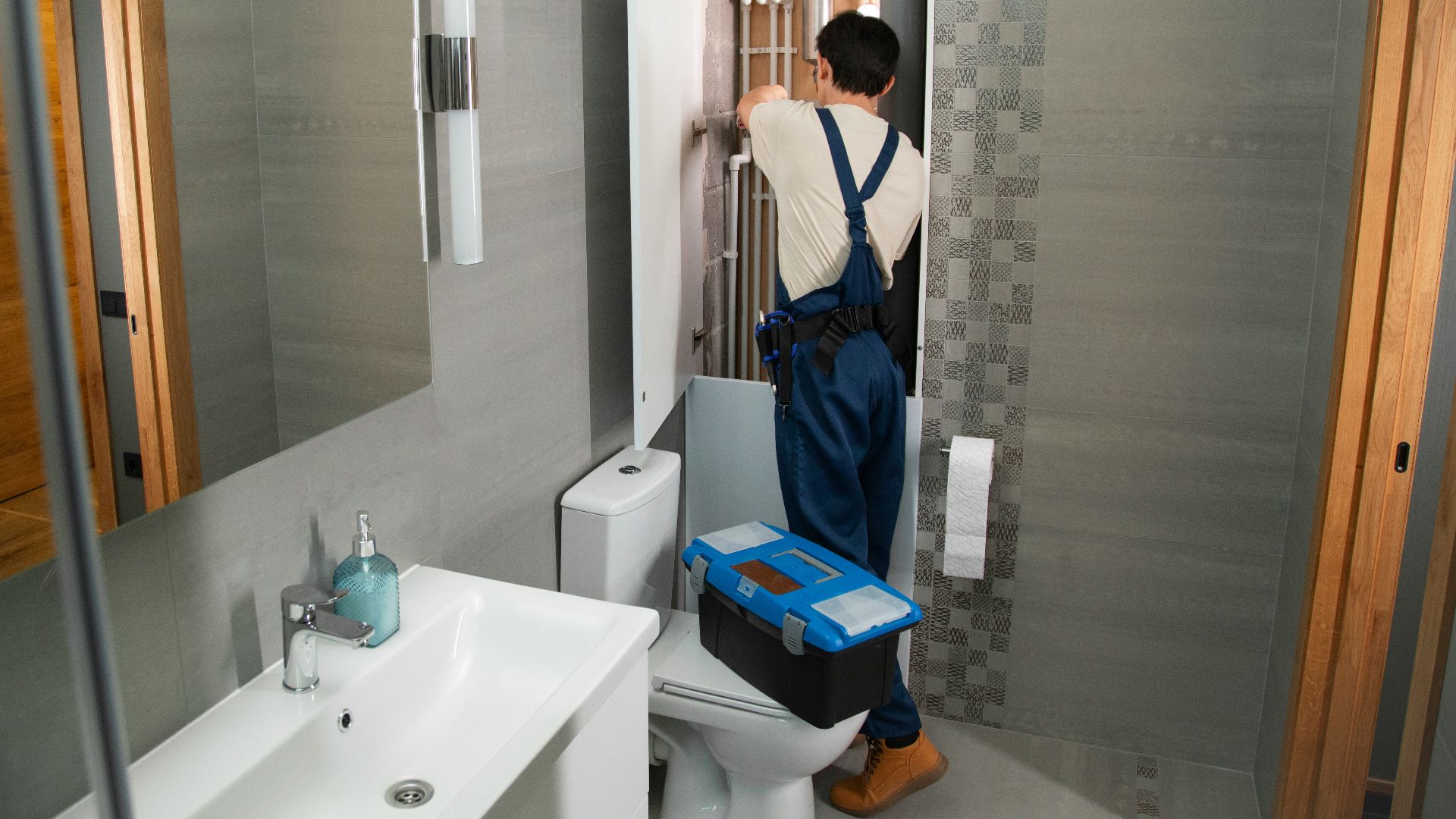
Housekeeping Is Physically Demanding Work
Housekeepers spend much of their working day bending, stretching, lifting mattresses, pushing heavy carts, and scrubbing bathroom surfaces. Repeating those movements across numerous rooms can contribute to chronic back, shoulder, and wrist problems. There's considerably more physical labor involved than many guests realize.
Tip Daily Rather Than At Checkout
If you're staying in an American hotel, a housekeeping gratuity of around $3 to $5 per day is a reasonable starting point, although tipping customs vary internationally. Leaving a daily tip helps ensure the person who actually cleaned your room receives it.

Make It Clear That It's A Tip
Money sitting on a dresser or bedside table isn't necessarily an obvious gratuity. Housekeepers may be reluctant to touch cash that appears to belong to a guest. Leave your tip in a clearly marked envelope or beside a handwritten note thanking housekeeping.

Check Everything Before You Leave
Phone chargers, jewelry, toiletries, clothing, and belongings left inside hotel safes are easily overlooked during a hurried departure. Retrieving forgotten items can involve considerable work for hotel employees. Check outlets, drawers, closets, the bathroom, and the safe before finally closing your hotel room door.

You May Also Like:
Flight Attendants Say These Things Make You One Of Their Favorite Passengers—How Many Do You Do?