
A Small Sign With A Big Message
The whole point of a hotel is that you don't have to worry about cleaning your room on vacation. But more and more travellers these days are hearing that housekeeping will only visit their room every three days—unless you pay extra. Well, if that feels like an annoying pandemic-era rule that never really went away, you're not far off.
 Vojtech Bruzek, Unsplash, Modified
The Short Answer
No, every-three-day housekeeping is not a universal hotel standard. But it has become much more common since 2020, especially at budget and mid-range hotels and at properties that present the change as a sustainability move. Many hotel brands now leave the decision to individual properties, which is why the rules can vary so much from one stay to the next.
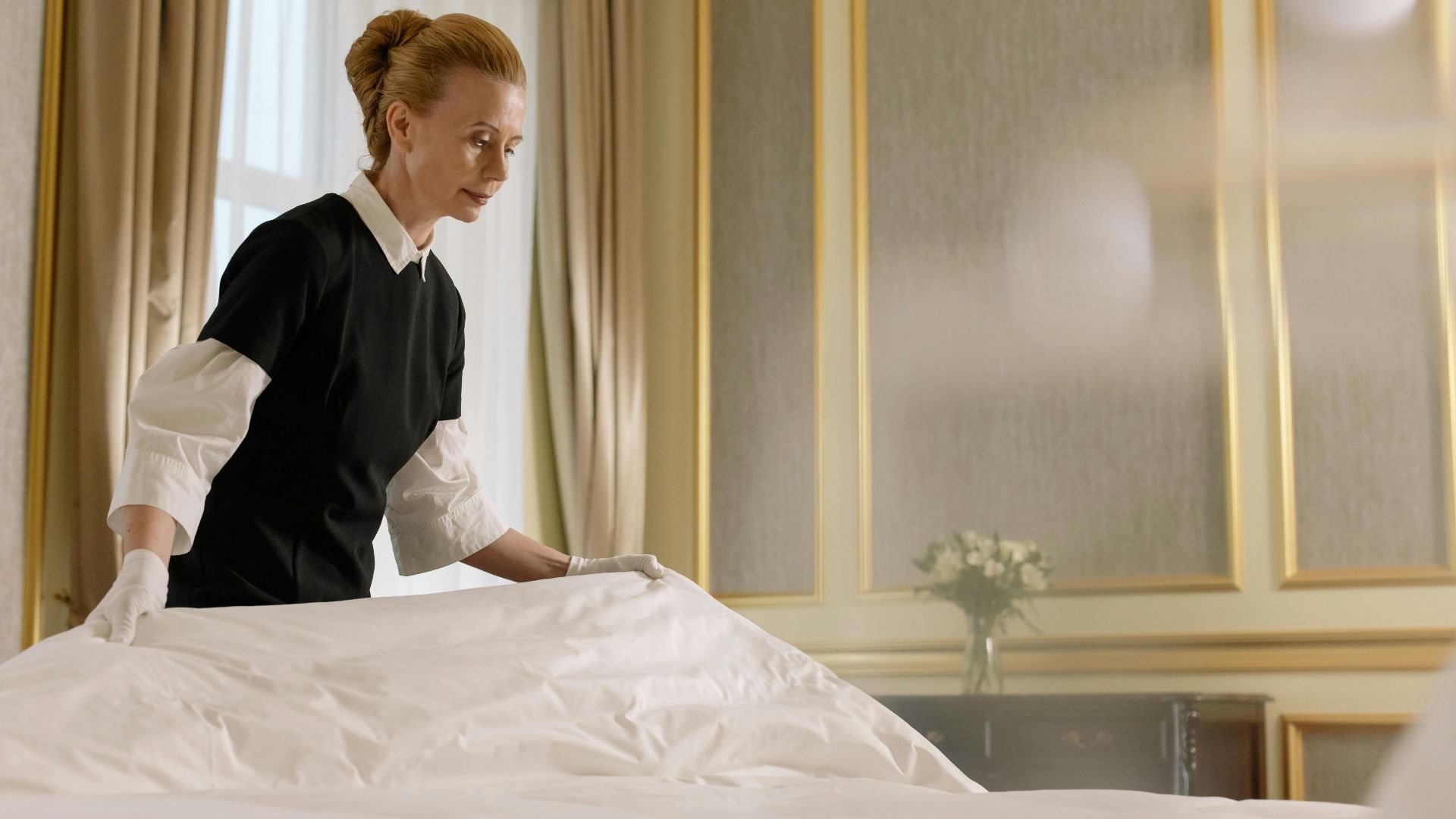
What Changed In 2020
When COVID-19 disrupted travel in early 2020, hotels quickly cut back in-room services to reduce contact and simplify operations. Daily housekeeping, long treated as part of the room rate, was one of the first things to go. What started as a health measure soon ran into another problem: a major staffing shortage across the hotel industry.
The Labor Crunch Was Real
The American Hotel & Lodging Association said in several workforce updates that hotels were struggling to fill open jobs well after travel demand returned. In 2023, the group reported that housekeeping remained one of the hardest positions to staff. That matters because fewer room attendants make daily cleaning more expensive and harder to offer consistently.
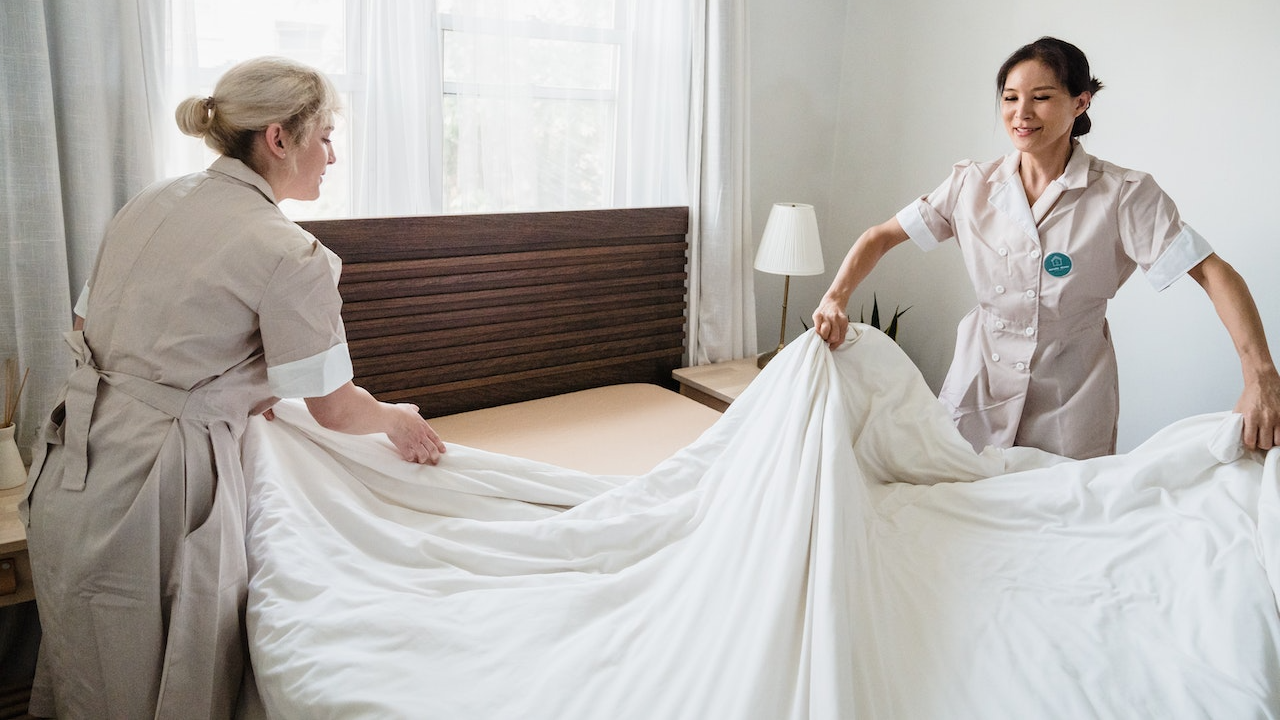
Hotels Also Learned Guests Would Accept Less
Here is the part many travelers noticed fast. Once hotels saw that plenty of guests would put up with less frequent cleaning, some had little reason to bring daily service back across the board. A policy that began as temporary at many properties quietly turned into a lasting cost-saving measure.

Major Brands Shifted To By-Request Models
One of the clearest signs of the shift came when major chains rewrote their housekeeping rules. Hyatt said in 2022 that daily housekeeping would return at participating U.S. hotels for World of Hyatt elite members, while non-elite guests at many select-service brands could get service on request. That was a big change because it turned a basic hotel perk into something tied, in some cases, to loyalty status.

Marriott Left Room For Property-Level Choice
Marriott has told guests on its housekeeping information pages that service varies by brand, region, and local conditions. At some hotels, daily housekeeping is automatic. At others, especially select-service or extended-stay properties, service may be limited or available only on request.

Hilton Took A Similar Approach
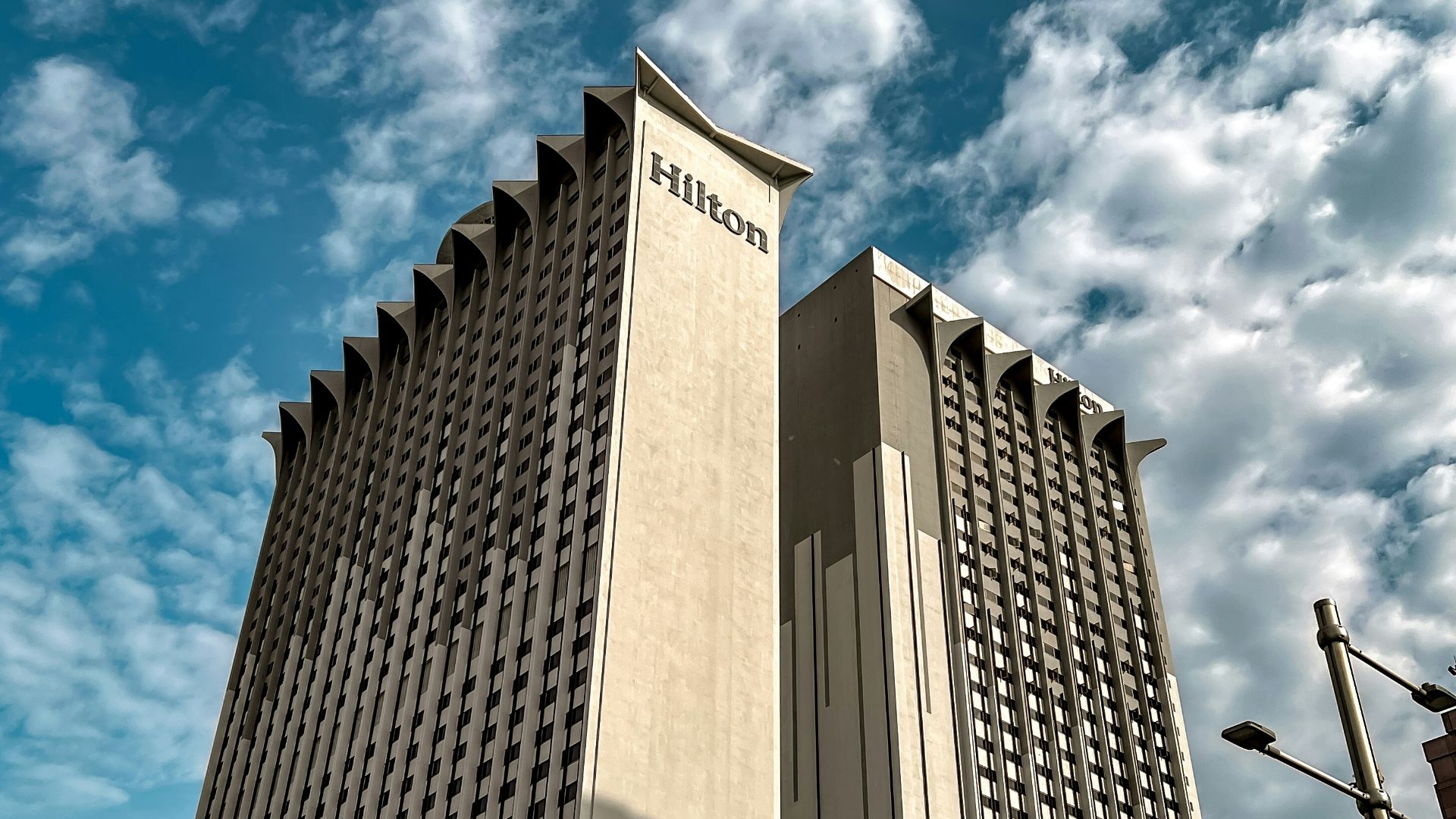
Hilton has also said housekeeping frequency can vary by brand and hotel. Some properties still provide daily cleaning, while others offer it only on request or on a reduced schedule. If your room is cleaned every third day, that can fall within the flexibility many chains now give their individual hotels.
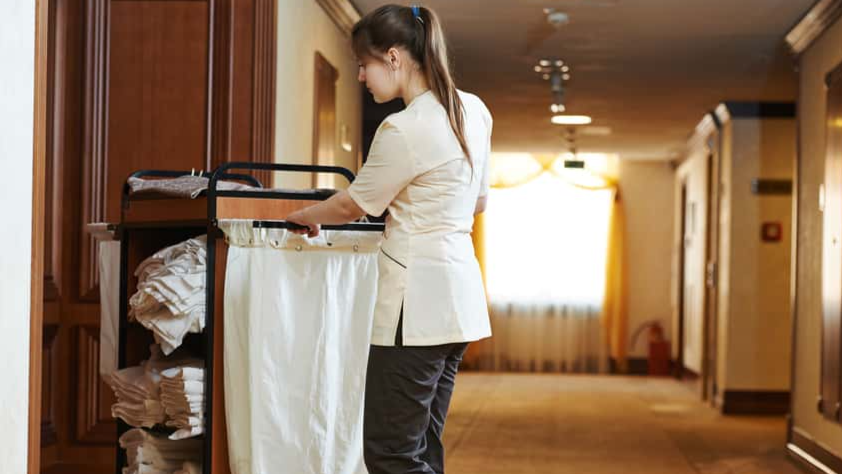
Extended-Stay Hotels Have Long Worked Differently
If you are staying at an extended-stay brand, reduced cleaning is not new at all. Chains such as Residence Inn and Homewood Suites have long scheduled housekeeping less often than traditional full-service hotels. In those cases, every few days can be normal because the setup is meant to work more like a temporary apartment.
Luxury Hotels Are A Different Story
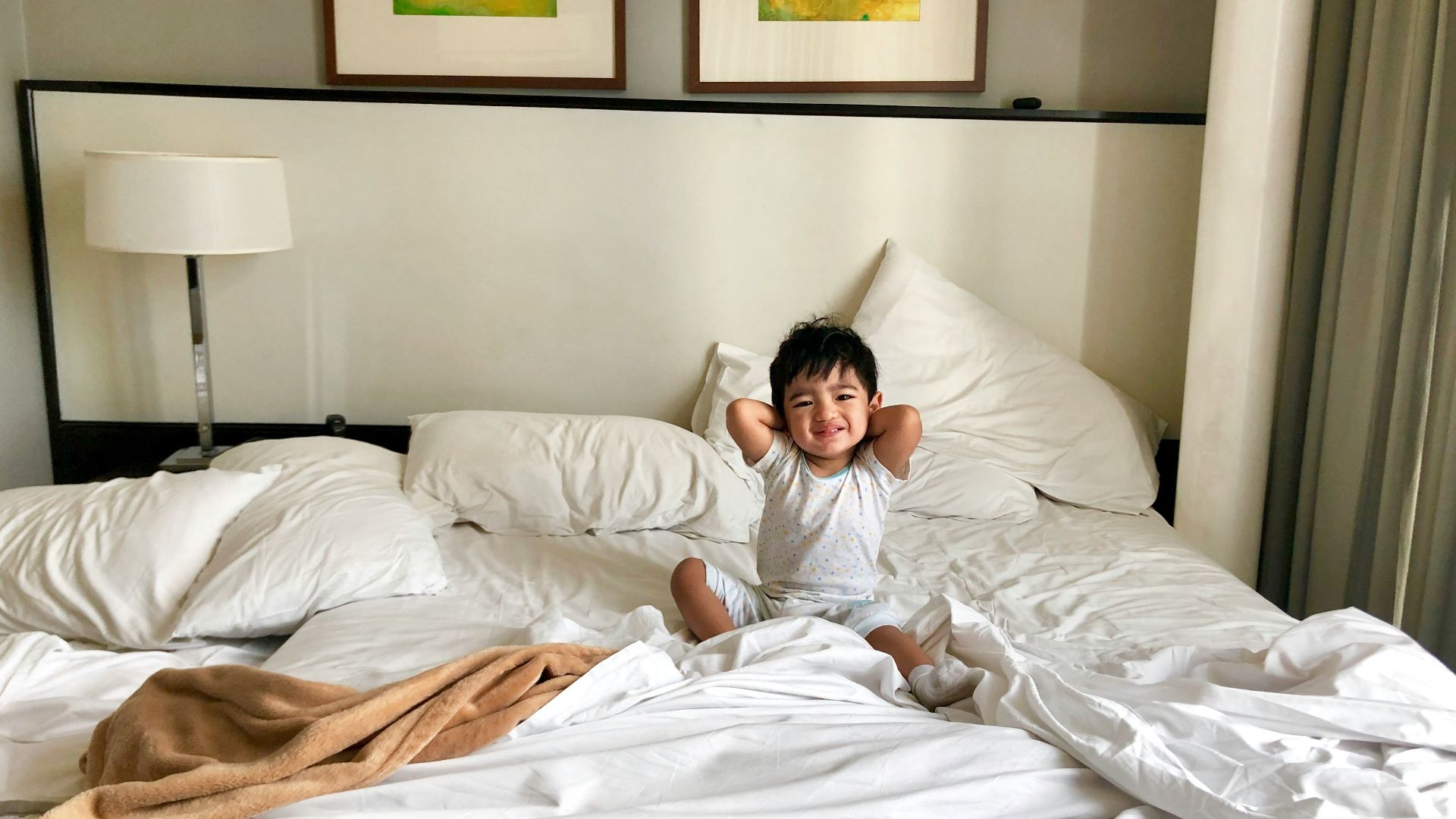
At the high end, expectations are still much closer to the old model. Full-service and luxury properties are more likely to include daily housekeeping in the nightly rate. Even so, some upscale hotels now encourage guests to opt out, often using green messaging about water, chemicals, and reusing linens.
 Jennifer Latuperisa-Andresen, Unsplash
The Sustainability Pitch Is Everywhere
Hotels are not wrong when they say fewer cleanings can reduce water and energy use. Industry groups and major brands have pointed to those savings for years through towel and linen reuse programs. The tension for guests is that the environmental case also lines up neatly with lower labor costs.
Consumer Expectations Have Not Fully Caught Up
Many travelers still book a hotel assuming the room will be cleaned every day unless they are told otherwise. That assumption made sense for decades. The problem now is that the old standard has blurred, and the surprise often does not come until check-in or appears only in the fine print.

Can Hotels Charge Extra For More Frequent Cleaning
Yes, they can, unless local law, a specific booking promise, or a brand standard says otherwise. Hotels generally have wide freedom to bundle or separate services in their rates. So charging extra for daily housekeeping may feel wrong to some guests, but it is not automatically improper if it was disclosed.
Disclosure Is The Key Issue
The biggest practical question is not whether a hotel can limit cleaning. It is whether the hotel told you before you booked. If the listing, confirmation email, or hotel website clearly says housekeeping is every three days unless you request or pay for more, it is much harder to dispute after you arrive.

Where Guests Often Miss The Fine Print
The detail is often buried in rate rules, amenities lists, or a hotel FAQ page. Third-party booking sites can be especially messy because they may summarize amenities without explaining the housekeeping schedule. That mismatch is one reason travelers feel blindsided at check-in.

Some Cities Have Pushed Back
In some places, reduced housekeeping has turned into a labor and public policy issue, not just a customer service one. Hotel worker unions have argued that service cuts can eliminate jobs and reduce earnings for housekeepers. Local debates in places such as California and Las Vegas have helped keep the issue in public view.

Las Vegas Brought In Another Concern
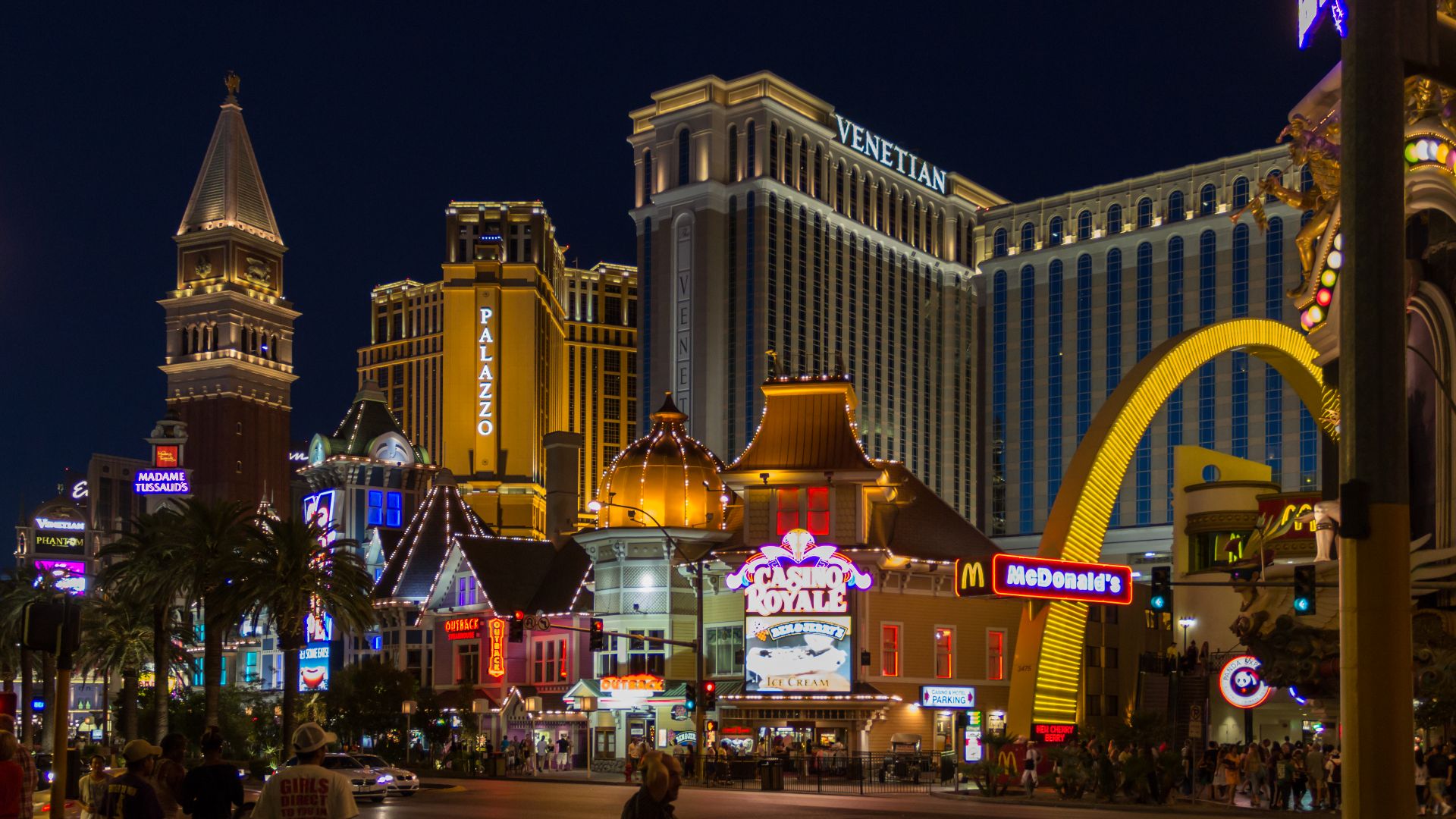
On the Las Vegas Strip, daily room checks got new attention after the 2017 Mandalay Bay mass shooting. Some major casino hotels adopted regular room-entry policies for security reasons. Those policies are not exactly the same as housekeeping, but they complicate the idea that no one enters a room for several days.
 Dietmar Rabich, Wikimedia Commons
Health Rules Are Not Driving This Anymore
At the start of the pandemic, reduced entry into occupied rooms could be framed as a health precaution. In 2024 and 2025, that argument carries far less weight. The more lasting reasons now are staffing, operating costs, and the fact that many guests do not demand daily service on short stays.

Business Travelers And Families Often Feel The Difference Most
If you are on a quick solo trip, skipping housekeeping may barely register. Families with kids, beach travelers dealing with sand, and business travelers who want fresh towels and a tidy workspace often notice the downgrade right away. That is why the same policy can seem minor to one guest and maddening to another.

Watch The Brand Category
A useful rule of thumb is to look at the type of hotel before you book. Select-service and extended-stay properties are the most likely to limit automatic cleaning. Full-service and luxury hotels are still your safest bet if daily housekeeping matters to you.
Look For Exact Wording Before Booking
The phrases to watch are “housekeeping on request,” “limited housekeeping,” “stayover service every third day,” and “light touch service.” Those are clues that the old daily-cleaning assumption may not apply. If the wording is vague, ask the hotel directly and get the answer in writing if you can.

Loyalty Status Can Matter More Than You Think
Some chains have, at times, brought back daily service first for elite members or offered more generous housekeeping to certain loyalty tiers. Hyatt’s 2022 update was a well-known example. If you have status, it is worth checking whether your benefits include automatic housekeeping at that specific brand.

What To Do At Check-In
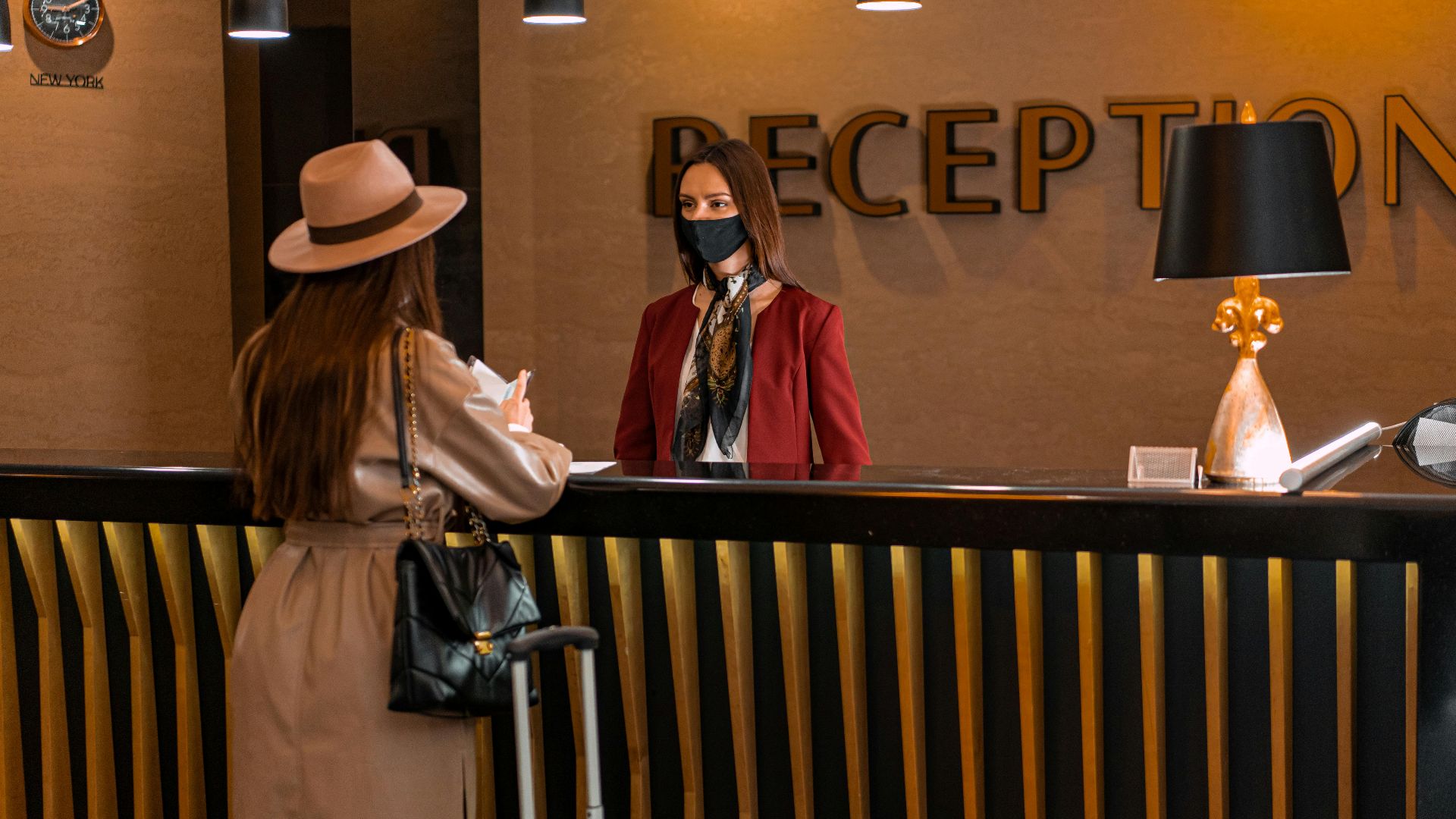
Ask one direct question before you head upstairs: “How often is occupied-room housekeeping provided, and is there a charge for extra service?” That cuts through vague answers and gives you a chance to decide whether the policy works for your trip.

If The Policy Was Not Disclosed
If you were not told in advance and the omission affected your decision to book, raise it politely with the front desk or a manager. Ask whether they can waive the fee or note your preference for more frequent service. If that goes nowhere, save the listing you booked and follow up with the brand or booking platform.
How To Read Sustainability Claims With Clear Eyes
It is fair for hotels to encourage fewer towel and linen changes. It is also fair for guests to notice when a green message happens to come with less included service. The practical move is to separate the environmental claim from the value question and decide whether the price still feels worth it.

So Is It Becoming Standard
It is becoming common, but not standard in the old universal sense. Daily housekeeping is no longer something travelers can safely assume, especially outside full-service and luxury hotels. The real new standard is inconsistency, which means checking before you book matters more than it used to.
The Smart Traveler Takeaway
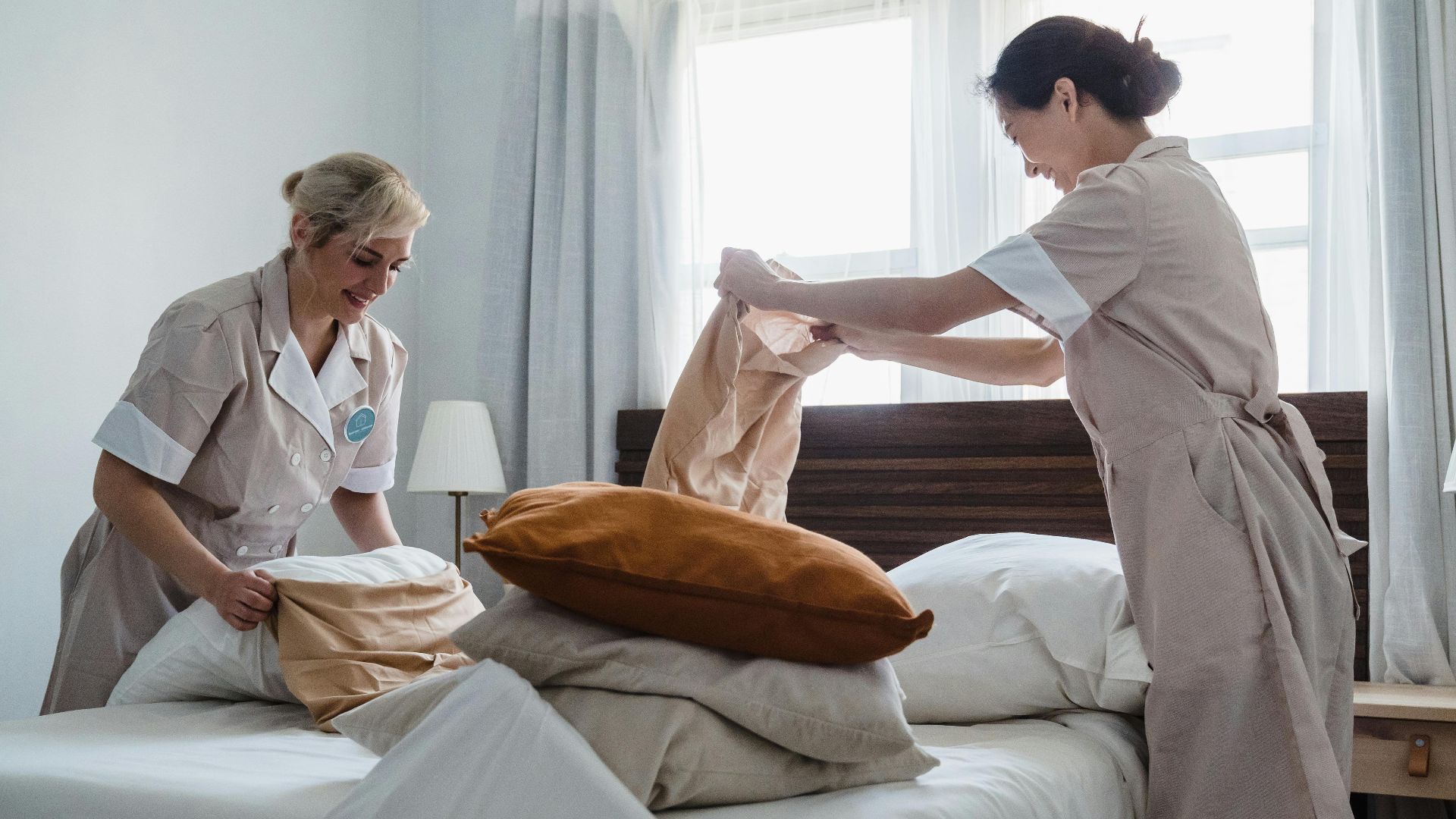
Treat housekeeping the way you now treat resort fees, parking, and breakfast. Check it before you book, not after you unpack. If daily cleaning matters to you, pick a property that clearly promises it, because the hotel industry has made one thing plain since 2020: included service is no longer as predictable as the room key in your hand.