The Nightmare at Check-In
You show up tired, bags in hand, and the front desk says your oceanview room is gone. Sometimes it even sounds like another guest paid more, so your confirmed reservation got shoved aside. To most travelers, that feels like the hotel sold the same room twice. And they did—but it's more common than you'd think.
What Travelers Usually Mean
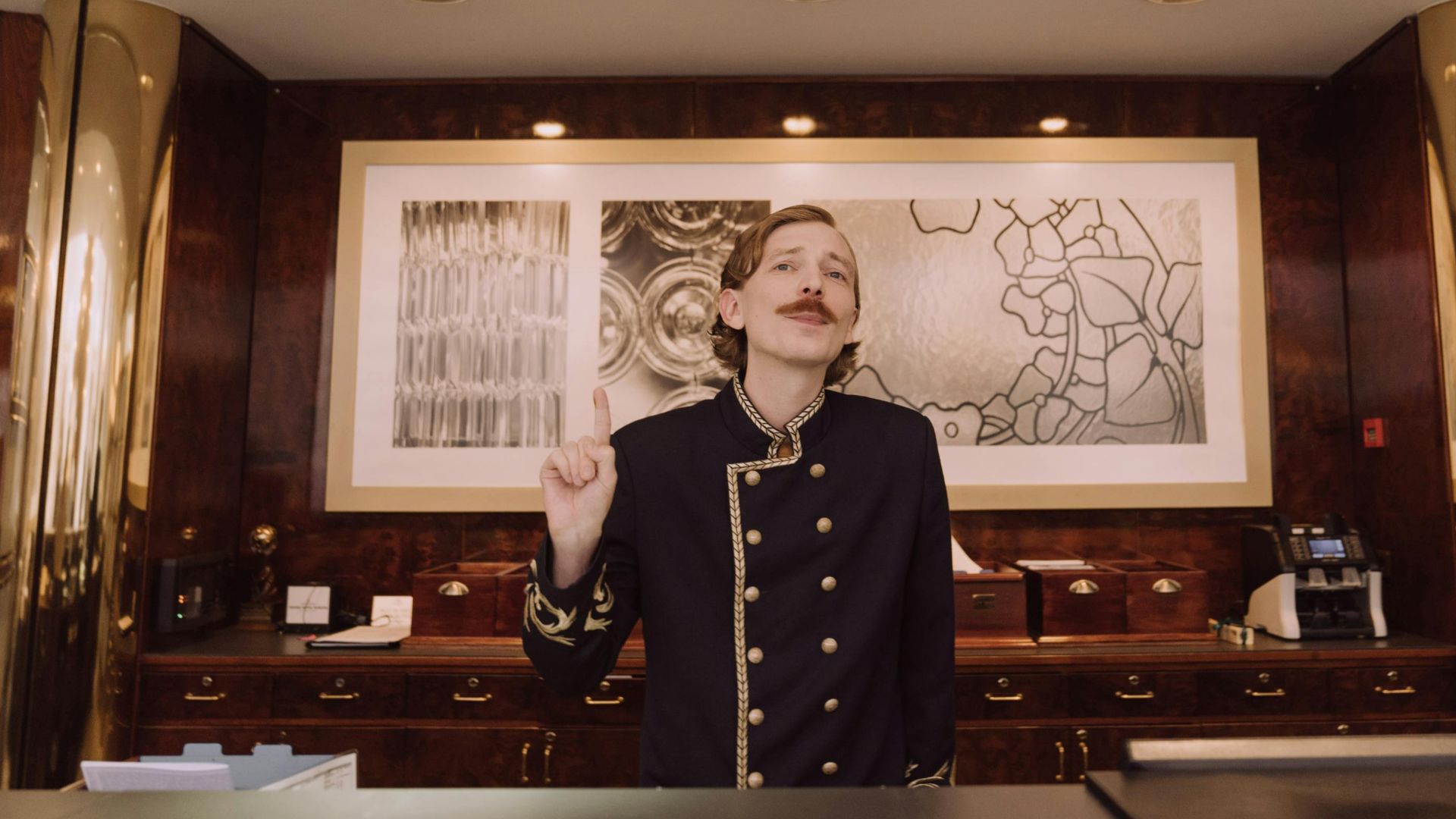
Being bumped after booking in good faith would make anyone mad, but it's not exactly "selling the same room twice." In hotel terms, the issue is usually called overbooking, or being “walked.” Hotels often take more reservations than they have rooms because they expect some people to cancel or never show up.
Yes, Hotels Really Do Overbook
This is not some rare fluke. It is a standard industry practice. Hotels overbook to avoid losing money on empty rooms caused by no-shows and last-minute cancellations. It may make sense on a spreadsheet, but it can turn into a miserable scene for the guest left standing at the desk.
Why Your Room May Have Vanished
A hotel might oversell by a small percentage based on past no-show patterns. If more booked guests arrive than expected, somebody gets bumped. That can happen even if you have a confirmation number, because a confirmation usually means the hotel accepted your booking, not that one exact room was physically held just for you.

It Can Feel Like Selling the Room Twice
From the guest’s side, the room was promised and then given to someone else. That is why people describe it as the hotel selling the room twice, especially if it seems like a higher-paying guest got priority. But the more accurate version is usually that the hotel sold more room nights than it could actually cover.

The Industry Has a Name for Getting Bumped
When a hotel cannot honor your reservation, it may “walk” you to another property. That is a well-known part of hotel operations. The front desk may set up a room somewhere else, pay for transportation, or cover the first night, but what they offer can vary a lot by brand, booking type, and local law.

There Is No U.S. Hotel Rule Like Airline Bumping Rules
This is one of the most frustrating parts. In the United States, airlines have federal rules for denied boarding compensation. Hotels do not have a matching nationwide system for overbooked stays. That means your rights often depend on the hotel’s own policy, brand promises, state consumer laws, or the credit card you used.

Airlines and Hotels Are Not Treated the Same
The U.S. Department of Transportation clearly spells out what airlines owe passengers in certain oversales situations. There is no similar federal setup for hotel guests who arrive and get turned away. That gap is a big reason hotel walk situations can feel random and inconsistent.

What a Confirmation Really Means
A confirmation number matters, but it is not always the rock-solid guarantee people think it is. Hotel terms often say they can provide comparable accommodations if they cannot fill the reservation themselves. That does not make it feel any less unfair, but it helps explain why hotels often point to the fine print.
Brand Policies Matter More Than Most Guests Realize
Big hotel chains often publish guest-relocation promises for cases when a confirmed reservation cannot be honored. Marriott, for example, has an Ultimate Reservation Guarantee for many Bonvoy members who book through Marriott channels. Hilton and Hyatt also have reservation-guarantee policies, though the rules, exclusions, and compensation are different.
Marriott Has a Published Guarantee
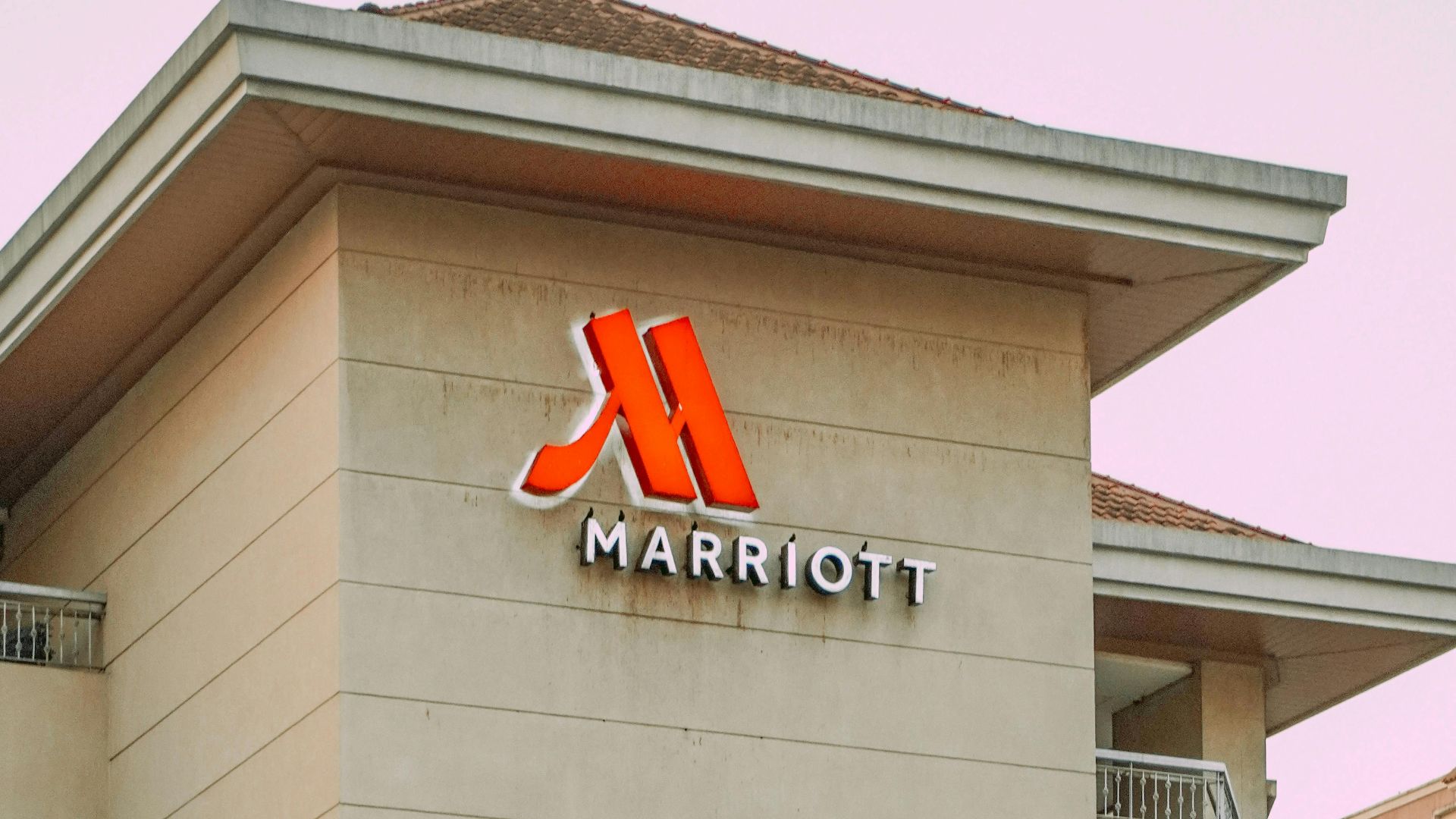
Marriott says that if it cannot honor a reservation booked through its channels, it will pay for that night’s stay at a nearby hotel and provide compensation, subject to the brand’s terms and eligibility rules. The exact amount of cash or points depends on the brand. That matters because a direct booking at a Marriott property may give a guest a much stronger claim than a third-party booking.
Hilton and Hyatt Also Set Out Rules
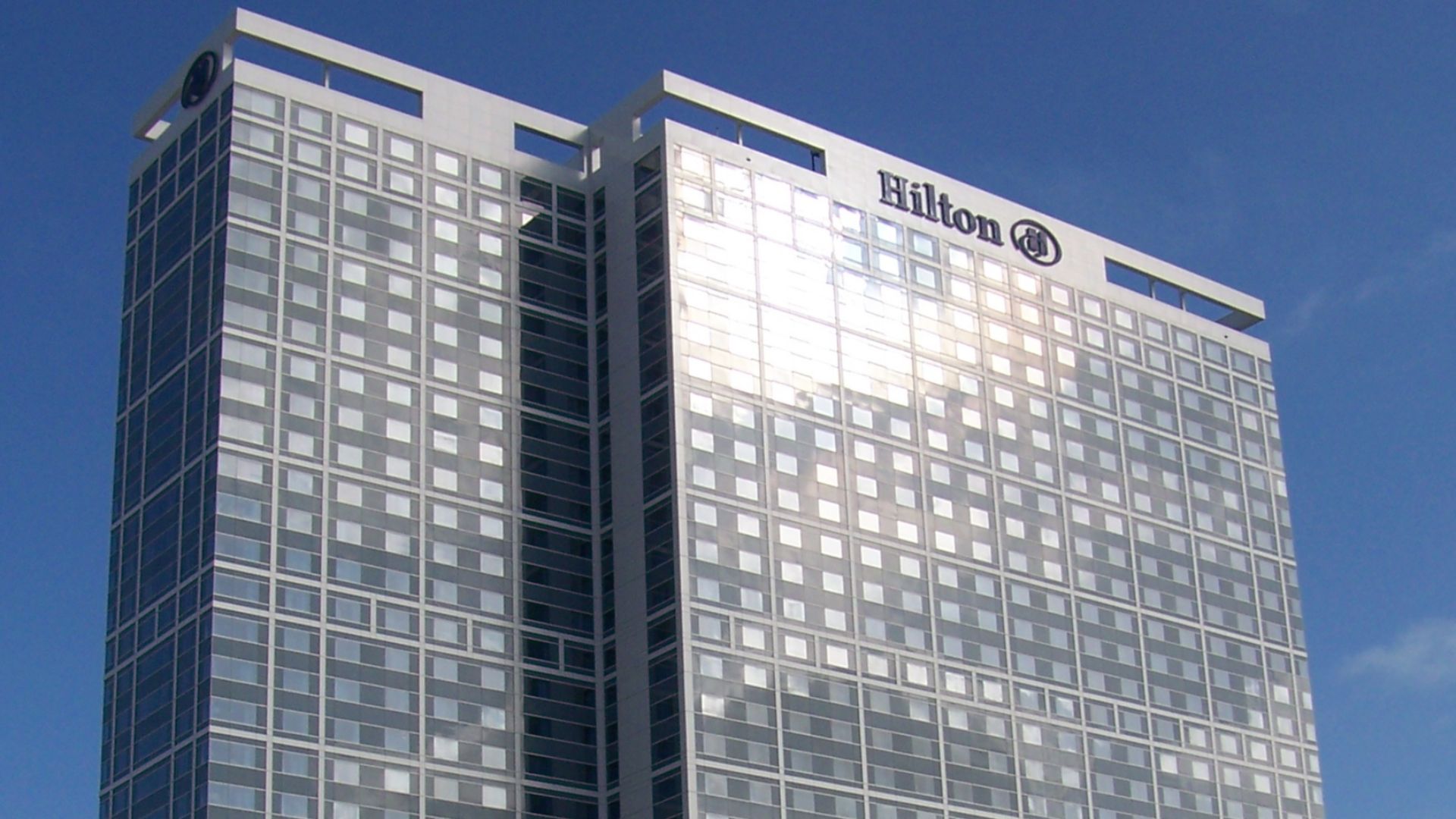
Hilton publishes a reservation guarantee that can include finding comparable accommodations and covering the first night’s room and tax under certain conditions. Hyatt also explains compensation when it cannot honor some guaranteed reservations. These policies are not the same, and they often leave out some discounted, third-party, or otherwise non-qualifying bookings, so the actual policy page matters.
 Nehrams2020, Wikimedia Commons
Third-Party Bookings Can Get Messy Fast
If you booked through an online travel agency, the hotel may tell you to deal with the platform, while the platform may say the hotel controls room inventory. That kind of finger-pointing is common when check-in goes sideways. In practice, direct bookings usually give travelers a cleaner path for complaints because brand guarantees often apply only to reservations made through official channels.

Could a Hotel Bump You for a Higher Rate?
People ask this all the time, especially during conventions, storms, holiday weekends, and sold-out events. A hotel may say the problem was overbooking, a room-type issue, maintenance trouble, or an inventory mistake. Still, when demand surges and rates jump, it is easy to see why guests suspect the hotel is protecting the more profitable bookings.

Proving the Motive Is Hard
Even if you strongly believe your room went to someone paying more, proving that can be tough. Hotels rarely admit it, and guests usually cannot see the internal booking decisions. What you often can prove is simpler: you had a confirmed reservation, you arrived on time, and the hotel could not honor it.
Start With the Front Desk Script
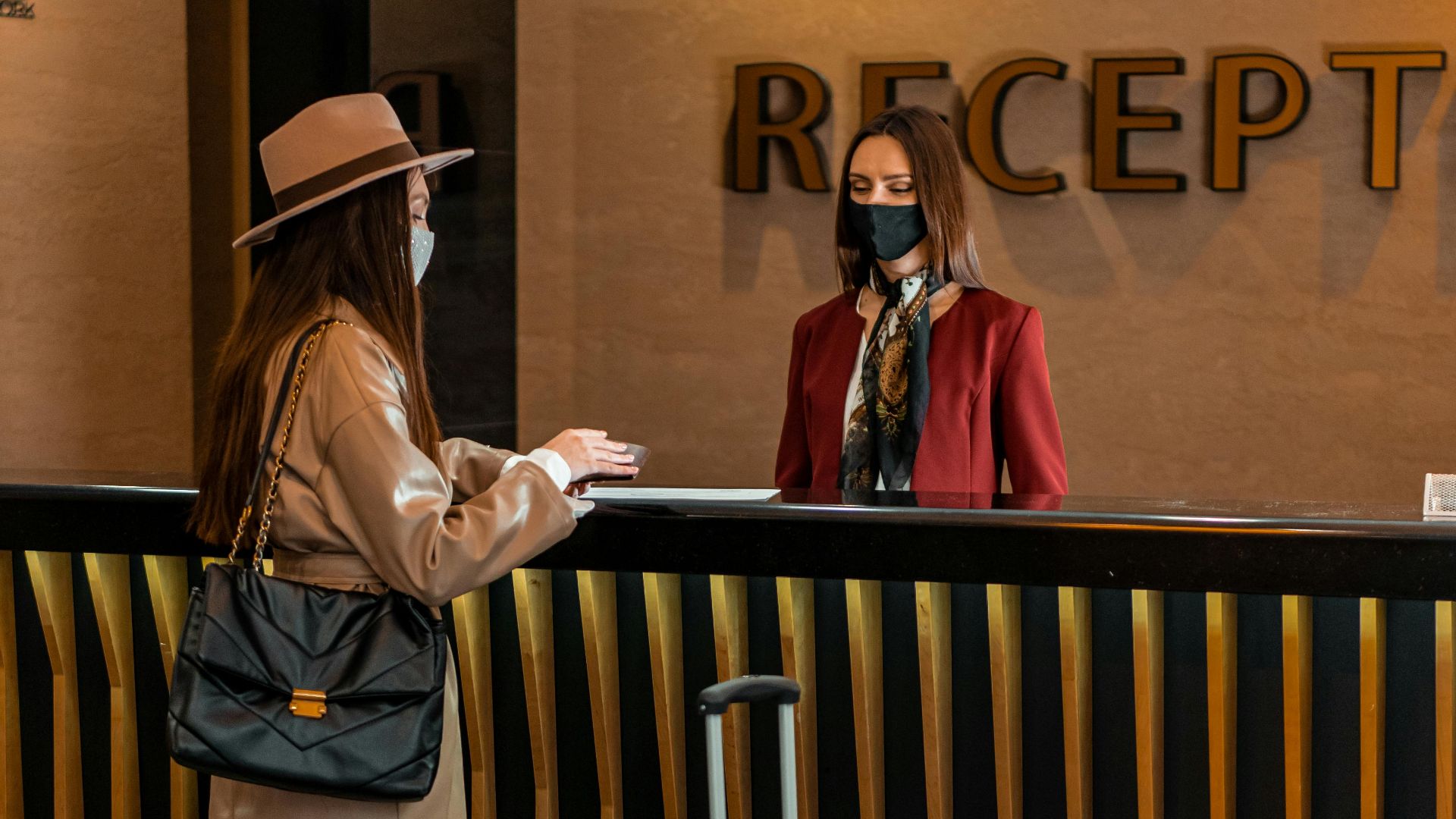
If this happens, stay calm and ask direct questions right away. Ask whether the hotel is walking you, where they are sending you, who is paying for the room, and whether transportation is included. Also ask for the denial in writing, including the date, time, manager’s name, and the reason they could not honor your reservation.

Ask for Comparable or Better Lodging
Do not settle for a vague promise that they will “help you find something.” Ask the hotel to actually book and pay for a comparable nearby property. If your original room had important features, like accessibility, two beds, or pet acceptance, say that immediately so the replacement works for your trip.
Document Everything Before You Leave the Desk
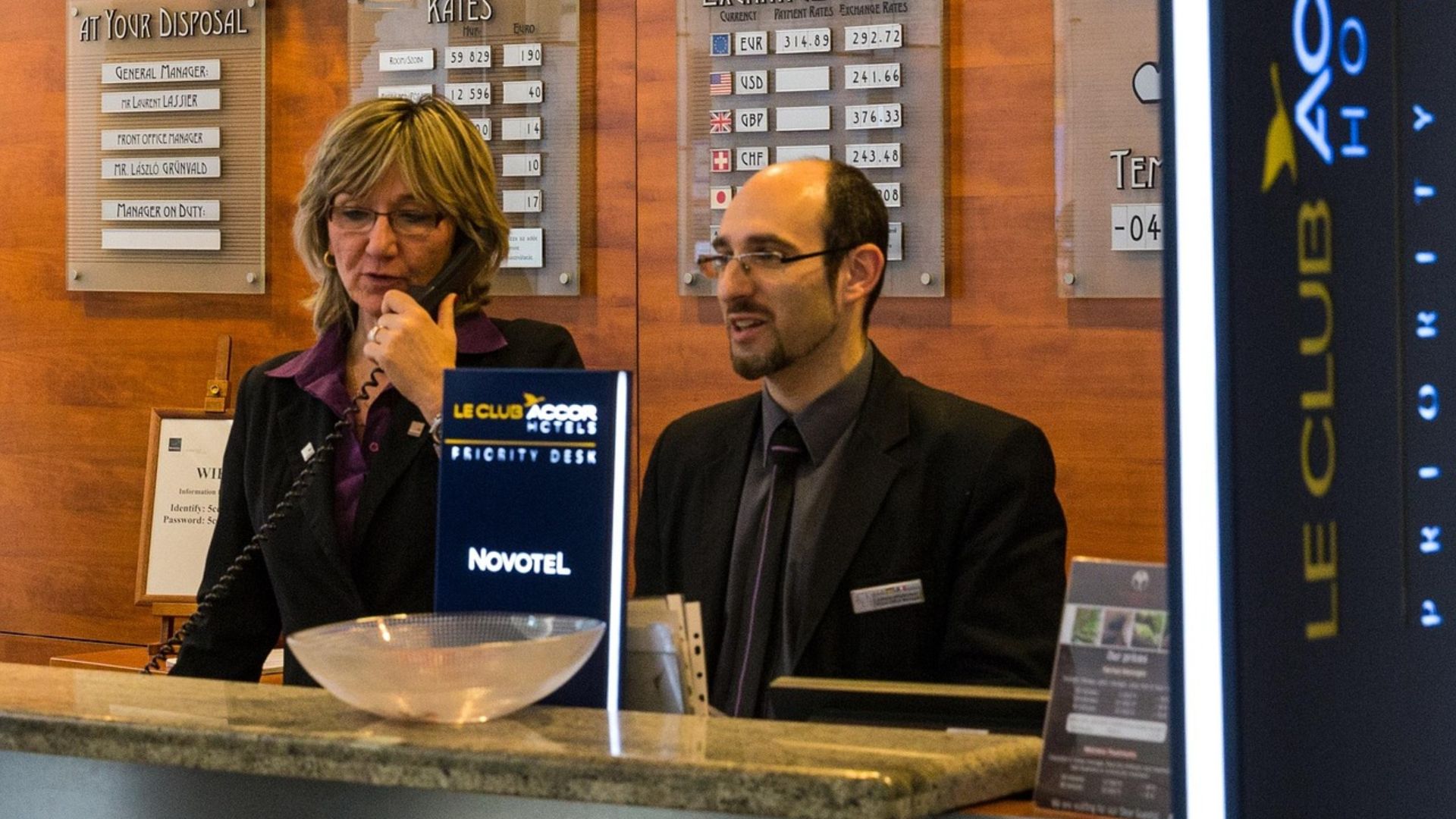
Take screenshots of your reservation, quoted rate, and any pre-arrival messages. Photograph posted rates if you can see them, and keep receipts for taxis, rideshares, meals, and the replacement hotel. That paperwork can make a big difference if you later need reimbursement, a credit card dispute, or to file a complaint with the brand or a consumer office.
Escalate Beyond the Property
If the front desk is not helping, call the hotel brand’s customer-service line while you are still in the lobby. If it is an independent hotel, try to find the owner, management company, or local tourism consumer office. Moving fast matters because once you leave and start paying out of pocket, it can get harder to force a useful fix.

Know When to Mention Consumer Law
The Federal Trade Commission says U.S. consumer protection law bars deceptive or unfair business practices, even though it does not provide a hotel-specific payout system for bumping. If a hotel advertised guaranteed lodging and then failed to honor a confirmed booking without a real remedy, that can strengthen your complaint. State attorneys general and local consumer agencies may also take complaints, depending on where it happened.

Your Credit Card May Be Your Backup Plan
Some travel credit cards include trip interruption, delay, or travel-assistance benefits that may help when a hotel stay falls apart. Coverage varies a lot, and not every card treats a walked reservation the same way. Still, if you are forced to spend more elsewhere because the original hotel could not honor your booking, check your benefits guide right away.

When a Chargeback Might Help
If the hotel charged you and then did not provide the room, a billing dispute may make sense. Keep your reservation, written denial, and proof of alternate lodging ready in case the card issuer asks for backup. A chargeback will not solve the immediate problem of where you sleep that night, but it may help reverse an improper charge later.
Loyalty Status Can Change the Outcome
Elite status can sometimes give you a better safety net because brand guarantees often offer higher compensation for loyalty members. Hotels may also prioritize frequent guests when inventory gets painfully tight. It may not seem fair, but in a sold-out crunch it can affect who gets protected and who gets walked.
There Are Ways to Lower Your Risk
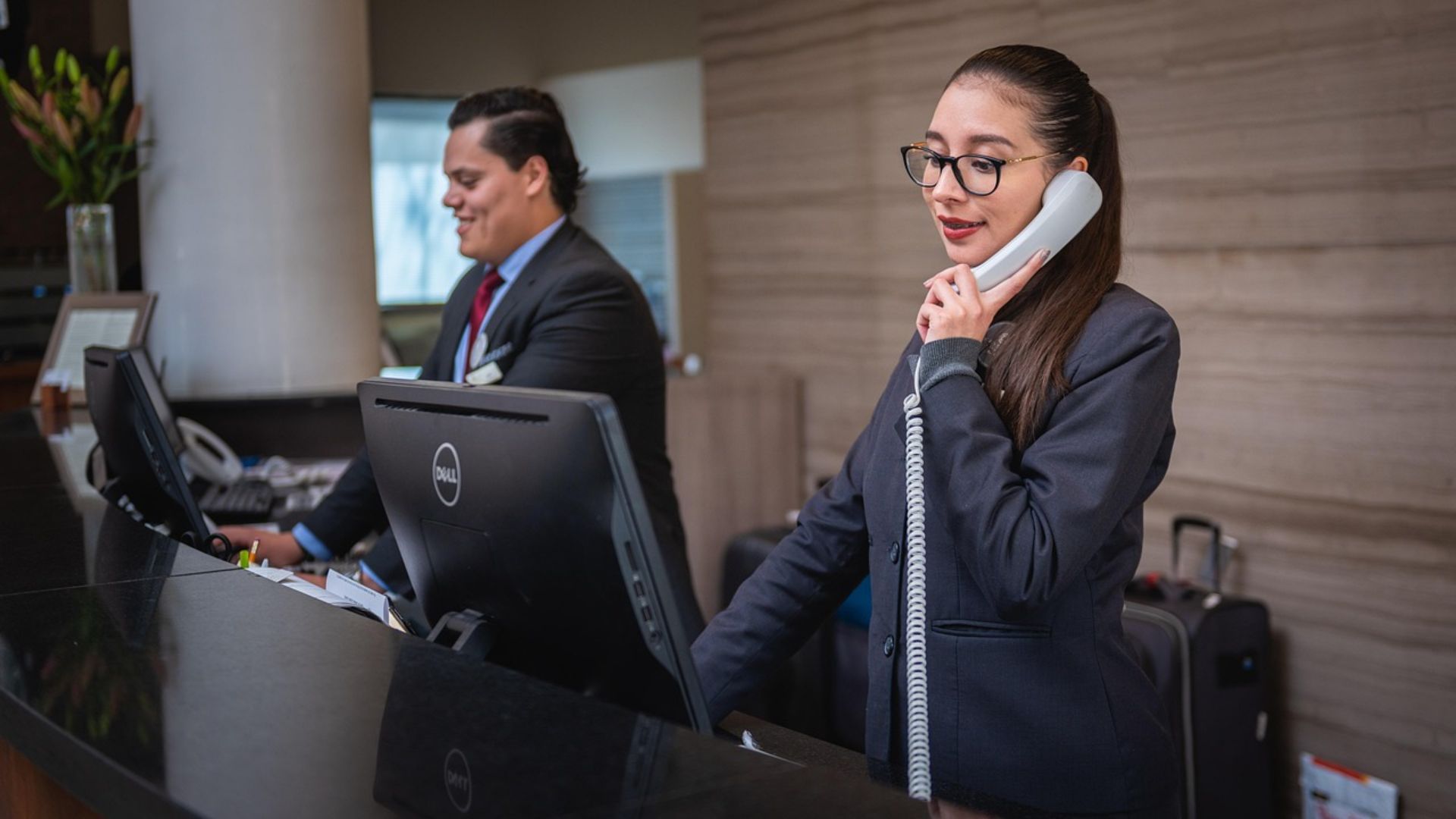
Book directly with the hotel or chain when you can, especially during busy events or peak travel dates. Arrive earlier instead of close to midnight, because late arrivals are more likely to get caught in a check-in mess if inventory is falling apart. Calling on the day of arrival to reconfirm your stay and expected check-in time can also help.

Guaranteed Late Arrival Can Matter
If you will be arriving late, make sure the hotel has your credit card and your arrival time on file. Some reservations are more exposed if the property thinks you might be a no-show. A quick message through the hotel app or a call to the front desk creates a record that you planned to arrive and expected the room to be held.
Events and Weather Raise the Stakes
The risk of getting walked goes up when a city is packed for a festival, convention, major sports event, or weather emergency. In those moments, replacement rooms may be far away or much more expensive. That is why it is smart to press the original hotel to secure the alternate stay itself instead of sending you into a sold-out market alone.

So Is It Basically Illegal Double Selling?
Usually, no. In most cases, it is not framed as a hotel illegally selling one specific room to two people. It is usually a matter of overbooking inventory and then failing to house every confirmed guest who shows up. That distinction may not make you feel any better late at night at the front desk, but it does matter when you are figuring out what arguments and remedies are actually available.
The Practical Bottom Line
If your hotel cancels your room at arrival because someone else paid more, your frustration makes perfect sense. The cleanest description is usually overbooking, even if it looks and feels like the room was sold twice. Your best move is to push for a written explanation, comparable alternate lodging at the hotel’s expense, reimbursement for related costs, and escalation through the brand, your card issuer, and consumer authorities if needed.