The Souvenir That Did Not Make It Home
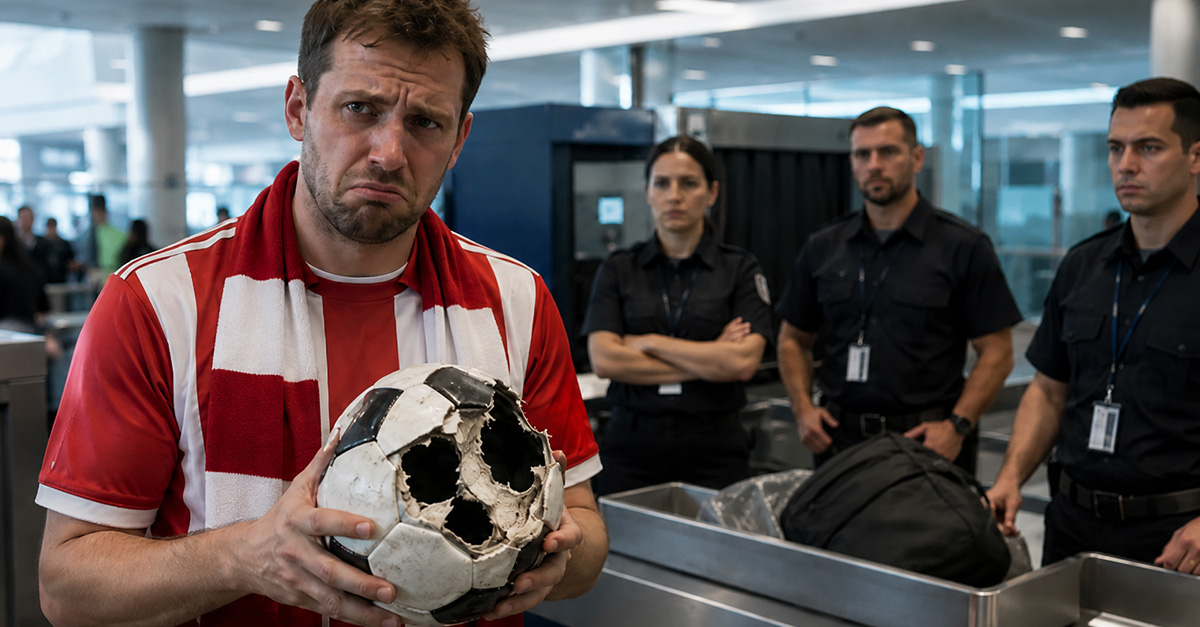
You made it through the World Cup crowds, the airport chaos, the emotional goodbyes, and maybe even a red-eye flight powered by snacks and pure soccer joy. Then, at the border, your prized match ball was destroyed. Now you are home with no ball, a bad story, and one big question: can you sue?

The First Whistle: Yes, But It Is Complicated
The short answer is that you may have options, but “sue them immediately” is usually not the first play. When government officers damage or destroy personal property, the usual route starts with an administrative claim. Think of it as filing an official complaint for compensation before storming into court.
 CBP Photography, Wikimedia Commons
Why Would A Ball Be Destroyed?
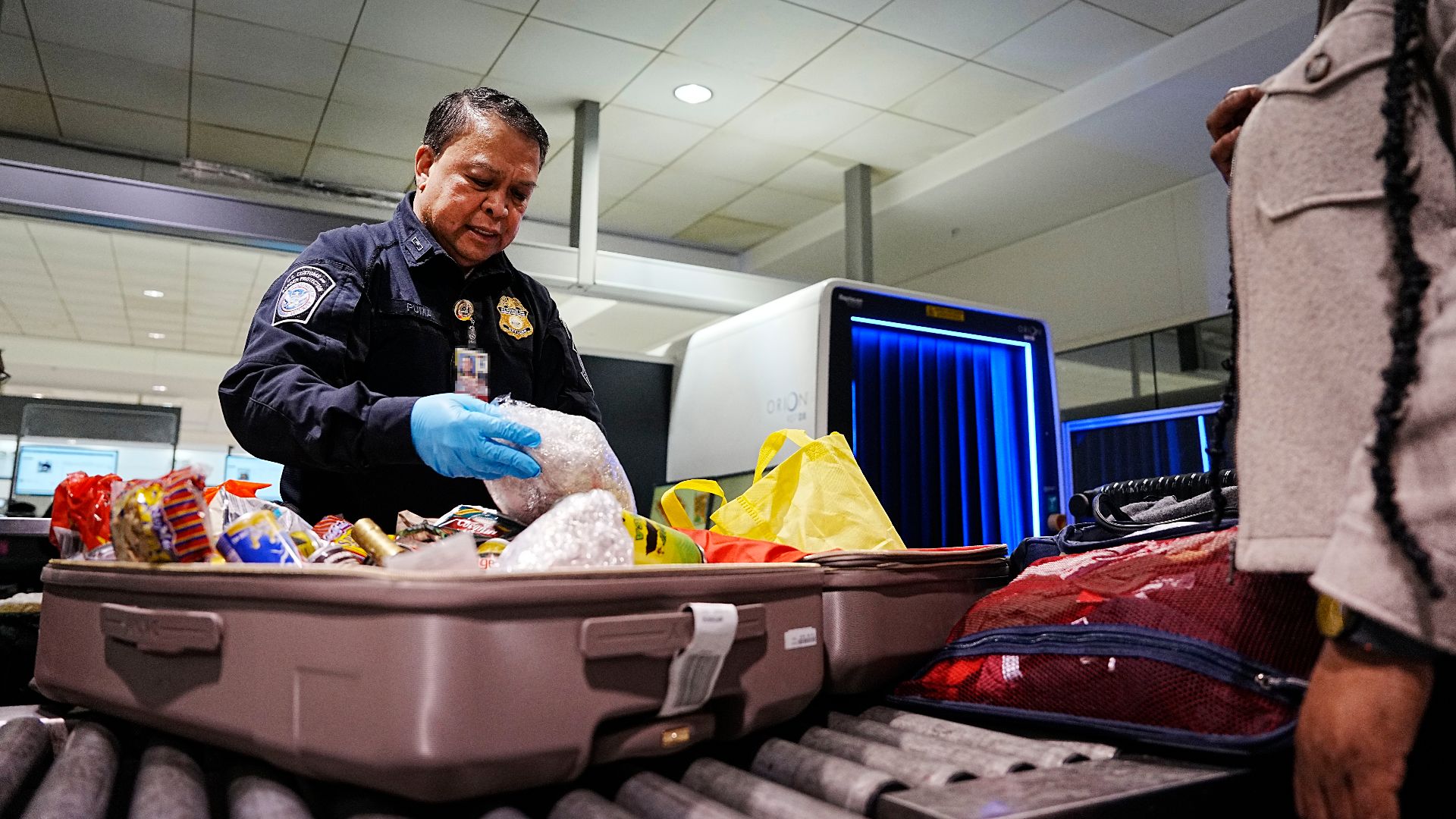
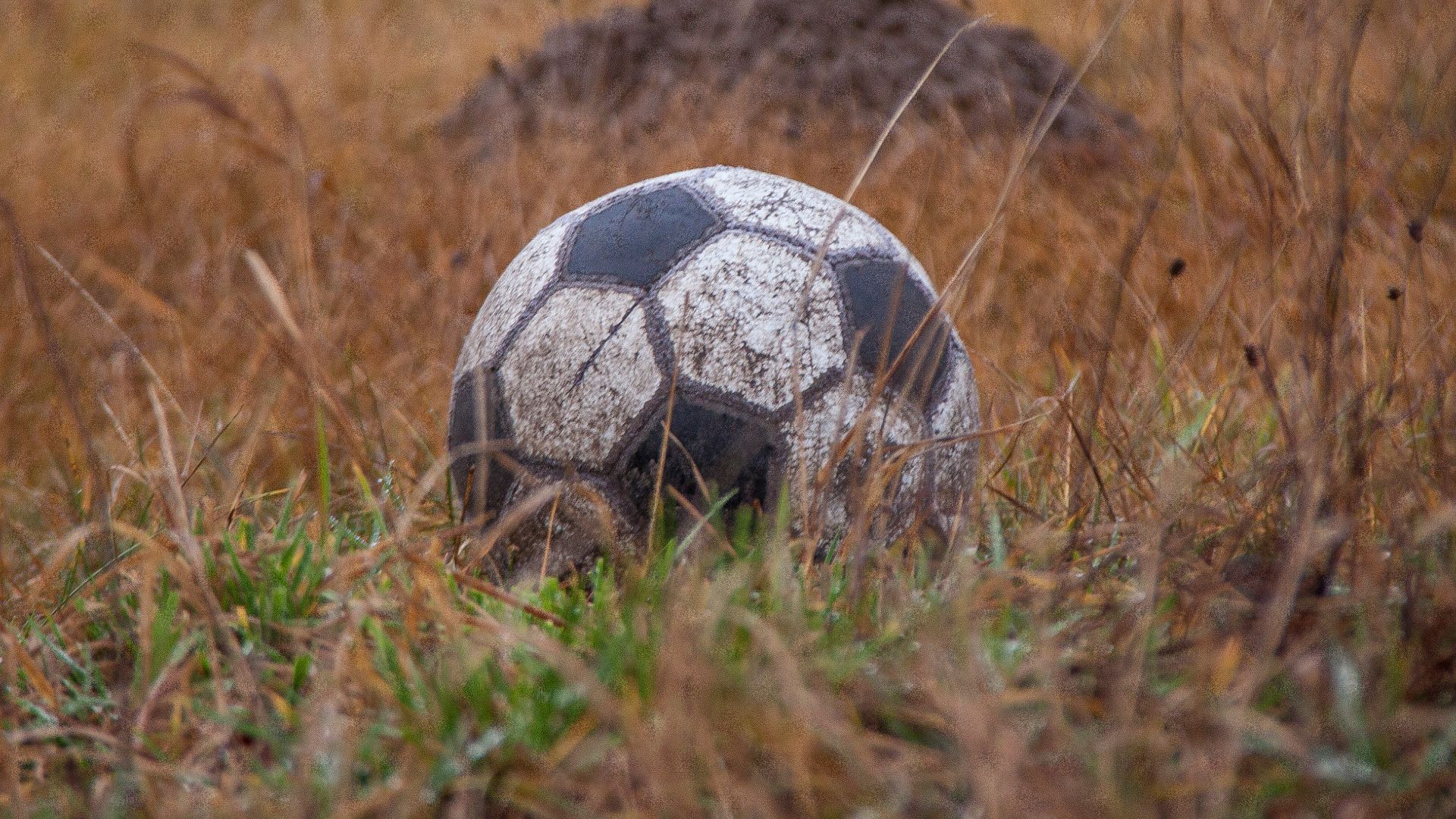
A soccer ball sounds harmless, but border inspections are not always about what an item is. They are also about where it has been. A match ball used on grass, dirt, mud, or stadium turf could raise concerns about pests, soil, seeds, or organic material hitching a ride across borders.
 CBP Photography, Wikimedia Commons
The Border Is Not A Gift Shop Exit
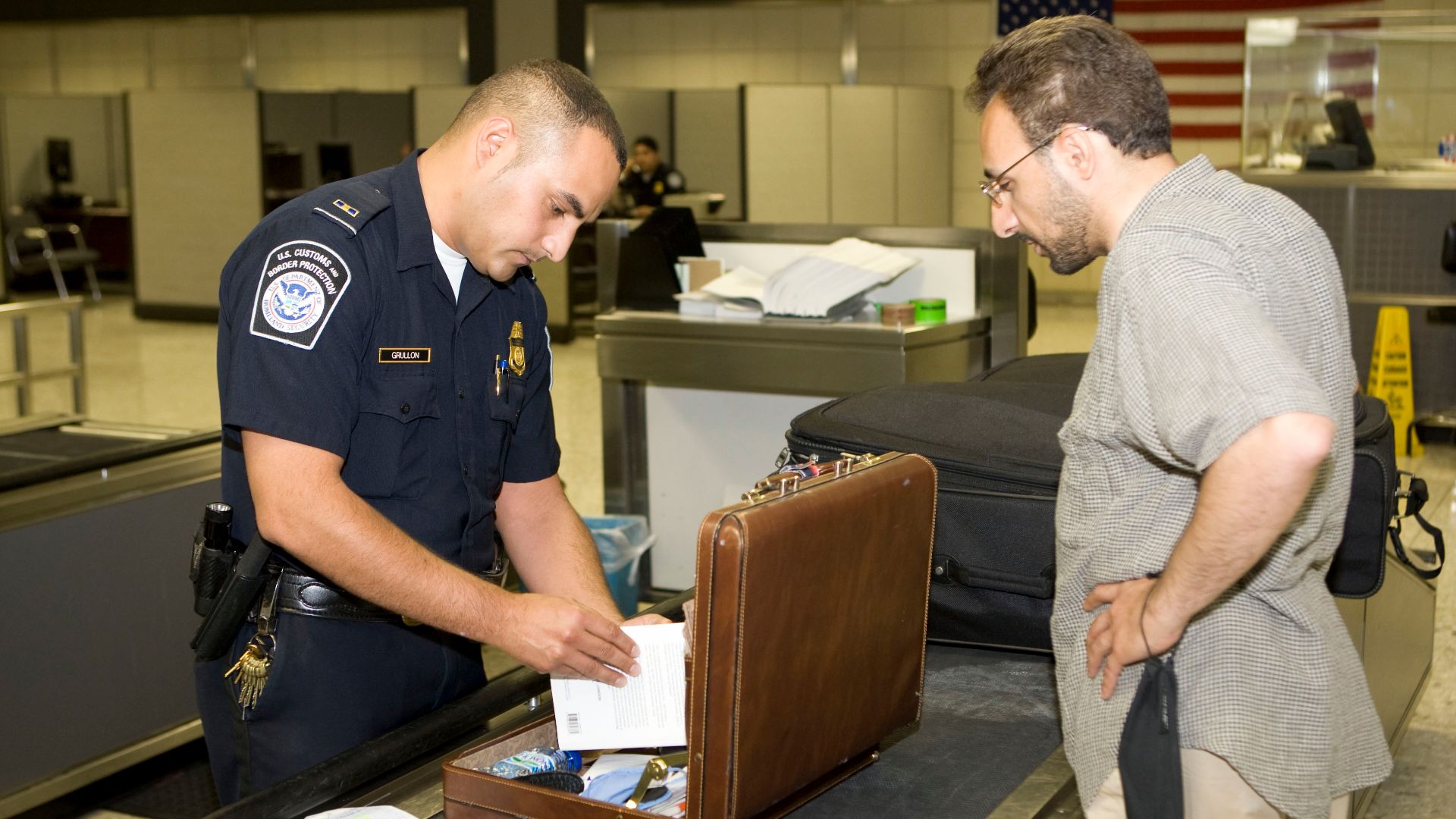
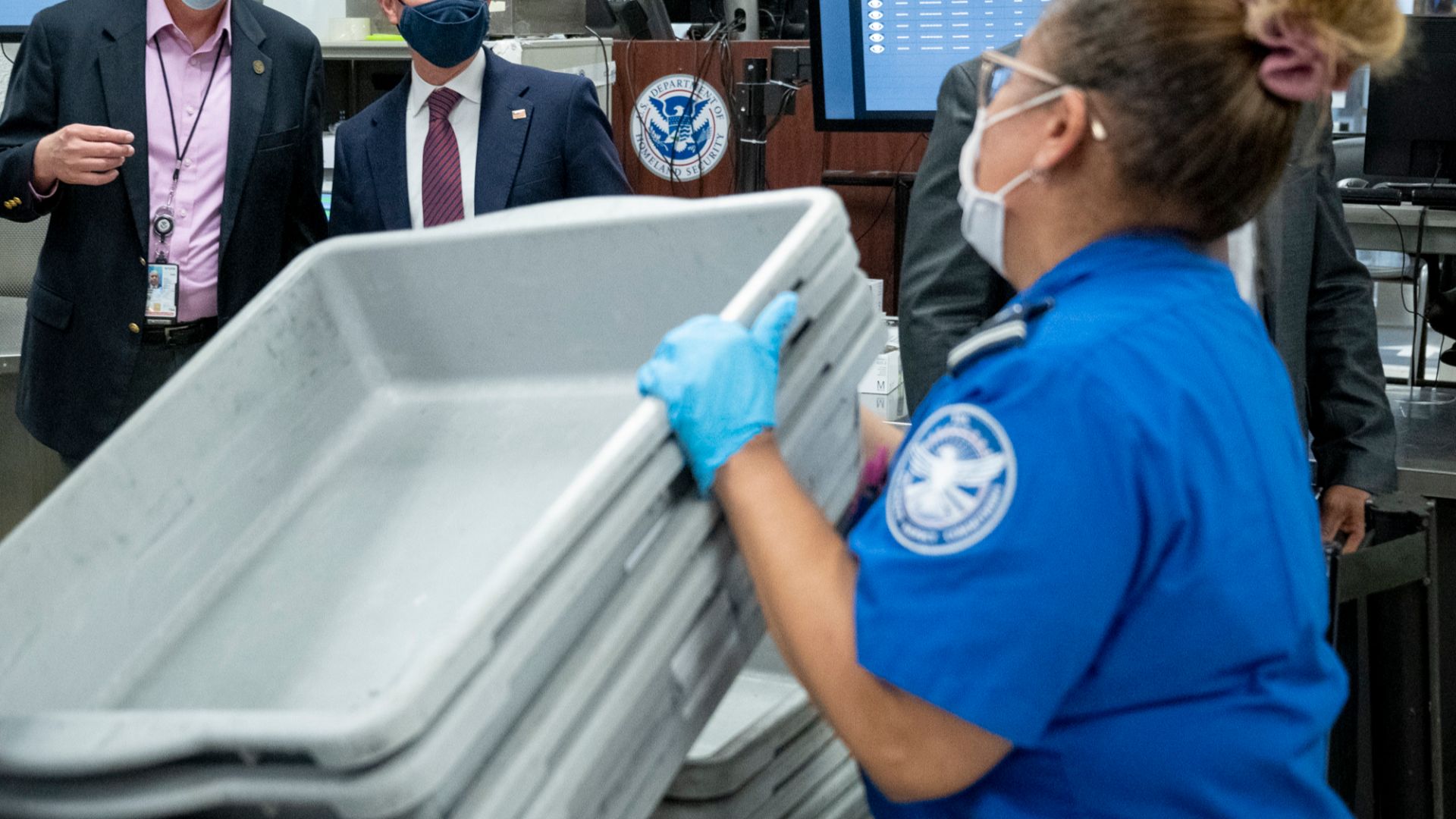
Travelers often think souvenirs are automatically safe because they bought them legally or received them at an event. Border officials see things differently. Their job is to inspect goods entering the country, and that includes strange, sentimental, or oddly dirty items tucked inside luggage after a major sporting event.
 U.S. Department of Homeland Security (DHS), Wikimedia Commons
Match Ball Or Agricultural Risk?
Here is where the story gets weird. Your ball may be a priceless memory to you, but to an agricultural inspector, it could look like a rolling passport for soil, seeds, insects, or biological contamination. That does not mean destruction was fair. It means the reason matters.
Get The Exact Agency Right
Before you file anything, figure out who actually destroyed the ball. Was it Customs and Border Protection? An agriculture specialist? Airport security? A foreign border agency before departure? The answer changes everything. Claims go to the agency responsible for the officer or employee involved, not just “the airport.”
 Frame Stock Footage, Shutterstock
Ask For Paperwork
If your item was seized, detained, destroyed, or refused entry, ask for any paperwork connected to the decision. That could include a seizure notice, inspection record, receipt, incident number, or written explanation. Without documents, your claim becomes a memory contest, and memories rarely beat official records.

Take Photos Of Everything
If you still have pieces of the ball, packaging, tags, certificates, photos from the match, or proof it was an official ball, save them. Take clear pictures. Screenshot messages. Keep flight details. A replacement claim is much stronger when you can prove both ownership and value.

Do Not Throw Away The Evidence
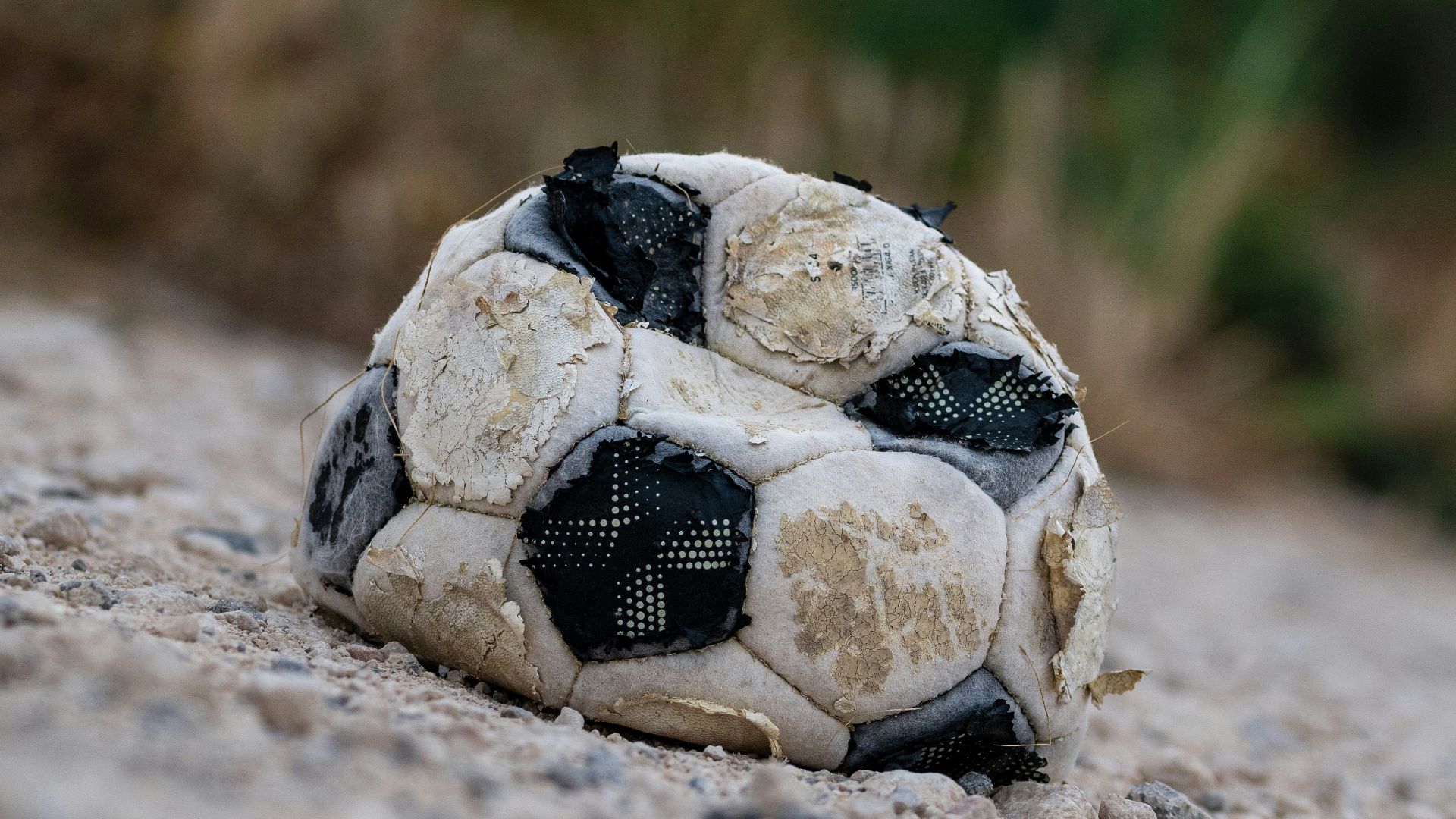
Even if the ball looks like a sad deflated pancake, keep what remains unless officials already took it. The damaged item can help show the extent of the loss. If it was destroyed completely, write down exactly what happened while the details are still fresh.
The Magic Words: Administrative Tort Claim
In the United States, claims for damaged property caused by federal employees often begin as an administrative tort claim. That is a formal request asking the agency to pay money for the loss. It is not as dramatic as a lawsuit, but it is often the required first step.

Meet Standard Form 95
For U.S. federal claims, many travelers use Standard Form 95, also called SF-95. It is the form used to present claims involving property damage, personal injury, or death allegedly caused by a federal employee. It is not glamorous, but then again, neither is losing your World Cup ball.

Name Your Price
You cannot just write, “I want justice and a new ball.” The claim needs a specific dollar amount. That means you should research the replacement cost, include receipts if you have them, and explain why the ball was worth that amount. Sentimental value is real, but harder to price.

Replacement Value Versus Collector Value
A basic soccer ball and an official World Cup match ball are not the same thing. A game-used, signed, limited-edition, or authenticated ball may have collector value. If yours was special, include proof. A photo of you holding it at the stadium may help, but receipts and authentication help more.

Your Best Evidence Is Boring
The most useful documents are rarely exciting. Think receipts, bank statements, product listings, photos, baggage tags, inspection notices, emails, and written names of officers if provided. The more organized your evidence looks, the more serious your claim appears. Boring paperwork can be your star striker.

There Is A Deadline
Do not treat this like a travel complaint you can file someday when you feel less annoyed. Federal property damage claims have deadlines, and missing them can sink your case. If this happened recently, start gathering documents now. If it happened a while ago, check the timeline immediately.

Can You Go Straight To Court?
Usually, not right away. With federal agencies, you normally must give the agency a chance to review the claim first. If the agency denies it, or if enough time passes without a decision, then a lawsuit may become possible. The courthouse is not typically step one.

Was The Destruction Reasonable?
This is the key question. If the ball was visibly contaminated and could not be cleaned, officials may argue destruction was justified. If it was clean, packaged, or could have been disinfected, you may have a stronger argument that destroying it was careless or excessive.
Ask About Decontamination
Some items can be cleaned, treated, or returned after inspection. If officers destroyed the ball without explaining why cleaning was impossible, that matters. A good claim asks practical questions: Was there an inspection? What risk was found? Were alternatives considered? Who approved destruction?
 CBP Photography, Wikimedia Commons
Stay Calm, Even If You Are Furious
It is completely normal to be upset. Sports souvenirs carry memories. But when dealing with government claims, rage is less useful than precision. Write like a calm person with receipts. “They ruined the highlight of my trip” is understandable. “Here is the value and timeline” gets attention.

What About Emotional Damage?
This is where the whistle gets cold. A match ball can mean a lot, especially after a once-in-a-lifetime World Cup trip. But claims for a replacement usually focus on property value, not heartbreak. You can mention sentimental importance, but anchor the request in documented financial loss.

What If It Happened Outside The U.S.?
If the ball was destroyed by another country’s border agency, U.S. claim forms will not help. You would need that country’s complaint or compensation process. Start with the airport, customs agency, consulate, or travel insurer. International souvenir drama can become a paperwork world tour.
 Quintin Soloviev, Wikimedia Commons
Check Your Travel Insurance
Before you spend months fighting, check whether your travel insurance covers damaged or confiscated personal property. Some policies exclude government seizure, but others may help with damaged baggage or lost items. Credit card travel protection may also be worth checking if you booked the trip that way.

Try The Practical Route First
For a ball worth a few hundred dollars, a well-documented claim may be smarter than hiring a lawyer. For a rare collector’s item worth thousands, legal advice becomes more tempting. The more valuable the ball, the more important it is to document authenticity and market price.

Do Not Inflate The Claim
A dramatic story does not justify a fantasy price tag. Ask for what you can support. If the same official ball sells for $165, do not claim $5,000 unless yours had something extraordinary, like match use, player signatures, or certification. Credibility is your cleanest jersey.

The Best Claim Tells A Simple Story
Your claim should read like this: I traveled home on this date, officers inspected my luggage, they destroyed this specific ball, I was given this explanation, the ball was worth this amount, and I am requesting reimbursement. Simple, direct, documented. No need for courtroom thunder.

So, Can You Sue?
Maybe, but the smarter first move is usually filing the correct administrative claim with the responsible agency. If the agency rejects your claim, ignores it long enough, or offers too little, then you can look at legal options. The path exists, but it has rules.

The Final Score
Losing a World Cup match ball at the border is a brutal own goal by bureaucracy. But you are not powerless. Get the paperwork, document the value, file the proper claim, and keep your story clear. You may not get the same ball back, but you might win a replacement.

You May Also Like:
I tried to leave a bad review, and the hotel threatened legal action. Are they allowed to do that?
I used a debit card abroad, and my bank locked me out of my account. What did I do wrong?