
That Awkward Door-Handle Moment
You get back to your hotel room long before checkout time, tap your key card, and it does not work. Then you find out the hotel thought you had already checked out, so staff shut off your room access early. It is frustrating, awkward, and can raise a real question about whether the hotel was allowed to do that. In many cases, a hotel should not lock you out before the agreed checkout time if you still had the legal right to use the room.

What Usually Happens at Checkout Time
When you book a hotel room, you are usually paying for the right to use that room until the stated checkout time on the day your stay ends. Hotels set those times in their policies, and they are often listed in your confirmation, at the front desk, or in the room information. If checkout is noon, for example, you normally have access until then unless you agreed to something different. That means cutting off access hours early can be a problem if it happened because of a mistake.

Hotels Can Control Access, but Not Randomly
Hotels do have a lot of control over rooms, keys, and security on their property. They can turn off keys after checkout, move guests in limited cases, and act fast if there is a safety issue. But that does not mean they can take away your access whenever they want while your paid stay is still active. If the hotel caused you to lose access before checkout by mistake, the main question is whether it broke the lodging agreement or handled things carelessly.

Why This Mix-Up Happens More Than You Might Think
Early lockouts can happen because of front-desk mistakes, housekeeping mix-ups, computer problems, or a wrong guess that the guest already left. Sometimes a staff member marks a room vacant after seeing the guest leave in the morning, especially during a busy turnover. Other times, a reservation gets changed or split the wrong way in the hotel system. None of those reasons automatically makes the early lockout okay.

Your Reservation Is Basically a Short-Term Contract
A hotel stay is not the same as renting an apartment, but it is still a contract. You pay the rate and agree to the hotel’s rules, and the hotel agrees to provide the room through checkout time unless a valid exception applies. If the hotel cuts off access before that time without a lawful reason, it may be breaking that agreement. What you can do about it depends on state law, the hotel’s terms, and whether you had any real loss.

Innkeeper Laws Still Matter
Every state has laws and court rules that affect hotels, often called innkeeper laws or public accommodation laws. These laws usually let hotels remove guests in some situations, like nonpayment, disorderly conduct, safety problems, or staying past checkout. But they do not usually give hotels free rein to lock out a paid, allowed guest before checkout just because of an internal mistake. If the lockout happened early and you did nothing wrong, that usually helps your side.

There Is a Big Difference Between Checkout and Eviction
Hotels can usually end your stay at checkout time without going through a formal eviction process because your right to stay was time-limited from the start. Before that point, though, the rules can be different, especially if the hotel is trying to remove you for cause. Some states give hotels specific legal steps for dealing with guests who break rules or refuse to leave. A mistaken early lockout is not the same as a lawful removal for misconduct.

What If Your Stuff Was Still Inside
If your room was locked early while your things were still inside, that can make the problem more serious. Hotels have duties when it comes to guest property, and many states have rules about when a hotel can take possession of or store things left behind. If staff entered the room, removed items, or exposed your property to loss because they wrongly thought you were gone, you may have a stronger complaint. The details matter, including whether anything was damaged, lost, or kept from you.
Privacy Concerns Can Come Up Too
When a hotel marks a room as checked out too early, housekeeping or other staff may enter the room before your stay is actually over. That can raise privacy concerns along with the lockout itself. Hotels usually reserve the right to enter rooms for cleaning, emergencies, repairs, or rule enforcement, but not because of an office mistake that ended your stay too soon. If entry happened while your stay was still active, that may support your claim that the hotel mishandled the situation.

Can They Do It If They Suspect You Left?
Suspicion is not the same as confirmation. If checkout time has not arrived and you have not told the hotel you are leaving, the safer move is for staff to confirm your status before shutting off your key. Some hotels may call the room, check the reservation record, or contact you before changing access. Locking you out based on a guess is risky for the hotel and inconvenient for the guest, and it can create legal trouble if it causes harm.

What the Hotel Should Do Right Away
If the lockout was a mistake, the hotel should restore access quickly, apologize, and help fix any problems it caused. That may include reprogramming your key, walking with you to the room, confirming your belongings are secure, and writing down what happened. If you missed work, could not get medication, or had some other urgent problem, the hotel should take that seriously. Good customer service does not erase the mistake, but it can reduce the harm.

What You Should Do in the Moment
Start by going to the front desk and calmly asking why your room access was disabled before checkout. Show your confirmation, digital folio, or any message that proves your stay was still active. Take screenshots, note the time, and keep track of who you spoke with in case the issue is not fixed quickly. If your belongings are in the room, say that clearly and ask for immediate access if needed.

Document More Than You Think You Need
If you think the early lockout caused a real problem, documentation matters. Save your reservation email, checkout policy, receipts, app screenshots, text messages, and any written communication from hotel staff. Write down the timeline while it is fresh, including when your key failed, when you spoke to staff, and how long you were denied access. If there were witnesses, like travel companions or coworkers, their accounts can help too.

Compensation Is Not Automatic, but It Is Possible
Whether you are owed compensation depends on what happened and what losses you can show. If the hotel fixed the issue in five minutes and nothing else happened, you may get an apology, loyalty points, or a partial credit as a customer service gesture. If the mistake caused a missed event, extra transportation costs, lost property, or another clear loss, you may have a stronger basis to ask for reimbursement. Small claims court may be an option if the amount is not huge and the hotel refuses to make it right.

When the Lockout Could Become a Legal Problem
An early lockout becomes more serious when it causes actual damages or involves bad handling of your property. Examples include being unable to get medicine, being separated from important documents, having belongings removed, or losing access for a meaningful period before checkout. In those situations, claims might involve breach of contract, negligence, or violations of state consumer protection laws, depending on the facts. The exact rule depends on the state, so local law matters a lot.

What About Disabilities or Medical Needs
If the lockout interfered with access to medication, mobility devices, or disability-related equipment, the consequences can be much more serious. Hotels that are places of public accommodation have duties under the Americans with Disabilities Act, though the ADA does not turn every service problem into a federal claim. Still, if the hotel’s mistake blocked practical access to disability-related needs, that is something to raise clearly and right away with management. In some cases, a guest may also have state-law options beyond the ADA.

Chain Hotel or Independent Property, the Basics Are Similar
Whether the property is a major chain or a small independent inn, the basic expectation is the same: if you paid to use the room until checkout, you should have access until then. Large brands may have more formal complaint channels and guest-relations teams, which can help if the front desk is not responsive. Independent properties may solve things faster on-site because decision-makers are closer to the issue. Either way, ask for the general manager or manager on duty if front-line staff cannot fix it.

Travel Insurance Usually Will Not Solve This One
Travel insurance is mostly made for bigger trip problems like cancellations, delays, medical issues, or baggage trouble. A brief mistaken room lockout is not the kind of event many standard policies clearly cover. That said, if the hotel’s error led to a covered loss, such as interruption expenses tied to a larger insured event, it may be worth checking your policy. Do not assume insurance will handle it before first trying to fix the issue directly with the hotel.

Chargebacks Are a Last Resort
If the hotel refuses to address a serious early lockout, some travelers think about disputing the charge with their credit card company. A chargeback can help when services paid for were not provided as promised, but it is not guaranteed and usually should come after trying to resolve the issue with the property. Card issuers often want documentation, and partial-service disputes can get messy. Use this route carefully, especially if the hotel corrected the problem and the real issue is compensation for harm rather than the room charge itself.

When to Escalate Beyond the Front Desk
If the property brushes you off, escalate in writing to hotel management, the brand’s customer care department, or the company that handles franchise complaints. If you believe the hotel mishandled your property or engaged in deceptive conduct, you can also file a complaint with your state attorney general or consumer protection office. For discrimination-related concerns, other complaint paths may be available depending on the facts. If your losses are significant, talking with a local lawyer may be the smartest next step.

How Hotels Can Avoid This Mess
The easiest way for hotels to avoid wrongful early lockouts is simple verification. Staff should confirm checkout status in the reservation system, avoid relying on assumptions, and make sure housekeeping and front desk notes match before turning off keys. Clear communication matters, especially for late checkouts, split stays, room moves, and app-based departures. Training and good internal controls can prevent a small office mistake from turning into a much bigger problem.
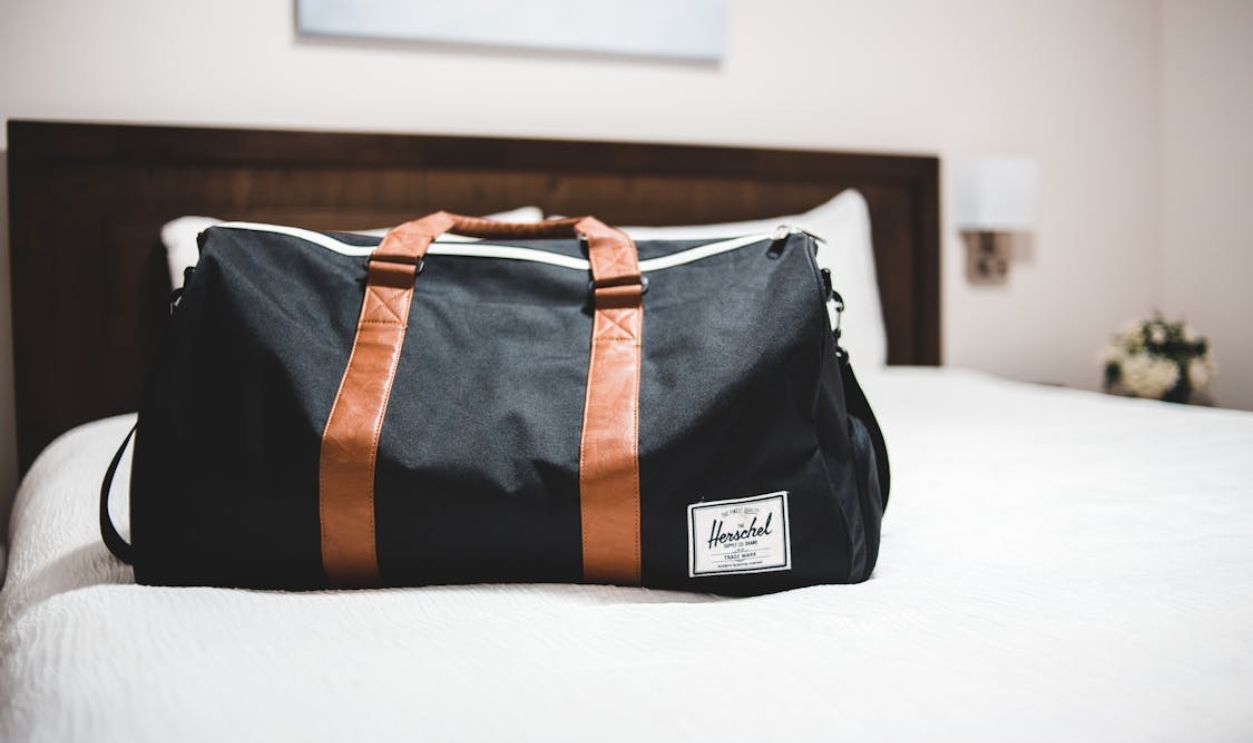
 TECNIC Bioprocess Solutions, Unsplash
The Bottom Line for Guests
Can a hotel lock you out of your room early because it thought you had checked out? In general, it should not do that if your paid stay was still active and there was no valid reason to remove you. Hotels have broad control over their property, but that control is still limited by the booking terms, state law, and their duty to handle guest access and property in a reasonable way. If it happens to you, act fast, document everything, ask for a fix, and push for compensation if the mistake caused real harm.