That Ping Every Time You Step Outside
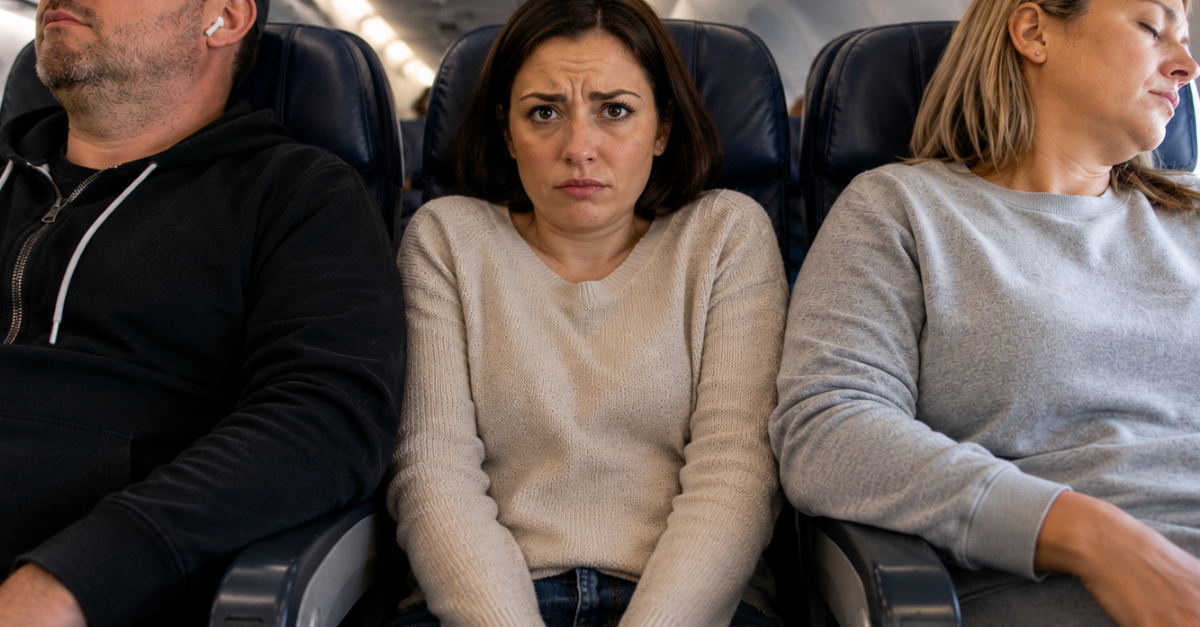
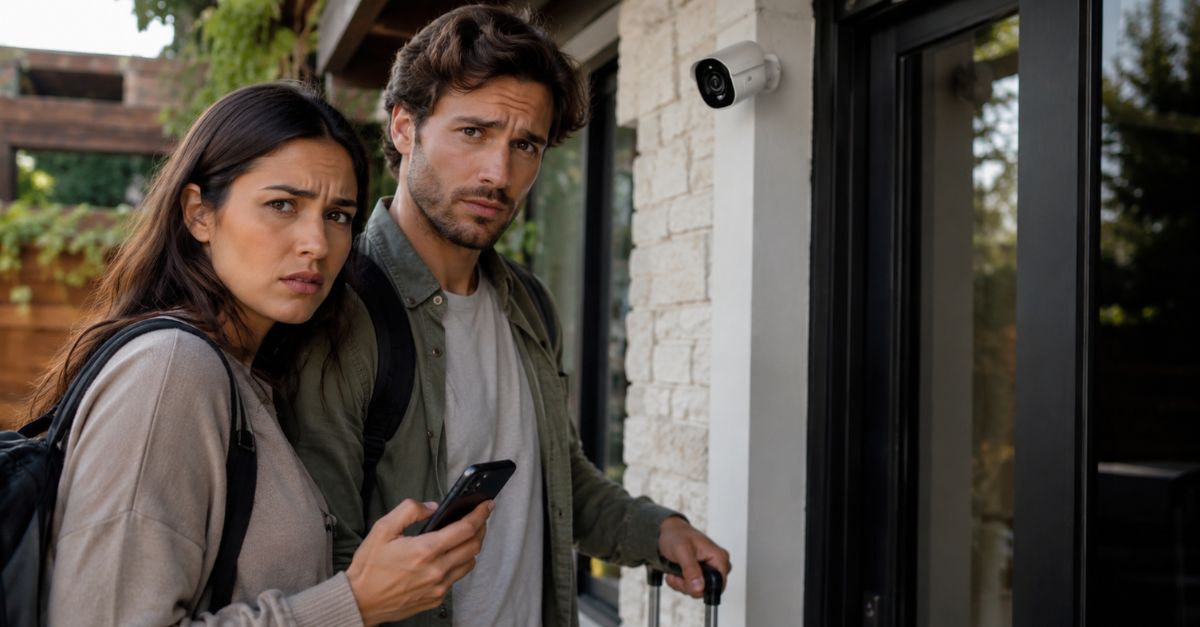
If your Airbnb host messages you every time you leave the property, it's understandable to feel uncomfortable. But the short answer to your question is this: Exterior security cameras can be allowed on Airbnb, but constant monitoring and contact can drift into behavior many guests would find intrusive. The real issue is not just whether a camera is there, but how the host is using it.
Why This Feels So Weird
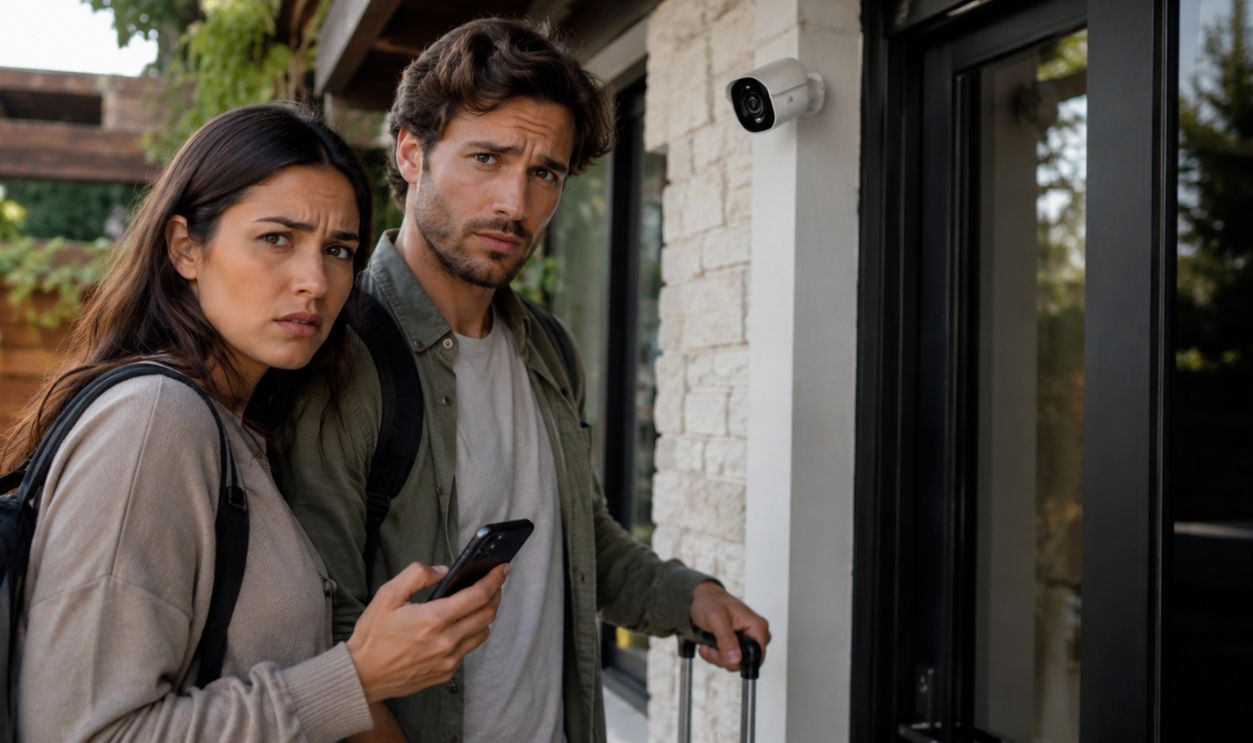
Most travelers expect a basic sense of privacy when they rent a home, even if they know there is a doorbell camera outside. Getting a message right after you head out can make it seem like someone is tracking your movements in real time. That reaction makes sense, especially because Airbnb’s own rules focus on disclosure, privacy, and not using surveillance to intimidate guests.
 Vodafone x Rankin everyone.connected, Pexels
What Airbnb Says About Cameras Now
Airbnb announced in March 2024 that it was banning indoor security cameras in listings worldwide. The company said the change was meant to simplify its policy and put guest privacy first. The rule took effect on April 30, 2024, and it was one of the clearest signs yet that privacy had become a major issue for the platform.
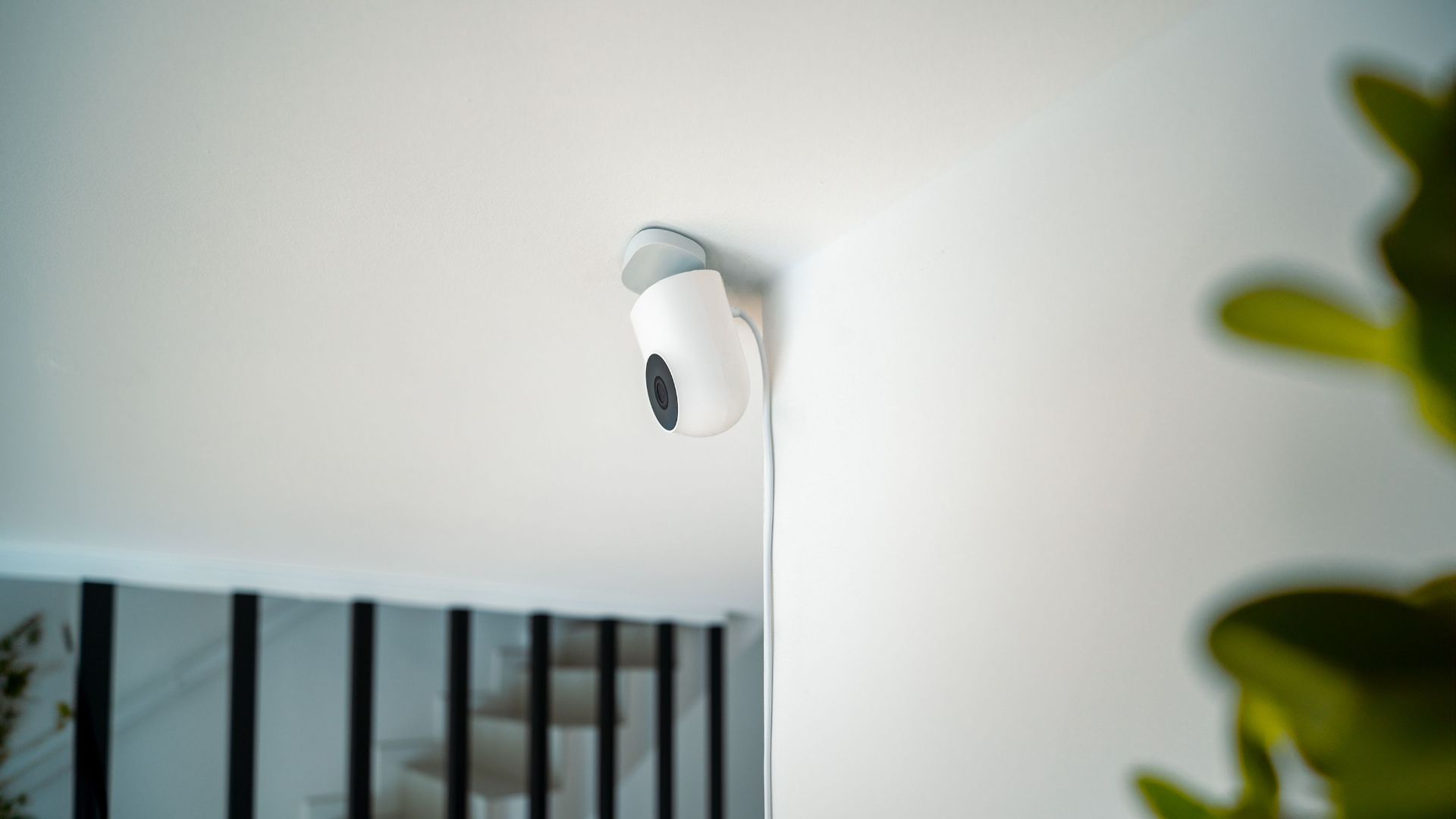
Outdoor Cameras Are Still Allowed
Even after the 2024 policy change, Airbnb still allows outdoor security cameras, noise decibel monitors, and smart devices in some cases. Hosts have to disclose the presence and general location of these devices before booking. Cameras also cannot monitor certain private outdoor areas, and hidden cameras are banned.
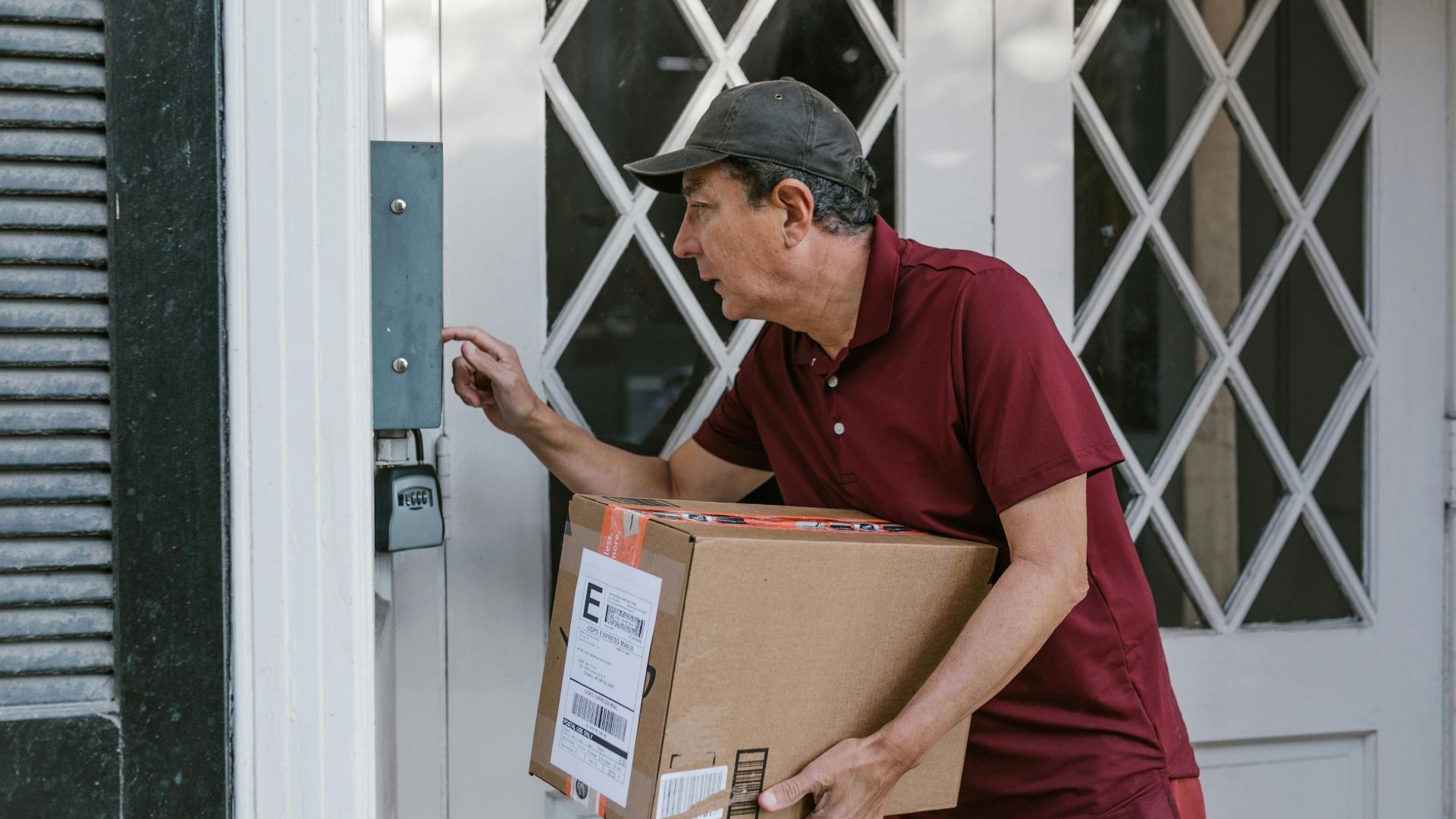
Disclosure Is Required
Airbnb’s rules say hosts must tell guests about any outdoor security cameras before a reservation is made. That matters because a disclosed front door camera is very different from a camera a guest discovers only after arrival. If the device was not clearly disclosed in the listing, that is a serious red flag and something you can report.

The Front Door Is Usually Where This Starts
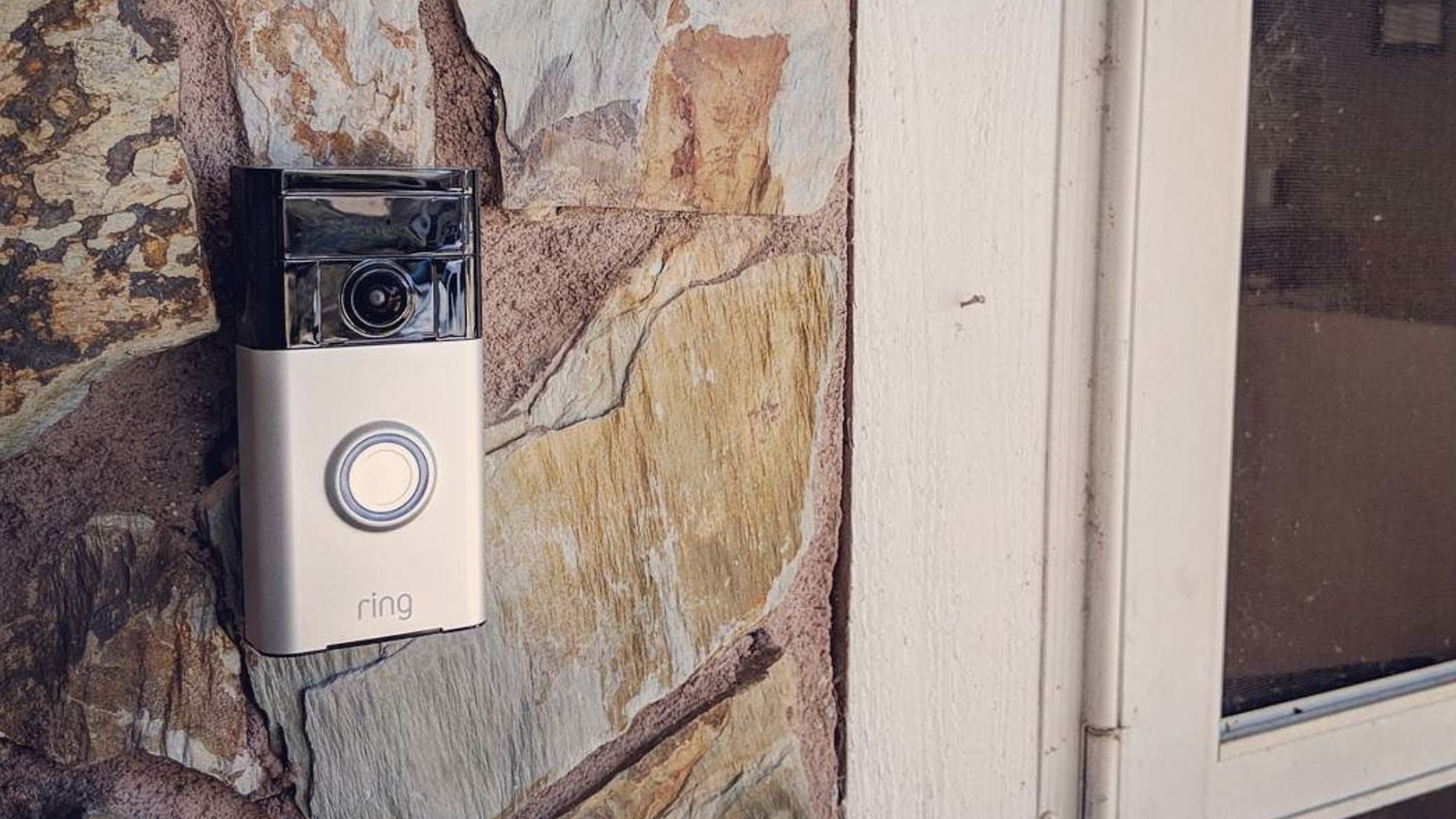
The most common camera placement that fits Airbnb policy is at the front door. Hosts often say these devices help with package theft, unauthorized parties, and confirming check-in. But what starts as a simple security measure can feel very different when the host seems to be tracking every entrance and exit.
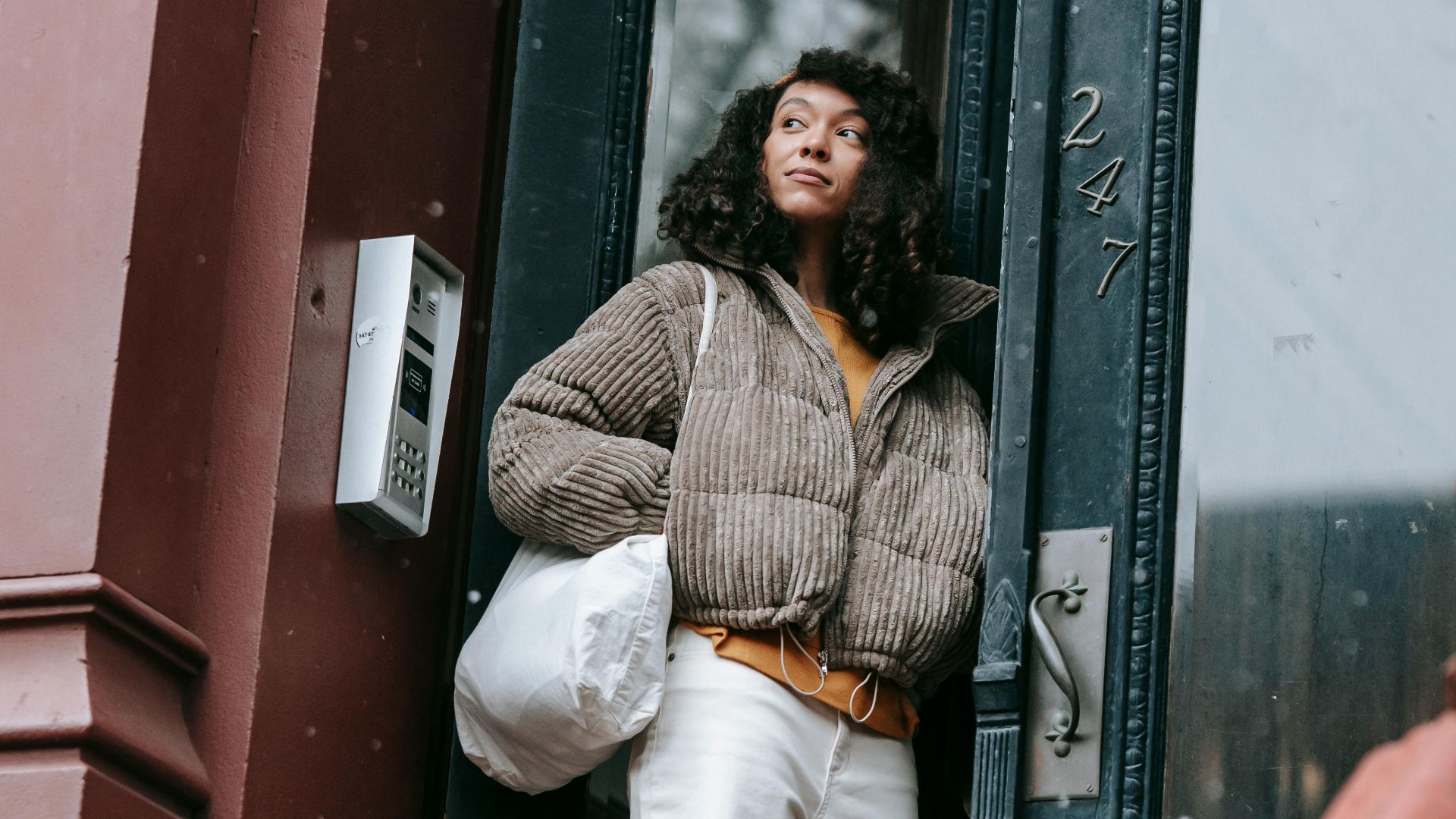
A Normal Camera Does Not Always Mean Normal Behavior
A front door camera by itself is not unusual in a short-term rental. Repeated messages every time guests leave or come back are a different story, because they suggest active surveillance instead of passive security. Airbnb’s policies do not give hosts free rein to micromanage guest movements just because a camera is outside.
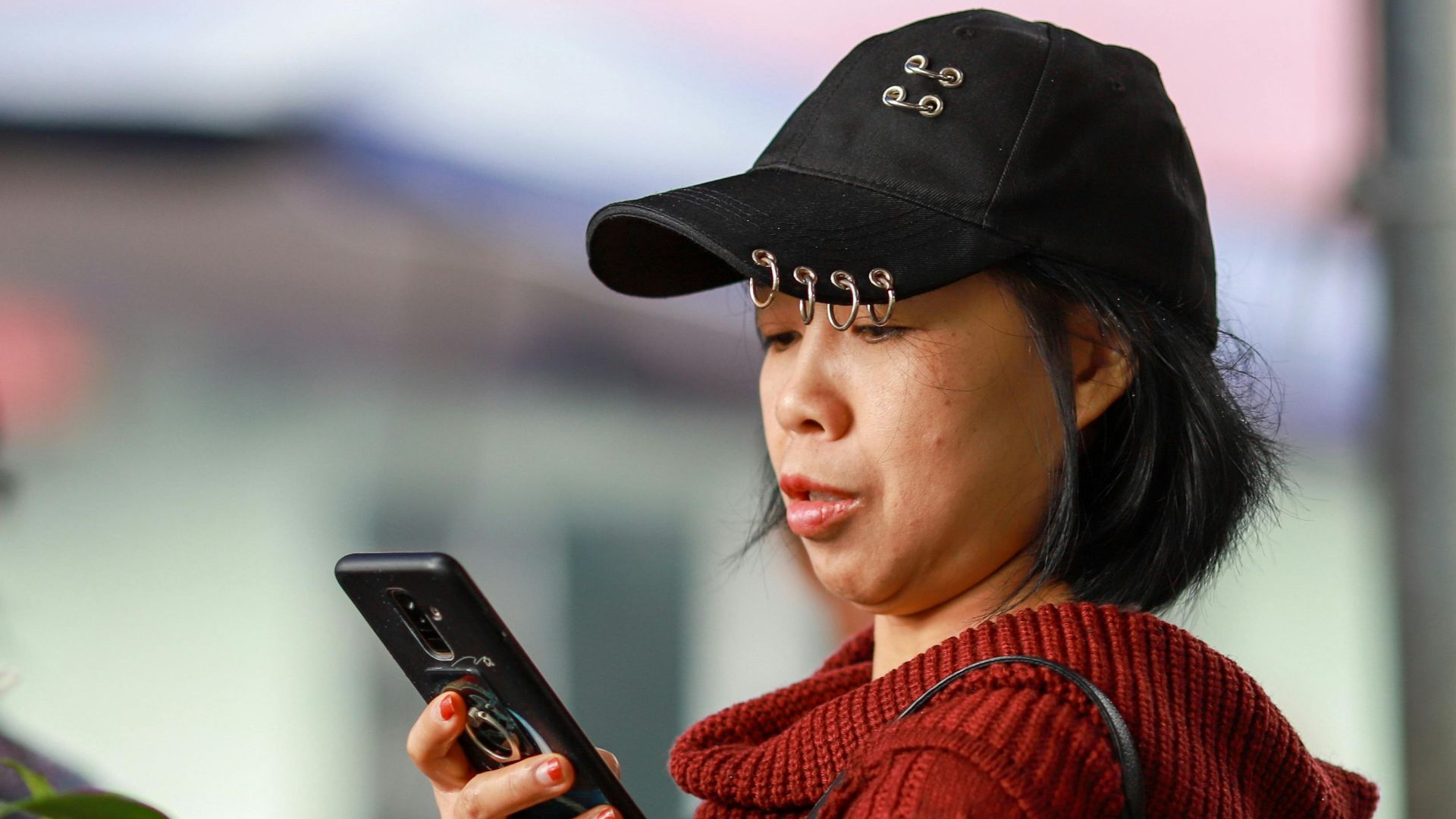
Airbnb Draws A Line Around Private Spaces
Airbnb says security cameras cannot be used to monitor private spaces, and indoor cameras are now banned completely. The company also prohibits hidden cameras and devices that are not disclosed. So if the host is watching only the front path, that may be allowed, but if the conduct feels harassing, the issue shifts from camera placement to host behavior.
Harassment Rules Matter Too
Airbnb’s ground rules for hosts and guests ban harassment and behavior that interferes with another person’s privacy or comfort. A host who keeps contacting guests to comment on when they leave, come back, or how often they are out may raise those concerns. The exact context matters, but the platform’s standards go beyond a simple yes-or-no question about cameras.
When The Messages Start Crossing A Line
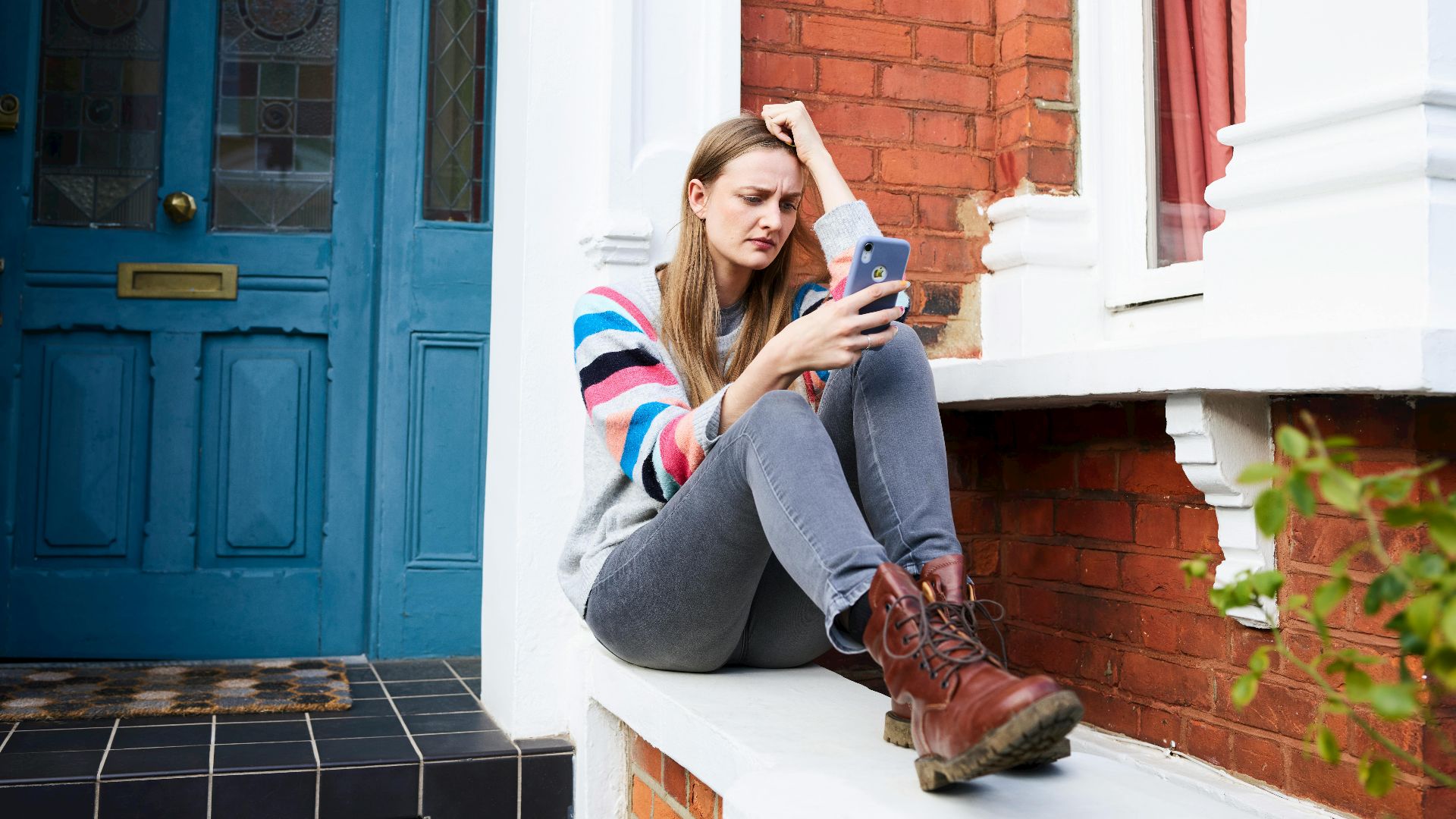
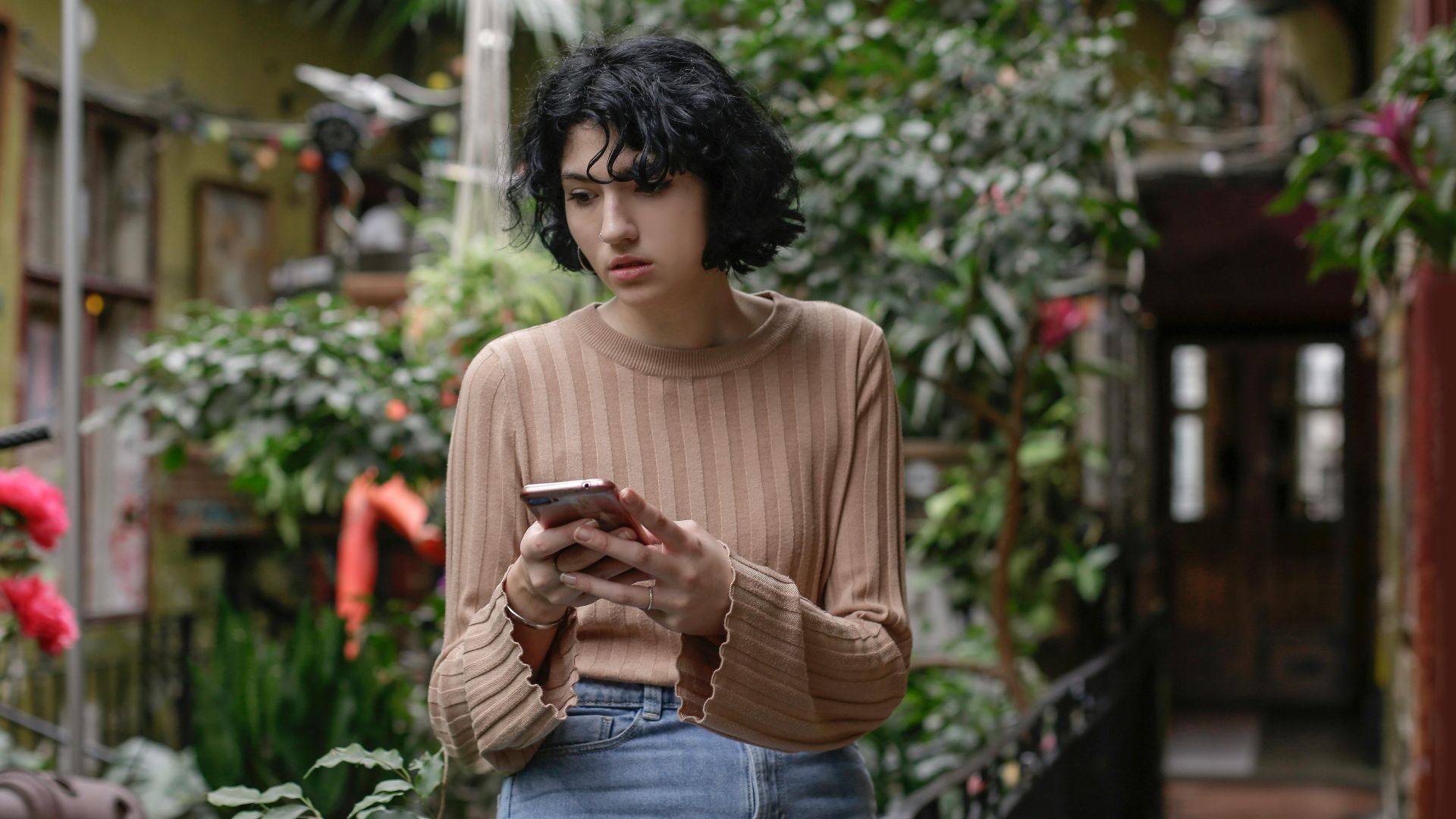
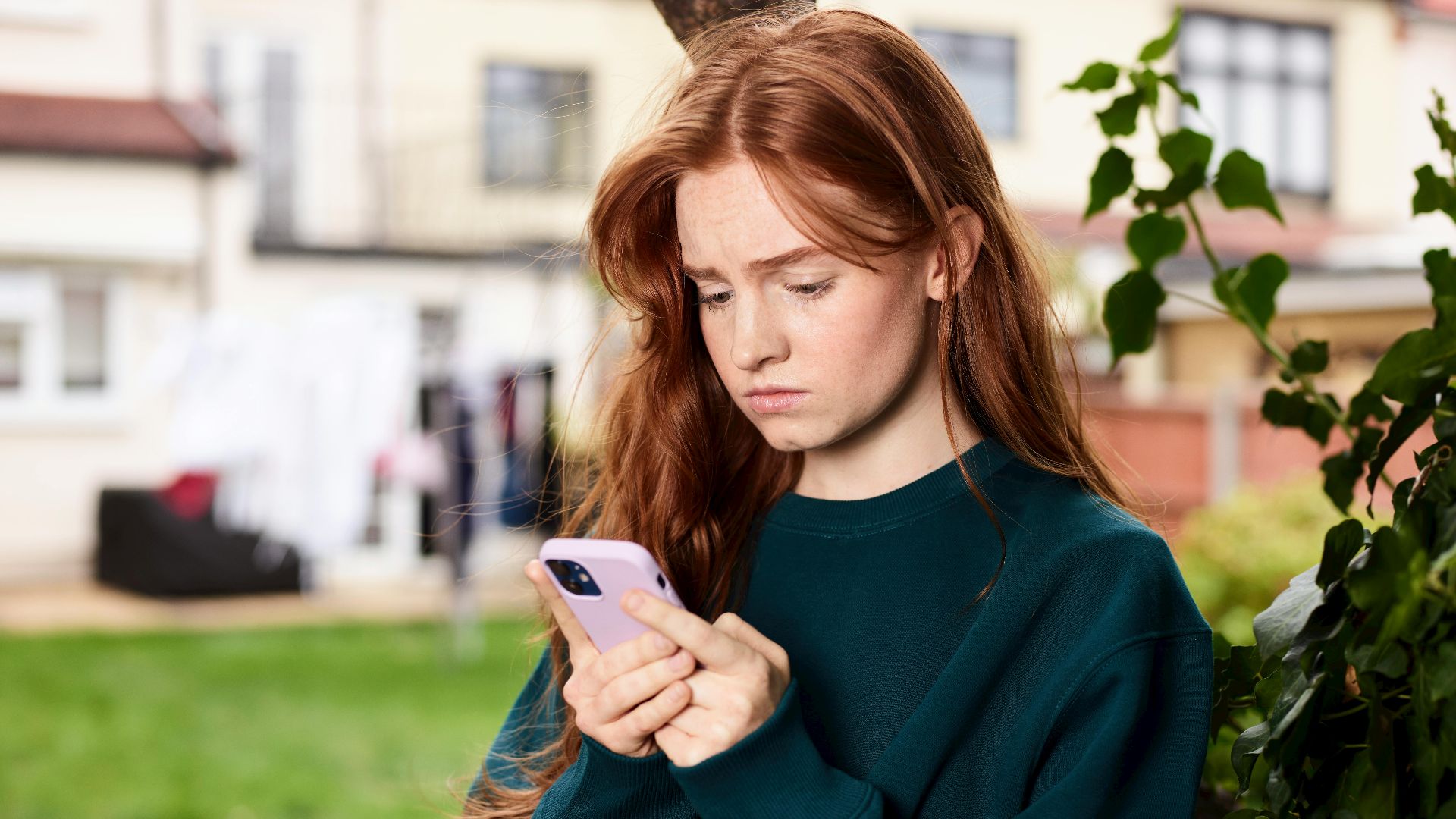
A single note about check-in or a safety issue may be normal. A message every time you step out for coffee or get back from dinner can feel more like supervision than hospitality. If the host is using camera footage to police ordinary guest activity, most travelers would see that as out of bounds.
 Vodafone x Rankin everyone.connected, Pexels
There Is A Difference Between Security And Surveillance
Security is usually about deterring theft, documenting emergencies, or protecting access points. Surveillance becomes the bigger concern when a host appears to be watching guests’ routines closely and commenting on them. That distinction matters because something that is technically allowed can still become inappropriate in practice.
What Consumer Advice Groups Say
Travel advice from consumer outlets has long warned guests to review listings carefully for disclosed cameras and to stay alert for monitoring that feels excessive. The practical advice is simple: read the listing, check the house rules, and document anything that does not match what was disclosed before booking.
The FTC Has Warned About Rental Privacy Too
The U.S. Federal Trade Commission has published guidance about hidden cameras in rentals and vacation properties, warning travelers to stay alert to privacy risks. That advice often focuses on undisclosed devices, but the broader point is that vacation rentals can create a blurry line between home-like comfort and active monitoring. That is why a host’s pattern of messaging can matter as much as the device itself.
Smart Doorbells Make Instant Monitoring Easy
Modern video doorbells can send motion alerts to a host’s phone within seconds. That means a host does not have to sit and watch a screen to know when a guest leaves. In many cases, guests who feel watched may be reacting to a very real stream of instant notifications, even if the host says they were not actively monitoring anything.
What Hosts Usually Say In Response
Hosts often argue that exterior cameras help them prevent parties, verify occupancy limits, and protect their property. Those concerns are real, especially since short-term rental platforms have spent years trying to crack down on disruptive gatherings. But having a valid reason for a camera does not automatically justify commenting on every guest movement.
 Robert Nelson from Tarpon Springs, Florida, USA, Wikimedia Commons
Unauthorized Guest Checks Are A Common Trigger
One of the most common times hosts contact guests after seeing camera footage is when they think extra visitors have arrived. If the booking is for two people and the camera shows six people arriving with luggage, a host may have reason to ask questions. That is very different from messaging because someone stepped out to buy groceries.
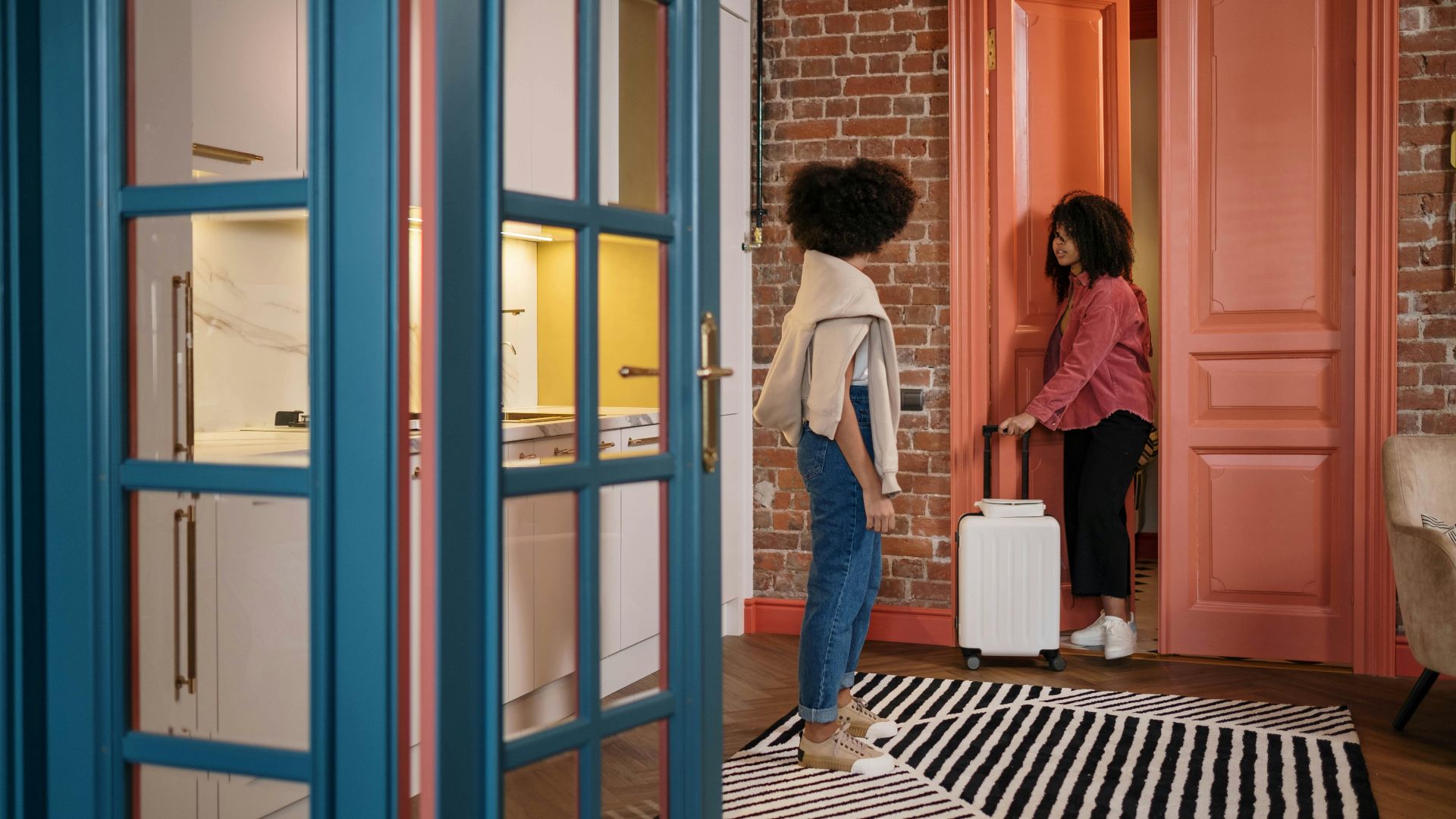
If It Was Not Disclosed, Move Fast
If the front door camera was missing from the listing description or house rules, report it to Airbnb through the app as soon as possible. Take screenshots of the listing and the host’s messages. Clear documentation can help if you need customer support to step in or help you move to another place.

If It Was Disclosed, You Still Have Options
Disclosure does not mean you have to accept behavior that feels invasive. If the host keeps messaging whenever you leave or return, tell them politely that the repeated contact is making you uncomfortable and ask that communication be limited to actual issues. If it continues, escalate the matter to Airbnb support and point to privacy and harassment concerns.
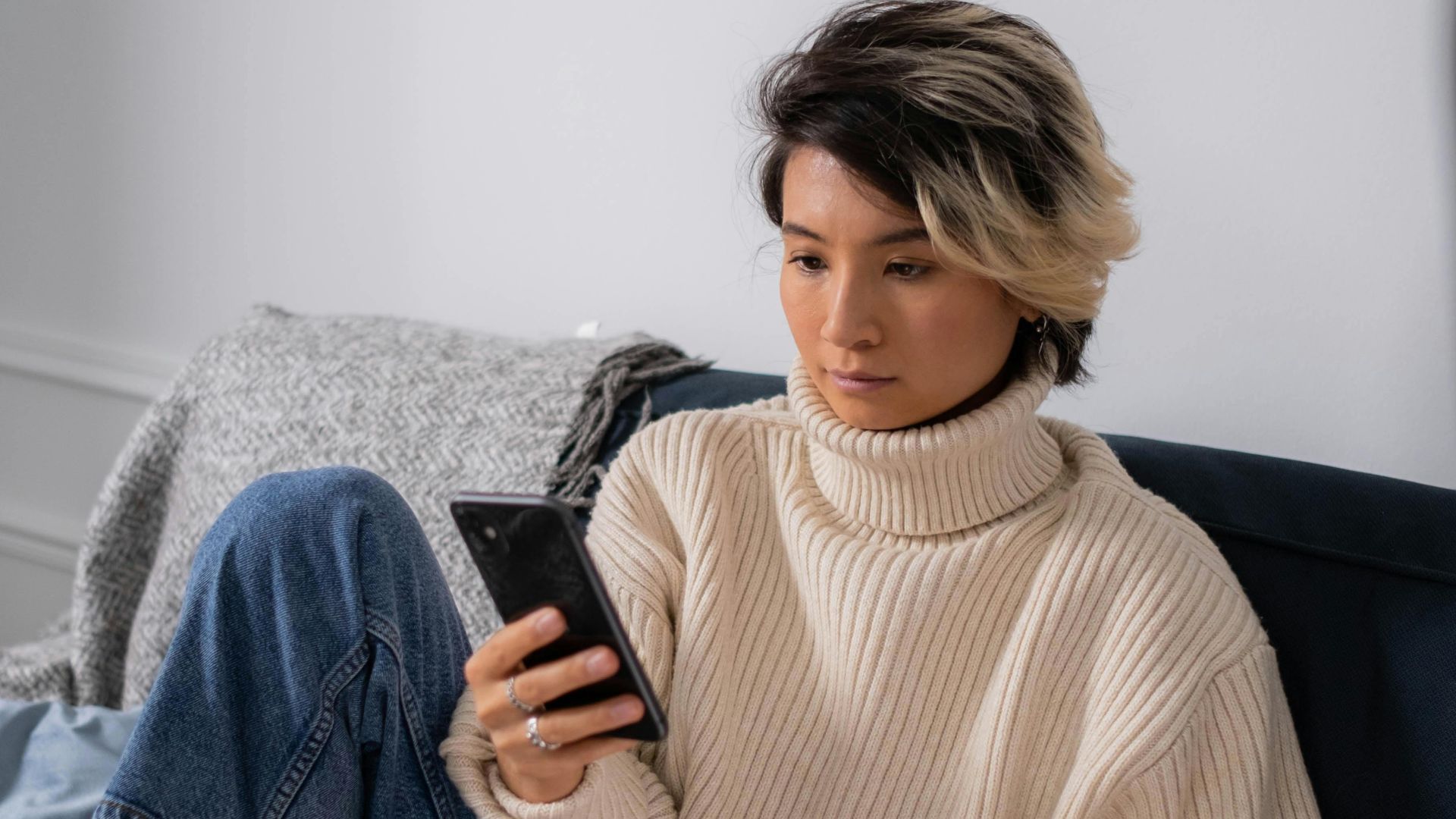
Keep Everything On The Platform
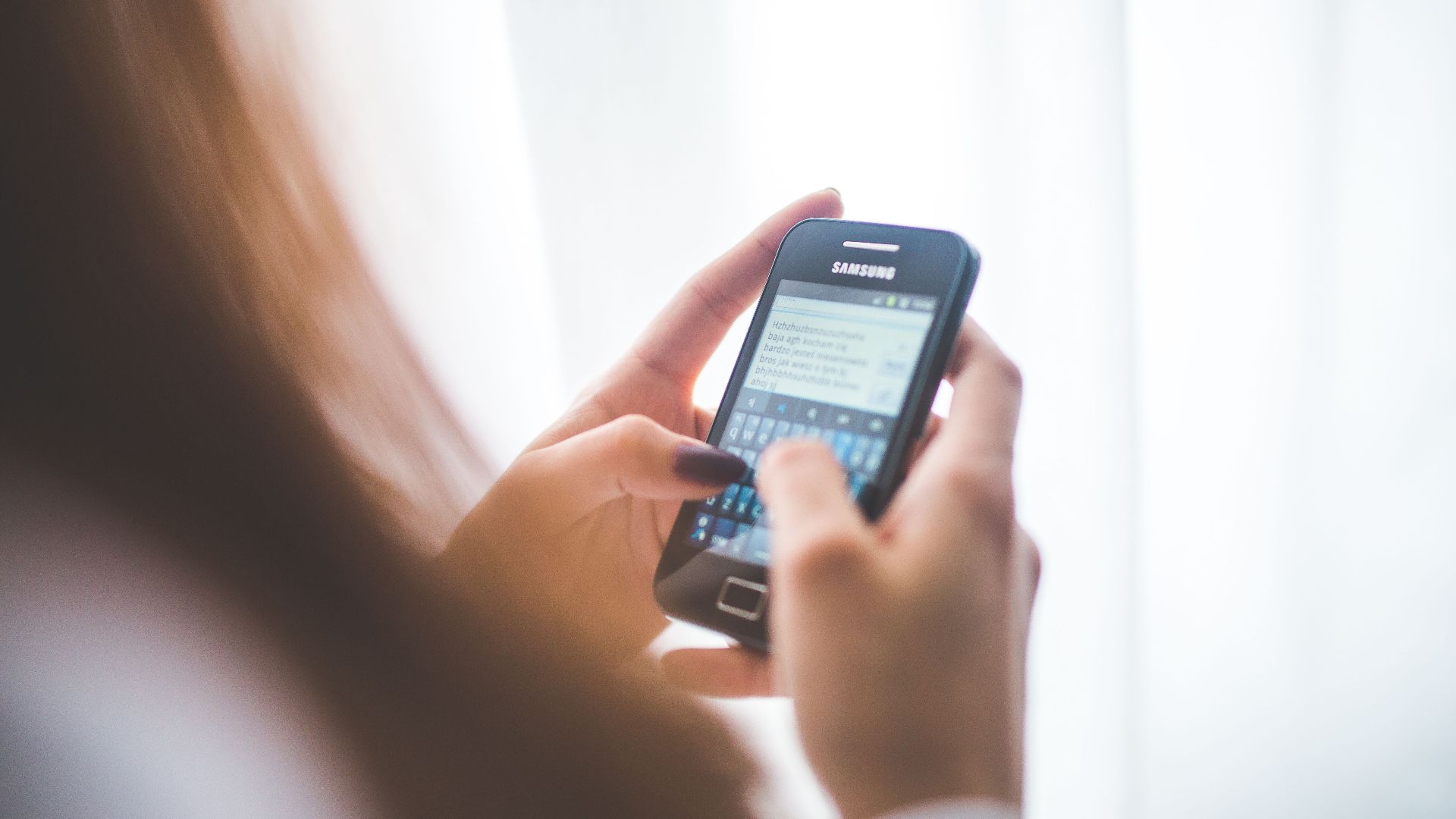
Whenever possible, reply through Airbnb messages instead of text or phone. That gives Airbnb a record it can review later. If the situation gets worse, a clear timeline of what the host said and when they said it can make a big difference.
 Karolina Grabowska www.kaboompics.com, Pexels
Document The Camera And The Messages
Take a photo of the camera or doorbell if it is visible, and save screenshots of the listing disclosure and every host message tied to your movements. Write down dates and times, especially if messages arrive right after you leave. Those details can help show a pattern instead of a one-time misunderstanding.
Do Not Tamper With The Camera
Even if you feel watched, covering or disconnecting a host’s exterior camera can create a whole new dispute. It is better to report the issue and ask Airbnb for guidance than to interfere with the device yourself. That keeps the focus where it belongs: on the host’s conduct and the platform’s rules.
Ask One Simple Question
If you are not sure whether the host is actively watching, ask directly whether they are receiving automatic motion alerts from the doorbell camera. Some hosts may not realize how intrusive their messages feel. A calm question can help you figure out whether this is overinvolved hosting, an automated system, or behavior that is likely to keep escalating.
When To Ask For A Refund Or Rebooking Help
If the monitoring becomes severe, especially if there was no disclosure or the host’s messages feel harassing, ask Airbnb whether you qualify for support under its guest protections. Outcomes vary case by case, but strong documentation helps. Privacy concerns have become a much bigger issue for the company after years of guest complaints and reports about hidden cameras.
This Is Bigger Than One Stay
Airbnb’s March 2024 indoor camera ban did not come out of nowhere. It followed years of guest anxiety, media attention, and stories about hidden cameras in rentals across the travel industry. The result is a platform that now takes a firmer public stance on privacy, even while still allowing some exterior monitoring.

So Is It Normal
A disclosed front door camera is normal on Airbnb in 2025. A host messaging you every single time you leave is not something most guests would consider normal, and depending on the pattern, it may be intrusive enough to report. In other words, the camera itself may be allowed, but the play-by-play commentary is where the real problem starts.
The Bottom Line For Travelers
Before booking, scan the listing for camera disclosures and house rules about visitors. During the stay, keep all communication on the platform and document any messages that show the host is tracking your routine. If a security feature starts to feel like surveillance, trust that instinct and bring Airbnb into the conversation.