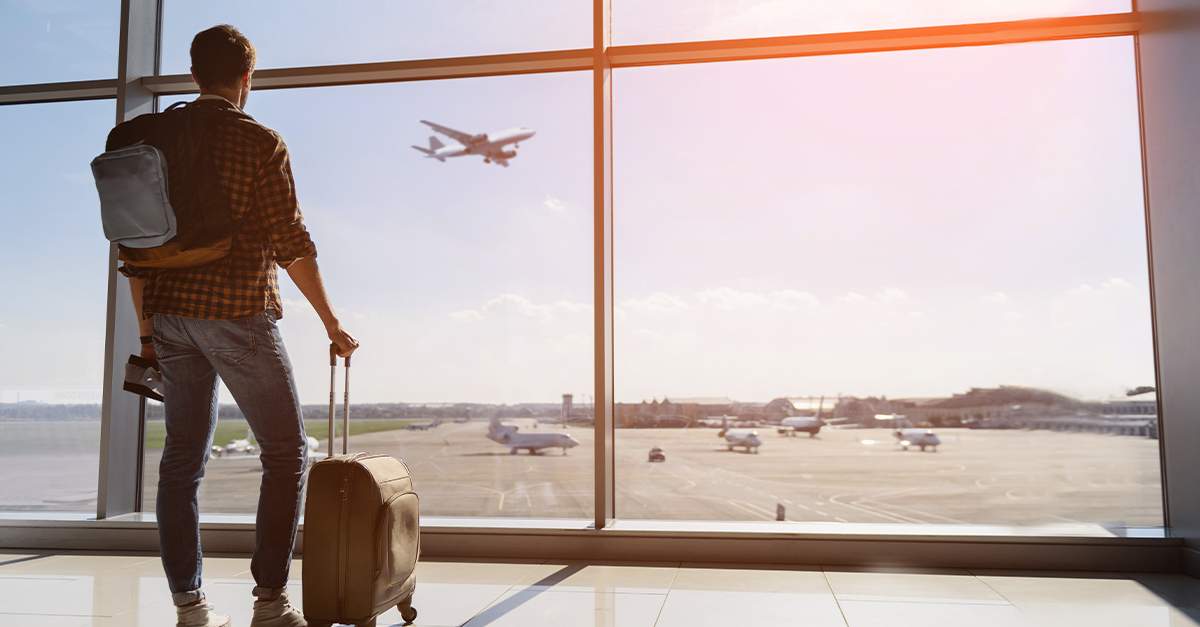
Your Journey Starts Long Before Takeoff
International travel is about much more than boarding a plane and crossing an ocean. Behind every flight is a network of global rules, technology, and procedures that most travelers never notice. Here are 42 fascinating facts that can help you better understand what really happens when you fly abroad.

1. Your Flight Follows Global Rules
International flights operate under standards created by the International Civil Aviation Organization, a United Nations agency. These common rules help pilots, airlines, and air traffic controllers work together safely, even when a flight passes through multiple countries.
2. Airline Codes Have Different Meanings
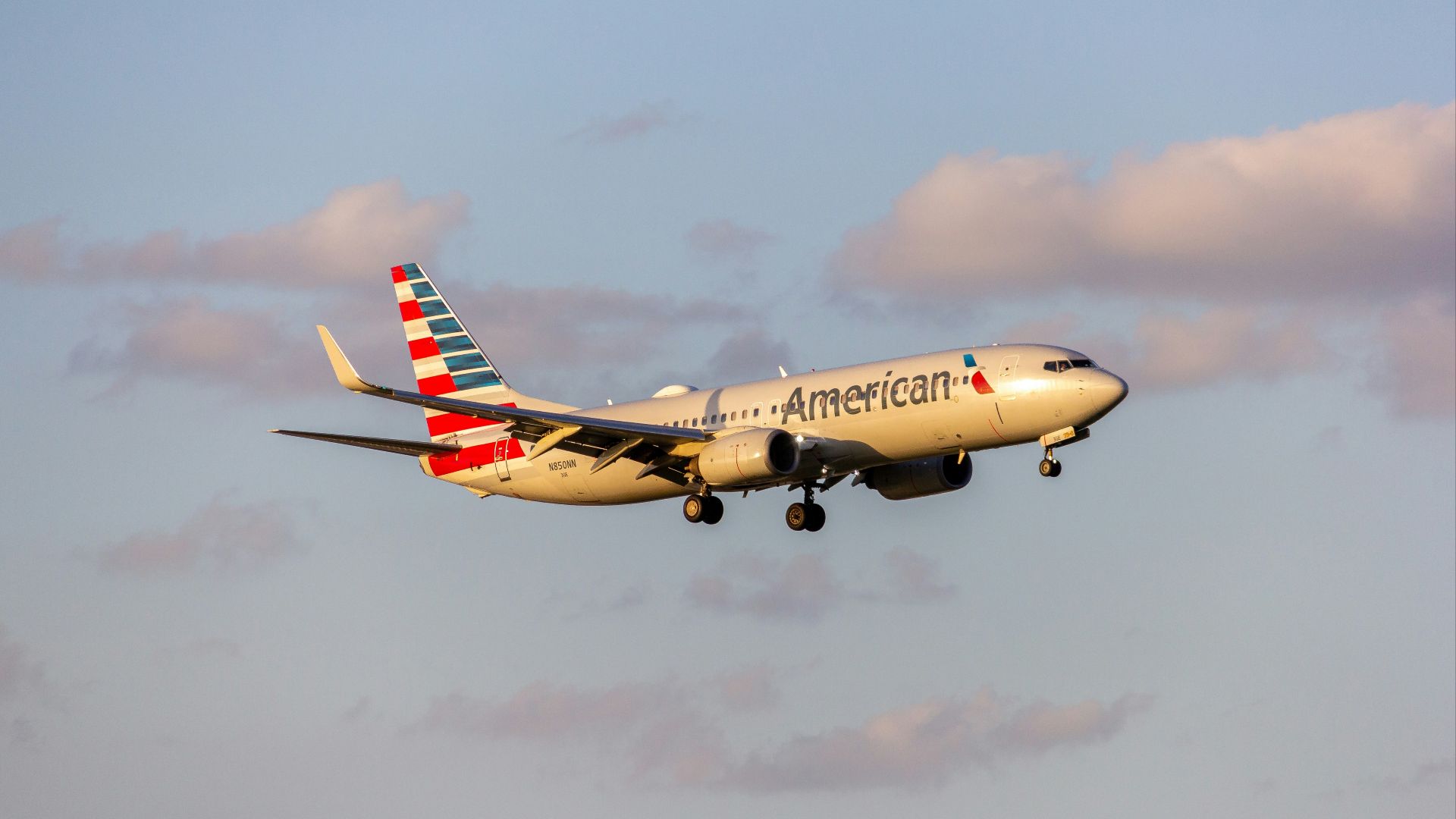
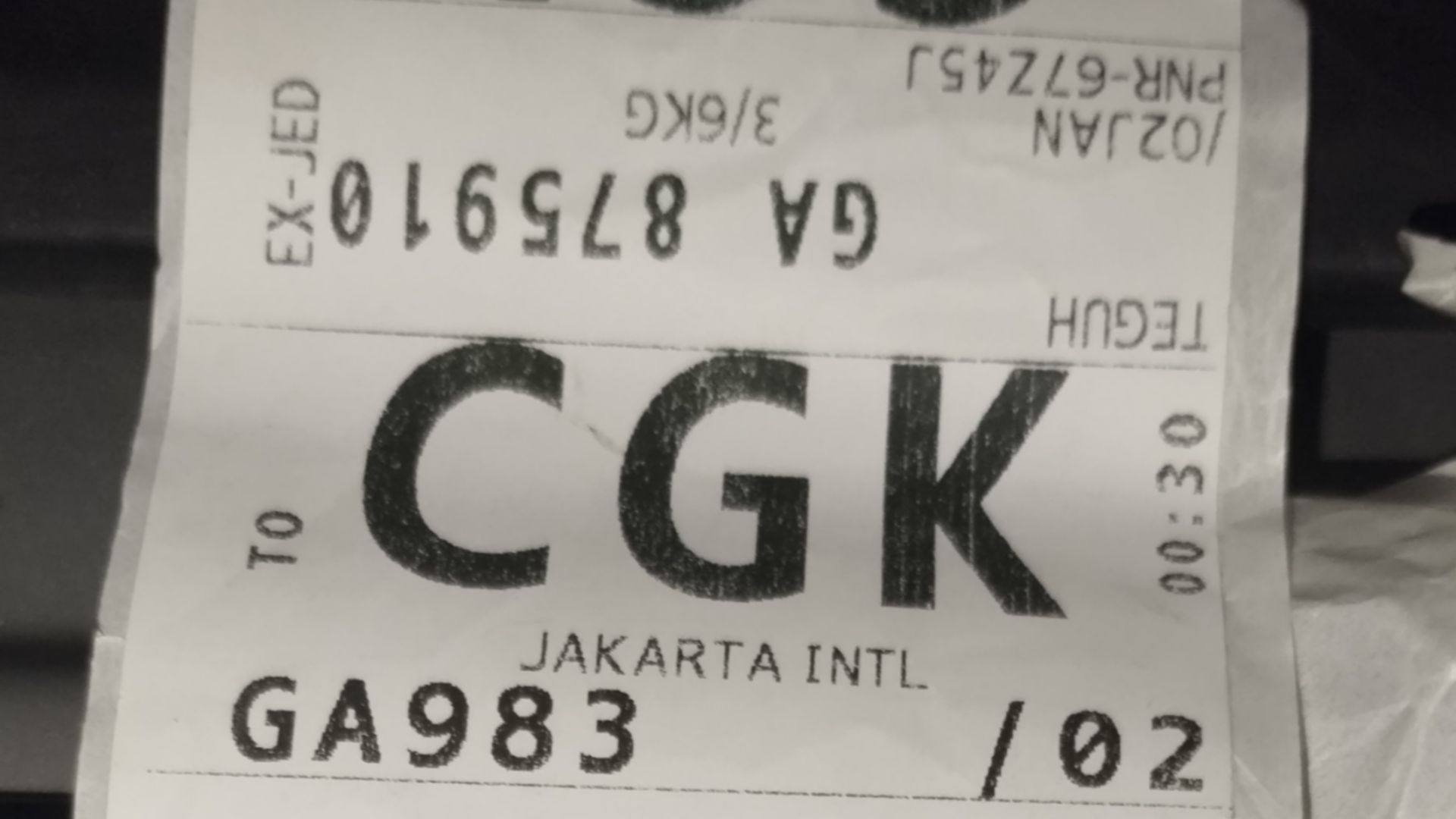
Every airline has both a two-letter IATA code and a three-letter ICAO code. Travelers usually see the IATA code on boarding passes, while pilots and air traffic controllers rely on the ICAO designation during flight operations.
 Baqotun0023, Wikimedia Commons
3. Airports Also Have Two Official Codes
Most passengers recognize three-letter airport codes like JFK, LHR, or LAX. Aviation professionals also use four-letter ICAO airport codes that provide greater precision for flight planning and air traffic control.
4. Your Plane Rarely Flies In A Straight Line
Although a route may look curved on a map, pilots usually follow great circle routes that represent the shortest distance across Earth's surface. This saves both fuel and travel time, especially on long-haul international flights.
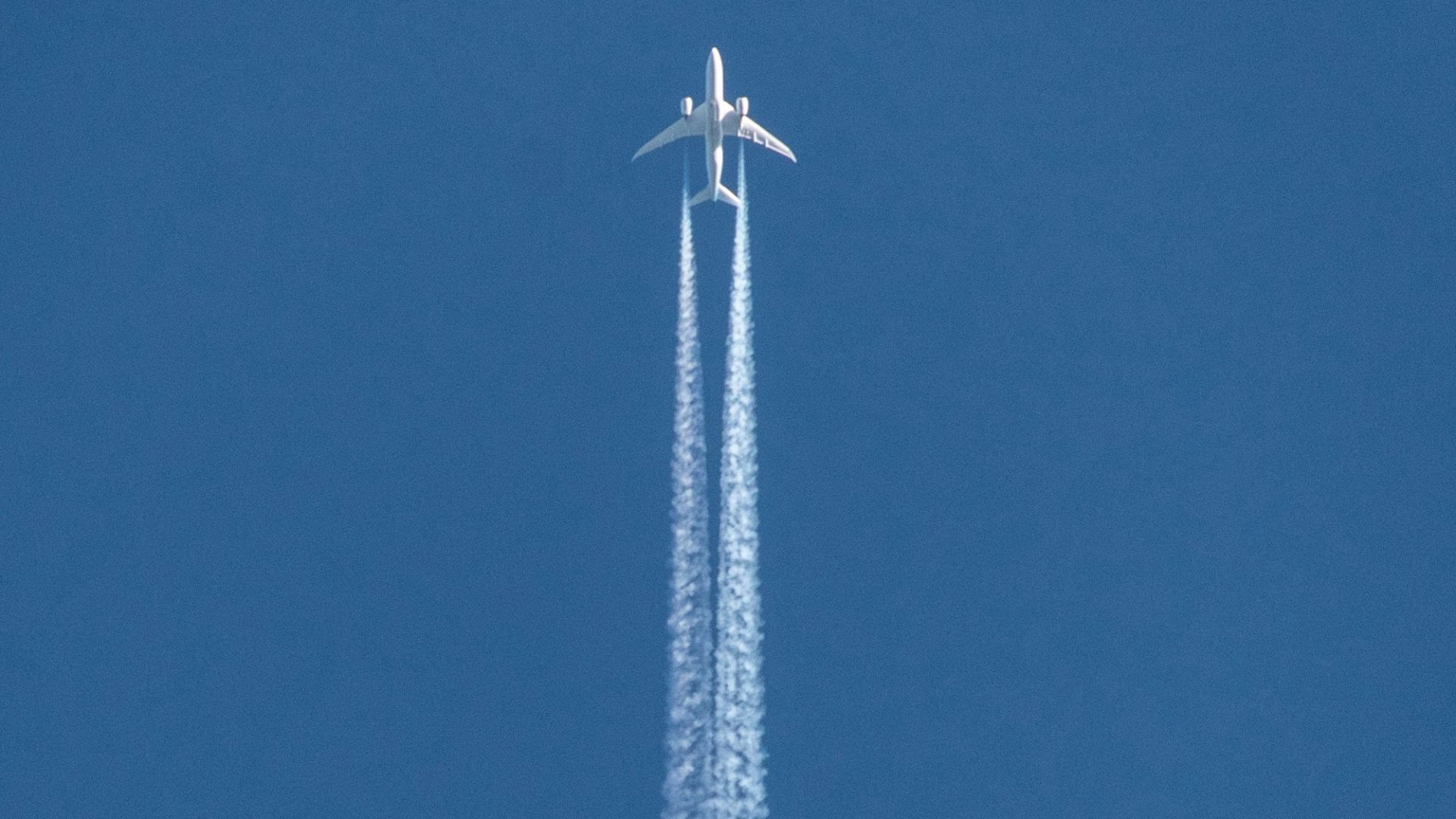
5. The Jet Stream Can Change Your Flight Time
Strong high-altitude winds known as jet streams can dramatically affect flight duration. Flights heading east often arrive sooner because they receive a helpful push, while westbound flights frequently take longer against the wind.
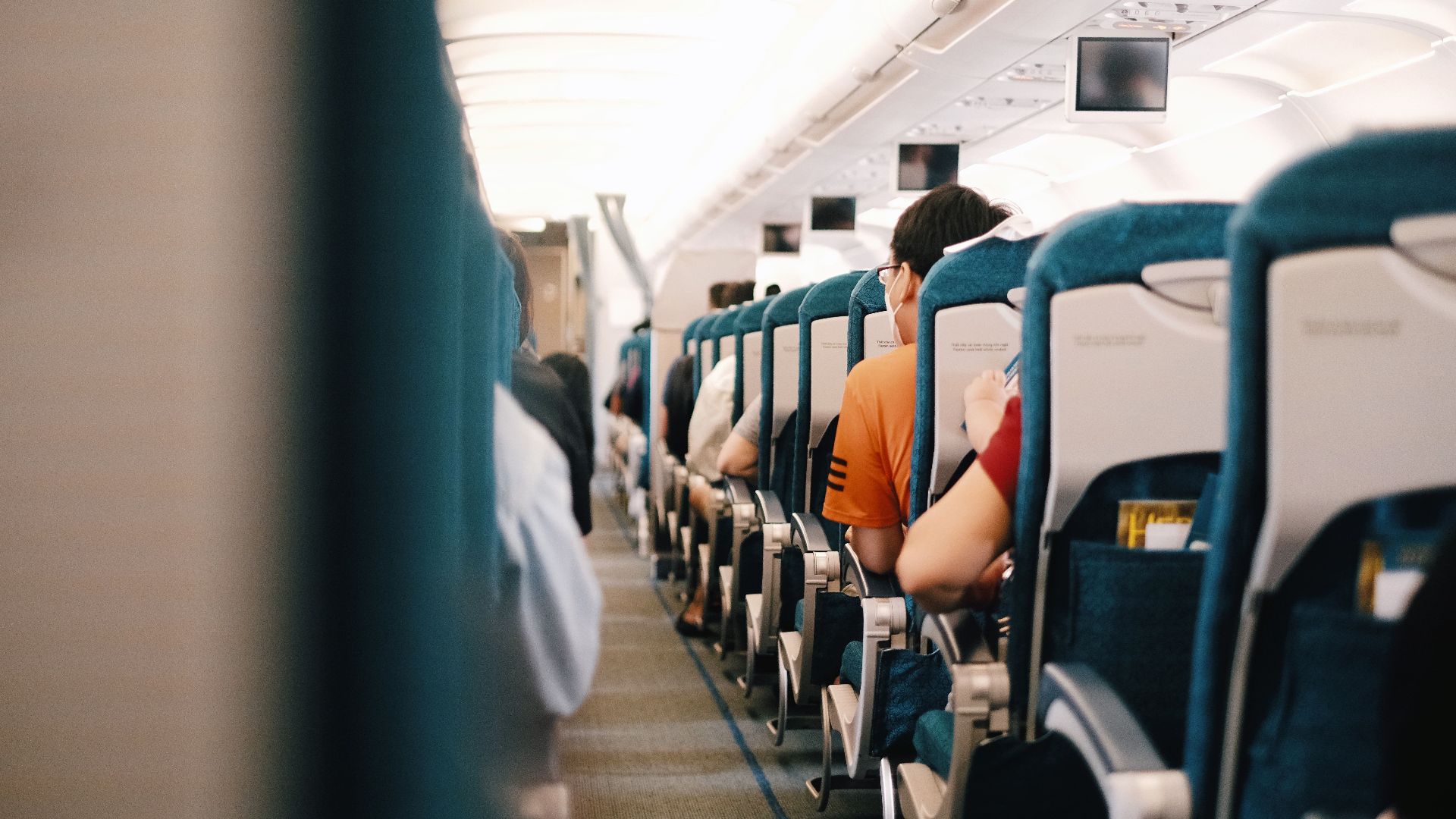
6. Twin-Engine Jets Can Safely Cross Oceans
Modern twin-engine aircraft routinely fly over oceans thanks to strict international safety standards for extended operations. Airlines must meet rigorous maintenance, training, and reliability requirements before operating these long-distance routes.
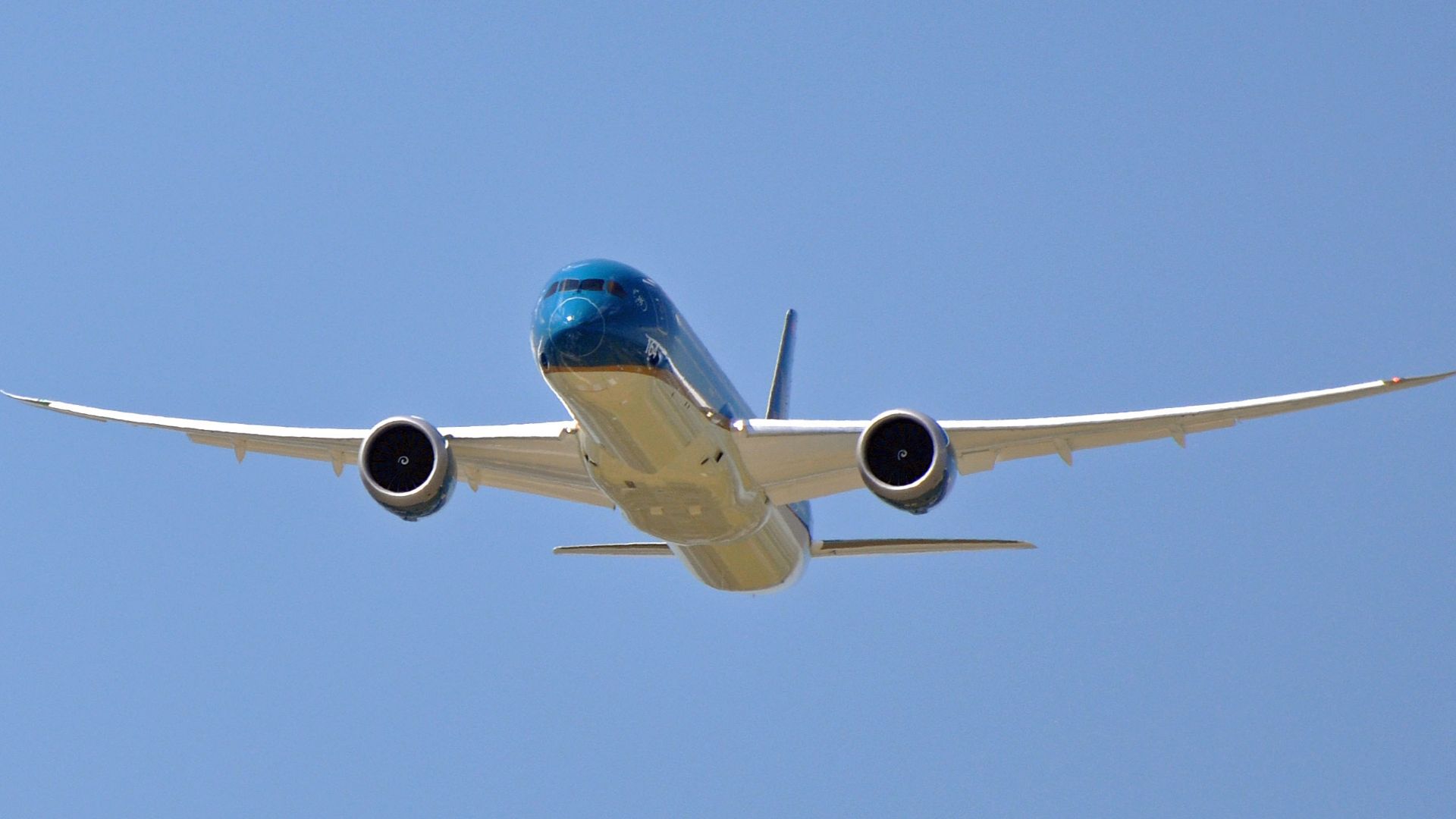 Eric Salard, Wikimedia Commons
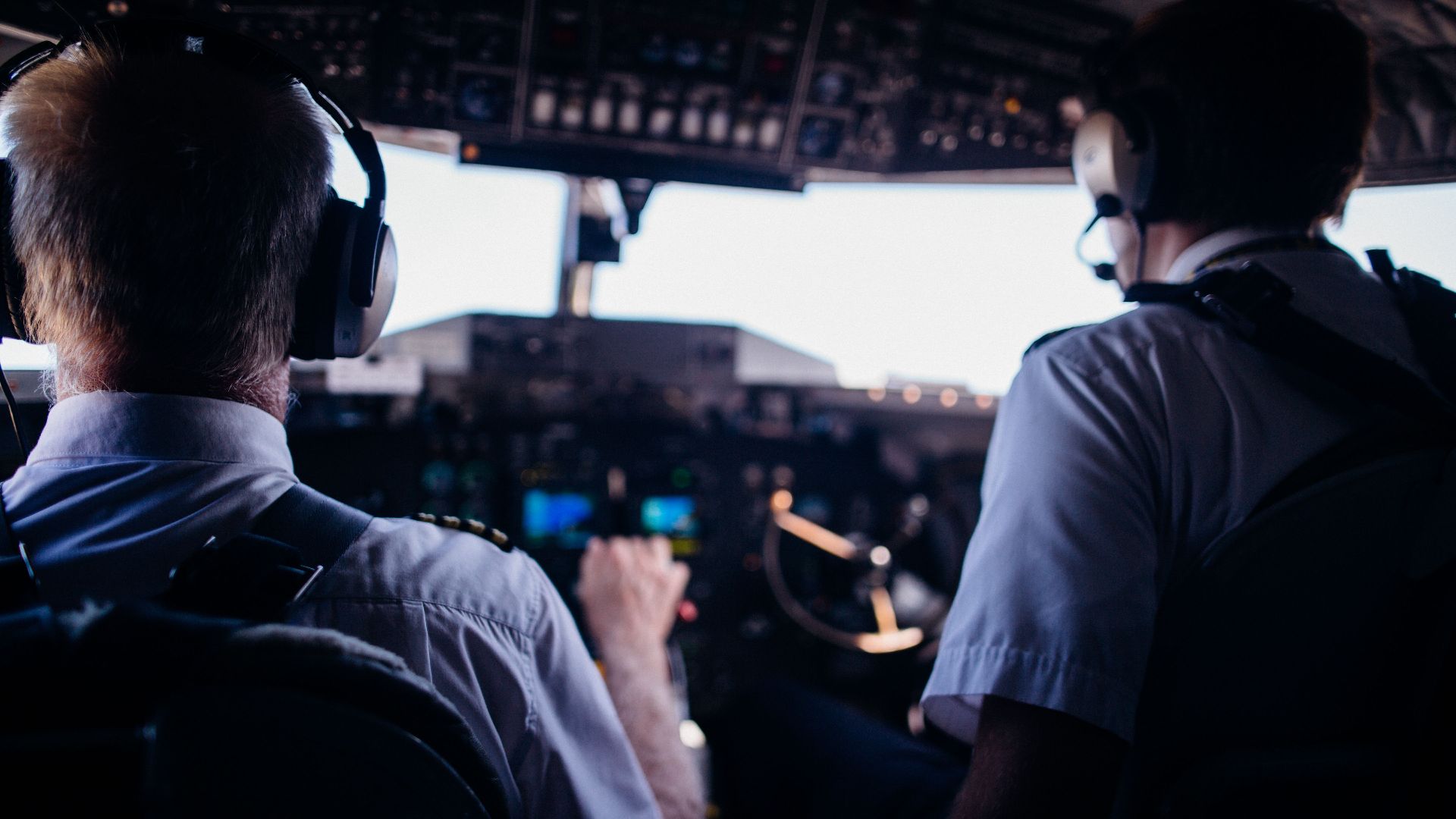
7. Pilots Usually Share The Flying
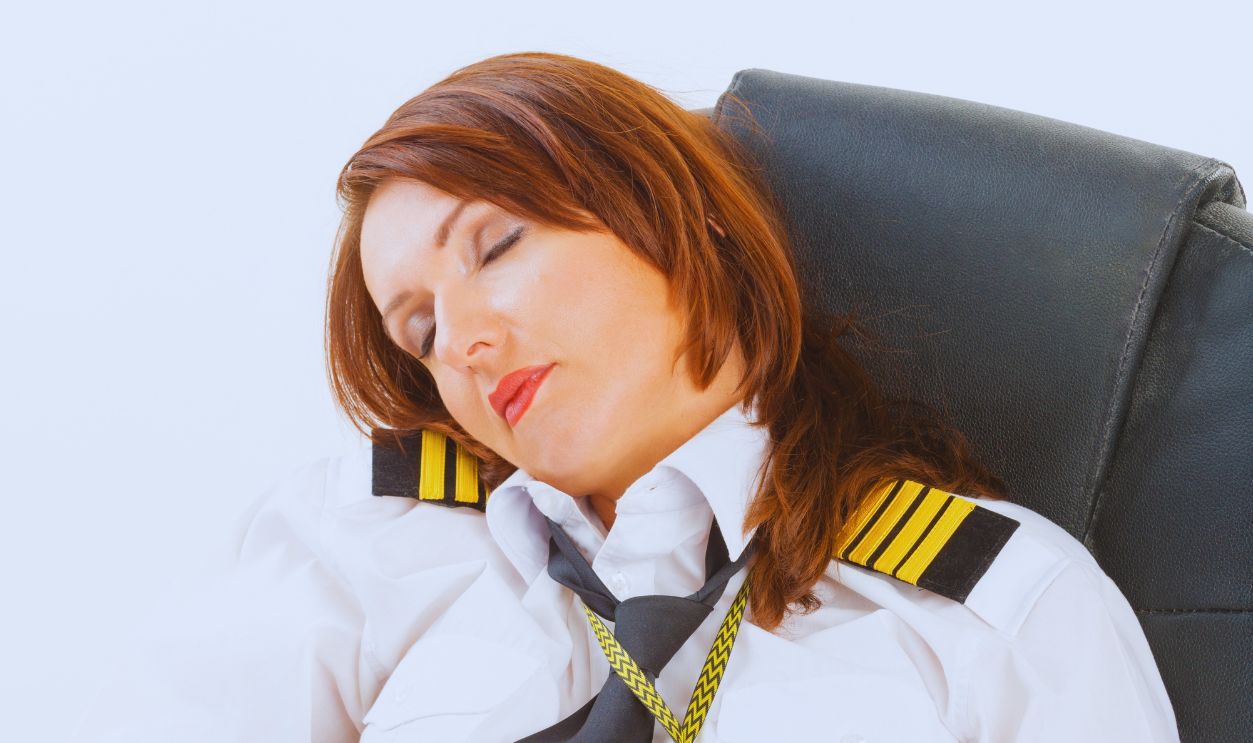
On long international journeys, more than two pilots are often assigned to the flight. Extra flight crew members rotate through scheduled rest periods so someone alert is always at the controls.
8. There Are Secret Crew Rest Areas
Many wide-body aircraft include hidden compartments where pilots and flight attendants can sleep during ultra-long flights. These rest areas are normally located above or below the passenger cabin and are inaccessible to travelers.
 Monika Wisniewska, Shutterstock
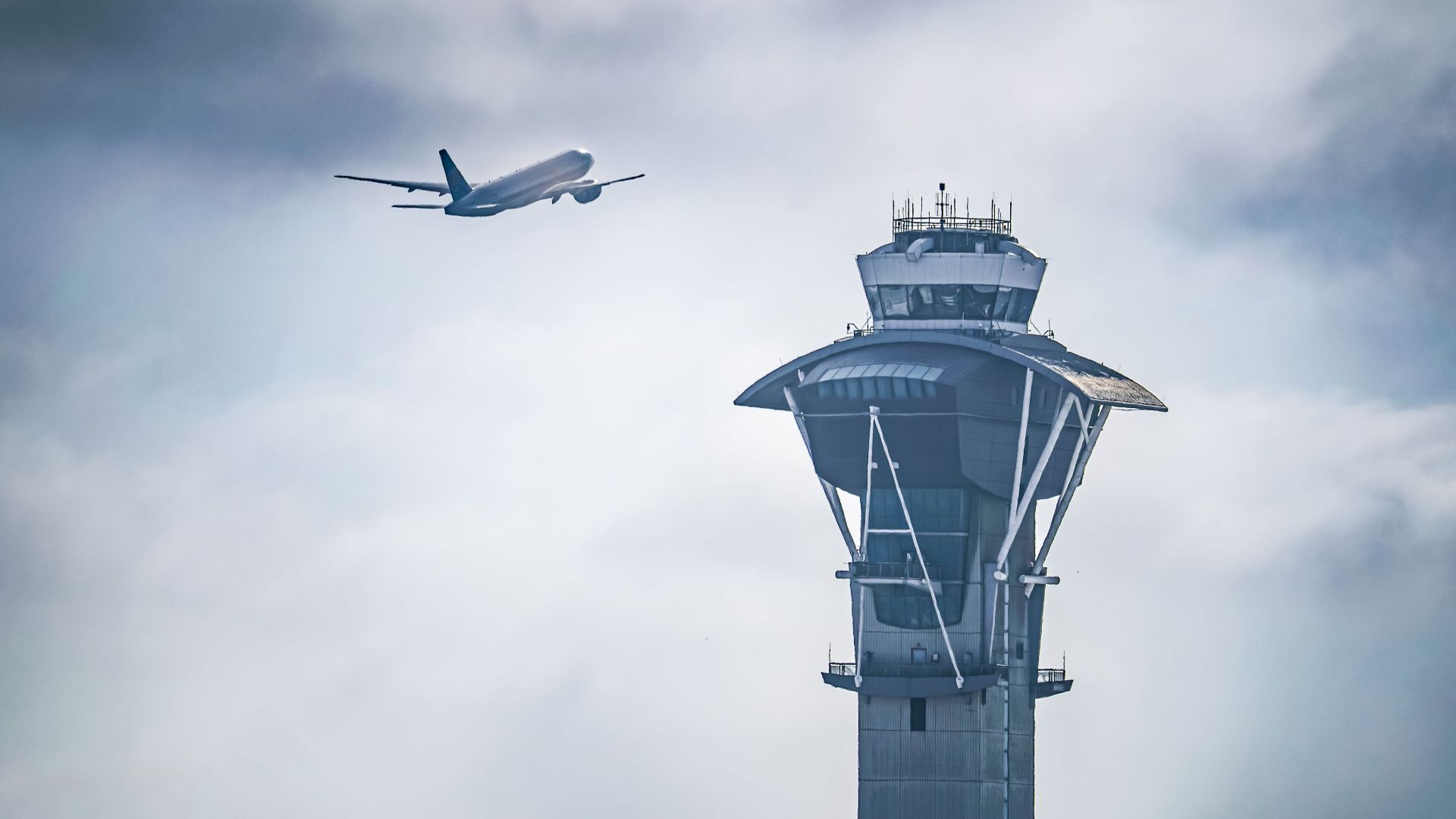
9. Air Traffic Control Changes Constantly
A single international flight may be guided by dozens of different air traffic control centers. Responsibility is smoothly handed from one country to another as the aircraft crosses international airspace.
10. Not Every Country Requires A Visa
Many travelers assume they always need a visa to fly internationally, but entry rules depend on both your passport and your destination. Some countries allow visa-free visits or electronic travel authorizations instead of traditional visas.
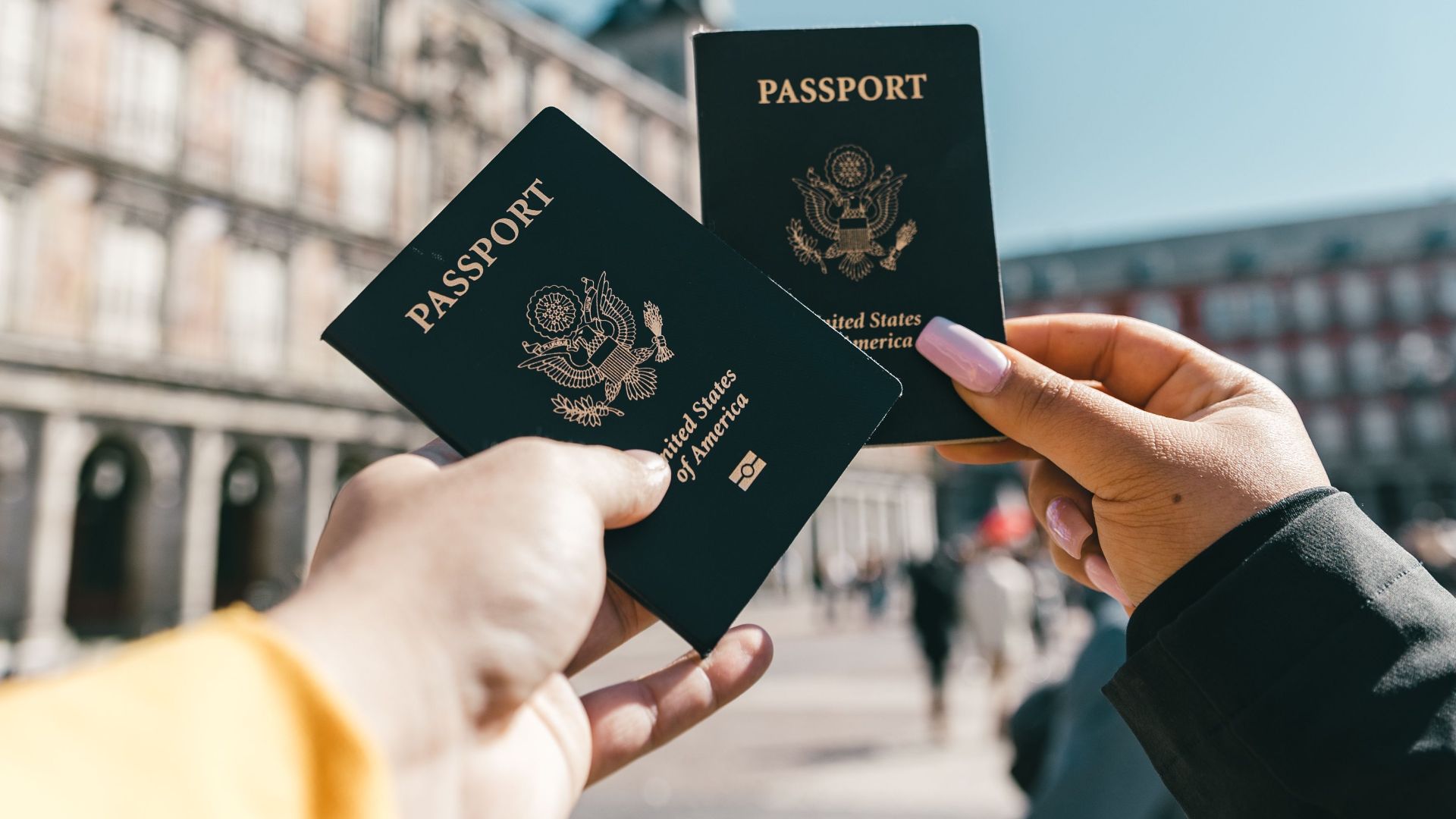
11. Passport Expiration Can End Your Trip
Many countries require your passport to remain valid for several months beyond your arrival date. Even if your passport has not technically expired, an airline may refuse boarding if it does not meet the destination's entry requirements.

12. Customs And Immigration Are Different Things
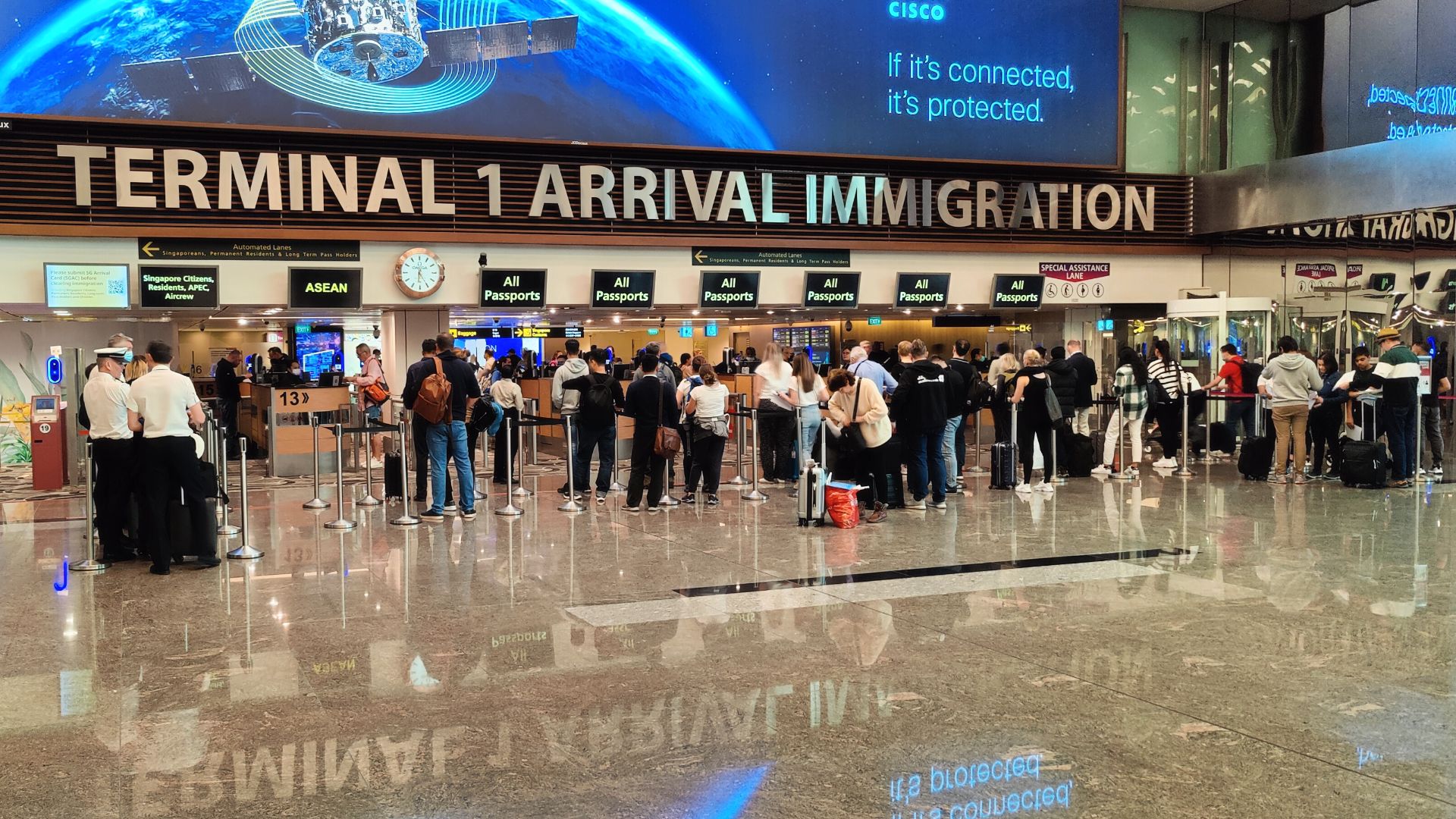
Immigration officers decide whether you can enter a country as a visitor. Customs officials inspect the goods you are bringing into the country and enforce rules on items such as food, cash, and commercial products.
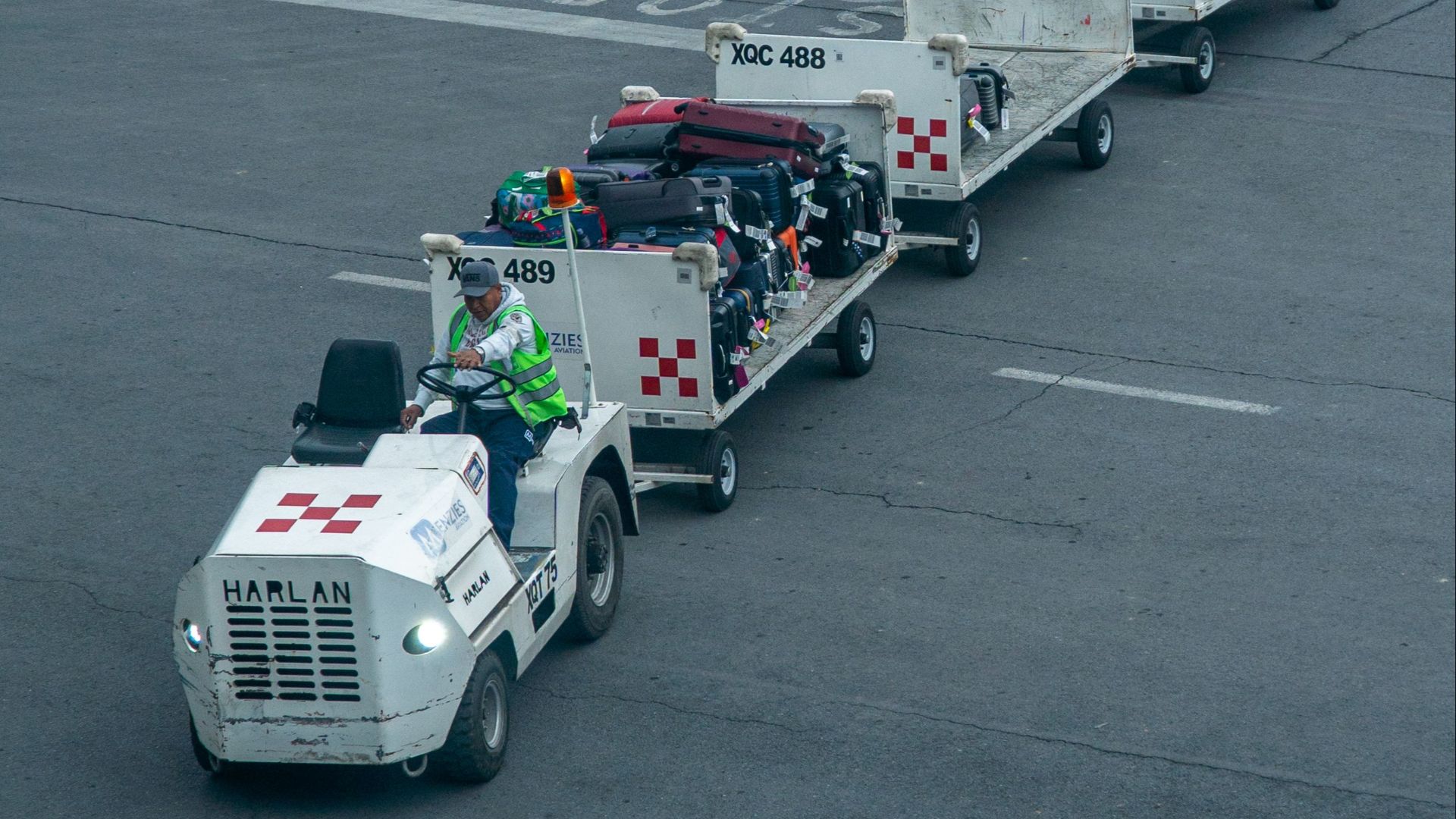
13. Baggage Sometimes Travels On A Different Flight
If a connection is especially tight or baggage systems become congested, your suitcase may arrive on a later flight. Airlines have systems for tracking delayed bags and arranging delivery after they reach the destination.
 Abdiel Hernandez Villegas, Pexels
14. Duty-Free Shopping Comes With Rules
Duty-free purchases are not automatically exempt from security restrictions. If you have a connecting flight, especially in another country, liquids and other items may still need to meet local security requirements or remain sealed in approved tamper-evident bags.

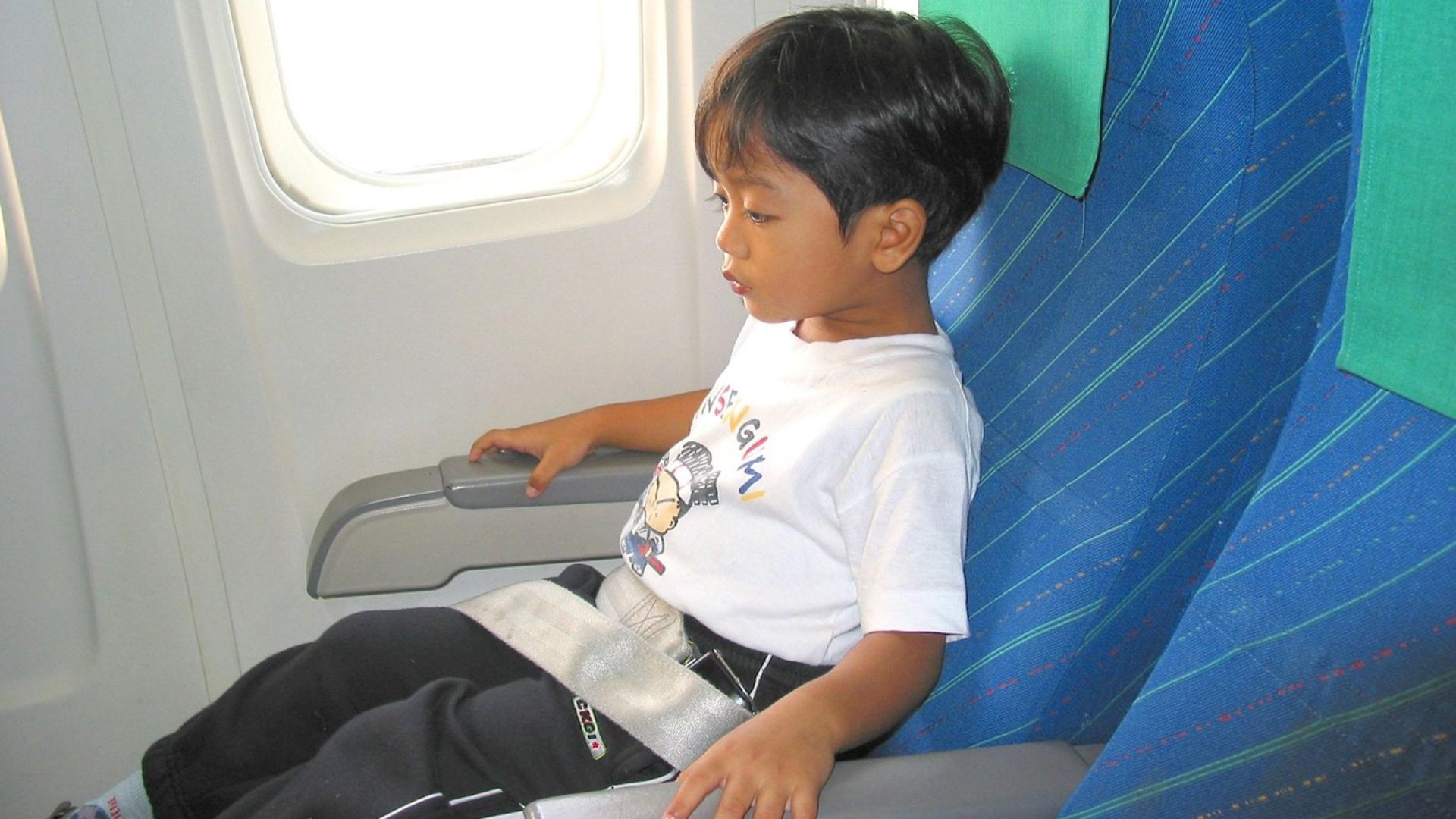
15. Your Seatbelt Should Stay Fastened More Often Than You Think
Pilots frequently recommend keeping your seatbelt fastened whenever you are seated because turbulence can occur without warning. Even when the seatbelt sign is off, unexpected bumps can happen in otherwise smooth skies.
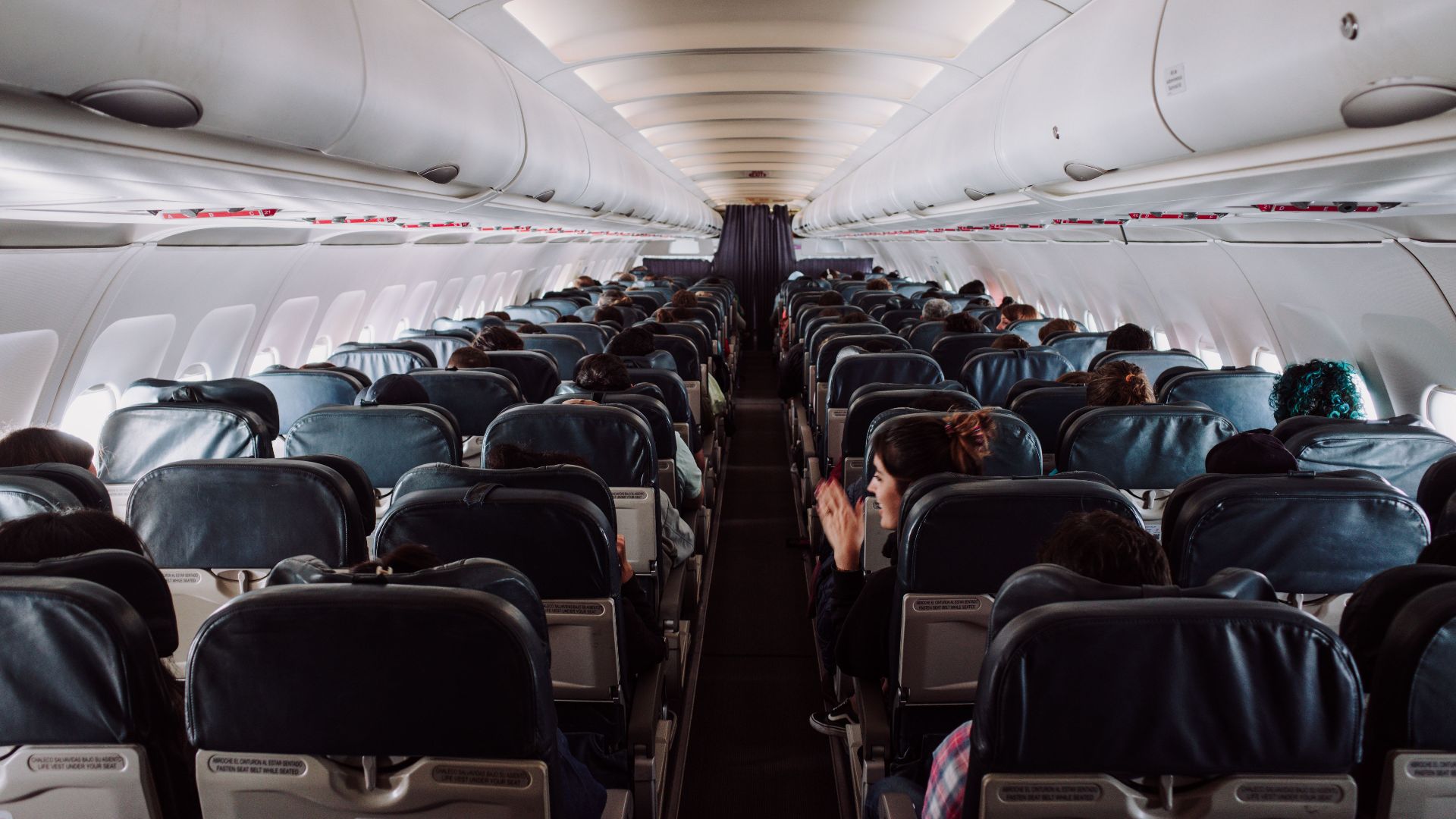
16. Cabin Air Is Fresher Than Many People Expect
Modern commercial aircraft continuously replace cabin air throughout the flight. The air is mixed with fresh outside air and filtered through high-efficiency HEPA filters that capture the vast majority of airborne particles.
17. The Cabin Is Pressurized, But Not To Sea Level
Aircraft cabins are pressurized to make high-altitude flying comfortable, but the pressure is still lower than what you experience on the ground. That is why some travelers notice dry skin, mild fatigue, or their ears popping during a flight.
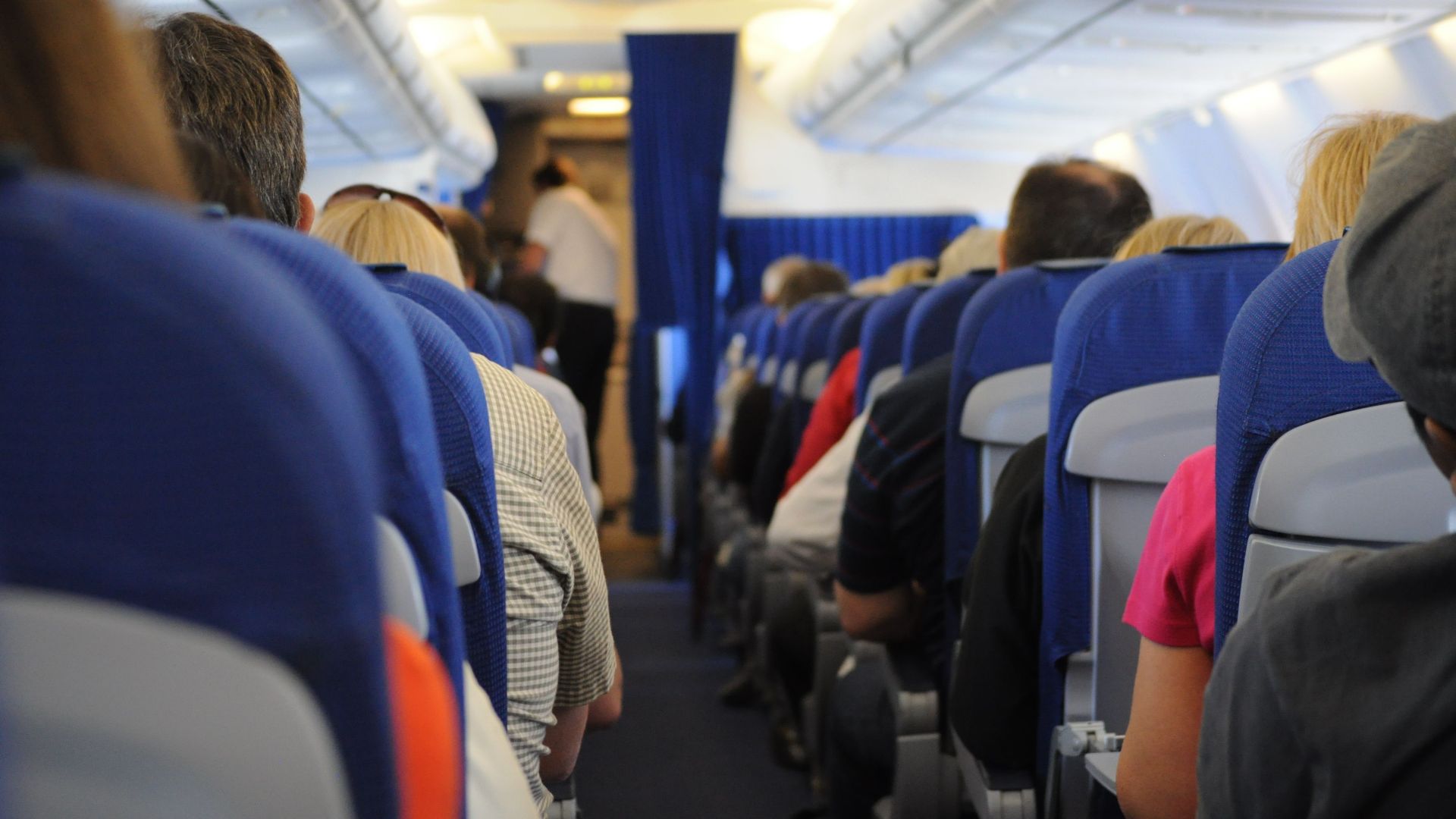
18. Drinking More Water Can Make A Difference
The low humidity inside an aircraft cabin can contribute to dehydration, especially on long-haul flights. Drinking water regularly and limiting alcohol can help you feel better both during the flight and after landing.

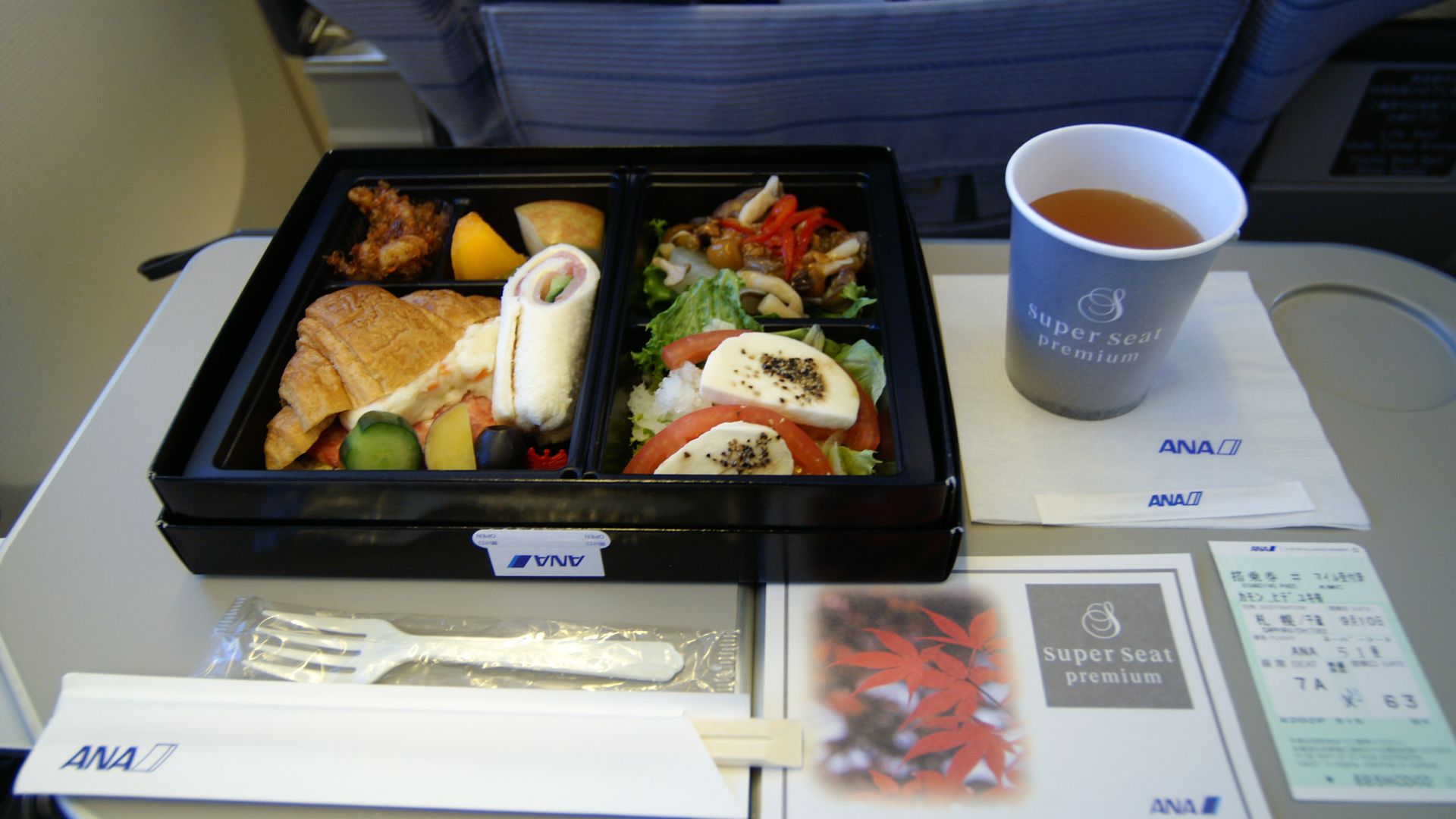
19. Meals Are Designed For High Altitudes
Food often tastes different in the air because lower humidity and cabin pressure can reduce your sense of taste and smell. Airlines frequently adjust recipes by adding more seasoning or emphasizing flavors like tomato, mushroom, and umami to make meals more satisfying.
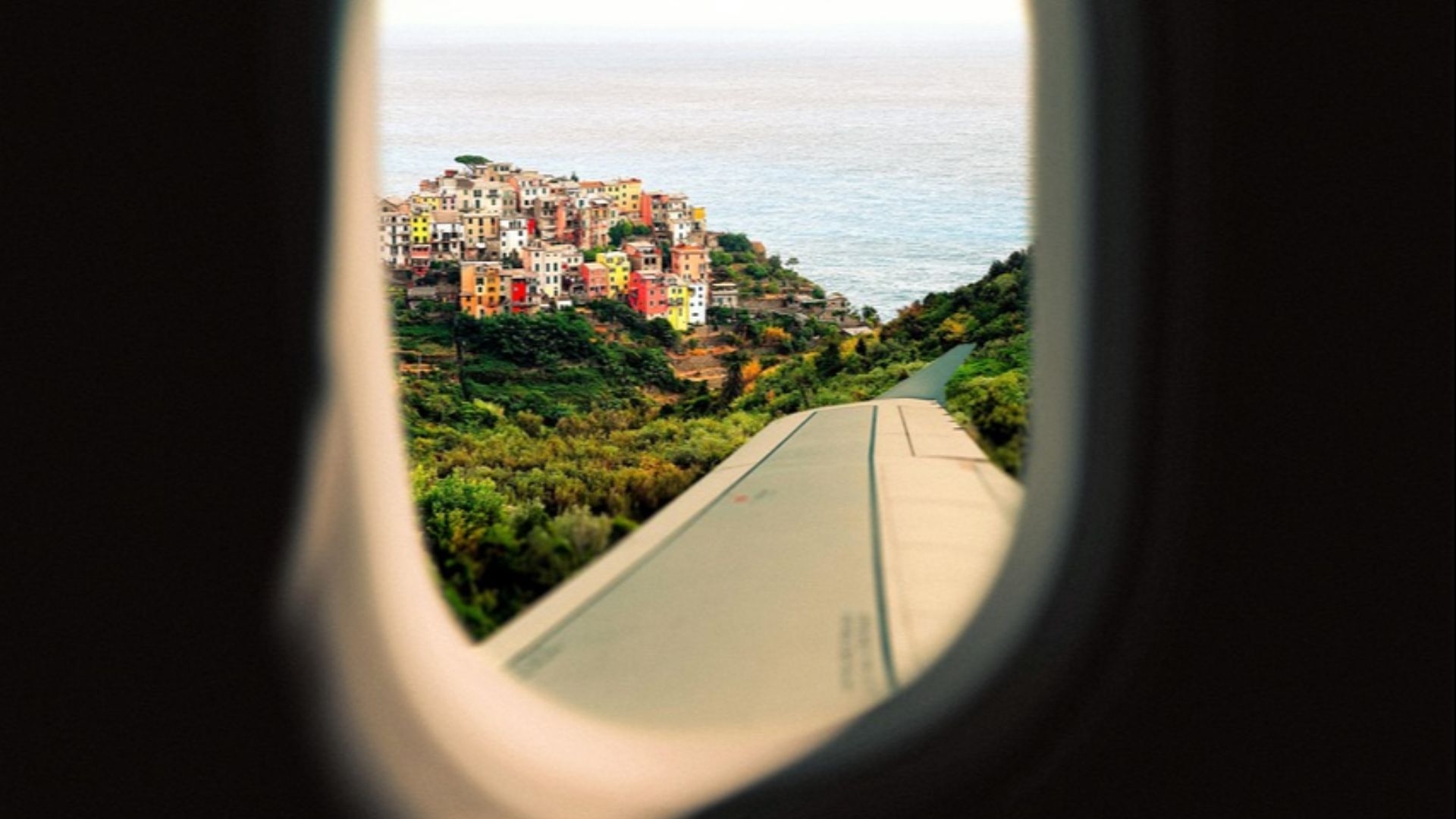
20. You Might Fly Over Countries You Never Enter
International flights often cross the airspace of several countries without ever landing there. Airlines must receive permission to use that airspace, and in many cases they pay overflight fees for the privilege.
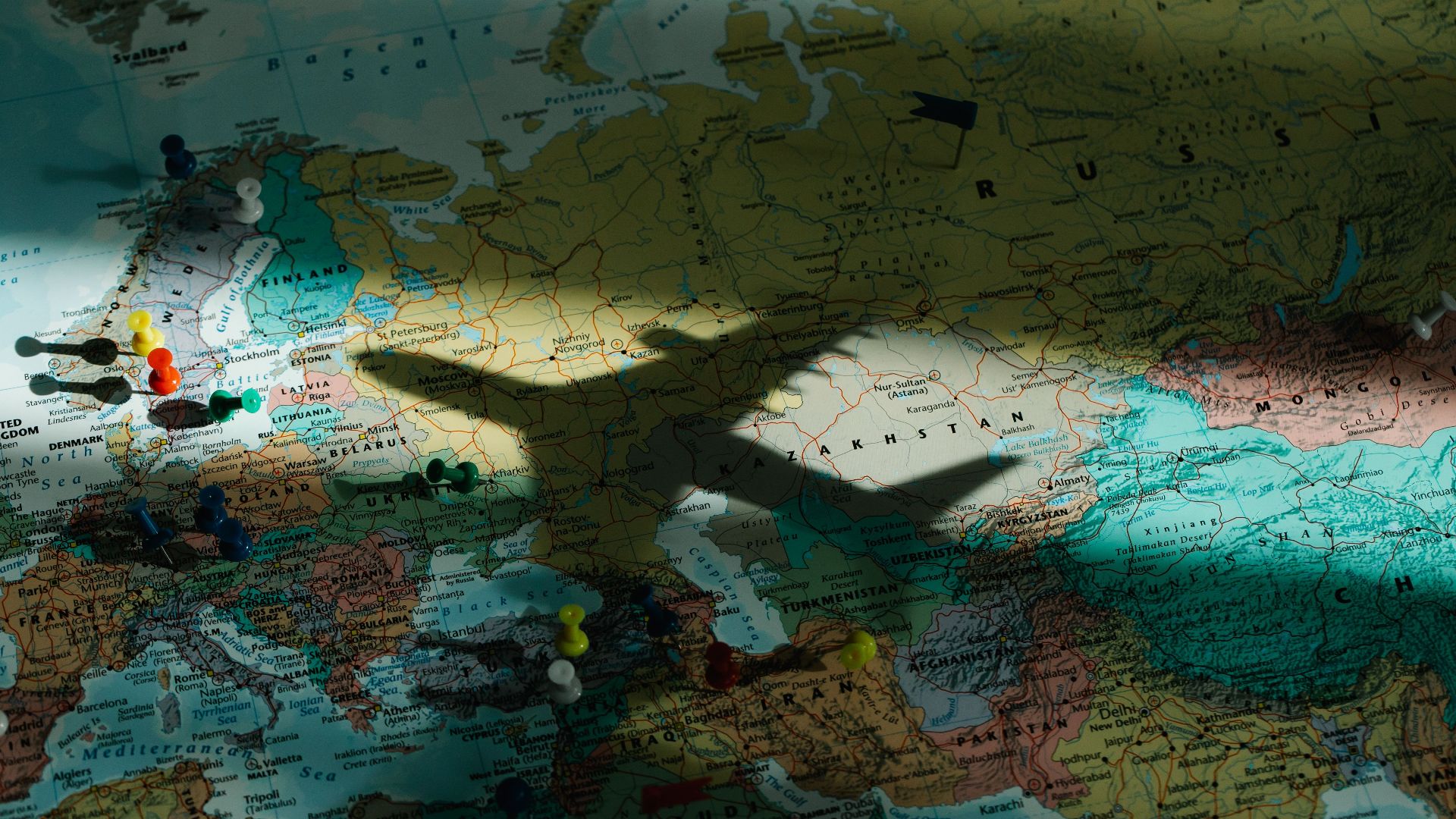
21. The Fastest Route Is Not Always The Shortest
Airlines consider much more than distance when planning a flight. Weather, military airspace, air traffic congestion, and fuel efficiency can all influence the route that pilots ultimately fly.
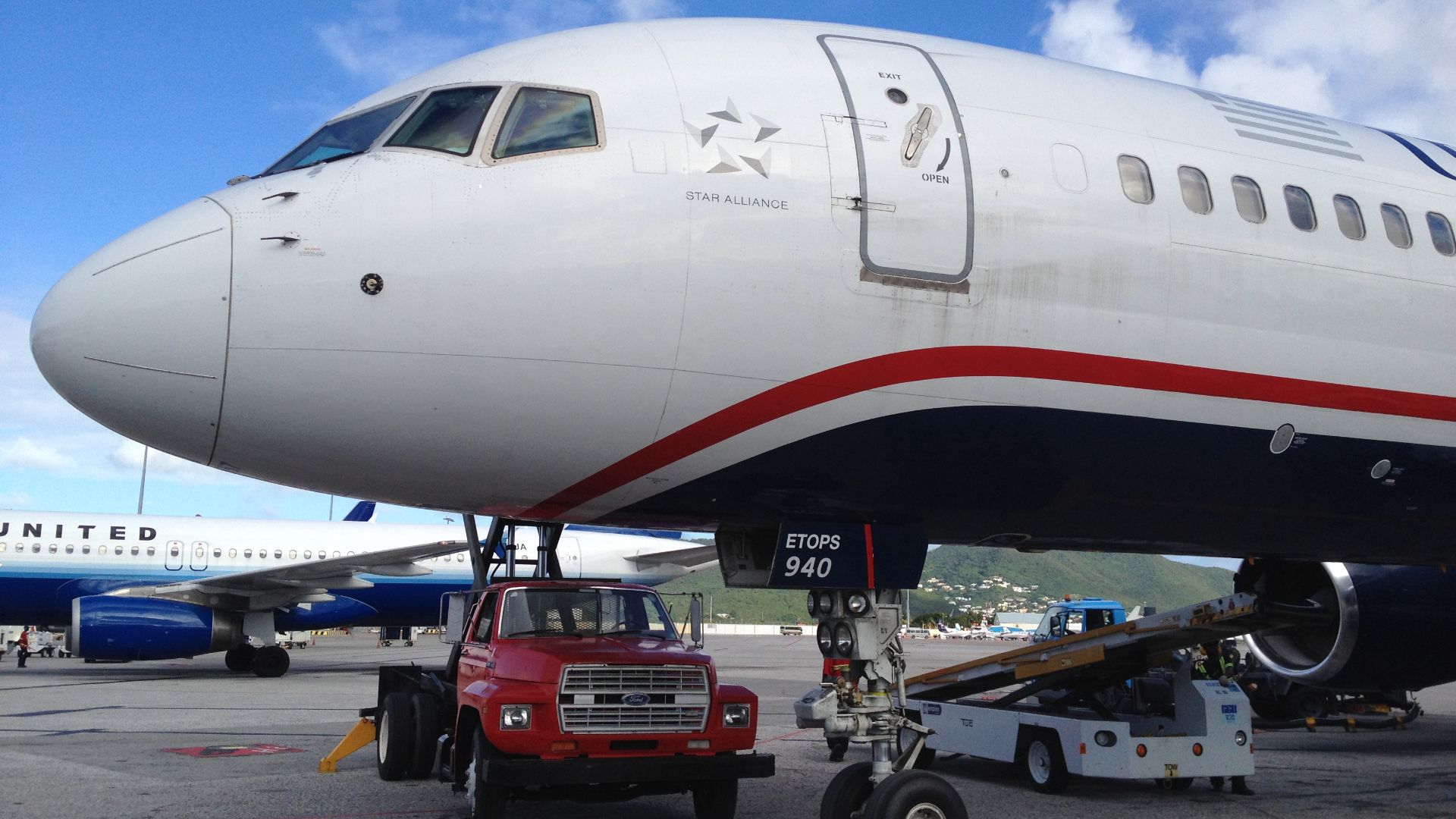
22. ETOPS Is A Safety Standard, Not An Aircraft
You may hear aviation enthusiasts mention ETOPS when discussing long ocean flights. The term refers to strict certification standards that allow twin-engine aircraft to fly farther from alternate airports while maintaining high safety requirements.
 David Broad, Wikimedia Commons
23. Flights Can Carry Much More Than Passengers
Many international passenger flights also transport cargo in the lower hold. Everything from medical supplies to electronics and fresh flowers may be traveling beneath the passenger cabin.
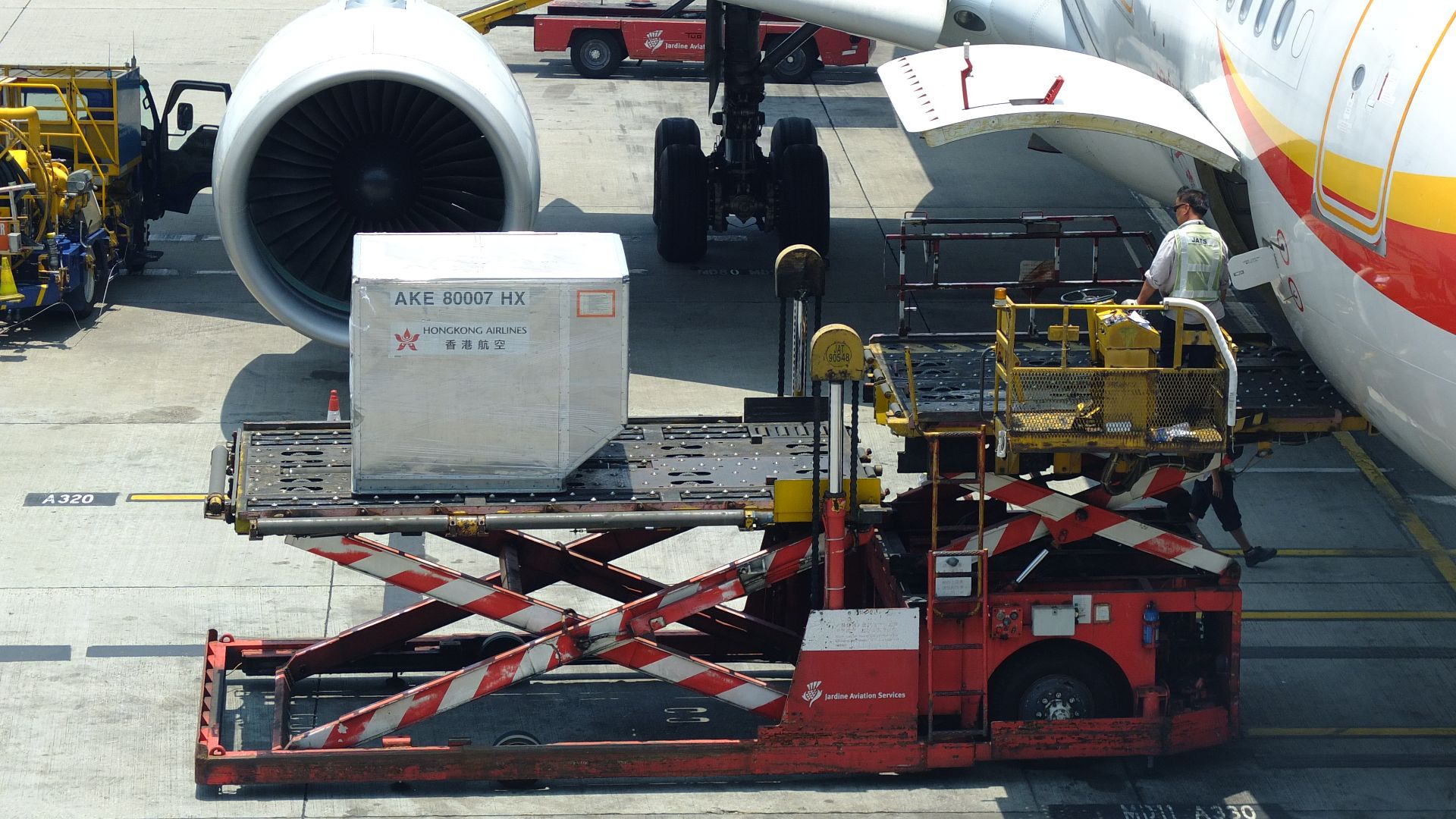
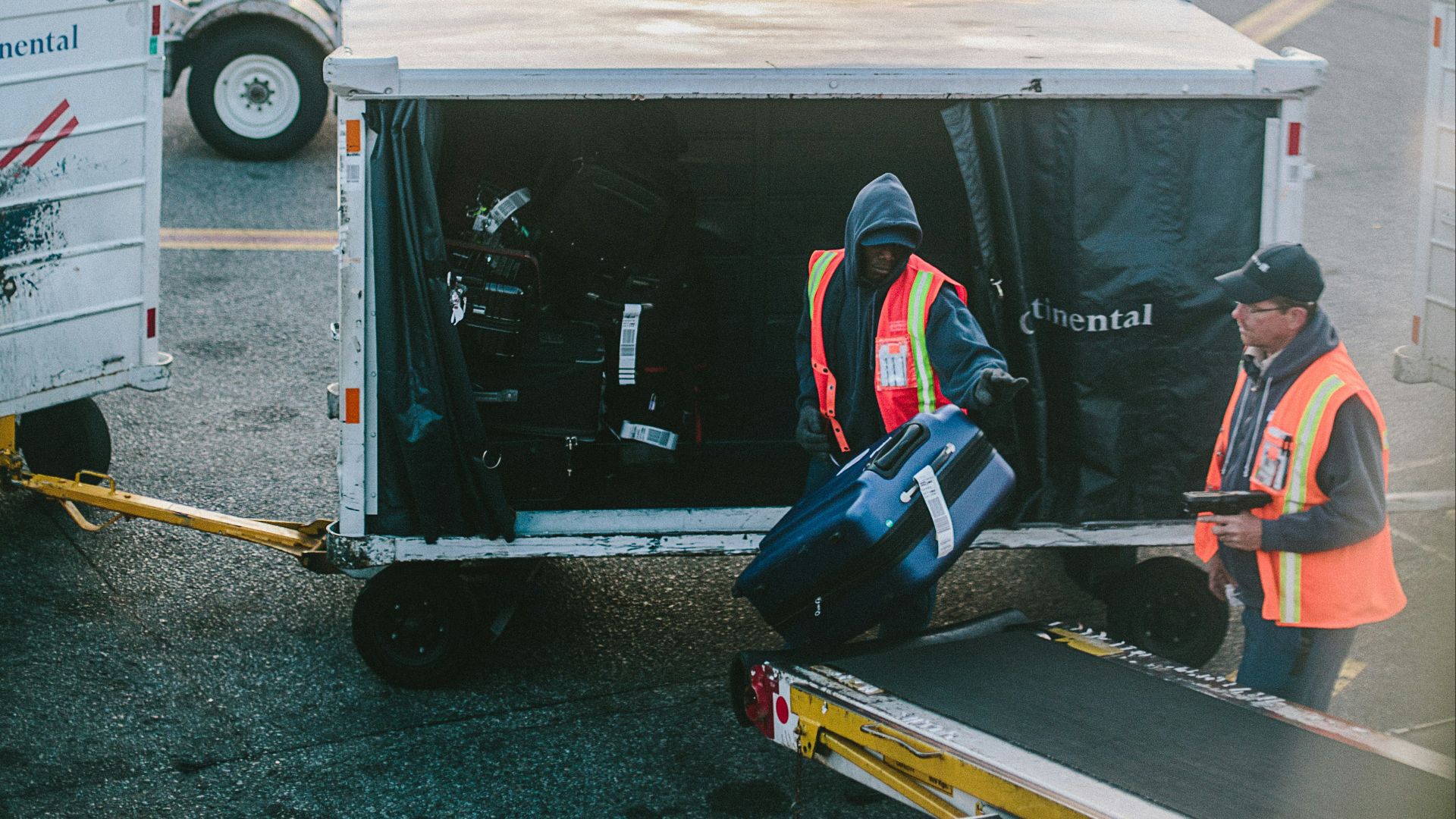
24. Your Checked Bag Is Carefully Balanced
Ground crews do not simply load luggage wherever there is space. Each bag is assigned to specific cargo compartments so the aircraft remains properly balanced for takeoff, flight, and landing.
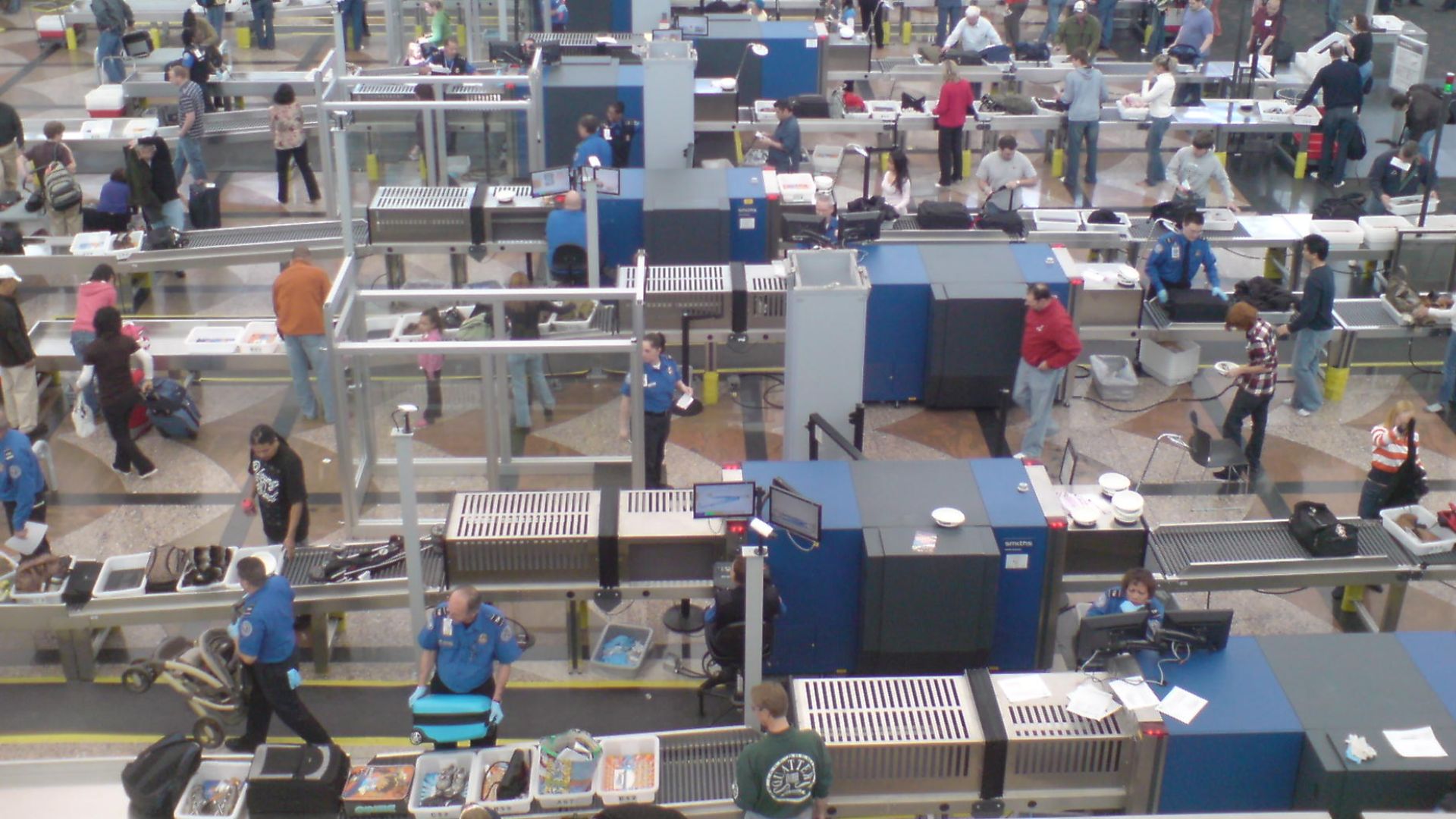
25. Some Airports Require Extra Security Screening
Security procedures are not identical around the world. Depending on the airport, passengers may encounter additional document checks, secondary baggage inspections, or extra screening before boarding an international flight.
 dan paluska, Wikimedia Commons
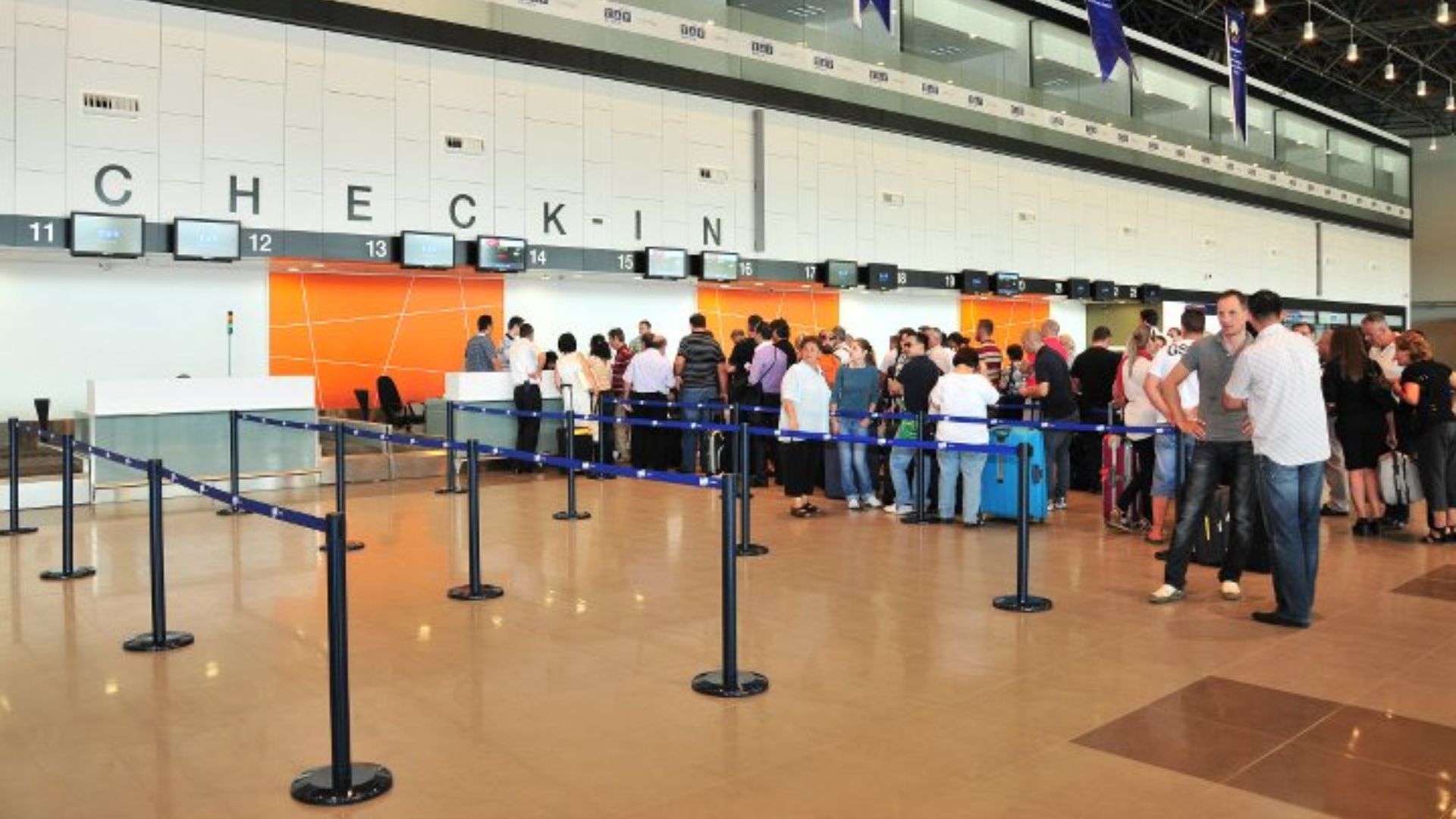
26. Boarding Starts Earlier For A Reason
International flights often begin boarding well before departure because there are more passengers, more baggage, and additional document checks. Closing the aircraft door on time helps prevent delays that can affect flights throughout the day.
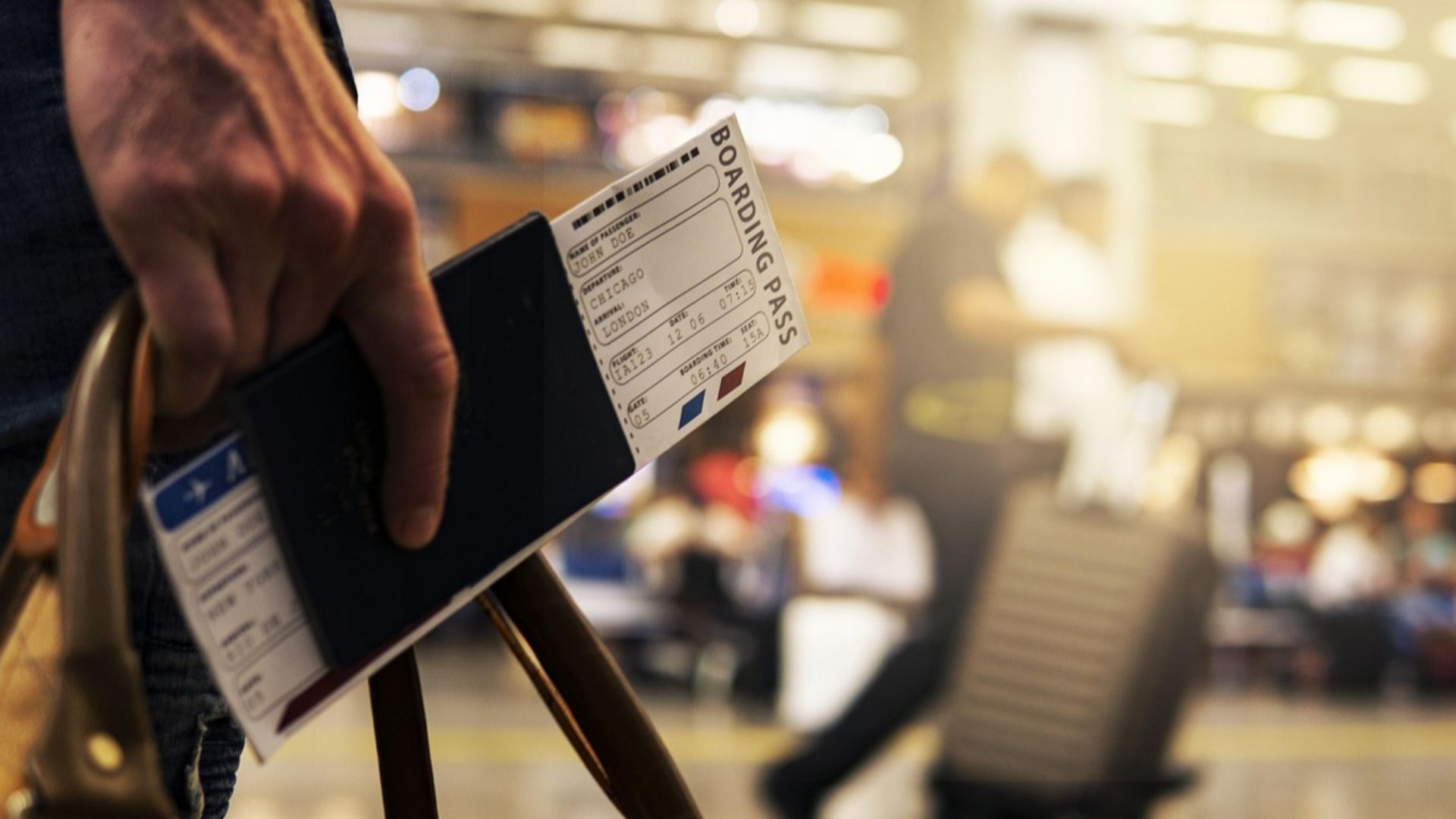
27. Your Boarding Pass Contains More Information Than You See
The barcode on your boarding pass stores important travel information that helps airlines process passengers efficiently. It can be scanned at multiple points throughout your journey, from security checkpoints to the boarding gate.
28. Crossing Time Zones Can Affect Your Body Clock
Jet lag happens because your internal body clock adjusts more slowly than your travel schedule. Exposure to daylight, staying hydrated, and gradually adapting your sleep schedule can help reduce its effects after an international trip.
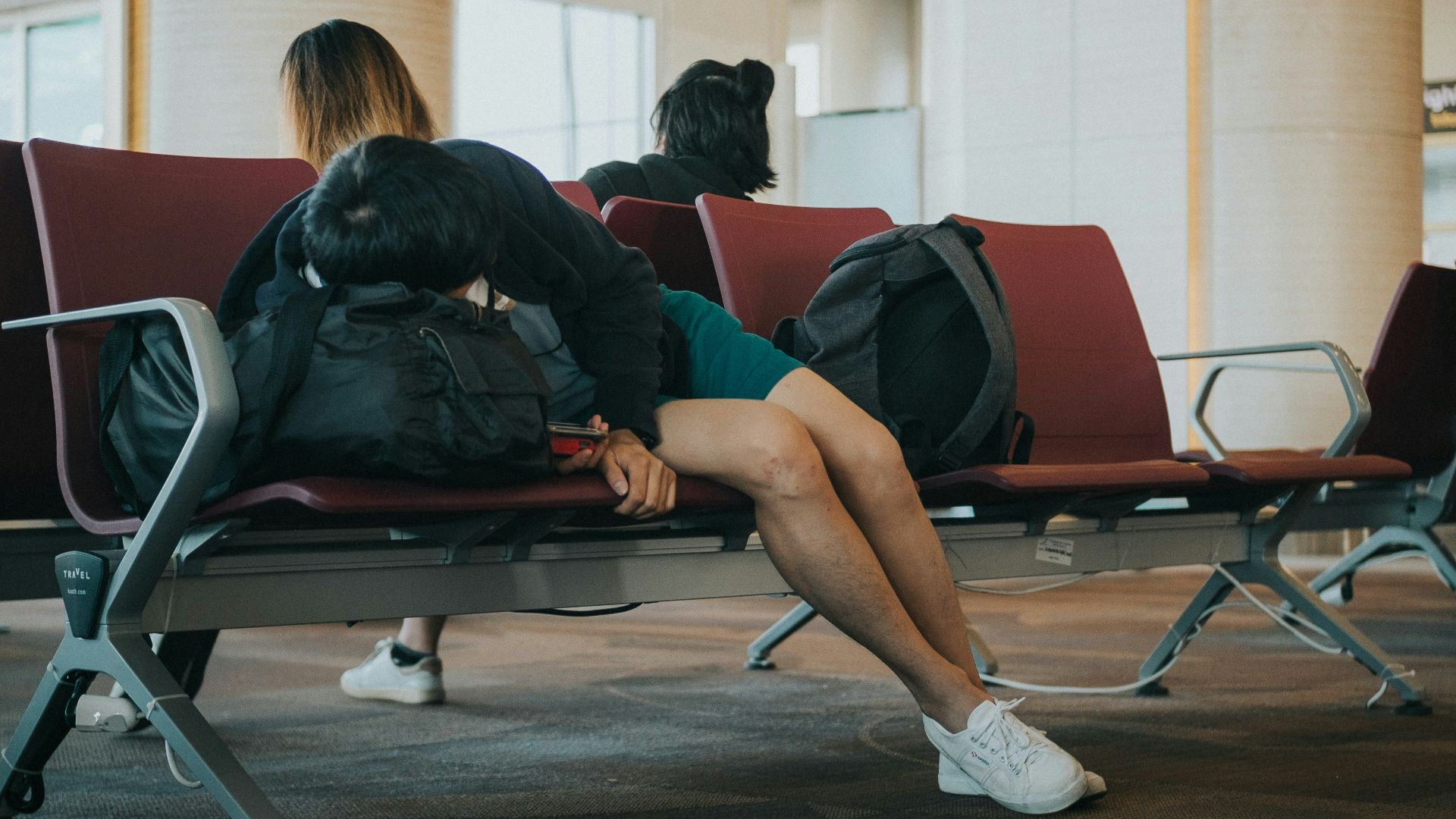
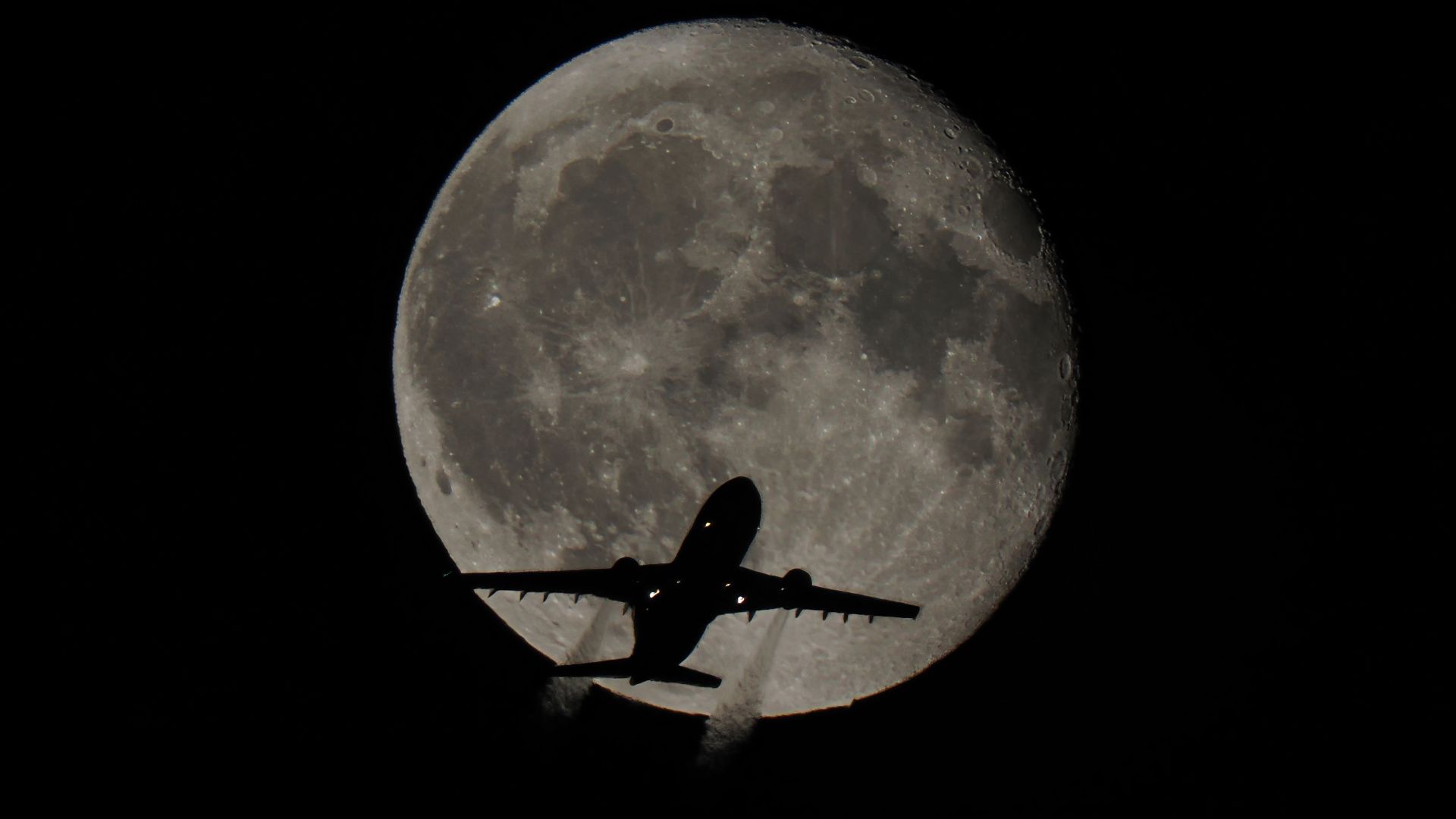
29. Red-Eye Flights Often Save Airlines Fuel
Many international flights depart late at night or arrive early in the morning to make better use of airport slots and aircraft schedules. These overnight flights also allow airlines to maximize the number of hours an aircraft spends in the air each day.
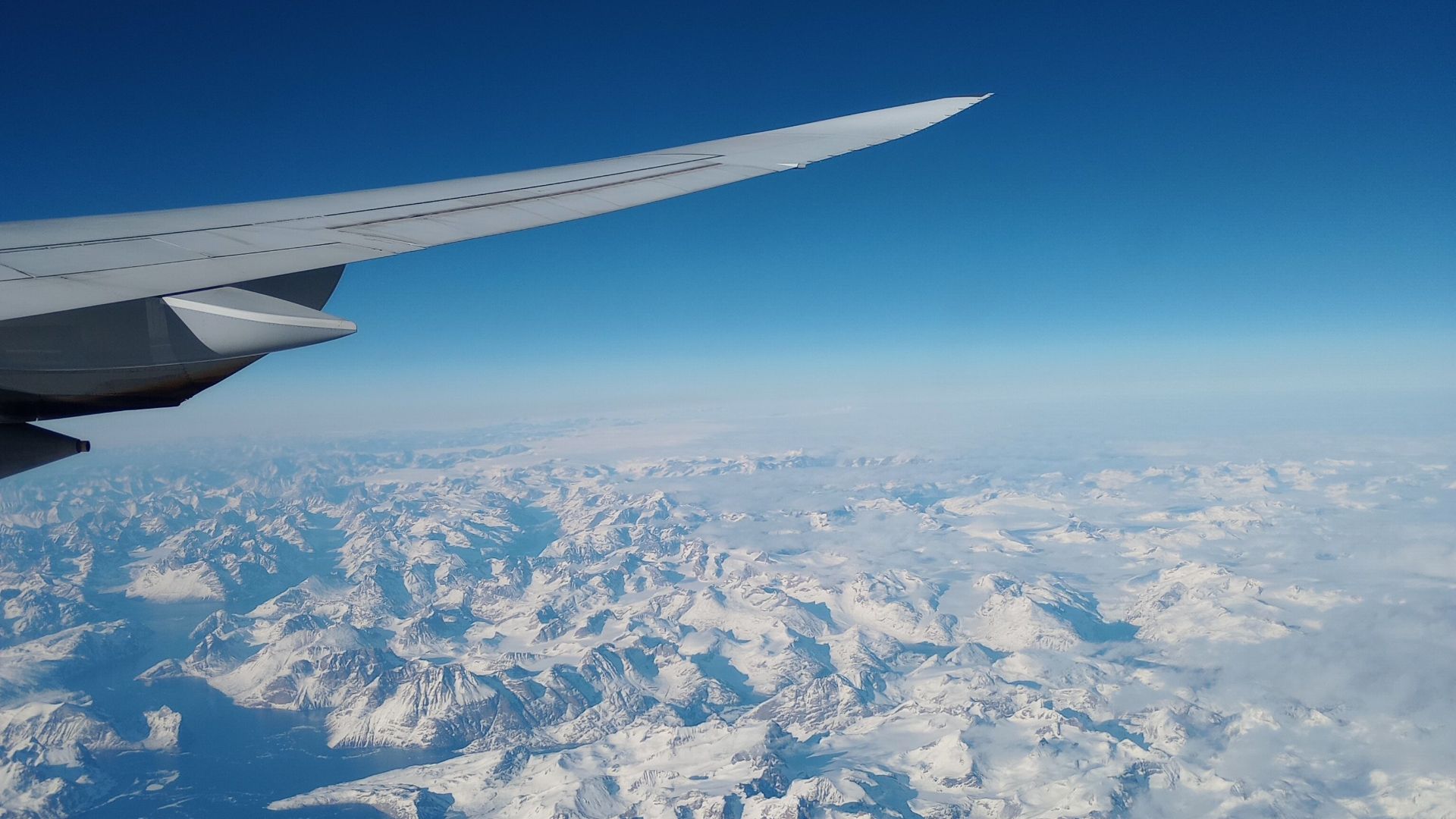
30. Polar Routes Are More Common Than You Think
Flights between North America and Asia or Europe often travel near the Arctic rather than following a direct-looking path on a flat map. These polar routes are usually shorter, making them more fuel-efficient despite appearing unusual on traditional world maps.
31. The Black Box Is Actually Bright Orange
Despite its nickname, an aircraft's flight recorder is painted bright orange to make it easier to locate after an accident. Modern commercial aircraft carry both a Flight Data Recorder and a Cockpit Voice Recorder to assist investigators if an incident occurs.

32. International Flights Carry Medical Equipment
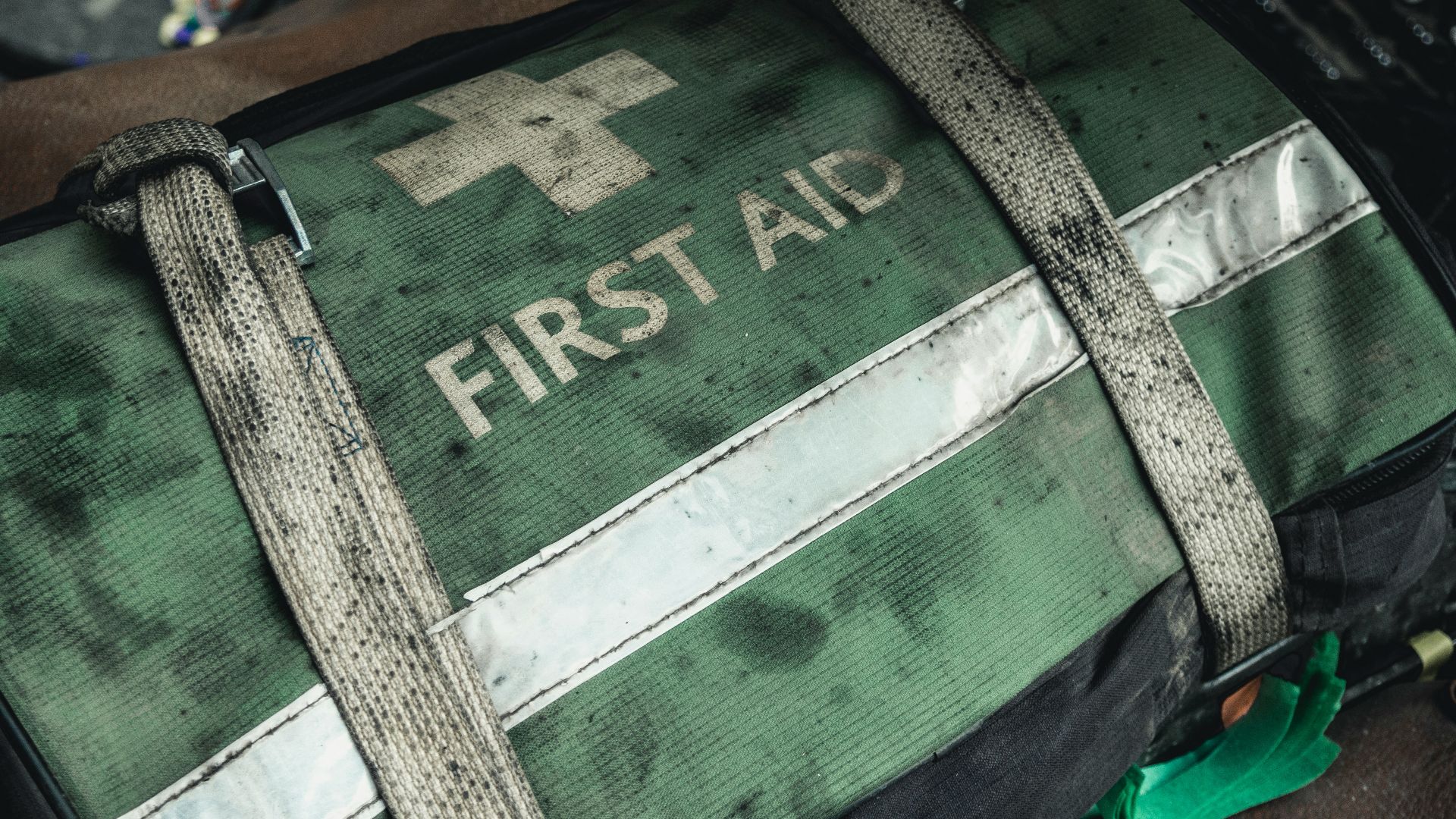
Commercial aircraft are required to carry emergency medical kits, first aid supplies, and other safety equipment that can be used during in-flight emergencies. Flight attendants receive medical training, and many airlines can also consult doctors on the ground through satellite communications.
33. You May Need To Recheck Your Bags
Not every international connection automatically transfers checked luggage to your final destination. In some countries, including the United States for many arriving international passengers, you must collect your baggage, clear customs, and check it again for your connecting flight.

34. Flying Is One Of The Safest Ways To Travel
Commercial aviation has become remarkably safe thanks to strict international regulations, continuous pilot training, aircraft maintenance standards, and advances in technology. Every flight also benefits from lessons learned through decades of global safety investigations and cooperation.
35. Mobile Phones Usually Stay In Airplane Mode
Many airlines now offer onboard Wi-Fi and allow passengers to use their phones during flight, but devices are generally required to remain in airplane mode. This setting disables cellular radio transmissions while still allowing approved wireless services such as onboard Wi-Fi or Bluetooth.
36. Airport Time Is Always Local Time
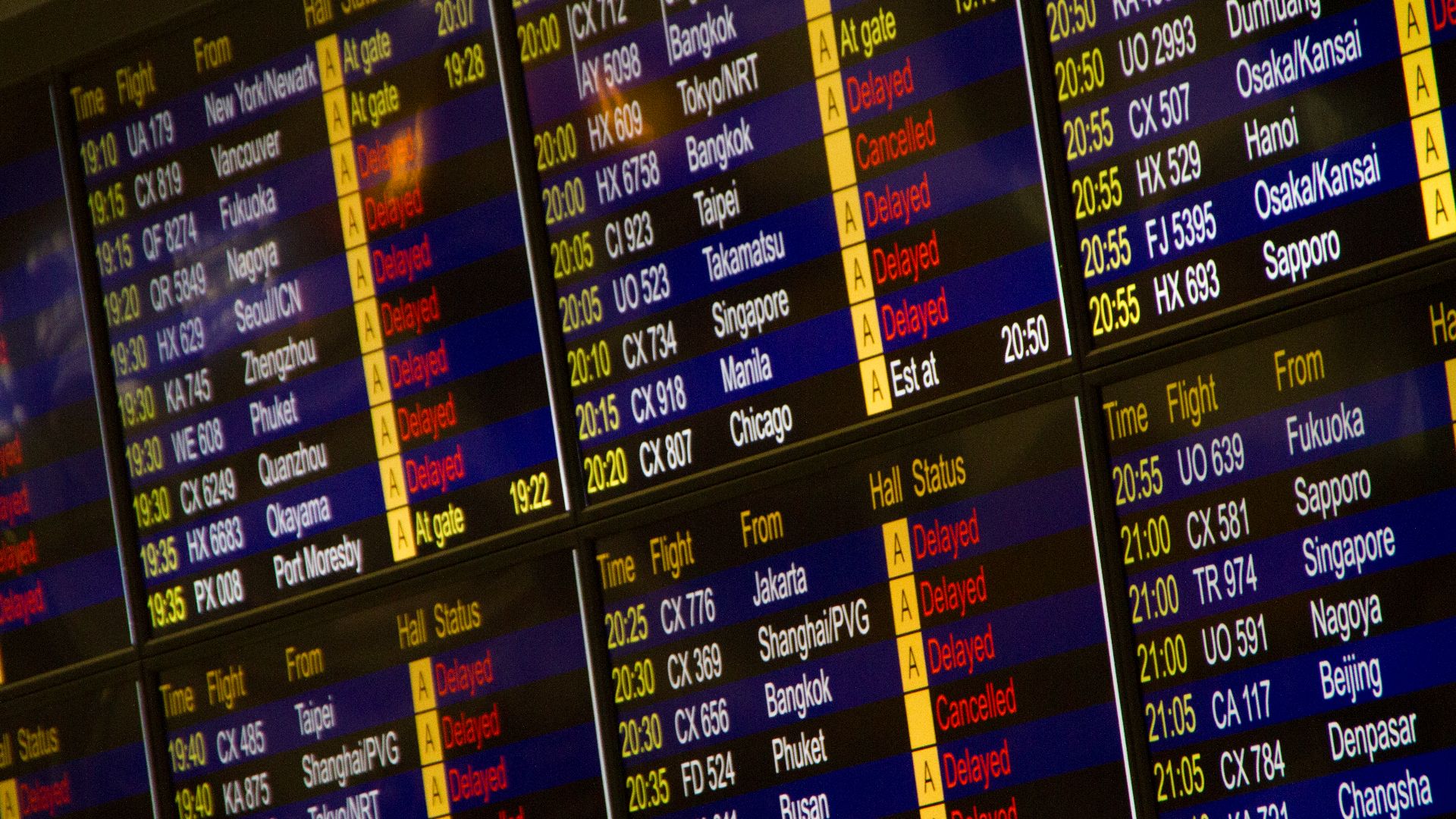
Departure and arrival times printed on your itinerary are shown in the local time of each airport. A flight may appear to last much longer or shorter than expected if you do not account for time zone differences.
37. Frequent Flyer Miles Are Not Based Only On Distance
Many airline loyalty programs now award miles or points based on ticket price, airline status, or fare class instead of simply counting the distance flown. The exact earning rules vary by airline and alliance.
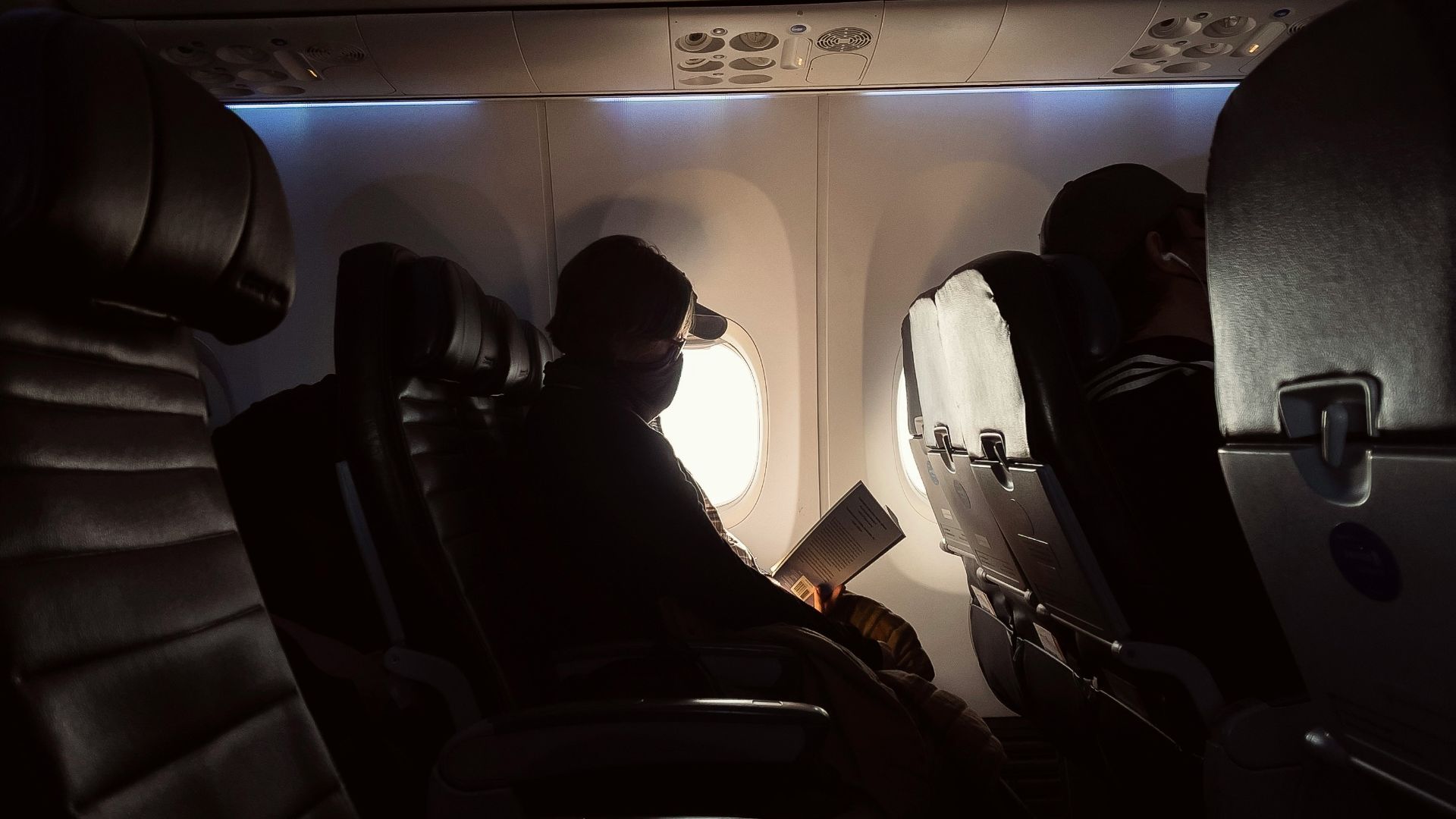
38. Some Flights Must Avoid Certain Airspace
Airlines sometimes reroute international flights because of military activity, volcanic ash, severe weather, political instability, or temporary airspace restrictions. These changes can increase flight time, but they are made to protect passengers and crew.
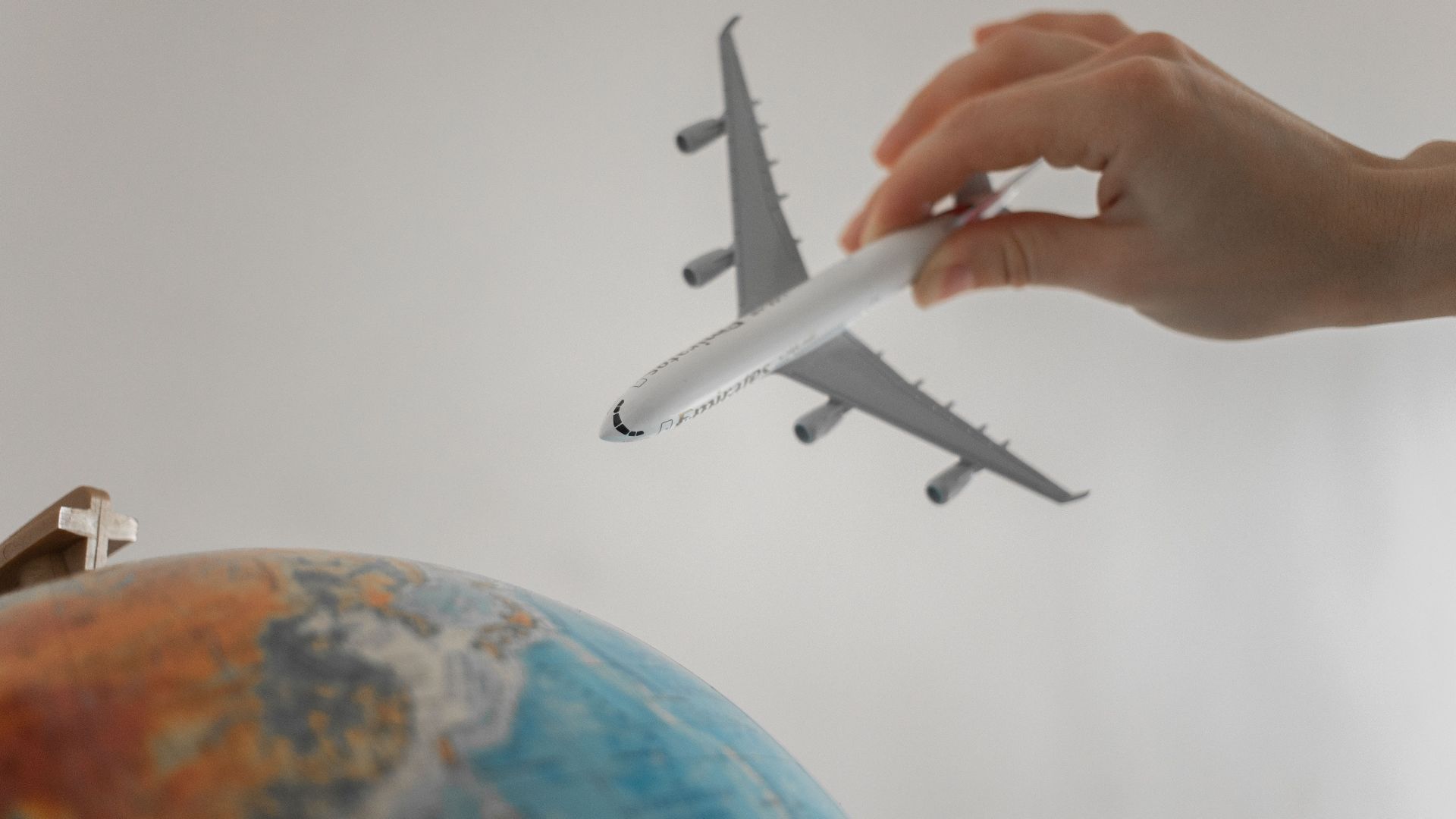
39. The World's Longest Flights Spend Nearly A Full Day In The Air
Several nonstop international routes now exceed 18 hours, connecting cities that once required multiple stops. These ultra-long-haul flights rely on specially trained crews, careful fuel planning, and aircraft designed for exceptional efficiency.
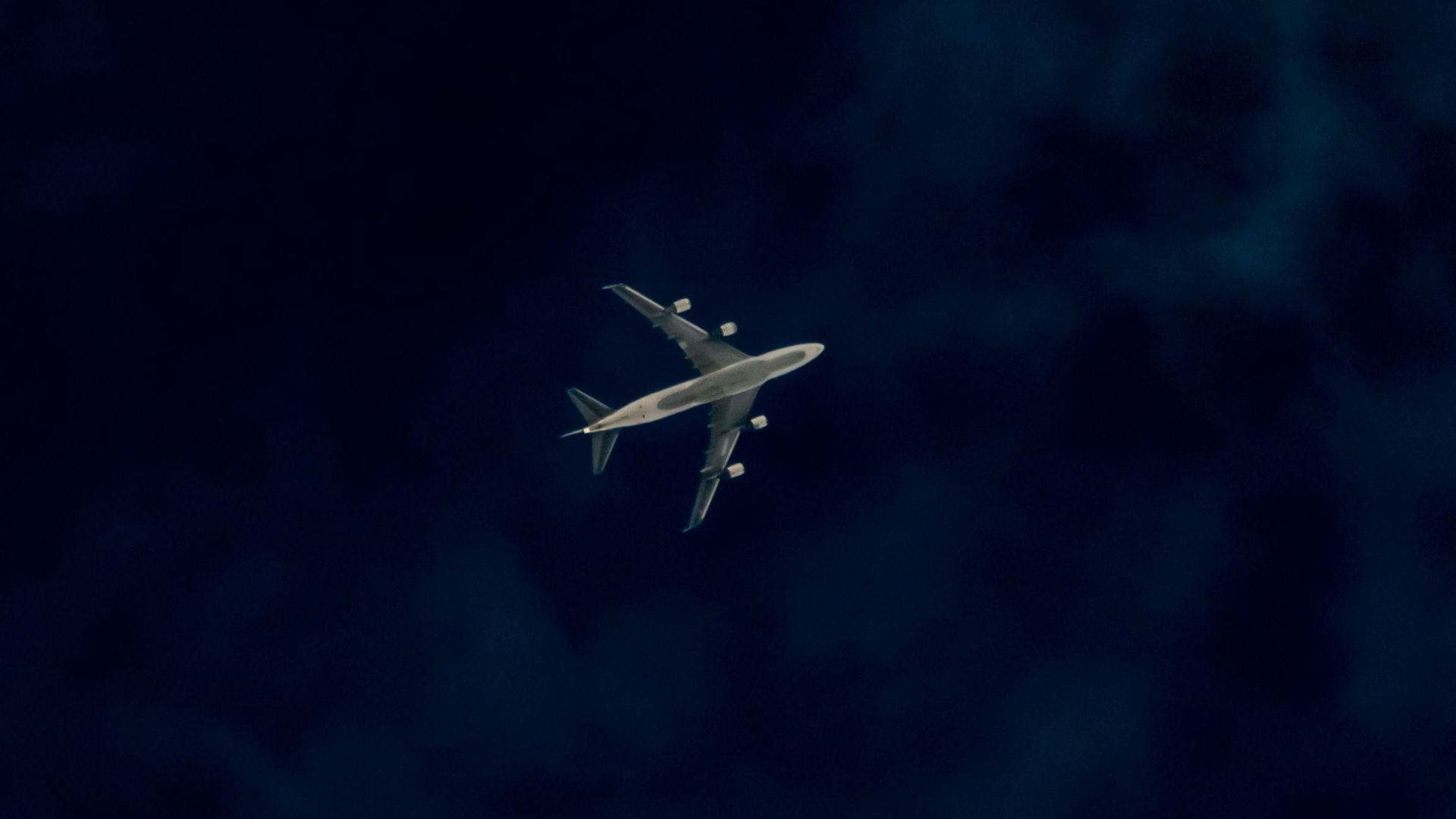
40. Your Passport Is Not The Only Important Document
Some destinations require electronic travel authorizations, health documentation, proof of onward travel, or evidence of sufficient funds before allowing entry. Checking official government requirements before departure can help prevent unpleasant surprises at the airport.

41. Your Flight Is Tracked From Start To Finish
Airlines monitor flights continuously using sophisticated communication and tracking systems. Operations centers receive updates on weather, aircraft performance, and routing so they can respond quickly if conditions change.
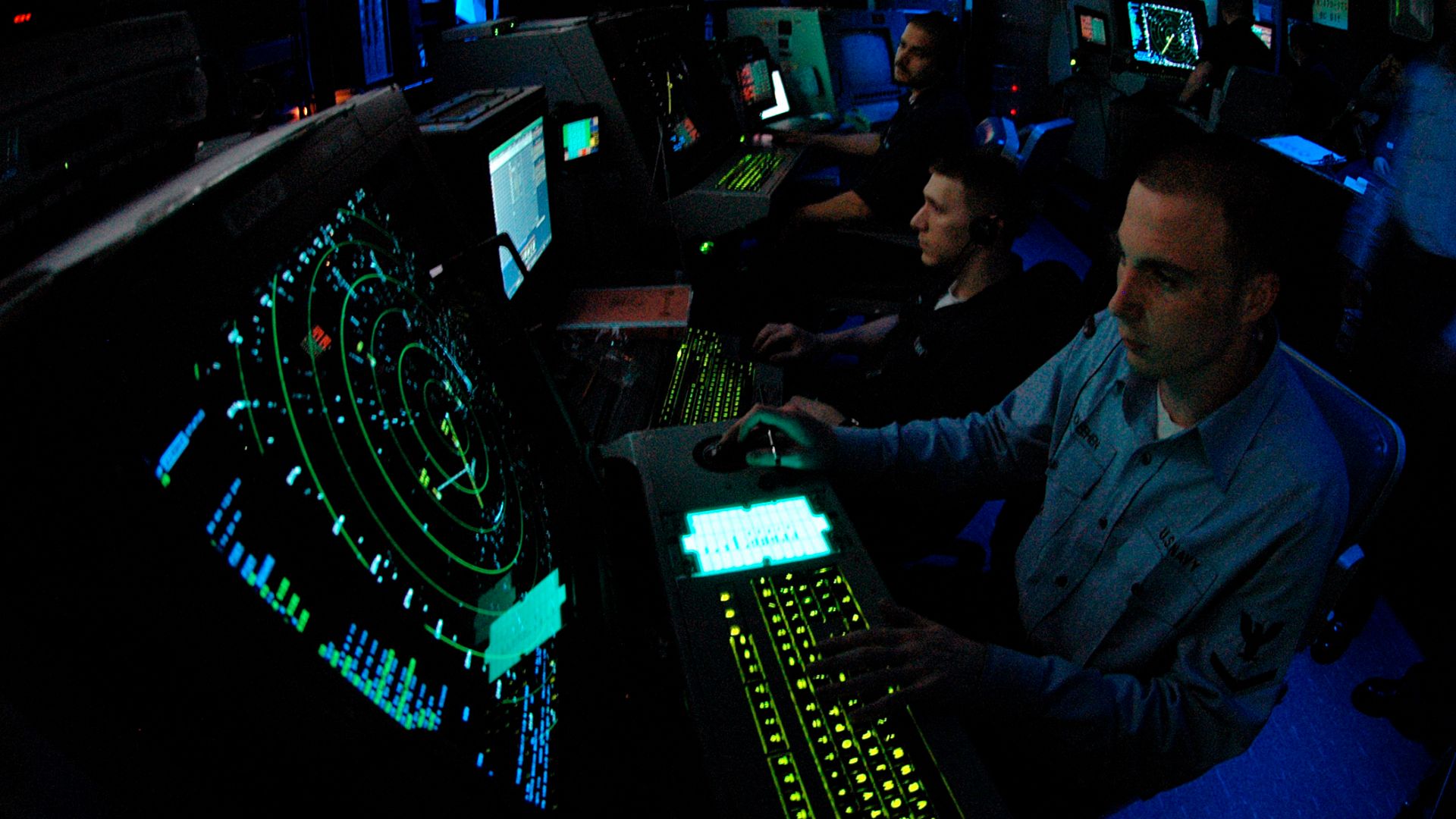 U.S. Navy photo by Photographer's Mate Airman Ronald A. Dallatorre, Wikimedia Commons
42. A Little Knowledge Makes Every Trip Easier
International flying may seem complicated, but understanding how the system works can make every journey smoother and less stressful. The next time you board a flight abroad, you will know there is far more happening behind the scenes than most travelers ever realize.
You May Also Like: