
When Your Bag Arrives… But Something’s Not Right
At first glance, everything seems fine. Then you open your suitcase and notice the TSA inspection notice sitting inside. That’s not unusual on its own. What is unusual is what you see next: some items are broken. Now you’re left wondering what happened while your bag was out of your hands and whether anyone is actually responsible for the damage. The good news is you’re not without options, but acting quickly and documenting everything is key.

TSA Is Allowed To Open Your Checked Bag
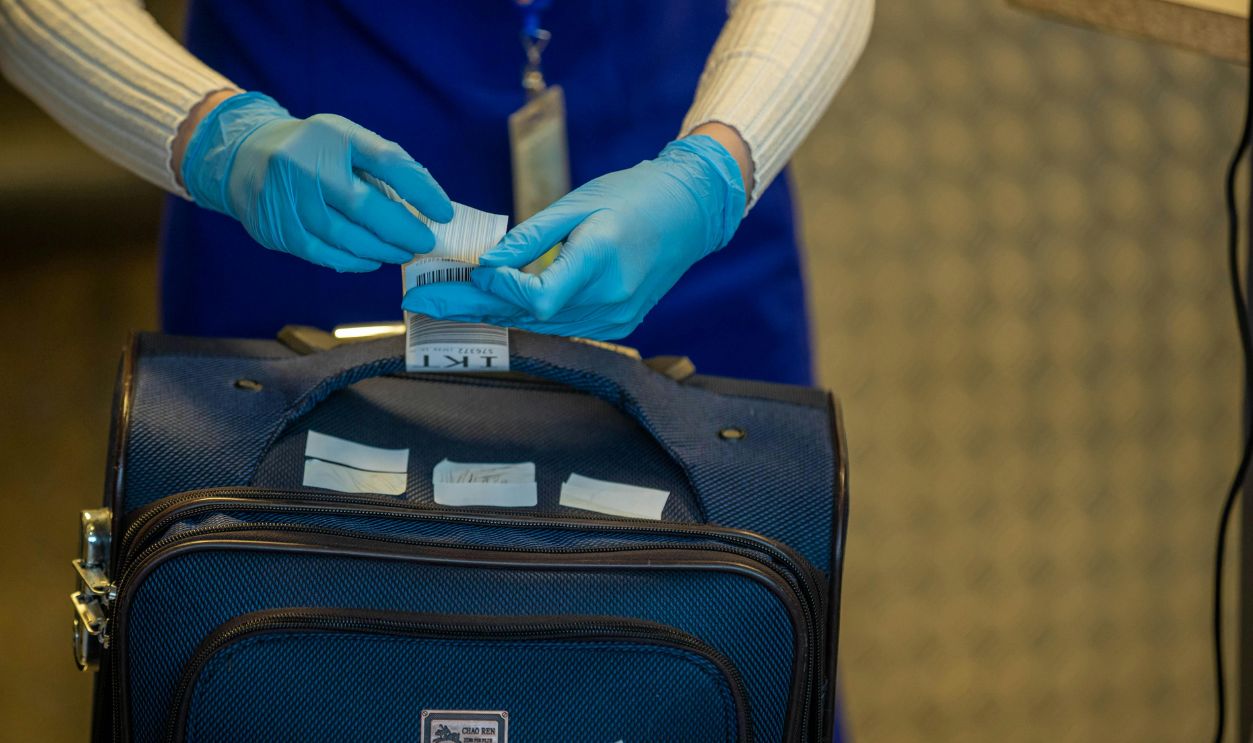
TSA officers are legally allowed to open and inspect checked luggage if something triggers concern during screening. This can happen if something looks unusual on an X-ray or if they need a closer look at certain items. They don’t need your permission at the time, and you won’t be present when it happens. That’s why they leave a notice behind to let you know your bag was opened.
They’re Supposed To Handle Your Items Carefully
Even though TSA has the authority to inspect your bag, they are expected to handle your belongings with reasonable care. That includes repacking your items properly after inspection. The process isn’t supposed to result in damage, at least not under normal circumstances.
 Frame Stock Footage, Shutterstock
Damage Can Still Happen During Inspections
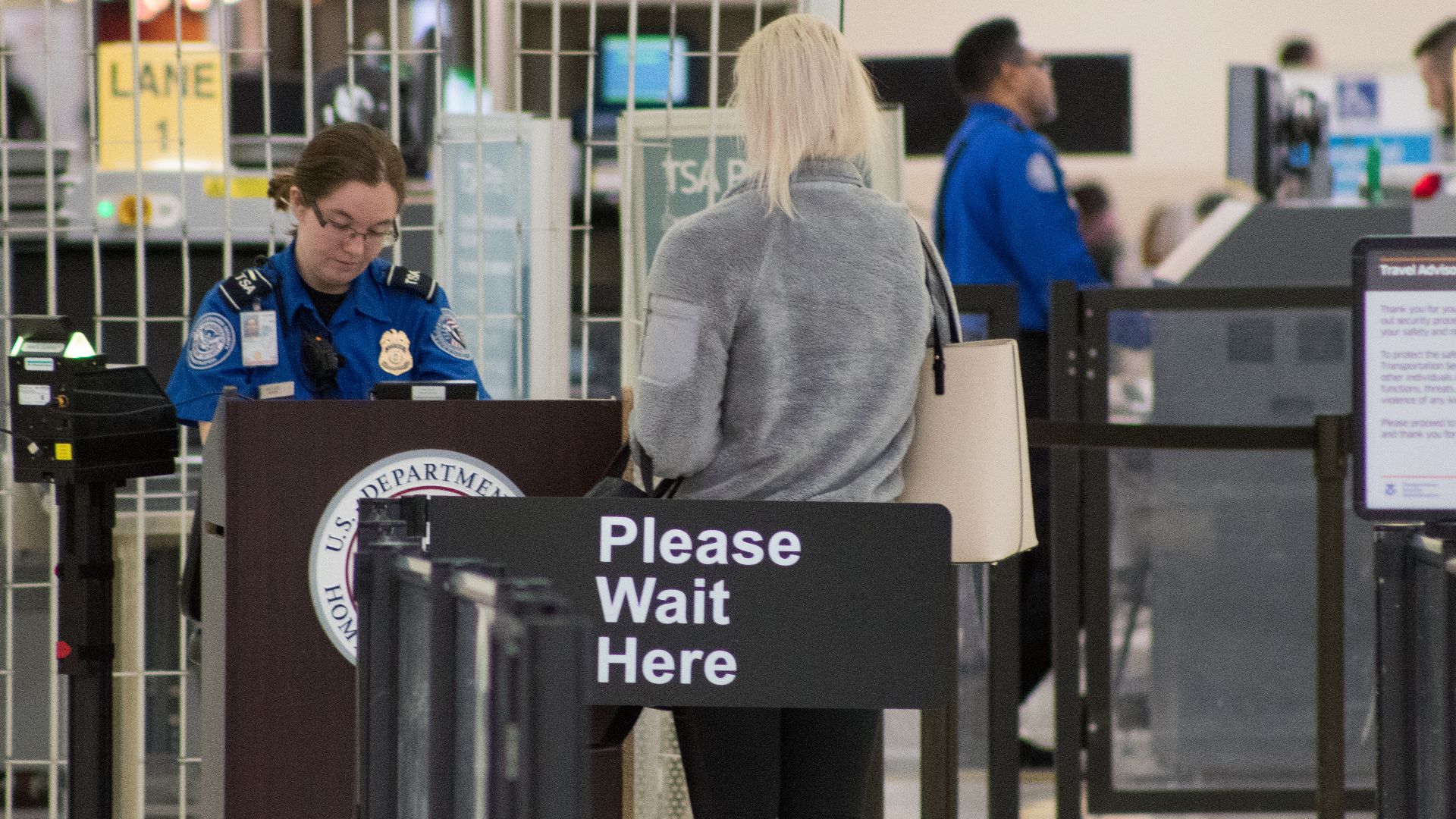
In reality, things don’t always go perfectly. Bags are often tightly packed, and items may need to be moved around quickly during inspection. If something is fragile or packed in a way that doesn’t hold up well when disturbed, it can get damaged. Sometimes it’s accidental, and sometimes it’s hard to tell exactly when or how it happened.
 Michael Ball, Wikimedia Commons
Your Bag Goes Through Multiple Hands
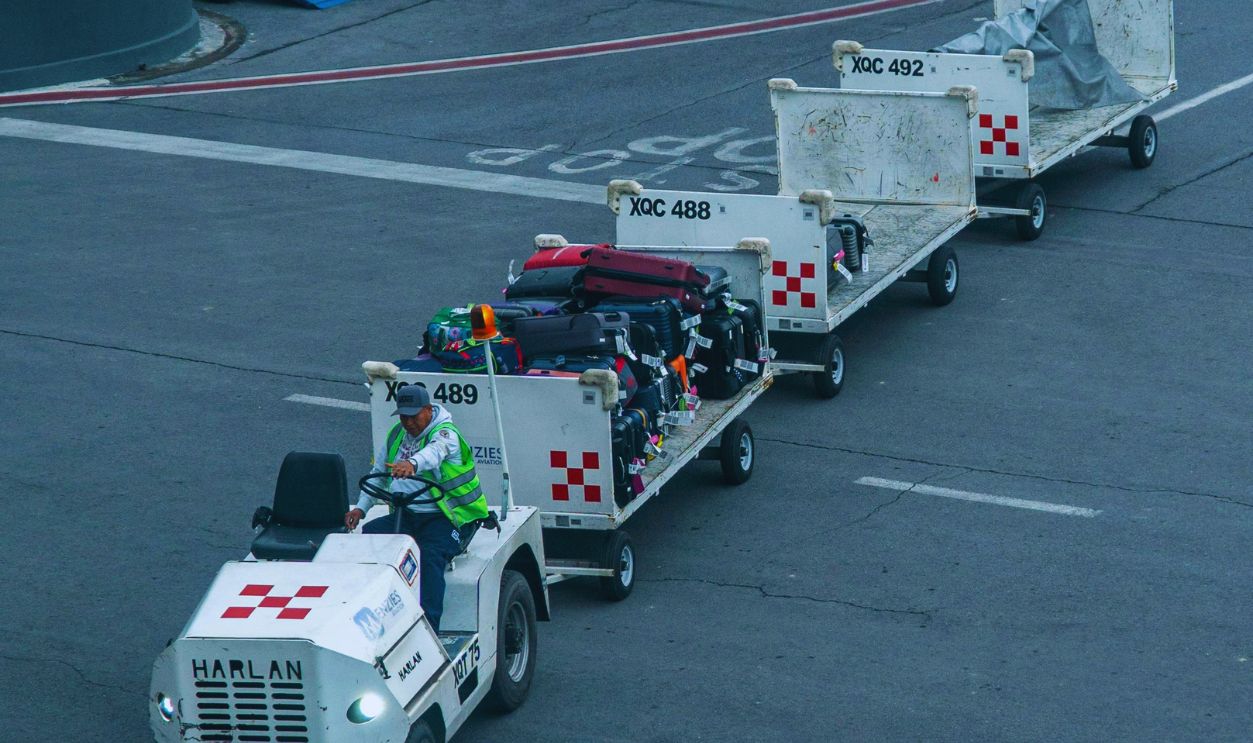
It’s important to remember that TSA isn’t the only party handling your luggage. After screening, your bag is handled by airline staff, baggage systems, and ground crews. That means damage could happen at any point in the process, not just during inspection.
 Abdiel Hernandez Villegas, Pexels
The First Step Is To Document Everything
As soon as you notice the damage, take photos. Capture the condition of your suitcase, the damaged items, and how everything looks inside the bag. Try to take clear, well-lit images that show the extent of the damage. This is one of the most important steps you can take.

Keep The TSA Inspection Notice
That small notice left in your bag is more important than it seems. It’s proof that TSA opened your luggage. Without it, it becomes harder to connect the damage to a TSA inspection rather than general handling during the flight.

Report The Damage Before Leaving The Airport If You Can
If you notice the issue right away, report it at the airport before you leave. Airlines usually have baggage service desks where you can file a report. This creates an official record tied to your flight, which can make your claim stronger later.

File A Claim With TSA If You Suspect They Caused It
If you believe the damage happened during the inspection, you can file a claim directly with TSA. They have a process for handling property damage caused during screening. You’ll need to submit details about what happened along with your documentation.

You May Also Need To File With The Airline
Because it’s not always clear when the damage occurred, it’s often a good idea to file a claim with the airline as well. Airlines are responsible for luggage while it’s in their control, so they may be liable depending on the situation.

Be Clear And Detailed In Your Claims
When filing with either TSA or the airline, include as much detail as possible. List the damaged items, describe their condition before and after the flight, and attach photos and receipts if you have them. The more thorough you are, the better your chances.

Receipts And Proof Of Value Help A Lot
If the damaged items were expensive, having receipts or proof of purchase can make a big difference. Without proof, it’s harder to show the value of what was damaged, which can affect how much you’re reimbursed.

Fragile Items Can Complicate Claims
Both TSA and airlines often have policies around fragile items. If something was especially delicate, they may argue it wasn’t packed well enough to withstand normal handling. This doesn’t automatically mean your claim will be denied, but it can make things more complicated.

Claims Can Take Time To Process
Don’t expect a quick resolution. TSA claims, in particular, can take weeks or even months to review. They may investigate internally to determine whether their officers were responsible for the damage.

Follow Up If You Don’t Hear Back
If your claim seems to be stalled, don’t be afraid to follow up. Sometimes cases take longer simply because they’re waiting for additional information or review. Staying on top of it can help keep things moving.

Travel Insurance Might Cover The Damage
If you have travel insurance, check your policy. Some plans include coverage for damaged luggage or personal belongings. This can be especially helpful if TSA or the airline denies your claim.

Credit Card Benefits Are Worth Checking Too
Many travel credit cards offer baggage protection as part of their benefits. If you used one to book your flight, you may have additional coverage that can help reimburse you for the damage.

This Situation Is More Common Than It Feels
It might feel like a rare or unlucky situation, but baggage inspections and damage complaints happen more often than people realize. That’s why there are established processes for handling claims, even if they’re not always straightforward.

You May Not Get Full Reimbursement
Even if your claim is approved, you may not get the full replacement value of the damaged items. There are often limits on payouts, and depreciation may be factored in depending on the item.

Final Thoughts: You Have A Path Forward
If TSA opened your checked bag and your belongings were damaged, you’re not automatically stuck covering the cost. Start by documenting everything and reporting the issue as soon as possible. From there, file claims with TSA and the airline if needed, and explore backup options like travel insurance or credit card protection. It may take some time and persistence, but there’s a real chance you can recover at least part of your losses if you handle it the right way.

You May Also Like: