
When Your Bag Makes It, But Your Belongings Don’t
You get your luggage back and everything looks normal on the outside...until you open it, you realize something important is gone. The airline’s response is quick and familiar: they say there’s no way to prove anything was taken. That can feel like a dead end, but there are still steps you can take.

Missing Items From Checked Bags Are More Common Than You Think
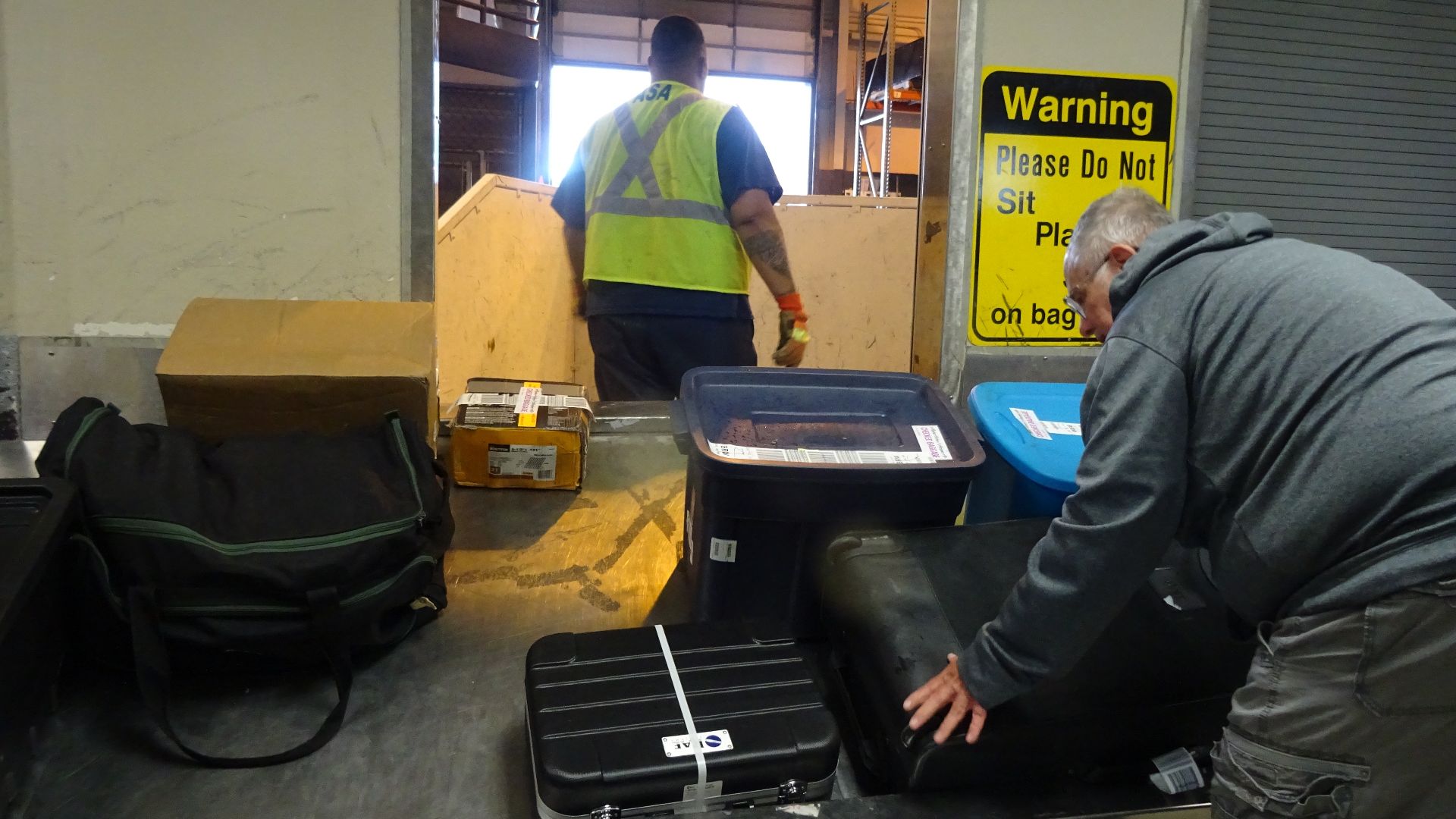
Unfortunately, missing items from checked luggage are not rare. Bags pass through multiple handling points, including security screening, baggage handlers, and sorting systems. With so many touchpoints, it can be difficult to pinpoint exactly where something went missing. That complexity is one reason airlines often push back on claims.
 Martin Ehrensvard from Copenhagen and Fuglso/Mols, Denmark, Wikimedia Commons
Airlines Have Limited Liability For Checked Baggage
Airlines are not automatically responsible for everything inside your luggage. Most have liability limits and exclusions, especially for valuable or fragile items. These limits are often outlined in the airline’s contract of carriage, which you agree to when purchasing your ticket. Understanding those limits is key before pursuing a claim.

There Is A Legal Framework For Claims
For international flights, the Montreal Convention sets rules around airline liability for lost or damaged baggage. It establishes compensation limits and guidelines for claims. Domestic flights may follow different national rules, but similar principles apply. Airlines are generally liable up to a capped amount, but only if the claim meets certain conditions.

Proving The Items Were In The Bag Is The Hardest Part
The biggest challenge in these situations is proving that the missing items were actually in your luggage. Without receipts, photos, or other documentation, airlines often argue there is no way to verify your claim. This is why many claims are denied or only partially compensated.

Report The Issue Immediately
Timing matters more than most people realize. You should report missing items as soon as possible, ideally before leaving the airport or within a few hours of arrival. Many airlines have strict deadlines for filing baggage claims, and waiting too long can weaken your case significantly.

File A Formal Baggage Claim
Don’t rely on a casual complaint or phone call. Submit a formal baggage claim through the airline’s official process. This usually involves filling out a Property Irregularity Report or a similar form. Make sure to include as much detail as possible about the missing items and when you noticed they were gone.
Be As Specific As Possible About The Missing Items
When listing missing items, avoid vague descriptions. Instead of saying “electronics,” specify the exact item, brand, model, and approximate value. The more detailed your description, the more credible your claim appears. This can make a noticeable difference in how seriously the airline treats your case.

Provide Any Proof You Have
Even partial proof can help. Photos of your packed luggage, receipts for expensive items, or even travel photos showing you using the items can support your claim. While this may not guarantee reimbursement, it strengthens your position compared to having no evidence at all.

Understand That Some Items Are Excluded
Airlines often exclude certain items from liability, such as cash, jewelry, electronics, and important documents. These exclusions are usually buried in the fine print of the contract of carriage. If your missing item falls into one of these categories, the airline may deny responsibility entirely.

Security Screening Can Be A Factor
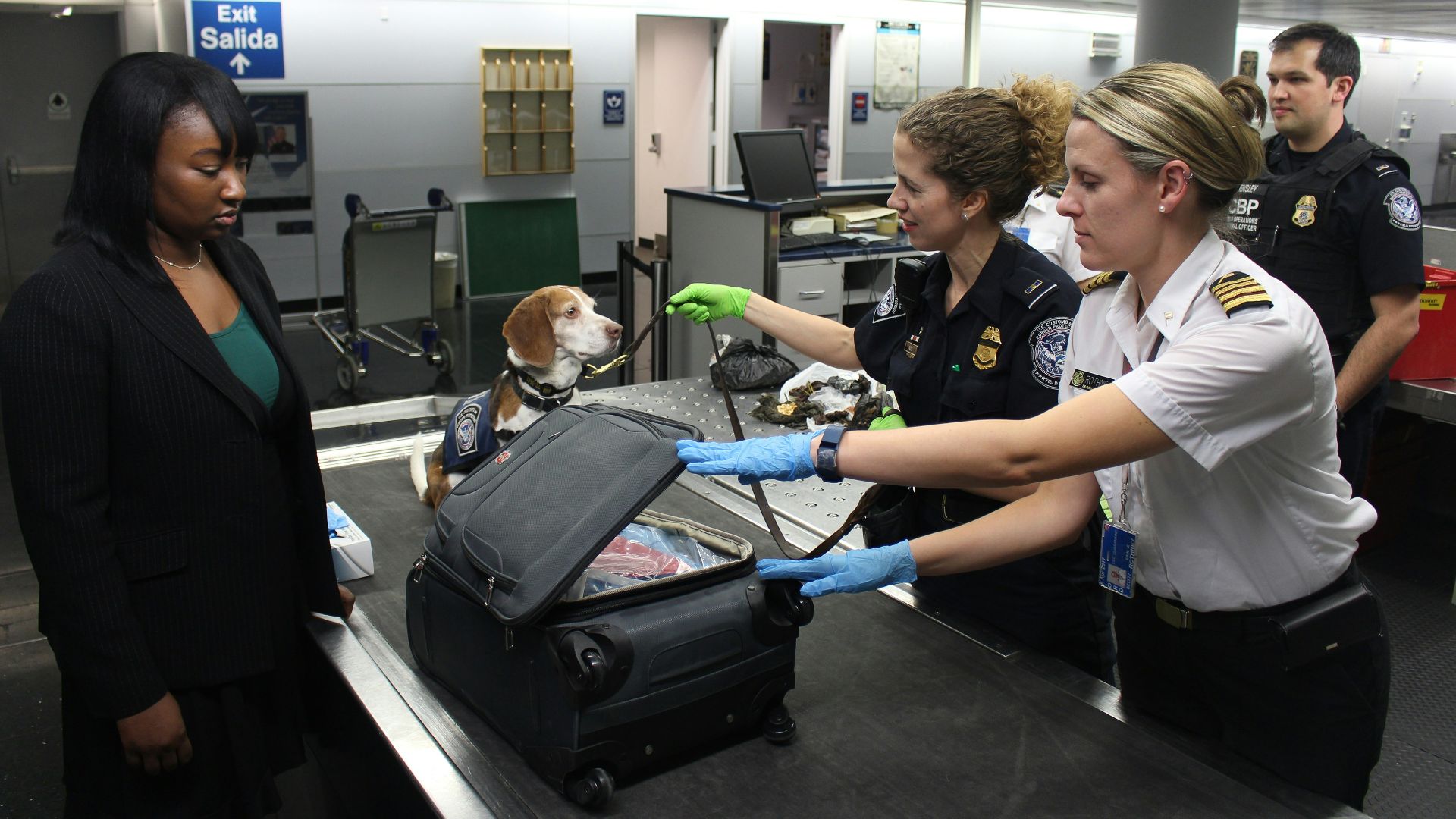
In some cases, luggage may be opened by airport security for inspection. While these inspections are supposed to be documented, they can still complicate claims. If you notice a security notice inside your bag, it may indicate the bag was opened during screening.
Ask The Airline For A Written Response
If the airline denies your claim, ask for a written explanation. This forces them to clearly state why they are rejecting your request and what policies they are relying on. Having that explanation in writing can be useful if you decide to escalate the issue.

Escalate The Claim If Needed
If your initial claim is denied, you can escalate it within the airline. Many carriers have higher-level customer relations teams that review disputes more thoroughly. A well-documented appeal can sometimes lead to a better outcome than the initial response.
 LinkedIn Sales Navigator, Pexels
Credit Card Protections May Apply
If you used a credit card to book your flight, it may include baggage protection benefits. Some cards cover lost or stolen items from checked luggage, even when the airline denies the claim. Contact your card issuer to see if this coverage applies to your situation.

Travel Insurance Can Be A Lifesaver
Travel insurance policies often include coverage for lost or stolen baggage. If you purchased a policy before your trip, it may reimburse you for missing items. Insurance providers usually require documentation, so having a detailed claim and supporting evidence is important.

File A Complaint With Regulators
If you believe the airline handled your claim unfairly, you can file a complaint with a government agency. In the United States, that would be the Department of Transportation. In other countries, similar consumer protection agencies exist. These complaints can sometimes prompt further review.

Keep Expectations Realistic
Even with a strong claim, compensation may be limited. Airlines often depreciate the value of items and may not reimburse the full replacement cost. Understanding this ahead of time can help set realistic expectations and reduce frustration.

Prevention Is Your Best Defense
Going forward, it is best to avoid putting valuable or irreplaceable items in checked luggage. Keep important belongings in your carry-on whenever possible. This simple habit can prevent a lot of stress and financial loss.

Take Photos Before You Travel
Before closing your suitcase, take a few quick photos of the contents. This creates a record of what you packed and can serve as valuable evidence if something goes missing. It only takes a minute but can make a big difference later.

Final Thoughts: You Can Push Back, But Proof Is Everything
If items go missing from your luggage, it can feel like you are stuck because the airline claims there is no proof. While that is a common response, you still have options. Filing a detailed claim, providing any evidence you have, and exploring credit card or insurance coverage can all help. The process is not always easy, but persistence and documentation can improve your chances of getting some form of compensation.

You May Also Like: