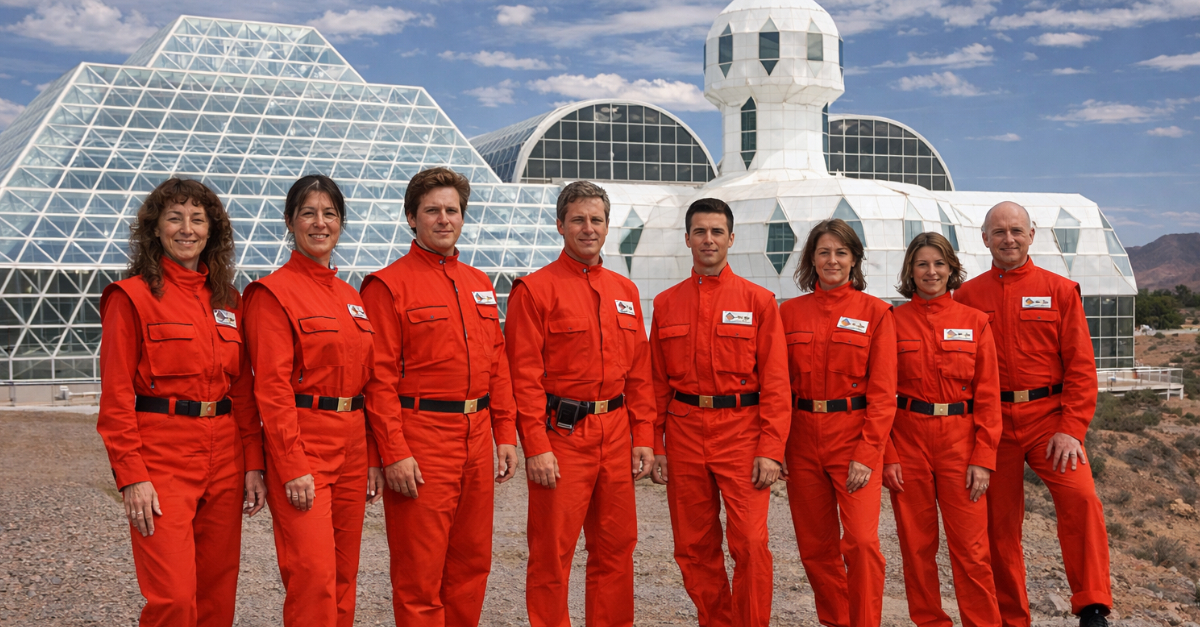
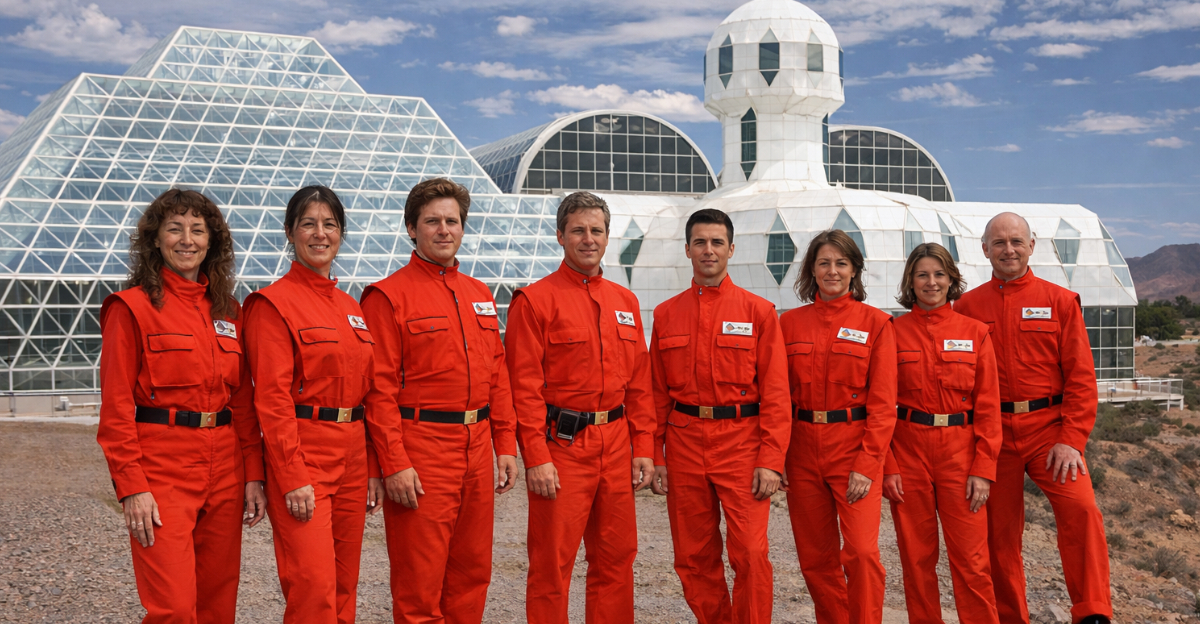
Eight People. One Sealed World
Inside a glass-and-steel structure in the Arizona desert, eight people agreed to do something no one had ever attempted before. They would live sealed inside a completely enclosed ecosystem for two full years. No resupply. No fresh air. No stepping outside. This wasn’t a reality show…This was reality.
A Futuristic World in the Desert
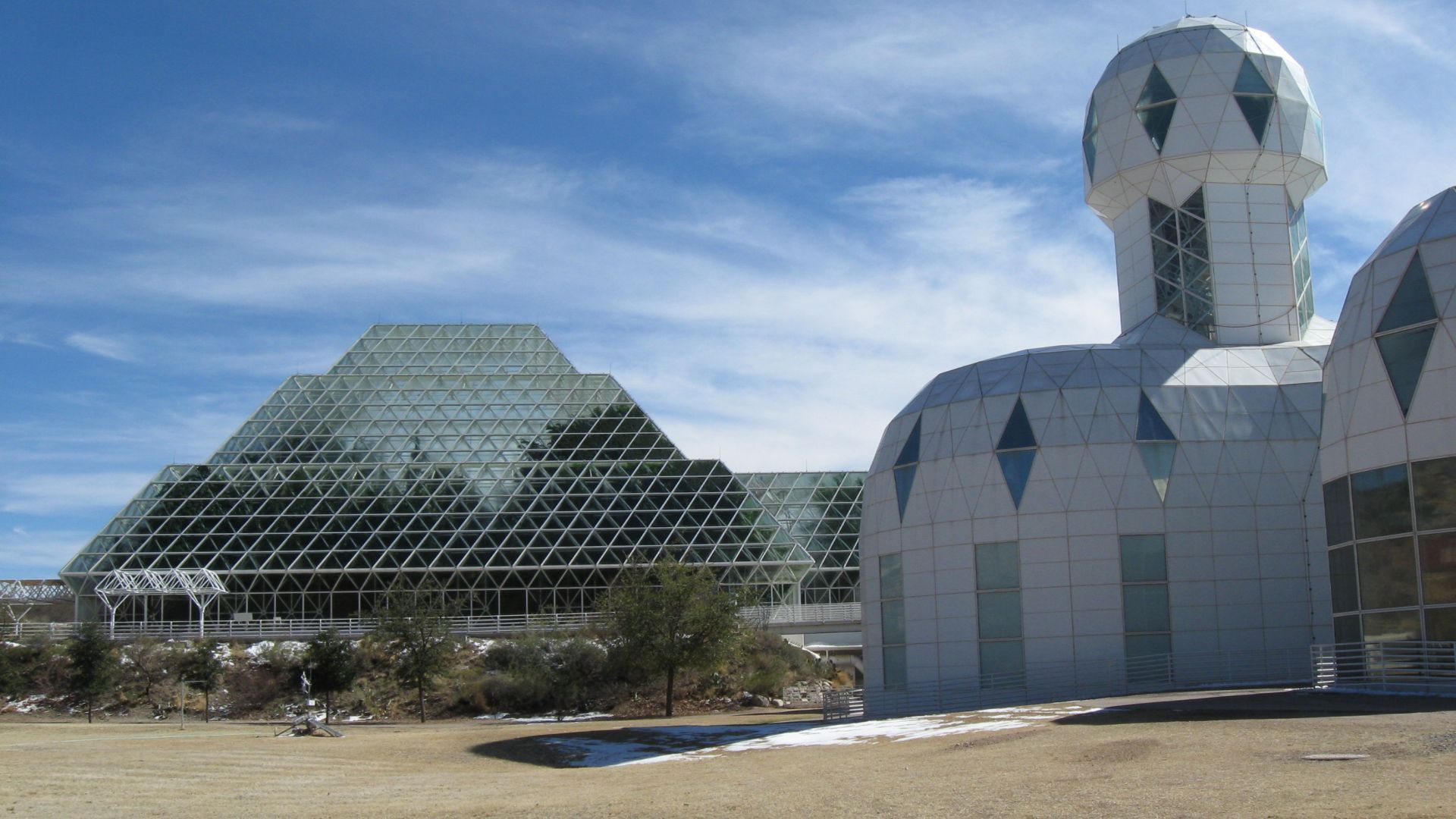
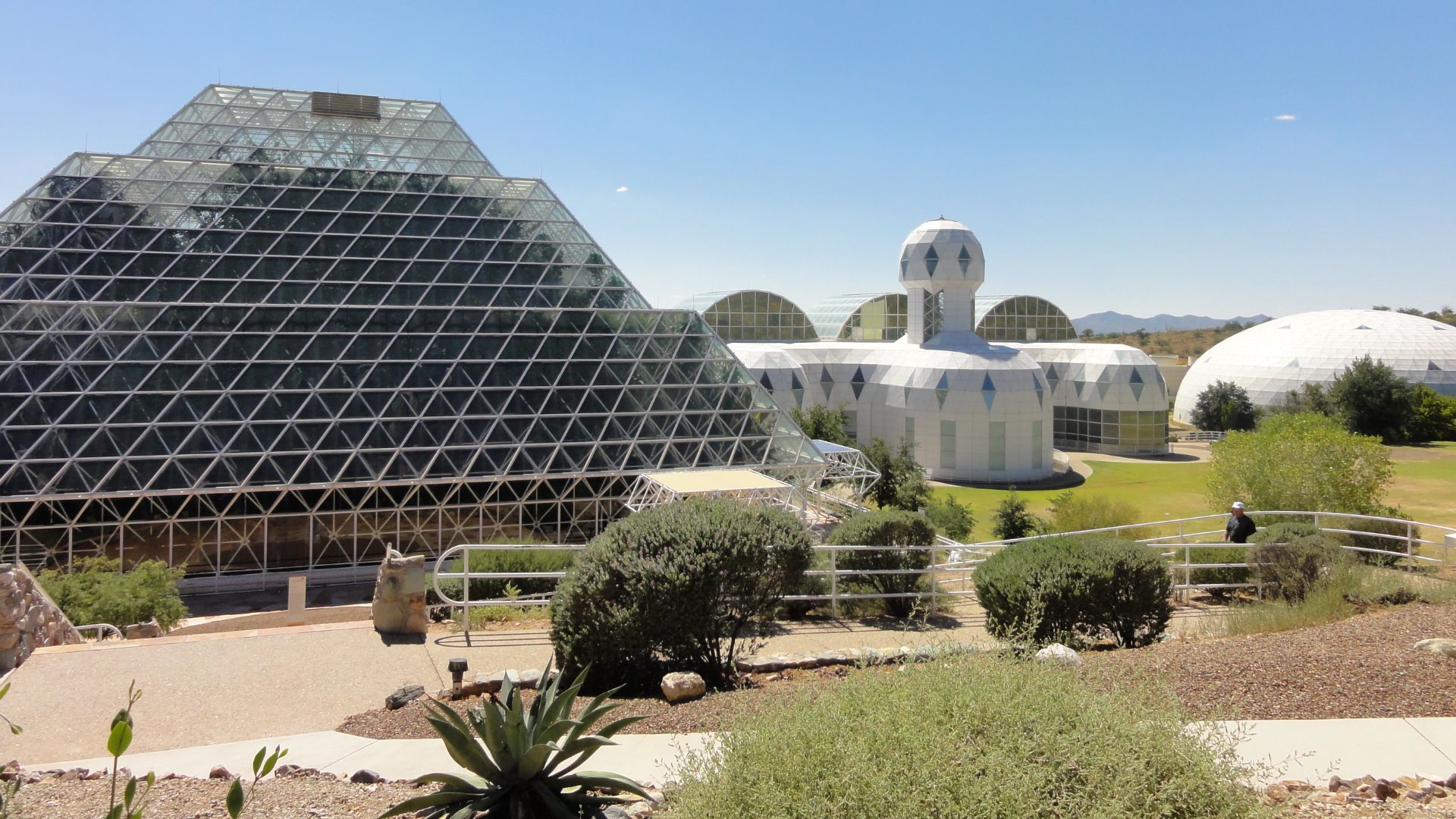
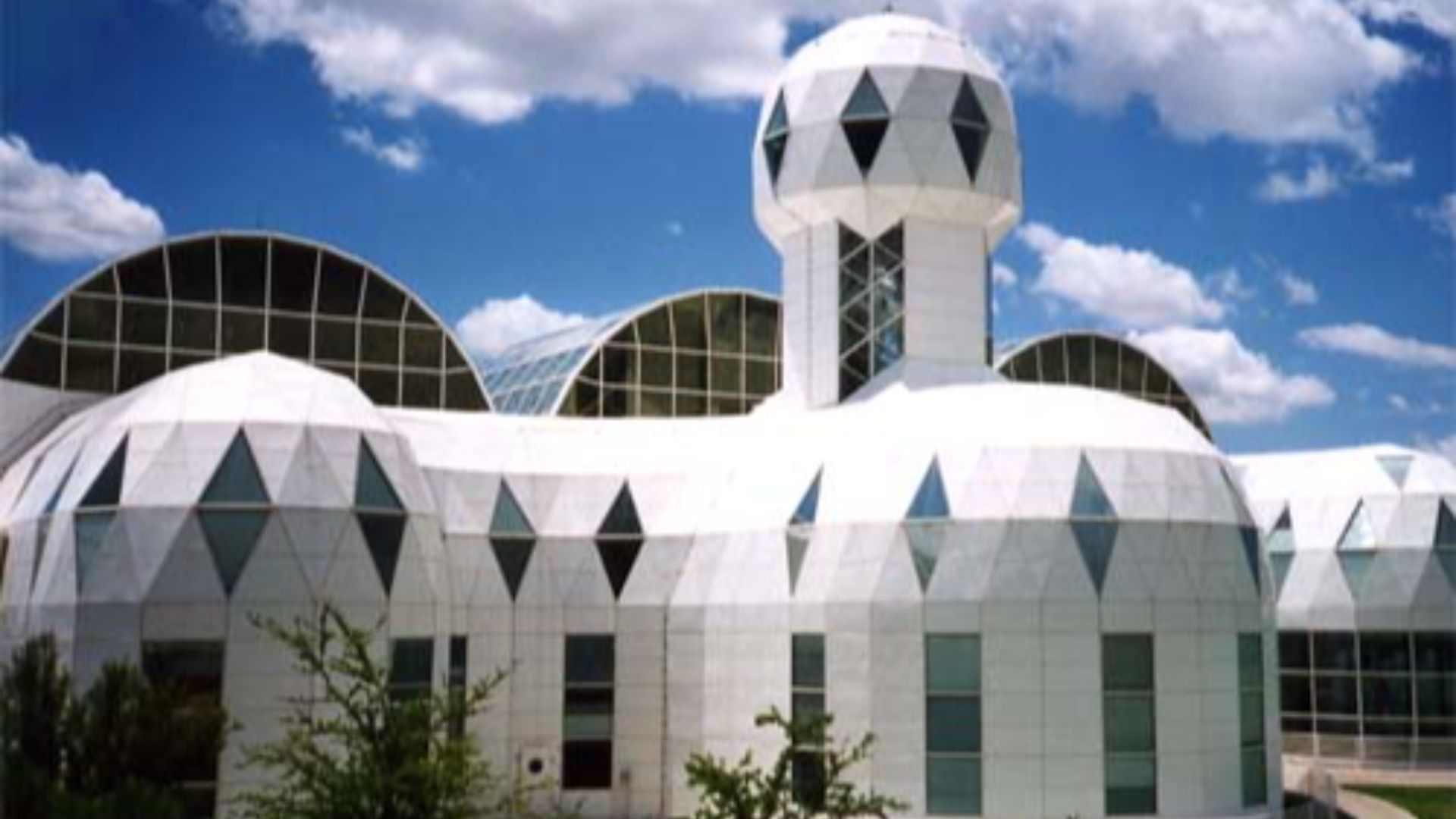
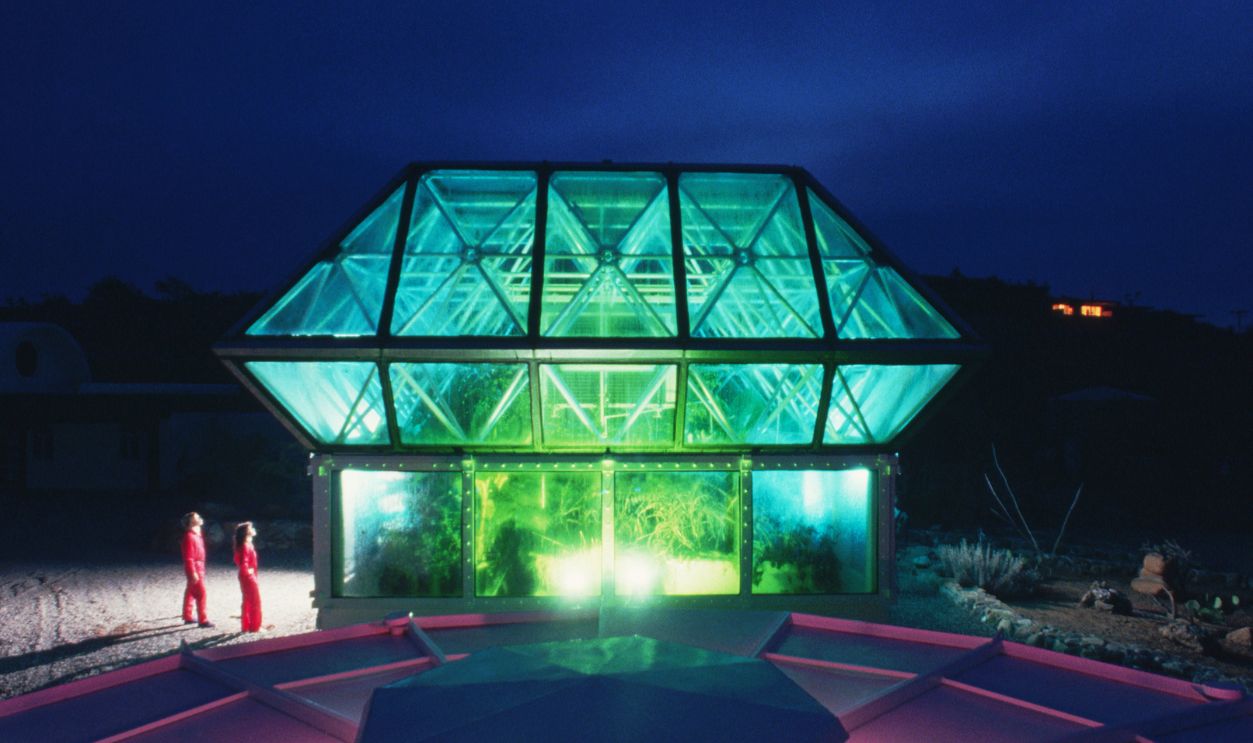
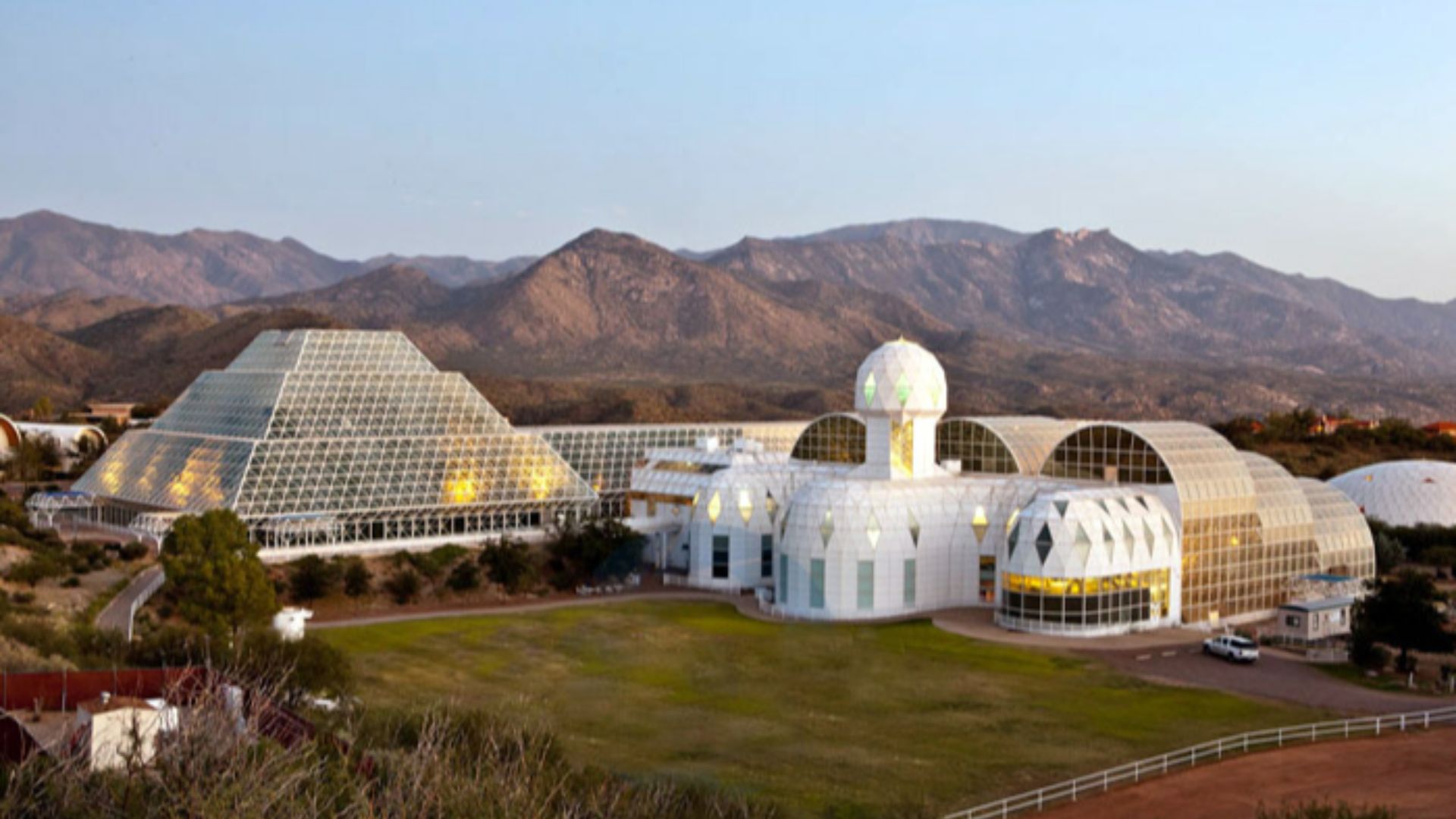
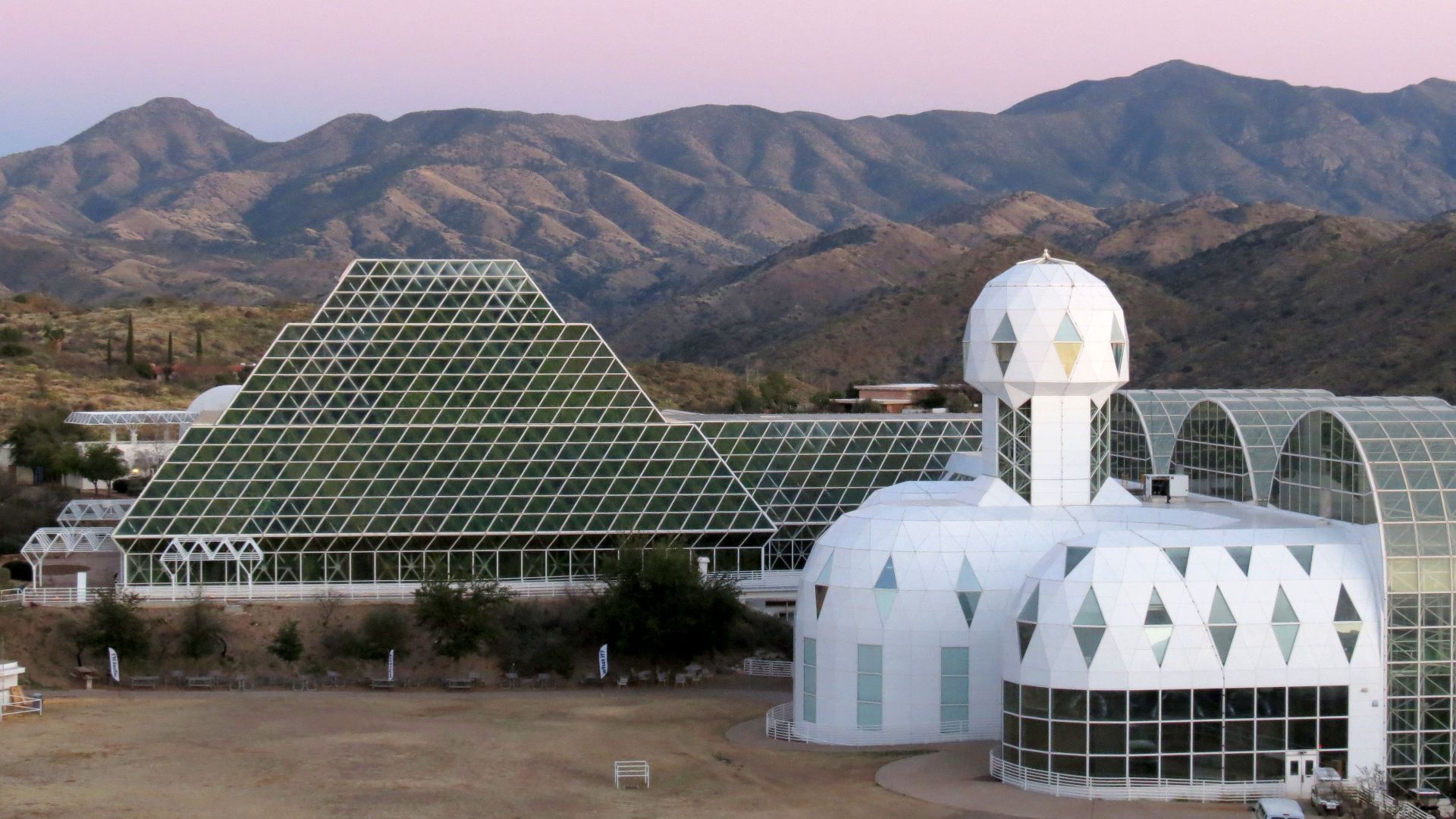
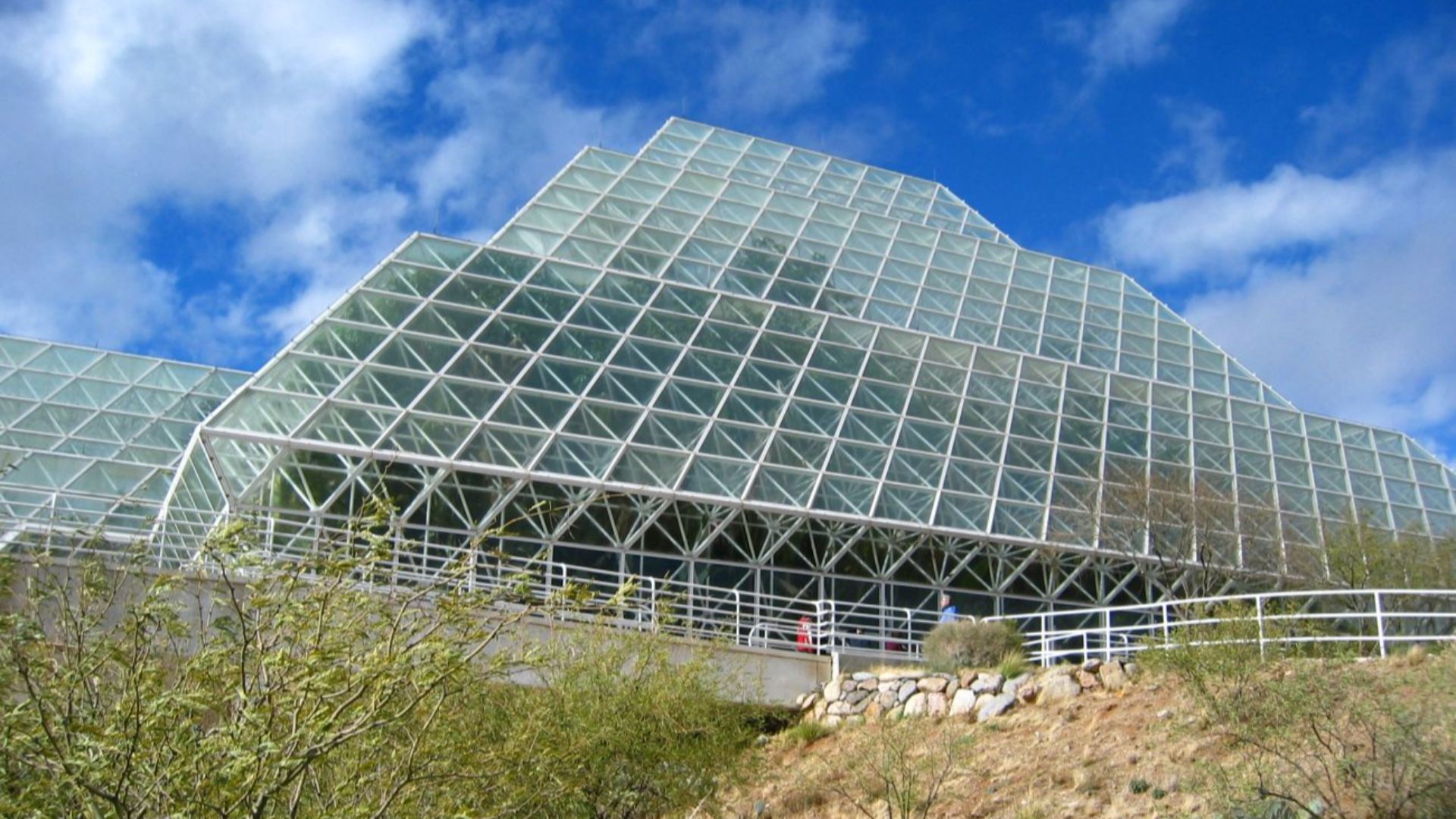
From the outside, Biosphere 2 (Earth is Biosphere 1) looked like something out of a sci-fi movie. The 3.14-acre complex rose from the Arizona landscape in glass pyramids and steel frames. But inside, it was designed to function like a living, breathing miniature planet.
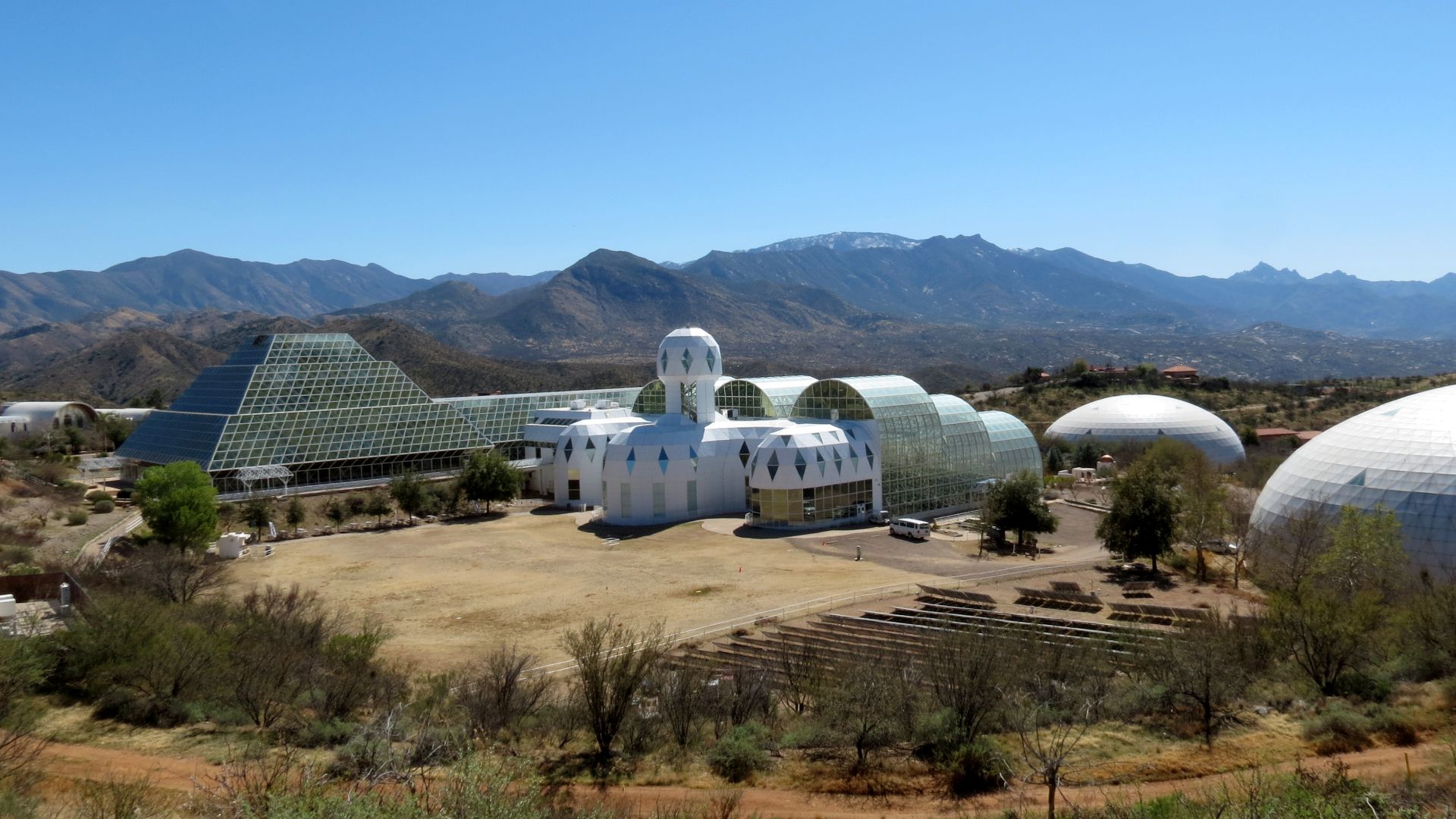 Katja Schulz from Washington, D. C., USA, Wikimedia Commons
A Completely Sealed System
The structure was a completely sealed system meant to mimic the way our planet recycles air, water, and nutrients naturally. If it worked, it could change how we think about long-term survival beyond Earth.
The Big Idea Behind It
The goal wasn’t just survival. Scientists wanted to prove humans could live inside a closed ecological system indefinitely. That kind of technology could one day support space stations, lunar bases, or even early colonies on Mars. While NASA didn’t run Biosphere 2, the lessons learned influenced thinking around controlled life-support systems.
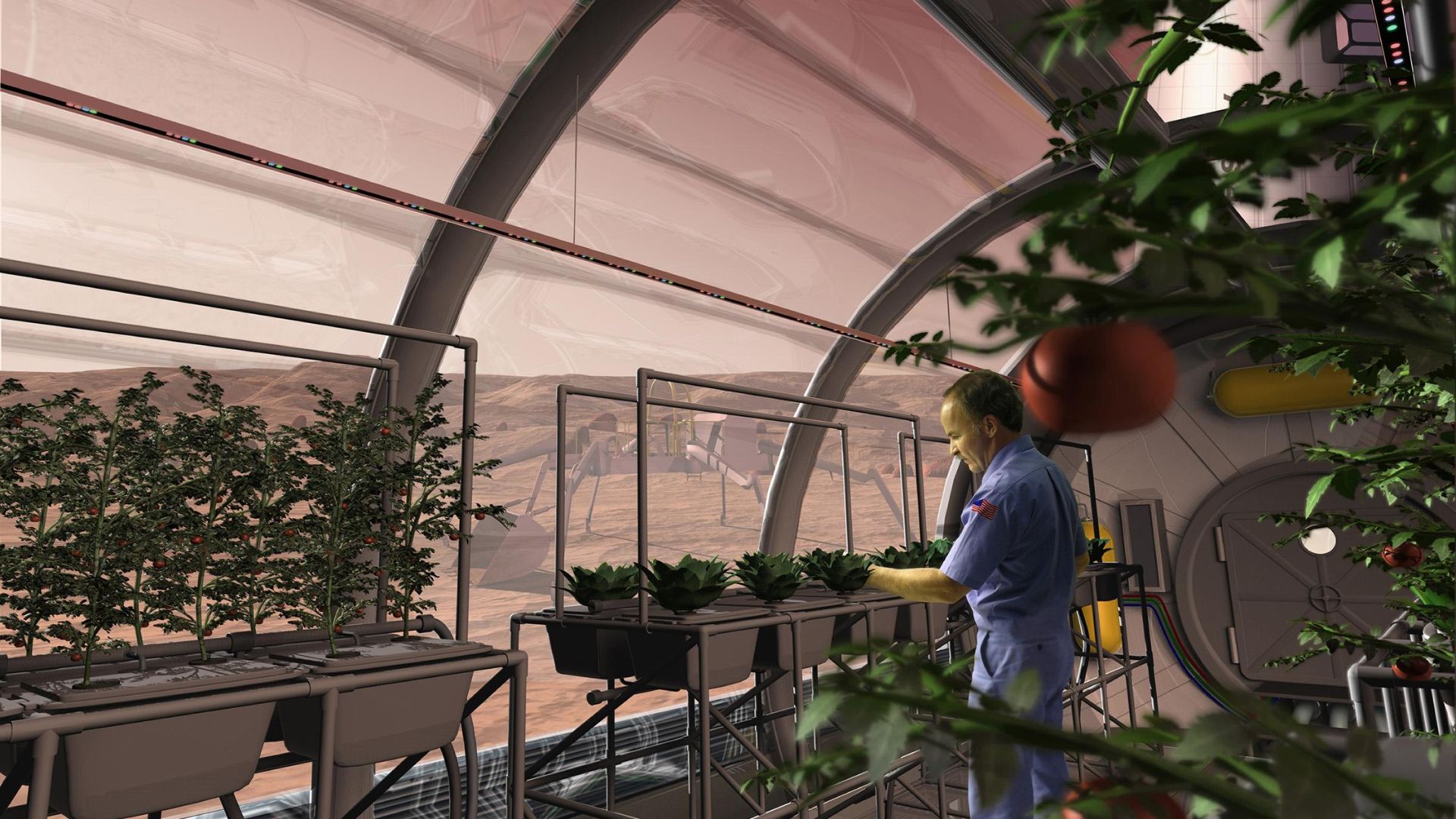 NASA/Human Systems Engineering and Development Division, Wikimedia Commons
Meet the Eight “Biospherians”
In September 1991, four men and four women stepped inside and the doors were sealed. They were scientists, engineers, and agricultural specialists—not reality show contestants. They fully committed to staying inside for 730 days.
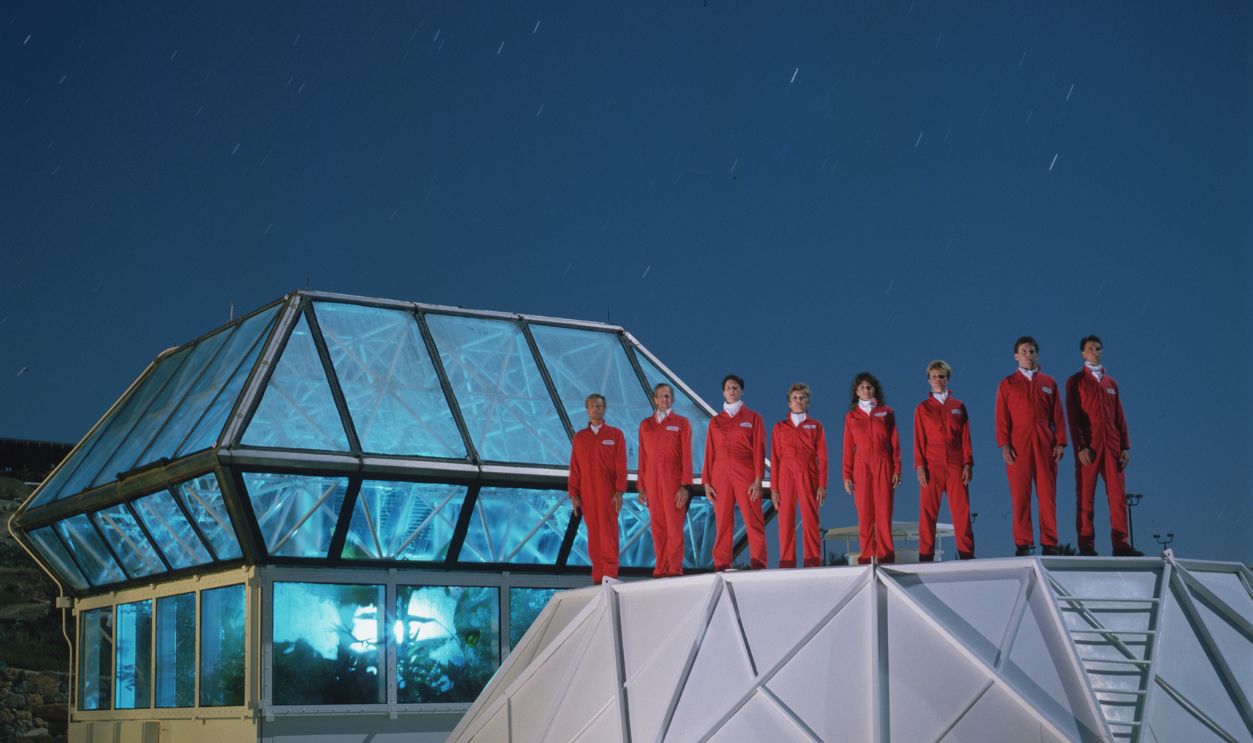
No Grocery Stores Allowed
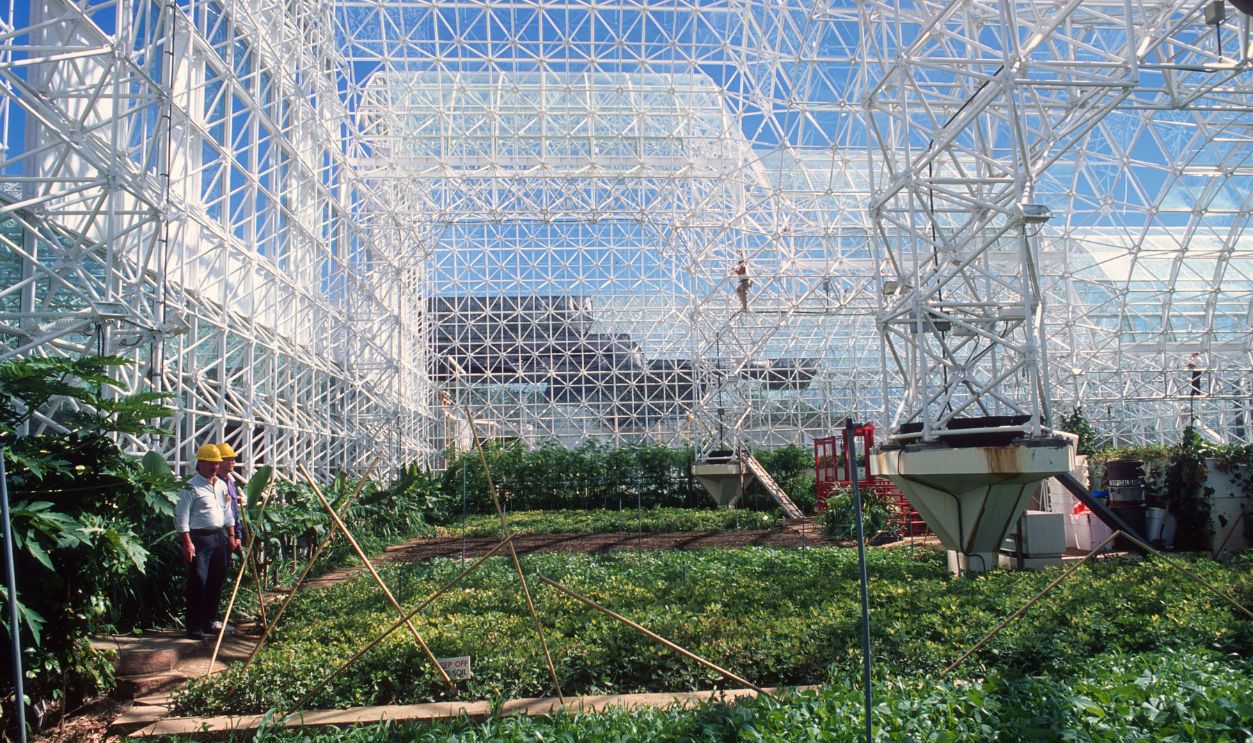
Everything they consumed had to be grown or produced inside. Crops included sweet potatoes, rice, peanuts, bananas, and vegetables. They also raised goats and chickens. If harvests were weak, there was no backup plan waiting outside.
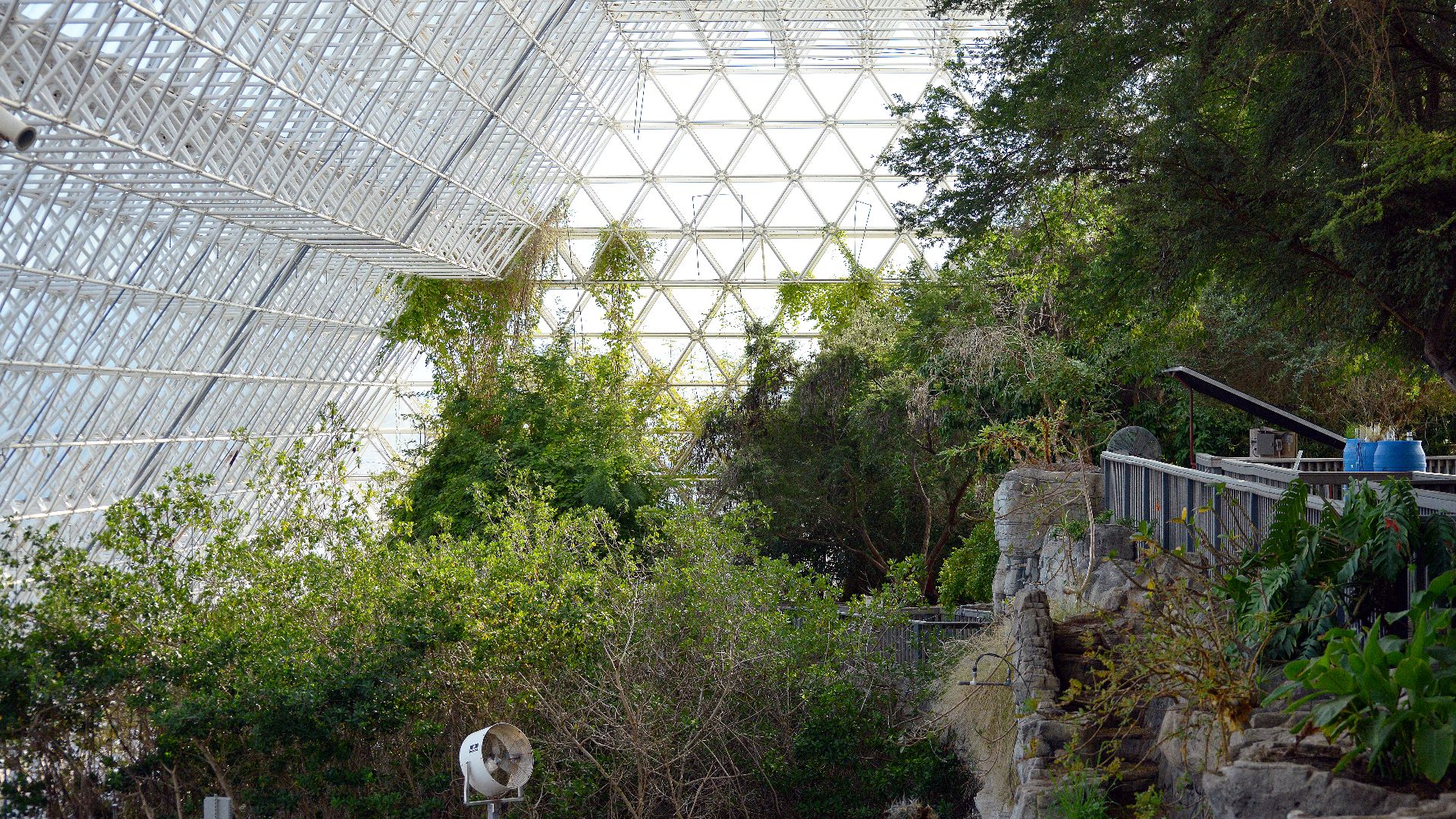
Multiple Mini Ecosystems
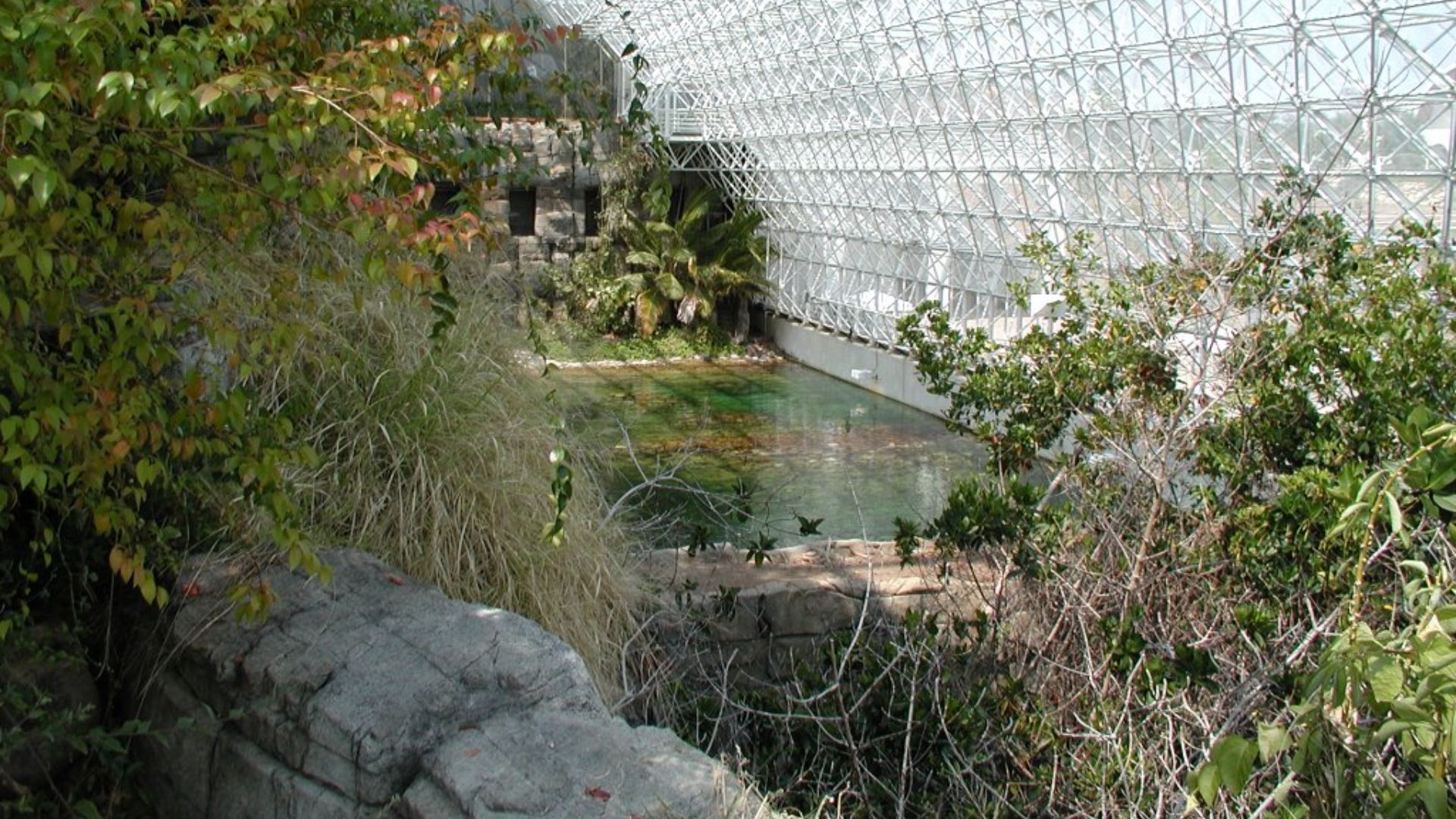
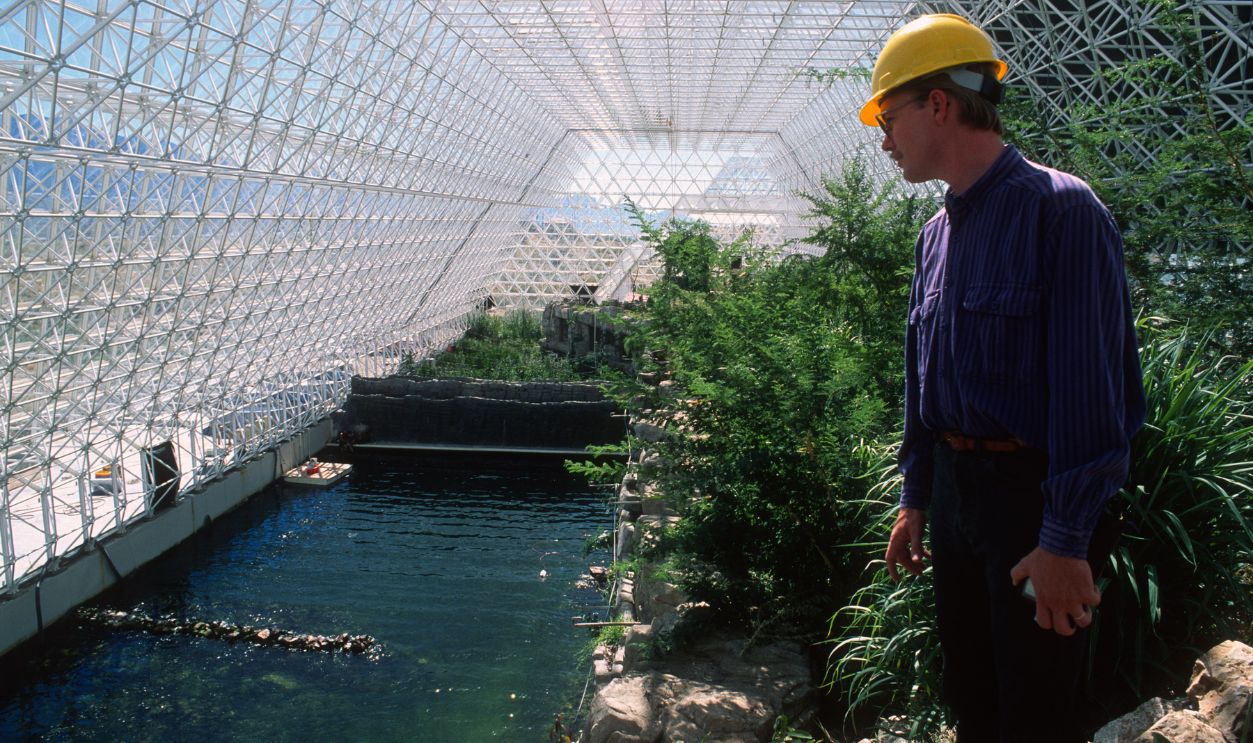
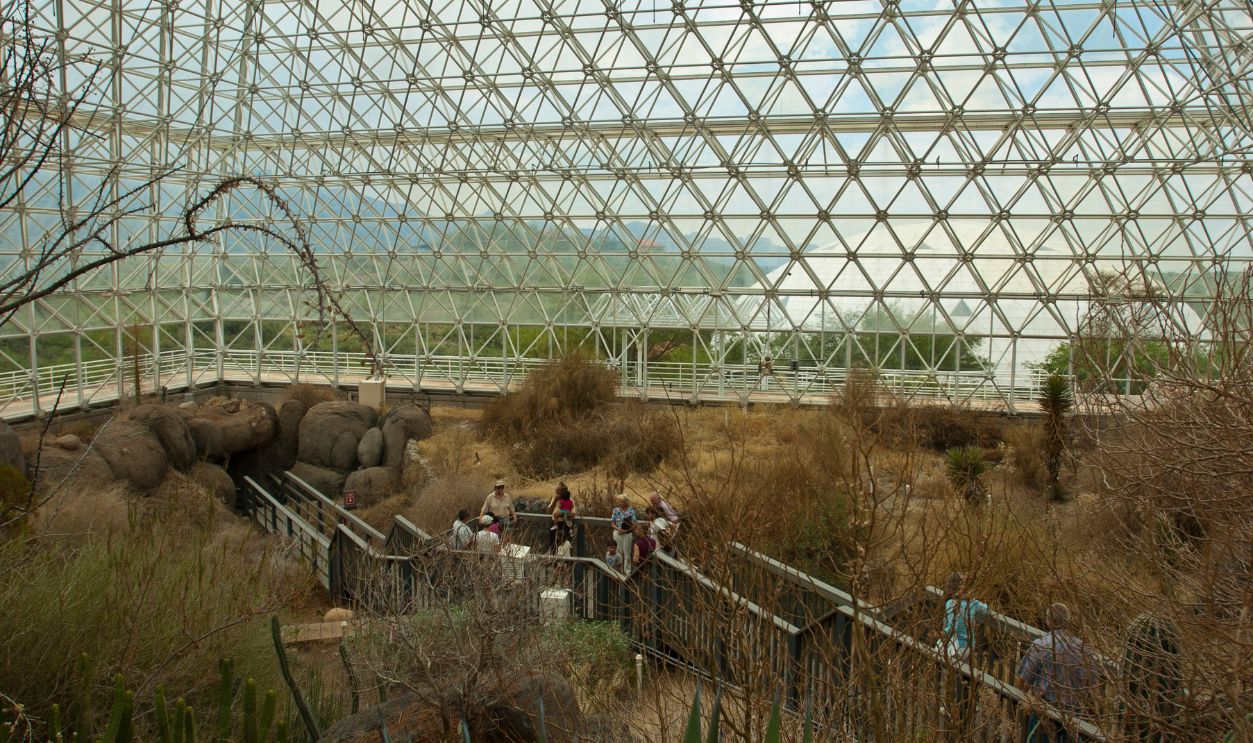
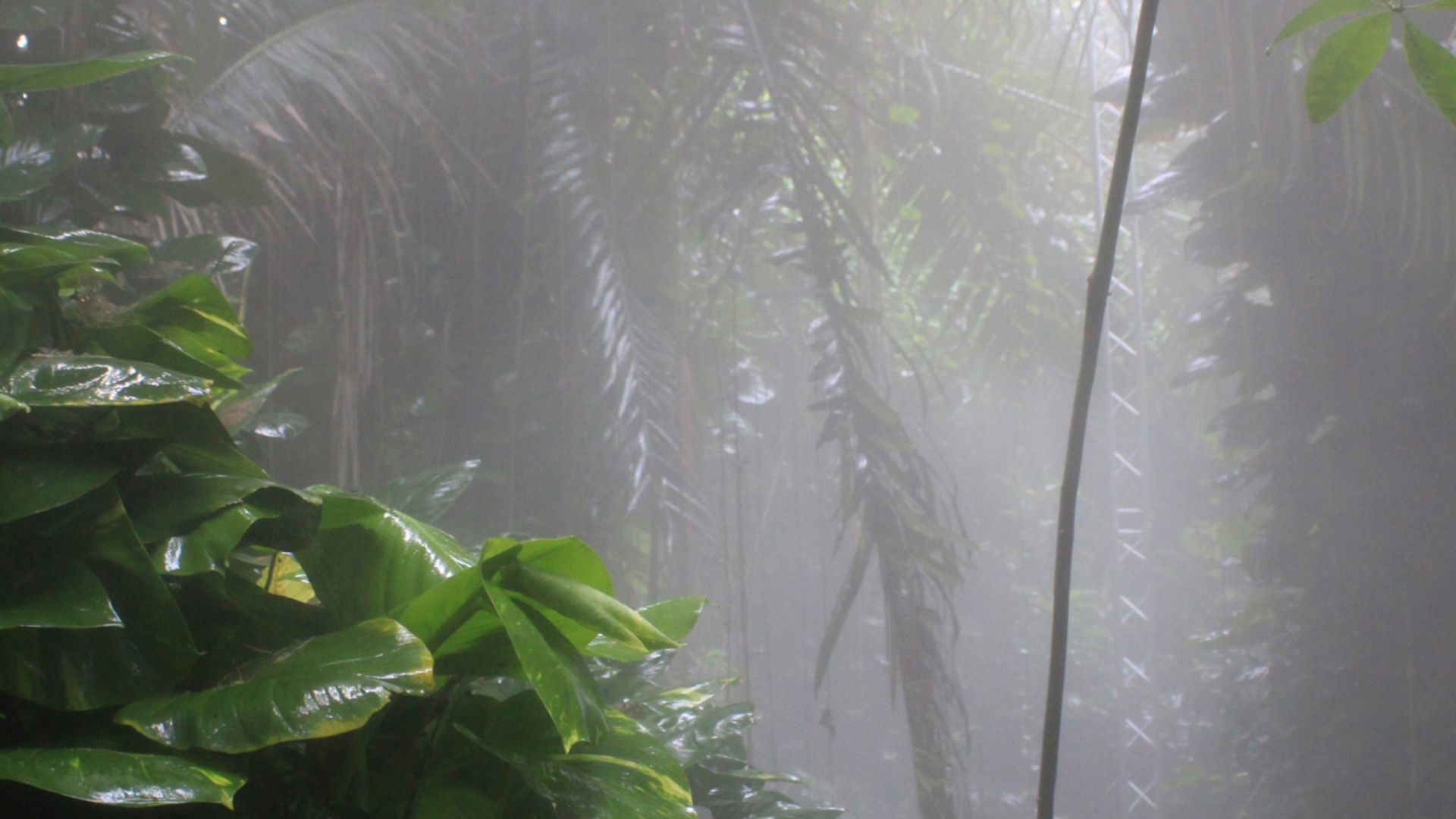
The structure housed a rainforest, desert, savanna, mangrove wetland, agricultural farm, and even a small ocean with a coral reef. Each biome was carefully engineered to interact with the others in one closed loop.
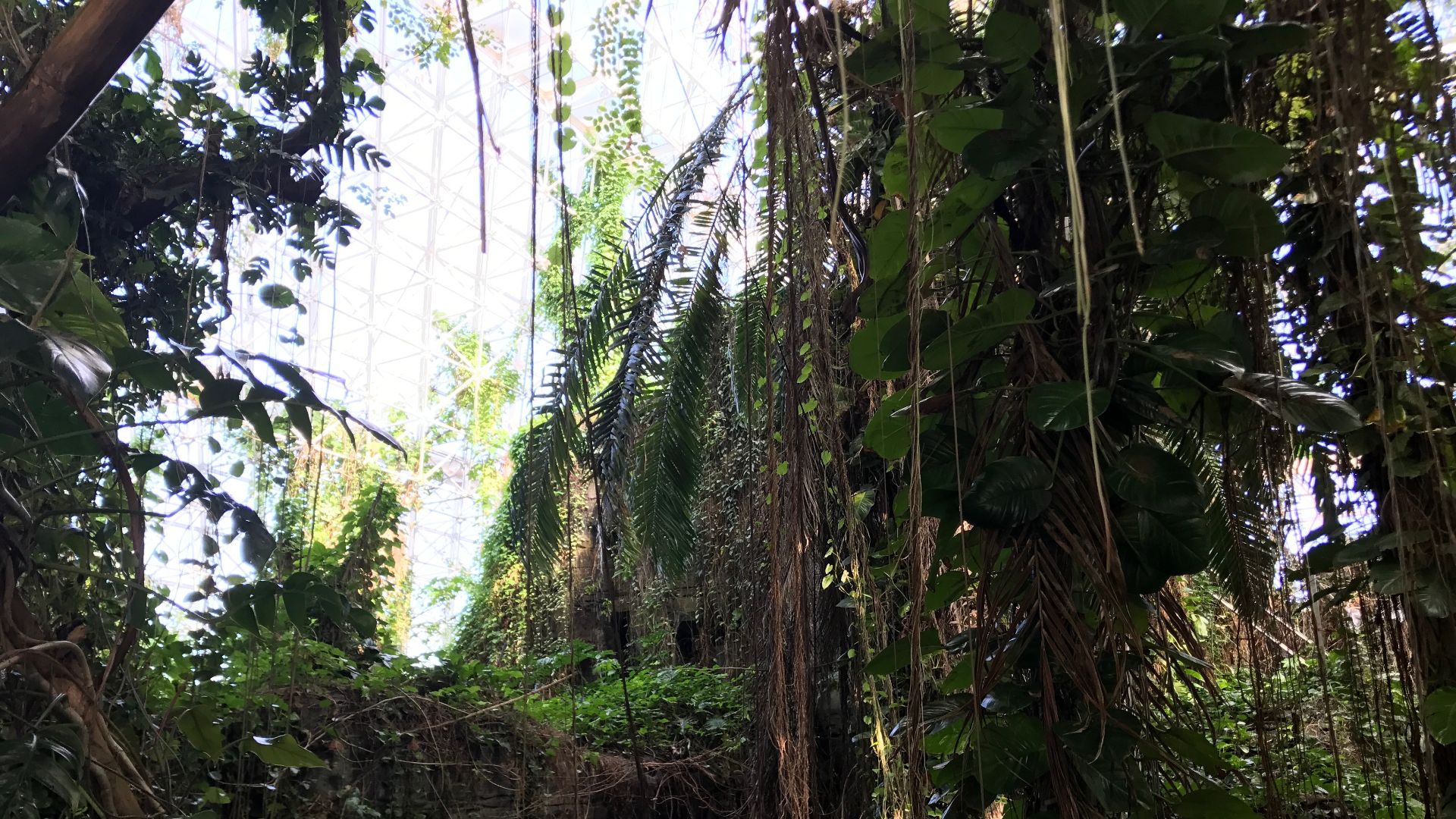 Jesuiseduardo, Wikimedia Commons
At First, It Worked
In the early months, the system appeared stable. Plants grew. Water recycled. The crew adapted to structured routines. On the surface, it seemed like the bold experiment might actually succeed.
 Colin Marquardt, Wikimedia Commons
Then the Oxygen Started Dropping
Slowly but steadily, oxygen levels inside began to fall—from the normal 21% down to about 14%. No one expected it. Over time, the air thinned to levels comparable to living at roughly 13,000–14,000 feet above sea level.
 Shimada, K. Sept. 20, 2010 Arizona, USA, Wikimedia Commons
Carbon Dioxide Spikes
Oxygen wasn’t the only issue. Carbon dioxide levels fluctuated unpredictably, sometimes spiking to uncomfortable levels. The swings made breathing conditions inconsistent and added another layer of stress to daily life inside the dome.
How It Felt Physically
Crew members reported fatigue, dizziness, and trouble concentrating. Some needed more sleep just to function normally. Everyday tasks became more exhausting as oxygen continued to decline.
 Education Images, Getty images
What Went Wrong
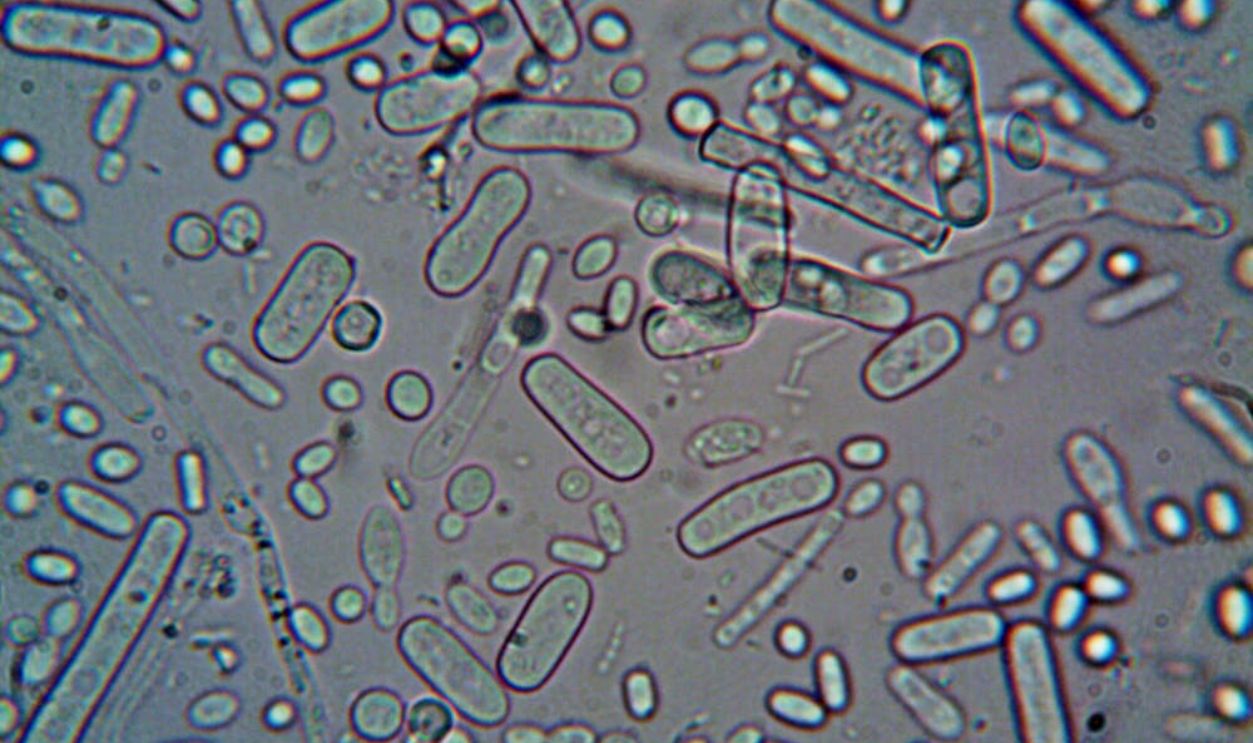
The problem came down to chemistry and biology. Soil microbes consumed more oxygen than predicted. Meanwhile, exposed concrete absorbed carbon dioxide through a process called carbonation, disrupting the balance scientists thought they had carefully calculated.
A Controversial Decision
Eventually, outside managers made the call to pump oxygen into the structure. It protected the crew’s health—but it also meant the “fully sealed” concept had technically failed.
 Gleam at Japanese Wikipedia, Wikimedia Commons
Not All Species Made It
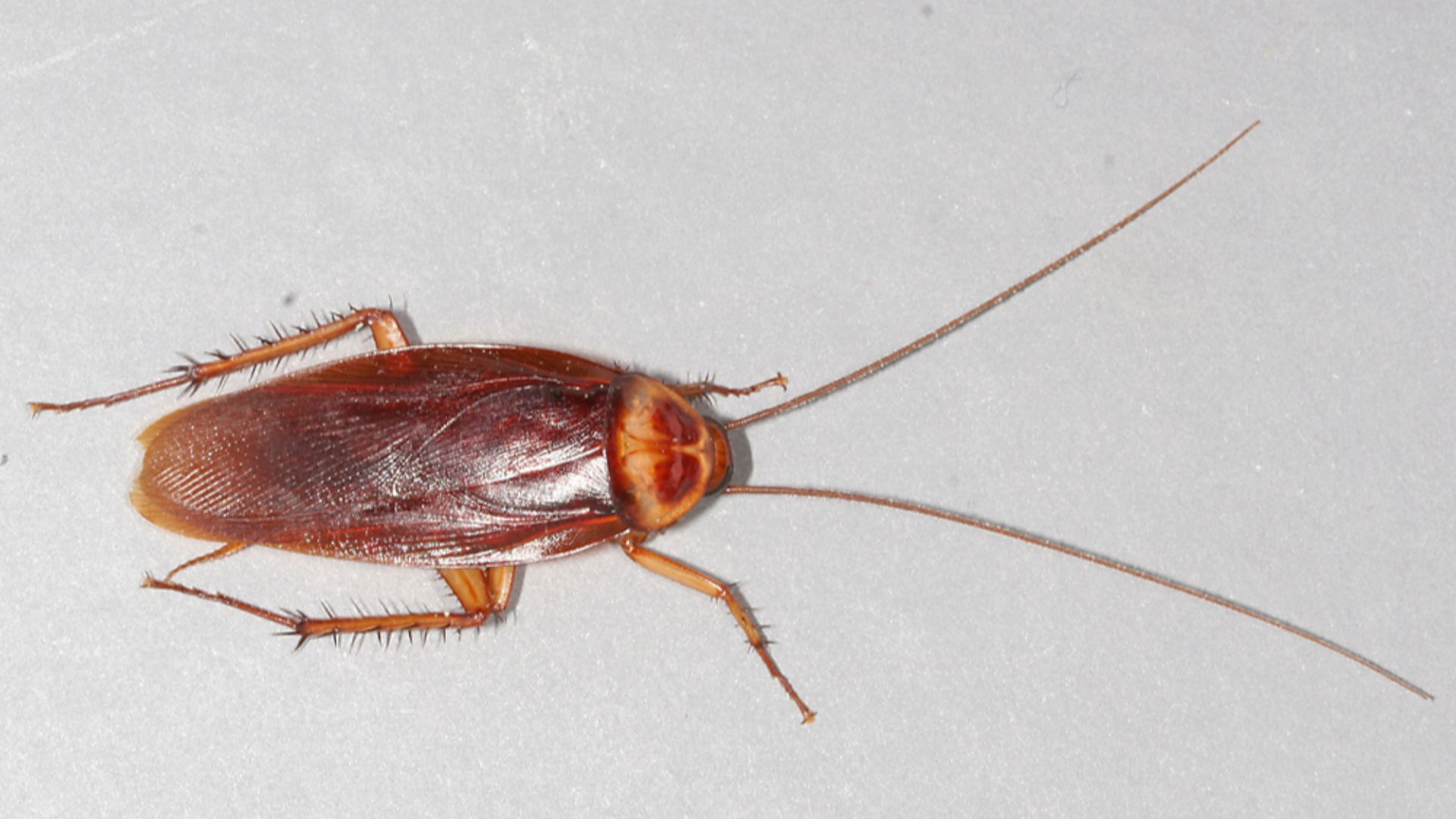
Many insect and animal species introduced into the biosphere died off. At the same time, ants and cockroaches exploded in population. Nature inside the dome didn’t behave the way planners expected.
 Gary Alpert, Wikimedia Commons
Food Wasn’t Abundant
Crop yields were lower than projected. At times, the crew consumed roughly 1,800 calories per day, leading to noticeable weight loss across the group. It wasn’t starvation—but it wasn’t comfortable either.
Isolation—But Not Total Silence
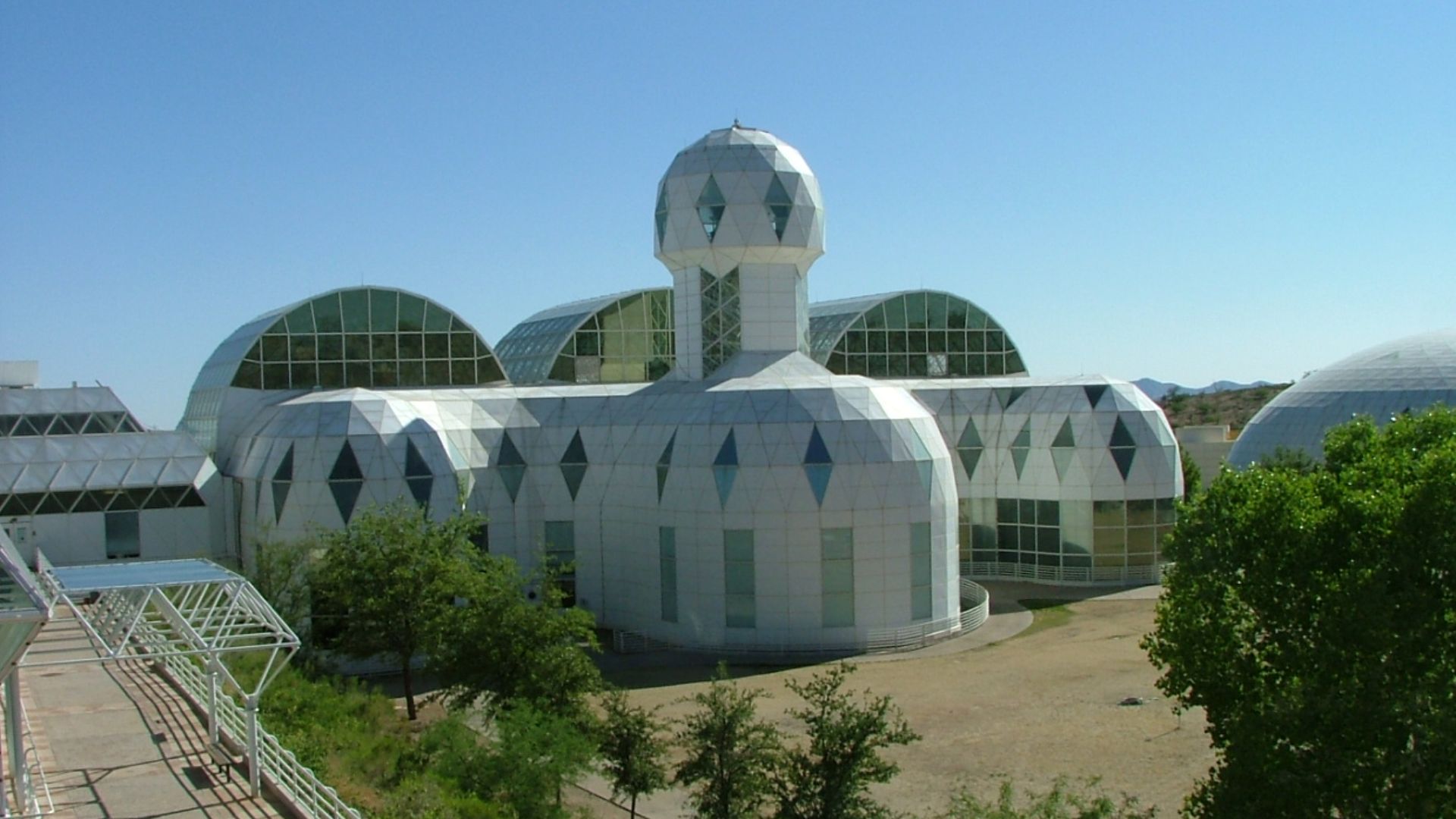
While they were sealed physically, they weren’t completely cut off. The crew could receive mail, had limited phone communication, and were observed by visitors from outside. Still, daily life remained highly confined.
 DrStarbuck at Flickr, Wikimedia Commons
Isolation Took a Toll
By the second year, the crew had divided into two groups of four. Jane Poynter, Taber MacCallum, Linda Leigh, and Mark Nelson were generally described as more supportive of outside management decisions. Roy Walford, Abigail Alling, Sally Silverstone, and John Allen were more critical of outside intervention and wanted stricter adherence to the sealed-system goal. The split was philosophical—but tension was real.
The Billionaire Behind It
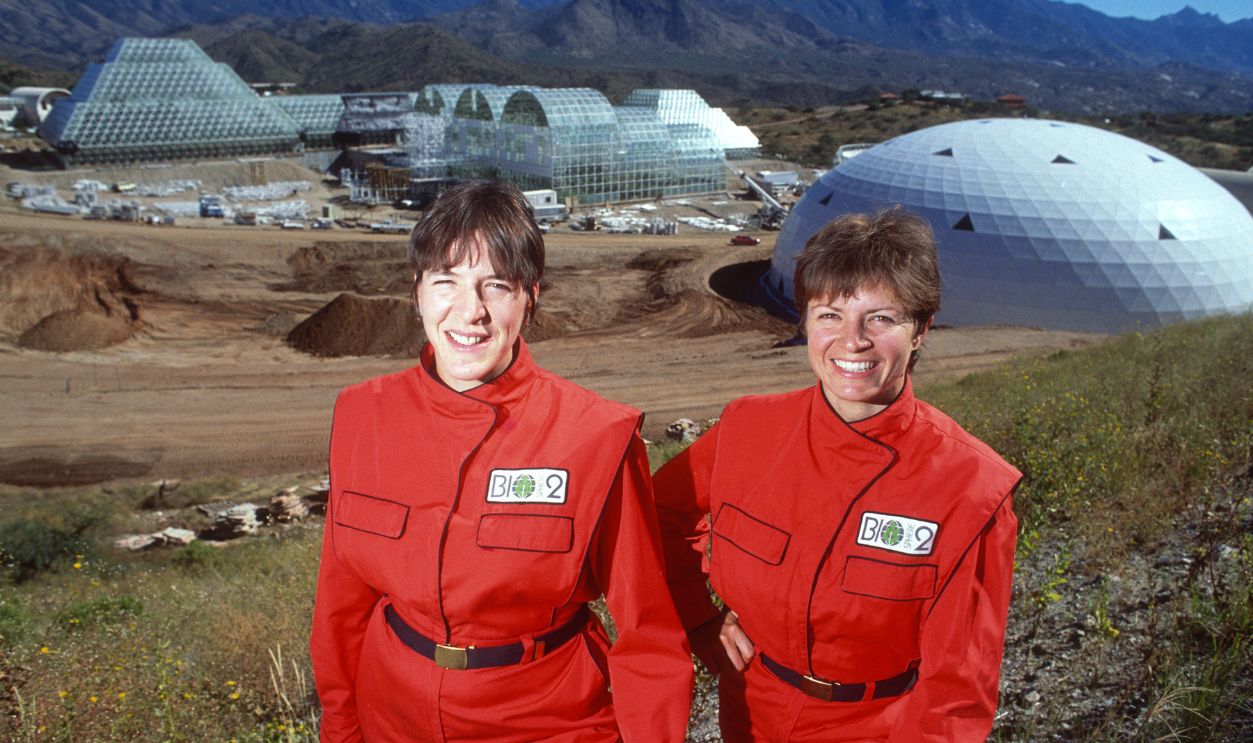
The project was largely funded by Texas oil billionaire Ed Bass. The ambitious vision—and its deep pockets—allowed the structure to be built, but also drew scrutiny once problems began.

The Media Spotlight
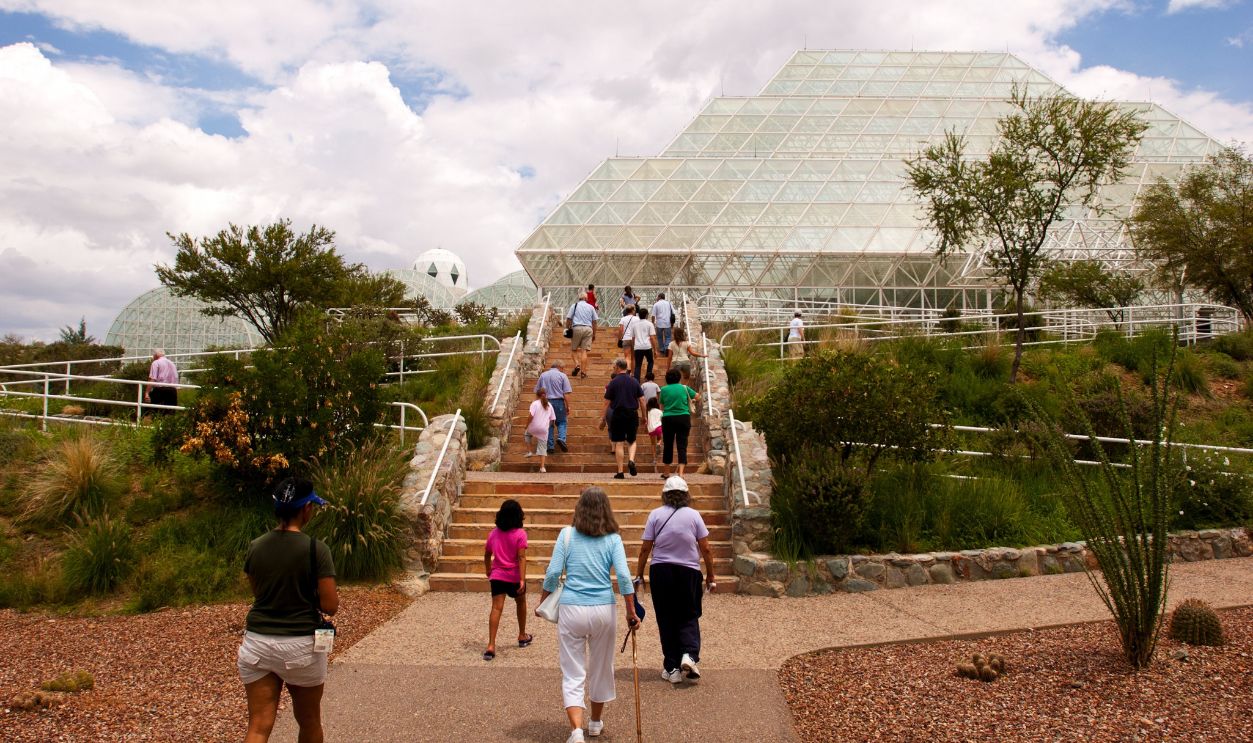
With an estimated cost between $150–200 million and heavy publicity, the experiment attracted constant attention. As setbacks became public, critics questioned whether it was serious science or an overly ambitious—and expensive—experiment.
 UniversalImagesGroup, Getty images
They Stayed the Full Two Years
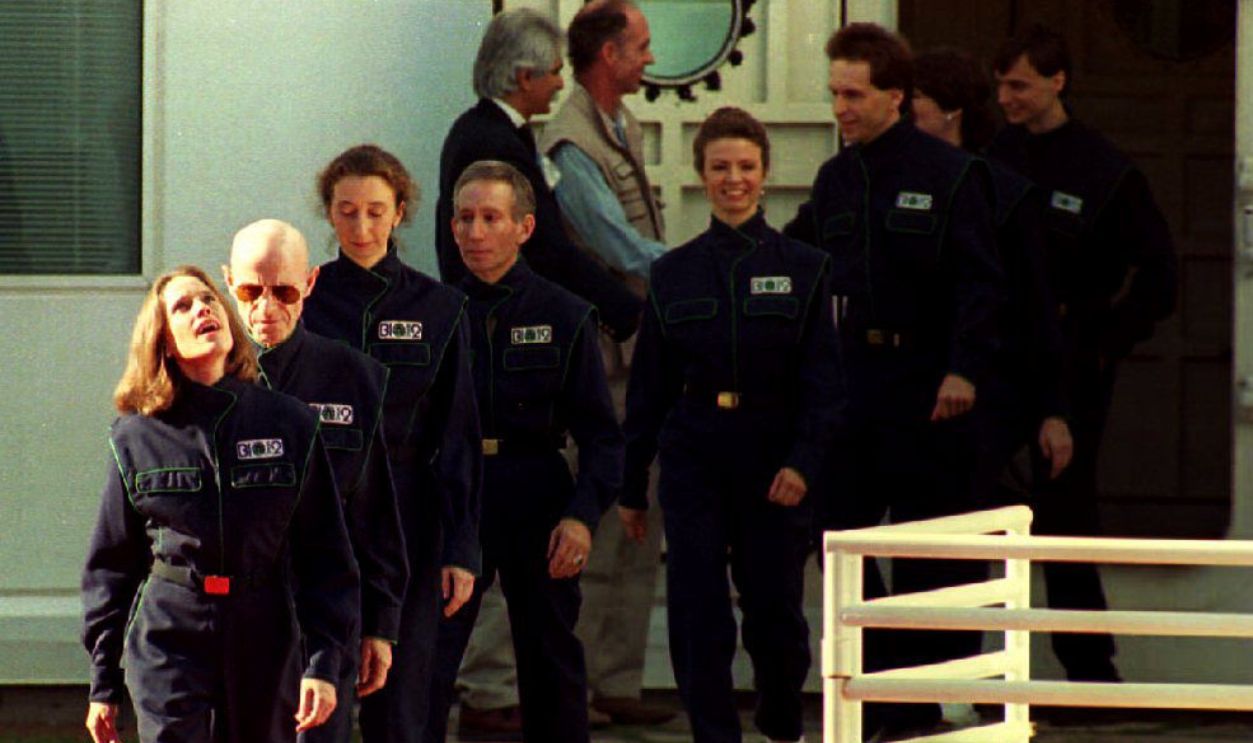
Despite the setbacks, the original eight remained inside for the entire mission. In September 1993, after exactly 730 days, the doors reopened and they stepped back into the outside world.
A Second Attempt
A new crew of seven entered Biosphere 2 in March 1994 with plans for a more research-focused mission. The goal was to improve scientific rigor and avoid some of the controversies that followed the first experiment.
A Power Struggle Behind the Scenes
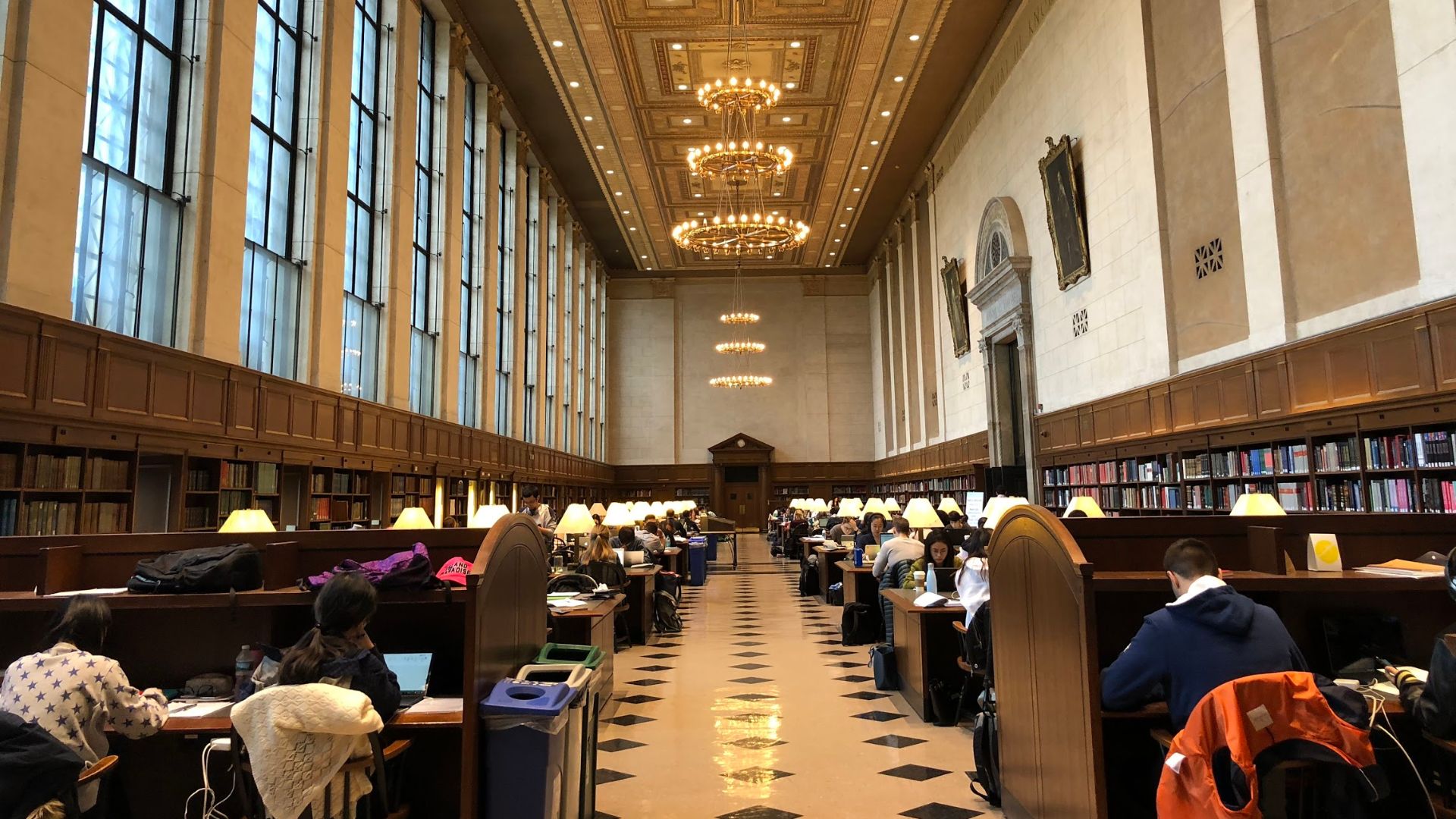
This time, the biggest problems weren’t ecological—they were administrative. Control of the project shifted to Columbia University, sparking disputes over funding, leadership, and scientific direction. Tensions escalated between the original founders and new management.
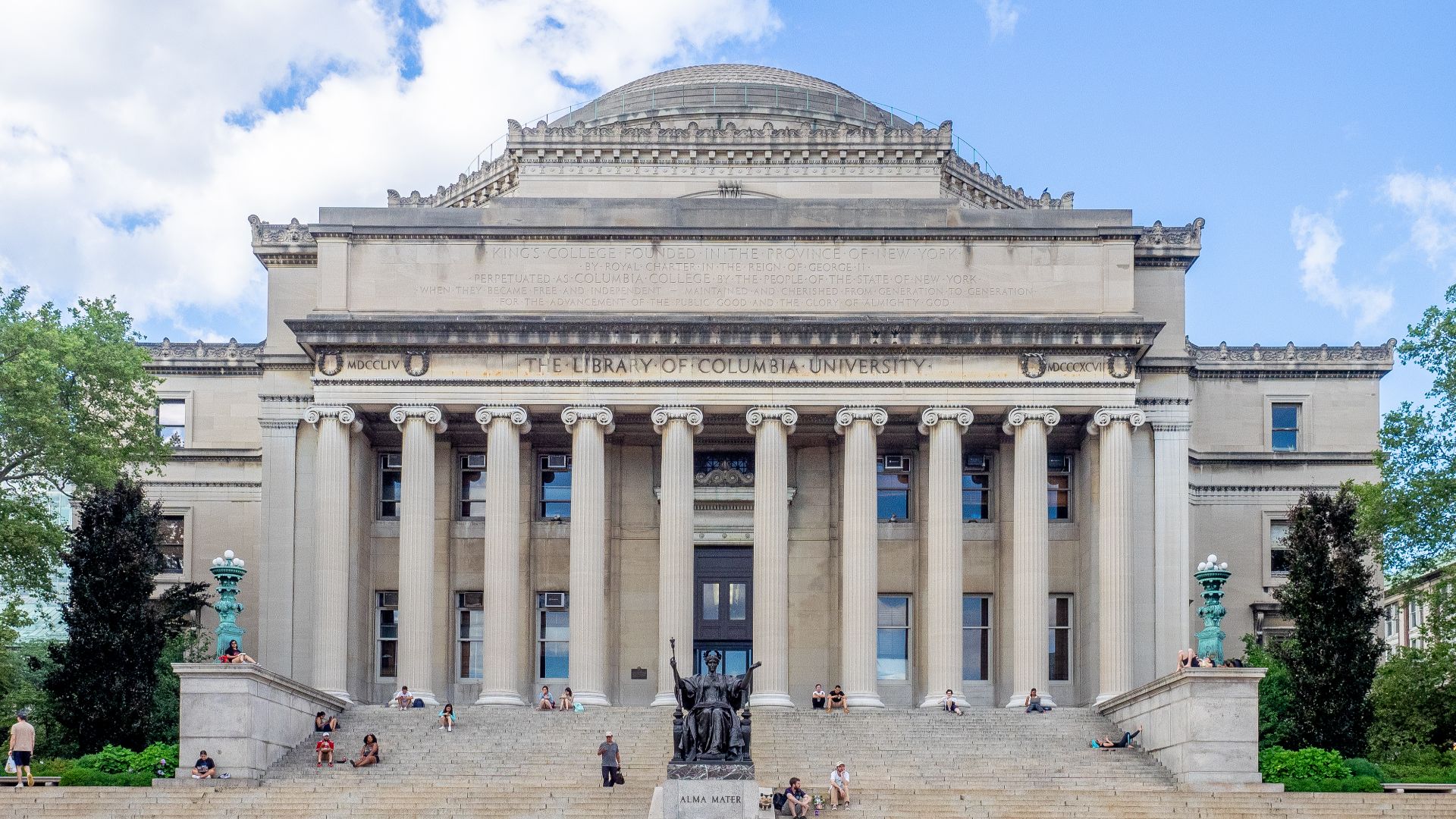 Ajay Suresh from New York, NY, USA, Wikimedia Commons
A Break-In Changed Everything
In April 1994, two former managers broke into the facility at night and reportedly opened airlocks, briefly compromising the sealed system. They claimed they were protecting the project. By September 1994, the second mission ended after just six months.
Was There Ever a Third Attempt?
Early on, the founders envisioned Biosphere 2 hosting multiple sealed missions, improving the system each time. In theory, a third human experiment was possible. But after the controversies of the first two missions, momentum had clearly faded.
Why It Never Happened
The project had already cost an estimated $150–200 million and faced heavy criticism over management and scientific transparency. When Columbia University shifted the focus to environmental research, the idea of sealing people inside again quietly disappeared.
 Bitterteayen, Wikimedia Commons
Was It a Failure?
Many scientists criticized the project’s design and transparency. But others argue it revealed something critical: recreating Earth’s natural balance is far more complicated than anyone imagined.
 Katja Schulz from Washington, D. C., USA, Wikimedia Commons
What It Really Proved
Biosphere 2 showed how delicate closed ecosystems are. Small miscalculations—microbial activity, chemical reactions, population shifts—can snowball into major systemic problems surprisingly fast.
It Still Exists Today
The structure wasn’t abandoned. Today, Biosphere 2 is operated by the University of Arizona and serves as a research center focused on climate science and environmental systems.
 The original uploader was Microsome at German Wikipedia., Wikimedia Commons
Why People Still Talk About It
The idea of sealing humans inside a “fake Earth” feels almost unbelievable. But it really happened—and the results were both inspiring and cautionary.
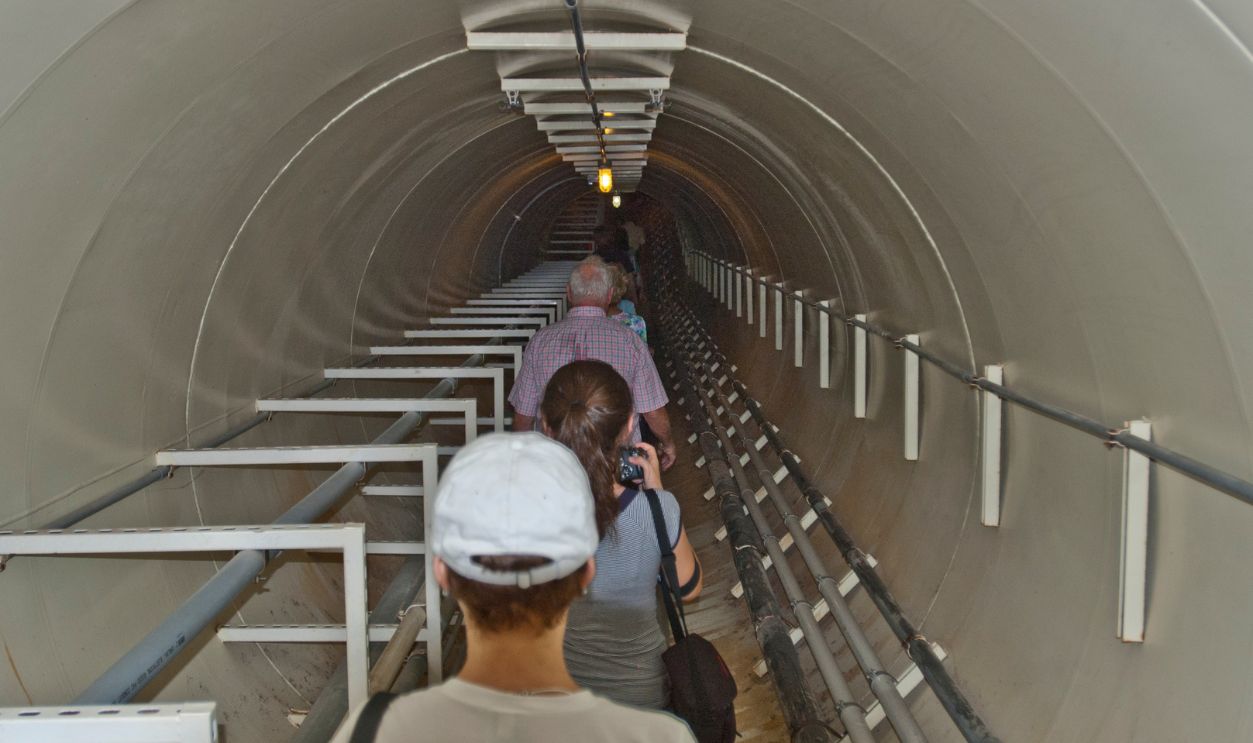 Education Images, Getty images
The Bigger Lesson
If building a tiny, controlled version of Earth proved this difficult, it reminds us how complex and fragile our real planet truly is. Biosphere 2 didn’t just test survival—it highlighted how extraordinary Biosphere 1 already is.
You Might Also Like:
Scientists Say These "Alien Mummies" Aren’t Human—But The Full Story Is Even Weirder