
States Where Gas Is Cheapest Vs Most Expensive
Gas prices across the United States vary far more than most travelers expect, often swinging by more than $2 per gallon between regions. These differences are the result of a mix of state taxes, distance from oil production, refining capacity, and environmental regulations. If you’re planning a road trip or relocation, knowing where fuel is cheapest can save you some serious money.

Why Gas Prices Vary So Much By State
Gasoline pricing is shaped by several key factors. State fuel taxes, environmental regulations, transportation costs, and access to refineries all play major roles. States closer to oil production hubs understandably have cheaper fuel, while isolated or heavily regulated markets often see higher prices.
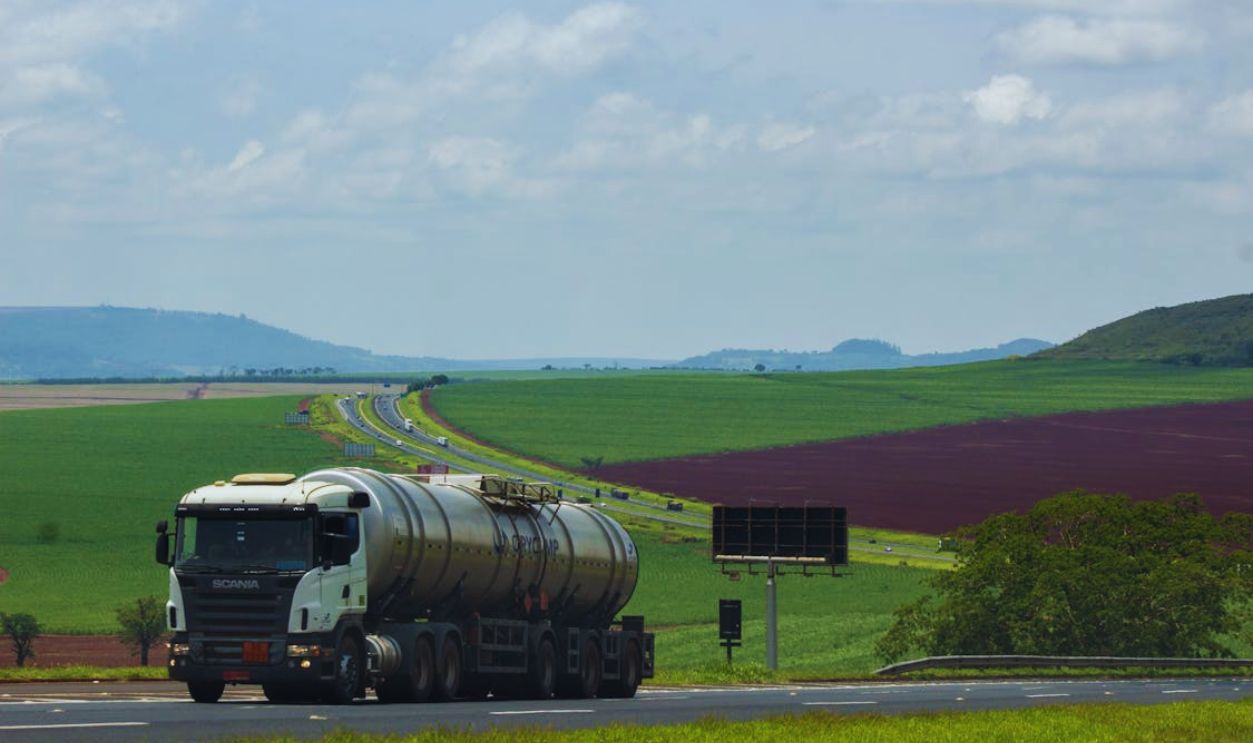
Kansas Consistently Leads As The Cheapest
Kansas often tops the list for lowest gas prices, with averages hovering around the low $3 range. The state benefits from low taxes, central location, and proximity to Midwest refining hubs. This combination cuts down on transportation costs and keeps prices among the lowest nationwide.
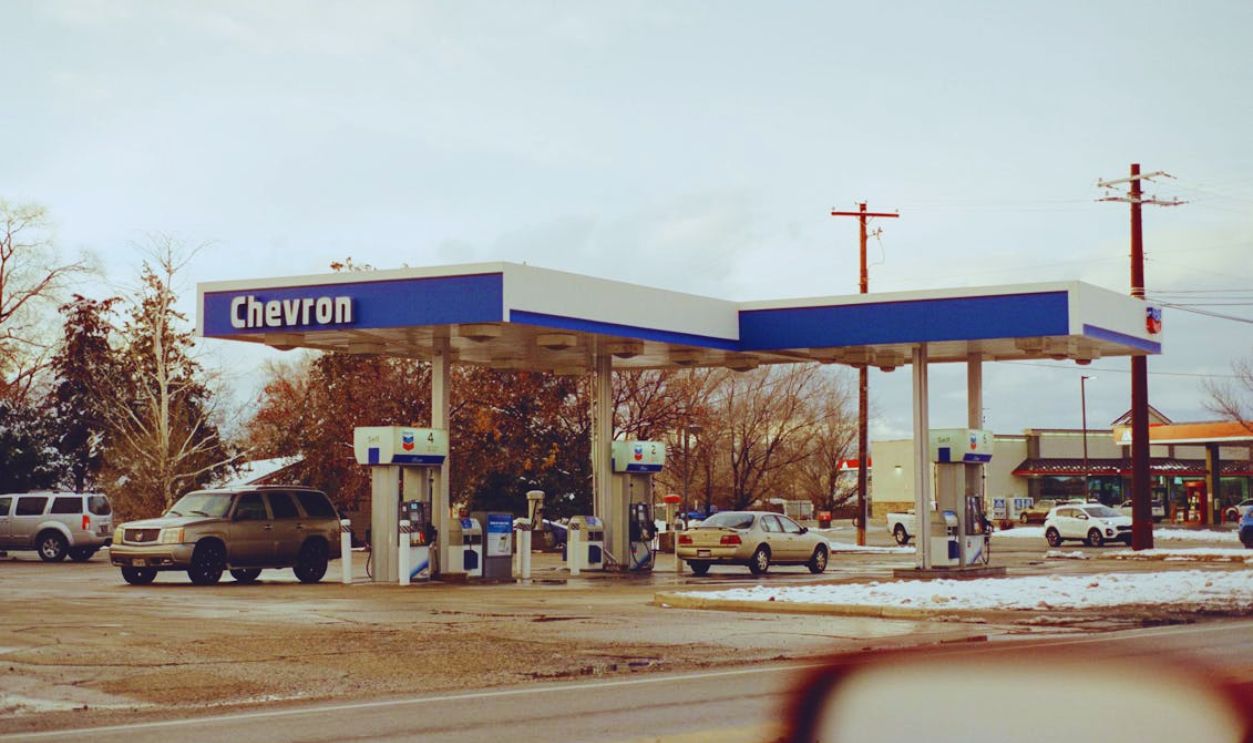
Oklahoma Offers Rock Bottom Prices
Oklahoma often rivals Kansas for the cheapest gas in America. As a major oil-producing state with a range of refining infrastructure, supply is plentiful and transport costs are minimal. Lower taxes further help keep pump prices among the most affordable in the country.
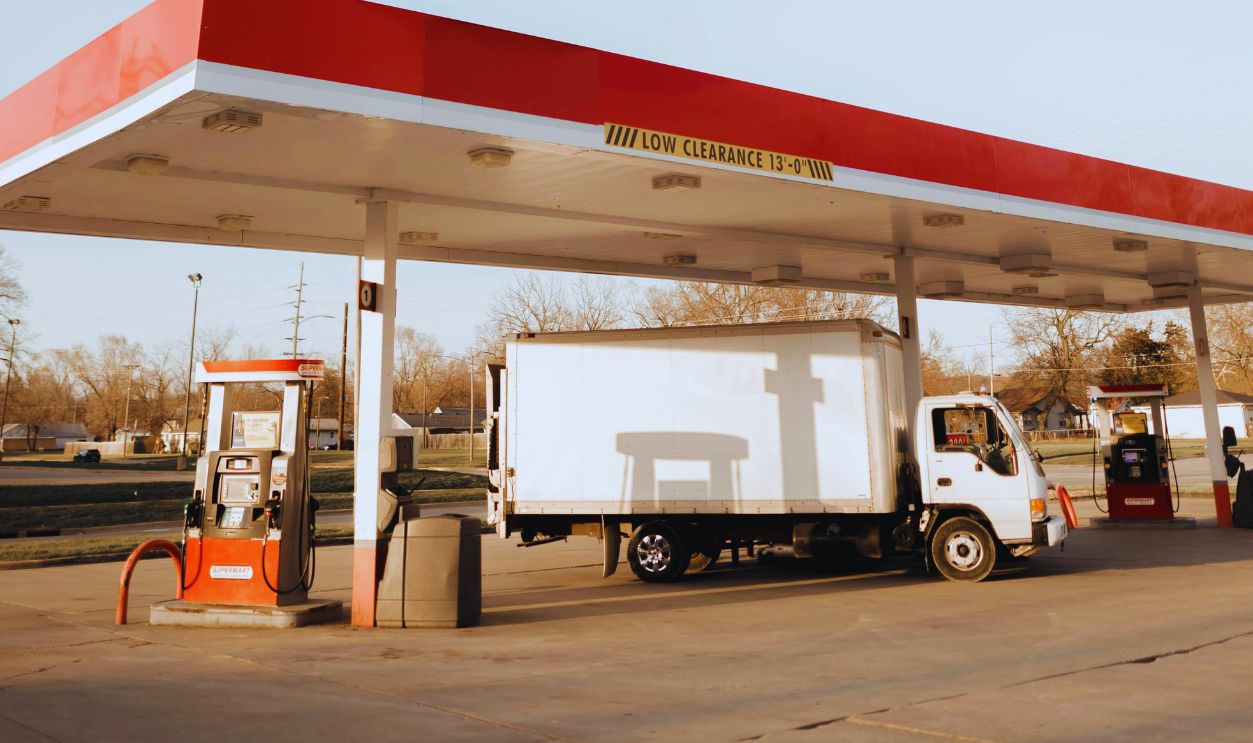
Mississippi Keeps Fuel Costs Low
Mississippi consistently ranks among the cheapest states because of its low fuel taxes and proximity to Gulf Coast refineries. Its access to pipelines and shipping routes helps keep a steady supply, avoiding the price spikes seen in more isolated regions.

Texas Benefits From Massive Oil Production
Texas is still one of the cheapest places to buy gas because of its dominance in oil production and refining. The state’s extensive infrastructure and competition among suppliers help keep prices relatively low, even during global oil shocks.
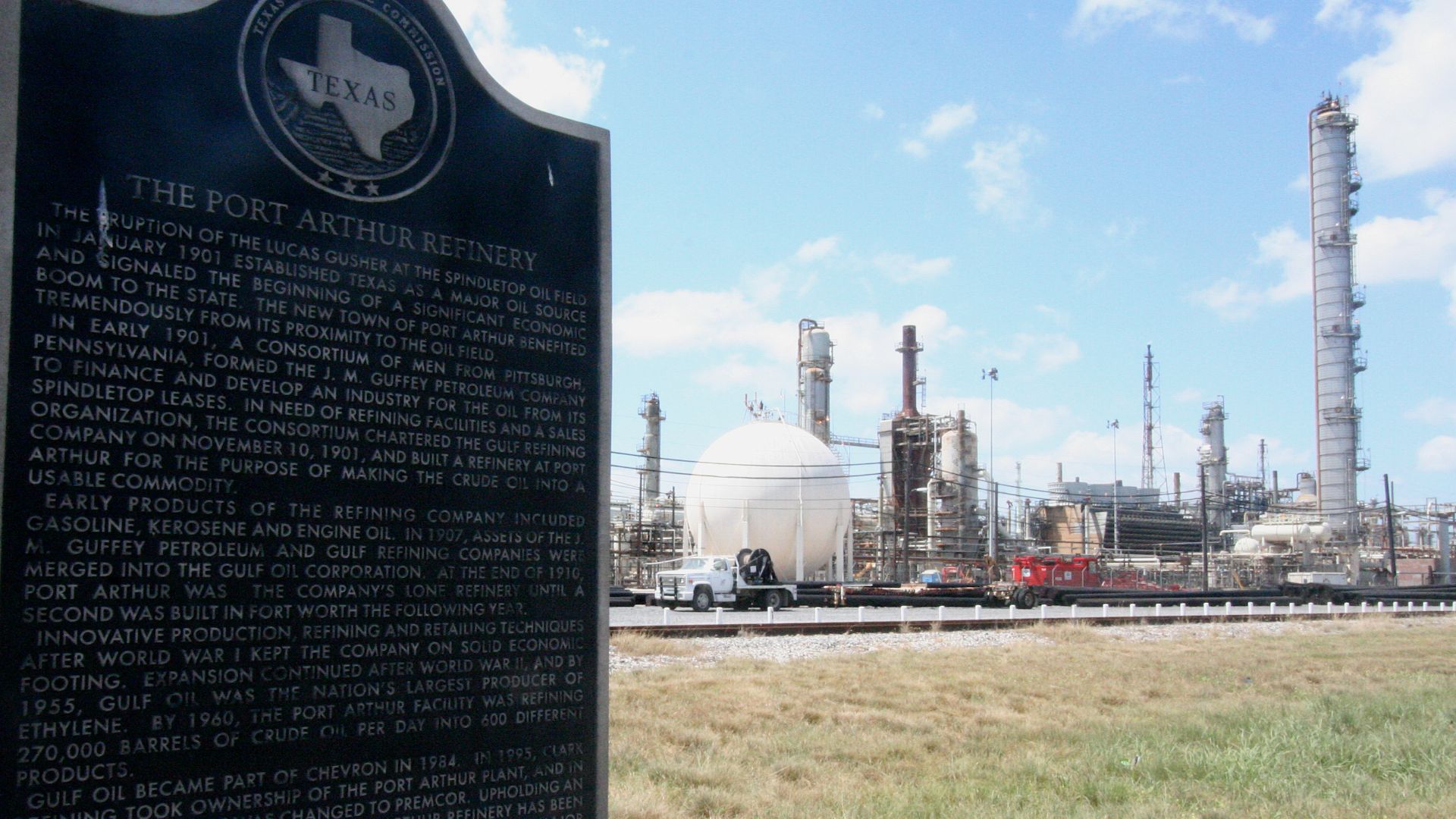
Arkansas Usually Near The Bottom Of The Price List
Arkansas benefits from its location near major refining centers and pipelines. Combined with moderate taxes, this allows the state to consistently rank among the cheapest fuel markets in the U.S.
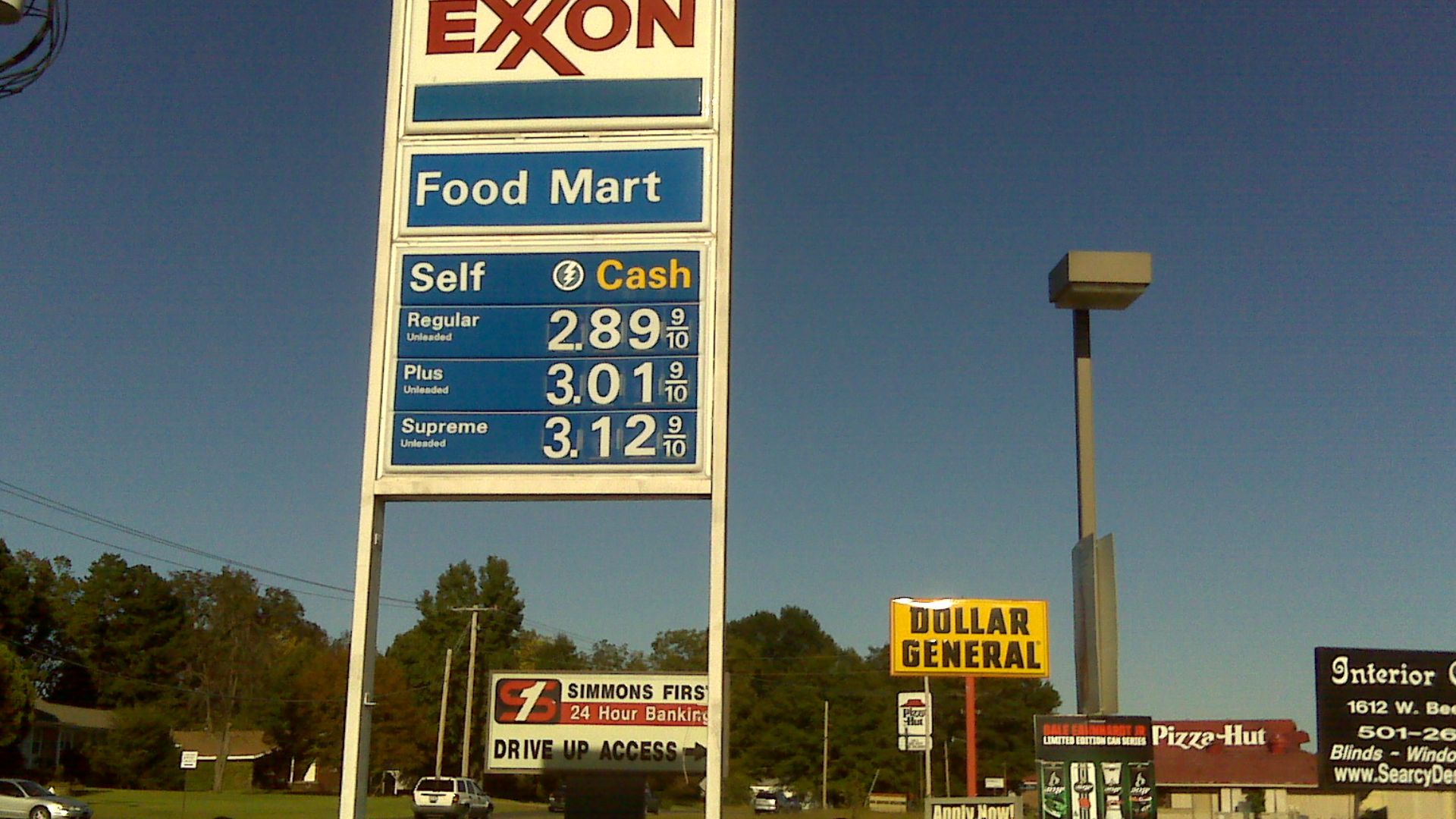 Bryan McDonald, Wikimedia Commons
Missouri Offers Affordable Fuel
Missouri’s central location and access to pipeline networks helps keep their fuel supply steady. This factor combines with relatively low taxes to allow drivers to enjoy prices below the national average.

Louisiana Has Built-In Advantages
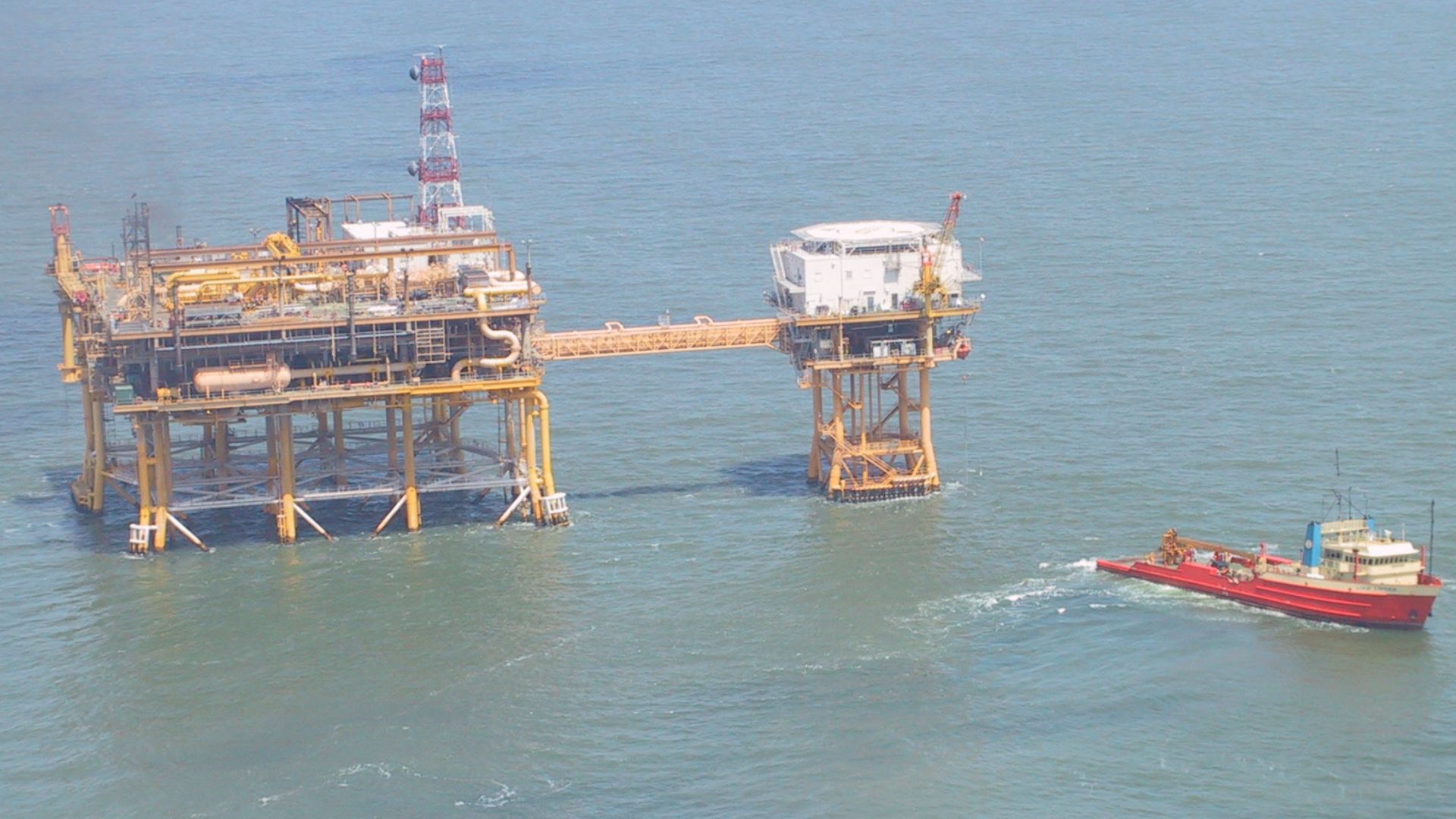
Louisiana sits at the heart of U.S. refining, with access to Gulf Coast oil infrastructure. This close proximity greatly reduces transportation costs, making it one of the most affordable states for gasoline.
Alabama Keeps Prices Competitive
Like its next door neighbor Mississippi, Alabama gains from nearby refining and pipeline access, along with moderate taxes. These factors help keep gas prices lower than in many other regions, especially compared to coastal states.
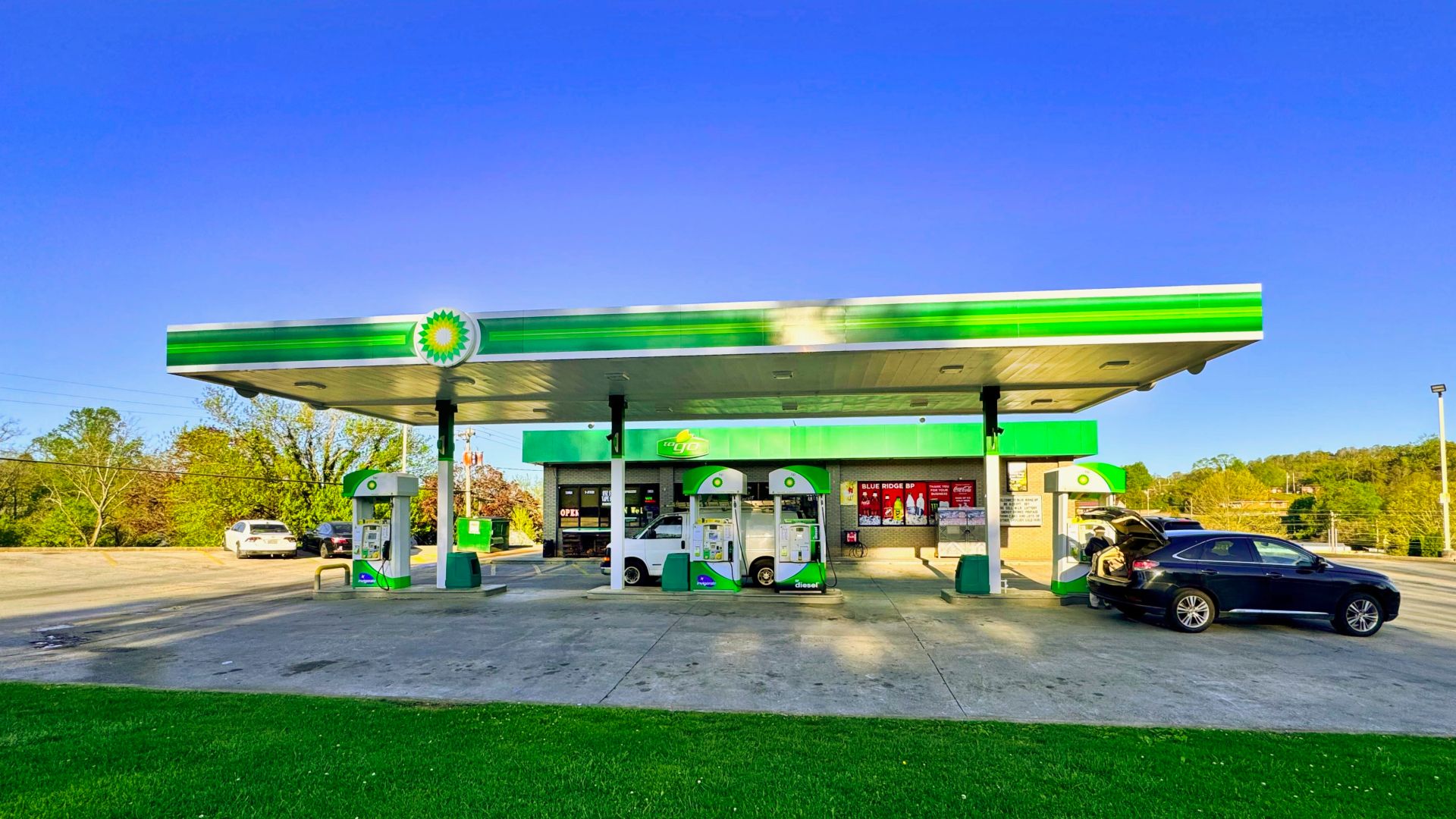 Harrison Keely, Wikimedia Commons
Tennessee Offers Below-Average Prices
Tennessee lacks major oil production but the Volunteer State benefits from efficient supply chains and moderate taxes. Its central location allows for relatively low transportation costs, keeping prices affordable.
Kentucky Remains Affordable
Kentucky’s gas prices tend to stay below the national average due to its location within key fuel distribution networks. Lower taxes also contribute to its consistently competitive pricing.
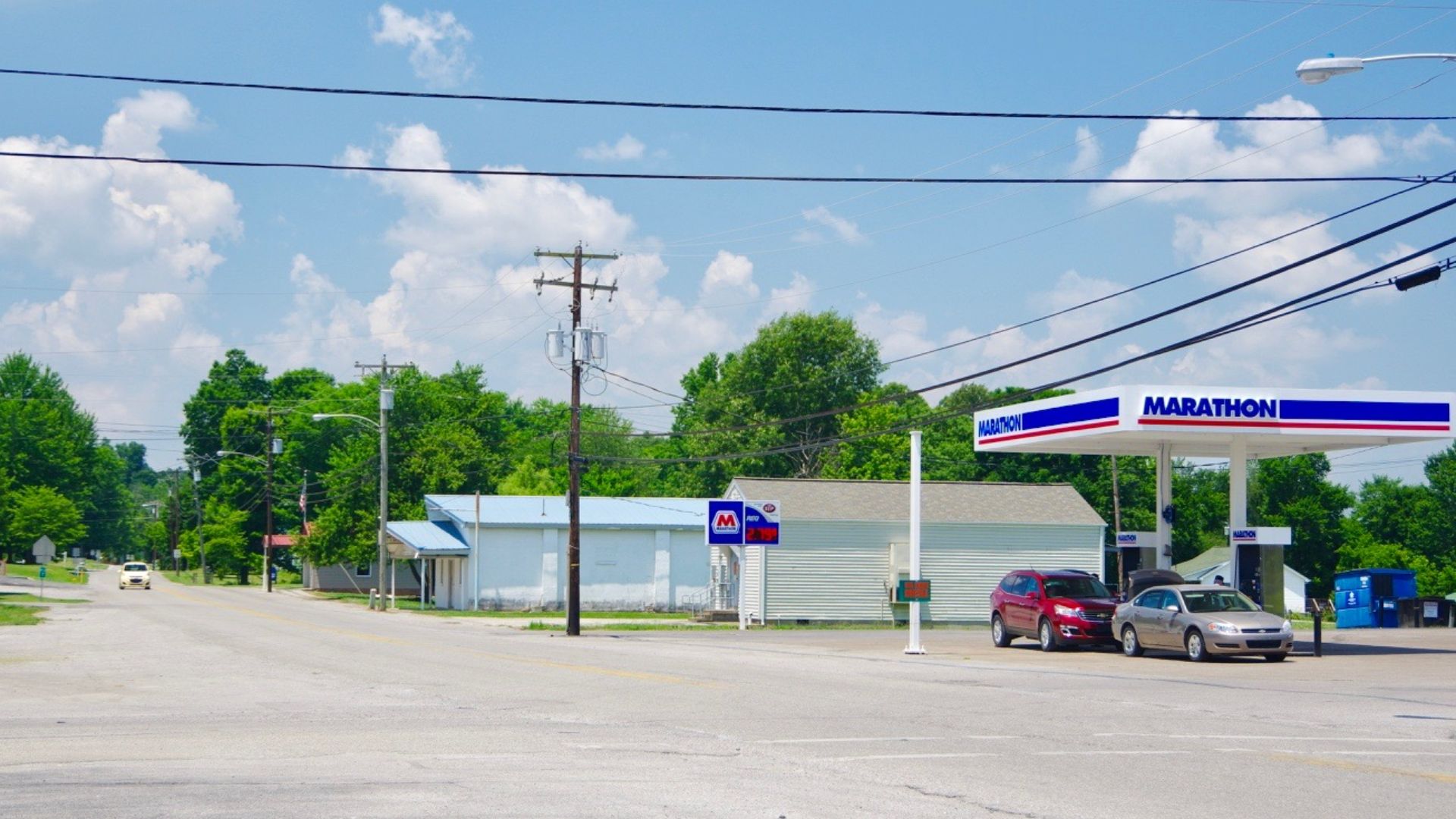 Brian Stansberry, Wikimedia Commons
South Carolina Keeps Costs Down
South Carolina benefits from lower taxes and access to fuel transported from Gulf Coast refineries. This keeps prices below the national average at most times of the year.
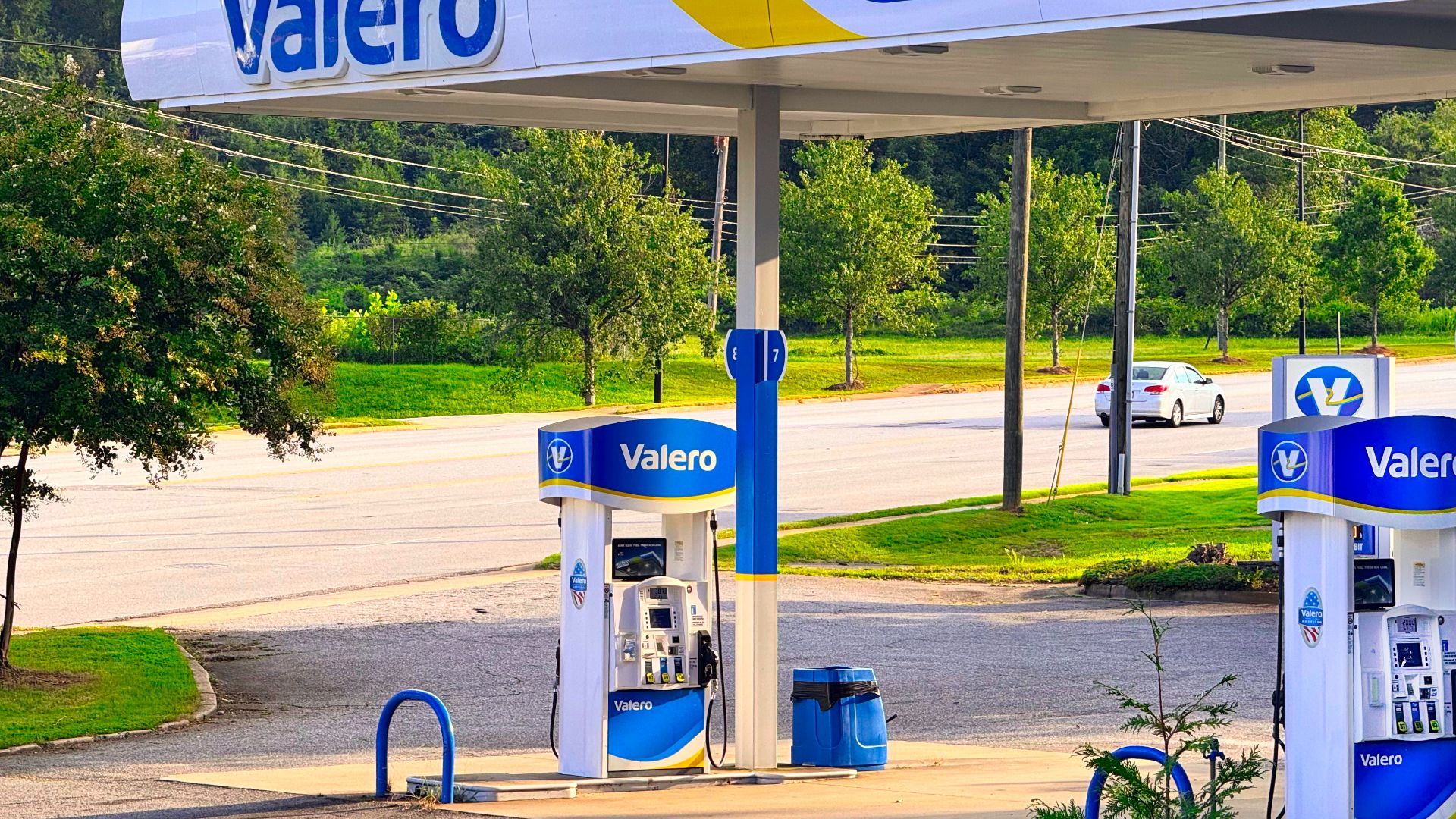 Harrison Keely, Wikimedia Commons
North Carolina Stays Competitive
North Carolina’s fuel prices remain relatively affordable due to steady supply chains and moderate taxation. While not the absolute cheapest, it consistently ranks among the more affordable states.
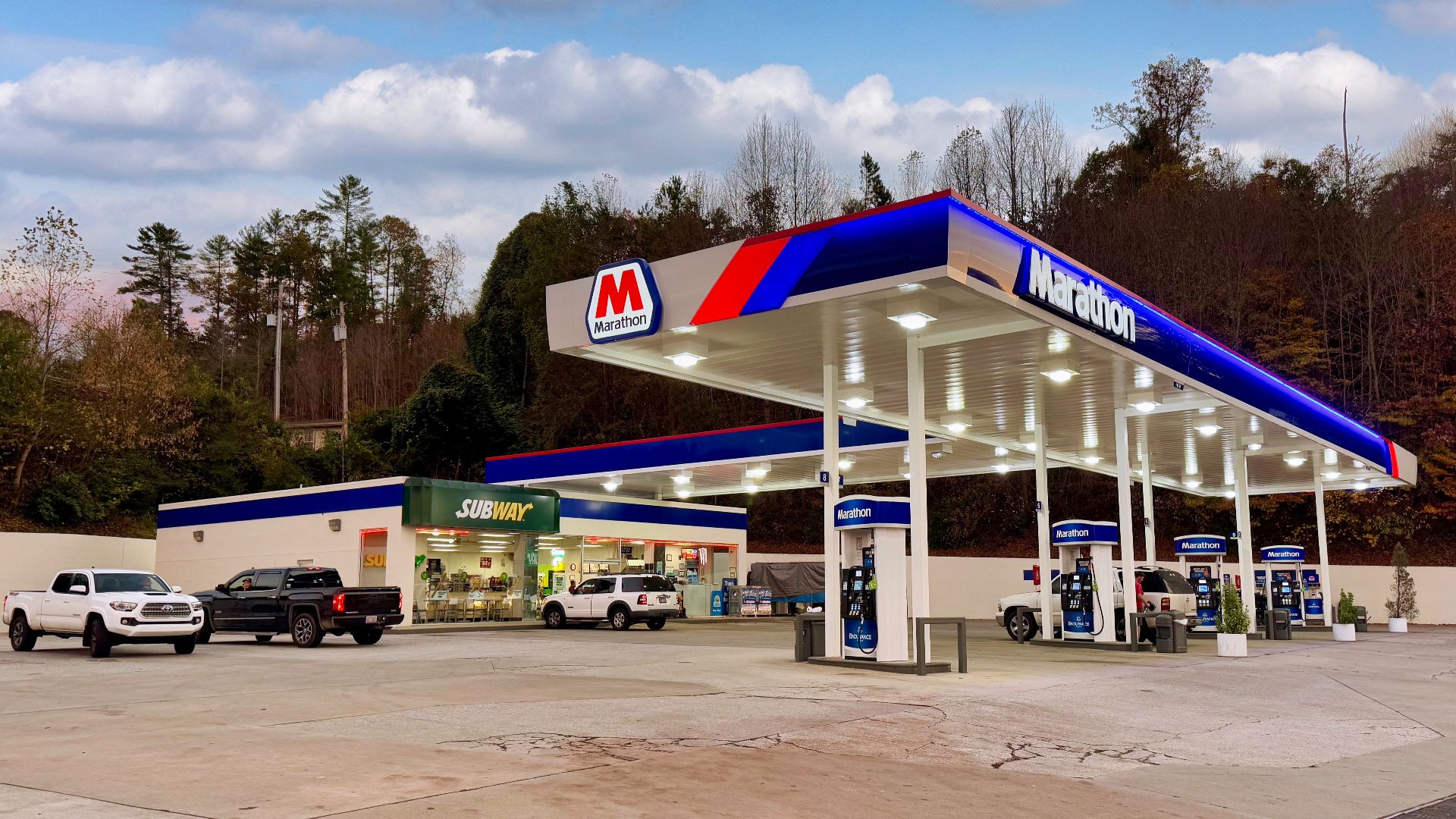 Harrison Keely, Wikimedia Commons
Georgia Maintains Reasonable Prices
Georgia’s access to major pipeline infrastructure helps stabilize fuel costs. While prices can fluctuate, they generally remain below the national average due to efficient distribution systems.
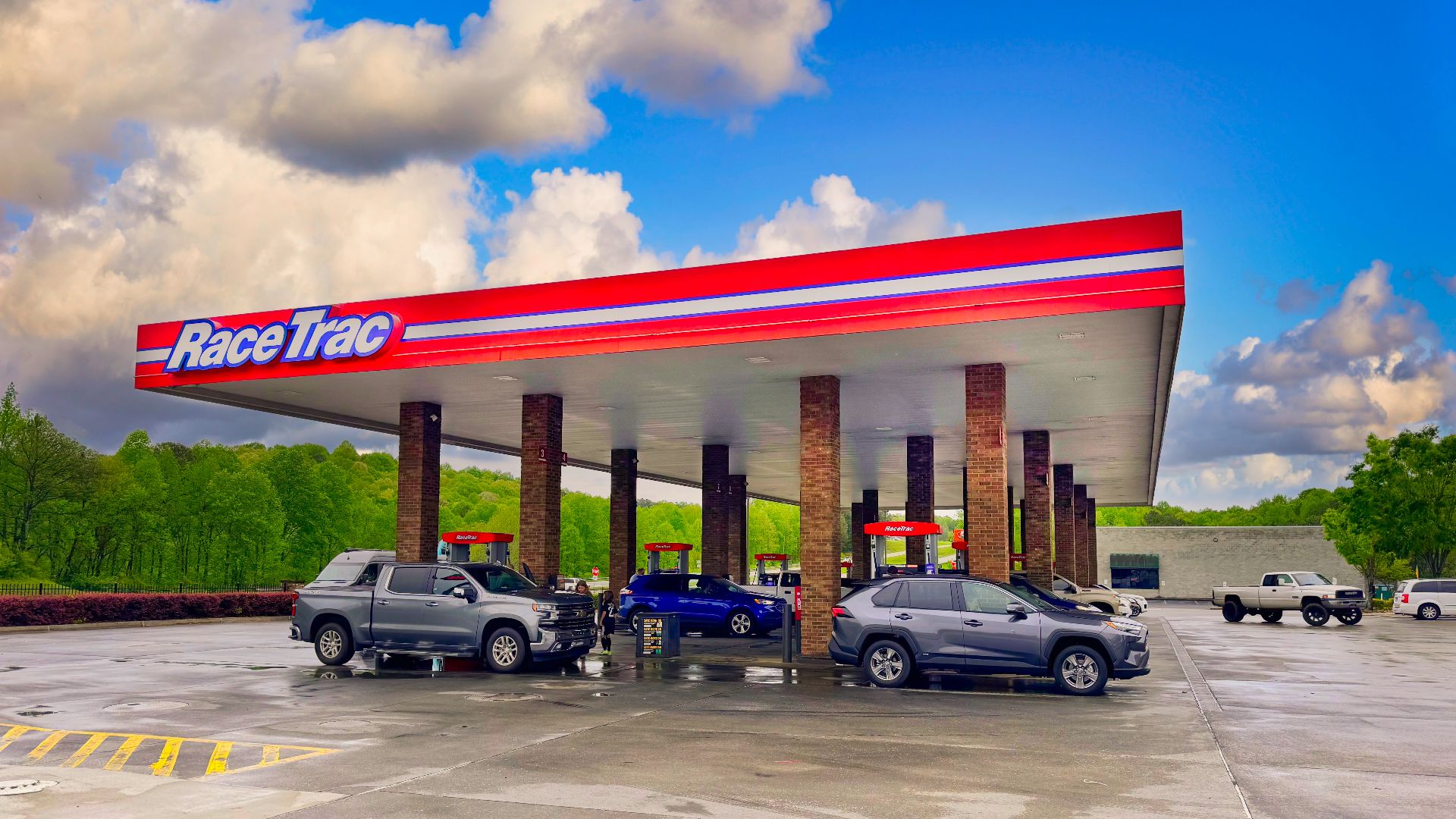 Harrison Keely, Wikimedia Commons
Iowa Benefits From Midwest Access
Iowa’s proximity to refineries and pipelines helps keep transportation costs low. Combined with moderate taxes, this leads to consistently affordable prices at the pump.
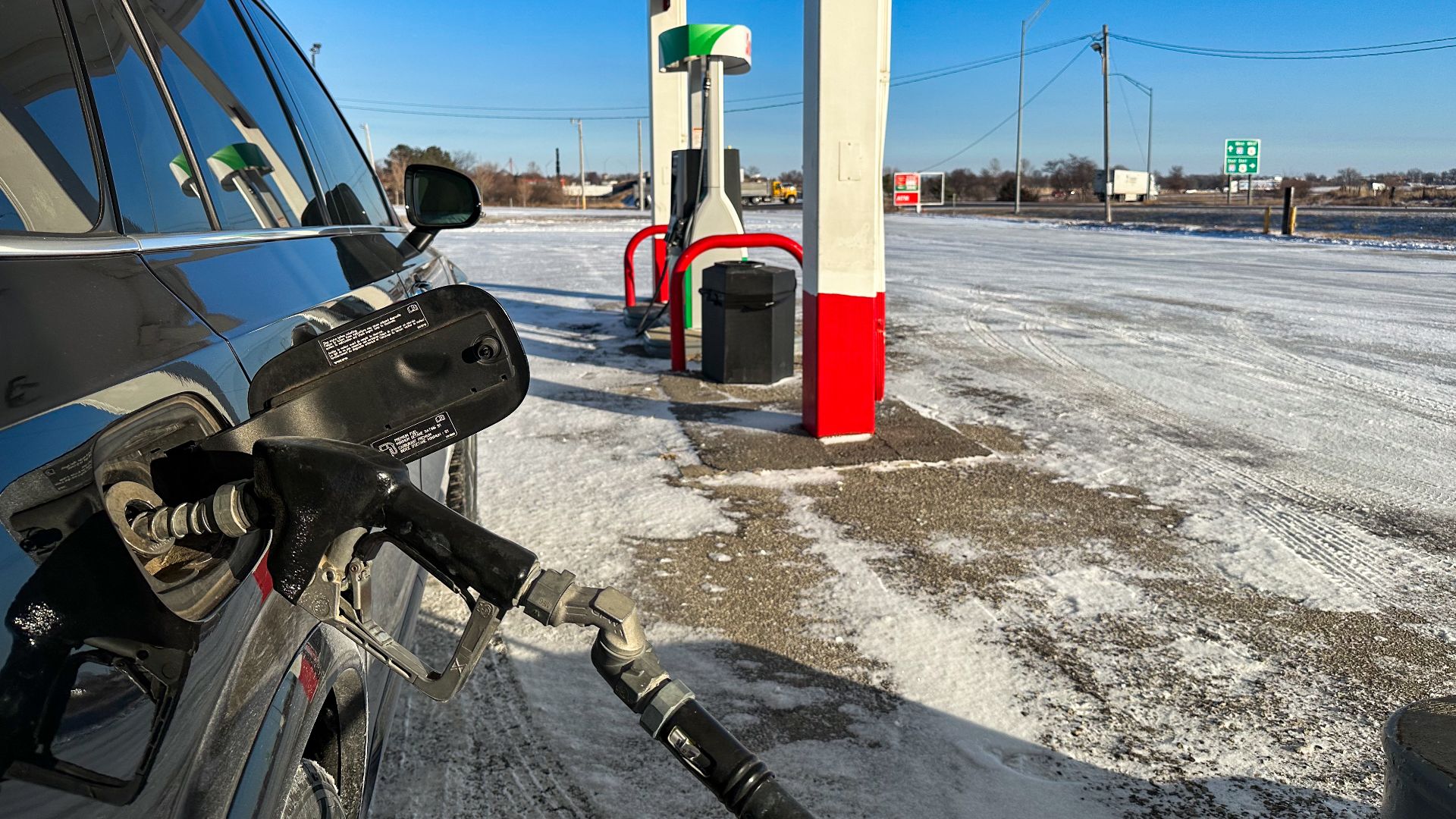 Tony Webster, Wikimedia Commons
Nebraska Offers Steady Low Prices
Nebraska’s central location and access to pipelines help maintain steady fuel supply. Prices remain relatively low compared to coastal states with more complex logistics.
 Declan M. Martin, Wikimedia Commons
South Dakota Keeps Gas Affordable
South Dakota’s low population density and simple supply chains help keep prices down. The state doesn’t have much refining capacity, but efficient distribution offsets higher costs.
North Dakota: Oil Production And Low Demand
North Dakota produces oil domestically, which helps keep supply strong. Lower demand on the part of the state’s smaller population also contributes to lower prices at the pump.
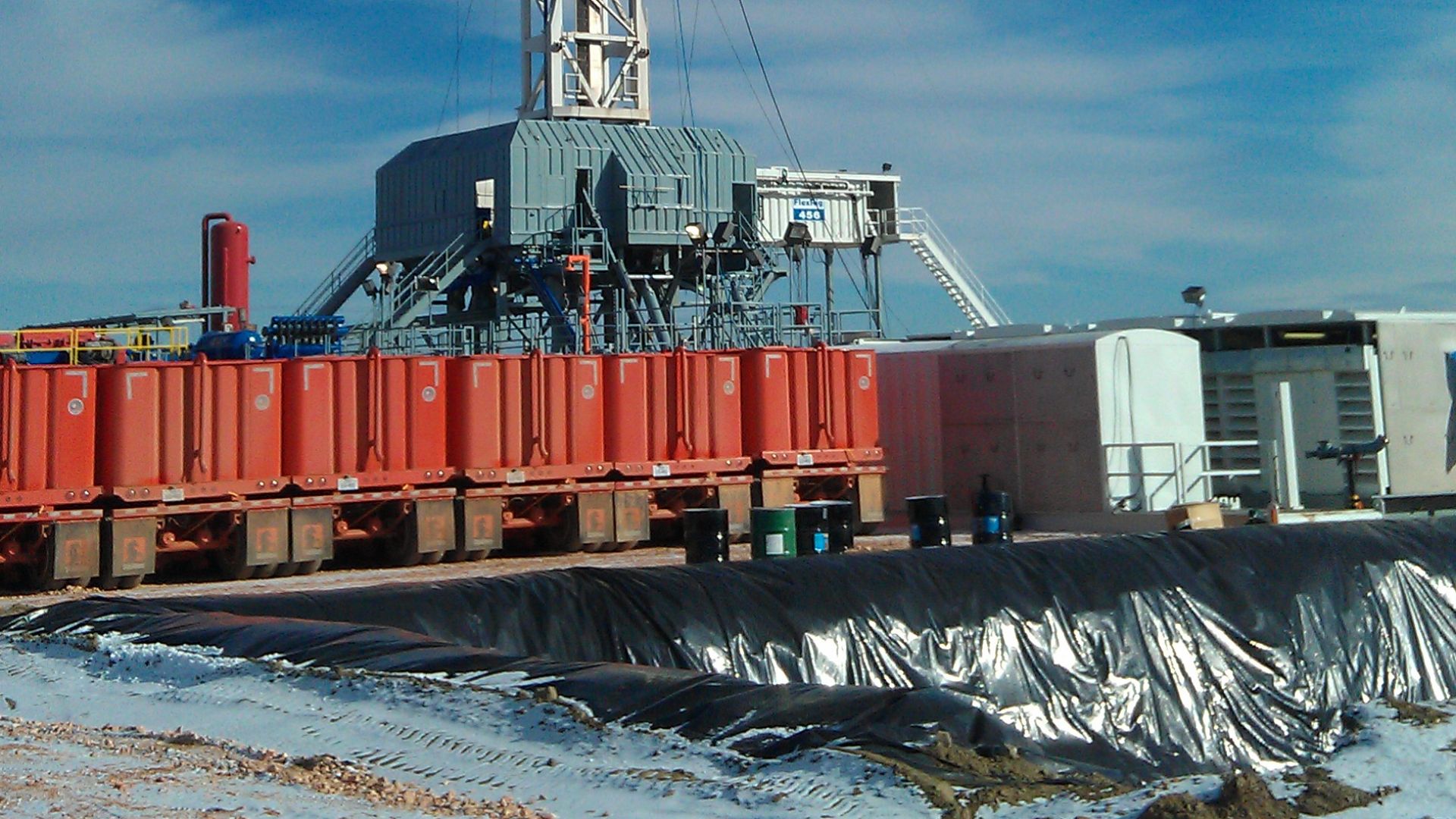 Joshua Doubek, Wikimedia Commons
Why The West Coast Is So Expensive
Western states consistently rank among the most expensive due to those states’ stricter environmental rules, higher taxes, and geographic isolation from major pipelines. These factors combine to create higher baseline fuel costs.
California Is The Most Expensive State
California regularly tops the list for highest gas prices, often exceeding $5 per gallon. High taxes, strict environmental standards, and a relatively isolated fuel market all contribute to its elevated costs.
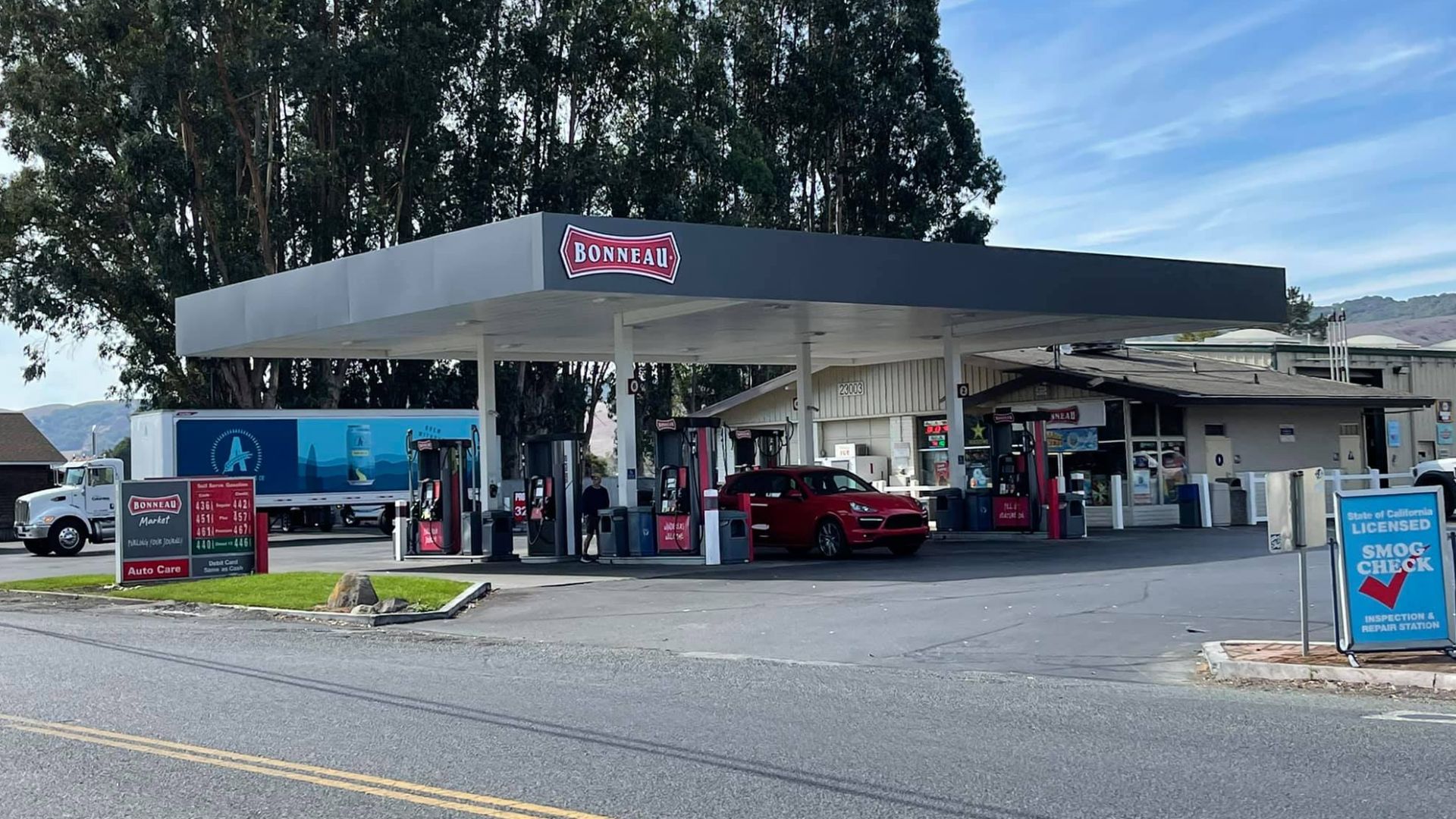
Hawaii Faces Unique Supply Challenges
Hawaii’s fuel has to be shipped across the Pacific, dramatically increasing transportation costs. Limited competition and geographic isolation make it one of the most expensive states for gasoline.
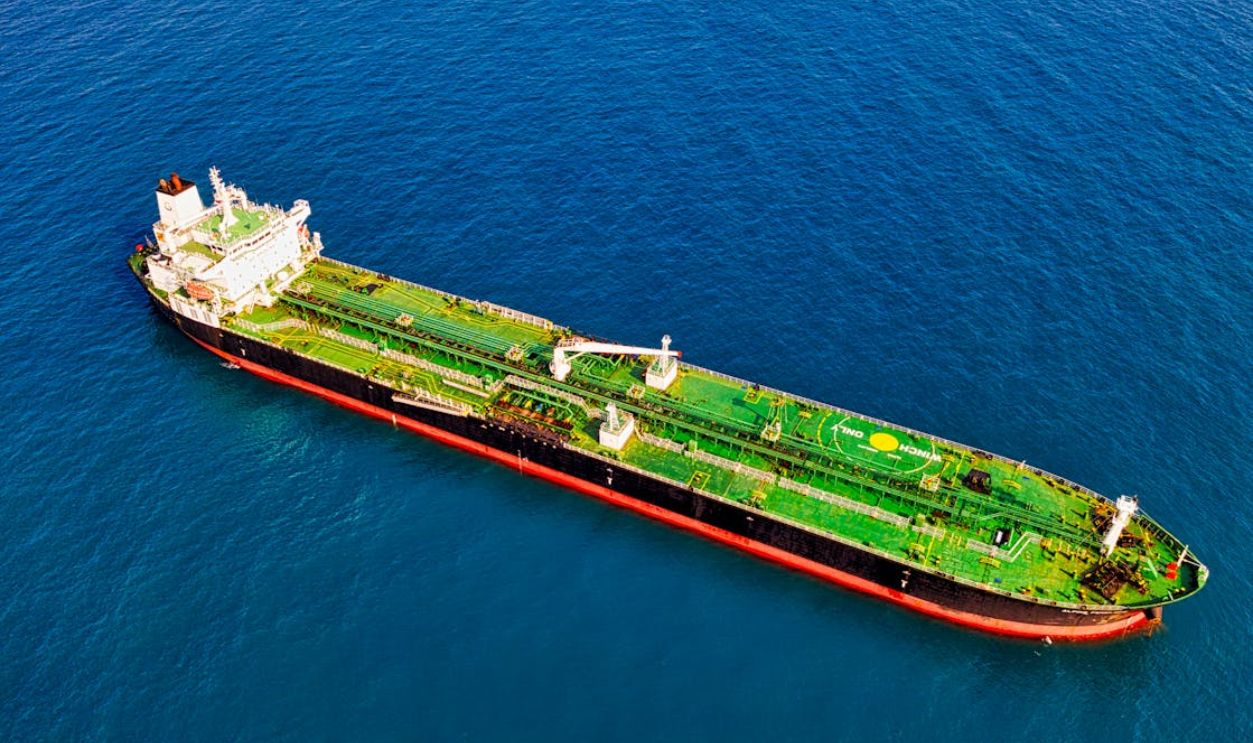
Washington’s High Taxes Drive Prices Up
Washington has some of the highest gas taxes in the country, which directly increases prices at the pump. Combined with the general West Coast supply dynamics, this keeps fuel costs high.
Oregon’s Environmental Policies Add Costs
Like its neighbor Washington, Oregon’s environmental regulations and fuel standards increase production costs. Combined with its West Coast location, this pushes prices higher than the national average.

Nevada’s Supply Constraints Raise Prices
Nevada relies heavily on fuel transported in from California, making it vulnerable to supply disruptions and price increases. Its desert geography also poses logistical challenges that ends up raising costs.
The Big Picture For Travelers
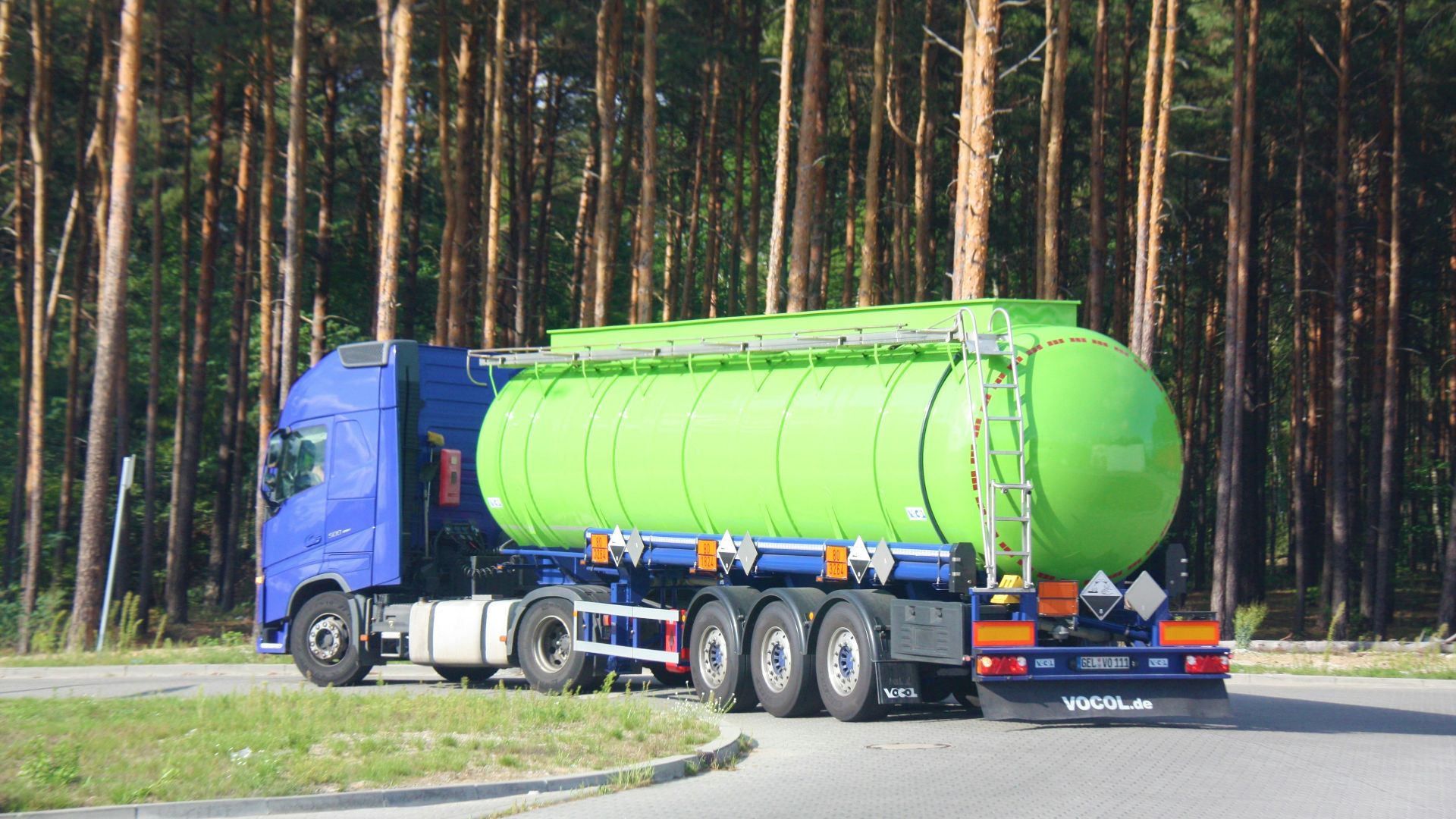
If you’re planning a road trip, fueling up in the South or Midwest can save you significant money compared to the West Coast. Even crossing a single state line can make a noticeable difference in cost, especially during periods of high oil prices.

You May Also Like:
Ranking The States Where People Complain The Most—According To Data
The Most Amazing Facts About Every US State